
CARIADS’ CHOICE: JULY 2022 BOOK REVIEWS

Nita Prose’s The Maid reviewed by Kitty Wilson

This is my favourite audiobook in ages. I absolutely loved it and found myself racing through it over the course of a weekend, deliberately choosing activities that meant I could keep listening. A delightful heroine surrounded by a fab cast of characters, you cannot help but fall in love with Molly the maid as she navigates a world full of social cues, clues and language that she doesn’t always understand. On the surface this is a simple whodunnit with a neurodiverse detective heroine, but it’s also a witty, refreshing look at society, how we communicate and what we prioritise. Highly recommended.
 

Lynne Shelby’s Rome for the Summer reviewed by Carol Thomas

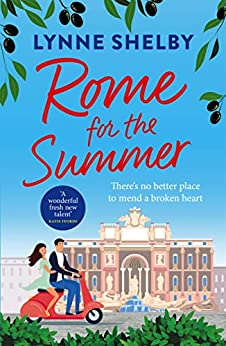
What a lovely, uplifting read! I read the novel on holiday; it was the perfect book to relax and unwind with. Kate was a likeable heroine, her family were wonderful, and her newfound life and love interest in Rome was perfect. For a novel filled with artistic fervour, Jamie was the ideal hero; his passion for both the art exhibited in Rome and that created by his hand was evident throughout. The insights into the past worked well, and I enjoyed discovering more about Kate’s Italian girl (depicted in a painting). Overall it is a lovely escapist read that will whisk you off to Rome for the Summer, fill you with warmth and leave you with a big satisfied smile.


Anne Booth’s Small Miracles reviewed by Jane Cable

I can absolutely see why this book is published under Random House’s Vintage label, because it is just that. Quaint, charming and a little old-fashioned, not just because it is set in 1995; it transports the readers back to simpler times, before the world was glued to its mobile phone.

Set in an English catholic convent down on its luck, the book follows the remaining three nuns, the local priest and a small cast of parishioners and friends, as after a modest lottery win, a series of other ‘small miracles’ begin to occur.

Although I quite enjoyed the journey, there was something missing from the book for me. I wanted it to be either funnier, or tug at my heart-strings more, and I had problems relating to the three main characters. However if you yearn for fiction akin to the Miss Read books, this may very well be exactly to your taste. It was in no way a ‘bad’ book (whatever that is), just not for me.
 

Bella Osborne’s A Wedding at Sandy Cove, parts 1 and 2 reviewed by Morton S Gray

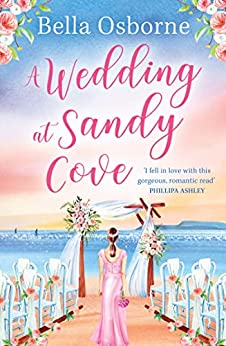
I have loved all of Bella Osborne’s books and wasn’t surprised that I loved this one too. I sat and read the first part of Ella’s story in one sitting and didn’t want it to finish. Can’t wait for the next part.

Like Ella, I was a bridesmaid numerous times and never thought I would be a bride, but to work in the bridal industry must make that thought even harder. Love her cat and her friends, who can see her flaws but want the best for her.

Easy to read, easy to relate to, left me wanting more …

Part two of A Wedding at Sandy Cove didn’t disappoint and I found myself laughing and even shouting at my kindle, so I guess that means I was involved in the story!

Ella’s adventures continue. I’m glad I wasn’t at her friend’s hen party event but there is plenty to read about and I even spat my mouthful of tea out at one point when I laughed totally unexpectedly!

Waiting for Part Three…



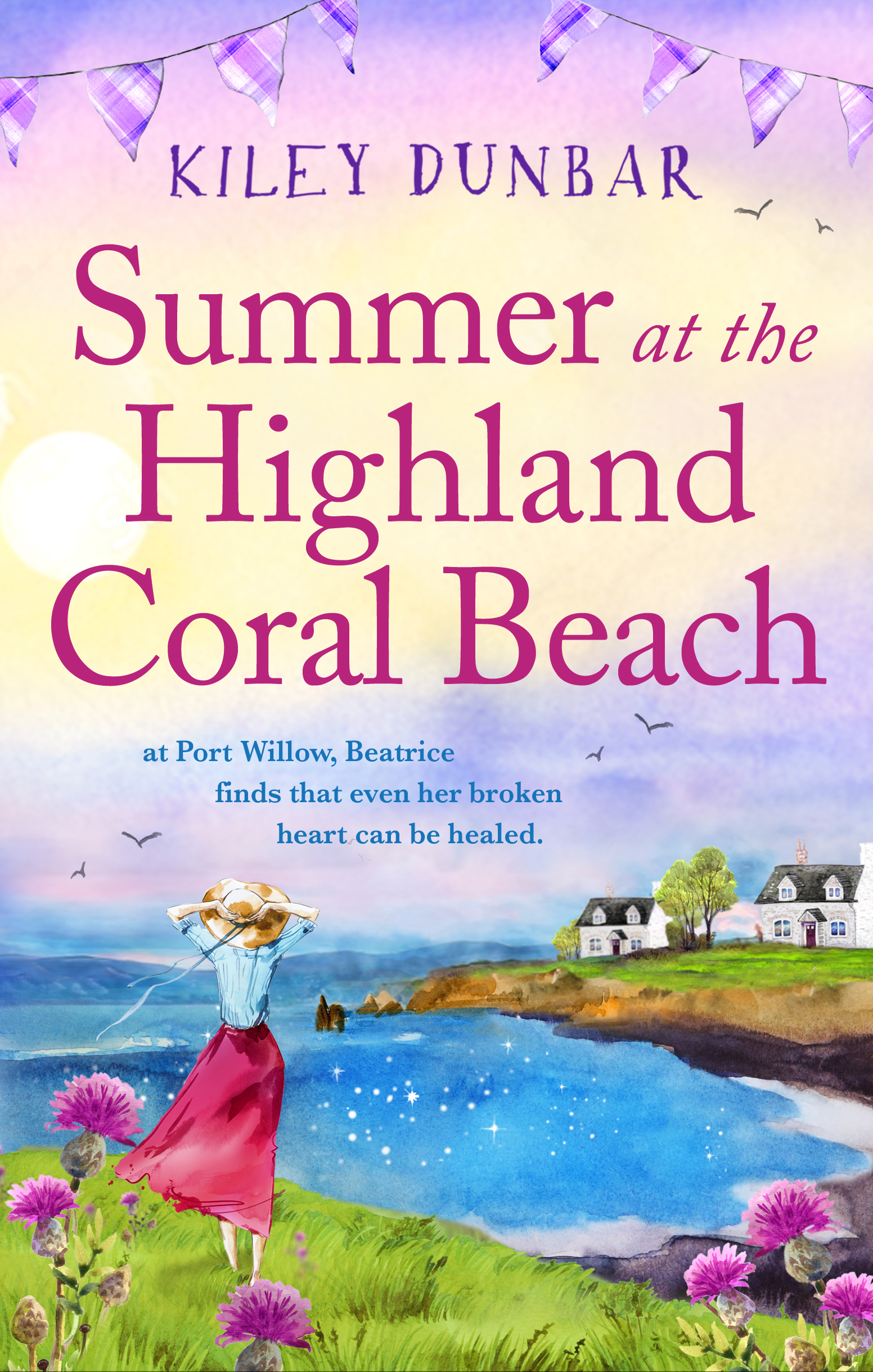
SUNDAY SCENE: KILEY DUNBAR ON HER FAVOURITE SCENE FROM SUMMER AT THE HIGHLAND CORAL BEACH

I call my third novel, Summer at the Highland Coral Beach, ‘the book of my heart’ as it was deeply emotional to write.

The story follows Bea six months after the miscarriage of her longed-for baby. She’s approaching her fortieth birthday, her marriage has ended, and she’s spiralling. Bea books a spur-of-the-moment crafting holiday in the highlands at the eccentric Princess and the Pea Inn (complete with towering fairy-tale bed). Here, Bea has time to wild swim off the coral beach, make beautiful things, and process her grief a little, helped by willow weaving tutor, Atholl.

Having grown used to keeping her grief to herself (so often grieving parents find they have no outlet for their sadness), the words spill from her during a panic attack witnessed by Atholl. He strikes upon a way of helping Bea begin to say goodbye.

I love this scene because it depicts things not all that often discussed in ‘light’, cosy romances.

He produced a parcel from under his arm and unwrapped the brown paper that protected it. ‘I thought maybe, if you want, you could make use of this wee thing?’

He handed her the intricately weaved hollow bassinette shaped curiously like a Russian doll or an ancient Egyptian sarcophagus with a round hole where the face would be.

‘I made it myself of the spring’s youngest willow back in March.’
‘It’s lovely. What is it?’ Bea asked.
‘It was for a talk Seth was giving about old Highland customs. It’s a swaddling basket. You’d wrap the baby in cloths and bands, tucking them up tight so they could sleep, and then they’d be placed inside the basket and worn over the parent’s back while they worked in the fields or at the fishes.’
‘It’s beautiful. It’s tiny, though. Too small for a newborn.’
‘It was only a model, to show what the real thing would be like.’

Beatrice turned it over in her hands, her eyes misting, and she looked up at him, hesitatingly, still unsure of what he intended her to do.

‘There’s another Highland custom, an ancient one, going back to the earliest folk on the land,’ he said softly. ‘When a loved one passed, they would swaddle them too like a bairn, placing them in the water, letting the tides carry them home.’

Beatrice took his meaning and she bobbed her head as the silent tears came again.

‘Do you want to do it now? There’s a braw moon lighting the harbour.’
‘All right.’

Those were the last words they said to each other that night as Beatrice, the mother of a loved son, threaded the Highland posy of forget-me-nots, heather and white campion into the loose basket work, weaving each flower in amongst the shoots from the sappy willows as Atholl watched on.

When her work was done she left the inn, crossing the dark road and leaning over the sea wall. Atholl stayed by the inn porch, close enough to see her kiss the little bundle before lowering the empty bassinette onto the surface of the gentle waters.

Neither could tell how long it took for the horizon to claim the floating focus of so much of her grief but by sunrise it was gone and Beatrice was asleep soundly in her bed.


Despite the sadness, there’s love and laughter in store for Bea and Atholl. I’ve received many messages from parents saying how Bea’s story helped them. I hope it continues to offer a wee bit of brightness to yet more readers when Summer at the Highland Coral Beach comes out on paperback this July.

One in four pregnancies end in miscarriage, the miscarriage association is there to help: https://www.miscarriageassociation.org.uk/


SUNDAY SCENE: NANCY PEACH ON HER FAVOURITE SCENE FROM LOVE LIFE

My debut novel Love Life is set in and around a hospice (admittedly an unusual choice for a romantic comedy) but one of my favourite moments in the book is when the heroine, Tess Carter (a palliative care doctor) visits the home of her patient, Mary Russel. Tess has a complicated relationship with the Russel family. Mary’s son Edward is in denial about his mother’s terminal illness and remains conflicted about the hospice and everything it stands for, including Tess. On this occasion she is visiting the house to return a scarf to Edward but is not sure what to expect. She knows that the Russel family are wealthy, but the family home is a bit more substantial than she’d anticipated.

‘Tess was entirely unprepared for the view of the Russell residence, which was indeed just up the hill from the vet’s practice. As she cornered round the leafy lane that circumnavigated the estate she caught a glimpse of the main house, a Georgian manor in mellow stone nestled amongst smaller outbuildings, including a carriage house and stable block. She pulled to a stop on the gravel drive, half expecting a butler from a Merchant Ivory production to emerge from the main portico and open her passenger door. She sat for a moment in the car just gazing in awe at her surroundings; the lawn rolling down away from the house towards a thicket of trees, the neatly trimmed box hedges that bordered the drive, the sash windows reflecting the early sunlight and lending a cheerful openness to the façade.’

The novel is set in Bristol and has a Pride and Prejudice theme, featuring a Jane Austen character as one of Tess’s internal narrators, and a hero with hints of Mr Darcy. I love the architecture of this period and the Russel house combines elements of Georgian splendour with the warmth of a family home, complete with canine companions.

‘She made her way round to the back of the house, where she found a weathered rear door with iron boot scrapers at either side. She knocked hard against the door panel and found that it was ajar. With some trepidation she nudged it open and called out “Hello?” Almost immediately there was a cacophony of noise from within the house, barking and the scrabbling of claws across tiles, and she was nearly knocked off her feet by a pack of dogs hurtling into her, tails wagging. The first three dogs were rangy setters, their knobbly heads knocking into her thighs as she fussed over them. A few moments later an elderly cocker spaniel with cloudy eyes shuffled into view and the setters backed off to allow the senior member of the party to greet the visitor.

“Hello?” Edward’s familiar voice shouted through from the next room, “I’m just in here, come through.”

Tess made her way into the kitchen accompanied by the enthusiastic canines and discovered Edward, clad in damp running gear holding his ankle behind him with one hand to stretch out his quads whilst supporting himself on the back of a chair with his other hand. He looked up at her in surprise.

“Dr Carter! How nice.” He was smiling, although she couldn’t tell if it was genuine pleasure at seeing her or more of a grimace as his muscles relaxed into the stretch. He released his right ankle and repeated the move with the left whilst trying to fend off the dogs who were all trying to get involved in the warm down. Tess was mortified.’


www.nancy-peach.com

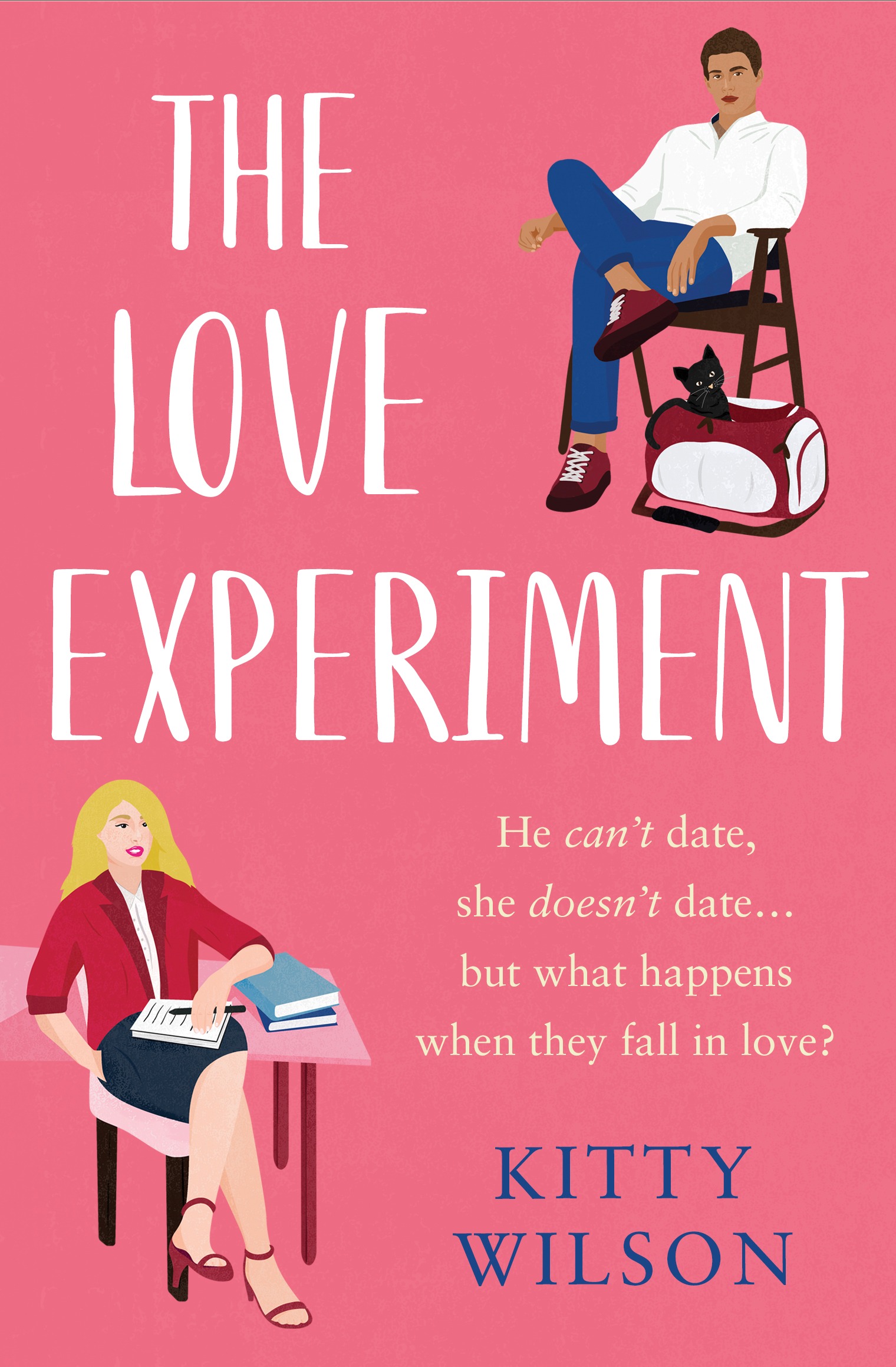
PUBLICATION DAY SPECIAL: THE LOVE EXPERIMENT BY KITTY WILSON

Sometimes I fall in love with a book instantly, and sometimes it takes a little while. This was one of the latter, but let me tell you, by the final chapters I was laughing and sobbing at more or less the same time, which isn’t the best of looks in a busy Starbucks branch.

The premise of The Love Experiment is deceptively simple; Lily won’t date – even staying the night after a hook up is too much like commitment, and Jay can’t date – he’s promised his sister he won’t in an attempt to show her that changing the habits of a lifetime is possible. But there the cliches end.

All the characters, large and larger than life, are drawn with an incredible eye for detail and a roundness that is often missing in romantic comedy. They were real and will stay with me for a very long time. And laugh? Did I mention a fair chunk of the action is set in a drag club? The names of the artists alone was enough to make me cackle. And don’t even get me started on the harpist…

This book is laugh out loud funny while at the same time dealing with serious issues and the horrendous scars they leave. The more I came to know about Lily’s past the more I ached for her to be able to move forwards. The more I understood what made her the way she is. The more I wanted to be her friend.

Lily’s backstory and what happened to her as a teenager really got to me. So much so I had to ask Kitty Wilson why she decided to shape her character that way:

Thank you. Lily is far from my usual heroine and is polished, successful and on the surface has it all but, underneath, is a scared young girl desperate for a sense of control.

When I was creating her, I initially wanted to highlight women’s health, I know so many women with periods that are completely incapacitating[1] and yet I haven’t seen it mentioned often in novels. That was my starting point but, as an author, it is hard not to be shaped by the things around you. As I wrote the first draft, the discussion of women’s safety was at its peak with the subsequent growth of Everybody’s Invited illustrating how schools and universities were often far from the places of safety that every parent hopes. This awareness worked its way into Lily’s story and when her body changes as a teen, things take a dark turn as name-calling in school morphs into something more sinister.

I did consider carefully whether these themes should be included but they are so frequent in women’s lives it felt wrong to cut them, so Lily was born, a high achiever who is privately carrying the weight of gynaecological issues and a related history of childhood bullying. These two things then shape all her life decisions; decisions that on the surface look like they are healthy, empowered choices but are actually indicators of deep-rooted scars.

But I love a happy ending – I write romance after all – and adore weaving through the joys in our lives, and hopefully The Love Experiment brings many, many moments of light and laughter to brighten Lily’s path as she learns to defeat the dark and open herself to life and love at its fullest.


[1] One in ten women in the UK have endometriosis and another one in ten have PCOS. https://www.endometriosis-uk.org/information

https://www.nhs.uk/conditions/polycystic-ovary-syndrome-pcos/


SKINTELLIGENT: What you really need to know to get great skin

SKINTELLIGENT

What you really need to know to get great skin

By Dr Natalia Spierings


Published by Vermilion.

Trade Paperback priced £16.99

The first entirely evidence-based skincare guide written by a real expert that explains how skin actually works, how to navigate the confusing world of Big Skincare and what you really need to do to achieve healthy, glowing skin – throughout your life.


This is the first book about skincare based on fact, not fiction

 There is no such thing as ‘essential’ skincare; almost all skincare should be viewed as a ‘luxury good’ and therefore, in fact, absolutely not essential!

  • Scared of using Vaseline? Don’t be – it’s the best moisturiser on the market, also the cheapest, it doesn’t ‘clog pores’ or cause pimples and it is totally safe to use. Plus, it is in every single moisturiser on the market anyway.
  • You don’t need to buy a separate product to use around your eyes, just use your regular moisturiser around your eyes; ‘eye creams’ are a scam
  • Facials are a waste of time and money
  • When it comes to skincare, less is always more
  • Expensive skincare is never better than cheaper skincare


Consultant Dermatologist Dr Natalia Spierings of Channel 5’s Skin A&E has announced the launch of her new book, Skintelligent: what you really need to know to get great skin, published by Vermilion. Dr Natalia Spierings is here to shake things up in the skincare world and isn’t afraid to tell the truth and call out the BS about all things related to skincare. Drawing on a decade of work as a practicing consultant dermatologist, helping thousands of people achieve great skin, she will empower you with the knowledge to navigate the confusing world of skincare so you never get fooled into buying hundreds of pounds of disappointing cosmetic skincare products again. If you have a problem with your skin – whether it is pimples, pigmentation, overly dry skin, large pores or whatever – the problem you have needs to be viewed as a skin abnormality or even a disease and therefore cannot be corrected with a three-step skincare regime you buy at a department store.


Dr Natalia Spierings said: “I wrote this book with the aim of answering all the hundreds of questions I get every day from my patients and through social media about skincare; there is too much misinformation being thrown at us about skincare from people who just don’t know what they are talking about, merely to sell products. It’s time to empower the skincare consumer with facts and the correct information so we all stopping wasting our money (and our hope) on products that don’t deliver on their (often outlandish) claims.”

Using an unbiased, evidence-based approach and cutting through the pseudo-science, she explains:

–        how skin actually works

–        which skincare products are proven to be effective for all of major facial skin complaints

–        what trendy skincare ingredients do or don’t do what they promise and why

–        what you can do to manage everything from acne to rosacea to melasma as well as wrinkles and sun-damage


Bringing together years of experience treating a huge range of skin problems, Skintelligent is the only book you will ever need to read to get great skin.


“Buying this book will be a great investment; following Natalia’s advice will save you money on your skincare whilst helping you to look your best.”

Dr Andrew Birnie, Consultant Dermatologist & Founder of Altruist Sunscreen


“Dr Natalia Spierings is a terrific consultant dermatologist with a very clear – and utterly science-based — approach to skincare which many people will find refreshing.”

Alice Hart-Davis, founder of thetweakmentsguide.com


About the Author


Dr Natalia Spierings is a Consultant Dermatologist with a Master’s Degree in Aesthetic Medicine. A unique combination of technical skill, depth of knowledge, aesthetic sensibility and communication skills has positioned her globally as a leading dermatologist. She currently splits her clinical time between both the NHS and private sector in London, and at Kings College Hospital in Dubai. @drnataliaspierings


SUNDAY SCENE: AUDREY HARRISON ON HER FAVOURITE SCENE FROM THE SPINSTER’S CAPTAIN

I have been writing and publishing Regency romances since 2011, being fortunate enough to be a finalist in the Amazon Kindle Storyteller competition and the Romantic Novelists Association Award. I never thought I would write anything other than my regencies, but there was a story in my husband’s family history which has niggled in the background as I wrote in my genre. I had resisted it as it was set in the Victorian era and although close to the Regency, there were still differences which could be stumbling blocks for me.

The story was that In 1846, a spinster travelled to America from Scotland to be a housekeeper for her brother. Domestic staff were hard to come by, so what was more perfect than a spinster sister? Unfortunately for the brother in America, there was also a handsome captain on the ship which was to bring his sister to him.

Researching the story was fascinating, when I (finally) gave in to family requests to write it. Most of the action had to take part onboard ship and so I started down the rabbit hole which was seafaring life.

We consider history as a different world, the language, manners, and rules, but throw in life on the water and there is even more to contend with! In my view sailors were so brave stepping aboard ship, let alone spending their lives onboard. Even within the family history, there is more than one shipwreck. It was a harsh life, but one which could reap rewards, as in the case of our captain.

I do love research, it is the part that I have to contain myself, only so much factual detail can be put into a romance before it becomes a non-fiction book! It doesn’t matter that readers don’t know the hours of research which can go into one sentence.

My resources were hundreds of books I own, and visits to various Maritime Museums all give me the buzz to create the little snapshots of life onboard ship as in this extract:

The call “Who’s for the shore?” had rung out across the ship and through the levels below deck. There had been a final scurry of activity before Robert was approached by David as he stood at the helm.
“We’re ready, Capt’n.”
“Without a moment to spare,” Robert responded.
“Perfect timing then.”
“I was beginning to think we would be stuck in port another day.”
“Oh ye of little faith. As if I would be so tardy.”
“In that case, all hands to weigh anchor and make sail,” Robert instructed.
“Aye, aye, Capt’n.”

The story turned into a trilogy, using two of the other siblings of the spinster. In a family of eleven, they were at the forefront of moving because of the real changes caused by the industrial revolution and it was fascinating enough to keep my research flowing.

The final in the trilogy is set in America, when land was being developed and for the first time men could own the land they worked on, rather than be tenants. So, although I was hesitant to start these stories, I loved writing them.

I have now returned to my regencies, I love taking a snippet of history, whether the Foundling Hospital, the Napoleonic Wars or how they dealt with injuries and disabilities and weaving a romance around that. Always being one who has hovered on the edge of society because of shyness and chronic illness, I will always fight for the underdog to get their happy ever after. It just has to be set in the time in history that I love.


www.audreyharrison.co.uk


My Writing Process Lexie Elliott


What you have written, past and present
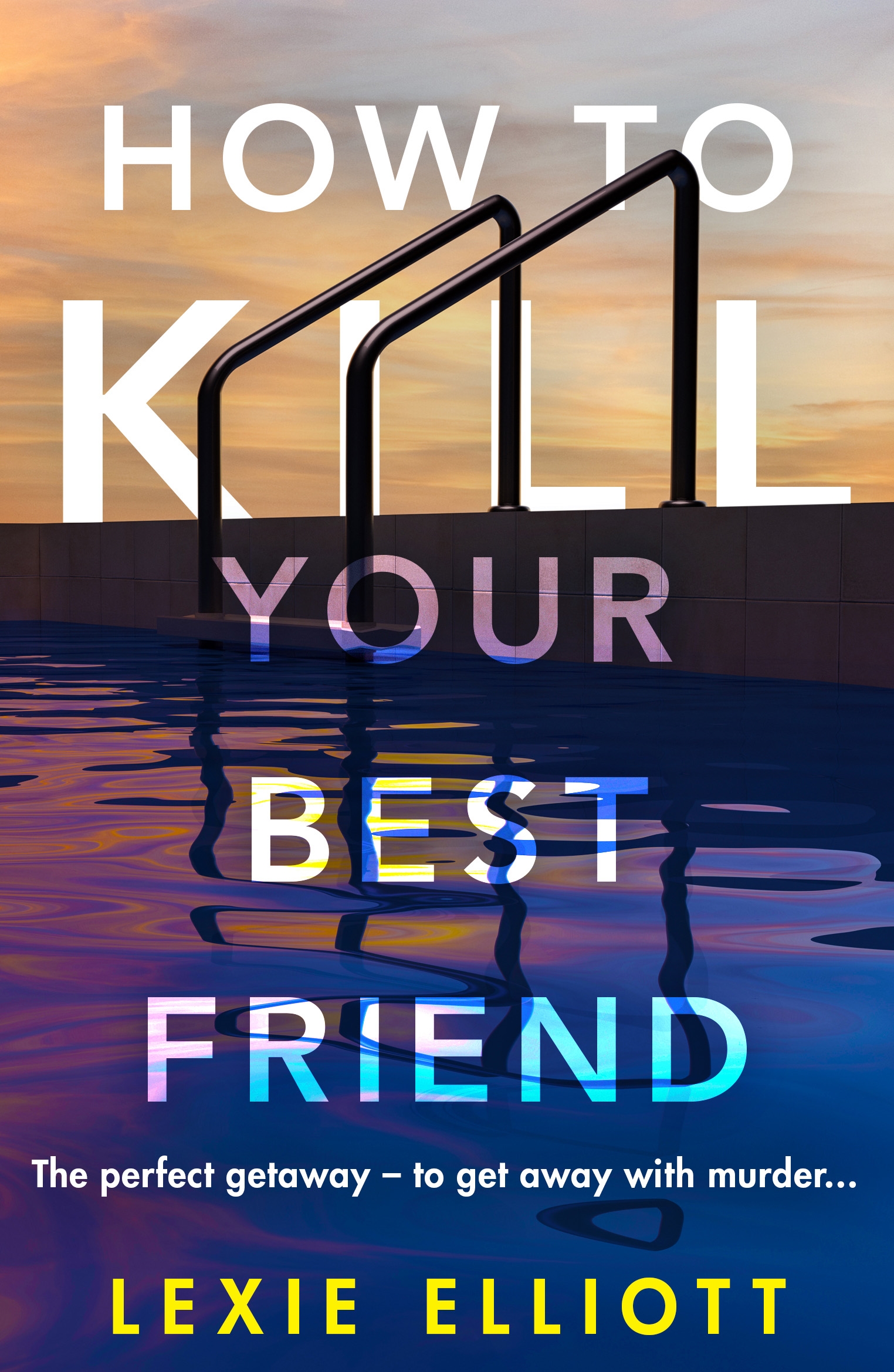
I’ve written three stand-alone psychological thrillers, and my fourth will be coming out in February of 2023. My first novel, The French Girl, was published in 2018, followed by The Missing Years in 2019. How To Kill Your Best Friend was published in North America last year, and will be out in paperback in the UK in July.

What you are promoting now
How To Kill Your Best Friend. It’s a psychological thriller, told through the eyes of Georgie and Bronwyn, who have been best friends with Lissa since they all met on their college swimming team—but somehow, despite her swimming prowess, Lissa has drowned off the coast of the remote island resort she was managing with her husband. Brought together on the island for Lissa’s memorial, Georgie, Bron, Lissa’s grieving husband and their mutual friends find themselves questioning the circumstances around Lissa’s death—and each other…

A bit about your process of writing
I used to write solely outside of my home (because otherwise I would find myself distracted by cleaning or laundry or really just about anything) but the pandemic lockdowns taught me to write at home; now I find I write there more than half the time. I don’t necessarily write every day, but I write most days (including weekends); I usually exercise first thing and then sit down to work after that. I stop either when my youngest son comes home from school or when I’ve simply run out of steam.

I find I write very slowly at the beginning of a new project – sometimes only 500 words in a day— because I’m having to make structural decisions at the same time; at that stage, it’s very useful to have a daily target to aim for to try to maintain momentum. By comparison, the words seem to leap out at the end of a project: I can write 10,000 or more in a week, and daily targets become unnecessary. I always seem to suffer an enormous crisis of confidence at around the 20,000 word mark, which by now is probably very boring for my lovely agent Marcy, who has to talk me down from it every time! I start each writing session by reviewing and editing what I wrote last time, before cracking on with the next section; consequently, my first draft is very clean, without many typos or grammatical errors. My first reader is always Marcy, who gives incredibly insightful editorial notes, and after that, the manuscript will go to my publishing editor.

Do you plan or just write?
I plan; I produce a four-to-five page outline before I start writing. Partly this is because my publisher requires it of me, but I would do it anyway: I’ve learnt that it is far, far easier to make progress when you have some well-thought out guidelines to keep you heading in the right direction. Which is not to say that everything is set in stone before I start writing—far from it. Many elements of the finished novel can and do deviate from that outline, but I tend to find that the beginning and end of the finished product match quite closely with what I had originally intended—it’s just that the middle might take a different route!

What about word count?
The aim is around 100,000 to 110,000 words in the genre of psychological thrillers. It’s not something I worry about particularly—I’ve always come out roughly in that ballpark in the first draft, and anyway, that can be finessed in the second draft if need be.

How do you do your structure?
I know some authors follow a rigid plan with a three-act structure or a save-the-cat beat sheet or something similar, but I’m not one of them. The outline I mentioned before will of course have a particular structure in mind, and those early chapters are crucial for putting in place the scaffolding that will provide the framework for the entire novel, but once I’m past that point, I’m generally more concerned with getting the pacing right.

What do you find hard about writing?
It’s very solitary. You have to persevere on a daily basis without any colleagues to encourage you or reassure you that you’re on the right track. I really notice the difference now that I’m writing fulltime; until last year, I was also juggling a part-time job in fund management, which gave me plenty of professional social interaction for at least three days a week. But now, given that I’m in London but my agent and primary publisher are in the US, if I were to throw an office party it would basically involve me dressing up to drink a glass of wine in a room by myself…

I also find the social media requirements that are part of being a writer in this modern age quite difficult. I’m not a natural self-promoter—I’d really rather just get on with writing!

What do you love about writing?
A lot, actually. On a practical note, it’s an incredibly flexible profession—you can genuinely do it anywhere, and, looking to the future, nobody is going to force you out of the workplace when you reach 65! I also love the interaction with readers. It’s a real privilege that anyone would choose to spend their money and time on my novels, and I’m always incredibly touched when readers reach out to tell me they’ve enjoyed them. I received some particularly poignant correspondence during the pandemic from readers who were struggling and found some escape in my books: a lovely reminder of the power of books to connect people and allow them to experience a temporary sanctuary.

But the main thing I love is the writing itself. To me, language is a delightful sort of magic, and the fact that a story can be taken from one’s head and transported to the page with words is nothing short of alchemy. Every once in a while I get a sentence just right, and it feels like I haven’t so much written it as stumbled across words that were just waiting to be uncovered—that’s a very special feeling.

SUNDAY SCENE: RACHEL BRIMBLE ON THE SETTING FOR HER LADIES OF CARSON STREET TRILOGY

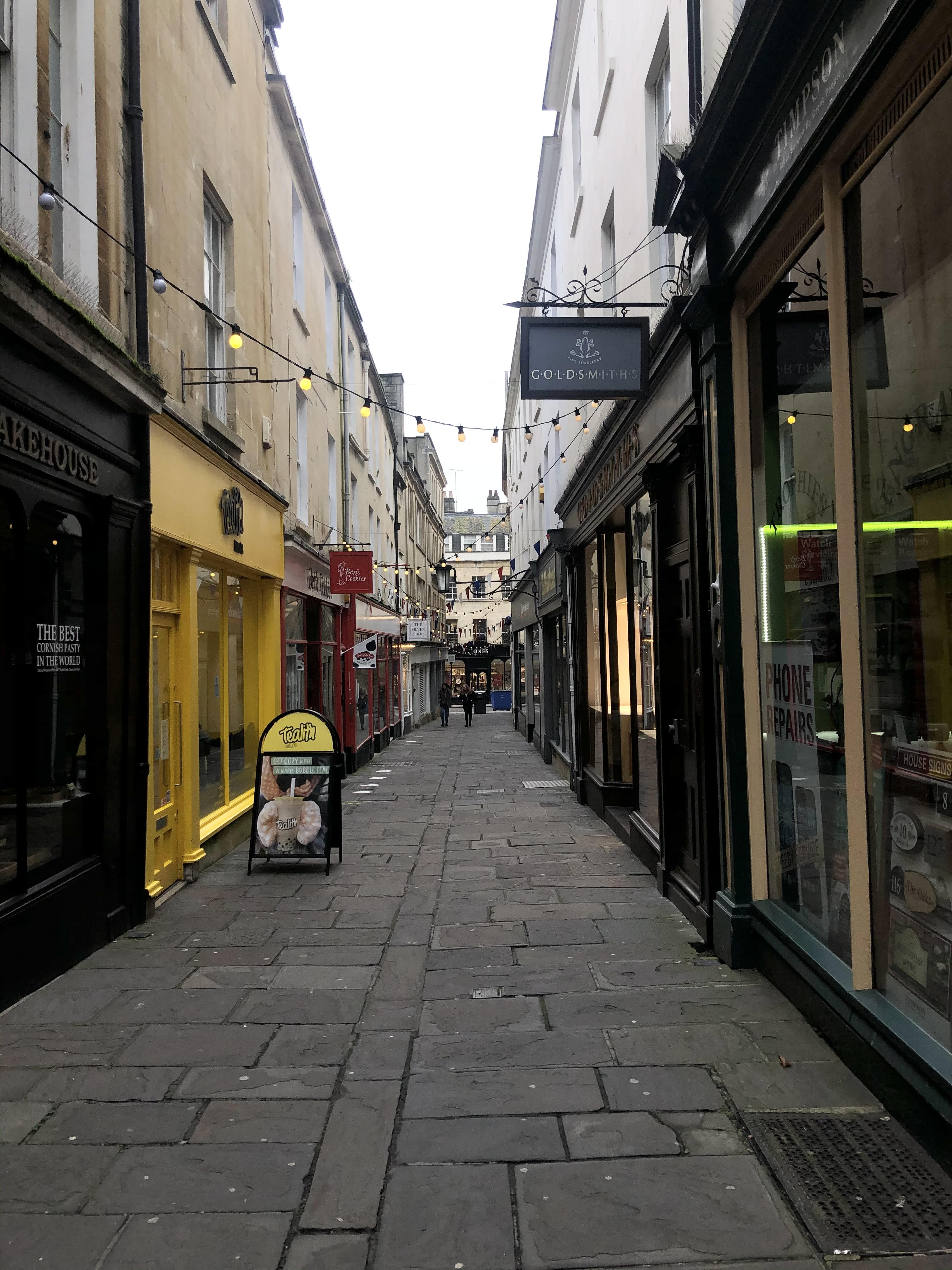
There are two reasons I have set all my historical romances in the wonderful city of Bath, England – one) I live just a short 30 minute drive away and 2) it is filled with the most beautiful Roman, Georgian and Victorian architecture, the most amazing side streets as well as a plethora of grand (and not so grand) buildings that I pretty much use as my imagination dictates.

As Bath is obviously a real place, you might be wondering how I can use some of its buildings however I see fit. The explanation is simple – I don’t tell readers which buildings are imaginary! Thankfully, unless I use famous Bath buildings like the Abbey, the Pump Room or Royal Crescent, my audience seem to be happy to follow my lead.

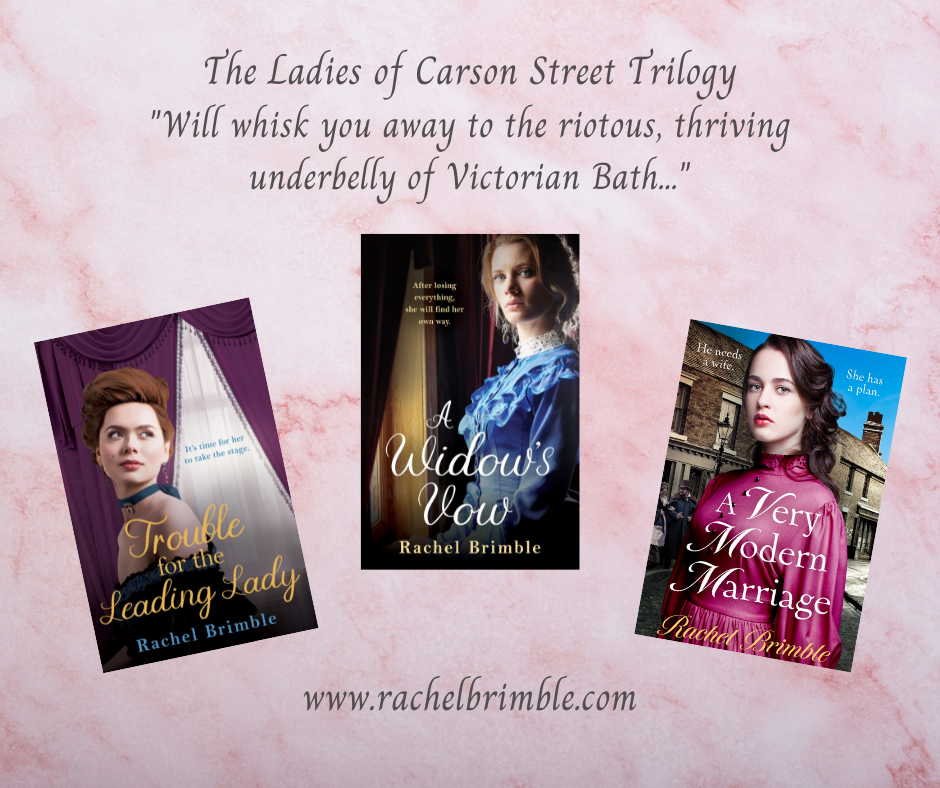
For my latest series, the Ladies of Carson Street, I once again return to Bath.

However, rather than spending time enjoying high tea in the Pump Room or dancing in the Assembly Rooms, you will find the heroines of the trilogy, Louisa, Nancy and Octavia, either living and working from their house on Carson Street, frequenting the backstreet taverns or watching an act at the Theatre Royal.

In book 1, A Widow’s Vow, Louisa and Nancy arrive in Bath from Bristol to start anew after Louisa is unexpected widowed and left with nothing more than the keys to a Bath property she had no idea existed…

They walked along the sweeping curved wall surrounding the gushing waters of the River Avon and a beautifully landscaped area known as, according to Louisa’s map, the Parade Gardens. The barren trees were interspersed with evergreens, the soil beds empty of flowers in winter but imaginings of how the gardens might look in the summer months gave Louisa a flicker of optimism.

Continuing to walk along the cobbled street, she and Nancy neared the row of terrace houses.

‘Carson Street.’ Nancy pointed to a sign bolted to one of the corner houses adjacent to a busy thoroughfare filled with carriages, horses and pedestrians. ‘This is it.’

Locating the right house wasn’t difficult as Louisa had memorised the deeds so often and so intensely, the pencilled sketch of Anthony’s property was clearly drawn in her mind. ‘Anthony’s house is—’

‘Ahem, your house.’ Nancy grinned.

‘My house is about halfway along the street.’ Louisa inhaled a shaky breath. ‘Come on. I want this over with.’

She marched ahead of Nancy, pulling a brass front door key from her purse. Purposefully, Louisa drew forth her anger at Anthony’s lies, betrayal and cowardice. Lord knew, she would have to take strength from somewhere if she was ever to believe such a property was now hers to do with as she would. Lifting her chin, she shrouded herself in an invisible layer of protection against whatever further hurts were to come in her uncertain future.

But once she was standing outside the residence, her bravado floundered.

The house was beautiful. Built in a butter-coloured stone, its sash windows were flanked with velvet drapery, the front door painted a dark grass-green, complete with brass knocker and a stone ornament decorating its step. The longer Louisa stared, the more strongly inevitability enveloped her. She had survived this long and she would continue to survive, come what may.


This extract perfectly introduces you to the tone of the series and to two of the main three characters in the trilogy. Gritty, sometimes tough, sometimes hilarious, the Ladies of Carson Street are an unforgettable trio!


Rachel’s Website: https://rachelbrimble.com/