SUNDAY SCENE: AUDREY HARRISON ON HER FAVOURITE SCENE FROM THE SPINSTER’S CAPTAIN

I have been writing and publishing Regency romances since 2011, being fortunate enough to be a finalist in the Amazon Kindle Storyteller competition and the Romantic Novelists Association Award. I never thought I would write anything other than my regencies, but there was a story in my husband’s family history which has niggled in the background as I wrote in my genre. I had resisted it as it was set in the Victorian era and although close to the Regency, there were still differences which could be stumbling blocks for me.

The story was that In 1846, a spinster travelled to America from Scotland to be a housekeeper for her brother. Domestic staff were hard to come by, so what was more perfect than a spinster sister? Unfortunately for the brother in America, there was also a handsome captain on the ship which was to bring his sister to him.

Researching the story was fascinating, when I (finally) gave in to family requests to write it. Most of the action had to take part onboard ship and so I started down the rabbit hole which was seafaring life.

We consider history as a different world, the language, manners, and rules, but throw in life on the water and there is even more to contend with! In my view sailors were so brave stepping aboard ship, let alone spending their lives onboard. Even within the family history, there is more than one shipwreck. It was a harsh life, but one which could reap rewards, as in the case of our captain.

I do love research, it is the part that I have to contain myself, only so much factual detail can be put into a romance before it becomes a non-fiction book! It doesn’t matter that readers don’t know the hours of research which can go into one sentence.

My resources were hundreds of books I own, and visits to various Maritime Museums all give me the buzz to create the little snapshots of life onboard ship as in this extract:

The call “Who’s for the shore?” had rung out across the ship and through the levels below deck. There had been a final scurry of activity before Robert was approached by David as he stood at the helm.
“We’re ready, Capt’n.”
“Without a moment to spare,” Robert responded.
“Perfect timing then.”
“I was beginning to think we would be stuck in port another day.”
“Oh ye of little faith. As if I would be so tardy.”
“In that case, all hands to weigh anchor and make sail,” Robert instructed.
“Aye, aye, Capt’n.”

The story turned into a trilogy, using two of the other siblings of the spinster. In a family of eleven, they were at the forefront of moving because of the real changes caused by the industrial revolution and it was fascinating enough to keep my research flowing.

The final in the trilogy is set in America, when land was being developed and for the first time men could own the land they worked on, rather than be tenants. So, although I was hesitant to start these stories, I loved writing them.

I have now returned to my regencies, I love taking a snippet of history, whether the Foundling Hospital, the Napoleonic Wars or how they dealt with injuries and disabilities and weaving a romance around that. Always being one who has hovered on the edge of society because of shyness and chronic illness, I will always fight for the underdog to get their happy ever after. It just has to be set in the time in history that I love.
 

www.audreyharrison.co.uk


My Writing Process Lexie Elliott


What you have written, past and present
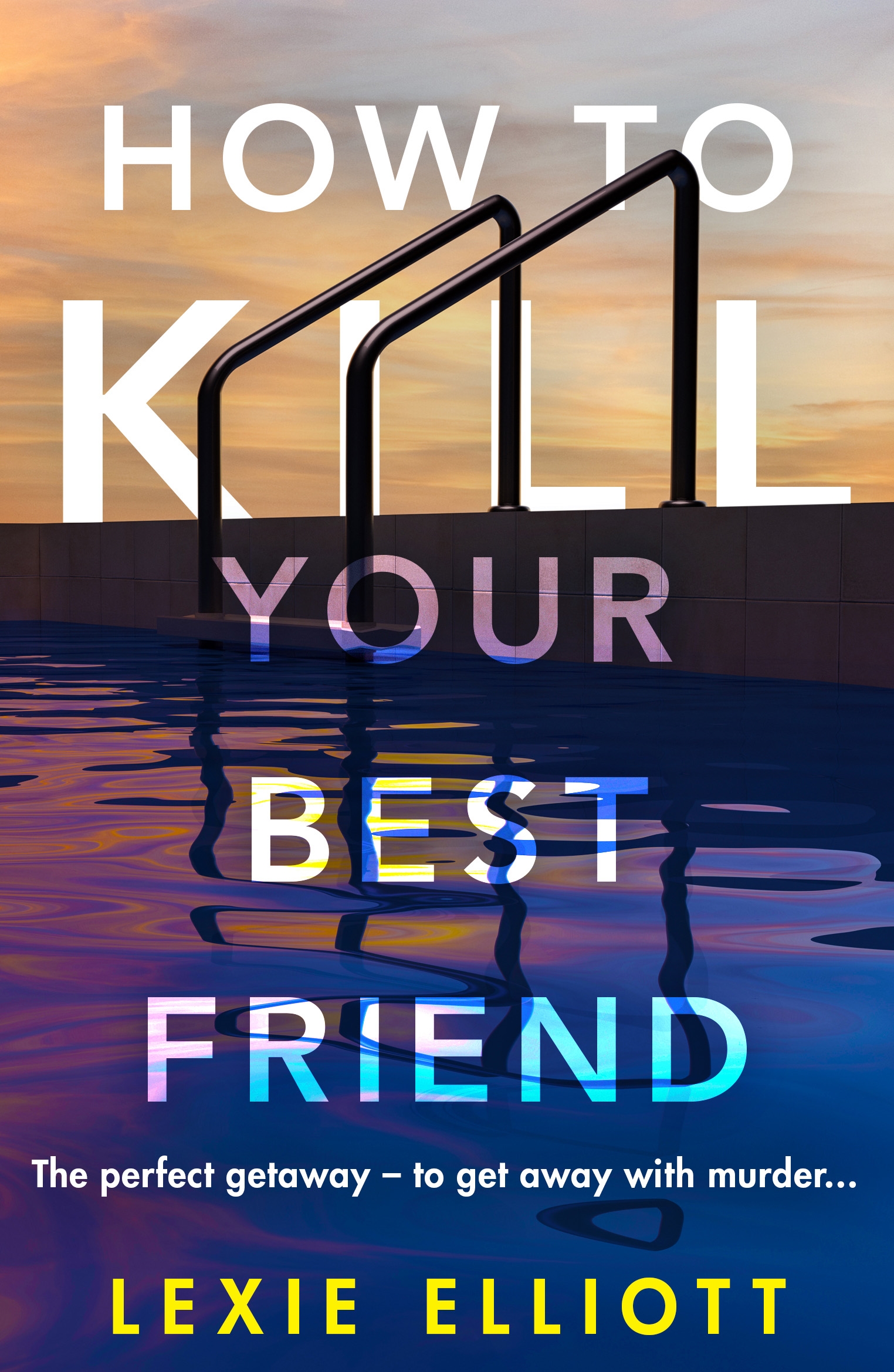
I’ve written three stand-alone psychological thrillers, and my fourth will be coming out in February of 2023. My first novel, The French Girl, was published in 2018, followed by The Missing Years in 2019. How To Kill Your Best Friend was published in North America last year, and will be out in paperback in the UK in July.

What you are promoting now
How To Kill Your Best Friend. It’s a psychological thriller, told through the eyes of Georgie and Bronwyn, who have been best friends with Lissa since they all met on their college swimming team—but somehow, despite her swimming prowess, Lissa has drowned off the coast of the remote island resort she was managing with her husband. Brought together on the island for Lissa’s memorial, Georgie, Bron, Lissa’s grieving husband and their mutual friends find themselves questioning the circumstances around Lissa’s death—and each other…

A bit about your process of writing
I used to write solely outside of my home (because otherwise I would find myself distracted by cleaning or laundry or really just about anything) but the pandemic lockdowns taught me to write at home; now I find I write there more than half the time. I don’t necessarily write every day, but I write most days (including weekends); I usually exercise first thing and then sit down to work after that. I stop either when my youngest son comes home from school or when I’ve simply run out of steam.

I find I write very slowly at the beginning of a new project – sometimes only 500 words in a day— because I’m having to make structural decisions at the same time; at that stage, it’s very useful to have a daily target to aim for to try to maintain momentum. By comparison, the words seem to leap out at the end of a project: I can write 10,000 or more in a week, and daily targets become unnecessary. I always seem to suffer an enormous crisis of confidence at around the 20,000 word mark, which by now is probably very boring for my lovely agent Marcy, who has to talk me down from it every time! I start each writing session by reviewing and editing what I wrote last time, before cracking on with the next section; consequently, my first draft is very clean, without many typos or grammatical errors. My first reader is always Marcy, who gives incredibly insightful editorial notes, and after that, the manuscript will go to my publishing editor.

Do you plan or just write?
I plan; I produce a four-to-five page outline before I start writing. Partly this is because my publisher requires it of me, but I would do it anyway: I’ve learnt that it is far, far easier to make progress when you have some well-thought out guidelines to keep you heading in the right direction. Which is not to say that everything is set in stone before I start writing—far from it. Many elements of the finished novel can and do deviate from that outline, but I tend to find that the beginning and end of the finished product match quite closely with what I had originally intended—it’s just that the middle might take a different route!

What about word count?
The aim is around 100,000 to 110,000 words in the genre of psychological thrillers. It’s not something I worry about particularly—I’ve always come out roughly in that ballpark in the first draft, and anyway, that can be finessed in the second draft if need be.

How do you do your structure?
I know some authors follow a rigid plan with a three-act structure or a save-the-cat beat sheet or something similar, but I’m not one of them. The outline I mentioned before will of course have a particular structure in mind, and those early chapters are crucial for putting in place the scaffolding that will provide the framework for the entire novel, but once I’m past that point, I’m generally more concerned with getting the pacing right.

What do you find hard about writing?
It’s very solitary. You have to persevere on a daily basis without any colleagues to encourage you or reassure you that you’re on the right track. I really notice the difference now that I’m writing fulltime; until last year, I was also juggling a part-time job in fund management, which gave me plenty of professional social interaction for at least three days a week. But now, given that I’m in London but my agent and primary publisher are in the US, if I were to throw an office party it would basically involve me dressing up to drink a glass of wine in a room by myself…

I also find the social media requirements that are part of being a writer in this modern age quite difficult. I’m not a natural self-promoter—I’d really rather just get on with writing!

What do you love about writing?
A lot, actually. On a practical note, it’s an incredibly flexible profession—you can genuinely do it anywhere, and, looking to the future, nobody is going to force you out of the workplace when you reach 65! I also love the interaction with readers. It’s a real privilege that anyone would choose to spend their money and time on my novels, and I’m always incredibly touched when readers reach out to tell me they’ve enjoyed them. I received some particularly poignant correspondence during the pandemic from readers who were struggling and found some escape in my books: a lovely reminder of the power of books to connect people and allow them to experience a temporary sanctuary.

But the main thing I love is the writing itself. To me, language is a delightful sort of magic, and the fact that a story can be taken from one’s head and transported to the page with words is nothing short of alchemy. Every once in a while I get a sentence just right, and it feels like I haven’t so much written it as stumbled across words that were just waiting to be uncovered—that’s a very special feeling.

SUNDAY SCENE: RACHEL BRIMBLE ON THE SETTING FOR HER LADIES OF CARSON STREET TRILOGY

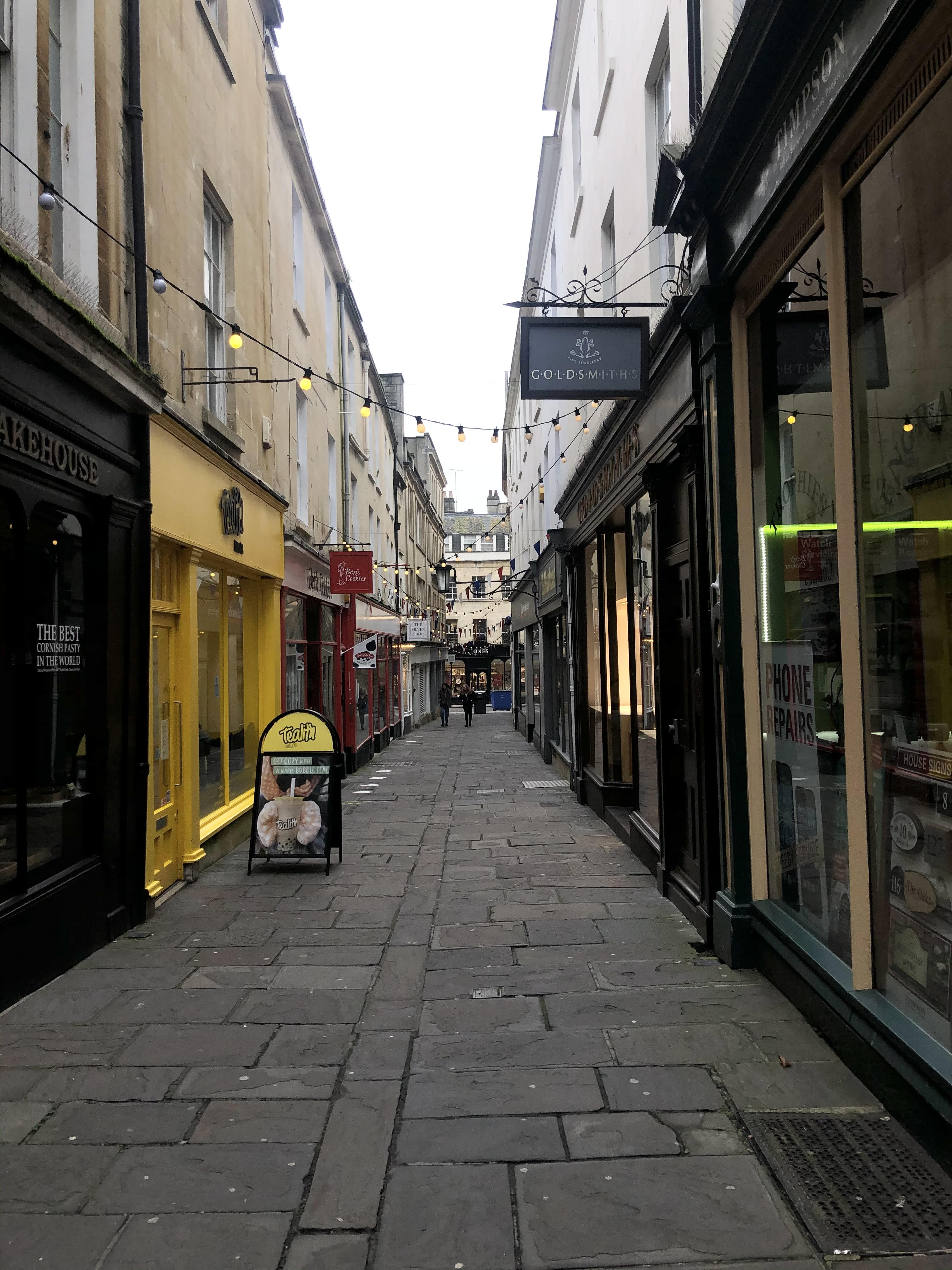
There are two reasons I have set all my historical romances in the wonderful city of Bath, England – one) I live just a short 30 minute drive away and 2) it is filled with the most beautiful Roman, Georgian and Victorian architecture, the most amazing side streets as well as a plethora of grand (and not so grand) buildings that I pretty much use as my imagination dictates.

As Bath is obviously a real place, you might be wondering how I can use some of its buildings however I see fit. The explanation is simple – I don’t tell readers which buildings are imaginary! Thankfully, unless I use famous Bath buildings like the Abbey, the Pump Room or Royal Crescent, my audience seem to be happy to follow my lead.

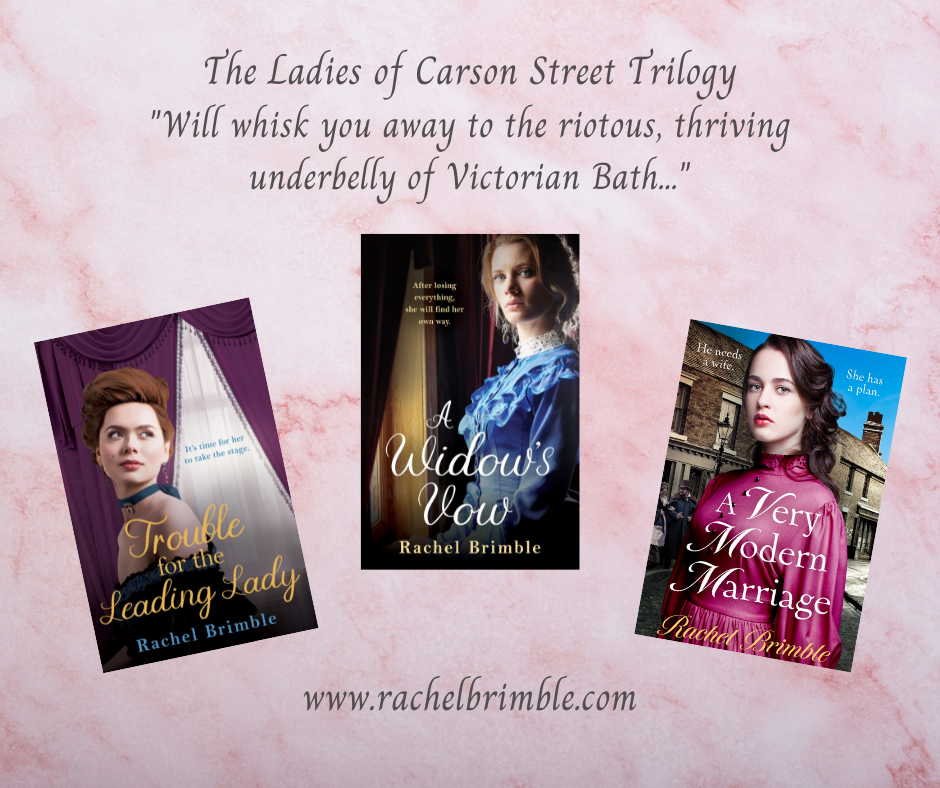
For my latest series, the Ladies of Carson Street, I once again return to Bath.

However, rather than spending time enjoying high tea in the Pump Room or dancing in the Assembly Rooms, you will find the heroines of the trilogy, Louisa, Nancy and Octavia, either living and working from their house on Carson Street, frequenting the backstreet taverns or watching an act at the Theatre Royal.

In book 1, A Widow’s Vow, Louisa and Nancy arrive in Bath from Bristol to start anew after Louisa is unexpected widowed and left with nothing more than the keys to a Bath property she had no idea existed…

They walked along the sweeping curved wall surrounding the gushing waters of the River Avon and a beautifully landscaped area known as, according to Louisa’s map, the Parade Gardens. The barren trees were interspersed with evergreens, the soil beds empty of flowers in winter but imaginings of how the gardens might look in the summer months gave Louisa a flicker of optimism.

Continuing to walk along the cobbled street, she and Nancy neared the row of terrace houses.

‘Carson Street.’ Nancy pointed to a sign bolted to one of the corner houses adjacent to a busy thoroughfare filled with carriages, horses and pedestrians. ‘This is it.’

Locating the right house wasn’t difficult as Louisa had memorised the deeds so often and so intensely, the pencilled sketch of Anthony’s property was clearly drawn in her mind. ‘Anthony’s house is—’

‘Ahem, your house.’ Nancy grinned.

‘My house is about halfway along the street.’ Louisa inhaled a shaky breath. ‘Come on. I want this over with.’

She marched ahead of Nancy, pulling a brass front door key from her purse. Purposefully, Louisa drew forth her anger at Anthony’s lies, betrayal and cowardice. Lord knew, she would have to take strength from somewhere if she was ever to believe such a property was now hers to do with as she would. Lifting her chin, she shrouded herself in an invisible layer of protection against whatever further hurts were to come in her uncertain future.

But once she was standing outside the residence, her bravado floundered.

The house was beautiful. Built in a butter-coloured stone, its sash windows were flanked with velvet drapery, the front door painted a dark grass-green, complete with brass knocker and a stone ornament decorating its step. The longer Louisa stared, the more strongly inevitability enveloped her. She had survived this long and she would continue to survive, come what may.


This extract perfectly introduces you to the tone of the series and to two of the main three characters in the trilogy. Gritty, sometimes tough, sometimes hilarious, the Ladies of Carson Street are an unforgettable trio!


Rachel’s Website: https://rachelbrimble.com/


The Bay by Allie Reynolds Book Review

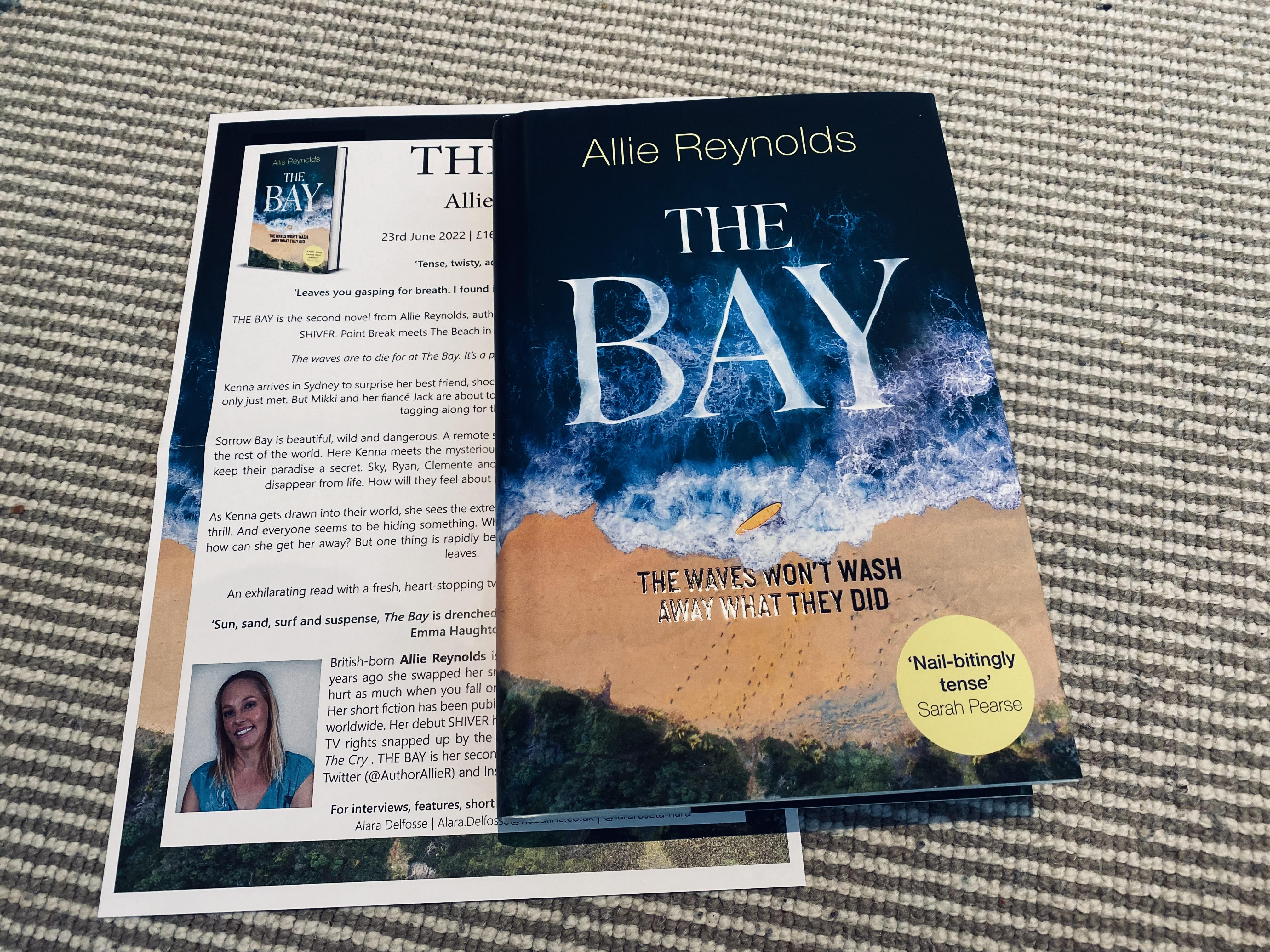
The Bay by Allie Reynolds is the second novel from the author of the widely acclaimed chiller thriller, Shiver. I LOVED her first novel and was so excited to receive The Bay. Thankfully I wasn’t disappointed. Allie Reynolds has a way of writing a pacy, sporty thriller like no one else. This is a tense and absorbing story about what happens when Type A sporty athletes get thrown together. The Bay is paradise to them, the ultimate surfing spot and they will do anything to protect it.

You are never sure who to trust or what is going to happen. The Bay will have you by the throat until the very last page. I am not sure how Allie Reynolds does it, but I’m glad she does. Her high-octant sporty thrillers are as brilliant as they are unique. Truly stunning. Get a copy now.

 
The Bay, Allie Reynolds, Book review

The Bay is an addictive summer thriller where the waves are to die for at the wild and beautiful Sorrow Bay, a remote surfing spot paradise that a mysterious group of people will do anything to keep a secret.


Allie has a trademark ability to pair isolated and dangerous natural landscapes with high-stakes, extreme sports to rewrite the popular locked-room mystery with an elegant, high-octane twist. She has received wide praise from the world of crime writing, including Peter James (‘sensational’), Harriet Tyce (‘a knife-sharp locked room mystery’) and Sarah Pearse (‘nail-bitingly tense’).


Ideal for slipping in holiday beach bags, The Bay is filled with sun, sea, suspense and a sinister cast of characters driven by obsession and perfection.


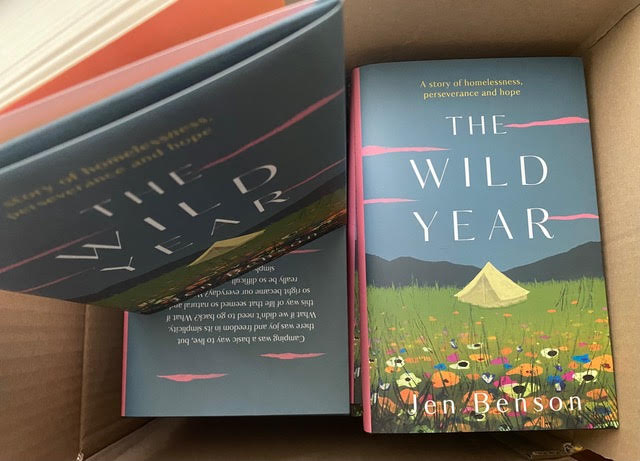
THE WILD YEAR – the family who lived in a tent for a year

The Wild Year immediately caught my attention for it’s originality. This memoir by Jen Benson, who lived with her family for a year in a tent, is a brave book about triumph over hardship. This book is awash with nature and atmosphere. It is inspirational and will fill you with both joy and hope. It will also make you angry about the financial hardships so many are under. Jen writes about struggle with flair and complete honesty. Her talent as a writer is vast, and her love for her family and the world around her is so beautiful. I cannot recommend this book enough. I think everyone should read it for it’s insights into poverty, financial hardship, and the beautiful outdoors. Awash with love, nature and bravery.
The Wild Year by Jen Benson, book, book review,

This is an utterly delightful, eye-opening read, bathed in the natural world. Reminiscent of The Salt Path by Raynor Winn and Homesick by Catriona Davies. Jen and her husband Sim have written a whole host of walking and running guides, and this is her first memoir. You can find out more about their previous books on their website — https://jenandsimbenson.co.uk/books/

The Wild Year is all about Jen and her young family’s decision to live in a tent for a year after suffering severe financial hardship and needing a way to live that retains their freedom but doesn’t cost a lot. Think cooking over fire in the dead of winter in stormy weather with a 3 year old and a 6 month old! Out now with Aurum (Quarto Group).

The Wild Year tells the uplifting true story of a family who left their old life behind to spend a year living wild in a tent around Britain.

With a baby and a toddler, mounting debt, work demands and stress trampling over their desire to spend time together as a family in nature, Jen and Sim Benson move out of their rented accommodation, sell up their possessions and decide to live in a tent for a year as nomads around rural Britain. This is the story of that year – the highs and the lows – the doubts, epiphanies and the weather.

Detailing one family’s search for a life in the wild, away from the screens and stresses of modern life, this captivating memoir is a must read for nature lovers or anyone who has dreamed of a life outdoors. It’s nature writ large with the joys and challenges of each season experienced under canvas, a story of ultimate freedom in the beautiful landscapes of Britain. This is a book that gently steals up on you and captures your heart.

Jen Benson has a passion for wild places and sustainable adventures. A lifelong runner, she is a writer, photographer and part-time PhD researcher exploring the philosophy of running. Jen and her husband Sim live in Wiltshire with their two young children. They have co-written several books including Wild Running, Short Walks in Beautiful Places, Amazing Family Adventures and 100 Great Walks with Kids. Jen writes regularly for the national press. Twitter/Instagram @jenandsim

Did You Miss Me? by Sophia Money-Coutts Book Review

I have read all of  Sophia Money-Coutts’s books and I am a huge fan of her witty, entertaining novels. She writes wonderful, sparkling characters and I always enjoy the story. As usual, Did You Miss Me?, is clever and funny. Sophia has taken a great premise and executed it with flair. Another wonderful novel. Heartily recommended.

Did You Miss Me? is Sophia’s 4th novel and explores whether you really can rekindle your first love, and is of course written with Sophia’s trademark humour, wit and gloriously steamy romance scenes. Nell, the main character, is effortlessly likeable and features alongside her barmy mother (who falls for an eccentric Italian barista), the divine Arthur Drummond and Wilma the wolfhound.

You never forget the one that got away, do you?

Nell Mason is extremely happy with her life – or at least, that’s what she tells herself. She’s lucky to have a high-powered job as a lawyer, even if it does come with an eccentric set of billionaire divorce clients. And she’s absolutely fine living with her sweet, if slightly dull, boyfriend Gus in their London flat where they have very sensible sex once (OK, sometimes twice) a week. She’s definitely not stuck in a rut.

But when Nell bumps into childhood friend and first love Arthur Drummond who broke her heart fifteen years ago, she’s more than a little shaken. The seemingly perfect life she’s worked so hard for starts to feel, well, less perfect. Maybe Nell’s been kidding herself all these years. Can she ever get over her first love?

Sophia Money-Coutts is a journalist and author who spent five years studying the British aristocracy while working as Features Director at Tatler. Prior to that she worked as a writer and an editor for the Evening Standard and the Daily Mail in London, and The National in Abu Dhabi. She writes a column for The Sunday Telegraph called Modern Manners and often appears on radio and television channels talking about important topics such as Prince Harry’s wedding and the etiquette of the threesome.

JANE CABLE REVIEWS THREE VERY DIFFERENT SECOND WORLD WAR NOVELS

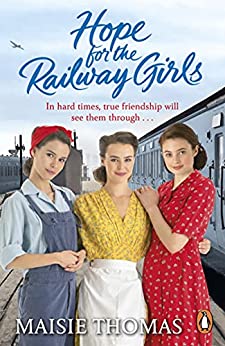
Hope for the Railway Girls by Maisie Thomas

I rarely follow a whole series, but the Railway Girls’ Second World War novels gripped me from the very first one. The characters are fresh and stand out from the page, there is tension, pathos and heartbreak, but more than that, there is joy – and that is important.

So often I find sagas descend into what I call ‘it’s grim up north’ where the heroines’ hardships and battles become so impossibly dark the book is no longer a pleasure to read. What is so clever about Maisie Thomas’s work (both in this series and The Surplus Girls, which she writes as Polly Heron) is that the moments of high tension – and frankly apparently insoluble conundrums – are balanced by humour and happiness. And of course, they’re so very beautifully written.

In this fifth book we follow Alison as her new romance develops, Joan as she approaches motherhood, and a relatively new viewpoint character Margaret, who I found the most interesting of all. If you haven’t read the other books these names will mean nothing to you, but I urge you to go back and start at the beginning of the series. You have an absolute treat in store.


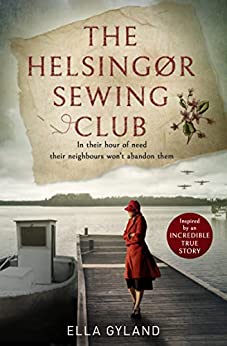
The Helsingor Sewing Club by Ella Gyland

I love an unusual Second World War story and when I heard this one was set in Denmark I really wanted to read it. In part my choice was influenced by having loved Elizabeth Buchan’s I Can’t Begin To Tell You so much, but The Helsingor Sewing Club deals with a completely different aspect of Danish resistance.

I didn’t know that, thanks to the Danish (albeit puppet) government, Jews were safe from persecution until 1943. Or that when the wrath of the Nazis descended on them the vast majority of Danes were prepared to help them to escape. This book provides a fascinating glimpse into that tiny slice of the country’s history and I loved it.

But no novel is ever a history lesson and Ella Gyland creates wonderful characters, not always brave, sometimes full of fear and even despair, but you love them all the more for it and root for them all the way. The whole story is fraught with tension and there are some truly heart-stopping moments too. My only slight reservation is that I thought the book was strong enough to stand without a contemporary narrative running alongside it, although I do appreciate most readers will have loved it exactly the way it is.


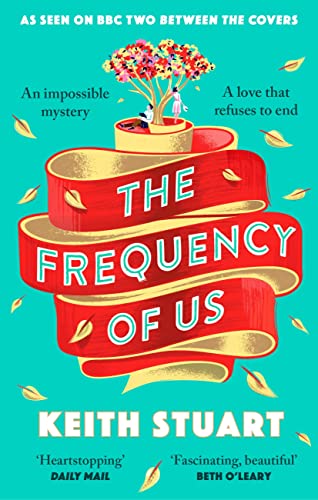
The Frequency of Us by Keith Stuart

I’m a sucker for a great premise: in 1942 radio engineer Will regains consciousness after a bombing and realises the love of his life, Elsa, is missing. But he is told there was no one else living with him, and no records of her seem to exist.

Seventy years later Will is struggling to cope and is refusing care, but he sees a kindred spark of loss in Laura and lets her in. It’s a prickly, difficult, unlikely yet beautiful relationship which evolves as strange things happen in the house compelling Laura to try to uncover what happened.

The flashbacks to Will’s wartime romance with Elsa provide relief from the unremitting greyness of Laura’s battle with mental illness and Will’s with old age. Whose mind is playing the most tricks? Clues are revealed, but none of them fit; indeed some of them seem completely contradictory.

Every thread is drawn together in the end, and although I found the ultimate answer deeply unsatisfying, I have to say I enjoyed the journey.


CARIADS’ CHOICE: JUNE 2022 BOOK REVIEWS

Rachel Hore’s One Moonlit Night reviewed by Jane Cable

An interesting mixture of a Second World War story and family mystery, the more I read of One Moonlit Night the more it intrigued me.

With her husband Philip missing in action after Dunkirk, Maddie is bombed out of her London home and her only safe option seems to be to take her daughters to the house in Norfolk where Philip grew up. But Knyghton holds its own secrets, including the reason why Philip rarely spoke of it and never took her there.

The characters are beautifully drawn and their reactions to the new arrivals complex, convincing and very much of their age.

Although told mainly from Maddie’s point of view, the story is interspersed with Philip’s dangerous journey across France to escape the German occupiers and return to his family and this adds contrast and an extra layer of tension.


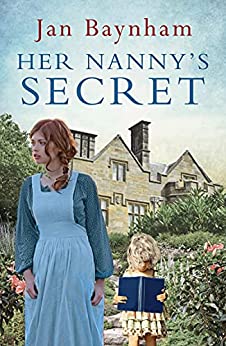
Jan Baynham’s Her Nanny’s Secret reviewed by Carol Thomas

I have read and enjoyed the author’s previous books, so I was looking forward to this one; it didn’t disappoint. The female lead, Annie, was likeable from the start, and her emotional journey enthralled me both in WWII and the 1960s. Every character was well-drawn, and every setting transported me in time and place. As the end of the novel drew near, I was desperate for a happy ending, and I loved how the author achieved that without compromising the characters or the lives and emotional ties they had built since the start of the novel. As always with this author, the characters have stayed with me even after the final page was read. It is a compelling read with a wartime romance, enduring love, lies and a search for the truth.


Melissa Fu’s Peach Blossom Spring reviewed by Kitty Wilson

I listened to this as an audiobook and absolutely loved every second. A sweeping epic of a novel, it had me thoroughly emotionally invested as Mei Lin struggles to survive China at a time of huge upheaval, escapes to Taiwan with her son and has to begin her life again with very little support and danger around every corner. An evocative and skilfully written book that will stay with me for a very long time, and that I intend to buy in paperback so I can revisit it again in the future.


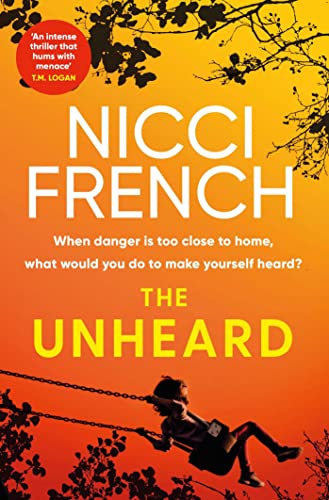
Nicci French’s The Unheard reviewed by Jill Barry

Whether or not you’ve read novels by this writing partnership, you’ll swiftly be drawn into a masterclass of crime writing. Poppy’s estranged parents are doing their best to make sure their little daughter isn’t upset by being ‘shared’ between them. But mum Tess starts to notice worrying indicators after Poppy’s been staying with her dad. It’s a measure of how clever the writing is that I became convinced demonic possession could be involved.

Tess’s concerns lead her to contact the police, confiding in an already stressed and overworked female detective who really doesn’t have much evidence to convince her anything is wrong. Tess, seeing worryingly violent drawings her daughter produces becomes convinced Poppy has witnessed something of a dark nature. But without proof, the police are becoming sceptical of Tess’s suspicions. And who or what is to blame?

And the moral is? Beware who you invite into your home.