SISTER SCRIBES’ READING ROUND UP: FEBRUARY

Cass:

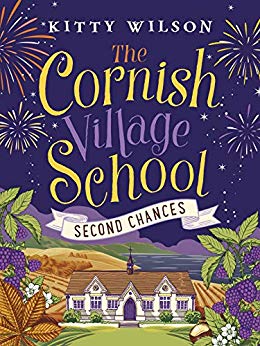
Having loved Kitty Wilson’s debut novel, The Cornish Village School: Breaking the Rules, I already knew what to expect from the pen of this talented author: relatable characters, a fabulous Cornish setting, lots of emotion and laughs-a-plenty.

The Cornish Village School: Second Chances is the story of Sylvie, who’s had to give up her dreams in the past and is also doing her best to recover from a recent loss whilst being the best mum she can be to her little son, Sam (adorable!) and Alex, who’s come to Penmenna with his adopted daughter, Ellie (adorable and hilarious!), to help her escape the horrors of her past and to also take a break from the pressures of his job.

Surround these two new characters with the regulars from the first book, Rosy and Matt, still cosily besotted with each other; Chase and Angelina (who’s still weird, but perhaps a bit mellower… sometimes); the controlling Marion Marksharp (still loving that name), and you have a fun read, layered with depth, as both Sylvie and Alex reveal their past wounds, at first to themselves and then to each other.

A fabulous second novel from Kitty Wilson, who writes rom-com at its very best.


Jane:

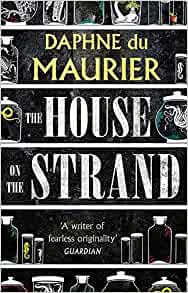
Given most of my novels have a time-slippy element it’s surprising I haven’t read Daphne du Maurier’s The House on the Strand before. In truth I only picked it up because my talks partner, Sue Kittow, has written a book of walks based around du Maurier’s work and we’ve been asked to speak about the author to a local group.

From the first chapter I was hooked. The book dates from the 1960s and the protagonist is Dick Young, a man who can only be described as having a mid life crisis, and is lent a house in Cornwall for the summer by an old university friend – on the condition he helps him with an experiment. This involves taking a drug which transports him to the early fourteenth century, a brutal time by any standards, and even as a helpless bystander he becomes emotionally involved in the lives of lords, ladies and serfs living around Tywardreath then.

I enjoyed this well crafted book and alternately racing to finish it and throwing it down and stomping off yelling “oh, you stupid man!” at Dick. Although the writing was so vivid I travelled back to medieval times, the contemporary story of a man struggling to make sense of his life – and in so doing putting his family’s happiness at great risk – gripped me even more. Through the lens of time Dick could be seen as a selfish bastard but this book is actually a heart-wrenching portrayal of what addiction can do to the body and mind. As relevant today as it was in the 1960s.

Set firmly in the past – this time the early nineteenth century – is To Have and To Hold, another great book from Valerie Holmes. Her Yorkshire setting is so beautifully drawn I could see it in my mind’s eye as I read, and I love the way she draws her characters from outside ‘the ton’ – it makes them seem so much more real, somehow.

This is a great adventure/love story that begins with a runaway mill boy and ends… well, that would be telling, wouldn’t it? Poldark fans should love it. Valerie’s new book, In Sickness and in Health, is available for pre-order now.


A STUDY OF STUDIOS: AN INTERVIEW WITH ART AUTHOR ROSIE OSBORNE

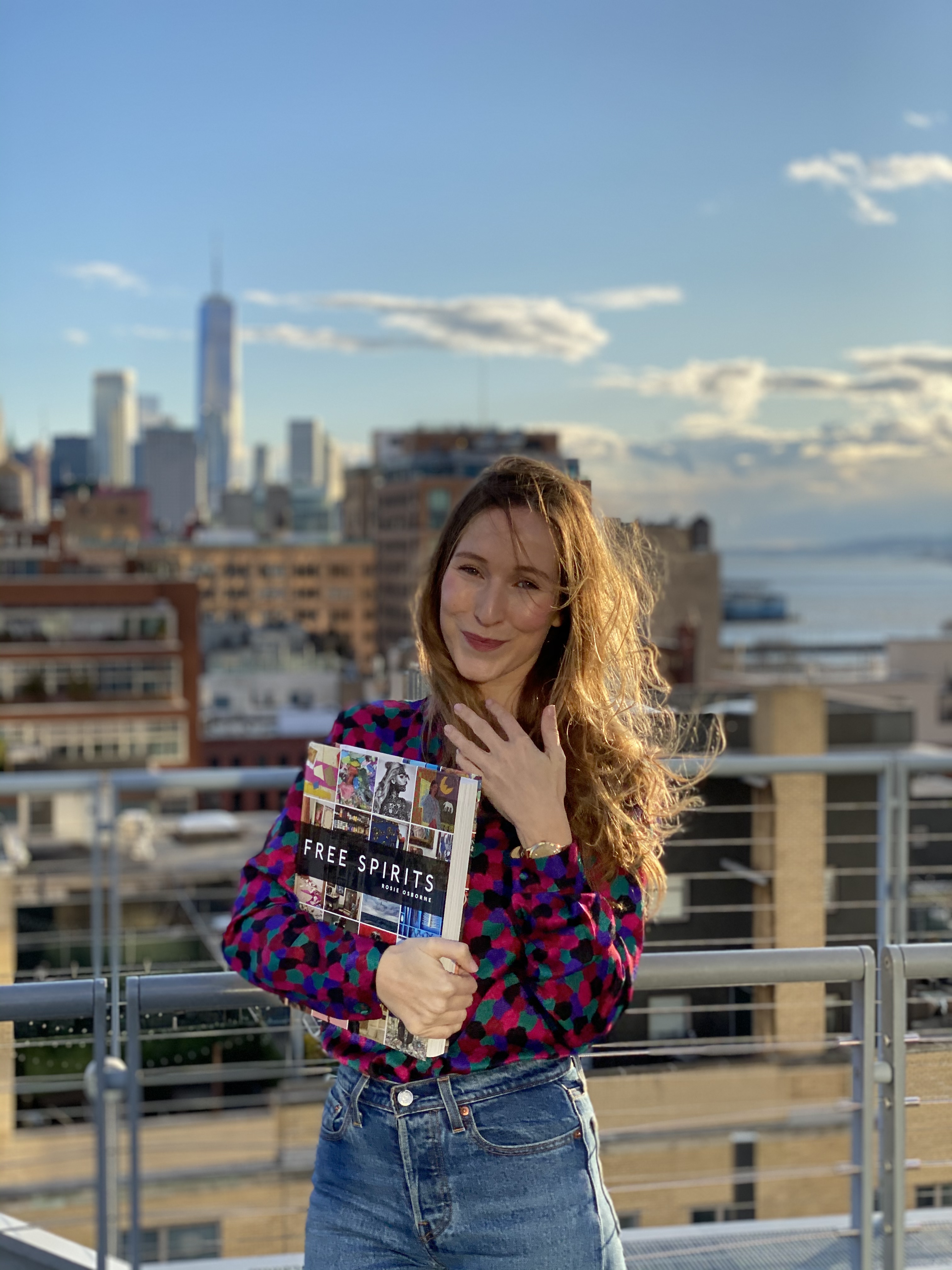
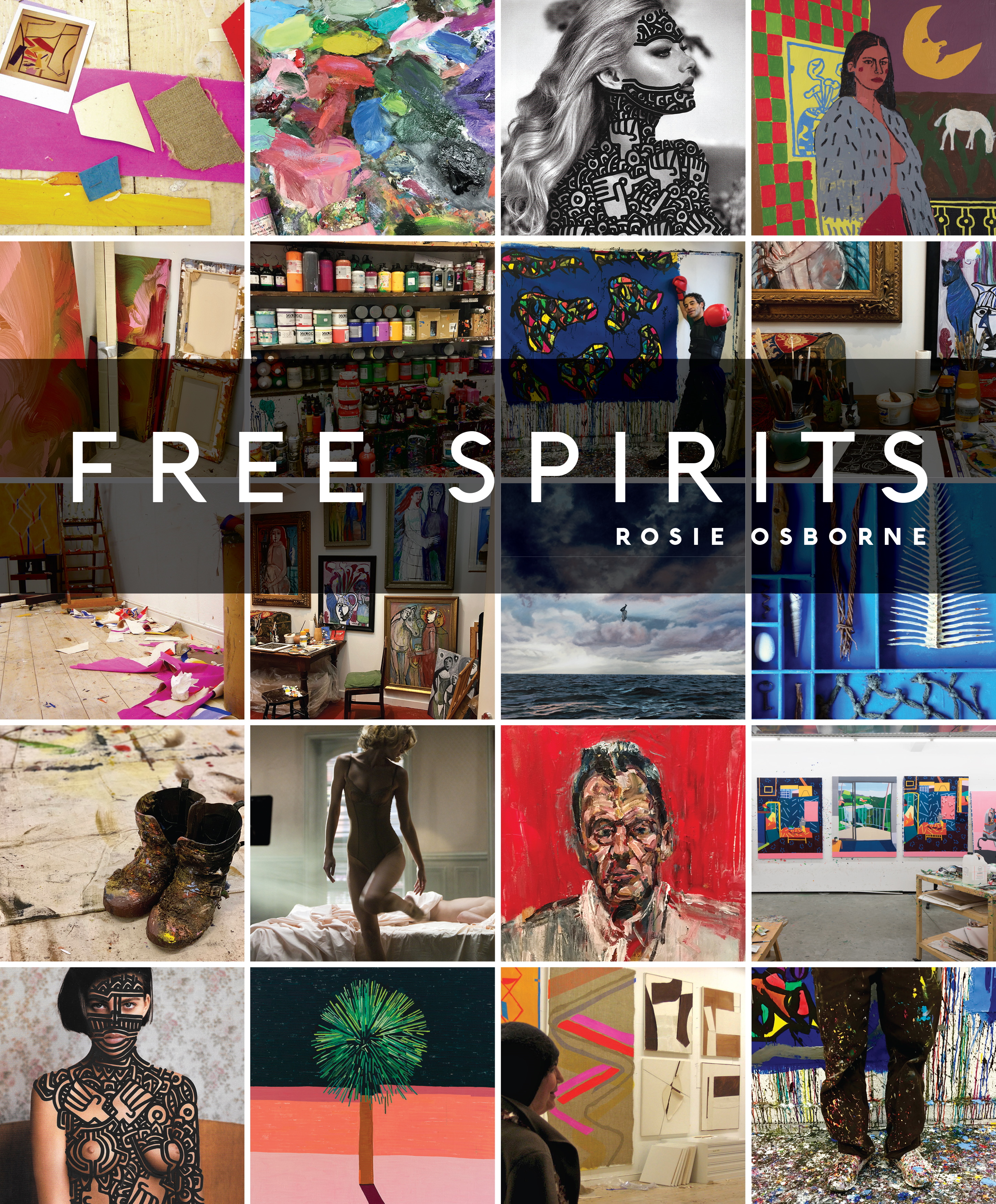
Rosie Osborne, author, While still in her teens, author and award-winning photographer Rosie Osborne made a vow to herself. She promised that by the time she turned 30 she would have published a book collecting her exclusive access-all-areas interviews with some of the UK’s most dynamic contemporary artists such as Sylvette David and Danny Fox. 

All those years later she achieved her ambition and the result is fascinating new coffee-table tome Free Spirits. We caught up with Rosie to find out more…

Q. Free Spirits is obviously aimed at art lovers, but what do you think is its unique appeal?

A. I hope that it offers an insight into the private side of artistic practice, and the everyday struggles and triumphs that artists experience. I think there’s a very human side of art that can sometimes be hidden by the polished gallery shows or the museum retrospectives and that’s what I have tried to delve into.

Q. All the interviewees must have been fascinating to speak with, but are there any that especially stand out to you?

A. Interviewing British artist Danny Fox last year was fascinating. Fox is a self-taught painter who grew up in St Ives, Cornwall, where I spent a lot of my childhood. As a teenager, he worked long hours in restaurant kitchens, washing up dishes to save up to buy paint. I remember him saying at the time that if he was offered a job with more responsibility, he’d turn it down, because he didn’t want to take up the mind space that he needed for painting. I went to his first exhibition in St Ives when I was 15 and was really moved by his painting style. Although Danny didn’t go to art school or have any contacts, he moved to London, where his work started to gain more and more recognition. Over the years following, his paintings were featured in shows all over Europe and America, and he is now based in Los Angeles, California. Danny’s work ethic from day one always inspired me, and his paintings are amongst my favourites, up with Picasso and Matisse. Last year, 15 years after attending his first exhibition, I interviewed Danny back in Cornwall. It was so interesting to discuss all of the years that had passed, especially back in St Ives, where it all started.

Q. You interviewed artists over a space of 17 years. Does this mean there are more interviews yet to be published and, if so, what are your plans in this regard?

A. Yes, I selected 13 interviews for Free Spirits, but I’ve got around a hundred interviews ready for publication. I publish some interviews on my website, but I hold on to lots in order to wait until what feels like the right time to release them.

A.  You were only a teenager when you started conducting the interviews. Did you find any resistance to your interview requests and how did you overcome this?

A. I’ve learnt that it’s really important to use rejection to propel you to move forward. Many of my requests to interview my favourite artists as a teenager were left unread, or I just never heard back from them. Over the years, I started to see it as a process of elimination. Four artists out of five may not have replied, but one often did. Putting everything into making that one interview as good as it could possibly be would mean that the likelihood of future artists saying ‘yes’ was much more promising. I saw it as a process, like any person learning to improve or perfect their trade. Nothing comes easy. I truly believe that if you can learn to take rejection on the chin, and turn it into a positive force, nothing can hold you back from getting to where you’ve always wanted to be.

Q. How would you describe the importance of contemporary art to those who may not be familiar with it?

A. I think that in order to attempt to understand contemporary art, it helps to look back to what came before it. Picasso said that, “Every act of creation begins with an act of destruction”. Everything in art is consciously, or subconsciously, a reaction to something that has come before it, so the symbolism or meaning of a piece of contemporary art can sometimes be linked to something that came hundreds of years before.

Q. If you could travel back in time, which one artist from the past would you like to speak with, and what would you ask them?

A. I’d love to interview Henri Matisse, towards the end of his life when he worked from his studio in a wheelchair. After undergoing surgery for cancer, he lost his mobility. Instead of giving up, Matisse drew incessantly and rediscovered the medium of paper cutouts. He talked about how he felt completely reenergised, and called the last 14 years of his life “une seconde vie” (his second life.) I’d love to ask him about this stage of his life, and how the work that he was able to do in the studio, in a sense, saved him.

Q. Your book features a wealth of photos with the artists in their studios. Why did you think this important to include?

A. It’s impossible to describe some of the studio scenes in the book with words! They’re all completely different: some are orderly and tidy and some are filled floor to ceiling with collected objects and everyday items alongside art materials. A studio space that I really enjoyed documenting a couple of years ago belonged to Cornish artist Samuel Bassett. I tried to take photographs of his working space that were really honest, so that the reader feels as if they’re standing in the room, observing every detail. His small studio was filled with surfboards, crates of paint, sofas, packs of cereal, saucepans and all of his kitchen items, along with works in progress and paint dripped over absolutely everything. It was great fun spending time there. It’s honestly impossible to describe, but the images say it all! Artists’ working spaces are often very transient places. As Samuel no longer paints there, the room was painted white, ready for the next artist, and the spirit of that room has changed and become something else. That’s why I felt compelled to try to record the atmosphere in that room in some way.

Q. Free Spirits also serves as a memoir of your personal development. What achievements to date are you most proud of?

A. Getting the book out into the public sphere felt really significant to me. I promised myself at 17 years old that I’d publish the book before I turned 30. Free Spirits came out the day before my 30th birthday. It’s definitely the personal accomplishment that I feel most proud of.

Free Spirits by Rosie Osborne is available now, priced £30 in hardcover. Visit www.rosieosborne.com 


SISTER SCRIBES’ READING ROUND UP: JANUARY

Jane:

The last book I read in 2019 was Raynor Winn’s The Salt Path, a fitting end to the year. It was our book club choice, one we’d begged the library for after having suffered the poet laureate’s egotistical whinge about doing the same walk at roughly the same time.

Phrases such as ‘greatest surpasses least’ spring to mind. Raynor Winn and her husband Moth had nothing left to lose when they embarked on the South West Coastal Path in the summer of 2013; no home, no jobs, no money and in Moth’s case, having been diagnosed with a terminal illness, no future. And yet the book is a joy, well deserving of its award nominations and best-seller status.

That isn’t to say it sugar coats the pill. I felt desperate with them, thirsty with them – and mostly hungry with them. But I also saw the beauty that surrounded them, heard the wash of the waves, the weather howling in from the Atlantic as autumn started to bite. That is the genius of Winn’s writing, the power of her words. That and making an autobiography read and feel like a novel.

There is a lovely postscript to my review too: yesterday I went to hear Raynor Winn speak and had a long conversation with Moth, still very much alive. He told me she wrote the book as a gift for him, for when he can no longer remember the wonderful thing they did. Which makes it a love story as well.

When Kate Field found out I was reading The Salt Path she begged me not to read her new book next because she thought it would be an anti-climax. It is typical of her modesty, but wide of the mark. Hers is a completely different book and I wouldn’t even begin to compare them.

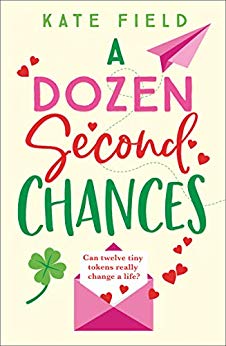
A Dozen Second Chances is just the sort of romantic fiction I like. The characters are real and relatable, mature and shaped by their lives. And being characters in a book Eve and Paddy have had plenty of history, which has done just that. The will-they-won’t-they story of their second chance made me unwilling to put the book down, with a clever and beautifully sewn up plot and satisfying ending.

On a personal note I loved the fact they are archaeologists. The heroine of my next book is as well and I could see Kate’s research had gone along similar lines to mine. I just hope she enjoyed it as much as I did.


Kitty:

January is the perfect time to catch up with my reading and I have read several books that I have absolutely loved.

Our Sister Scribe, Susanna, published her first book as Polly Heron – The Surplus Girls. Jane has already shared an extensive review on Frost but I have to add that I adored it and I urge saga lovers to give it a go.

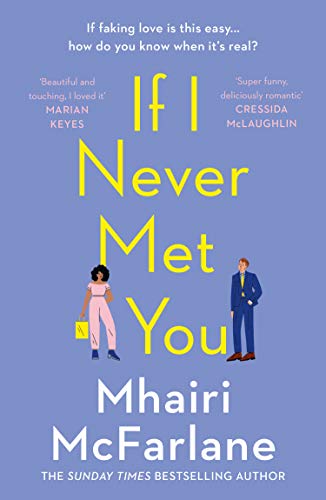
I also raced through Mhairi McFarlane’s If I Never Met You and, true to form, it didn’t disappoint. I love everything about Mhairi’s writing, it’s always fast-paced, insightful and genuinely funny – guaranteed to make me cackle. In this one the heroine is in her mid-thirties when her life and expectations are thrown into disarray and she starts a faux-romance with the office Lothario. Truly fabulous.

And finally, Cathie Hartigan’s Notes From The Lost. A timeslip with part of the story set in wartime Italy and part set in modern-day Exeter. I fell so heavily in love with Alfie, an escaped POW hiding out in mountains and villages and found this book to be uplifting and restorative, with both parts seamlessly woven together. I cannot wait for some time to pass so I can have the pleasure of reading it all over again.


Are You Watching? Book Review

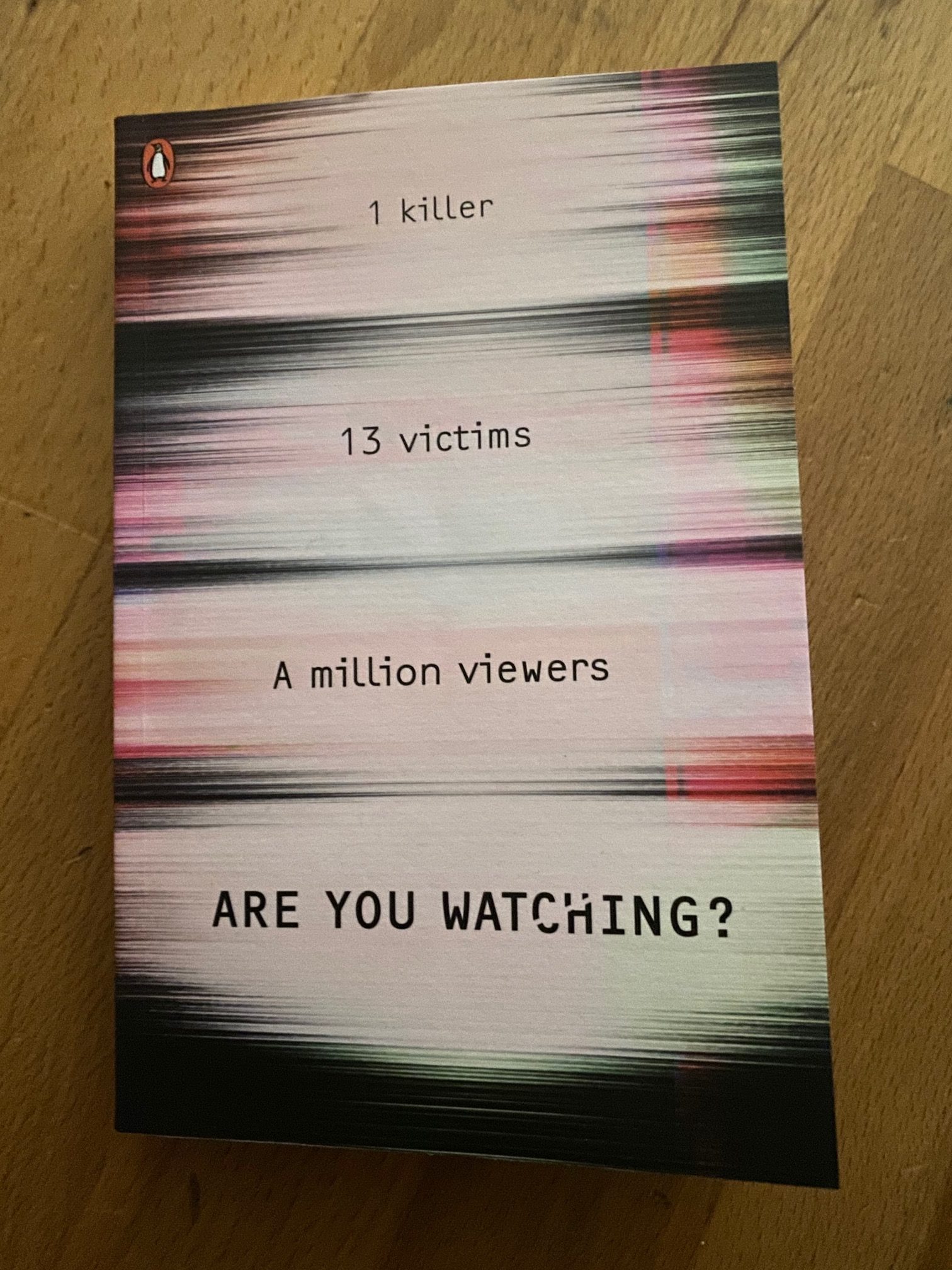
Are you watching bookThis crime thriller from Vincent Ralph is that publishers dream: a YA novel that adults will love too. It is a modern novel with mixes social media and crime, and then combines it with skill and excellent pace. I raced through this book, practically breathless to get to the end. Full stars. 

A page-turning new YA thriller for the social media age, perfect for fans of A Good Girl’s Guide to Murder and One Of Us Is Lying.

Ten years ago, Jess’s mother was murdered by the Magpie Man.

She was the first of his victims, but not the last.

Now Jess is the star of a YouTube reality series and she’s using it to catch the killer once and for all.

The whole world is watching her every move.

And so is the Magpie Man.

Are you Watching is available here.

SISTER SCRIBES: SUSANNA BAVIN ON THE APPEAL OF THE SHORT STORY

Hands up everyone who remembers the First, Second, Third etc Pan Book of Horror Stories, Edited by Herbert Van Thal. I loved those scary stories when I was in my early teens. Looking back, some of them weren’t entirely suitable for a young reader, though that didn’t stop me lapping them up. My favourite was a ghost story by E F Benson (who wrote the Mapp and Lucia books), called The Confession of Charles Linkworth. I had a phase of reading it every Sunday afternoon before tea and, even though I ended up practically knowing it by heart, it frightened me silly every time. The hero of my newest book, The Surplus Girls, is named Gabriel Linkworth, as a nod to that story.

That was the second E F Benson short story I had come across. The first was The Room in the Tower, which featured in a book called Ghosts! An Anthology, which I received as a Christmas present. Unfortunately, the story was rather wasted on me because I didn’t altogether understand it. It is, in fact, a vampire story and I sort of knew that when I read it, but I was a very literal-minded child and this was in a book of ghost stories and therefore Julia Stone had to be a ghost… didn’t she?

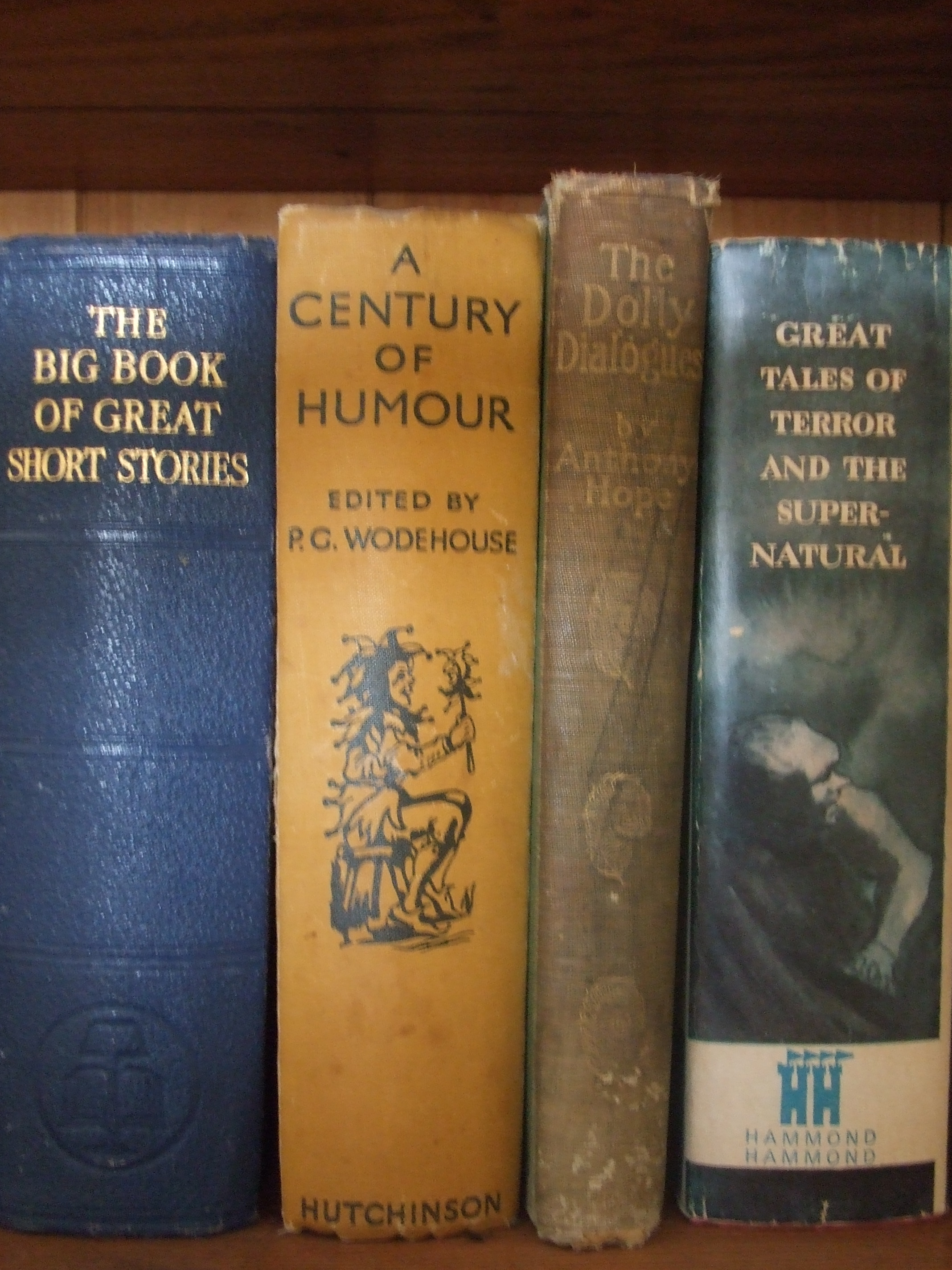
I have always been a reader of short stories. In particular I love the collections that were put together in 1930s, with titles such as The Mammoth Book of Thrillers, Ghosts and Mysteries and A Century of Humour, which was one of a series of A Century of… books. What better way to be introduced to writers such as Wilkie Collins, Guy de Maupassant, O Henry and W W Jacobs? My first taste of G K Chesterton was the wonderfully funny The Tremendous Adventures of Major Brown, which I re-read regularly. The Mammoth Book mentioned above even contained a ‘sealed section’ at the end, with stories to make you ‘glance over your shoulder and perhaps even start when there is a creak on the stair.’

A writer whom I came to love was A J Alan, whose wit and humour could find mystery in the most ordinary situations. It was often the style in these 1930s anthologies to top each story with a few sentences of author biography, beside which was a pencil sketch of the man (it was almost always a man) himself; but there was only ever a fancy question mark in the place where A J Alan’s portrait should be. He was famous for reading his stories on the wireless and his identity was a closely guarded secret, as befitted the mysterious nature of his tales.

And I adored Anthony Hope’s The Dolly Dialogues. I bought myself a first edition after enjoying the two chapters that featured in A Century of Humour. They are clever and teasingly romantic observations of life and love.

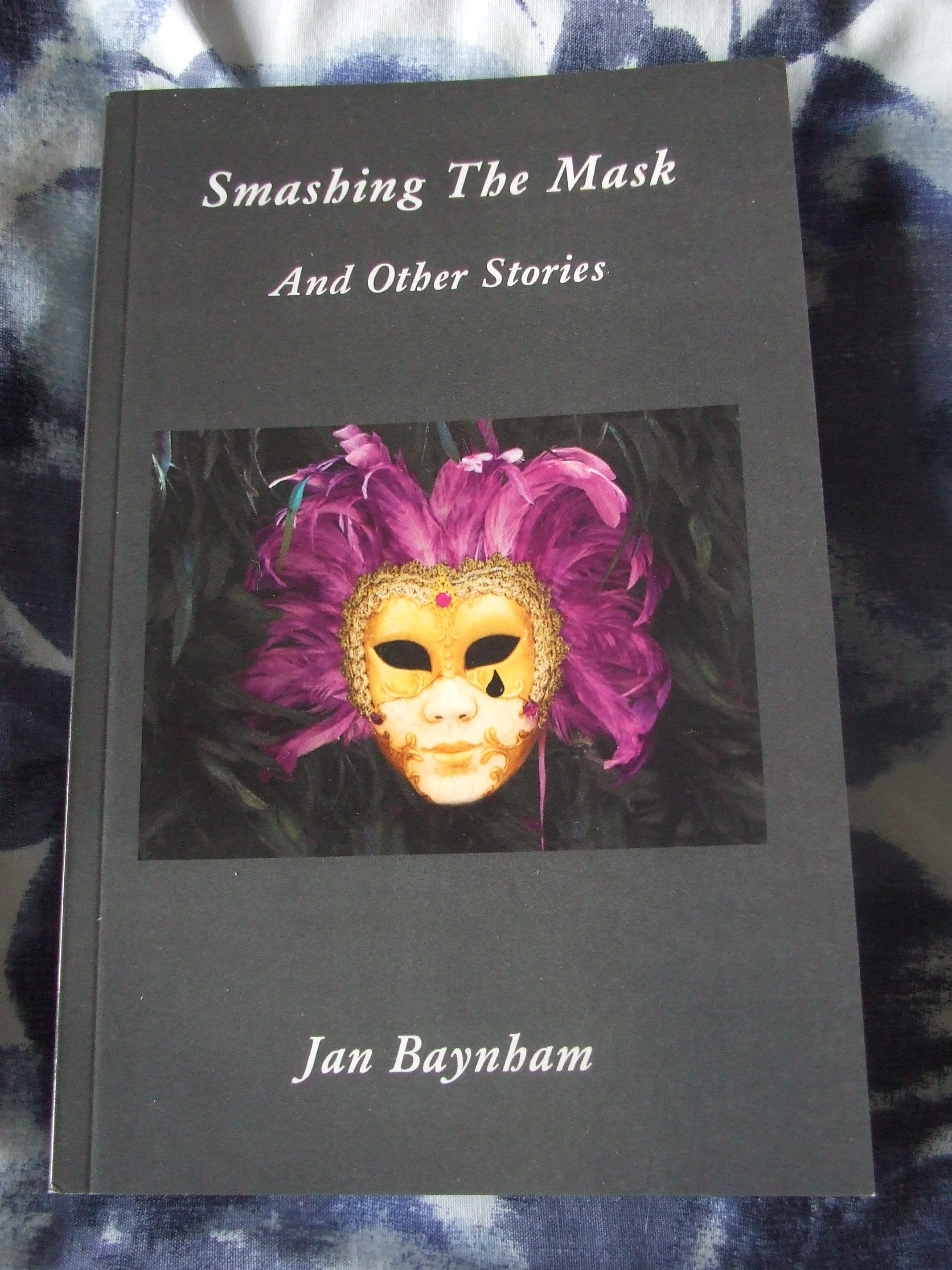
The most recent collection of short stories I’ve read is Jan Baynham’s Smashing the Mask and Other Stories. Although there isn’t an official theme to the book, a thread of the supernatural runs through several of the tales and in each one Jan creates a different sort of atmosphere, from the deep sorrow of a ghostly mother to the chilly horror of a long-ago murdered girl to the traditional creepiness of helping a stranger. She also uses painful directness to tackle the all too recognisable dilemmas of hoping against hope to meet a long-lost child and struggling to be brave in a situation of coercive control. Jan has produced an intriguing collection filled with insight, a variety of moods from the uplifting to the poignant, and more than one clever twist in the tale.


SISTER SCRIBES’ BOOKS OF THE YEAR 2019


Kitty: I knew when I was reading it that Circe would be a book that stayed with me for a long time and I’m happy to call it my book of the year. I’m already itching to re-read it, an absolutely wonderful read. 

I finished Circe by Madeline Miller this month and I cannot do justice to how much I loved it. The story of Circe, a woman locked in by her divinity whilst also dealing with the very female roles of mother, daughter, sister and lover. This retelling made Circe much more accessible and empathetic than the male-centric version that I grew up with. Full of self-discovery, courage and empowerment it turns the myth of vicious witch into a story of a true heroine. I loved it so much that having read it once I am going to store it, like a secret treasure, for a re-read in a few months so I can wallow in it slowly and feel the magic again.

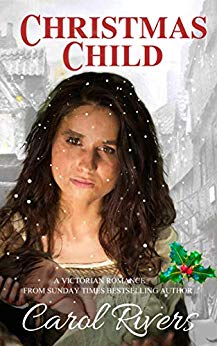
Susanna:  I love Carol’s 20th century sagas, but this year she wrote her first Victorian story, which happens to be my favourite historical setting. Carol Rivers + Victorian = one very happy reader!

One of the things I love and admire about books by Carol Rivers is that, while some authors get a bit stale and produce books that feel samey, Carol always writes something fresh, using new ideas, at the same time as remaining true to the drama and strong sense of personal relationships that characterise her books. Christmas Child is a story for any time of year, not just for the festive season. An emotional and enthralling tale, it follows Ettie as she faces up to life’s dangers and challenges and learns the hard way that not everyone deserves to be trusted. I love stories set in Victorian times and I’m delighted that Carol Rivers has, for this book, left behind her customary 20th century setting and moved into the 19th century. I hope there will be more Victorian stories to come from this wonderful writer.

Cass: A hilarious yet poignant story of self discovery, where you are laughing out loud one moment and holding back tears the next.

“Everyone should be adopted, that way you can meet your birth parents when you’re old enough to cope with them.” So says Pippa Dunn, the eponymous heroine of Alison Larkin’s debut novel, The English American (which has its roots in her autobiographical one-woman comedy show of the same name). Adopted as an infant and raised terribly British (attending a posh boarding school, able to make a proper cup of tea and in the ‘love’ camp for Marmite on toast), Pippa – now 28 – discovers her birth parents are American. Finally, she begins to understand why she’s so different from everyone she knows. Pippa sets off for America, soon meeting her creative birth mother and her charismatic birth father. Moving to New York to be nearer to them, Pippa believes she’s found her ‘self’ and everything she thought she wanted. Or has she? This is a hilarious yet poignant story where you are laughing out loud one moment and holding back tears the next. Pippa’s journey is very funny, yet deeply moving, and I highly recommend The English American to anyone who loves to finish a book with a smile on their face and a warm feeling in their heart.

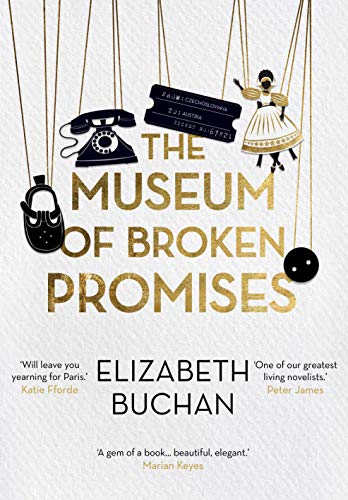
Jane: Elizabeth Buchan’s The Museum of Broken Promises is, like her other books, a slow starter. I have learnt to be patient while she creates a tapestry of detail so rich and wonderful, holding my breath until to story tips into second, third and fourth gears and becomes unputdownable.

The book is set in Paris in the present day and in Prague in the 1980s. The end of the Cold War was in touching distance, yet nobody knew it, and this adds an additional poignancy to the narrative. Laure, a young woman coming to terms with the death of her father is an au pair to a businessman and party insider, and while trying to make some sense of life behind the Iron Curtain, meets a dissident musician who steals her heart and soul. Years later in France, she sets up the Museum of Broken Promises, full of artefacts people donate in attempt to avenge or assuage the pain of betrayal – and some of them belong to her own past. Slowly the book teases out truths from a long ago Czechoslovakian summer. One moment achingly beautiful, the other shocking in its violence, the whole fits together like a handmade glove. It stayed with me, too – and it’s only now I’m writing this review I finally understand the most important promise. And who broke it. A must read. Honestly.

Kirsten: Beautifully written and no matter how grim the present times feel, at least we are not living in a plague village in 17th century Derbyshire!

I love historical fiction and I was late to the party with  Year of Wonders by Geraldine Brooks. It was published in 2002 and was recommended to me several times before I finally grabbed myself a copy. The book is set in 1666 and it’s based on a true event. The Great Plague has reaches the quiet Derbyshire village of Eyam through a contaminated piece of cloth that has been sent to a tailor from London. It’s the only place in the region that’s been affected and the villagers make the extraordinary decision to isolate themselves totally so that the plague cannot spread further – so no one allowed in or out until the plague has run its course or everyone has died. This story is told through the eyes of 18-year-old Anna Frith as she confronts ‘the loss of her family, the disintegration of her community and the lure of a dangerous and illicit love’. I loved it. It’s sad and interesting and touching and fascinating and I had no idea that anything like this had happened. I wonder how we’d have reacted in the same situation.

Anxiety and Modern Identity

Anxiety and the pressures of modern life seem to go hand-in-hand, with many describing the crippling condition as a ‘21st century epidemic’.  Author Steven Romain is no stranger to anxiety and has drawn upon his own experiences of the illness for his new literary novel, True-Life Walter, which features a central character who takes radical action to rid himself of anxiety, and by so doing also finds himself freed for the first time from the oppressive burden of social expectation.  

By Steven Romain
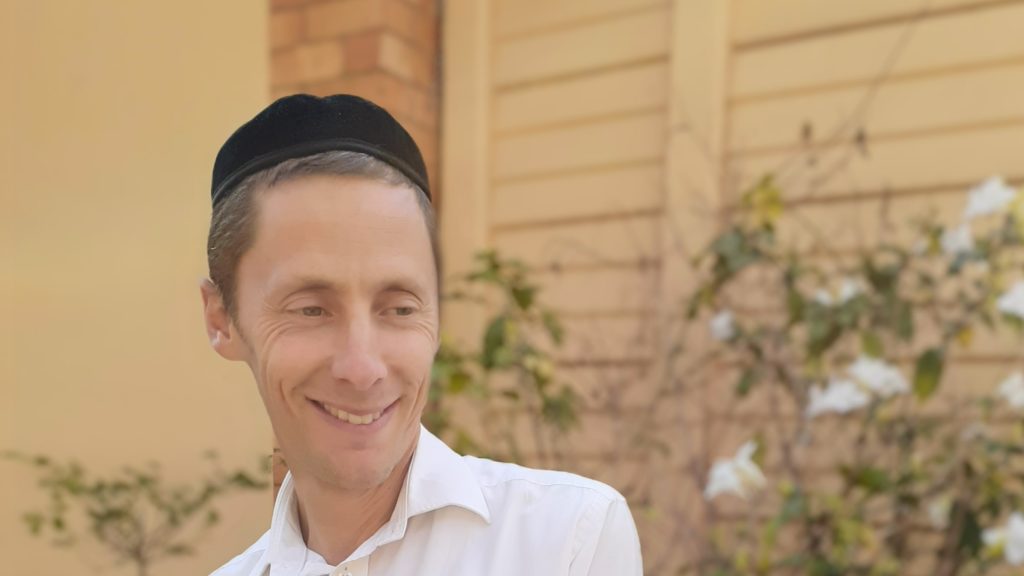
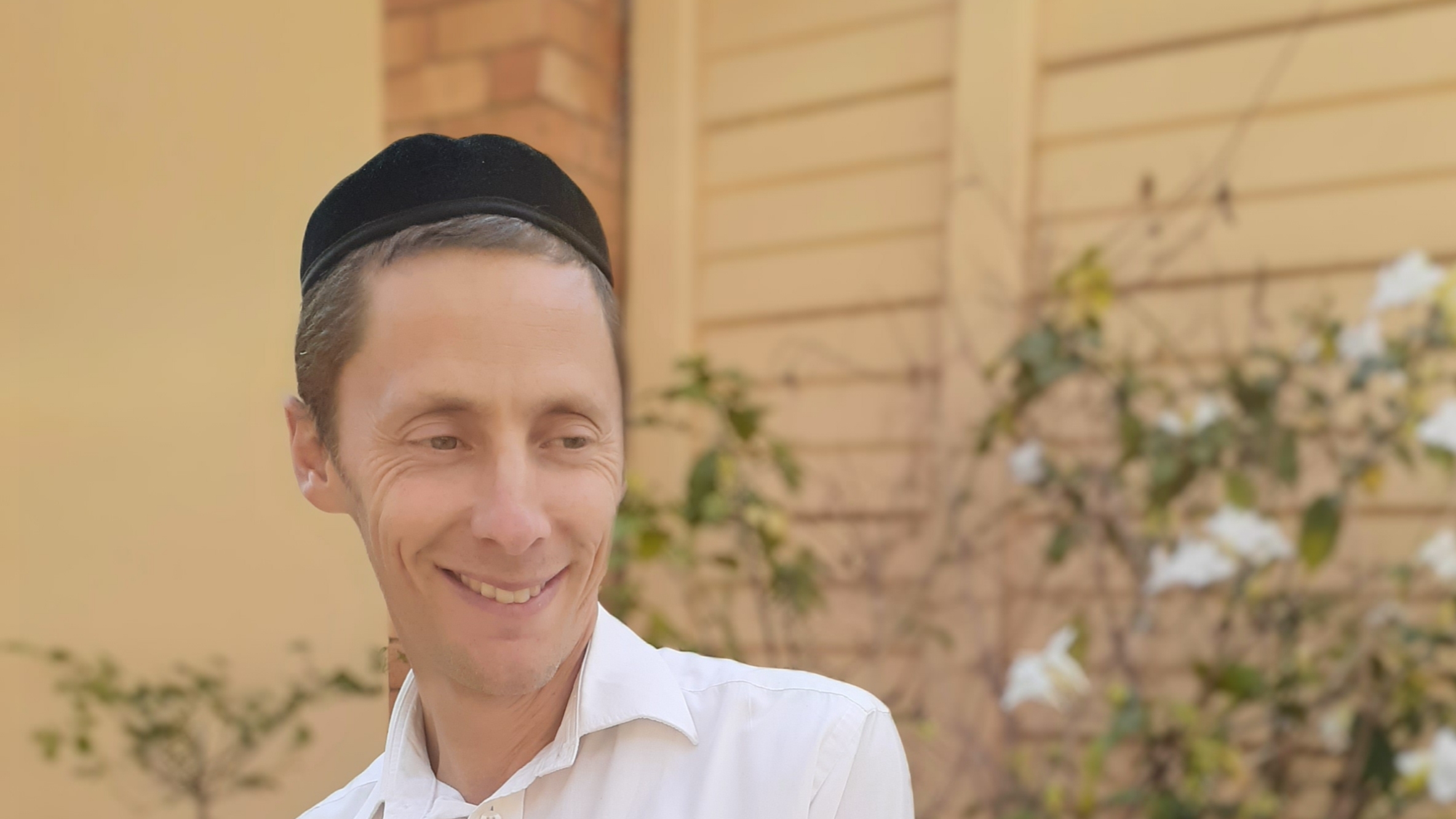
Caption: Author Steven Romain believes that anxiety is deeply connected to the confining expectations thrust upon us in the 21st century. Copyright Steven Romain 2019

The only people whose ideas about anxiety should be listened to are those who actually experience it. Like a wild dog, anxiety has a particular nature, conducts itself in specific ways, and is even characterised by unusually acute powers. A wild dog hears the heartbeats of a herd of springbok from a hundred metres away and selects the buck with the weakest heartbeat as his target. They have a ninety percent success rate as hunters. 

The complication with being human is that the definition of success eludes our grasp. If those walking around the world with anxiety are impaired in certain ways, and we may safely say they are, they are also gifted with special powers like artistic sensitivity; a highly suggestive imagination; and empathy. In addition, the fact of living with the condition for many years fosters wonderful species of fortitude and bravery. It is impossible for a non-sufferer to know what I mean, but it is a fact that simply getting up in the morning and dressing is, for many people, a great achievement. It’s very much like escaping from the captivity of a sadistic bandit.

The anxiety-sufferer wrestles with his angel from the moment he wakes up in the morning till the moment he falls asleep at night. To me, (especially since I am one of the club), it’s clear that this battle forges a person’s personality to a tremendous degree. And this brings us back to the question of defining a successful hunt for human beings. Who among us is living a successful life? 
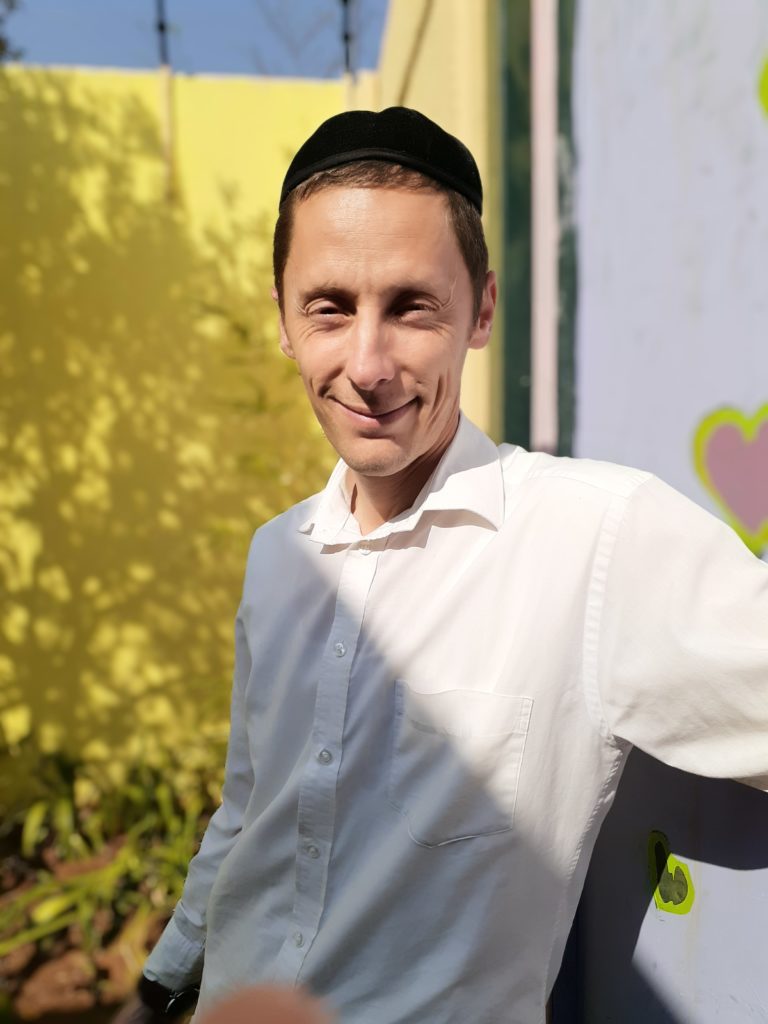
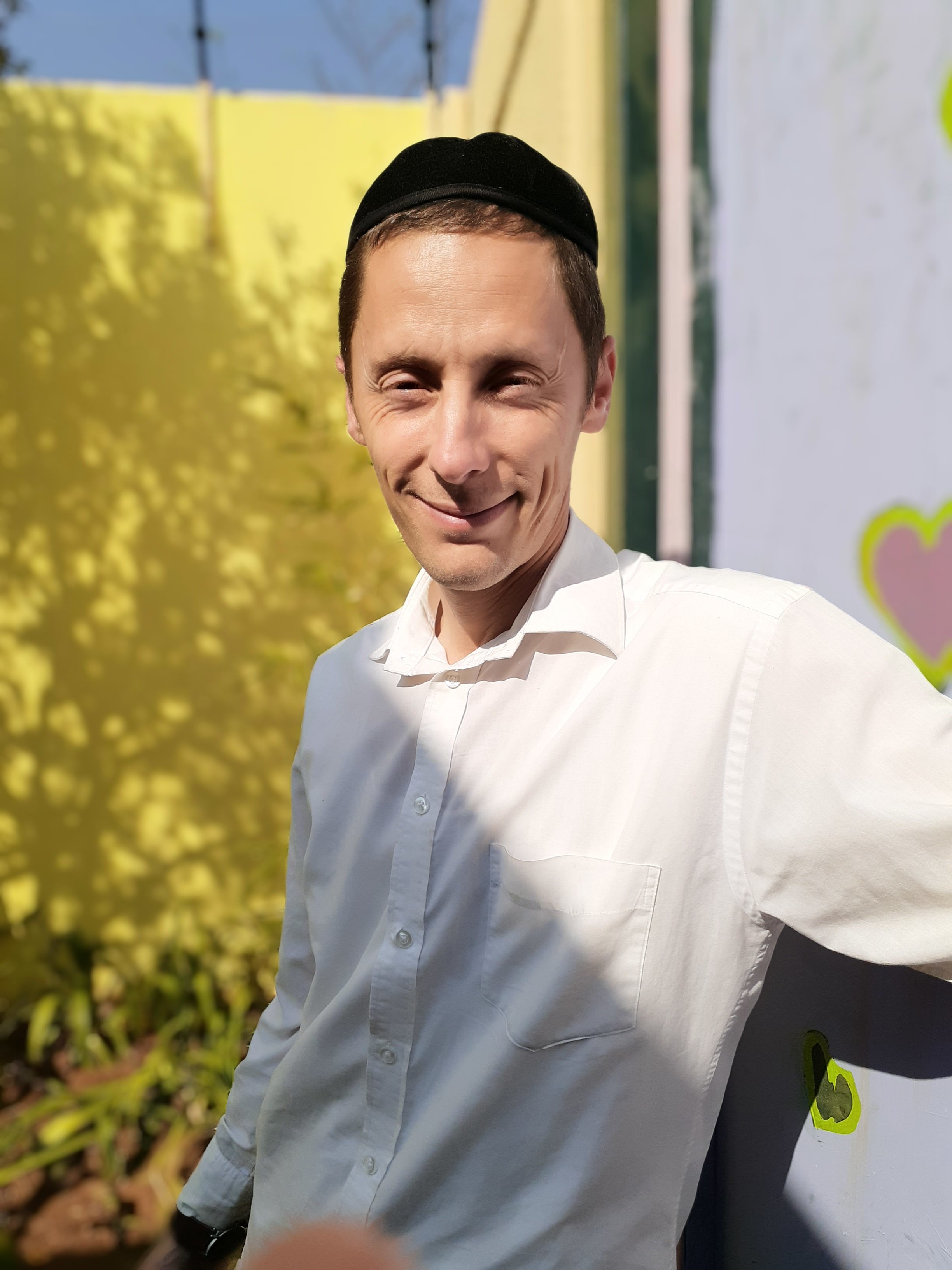
Caption: Author Steven Romain, an ordained rabbi, draws strength from his faith to make sense of an increasingly chaotic and superficial world. Copyright Steven Romain 2019

Many might point to the socially adjusted, the financially successful, the intelligent, or the famous. All these I would characterize as effective in some way. I, for my part, see something wrong with this view. Look around you at the world: stars, galaxies, electrons, insects, fire, water, ice, elephants—not to mention dreams, visions and spirits. This is a world which is marvelously complex and mystical, held to together inexplicably by The Holy One. And the crown of it is man, but what was he put here for? To become something, to know his Creator, in my opinion, but the point I wish to make is that G-d didn’t make this wonderfully interconnected world so that there should be people sitting at coffee-shops punching buttons on phones. This can be a pleasant pastime and I don’t mean to sound harsh, but I do think the question of ‘What was I put here to do?’ should be one that is considered in relation to our actual lives and not just pondered theoretically. Effective people can’t be the point of the whole world, for the reason that their effectivity only solves problems, and the Creator did not make the world to solve a problem, since He has none.

If you agree with me that dressing in the morning might be a genuine achievement, you probably also agree with me that succeeding in school, university, socially, romantically, or spiritually do not necessarily make for real achievement. Just a little bit of thought suffices to prove this. Each one of the items on this list is naturally easy for thousands of people, making for little challenge, and for thousands of others an apparent success in one of these areas would really be a failure. Take, for example, someone whose life circumstances are such that academic achievement is inappropriate for him. He has a pressing need to earn money. His graduation seals a four-year-long (and costly) wrong choice. 

A man is a very mysterious thing. Take a fresh look at him: what is he? He is made, in the sense that his powers and faculties are determined by his Creator, but he also makes himself. A very awkward man I know chose, in his youth, to devote himself to a kind of social work that entails mingling closely with tens of teenagers every day. Now, after years of habituation, no one could ever imagine him as anything else. It is what he is. And it came about purely from his choice. Plus, we all know that after the little dance we do on this earth we’ll be sailing away to a totally different place. The question that I’m proposing should at least seem like a question is: what is the dance I should do while I’m still here? The question should be asked again and again, day after day, because many of the answers we give might be straight-out wrong. There’s no point in just following everyone else’s answers: that would be like frantically neatening up an office the whole day, vacuuming and straightening and polishing, when the whole building is set for demolition.

A man like me wakes up this morning and faces the familiar forms of his anxiety, like an old enemy standing over his bed, waiting for him. Who is to say what it means—in this fantastically mysterious world—that he manages to put on his shirt, his pants, his shoes, drink a cup of coffee and drive to the supermarket? Maybe, as a result, it will rain on farms in Kenya. Maybe, when he leaves this world in his old age, the angels will tell him that the dance he did down here was just perfect: the heavenly hosts were cheering him on for every move. And maybe a man who is sentimentally eulogized as the greatest benefactor of mankind in his generation, a lifelong philanthropist, is told by the angels, on his departure from this world, that his life was a dismal failure. A totally different dance was expected of him.
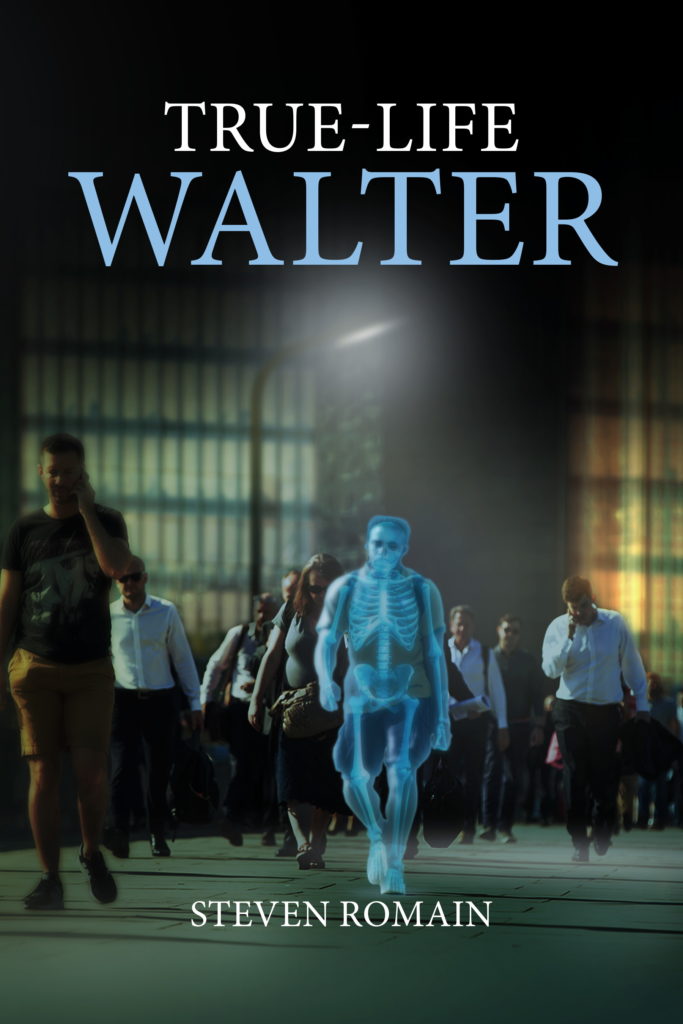
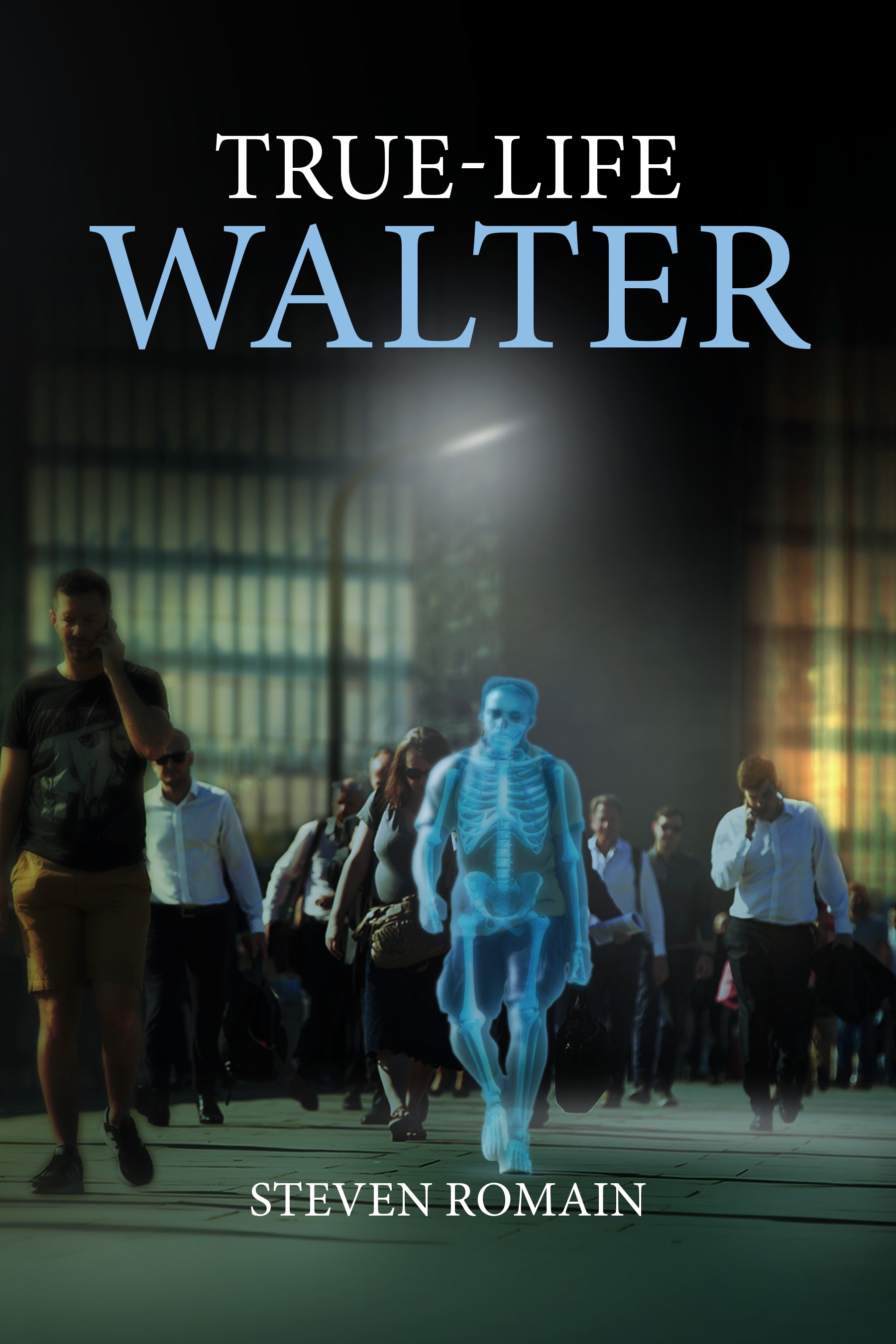
Caption: Steven Romain’s new literary novel True-Life Walter features a central character suffering from extreme anxiety. His actions to free himself from the condition, and what follows, elucidate the deeper meanings of identity and purpose in post-Apartheid South African society. Copyright Steven Romain 2019

The relationship between anxiety and the crisis of identity in our age, in which many of us are divorced, for certain reasons, from our real purpose, is too complex to deal with in a short article. Like everything in G-d’s world, anxiety is not only one thing. The Divine wisdom manifests through it in many different ways. But it is worth noting that, through anxiety, we disable our own lives in their futile rush toward vain ends. We are forced to re-evaluate what we are and what we want to be. 

In my novel, True-Life Walter, I explore modern anxiety by depicting it in the setting of modern Johannesburg, where, for men of colour like my protagonist, new identity is built every day. New lives are lived in newly discovered social and economic statuses. New possibilities of achievement dawn all the time: identities shift and change. As does any writer who strives for real art, I strive to render the suchness of anxiety in modern life without reducing it to easy tropes and explanations. In this way, literature has a unique power in assisting our understanding of anxiety, which is, at this point, an issue we need to take strides toward, not so much comprehending, as appreciating.

True-Life Walter by Steven Romain is available on Amazon priced £3.47 in paperback and £2.46 as an eBook.

SISTER SCRIBES’ READING ROUND UP: NOVEMBER

Jane:

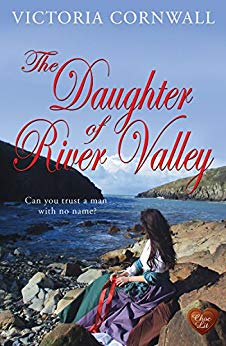
My first read of the month was The Daughter of the River Valley by Victoria Cornwall and I enjoyed this book so much. It drew me in from the beginning – it was so refreshing to read a story set in Victorian times with a fiery female working class character, and which wasn’t unrelenting doom and gloom. Well written and meticulously researched, I absolutely loved it.

I’ve had a real historical month and also adored Tracy Rees’ Darling Blue (now republished as The Love Note). Set in Richmond in the 1920s it charts the stories of three women, during a year when each of their worlds changes beyond recognition. The cast of characters is beautifully drawn, and rather than being a predictable flapper-fest, the novel addresses some of the important issues of the day, including the way the First World War changed both people and society. But for all that it isn’t a heavy read; it’s sensitive and joyful and at times impossible to put down.

Finally, in the name of research, I read Alice Chetwynd Ley’s A Reputation Dies. It’s a detective story set in London in 1815 and her use of period language is so rich it was a joy to read. I felt completely immersed in the period and enjoyed this historical cosy crime very much indeed.


Kirsten:

I love historical fiction and I was late to the party with  Year of Wonders by Geraldine Brooks. It was published in 2002 and was recommended to me several times before I finally grabbed myself a copy. The book is set in 1666 and it’s based on a true event. The Great Plague has reaches the quiet Derbyshire village of Eyam through a contaminated piece of cloth that has been sent to a tailor from London. It’s the only place in the region that’s been affected and the villagers make the extraordinary decision to isolate themselves totally so that the plague cannot spread further – so no one allowed in or out until the plague has run its course or everyone has died. This story is told through the eyes of 18-year-old Anna Frith as she confronts ‘the loss of her family, the disintegration of her community and the lure of a dangerous and illicit love’. I loved it. It’s sad and interesting and touching and fascinating and I had no idea that anything like this had happened. I wonder how we’d have reacted in the same situation.


Susanna:

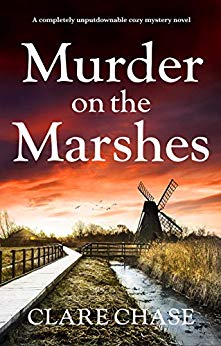
The first two novels in Clare Chase’s Tara Thorpe series, Murder on the Marshes and Death on the River, are set in and around Cambridge and the Fens. In the first book, Tara is an investigative reporter, while in the second, time has moved on and she is now a police officer, which makes an interesting transition that adds depth to the story. The plots are clever, with twists, atmosphere, pace, a range of well-fleshed-out characters and plenty to make you think. The settings in the books are beautifully conveyed and show Clare Chase’s skill as a writer. I enjoyed the chemistry between Tara and Garstin Blake and when I read the second book, I longed all the way through for Tara’s nasty colleague to get his comeuppance. There are two more Tara Thorpe books (Murder Comes to Call and Death in the Fens) and I’m looking forward to reading those.