ELAINE SPIRES: TURNING A NOVEL INTO A STAGE PLAY

In her second article Elaine Spires turns a novel into a stage play

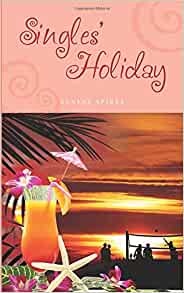
In my previous article – Turning a Stage Play into a Novel – I shared my experiences of turning two of my plays into novels and of the relative ease with which this was done. Writing a play from a book (Singles’ Holiday) proved much harder.

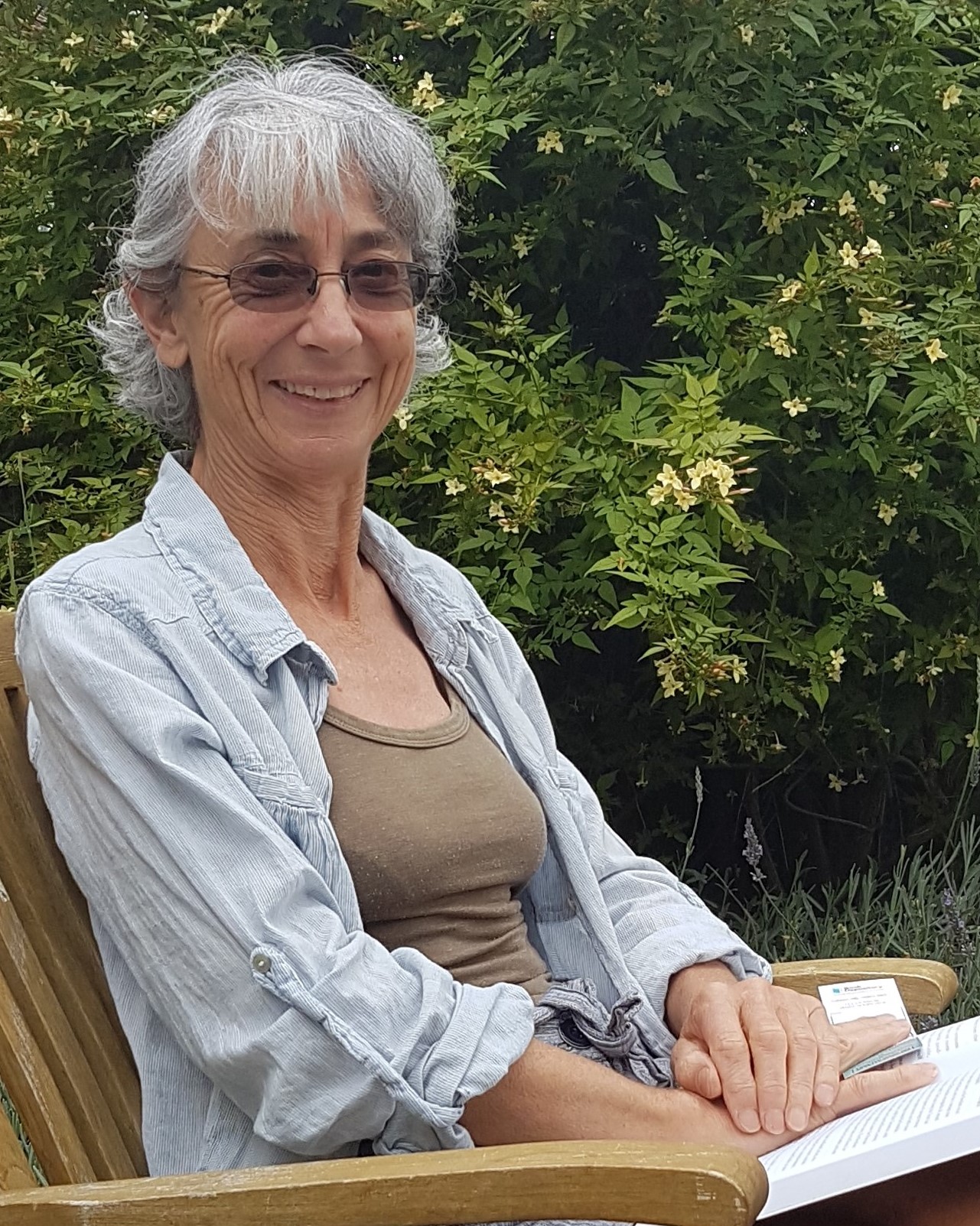
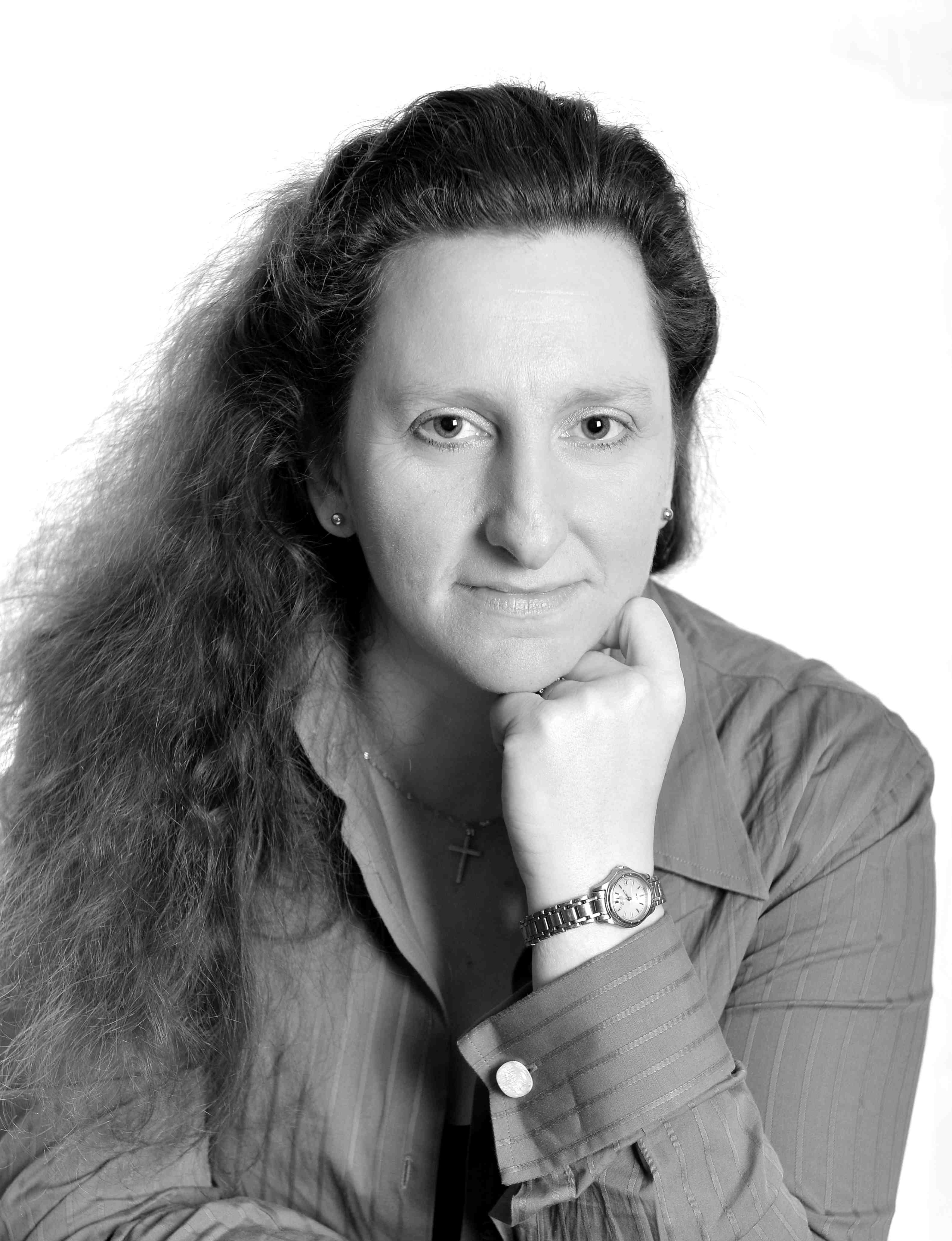
Photo credit: Danann Breathnach

Originally I wanted to write a screenplay but knew the probabilities of getting it in front of anyone that mattered were slightly less than winning the Euromillions next Friday. And although I know lots of actors, writers and directors, I unfortunately don’t know anyone with the financial means to make such a film or TV series. Producing Singles’ Holiday for the stage, however, was much more feasible.

The book has a fairly large cast of characters, and I wanted them all to appear in the play.  This was impossible.  As interesting as their backstories were and of importance in explaining how this totally diverse group of people come to holiday together in Antigua, it couldn’t be told in two hours.  So the culling of characters began.  It felt like I was murdering my own children.

To start, I took a red pen to all the minor characters.  Then I concentrated on those remaining to move the story along and produce my first draft. I’ve always preferred writing dialogue, but writing only dialogue proved a challenge resulting in lengthy stage directions.

The draft was four hundred and two pages: totally unrealistic as it would mean a six-hour show.  Actor Nick Campbell who knew the book well, had encouraged me to write the script and wanted to produce the play sat down with me and after much foot-stamping on my part persuaded me to cut two more characters but this meant we lost a huge plot twist.

I feared this would diminish the story but I could see that he was right; it was better to concentrate on writing a play that worked rather than a faithful rehash of the book that didn’t.  There’s nothing worse than theatre that doesn’t entertain.

It turned out to be sound advice.  I realised that Singles’ Holidays is, in fact, almost three books in one and by carefully plotting the story arc and concentrating on a smaller cast it could work well.

Once the second draft was ready I got a group of actors together for a table read.  This is a vital part of the playwriting process as it’s the first time a writer sees her characters come to life and hears them speak, outside her own head, of course.  It also shows what works theatrically and what doesn’t. As this draft was over two hundred pages I already knew further editing would be necessary.  I made copious notes and worked on the script again. Cutting out two further characters and their dialogue brought us to one hundred and sixty pages.

And it was time for another table read.  A fabulous director friend Jane Gull came along and was brutally honest with me, asking,

Whose story is it, Elaine?”

This one question (answer – Eve the tour manager’s) showed me what I needed to do: cut out anything superfluous to developing her story.

Finally, I had a one-hundred-and-thirty-page play script. Another table reading showed it worked!

And in October 2014, Singles’ Holiday had a hugely successful week’s run at the Brentwood Theatre, courtesy of Melabeau Productions.

Singles’ Holiday is now the first in the six-book Singles’ Series. The others are set in worldwide tourism destinations and continue Eve’s story.  I still think they would make great TV.  Does anyone know someone at Netflix?


www.elainespires.co.uk


WELSH WRITING WEDNESDAYS: GAIL WILLIAMS ON WELSH LANDSCAPE AS INSPIRATION

Inspiration comes from what we see. We have to see to want, and an author needs to really see to write.

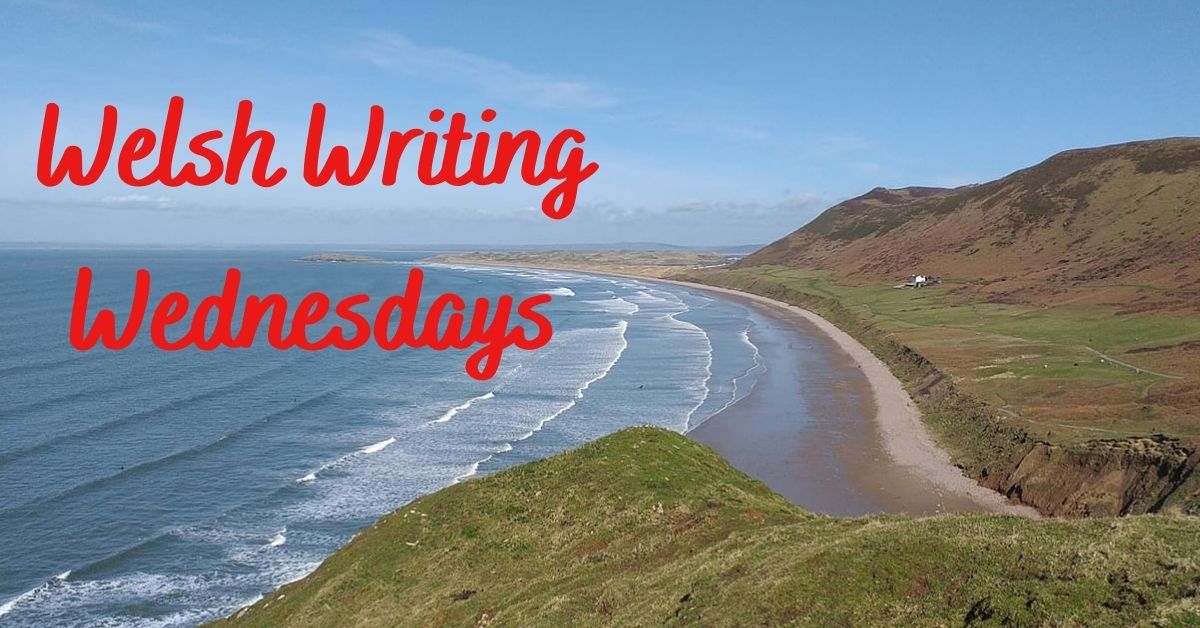
Wales is often noted for the sheer beauty of its landscape, but just to call it beautiful is a disservice to the land. Wales is diverse and changeable, tough and uncompromising, warm and welcoming. We have high, harsh mountains, flat golden beaches, and everything in between. I am very grateful to live somewhere where I can go 20 minutes in one direction and be on the beach, or 20 minutes in the other direction and be in the mountains.

This has, of course, spilled into my writing. “The Chair” was deliberately set on Cadre Idris. I picked the mountain as somewhere that’s rural enough to believably not have phone signal, and therefore be somewhere to run to in order to avoid modern technology. But it also had to be a place where the land itself can become the enemy.

I’ve used other parts of Wales in my writing too, for example Swansea as it’s got a strong connection to the stained-glass industry, and the university engineering departments are often involved in land speed records.

When I moved to Wales, one of the places I got to know was Merthyr Tydfil and I always felt it would be a great place to kill someone – I mean somewhere to set a crime book, of course. Only I didn’t have a story to put there.

Recently, I’ve been working on a new book, this time a police procedural. If this book succeeds, there is the potential for it to become a series and that means that I needed to set it in a place that would give me sufficient scope for a range of characters and crimes.

I needed somewhere with a police presence sufficient to include a CID team – which is usually a large(ish) town or city. I needed somewhere where they could get autopsies – which for police autopsies is apparently Cardiff only at the moment, though a recent announcement is set to change that. I and wanted somewhere where I had a good mix of physical landscapes, so I could do gritty urban realism, but I also wanted wide open spaces, areas that would support some of the wilder, and more wider ranging ideas that I have in mind.

Which all brought me back to Merthyr Tydfil – the perfect place for crime.

Merthyr sits at the top left-hand of The Valleys and has a relatively new, purpose-built large police sttion. It’s at the crossroad of the north-south A470, and the east-west A485, the Heads of the Valleys Road. It’s an urban heart with easy links to Cardiff. It’s an historic area that links to the natural beauty of the Brecon Beacons.

Of courses there are also the coal fields and scars to the west, at the remains of Tower Colliery, and to the east is the road to Abergavenny and the towns down the valleys. Actually, those towns are sort of off limits as they are in the Gwent Police area, not South Wales Police as Merthyr is. Though even that provides an opportunity, there’s a lot of interesting possibilities for different police forces working together.

It also helps that Merthyr is known more widely than many Welsh towns. And that it’s within driving distance for me to go do some research if as and when I need to.

So, while Merthyr Tydfil took its time, it finally told me that what story it wanted me to write. All I have to do now, is sell it.


See more from GB Williams at gailbwilliams.co.uk


Murder at the Bailey by Henry Milner Book Review

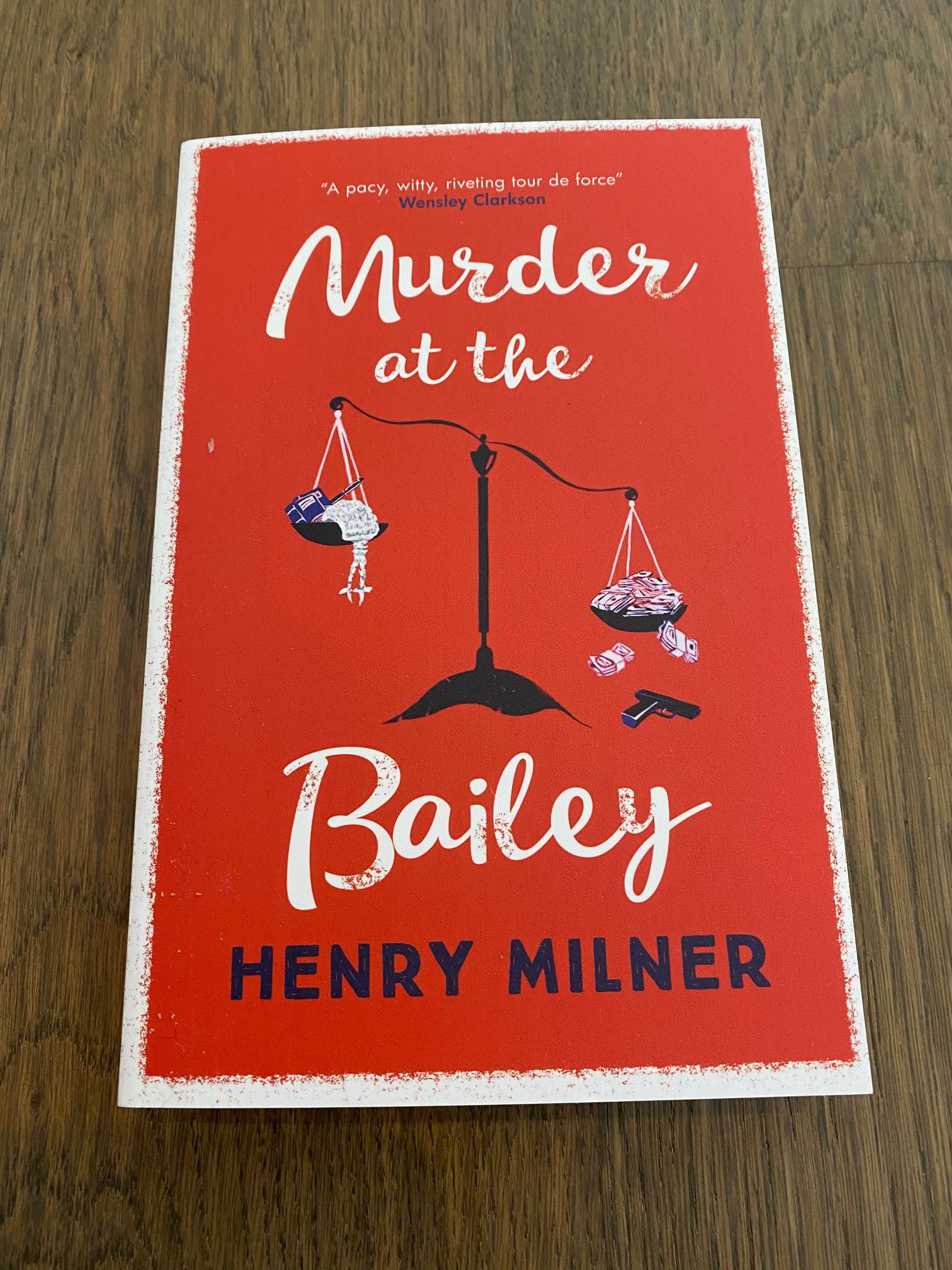
muder at the baileyThis is a brilliant and believable novel due to the author being one of the UK’s top criminal lawyers. Gorgeously entertaining. A fantastic debut from a new rising star.

A notorious loan shark is shot dead, in broad daylight, right outside the front doors of the Old Bailey. The killer is arrested at the scene and Adrian Stanford is lined up to take on the toughest defence case of his career. Can he steer his client past the no-nonsense Detective Chief Superintendent ‘Iron-Rod’ Stokes, hell-bent on achieving a murder conviction in his last case before retirement? That’s assuming he can keep his client alive in prison long enough for the trial to go ahead. Can his illustrious defence QC, Patrick ‘The Edge’ Gorman, swerve the case past the acerbic judge known to all as Mack the Knife, whose own resolve is being tested to the limit by an adulterous wife? And why is London underworld numero uno Big Jake Davenport showing such a keen interest in the proceedings?

A wickedly eccentric cast of brilliantly drawn characters populate this daring debut from one of Britain’s top criminal defence lawyers. Dripping with sparkling dialogue and delicious wit, Murder at the Bailey is a masterly picaresque romp through the courtrooms, custody suites and London restaurants graced by the cognoscenti.

Murder at the Bailey is available here.


ELAINE SPIRES: TURNING A STAGE PLAY INTO A NOVEL

In the first of two articles Elaine Spires shares the secrets of turning a stage play into a novel

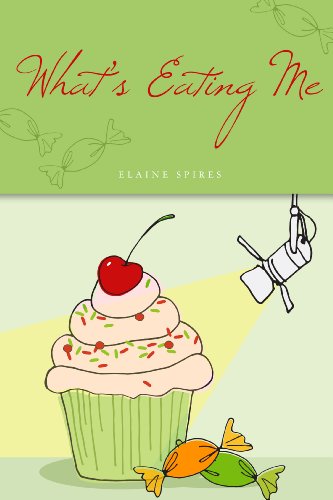
My first novel, What’s Eating Me, started life as a stage play.  It’s the story of Eileen Holloway, a struggling single parent of two teenage boys who’s holding down a demanding job while dealing with her difficult mother. Food is the drug of choice that gets her through the day until she is tricked into appearing on Barbara’s Beautiful Bodies, a reality TV show. She becomes a celebrity over night, albeit a reluctant one. Compulsive overeating is a grossly misunderstood condition and it was a story I was keen to tell.

Photo credit: Danann Breathnach

The play was a one-woman show, which I took to the Edinburgh Fringe. Although we played in a tiny venue, it had great reviews.  Afterwards, though, I just couldn’t let Eileen go. So I decided to turn her story into my first book.

As the play was a three-act soliloquy – Eileen sharing her thoughts with the audience – it seemed to me logical that the book should be written in the first person (I) as this would tell Eileen’s story in her own voice, giving it an intimacy that would have been missing in the third person (she).

A huge advantage for a writer turning a play into a novel is that the characters have already been brought to life and their voices have been heard. A great tip for writing novels, especially dialogue, is to read your words out loud to hear the characters’ voices and when converting a play this part has already been done for you.  Your characters are already 3-dimensional and alive; you’ve seen and heard them. The audience feedback i.e. where they reacted by laughing, gasping, clapping, stunned silences or – hopefully not – bored indifference is also a great indicator of what’s working and what isn’t, not just re dialogue but also plot twists and story arc.  I would recommend watching your play performed as many times as possible. You’ll be surprised that you see something different every time. Actor input also plays a helpful, vital role.

Regardless of when events and back stories appeared in the play my first step was to put them into chronological order thus giving me a time line of scenes. Then I worked on each scene, developing character/personality traits, adding or expanding on backstory thus giving not only deeper insights to the individual characters but explaining, in this case, Eileen’s reactions to them.  This I call sprinkling the glitter – where the creative process really gets to work. It’s the part where ideas often appear from nowhere that move the plot along or take it in a different direction. This, in turn, helped demonstrate the Why behind Eileen’s self-destructive behaviour. In the end, although the main events of the story occur in diary form in the novel, backstory events are revealed as and when the plot demands it, thus producing twists.  And everyone loves a twist, don’t they? Perhaps this sounds complicated but with detailed A3 sheets on the wall covered in post-it notes, it worked for me.

I thoroughly enjoyed this way of writing and so another play – Sweet Lady – became my second novel.  And this book, too, is written in first person, although quite different from What’s Eating Me.  The rest of my novels haven’t been plays but I always visualise them as such, making notes and envisaging scenes of dialogue, which I perform aloud – fortunately I live alone – before I start the proper writing of the book.

Readers often remark that my books would make great TV series. I think that’s the result of the way I plan.


www.elainespires.co.uk


WELSH WRITING WEDNESDAYS: INTRODUCING CRIME WRITER GAIL WILLIAMS

I am a writer. That thought has been with me for as long as I can remember. I am a writer.

It’s not complicated, but it’s not something I was confident to say until fairly recently. So, hello, I am GB Williams, a crime writer. I have always known that writing is what I was supposed to do, though not what I’ve always done, still it’s what I’m here to talk about, I’m here to introduce you to my writing.

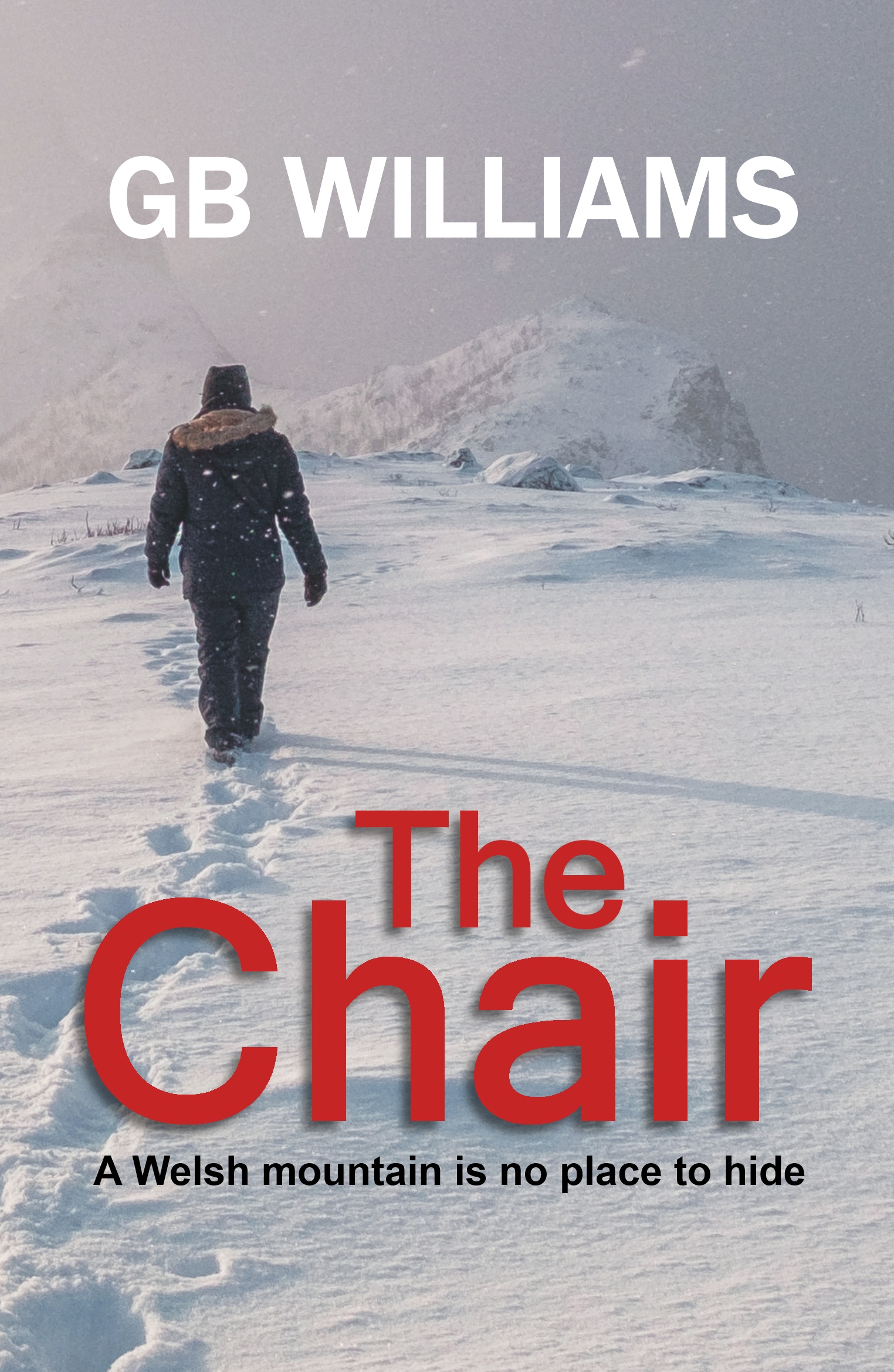
The Chair is a thriller-romance set on Cader Idris, in beautiful southern Snowdonia. The heart of the story starts with a hacker taking what he shouldn’t in London, and when cyber threats turn to physical threats, he has to run as far from the internet as possible. Remembering his parents’ complaints of no signal in north Wales is what brings him to Cadre Idris. Poor driving and the resulting crash is what keeps him there and draws local vet, Branwen Jones and the local hermit, Cobb, into his world of trouble.

Having grown up in the southeast and lived more than half my life in Wales, I know both sides of this story well enough to feel I can do justice to both worlds.

There are a lot of contrasts between London and Wales. Pace of life. Freshness of the air. The wide-open spaces, or lack thereof. But there are strong similarities too. We are all humans trying to survive after all.

That drive is what takes us all though life, and we discover different things alone the way, sometimes to find what we don’t know we’re looking for, we have to change trajectory.  That’s something I did, moved from a high-pressure office job, to writing and editing, and I love it, never been happier.

Changing trajectory is what I do with the characters in The Chair.

Cobb comes to Pen-Y-Cwm after tragedy changes his life. All he wants to be is alone to avoid heartache – only meeting Branwen threatens to drag him out of such splendid isolation. Branwen is looking to leave Pen-Y-Cwm because she can’t take the isolation and heartache of being there, a pain Cobb’s presence exacerbates. Jay is looking to make a quick buck in London, but to save his life he has to run, ending up in Pen-Y-Cwm. Baron works for money, inflicting pain isn’t what he enjoys, it’s just something he’s paid to do. He goes to Pen-Y-Cwm, because that is where he’s sent. He’d happily leave Branwen and Cobb alone, but they are between him and the mark.

This disparate group of people come together for a life-threatening climax, that you’ll just have to read to find out who survives, and decide for yourself if you think they should.


The Chair

Cobb retreated to Cadre Idris for a solitary life of peace and quite. It’s a bubble that bursts when he and Branwen Jones, the local vet, find an RTA victim during a blizzard and must shelter him in Cobb’s home.

When London’s underbelly reaches Wales, they discover that modern inconveniences persist, and this isn’t the uncivilization they know nor the one they expected. Their presence throws close-knit community life into stark relief.

Forced to help hide an injured hacker from people who will kill to stop the spread of stolen information, Cobb’s not sure he’s ready to rejoin the world when that means putting another woman in the firing line. Branwen’s not sure she can face the revelation of her darkest secret.

When they face the final showdown, they will all find that a Welsh mountain is no place to hide.


Author’s website: https://gailbwilliams.co.uk/


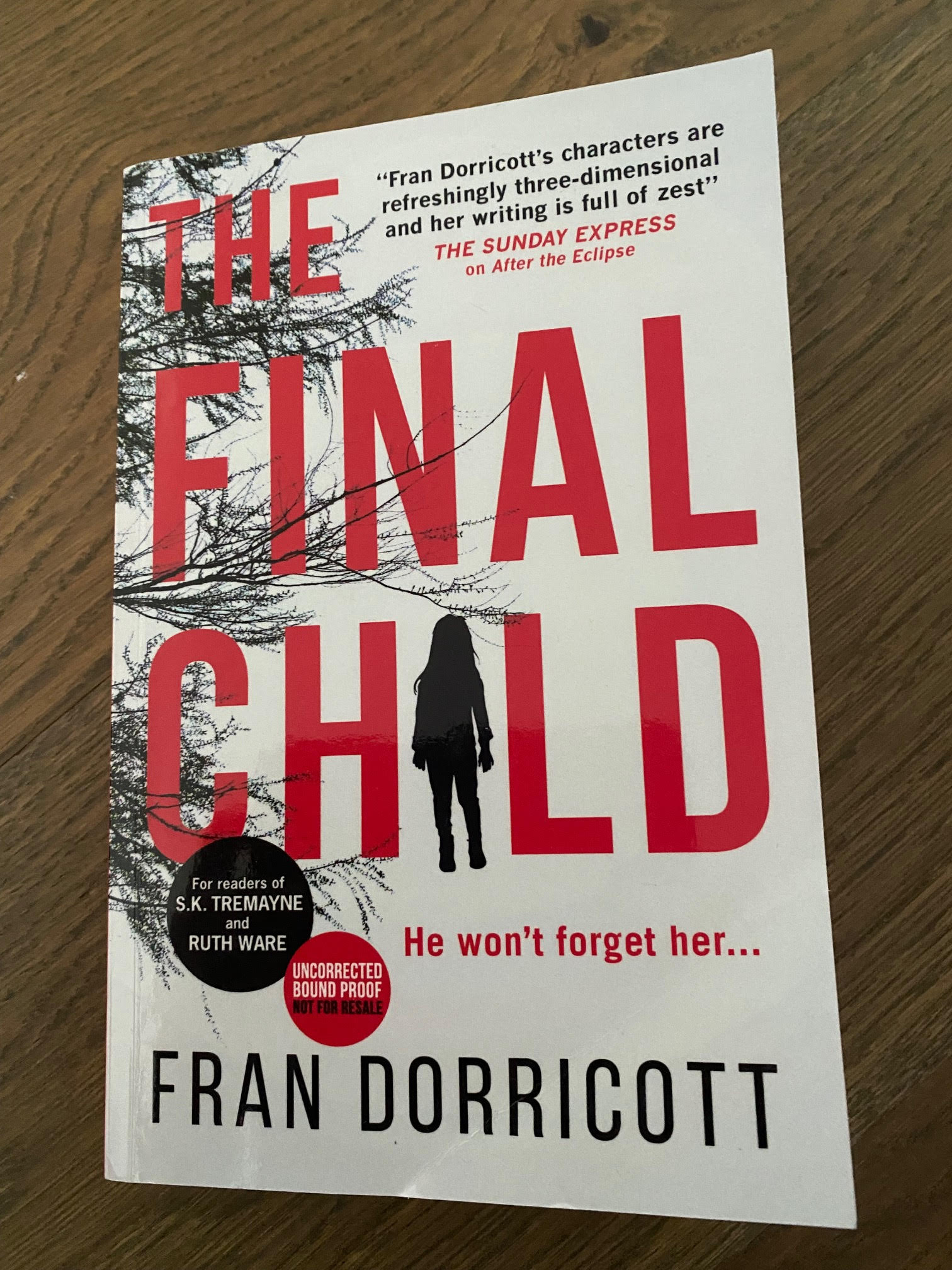
The Final Child By Fran Dorricott Book Review

I am going to be honest, this book kind of scared me. Thankfully in a good way. I tend to avoid books with serial killers because I am a bit of a softy. But, but…The Final Child. Wowsers. What a book, what a writer. Terrifying, sure, but also vividly written and just so clever. The hook is a brilliant one and is perfectly executed, The tension builds and builds, holding you until the very last page. Fran Dorricott is certainly one to watch. I cannot wait for her next book. The Final Child is a masterclass in psychological crime thriller.


A stunning psychological thriller from the author of After the Eclipse, for readers of Ruth Ware and S.K. Tremeyne.

He won’t forget her…

Erin and her brother Alex were the last children abducted by ‘the Father’, a serial killer who only ever took pairs of siblings. She escaped, but her brother was never seen again. Traumatised, Erin couldn’t remember anything about her ordeal, and the Father was never caught.

Eighteen years later, Erin has done her best to put the past behind her. But then she meets Harriet. Harriet’s young cousins were the Father’s first victims and, haunted by their deaths, she is writing a book about the disappearances and is desperate for an interview with the only survivor. At first, Erin wants nothing to do with her. But then she starts receiving sinister gifts, her house is broken into, and she can’t shake the feeling that she’s being watched. After all these years, Erin believed that the Father was gone, but now she begins to wonder if he was only waiting…

A tense and emotive thriller, The Final Child is a powerful tale of a survivor being forced to confront her painful past.

The Final Child By Fran Dorricott is available here.

The Dark Hours by Michael Connelly Book Review

The Dark Hours by Michael Connelly Book Review

I always get excited when a new Michael Connolly book arrives. I also love the characters Renée Ballard and Harry Bosch. As a team they are brilliant and so interesting. The Dark Hours is a tightly-wound thriller which reaches an explosive and satisfying ending. Another triumph for Michael Connolly.

A brazen and methodical killer strikes on New Year’s Eve and LAPD Detective Renée Ballard and Harry Bosch must join forces to find justice for the victim in a city scarred by fear and social unrest, in the new thriller from the #1 Sunday Times bestseller Michael Connelly.

There’s chaos in Hollywood at the end of the New Year’s Eve countdown. Working her graveyard shift, LAPD Detective Renée Ballard waits out the traditional rain of lead as hundreds of revellers shoot their guns into the air. Only minutes after midnight, Ballard is called to a scene where a hardworking auto shop owner has been fatally hit by a bullet in the middle of a crowded street party.

Ballard quickly concludes that the deadly bullet could not have fallen from the sky and that it is linked to another unsolved murder – a case at one time worked by Detective Harry Bosch. At the same time, Ballard hunts a fiendish pair of serial rapists, the Midnight Men, who have been terrorizing women and leaving no trace.

Determined to solve both cases, Ballard feels like she is constantly running uphill in a police department indelibly changed by the pandemic and recent social unrest. It is a department so hampered by inertia and low morale that Ballard must go outside to the one detective she can count on: Harry Bosch. But as the two inexorable detectives work together to find out where old and new cases intersect, they must constantly look over their shoulders. The brutal predators they are tracking are ready to kill to keep their secrets hidden.

The Dark Hours by Michael Connelly is available here.


CARIADS’ CHOICE: OCTOBER BOOK REVIEWS

Freya Kennedy’s In Pursuit of Happiness,  reviewed by Carol Thomas

This standalone novel shares the Ivy Lane setting introduced in The Hopes and Dreams of Libby Quinn. The community spirit continues, and there is the bonus of a catch up with previous characters. It took me a little time to get into the book and to warm to the heroine, Jo, but I’m glad I gave her a chance as she blossomed as her journey progressed. I enjoyed the Irish setting, and I loved Lorcan. Jo is a writer, and some of her success seemed easily won, but then this is a happy, feel-good read with a theme of believing in yourself and having the confidence to take risks and follow your dreams. You don’t have to read The Hopes and Dreams of Libby Quinn before this novel, but I recommend you do as it is a fabulous story!


Morton S Gray’s The Truth Lies Buried, reviewed by Jane Cable

In Carver Rodgers, Morton Gray has created my kind of hero; a damaged fighter who battles his own demons with increasing conviction. He and his incredible wooden house in the middle of a forest are so beautifully drawn I could actually see and feel how it was to be there and it is no surprise that lonely and grieving Jenny falls for this potentially difficult man.

But this isn’t just a love story, there is a mystery to solve too, one that goes back to a long-forgotten link in Carver and Jenny’s pasts, and it had me on the edge of my seat wanting to know what happened.


M L Rio’s If We Were Villains, reviewed by Evonne Wareham

If you’re a fan of Donna Tart’s The Secret History and/or Shakespeare you might like to try this one. If it grabs you, it’s a compelling read. In the hothouse atmosphere of a select American college for the arts, seven elite theatre studies students immerse themselves in performing Shakespeare (lots and lots of Shakespeare, heavily quoted). The close knit group share and exchange a heady, swirling mix of friendship, love, hate, rivalry, lust, passion, violence, excess, and eventually murder. The story sweeps the reader along in an intense and sometimes ambiguous journey of mystery and questions. Oliver Marks, newly released from prison after serving ten years for murder, reveals to the detective who arrested him what really happened that night down by the lake and in the weeks that followed. Who was the victim, who the villain – and where did blame for the tragic events really fall?


Jenni Keer’s The Secrets of Hawthorn Place, reviewed by Kitty Wilson

 I loved this book. It’s a dual-narrative with both the Victorian and contemporary elements captivating me and thoroughly pulling me in. The characters were really well-drawn and as a reader, I quickly fell in love with them all, screeching when Molly was spending time with Harrison and willing her to get back Acacia House. The use of two Art and Crafts houses on the Dorset and Norfolk coasts as the setting also really appealed – I adore William Morris – and I found Molly’s method of travelling between the two, quirky and endearing. Who wouldn’t love to make such a marvellous discovery? The book was fast-paced, indeed it had me racing to get back to it, and I loved watching all the characters grow. The author writes both strands of romance in an insightful way, indeed she covers a range of human experience with a deft but empathetic touch, and I felt true satisfaction as we reached the resolution and saw how Percy’s life had panned out and the decisions that Molly and Rory make. This novel has it all, romance, history, mystery and magic, all told in a light-hearted style that makes this a beautiful easy and satisfying read.