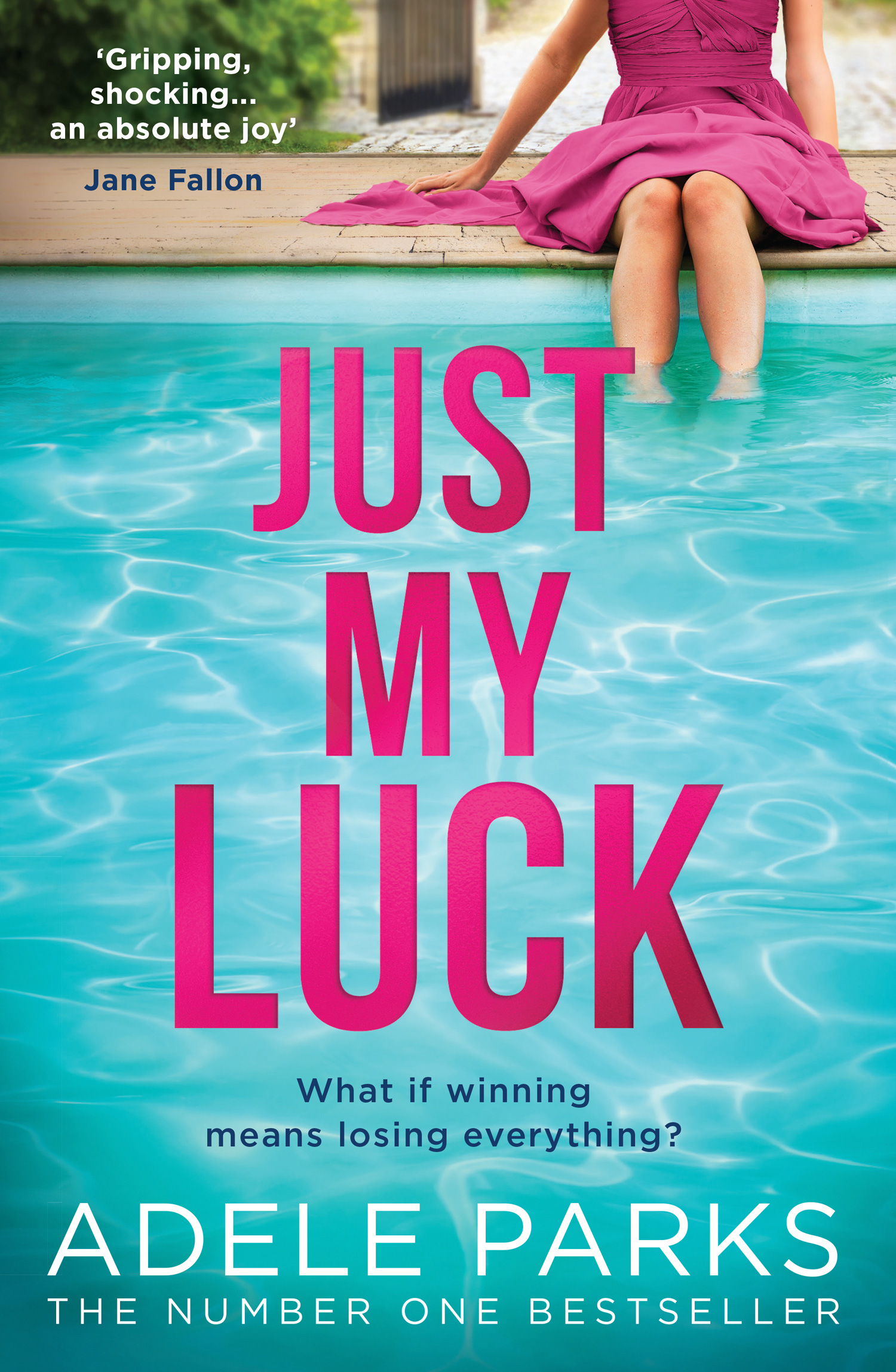
Read An Extract From Adele Parks New Book Just My Luck

Just My Luck, Adele Parks, extract , review

Lexi

Saturday, 20th April

I can’t face going straight home to Jake. I’m not ready to deal with this. I need to try to process it frst. But how? Where do I start? I have no idea. The blankness in my mind terrifes me. I always know what to do. I always have a solution, a way of tackling something, giving it a happy spin. I’m Lexi Greenwood, the woman everyone knows of as the fxer, the smiler (some might even slightly snidely call me a do-gooder). Lexi Greenwood, wife, mother, friend.
You think you know someone. But you don’t know anyone, not really. You never can.
I need a drink. I drive to our local. Sod it, I’ll leave the car at the pub and walk home, pick it up in the morning. I order a glass of red wine, a large one, then I look for a seat tucked away in the corner where I can down my drink alone. It’s Easter weekend, and a rare hot one. The place is packed. As I thread my way through the heaving bar, a number of neighbours raise a glass, gesturing to me to join them; they ask after the kids and Jake. Everyone else in the pub seems celebratory, buoyant. I feel detached. Lost. That’s the thing about living in a small village, you recognise everyone. Sometimes that reassures me, sometimes it’s inconvenient. I politely and apologetically defect their friendly overtures and continue in my search for a solitary spot. Saturday vibes are all around me, but I feel nothing other than stunned, stressed, isolated.You think you know someone.
What does this mean for our group? Our frimily. Friends that are like family. What a joke. Blatantly, we’re not friends anymore. I’ve been trying to hide from the facts for some time, hoping there was a misunderstanding, an explanation; nothing can explain away this.
I told Jake I’d only be a short while; I should text him to say I’ll be longer. I reach for my phone and realise in my haste to leave the house, I haven’t brought it with me. Jake will be wondering where I am; I don’t care. I down my wine. The acidity hits my throat, a shock and a relief at once. Then I go to the bar to order a second.
The local pub is only a ten-minute walk away from our home but by the time I attempt the walk back, the red wine had taken effect. Unfortunately, I am feeling the sort of drunk that nurtures paranoia and fury, rather than a light head or heart. What can I do to right this wrong? I have to do something. I can’t carry on as normal, pretending I know nothing of it. Can I?
As I approach home, I see Jake at the window, peering out.I barely recognise him. He looks taut, tense. On spotting me, he runs to fing open the front door.
‘Lexi, Lexi, quickly come in here,’ he hiss-whispers, clearly agitated. ‘Where have you been? Why didn’t you take your phone? I’ve been calling you. I needed to get hold of you.’
What now? My frst thoughts turn to our son. ‘Is it Logan? Has he hurt himself?’ I ask anxiously. I’m already teetering on the edge; my head quickly goes to a dark place. Split skulls, broken bones. A dash to A&E isn’t unheard of; thirteen-year-old Logan has daredevil tendencies and the sort of mentality that thinks shimmying down a drainpipe is a reasonable way to exit his bedroom in order to go outside and kick a football about. My ffteen-year-old daughter, Emily, rarely causes me a moment’s concern.
‘No, no, he’s fne. Both the kids are in their rooms. It’s… Look, come inside, I can’t tell you out here.’ Jake is practically bouncing up and down on the balls of his feet. I can’t read him. My head is too fuzzy with wine and full of rage and disgust. I resent Jake for causing more drama, although he has no idea what shit I’m deal- ing with. I’ve never seen him quite this way before. If I touched him, I might get an electric shock; he oozes a dangerous energy. I follow my husband into the house. He is hurrying, urging me to speed up. I slow down, deliberately obtuse. In the hallway he turns to me, takes a deep breath, runs his hands through his hair but won’t, can’t, meet my eyes. For a crazy moment I think he is about to confess to having an affair. ‘OK, just tell me, did you buy a lottery ticket this week?’ he asks.
‘Yes.’ I have bought a lottery ticket every week of my life for the last ffteen years. Despite all the bother last week, I have stuck to my habit.
Jake takes in another deep breath, sucking all the oxygen from the hallway. ‘OK, and did you—’ he breaks off, fnally drags his eyes to meet mine. I’m not sure what I see in his gaze, an almost painful longing, fear and panic. Yet at the same time there is hope there too. ‘Did you pick the usual numbers?’
‘Yes.’
His jaw is still set tight. ‘You have the ticket?’ ‘Yes.’
‘You’re sure?’
‘Yes, it’s pinned on the noticeboard in the kitchen. Why?
What’s going on?’
‘Fuck.’ Jake lets out a breath that has the power of a storm. He falls back against the hall wall for a second and then he rallies, grabs my hand and pulls me into the room that was designed to be a dining room but has ended up being a sort of study slash dumping ground. A place where the children sometimes do their homework, I tackle paying the household bills, and towering piles of ironing, punctured footballs and old trainers hide out. Jake sits down in front of the computer and starts to quickly open various tabs.
‘I wasn’t sure that we even had a ticket, but when you were late back and the flm I was watching had fnished, I couldn’t resist checking. I don’t know why. Habit, I suppose. And look.’ ‘What?’ I can’t quite work out what he’s on about, it might be the wine, it might be because my head is still full of betrayal and deceit, but I can’t seem to climb into his moment. I turn to the screen. The lottery website. Brash and loud. A clash of bright
colours and fonts. 1, 8, 20, 29, 49, 58. The numbers glare at me from the com- puter. Numbers I am so familiar with. Yet they seem peculiar and unbelievable.
‘I don’t understand. Is this a joke?’
‘No, Lexi. No! It’s for real. We’ve only gone and won the bloody lottery!’

Just My Luck by Adele Parks is published by HQ, HarperCollins in hardback, eBook and audiobook, and is available to buy here.

SISTER SCRIBES GUEST: KIRSTEN INTERVIEWS WRITER AND TUTOR CHRIS MANBY

Today I ask the questions of Chris Manby.  Chris was the tutor on my very first retreat and we have since become good friends. Over to you, Chris.

  • First off the blocks. Plotter or pantser?

Definitely a plotter! I used to be a pantser but a series of short deadlines meant I had to get a strategy. I use screenplay principles to work out what needs to happen when though of course I often stray from my plan

  • How do you organise your work?

I’m a real geek.  When I get my deadline, I work out a timetable with daily word count based on the average length of a novel.  I make sure I allow myself weekends off (though rarely take them).  Then I just get writing.  I don’t stick to rigid hours but I do stick to daily word counts.

  • What is the hardest part of writing?

Getting through the mid-section of a book without losing pace and enthusiasm. Plotting helps as it means I can write something from the end instead and often that will inform what needs to happen in the middle.

  • And what is the most rewarding?

Most rewarding is returning to a manuscript after a week or so away from it and thinking “that’s actually not so bad”.

  • How has your writing style developed over time?

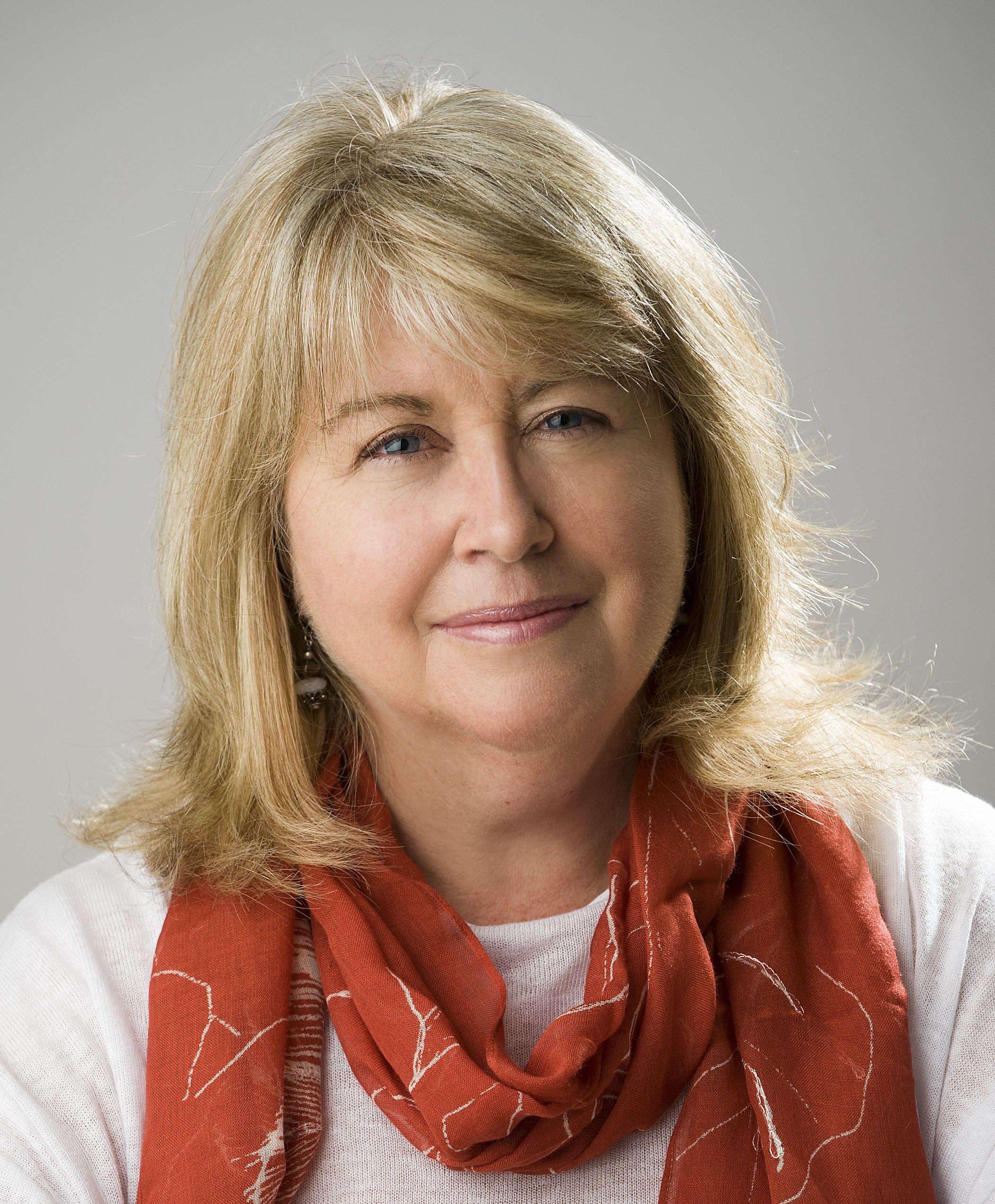
Photo credit: Michael Pilkington

I’m not sure my style has developed much at all!  I still think the first short story I had published –when I was fourteen – is one of the most elegant things I’ve ever written.  But I do now avoid swearing in my books. American readers in particular don’t like it.

  • What do you see as the greatest success of your writing career?

In the noughties, I had a few top ten bestsellers. That was wonderful.  But what felt like real success was when my sister said she loved one of my novels! It was The Worst Case Scenario Cookery Club.

  • And what was the deepest disappointment?

Any book that doesn’t sell is a disappointment but after twenty years I’m learning not to equate sales figures with a book’s intrinsic merits. I know my best-selling books are far from my best work!

  • Talk us through how you develop your characters.

In the same way we get to know a new friend.  The more time you spend with them, the better you know their quirks, their hopes and their dreams. Sometimes characters surprise me.

  • Sister Scribes is all about women writers supporting each other. Do you have a ‘go to’ bunch of fellow female writers you value and rely on?

I met a wonderful bunch of women in 2000 when, together with Fiona Walker and Jessica Adams, I edited an anthology called Girls’ Night In for War Child. Lucy Dillon and Alexandra Potter are two great friends from those days.  They’re always up for a glass of fizz and a chinwag.  More recently, through the Place To Write I’ve made some fantastic new friends, who are always ready with a word of encouragement. I don’t often show writer friends my work in progress though. I’m easily discouraged by faint praise. Better not to risk it.

  • Can you tell us anything about your next project(s)

I’ve just finished a ghost-writing project and now have three months to write a novel.  Fortunately, it’s already planned to the “nth” degree.  It’s called “What the Heart Sees” and the hero is… well, he’s small, dark and very, very hairy.


The Rise of Digital Babysitters Is Helping Stretched Parents Cope With Lockdown

little big moments Stretched UK parents are increasingly turning to family members and carers as ‘digital babysitters’ as they struggle to cope with jugging workloads and childcare during lockdown.

A survey from Ladybird children’s books has found that 81.6% UK parents with nursery age children said they had, or were looking in to, arranging a few hours of digital babysitting a week with a family member such as a grandparent, uncle or aunt, or a non-family carer to help them out with the childcare, giving parents valuable time to deal with their increasing workload, or even have uninterrupted time just to mop the kitchen floor or make the beds.

The activity most parents (52%) said their children would benefit from most was online storytelling, with arts and crafts second (26%), and spelling practice third (10%).  With 61% parents admitting they are struggling to balance work life with homeschooling their youngsters, enlisting the help of family members to help takes some of the burden off each week whilst helping children with crucial skills in their developement.

Ladybird commissioned the survey to discover how they could best help parents in these difficult times.  

This week they launch an initiative, Little Big Moments, to help connect children with those family members who they can’t see right now: whether that’s an isolated grandparent, a cousin, aunt, uncle, a parent who lives in a different home or a key worker family member.  Every day, Ladybird is sending a pair of matching books to a separated duo so they can still settle down for storytime together, over the phone or on a video call.

All people need to do is head to www.ladybird.co.uk/littlebigmoments and enter their child’s name to be in with a chance of winning a story, and thereby creating a virtual hug with a loved one, even when apart.


Pablo thinks differently! Pablo is an autistic boy who sees the world in different ways

Pablo, autism, autistic, childen, children's book, neurodiversity Pablo, autism, autistic, childen, children's book, neurodiversityIn a wonderful moment for neurodiversity Ladybird have two Pablo books out now and another two out soon. These empathetic and heartwarming books are written by writers on the autistic spectrum, and are grounded in the real-life experiences of autistic children. Pablo will help readers understand that not everyone thinks the same way.

These books are essential reading for atypical and typical children. They are wonderfully illustrated and have great stories that will keep children entertained, as well as educated. They are cleverly done. Get your hands on a copy now. 

Pablo is the first animated TV series to star an autistic character and the first TV programme with an all- autistic core cast. Pablo is shown on CBBC, RTE and Netflix, won Best Preschool Programme at the 2019 Broadcast Awards. It was nominated at The 2018 Children’s BAFTAs.

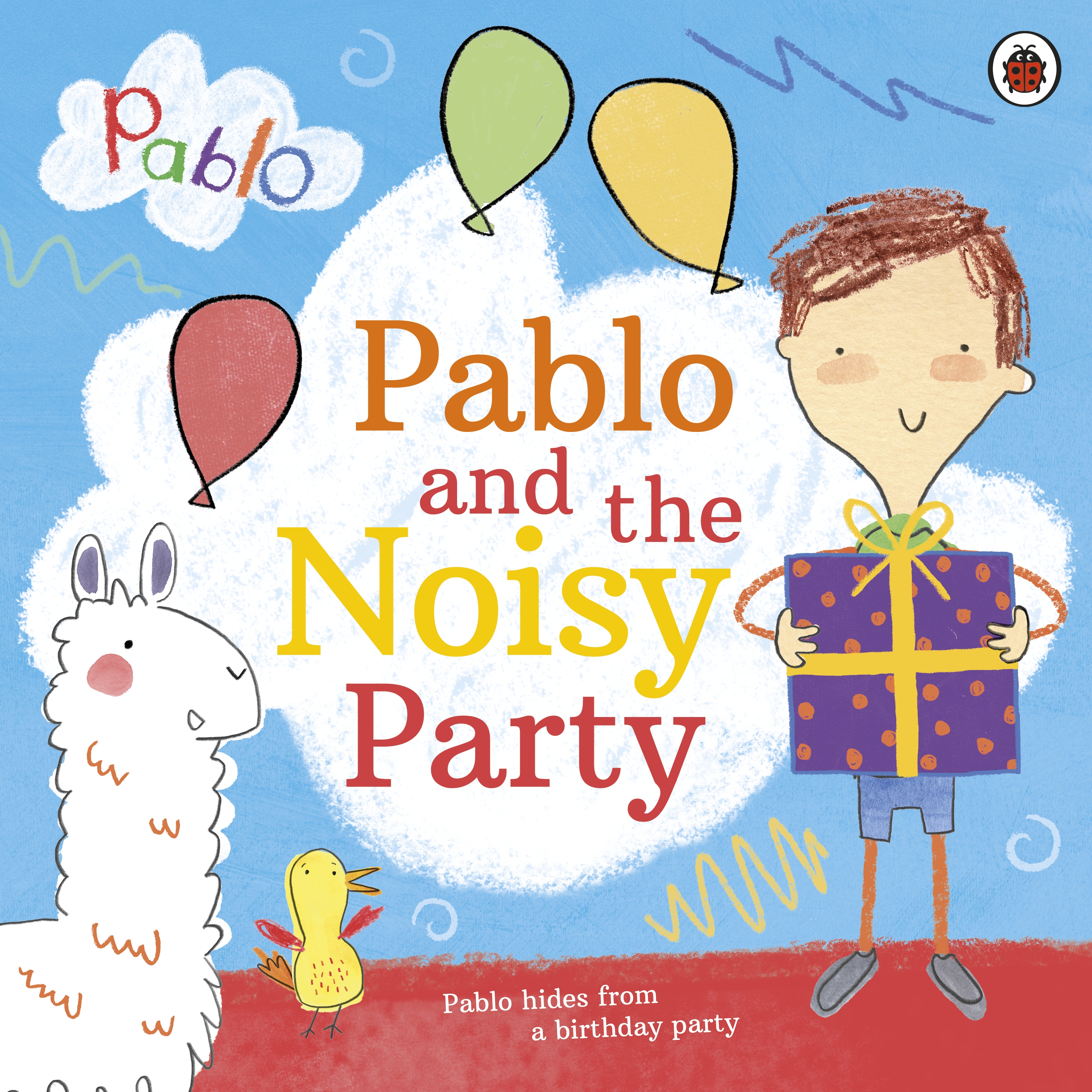
Pablo and the Noisy Party written by Andrew Brenner and Sumita Majumdar

Pablo is invited to a birthday party, but the noise makes it hard for him to go.

Pablo’s friends , the Book Animals , help him recognise what is worrying him and to feel OK about not wanting to go.

Out now: £6.99 | 9780241415740

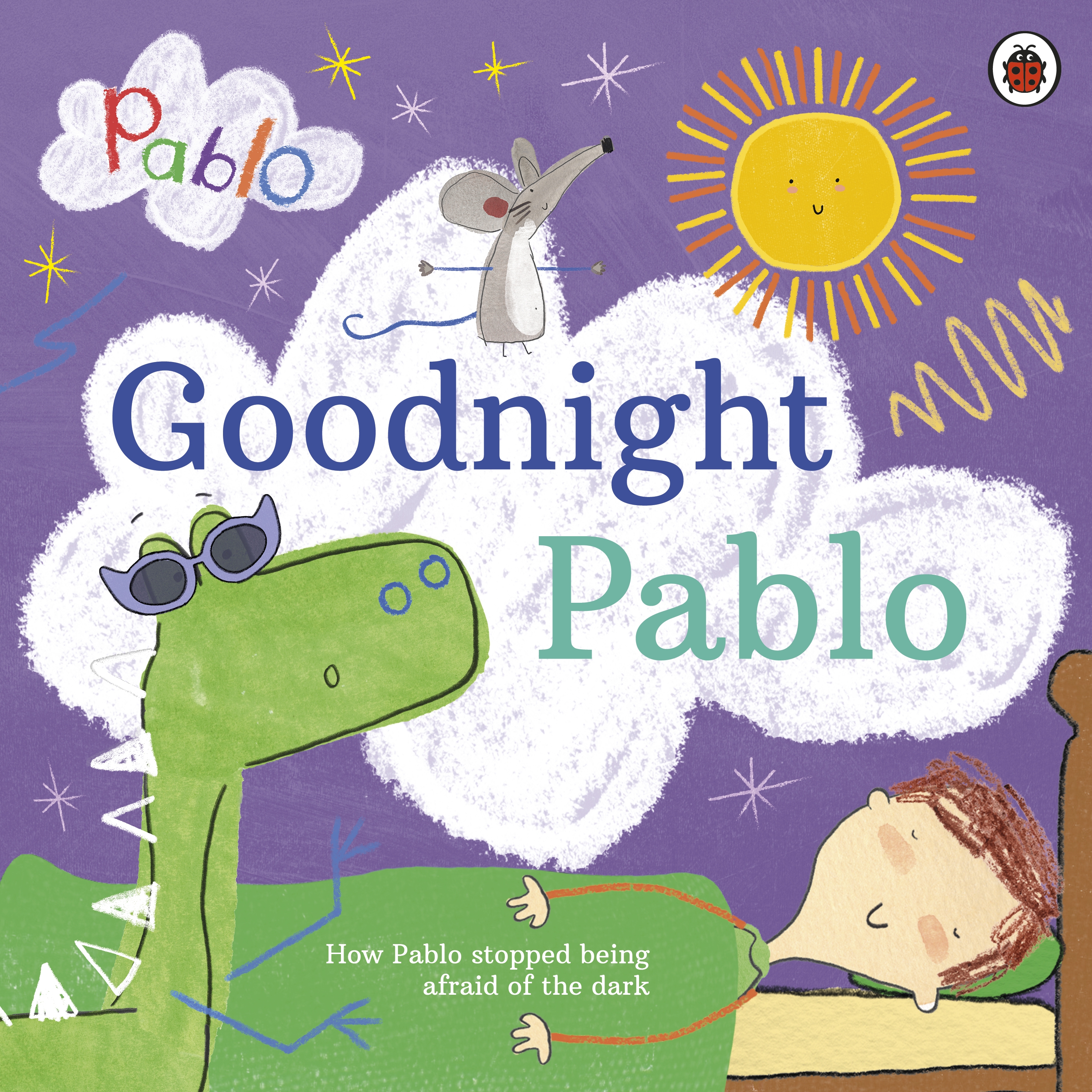
Goodnight Pablo written by Andrew Brenner and Sumita Majumdar

Pablo and his friend Wren don’t want to go to sleep because they think they will disappear.

With the help of the Book Animals, Pablo finds a way to calm himself and get to sleep.

Out now: £6.99 | 9780241415245

Pablo uses his ‘magic’ crayons to overcome everyday challenges. He brings the viewer into his ‘art world’where he bravely takes on real -world challenges , turning them into fantas tic adventures , and communicates unfamilliar feelings by drawring these colourful characters into life. These characters are his imaginary friends, who each carry traits typical to those on the spectrum.

page1image55643392 page1image55643600

page2image55646096

Coming in August 2020: Pablo Picks his Shoes and Pablo’s Feeling.


About Ladybird:
Ladybird is an imprint of Penguin Random House , the world’s number one publisher representing a vibrantcommunity of publishing houses marked by unparalleled success.

Ladybird has been publishing expertly crafted books for young children for over 100 years and stands at the forefront of children’s publishing as one of the most iconic and well-known children’s brands. Ladybird encourages kids to explore the world around them. It answers questions for children, and answers a need for parents, grandparents and carers, whether that’s bedtime, starting scho ol, exploring nature or potty training. Our books are trusted by parents the world over and include playful, design -led books; beautiful, highly illustrated non-fiction; classic stories made contemporary; current licensed brands plus a selection of fun nov elty titles for little hands. Some of our most popular brands and series include Peppa Pig, Hey Duggee, Baby Touch, Little World and Ten Minutes to Bed.

From birth through to confident young readers, at every age and every stage, we offer books and apps f or your young child’s every need.

We make growing up the best story ever.
For more information, please visit our website www.penguin.co.uk/ladybird Or follow us on Twitter, Facebook and Instagram: @LadybirdBooks


JANET GOVER INTRODUCES THE RNA’S ONLINE WRITING COURSES

Writers might be solitary creatures much of the time, but that doesn’t mean we are finding the current restrictions any easier to deal with. Our nature leads us to keeping our minds active, and like everyone else, we are missing being with friends and colleagues at social gatherings, conferences and events.

Purely by chance, a project I’ve been working on for a while now is coming to fruition at just the right time. I’m talking about the Romantic Novelists’ Association’s new online learning programme #RNALearning.

Teaching and writing are two things I’ve done all my life, and I’m also a bit of a geek. When online training was first suggested to me in my day job as an IT trainer, I wasn’t too thrilled. I like face to face contact with people I’m teaching. They are more likely to laugh at my jokes that way. But once I started training online, I soon became a convert.

It’s so easy to attend an online course. There’s no special technology needed – just the internet. If you can watch a cute cat video online and send an email, you can do an online course. And in the current world, it’s a great way to keep our minds active in a lockdown.

Online courses can include watching videos (and not feeling guilty about it), joining online chat (see previous comment re guilt), downloading notes and doing exercises. It’s a great way to maintain contact with other writers, and because it’s online you can make it fit into whatever your time commitments are.

The RNA’s courses are open to anyone to join, whatever genre they are writing. Tutors will cover topics of interest for writers at all stages of their career, using the RNA’s online learning portal, via Moodle, a standard teaching tool used in many colleges and universities.

It’s my great joy to be the tutor for the scheme’s pilot course: Taking the Plunge – Your Submission Pack – which runs for the entire month of May. This is aimed at anyone who wants to follow a traditional publishing route and submit their work to an agent or traditional publisher. I’ll be talking about giving a book the best possible chance with agents and editors: preparing the MS, writing a synopsis and cover letter and what to do when the answer is no – or what to expect if it’s yes. Most importantly, there’ll be exercises and feedback for everyone. At the end of the course, participants should have their submission pack ready to go.

We started planning this last year – and never expected to be launching it in a world turned upside down by crisis. I hope it will be more than just a learning experience full of useful information for writers – I also hope it will help us all feel more positive in this difficult time.

Bookings are now being taken for the first course. Details can be found at:

https://romanticnovelistsassociation.org/rna-learning-intro-page/ or email janetgover@romanticnovelistsassociation.org


About the author:  Janet Gover is a former journalist and IT specialist turned award-winning novelist. She is also a qualified trainer and a well regarded writing tutor. She runs the RNA’s New Writers’ Scheme and is part of the Association’s education team.

SISTER SCRIBES’ READING ROUND UP: APRIL

Kitty:

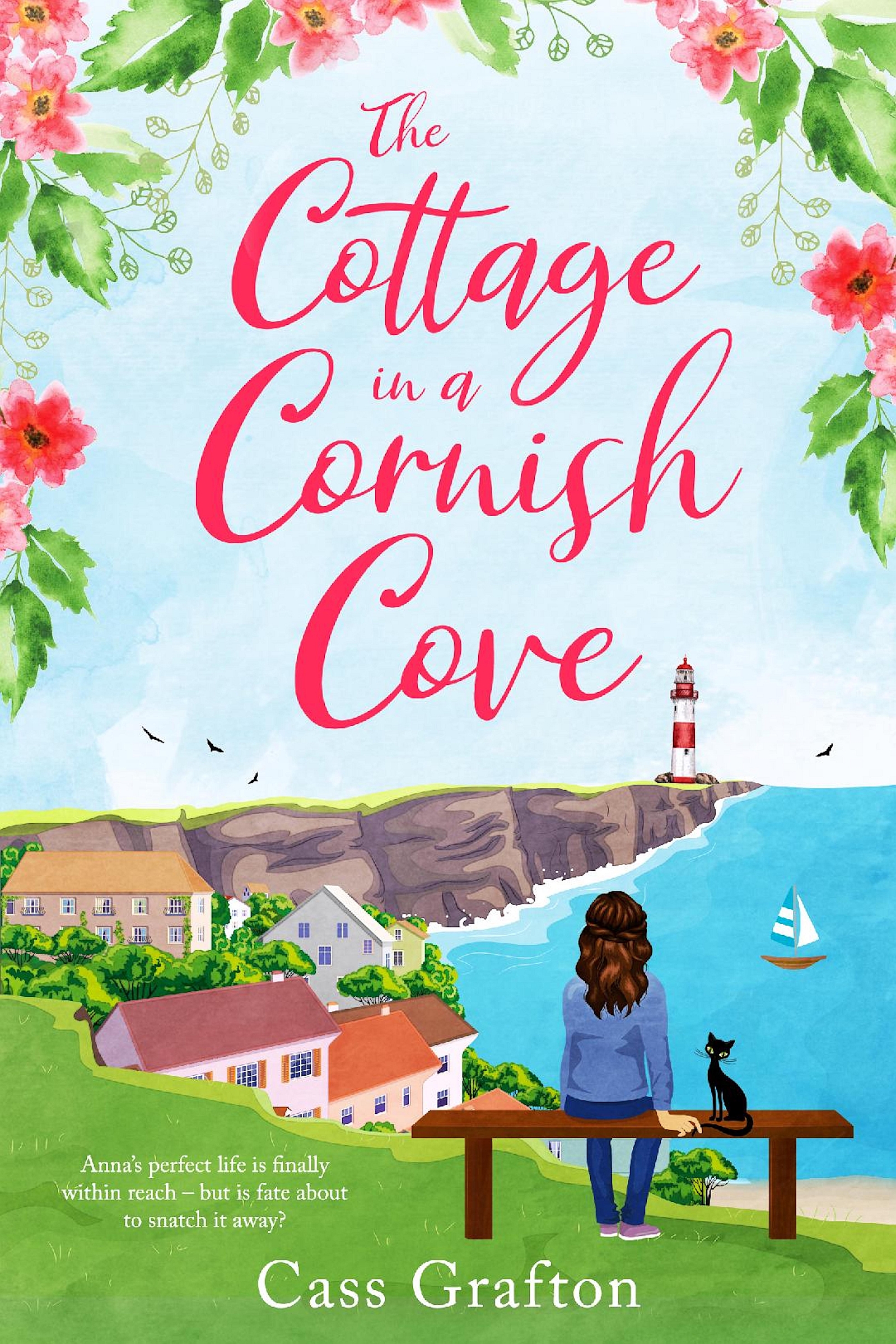
Firstly, I thoroughly enjoyed The Cottage in a Cornish Cove, a romantic comedy set in Cornwall and written by a fellow Sister Scribe. Cass Grafton’s descriptions of the county made me feel as I were home, I could see Polkerran beautifully in my mind and the descriptions of community were so well done that I could hear the characters calling to each other as they made their way around the village. Her gentle humour is woven throughout and I was genuinely willing the hero and the heroine together.  I particularly loved how she starts each chapter with a quote from classic romances with each one giving a snippet of what we can expect from the chapter.

I picked up expecting The Charm Bracelet by Ella Allbright a romance and what I got was so much more. The concept behind this novel, the charm bracelet with each charm marking a major event in, and telling the story of, Jake and Leila’s lives, is fabulous. I fell in love with Jake from the very first page and absolutely adored the way his character developed from boy to adult and was willing the relationship on with my whole being. There is however a twist to this tale and this was what made the book so special for me. The author has turned my heart inside out and this story will stay with me for a long time.  Highly recommended.


Jane:

First this month my reading took me to Dorset and the Jurassic coast around Lyme Regis. Georgia Hill’s timeslip On a Falling Tide had some lovely comments made about it by other authors I thought I should try it for myself.

The book travels between the 1860s, where Lydia wants no more than to be a fossil hunter but is expected to marry to further her uncle’s business interests, and the present day where Charity is searching for her roots following her grandfather’s death. The two women are linked by an ammonite Charity finds on the beach, but as the story unfolds what binds  them together runs far deeper than that. To say more would give away too much of the story, but Georgia Hill has created a fantastically malevolent ghost – and a heart warming love story – all rolled into one.

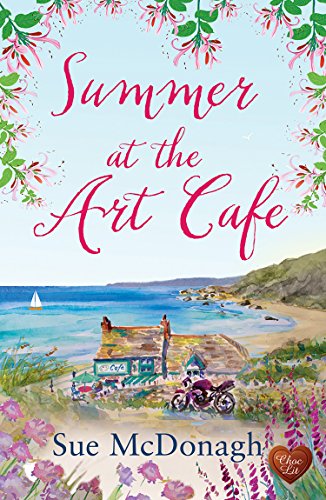
I was looking for a proper comfort read when I was reminded I hadn’t read any of Sue McDonagh’s romances by seeing the gorgeous new cover for her third book. Sue is a proper creative all rounder – she’s an artist as well as a writer so paints her own cover images.

I decided to go back to the beginning so downloaded Summer at The Art Café. The premise is wonderful; Lucy wins a gorgeous motorbike in a raffle and despite – or maybe because of – her husband’s disapproval, she decides to learn to ride it and in the process finds so much more than just the freedom of the roads.

What I loved the most about this book is that the characters settle under your skin without you noticing – they are all so effortlessly real, and that is a true gift. From bike instructor Ashley, to his six year old daughter, to Lucy’s best friends at the café, they all rang true and their journeys were convincing. For me the icing on the cake was that the book is set in my native South Wales, but it would be a delightful read for anyone who enjoys a satisfying romance.


Stay Up with Hugo Best Book Review

staying up with Hugo Best, Erin Somers, book review, book reviews

Some books are entertainment and some are a hard read. Stay Up with Hugo Best is a bit of both. It can be an uncomfortable,  read, but it is an important one. I feel like this is a real book which picks up on so much nuance. It is a rich tapestry of the complexities of the gender war.The relationship between men and women is complex, and the relationship between powerful men and younger women is complex and ripe for abuse.

Metoo has created a new world but it is not necessarily a better one. Abuse and inappropriate behaviour still happens. People make bad choices all of the time.Sometimes the people making the bad choices are woman. 

Stay Up with Hugo Best is a brave book and Erin Somers has taken her own path in writing it. It is a brilliant exploration of the entertainment industry and the powerful men within it. This book will resonate with many. A great read. 

The novel is an exploration of the power and influence in the entertainment industry in the #MeToo age and a meditation on desire, both realized and unrealized. Through these themes Somers has created in Stay Up with Hugo Best a wonderfully witty, wise and deliciously melancholy narrative.

Stay Up with Hugo Best charts the long weekend a late night talk show host and a young staffer spend together after the show’s cancellation. The weekend is tense, and uncomfortable and the characters so magnificently honest, as the two sardonic souls find themselves connecting.

When Somers finished a creative writing program in her late 20s, she did not know how to proceed. She was uselessly spinning her wheels. This seemed to her something a lot of her peers were going through too—the structures by which one builds a life seemed to have crumbled. ‘I thought this was an interesting time of life to explore, and an interesting predicament: how to succeed as a young woman in a creative field still dominated unfortunately by men. What compromises would I be willing to make if given the opportunity.’ From these initial reflections came her inspiration to write Stay Up with Hugo Best.

Stay Up With Hugo Best is available here.


SISTER SCRIBES GUEST: JAN BAYNHAM ON WRITING HER DEBUT NOVEL

Jan Baynham is a good friend to all the Sister Scribes and here she provides an insight into writing her debut novel, Her Mother’s Secret: The Summer of ’69. Susanna Bavin asks the questions.

You started out as a short story and flash fiction writer. What made you decide to write a full-length novel?

On retirement, I joined a writing group where I wrote my first short story. Very soon, I could see my stories getting longer and longer. After enrolling on a novel-writing course at Cardiff University, I enjoyed being able to explore characters in more depth and delve further into their stories. I still write shorts but now it tends to be when I’m editing or doing research for a novel. When writing a novel, I love getting to know my characters so well that I miss them when I come to the end and I enjoy visiting new locations with them. The length of a novel allows me to create more involved plots and sub-plots for the characters to experience than I’m able to do in a short story or piece of flash fiction.

What was the initial idea behind the story from which it all grew?

The novel started out as a short story. At the time, I’d been reading a novel where the rustling in the trees sounded like whispers and inanimate statues took on the form of the ghosts of people they represented. Combining both ideas, I asked myself what if the whispering could show the presence of a past family member. Always fascinated by family secrets and the bond between mothers and daughters, I knew I had the basis for a story. In both the story and the novel, I leave it to the reader to decide what the whispering represents. In the short story, Alexandra’s search for the truth was resolved quite quickly whereas in the novel there are many more twists and turns, obstacles and setbacks before the story concludes.

Tell us about the places that feature as the backdrops of the story.

Once I’d decided that my main character Elin would be an artist, I chose a setting where the surrounding colours would be more vibrant and intense than in her home country of Wales. Having visited many times and being struck by the wonderful palette of colours seen in every landscape, Greece was my choice of background. The island is not based on one particular place but is an amalgam of areas I’ve visited. Every holiday has contributed to the whole backdrop where I’ve tried to show the climate, the vivid colours of the sea and the flowers as well as the warmth of its people.

How important is the mother-daughter dynamic to the story?

The mother/daughter relationship is central to the novel. Alexandra is grieving after the untimely death of her mother, Elin. She experiences a whole gamut of emotions from deep loss and its accompanying sadness, through to anger that her mother has abandoned her. When she learns there is part of her mother’s life she knew nothing about, Alexandra goes to Greece with the hope of finding answers.

What have you learned about the writing/editing process? Is there a piece of advice you’d like to share?

Everything suggested by my lovely editor at Ruby Fiction was very clear and straight-forward, but one thing stood out. I hadn’t always got the dates or passing of time issues right. Elin’s story is interspersed with diary entries and these didn’t always tally! The way I dealt with these continuity edits was to have a calendar in front of me and highlight the dates as events happened. Although a diary may not feature in another novel, I will definitely use a calendar to check the passing of time in future.