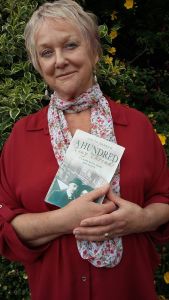
WELSH WRITING WEDNESDAYS: INSPIRED BY A GHOST – INTRODUCING JILL BARRY

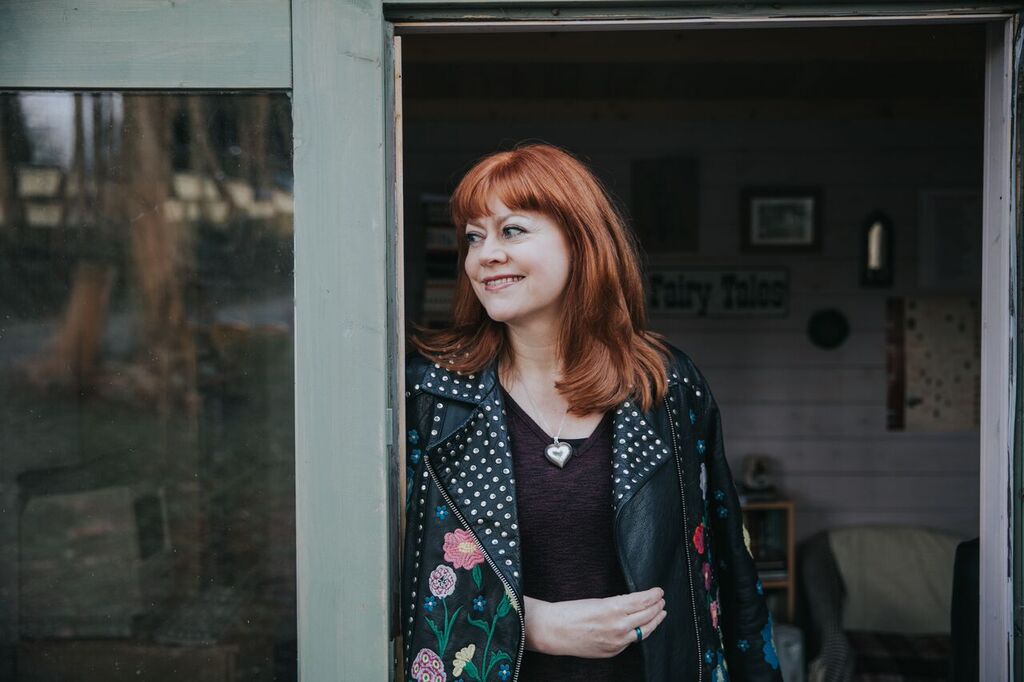
In 1975, my husband and I bought and renovated a Victorian school. We faced a daunting task, but fast forward a year and we were in, complete with baby son born while we lived in our tiny cottage in a chocolate box Wiltshire village.

Soon we were offering accommodation to tourists from all over. My only creative writing consisted of menu preparation until one morning a guest entered the dining room, looked through the open door into the kitchen/family area and asked who my son’s playmate was. I insisted he was alone, but our guest looked at me strangely, saying, ‘Can you not see the little fair-haired girl beside him?’

I couldn’t, though I didn’t doubt the guest’s conviction. That ‘sighting’ sparked a short story which, with another, was accepted for broadcast by BBC Wiltshire. Years later, I won a local short story competition, but it wasn’t until my son went to Uni that I began taking my writing seriously. Frankly, my first attempt at a novel was so dire that I gave up until the bug bit again after I was widowed and moved back to Wales. I spent weeks settling into my lovely new home at the foot of the Eppynt Hills, exploring woodland tracks and getting to know nearby towns. I was inspired to write, but I needed a job.
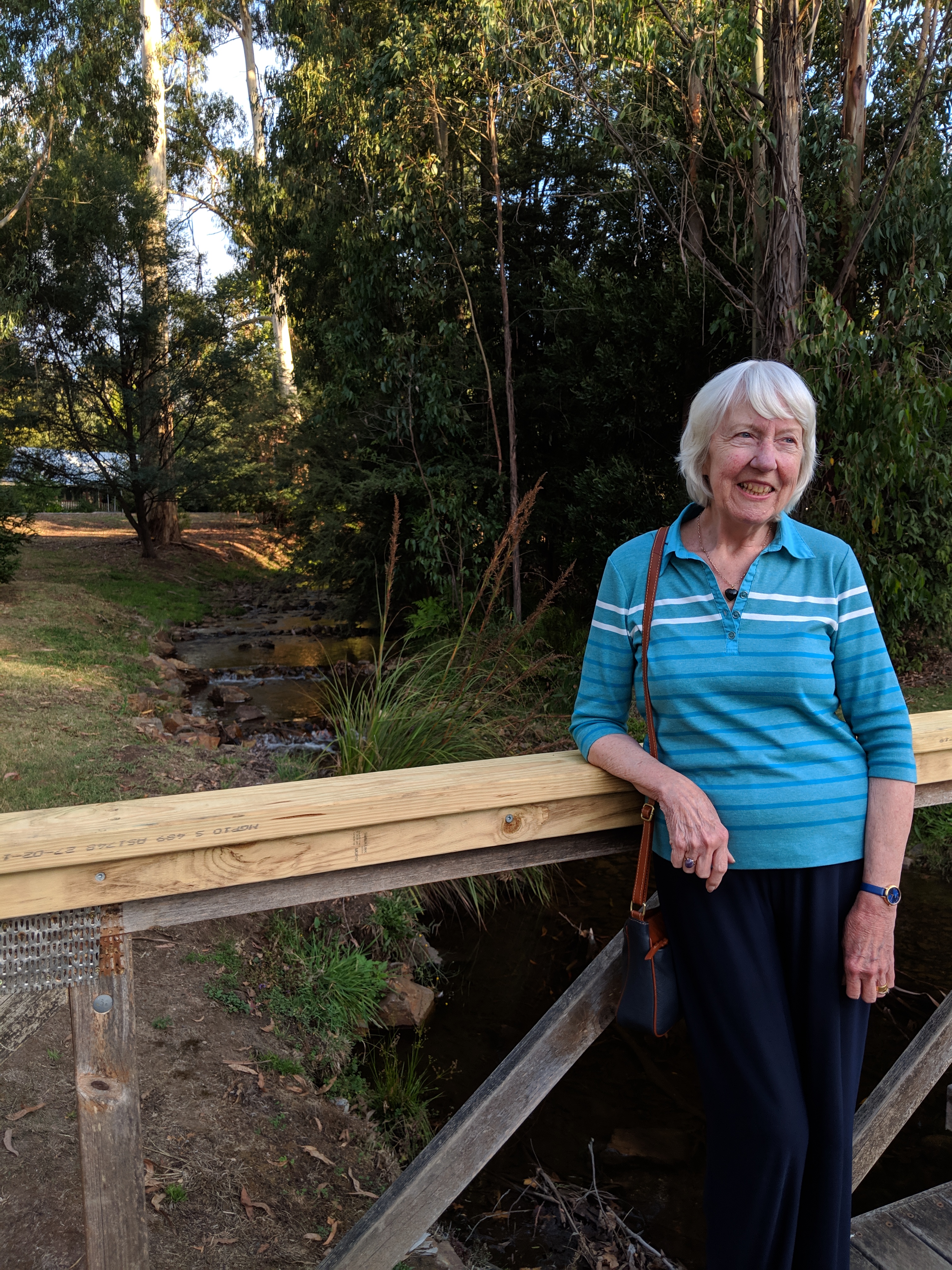
Fortunately, my secretarial skills landed me a role as a minute taker. I made new friends and was recommended to join Builth Wells Writers’ Circle. I gained a place at Trinity St David’s to study part-time for a Masters in Creative Writing. Several short stories were published in anthologies and women’s magazines and I won First Prize in The Lady magazine’s annual fiction competition. Another move followed, and soon I was finding kindred spirits within a local writing group called Hookers’ Pen.

Over the next few years, I took a script-writing course and saw one of my short plays performed at Swansea’s Dylan Thomas Centre. After gaining my degree, I ran one off writers’ workshops plus sessions for the Local Authority, and became Creative Writing tutor at an online high school. By then, I was well-published as Toni Sands, writing erotic romance for Accent’s Xcite imprint. I took two writing courses at Ty Newydd, working with mentors, Peter Guttridge, Rosanna Ley, Lynn Truss and Kate McCall, BBC Radio Producer. Rosanna mentioned the Romantic Novelists’ Association and soon I was in touch with Liz Fielding, who ran the Carmarthenshire Chapter.

Joining the RNA offered the perfect excuse to travel to London for whatever event was happening at the New Cavendish Club, as I could combine visits with seeing my son. Amazingly, although I’ve attended HNS and Winchester Writers’ conferences, I have attended only one RNA conference – the last one taking place at Caerleon. Little did I know that four years later, I would be living in nearby Newport. After Liz moved to Wiltshire, I looked after the Carmarthenshire Chapter until we joined up with a small group of writers, including RNA members, who met in Cardiff.

I truly believe, while the courses and workshops we attend help wonderfully, it’s the camaraderie so many Romantic novelists enjoy that’s invaluable. There’s always someone to gain advice from, to offer help to in return – and most importantly, someone with whom to exchange commiserations and congratulations.

Jill Barry pocket novels are available as Linford Romances in the public library system and the more recent ones are on sale via The Reading House: https://thereadinghouse.co.uk/

You can check out my other books and blog posts by visiting www.jillbarry.com


My Writing Process Helen E Field

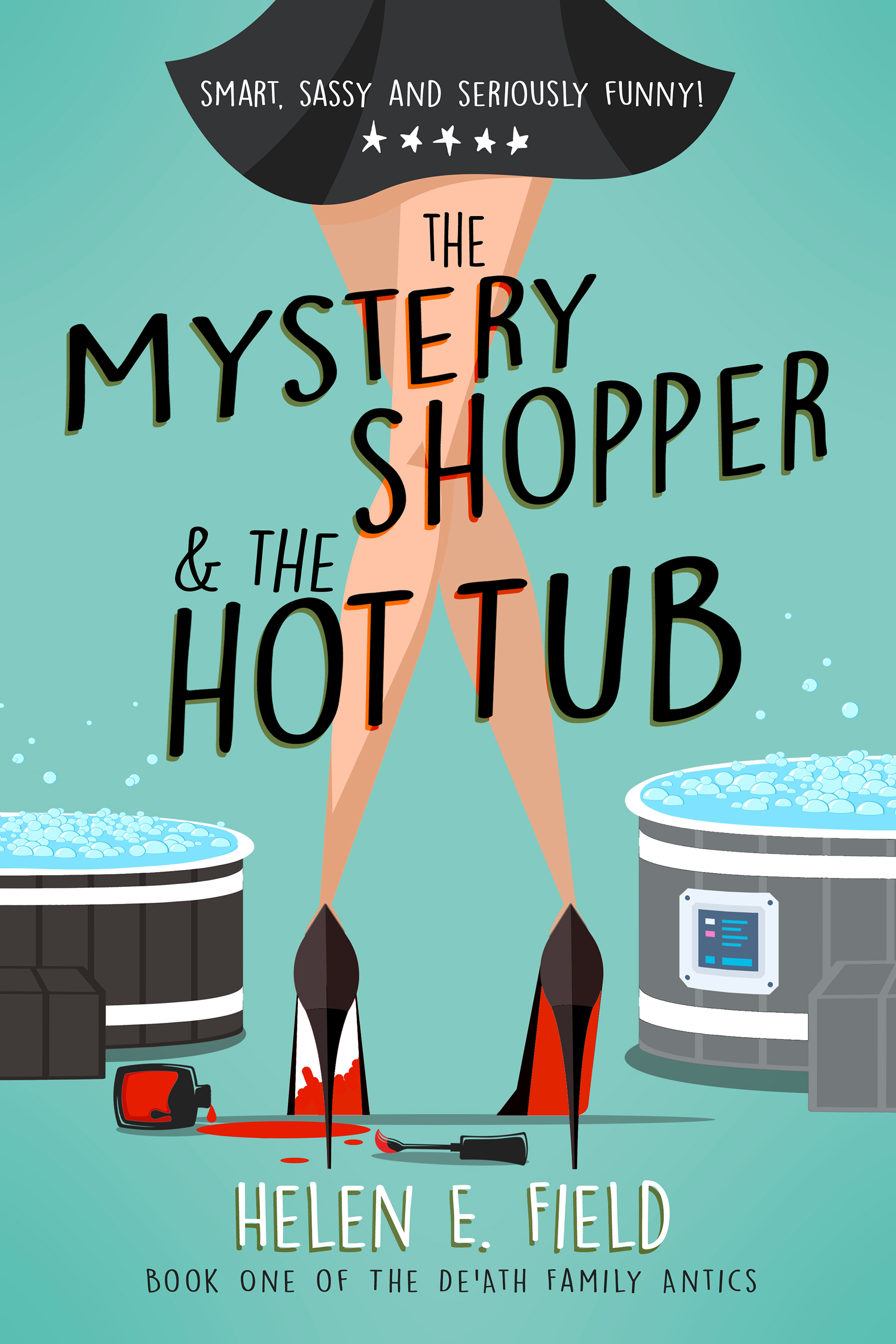
The Mystery Shopper & The Hot Tub , Helen E Field, writing, writer, how I write. My mother once told me that when I was 10yrs old I informed her I was not going to have a ‘boring life.’ Well, I guess I must have succeeded because according to most people I know, I have led a very interesting life. Important for a writer I think. To me, I’ve just lived it exactly how I wanted – a free spirit if you will. ‘work hard, play hard’ could well be my motto. I started writing funny poems about all my classmates at school from the age of ten and I haven’t stopped writing them ever since. I have a business writing bespoke funny poems for and about people and I used my ability to write these funny poems to publish a range of greetings cards. I also began a journal at ten and nearly 50 years later I am still writing it – I have an old sea chest full of them! At school I was often picked out by my English teacher to stand up in front of the class and read the essay I had written; the one that I recall even now, was entitled ‘The Goldfish Who Could Speak.’  The class were in stitches!

I left school at sixteen and worked in retailing and hospitality. I started my own hospitality training consultancy in 1998, training managers and staff all over the UK, Europe and USA and speaking at conferences. One strand of the business was to design and implement mystery shopper programmes. It was the trigger for my debut novel ‘The Mystery Shopper & The Hot Tub.’

I have three incredibly talented grown-up children and a saintly husband! Pre-Covid, we embarked on some serious travelling around the world – clearly curtailed for the past ten months but we’ll be off again as soon as we are permitted! 

What you have written, past and present.

I have had numerous professional articles published in various hospitality publications over the years. One article in particular when published was deemed ‘an important academic paper’ which thrilled me, given I’d never gone to university. I wrote the entire article in one hit of 8,000 words in one evening and they didn’t change a single word! 

I completed The Mystery Shopper & The Hot Tub last Autumn and am currently writing the second book in the series, which I hope will be out by late Spring.

What you are promoting now.

I am promoting my debut novel The Mystery Shopper & The Hot Tub, for which I also wrote a free download called ‘The Big Dilemma’ that readers can access at the end of the book. It is women’s humorous fiction. I would say that you have to have a sense of humour and not be overly politically correct to enjoy it!

I do not have social media – my choice – which makes promoting a bit more challenging. I’m a face-to-face kinda gal and would much prefer to talk about the book in person or on the radio, but Covid has put a stop to that.

A bit about your process of writing. 

I don’t honestly think I have a process. I just write when I feel like it for as long as I want to. When I’m really in the flow, I can write for hours at a time without stopping. If I don’t feel like it, I don’t write. It’s pointless. When both my brothers were diagnosed with prostate cancer and my mother developed Alzheimer’s all in the same year, I was very flat and exhausted. I just couldn’t write ‘funny’, so I left my manuscript for a year and went back to it, when I felt more in control of things.

Do you plan or just write?

I would say I was more of a ‘seat of the pants’ writer. The only thing I could remotely describe as planning, is that I decide what I want the ending to be and kind of work out how to get there! My stories are very visual – a number of readers commented that they thought the book would make a great TV/film. I often think of ‘scenes’ that I know I want to include – particularly the mystery shopping assignments, which have been based on real life assignments that I have actually done myself or been de-briefed about by an assessor. They are very funny, not least because they have actually happened.

What about word count?

I never even considered word count when I started writing my first book. I literally just wrote it exactly as I wanted. When I finished it was around 120,000 words. I discovered afterwards that that was a lot of words for a book of my genre. I had to do some ruthless editing that made me weep as I removed whole chapters and chunks of writing to get it down – even now it’s around 105,000 and 443 pages long.

This has provided me with a problem I hadn’t anticipated.The print cost of a book of this size is significant, but to sell at a price similar to ‘competing’ novels I will be making very little money indeed on paperbacks.

Big lesson for me for book number two – keep an eye on word count!

How do you do your structure?

I am a story teller and I think my book reflects that. I never sat down and thought ‘how am I going to structure this novel?’ I just wrote the story it as it came to me. I would get to the end of a section and think, OK so what would be really funny to happen now? Then I wrote it. On editing, I made a few changes if I thought that the flow of the story wasn’t quite right, but really nothing major.

What do you find hard about writing?

I really don’t find anything about writing hard. I genuinely don’t understand writers who say they sit at their laptops struggling to get words out. I write so prolifically and easily it’s a mystery to me.

What do you love about writing? 

I love making up stories. It’s a bit like being a child again I suppose. In the real world we can’t pretend, but in stories you can create whatever crazy characters and wild incidents you like. It’s like creating escapism for yourself and for others to enjoy and I do like making people laugh.

Advice for other writers. 

My genuine advice to other writers is likely to get me into trouble from the many organisations that offer writing courses, advice, manuscript assessment etc etc. It is easy to forget that it is in all these people’s financial interests to tell you your writing isn’t good enough. For me there is only one group of people who have the authority to tell me that and that’s my readers. No-one else matters.

I can truthfully say that if I had read all the articles and advice about how to write before I started my book, I would never have written it. I would have been paralysed by indecision over absolutely everything. Never in my life have I come across such contradictions, nonsense rules, imposition of politically correct notions or subjectivity,  in an industry. This became the main reason I decided to go down the self-published route. 

I came across a quote many years ago, which I had printed on cards and gave them to my children as a good rule to live their lives by. It’s not a bad one for writers either.

“It had long since come to my attention that people of accomplishment rarely sat back and let things happen to them. They went out and happened to things.” 

Leonardo da Vinci

The Mystery Shopper & The Hot Tub is out on the 14th of January and is available from amazon.co.uk


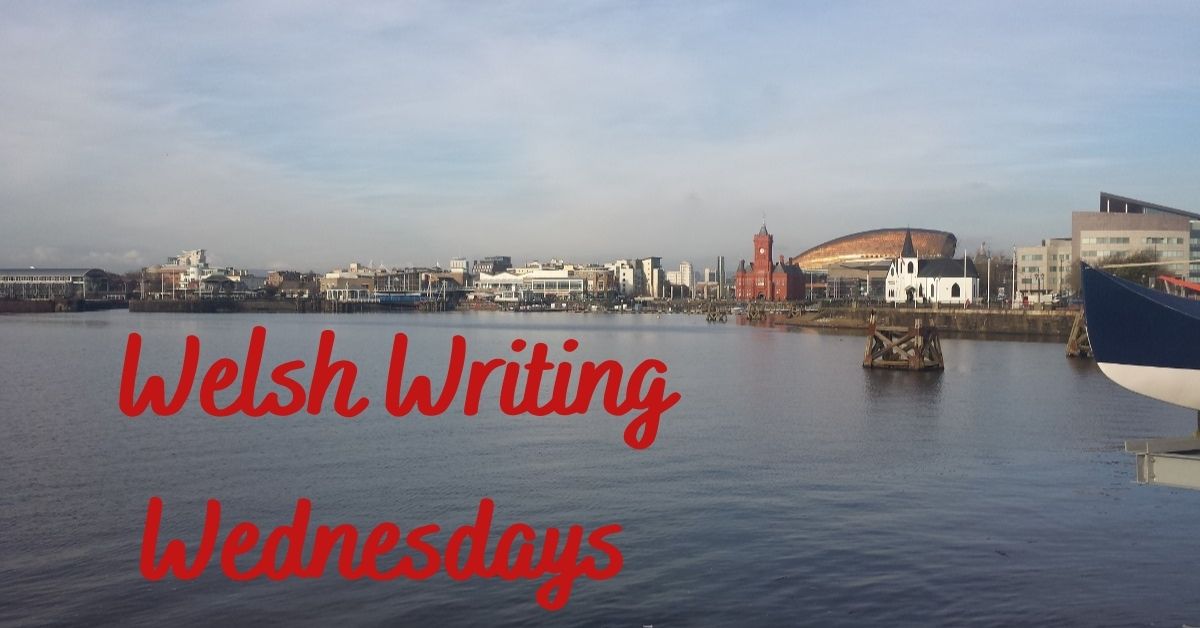
INTRODUCING WELSH WRITING WEDNESDAYS

Although it isn’t often mentioned in Frost, I am very proud of my Welsh heritage. I was born in Cardiff and my father was an Anglo-Welsh poet and literary critic, so it is inevitable I have an affinity with other writers with connections to the principality. So much so, I am a member of the Cariad chapter of the Romantic Novelists’ Association, and it is to these wonderful women I looked first when I was considering Welsh Writing Wednesdays.

The idea is simple; on the second and fourth Wednesdays of each month one of us will bring you an article about writing in Wales. And replacing the ever-popular Sister Scribes’ Reading Round Up on the last Monday will be Cariads’ Choice.

So here are some of the wonderful authors you will be meeting through Frost this year.

Judith Barrow

Originally from Saddleworth, a group of villages on the edge of the Pennines, Judith has lived in Pembrokeshire, Wales, for over forty years.

She has an MA in Creative Writing with the University of Wales Trinity St David’s College, Carmarthen, BA (Hons) in Literature with the Open University, and a Diploma in Drama from Swansea University. She is a Creative Writing tutor for Pembrokeshire County Council and holds private one to one workshops on all genres.

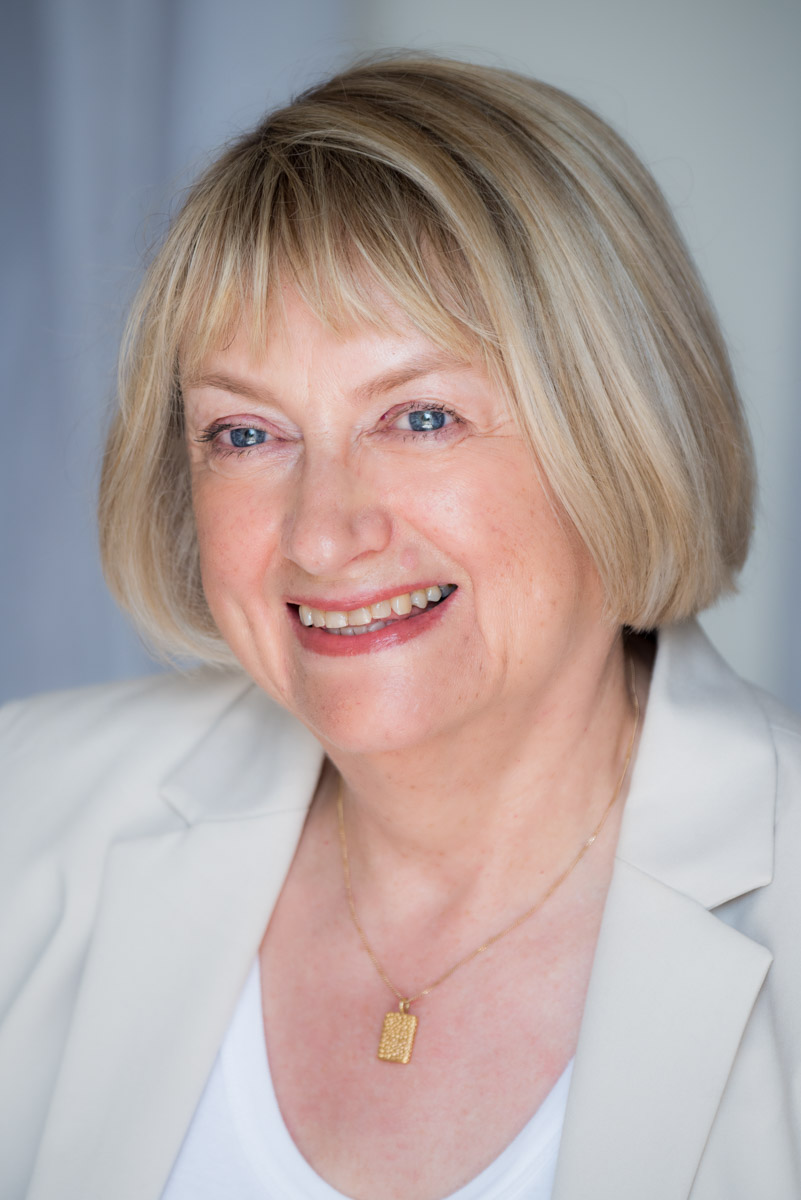
Jill Barry

Jill began her writing career with short stories for magazines and anthologies, winning prizes and being both long-listed and short-listed. She is a multi-published romantic novelist who also writes Pocket Novels for D C Thomson and who draws on her varied career and her travels for inspiration. She has also written one psychological suspense novel which is published by Headline Accent. A member of the Romantic Novelists’ Association and the Society of Authors, Jill enjoys mentoring new writers and is convinced she will never stop learning.

Jan Baynham

Originally from mid-Wales, Jan lives in Cardiff. As well as short stories and flash fiction, she writes full-length novels that deal with family secrets and explore the bond between mothers and daughters. Her debut novel, Her Mother’s Secret, was published by Ruby Fiction in April 2020. This was followed by Her Sister’s Secret in September 2020 and book three will be out next July.

A member of the Romantic Novelists Association, she values the friendship and support from other members and regularly attends conferences, workshops, talks and get-togethers. She is co-organiser of Cariad, her local RNA Chapter.

Jessie Cahalin

Jessie is a Yorkshire author living in Wales. Wales and words have a special place in her heart, and she wants everyone to meet the characters who’ve been hassling her for years. Penning women’s fiction is Jessie’s dream job, but she also writes travel articles and features for her blog and magazines.

You Can’t Go It Alone, her debut novel, was a bestseller in the UK and Canada. For Jessie, a good natter with other authors and readers is a special treat as she usually lives in her tiny writing room with Paddington Bear and a collection of handbags.

Alexandra Walsh

Alexandra is the author of The Catherine Howard Conspiracy, The Elizabeth Tudor Conspiracy and The Arbella Stuart Conspiracy, known collectively as The Marquess House Trilogy. A series of a dual timeline Tudor conspiracy thrillers, published by Sapere Books, the novels explore a secret hidden within history and the potential havoc its revelation could wreak. Her new book with Sapere, The Windchime, is due out in 2021. Another dual timeline story, set in present day and late Victorian times, it explores mental health issues, grief and rebuilding lives after the worst has happened.

Evonne Wareham

Evonne is an award winning Welsh author of romantic suspense – more crime and dead bodies than your average romance. She likes to set her book in her native Wales, or for a touch of glamorous escapism, in favourite holiday destinations in Europe. She is a Doctor of Philosophy and an historian, and a member of both the Romantic Novelists’ Association and the Crime Writers’ Association.


My Writing Process Alex Knight

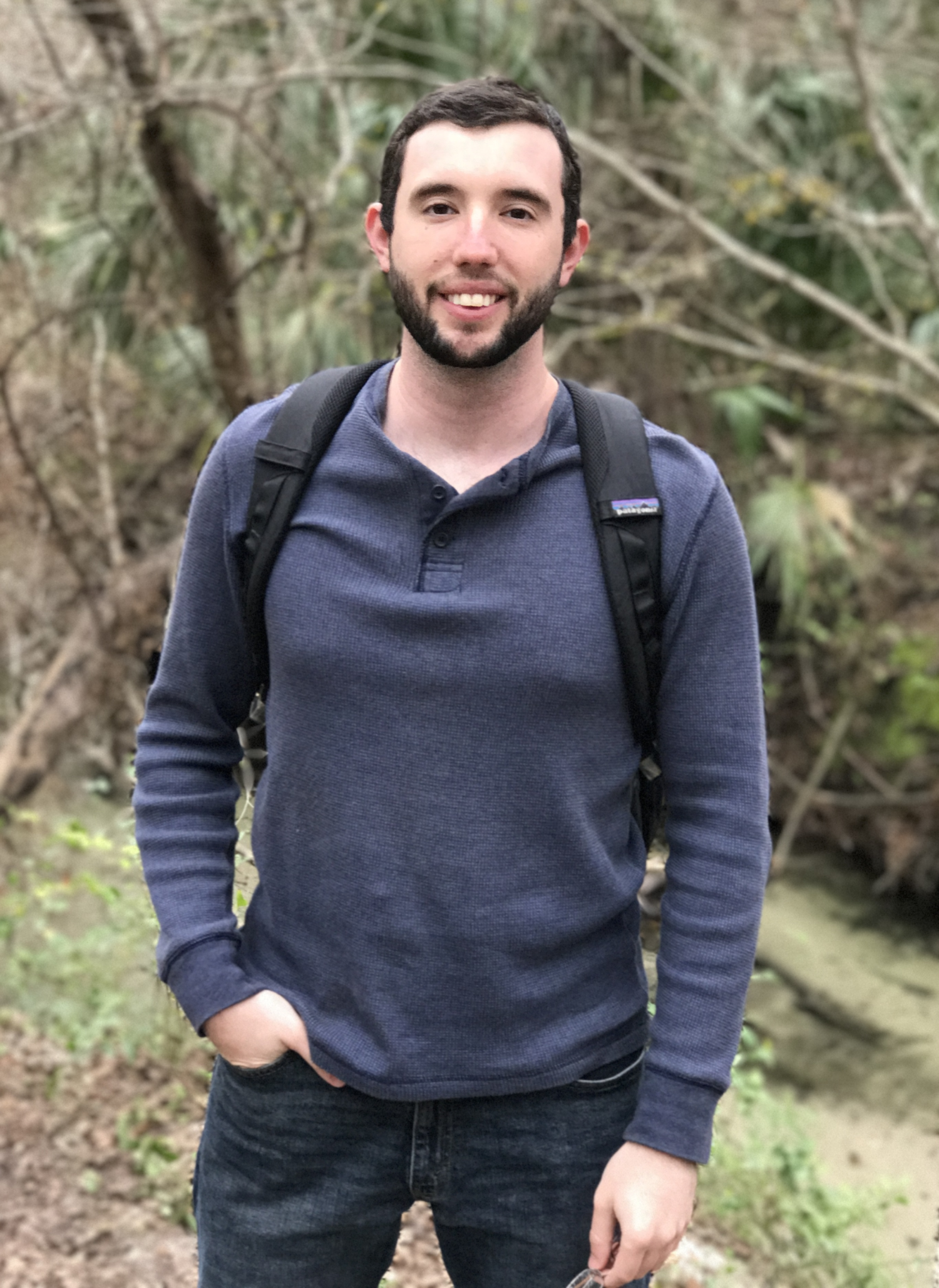
Howdy, all! I’m author Alex Knight — best known for my genre-warping fiction whose popularity commonly crashes global markets. Also, my humility. I used to be a ghostwriter for romance novellas and science fiction novels, but these days I write my own books, primarily in the genres of Fantasy and LitRPG. 

What I’ve written, past and present?

Aside from my ghostwriting work — which I can’t legally talk about — my work includes the Nova Online trilogy, a sci-fi, LitRPG adventure we like to bill as “Halo meets Ready Player One.” If you’re into science fiction, RPGs, and coming of age tales that pit their protagonists against tyrannical, dystopian governments, then you’ll probably dig it. Did I mention it takes place in the real world and a video game? I like to think it’s a lot of fun.

What you are promoting now?

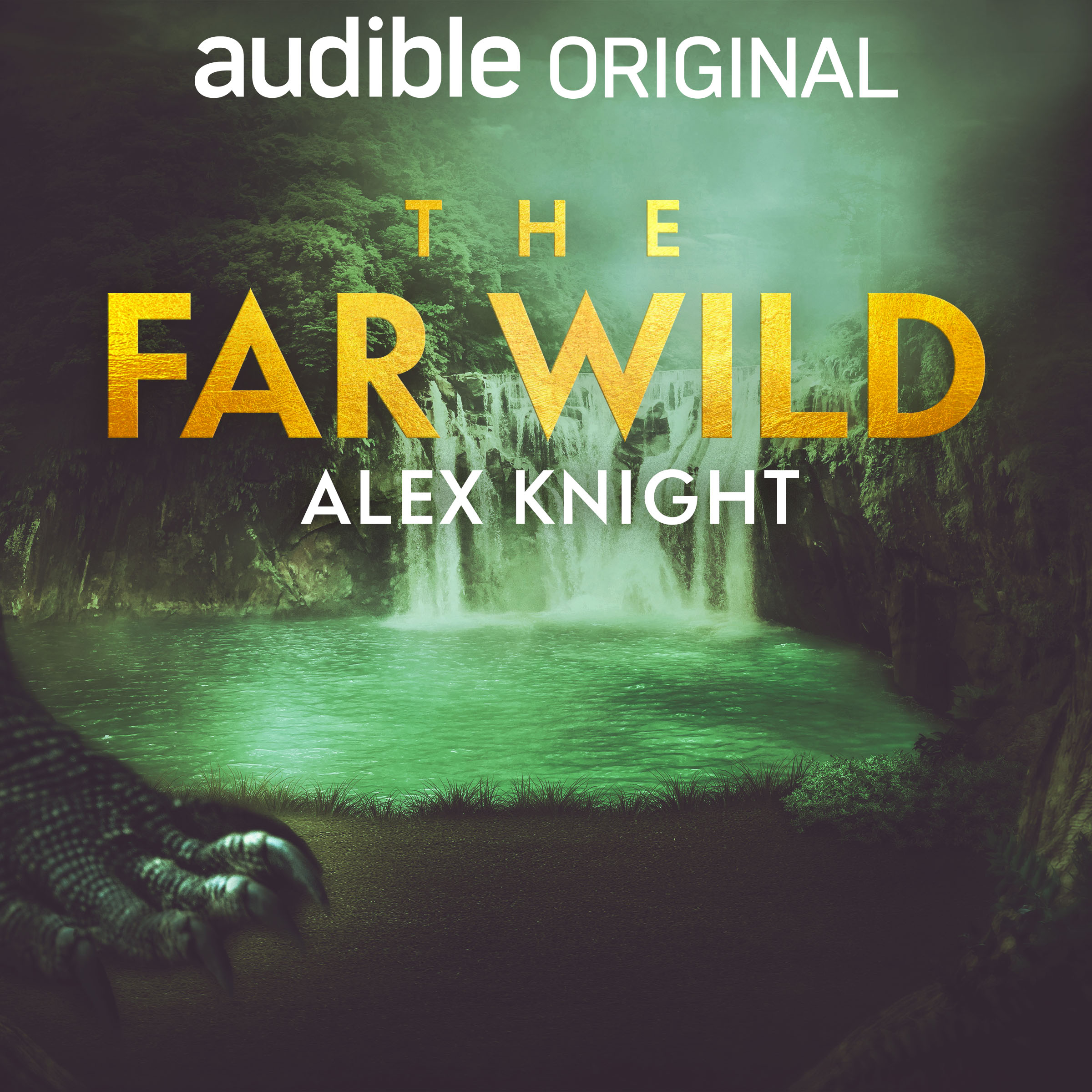
Most recently, I’ve taken a pivot into Fantasy with my debut fantasy thriller, The Far Wild. It’s a classic adventure story about skyships and expeditions gone awry in the most dangerous wilderness known to man. It’s full of beasties with too many teeth, bombastic characters, and beasties with too many teeth trying to eat bombastic characters. Of course, there’s a bit of espionage, too, and no story is complete without a dose of looming societal upheaval, right? I grew up loving Michael Crichton’s Jurassic Park and The Lost World, and The Far Wild is my love letter to those stories. It’s been released as an Audible Original, which means it’s an audiobook and Audible brought in an incredible cast to voice the main characters. I wrote the words, but my goodness did the narrators bring them to life!

A bit about your process of writing?

Consistent. Simplistic. A gift to all humankind — just a few descriptors I wouldn’t use to describe my writing process. Realistically, writing is a wild process and how I do it changes every couple of months. Some things stay the same (butt in chair, music up loud, world ignored), but I’ve found if I write in one place for more than a few weeks my creativity fizzles up. I like to bounce between writing on a desk at home, on the couch, out on the balcony. Or, better yet, in libraries and cafes. Of course, that hasn’t really been an option with Covid, so I’ve taken to placing a camp chair in different, odd places around the house and pretending I’m somewhere else. It’s amazing how well you can tune out your surroundings with the power of noise cancelling headphones and loud, loud music.

Do you plan or just write?

You know, I’ve experimented with both ways. When I was a ghostwriter, I had to plan ahead of time so the client could understand and write off on the story. With practice, though, I’ve found that planning too much ahead of time stifles creativity in a story. I now much prefer to write out a loose plot, then follow it vaguely as I write and make sure I let my mind go where it’d like. That’s where the magic is found in writing, in my opinion. Right on that line between what you planned and where your creativity wants to take you.

What about word count?

I aim for 2,000 words a day, which is a reasonable, sustainable rate for me, and track my progress via a project tracker spreadsheet. Lately, though, I’ve been finding it easier to simply paste chapters into a manuscript first draft document as I write them. This way, I have it to refer to for an up-to-date word count, chapter word count, and it’s super easy to make control + find changes. 

How do you do your structure?

I learned pretty much everything I know about structure and plotting from 1. reading books I enjoy and 2. K.M. Weiland’s website. There’s a bunch of great resources there and I recommend it for every aspiring author. There’s a particularly useful chart on the site that outlines the basic three act structure most stories follow. I like to put my own spin on this by weaving a lot of questions into the story, then answering them bit by bit as the plot progresses. This helps me keep the story moving quickly and make it satisfying as we’re on a constant drip feed of answers.

What do you find hard about writing?

The desire to do it as well as I can. There’s always that voice inside saying “you could do this better,” or “you should have written this this way.” Silencing that voice is key to finishing, well, anything you write. There’s always a compromise you must find between quality and speed. You could blaze the book out in a month or you could take forever doing edits and rewrites. The sweet spot lies somewhere between those, and finding it is a unique journey for each book.

What do you love about writing?

The act of doing it. Creation. I love nothing more than sitting down, cranking the music, and diving into a fantasy world to find out what happens next. Fingers tapping on the keyboard, cursor flying across the page — that’s what I live for. When you’re at that perfect spot between a tight plot and a loosely planned story, magic happens. You surprise even yourself, watching the plot unfurl in unexpected ways. In that way, I, as an author, get to experience the story in a fresh way. It’s much better than knowing every twist and turn ahead of time.

The Far Wild by Alex Knight is available exclusively on Audible now.


SISTER SCRIBES: A LAST WORD FROM KITTY WILSON

As this is my last Sister Scribes post I thought I would use it to update you on where I am now in terms of my writing career and what I have learnt along the way.

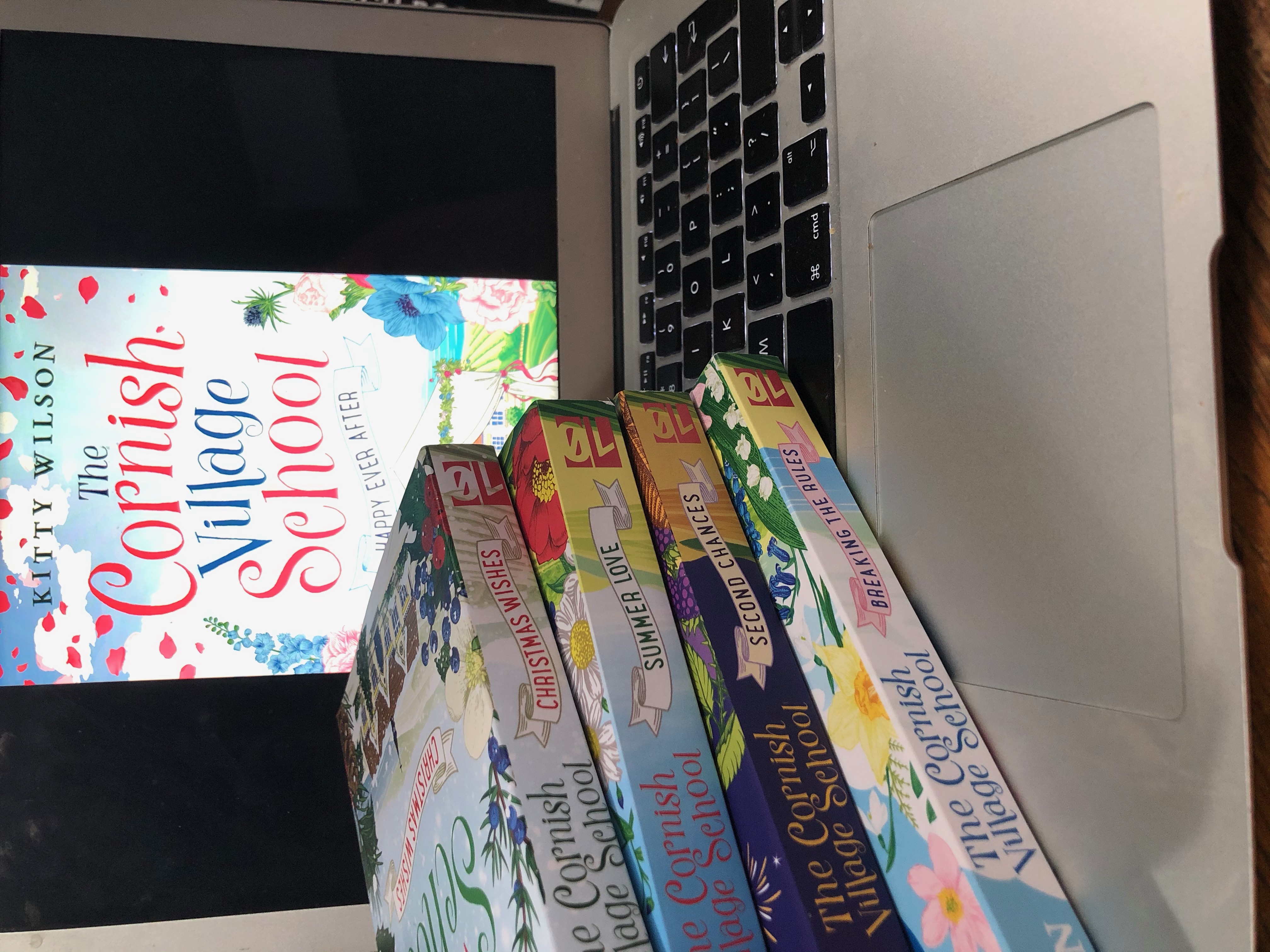
When the Sister Scribes started writing for Frost I had just published my second book in The Cornish Village School series and signed a contract for three more. Truthfully, it still hadn’t sunk in that I was a published writer.

Now two years on, all five books in the series are published digitally, available on audible and the final book, Happy Ever After, will be joining the others in paperback next month. I have loved writing this series although am still a little stunned that what began as a simple experiment in my living room – writing what I knew – has taken on a life of its own and spans five books.

I have spent this year writing a new romantic comedy, centred around the city of Bristol where I now live. Currently I am tweaking it and don’t know what changes will be made once my editor has read it but I do know that I was worried that the strength of community I had created in Penmenna would be hard to recreate in a city. I am so pleased to have been wrong. Community is alive and well in the area in which I live, and I hope I have managed to do it justice.

This book is for a different publisher with a brand-new editor and I am so excited, though I can’t tell you who just yet. The Cornish Village School had three different editors and I have learnt that each one has different ways of working, different priorities and will therefore teach you something new. Each one helps you to refine your writing and being published is the start of learning to write professionally. I think so many aspiring authors see publication as the end goal, I certainly did, but it really is a beginning rather than a finish. I feel that my writing has improved with each story and I hope it continues to do so.

There are many things I wish I had known or been more secure in with my first book. But I am forever telling my children that we aren’t born knowing how to do things, that it takes time and patience and practice and the same is absolutely true of writing. I enjoy studying the craft and think it’s important to maintain. I am currently working my way through John Truby’s The Anatomy of a Story and whilst dense it’s remarkably helpful. For those starting out I highly recommend Emma Darwin’s This Itch of Writing blog and Jessica Brody’s Save the Cat Writes a Novel. Every other profession has Continuing Professional Development at its core and I think writing should be no different.

The other thing to learn is that writing is a business. You have not been published because people want to be your friend or are being kind, you have been (or will be) published because a publisher can see potential profit. Thus, rejections aren’t personal they are professional and the same applies for contracts. Make sure you recognise your own value and don’t put your success down to others just being nice. I’m giggling as I type this because I do it all the time. Maybe I’ll get better at that one in 2021.


Merry Christmas everybody, thanks so much for supporting all of us at Sister Scribes, we’re wishing you all a very happy 2021.

Kitty x


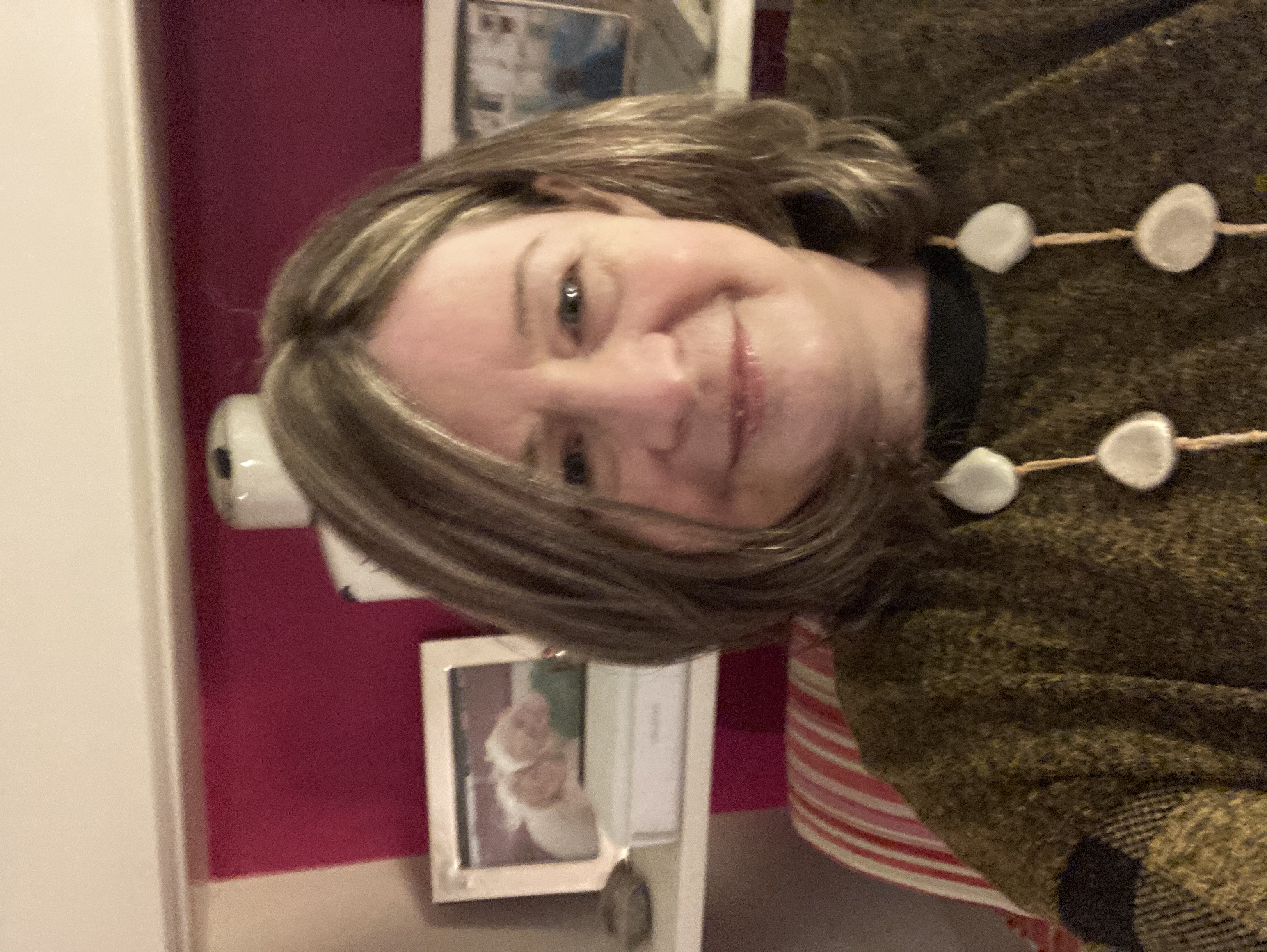
SISTER SCRIBES: OVER AND OUT FROM KIRSTEN HESKETH

My last ever Sister Scribes post – and what a blast it has been!

And, my, what a lot has happened in the two years since the five of us named ourselves the Sister Scribes and banded together as friends and fellow writers. We’ve written before about how we went to stay at a wonderful house – Darcy’s Abode! – in Bath and spent a few fabulous days writing, sightseeing, eating and getting to know each other better. Back then, getting published was just a twinkle in my eye –  a twinkle that I feared might be extinguished at any moment – and how in awe I was of my fellow Scribes with their launches and their multiple deals. Would it ever happen for me too?

Fast forward two short years – and so much has changed. My debut, Another Us, was published by Canelo this year. It came out in in ebook in May and I had the loveliest of Zoom launches, complete with dying my hair red to match the cover and to raise money for Mind. And then, in August, it came out in paperback. I originally had a digital only deal with Canelo and the fact they had enough faith in me and my book to then invest in a paperback in this most difficult of years really was the icing on the cake. Thank you so much, Canelo, you really have been fabulous to work with. As has my wonderful agent, Felicity Trew.

And, basically, it’s been brilliant ever since. Another Us (very briefly) had bestseller flags in the UK, Canada and Australia, which was totally beyond my wildest dreams. It’s been featured in Woman and Home, Women’s Weekly, Woman (there’s a theme here!) More, Pick Me Up, Waitrose magazine … the list goes on. It was longlisted for The Guardian’s Not The Booker Prize and was a contender for the RNA’s Joan Hessayon award. But best of all have been the dozens of messages I’ve received from readers all around the world telling me how much Another Us has touched, informed, amused or plain old entertained them. I think that has been the very best bit of all. That and getting to know a whole host of other debuts – including my lovely Sister Scribes – because no one understands quite what it’s like to have your debut come out in a global pandemic than someone who is going through exactly the same thing ….

And now it’s time to look forward. I have been lucky enough to secure a two-book deal with Hodder and Stoughton for a series set in London in WW1. The Post Office Girls follows the experiences of three girls who join the Army Post Office – in a huge, wooden, building which was been hastily thrown up in Regent’s Park to cope with the sheer volume of mail being sent to the various fronts. My grandfather – who himself served in WW1 – worked for the post office in London his whole life – and the first book is dedicated to him. It will be published in May next year and the second book – A Post Office Christmas – follows the November afterwards. I wrote the first 50,000 words of that during Nano (success – hurrah!) and am now feeling deliciously Christmassy – if absolutely exhausted!

So, all that remains to be said is a huge Merry Christmas to each and every one of you. Thank you for following our adventures over the past couple of years and best wishes for a safe and happy 2021.

Over and out x


HOW AUTHOR LOUISE MUMFORD TURNED FORTY AND CHANGED HER LIFE

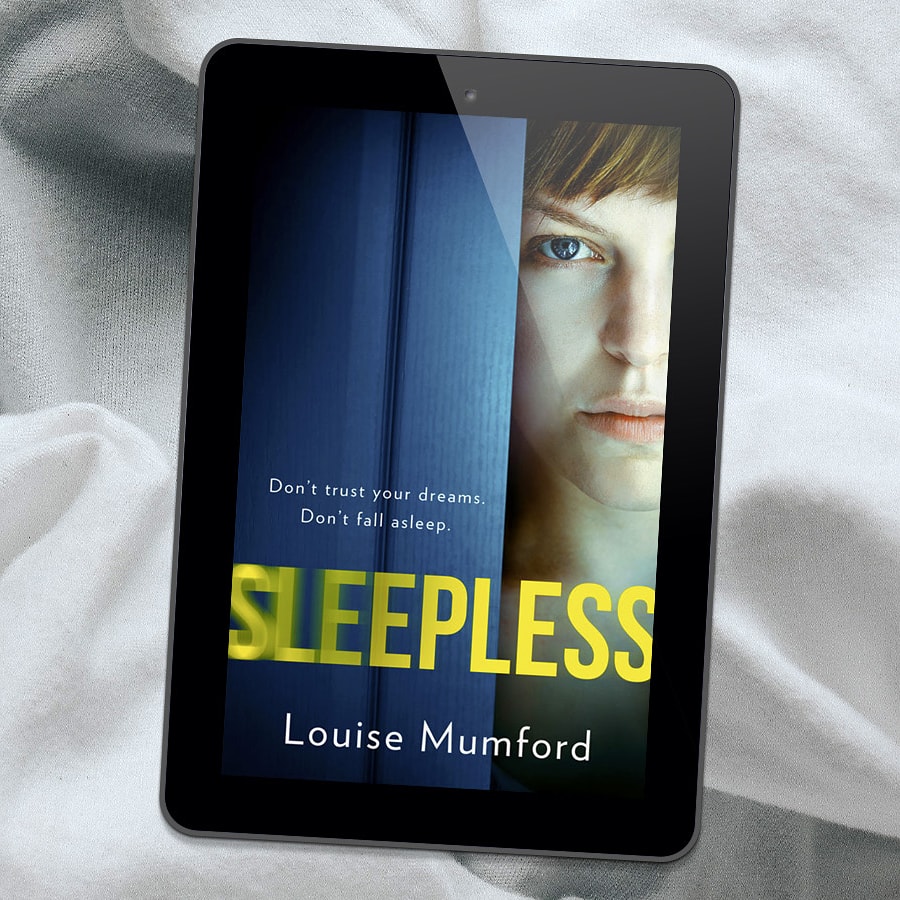
Guest article by Louise Mumford to celebrate publication of her debut thriller

You haven’t turned forty until you’ve turned forty at the start of a lockdown during the outbreak of a worldwide pandemic. It certainly added a level of drama: I started a new decade and the world stilled.

Forty is a milestone birthday, whether you get to party with a massive group of friends in your favourite pub or not. For me, it was doubly important because I’d made a promise to myself a few years before: by forty my life would be different.

It was a promise I kept.

I have never been able to sleep well. Insomnia has been my constant companion since I was a child. When I was young, I didn’t really see the point of sleep. Why would people do that and miss out on all the marvellous things that could happen whilst they were dozing? I couldn’t understand it. Fast forward a few years and I would be the one at house parties who would still be awake at 4 a.m. tidying up the kitchen and flicking through the books in an unfamiliar bookcase to keep myself entertained whilst everyone else slept. Now I’m much older I watch the way my husband drifts off to sleep within minutes of putting his head on the pillow and, to me, it is a magic trick I will never learn.

I’ve always thought that this never really affected my day-to-day life. I thought I coped. I was wrong.

In the opening chapter of my new book, ‘Sleepless’, the main character, Thea, has a car accident after yet another poor night’s sleep. They say write what you know. Well, I know that car accident very well. It is mine. I had got through my first day back in the new term as a teacher, a job I’d been doing for around ten years or so, and in the car I’d been congratulating myself about how well I’d coped, despite the lack of sleep. I was smug.

That was when I realised the car in front of me on the dual carriageway slip road had stopped. I crashed into it and another car crashed into me. Miraculously, nobody was badly injured. My own car was a crumpled thing and smoke wreathed around the twisted metal like a bad Eighties pop video. I remember sitting in the ambulance listening to the radio announce major tailbacks because of me and knowing that I had to change my life. I gave myself the deadline of turning forty to accomplish it.

I have always wanted to be a published author. So, I took a deep breath and left my teaching job, a job that was slowly eating away at me due to the early morning starts. My body clock eventually found a rhythm that had probably always been its own, but which modern working life didn’t allow for: a much later bedtime and a later morning. I’m a night owl at heart and, though the early bird apparently catches the worm, I’ve got myself something else, much better. I concentrated on writing and that book will be out on December 11th this year: ‘Sleepless’. I didn’t have to look far for inspiration.

Life begins at forty, so the greeting cards say, and my whole new life has just begun.


Louise’s debut thriller ‘Sleepless’ will be published on 11th of December as ebook and audio. Ebook is currently 99p on Amazon, Kobo and Apple. Paperback to follow in February.


MULTI-TALENTED WOMEN’S FICTION AUTHOR CAROLINE JAMES ON MENTORING

I first started writing eight years ago and one of the biggest things that hit me was how lonely a business I’d chosen. Sitting on your own, hour after hour, day after day, was the most isolating thing I had ever done. I had a very busy time in my ‘other working life’ with lots of travel and constant client meetings. Motivating myself to work alone wasn’t easy, combined with internal fears that anything I wrote wouldn’t be good enough and no one would want to read it. It took me a year to write my first novel and as many authors know, the task of submitting with high hopes and expectation soon becomes humiliation. The manuscript was rejected by agents and publishers time after time.

In those days self-publishing was very new to me and I had to learn fast. It became the life-line that ultimately connected me to the publishing world. But I still found it a lonely experience in cyber space. How I longed to be part of publishing a team with meetings, mentoring and lunches and all the fun that other authors seemed to be experiencing once they’d signed that golden contract and committed to a book deal.

Sitting on your bum feeling sorry for yourself achieves nothing, as my mother always told me, so I decided to do something about it. My debut novel had done surprisingly well and reached #3 in women’s fiction on Amazon. This gave me confidence to contact other authors in my area via social media. We set up a group and met every month and the kindness and help I found there was like being wrapped in a warm writing blanket. My life changed and I moved away but I consider two of those authors as very close friends and we still meet to help each other.

The years have moved on and several novels later I am now both traditionally and self-published and during this time I have mentored other authors, who like me in the beginning, hadn’t a clue where to start. Little did I know the huge importance of for example, editing or of having a social media profile and the zillion things that a savvy author in 2020 needs to get a grip of.

It began with a couple of authors, through Facebook, asking for advice. The hand-holding process began and it felt good to be able to give something back and watch the blossoming process develop as they realised their writing dream and ultimately produced their very own novel. Now, I have put together a group of other like-minded writing professionals who want to give something back and through a small business community we mentor, motivate and give of our time to help authors who are in the very same position that I naively found myself in when I first started writing. It does surprise me that with all the information freely available on the internet that this is something that is in demand. But I know how it feels to be on your own, wondering if you are good enough to write and if you can trust your instincts. Having a comforting virtual hand on your shoulder saying, ‘Yes, you can and this is how you can do it,’ is a very empowering process and I am hugely humbled to be in a position where I can offer help to anyone who asks and has the determination to achieve their writing dream.


Find out more about Caroline at https://www.carolinejamesauthor.co.uk/