SISTER SCRIBES’ GUEST: ALISON KNIGHT ON WRITING A VERY SPECIAL BOOK

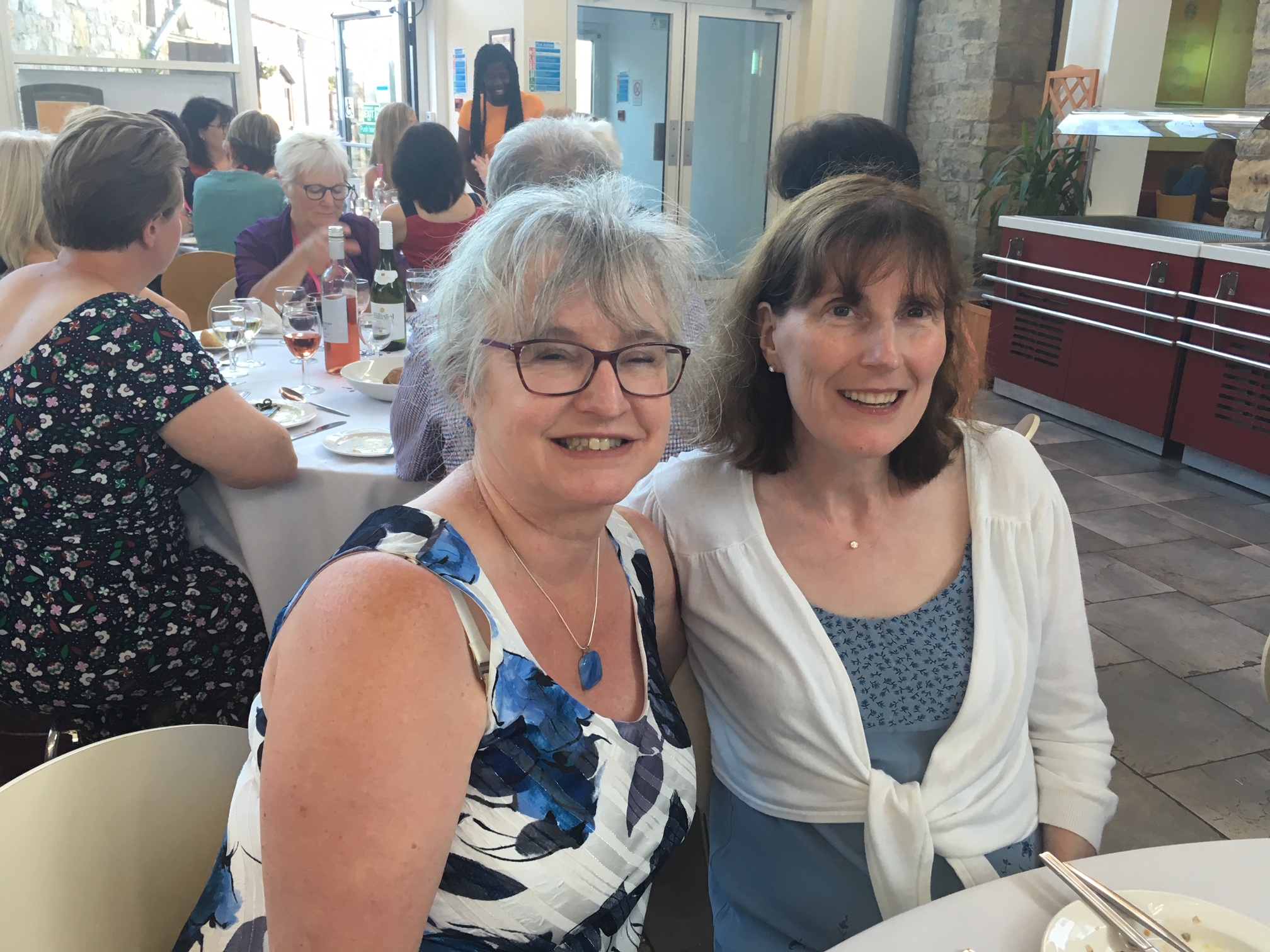
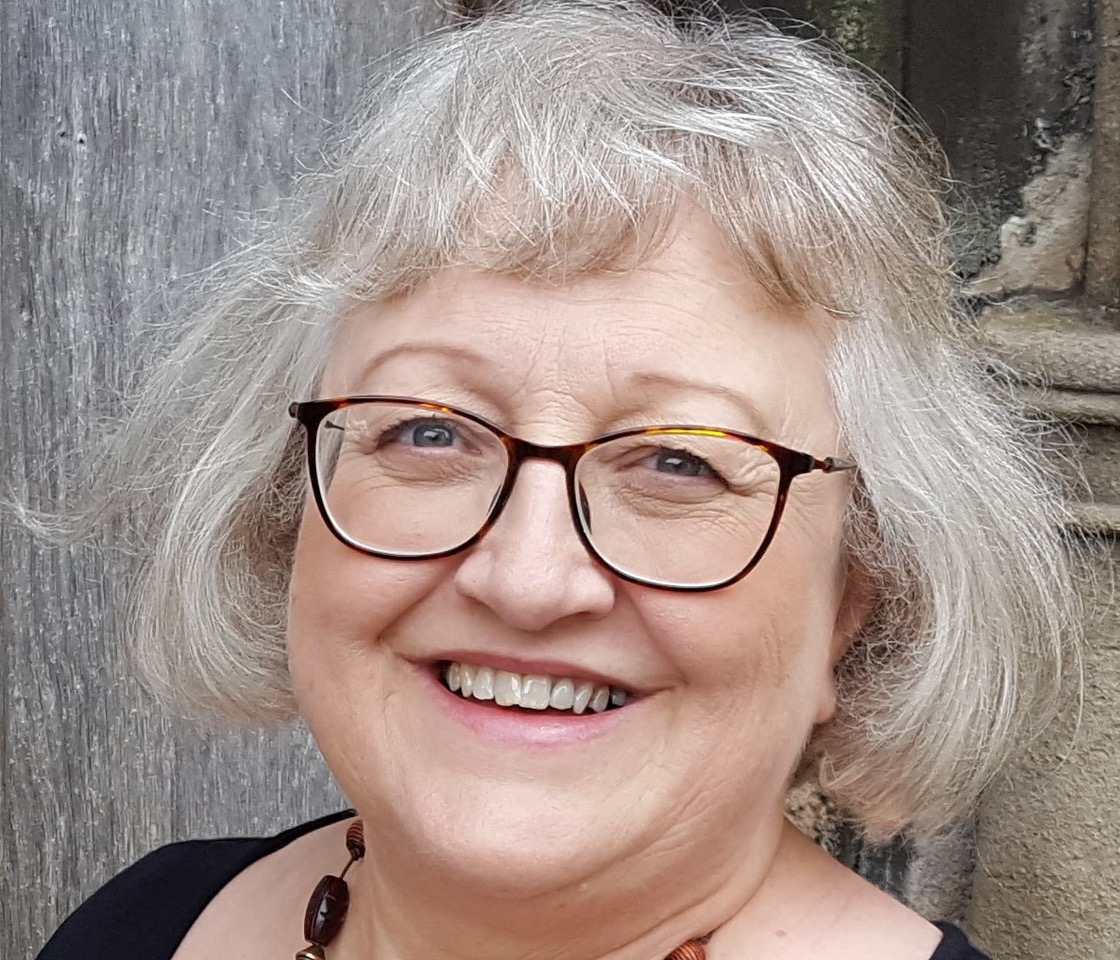
Alison Knight is a writer, teacher and editor living within sight of Glastonbury Tor. She is a member of the Society of Authors and The Romantic Novelists’ Association. She carries the dubious distinction of having introduced Kitty and Jane at an RNA conference.

I’ve always found entertainment, wisdom and solace in reading. When times are tough, it’s good to be able to escape into a story that takes you away from your everyday life and worries. So I suppose it was natural for me to become a writer.

Creating a legacy
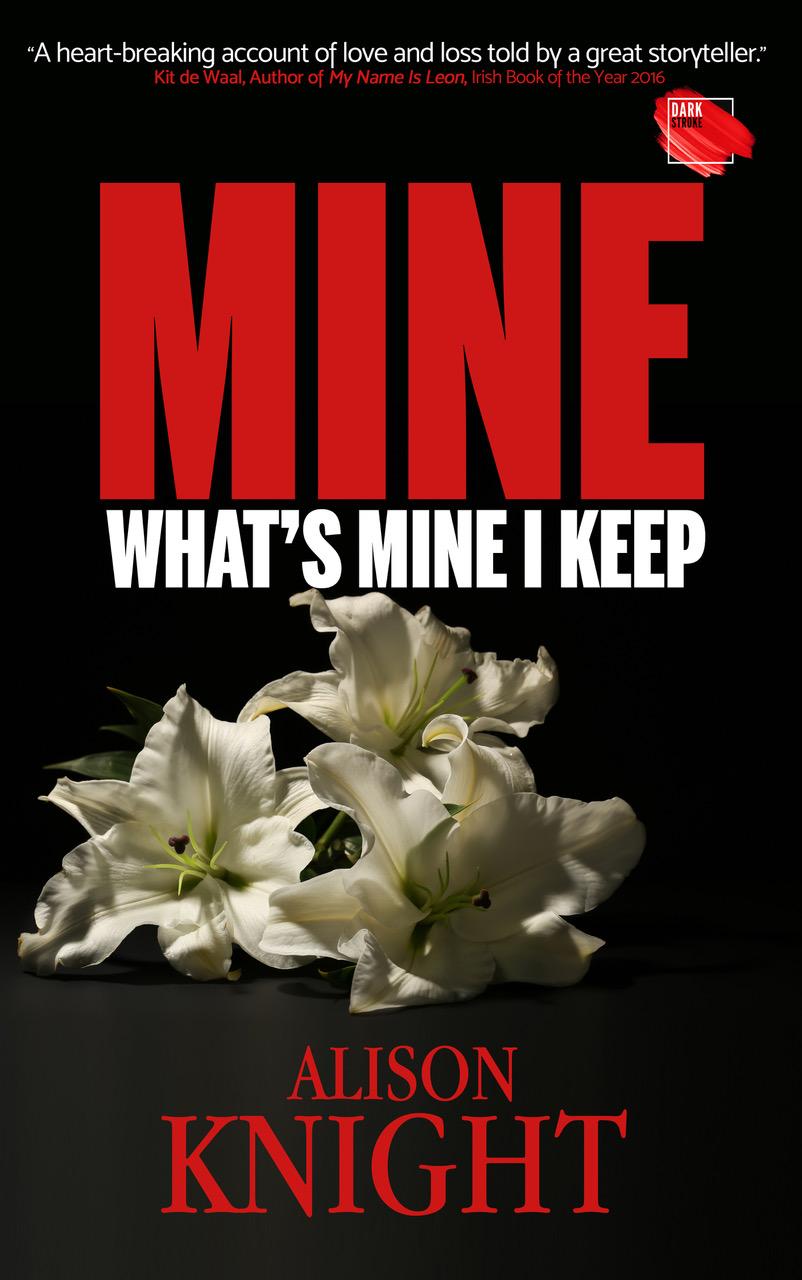
My latest book, Mine, which is published by Darkstroke Books, is my fourth novel and a project that is very close to my heart because it is based on real events that happened in my family in the late 1960s. I’m the only one left who can tell this story and it was important to me to wrote it in order to introduce my children, nieces and nephews to people that have gone before. It’s my legacy to them, helping them to understand that the world was very different fifty-odd years ago and the people I portray in Mine were driven by the attitudes of society at that time. If the same things happened today, the outcome would be very different.

Understanding why

I also wanted to write Mine for myself. My memories of that time were stuck in the mind of a ten-year-old child. By putting myself into the minds and shoes of the main characters, I was finally able to understand what happened with an adult’s perspective.

I’ve written it as a novel rather than a memoir because I didn’t want it to be all about me. Instead, I wanted to explore how ordinary people made decisions that led them into an extraordinary situation. I was also aware that I would never be able to find out exactly what happened as the people who could tell me are not longer here. Instead I used my memories, conversations with family members, newspaper reports and official documents to piece together the story. Where there were gaps, I used what I knew and took into account the culture of the times and used my imagination to fill them. It soon became clear that the guiding themes were class, ambition and sexual politics.

Getting published
It has been an interesting journey to publication. At first, the book was far too long at 140,000 words for any publisher to take it on. A rewrite reduced it by over 20,000 words. Some agents and publishers suggested I give it a happier ending or turn it into a psychological thriller. If Mine had been pure fiction, I’d have considered these suggestions. But because it is based on real events, there were some things I simply couldn’t do.

The question of genre was a problem too. It’s a love story, but not a romance with a happy ever after. It was turned down several times because publishers weren’t sure how to market it. When asked to categorise Mine, I describe it as a family drama, or domestic noir.

But then I found Darkstroke Books, an excellent small publisher with a reputation for hard-hitting fiction. After years of rejection, Darkstroke’s acceptance happened quickly and Mine is finally being launched in November 2020. The editing process was fairly painless – my brilliant editor totally ‘got’ what I was trying to do and Darkstroke have been wonderfully sensitive and supportive.

So, how do I feel about finally sending this story out into the world? I’m excited, but also slightly terrified. It’s not often a writer is featured as a character in her own novel!


Find out more about Alison at www.facebook.com/alison.knight.942


HISTORICAL NOVELIST NICOLA PRYCE ON HOW SHE APPROACHES HER RESEARCH

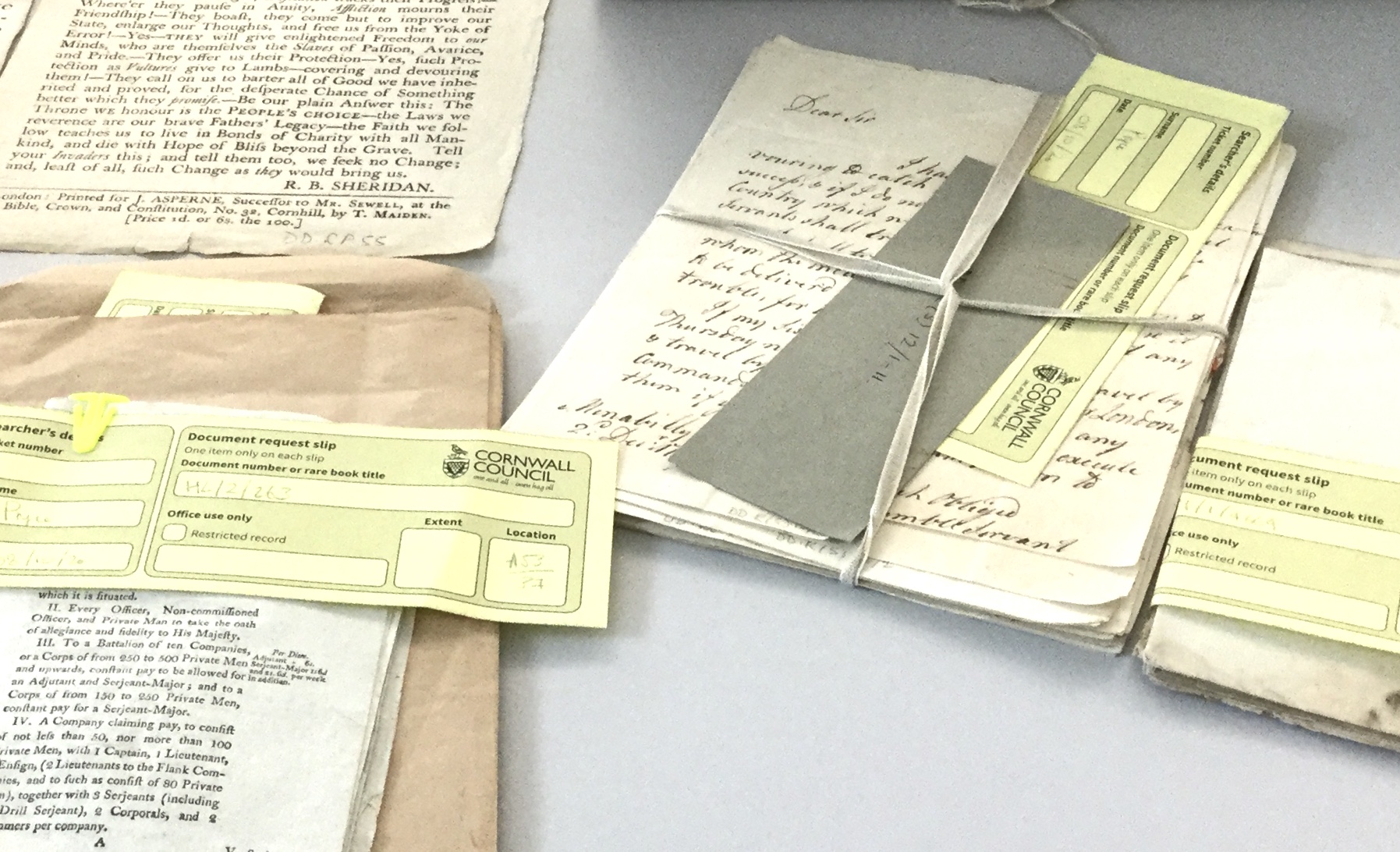
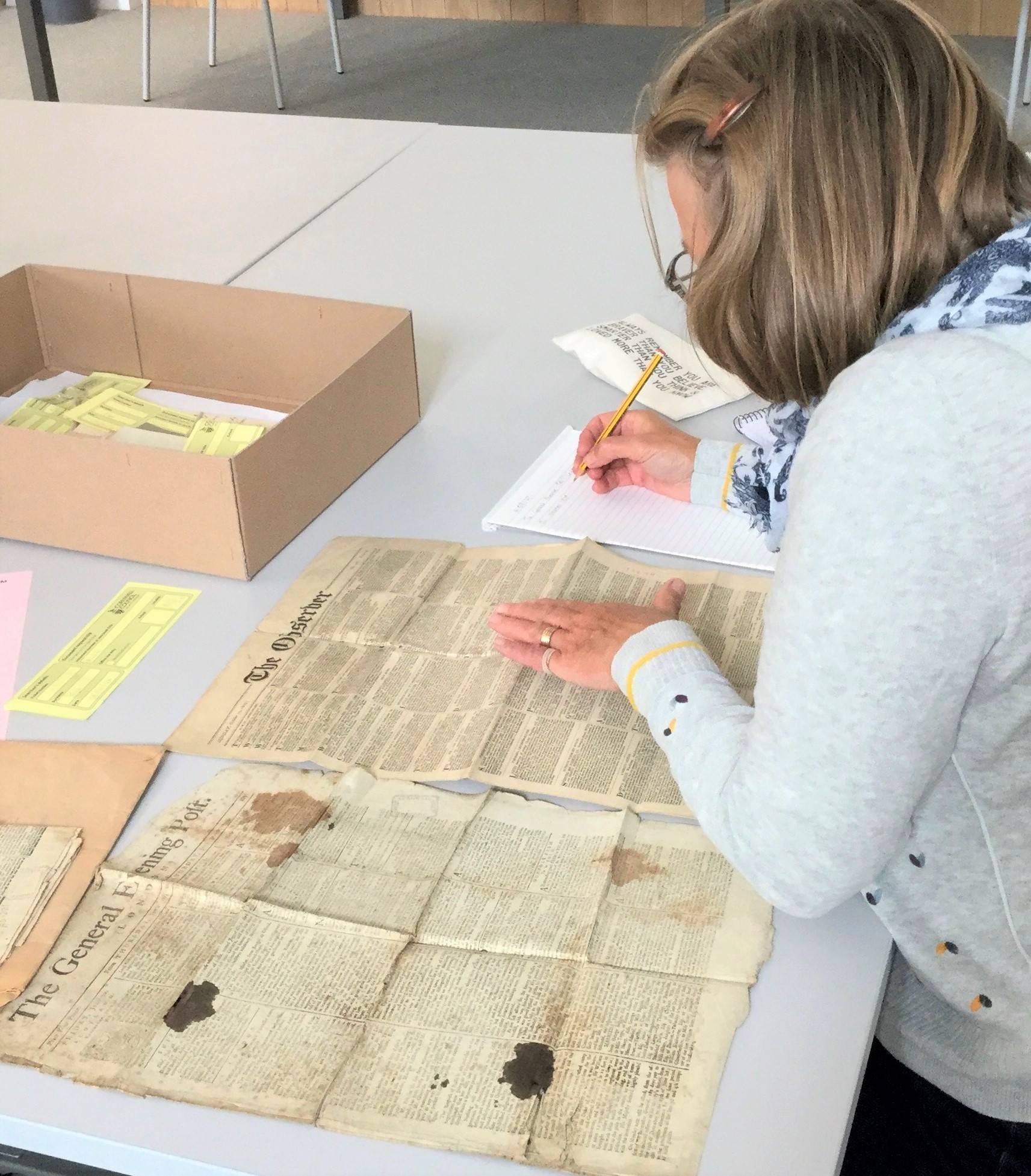
My books are set on the south coast of Cornwall, 1793-1800, so it’s wonderfully fitting that Cornwall’s new archive centre has moved to the old Redruth Brewhouse, built in 1792. The former Brewery has been transformed and incorporated within it is Kresen Kernow which houses 1.5 million records, covering 850 years of Cornish history. I believe there are fourteen miles of shelving!

I loved the Records Office in Truro, but this new centre is fabulous. Starting with the user friendly catalogues, the e-mail lists of chosen archives, the spacious research rooms, and the efficient and charming archivists, it adds to the serious problem of deciding when to stop researching and start writing!

But I’m getting ahead of myself. Other writers tell me they start with a kernel of an idea, a spark that fires their interest, and they expand it from there. I, however, like to start with the whole picture, gradually narrowing it down to the themes I want to explore.

I began my journey into historical fiction knowing the place I wanted to set my stories in – an area I have loved for thirty years. The date was an easy decision because since my Open University degree I’ve been mildly obsessed with the end of the Eighteenth Century, and as the books were to be set on the coast I had a community of shipbuilders, fishermen, clay speculators, merchants, and landowners around whom I could weave my stories.

Hoping my books might make a series, I decided to keep separate areas of research for each book and not cram everything into the first. It was a matter of holding back. Britain was at war with France and the areas I wanted to research were the high levels of bankruptcy among shipbuilders, raising the Volunteer Militia in the face of the very real threat of invasion, the patent row between the engine builders Boulton and Watt and how it impacted Cornish mining, the influx of French prisoners into the prisons, and building the new Infirmary. So much, and yet there is still so much I haven’t mentioned.

We are spoilt for on-line information. The touch of a key brings facts, dates, names, portraits, maps. We can access academic research papers detailing the lives of shipbuilders, midshipman, physicians tackling tropical fevers and the stories in my head slowly become plausible. But I need to know what I say happens could have happened. Every detail is checked – every inn, every stagecoach, every boatyard, even evidence of a French dressmaker in Truro.

I march round the area. I have a plot that could have happened to people who could have lived in the houses I identify. I have the setting, the time, the characters but missing is the most vital aspect of all – authentic voices of people living at the time.

And that’s where the days previously spent in the Records Office are now spent in the stunning Kresen Kernow. I only feel able to start a new book when real voices jump at me from the pages of primary sources – the threat of invasion, the woeful state of the sea defences, the lists of returns in case of subscription. The writs and legal wrangling that kept the price of tin high. The building of the sea-lock, details of rents charged to the tenants in the new harbour, Charlestown. The shambles at Pendennis Castle. The Naval ships awaiting orders in Falmouth.

The words they use, their tone, their sense of urgency or frustration leap from the pages. I can hear my characters and I can finally start writing.


Find out more about Nicola and her novels at: https://nicolapryce.co.uk/


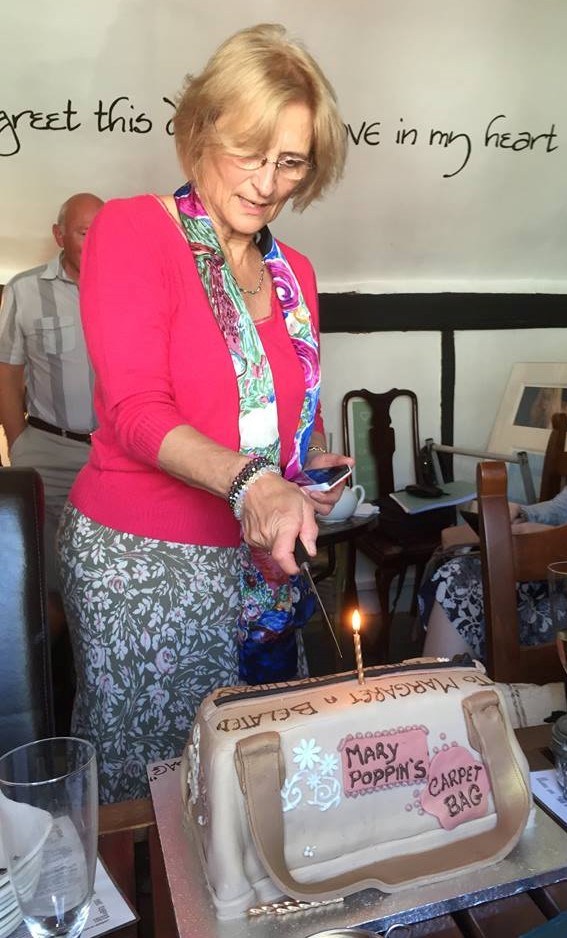
The books that have changed me by Margaret Graham (aka Milly Adams and Annie Clarke)

The books that changed me, or should I say perhaps, developed my understanding… Heavens, so many, but let me take a stab at it.

Margaret Graham, Annie Clarke, Milly Adams, books that changed me

As a child I read The Secret Garden by Frances Hodgson Burnett in which an obnoxious orphan Mary Lennox arrives to live with her uncle at Misselthwaite Manor in Yorkshire. Archibald Craven  locked  the door leading to his wife’s beloved garden on her death. He also secreted his son, with crooked legs and back , in his own quarters for his own safety, and went about his business elsewhere, leaving the kindly servants to care for this disparate household.

The children find the secret garden, and slowly as they work within it, and  as the seasons roll on, the healing of both begins.   This book introduced me to a love of gardening, to the relentless rhythm of the seasons which has given me solace and a sense of something ‘bigger’. It grounds me.

Then as a teenager I read I Never Promised you a Rose Garden by Joanne Greenberg. This is the story of a  schizophrenic young woman, who spends some years receiving therapy ina residential centre. As  the young woman recovers she is devastated to realise that the world is not perfect, that happiness is not a given. That there are ups and downs, and one must find a ‘centre’. But as the psychiatrist says: I helped you heal, but I never promised a rose garden, I promised you a life.

I found this profound, and it stabilized the angst of a teenager, and was a great guide as an adult.

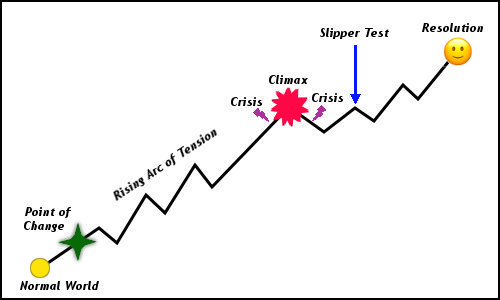
As an adult I was struggling to write my first novel – to navigate my way through the muddle of my thoughts, . I read Cinderella to my children one evening, and realised that it is the clearest example of the common structural form. It enabled me to write my first novel, and create almost 30 other books. It also allowed me to teach aspiring authors, perhaps the most rewarding part of my writing life, apart from editing Frost Magazine.

Basically, there is one protagonist, Cinderella, she has helpers ( mentors) and enemies (antagonists). Cinderella is on a journey, which is the plot, in order to resolved the theme, which for me was her quest to find love. Fourth must be Reginald Hill’s Dalziel and Pascoe novels. Erudite, immaculately structured with characters in complete balance, and scattered with laugh-aloud humour. They freed something in me, and made me brave enough to be myself, and allow the humour I inherited from my parents free rein.

Fourth are the Reginald Hill Dalziel and Pascoe novels, beautifully structured and written, with a superb balance of characters. Erudite, fascinating, and laugh-aloud funny. They gave me the courage to allow myself to use my own sense of humour, inherited from Mum and Dad. 

Fifth and perhaps most importantly From Both Ends of the Stethoscope by award winning author Dr Kathleen Thompson

Dr Thompson is ‘the doctor who knows’ what it is to face the chilling cancer diagnosis, and then find your way through the maze of information and treatment. The book is set out in an extraordinarily accessible way for the patient, and also for those like me who have friends with this  illness,  it gives me a way of helping, of listening, of supporting. It is life enhancing, and invaluable.

If I can sneak in a sixth, The Variety Girls series by Tracy Baines made me realise I should have been on the stage, not stuck in a study writing. You see, I could have ‘hoofed’ with the best of them, and hugged the spotlight, and showed off, and my mum would have been shocked, then proud, as I received a standing ovation – just me, not the rest of the chorus, of course. Ah, well, I can dream.


A POEM A DAY DURING LOCKDOWN IS NOW A PUBLISHED COLLECTION

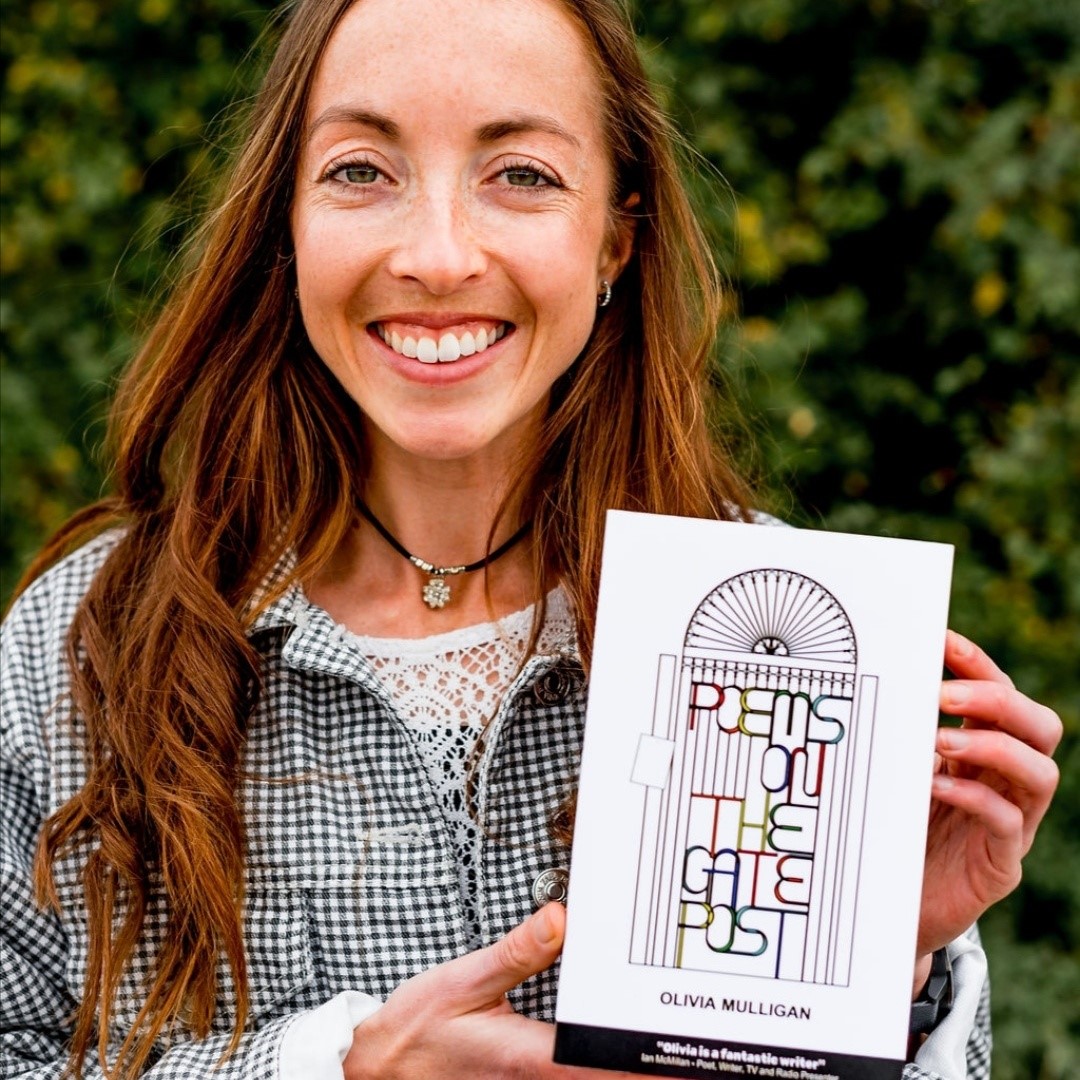
Guest article by gatepost poet Liv Mulligan about her debut collection

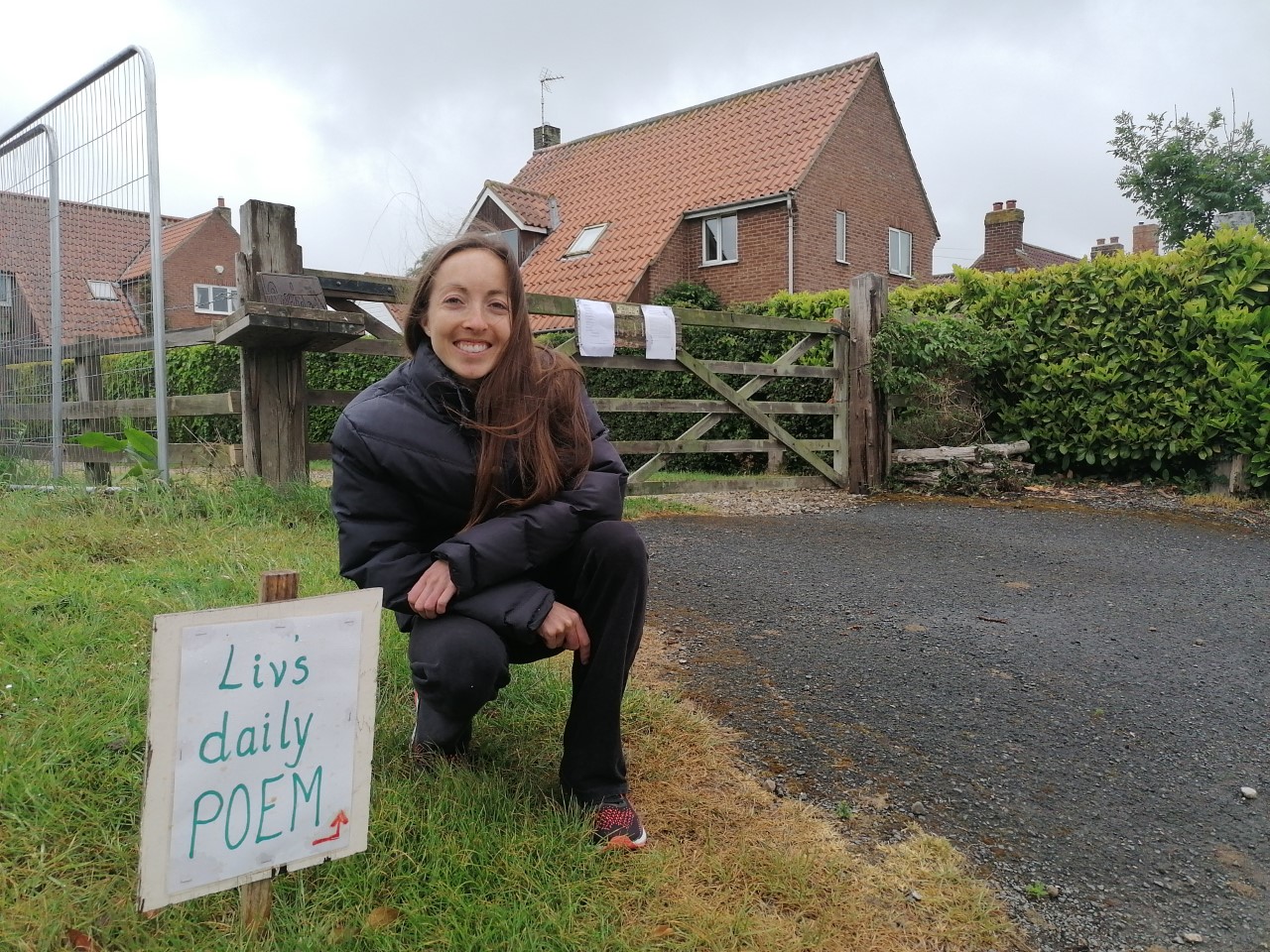
I certainly never imagined that lockdown would turn me into a ‘published poet.’ In April 2020, during the Covid-19 lockdown, my mother suggested that I write a poem each day inspired by the self isolation. She suggested that we then display each day’s poem at the end of the drive on the gatepost for passers by to read. “It might make people smile,” she said.

I agreed to the challenge because, let’s be honest, what else was I doing? I had already re-arranged my sock drawer three times that week and it was only Tuesday. Or was it Wednesday? Anyway, I didn’t have a good enough excuse to not agree. I decided to leave a phone number for people to text in suggestions for topics for the following day’s poem, so the whole village could feel part of the project too.

I then took on the ‘Daily Poem’ task quite literally as that, ‘a task.’ Something to do to fill the time.

However, as the days went by and as the collection grew, it has become so much more than that. Writing these poems became the highlight of my day. And hearing from the residents of the village, many who I had never spoken to before, telling me how much joy they receive from reading them – I owe both my mother and the 2020 lockdown experience a huge thank you.

The book, Poems On The Gate Post is now available in paperback, hardcover and ebook.

One of my spoken word poems, ‘The Lockdown Conversation’ was aired nationally on BBC iPlayer at their 2020 Upload Festival.

The Yorkshire Village Doctor

If I were a doctor
I’d prescribe packs of Yorkshire tea
Safe and suitable for all
It’s like the Master Key

Unlocking a sense of comfort
As your hands snuggle the mug
Unlocking an inner joy
As you sip, slurp or chug

I’d start you off with Yorkshire
With a splash of milk
The colour of a Werther’s Original
Tasting as smooth as silk

But not as expensive as silk:
Works out about three pence a bag
Cheaper than other prescriptions
And cheaper than a fag

You can use it recreationally too
When you want to impress a friend
Pressure’s on though. Make it good.
A bad brew will certainly offend

Once you become a regular
You might like to try the hard stuff
Maybe Green? Mint? Or Ginger?
Or Rooibos if you’re really tough

You might be reliant on tea now
Temporarily, your freedom is gone
But take it easy, take a breath
And stick the kettle on

I wonder…

I wonder if I wander there alone
Unknown eyes will stare, watch to harshly judge
Judge my feet on the public paths of stone
Sharp eyes reflect my purpose as I trudge

Heaving my lockdown legs up hills I’m free
Blood moves to circulate and rinse the doubt
But car-park eyes they’ll soon latch onto me
Cold critique of my Covid whereabouts

I too critique the man with watching eyes
My rambling thoughts will question his desire
Our woodland wishes watered down with whys
With bitter thoughts of others we conspire

I long for pine tree shadows without shame
Perhaps my unknown stranger feels the same


The book is currently stocked in White Rose Book shop (Thirsk), The Little Ripon Bookshop and Minskip Farm Shop. If you’re not about in North Yorkshire, it can be purchased from most online bookstores.

You can keep up to date with Liv’s poetry antics and spoken word videos on Facebook: Olivia Mulligan Poetry


Helene Fermont – My Writing Process

Helene FermontMy Writing Routine
 This is my favourite topic!
 I’ve written about it in newsletters and blogs.
 Essentially, I don’t work like a majority of authors.
 For a start, I can’t work in public places as the noise would
 disrupt me. As a practising psychologist, my writing happens
 every chance I get between patient consultations, meetings
 and conferences. I write weekends, early mornings prior to work,
 evenings, nights and during holidays. In fact, I’ve not had a break
 for a very long time. I enjoy my line of work very much but writing
 is my passion. Both fit well together as my day job perfectly fit with
 my genre, Character Driven Psychological Thrillers With A Noir Edge.
 My writing routine:
 Irrelevant of when I work on a book, I always work at my desk in my home
 or work office. No disruptions, calls, messages, nothing except what I focus
on there and then. I read through what I’ve written the last time to get a sense
structure, sequence and, most importantly, a feel for the characters and storyline.
Without a flow and prose, points of views and being part of the scenes and dialogues,
my characters wouldn’t come across as intended.
I write in long stretches, so for ex if writing early mornings and late evenings
and weekends and holidays, I always work for at least four to five hours after
which I have a break, an hour’s walk to clear my mind, playing with my cat, Teddy,
who faithfully sits next to me in his old wooden box or in a favourite chair.
I continue working on my book/books for at least another four to five hours,
edit that day’s work and make notes on what to work on, improve and much more
prior to the next writing session. I write biographies of all characters, their interaction,
similarities and differences. My characters drive the storyline so must be satisfied
they come across as real people, relatable and identifiable.
The Swedish part of me is very organised, structured and self disciplined. All of it
helps to keep me ahead of deadlines and time to return to parts of the storyline
and plot that require more attention. You’d be right thinking my characters take
some time to create, develop further and the storyline evolves around them.
It’s the reason I prefer to write a synopsis later, usually when mid through the novel.
Because only then will I know exactly what outcome and tie up loose ends.

I’m Anglo Swedish, my birth place is Malmö, Sweden’s third largest city.

 I’ve been a performing musical artist when younger, come from a very cosmopolitan
 family and background, British and Swedish parents. I’m bilingual and so far lived
 longer in the U.K. than my native Sweden. I love writing every chance I get,
 love my day job and all the wonderful people I get to meet and counsel.
 I love animals and sports, couldn’t imagine a life without literature and am a ferocious
 reader, mainly of my own genre, as well as cross reading.
 I enjoy long conversations, travelling, lots of getting togethers over Fika ( coffee breaks ) In lovely cafes, parks and beaches, the spectacular scenery and nature in Malmö
 and similar places in London.
 I communicate well with all kinds of people, carry a notebook when out and about
 even on the bedside table in case I come up with new ideas for characters and stories
 when asleep! Characters come to me when I least expect it, and premises for
 new storylines. I’ve so far never suffered with writer’s block and have many books
 just waiting to be written in the foreseeable future. I make notes of new casts
 of characters and novels, short stories and blogs. I enjoy socialising with special
 people, friends and family, eating and cooking are favourite pastimes.
 I’m very grounded, extremely communicative and a good listener.
 Quite simply; I love life and have a positive outlook and attitude.
What you have written, past and present.

So far, I’ve written five books. Because Of You, We Never Said Goodbye,

 His Guilty Secret, and One Fatal Night which was published recently.
 I’ve also written a short story collection, Who’s Sorry Now?
 I’m working on my next psychological thriller, The Matchmaker.
What you are promoting now.

One Fatal Night, set in Norway with an explosive plot, protagonists

and many twists and turns.
Do you plan or just write?

I work to a brief plan, write the first couple of drafts and edit after I’ve finished

 the novel after which I and my editor collaborate on the editing process.
 My writing’s very intuitive, the characters come first so must feel the storyline
 works for and with them or I’ll change the story while still keeping the initial premise.

What about word count?

I don’t worry about that as long as everything fits with what I intended.

 My debut novel’s word count is over 140000 words, the others between
 50-100.000.

How do you do your structure?

I know exactly the sequence of what must follow each chapter.

 So no detailed synopsis until mid through the novel, but a very clear
 and detailed content for each chapter and, of course, much emphasis
 on my characters.

What do you find hard about writing?

Getting the inspiration when I’m tired after a long day’s work.

 The isolation of working on my own with no one to discuss ideas with.
 Apart from that, writing comes natural to me since I’m very used to working
 without company and quite enjoy it. Living with my characters!

What do you love about writing?

The progress when getting the characters and storylines just right.

 Feeling my characters emotions, being there in the scene with them,
 and excitement when the story turns out just like I planned and intended.
 Significantly, holding the book and feeling a sense of pride I Did it!
 Getting positive feedback and comments from my readers mean the world to me.

Advice for other writers.
 Always write what you want and what comes natural to you.
 Don’t follow trends and Never copy other authors.
 Your voice and uniqueness are what truly makes you special.
  I never read when writing my books and stories for fear others work
  will influence me subconsciously.
  Having a positive attitude helps a lot too! Oh, and patience!

SISTER SCRIBES GUEST: JEN GILROY ON FINDING YOUR WRITING VOICE

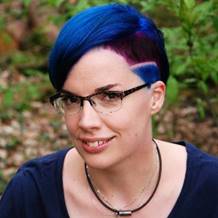
Since Susanna Bavin introduced Canadian romance author Jen Gilroy to us at a Romantic Novelists’ Association conference she has been an honorary Sister Scribe and it’s an absolute delight to welcome her to Frost.

One of the questions I’m often asked when giving talks about writing relates to ‘voice’ and, specifically, how to find it.

For some writers, voice is instinctive. If you’re one of those fortunate people, this post likely isn’t for you!

However, for many others (me included) finding your ‘voice’ isn’t so straightforward.

First off, what is ‘voice?’

For me, it’s what makes one author’s fiction distinctive from that of another. At a superficial level, it relates to word choice, syntax and the mechanics of constructing a story.

Going deeper, though, voice reflects each author’s personal experience—the constellation of factors that make them who they are—as distinctive as their fingerprint.

A tip to identify voice?

Choose books by three favourite authors, set them side-by-side and consider the first few pages. Even if they write in the same genre, it’s likely that in only those early pages you’ll identify major differences in how the writer tells the story and makes you feel.

Those differences are rooted in voice and some authors have such distinctive voices that fans can often identify their work in only a short paragraph—without knowing the book’s title or author.

However, even if you know what ‘voice’ is and can identify it in other writers, how do you find yours?

For me, finding my voice was part of my writing apprenticeship and (as with many other parts of learning the craft) necessitated trial and error.

In the beginning, I sampled genres a bit like food at a tapas bar. From literary fiction through to young adult, historical and more, I tried writing in a number of different areas.

Yet, and like delicious tapas morsels, only one or two genres resonated enough for me to think I’d truly found my own ‘author voice.’

What does ‘voice’ feel like?

I liken my ‘voice’ to wearing my favourite pair of cosy slippers as I snuggle under a blanket by the fire on a cold winter night.

That ‘voice’ is drawn from the innermost part of myself and means I delve into emotions only I feel to express them on the page.

At first, that self-reflection was scary. With career in corporate and technical writing, I was so used to adopting a ‘corporate voice’ that I’d lost my own, and I’d also lost touch with the emotions that are the foundation of fiction.

Yet, with practice and patience—and by reading and writing widely—I dug deep enough to get to that comfortable state of knowing when I was writing in my voice—and when I figured that out, the genres were obvious.

Long before I became a writer, romance and women’s fiction were the genres I read for hope, comfort, escape and more. Not surprisingly, those were also the books that fit my voice and when I started to write from the foundation of who I truly am, the words flowed.

Although finding my voice was one of the most difficult parts of my writing journey, it was also the most rewarding. And, perhaps most importantly, writing with the warmth and intuition that comes from the core of who I am is the most honest gift I can give.


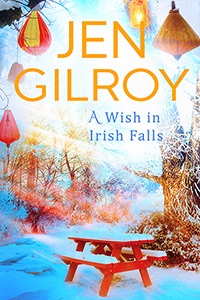
Jen Gilroy writes romance and uplifting women’s fiction with happy, hopeful endings. She’s a wife and mum who calls England and Canada home and her latest release, A Wish in Irish Falls, is out now on Kindle (free with Kindle Unlimited).

Connect with Jen via her website: www.jengilroy.com


Marieke Nijkamp – My Writing Process.

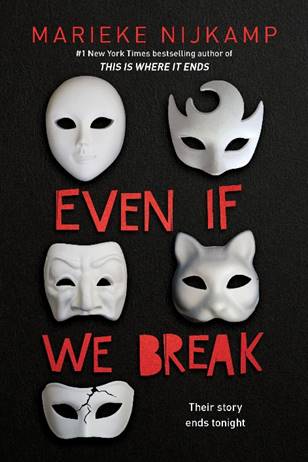
Even If We Break by Marieke Nijkamp is out now in hardback by Source Books.  What you have written, past and present.

I wrote my first book—or what felt like a book at a time—when I was ten or eleven. It was, effectively, fanfiction of my favourite book at the time. It certainly wasn’t a full length book, but once I started, I never looked back. I’ve written books and short stories ever since! 

My first published novel was a contemporary YA called This Is Where It Ends, a story about a school shooting. It takes place over the course of fifty-four minutes and follows four teens who all have a reason to fear the boy with the gun. I followed it up with Before I Let Go, a YA murder mystery set in a creepy Alaskan town full of secrets, where one girl is trying to uncover the truth behind her best friend’s death. And now Even If We Break, a geeky YA thriller, but more on that later!

I also write comics and graphic novels, most recently The Oracle Code (with art by Manuel Preitano), a DC graphic novel about a young Barbara Gordon who has to solve the mysteries of a spooky Arkham mansion, all while adjusting to life in a wheelchair. And currently ongoing, Goosebumps: Secrets of the Swamp (with art by Yasmin Flores Montanez), about three girls, one swamp, and a whole lot of werewolves.

And just to complete the line-up, I also write short stories for MG and YA anthologies, and had the distinct pleasure of editing the anthology Unbroken: 13 Stories Starring Disabled Teens.

            What you are promoting now?

My most recent YA, Even If We Break is a cabin-in-the-woods thriller about five friends who plan to spend the weekend together to play the RPG that brought them together one last time. But their friendship has grown strained, there are secrets between them, and this is where the game turns deadly. Even If We Break is geeky, terrifying, and at its core a story about friendships and growing up.

            A bit about your process of writing.

I’m a fulltime writer, and I generally write every weekday. Regular office hours, with the evenings for administration, email, interview questions… and occasionally some gaming! I try to be sensible about keeping my weekends a little freer, because work-life balance is important too.

            Do you plan or just write?

Oh no, I plan, in detail! I’ve plotted books with spreadsheets and flashcards and entire character profiles. These days, I usually create a story bible in advance and a full outline with scene and character beats. It’s quite a bit of work beforehand, but I love it. If gives me a feel for the shape of the story and what needs to happen when. Even if some details end up changing between the outline and the story—or the balance between chapters changes just so.

            What about word count?

A rough idea of word count is absolutely part of the planning, but that also very much depends on what the story needs!

            How do you do your structure?

Chapter-by-chapter, question-by-question. 

            What do you find hard about writing?

Writing is incredibly personal, and that’s terrifying sometimes. Whether it’s exploring parts of myself in characters or staying vulnerable to approach the emotional truth of a story, writing can be highly intimidating. 

It isn’t easy, but then again, it doesn’t have to be.

            What do you love about writing?

I love stories. I love exploring new worlds. I love taking story threads and weaving them into narrative. Above all else, I love how stories shape us and how we can shape stories. I absolutely believe storytelling is what makes us human. 

Even If We Break by Marieke Nijkamp is out now in hardback by Source Books.


The surprising Scandinavian approaches to child-rearing by Alex Dahl

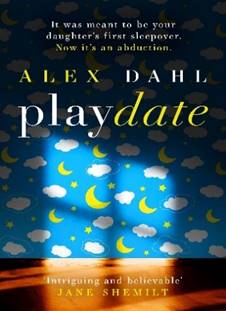
alex dahl, author, writer, childrearing, playdate‘Playdate’ by Alex Dahl is out now. Published by Head of Zeus and has been made into an excellent TV series called, The Stolen Girl.

 In the Scandinavian countries, children are raised quite differently than in the UK and most of the rest of the world, where fear culture feels more prevalent- fear of strangers, accidents, legal action, bad weather- the list goes on. The Scandi approach is rather less fussy and children are given an almost baffling level of freedom. They are expected to get to and from school alone, often from the age of six, sometimes walking a considerable distance, come rain or shine (or more likely, blizzards.) In the winter it is pitch-black dark when they leave home. 

When I was a child growing up in Norway, my mother’s policy was- spend most of your time outdoors, and if there’s a problem- fix it. I had a pocket full of band-aids and a bus pass, plus a few tried-and-tested recipes for afternoon snacks.

As an adult, and a domestic-noir/psychological thriller writer, I draw inspiration from the Scandinavian countries’ laissez-faire attitude, and will gladly admit that it’s rather convenient that certain plotlines, which may seem unlikely to happen in the UK are perfectly feasible in Norway. Like being asked to take a little boy home on a stormy evening, whose parents have failed to turn up- the very premise for my debut thriller, The Boy at the Door. It’s happened to me, more than once, and I’ve also turned up to pick up my kids from somewhere, only to be told that they’ve already been collected by ‘so-and-so’s dad’ or random uncle, whom I’ve never met. Or like sending your child on a sleepover when you’ve only briefly met the parents once, a decision that has disastrous consequences in my new thriller, Playdate.

I ended up doing some involuntary research when my own daughter went briefly missing during the edits of Playdate. I had recently returned to Norway and was adjusting to the Scandinavian style of parenting after a stint in London. I allowed my then nine-year-old daughter to take a bus alone home with a friend to the friend’s house after school. I was in my office, working on the book, when the mother of the friend called, several hours later. She asked whether the girls had gone to ours. Floored by panic, I explained they had definitely gone to theirs, and she said- well, they can’t have as the alarm was activated and the dog shut away in one room, and the first thing the girls would do when they get home is deactivate the alarm and let the dog out. 

The other mother immediately started to comb the neighborhood for them while I rushed over. We were about to phone the police, when she went into a local shop to ask whether the girls had been in, and another customer overheard, saying he’d seen two little girls in the nearby forest, trying to free a ride-on pink Barbie truck from thick mud. The girls had refused offers of help, having been drilled on the dangers of strangers… I got my girl home, but had never known such fear, and I went back over Playdate and infused it into the mother of the missing girl.

Playdate by Alex Dahl is available here