SISTER SCRIBES GUEST: JESSICA REDLAND ON TWO HEADS BEING BETTER THAN ONE

Writing can be a solitary business. Some writers dip into the general online community for support, others – like the Sister Scribes – get together in a more formal group. This week guest is Jessica Redland, who talks about getting together with her chum, Sharon Booth, to form the Yorkshire Roses.

They say that two heads are better than one and that’s exactly what Sharon Booth and I were thinking when we joined forces in late 2018 to become The Yorkshire Rose Writers.

We’ve been friends for several years, having met through the Romantic Novelists’ Association when we were in the New Writers’ Scheme. Sharon lives in Hull in East Yorkshire and I live in Scarborough in North Yorkshire so we’re well placed for a regular meet-up for tea, cake and a good old writerly catch-up.

Last autumn, over cake, we chatted about our discomfort at promoting our own work but how we didn’t feel this when promoting each other’s books or blog posts. The idea of joining forces was mooted to overcome this and, the more we talked about it, the more it seemed like a great idea. We both write romantic comedies and contemporary romances set in Yorkshire that would appeal to a similar readership so a collaborative approach could be a good way of gaining us both new readers.

Coming up with a name was probably the hardest task. This wasn’t because we couldn’t agree but simply because we couldn’t find something that was quite right. When we finally decided on a name, we discovered that a Canadian website already had it! Back to the drawing board. We then came up with The Yorkshire Rose Writers, the white rose being the county’s heraldic flower, and we both loved it as we felt that this conveyed what we are: Yorkshire-based writers who write about Yorkshire.

We set up a blog and began posting twice weekly with a long post on a Tuesday and shorter magazine-style snippets every Friday. This turned out to be too ambitious with posts being frantically prepared late the night before so we cut this back to one post on a Friday, alternating the style of content. We both contribute each week although we’ve learned by experience that one of us needs to take the lead on the longer posts, writing the start and conclusion, to avoid duplication. It’s all a learning experience but, because we’re good friends, none of these teething issues have been problems. Typically, we just laugh about them. We plan the schedule about 4-6 weeks in advance which means that, if deadlines are looming, we can prepare our part ahead of time or, if not feeling inspired by one of the subjects, the person taking the lead has plenty of notice to write the full post.

We’re on Facebook, Instagram and Twitter. Sharon’s brilliant at keeping on top of these, regularly posting new content. I confess to barely adding anything but we’d discussed this at the start and knew that Sharon would need to do the lion’s share of the promotion work during the first year. Sharon’s a full-time author but I squeeze writing around a day job and studying a Masters in Creative Writing so time is a massive struggle. When my Masters finishes in October this year, we’ll share this more evenly. Although Sharon’s so good at it, maybe she’d like to keep this ;-)

We’ll introduce a newsletter and competitions/giveaways later, but we need to do a lot more planning around this. There’s an excuse for more cake if ever I heard one!

So far, our joint venture has worked well and we love working together. We’re both excited to see where it could go in the future. My advice to anyone thinking about such a venture, though, is be really clear on your aims and your time commitment right at the start so you’re on the same page.


Jessica Redland on behalf of Yorkshire Rose Writers

www.yorkshirerosewriters.com

@YorkRoseWriters

https://www.facebook.com/yorkshirerosewriters/


SISTER SCRIBES: SUSANNA BAVIN ON BEING READ TO

When I was a teacher, I made a practice of reading to the children every day, whether it was a complete story or the continuing story of what the children called a “chapter book.” Often there would be time for both on the same day. The children loved being read to. I remember the near-hysteria that was occasioned time and again by John Prater’s Once Upon a Time, as the young audience glimpsed the fairy tale characters strolling one by one onto the pages; and all those favourites that were loved by class after class, such as Gobbolino, the Witch’s Cat, Red Herring and The Kitnapping of Mittens.

Perhaps my favourite memory is of finishing reading Dick King-Smith’s Lady Daisy to a Year 2 class. There was a moment of breathless silence at the sheer perfection of the ending and then the children burst into spontaneous applause. (Those children will be doing their A levels this summer!)

Frankly, I think that being read to is one of life’s joys. I also think that the pleasure of being read to is something we never grow out of. As an adult, I always have two books on the go – the book I am reading and the one I’m listening to. As well as having favourite authors, I also have favourite readers and there have been times when I have chosen a talking book by an author I have never read, simply because I know I will enjoy the reader’s performance. Yes, reading an audiobook is a performance, a proper acting job, and it takes huge and specialist skill.

The narrator is required to tell the story in a way that conveys character and atmosphere, but without their reading being intrusive. The listener should be absorbed by the story itself and, other than enjoying listening to it, shouldn’t be specially aware of the reader’s voice at the time. Gordon Griffin is the master of this. A veteran of more than six hundred audiobooks, he has a companionable and quietly expressive voice that is easy to listen to.

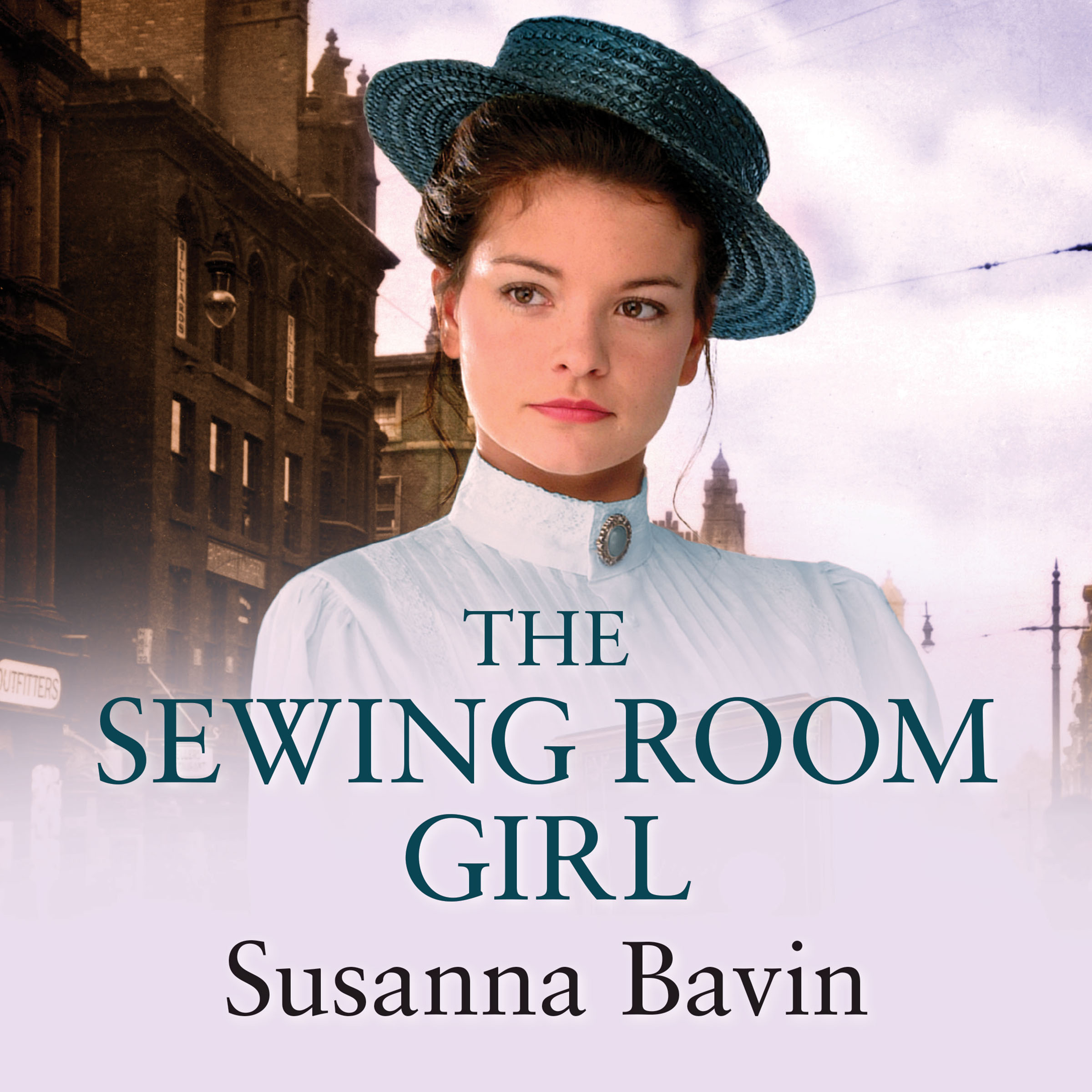
When The Deserter’s Daughter was published in 2017, the audiobook rights were bought by Isis Soundings and, as a keen talking book listener, I was thrilled to think that my book was going to be recorded. I was curious as to which actress would be chosen. Anxious, too. What if they selected a reader whom I wasn’t keen on? In the event, Julia Franklin was invited to do the job – and I couldn’t be happier. She has been up there among my favourite readers for years and I am enormously proud to have her as ‘my’ reader. Her performances are engaging and unforced, with an intuitive sense of character and timing. I don’t know whether authors are supposed to listen to their own talking books, but I loved listening to The Deserter’s Daughter and A Respectable Woman and am delighted that Julia has added an extra dimension to my books.


SISTER SCRIBES GUEST: RACHEL BRIMBLE ON WRITING ABOUT STRONG WOMEN

I first met Rachel when I tentatively joined a new chapter of the Romantic Novelists Association in anticipation of a house move, Rachel could not have been more welcoming and instantly made me feel at home. She manages to combine this open and friendly manner with a dedication to her career that makes her one of the most prolific authors I know.  


I’ve always wanted to write, but it wasn’t until my youngest daughter started school full-time that I started to pursue my dream of becoming a published novelist. That was in 2005 and my first book was published in 2007. I was ecstatic!

This book had been through the New Writers’ Scheme which is an amazing opportunity for a full manuscript to be critiqued by a published member of the Romantic Novelists Association. The RNA is an amazing group of female novelists (and a few men!) who support, encourage and applaud romance writers throughout the UK. It is a true honour to be a part of such a wonderful organisation and has almost certainly provided the push needed over and over again when I’ve felt I couldn’t continue to write.

Just recently, I handed in my twenty-third full-length novel to my current publisher (Aria Fiction). I have always loved drawing inspiration from real-life progressive and inspirational women, and this is reflected in the types of heroines I like to portray in my books.

As I write romance, these women ultimately end up falling in love, but it is their journey of self-discovery and empowerment that drives me to write and ensure my characters succeed. The love aspect is merely a much-welcomed added extra!

I write mainstream contemporary romance, romantic suspense and historical romance. My latest series is set in the fictional Pennington’s Department Store in Bath, England. Influenced by my love of the TV series Mr Selfridge and The Paradise, I was inspired to write a series that focused on the women’s issues of the early 20th century.

Once I’d decided on the theme of ‘female empowerment’, there was no stopping my fingers at the keyboard. I am passionate about self-growth, belief and achievement and to write about women determined to make a societal change appeals to me in every way. Book 1 in the series (The Mistress of Pennington’s) is about women striving to make their mark in business amid an extremely male-dominated world, book 2 and my latest release (A Rebel At Pennington’s) is about women’s suffrage and book 3 (hopefully released in the Autumn) is about the stigma surrounding divorce at the time.

As you can no doubt imagine, the research I undertook to uncover the required characterisation and inspiration to create these female protagonists led me to learn about some truly phenomenal women. Discoveries that will stay with me forever. There are so names we are familiar with – famous suffragettes, women aviators, doctors and scientists who all excelled and made their mark at the turn of the century, but there were also many women who remain unknown to us. Or at least, they were to me.

It is these women that inspire my work and the heroines I want to spend months and months with as I pen a 100,000 word novel about their evolving lives. The Edwardian period was a time of great change for women and it’s exciting to be a part of that. I love bringing historic women’s issues to the foreground of my novels and hopefully inspiring a woman in her own life today.

I could not write without women from the past, the present and undoubtedly, the future.

Here’s to the strong women who have gone before us and who continue to walk with us today!


Rachel Brimble lives in a small market town near Bath with her husband, two daughters and mad chocolate Labrador, Tyler. When she’s not writing, she likes to read, knit and walk the beautiful English countryside. Author of over 20 romance novels, Rachel hopes to sign a new contract for a contemporary romance trilogy in the not too distant future.

Website: https://rachelbrimble.com/

Instagram: https://www.instagram.com/rachelbrimbleauthor/?hl=en

Facebook: https://www.facebook.com/rachelbrimbleauthor/

Twitter: https://twitter.com/RachelBrimble


SISTERS SCRIBES: KITTY WILSON ON STRUCTURAL EDITS

Hello, it’s lovely to be on Frost again and I thought I’d take the chance to tell you what’s happening in my writing life right now.

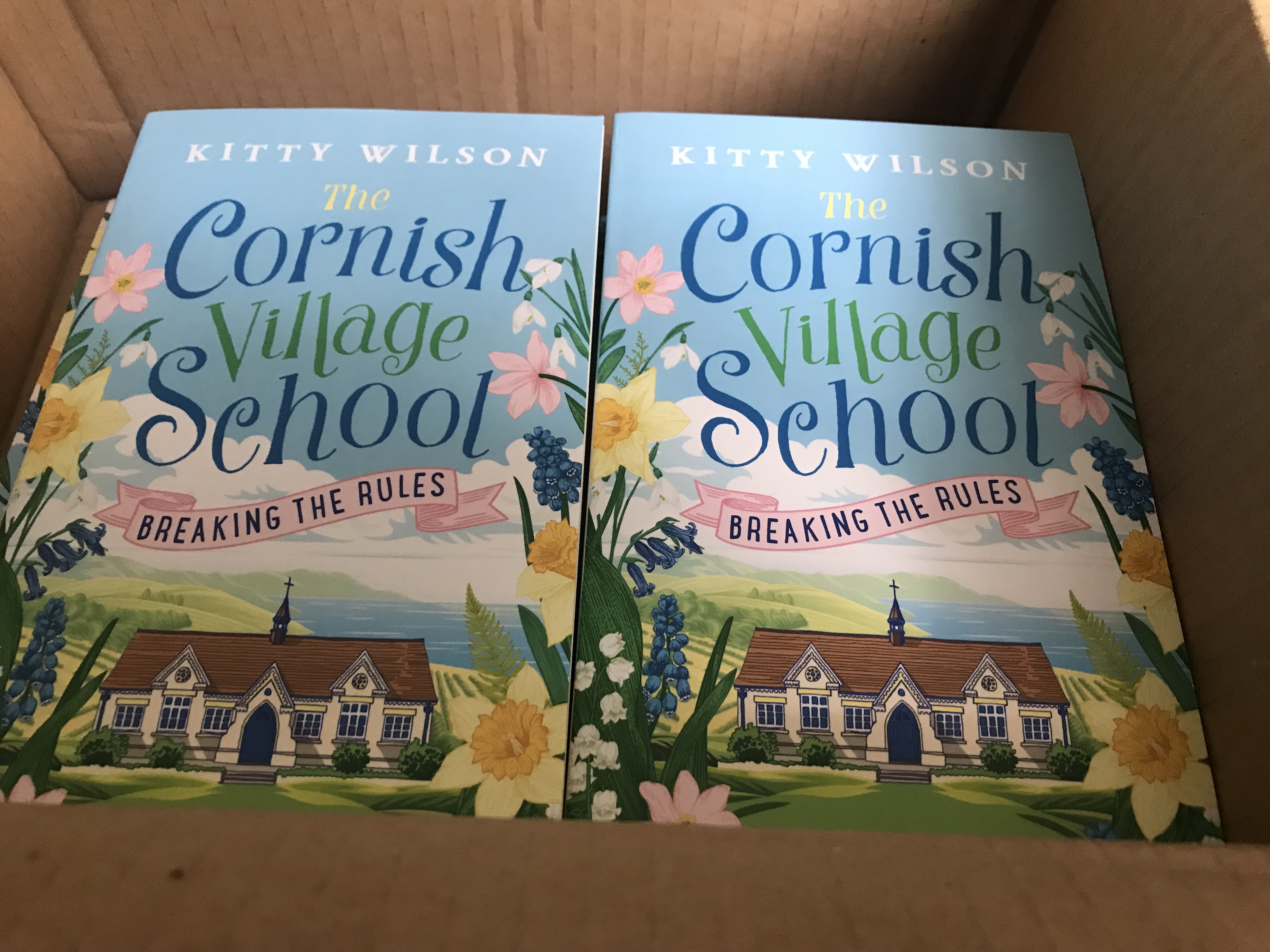
It’s been a busy couple of months for The Cornish Village School series. At the time of writing this I’m working through the structural edits on book three, have signed off on the cover for the audio release of book two and received my first copies of the paperbacks for book one.

Structural edits are the first thing that needs to be tackled once you’ve finished and polished the first (second, third, umpteenth) draft and bitten the bullet and sent it off to your editor to see what they think. Because the author tends to be so close to the book, these edits are a vital, objective view of what needs to be tidied up, changed and possibly cut, possibly extended. Chapters may need to be moved or restructured and it usually involves ‘killing your darlings’.

For me, waiting for these is the most terrifying time; I somehow expect them to receive, read and critique my draft within the first fifteen minutes. I fill that quarter of an hour by biting my nails and opening up Indeed.co.uk and looking for jobs. I could definitely be a cast member in the Disney Store (as long as there is no singing required), perhaps that job negotiating exit from the EU would be simpler than any edits I will have to do (this job was advertised during my last panic browse. I considered it). Then I give myself a good talking to about rational behaviour and decide that I could do some housework, change my mind (no need for desperate measures), panic a bit more and start the next book in an attempt to distract myself.

The starting of the next book thing is a jolly good move. It’s my favourite bit of the process – that time where the world is full of possibilities, deadlines are so far away they may as well not exist and you can make anything happen. Once I’d written the first chapter with a vicar (my new hero and I’m already in love with him), a guerrilla yarn-bombing octogenarian and a secret underground dungeon, all was right again in my world. In fact, I was so enthused I almost forgot the dreaded edits. Which were made even more worrisome this time around by the fact that I have a new editor* and I am a little oppositional to change (I still have the screws to my bunkbed that my mother dismantled when I was eight).

When the structural edits did come in I read them, had a mini meltdown and it took a couple of days before I processed the words in front of me – all of which were fair, true and actually very positive. In fact, there was nothing at all that warranted the seismic earthquake of stroppiness I had engaged in but which is, apparently, a natural part of the process, because only after that could I start working my way diligently through her fairly short list of suggestions.

The next phase is the line edits and the proofread, all of which I’m hoping will be completed by the time you are reading this and I should be well on the way to finding romance for my handsome vicar. I enjoy these, or at least I think I do. If you’ve heard screaming bouncing across the British Isles recently then there’s a good chance I was kidding myself. Keep your fingers crossed for me!

All love, Kitty.

*who’s proved to be lovely btw.


Follow us @Sister5cribes

SISTER SCRIBES GUEST: CATHERINE BOARDMAN ON CULTURAL BLOGGING

Catherine was a BBC News Producer for 20 years specialising in Business and Economics with a side line in travel writing for national newspapers, then she had twins.  Now Catherine writes about what she loves, Arts, Culture and Travel on her blog Catherine’s Cultural Wednesdays.  If you are seeking inspiration about where to go and what to see or need someone to write about it, she is your woman.


What is it about writing?  I love it.  I adore telling stories.  Yet I am the queen of procrastination.  Tales tumble over themselves waiting to be told.  My laptop awaits.  Coffee, I can’t write without coffee.  Ping, a group chat on Facebook messenger surges into life.  Cheap, cheap, somebody on What’s App has an urgent bon mot. Trillll, a twitter group surges into life.  At last somebody suggests a word race and we’re off.

Writing is something that I have always done.  Long letters to distant friends, fragments of ‘Famous Five’ style stories, breathless accounts of everyday occurrences in my tiny childhood village.  To begin with this need to write beyond the demands of study was a solitary pursuit.  I knew nobody else who scribbled endlessly.  Then I became a journalist, suddenly everybody I knew wrote, cared deeply about punctuation and was certain that they had the makings of a novelist.

After twenty years as a BBC News Producer I fell pregnant with twins and took the Corporation’s kind offer of redundancy.  My life changed, utterly.  Thoughts about writing a witty and engaging account of parenting identical twins in your forties came to nothing.  For two years it was all I could do to keep all of us fed and dressed.  Eventually when a sleep pattern was established that involved both boys sleeping at the same time as each other for longer than two hours, the fog began to clear.

Now my thoughts turned to a blog about what interested me.  Catherine’s Cultural Wednesdays started out as an account of my weekly jaunts out of the house and widened out to include travel.  I published the first post and was then overtaken by fear.  What if I couldn’t write?  What would people think?  Worse, what if nobody read it.  For the next six months I wrote posts and didn’t post them.  Paralysed with fear.

Without the support of friends and fellow writers I would still be writing posts that never got published.  Where did I find my support network?

Put #amwriting into the search box on Twitter and all manner of people pop up.  Daily word races take place.  The same people kept on popping up, so we set up a chat group, called ourselves the LLs or Literary Lovelies.  We went on writing retreats together.  We supported each other through first drafts, agent hunts, publication days.  Well some of us.  The rest of the LLs are proper novelists, I realised that what I like doing is telling immediate stories, fiction is not for me.  We chat virtually most days.

Wonderful though virtual friendships are flesh and bone is important too.  When my confidence was rock bottom, I joined a local creative writing class.  Slowly, week by week my confidence returned.  After a year or so the formal structure of a class was no longer the right format for some of us.  Now a group of us, the EveryGirl Writers, meet every week for two hours just to write, to support each other in our writing.

Telling stories is what I love to do.  The solitary nature of sitting down to write suits me perfectly.  Yet it is the support and friendship of fellow female writers makes the procrastination so much more fun.


Catherine’s Cultural Wednesdays https://www.culturalwednesday.co.uk

Twitter: https://www.twitter.com/culturalwed

Facebook: https://www.facebook.com/culturalwednesday/

Instagram: https://www.facebook.com/culturalwednesday/

LinkedIn: https://www.linkedin.com/in/culturalwednesday


A Day in the Life – Glenda Young

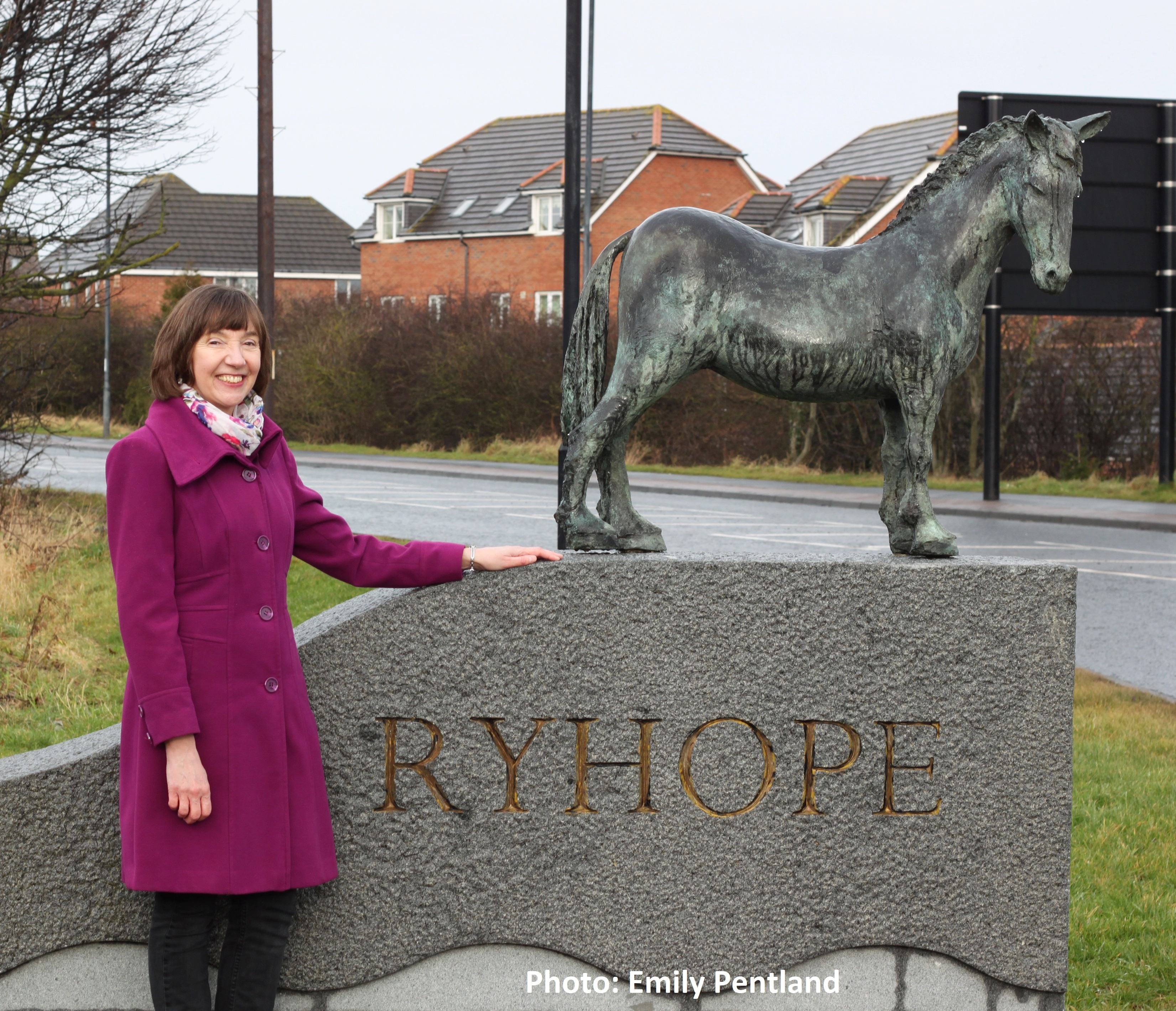
Glenda Young by Emily Pentland

My day begins with tea made in the pot and warmed by a tea-cosy. I try to schedule my days in advance into writing and non-writing so that I know, for instance, on a writing day I won’t even look at email or social media or do anything other than crack on with my work in progress.  This may make me sound as if I am incredibly disciplined. But in truth, as anyone who works from home will know, the lure of the hour-long coffee break, daytime TV and the call of the biscuit tin are often difficult to ignore. In order to get any writing done at all, I have to be very focussed. Hold on a moment, would you, while I go and pop the kettle on?

On writing days I aim for 2,000 words and no matter if I’m in the thick of it or not, once I reach those 2,000 words, I force myself to stop. This leaves me itching to get started again the next day, rather than being stuck as to how to start. It might sound odd, but it works for me!

And if it’s a non-writing day, then it’s admin – emails, social media, appointments, arranging talks and events. As a debut novelist, giving talks is very new to me. It’s exciting but more than a little scary as I’m really quite shy and have to force myself out into the world to stand in front of people and talk. Fortunately, all talks so far have gone down well, and (I hope!) people are laughing at my anecdotes rather than laughing at me.

Research is also a key and ongoing part of writing a novel and it’s one I enjoy tremendously (although, yes, just like the hour-long coffee breaks mentioned above, I know it can work as displacement activity from the real task in hand of writing!). My novels are set in the northeast village of Ryhope, where I grew up. It prospered as a coalmining village and there is still a very strong sense of community there. My family still live there and I visit Ryhope often. The Ryhope Heritage Society have been extremely generous with their time and resources in helping me research for my work.

On a Wednesday afternoon all writing of my novels and admin come to a halt. Wednesday afternoons are sacrosanct. This is when I write my weekly soap opera Riverside for The People’s Friend magazine. I’m honoured to be writing the first ever soap opera in the history of the longest running women’s magazine in the world.  I love Wednesday afternoons and writing Riverside. It’s a fun, sunny break bringing life to a community I’ve created.

And whether it’s a writing day or not, one thing I like to do as long as the weather allows, is take a bike ride outside in fresh air. I’m very lucky to live on the coast and we have cycle paths stretching for miles in each direction. As a writer sitting at a desk all day, getting outside to cycle is a real luxury and one I enjoy a lot. It’s also important for me to get out and talk to people and so I try to arrange meet-ups with other local writers. Mondays are my “day off” when I’ll go shopping in town or treat myself to the afternoon at the cinema – phone off, cup of tea in hand, cocooned in the dark and utterly, totally switched off.


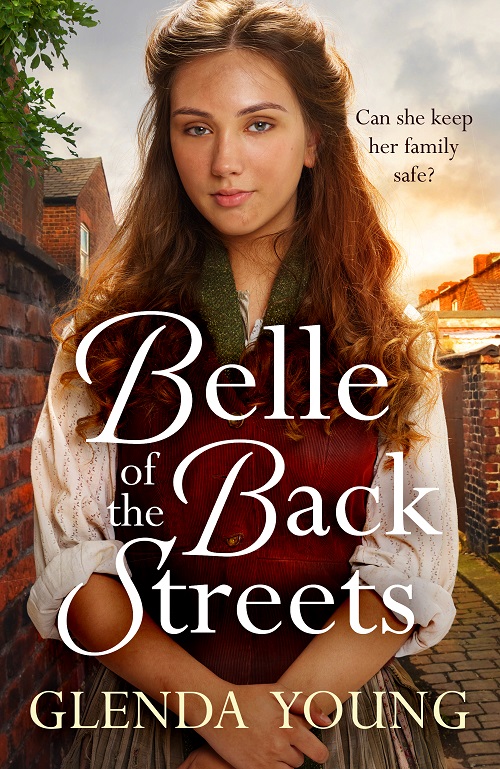
Belle of the Backstreets by Glenda Young is out now in paperback

Headline £6.99 RRP also available in E-book and audio

Glenda Young credits her local library in the village of Ryhope, where she grew up, for giving her a love of books. She still lives close by in Sunderland and often gets her ideas for her stories on long bike rides along the coast. A life-long fan of Coronation Street, she runs two fan websites for which she sometimes interviews the cast of the show. For updates on what Glenda is working on, visit her website glendayoungbooks.com and to find out more find her on Facebook/GlendaYoungAuthor and Twitter @flaming_nora.

SISTER SCRIBES: KIRSTEN HESKETH ON WHY WRITERS CAN’T QUIT

‘At what point do you give up on the writing?’

A friend asked me that the other day. A longstanding friend whose views and judgments I generally respect. We hadn’t seen other for a few months and she asked if I was published yet. When I replied that I was not, she followed through she asked the question above. She asked it pleasantly, with interest, no apparent edge at all. In her mind, clearly a logical and reasonable question.

‘At what point do you give up on the writing?’

I didn’t really answer my friend. I think I just shrugged and the conversation moved on. But it got me thinking. More than that, it knocked me for six.

‘At what point do you give up on the writing?’

What had she meant by that?

Was there an implication that I was failing, maybe had already failed, because I wasn’t yet published? Was there a suggestion that maybe, just maybe, I was deluding myself? Kidding myself that my writing was going somewhere when really there was no hope. That there was no chance of my ever being published. Was that, I asked myself in one of those dark nights of the soul, how other people, other friends saw me? Did they feel sorry for me? Did they shake their heads at each other and say, ‘poor girl, she’s been plugging away at this for so long’?  Did they purse their lips and murmur, ‘she still isn’t published, she’s still warbling away from deep in the querying trenches’?

Then I stopped being paranoid!

It had only been a question.

But maybe this is what I should have replied:

  • Things in publishing work at glacial speeds. It’s not unusual for nothing to happen over a few months – or at least nothing you can announce to the world at large. In fact, since I’d had last seen my friend, I’d been signed by a top London agent. I was moving in the right direction and full of optimism and enthusiasm. But, no, I hadn’t been published.
  • It’s really difficult to get published nowadays. It takes talent, sure, but also loads more persistence than you think you’ll need. And luck. Lots of luck. Getting the right work on the right desk at the right time. I know many really talented writers who are not published yet. And yet hope still springs eternal. It may happen. It will happen ….
  • It’s not just about being published. It’s really not. It’s a journey, not just a destination.
  • I have never thought about ‘giving up’. Oh, sure, when I have a knock-back, I throw things about* and say I’m going to take up crochet instead. But, even at the time, I know I don’t mean it. More than that, I can’t imagine a time when I would.
  • I write because I love writing. I write because I have stories and thoughts and dreams I want to put into words. I write because I can’t not write. And even if I am never published, will it still have been ‘worth it’? Hell, yeah.

So, what should I have said when my friend asked at what point I would give up writing?

‘At what point do you give up on the writing?’

I should have told her the truth.

I should have said ‘never’.


Writers, how would you have responded to my friend’s question? Do you agree with my points above? What else would you add? I’d love to know.

Join the discussion below or @Sister5cribes


SISTER SCRIBES GUEST: ADA BRIGHT ON BEING A CO-AUTHOR

I’m delighted to welcome my very good friend and fellow co-author, Ada Bright, to Sister Scribes. Ada is a novelist and a photographer, a wife and a mom and a very picky eater. She has lived in Southern California her whole life and says she fits into a good number of the stereotypes of the area, including being pretty laid back, considering anything below 65F as frigidly cold, and being unfazed by any earthquake under 5.0.

Over to you, Ada!


Thank you to Cassandra Grafton for inviting me to be a guest on Sister Scribes.  I was going to quip that we really are “sister scribes” since we co-author novels together, and we are unofficial family, but then I was imagining Cass reading it and injuring her eyes because she rolled them so hard… and I wouldn’t want to be the cause of something like that!

My best memories of childhood are from when I was living fictional stories by reading books. The characters I read about and re-read about were so much more formative to who I am than my early peers.

Writing became a natural next step for me. By writing extra scenes or character studies, I could hold on to the world I loved longer. My desire to write novels came more recently, but stemmed from a similar core. I simply wanted more.

Of course, impatience is not usually a good trait for a writer. But, in my case, I got  very, very lucky: I’d already met Cass. While we share a similar taste in stories, our writing is very different. I write in bursts that push the story forward, she composes a scene and always seems to have a handle on just exactly where our characters, our plot and even the reader are in their experiences at any given moment.

While we specialize in different areas, when we co-write, there is not one sentence that is purely one or the other of us. We write alone during our respective work days (which are 9 hours apart, since Cass lives in Switzerland). That means we usually start by waking up to a new scene from the other partner that we will begin by editing. Once we edit the new material, we either ask for a call to clarify what we’ve read or what we need to write next or we just continue on.

So many times, while talking about our first co-written novel The Particular Charm of Miss Jane Austen, I say how much I love co-writing with Cass – I mean, what writer wouldn’t want to hand off a scene that isn’t working to someone else and have it come back polished?! But, the further I get on in my solo novel, the more I realize that this experience of creating a shared world with someone has been a learning experience beyond measure.

As hard as writing can be, Cass and I have created a system that is, with all its ups and downs, fun. I have often joked about how I would leave text in the middle of the manuscript that said something to the effect of “Cass writes something brilliant here.” It can be a crutch, most definitely, but eventually, each writer will have taken a turn at being the hero even if the night before their entire scene ended up in the bin.

What I couldn’t have predicted is that seeing how Cass untangled us taught me both to recognize my negative patterns and also to learn ways of getting myself out of the ditches I’d written myself into.

Last year, Cass and I signed with Canelo Digital Publishing, and we’ve just finished writing our second novel together, which will be out later this year. No matter where our single careers take us, I will always be game to join our words together to create the voice that is both of us but not quite either of us.

Thank you for having me, Sister Scribes!


You can find Ada and Cass on their Blog, Tabby Cowhttps://tabbycow.com

Alternatively, Ada can be found on:

Facebook Ada Bright

Twitter @missyadabright