WELSH WRITING WEDNESDAYS: INTRODUCING ALEXANDRA WALSH

West Wales has always held my heart. Although I was born and brought up in London, I have family in Milford Haven and St Ishmaels – Tish to residents and locals – in Pembrokeshire. My memories of holidays here are wide, varied and full of laughter.

My writing, like my links to Wales, have been life-long. There was never any question about what I would do but, as it was necessary to earn a living while trying to fulfil my ambition of being a published author, I toyed first with the idea of acting and writing for theatre. At the age of 18, I set up and ran a touring theatre company, however, acting was not for me and a few years later I closed the company.
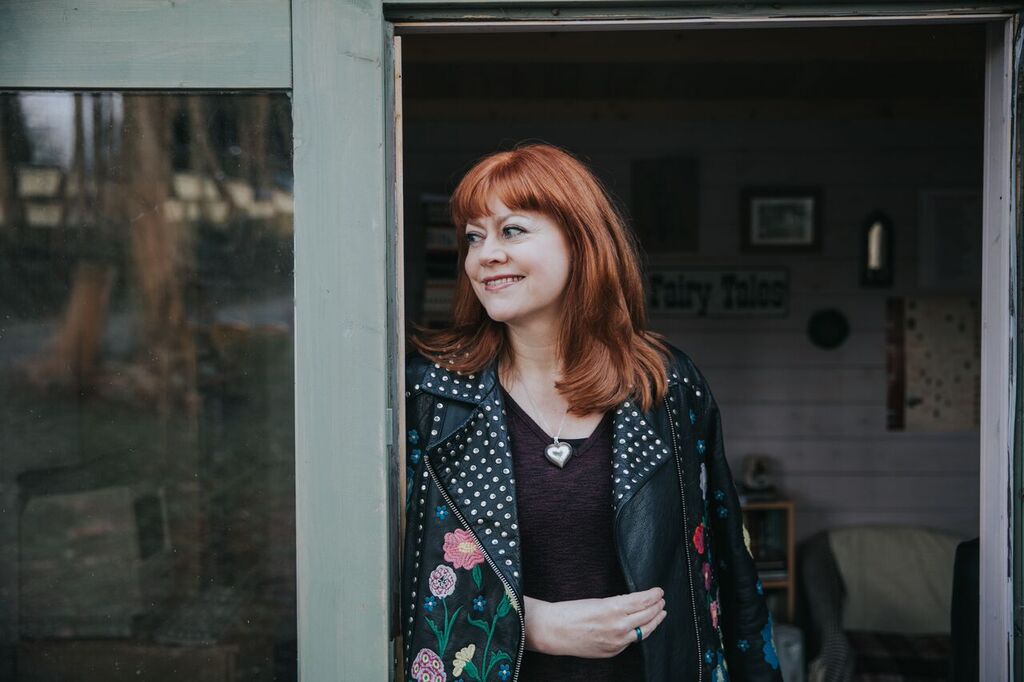
Instead, I moved into journalism. My first job was on a local newspaper, from here I progressed to women’s magazines, national newspapers and prestigious launches.

Yet still, I wrote fiction. For a while, I focused on scripts, both film and TV. I sold three film scripts and, for a while, worked in the British Film Industry but it’s an unpredictable and strange place. In the space of two weeks, due to the large companies who were producing my scripts suffering internal upheaval, I saw my dream vanish. My response was to run away to Pembrokeshire.

Using the last of the money from the script debacle, I took the summer off and wrote my first novel, returning to London to find a new agent and sell my masterpiece. Sadly, it didn’t happen, so it was back to freelancing as a journalist.

Things changed again, I became seriously ill, losing my ability to walk for nearly 18 months. My solace as I battled to regain my health was to write. A new manuscript, a new agent, new hope but still no publishing deal. Another book languished.

Then a new idea arrived, in a direction I had never before explored: an historical thriller.

It centred on the Tudors and as I lived not far from Hampton Court and worked near the Tower of London both places issued a siren call. On my commute to work, I researched the historical thriller, then began writing it every morning in a notebook. The Tudor link to Wales, to Pembroke, to the area I knew and loved spurred me on, even leading me to set the book in St Ishmaels.
Life changed again, resulting in a move to Milford Haven. Settled in my purpose-built writing hut, a few miles from my cousins, I took the story from my notebooks and began to polish it. A new agent made all the difference and The Marquess House Saga was born.

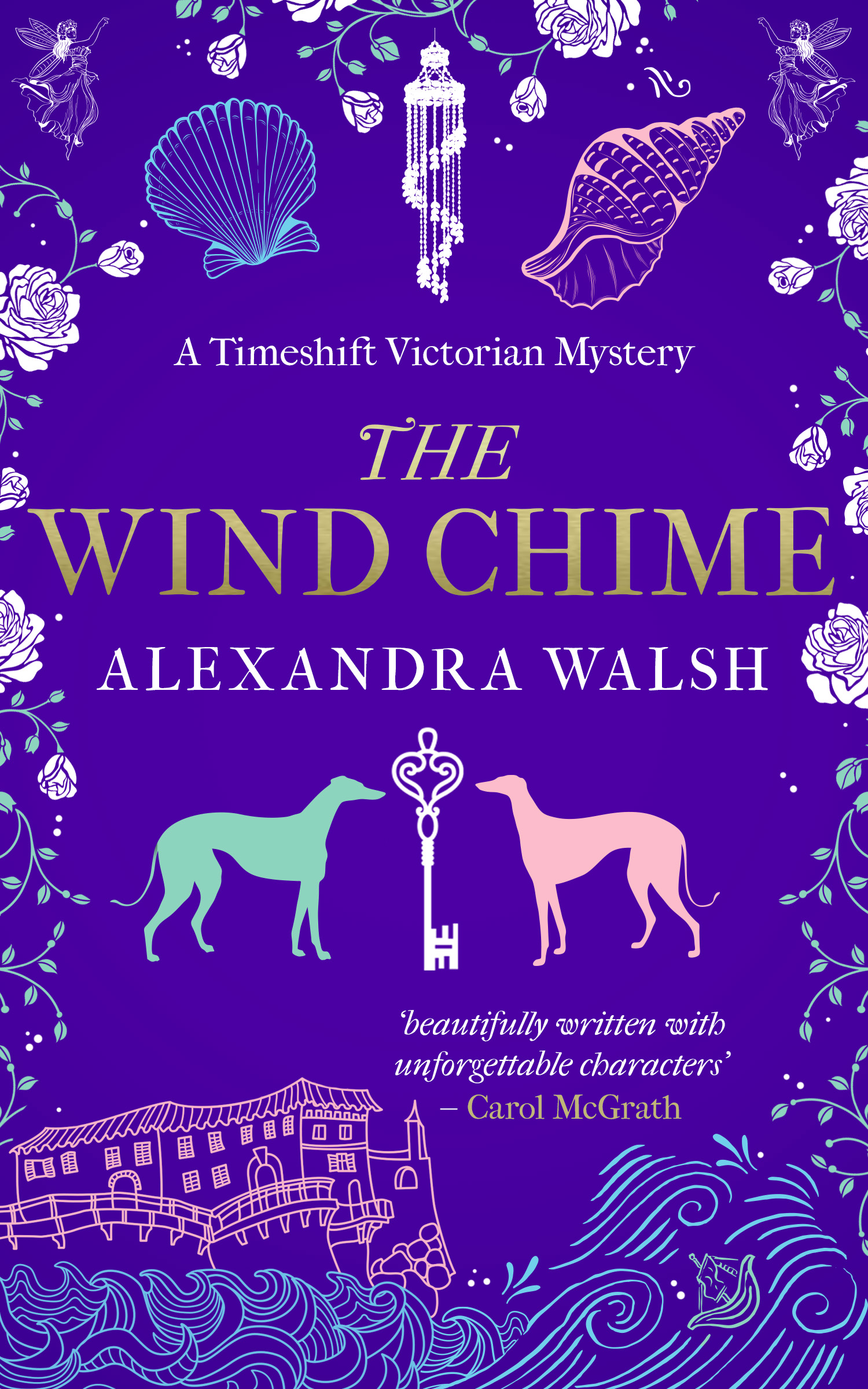
Then, one day, the first book I’d written popped back into my mind: The Wind Chime. Rethinking and restructuring it, I pitched it to my agent and publisher and suddenly, I was in the Victorian era, weaving my own family history into the story. The same happened with the book that had sustained me through my illness, The Music Makers. This, too, became a Victorian time-shift with both drawing on the Welsh countryside, the myths and folklore of Pembrokeshire and the endless backdrop of the sea.

Wales is the land of bards, story tellers, of Merlin, Druids and the Fair Folk. The landscape holds magic in its rolling hills, its jagged mountains, its sparkling streams and rivers. It was the place that always held my heart and is now the place I call home and it has helped me make my dream come true.


WELSH WRITING WEDNESDAYS: JUDITH BARROW ON HONNO PRESS

“Great Women, Great Writing, Great Stories”

Honno Press was set up in 1986 with four core aims: to provide a feminist perspective, to give Welsh women writers an opportunity to see their work published, to get earlier important, but neglected, writing by Welsh women back into print and to provide employment in publishing for women in Wales.

At the time, none of the publishing houses in Wales were particularly interested in promoting Women’s literature or writers, especially not in English.  There was a practice of publishing Welsh-language material by winners of competitions in the National Eisteddfod by the traditional presses, who would then pursue those particular authors. But the thought of going out to look for new female talent and female voices was not a priority

The establishment of Honno, their active search for women writers in both languages in Wales widened opportunities for women and saw all the Welsh publishers take women’s writing and the subjects women write about more seriously.

When asked why there is such a great variety in the books published by Honno, Janet Thomas, former editor of Honno and now on the committee, says, “I think a key reason for the vitality of Honno’s list that we are run as a group, with a variety of tastes, enthusiasms and expertise.  Honno tries to be open to all the broad range of writing that Welsh women want to write, looking for talent as widely as possible, Welsh and English, in all different kinds of fiction and non-fiction. As long as the skill is there, whatever the genre, style or subject matter, Honno will consider publishing their work.”

The commitment to provide opportunities for women in Wales in the publishing world is still at the heart of Honno. As well as the experienced staff, who appreciate the chance to work in publishing in mid-Wales, over the years there have been many volunteers in the Honno office, allowing them to gain practical experience and an insight into how publishing works. Volunteers generally take part in marketing activities, read manuscripts, help with general office procedure, and work on other projects as required. Gaining experience at Honno has helped many to go on to work in various areas of publishing.  (Of course, at the time of writing, due to the pandemic, this is on hold.)

Throughout the years the Press and its titles have garnered many awards including Wales Book of the Year. Even so, as Caroline Oakley, Editor for Honno says, “For independent presses to survive and compete against the big publishers they need strong customer support and to build a community of enthusiastic readers – a lot of which recent tech advances enable. Social media is vital to creating a groundswell of interest in any new title from a small press with ‘word of mouth’ (or more likely ‘tweet’) becoming an essential viral marketing tool.”

Finally, when asked to sum up what Honno have done, Janet says, “It’s hard not to see all we haven’t done – the writers we want to find, the histories we want to tell. I have a note my late father once wrote out for me, a quote from Ecclesiastes: ‘And of the making of books there is no end.’ I think he gave it to me as a comfort when I was feeling overwhelmed by one project or another, but it’s also optimistic. We keep going. Books matter. They last. The books we haven’t published yet are, with luck, the books we will publish next year. For Honno to have survived thirty-five years is a great achievement and a testimony to all the women who’ve been part of it.  It’s also, hopefully, just the beginning.”

https://www.honno.co.uk/


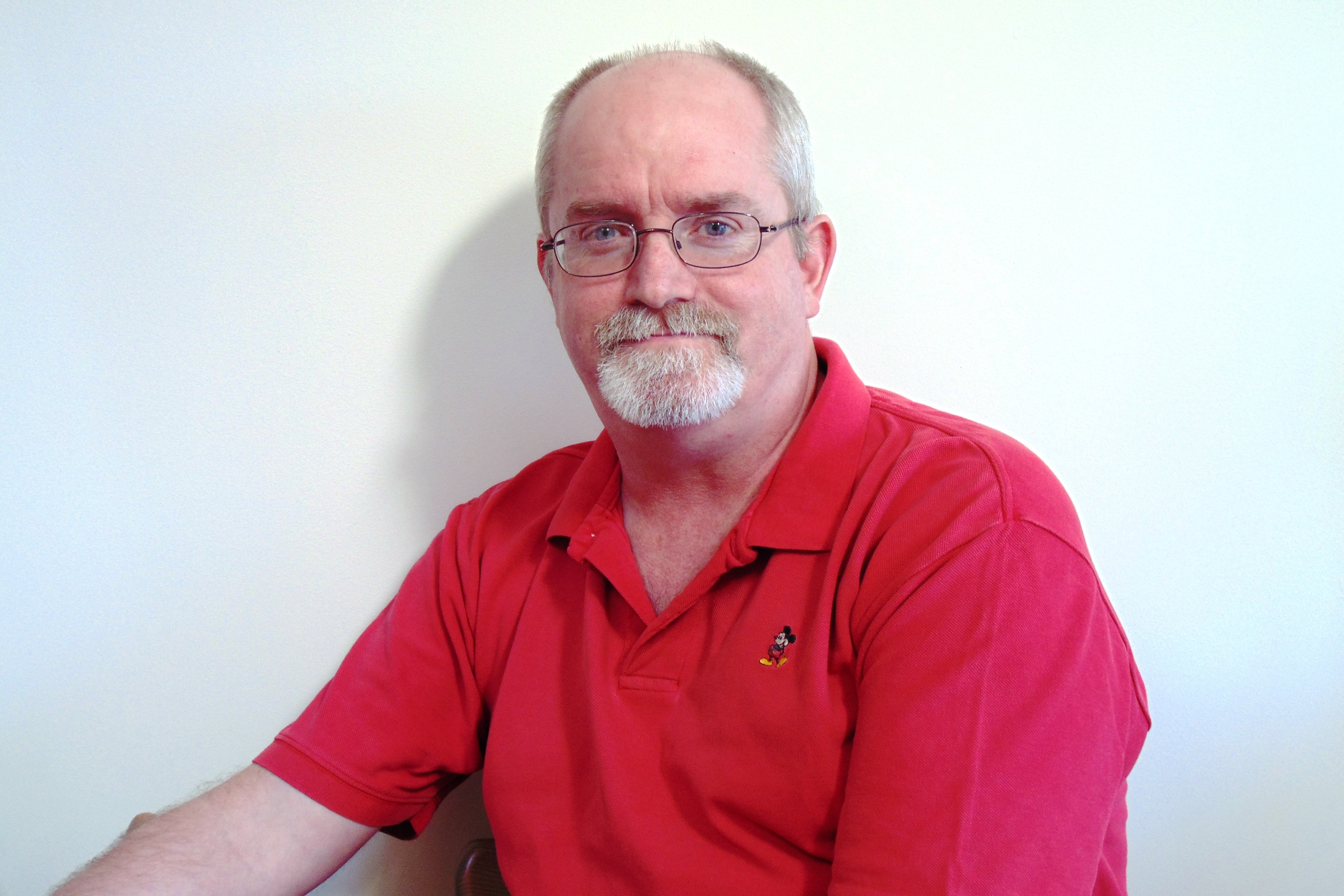
M W ARNOLD – A MAN IN A WOMAN’S WORLD?

Not all romance writers are women… so I asked Mick Arnold to write about his publishing journey.

Good day and thank you very much for having me. My name is Mick Arnold and I write sagas as M W Arnold.

Those are words I certainly don’t think I’d have been putting down even a year or two back. So what was I doing at that time? Well, doing my best to recover after being laid low by illness, to be truthful and writing wasn’t top of my to-do list. I had written and indeed, had a women’s fiction novel, ‘The Season for Love’ published back in 2017, but whilst recovering I hadn’t been able to pick up my work-in-progress. An author friend persuaded me to try something different, something which wouldn’t put me in a bad place, so to speak.

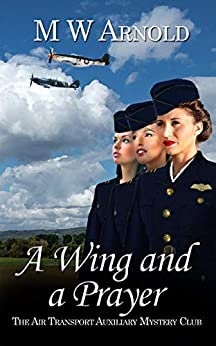
Shortly after she’d made this suggestion – the author in question was Elaine Everest by the way – I watched a documentary on the Air Transport Auxiliary. This sparked something inside me and shortly after, I found myself scrolling around the internet to find out more about this organization who were responsible for the delivery of the military aircraft used by the Royal Air Force during WW2.

Fast forward about nine or so months, and I found myself pitching the story to some agents at the Romantic Novelists’ Association conference. Nothing came of that, so I began to pitch it to publishers online. I ended up with a contract for what became ‘A Wing and a Prayer’ with the American publishing house, The Wild Rose Press. From virtually out of nowhere, I was being published again.

Once more, I’ve found myself published in a predominantly female line of publishing…I couldn’t be happier! I’ve many good friends in the romance genre due to my previous book and my membership of the Romantic Novelists’ Association, and I’m very happy to have found the same very warm welcome in the saga/historical genre. I do find this a little strange as in most lines of work where you are in direct competition, there is much back-stabbing, but there has been none of that. Everyone has been so very welcoming and I feel as if I’m in a big, happy family. I don’t feel like I’ve been treated any different being a man as I would if I were a woman, and there aren’t many lines of work I reckon could say that.

My one regret? Well, no prizes for guessing. I’ve only, like everyone else, been able to chat online with my fellow authors and I really can’t wait for that to end!

Find out more about Mick and his books at https://www.facebook.com/MWArnoldAuthor


SLOW AND STEADY WINS THE RACE – JANE CABLE ON HER NEW PUBLISHING CONTRACT

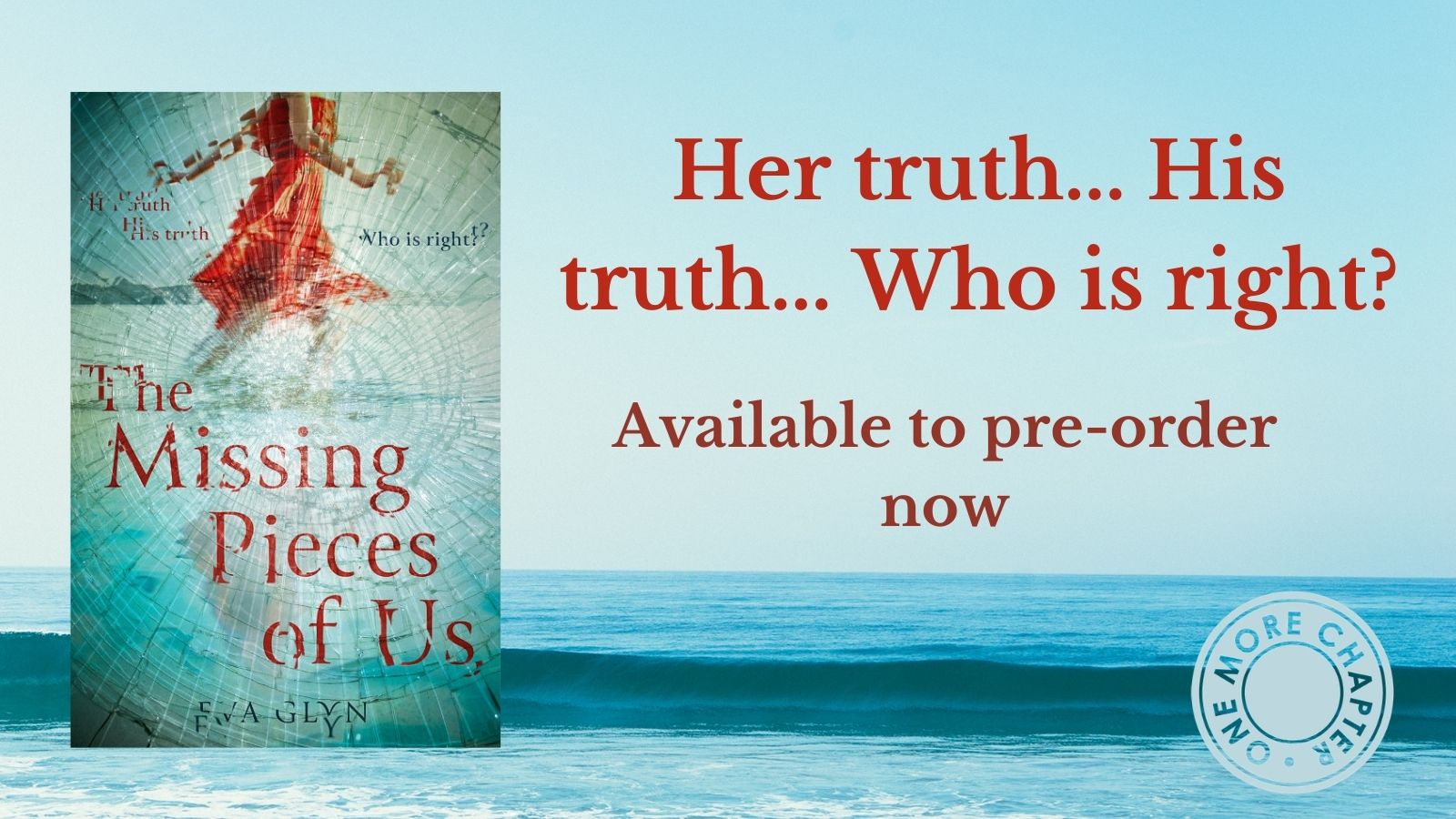
I have never particularly seen myself as a tortoise, but boy oh boy, has this been a long time coming. Today it was announced that I will be writing emotional women’s fiction for One More Chapter, a digital first division of Harper Collins, under the name of Eva Glyn.

I think all writers have an idea of where they want to be, and for me, no doubt influenced by Harper Collins being the sponsor of The Alan Titchmarsh Show’s People’s Novelist competition in which I was a finalist, they were the publishing house at the top of my wish list.

Having failed to win the competition and so any short cut to publication, I might have guessed I was in for the long haul, but at that stage I didn’t realise quite how long it would actually be. But fairly early on in my career I had a near miss when after a one-to-one at Winchester Writers’ Conference a young editor called Charlotte Ledger requested the full manuscript of The Faerie Tree.

Nothing came of it, and the book became my second indie novel. And as my career progressed I was aware of Charlotte’s rapid rise through the ranks of Harper Collins’ digital imprints and wondered if perhaps at some stage it would be worth submitting to her again.

In the meantime I had the opportunity to work with Amy Durant and when she set up Sapere Books was happy to follow her there. And while I am happy to stay with Sapere too, I still hankered after what a bigger publisher could offer in terms of multiple platforms and international clout.

By the time the Romantic Novelists’ Association conference came around in 2019 I had a new manuscript in my locker that I knew wasn’t a Sapere Book. I saw Charlotte Ledger was offering one-to-ones and I was lucky enough to grab one. We met again. And again she asked for the full manuscript, but this time to be sent to her personal email. I felt I was one step closer.

In the end Charlotte didn’t take that book, but the door was kept open. Last March I had a fifth anniversary blog tour for The Faerie Tree and the response was so overwhelmingly positive I brought the title up to date, gave it a little polish, and after much encouragement from Susanna Bavin, sent it off to Charlotte.

She asked me to do some rewrites and they were so in line with my own thinking for the book that I did. The next thing I knew we were talking about author brand and slowly it dawned on me she was offering me a contract. And the author brand she was suggesting was exactly where I wanted to be – emotional women’s fiction.

There would be no ghostliness, no looking back at the past, so these would be different to my books for Sapere, so we decided they would be published under another name. I chose Eva Glyn – Eva for my father’s mother, and Glyn for Glyn Jones, the Welsh author who was a great friend of my parents.

Today is a proud day because for the first time I can talk about the deal as the cover for The Missing Pieces of Us has been revealed and the book is available for pre-order. And it’s only taken me nine years…


SISTER SCRIBES: OVER AND OUT FROM KIRSTEN HESKETH

My last ever Sister Scribes post – and what a blast it has been!

And, my, what a lot has happened in the two years since the five of us named ourselves the Sister Scribes and banded together as friends and fellow writers. We’ve written before about how we went to stay at a wonderful house – Darcy’s Abode! – in Bath and spent a few fabulous days writing, sightseeing, eating and getting to know each other better. Back then, getting published was just a twinkle in my eye –  a twinkle that I feared might be extinguished at any moment – and how in awe I was of my fellow Scribes with their launches and their multiple deals. Would it ever happen for me too?

Fast forward two short years – and so much has changed. My debut, Another Us, was published by Canelo this year. It came out in in ebook in May and I had the loveliest of Zoom launches, complete with dying my hair red to match the cover and to raise money for Mind. And then, in August, it came out in paperback. I originally had a digital only deal with Canelo and the fact they had enough faith in me and my book to then invest in a paperback in this most difficult of years really was the icing on the cake. Thank you so much, Canelo, you really have been fabulous to work with. As has my wonderful agent, Felicity Trew.

And, basically, it’s been brilliant ever since. Another Us (very briefly) had bestseller flags in the UK, Canada and Australia, which was totally beyond my wildest dreams. It’s been featured in Woman and Home, Women’s Weekly, Woman (there’s a theme here!) More, Pick Me Up, Waitrose magazine … the list goes on. It was longlisted for The Guardian’s Not The Booker Prize and was a contender for the RNA’s Joan Hessayon award. But best of all have been the dozens of messages I’ve received from readers all around the world telling me how much Another Us has touched, informed, amused or plain old entertained them. I think that has been the very best bit of all. That and getting to know a whole host of other debuts – including my lovely Sister Scribes – because no one understands quite what it’s like to have your debut come out in a global pandemic than someone who is going through exactly the same thing ….

And now it’s time to look forward. I have been lucky enough to secure a two-book deal with Hodder and Stoughton for a series set in London in WW1. The Post Office Girls follows the experiences of three girls who join the Army Post Office – in a huge, wooden, building which was been hastily thrown up in Regent’s Park to cope with the sheer volume of mail being sent to the various fronts. My grandfather – who himself served in WW1 – worked for the post office in London his whole life – and the first book is dedicated to him. It will be published in May next year and the second book – A Post Office Christmas – follows the November afterwards. I wrote the first 50,000 words of that during Nano (success – hurrah!) and am now feeling deliciously Christmassy – if absolutely exhausted!

So, all that remains to be said is a huge Merry Christmas to each and every one of you. Thank you for following our adventures over the past couple of years and best wishes for a safe and happy 2021.

Over and out x


MULTI-TALENTED WOMEN’S FICTION AUTHOR CAROLINE JAMES ON MENTORING

I first started writing eight years ago and one of the biggest things that hit me was how lonely a business I’d chosen. Sitting on your own, hour after hour, day after day, was the most isolating thing I had ever done. I had a very busy time in my ‘other working life’ with lots of travel and constant client meetings. Motivating myself to work alone wasn’t easy, combined with internal fears that anything I wrote wouldn’t be good enough and no one would want to read it. It took me a year to write my first novel and as many authors know, the task of submitting with high hopes and expectation soon becomes humiliation. The manuscript was rejected by agents and publishers time after time.

In those days self-publishing was very new to me and I had to learn fast. It became the life-line that ultimately connected me to the publishing world. But I still found it a lonely experience in cyber space. How I longed to be part of publishing a team with meetings, mentoring and lunches and all the fun that other authors seemed to be experiencing once they’d signed that golden contract and committed to a book deal.

Sitting on your bum feeling sorry for yourself achieves nothing, as my mother always told me, so I decided to do something about it. My debut novel had done surprisingly well and reached #3 in women’s fiction on Amazon. This gave me confidence to contact other authors in my area via social media. We set up a group and met every month and the kindness and help I found there was like being wrapped in a warm writing blanket. My life changed and I moved away but I consider two of those authors as very close friends and we still meet to help each other.

The years have moved on and several novels later I am now both traditionally and self-published and during this time I have mentored other authors, who like me in the beginning, hadn’t a clue where to start. Little did I know the huge importance of for example, editing or of having a social media profile and the zillion things that a savvy author in 2020 needs to get a grip of.

It began with a couple of authors, through Facebook, asking for advice. The hand-holding process began and it felt good to be able to give something back and watch the blossoming process develop as they realised their writing dream and ultimately produced their very own novel. Now, I have put together a group of other like-minded writing professionals who want to give something back and through a small business community we mentor, motivate and give of our time to help authors who are in the very same position that I naively found myself in when I first started writing. It does surprise me that with all the information freely available on the internet that this is something that is in demand. But I know how it feels to be on your own, wondering if you are good enough to write and if you can trust your instincts. Having a comforting virtual hand on your shoulder saying, ‘Yes, you can and this is how you can do it,’ is a very empowering process and I am hugely humbled to be in a position where I can offer help to anyone who asks and has the determination to achieve their writing dream.


Find out more about Caroline at https://www.carolinejamesauthor.co.uk/


SISTER SCRIBES’ GUEST: MORTON S GRAY ON WRITING AS A MUM AND A CARER

Today I’m joined by author friend Morton S Gray who writes romance with a mystery to solve for Choc Lit all set in her fictional seaside town of Borteen. The better I get to know Morton, the more we seem to have in common, but I am frankly in awe of her daily regime – it’s an absolute inspiration!

I often hear people say that they could write a book, but they’re too busy. So, how do you fit writing into a busy day? I thought I’d give blog readers an idea of how I personally do it. Don’t get me wrong, there are days when I don’t manage a word, but here is an example of a good day!

When I started to compose this post, I realised how important thinking time contributes to the number of words I manage to get down.

Alarm sounds at six o’clock, ten minutes thinking time about latest work in progress, book seven, a Christmas novella for November 2021 publication. Continue thinking in the shower where ideas really begin to flow stimulated somehow by the scents of the shower products. Dressing, I jot down ideas from the shower so I don’t forget, e.g. “dancing on the beach scene” “shock event near the Christmas tree”.

Drive son to station and on way back mull over how to write on from my earlier writing prompts. Breakfast, sit at pc and type. I’m now so ready to write that I can produce about 800 words really quickly.

Tidy house, washing, dishwasher. Early walk with homeworking hubbie. Maybe float a few ideas about my plot to see what he can add. He works in IT but can often give a different and male perspective. We once outlined a complete murder mystery on our walk, but I’m yet to write that one. Other ideas often come to me when walking too.

Back to computer and write. Around 400 words this time.

I visit my mother who has dementia every day after lunch. Sort out problems, shopping and tablets. Mom is a surprisingly good sounding board for my writing too. She’s usually reading one of my books and the plots are always new because she can’t remember the stories.

Once home I tackle admin, phone calls, tweeting, Facebooking and emails. If I’m lucky another quick writing session, let’s say100 words.

Back to station to collect son, listen to music on the way back as lyrics will jump out at me to use as writing prompts. I’ll make notes on my phone waiting at the station, but little time to write until after our evening meal.

Usually add another 300 words in the evening with my laptop on my knee and one eye on a television programme. After writing from notes on phone, I’ll review what I’ve written so far, add extra words and description.

So, by bedtime I should have an extra 1,600 words to show for my day. If it’s a good day sometimes nearer 2,000. Off to bed, but crucially before I turn out the light, I think about any sticky points in the manuscript and often have an answer in my head by morning.

Sleep and repeat.

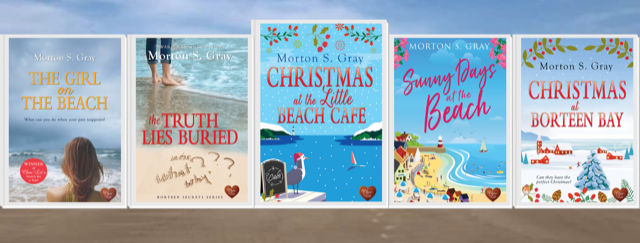
Morton S Gray’s fifth book, Christmas at the Little Beach Café, was published in November. You can catch up with Morton, her blog and her books on her website www.mortonsgray.com


SISTER SCRIBES’ GUEST: ALISON KNIGHT ON WRITING A VERY SPECIAL BOOK

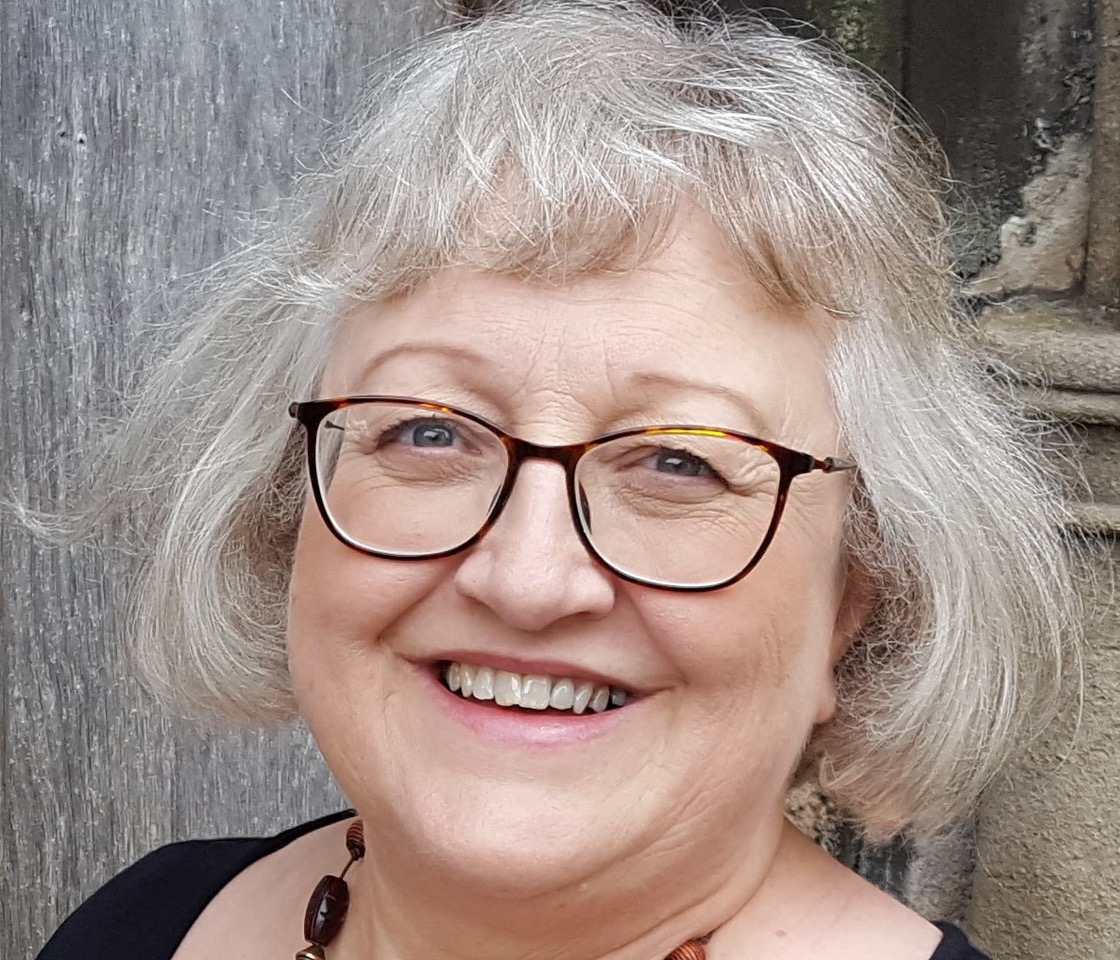
Alison Knight is a writer, teacher and editor living within sight of Glastonbury Tor. She is a member of the Society of Authors and The Romantic Novelists’ Association. She carries the dubious distinction of having introduced Kitty and Jane at an RNA conference.

I’ve always found entertainment, wisdom and solace in reading. When times are tough, it’s good to be able to escape into a story that takes you away from your everyday life and worries. So I suppose it was natural for me to become a writer.

Creating a legacy

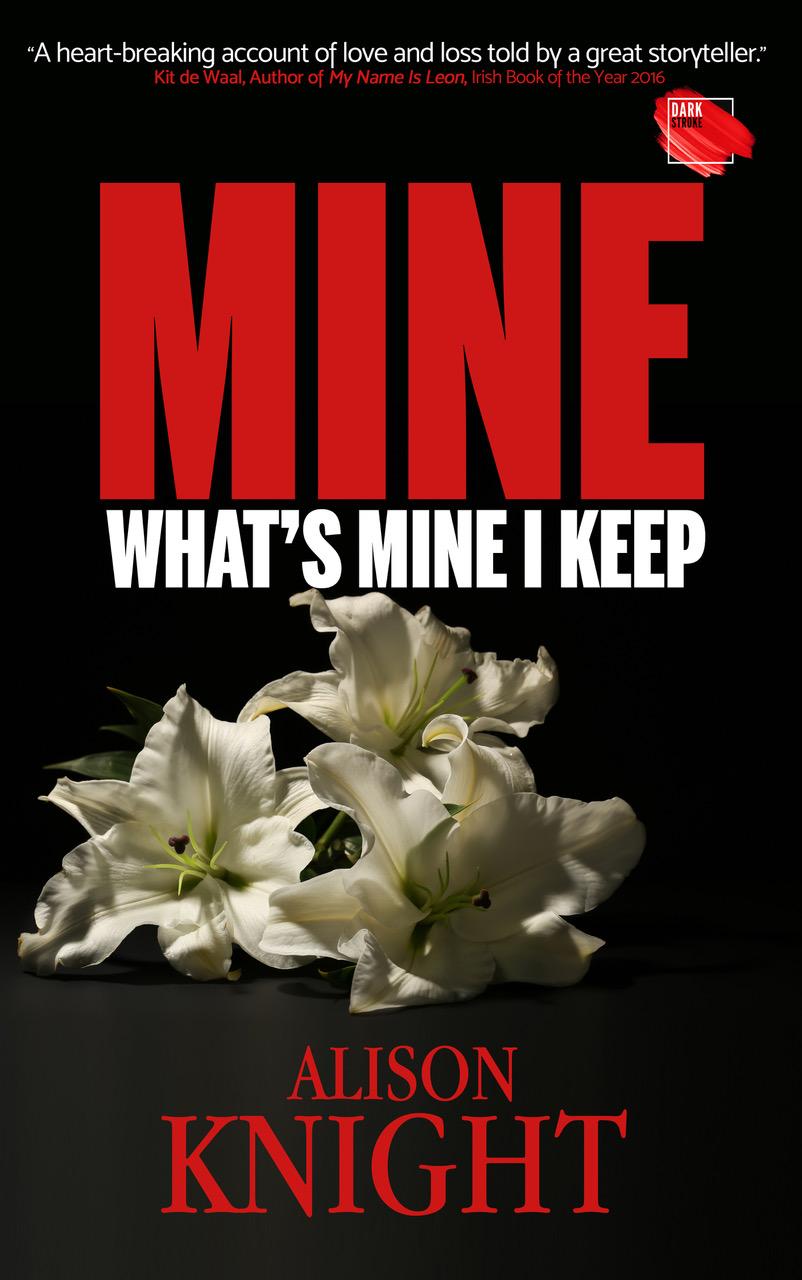
My latest book, Mine, which is published by Darkstroke Books, is my fourth novel and a project that is very close to my heart because it is based on real events that happened in my family in the late 1960s. I’m the only one left who can tell this story and it was important to me to wrote it in order to introduce my children, nieces and nephews to people that have gone before. It’s my legacy to them, helping them to understand that the world was very different fifty-odd years ago and the people I portray in Mine were driven by the attitudes of society at that time. If the same things happened today, the outcome would be very different.

Understanding why

I also wanted to write Mine for myself. My memories of that time were stuck in the mind of a ten-year-old child. By putting myself into the minds and shoes of the main characters, I was finally able to understand what happened with an adult’s perspective.

I’ve written it as a novel rather than a memoir because I didn’t want it to be all about me. Instead, I wanted to explore how ordinary people made decisions that led them into an extraordinary situation. I was also aware that I would never be able to find out exactly what happened as the people who could tell me are not longer here. Instead I used my memories, conversations with family members, newspaper reports and official documents to piece together the story. Where there were gaps, I used what I knew and took into account the culture of the times and used my imagination to fill them. It soon became clear that the guiding themes were class, ambition and sexual politics.

Getting published

It has been an interesting journey to publication. At first, the book was far too long at 140,000 words for any publisher to take it on. A rewrite reduced it by over 20,000 words. Some agents and publishers suggested I give it a happier ending or turn it into a psychological thriller. If Mine had been pure fiction, I’d have considered these suggestions. But because it is based on real events, there were some things I simply couldn’t do.

The question of genre was a problem too. It’s a love story, but not a romance with a happy ever after. It was turned down several times because publishers weren’t sure how to market it. When asked to categorise Mine, I describe it as a family drama, or domestic noir.

But then I found Darkstroke Books, an excellent small publisher with a reputation for hard-hitting fiction. After years of rejection, Darkstroke’s acceptance happened quickly and Mine is finally being launched in November 2020. The editing process was fairly painless – my brilliant editor totally ‘got’ what I was trying to do and Darkstroke have been wonderfully sensitive and supportive.

So, how do I feel about finally sending this story out into the world? I’m excited, but also slightly terrified. It’s not often a writer is featured as a character in her own novel!


Find out more about Alison at www.facebook.com/alison.knight.942