Faith

Frost fiction, short stories, poems, non fiction, fiction.

Jeanie held her arms out to each side.  The balls of her feet balanced against the edge of the stage: her heels hung in the air.

“That’s it, Jeanie: now fall back and the other girls will catch you,” the teacher cooed.

“Well of course they will,” Jeanie thought.

She knew them.  Jeanie knew they’d do exactly as they were told.  Jeanie had dunked the geeky one’s head in the toilet just last week.  The spotty one still had a bust lip.

She closed her eyes and fell backwards.

There was a giggle.

Promo Image by Charlie Foster via Unsplash.

The first in a new series of 100-word short stories by Tim Austin at onewordonestory.org. Whatever genre you love, there’s a story you’ll enjoy.

Come back on Friday for another. See you then.

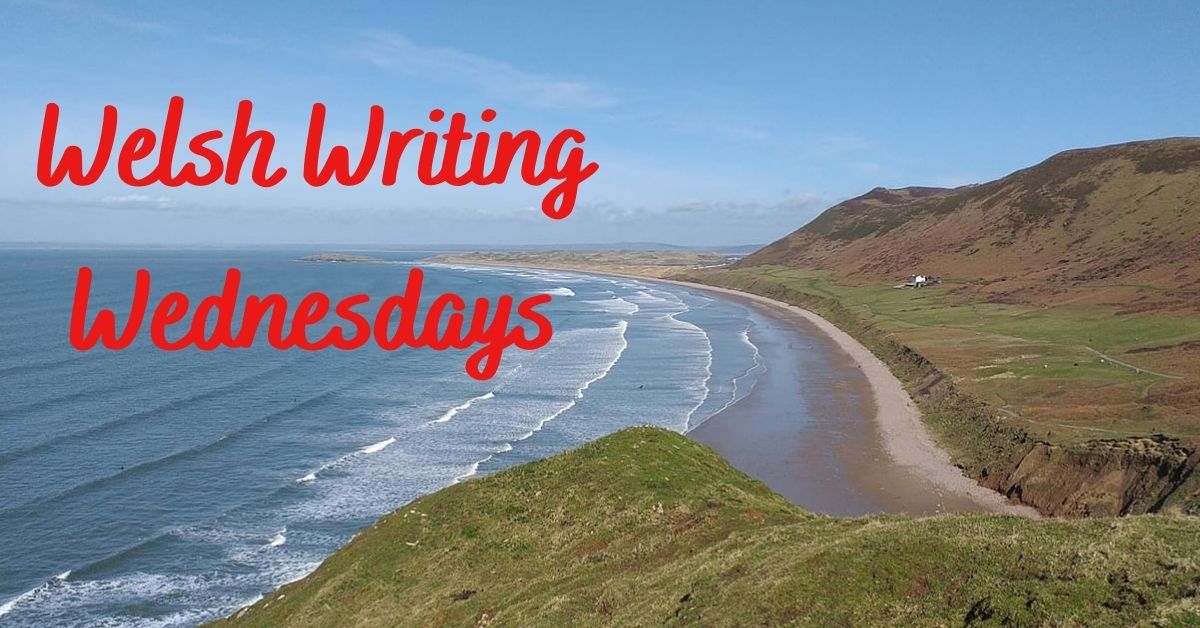
WELSH WRITING WEDNESDAYS: EVONNE WAREHAM ON WALES AS A SETTING FOR FICTION

You’ve probably noticed that many romance novels and some crime stories are set in picturesque locations in the British Isles – Scotland and Cornwall are particular favourites.You don’t get books set in Wales quite so often, although dramas like The Pembrokeshire Murders are putting Welsh settings on the screen.

I’m a Welsh writer, living on the South Wales coast, who once worked for the National Parks. That’s a lot of baggage. I’ve set books in Wales in the past and am ambitious to do more. I write in the genre romantic suspense, which is better known in the USA, less so on this side of the Atlantic. If you’ve read books by Nora Roberts, Karen Rose or Karen Robards you’ll have an idea of what I am talking about. Those books are set in places like Sacramento, Washington and New Orleans, or sometimes in the American farmlands or backwoods.

It’s not so much the Welsh urban settings that appeal to me – although I’m sure that Cardiff and Llandudno can be interesting locations, if not sounding quite as glamorous as New York or Los Angeles. The attraction of Wales for me is the potential of the rural and coastal landscape, and the way that it can be turned in two directions. Wales is blessed with mountains, big skies for cloud watching and star gazing, and a beautiful and dramatic coastline, accessible from a coastal path that circles the entire country.

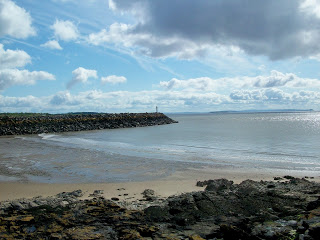
Is there anything more romantic than a deserted beach at sunset on a warm summer evening? A place for lovers to discover each other. But give the story a twist – the same beach in winter, or at night, with a storm blowing, and you have the backdrop for mayhem. A seaside or country cottage can be an idyllic bolt hole from the world or a deserted and lonely trap, with a heroine on the run. Writers think about these things. I’m often told that taking a walk with an author who is sizing up the surroundings for a good place to bury a body is a disconcerting experience. You get the picture.

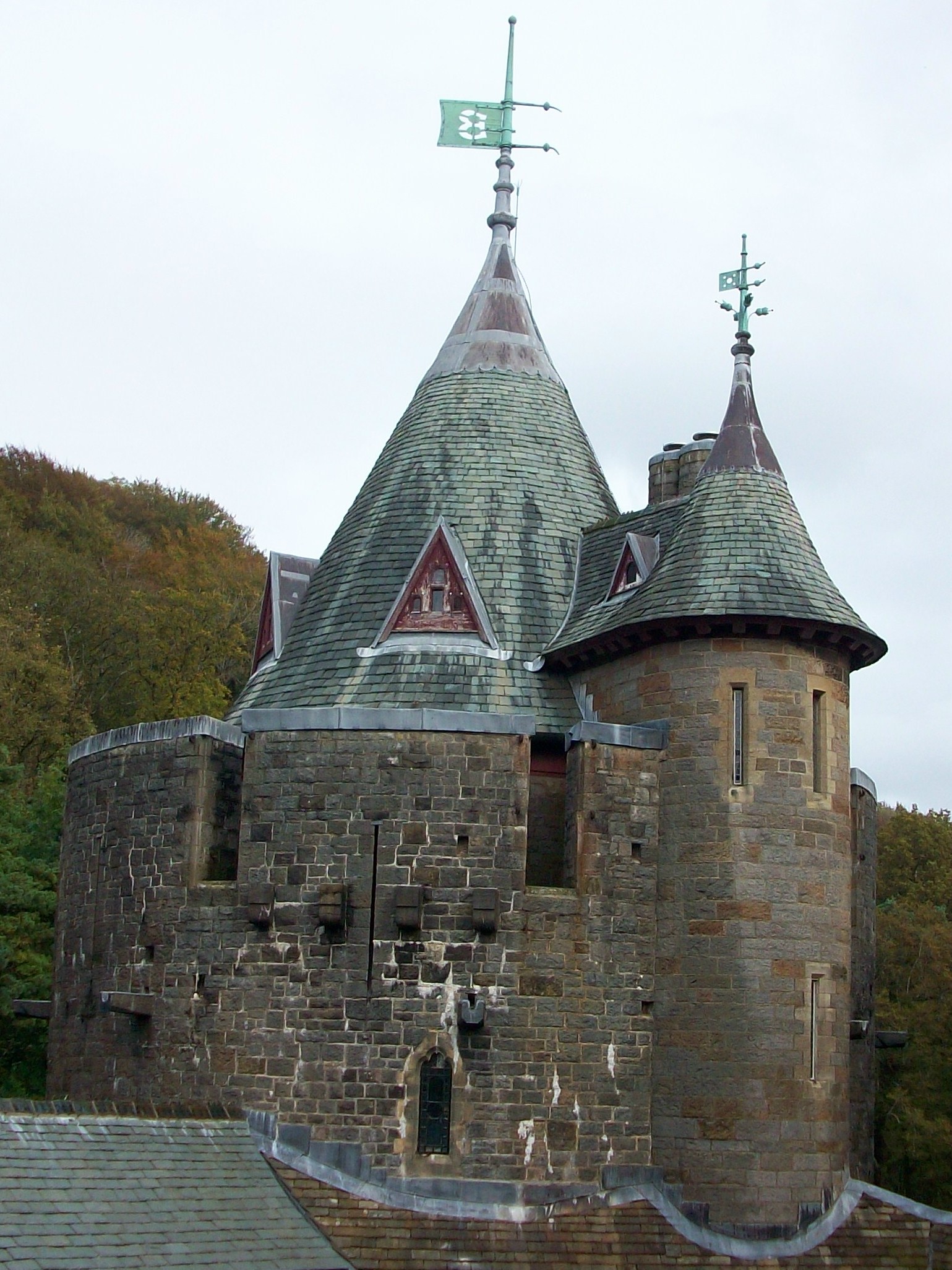
The historic legacy of Wales, from castles to folklore, is another attraction. Welsh castles range from Castell Coch, a quirky Victorian Gothic Revival built on thirteenth century foundations, to massive medieval fortifications like Caerphilly, which were anything but quirky. The myths and legends of Wales are rich in magic and the supernatural. Traditional customs, like the Mari Lwyd, a poetic wassailing party featuring a horse’s skull, have plenty to tingle the spine.

There is also the attraction of the natural world. One of the perks of being an author is the ability to make your own weather, and Wales has plenty of that to choose from. If you need a fierce storm to strand your hero and heroine together, you’ve got it. Two of the things I like to play with as a writer are the impact of silence and writing against expectation of the setting. The silence of a lonely location can be peaceful or sinister, or even better, progress from one to the other.  A setting can echo a character’s mood – like a wet day reflecting bad news, but it can be very effective when bad things happen in good places. Being surrounded by beauty and sunshine can make a threat even more devastating.

Those are the things I get from setting a book in my home country. For me the landscape has romantic beauty and a wild and potentially sinister edge. As a Welsh writer, I want to be able to share that with readers.


SLOW AND STEADY WINS THE RACE – JANE CABLE ON HER NEW PUBLISHING CONTRACT

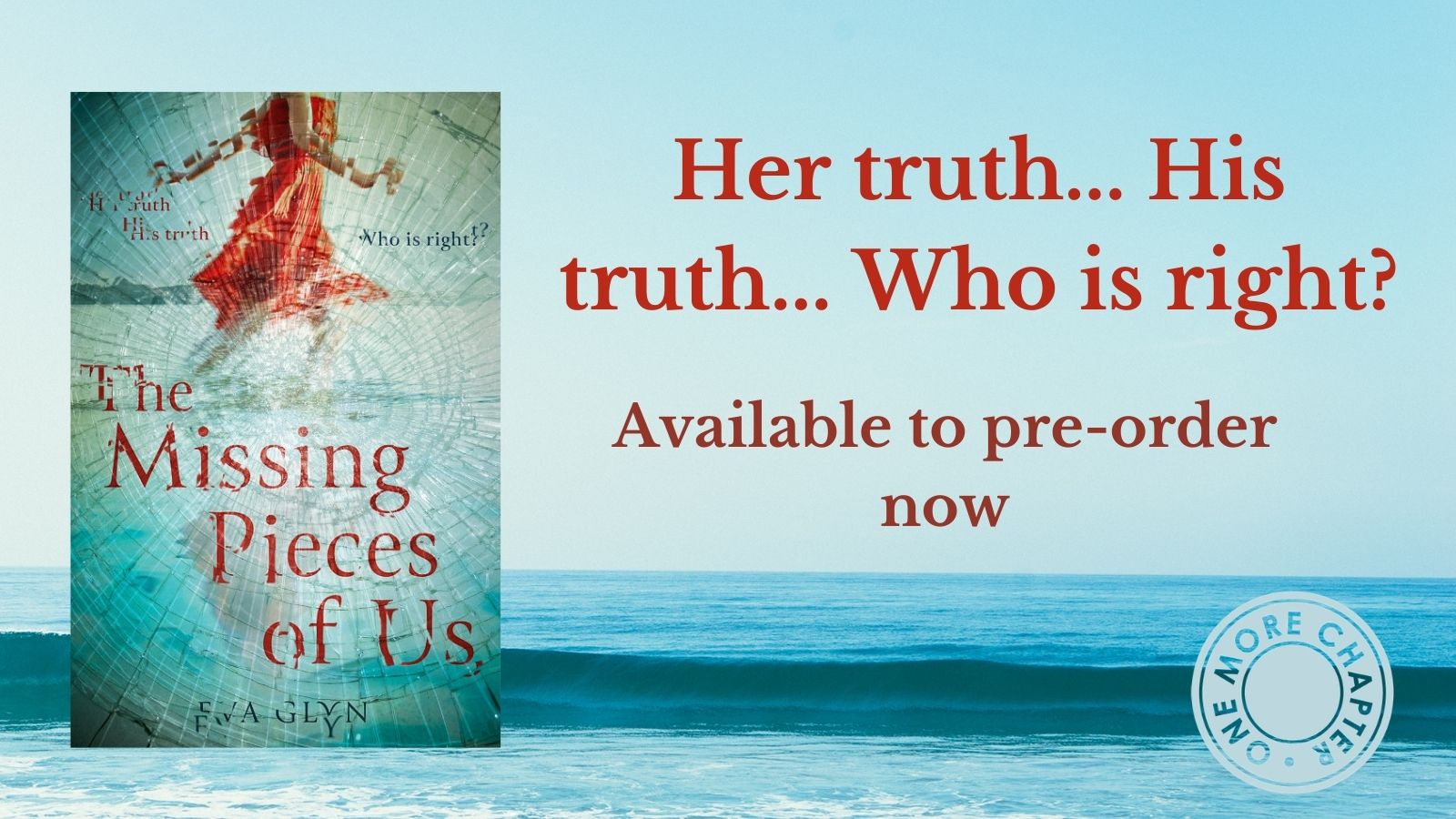
I have never particularly seen myself as a tortoise, but boy oh boy, has this been a long time coming. Today it was announced that I will be writing emotional women’s fiction for One More Chapter, a digital first division of Harper Collins, under the name of Eva Glyn.

I think all writers have an idea of where they want to be, and for me, no doubt influenced by Harper Collins being the sponsor of The Alan Titchmarsh Show’s People’s Novelist competition in which I was a finalist, they were the publishing house at the top of my wish list.

Having failed to win the competition and so any short cut to publication, I might have guessed I was in for the long haul, but at that stage I didn’t realise quite how long it would actually be. But fairly early on in my career I had a near miss when after a one-to-one at Winchester Writers’ Conference a young editor called Charlotte Ledger requested the full manuscript of The Faerie Tree.

Nothing came of it, and the book became my second indie novel. And as my career progressed I was aware of Charlotte’s rapid rise through the ranks of Harper Collins’ digital imprints and wondered if perhaps at some stage it would be worth submitting to her again.

In the meantime I had the opportunity to work with Amy Durant and when she set up Sapere Books was happy to follow her there. And while I am happy to stay with Sapere too, I still hankered after what a bigger publisher could offer in terms of multiple platforms and international clout.

By the time the Romantic Novelists’ Association conference came around in 2019 I had a new manuscript in my locker that I knew wasn’t a Sapere Book. I saw Charlotte Ledger was offering one-to-ones and I was lucky enough to grab one. We met again. And again she asked for the full manuscript, but this time to be sent to her personal email. I felt I was one step closer.

In the end Charlotte didn’t take that book, but the door was kept open. Last March I had a fifth anniversary blog tour for The Faerie Tree and the response was so overwhelmingly positive I brought the title up to date, gave it a little polish, and after much encouragement from Susanna Bavin, sent it off to Charlotte.

She asked me to do some rewrites and they were so in line with my own thinking for the book that I did. The next thing I knew we were talking about author brand and slowly it dawned on me she was offering me a contract. And the author brand she was suggesting was exactly where I wanted to be – emotional women’s fiction.

There would be no ghostliness, no looking back at the past, so these would be different to my books for Sapere, so we decided they would be published under another name. I chose Eva Glyn – Eva for my father’s mother, and Glyn for Glyn Jones, the Welsh author who was a great friend of my parents.

Today is a proud day because for the first time I can talk about the deal as the cover for The Missing Pieces of Us has been revealed and the book is available for pre-order. And it’s only taken me nine years…


WELSH WRITING WEDNESDAYS: WHAT I WRITE AND WHY – INTRODUCING EVONNE WAREHAM

Who am I, what do I write, and why?

Well, I’m either an academic and bureaucrat who has a second career in romantic fiction, or a romance writer with a blamelessly boring past and an academic streak – you can take your pick.

I’ve wanted to be a writer ever since I was a teenager, but it took me thirty odd years and a lot of dead ends and near misses before I actually achieved publication. I had a paying career in local government and charity administration, a large part of it in London, most of which I enjoyed as I climbed the career ladder. When I wasn’t enjoying it I would take a lurch into academia – with a Master’s degree and then a PhD in History. Alongside that I was always writing, and always romance. Part of that was because of the Romantic Novelists’ Association, which encourages unpublished writers through its new writers’ scheme, which requires you to submit a manuscript for professional critique every year. It meant a great deal for an aspiring writer to be able to mix with other hopefuls and also published writers, many of whom are very big names and are generous with their time and friendship. I also like writing romance – for me it’s positive and life affirming and I always want a happy ending. I’m a thoroughgoing escapist where my reading matter is concerned, and that’s what I write too.

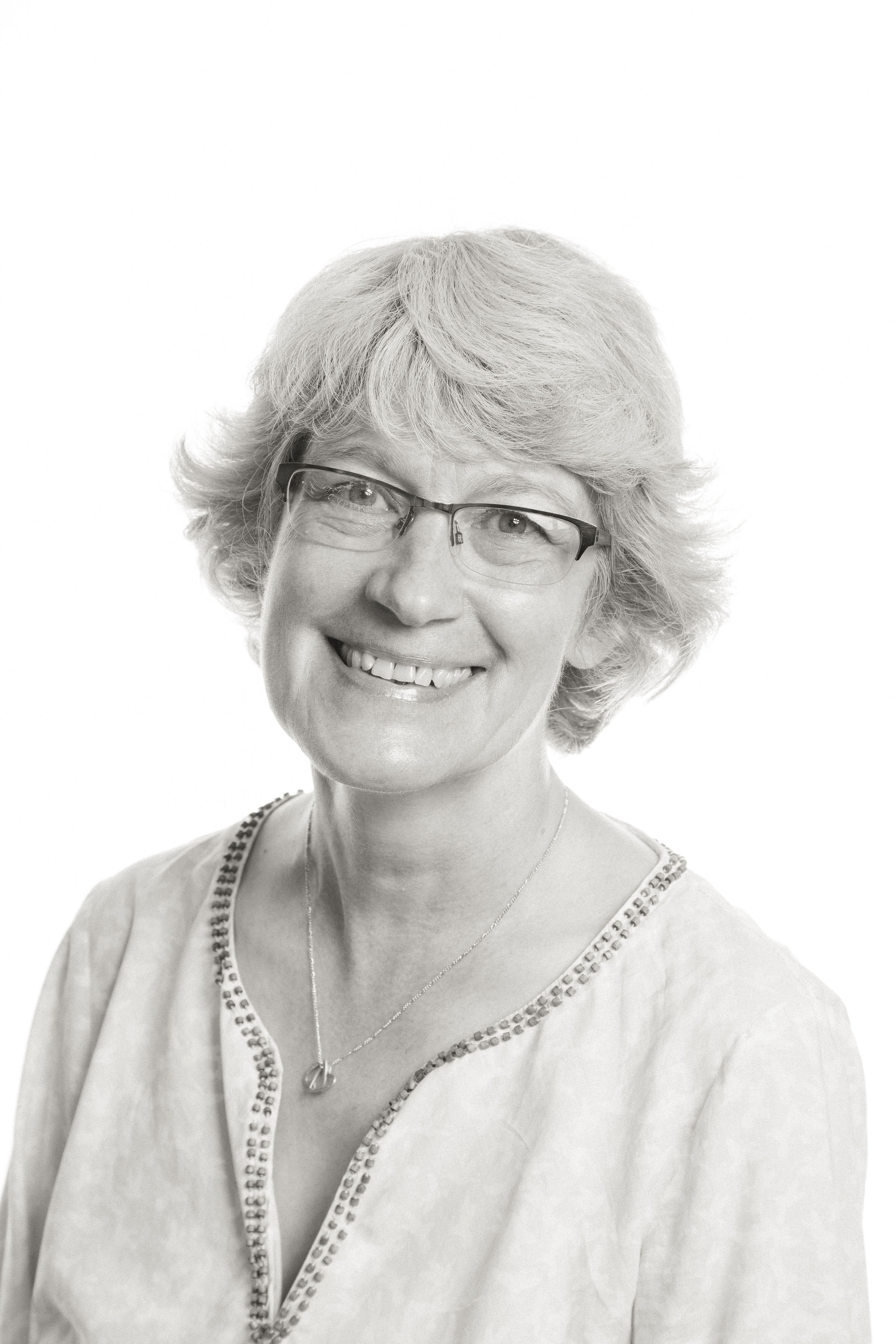
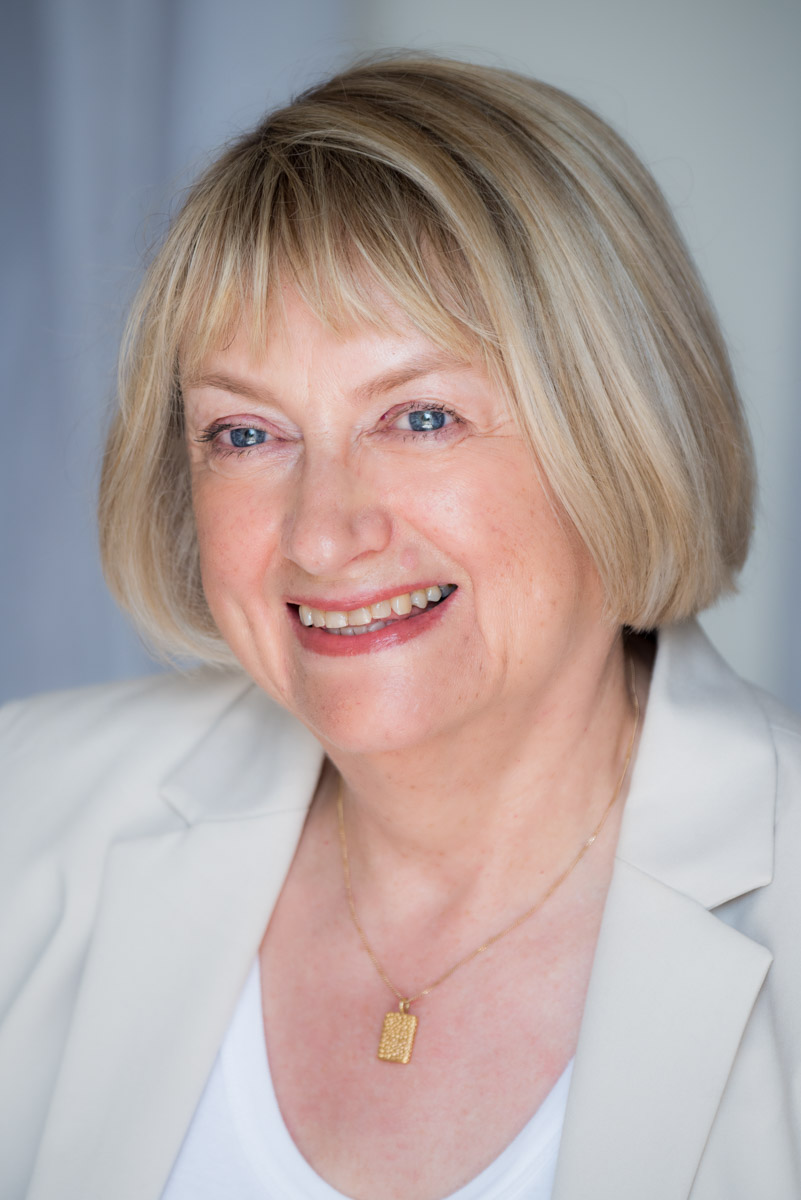
Photo credit: Sian Trenberth Photography

During those years of apprenticeship I experimented with all types of romance from family sagas to Regency historicals. I eventually noticed that everything I wrote had an element of crime in it, but I knew I didn’t want to write police procedurals or psychological thrillers – I didn’t have the expertise. Then, eventually, when I’d almost given up, I read an American novel in the genre romantic suspense – a hot love story with a crime element – it was The Reef, by Nora Roberts. It made me think – can I do that?

It turned out that I could. It still took a while. I had some success in American competitions for unpublished authors, including a reality contest run by a big romance review magazine – that was a roller coaster and a lot of fun, although I didn’t get anywhere near winning. Then at last, I got a British publisher who liked what I was doing – American style but with European locations. I achieved a dream and my first published book – Never Coming Home – won the award that the Romantic Novelists’ Association gives for the best new writer each year.

I write across the romantic suspense spectrum – some books are grittier than others. At the moment I’m enjoying a series at the lighter end, set in resorts on the French and Italian Riviera – plenty of glamour and sunshine and a sexy encounter or two. For the future I’m looking to return to the grittier stuff, and I want to set a lot more of it in Wales, my home country, where I’m now living. I love the landscape, especially the National Parks, for their romance and their more sinister potential for a thriller writer. My books can be dark and scary, and they have a lot more dead bodies than your average romance, but there will always be a love story and always, always, a happy ending.


You can find out more about Evonne on her website https://www.evonnewareham.com/home and her weekly blog https://evonneonwednesday.blogspot.com/


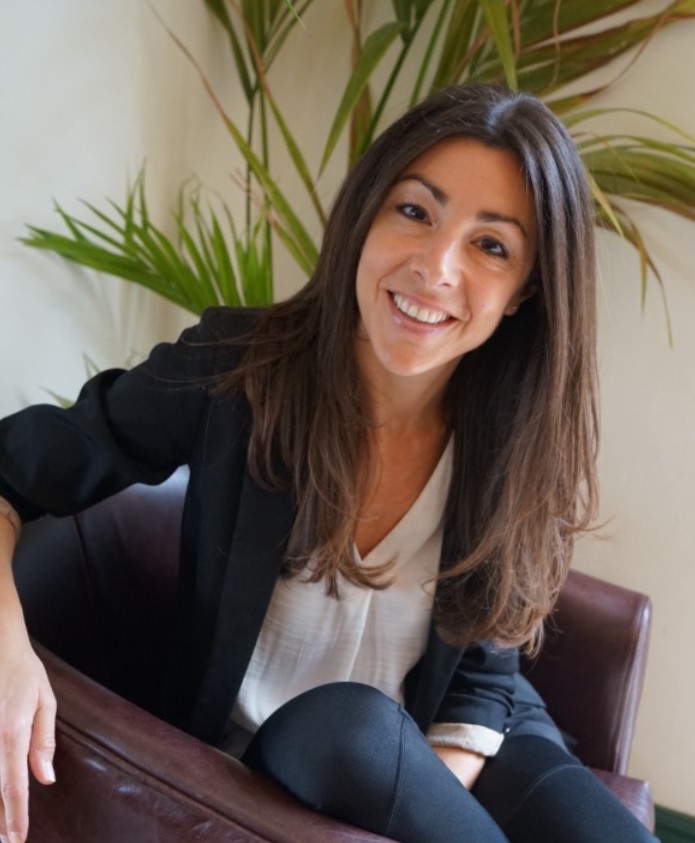
My Writing Process – Emma Eker.

I’m a searcher – always have been, potentially always will be. I’ve questioned the status quo from the moment I had the capacity to do so – finding myself dissatisfied and unconvinced with the answers I was given. I mention this so you may understand that I spent my whole life pushing boundaries, rebelling against ‘the machine’ and searching for the Truth. This quest came with a restlessness that ensured I couldn’t stay still for any substantial amount of time, moving from place to place, job to job and person to person for as long as I can remember – I was always trying to get ‘there’… destination unknown. 

What you have written, past and present.

Apart from writing a teenage diary, essays for my psychology training, helping friends formulate emails and blogging through social media, my professional writing CV, up until this point, has been limited! Until recent years, although with a great love for writing, I am not sure that I considered utilising this in any particular way, either professionally or for any paid or altruistic offering – it simply wasn’t in my consciousness awareness to do so.

What you are promoting now.

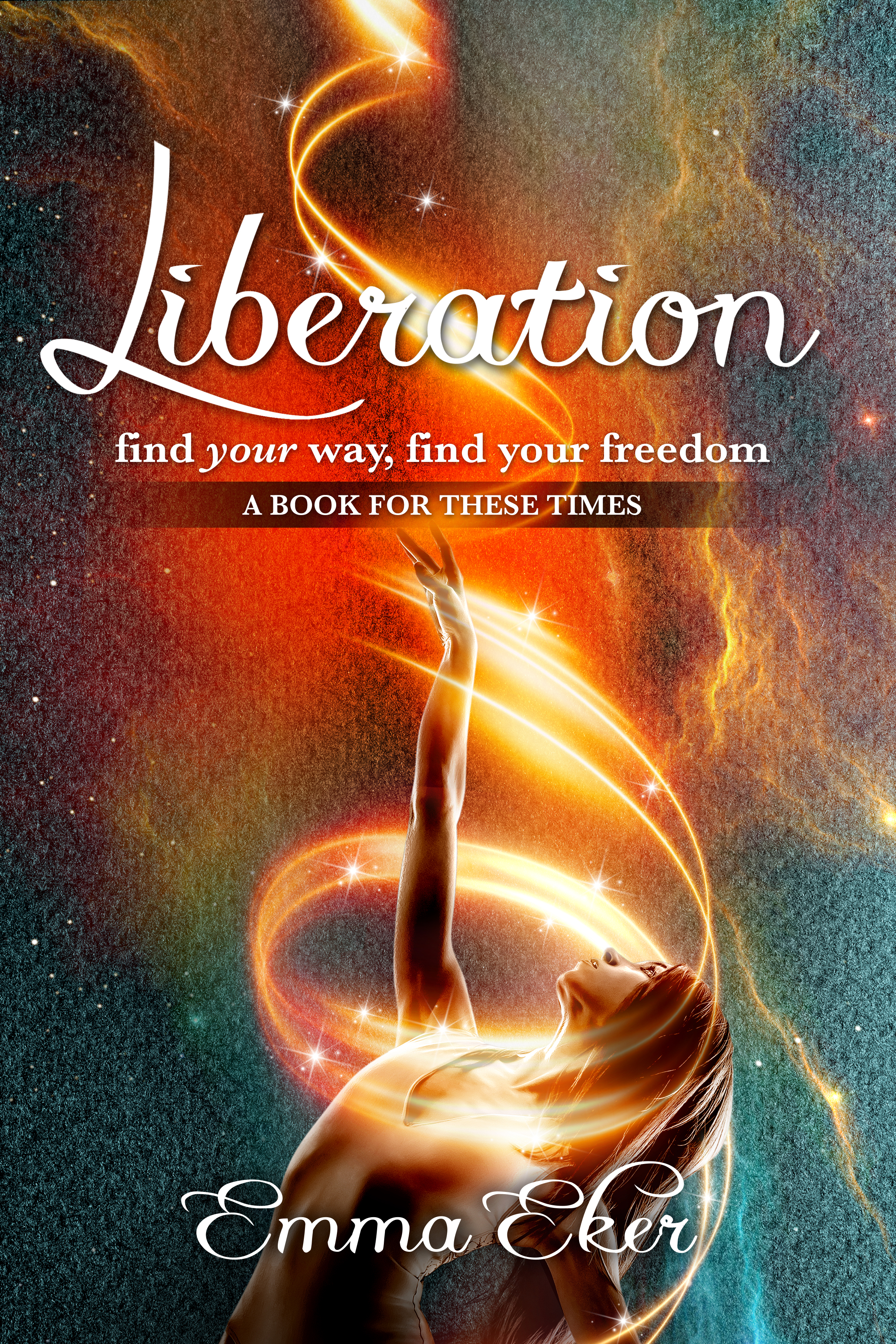
My book is called “Liberation”. It has been a labour of love and is predominantly a solution-based memoir, highlighting my journey through life – moving through addiction, heartache, temporary loss of Self and many of the trappings of the human experience. I have always been solution-based, always aware that life is magic and benevolent and therefore I could not, would not, write a book relating to struggle without presenting the reader with a solution. Too many books in the mainstream point to the ‘problem’, providing identification but little or no hope for the eradication of that which the reader may be battling with. I believe we are all whole and perfect, but for our belief systems and this is what Liberation allows the reader to see. 

3. A bit about your process of writing.

If anyone is looking for ‘good advice’ from me in this area, they may be disappointed! My writing process has been totally haphazard. Some days / weeks I would be in ‘the zone’, writing flowing, immersed in the creative process and other times, my laptop would be left unattended whilst I found it more important to do absolutely nothing at all! Many a time I have found myself in judgement around my process, but I have come to see that everything happens perfectly and in divine timing. What I will say is this, I have learnt to hear and to listen to the still quiet voice within me that taps gently in order to gain my attention and nudges me in the right direction. When the ‘knowing’ comes knocking, I know it’s time to put fingers to keyboard. 

4. Do you plan or just write?

Absolutely no planning whatsoever. I truly trust my writing process and I go with what feels right, rather than what I could have set out in black and white with regard to a structure. I have never worked logically, despite being thrown into a system that required it. I must be honest and say I don’t think I ever planned any of the book at all. Everyone’s process is different though and we need to find what works best for us which is simply a matter of trial and error. I know that when I sit down in front of my computer with the intention to write, the words will flow through me and if they don’t, I recognise it isn’t the right time. For me, the trick is to take my thinking mind out of it and go with the (creative) flow.

· What about word count?

With “Liberation”, there was no specific word count. I made the decision to self-publish rather than write for a traditional publishing house who may have required a certain length of manuscript.   

· How do you do your structure?

There was no specific structure, although, before I made the decision to self-publish, I was in discussions with a traditional publishing company who had asked me to draw up a synopsis and provide a rough chapter breakdown. I did, on some level, find this helpful to refer to as the writing process began. I held the structure loosely, understanding that the ‘story’ would unfold and become clearer as time moved on. Therefore, the format continually changed as the writing flowed and took on different directions, but it was useful to at least know the direction in which I was headed.  

· What do you find hard about writing?

At many times, thoughts, ideas and words would flow into my mind incredibly quickly and leave just as quickly making it difficult at points (not to mention incredibly frustrating) to grab hold of and capture them. Because I have a perfectionist within me, I would find myself continually editing, editing and re-editing some more which again, can be incredibly frustrating. I have however learnt, that if there is something that needs language which I temporarily ‘forget’, it will revisit me again to make its way onto the page. Moving out of my own way to make way for the creative process has also been a challenge for me, left vs right brain – practice is the name of the game. 

· What do you love about writing?

It’s an interesting question. Is it enough to say that it feels like an extension of who I am? I love putting words together and creating something that touches or resonates with another human being in order to gain identification and understanding. The ‘writing zone’ is a very real thing and I love getting lost in here.

· Advice for other writers.

If you feel there is something you have to offer and have a desire to write, trust it. Do not give up. It does not always feel easy to take what is inside of us and give language to it ‘out there’ and at many times you may feel you are in a battle with and up against yourself, but you must trust your heartfelt desire to do it. For if it wasn’t yours to do, you would not have the desire in the first place. And remember, everything has its ‘perfect’ time, so trust that too!


Liberation by Emma Eker is out by Spiffing Covers on 28 January. You can buy a copy of Liberation by Emma Eker via her website or Amazon.


WELSH WRITING WEDNESDAYS: SALLY SPEDDING ON LIVING OTHER LIVES

‘Write what you know’ is a common enough diktat for the newbie writer, but how about the more subtle ‘write what you sense’ which carries far more possibilities. Material delivered by mysterious inner forces, as opposed to merely outer observations. Why? Because I’m a believer in the transmigration of souls, whereby a departing spirit finds the first empty womb to inhabit, as espoused by the hounded, tortured Cathars particularly from that beautiful, historic Ariège region of France during 1294 – 1324.

To visit it, having read the historian, Emmanuel Le Roy Ladurie’s moving account of their lives in the hamlet ‘Montaillou’ and its seemingly still mediaeval surroundings, is to experience, like the shepherd Pierre Maury, mysterious timeslips. When interrogated under torture, as to where he’d been on a particular day, he replied, ‘out looking to find my shoe.’
‘What shoe?’ asked his interrogator.
‘One that I cast when I was a horse.’ Sealing his fate.

To read of these Cathars’ cruel deaths in Pamiers, Foix, and in Carcassonne’s ‘Tower of Justice’ during the early fourteenth century, is chilling, yet these gentle people who posed such a threat to the Catholic Church, will never be forgotten, and whenever I start new work, whether a poem, short story or novel, conflict between good and evil begins.

Having reluctantly moved from our cottage near the River Sawdde in Llangadog, to urban Northampton, because of my now late artist husband Jeffrey’s new post at its university, I felt bereft, so, using a ruler to find the nearest coast, found where the River Nene, dividing Norfolk and Lincolnshire, meets the North Sea. Even now, that sense of death lurking in its silence, still lingers. I soon began ‘digging’ then writing the first few chapters of a part-contemporary/part-historical novel provisionally entitled, ‘Snare.’

Imagine my surprise having discovered Hilaire Belloc’s vivid collection of essays, ‘Hills and the Sea,’ in which he describes how once a newly-cleaned footbridge was re-opened in Sutton  Bridge, those who’d been waiting then walked across it ‘into the Wringland.’ This name intrigued me, but learning it had evolved from ‘wrungo’ the old High German for ‘snare’ added to the weirdness. I met several people living on the Fens who wouldn’t allow their children to go out after dusk because of ‘evil spirits.’

‘Wringland’ was the first in a two-book deal with PanMacmillan in 2001. Here, the ghost of Martha Robinson – one of the last to be publicly executed in 1862 – tells a fragment of her story before each chapter, in which young, keen Abbie Parker, a saleswoman in a new housing development, arrives at its Show Home to find the door already unlocked, the alarm disabled, and a strange, black-clad woman sitting by her desk demanding Plot 2 be reserved for her. Someone badly wronged, seeking justice. But at what price for Abbie, with her new career?

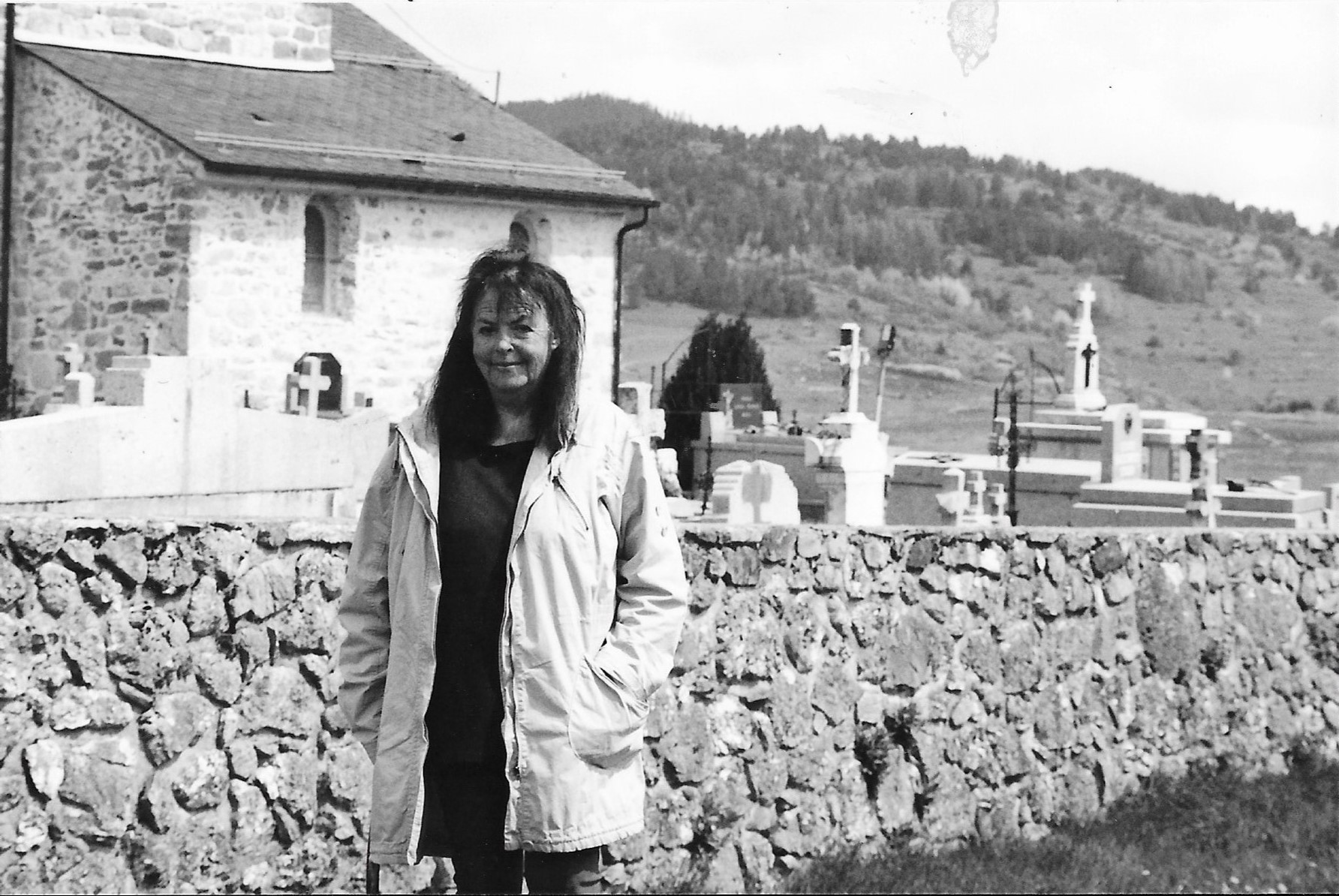
While looking for a holiday home in France, we’d stopped by the Grotte de Lombrives near Tarascon, where I immediately began shivering with fear and begging Jeffrey to drive on. Only afterwards did I learn from my Dutch aunt how Frenkel – my middle name – evolved from those Franco-Raphaelite Jews, purged by the Spanish Inquisition. Many of whom were walled up alive in that very same grotto. This might explain my claustrophobia. I still can’t use the Underground, lifts or aeroplanes. Meanwhile, France with its relatively few cremations, although harbouring so much dark history, continues to inspire my later books.


http://www.sallyspedding.com


THE BOOK I NEEDED TO WRITE – MICHAEL PARKER

When I was a Chindi Author (a group of indie writers in Chichester), Michael Parker was our elder statesman, the author who had been traditionally published, and who had time for everyone. It was hard to think I could come to respect him more, but since his beloved wife Pat died last year, he has written an incredible tribute which I hope to review for Frost next month.

I have always been able to write. As a teenager at Grammar school, I used to write hooky notes for my mates and charge them one cigarette for each note. You could say I was earning royalties even then. I was a prolific reader too and often found myself in awe of the authors and how clever they were. But I never aspired to become a writer; that was something only the clever ones did: those with university degrees and a middle-class upbringing. For someone like me: a working-class lad with no qualifications, I never believed I could become a published author.

I started dabbling with storytelling in my mid-twenties and wrote a family saga. It never saw the light of day, but it did become the seed, that feeling that there was something there. I remember contacting the Daily Mirror and asking them how I could get my book published. I had no clue about the publishing world. Their advice was to get an agent. It was when I was in my late thirties that I finally succeeded, when Macmillan agreed to publish my first novel, North Slope, in 1978. The Financial Times called me a “gifted narrator”. As rewarding as that was, it didn’t mean I would become a successful author.

Years later, when I was living in Spain with my wife, Pat, I found myself writing and being published. Eventually I ended up with seven traditionally published novels; six of them with Robert Hale of London. I was published in Norway, Denmark and Canada. Now I have fourteen books to my credit: all of them available on-line. But the book I needed to write: the book I want to talk about now, was a tribute to my lovely Pat who sadly died of cancer last year, 2020.

Pat became ill after a five-week trip to Australia and the Far East. She was diagnosed with cancer on our return after an examination for a spider bite. I looked after Pat for almost two years, here at home, until she finally succumbed to the disease. By this time, I’d already given up writing; there was no longer any inclination or desire. My sole reason for living was to be by Pat’s side and nurse her.

When it was all over, I was asked if I would start writing again. I would shake my head and say probably never. But my granddaughter, Gemma, wanted to know more about her Nan, and it was this that encouraged me to write down my memories after sixty years of marriage, and put them in book form: a tribute to my lovely wife. The book has now been published and is called, My Pat, a love story.

I don’t have enough time here to explain what a lovely woman Pat was, but the following is a short extract from the book:

I first laid eyes on Pat when she was fourteen. I was a “mature fifteen-year-old” who could not possibly have any interest in a girl as young as that. Besides, Pat was my mate’s little sister, and it was beyond parody to think I could have anything to do with her. But I still remember her dark hair, lovely eyes and generous mouth, plus the fact that she was wearing a canary yellow sweater. So, it stands to reason I couldn’t have noticed her. Four years later we were married.

Whether I’ll write again remains to be seen, but I am happy that I have published my best work ever.

You can learn more of me and my books by hopping over to my website: www.michaelparkerbooks.com.


WELSH WRITING WEDNESDAYS: INSPIRED BY A GHOST – INTRODUCING JILL BARRY

In 1975, my husband and I bought and renovated a Victorian school. We faced a daunting task, but fast forward a year and we were in, complete with baby son born while we lived in our tiny cottage in a chocolate box Wiltshire village.

Soon we were offering accommodation to tourists from all over. My only creative writing consisted of menu preparation until one morning a guest entered the dining room, looked through the open door into the kitchen/family area and asked who my son’s playmate was. I insisted he was alone, but our guest looked at me strangely, saying, ‘Can you not see the little fair-haired girl beside him?’

I couldn’t, though I didn’t doubt the guest’s conviction. That ‘sighting’ sparked a short story which, with another, was accepted for broadcast by BBC Wiltshire. Years later, I won a local short story competition, but it wasn’t until my son went to Uni that I began taking my writing seriously. Frankly, my first attempt at a novel was so dire that I gave up until the bug bit again after I was widowed and moved back to Wales. I spent weeks settling into my lovely new home at the foot of the Eppynt Hills, exploring woodland tracks and getting to know nearby towns. I was inspired to write, but I needed a job.

Fortunately, my secretarial skills landed me a role as a minute taker. I made new friends and was recommended to join Builth Wells Writers’ Circle. I gained a place at Trinity St David’s to study part-time for a Masters in Creative Writing. Several short stories were published in anthologies and women’s magazines and I won First Prize in The Lady magazine’s annual fiction competition. Another move followed, and soon I was finding kindred spirits within a local writing group called Hookers’ Pen.

Over the next few years, I took a script-writing course and saw one of my short plays performed at Swansea’s Dylan Thomas Centre. After gaining my degree, I ran one off writers’ workshops plus sessions for the Local Authority, and became Creative Writing tutor at an online high school. By then, I was well-published as Toni Sands, writing erotic romance for Accent’s Xcite imprint. I took two writing courses at Ty Newydd, working with mentors, Peter Guttridge, Rosanna Ley, Lynn Truss and Kate McCall, BBC Radio Producer. Rosanna mentioned the Romantic Novelists’ Association and soon I was in touch with Liz Fielding, who ran the Carmarthenshire Chapter.

Joining the RNA offered the perfect excuse to travel to London for whatever event was happening at the New Cavendish Club, as I could combine visits with seeing my son. Amazingly, although I’ve attended HNS and Winchester Writers’ conferences, I have attended only one RNA conference – the last one taking place at Caerleon. Little did I know that four years later, I would be living in nearby Newport. After Liz moved to Wiltshire, I looked after the Carmarthenshire Chapter until we joined up with a small group of writers, including RNA members, who met in Cardiff.

I truly believe, while the courses and workshops we attend help wonderfully, it’s the camaraderie so many Romantic novelists enjoy that’s invaluable. There’s always someone to gain advice from, to offer help to in return – and most importantly, someone with whom to exchange commiserations and congratulations.

Jill Barry pocket novels are available as Linford Romances in the public library system and the more recent ones are on sale via The Reading House: https://thereadinghouse.co.uk/

You can check out my other books and blog posts by visiting www.jillbarry.com