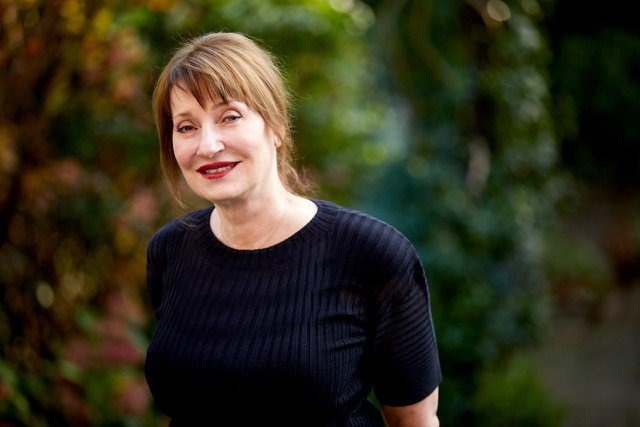
My Writing Process: Maame Blue

writer, Maame Blue, bad loveWhat you have written, past and present 

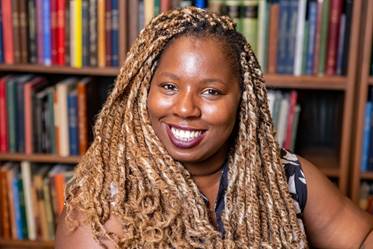
After 4 years of writing it, my debut novel Bad Love has finally been published by Jacaranda Books! It was a bit of a travelling manuscript too because I wrote parts of it in London, New York and Melbourne. Aside from the novel, I’ve written short stories about a grandmother losing her memory, and a couple grieving the unexpected loss of a child. I’ve also written creative nonfiction about the perils of dating as a black woman living in Australia, and the experience of being a young psychotherapist. Presently, I’ve just written a piece for an anthology called Visual Verse, where writers are given an image and one hour to write a corresponding piece to it. This one was especially important to me as it was in tribute to the Grenfell tower victims and in support of the Black Lives Matter movement.

What you are promoting now

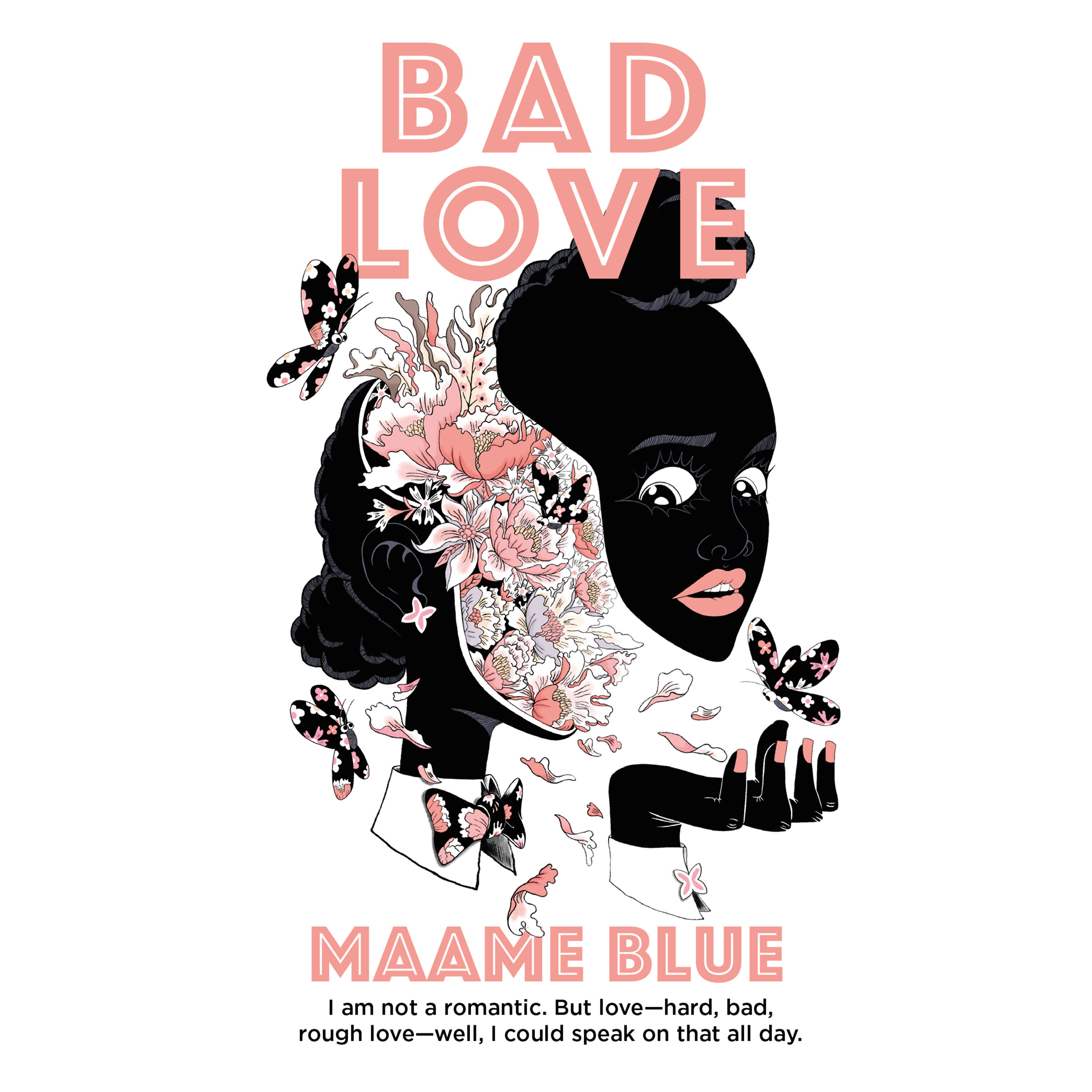
Right now I’m promoting my debut novel Bad Love – published by Jacaranda Books as part of their #Twentyin2020 initiative (to publish 20 Black British Writers in 2020), and it’s also available as an audiobook. Bad Love tells the story of Ghanaian-Londoner Ekuah and her tumultuous experience with first love, and how her subsequent relationships and those of her parents, eventually shape her identity.

A bit about your process of writing

Until a couple of years ago, my writing process involved fitting it around whatever full time job I had at the time. But more recently, I try to sit down and write on Fridays. I’ll have some herbal tea, pull out a notebook of a work in progress (I probably have too many of those) and then put a song on repeat that I feel best resonates with whatever I’m writing about. If I can get into that headspace for at least a couple of hours, I feel like I’ve done something, even if I only manage to get a sentence down.

writer, Maame Blue, bad love, book

Do you plan or just write?

I’m a great planner in life but not so much in my writing. If I mapped out a structure, I guarantee whatever I end up writing will be bad, because it automatically makes it feel like work. Instead I might have an idea for something, some story, with a very loose framework. I will have a vague idea of where I want it to go, but I keep it brief enough so that when I start writing and it goes in another direction, that’s ok.

What about word count?

I actually enjoy a word count. That might come from my other work in project management, but it’s the only sort of hard structure that my writing positively responds to. And the shorter the word count, the better – I like a challenge!

How do you do your structure?

Again, I’m a bit structureless. But if I’m commissioned to write something, I usually respond quite well to a theme or prompt as that tends to focus my mind a little more. With Bad Love for example, I knew that I wanted to write about complicated relationships, from one young woman’s perspective. The idea was to explore the multiple facets of love as it shows itself in relationships between people, and how each element impacts a person’s personality. But I felt that the strongest way to do that was to write it from an intimately personal perspective, showing the pitfalls and the small joys as they happen.

What do you find hard about writing?

Mostly it’s finding the time to write and giving it enough space to develop. There’s something I’m working on at the moment that I have to get into the zone for, so sometimes competing writing deadlines make that difficult. 

What do you love about writing?

The magic of creating characters from scratch and building an emotional world that hopefully resonates with the reader – positively or negatively. I don’t mind which, as long as it makes you feel something!


Maame Blue is part of Jacaranda’s #Twentyin2020 initiative. Her debut novel Bad Love is available to buy online, at Foyles and all good Indie bookshops, and as an Audible audiobook. https://maamebluewrites.com / @MaameBlueWrites


THE RAILWAY GIRLS IN LOVE AND THE CHALLENGE OF WRITING THE BOOK

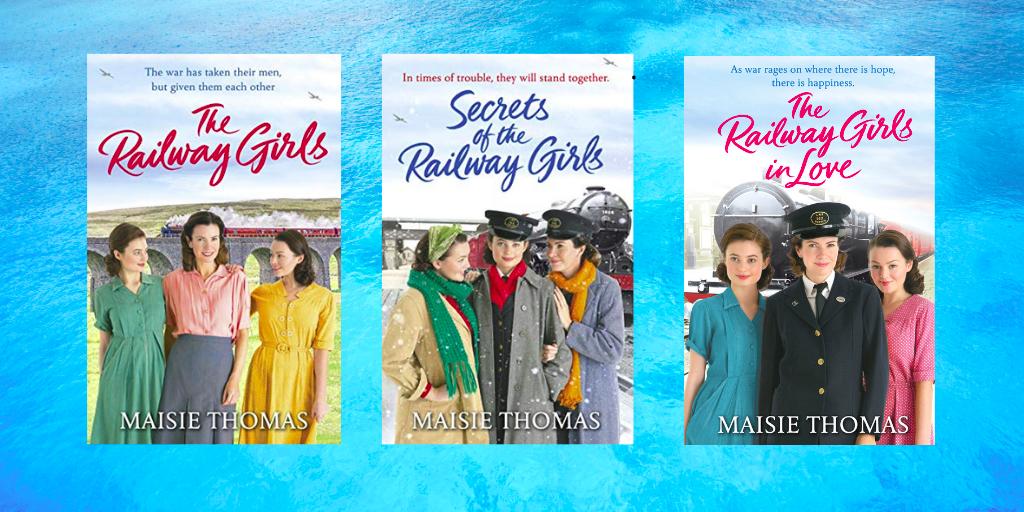
“What was the most challenging aspect of writing The Railway Girls in Love?” That’s what Jane Cable asked me. I imagine she – and you – think maybe it was difficulties with the plot. But no. The plot was sorted out eighteen months previously. The book is part of a series, you see, and I have to be on top of the plot at all times, and that includes knowing what is going to happen in future books.

Maybe, then, you’re wondering if there was a particular character I found tricky to put on the page. Again, no. Having already written two books about my Railway Girls, I feel I know them inside out.

What, then, was the most challenging thing? Was it when my editor mistakenly sent me the wrong version of the track-change document for editing? Nope. That ended up meaning that I had two track-change documents open side by side, but it couldn’t be described as a challenge.

The most challenging thing – and I can’t begin to describe how I struggled to cope – was that The Railway Girls in Love was my spring 2020 lockdown novel – and the public library was shut. If I tell you that all but a few scenes of both The Railway Girls and Secrets of the Railway Girls were written in the local library, you’ll perhaps start to understand why the library closure posed a problem. For me, writing is about discipline, and discipline is about routine – and my routine was to go to the library every morning and knuckle down to work. I was astonished by how hard I found it to work at home. It’s not as though I live in a madcap household full of noise and disruption – quite the opposite. I can’t explain it. All I can say is I found it remarkably tough to work at home instead of tucked away in my little corner of the library.

***********

And now, dear Frost reader, you may be asking why I asked Maisie Thomas that particular question. It was because the more I thought about The Railway Girls books, the more I realised they were about the challenges these women faced. It could be said that is the essence of a saga – the increasing obstacles heaped on the characters, who have to beat them all to find their happy ending.

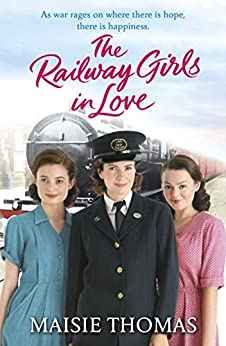
That could all sound rather grim. As could living through wartime Manchester with its air raids, worries about dear ones at home and abroad, and all the suffering and privations that entails. But The Railway Girls in Love, although dramatic at times, poignant at others, is a genuinely uplifting read as these vastly different women help each other and themselves to live out their hopes and resolve their fears.

The third book in the series, this one brings the stories of Joan, Mabel and Dot to resolution with a happy ever after for one of them (as much as can be achieved in wartime, that is) and at the very least happy for nows for the others. It has recently been announced there will be more Railway Girls books (hooray!), focussing on three of the other characters, but I can’t help thinking there is still more to tell about these three too.

I am sure you can tell I am a huge fan of these books. Why? Rich in research, with period detail woven into the story rather than distracting from it, writing that carries you along without you even noticing it. Add to that characters you really care about and gripping plot lines, they really are the most accomplished and enjoyable books.


The Railway Girls in Love is published by Arrow on 15th April.


WELSH WRITING WEDNESDAYS: REINTRODUCING JANE CABLE

I have been writing for Frost for so long I tend to assume everyone knows who I am, but common sense tells me that isn’t the case. Our readership is growing all the time, so many won’t have the first clue about why the Contributing Editor blathers on so endlessly about writing and books. And. this year, about Welsh writing in particular.

So the first thing you need to know is that I am Welsh. I was born in Cardiff and my formative years were spent in and around the city, although I left to go to college at eighteen and never lived there again. In modern parlance you would say that, despite living in England for so long, I ‘identify as’ Welsh and will do so until the day I die.

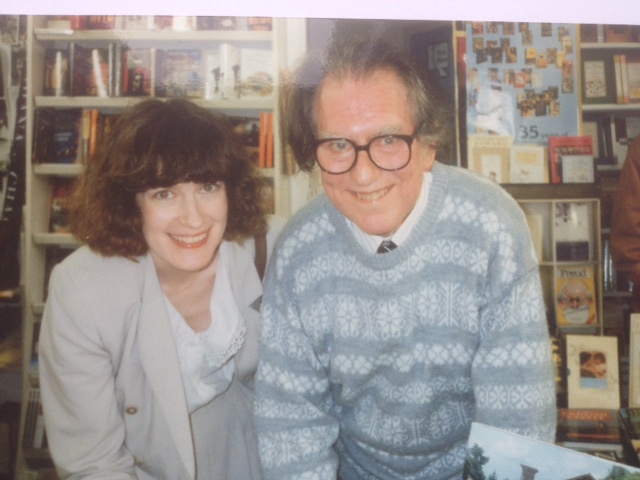
With my Dad at the launch of his first book

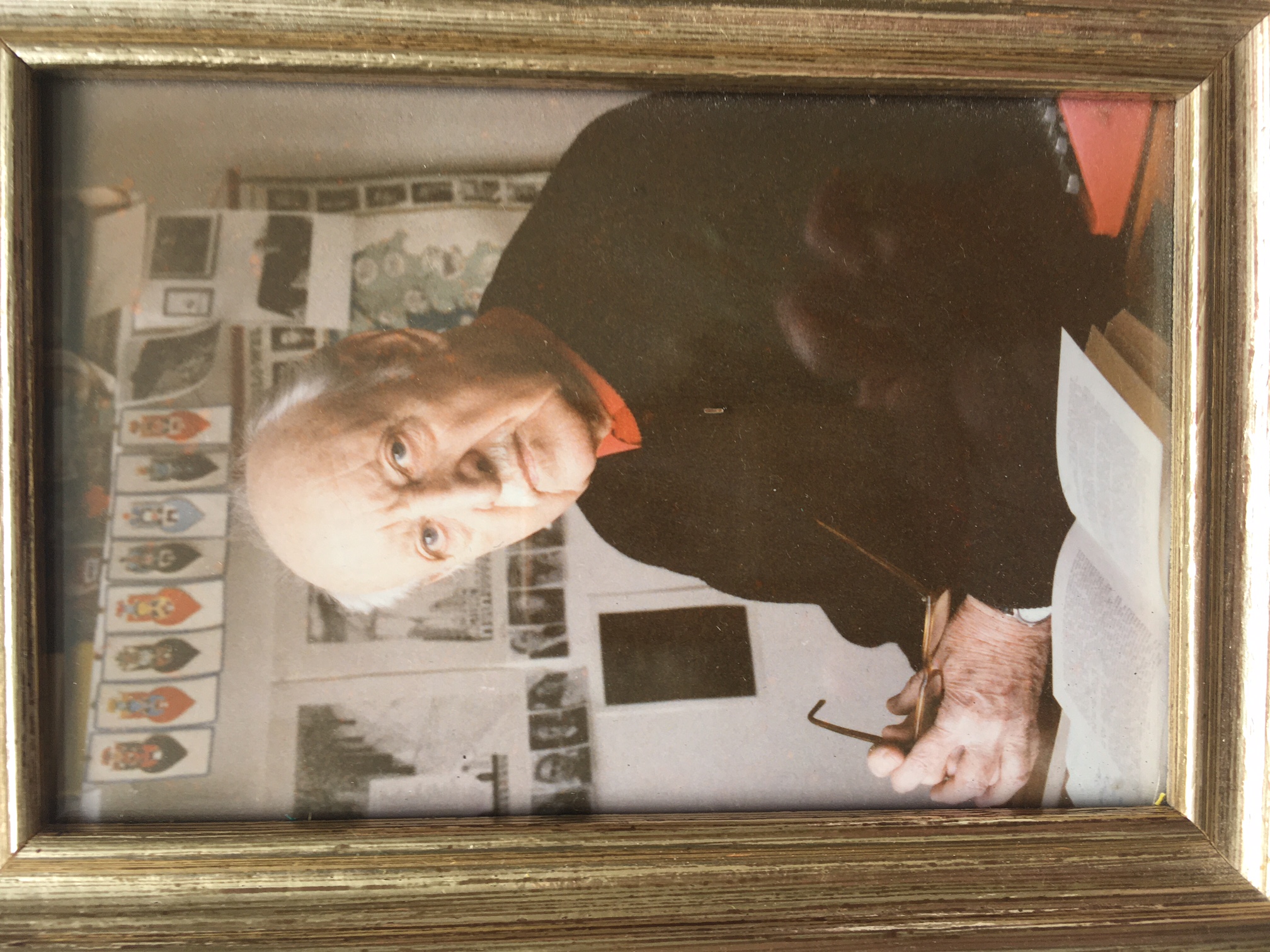
I was a teenager when I discovered there was a rich literary tradition on my doorstep. My father, Mercer Simpson, was a lecturer at the Polytechnic of Wales and worked with Tony Curtis, and I remember the great excitement in our household when Tony won the 1984 National Poetry Competition. By that time my father had retired and was spending his time reading for the Welsh Arts Council and editing the Welsh Academy of Literature’s magazine so the house was stuffed full of books by Welsh authors.

This may have been my literary heritage, but I eschewed literature, refusing to take english as an A-level. When I was a student Dad and I would debate whether there was such a thing as intrinsically ‘good’ and ‘bad’ in the arts and could never see eye to eye, largely because I considered his views desperately old fashioned. Never an academic, my normal reading was romances, women’s fiction and historical sagas. In other words, popular fiction.

My father reviewed books endlessly and became an acknowledged expert on Anglo-Welsh literature. By the time he died in 2007 he’d had four of his own poetry collections published, the last of which he’d worked on during his final illness and his publisher brought the first copies to his funeral.

By then I had started writing too, experimenting with romantic fiction, something he barely understood, but my mother ploughed through my early stories and gave me both encouragement and useful feedback. Instead my father was really proud of the fact I freelanced as a cricket journalist. My mother’s bragging rights came a few years later when, in 2011, I reached the final of The Alan Titchmarsh Show’s People’s Novelist competition.

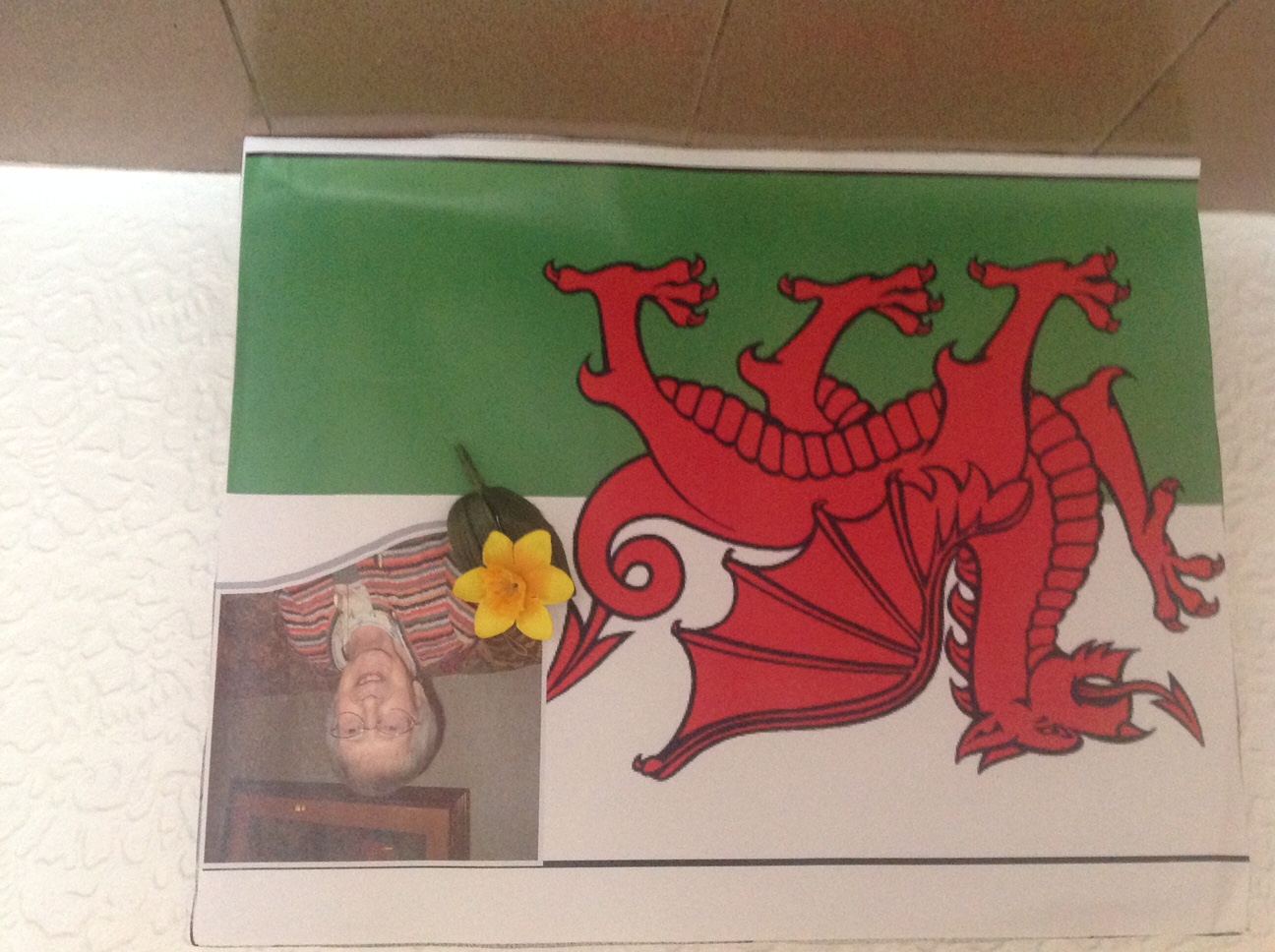
Mum and her Welsh flag

My mother loved reading but loathed formulaic romances, and her opinion has had more influence that anything over the way I write. I love a love story, but there has to be more. More for the reader to get their teeth into; a hint of mystery, research so good it teaches you something, a broadening of horizons. These are the stories I aim to write.

My career as a published author had a bit of a rocky start, but in 2018 I settled with Sapere Books, writing contemporary romances with a look over the shoulder at the past. The first two books were World War Two influenced, and later this year my debut dual timeline will be published by them, set in Cornwall in 1815 and 2015.

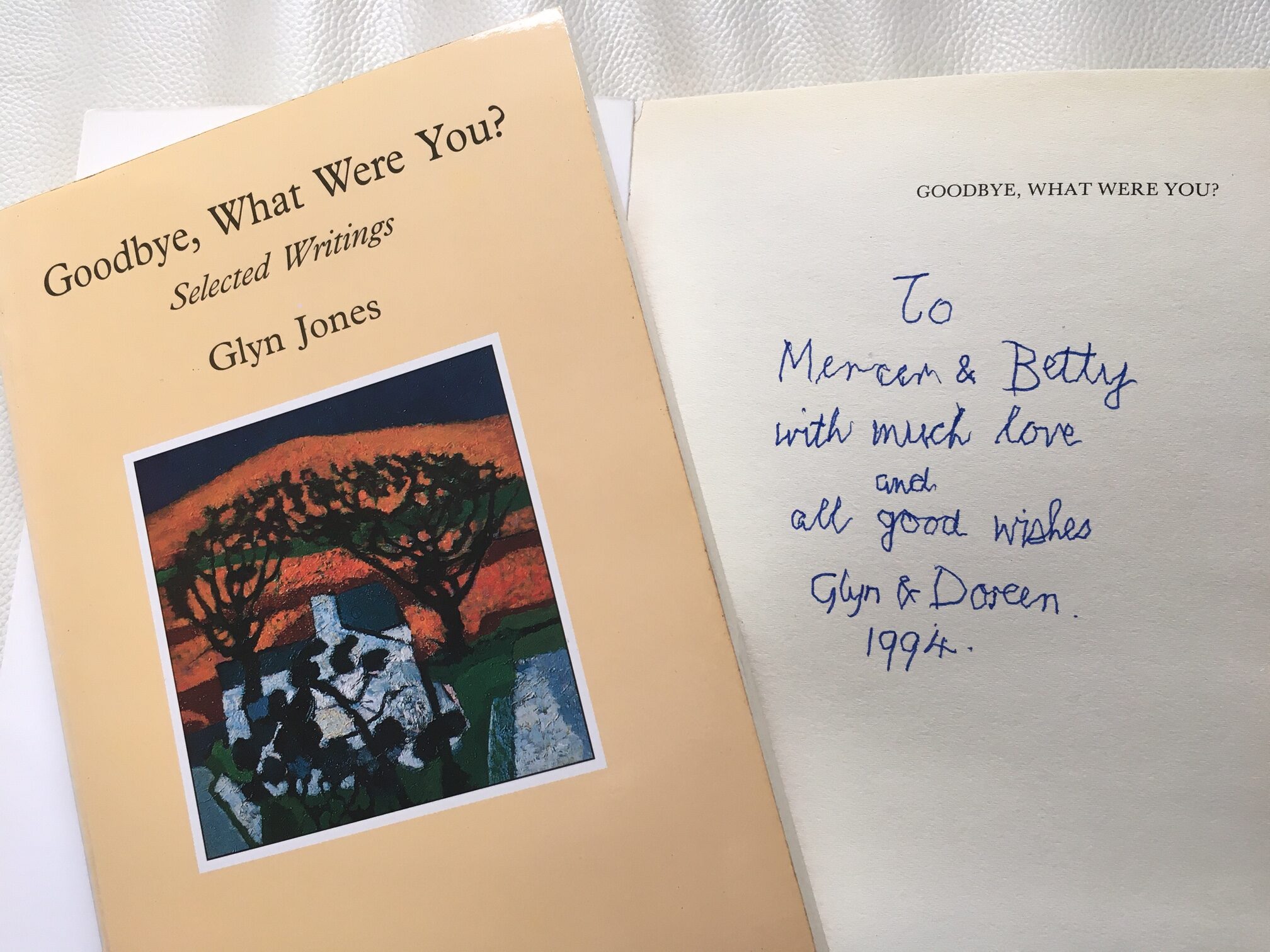
Last year I took another step forwards and signed a two book deal with One More Chapter, a division of Harper Collins. Both will be out this summer, written under the name of Eva Glyn. Eva for my paternal grandmother and Glyn for the Welsh novelist and poet Glyn Jones, a great friend to both of my parents and an emblem of my literary roots.


JANE CABLE INTRODUCES ANGELA PETCH AND THE IDEAS BEHIND THE TUSCAN HOUSE

I have known Angela since we were both indie authors in Chichester, so the success of her gripping World War Two novels with Bookouture has delighted me more than most.

Every summer she moves to Tuscany for six months where she and her husband own a renovated watermill which they let out to friends and family. When not exploring their unspoilt corner of the Apennines, she disappears to her writing desk at the top of a converted stable. In her Italian handbag or hiking rucksack she always makes sure to store notebook and pen to jot down ideas.

The winter months are spent in Sussex where most of her family live. When Angela’s not helping out with grandchildren, she catches up with writer friends. Obviously we haven’t been able to do so this year, but I am still hoping.

Now, over to Angela.

It’s interesting how new ideas for novels germinate. I love that moment when I am grabbed by an event or a person and the desire to write a story is born. It can come from a newspaper article, an obituary, a photo or from somebody’s memories.

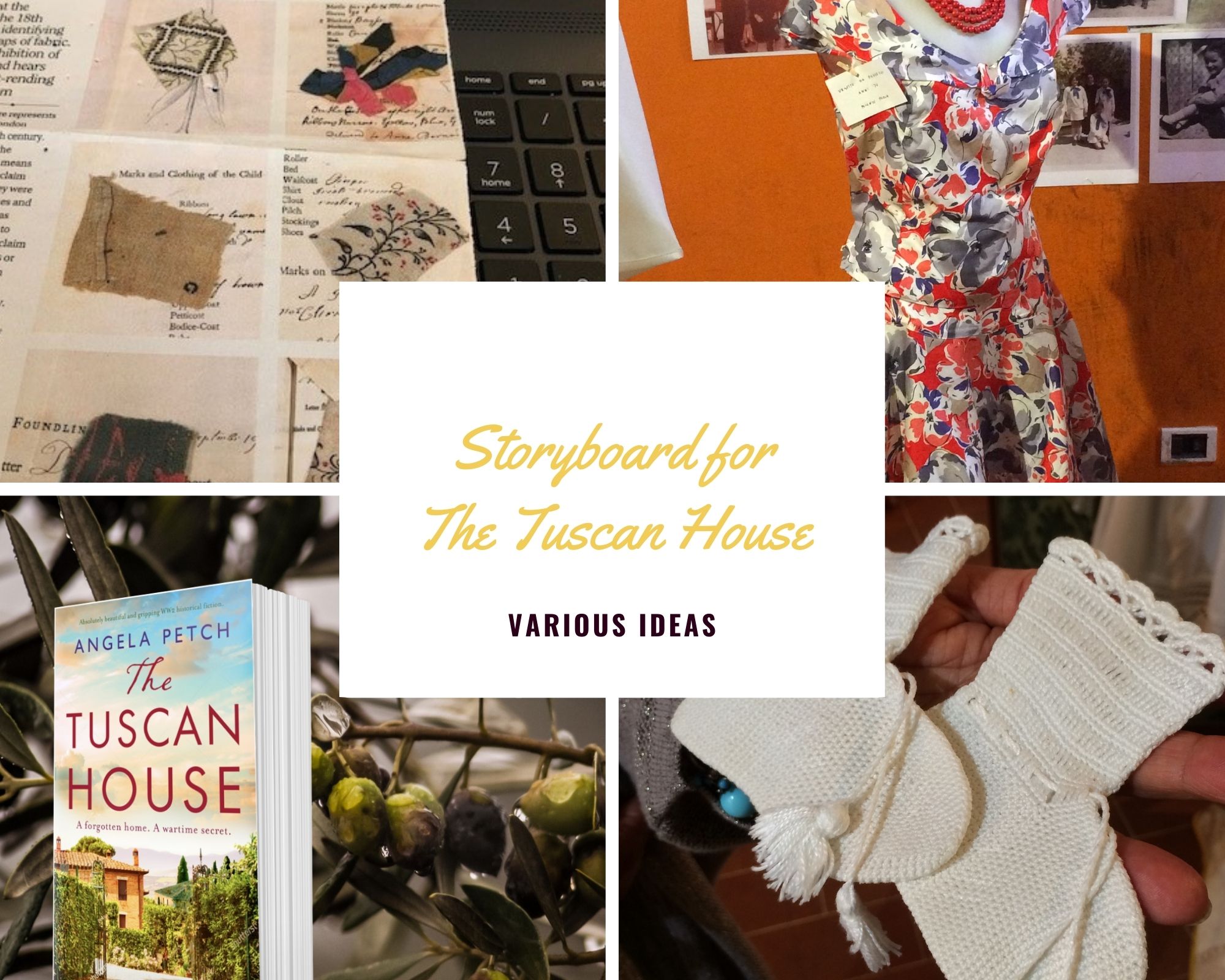
A few years ago, I cut out a magazine article with the title Swatched at birth. When babies were left at the Foundling Hospital in the 18th century, the only things identifying them were tiny scraps of fabric. The details on these swatches spoke to me: “A girl, about one day old, admitted 4 March 1759”. A piece of fabric pinned to her dress with a pattern of blue and burgundy flowers was the only link with this child’s past.

I’ve had this article for more than six years, but it gave rise to a detail in my new novel, to be published April 7th by Bookouture: The Tuscan House.

Similarly, on a shopping trip in Tuscany to our nearest town, I came across a simple exhibition of one family’s possessions. There were several outfits on mannequins and a wide-skirted 1950s dress was perfect for one of my characters. Click, click went my phone. And then I caught sight of a pair of slightly grubby booties. Click, click.  My characters come alive for me through such props and I hope to transmit the same through my words.

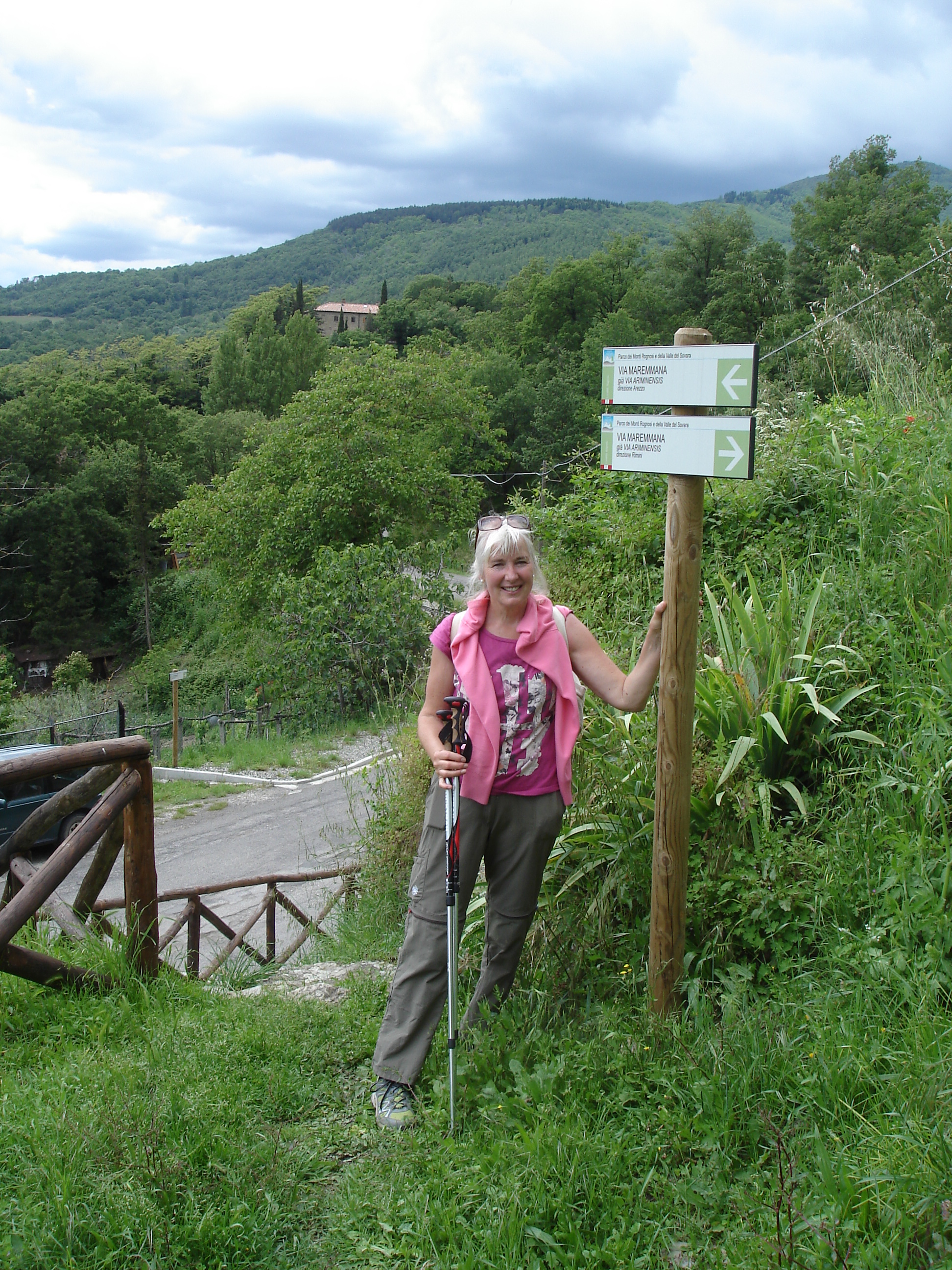
Maurice and I were persuaded in September 2013 to take a parish coach trip down to the Maremmana Tuscan coast. Most of the passengers were elderly and this annual Sunday had become a kind of pilgrimage to the past. Up until the 1950s, the men and boys of their families trekked down from our mountains to the sea to find better pastures for their sheep and cattle. I had never heard of the transumanza before (transhumance) and found myself scribbling down their stories. How could families bear to be separated for five long months every year? How did the women cope? What did the men get up to? My imagination went into overdrive. This led to my husband and I planning our own twenty-seven mile walk along part of the route and then another book was written. Originally, I self-published, but Bookouture acquired the rights. A Tuscan Memory  is a bit niche but a book I felt compelled to write.

We have to be in love with the stories we write and hope that our readers love them too.


Find out more about Angela and her writing on her blog: https://angelapetchsblogsite.wordpress.com


Worth

Frost fiction, short stories, poems, non fiction, fiction.

The woman flicked the notes carefully through her fingers, tapping the stack of cash against her desk and peering up over her horn-rimmed glasses.

“Not police?”

The man shook his head.  There was a note of threat to the question and he turned away, fixing his gaze through the doorway, his heart racing.

Silken bronze skin swept beneath long curls of onyx hair.  Asian eyes were lidded and docile.  The woman he desired tugged her skirt over a blackened bruise.

“You like?” the Madame slipped the money into a draw, her finger stroking a pistol.

“Yes.  Very much,…”

Note from the Author:  “This story is based on an event I witnessed personally many years ago, while in Soho for an audition. I didn’t catch much of the conversation – just a man and a woman trying to tempt him into a doorway. The words “Not Police” are forever etched in my mind. It made me so sad.”

Another in our series of 100-word short stories by Tim Austin. Whatever genre you love, there’s a story you’ll enjoy over at onewordonestory.org.

Come back on Tuesday for another. See you then!

Torn

Frost fiction, short stories, poems, non fiction, fiction.

Eddie’s mouth was hanging open.  He wasn’t entirely sure what had happened.

Around him people were staring, forks held comically close to mouths, awkward coughs and murmurs circling the room like sharks.  Behind him a door slammed closed.

“Can I get you a towel, sir?”

The Maître D remained professionally aloof but Eddie could see sympathy in his eyes.

“I,…. think I’ll have the bill, please.”

Eddie picked up the two halves of paper, her telephone number shredded.  They’d been talking about their blind date.  She’d asked what he enjoyed.

Somehow “Chilling to Netflix” was the wrong answer.


Another in our new series of 100-word short stories by Tim Austin at onewordonestory.org. Whatever genre you love, there’s a story you’ll enjoy.

Come back on Friday for another. See you then!

WELSH WRITING WEDNESDAYS: INTRODUCING JAN BAYNHAM AND HER WRITING

I was born and brought up in the tiny mid-Wales village of Newbridge-on-Wye and moved to nearby Llandrindod Wells when I was fourteen. Fortunate to have had a very free and happy childhood, growing up in such beautiful rural surroundings has always stayed with me. Although I have now spent more years living in the south of Wales, first in Swansea and then for the most part in Cardiff, I still call Llandrindod ‘home’. For as long as I can remember, apart from a very brief spell of wanting to be a glamourous model or an airhostess, I always wanted to become a teacher, my two main loves being English and Art. Having studied in Cardiff, I have taught in a wide range of settings – from opening and running my own nursery, teaching all year groups in primary school, secondary school English and Art and Pottery up to A level, and teaching art, crafts and pottery in adult evening classes when my three children were small. For the last six years of my career in education, I became a Teacher Adviser for English.

You will notice that I have not yet mentioned writing. I was extremely late to the party and it wasn’t until I joined a writing group at a local library when I retired that I wrote my first piece of fiction. In my job, I was passionate about children’s writing but this was for me, for my enjoyment… and I loved it. I was hooked! Soon, I went on to take a writing class at Cardiff university and began to submit short stories for publication. In October 2019, my first collection of shorts was published.  My pieces started getting longer and longer so that, following a novel writing course, I wrote my first full-length novel. My debut novel, Her Mother’s Secret was published in April 2020, followed by Her Sister’s Secret, a few months later, by Ruby Fiction. The third novel in the three-book deal is due out in the summer.

So, what do I write about? My dual-narrative novels are about families and their secrets. The strapline for my publisher is ‘Stories that Inspire Emotions!” and I hope that my books do just that. They are character driven. I have always been fascinated by long-held family secrets and skeletons lurking in cupboards and these form the germs of ideas to develop into a novel.

Fascinated by the ever-present link between past and present, I try to explore how actions and decisions made in one era have an impact on subsequent generations. In all my novels, I want to tell two stories showing a special bond between mothers and daughters. The daughters’ stories are written in first person and I’ve tried to get inside their heads, feel their emotions and show the reader why they act in the way they do.   In each novel, setting plays an important role, too. There is always a journey to a contrasting setting vastly different from the area in mid-Wales where my characters are from. I hope I manage to transport the reader not only to the heart of Wales but also to Greece, Sicily or France. I’ve also tried to capture the different times during which my characters lived.

Having a lot of catching up to do, I take every opportunity I can to learn more about the craft of writing by attending workshops, talks and conferences. Joining that small writing group in Whitchurch library was the best decision I could have made to start me on my writing journey.


You can link up with Jan on Twitter – @JanBaynham https://twitter.com/JanBaynham or Facebook – Jan Baynham Writer https://www.facebook.com/JanBayLit or you can follow her blog – Jan’s Journey into Writing https://janbaynham.blogspot.com/


My Writing Process KL SLATER

After years of unsuccessfully trying to get my stories noticed from the slush pile, I went back to university to study for an MA in Creative Writing at the age of 40. Before graduation I’d secured both a literary agent and a book deal. I’m now a full-time writer and live in Nottingham. Sounds quick but it took a long time, if you count the ten long years of prior rejections.

What you have written, past and present.
I wrote four Young Adult books between 2014-2018, published by Macmillan Children’s Books. Then in 2016 I moved back to writing my first love: adult psychological crime fiction and that’s what I write exclusively today for Hachette’s Bookouture, a digital-first publisher. Audible publish my audiobooks and I’ve also written two Audible Originals exclusively for them. I’ve just written my fifteenth adult thriller.

What you are promoting now.
THE EVIDENCE, a psychological thriller I’ve written exclusively for Audible published 11th February 2021.

A bit about your process of writing.
I work best during the morning. This discipline is a throwback to working a full-time day job and writing between 6-8 am before I went out to work. Sometimes I write in bed immediately after waking and, on a good day, I can get a couple of thousand words down before I get up. But usually, after reading and surfing online for a while, I go downstairs to my office and start work between 8 and 9 am. In pre-lockdown days we’d go out somewhere in the afternoons. Remember that?

Do you plan or just write?
I used to just write a short blurb and that was the extent of my natural urge to plan. But writing commercial thrillers and a few a year, means I now have to plan the book more thoroughly … thoroughly for me, anyway. I’ll do a long outline which I agree with my editor and then add to it as I start writing. I don’t know a lot about the story at the beginning of the process, I just have my initial idea and a sense of how I want it to feel. It doesn’t mean the plot can’t differ from the outline – it nearly always does – but in order to provide the twists and turns the modern reader expects, there has to be some element of planning.

What about word count?
I write a few books a year so it’s essential I’m disciplined about achieving minimum daily word counts when I begin a first draft. I try and get a basic draft down in no more than a couple of months so I’m looking at 1-2k a day. I often add substantial word count during structural and line edits. Sometimes I like to use an app on my phone called Focus Keeper. The ticking timer drives some people crazy but it keeps me … well, focused.

How do you do your structure?
I tend to draft out my initial outline in the form of five acts to start writing to a recognisable shape. But I’m not a slave to a turning point at 10%, another at 25%, that kind of thing. I just find it a useful template to get me started.

What do you find hard about writing?
Stopping. I find it so hard to break off or have a whole day off so I have to force myself as there’s a real world out there and real people I care about and want to spend time with. I’ve found getting out of the house is key to breaking the spell. I’m constantly striving to achieve that illusive but tempting cliché: work-life balance.

What do you love about writing?
I love how the world and characters I’m writing seem so real. I love that I’m earning a great living doing something I would do – and for many years did do – for free. And I love writing digital-first; it’s incredible that 6-8 months after having a new idea, the book can be out there.

Advice for other writers.
Write. Sounds obvious but most writers I know, myself included, have a precarious state of mind that is prone to self-sabotage and procrastination. So many new writers – I used to be one of them – spend too much time striving for perfection instead of getting the book down and then using editing as a powerful tool to refine the story. It’s really hard to get something good the first time around. I like to think of the writing process as a kind of sculpting: starting with a lump of clay and through many stages and revisions, finally ending up with something good.

The Evidence by K.L. Slater is available exclusively on Audible now.