Ways remote work is reshaping how tech companies operate

Let’s admit it; no one could have truly predicted what the world is currently dealing with due to the effects of COVID-19. The pandemic struck fast and hard and caught all of us off-guard.

For tech companies and most other businesses, that meant one thing; it was time to adapt (and do so quickly) or die. While remote work (or working from home) is not a completely new thing, it wasn’t a big trend yet pre-COVID.

Today, big tech companies such as Twitter and Facebook have embraced it, with many more like Blueground, a provider of furnished apartments in San Francisco, joining the bandwagon daily.

In this post, we look at how this new trend is rapidly changing how tech companies operate for the better.

Reduced costs

It is impossible to talk about the shift to remote work and not mention the positive impact it has on finances for both employers and employees.

With COVID-19 negatively impacting revenues, finding effective ways of cutting costs is a necessity. That’s why employers are offering workers the chance to work remotely at the expense of significantly reducing their salaries.

In addition to cutting operating costs, remote work is opening other avenues for employers. For example, it’s now possible to hire employees from different geographical locations, including offshore countries where labor is cheaper. Again, the net effect of this is reduced costs of doing business, which is key during times like these when companies are dealing with unprecedented economic challenges.

Increased productivity

According to a study by the Harvard Business Review, remote work can motivate employees to be more productive and yield higher results.

By working from home, workers are able to cut down the time it takes to commute to their workplaces. The truth is, commuting to work takes up a considerable amount of employees’ daily schedules. This not only increases fatigue but also raises their stress levels, especially if the commutes are hectic.

Remote work makes it possible for employees to earn a living without having to deal with such stressors. Ultimately, they become more productive and this shows in more sales and improved relations with other team members.

Wider pool of talent

When tech companies require employees to work in the office, they are oftentimes limiting their talent pool to just those who can work at their location. As a result, most end up missing out on sharper and more qualified candidates from other regions.

For example, living in Silicon Valley is expensive, which means candidates who don’t have enough money to live there will be unavailable for selection.

By embracing remote work, companies can comfortably widen their talent pool as they can recruit workers from any geographical region.

Are there downsides to working from home?

As with anything, it’s not all rosy when it comes to remote work. The increasing popularity of the trend means a lot of information is coming up on the negative side of it.

For starters, reports show that remote work has taken a toll on some workers since most were used to collaborating with a team in an office setting. As a result, some have found it difficult to self-motivate when working at home without any physical supervision. On the upside, the self-driven ones have benefited immensely from a lack of physical supervision.

Another problem that is arising is a lack of proper work-life balance. Some employees are finding it harder to separate work from their social life, thus eating into their personal time. This has led to issues such as increased divorce rates and gender-based violence cases. The premise behind it is that parents and partners no longer spend as much quality time with their loved ones as before.

However, all these hiccups are slowly getting smoothed out and soon, remote work will become the norm—especially in the tech sector.

Conclusion

When remote work first started to pick up speed, employers doubted they could manage their staffs, and that it would lead to a dip in productivity. However, this has been proven wrong, with most workers and supervisors now working smoothly via virtual platforms like Zoom.

This continues to work well for both companies and employees, as the former cuts down on operating costs, while employees benefited from the reduced hassle and cost of commuting to and from work.

Overall, shifting to remote work has enabled many tech companies to remain competitive and profitable. Whether it will be a future trend or just a temporary way to survive the disruption caused by COVID-19, it is easily the best thing that has happened to the tech industry in a long while!
Collaborative post with our brand partner.
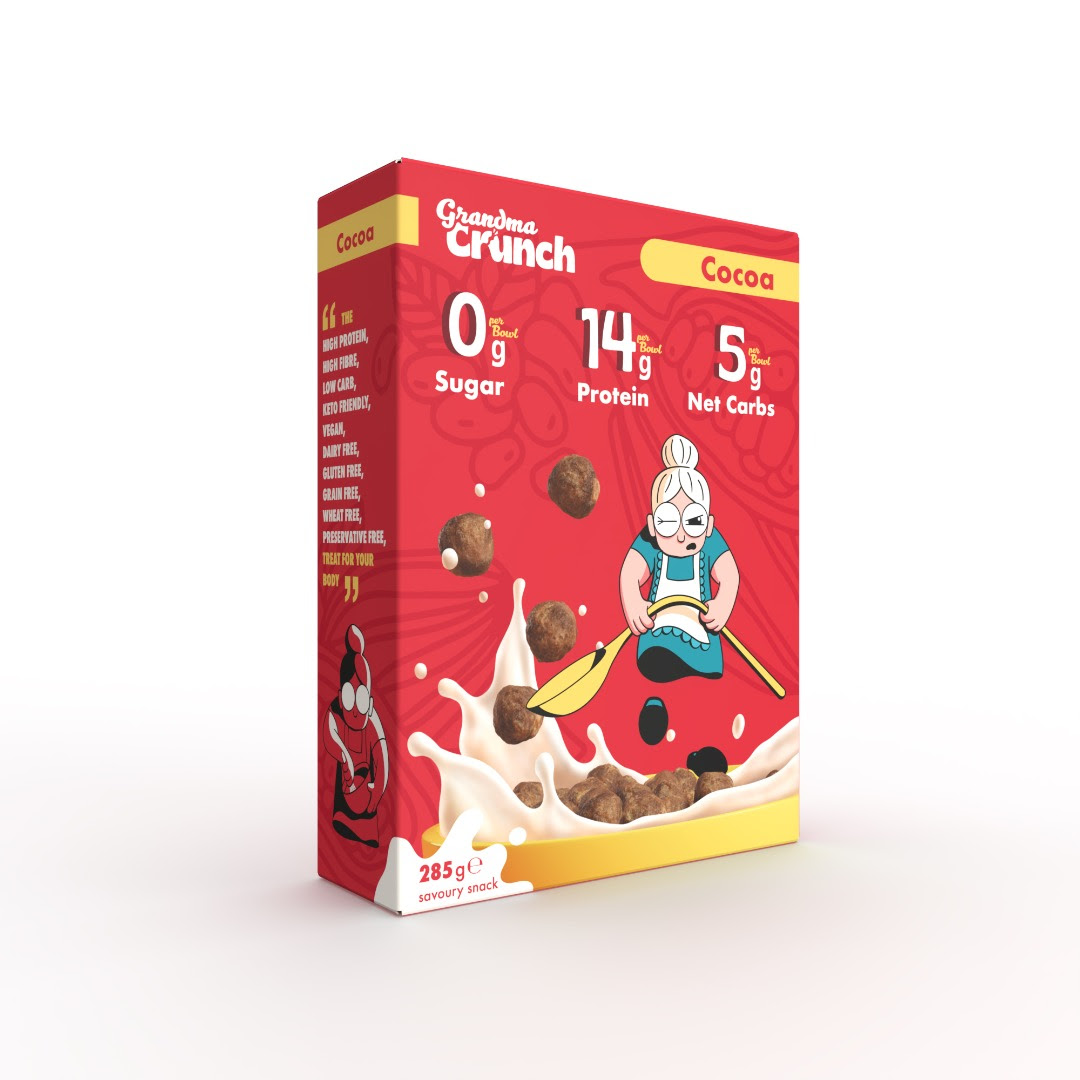
Grandma Crunch, The Breakfast of Champions: High protein, zero sugar, keto friendly

All new high protein, zero sugar, keto friendly, crunchy snack for those wanting to kick-start the day right.

Grandma (Crunch) is on a mission to create a healthier way of living and with her famous recipe book in hand, she has been hard at work concocting new ways to provide healthy, nutritious snacks, which will help keep people fit and strong. 

We tried the cinnamon, coconut and cocoa cereal and they all taste great. Grandma Crunch is a great idea and we are super impressed at how it is healthy and delicious. What a great idea. 

 Grandma crunch, cereal, high protein, no sugar

Now, more so than ever, Grandma wants to get the nation back to healthy eating habits. It’s been a hard year for everyone, both physically and mentally, and whilst most of us have taken some comfort in takeaways and sugary snacks, it’s time to limit those back to the odd treat, and start to build our immune systems and fill our bodies with nutritious food, which will fight off any nasties. 

The UK is a nation of breakfast cereal lovers, both young and old, after all it’s a simple, easy to prepare breakfast staple. However with over 90% of the market saturated by high sugar varieties, Grandma Crunch aims to allow people to enjoy a bowl of cereal, knowing they are fuelling the body with goodness, without compromising on texture and taste. 

Keto snacks generally all have a similar texture, and take the form of thick dense protein bars. Additionally, many of these high protein, low sugar options give misleading impressions. An example is the use of Maltitol in leading protein bars, which is often used as a sugar replacement and marketed as ‘no sugar’ but in reality it still spikes insulin, and so it’s not diabetic friendly.

Founded by husband and wife duo, Charlotte and Norman, they believe in alternative functional foods, which have a real impact on people’s lifestyle. They believe food should be delicious as well as providing a crucial function and significant impact on how you feel and how you perform. Charlotte is passionate about the problems of diet culture and the impact of misleading consumers.  Whilst Norman, who is driven by data, has spent many years researching various diets, meditation, stress management and sleep patterns, which together has led them to creation of Grandma Crunch.


What you need to know when starting your own record label

Whether you are an entrepreneur looking to start something new or an aspiring musician who wants to go out on their own, this article is for you. It discusses everything you need to know about starting your own record label and becoming a big player in the music industry if that is your target. Of course, you might just want to set up a small local label to help local musicians, but these tips will still help. 

  1. A Name

To start your own record label, you need a name. It doesn’t have to be the catchiest phrase on the planet, but it would help. The name is important because it represents you and what you stand for. It will be your branding and will be the name everyone knows. If you are reaching out to artists and producers at any level, it will need to be a name that you are proud of. 

As music covers so many industries and genres, you also need to think about what the name means. For example, if you are planning on specialising in the Pop music sector, you might want to avoid something that represents another genre entirely. Obviously, it is down to you in the end, but the name is what will stick. Be imaginative as you would if you were setting up your own company or agency name. At the end of the day, the name is something you should be happy with. 

  1. Defining a Genre

This sort of goes hand in hand with the name choosing. If you are going to specifically settle for one niche then that will have played a factor in setting up your branding. However, if you opted for a label to be named after yourself for example, then you still need to make sure you have a defined focus. Whilst a scattergun approach may work for some people when trying to find clients, it helps to be more targeted. This way will also see you face less rejection. 

Imagine a band trying to make it in Rock ‘n’ Roll like Nirvana receiving an approach from a label which promotes Pop Music. They will likely dismiss your email or direct message. You do not have to appeal to everyone, as quite simply, you just won’t. This applies to those looking to start their own record label, as well as musicians, producers and songwriters. Be strategic and mindful of who you want to market to. In the same way as a marketing company refine their target audience for their newsletters and social media strategy, you will want to do the same when attracting potential clients.  

  1. Work Out When How You are Going to Distribute Your Music

When learning how to start a record label, you reach a point where you know it is about to get serious. As seen in the article on Pirate Studios, starting your own record label can be so rewarding. It can work in so many ways and can be extremely beneficial if you are an aspiring musician yourself. However, you do have to get it right, especially when it comes to distributing and releasing music. As we have seen down the years, the music industry can ride in waves. Artists can have a stellar year and then you may never hear from them again. 

That is why it is so important to avoid releasing and distributing when you feel like it. Similar to when approaching clients and artists, it is important to avoid a scattergun approach in this regard. As there is new music being released every hour, every day, timing is everything. Even the artists and labels with the biggest status will still research the best time to release. Perhaps the best example is how much thought goes into getting the Christmas Number One spot in the UK. This is quite a profitable time for record labels and in the UK, there was always a battle against Simon Cowell’s X Factor juggernaut. 

  1. Think About How You Are Going to Distribute Your Music

Since streaming and downloads started being counted towards the charts and other official figures, how you distribute your music if you are a record label has become a lot more complicated. Obviously, you can still look into releasing online and this is what most new record labels will do. Finding a digital distributor can be quite simple if you know where to look, and this means your records will hopefully land on all streaming sites such as Spotify and others. 

On the other hand, it can be more profitable to get your music distributed to shop floors. With HMV still going, there is still scope for this to be done. However, this can come further down the line if you are just starting out. First things first, don’t overthink it and just get your music distributed online. 

  1. Spread the Word

Perhaps the most important part of starting your own record label is to spread the word. Word of mouth is a great tool. Similarly, to an artist trying to get their name out there, you are wanting to do the same. In an already saturated industry, it is all about timing and word of mouth. Get your friends and other business to promote your new label.

Do some scouting as well. There are many unsigned bands and artists with loads of potential that just need a break in the same way you do. Signing a fledgling artist with bags of talent and ability is easier said than done, but they are out there. What better way to give your new record label a real boost by getting that talented, unsigned artist on the radio. Some record labels started out as bloggers reviewing unsigned talent and this led to promotion online. From there, they realised they had a knack for spotting talent and ability, which led to them setting up their own recording label. 

What you need to remember is that everybody has to start somewhere. Just have a look around and make sure you have everything covered. 


Collaborative post with our brand partner.

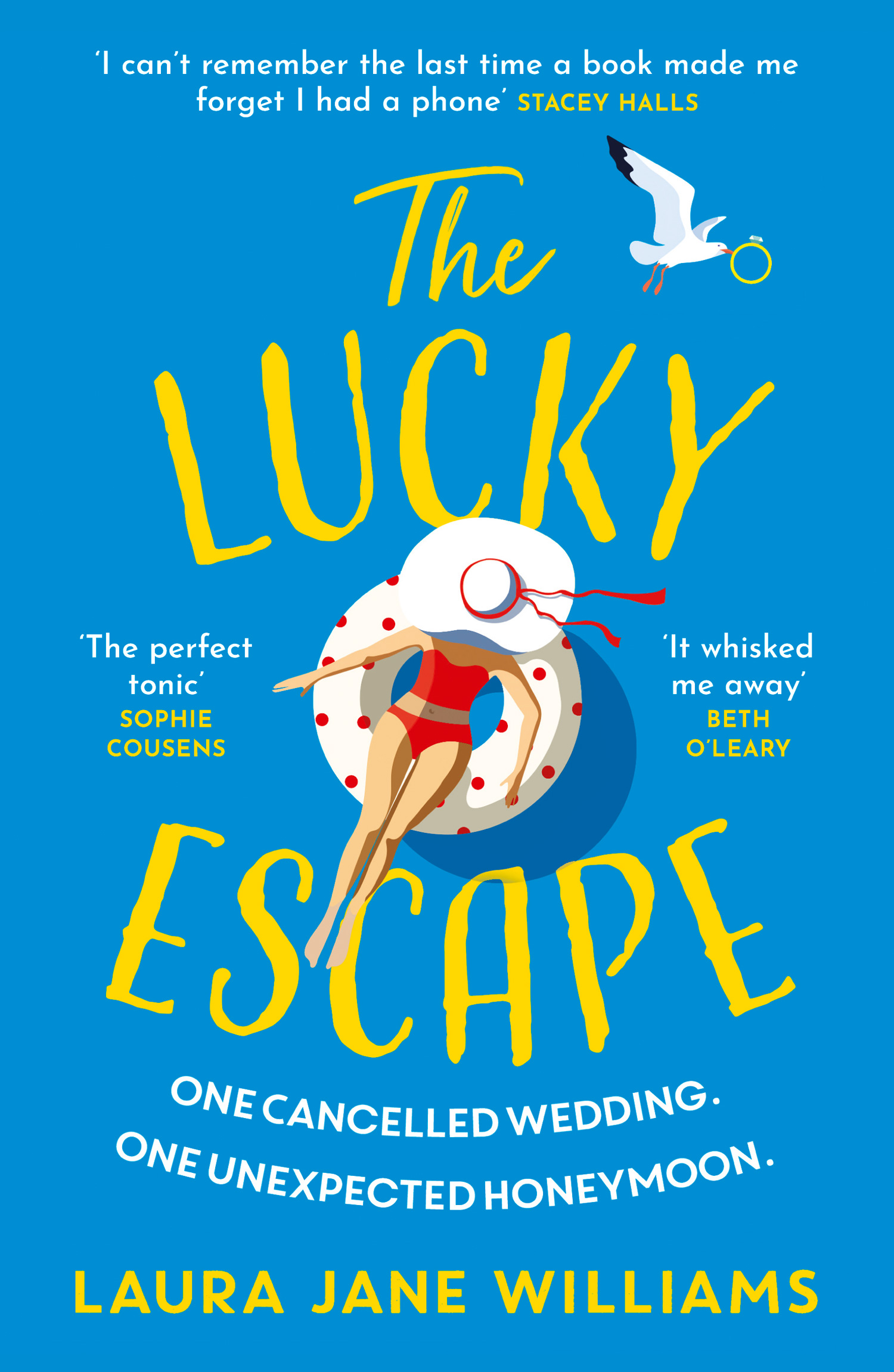
5 Books that Changed My Life By The Lucky Escape Author Laura Jane Williams

The Babysitter’s Club series

My parents had a rule when we were growing up: they’d always say yes to a book. I remember being in Waterstone’s Durham and randomly pulling a Babysitter’s Club of off the shelf, purely to get my dad’s attention and praise. Turns out, it was a gateway drug. Over the next few years I collected all of them, devouring the stories of these incredibly glamourous Americans who essentially ran their own little business. Couple that with starting highs school as The Spice Girls hit number one and a lot of my personality suddenly makes sense!

lucky escape, Laura Jane Williams, books that changed me,

On Beauty, Zadie Smith

I read this when I was about 20, and it opened a secret door within me that I hadn’t known about before. Every character in this book leaps off the page – there is no such thing as a flat or incidental character, everyone is 3-D and complete. It was the first time I remember being aware of not just enjoying the story, but that the story was created by somebody, a writer, who had worked at it and used certain techniques and skills to make their point. I know every man and his dog has been inspired by Zadie, but it really is for a reason. She’s remarkable – she’s got the most smart, intelligent brain.

Heartburn, Nora Ephron

I’ve read and re-read this book, and every time I just cannot get over the self-awareness of it. It’s so funny. There’s not a line wasted. It’s no mean feat, writing a character with so much life in them, with strong opinions and questionable choices who is still utterly likeable. It’s the same for Bridget Jones. I love knowing that the novel is a roman a clef and picking out which bits are slightly less veiled retellings of actual events than others. It must only be about 50,000 words, if that, so it’s proof that not every story needs to be an opus to be impactful.

Homegoing by Yaa Gyasi

This book taught me more about the lasting impact of slavery than anything else I’d ever read up until that point. I remember knowing that whilst the third chapter was some of the most difficult reading I’d come across it was unquestionably important. The novel branches out to illustrate the continued echoes of white supremacy alive today and so much clicked for me, then – my privilege had not allowed me to see so much, and through the gift of this story I could. It was a jumping off point for so much more interrogation into racial inequality.

Last Night, Mhairi McFarlane

I’d never read and Mhairi before this one, but offfft! What a book to get started on! Right from the first page I was sucked in to this world of banter and wholehearted friendship, and whilst I think the sort of rom-com/women’s fiction genre gets deliberately misunderstood (don’t get me started on that!) there’s no mistaking this book as an incisive, accomplished balance between hilarious and heart-breaking. That’s masterful! I read it in awe of her skill, trying to unpick how she’d done what she’d done. That’s how I know I’ve been impressed – I hold the thing up to the light desperate to learn from it!


The Lucky Escape publishing on the 10th June, is the third unmissable new novel from the bestselling author of Our Stop and The Love Square. The perfect romcom, and more: full of effortless banter; sizzling sexual tension and, above all, an overwhelming sense of hopefulness – in life as well as love.

Ocean Refresh Flip-Flops – Freeing Our Oceans of Plastic, One Step At A Time

Now that the sun is finally out and we can start to emerge from lockdown, we can shake off our shoes and wear these stylish  flip-flops instead.  I love these sustainable flip flops. They look great and are so comfortable. I feel like my feet are being massaged while I wear them. I cannot recommend them enough.

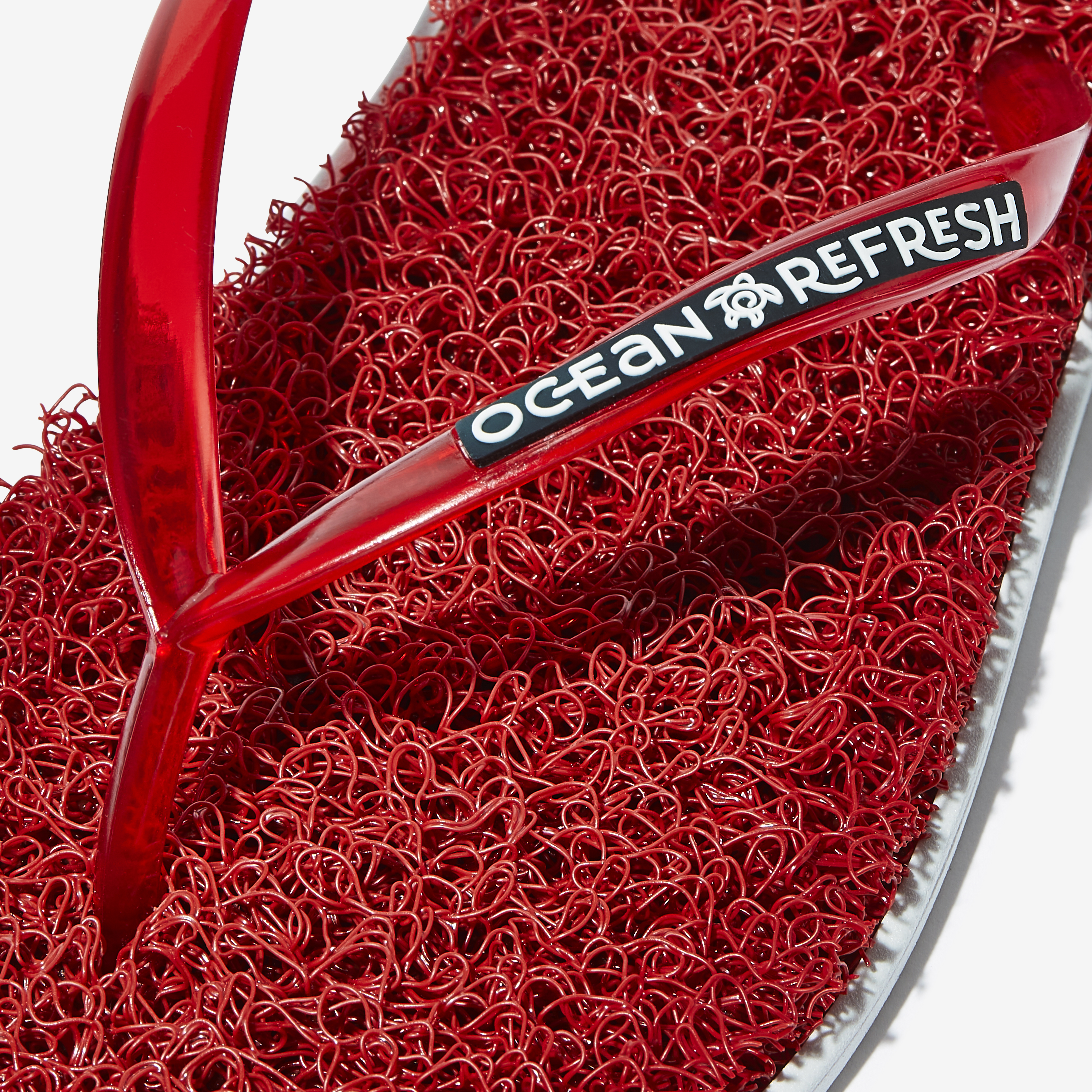
These flip-flops are made completely from the plastic waste gathered from our oceans and coastlines, with each pair containing up to 24 plastic bottles!

ocean refresh, flip flops, plastic, sustainable,

Ocean Refresh Flip-Flops are made from their unique silky smooth Oceatex™ carpet for extra comfort, which is non-slip and water resistant.

Ocean refresh, flip flops, sustainable,  They are:
✔ Made from Organic & Natural Materials
✔ 100% Vegan
✔ 100% Recyclable – Qualifies for their 360 Programme
✔ Lightweight ‘Noodle’ Microstructure
✔ Cushioned Massaging
✔ Anti Abrasive – Outsoles do not mark any type of surface

✔ Anti Bacterial – The material eliminates Funghi & Bacterial odours

www.oceanrefresh.com

ERIC CARLE, 1929 – 2021

Eric Clarke, author, hungry caterpillar.
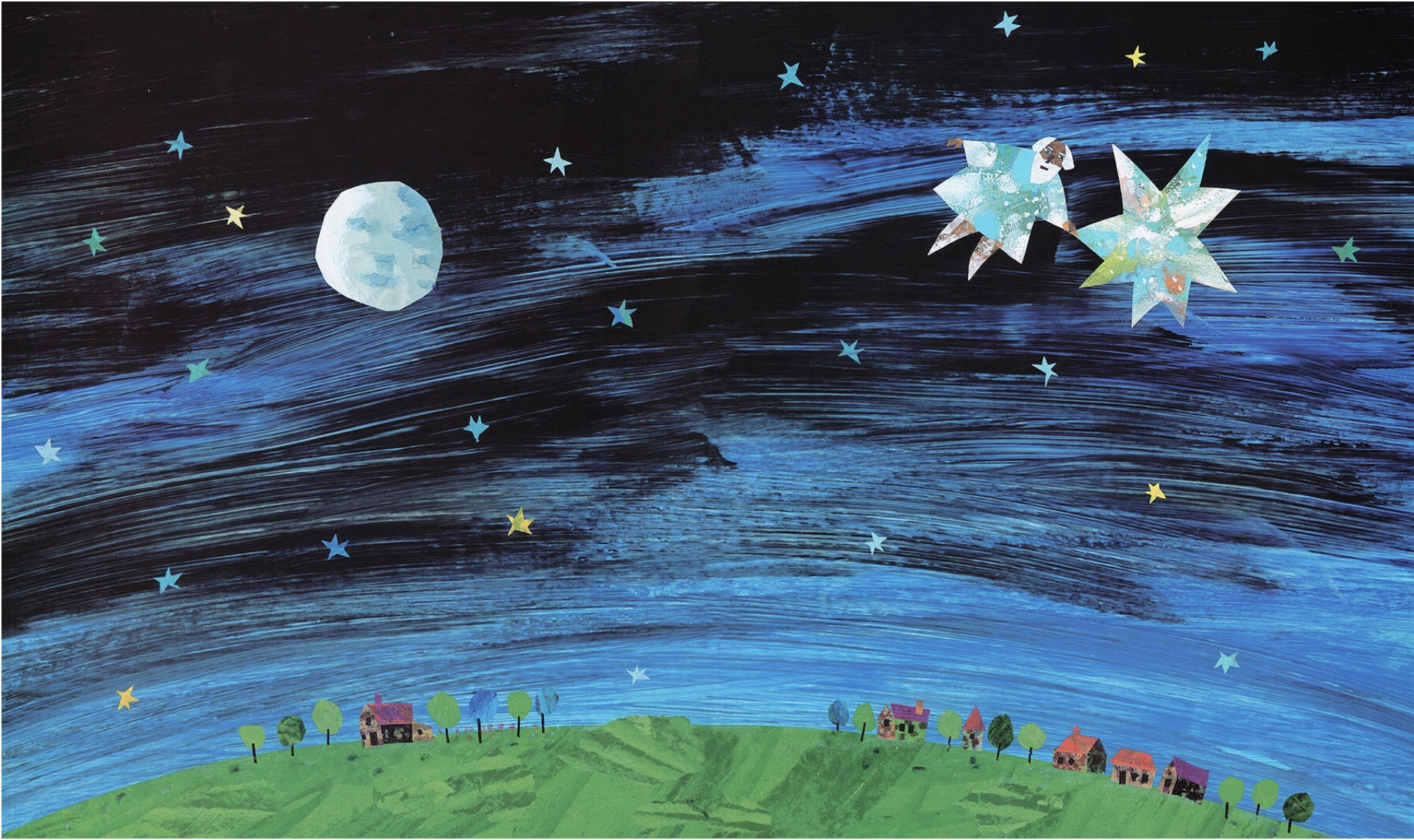
‘In the light of the moon,
holding on to a good star,
a painter of rainbows
is now traveling across the night sky’
The Carle family announces with great sadness that Eric Carle, beloved artist, illustrator, and writer, passed away peacefully and surrounded by family members on May 23, 2021  at his summer studio in Northampton, Massachusetts. Eric was 91.

A true creator, Eric Carle is renowned for his multi-dimensional practice, spanning a large body of fine art works in collage, painting, works on paper and fabric, and sculpture; theater and furniture design; and the stories he envisioned in over 70 brilliantly illustrated and designed children’s picture books. The books Eric created across more than 60 decades have sold over 170 million copies and include timeless classics such as Do You Want to Be My Friend? (1971), The Grouchy Ladybug (1977), Papa, Please Get the Moon for Me(1986), “Slowly, Slowly, Slowly,” said the Sloth (2002), The Very Clumsy Cricket (2017), and so many more. His best-known work, The Very Hungry Caterpillar, has been translated into over 70 languages (including Mongolian) and shared around the world since its publication in 1969.

Drawing on his formal training and ongoing practice as an artist (which Eric fondly referred to as his “art art”), Eric quickly developed a distinctive, personal style that he continued to explore and refine in his books, illustrations, and fine art. Numerous artistic influences came together in Eric’s creative output. His art took root in the long tradition of collage, an artistic technique tracing back to the 1900s Dadaist movement, combined with his hand-painted, colorful, and textured tissue papers, which recall the work of abstract artists associated with the Academy of Fine Art Stuttgart (the so-called Stuttgart avantgardists), from where he earned his fine art degree.


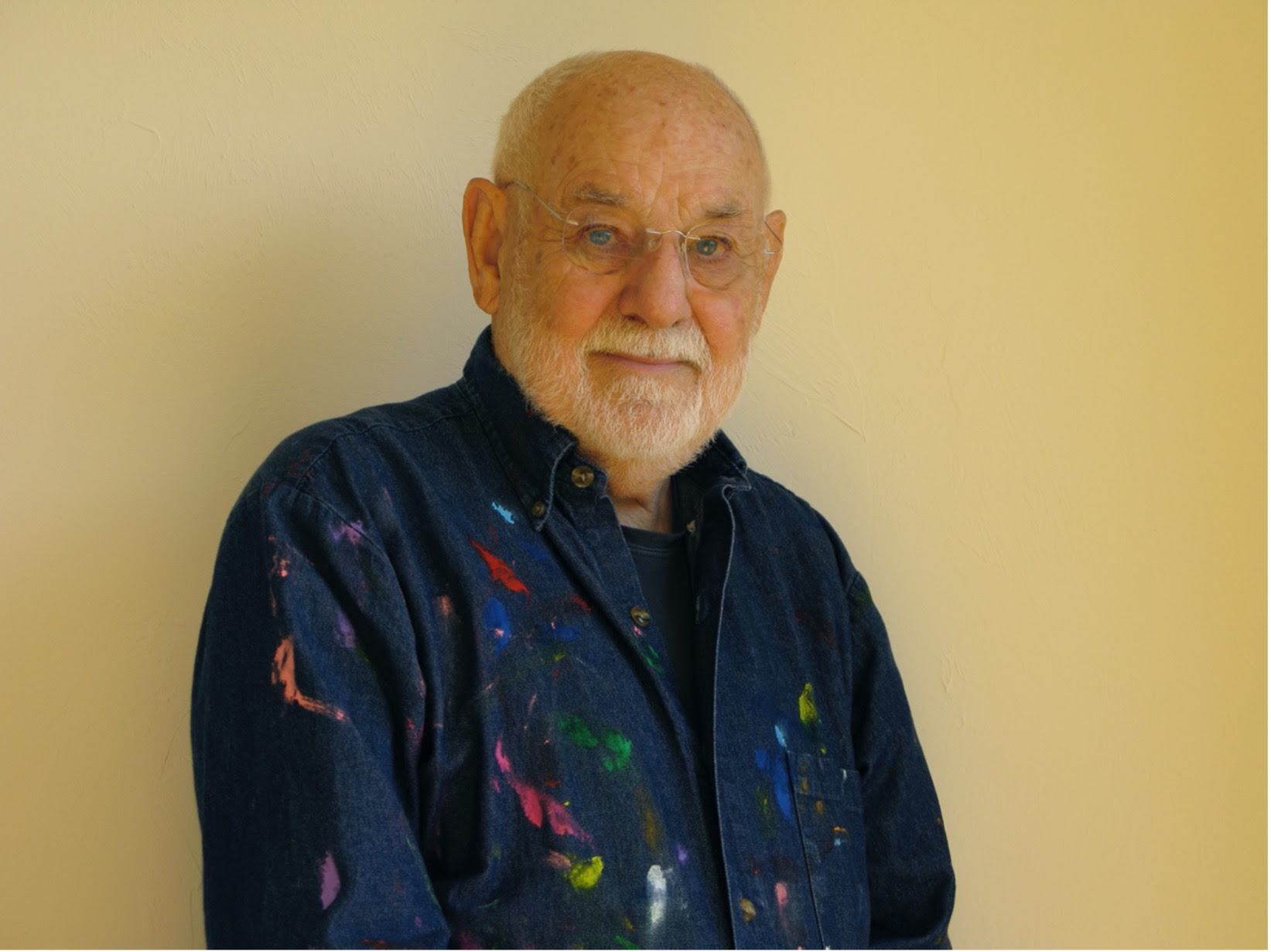
Eric Carle. Photo: Motoko Inoue
Eric’s prolific career as a picture book illustrator began by chance in 1967 when author Bill Martin Jr, while in a doctor’s office waiting room, saw a medical advertisement in a medical journal for antihistamines with an illustration Eric had done of a big red lobster. Soon after, Martin invited him to illustrate Brown Bear, Brown Bear, What Do You See? and the experience sparked his interest in creating his own stories, combining his artistic abilities with his experience in the field of printing.

His first original, 1,2,3 to the Zoo, was published the very same year. The book was published by Philomel Books, an imprint of Penguin Young Readers, and edited by the late Ann Beneduce, who Eric has always credited the success of his early works. They would go on to work together for the next fifty years.

Bright collage images, imaginative stories, and little details – die cut pages, a firefly’s twinkling lights, a quiet cricket’s song – made Eric’s illustrations uniquely playful. Eric was the recipient of the 2003 Laura Ingalls Wilder Award (now called Children’s Literature Legacy Award) and held eight honorary degrees, including from Williams College and Amherst College. He remains an important influence on artists and illustrators at work today.

In 2018, Penguin Young Readers established The World of Eric Carle, an imprint dedicated to Eric’s work. Eric is also published by Simon & Schuster, HarperCollins Children’s Books, and Macmillan. In 2020, the World of Eric Carle was the #1 bestselling literary preschool brand, led by The Very Hungry Caterpillar,which was 2020’s 16th bestselling book of the year, and the #1 best-selling board book. Penguin Young Readers continues to publish new books featuring Eric’s iconic and beloved characters and artwork under The World of Eric Carle imprint.

Eric’s career as a creator extended far beyond his beloved children’s books—his independent artwork (or “art art”) is the root of his deeply individual style, reflecting a sense of whimsy, unfettered creativity, and calculated spontaneity. Utilizing materials such as aluminum, silk, glass, including scraps, and objects found in his studio, Eric amassed an extensive body of visual artworks throughout his lifetime including abstract collages, glass sculptures, and works on paper. Part of Eric’s early training as an artist was to treat all the arts, commercial or otherwise, with the same dedication, the same passion, and the same respect.

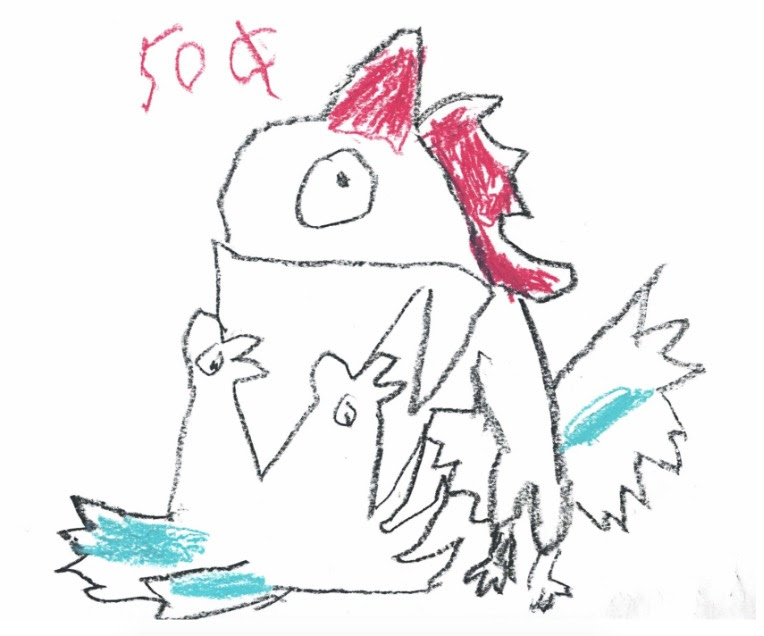
Eric was a true artist until the end—creating drawings as recently as this spring. Eric’s last drawing series, created in his final years, include several with “50 cents” written onto the image. When asked about this choice, he said that “children should know they too can sell their artwork.” A child at heart, the secret to Eric’s incredible legacy as a creator of picture books lay in his intuitive understanding of young minds—their feelings and their inquisitiveness, their creativity, and their intellectual growth. Besides being beautiful and entertaining, his books always offer children the opportunity to learn something about the world around them and encourage them to engage as artists themselves.

It was in this spirit that Eric and his wife Bobbie Carle (1938­-2015) co-founded The Eric Carle Museum of Picture Book Art in Amherst, Massachusetts in 2002. The Carles envisioned the museum as “a place for young visitors’ very first visit to a museum”, preparing them to develop the habits of museum going and discovery. The first major museum in the country dedicated to picture book art, it is a champion for illustrated children’s literature, collecting and exhibiting original illustration, and encouraging guests of all ages to read and create art. In summer 2020, The Eric Carle Museum of Picture Book Art presented Eric Carle’s Angels: An Homage to Paul Klee, an exhibition of 20 abstract assemblages dedicated to artist Paul Klee (1879-1940), who created over 70 drawings and paintings of angels during his lifetime. Eric’s singular, bold, three-dimensional “Angels”, created from painted cardboard and found objects, are a testament to the expressive power of collage in the hands of a master. His wishes for this series were that they never be conserved. Instead, he asked they be allowed to naturally disintegrate. The series represents a small but notable period of Eric’s extensive work in visual art.

Eric was born is Syracuse, New York on June 25th, 1929, and at the age of six moved with his parents Johanna and Erich Carle, both German immigrants, back to their hometown of Stuttgart, Germany. After graduating in 1950 from the prestigious Academy of Fine Arts Stuttgart (Akademie der bildenden Künste), he fulfilled his dream to return to America—the place of his happiest childhood memories. In 1952, with a portfolio in hand and $40 in his pocket, he arrived in New York City. With the help of the illustrator and art director Leo Lionni, who would go on to become a mentor, Eric landed a job as a graphic designer at The New York Times. He was drafted into the U.S. Army during the Korean War; after discharge he returned to his job with The New York Times and later he became an art director of a medical advertising agency, L.W. Frolich. Eventually, he was promoted to oversee International Hiring, recruiting art directors for the agency’s international offices (London, Mexico City, and Frankfurt), a job that took him away from designing himself. He soon left and began a career as a freelancer designing book jackets, album covers, and eventually children’s books.

Eric is survived by his two children from his first marriage to Dorothea Carle (née Dorothea Wohlenberg), Rolf Carle and Cirsten Carle, and Rolf’s wife Teresa Toro; his sister Christa Bareis, and his sister-in-law Rita Wiseman. Eric was preceded in death by his wife of 42 years Barbara ‘Bobbie’ Carle (1938 – 2015). Eric was a resident of Key Largo, Florida, where he and Bobbie lived since 2004.

An artist till the end, Eric continued to create art until early May 2021. Some of his latest works on paper can be seen here.

Online condolences, memories, and photos may be shared with the Carle family at:

Website: www.ericcarle.art/
Facebook: @ericcarleartist
Instagram: @ericcarleartist
#RememberingEricCarle

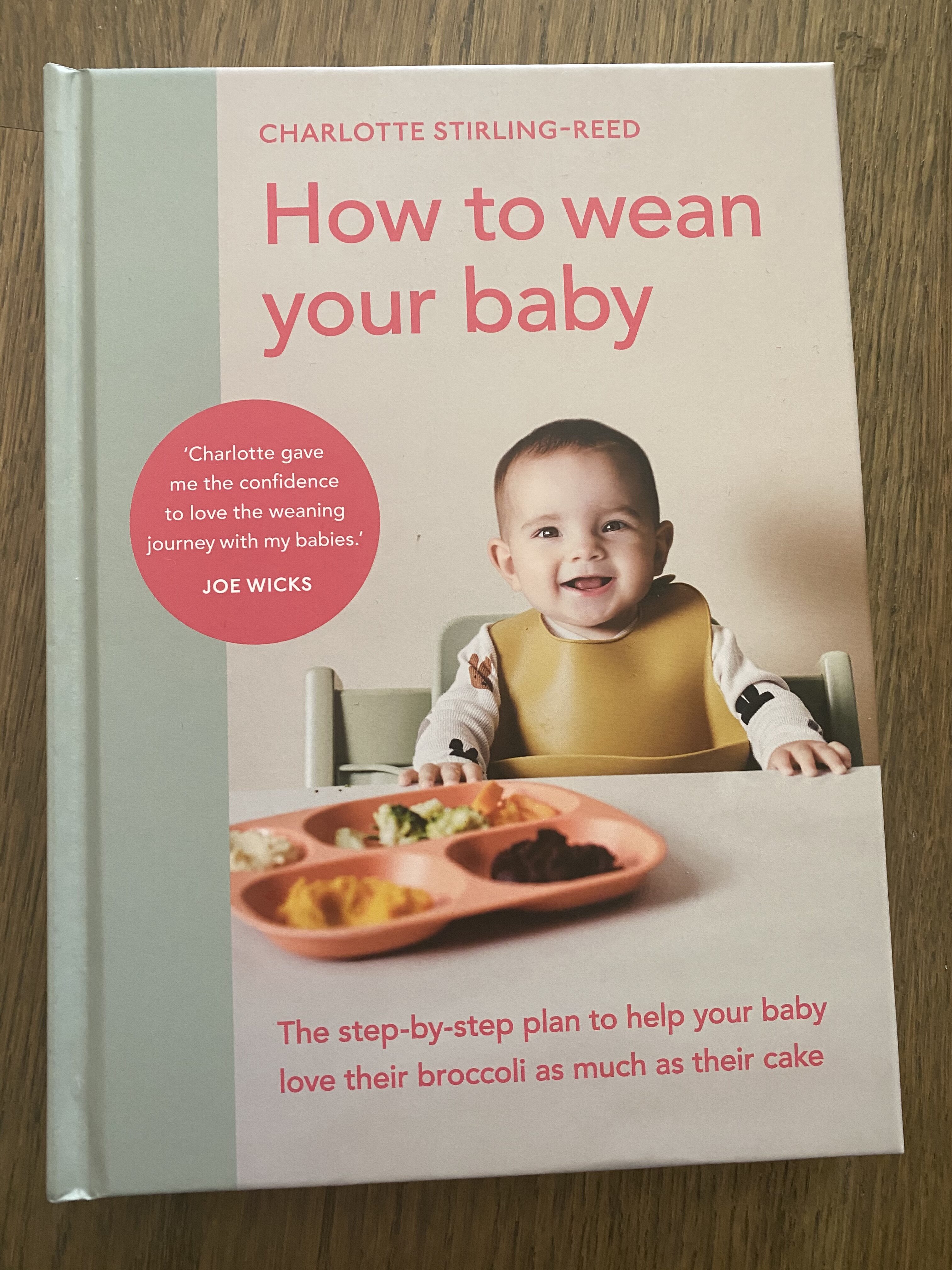
How To Wean Your Baby by Charlotte Stirling-Reed Book Review

The easy weaning plan to ensure your baby becomes a happy and adventurous little eater.
How to Wean Your Baby, The step-by-step plan to help your baby love their broccoli as much as their cake ,Hardcover , Charlotte Stirling-Reed , (AuthorWeaning a baby, especially if it is your first, can be hard and scary. You are so worried about getting it right. I wish I had this wonderful book from Charlotte Stirling-Reed years ago. It would have made my life so much easier. It is a step-by-step guide and it starts with vegetables. Not the cliché baby rice.

It has key principles, the basics, milestones and everything else. When it comes to weaning, what is not in this book is not worth knowing. It also has plenty of recipes. Joe Wicks and Ella Mills are fans and so am I. I also love Charlotte’s feeding webinars. Watch one if you can. Essential reading for parents. 

In this beautiful, full-colour book, expert nutritionist Charlotte Stirling-Reed reveals her renowned method that has helped thousands of parents wean their babies confidently.

Based on a vegetable first approach, the perfect way to develop healthy eating habits and to tackle fussy eating before it begins, you’ll be hand-held through the first 30 days of weaning as well as given lots of delicious recipes all the family can enjoy.

Packed with tried and tested tips, as well as the latest evidence-based guidance, How to Wean Your Baby will fully equip and empower you to take this exciting next step.

How to Wean Your Baby is available here

The Pact by Sharon Bolton | Book Review

I love getting my teeth into a good thriller and The Pact by Sharon Bolton is like a big, juicy steak. The characters are so vivid and the writing is so insightful that I loved every page. This clever book about six talented friends and the consequences of a very stupid thing they do. The daredevil game goes wrong and a woman and her two children die. It is heart-rendering stuff and someone must pay the price.
One of the friends, Meghan, takes the blame and pays a huge price. When she is released from prison the real fun begins. This is a clever and entertaining book that leaves you gripped all the way to the end.

A golden summer, and six talented friends are looking forward to the brightest of futures – until a daredevil game goes horribly wrong, and a woman and two children are killed.

18-year-old Megan takes the blame, leaving the others free to get on with their lives. In return, they each agree to a ‘favour’, payable on her release from prison.

Twenty years later Megan is free.
Let the games begin . . .

The Pact is available here.