Interview With The Man She Married Author Alison Stockham

Your debut, The Cuckoo Sister, was a top 10 bestseller. Did you expect it to be so successful?

I came to publishing with my eyes fairly wide open, due to having both worked in film and TV (which has crossovers in terms of how it works) and then at Cambridge Literary Festival as the events coordinator. I knew nothing was certain with publishing so the top ten listing for The Cuckoo Sister was amazing! Obviously I wanted it to be a success and had dreamed about it, but making the top ten was fantastic!

You are known for tackling brave subjects and writing complex characters. How do you come up with your characters? Where do you get your ideas?

I read a lot-of everything. From books to magazines, to online forums, chat groups, newspaper articles. and often snippets of ideas or characters will come from these. Everyday people in extraordinary circumstances is what I like to write about and so inspiration for this can come from all sorts of places. I observe people, I listen into conversations (much to my daughters’ embarrassment!) when out and about and it all slots into the jigsaw when I’m putting together an idea. I’m like a magpie, stealing shiny things!

What was your publishing journey like?

It was strange because it happened during Covid. I had just started approaching agents in March 2020, having been longlisted for the Lucy Cavendish Fiction Prize and then my plans to focus on that got somewhat waylaid! I hadn’t sent The Cuckoo Sister to many, when my now agent, Marianne Gunn O’ Connor, responded and wanted to develop the book with me. I liked how she worked and her vision for the book so we worked on various edits before sending it out. I was on submission for about six months and I wrote The Silent Friend at that time as a way to keep sane! Boldwood then picked up both and offered me a three book deal. So it was quiet and fairly uneventful! 

Describe your writing routine. 

I recently moved to full time writing after juggling working for Cambridge Literary Festival as well as writing and parenting, so now my routine is a little less harried! I work from home and start the day turning the kitchen/diner back into my office! Then I usually work on admin and social media while I turn my brain from mum to writer. I then work from mid-morning to the school run on whatever stage I’m at. At the moment it’s the first draft stage for book five, so I’m aiming for 1000-2000 words a day. Once the children are home I might be able to do a little more work, or it’s back into family life.

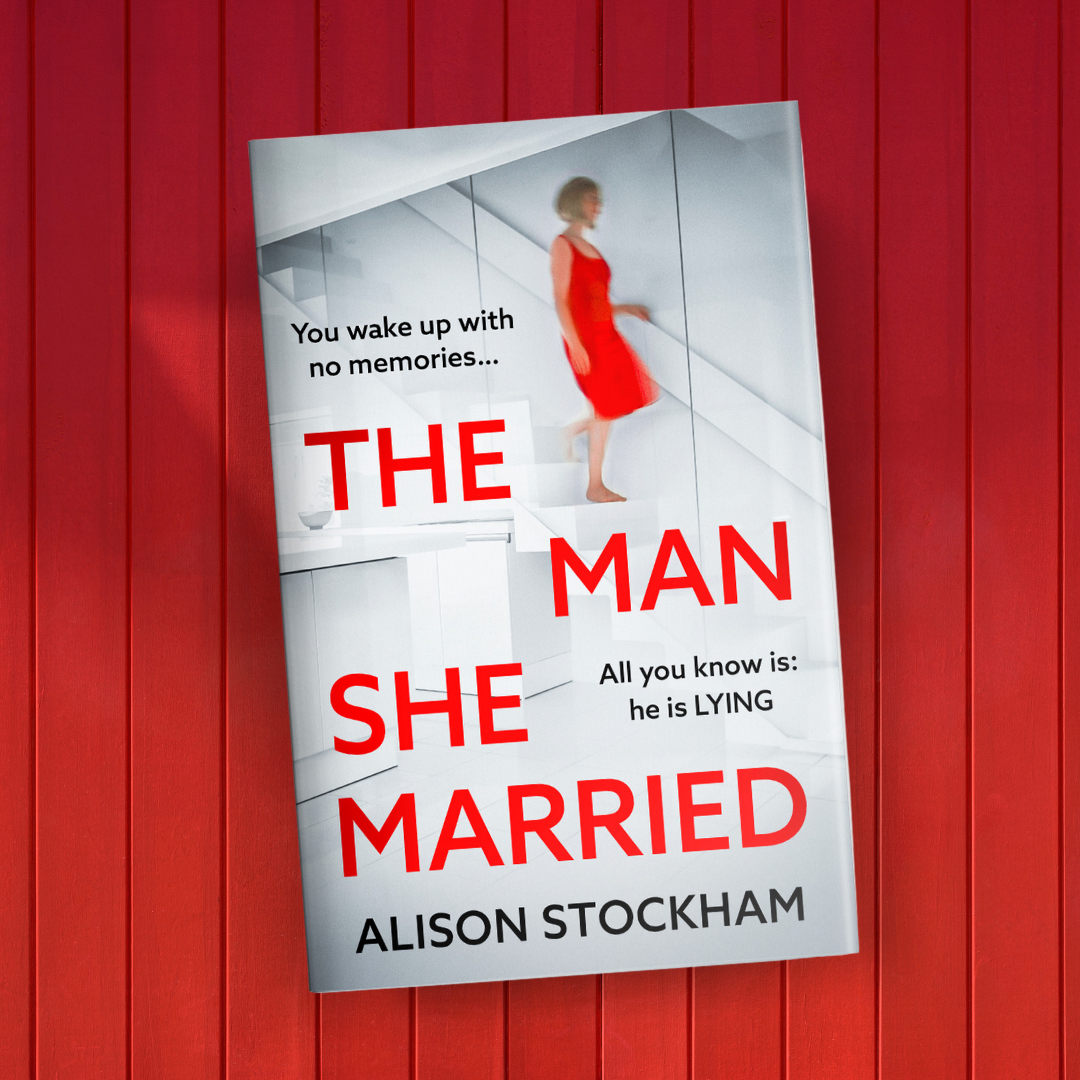
Your fourth book, The Man She Married, is out now. What is it about?

The Man She Married is about Beth, who wakes up after a car accident with 5 years of memories missing. She doesn’t remember leaving Australia nor meeting or marrying Rob, the man at her bedside who everyone says is her husband. She goes home to recover but cannot shift the feeling that something isn’t right and that she ought not to trust Rob. But-with her own mind so unreliable, can she trust herself? The book is about strength in adversity and the power to start over again.

Does writing get easier the more books you publish?

Yes and no. The worry of a first draft can be alleviated by knowing that you’ve done it before so you can do it again, and skills and techniques that you’ve learned as you’ve developed as a writer make it easier to some degree. Yet each new book is a new idea, new characters, a new plot and developing these and bringing them to life in a way that readers will connect with, is a new unchartered challenge every time.

What is your favourite thing about being an author?

I love that I get to create all these stories in my head and then share then with the world. I wanted to be a writer from a young age so the fact that I get to do this for a living is still amazing to me! 

And your thing you dislike?

The required self-promotion! I am too British, and I find it difficult to overcome the cringe factor!

What books have you read that you love?

Too many to list but the latest advance copies that I’ve loved include The Rush by Beth Lewis, set in the Canadian gold rush of the late 1800s and 59 Minutes by Holly Seddon which is set in the UK when a alarm is sent that a catastrophic nuclear strike is due in 59 minutes. We follow the main characters as they decide what to do with that time. Both brilliant, both out this summer.

What’s next?

I am working on book five for Boldwood, which is about the intensity of female friendship and what happens when it goes wrong.

Interview With Former British Diplomat And Writer Leigh Turner

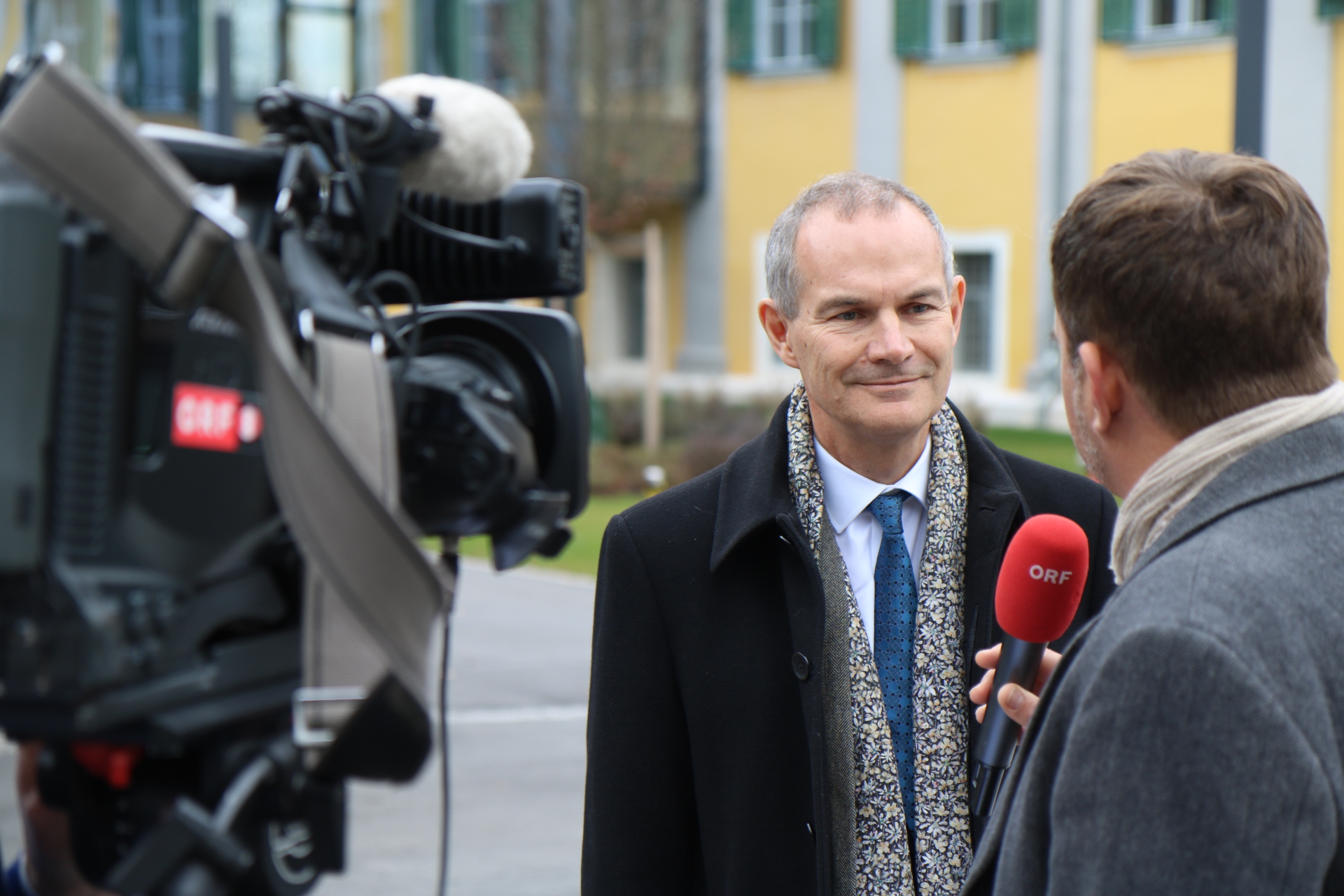
(2017) In his last post as ambassador to Vienna, Leigh gave many interviews about Brexit. 

I am a long-time fan of Leigh Turner, having read his book Palladium and Lessons in Diplomacy – Politics, Power and Parties. He’s a very interesting person and I recommend following him on Instagram.

Tell us about you.

I became a writer in 2002. That was the year I began a four-year break from full-time work at the British Embassy in Berlin to look after our children, then aged eight and ten, so my diplomat wife could work full-time. She took over my job in the embassy. I’d begun my first novel, Eternal Life, in 1986. That was when the British Embassy in Vienna, where I was then working, got its first word-processor. I thought: ‘wow – you can edit your work before printing it! That’ll make writing much easier.’ Of course, it didn’t. But although I made some progress with my writing while I was working full-time as a diplomat, in Vienna, Moscow and Berlin, I found taking a break from full-time work transformative. 

In the four years from 2002, I started writing for the Financial Times, sold two treatments to a film company, attended writing courses, and wrote two novels. When I returned to the Foreign Office full-time in 2006 as Director of Overseas Territories (Saint Helena, Bermuda, the Falklands & Co), then as Ambassador to Ukraine, I continued to write. 

Unfortunately, the Foreign Office hated me trying to publish fiction and be a diplomat at the same time. They even threatened me with disciplinary action if I persisted after a bust-up in 2014, when I was working as British Consul-General in Istanbul. I started publishing excerpts from my romantic comedy The Cheat on-line. They objected to the rude words! It was a difficult situation. 

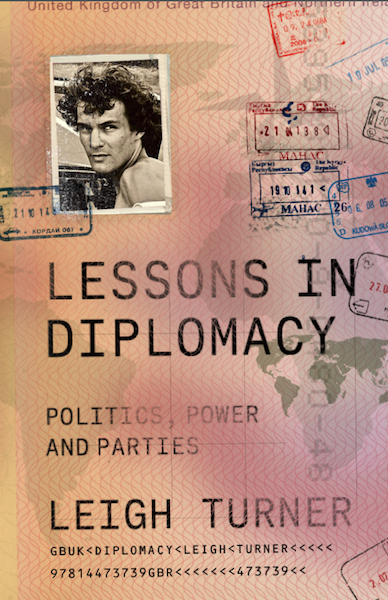
So the freedom to write what I wanted was a factor in my deciding to retire in 2021 and focus full-time on writing. Since then, I’ve published three books: Palladium, a thriller set in Istanbul; The Hitchhiker’s Guide to Diplomacy – Wie Diplomatie die Welt erklärt (a series of life lessons, in German, based on my 42-year career as a diplomat and civil servant – the subtitle means “How diplomacy explains the world”), and Lessons in Diplomacy – Politics, Power and Parties, an English version of the same book. 

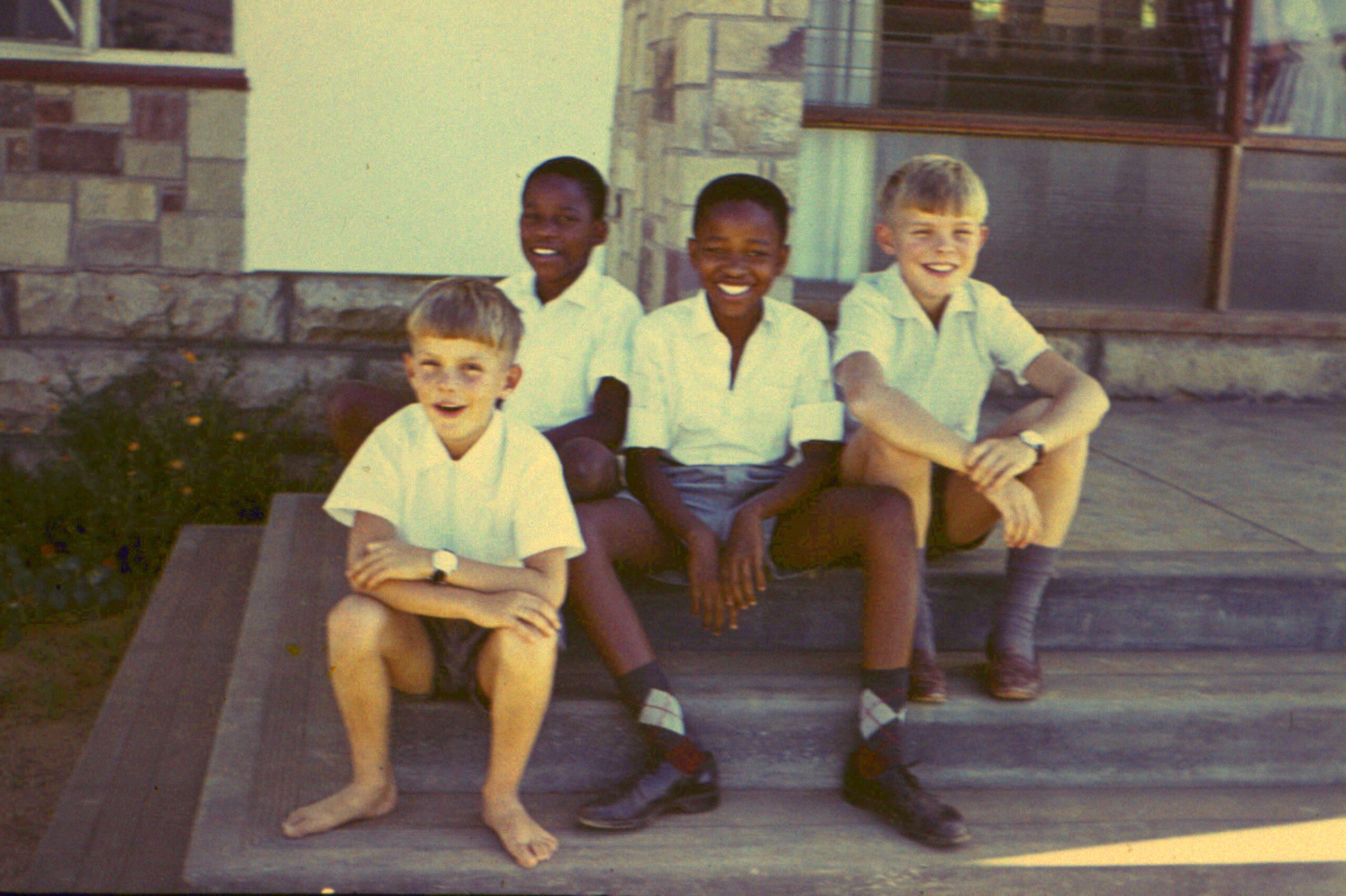
(1965) Leigh grew up in Lesotho, Southern Africa.

What’s your writing routine?

I’m a bit manic, to be honest. Every morning, after a bit of yoga, I walk my partner to her work, then sit down until lunchtime to write. In the afternoons and sometimes in the evenings I focus on writing-related jobs, including organising book tours and social media – I have a website, a podcast, and post on TikTok, YouTube, Instagram and Linkedin. My “Lessons in Diplomacy” videos on TikTok have the best response – I work hard to publish good stuff for my 5,000 followers! Linkedin yields most speaking opportunities, including talks about “Lessons in Diplomacy”. I always make time to attend schools and universities, in particular, to discuss the book and answer questions.

You have written non-fiction and fiction. What is your favourite?

I love both! Creating characters and stories in fiction is a thrill. I love to work late into the night on a scene, then review what I’ve written in the morning, and find that characters, apparently independently, have led the story into unexpected places. Writing Lessons in Diplomacy was a different experience. The months of painstaking research, scouring my records, fact-checking and – above all – choosing the most fun, enlightening stories to illustrate the “life lessons” that make up the book, was rewarding. Like other writers, I sometimes worry that I’m putting too much of myself on display. When the publishers urged me to include even more Russian honeytrap stories about my travels to Novosibirsk, Vladivostok and elsewhere from 1992-95, I declined. But maybe if there’s ever a Volume 2 I’ll go further.

I loved Lessons in Diplomacy. What are your hopes for the book? Do you want to help people become diplomats? 

The aim of Lessons in Diplomacy is three-fold. I wanted a book about diplomacy that was fun to read, opening up the truth about diplomatic life to the non-expert. Too many of us have a stereotypical view of upper-class twits swanning round the globe. Diplomacy is changing fast, including many more women and other under-represented groups becoming diplomats and ambassadors. 

The book is also designed as a collection of life lessons from diplomacy. It’s not for nothing that the book includes chapters on “How to craft a career”, “How to drink wine and know things”, and “How to know people”. The skills and attributes that make a good diplomat can be applied to many – perhaps all – jobs and careers. I hope people find it useful.

Finally, I hope the book is a breath of fresh air for anyone studying politics or international relations. Many academic textbooks about diplomacy are written by great academics who have never been a diplomat. Others are written by great diplomats who have never written a book. I’m hoping readers will find Lessons in Diplomacy both useful and a great read.

You have lived an exciting life. What made you go into diplomacy?

My parents’ life was a lot more exciting than mine! They moved in 1951, as young adults, to northern Nigeria, and later to Lesotho, in southern Africa. Living in different countries instilled in me a deep interest in what made countries tick, as well as a restless desire to travel. Diplomacy was an obvious job choice, and I had great fortune in getting into the Foreign Office – on my second attempt. But as I say in Lessons in Diplomacy, “Don’t judge a book by its cover.” The jobs I did before the Foreign Office – in the Department of the Environment and the Treasury – were some of the most exciting I ever did – far more so than most Foreign Office jobs!

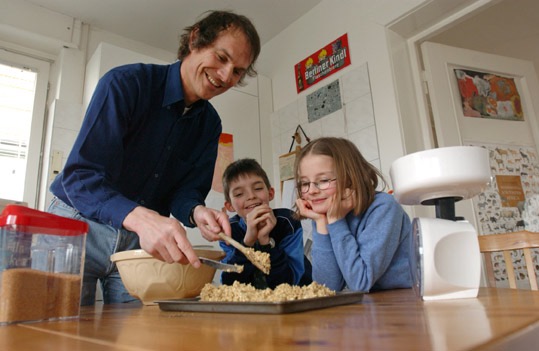
Germany, Berlin, 08.04.2003 Leigh Turner, author, with his children Owen and Anna preparing cakes. Working on a novel set in the Foreign Office. Job Swaps. (c) Stefan Boness/Ipon, www.iponphoto.com

I loved how you took some time out to be with your children. Do you wish more men would do this?

The four years I spent looking after the children full-time, while my wife took my job in the British Embassy in Berlin, were the best four years of my working life. I was able to form a deeper bond with my children, to look at the world in a different way. I encourage all men to take seriously the option of some time out to help raise their kids. I recognise that not all parents have jobs that allow them to stop work for four years; or enough income for one parent to support the family. But do explore the options! Many women thought a man taking time off to bring up children was fabulous. But many men were hostile. They seemed to feel threatened by what I was doing. 

Who are your favourite authors and books?

I’m an eclectic reader. I immensely enjoy modern thrillers such as Lee Child or Vince Flynn. But I also love romantic thrillers – I recently enjoyed books by Sophie Kinsella and Mhairi McFarlane. And I have a soft spot for the classics – I’m nearing the end of a “read all books by Dickens” campaign, and love anything by Anthony Trollope. I’ve written a lot about Trollope on my rleighturner.com blog – although he’s a 19thC writer he has a lot to tell us about relationships, gender and power.

What advice do you have for aspiring writers?

Persevere, and train your writing skills! Submitting books to agents and publishers is a cruel, unrelenting slog. But you have to keep doing it in the hope that one day, your painstakingly constructed work will see the light of day. There’s also the option of self-publishing, which I have tried, and which can work brilliantly. But it’s worth trying for a “traditional” publishing route first, if you can, to give your book the best chance.

I’m also a huge fan of honing your art. Writing courses are great ways to get feedback on your work, and mutual support. I go on courses regularly, and am even teaching on one in September 2025, in Lesbos, Greece. Details of the Lesbos course, and on other writing courses I’ve attended, and recommend, are on my blog. 

Writing groups are also terrific. I’m in a virtual group with five writers from the US and Canada that meets every month. Their comments on my work have helped me improve my writing. They’ve also strengthened my self-belief – invaluable!

What’s next?

I’m currently working on a trilogy of romantic comedies I call the “Diplomats in trouble” series. I’m excited about it, although, as always, it’s not yet certain it will ever see the light of day. My hero Angus is a protagonist many test readers, mostly women, love to see try, and fail, and try and try again, to find love and a meaningful relationship in the chaos that is modern life. Watch this space.

Leigh has also written extensively about Russia’s war on Ukraine, in his book “Lessons in Diplomacy” and on his website.

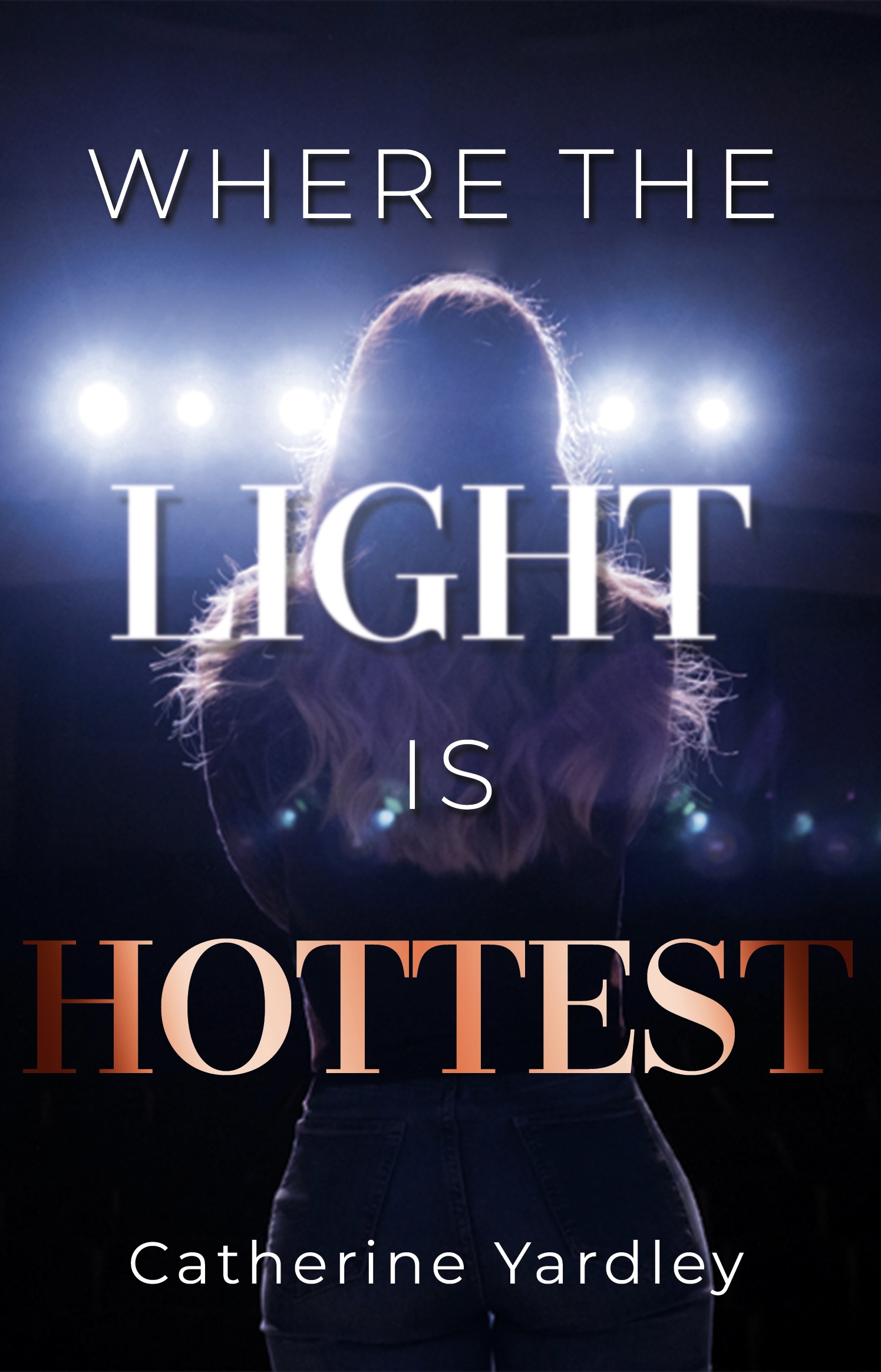
Where The Light is Hottest, The Second Book From Catherine Yardley, Out in February. It’s Relevant In The Midst of Blake Lively and Justin Baldoni.

I have been holding this in for so long I thought I might combust. My new book, Where The Light is Hottest, is out soon. It is my second book after Ember which came out in 2022, but Where The Light is Hottest is actually the first book I ever wrote. It is based on my experience working in the film industry as an actor, casting director, producer and director.

I am very proud of this book. Especially since it took me six years to write and nine years to get it published. The book is dual timeline and is told through the past, as Natasha starts in a small town in Scotland, and in the present as a successful, award-winning actress. Now forces are trying to bring her down because of jealousy. She’s too rich, too successful and too beautiful. People are spreading rumours and starting a smear campaign. I found it fascinating that this book is coming out amidst the Blake Lively/Justin Baldoni drama. It seems that metoo part two is coming for Hollywood and this book covers the first one, up until the present day. If you loved The Comeback by Ella Berman you will love Where The Light is Hottest.

I hope you love this book as much as I did writing it. Let me know. I would love to hear your thoughts.

Natasha Jones has everything – a successful acting career, an Oscar, a wonderful husband and ‎beautiful kids. But what does she have to go through to get there? From humble beginnings in a ‎small town, Natasha’s path to stardom is paved with setbacks, heartaches and moments of doubt. ‎ In the glittering world of fame and fortune, where dreams are spun from starlight and ambition ‎fuels the relentless pursuit of success, one woman’s journey stands as a testament to the resilience ‎of the human spirit. Beneath the facade of glamour lies a story of unwavering determination and ‎unyielding courage. ‎ Where the Light is the Hottest is a gripping tale of ambition, perseverance and the enduring ‎power of hope. Through Natasha’s journey, we are reminded that the road to success is rarely ‎smooth, but for those who dare to chase their dreams, the rewards are beyond measure.‎

Where The Light is Hottest is out on 27th February. You can preorder it here.

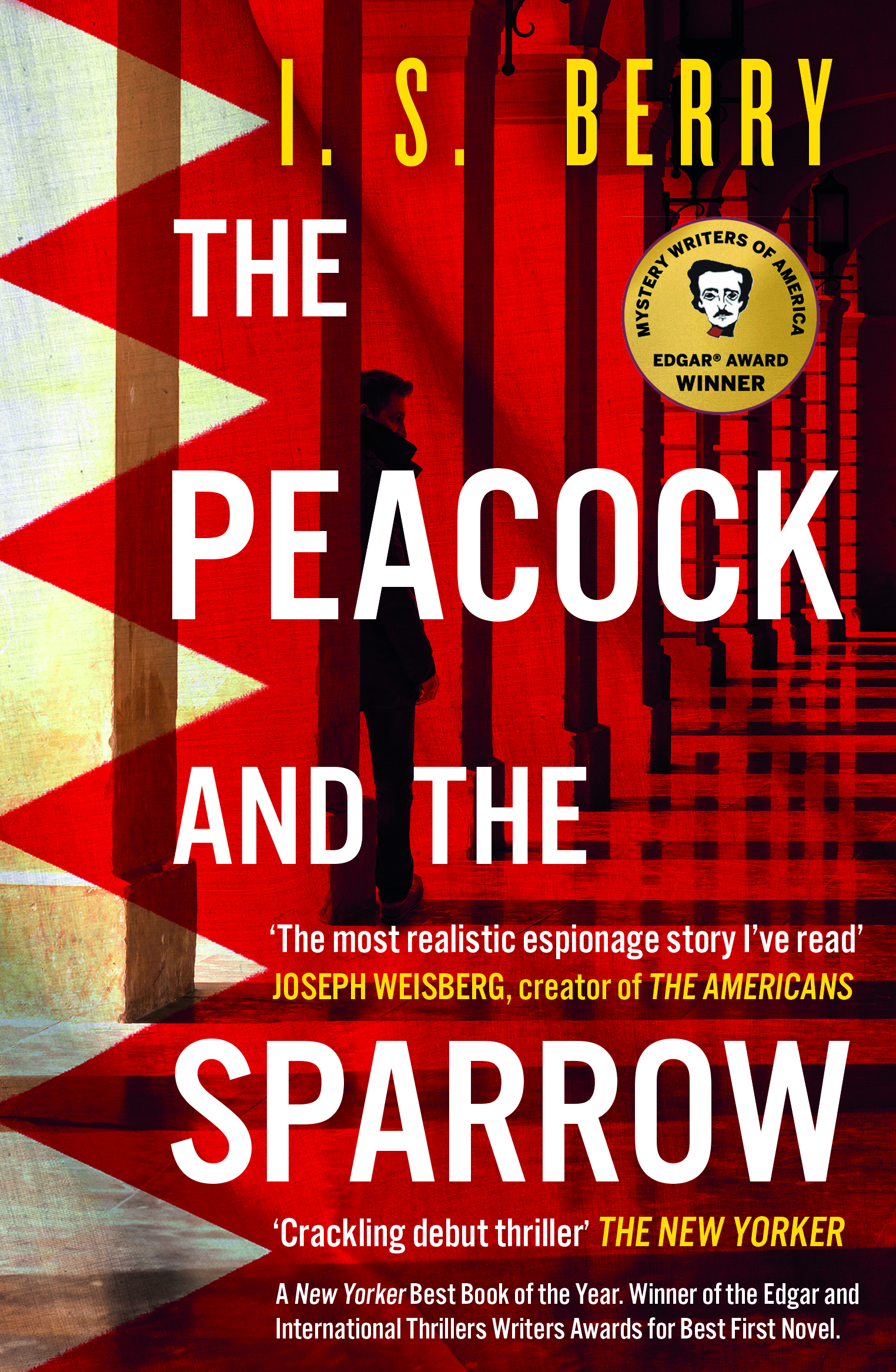
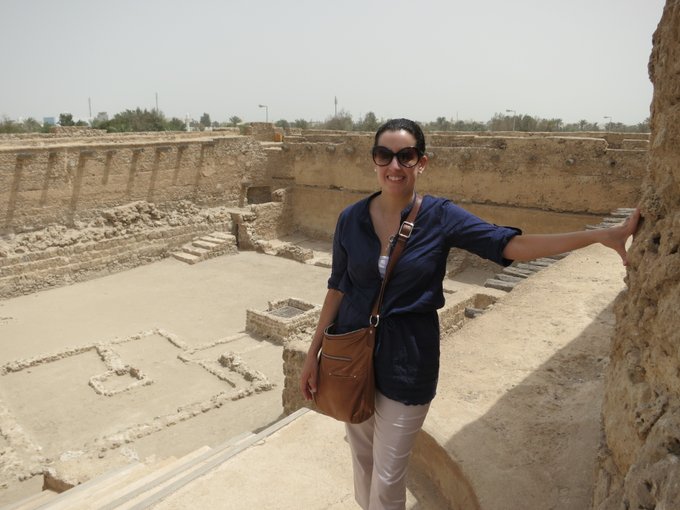
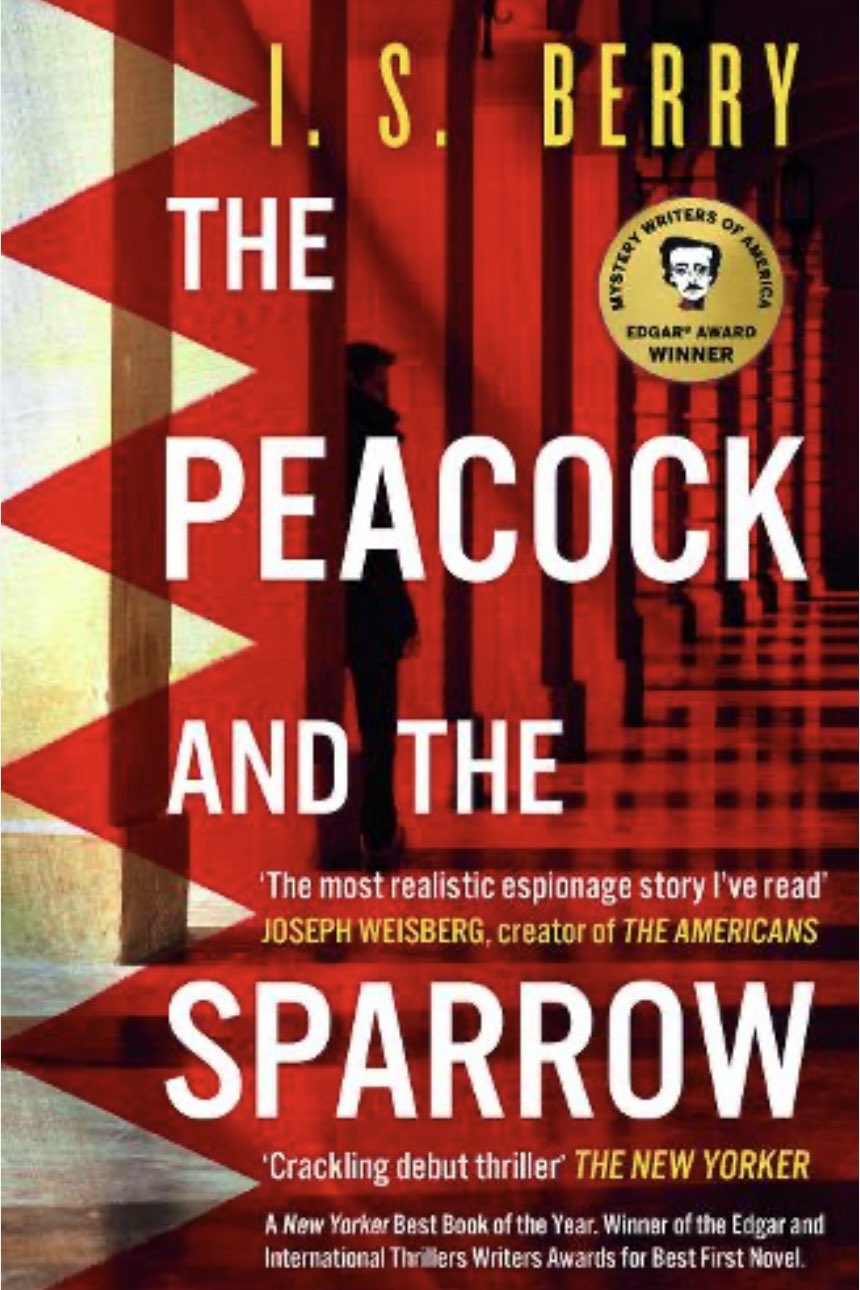
Interview With I.S. Berry Author, The Peacock and the Sparrow

Did you always want to be a CIA agent?

Not at all. I wanted to be a writer! But I studied at London School of Economics in college, and fell in love with living abroad and foreign affairs. It was the 1990s and communism had collapsed, which was a fascinating time to be in Europe. After I graduated, I edited a newspaper in Prague, then worked as an intelligence analyst for the U.S. government in Cambridge, England, shuttling back and forth to the Balkans. I found I was passionate about intelligence work, so I applied to the CIA. While waiting for my application to process, I attended law school and studied international law. 9/11 happened while I was in law school, and I felt grateful I was on a job track that would serve my country.

When did you realise you wanted to be a writer?

For as long as I can remember! I’ve always loved books and words. My adolescence and young adulthood are littered with failed attempts at novels. While traveling Europe in my twenties – exploring, trying to figure out who I was – I remember musing in my journal that, while I’d probably follow a more practical career path, my secret dream was to be a writer. But it wasn’t until I’d worked as a spy that I had something really meaningful to write about, that it all came together.

What do you think is behind the world’s fascination with the CIA and the world of spies?

The secrecy, I think. Espionage is an entire world beneath the surface, a netherworld. And spying is a profession of high stakes, where lives and geopolitics – the fate of both people and nations – are on the line. Also, espionage involves inherently colorful characters – people willing to commit the ultimate betrayal.

Your characters are so vivid. Do you base them on real people?

My characters are mostly composites, except for the station chief, who was inspired by a real person. Also, the expat community is based on real people, and much of the dialogue is taken verbatim from actual conversations.

Can you describe your writing routine. 

I try to go for a three-mile run each morning. Then I either go to my local coffeeshop or set up camp in my study and write for a few hours. I can’t write too much without printing out and editing, because things read differently to me on paper, and I need to get the story right before I proceed too far.

The book is negative about the CIA. Where you disillusioned?

A bit. I joined the Agency a few months after 9/11, and it was a time of transition and, at times, chaos. My first tour, as a counterterrorist case office in Baghdad during the apex of the war (fall 2004 to fall 2005), was challenging: we weren’t making much progress, the work environment was stressful, and most of us – myself included – returned with PTSD. I made decisions in a fog of war and espionage that haunted me and carried their own trauma. The fundamental skill required for the job – manipulating people – never sat easily with me. Now, years later, with the dust settled, I have a softer view of that time. I wouldn’t say my book paints the CIA in a negative light so much as it paints espionage in a negative light. For me, spying was an uncomfortable, debilitating profession, and that’s what I wanted to convey.

What are your thoughts on the CIA now. Did you find writing the book healing?

I think the CIA has made a lot of progress. The war on terror is over, and the Agency has had time to take a breath, evaluate its operations and internal culture. It’s more introspective and self-critical now. When I was there, the Agency was a bit of an old boys network. Since then, the “Me Too” movement has had an impact: there are rules about and awareness of sexual harassment; female officers speak up about inappropriate treatment; and women fill more leadership positions. I do think writing my book was cathartic. When I finished, I realized how many of my ghosts had come out on the pages. They’re still with me, but now I can better articulate and make sense of them.

The book is unflinchingly honest and brave. Did you ever have a moment of doubt about putting your heart and soul on the page?

Thank you! Yes – though more so after my book was published. I wrote my manuscript in a vacuum (CIA rules prohibit me from showing my writing to anyone until it’s been cleared), so I didn’t even think about getting my story out in the world at the time. Exposing my inner turmoil was still an abstraction. Once I was published, I realized that now everyone could see my scars and the effect espionage had on me. But so many former intelligence officers have found my book resonant, I’ve felt more reward than apprehension in telling this story.

Joseph Weisberg, creator of the TV series The Americans, called your book the “the most realistic espionage story I’ve read.” How did that feel, and do you agree?

Well, I haven’t read all the spy novels out there, so I feel unqualified to judge! But I take Joe’s blurb as a huge compliment, and was honored to get such an amazing endorsement from the creator of a masterful, iconic series. I do think many spy novels skew toward the sensational – car chases, roof scaling – and mine is based more on my own experiences, and the tradecraft and operations I conducted. Also, tradecraft is fundamentally psychological, not technological or gadget-based, and I think my story reflects this. Above all, I wanted to convey a visceral sense of espionage, and insiders tell me I’ve succeeded at that.

What books, films and TV shows get the spy world right?

For film, Beirut, Spy Game, and Ghosts of Beirut are some of my favorites. For novels, Graham Greene’s The Quiet American and most of le Carré books (The Little Drummer Girl is my favorite) – all written years ago, but, in the most important ways, as authentic today as they were then.

It’s nice to have a female voice in the world of spy novelists. Do you think you’ve paved the way for more?

I hope so! It’s shocking to me how few female spy novelists there are (though, we’re out there – I’m in good company with Merle Nygate and Alma Katsu, to name a few).

What’s next?

Another spy novel! This time, a female protagonist. It’s about the intersection of spying and writing…and I think that’s all I can say for now!

Interviewing I.S. Berry was both a pleasure and a privilege. You can read my review of her stunning novel, which was named as the The Times thriller of the year, here. You can buy The Peacock and the Sparrow here. I.S Berry’s website is a great resources and her socials are below.

Buy now – Simon & Schuster Web: isberry.net X: @isberryauthor IG: @isberryauthor

The Peacock And The Sparrow by I.S. Berry Book Review.

I can’t stop thinking about The Peacock And The Sparrow by I.S Berry. I love spy novels and this is searingly honest. Few authors have the courage to write a character in technicolour the way I.S Berry has. Warts and all. Shane Collins, the morally complex main character, is written with as much depth as the other characters. All of this book feels real and is written with bravery. Each character feels like their own person.

This is a beautifully brutal literary novel about the CIA. The story is brought vividly to life so you feel like you are really there, stationed in Bahrain. The Peacock And The Sparrow is a hard read sometimes because I.S Berry, who spent six years as a CIA operations officer, doesn’t pull her punches. I will reread this clever book which has a twist you won’t see coming. Impossible to put down. This is a modern classic. Buy a copy NOW.

The thrilling debut from author and former CIA officer I.S. Berry, following an American spy’s last dangerous mission.

Shane Collins, a world-weary CIA spy, is ready to come in from the cold. Stationed in Bahrain for his final tour, he’s anxious to dispense with his mission — uncovering Iranian support for the insurgency. But then he meets Almaisa, an enigmatic artist, and his eyes are opened to a side of Bahrain most expats never experience, to questions he never thought to ask.

When his trusted informant becomes embroiled in a murder, Collins finds himself drawn deep into the conflict, his romance and loyalties upended. In an instant, he’s caught in the crosswinds of a revolution. He sets out to learn the truth behind the Arab Spring, win Almaisa’s love, and uncover the murky border where Bahrain’s secrets end and America’s begin.

Now optioned for film by Scott Delman of Shadowfox productions (Producer of HBO Max hit series Station Eleven).

The Peacock and The Sparrow is available here.

Christmas Tree Syndrome 

The Hidden Dangers Lurking in Your Holiday Décor

A Christmas tree lights up any room or space and brings with it joy, cheer and happiness. But did you know that the Christmas tree for some allergy sufferers brings nothing but misery? If you are an allergy sufferer and find that the annual Christmas tree can spark a collection of allergy issues from a runny nose, sneezing, coughing to itchy, red eyes, then you could be suffering from what is termed – Christmas Tree Syndrome.

Pharmacist Sultan Dajani an advisor to GoldenEye – the experts behind a range of pharmacy eye drops and eye ointments to treat conjunctivitis, styes and blepharitis – explains: “Christmas Tree Syndrome is a real thing.[1] It describes allergic reactions people may experience when a real Christmas tree is in the home.  As a result, it can cause symptoms just like hay fever where  people experience runny noses, sneezing and coughing as well as itchy, watery and/or red (pink, aka conjunctivitis) eyes and in some cases blepharitis. Itchy eyes can sometimes lead to styes too as it is often very hard not to rub an eye once it starts itching. 

“Conjunctivitis, sometimes known as pink eye, is inflammation of the conjunctiva, which is the thin skin on the inside of the eyelid. It is often caused by infection from a virus or bacteria or an allergen. When it happens, the blood vessels of the sclera (the white of the eye) become dilated, giving us that red-eyed appearance. The eyes may also feel gritty, itchy, sticky, burning or be watering more than usual.”

Sultan Dajani continues: “Blepharitis is the inflammation of the eyelids. This can either be anterior blepharitis, inflammation at the base of the eyelid which can be caused by bacteria like staphylococci, or seborrhoeic dermatitis (a condition that causes a red, flaky and itchy rash on your skin. It affects areas of your skin that tend to be greasier, like your face, scalp and chest), or posterior blepharitis, an inflammation of the meibomian glands, which help to produce tears.[2]

“Symptoms may include soreness, itching, a gritty feeling, flakes, or crusts around the roots of the eyelashes and eyelashes sticking together in the morning when you wake up. Such eye conditions are very uncomfortable and require immediate treatment to prevent them from getting worse.”

For those with asthma, being around or having a real Christmas tree in the home can trigger asthma symptoms too. In addition to this, people can also develop a skin rash which is known as Christmas Tree dermatitis.”

Sultan Dajani adds: “It’s worth noting that artificial Christmas trees can also steal the Christmas joy and cause allergy symptoms to flare up as well.  They tend to be stored away for around 11 months of the year, and during this time, artificial Christmas trees can amass dust and mould.  They are then unpacked and put up in the home where the allergens from dust and mould spores can become airborne triggering allergy symptoms.”

But Why Does The Humble Christmas Tree Cause These Allergy Symptoms?

Pharmacist Sultan Dajani explains; “There are several reasons why Christmas trees can cause these allergic reactions, but it is mainly down to pollen, mould and dust. 

“Before they are cut down, Christmas trees collect pollen from other plants around them which stick to them and are then brought into the home. 

“Mould is a huge issue and is most likely to be the cause of watery, red, and sore eyes, runny nose or trouble breathing.

“Real Christmas trees carry mould[3], and it thrives in warmer conditions – and during the winter months when the central heating is on, it has the perfect environment to grow.

“In fact, research[4]  found a 6-fold increase in mould when a Christmas tree was brought into the room – and mould levels did not fall until the tree was removed. Another study [5] found more than 50 kinds of mould on samples researchers brought in from their own Christmas trees.”

Sultan Dajani continues; “Dust mites are one of the most common respiratory allergens as well. They can be carried into the house on real and artificial Christmas trees as well as on the decorations and lights.

“And while pollen, dust and mould from a Christmas tree cause challenges for allergy sufferers, so too does the scent. Many of us love the smell of a real Christmas tree, but the characteristic pine scent is down to a class of chemicals called terpenes, which are found in tree sap – and some people can be allergic to these compounds too.

“Chemicals used at Christmas tree farms may also trigger allergic reactions. Whilst such chemicals may not be true allergens, they can cause similar symptoms.”

Helping To Soothe And Treat

If Christmas Tree Syndrome does strike,  Sultan Dajani suggests: “It’s really important to treat the symptoms straight away, to help stop them from developing further, so see you pharmacist for advice.”  

For eye health issues such as red, itchy, watery eyes, styes, conjunctivitis or blepharitis, sparked off by an allergy borne out of a real or artificial Christmas tree then GoldenEye® Eye Drops can help to soothe and treat. They contain propamidine isetionate which work by stopping bacteria from growing and multiplying, which controls the numbers of bacteria causing an infection.[6] This eye drop also has antifungal properties. 

There is also GoldenEye® Eye Ointment: Containing dibrompropamidine isetionate, GoldenEye® Eye Ointment is for conjunctivitis (red eye), styes and blepharitis (infection of the lid margins and eye follicles). GoldenEye® Eye Ointment contains antiseptics (not antibiotics) which help to stop bacteria from growing and multiplying.

Both are available over-the-counter from the pharmacy. 

GoldenEye® Antibiotic Eye Ointment contains the antibiotic chloramphenicol. This product is intended for acute bacterial conjunctivitis in adults and children aged 2 years and over. It should be reserved for acute infection to limit the spread of bacterial resistance to antibiotics (antibiotic resistance).

Sultan Dajani adds: “Consult your pharmacist also for symptoms of runny, itchy nose which may require treatment with a non-drowsy antihistamine or a steroid nasal preparation.”

Jingle All The Way: 7 Self Care Tips On How To Tackle Christmas Tree Syndrome

  1. Shake It. Shake down the tree to remove as much dust, mould, and pollen as possible before bringing it in the house.
  1. Hose down. Hose down live trees before bringing them in the house. Mould spores thrive in the damp so dry your tree thoroughly by leaving it in the sun if possible.
  1. Dust free. Wipe artificial trees and ornaments with a soft dry cloth to make sure they are dust free. Ornaments made of glass or plastic are easier to clean than those made of soft material.
  1. Treat eyes quickly. If you are an allergy sufferer and whether a real Christmas Tree or artificial Christmas Tree sparks a reaction then you can easily self-treat at home with products from the pharmacy. Conjunctivitis, blepharitis and styes are some of the incredibly common conditions that can easily affect the eye and cause misery to boot. If you have a minor eye health problem, the pharmacy should be your first port of call.  The pharmacist can use their clinical expertise and practical knowledge to provide advice and treatment recommendations.
  1. Timings. Minimise the time you keep a natural tree in the house, so not too long before and after Christmas. Mould spores continue to multiply when the tree is in the house.
  1. Storage. Store artificial trees and decorations in a cool, dry place. Seal tree sections and decorations in well-sealed boxes to prevent the accumulation of dust.
  1. Mask-Up. Wear a mask when you retrieve artificial trees and decorations ready for Christmas.

The Most Thoughtful Gift For The Women In Your Life

I love the period revolution. Your period can be hassle-free and environmentally-friendly. WUKA period pants are a perfect present for the women in your life this Christmas. They also have a wearable hot water bottle.

Discover the revolution in feminine hygiene with WUKA this Christmas, a brand that is known for its no-holds barred approach to women’s health and tackling the stigmas surrounding them. Why not surprise your loved ones with the ultimate gift of comfort and confidence? Not just any gift, but a gesture that empowers, revolutionises, and elevates the way we think about periods and feminine care. 

The Stocking Filler 

This festive season, give the gift of comfort, style, and sustainability with WUKA’s Limited Edition Christmas Crackers – the perfect stocking filler cover! 

Special Offer: The WUKA Christmas crackers are FREE with any purchase of WUKA Stretch™ period pants (from the multi-size range). Simply add them to your order and get your wrapping sorted – for free!

Whether it’s a midi brief or high waist, the WUKA Stretch™ period pants are engineered to last, offering ultimate comfort and support for UK sizes 6-26.

Priced from £14.99, WUKA Stretch™ launches in three absorbencies (Medium, Heavy Flow and Super Heavy Flow), two styles (Midi Brief and High Waist), and offers a choice of two colours (Black and Light Nude).

Key features of the WUKA Stretch™

  • Stretch™ Microfiber Technology – Sculpts to Fit All Body Shapes
  • Super Absorbent Gusset- Full Coverage, Perfect for Heavy Flow Days.
  • Seamless Construction – Figure Flattering Fabric, No VPL.
  • Soft, Breathable Cotton – Kind to Skin, Hypoallergenic
  • Leak-Proof Protection – Up To 24hr Wear (Super Heavy)
  • Reusable – Eco-Friendly Period Care. 

Limited stock – get yours before they’re gone!

Available in a festive pink or white! 

The Ultimate Accessory 

Are you looking for the perfect gift to complete your Christmas shopping? Consider adding a soothing hot water bottle to provide comfort and warmth during those cramp-filled days. The WUKA® Extra Long Limited Edition Wearable Hot Water Bottle (£29.99) comes with a tie to hold it snugly around your tummy or back to ease and sooth period aches and pains. Available now with a limited edition cosy cover and pom pom detailing – this Water Bottle offers a fun, festive aesthetic. 

wuka.co.uk  | @wukawear

WUKA Extra Long Limited Edition Wearable Hot Water Bottle (£29.99) and Stretch Range (from £14.99) are available to buy at wuka.co.uk

Feel the Love. Companions that Warm the Heart

As soon as this penguin arrived at Frost HQ it was adopted by my daughter who now sleeps with it. It’s cute, smells great, is weighted AND it can be heated up. Love it.

Warmies bring a new level of comfort and relaxation with their collection of fully heatable, scented plush toys, designed to provide gentle warmth and a soothing experience. Each Warmies plush is made with soft, premium fabrics and infused with French lavender, known for its calming properties that help ease stress and promote relaxation. With a gentle weight that adds to the cosy feel, these cuddly companions are perfect for kids, teens, and adults alike. Ideal for chilly nights, comforting routines, or simply unwinding after a long day, Warmies make a thoughtful gift that brings warmth and cheer to any occasion. From whimsical animals to festive designs, there is a Warmies for everyone.

The Warmies Baby Penguin £19.99 from Warmies.co.uk

The Warmies Baby Penguin is a soft, huggable plush inspired by nature’s cutest cold-weather creatures! This fully microwavable penguin provides cosy warmth and relaxation, infused with soothing French lavender to create a calm, comforting experience. Designed with a gentle weight, it’s perfect for cuddling on chilly days or anytime you need extra comfort. Penguins symbolise warmth and togetherness, making this plush an ideal companion for all ages. Just heat it up for lasting warmth and enjoy this adorable baby penguin as a heartwarming gift or a snuggly treat for yourself!