My Writing Process – Damaris Young

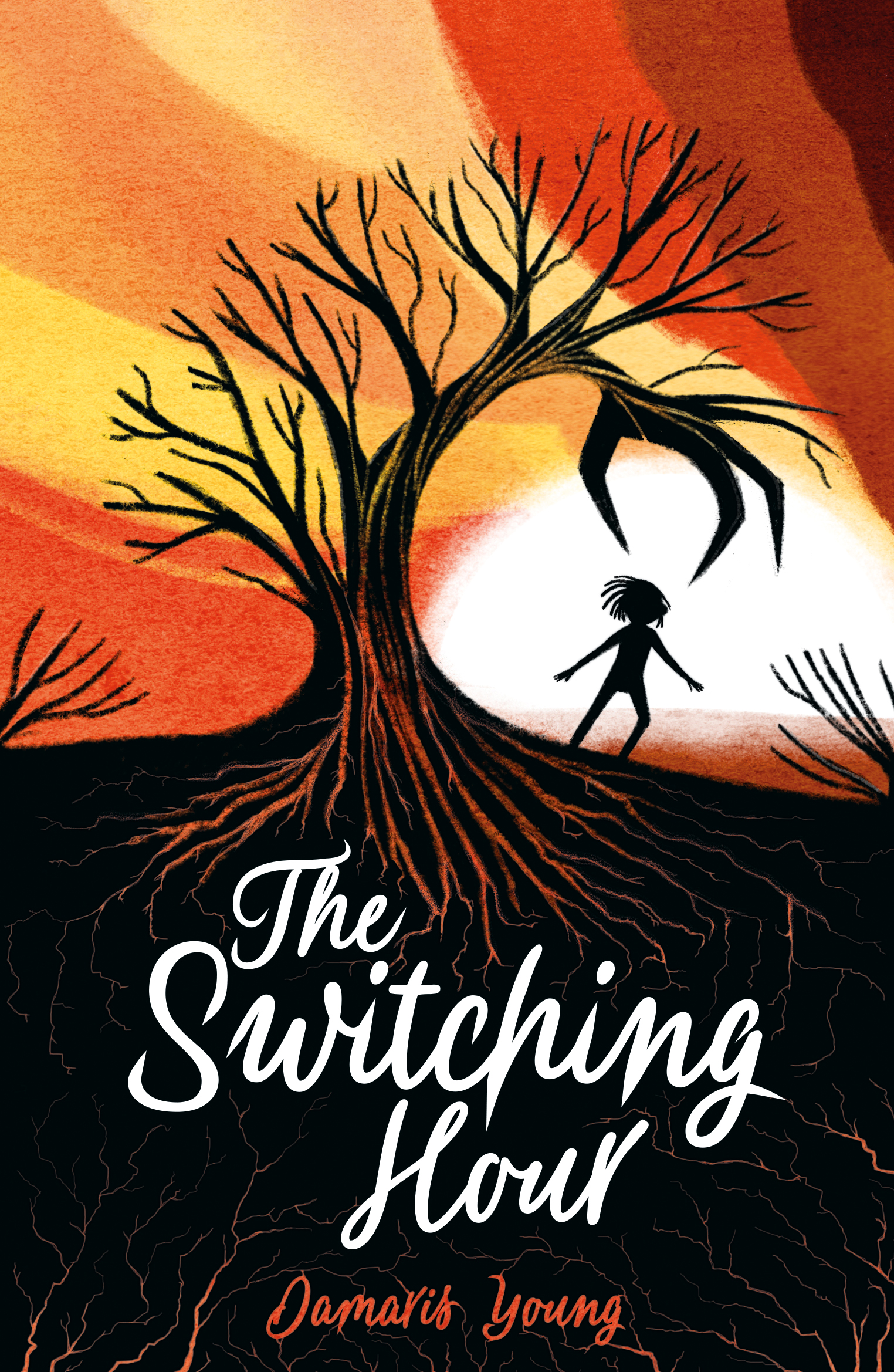
damaris young, author, the switching hourI was an avid reader growing up. I would try and copy my favourite stories, filling notebooks with fantastical worlds much like Alice’s wonderland. As my confidence grew, I started writing stories of my own, often to entertain my four younger brothers and sisters. When I moved to Bristol as an adult, I continued writing stories, eventually studying on the Bath Spa Writing for Young People MA, where I wrote my debut children’s novel, The Switching Hour. 

The Switching Hour is my first published book, but I have been writing stories ever since I can remember. I have so many half-written novels hidden away in my desk draw and on long-lost USB sticks!

What you are promoting now?

My debut The Switching Hour, a fantasy story aimed at young readers, is being published by Scholastic on the 1st August. It is about a girl called Amaya who lives with her grandmother, her small brother Kaleb and her pet goat in a land suffering a terrible drought. Every night, the doors must be locked after twilight, the Switching Hour, because the drought has awoken Badeko, a creature that snatches people away to eat their dreams. Three days later, the memory that they existed is gone from those that knew them, and those that are left are afflicted with The Sorrow Sickness – a grief which consumes a person without them knowing why. When Kaleb is taken by Badeko, Amaya must journey into the terrifying forest to find her brother before she forgets him.

The Bookseller has reviewed it as being ‘Highly atmospheric and genuinely spine-tingling, the power of family and female friendships shine in this assured debut’ which was wonderfully encouraging as The Switching Hour makes it’s way into the world for the first time.

A bit about your process of writing. 

I allow the seed of the story to grow by indulging in all the different ways the plot could go, no matter how ridiculous! I spend time thinking about the characters, how they talk and think and what they want most in the world. Once I have an outline for the story, I do lots of research. For The Switching Hour, I looked into what life would be like living through an extreme weather phenomenon, as well as being inspired by my experience growing up in central and southern Africa. I also had to do a lot of research into goat behaviour as my main character has a pet goat who is very much a part of the story!
Do you plan or just write?

I get the first draft down by furiously writing, without looking back on what’s been written. Once I have the first draft written down, I put it to one side and start from scratch all over again. This may sound quite discouraging, but for me the first draft is for getting a sense of the characters, testing out the plot and immersing myself into the story. The subsequent drafts are where the planning really starts and the manuscript begins to take shape. 

What about word count?

The Switching Hour is aimed at 8-12-year-old readers, so the general word count is expected to be around 50,000 words. I’m a ferocious editor of my own work so I do find it a struggle to keep my word count up!

What about structure?

I structure my story around the key narrative points, the exposition, the inciting incident, the peak and the resolution. When you’re writing for children it is especially important that you get to the inciting incident as soon as possible, to really capture the readers attention. In The Switching Hour, the inciting incident is when Amaya’s younger brother is taken by the Badeko and she must journey into the forest to find him. If you can create intrigue from the very first page all the better! I will always rewrite my opening chapters last, which may seem strange, but it helps to understand how the story ends in order to know where the best place is for it to begin. 
What do you find hard about writing?

Self-discipline. I write from home, sitting on my sofa with my two dogs snoring next to me and I’m easily distracted by social media, emails and even the washing up when I’m in the middle of a tricky chapter! It’s important to take time away from your laptop and just allow your mind to mull over the story, letting the character take up space in your head (and heart) but there’s no getting out of the fact that you have to just sit down and WRITE! 
What do you love about writing? 

I love getting swept away by writing, when I’m immersed in the story and I’m creating something that I really care about. I also love the way that my characters can surprise me by acting in ways that I hadn’t anticipated. Amaya in The Switching Hour was initially boisterous and outgoing (something I thought I wanted her to be) but I soon found out Amaya was actually a younger version of me, someone who felt unsure of herself and sometimes alone, yet fiercely protective of those she loved.

Advice for other writers. 

Believe in yourself and your writing. It’s all very well taking courses, reading books about writing and going on writing retreats (all things that will help you improve!) but if you don’t believe in your ability it will show on the page, so be your own biggest supporter! Another piece of advice would be; don’t follow trends. The publishing process can be slow and so by the time you have written the story about the latest trend, the publishing world will have most likely moved on. Write what you enjoy and aim to write it as best you can. And most importantly, just keep writing!

The Switching Hour is available here. 

@ScholasticUK  | youtube.com/ScholasticFilmsUK  | facebook.com/ScholasticUK  | instagram.com/scholastic_UK
My Writing Process – Kimberlie Hamilton

rebel dogs, book, I used to live in sunny Southern California and now live in misty Northern Scotland with four cats. Life has been a whirlwind ever since I moved to the UK a year and a half ago – lots of travel, enrolling in a Master’s programme at the University of Aberdeen, getting an agent, earning a coveted “Blue Peter” badge and publishing three books. I’m currently working on a new book (my third for Scholastic UK) and will be presenting at the Edinburgh International Book Festival for the first time this August  Really looking forward to that.

I have written all sorts of things over the years, including advertising copy, travel brochures and blogs, screenplays, newspaper articles, websites, PR and marketing materials, digital content and even some teaching materials (for my English language students in Kyoto, where I once lived). But my true passion is writing entertaining nonfiction books for children ages 8 to 12. 


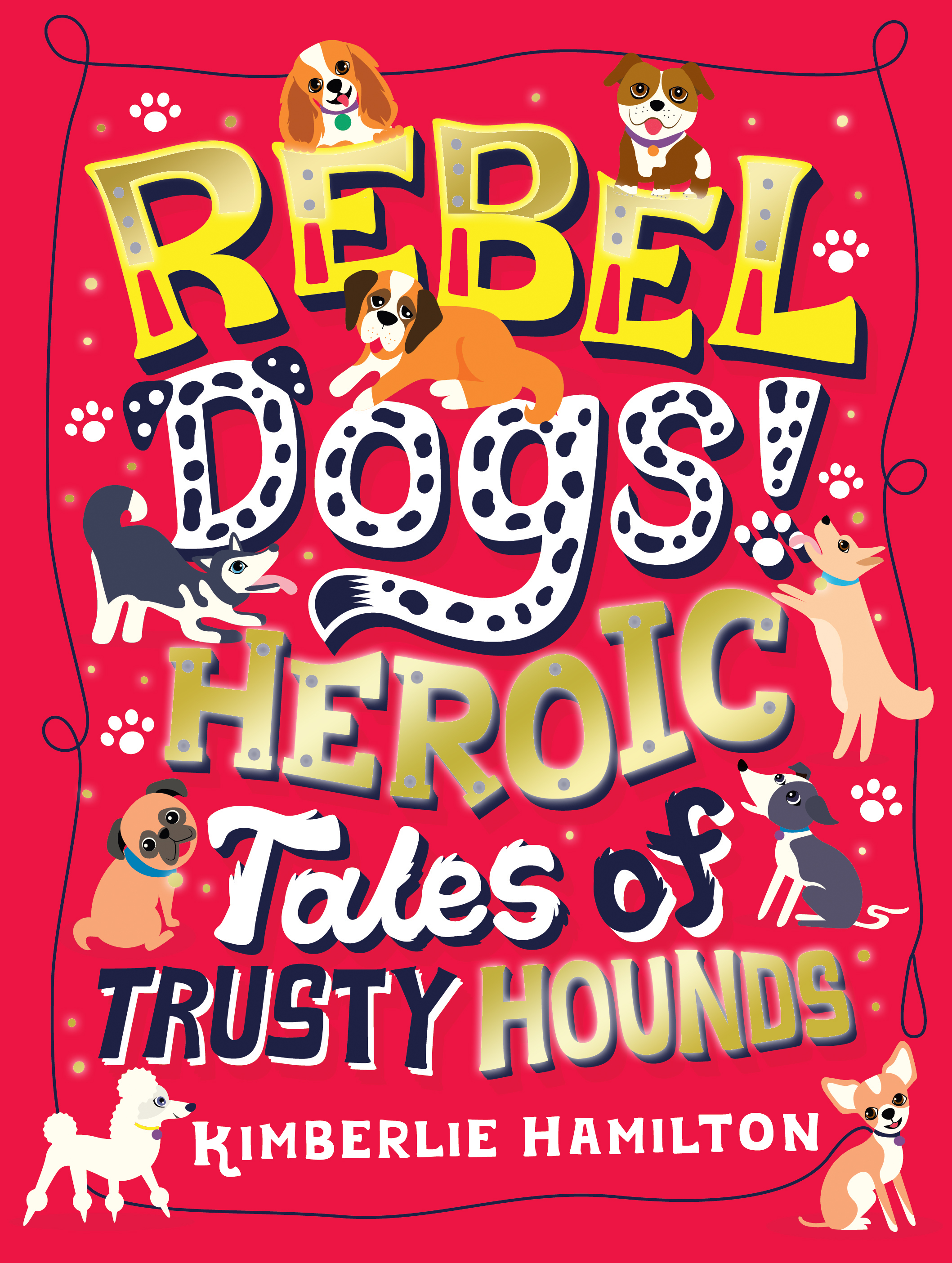
My latest book is Rebel Dogs! Heroic Tales of Trusty Hounds, published by Scholastic UK (August 2019). It features 30 real-life dogs that all did something amazing and memorable with their lives, plus pages and pages of fascinating trivia about canines across the centuries. It’s the follow up to Rebel Cats! Brave Tales of Feisty Felines (November 2018).


I write nonfiction and that requires a load of research, both online and the old-fashioned way, with proper books. After a stack of ‘source material’ starts to pile up, I go through everything, type up a rough outline, and begin distilling and editing. I always edit my manuscripts with a pen, then re-type all my messy scribbled notes the next morning to get myself back into a productive writing groove for the day.
Do you plan or just write?
I’m a Virgo, which means I always plan everything down to the tiniest detail. I’ve met other authors who work without a plan – they simply write a scene here and a scene there and somehow it all magically comes together in the end. I cannot relate to these people at all! I think most nonfiction writers need a structure of some sort.
What about word count?

In the initial phase of writing, I don’t think much about it. I tend to be a very concise writer, even when not writing for children, so there’s little chance of me ‘going off the reservation’ in terms of excess prose. With the Rebel titles, the books were designed and formatted while I was working on the manuscripts, so the Art Director was able to tell me precisely how many characters would fit on each page. I loved that. It was like a game for me, making sure everything fit just right.

What do you find hard about writing?
For me (and I suspect most writers), everything about writing is hard. I vastly prefer editing. Sometimes I think I write just so I have something to edit.

What do you love about writing?
I love the challenge of taking something based on fact and making it sound as playful and entertaining as a good piece of fiction. Tough to do so it’s very satisfying when I actually manage to pull it off.

Advice for other writers. 

My first real job after university was as an advertising copywriter, and everyone in the agency worked way too many hours. But my boss encouraged me to get out of the office and read and travel and see movies and try new things…to experience life to the fullest. He said that the creative spirit is like a battery that needs to be recharged now and then. Life experiences are what sparks and feeds creativity. 


@ScholasticUK  | youtube.com/ScholasticFilmsUK  | facebook.com/ScholasticUK  | instagram.com/scholastic_UK
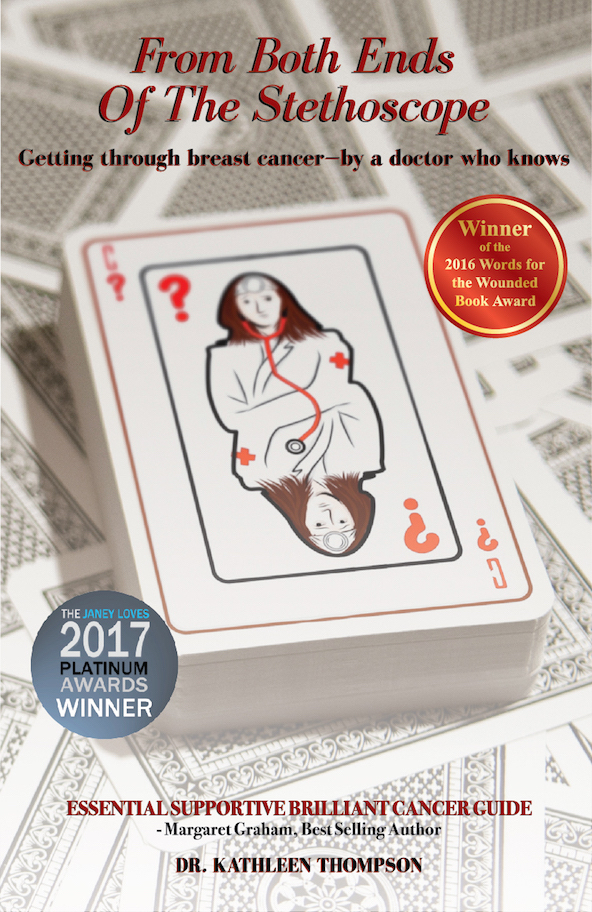
My Writing Process – Dr Kathleen Thompson

I suppose I’m an unusual writer. I write lots of factual stuff for my day job – I’m a doctor and test new medicines to check they work and are safe. However I am also enjoying writing an Italian novel currently. I’m familiar with the Italian way of life, psyche and language and it’s fun to create an insight into the truth behind la vita bella d’Italia for the reader. 

My first book was a self-help guide for breast cancer – From Both Ends of the Stethoscope: Getting through breast cancer—by a doctor who knows which won two book awards –the Words For The Wounded Book Award 2016 and the Janey Loves (Radio 2’s Janey Lee Grace) 2017 Platinum Award. When I had breast cancer myself, even I found the hospital experience confusing and frightening. How much harder for people without a medical background? So I wanted to provide the knowledge people needed, quickly but easily – people with cancer are in a state of shock and it’s hard to absorb things. I wrote the guide using my personal experience, whilst drip-feeding what people needed to know. You can read my book from start to finish, or dip into chapters – each one deals with a specific aspect of your cancer journey, and finishes with a summary and further information. Because of my background, I’m passionate about debunking internet medical ‘facts’. There is good information out there, but also much which is misleading or dangerous. I share simple rules for assessing the quality of the information in my book, and also summarise how to reduce cancer risks through life-style. 

Since then I’ve written articles for Frost Magazine, and Huffington Post. I love demystifying medical issues for people – it shouldn’t be complicated.

So how do I write? My biggest challenge is expressing emotion. As a scientific writer I’m used to stating facts, there’s no place for feelings in a scientific report. But people kept asking me what having breast cancer was like. So I had to take a deep breath and really describe my feelings. I’m getting better, but I still find it hard to let go and show my vulnerability. 

My breast cancer guide pretty much wrote itself. Odd things happened during the course of my cancer – unpleasant for me, but perfect material for a book – such as when my operation was nearly cancelled literally at the final hour, and when a doctor tried to give me radiotherapy to the wrong area – it was as though a writer in the sky were choreographing my life to make a perfect story. For novels, I try to write a plan first. I detail the synopsis, the characters and the chapters. 

I like to write concisely – and prune my work repeatedly. This lends itself to online journalism, like Frost Magazine, as people can see the whole article on a smartphone page. 

If you’re inspired to start writing, you should find a good creative writing course, run by an experienced published author. I learned so much about writing technique from my mentor, the best-selling author Margaret Graham. Join a writing group and share your work with your peers – you’ll get essential feedback. Writing a book takes longer than you think. Until you’re very experienced you’ll need to rewrite until it works. But if you enjoy it – keep going, it’s a lot of fun.


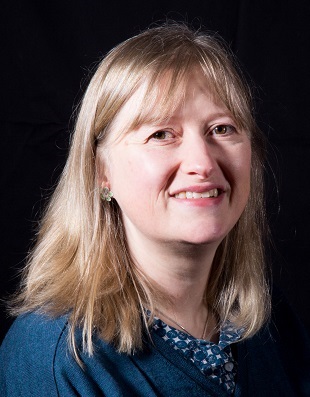
My Writing Process – Tora Williams

A bit about you. 

I’m one of those people who was always wanting to write a book, but could never find the time to write. Not that I wrote nothing at all—I used to write fan fiction and short stories purely for my own entertainment—but I never quite believed that anyone else would be interested in reading anything I might write. Then about ten years ago I signed up for an Open University course on writing fiction and was encouraged by the feedback I got. Suddenly writing a novel didn’t seem such an impossible task, and I started writing seriously. Much to my parents’ horror, I resigned from my job and set up as a maths tutor and freelance proofreader to give myself more time to write.

What you have written, past and present.

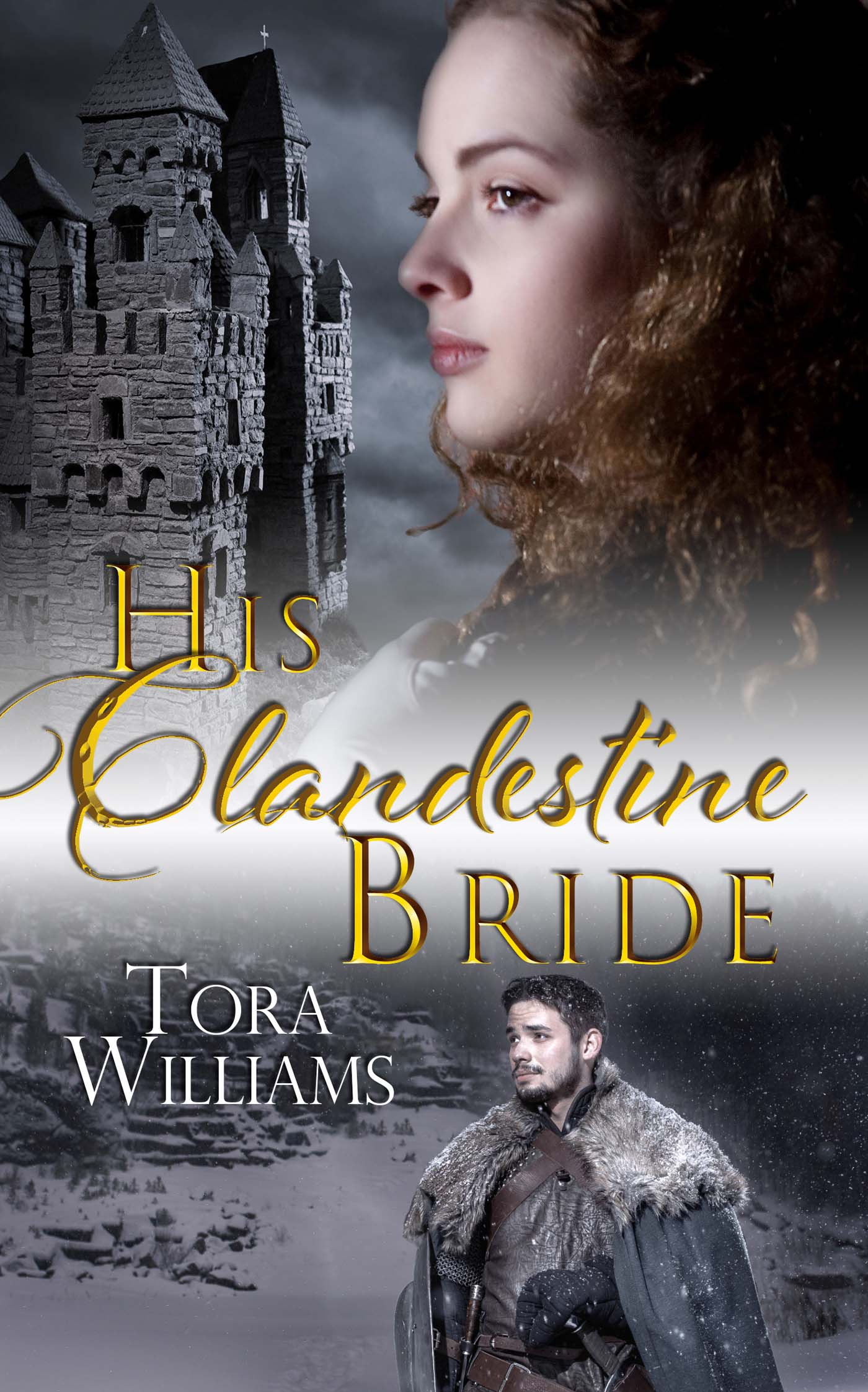
I write historical romance, set in medieval Wales and the Welsh Marches. My debut novel, Bound to Her Blood Enemy, was published by The Wild Rose Press last year. They’ve now published two more of my books, the latest one being His Clandestine Bride, published in March. I’m currently editing a fourth medieval romance with others at various stages of completion.

A bit about your process of writing. 

I try to get up early and write between about 5 and 7am. I then get on with my day job until mid-afternoon, then return to writing. If I don’t write first thing in the morning, I find it really difficult to write later in the day, so I have to be strict.

Do you plan or just write?

A bit of both. Before starting a new story, I plan the hero and heroine’s characters and have a rough idea of where the plot is going, but after that I write as the story comes to me.

What about word count?

I try to write 1000 words a day. If I can get down 500 words in the morning, writing another 500 later on never seems like too terrible a task.

How do you do your structure?

I don’t consciously follow a structure when writing the first draft, but when editing I always find the story falls roughly into a 3-act structure and I edit to firm up that structure.

What do you find hard about writing?

Every day it’s a struggle to force myself to silence the inner voice telling me the story is rubbish and no one will want to read it. Once I get going that voice goes away, but dragging myself out of bed every morning to turn on my computer is never easy. 

What do you love about writing? 

I love dreaming up the characters who inhabit my stories and get a real rush planning how they’re going to achieve their happy-ever-after. It’s the best job in the world. Who else can say they’re a professional daydreamer? 

Advice for other writers.

Take every opportunity to connect with other writers. Writing is a lonely business and rejections can be hard to handle. Meeting others going through the same experience can help you stay sane and provide the motivation and encouragement to keep going, especially when your family and friends think you’ve lost your mind!


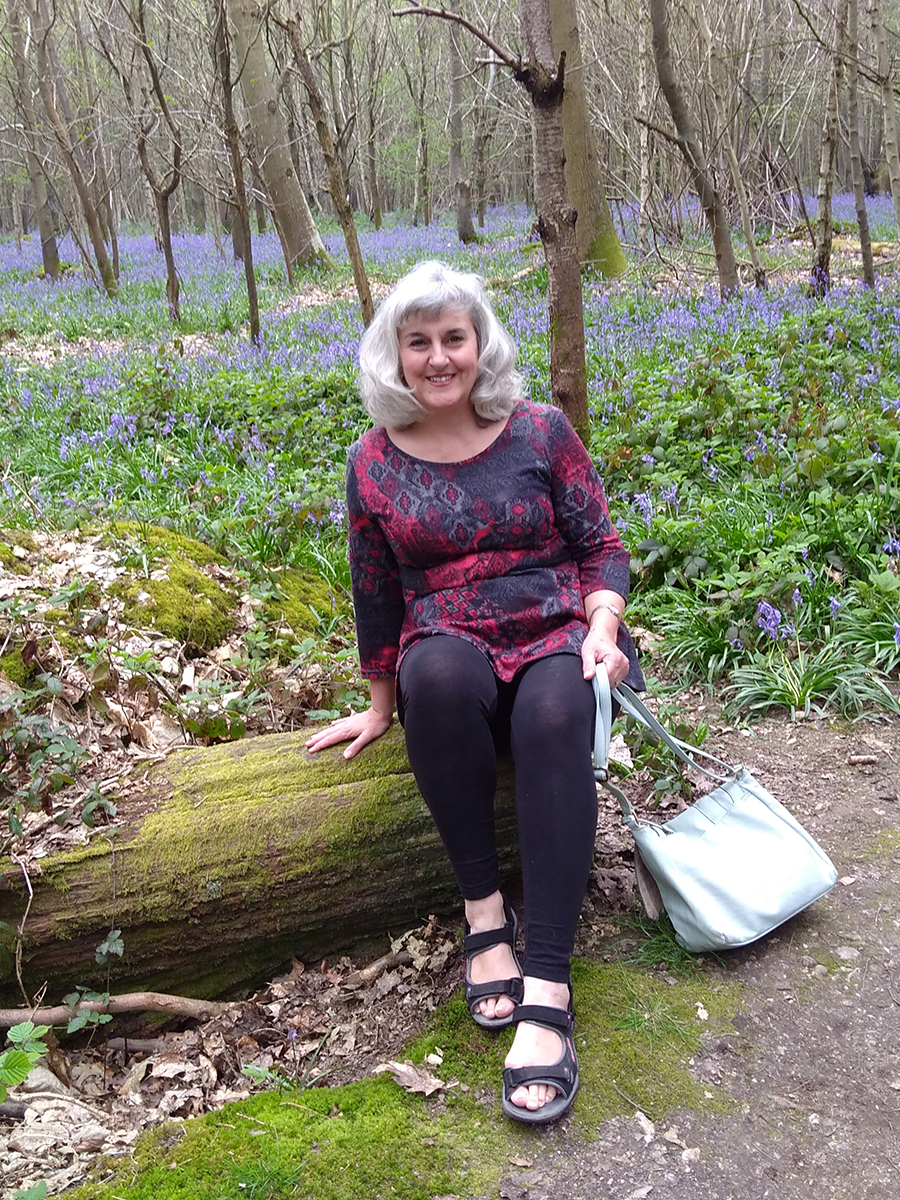
My Writing Process – Helen J. Christmas

Helen J Christmas, authorI am a website designer and an author and have written a five-book mystery thriller series. 

When I was out and about one day, walking our dog along the beach, my imagination ran wild and I remember getting my first ideas for a story. It started with the characters but grew into a suspenseful saga that spanned four decades; this was my inspiration for ‘Same Face Different Place,’ a series I completed in 2017.

Writing is something I’ve always loved, but working full time, it was difficult to find enough hours to write a novel. Once I started however, I found myself waking up earlier (5-6am). So why was I lying there, restless, thinking about my book, when I could be up writing it? This became my prime time for getting the bulk of my story written.

I spent seven years writing my series and it wasn’t just the writing I loved but the planning, the research, the development of new characters and the way the storylines fused together. I always started out with an outline plot but the best ideas flowed when I was creating the scenes. At the time I wasn’t bothered about word count. I tended to include a lot of description and dialogue but this can be whittled down in the editing process to give a tighter novel. 

I derive a huge amount of pleasure from writing but the biggest reward is getting good reviews. No-one can describe the euphoria an author feels when they see a glowing testimonial from a reader. Just the thought that someone has enjoyed your book is a wonderful boost, something that really makes it worthwhile.

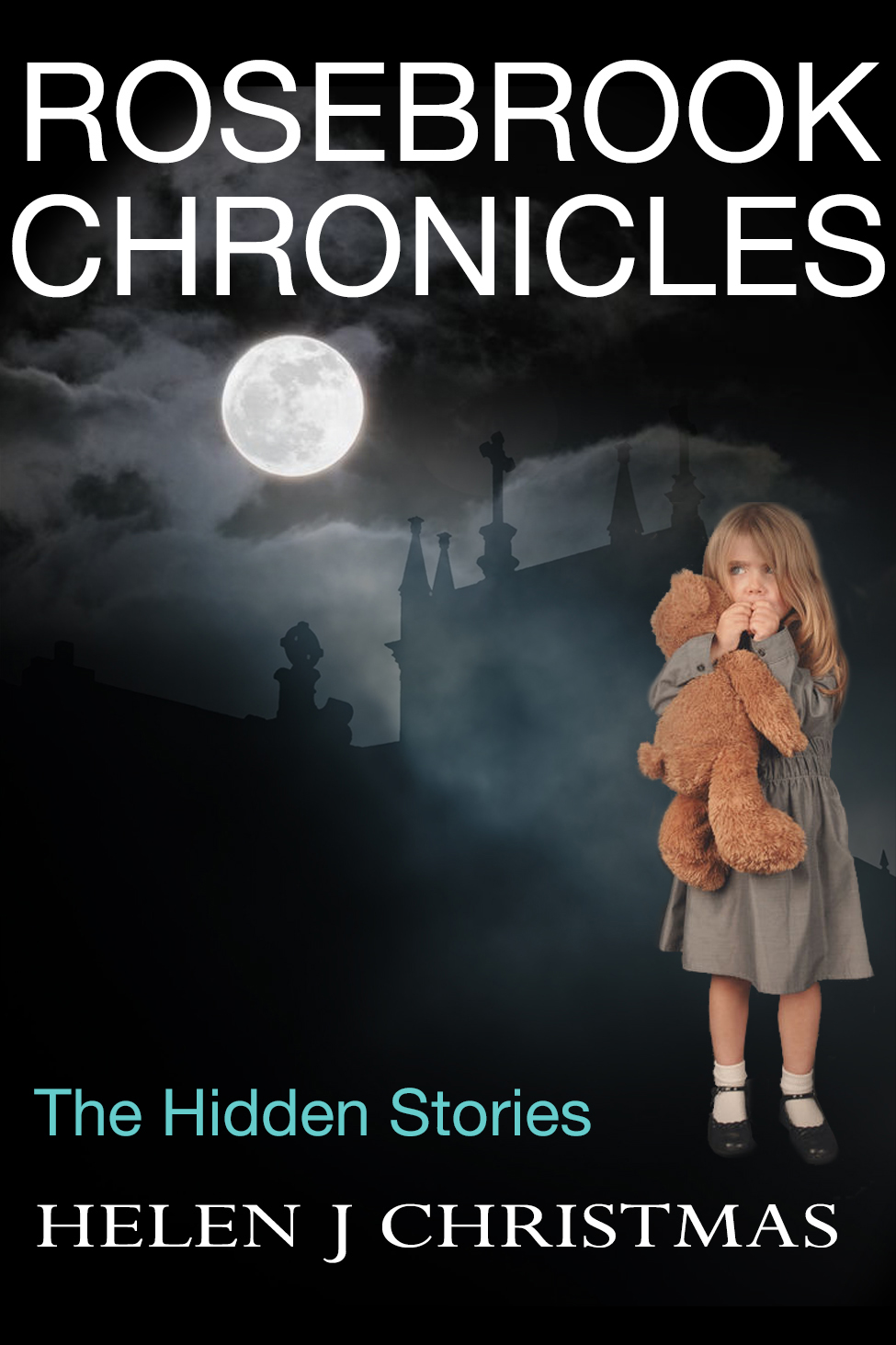
I confess to feeling an anti-climax when I reached the end of my series but fortunately, had an idea for a new book. After writing such a huge saga, I wanted to try writing smaller stories. Such was the thinking behind Rosebrook Chronicles, The Hidden Stories. This novel follows the lives of three lesser known characters, all of whom are abused as teenagers. It is the interlocking stories of these characters that drive the plot, a blend of social history and psychological suspense, told from the heart and quite different from my thriller series. It also provides a background.

Writing this, I also experimented with different writing styles, one being present tense, the other first person, which I really took to. So with all this experience under my belt, what would I advise other writers?

This year I started a standalone psychological thriller set in modern day Sussex. I found it a little difficult to get into though, with a whole new cast of characters. It helps to have an outline plot to base your story on, but the one thing that works is getting to know your characters. Try to imagine how they think. Plot their back story, consider their family and friends network, where they work, maybe even what music they like. I’m sure this why my series became so easy to write in the end, because the characters to me felt like real people.

I occasionally end up writing extracts based on one character or scene; something to focus on if the writing process becomes cumbersome. So don’t give up. 

Reading helps too. I like to lose myself in a good book as much as I like writing and with so many good psychological thrillers around, it is inspiration for the soul.

BIO: Helen lives in Sussex with her husband where they work from home in their idyllic 17th C cottage. They began their web design business in 1998 (still running) and other than writing, Helen loves walking, cooking and photography.

Books by Helen J Christmas: 

Beginnings

Visions

Pleasures

Retribution: Phase One

Retribution: End Game (series: Same Face Different Place)

Due to be published in July

Rosebrook Chronicles, The Hidden Stories.


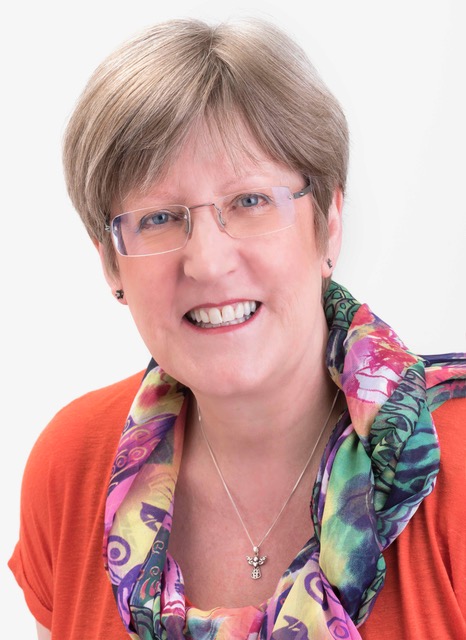
My Writing Process – Morton S. Gray

I am a published writer living in Worcestershire, UK with my husband, two sons and tiny white dog, Lily. I wrote my first novel when I was fourteen. It was a swashbuckling seafaring adventure, complete with galleons, cannons and a dashing hero. The story was heavily influenced by the Errol Flynn films I used to watch with my grandmother on Sunday afternoons. I got swallowed up after that by the education and work system and didn’t write much more than reports and meeting agendas for many years.

Starting to write more seriously when I was taking a break from work due to ill health, I took lots of writing courses and began to shortlist in writing competitions. Then in 2016, I got my publishing break, I won Choc Lit Publishing’s Search for a Star competition!

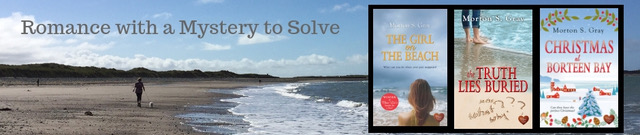
I have had three books published by Choc Lit so far – The Girl on the Beach, The Truth Lies Buried and Christmas at Borteen Bay, these are all romances with a mystery to solve and set in my fictional seaside town of Borteen. I am promoting the three Borteen Bay series while I finish my next books.

I write almost everywhere I go the old-fashioned way with notebook and pen – cafés, appointments, waiting for trains. I have piles of notebooks filled with stories. I generally prefer to write away from home, as I get too distracted by things that need doing in the house and, of course, by the dog. At least writing longhand in this way, the first time I put the words onto my computer it acts like a first edit of the manuscript.

My genre is romantic suspense, but I usually get so carried away with the mystery part of the book that I have to catch up with the romance when I’m editing. I don’t plan, I just write, that way the novel writing process is enjoyable for me as I don’t know what is coming next. My novels appear to naturally evolve. I read a book called Big Magic by Elizabeth Gilbert (the same person who wrote Eat, Pray, Love) and in it she talks about ideas and stories floating in the ether waiting to download to a receptive person and this is truly how it feels when I’m working.

I love writing, but with a teenager doing exams, a dependent mother, a husband who works abroad and a demanding dog, I often struggle to find time to myself (hence the haunting of coffee shops!). Nothing can compare to the feeling I get when the words are flowing and I get very twitchy if I haven’t had space to write.

For aspiring writers I think the most important thing is to write a story that sings to you, because that will allow you to write a story that sings to your readers too.


Biography for Morton S. Gray

Morton lives with her husband, two sons and Lily, the tiny white dog, in Worcestershire, U.K. She has been reading and writing fiction for as long as she can remember, penning her first attempt at a novel aged fourteen. She is a member of the Romantic Novelists’ Association and The Society of Authors.

Her debut novel The Girl on the Beach was published after she won the Choc Lit Publishing Search for a Star competition. This story follows a woman with a troubled past as she tries to unravel the mystery surrounding her son’s new headteacher, Harry Dixon. The book is available as a paperback and e-book.

Morton’s second book for Choc Lit The Truth Lies Buried is another romantic suspense novel, The book tells the story of Jenny Simpson and Carver Rodgers as they uncover secrets from their past. This book is available as an e-book, paperback and audiobook.

Christmas at Borteen Bay is Morton’s first Christmas novella. It is set in her fictional seaside town of Borteen and follows the story of Pippa Freeman, who runs the Rose Court Guesthouse with her mother, and local policeman Ethan Gibson, as they unravel a family secret as Christmas approaches.

You can catch up with Morton on her website www.mortonsgray.com, on

Twitter – @MortonSGray, her Facebook page – Morton S. Gray Author – https://www.facebook.com/mortonsgray/ and 

Instagram – https://www.instagram.com/morton_s_gray/

Purchasing links for The Girl on the Beach at http://www.choc-lit.com/dd-product/the-girl-on-the-beach/

Purchasing links for The Truth Lies Buried at http://www.choc-lit.com/dd-product/the-truth-lies-buried/

Purchasing links for Christmas in Borteen Bay at https://www.choc-lit.com/dd-product/christmas-at-borteen-bay/

My Writing Process – Juliette Forrest

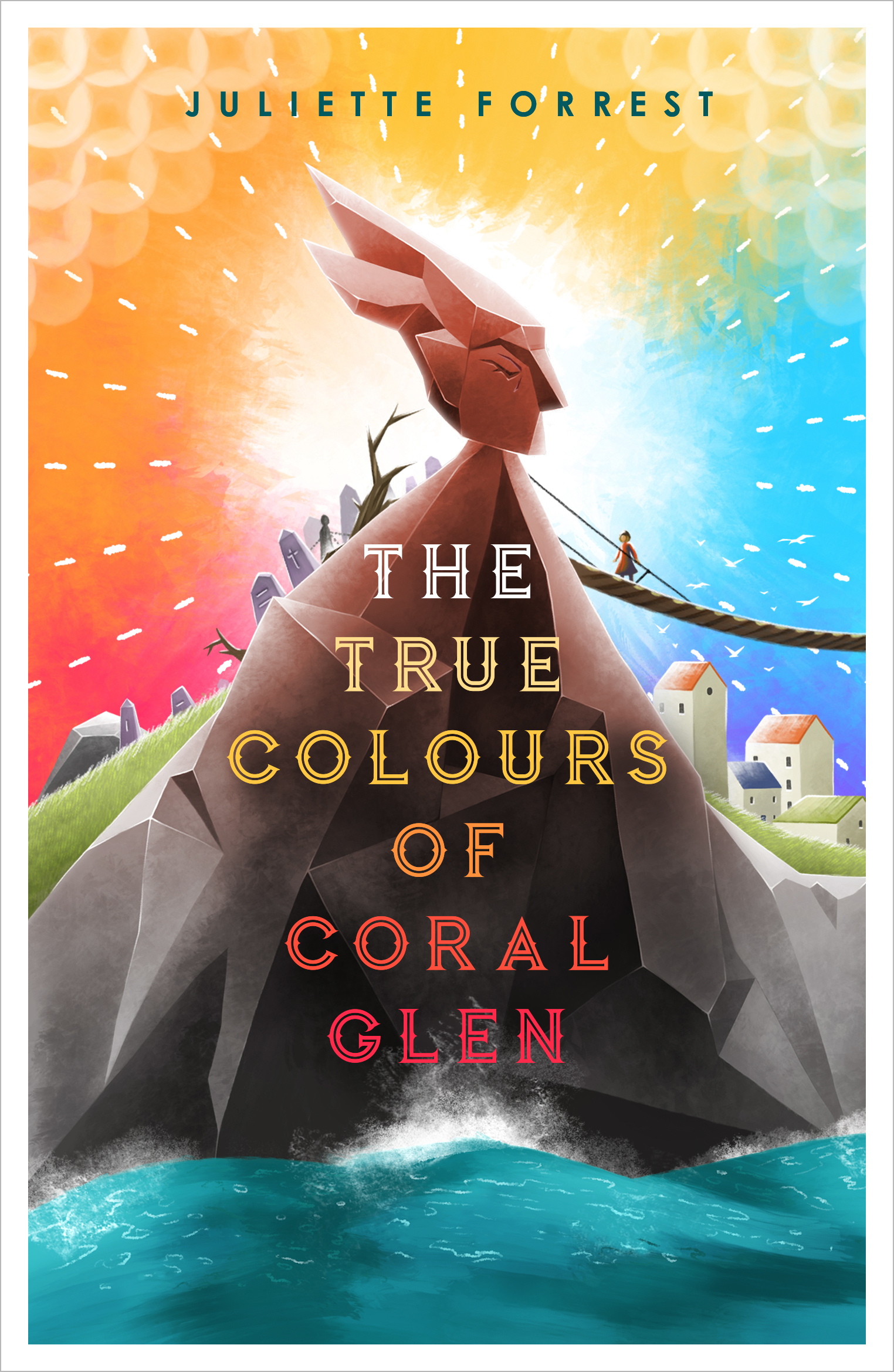
My writing journey began quite late. After I left school, I moved to London and worked as an art director in advertising. It was years later, during an evening class at Glasgow School of Art, that it finally dawned on me I was awful at life drawing. So, I gave it up to attended my first writing class on a Saturday morning at Glasgow University. I wrote a piece for the group and the teacher suggested I could have the beginnings of a children’s book. I thought he was bonkers – but decided to give it a go. When I won a New Writers Award from Scottish Book Trust in 2014, everything changed. They gave me a bursary, a mentor, time away at a retreat, social media training and voice coach sessions. It was their belief in me that spurred me on to finish my first book, Twister, which was published by Scholastic in February 2018. It was a Sunday Times Book of the Week, The Guardian’s ‘must-read’ kid’s book of the summer and won the Calderdale Book of the Year Award 2019. I’ve just finished as Writer in Residence at All Saints Primary in Greenock and my second novel The True Colours of Coral Glen launches on July 4th.

What is your process?

I tend to work quite early in the morning because there are fewer distractions. I think one of the most positive influences on my writing process is my dog. He won’t let me sit at my laptop for too long and walking him gives me the space to work out plot or dialogue. Plus, I meet colourful characters in the park, who always make their way into my novels.

Do you plan or just write?

I use my synopsis as a guide and think carefully about what needs to happen to drive the story forward. I let it rattle around inside my head for a while, so I can tinker around with it and explore different options. It helps for me to imagine the story as a film playing out – so I tend to visualise each chapter before I begin writing.

What about word count?

Some days, I don’t seem to be able to write much at all, and others, I can whizz through entire chapters. I don’t adhere to a strict daily word count for this reason. If it’s not happening, I never berate myself, but turn my attention elsewhere for a while. There is always something to be getting on with like research or answering children’s letters.

What do you find hard about writing?

I’m often convinced I’ve got a great plot idea and I’ll spend ages working on it, only to discover at the very last minute that it’s flawed. I find this frustrating – like it is precious time wasted. However, I do believe it’s good to go down the wrong path because when you eventually hit the right one, you feel confident the story is the very best it can be.

What do you love about writing?

I absolutely love creating characters. There is one I’m working on for my next book who is going to be so much fun to spend time with. It’s brilliant when a character comes alive and tells you what is going to happen next. If you’re surprised, you can be sure the reader will be too. The next best thing about being a children’s author is chatting with the kids at events. It makes all the blood, sweat and tears worth it.

Advice for other writers?

I think it’s important you always celebrate when good things happen with your writing because any achievement in this industry is huge. And I firmly believe there is no genius except for the genius of hard work.


Published on 4th July.


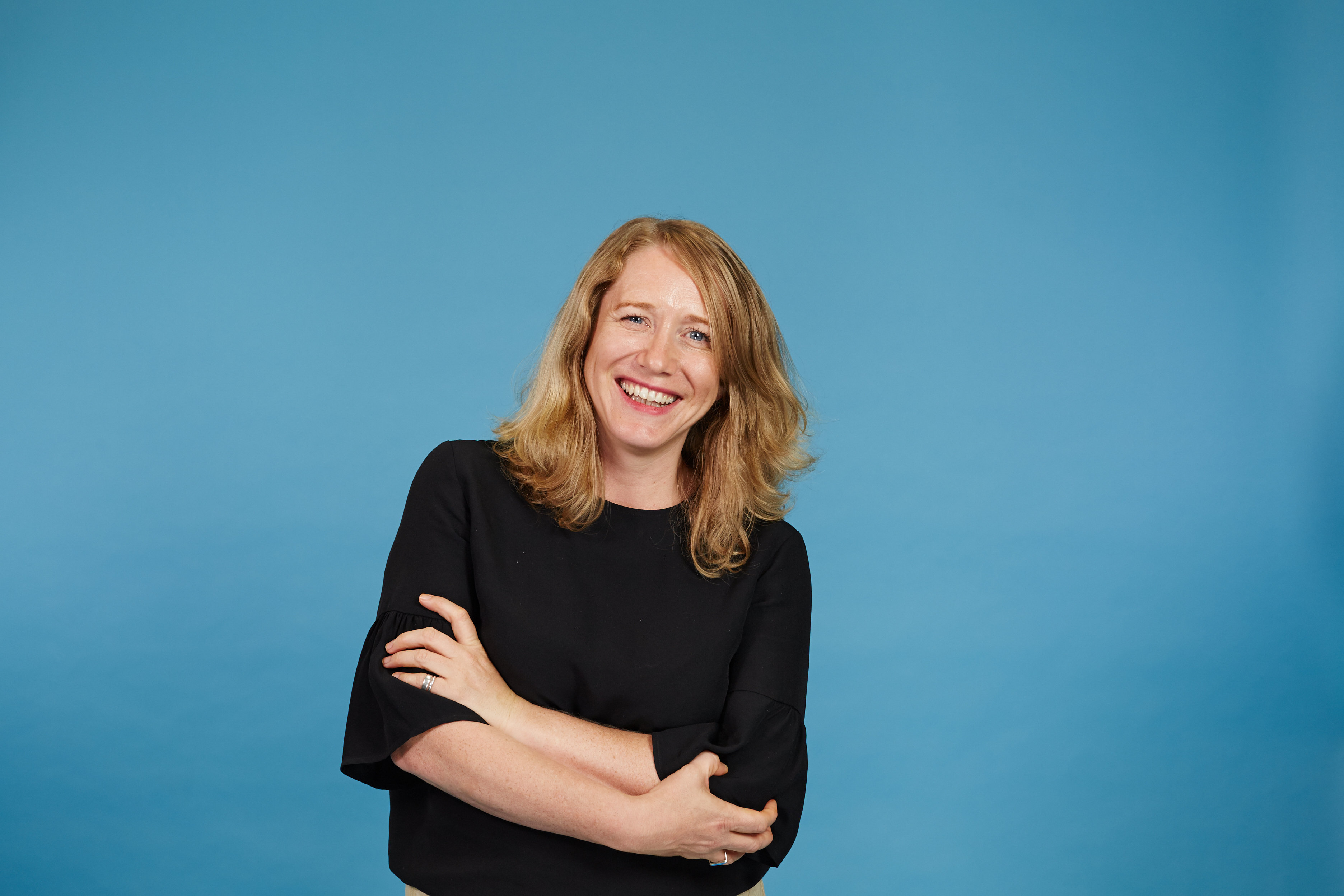
My Writing Process | Holly Wainwright

I’m Holly Wainwright and I’m a writer and a journalist, editor and a podcaster – all the things.

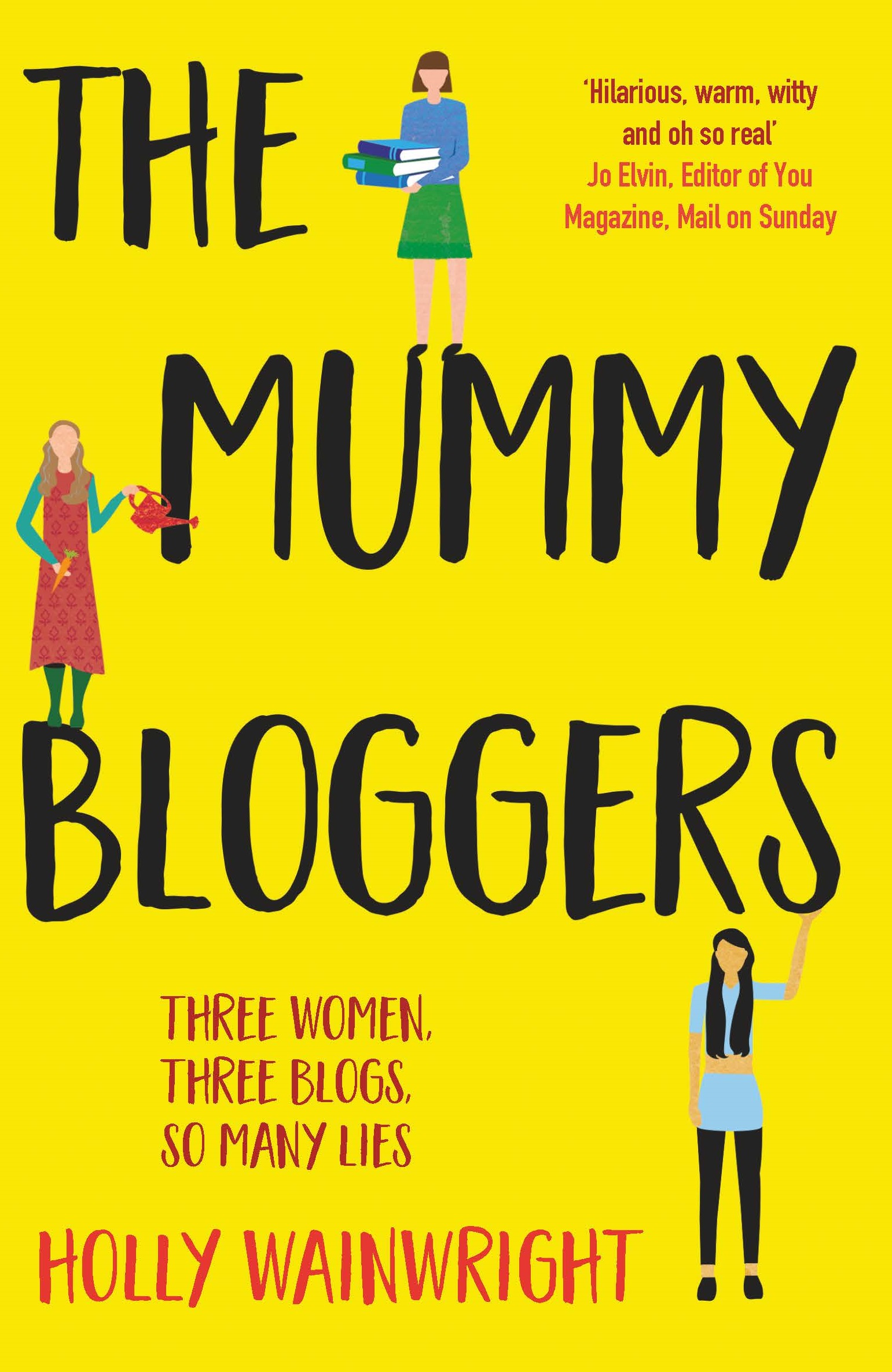
Most recently and significantly, I have written two novels – The Mummy Bloggers and How To Be Perfect, about women who write on the Internet and whose online personas don’t much match the chaos and artifice of their real lives. The books are really all about the lengths people will go to for Likes.

Latest Book.

The Mummy Bloggers. It was my first book, it’s just come out in the UK via Legend Press and I’m very proud of it.

A bit about your process of writing.

I find I have to treat writing a book in the same way I treat a job – I sit down every day with a number of words in mind and I just do it, even if I don’t love the words. The idea is that I can fix that later. Some days the discipline works, others not so much!

I also mostly write sitting on my bed, in silence. Other than when my kids come and ask, ‘What you doing?” and proceed to make a mess of everything.

Do you plan or just write?

A bit of both. Our bedroom wall at home is covered in Post-It notes, which is how I plot out a book with the characters and then, Chapter by Chapter. Post-its are great because you can move them around, but I do find myself procrastinating by obsessing about colour and placement!

But once all the Post-Its are up, often the conclusion of plot-points come to me as I’m writing. That’s the best kind of day, when problems are just solving themselves on the page.

What about word count?

I would often give myself a daily word-count. I wouldn’t get to it every day, but I’d aim for most. I don’t think I’ll ever forget the feeling of hitting the word count on my first book, I was so bloody proud.

How do you do your structure?

See aforementioned Post-It note wall – very high-tech.

What do you find hard about writing?

The constant self-doubt. And the amount of tea I drink while I’m doing it…. lots of toilet breaks.

What do you love about writing? 

Everything else. On a good day, when it’s working, there’s nothing that makes me happier, puts me in a better mood and feels more like the thing I should be doing with my time. Creating people and worlds is the best job in the world.

Advice for other writers. 

Don’t assume it’s easy for everyone else and you must just be the untalented one. Writing is difficult for everyone who does it well.

That, and to lay off the cups of tea a bit.

Holly is the author of The Mummy Bloggers (Legend Press, out now) and How to be Perfect (out 1st November)

Our social media is:

Legend Press @legend_press on Twitter, @legendpress on Instagram
Holly is @hollycwain  on Twitter and @wainwrightholly on Instagram