What a Nutritionist Feeds Her Kids

It is not uncommon for parents to worry about the nutritional value of the food they are serving their children and little ones. The food children and babies eat when they are younger can really make a difference on how they eat as they get older. However, it’s important for parents to keep the pressure off for everyone, including themselves. Think about what’s eaten over a week, not day to day and avoid coaxing little ones to eat or ensuring kids stay at the table until they’ve finished the meal. All of this can impose negative associations around foods which is ultimately what we want to avoid if we’re trying to create little foodies. According to research recently conducted by Stokke 53% of parents struggle to prepare a meal that the entire family will enjoy.
feeding children good food, food ideas, ideas, food, feeding, weaning.

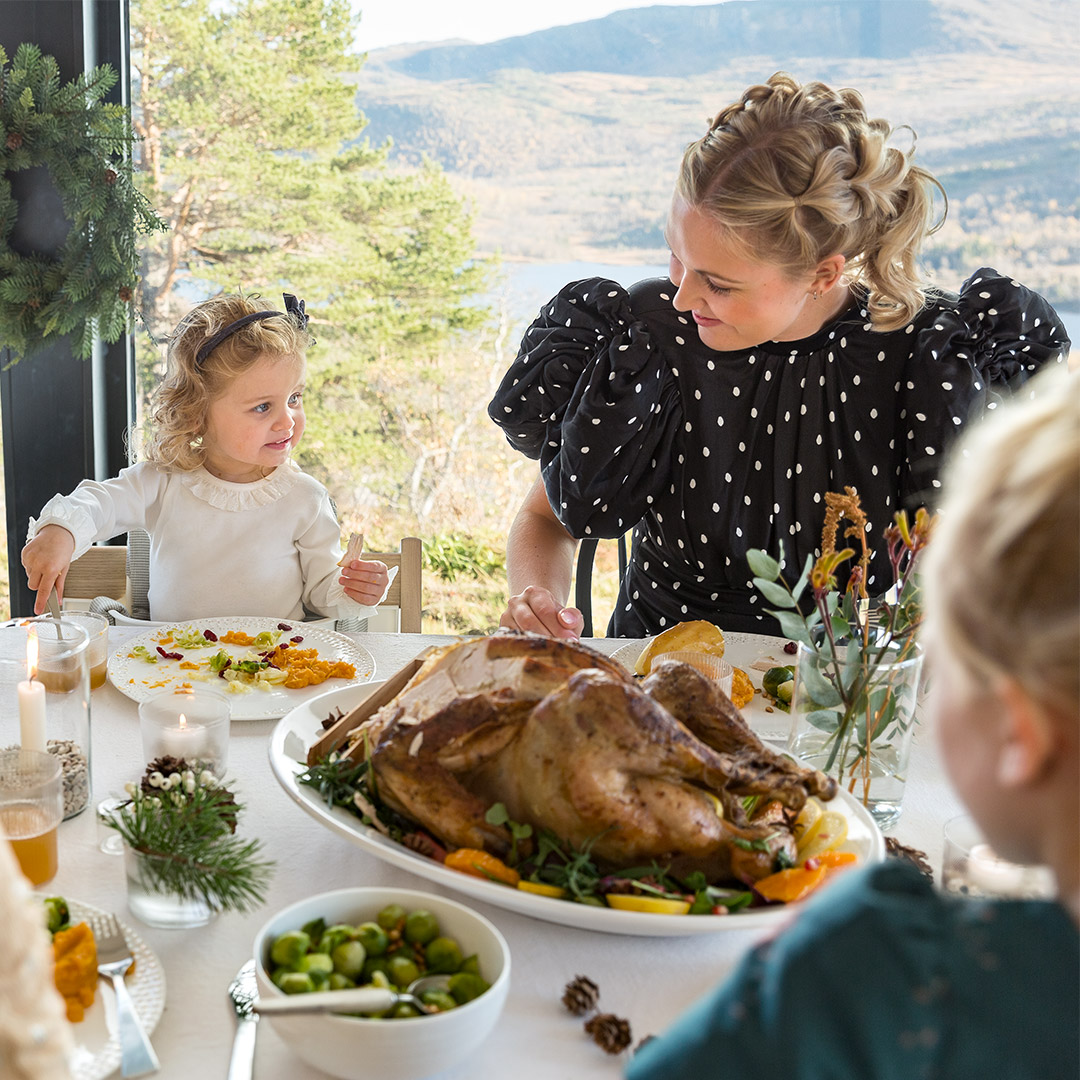
Make choice part of your mealtime routine. Kids are more likely to eat something they feel they’ve had a say in, so instead of just plating up their food, ask them first “do you want X or Y with your dinner” or “Would you like spaghetti or rice for dinner today?” for example. You could also try offering multiple sides and giving them autonomy to choose what they want. You’ll probably be surprised how much more gets eaten when it’s them calling the shots. Younger babies don’t often have much choice in their meal options but try offering them a variety & following their lead. At mealtimes have conversations about the meals and foods on offer, allow honest opinions and maybe even make a game of rating the meals for the week. This can help children and toddlers to really think about their foods and their likes and dislikes a little more as well as being mindful about the foods they are eating.

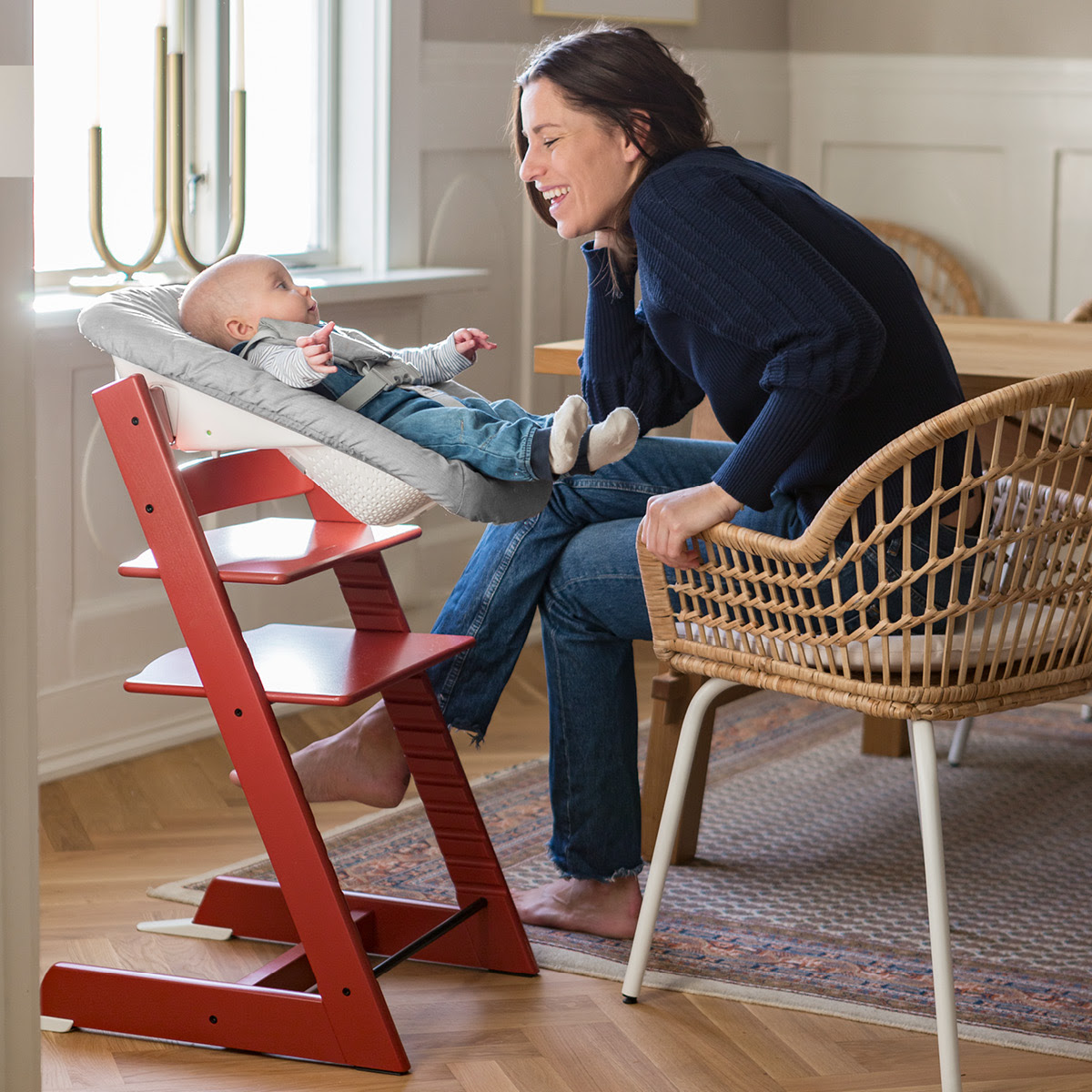
Three fifths (60%) of families will always eat their families will always eat their family meals together at the dinner table. Sitting together and being present at mealtimes helps, but actually eating similar things can also help children to accept a wider variety. Some research shows that families eating together is a big factor in positively influencing the diets of their children, so as much as you can try to ROLEMODEL what a balanced diet looks like, and it’s likely your little ones will follow suit. Remember babies also learn the WHAT and the HOW of eating from copying their parents and those around them too, which is why I love the Stokke Tripp Trapp as a great way to bring baby right to the table with you at mealtimes. Research, conducted by premium children’s brand, Stokke, explored the importance of eating meals together as a family, found that 49% of participants believe eating together as a family creates a happier child and 34% believe it creates a more confident child.

With 82% of parents worrying about the nutritional value of the food they are serving their children and want to ensure they get the balance right – here is what I try to give my children for Breakfast, Lunch and Dinner:
Breakfast 

Breakfast is often porridge, or pancakes – mainly because it’s SO easy to add extras to these – extra flavours such as cinnamon, or ginger, extra nutrients from peanut butter or milled seeds stirred in or extra portions of your 5 a day with some berries thrown into the batter/with the oats or even just sticks on the side.


Lunch 

I like a picky finger food lunch for those busy days. Trying to make this balanced is often easy too so things such as

Wraps with hummus and pepper

Cucumber fingers with yogurt dip and leftover curries

Tuna, yogurt and sweetcorn spread on toast

Omelettes with potato, mixed veg and cheese


Dinner  

Tends to be something hot, but it does vary.

I love potato tots for babies as they are just so simple and easy to vary.

Otherwise, it’s whatever we’re having for dinner

Pasta with chickpea and tomato sauce 

Chilli with potatoes and some grated cheese

I’m all about trying to make the most of meals and balance the food groups on offer where possible so that you know babies AND kids are getting all the nutrients they need. This means I’m always thinking about what I can sprinkle on top, what I can use as a dip or how I can add extras like lentils, fish or beans to pasta sauces.

Stokke are hosting a FREE weaning webinar – How to raise a confident foodie and help your baby love their broccoli as much as their cake! Charlotte Stirling-Reed Nutritionist and Author will be on Zoom 28th April at 8pm. https://www.eventbrite.com/e/how-to-wean-your-baby-mini-masterclass-tickets-143331352935?aff=Media10 


Expert nutritional advice from Charlotte Stirling-Reed, author of new book “How to wean your baby”, that publishes on 29th April but available for pre-order. www.amazon.co.uk/dp/1785043242 @sr_nutrition


Stokke is a leading high end baby brand in Scandinavia whose ethos is to nurture family bonding, having your baby closer to you and the importance of eye contact. The iconic Tripp Trapp® highchair was launched in 1972 and has since sold more than 12 million worldwide. www.stokke.com @stokkebaby
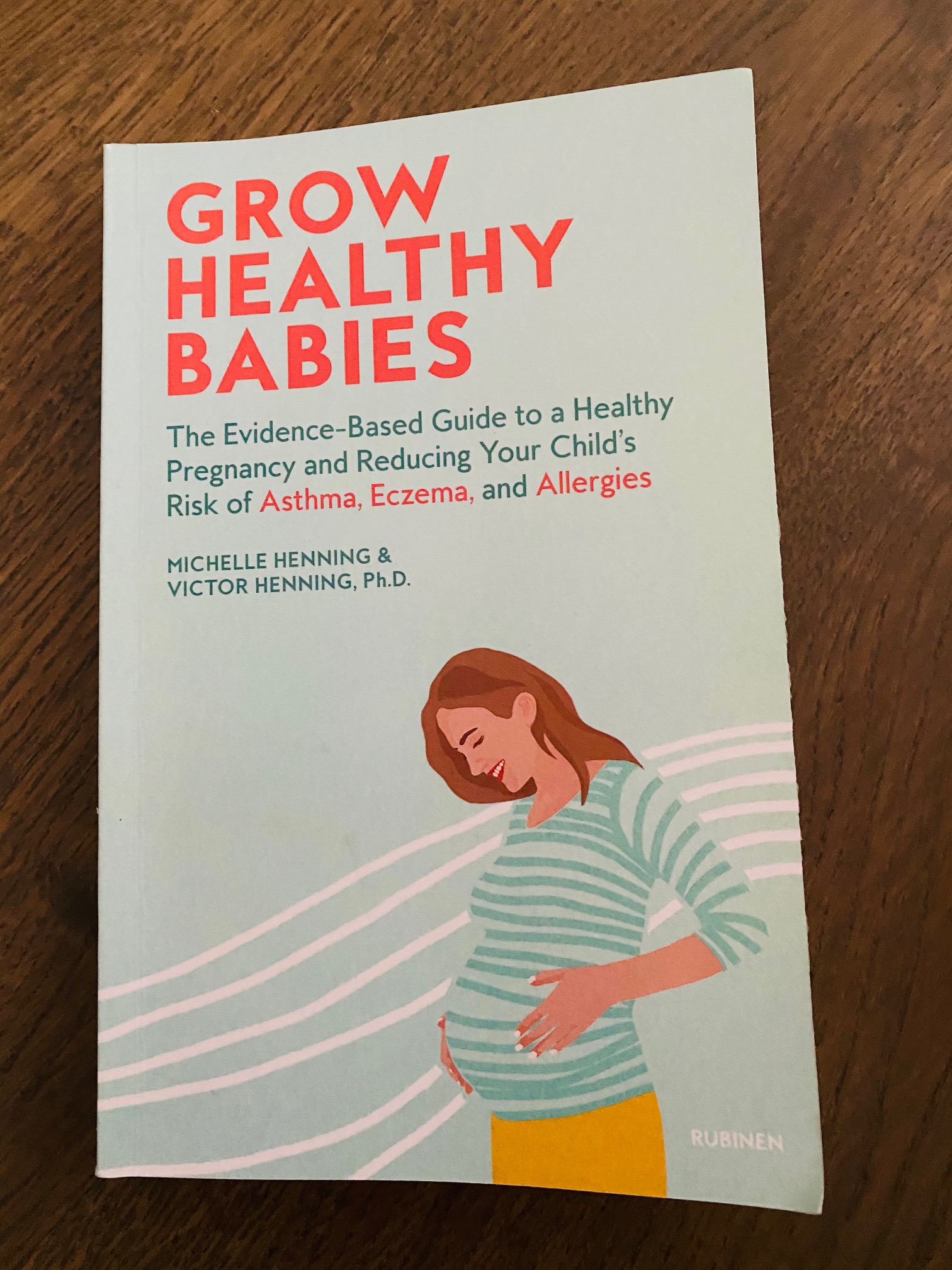
 

Grow Healthy Babies: The Evidence-Based Guide to a Healthy Pregnancy

grow healthy babies, pregnancy book, pregnancy, Being pregnant can feel like a minefield. Knowing what to eat and what to avoid can feel overwhelming. With allergies on the rise it adds more pressure. So I was excited to see the Grow Healthy Babies book. It is an evidence-based guide to reducing your child’s risk of asthma, eczema and allergies.

I was hoping it would not be a hippy-dippy book preaching to others what to eat and do, and I am happy to report it is not. It is a fantastic, well-researched book which backs up everything it says in droves. This book shows that you can make a huge difference to the health of your child, and it all starts in pregnancy. Pregnant women have more power than they realise.

While some of the research is not helpful to everyone- eating organic food is not within everyone’s range- I found the advice in this book invaluable. I would recommend it to anyone who is having a baby, or even thinking about getting pregnant. It is a truly great book and a triumph for the authors.


When lifelong asthma, eczema, and allergy sufferers Michelle Henning, a certified Nutrition & Health Coach, and her husband Dr. Victor Henning decided to become parents, they were well aware that half of all babies born today will develop allergies and up to a third will become asthmatic or suffer from eczema. Using their combined backgrounds in nutrition and science, they began investigating a mountain of medical literature on how to prevent chronic illness so that their baby would grow up healthy.

In their honest and enlightening new book Grow Healthy Babies, the Hennings share their research by distilling the latest medical evidence into a practical, easy to read guide that provides expecting parents with clear and simple steps to lower a baby’s risk of developing a chronic condition by up to 90%. With the goal of empowering parents-to-be or those planning to get pregnant with information about simple choices that improve their health and their child’s health, they cover a multitude of topics including:

  • You can make a difference: By making different choices during/after pregnancy, you have the power to shape your baby’s health for life
  • How your baby’s immune system develops, and how you can strengthen it to prevent chronic illness
  • How friendly bacteria, your microbiome, shape both your and your baby’s health, and how to protect and improve your microbiome
  • Which food choices and supplements during and after pregnancy make a real difference to your baby’s health, according to scientific studies
  • Why environmental factors and certain household products can trigger chronic disease, and how to choose healthier alternatives
  • How birth choices and breastfeeding can influence your baby’s long-term health


Grow Healthy Babies: The Evidence-Based Guide to a Healthy Pregnancy and Reducing Your Child’s Risk of Asthma, Eczema, and Allergies is available for pre-order at bookstores nationwide and online retailers such as Amazon.

New Geomag Supercolor | Toy Reviews

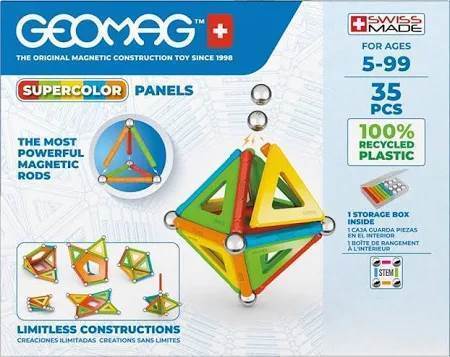
I am as much of a fan of Geomag as my children are. I am super excited that they have brought out two new products. The brand new Geomag Supercolor, which is made from 100% recycled plastic, is fantastic for learning in so many ways. It has limitless construction and a handy booklet to give you ideas for play. It offers hours of fun.

geomag shapes

Play with magnets and let creativity and imagination take over with the fun Geomag toy that works like pure magic. Thanks to the simple Geomag elements and the magic of magnetism, you can build endless 3D constructions with creativity and imagination. The elongated magnetic rods, steel balls and the various panel shapes make up the building system, which stimulates play and learning.

The Geomag 337 Supercolor Panels 35 Piece set costs £26 from Coolshop.co.uk

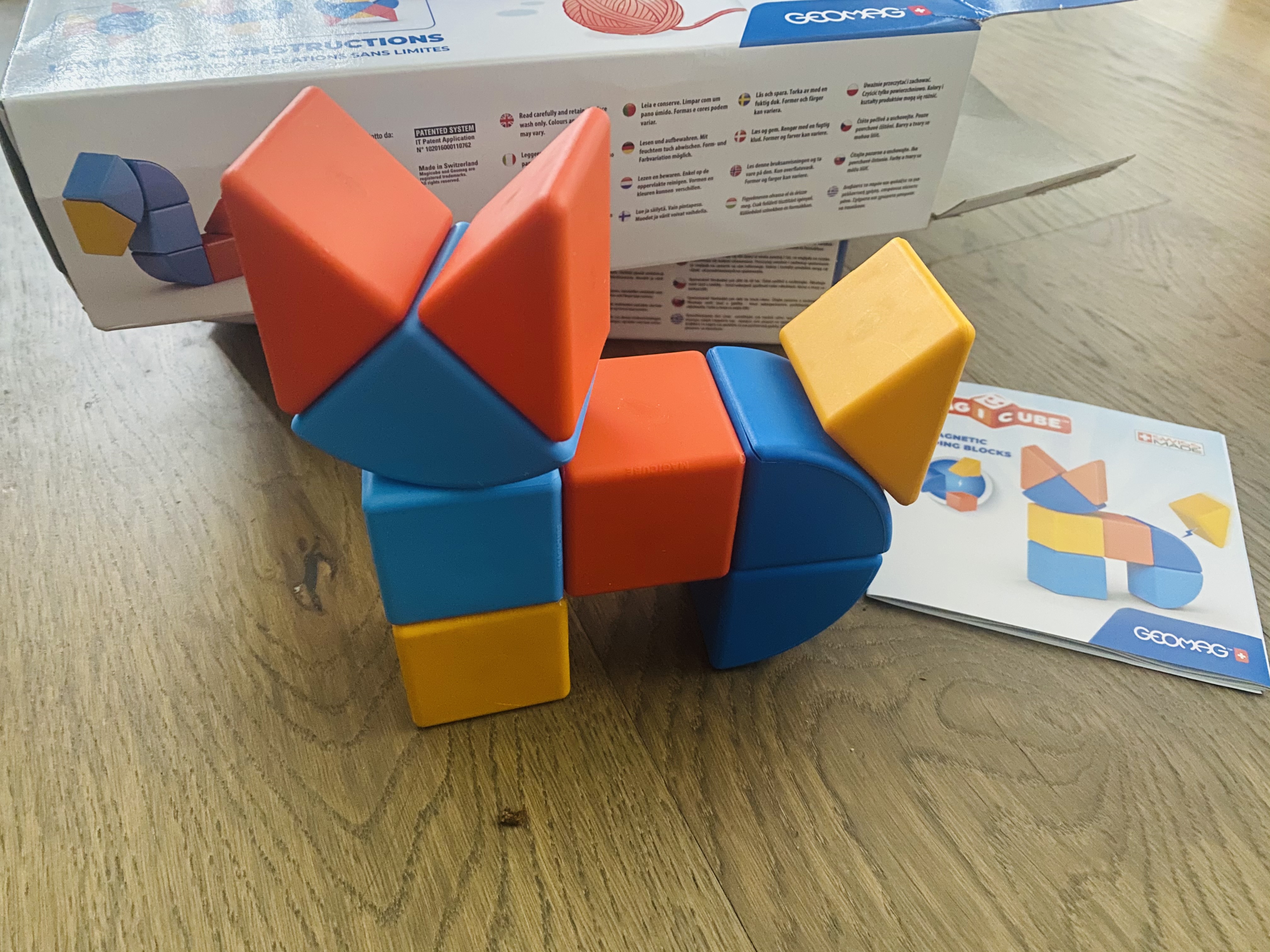
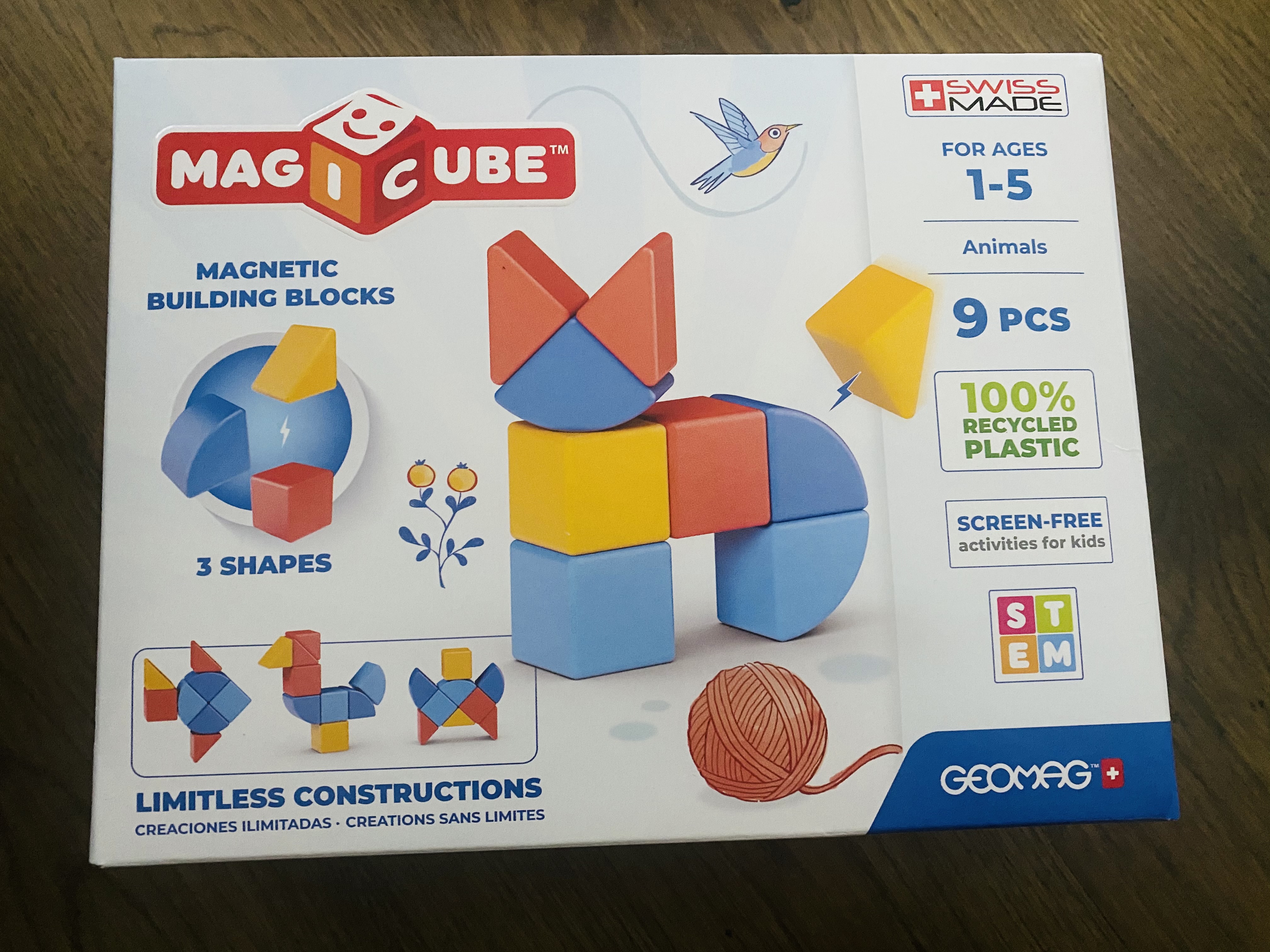
magicubes, magnetic toys, animals. , geomag magicubes, magnetic toys, animals, geomag


Next up is the gloriously fun Magicube. They are shapes you can make numerous animals out of. My daughter absolutely loves these. They are great for imaginative play and developing motor skills. They are also made from 100% recycled plastic. Highly recommended for your little one. Fab and fun.


Frost Loves: BONDS Baby Clothes

BONDS, the biggest babywear brand in Australia have a gorgeous range of Wondersuits. We love the style, but we also love the high quality.
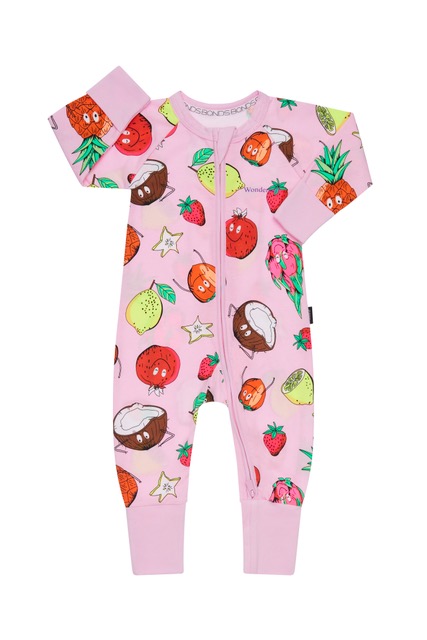
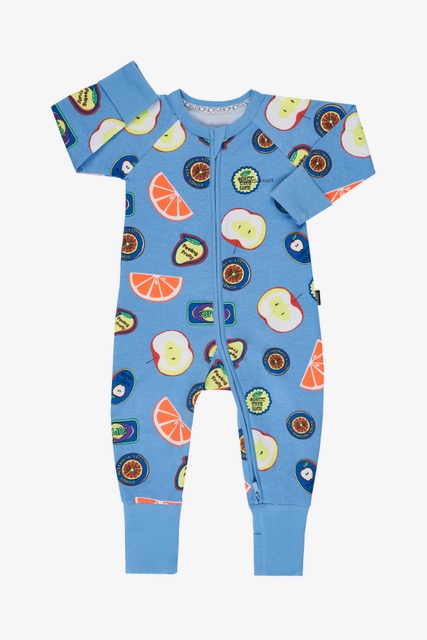
BONDS baby clothes BONDS baby clothes
Following on from their ‘Love” collection, we love the fruit inspired design of Wondersuits, features melons, apples, oranges, coconut and more has landed. Let’s be clear in the current climate, all we (and your little one) is thinking about is …food. So a timely addition to their Wondersuit designs.
Available from Next.co.uk and John Lewis. Wondersuits RRP £20, Leggings RRP £12 please check stockist.

Keeping Your Child Active

While younger children may be more inclined to burn off energy by running around, especially during play with their friends, you want to nurture this activity to help them remain fit and healthy as they grow up. Looking into ways that you can promote an active lifestyle without turning it into a chore, or something that they find boring, can help them to enjoy staying active, as well as provide some great opportunities for getting outdoors and spending time together as a family.

Active Toys

Children learn to develop their skills via play, which is why the type of toys that you buy your child can impact their growth tremendously. To encourage your child to engage in more active or outdoor play, you may want to consider toys for the right age from Wicked Uncle. This can allow them to begin to discover games or skills that incorporate exercise. Something as simple as a child’s first bike can help them to discover a love of cycling which can be great for both travel and keeping fit. This can also allow you to venture out as a family, exploring the local area, with the journey becoming part of the adventure. 

Clubs

As your child grows up and starts school, a number of clubs may be offered to them, both by their learning provider as well as other institutions. Encouraging your child to sign up for sports clubs can enable them to learn more about social interactions and keep fit. Some other clubs your child may join might also provide them with life skills, such as the ability to swim. Children can often make lifelong friends by taking part in these clubs, as well as developing their abilities. Many children who attend sports clubs from when they are young often go on to continue enjoying and participating in that sport, even into adulthood.

Combination with a Balanced Diet

While keeping active is important for your child to grow up fit and healthy, their diet cannot be neglected. Even when undertaking exercise, poor food choices can still cause weight gain, as well as other health problems which may affect their enjoyment and longevity. By providing your child with correctly portioned food, rich in lean proteins, healthy fats, and plenty of fruit and vegetables, you will be enabling them to make better food choices as they grow up, as well as to provide their insides with the correct vitamins and minerals they require to function properly. It is also important, after activity, that you do not overcompensate by giving them an increased number of calories. 

While processed or greasy food should be kept to a minimum, these may be incorporated into your child’s diet to allow them to practice moderation, as well as to avoid binging on forbidden foods once they reach an age where they have more autonomy over purchasing food.

Considering ways to keep your child active and healthy now can help them to grow up with a good relationship with both food and exercise. 

Collaborative post with our brand partner.

Help for home-schoolers! Useful tips that will see you through.

Was mathematics always this difficult? Why does science suddenly seem so difficult? And why is the way they do things nowadays so different? Just some of the questions most parents find themselves asking a few times each day whilst home-schooling. It’s safe to say that home-schooling isn’t for the faint-hearted and we certainly have more respect and admiration for teachers than we did before we became emergency educators. 

Trying to get your children to complete any school work at home is difficult, and that’s before you manage to get your own head around ‘why Timmy has 3 apples and Sarah has 6’ …None of us signed up to this physically and mentally draining task, and if you have more than one child to educate at home as well as a full-time job to juggle, you may be wondering when this nightmare will end.

In the meantime, I’ve gathered some helpful tips for home-schoolers that will see everyone through …at least until the weekend! Read on to find out more.

Stock up on supplies

Having the right resources at home will not only make your life easier but also help to enhance your child’s learning and understanding. Start by stocking up on paper and printer inks, you’ll find the best Epson cartridges here, all at competitive prices. Being able to print work and activities that have been sent over by the kids’ teacher means they can work independently and away from a screen. You can also print fun activities for when they need some downtime.

Plenty of pens, notebooks and stationery are a must, along with other learning resources such as counters, flashcards, books and even mini whiteboard markers. Whatever you think will enhance your child’s learning should be something to consider. 

Get outside!

Kids don’t just learn in the classroom. Spending time outdoors exposes them to all kinds of learning opportunities. From nature and habitats to the weather and the seasons. Forests and oceans to mammals and birds – get them caring for the world we live in. Taking some of your lessons outdoors – even for something as simple as a nature trail – can enhance their learning and make this period much more immersive. It also means you all get to enjoy some fresh air and time outdoors.

Organise in advance

Seeing what their teacher has set for the day in the morning, isn’t ideal. To help your children get the most out of their learning experience, planning ahead and keeping yourself organised is the best approach. That means having the right equipment set out and ready for the next day, the lessons and activities planned, packed lunches arranged, and the right mindset in place. Having all this sorted in advance will make your home-schooling schedule much easier to cope with.

Accept that every day won’t be idyllic

Regrettably, even if you plan your day down to the last detail, things will go awry. Sometimes our kids just aren’t motivated to learn, and in this confusing and difficult time, we shouldn’t expect too much from them. Dedicating a few hours each day to their curriculum and other time for activities they enjoy such as reading, arts or even music, is more than enough. Try not to put too much pressure on yourself. 


Collaborative post with our partner.


Stokke’s Tripp Trapp High Chair Review

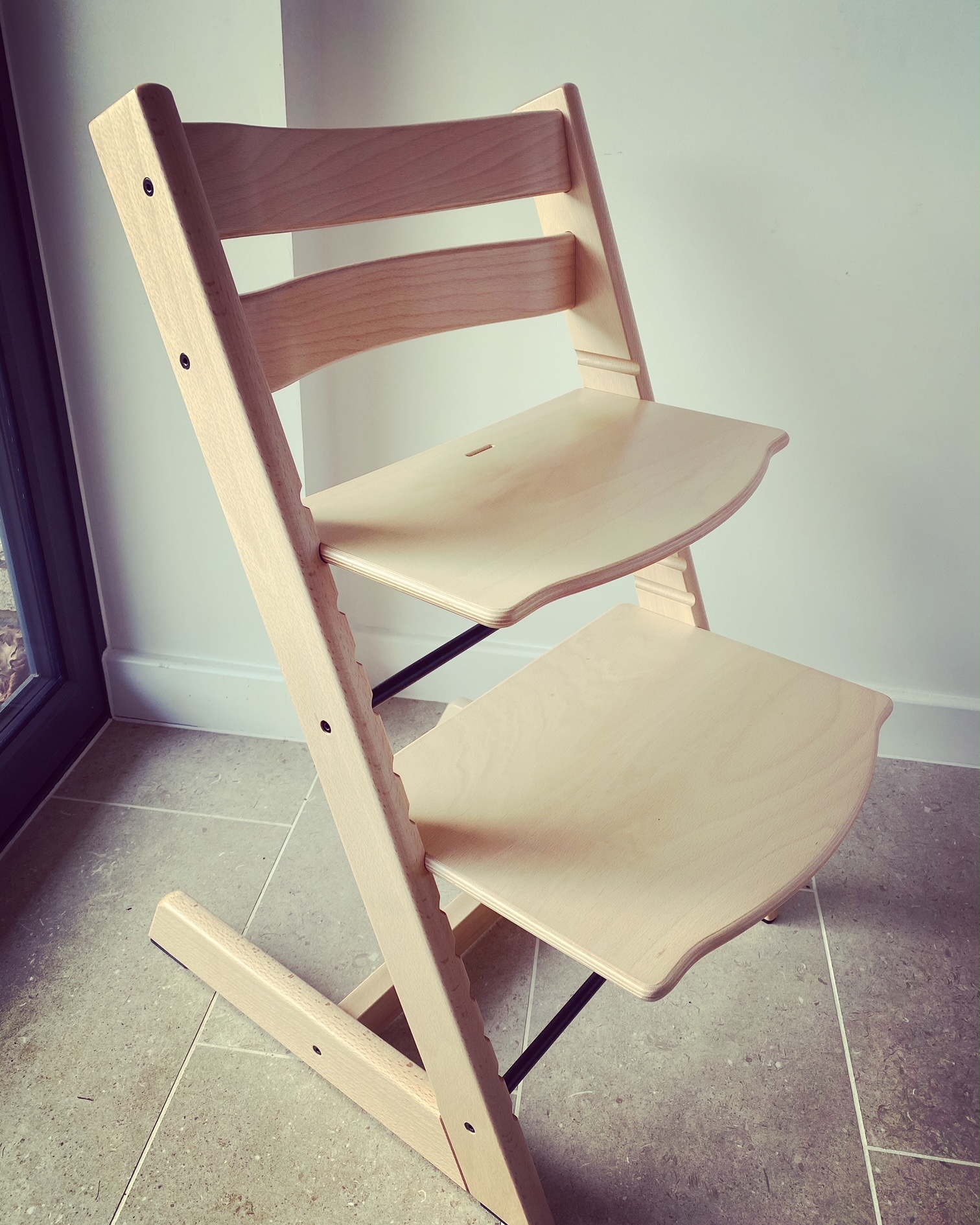
I know I bang on about sustainability a lot and some of you might even be sick of hearing about it. However, I need to talk about the Stokke Tripp Trapp high chair. It is a gorgeous high chair that lasts from birth all the way to, well, the rest of your life. How is that for sustainability?

The high chair itself it stylish, with stunning design. It is well-made of course. I would not expect anything less. I put the high chair together myself. Well, with the help of my two young children who insisted on joining in. I found it easy. That said, I did it via a YouTube video and not the instructions.

stokke, high chair, tripp trapp.

I absolutely love the high-end Scandinavian baby brand Stokke and I am not the only one;  Alesha Dixon, Katy Perry, Joe Wicks, Rochelle Humes, Jessica Alba and even Ronaldo all love them too.

stokke, tripp trapp, highchair, review,

Stokke’s iconic Tripp Trapp high chair grows with your child, which can include an additional Newborn attachment. The Newborn Set for the Tripp Trapp chair brings your baby into the heart of the family from day 1 – to develop and learn alongside each other and allow for moments of bonding between all family members. The chair can also include a baby set and can hold up to 136 kilos, meaning your chair can last a lifetime. Tripp Trapp was born in 1972 and have sold more than 12 million chairs. Impressive. I now people who have had theirs for decades.

Available from stokke.com, johnlewis.com and many other good outlets.


How to Keep Your Child Motivated to Learn at Home

homeschooling, home learning, lockdown, lockdown three, lockdown 3, remote learning, schooling, education, coronavirus, covid 19, After parents stepped into the shoes of a teacher in the first lockdown, there was a sigh of relief as children were finally welcomed back through the school gates in June.

But, as the virus has rapidly spread over the Christmas period, millions of primary school children will not return to education until after the February half-term, meaning it’s time for parents to re-tackle home learning once again. 

The Office for National Statistics found that the majority of British children struggled to learn from home during the first lockdown, with three-quarters of parents giving a lack of motivation as the reason why. So how can we keep our children focused this second time around? 

The team over at Essential Living have worked with Counsellor Kerry Quigley on this handy guide for parents to help keep your children motivated whilst learning from home. Kerry Quigley has been a counsellor for over 17 years, here she offers tips on keeping children mentally engaged and helping them to learn under difficult circumstances. 


Start and stick to a routine


A routine is extremely important, as not only does it give structure to your day but is also mentally beneficial. A recent study found that children feel safer and more secure when their lives have a predictable routine. 


Having a routine can also have a positive impact on mental wellbeing, no matter what your age (cause we’re still talking about kids here right).


Counsellor Kerry Quigley, who is accredited by the British Association for Counselling and Psychotherapy said: “Children learn better in a structured routine. Where possible maintain a consistent sleep pattern, meal times and regular breaks. This will help to support your child’s concentration and energy levels.”

Your routine should be similar to a normal school day, including going outdoors, different types of skills learning and regular breaks. Here is an example you can follow: 

Or if your child’s school uploads tasks for them to complete every day, ensure they know what they have to do and that they have the equipment to complete them.

Create a rewards-based system


A rewards system is a great motivational tool used by teachers to encourage children to do something they may not enjoy by rewarding them for hard work and good behaviour.


Not only does it motivate but also helps improve behaviour. By deducting points for bad behaviour, this is a good alternative to another form of punishment like being sent to the naughty step. All this does is interrupts your routine and distracts workflow.


Counsellor Quigley believes, “It is important to remember to praise and reward their achievements. This will build upon your child’s self-esteem and encourage independence.” 


Unsure where to start? Here is a tutorial example with parental tips for creating a rewards system for your child: https://www.youtube.com/watch?v=iQqGUCguWyY&feature=emb_logo 


Young children can benefit from sticker charts and it’s a good idea to get them involved with creating and keeping the chart up to date. Allow your child to decorate a piece of paper themselves to use as their own personal rewards chart. Let them choose different coloured stickers and give them a target to achieve per day. Giving daily targets will help increase a sense of self-confidence and motivate them to reach their goal. 

For older children, try offering other types of incentives such as an extra hour of television or a small gift for their efforts.

Introduce cooking


Younger children love to help out around the home, and take pride in seeing something they have helped to create. So, take pride in seeing something they have helped to create. 


Often we focus on one learning area like maths or science, but we forget that we can choose activities that incorporate several learning concepts.


Choose a recipe every day including different ingredients like flour or eggs. Use scales and ask them to weigh out different measurements. This will help them to understand concepts such as weights and fractions.


Through cooking, you can also teach a number of other skills such as:

  • Hygiene skills issues such as the importance of washing hands 
  • Reading labels for nutritional information
  • The importance of a balanced diet and the different food groups
  • Basic safety skills such as preventing burns from hot pans and the stove
  • and making sure food is not spoiled or contaminated by reading the labels


Counsellor Quigley believes: Whilst it is important to give clear instructions and expectations, this will help motivate your child and build upon your child’s self-esteem and encourage independence.”


Here are some Lockdown friendly recipes for kids to help you get started: https://www.youtube.com/watch?v=7Kydl6dQIBk&feature=emb_logo

Encourage your children to stay connected to the outside world

Your child mustn’t become too disconnected from the outside world. During the first lockdown, parents became increasingly concerned that not attending school or social events would hold back their child’s development at such an early age. If your child is still struggling to adjust to this new, isolated environment reassure them that it is temporary. 


To help provide normality, allow them to interact online with peers. Try scheduling regular calls with a school teacher or a member of the family to discuss the progress of learning and other activities during their day. Knowing they will be speaking with someone on the outside world can give them that boost they might have needed. 


Counsellor Quigley said: “By empathising with your child’s feelings this will help them to feel heard and understood, and also support a positive relationship between you and your child.”


For any more advice or guidance from Counsellor Quigley, you can contact her through the Glister Counselling website: https://glister.uk.com/contact-us/


Thanks to Essential Living: https://www.essentialliving.co.uk/