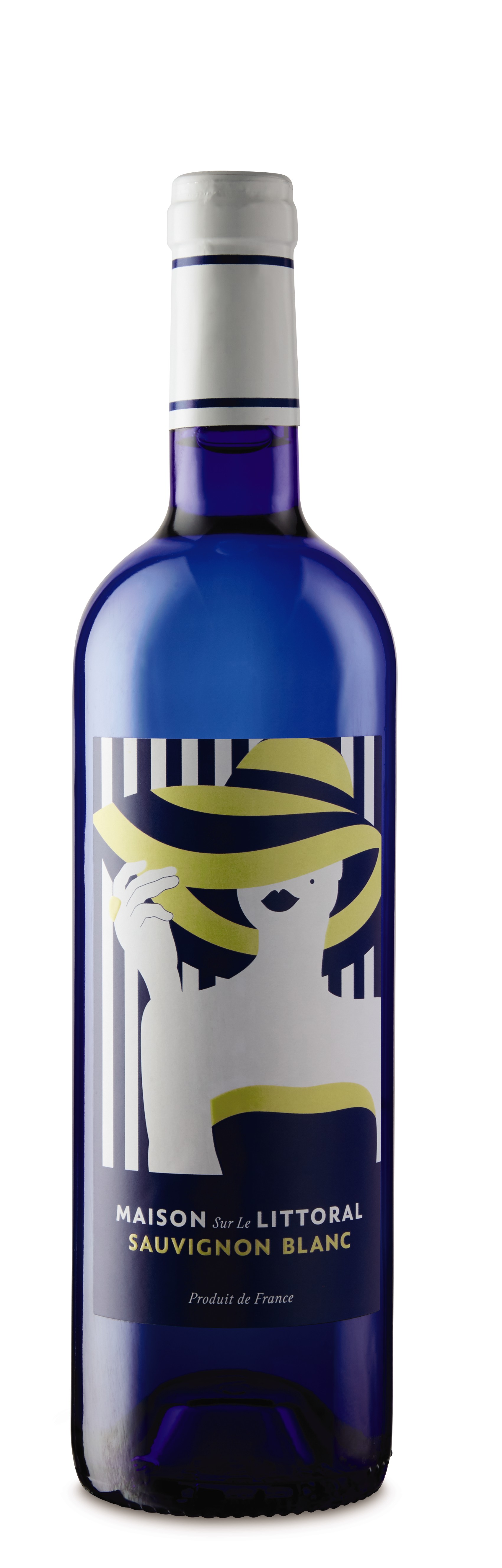
Michael Rowan chills out, when he tastes Maison sur le Littoral Sauvignon Blanc, £5.99. from Aldi.


We are so in need of good news right now, that I am pleased to bring Maison sur le Littoral, Sauvignon Blanc to your attention.

The azure blue bottle and stylish label call out to me each time that I open the fridge door, which during lock down, has been more frequent than I would like.

The name translates as the ‘House on the Coast’ and the deep blue of the bottle transports one to the southern French coast looking out over the Mediterranean, without having to worry about quarantine.

Aldi has launched this crisp, fresh citrus tasting classic Sauvignon Blanc, which will undoubtedly go well with fish, sea food, chicken and salads. Perfect for the current heat wave and all those summer suppers in the garden, or to be honest, you could just take it easy and enjoy by itself.

Available from Aldi at £5.99 this is a great example of Sauvignon Blanc that won’t break the bank and will bring a smile to your face every time that you open that fridge door.


JK Rowling is the children’s choice according to a recent survey …


JK Rowling, Roald Dahl and David Walliams all made it into the top three for children’s most loved authors.   Fantasy and adventure stories are the biggest hits amongst our kids

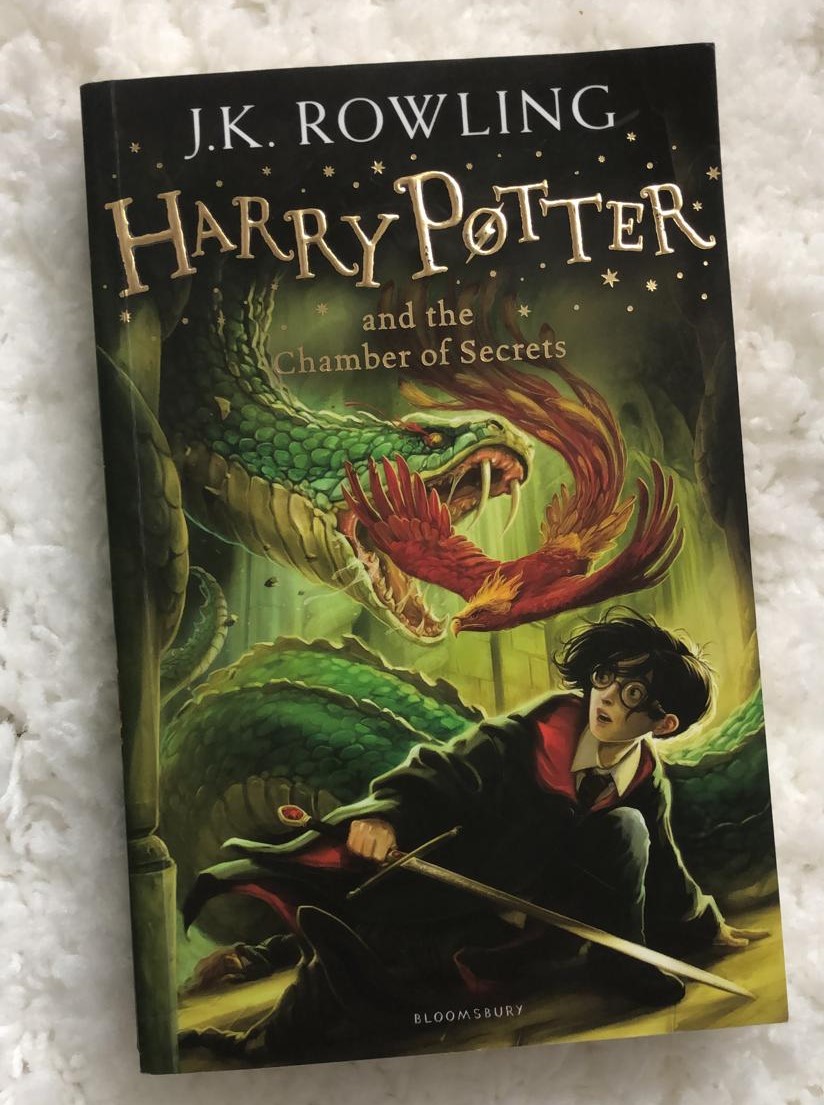
A THIRD of kids in the UK have said that Harry Potter still takes the wand as most beloved character from a book – despite him being introduced to the world all the way back in 1997.

Other characters who topped the list include Paddington Bear and Roald Dahl’s Charlie Bucket alongside The Gruffalo. JK Rowling tops the list as children in London’s favourite author with 25%, while Roald Dahl takes second place with 21%. David Walliams proves he’s made a big splash in the world of children’s literature by claiming the third spot with 18 per cent.

As big believers in the power of children’s minds, the research from the collective kids, Suckies, the UK’s fastest growing yoghurt brand, also found that tapping into the imaginations of our kids seems to pay off well as adventure books and fantasy tales both come out on top as kids’ favourites with 18 percent and 16 percent of the vote respectively.

(The  online survey was conducted by Atomik Research among 2,003 children aged 4-14 in the UK. The research fieldwork took place on 3 – 9 July, 2020. Atomik Research is an independent creative market research agency that employs MRS-certified researchers and abides to MRS code.)

Despite the growing number of toys, tech and games that are available to kids these days, half still love to sit down and have fun with a read of their favourite book. 64 percent have even decided to write their own stories but of those who don’t, 30 state that they just don’t feel creative enough.

The love we have for reading hasn’t faded throughout the generations as the research by dairy lovers, the collective’s beloved products for kids, Suckies also found that the average child will sit down and read to themselves for over an hour and a half. It also seems that kids really are just like us as 34 percent will sit and have a snack with a good book, while 31 percent will go and get their comfy clothes on before they settle down for a read.

As so many children are keen to write their own stories, it will come as no surprise that many also want to become a JK Rowling of their own, and turn writing into a full time career when they grow up – tied with wanting to be a doctor at 20%, and just topping an illustrator with 19%.

Sarah Horowitz at The Collective said, “We understand how important it is for kids to get creative and keep their imaginations alive – especially over the summer holidays! Reading, writing, running, jumping, whatever it is, it’s critical that we help children to feel comfortable using their own voice, creating their own adventures, and of course keeping their energy topped up throughout.”

Top 5 Authors chosen by Kids
J. K. Rowling 25%
Roald Dahl 21%
David Walliams 18%
Julia Donaldson 12%
Jacqueline Wilson 10%
Top 5 Books chosen by Kids
The Harry Potter Series by J. K. Rowling 25%
Charlie and the Chocolate Factory 12%
The BFG 11%
Billionaire Boy 10%
The Gruffalo 9%


Top 5 Storybook Characters chosen by Kids
Harry Potter 36%
Paddington Bear 17.1%
Charlie (Charlie and the Chocolate Factory) 17%
The Gruffalo 16.9%
Alice (Alice in Wonderland) 15%

About The Collective 

The home of gourmet yoghurt, and was the brainchild of two ex-chefs, Ofer and Angus, their quest was simple: shake up the yoghurt category by creating an extraordinary yoghurt with an unbeatable taste.

In 2011 they joined forces with Amelia Harvey and the late Mike Hodgson in the UK who believed the unique taste, texture and fun positioning of the brand was just what the market was looking for. The Collective’s aim is to bring excitement and innovation to the dairy market and is committed to creating the best-tasting yoghurt on the market using only the finest natural ingredients.

Over the last 6 years The Collective has revolutionised the yoghurt market, starting with its gourmet range. Based on the original New Zealand recipe, but produced in Somerset using the finest West Country milk, The Collective’s handcrafted gourmet yoghurts are thick and creamy with a silky smooth, clean texture and taste that melts in your mouth, and have a double layer of fresh fruit compote, delivering a burst of flavour in every spoonful. Their gourmet yoghurt is also packed full of live cultures, has no artificial additives and contains only 5%


SISTER SCRIBES: KITTY WILSON ON LETTING BOOKS BE BOOKS

My latest articles for Frost (with the exception of my last) have all been based around why I write and read romance. I’ve written about the universality of romance and about how I see the genre as one that gives hope. Today I’m going to talk about something a little more controversial, about why I think the romance genre can have a bad name.

When I was first published I had so much support but I also encountered a lot of bias from friends who were unable to understand why I chose to write romance, dismissive of the genre as pure trash (their words). It is not an uncommon view, even people who love the genre often refer to it as such with a self-deprecating laugh.

But why? I can’t help but think this bias harks back to the birth of the popular romance novel specifically written for women a couple of hundred years ago because delicate female minds couldn’t possibly expect to understand the intricacies of politics, economics, science. The world has moved on from such misogyny, yet despite us recognising today that skill in all sorts of arenas is not gender based, society is still struggling to shift the notion that romance books are somehow lesser, that their readers, and writers, lack erudition. We accept in life that you have to be remarkably skilled to make things look easy and somehow we still don’t apply this to books considered easy reads. I know so many people, women and men, who love to escape with a romance novel precisely because it’s an escape. If a book is effectively providing a haven, you are losing yourself in its world, then it is well-written.

When we look at the romance genre and remove this bias and examine what romance and its broad range of sub-genres really are, we see that it tends to be fiction that centres around friendship and family life with the thrill of romance and often a dash of good sex thrown in as well. They are books that usually put women at the fore (an exception being MM romances). We also know from what is (or certainly was) on the curriculum in schools that it’s largely male-centric books that society deems worthy of reading. If you examine the syllabi when I was growing up, you will see that predominantly books written by men for men about men were considered literature. This contributes to shaping society’s attitudes about what constitutes a good book. Whilst I genuinely believe this is changing now (hurrah!) and particularly within the last decade – women-centric books are now universally accepted as literature – it seems that easy-to-read books about women having fun or getting caught up in romance are still deemed less worthy.

Romance books frequently examine love and affection, how it’s human to crave it; they open up discussions about love, loneliness, sexuality and so forth which allows for conversations about these things to become normalised. They have done this for centuries, from women gossiping about the latest romance in Regency coffee houses to chatter over the water cooler about Christian Grey. And where there is discussion there is education, an increased awareness of others’ (and self) needs and preferences can only be a good thing. There are always lessons to be learned in life about understanding ourselves and others, improving communication and strengthening the relationships we have with people. If romance helps this and the bias against it harks back to attitudes we know are outdated then surely, regardless of personal taste, it’s time for romance novels to be accorded the respect they deserve.


The Sunday Art Club announce new dates: 30th August & 27th September 2020

Aurelie Freoua courtesy of Richard Lipman

 The Sunday Art Club will immerse audiences in the joy of live performance this August and September. This multi-disciplinary festival will be socially distanced in Shoreditch as well as streamed online so everyone can enjoy its electrifying range of theatre, jazz, film and visual art installations.

Hosted by Voxonica, line-up highlights this August include a live mural painting by contemporary artist Aurelie Freoua who creates rhythm and harmony through contrasting colours and light in her paintings; a live set from emerging DJs influenced by jazz, reggae, house and hip-hop; live music from Jazz on the Rox showcasing a blend of romantic and seductive jazz classics; a stunning installation from abstract urban artist Christian Asare, a British Ghanain Artist whose variations in culture and identity influence his creative expression; performances directed by Khoas’ James Scotland (Asst. Director, She Ventures and He Wins, Young Vic) and a short film from NatWest and BP Award-winning director, choreographer and performance-art artist Greta Mendez.

Performance and the arts have been a necessary and joyful escape for people across the country throughout lockdown. Co-curated by James Scotland, co-founder of Khaos and Trix Mendez, founder of Outside The Zone, The Sunday Art Club is a chance to bring live art back to audiences. It offers audiences online and in person the opportunity to see alternative, exciting new work in a Covid-safe setting.

James Scotland comments, The Sunday Art Club is vital to the life-blood of the independent art scene and endeavours to cater to underrepresented artists, both British and international, who otherwise might lose their voices as the arts industry emerges from the aftermath of COVID-19. This is an opportunity for artists to make meaningful connections as well as for audiences to reconnect with grassroots talent producing exemplary work. Following a successful debut in July, this unique series of not-for-profit events is a vehicle for the arts industry to reconnect at a grassroots level. It looks to build a network of multi-disciplinary artists and audiences from diverse backgrounds. The Sunday Art Club is free to attend both in person and online, with donations encouraged to support the artists and creatives involved. More artists will be announced on social media over the coming weeks for upcoming dates. Khaos were formerly known as Outer Gaea Company.

The Sunday Art Club Dates 30th August 2020 27th September 2020

Tickets https://www.eventbrite.co.uk/e/the-sunday-art-club-tickets115850139887

Twitter @OuterGaea, #TheSundayArtClub

Instagram @outer_gaea_company, #TheSundayArtClub

Theatre Producer Portal launches …


Theatre Producer Portal launches as a hub for Producers, Writers and Investors to connect Creating a network for likeminded theatre makers.

The Theatre Producer Portal (TPP) is an exciting new online resource to encourage growth within the arts industry and enhance careers. Connecting producers, writers, and investors at all stages of their development, the platform aims to break down industry barriers and establish a space for creativity to manifest.

Previously launched in 2014, the newly revamped site is under the leadership of Jamie Chapman Dixon and John-Webb Carter of Carter Dixon Productions, who are also currently Co-Producing the recently released concert series, Tonight at the London Coliseum, starring a string of West End stars. Bringing together a host of experienced industry practitioners, members have access to a pool of knowledge, to help unlock their further creative potential.

Alongside exclusive networking events, the portal will provide access to upcoming investment and job opportunities, skill sharing, mentorships from leading experts, and live Q&As with high profile individuals, both in the UK and American markets. The first Q&A will take place on Thursday 20th August, featuring the theatrical content creating team at Broadway & Beyond Theatricals (Madagascar The Musical; Little Miss Sunshine The Musical). Furthering the community and industry togetherness, 10% of all membership fees will be put towards a TPP Grant, established to help productions that might be falling short on investments.

With insufficient funding crippling the ability for new writing to be seen, the portal’s Grant hopes to enable more opportunity in the industry, as well as guiding people towards other available grants and bursaries that can help writers and producers be seen. The platform is striving to champion diversity in the arts and the need for further representation of marginalised stories from Black and ethnic minority backgrounds, as well as LGBTQ+ communities.

To this end they have partnered with empowering companies including Burn Bright, Papatango, New UK MT and Beam, to bring the latest and best new work from across the UK to their members for consideration. Members of TPP will also reap the benefits of additional partnerships, from gaining access to some of the best private clubs in London, including The Curtain Club, to the Pleasance Theatre Trust, offering a series on how to take a show to the Edinburgh Fringe, and Industry Minds providing mental health support for any concerns during these tough times.

Jamie Chapman Dixon comments: I am over the moon to be able to finally launch the new evolved Theatre Producer Portal. John-Webb and I have been working tirelessly over the past two years to bring a resource that will benefit producers, writers, and investors of all levels. Our industry is such an amazing and resilient force of nature that is full of individuals who are wanting each other to succeed. The hardest parts about any production is raising the money and how to get in touch with the people who can open doors for you.  The portal is here to change that and the aim is to make these aspects the easiest part of the process. Individuals or companies who are solely interested in investment opportunities can also sign up for free but will only gain access to the investment portion of the website.

Theatre Producer Portal Website:  www.theatreproducerportal.com

Membership costs £19.99 pcm You can sign up to be a member at www.theatreproducerportal.com

Social Media: @thetpportal

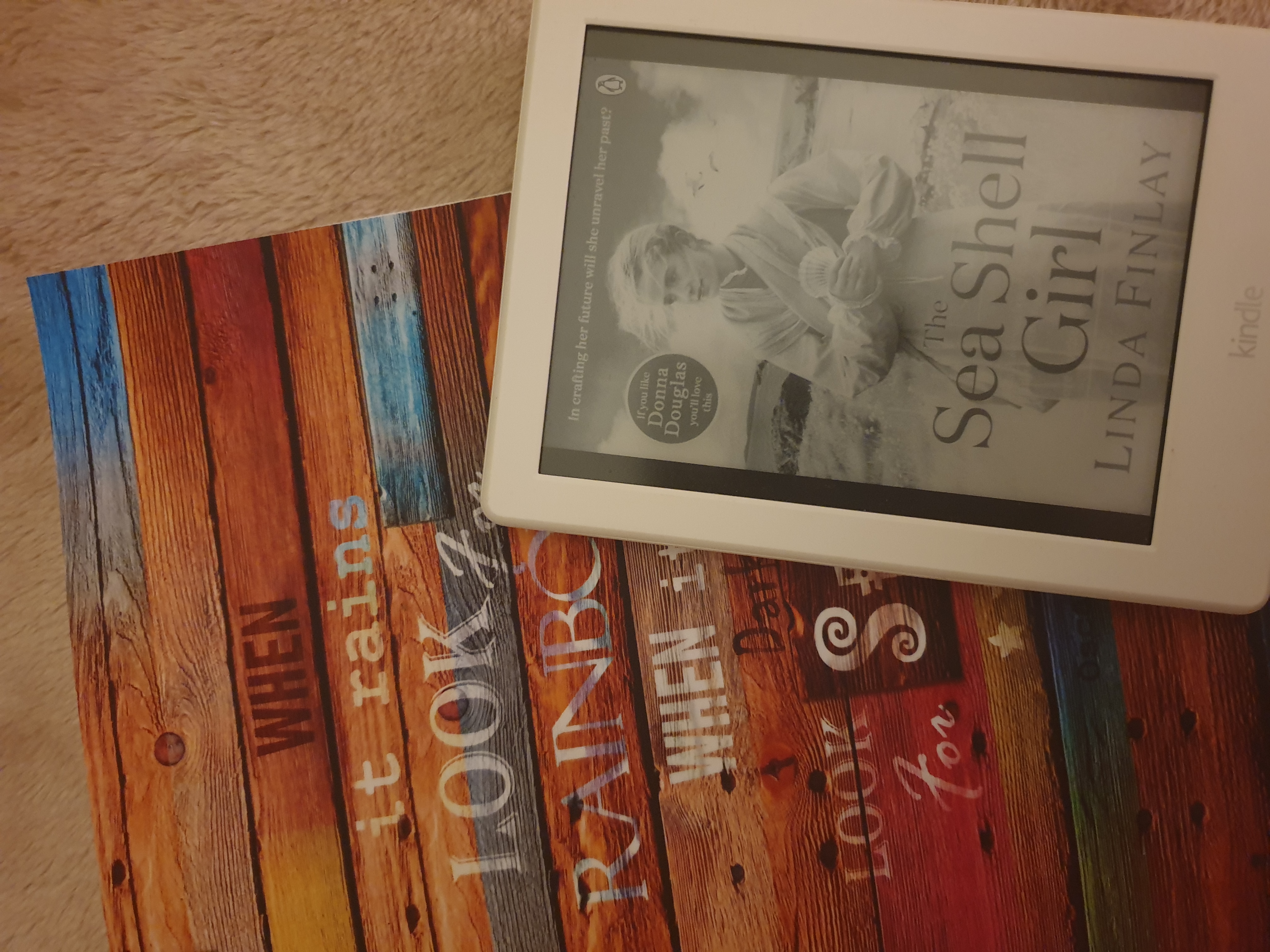
The Seashell Girl by Linda Finlay: reviewed by Natalie Jayne Peeke West Country Correspondent.


With her white blonde hair and blue eyes so different from the rest of the villagers Merry has never felt as though she fitted in. She takes after her father her mother says. (a Seaman who died before she was born). But with him gone the family have to work hard to keep  going and each day is a struggle.

When Merry’s offered the chance of a job in a department store many miles away in Plymouth she knows that this is her chance. With her new responsibilities and a romance on the horizon Merry is sure her life is about to change for good, but does it? Ah, romance and aspiration seldom run smoothly, do they.

I had already fallen  in love with Merry and rooted for her so when she starts her job at the luxurious new department store and settles in and becomes accustomed to a new way of life,  I  felt delighted for her, until …   Until  Saphira breezes into the store and changes everything Merry thinks she knows about her life…

This is the third book by Linda Finlay that I have read, and I absolutely adored it, I couldn’t put it down I simply had to know what was going to happen. Full of refreshing characters and plot twists that you do not see coming The Sea Shell Girl makes for a gripping and  beautiful read. Set in the 1880’s in the beautiful west country Finlay captures the stunning scenery of a small Cornish village.

If you are after a book that will capture your heart and will keep you hooked until the very end then this is the book for you.

Read on eBook, but also available on pb.

In the north the softness of late summer is with us: by author Annie Clarke

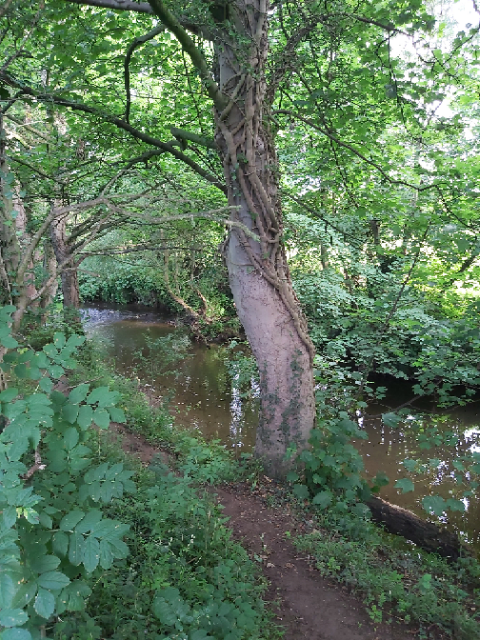
It’s  time to walk along the beck where it is evident that here, in the north, we are into the softness of the late summer sun, and nature hinting that the season of mists and mellow fruitfulness is not too far away.


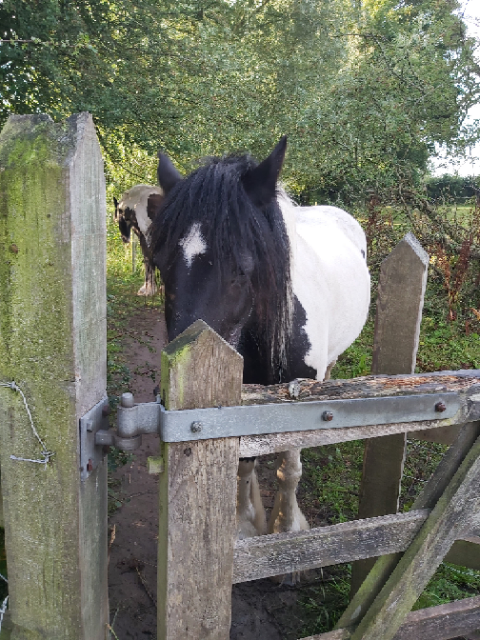
But first we need to announce to the pony that we are coming up behind him. We did. He did not move. So a bit of a pressure on his shoulder, and orders to back, and voila, he does. Lift the dogs, who have no intention of going near this monster, and through the gate, looking back and see his longing to slip through after us and eat up the verge.


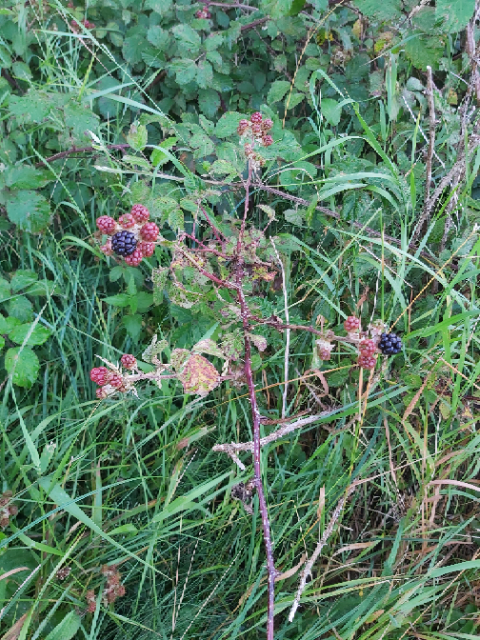
First we pass the blackberries, later than the south I daresay, not ripe enough yet, but getting there.

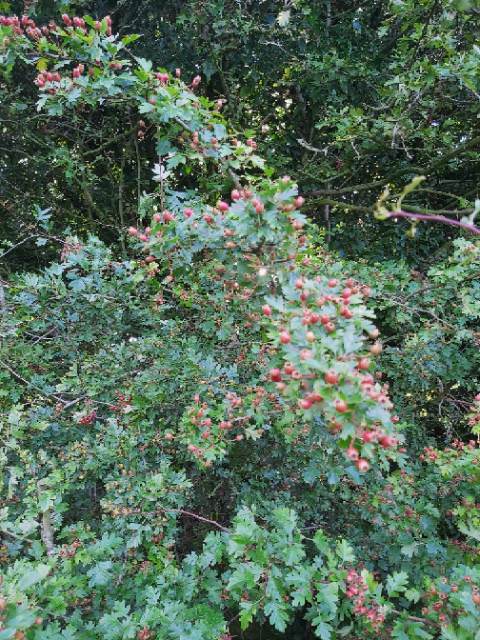
The hawthorn is  full of berries, but they need to be plumper to attract the birds – soon then. These are the hawthorns we used to back into – ouch – when joggers roared towards us, not stopping for man nor beast and immune to calls about social distancing. Here my grumpiness came into full voice. Are we walking earlier, or are they running later?

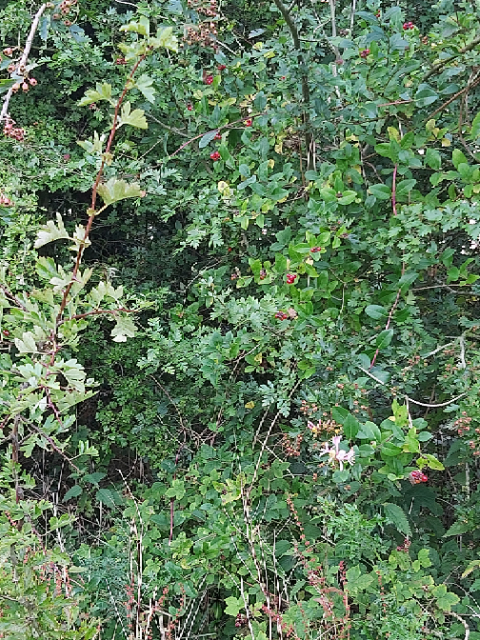
And now the honeysuckle, some still in flower, but the berries are with us.

We turn left, pass the church, and on the walk back we pass a garden which has been put down to vegetables, and just a tiny  lawn, utilising every little bit of space for fruit trees against the fence, herbs companion planted amongst leeks, cabbage, lettuce, courgettes, not to mention runner beans. Bees abound so they are not forgotten. We have grown vegetables too this summer, but not in sufficient quantities. It will not do . So half our lawn is going in order to extend our veg patch. Time we became more self-sufficient which the lockdown has reminded so many of us.

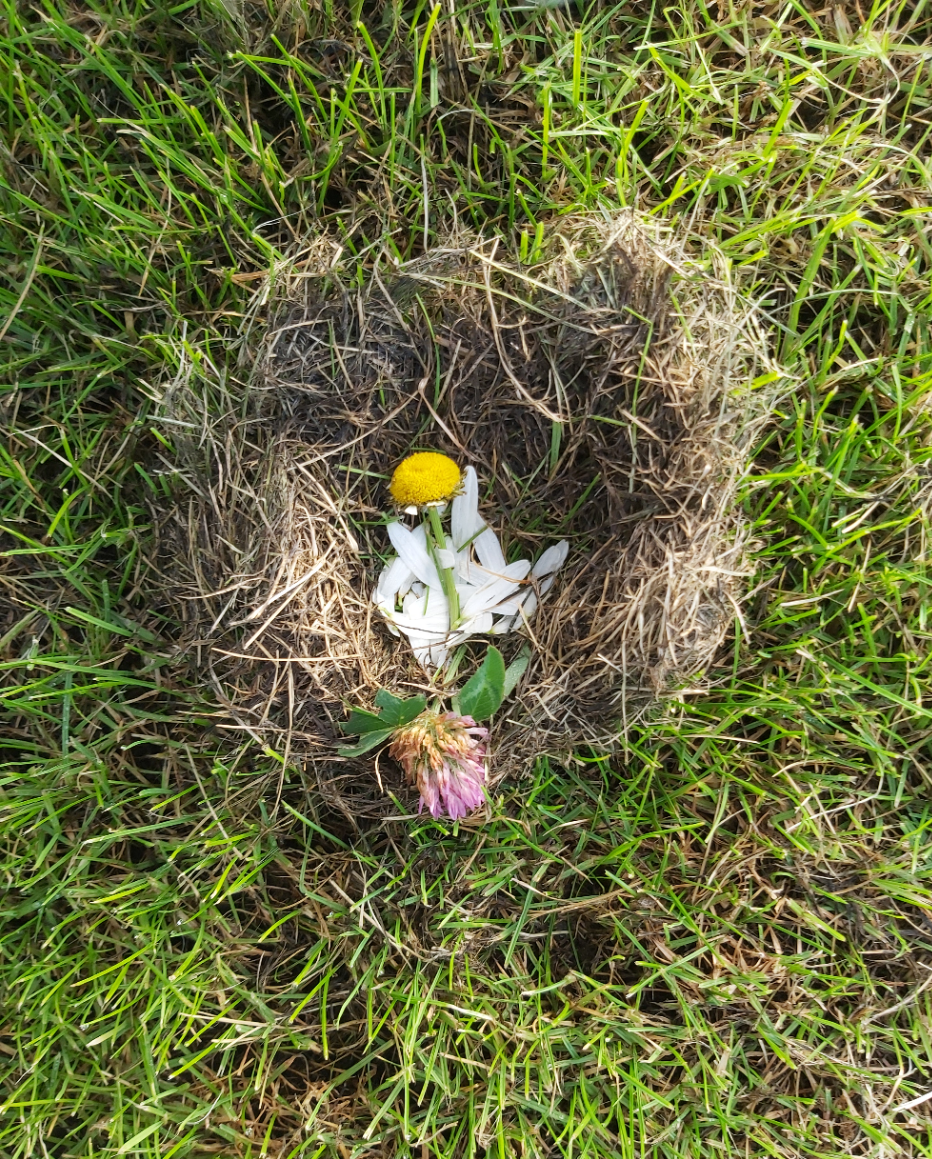
A bit of a diversion as we almost arrive home in order to let the o dogs run like crazy on the freshly mown sports pitches of the  new Sports Village, so while others ran, cycled or walked around the tracks on the perimeter we came across this gift from a child to us all, made out of the grass cuttings.  A bird’s nest lined with petals and laid within – clover and a yellow daisy.

 Life is good.

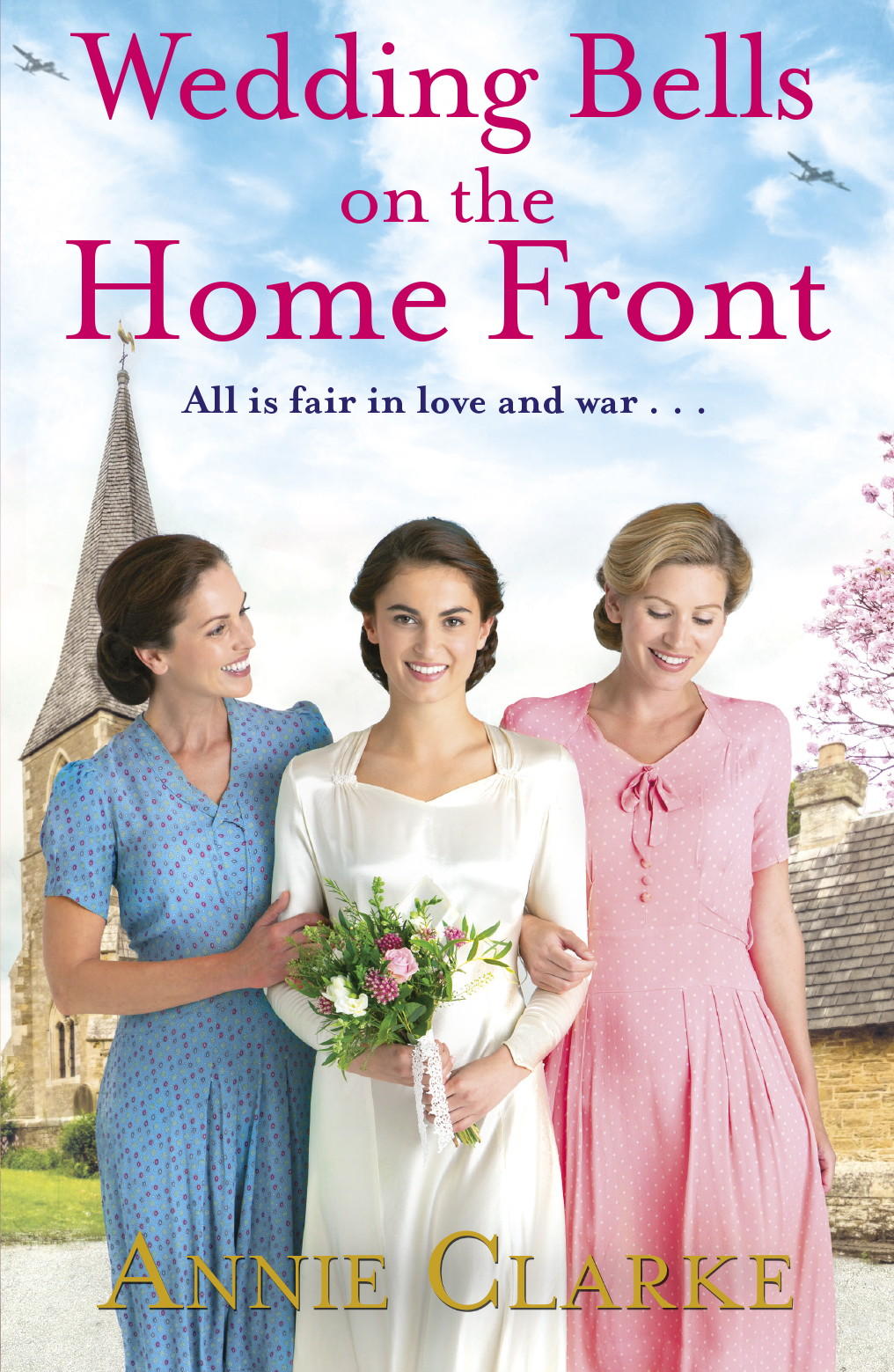
By Annie Clarke, author of Wedding Bells on the Home Front (aka Margaret Graham and Milly Adams)


My Writing Process Charles Freeman

charles freemanWhat you have written, past and present.

I am a historian with a keen interest in world history. For many years I taught history courses with the International Baccalaureate. My first book came out in the late 1970s when I was writing for schools on such issues as terrorism and human rights.
In 1990 I got a big writing contract to work on a world history project. They ran out of money after three years but I rewrote the first three volumes as one, Egypt, Greece and Rome, Civilizations of the Ancient Mediterranean and it was taken by Oxford University Press. I have a longstanding interest in ancient history from my childhood and I loved working on this. It has sold well in the US and opened the doors to a lot of new contracts. The sort of lucky break all writers need.

What you are promoting now.

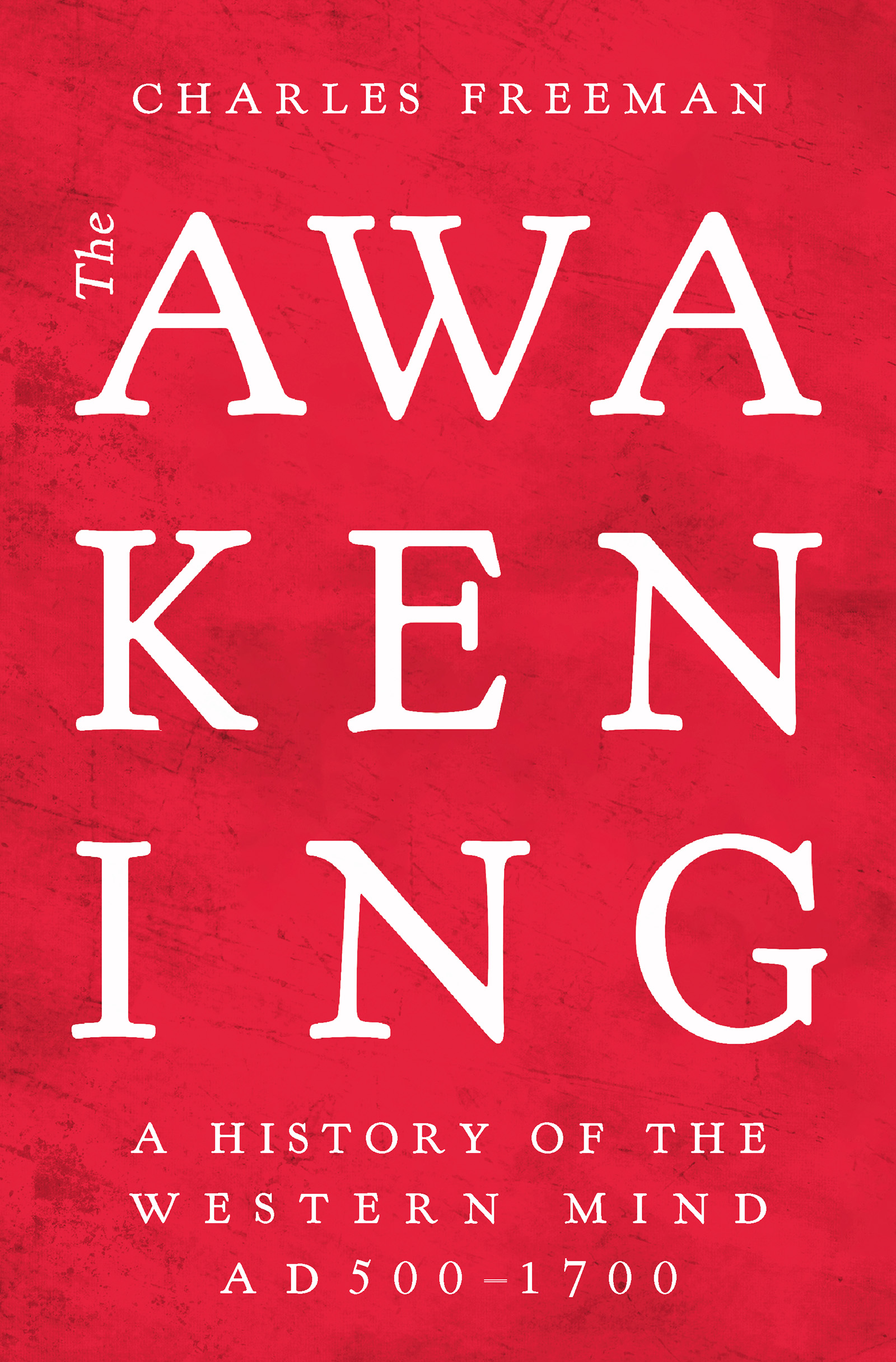
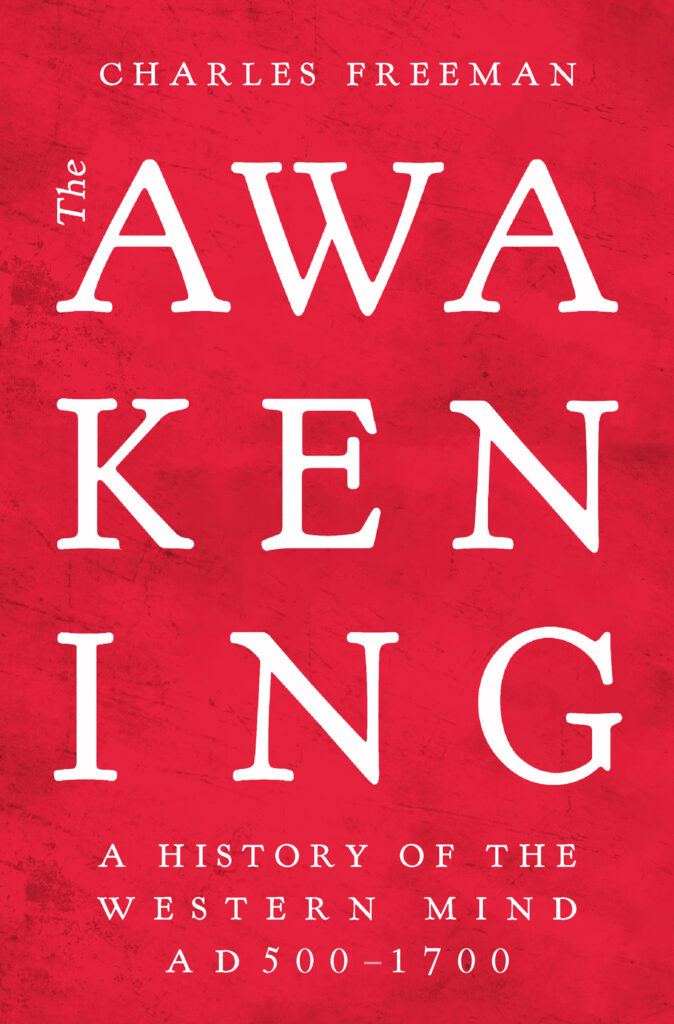
My new book, out on August 6th, is The Awakening, A History of the Western Mind AD 500—AD 1700, published by Head of Zeus. It is an ambitious book but it brings together of a lot of reading and travelling I have done over the past twenty years. So it deals with the survival of Greek and Roman culture into the Middle Ages, the ways in which Christianity developed over the centuries and the emergence of philosophy and science. It took four years to write.
Head of Zeus have illustrated it beautifully and so it is pricey at £40! I am encouraging my friends who can afford to buy the hardback to go to their local bookshop to help get them on their feet again.

A bit about your process of writing.

I am driven by interest in what I am writing. I pick subjects that I would enjoy learning more about and go from there. The trouble is that I am easily waylaid by exploring things that I cannot possibly fit into a book! (My middle name is serendipity –browsing around haphazardly to see what interests me.) I do not use time very efficiently but often I find what I need in odd places in books or on the tours I run in the Mediterranean.
On an actual text I rewrite continuously. A chapter might be rewritten twenty times, often with small changes but sometimes with a complete reordering of the material.
A good tip is to read aloud what you have written. You can then spot if the rhythm of a sentence is wrong and if you need to break up a sentence or insert or take away commas!
Zadie Smith once said that once you had finished a book you should lock it in a drawer for a year. I would not go so far but it is extraordinary what problems you can find if you reread what you have written three months later! Never try to rush a book. Let it mature. Once it is out you can’t change it and if it is not as good as it should be you might never get another contract.
It pays to have a set piece opening, something from anywhere in the book that draws the reader in and leaves them wanting to read more.
I look out for the best history writing on whatever topic in the hope that it will influence my own style. I always have a pile of well-reviewed books waiting to be read. However, you must find your own voice and that takes time. The reader likes to feel that there is a real person there even in a history textbook.
I was once described in a school report as a ‘harum-scarum character’ (those were the days when they told you it straight). I know what the teacher meant when I get back a book with a copy-editor’s corrections on it!
Do you plan or just write?

I need to have a clear idea in my head, an end point towards which the book will lead. I map out a book in advance so as to keep a balance between chapters. After I have done this I let myself be flexible.
Usually once you are into a subject you develop completely new ways of looking at it. Once I had to go cap in hand with my agent to a publisher to say that I had decided to write a completely different book from the one I had signed up for. One of my planned chapters needed to be the whole book! We did persuade him and the book, The Closing of the Western Mind, sold well.

What about word count?

My longest book, the third edition of my Egypt, Greece and Rome, is 345,000 words- it was more than we agreed but they did not notice and the printer had to diminish the script to fit it all in. I don’t work by daily word count, one good page is worth twenty rambling ones.

How do you do your structure?

For a historian much of this is set within a chronology so you need to fix a starting date and an end date. Then you have to find links between each chapter so that the reader has a feeling that it hangs together. Sadly you might then have to dump a chapter that does not work.

What do you find hard about writing?

The problem of selling a proposal and making any money from it is one that makes life hard for most writers. I have spent a lot of time on proposals that no one wanted -I even have a complete book that my agent has put through twenty publishers without success.
Personally I would find it difficult to be a full time writer. It can cut you off from people and the real world too much, so I organise study trips to the Mediterranean in the spring and autumn and then write largely over the winter. It helps to have a break from a text. See Zadie Smith’s recommendation above.
It is also important to have some other way of making some cash if you want to be a writer! So I do lectures, tours and act as consultant for the Blue Guides, cultural travel guides. And now at last I have my pension to help keep me going!
On a day to day basis the hardest is to ditch a piece of writing which might have taken some weeks of research but which just does not fit into the narrative.
When I am stuck I go for a long walk. I have a theory that the human brain works at its best when it is travelling horizontally at 2 ¾ miles an hour (even better when it is pulled along by a lively border terrier). It is amazing what gets untangled on a walk.

What do you love about writing?

It’s a peaceful and satisfying way of living and you can fit other things in around it. As a historian I am always finding out new ideas and authors that I would not come across otherwise so I feel that, even in my seventies, my mind is still developing. I often find that the research for a new book leads to all sorts of new interests.
Don’t write for money, write for the pleasure it gives you. Writing is in itself therapeutic. Don’t expect too much. I have seen too many friends assume that once their first book is out everyone will notice and applaud it and the money will come pouring in. Then it gets a couple of nice reviews and that’s it. Within six months it is way down on the Amazon bestsellers list along with thousands of others. It is a jungle out there and it is a long haul to get noticed, let alone make any money. (Only two of my twenty published books have made me more than the basic hourly wage.)
Publicity. I decided, with powerful support from my wife, that it might not be a good idea to pose naked behind a pile of my books as one female historian did- but her subject was a naughty eighteenth century duchess so perhaps it worked for her.
I don’t have a website. A good history book spreads by word of mouth. If you want to know more about me, then ‘Charles Freeman, Yale University Press’ has all the details and links to reviews of two of my books with them.
I worry that many good and committed writers get missed by publishers but there are other books so badly written that one wonders why they ever got published. The same as with artists. Standards of editing have gone down a great deal since I started writing.
Don’t try and copy a genre or theme. By the time you have finished the reading world will have moved on. It’s an original voice that matters, especially in fiction.
Keep at it. It’s about the fifth book that you write that you begin to get the hang of it! I think hopeful writers still underestimate how difficult it is to write well- it is a craft and needs thought and time. No easier than being an artist.
I have never done a creative writing course and I am sure they will help but there is no substitute for reading widely (the thriller writer Lee Child says that the only way to learn how to write is to read for forty years), experiencing the world and just getting down to actually doing it!
Support your local bookshop if you can. At the least they might give you a launch and put your book in the window!

Further details about Charles Freeman can be found at Charles Freeman.
Yale University Press.

The Awakening will be published by Head of Zeus on 6 August