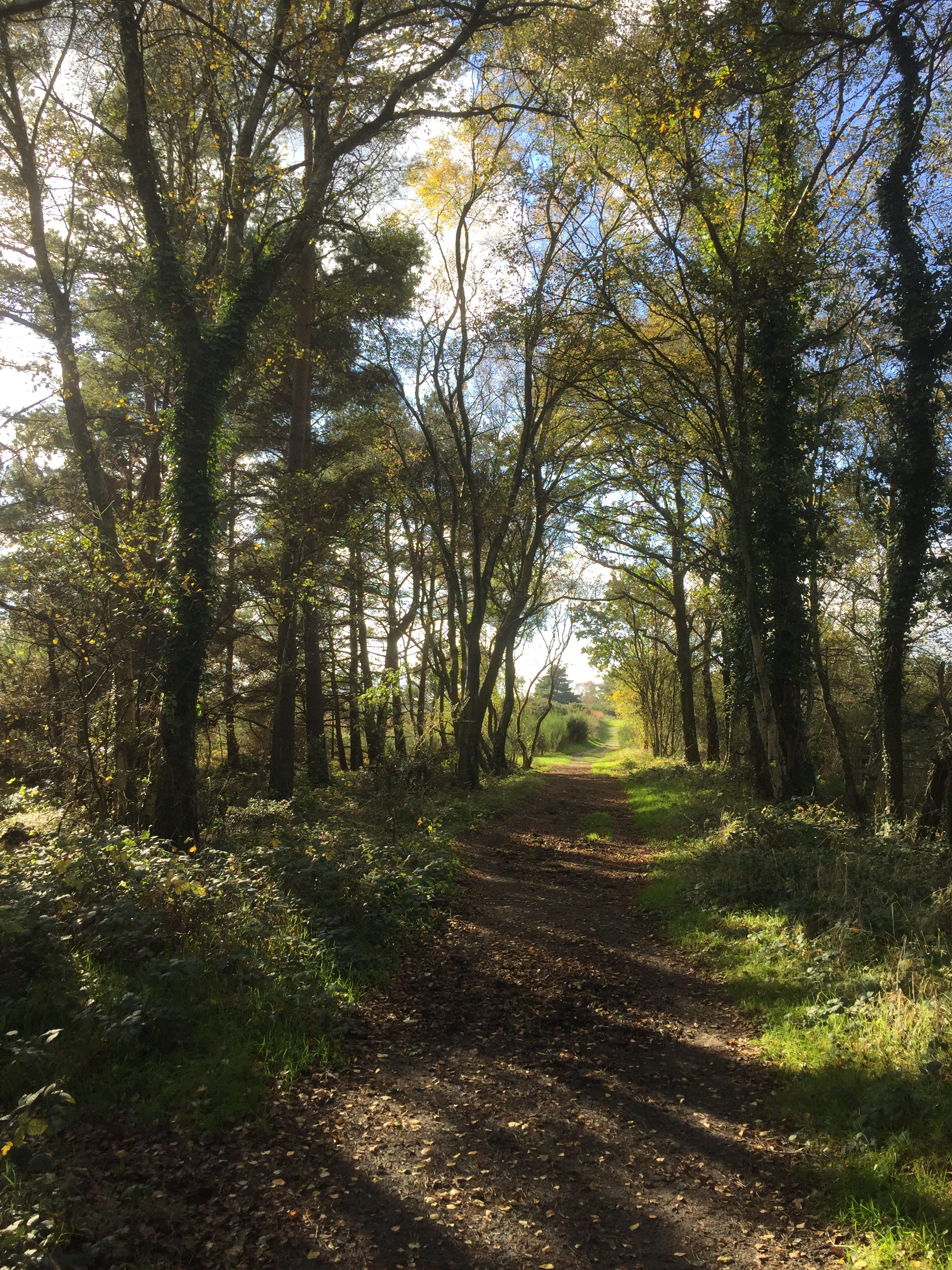
Living with Alzheimers – The Day Bob Got Lost by Chris Suich

Living with Alzheimers the day bob got lost

It was a glorious Autumn day. The leaves were just turning into swathes of gold and red and the sky was the brightest clearest blue. Not a cloud in the sky, great for walking and a ‘feeling good to be alive day’. Bob at this time enjoyed walking in the countryside. Indeed he had even joined the ‘Ramblers’ and joined in with a group to explore the local countryside without me, when I was at work.On this particular day I had a hair appointment which was near to  a local beauty spot, Hubbard’s Hills.
‘I’ll come with you’ he exclaimed, ‘I can walk around Hubbard’s Hills whilst you have your hair done.’
‘Well take your little Nokia so I can let you know when I’m done,’ I replied. (Thank God I’d thought of that phone!)
We drove together to the hairdressers and Bob went off in one direction and I rushed off to the hairdressers.
We arranged to meet up at the car, or ring each other whoever was finished first. It was me who rang Bob to find out where he was. I’d been waiting in the car for about half an hour  – that was just over two hours since I had left him.

‘Where are you?’ I asked him slightly irritated.
‘I’m on my way back’ he said.
‘Ok, I’m in the car waiting for you. ‘
Another 30 mins passed and I thought I’ll go and look for him coming along the road near to Hubbard’s Hills. I’ll spot him I thought, as the road is straight and I’ll easily see him coming.
No sign.
I rang him again, slightly anxious. ‘Where are you?’
‘I don’t know.’
I asked him what he meant, and if he could see any buildings, or if he could see the church spire from where he was.
‘No’ he said, ‘I can’t see anything just miles of fields.’
I knew I had to stay calm because Bob was in a panic. I told him to see if he could see anyone to ask. He explained that there was a man in a tractor in the field that he could see. He was beginning to walk through the field to get to him.After a few minutes the farmer was put on the phone to me. He told me the name of the hamlet which I didn’t really know and told me that Bob had got himself lost. He pointed him back on the road to home and I said I would drive to get him.
In hindsight I should have said keep him there and I will come to you, because Bob carried on walking and when I got to the hamlet he was nowhere in sight.
It was 6 hours later and I had driven around searching for Bob on every little road leading back to our town I could think of. I decided to go home and ring the police as it was getting dark. Panic was starting to envelop every part of me.
I had just picked up the phone when a 4×4 roared into the drive. Bob had been picked up by an immensely kind man and brought home. He was cold and muddy and very sorry for himself but none the worse for his adventure. He was able to recite his address and let the man know where he lived. (Even now his address and date of birth are imprinted on his mind).
I knew he was upset so I didn’t get cross to add to his trauma but simply said ‘ It’s alright Bob you’re home now and I’ve got some lovely warm soup and a nice warm fire.’
To the kind stranger I simply said. ‘Thank you so much, I’ve been out of my mind.’ I pressed a bottle of our best red wine into his hands and told him to have a drink on us.
It was after this incident that I found out about The Herbert Protocol, a scheme where you can fill in a form and give it to the local police with a picture in case a loved one like Bob ever goes missing again. It can save vital time in this sort of emergency.

Later I asked Bob how he had managed to get lost and he said matter of factly, ‘I forgot to turn round and head back.’

He was walking further and further away without knowing!
And that’s when I realised he wasn’t safe to go off walking in the countryside on his own.
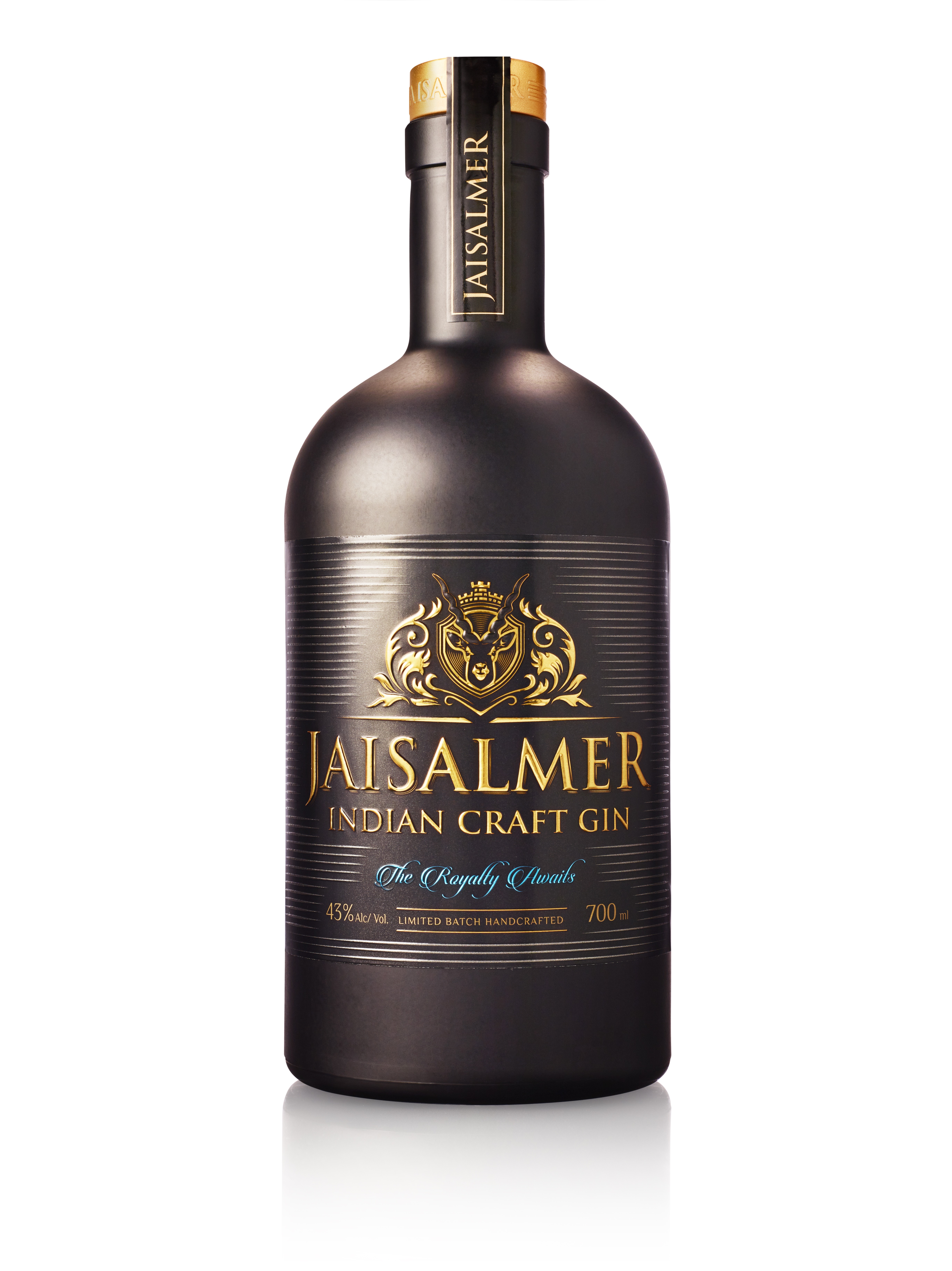
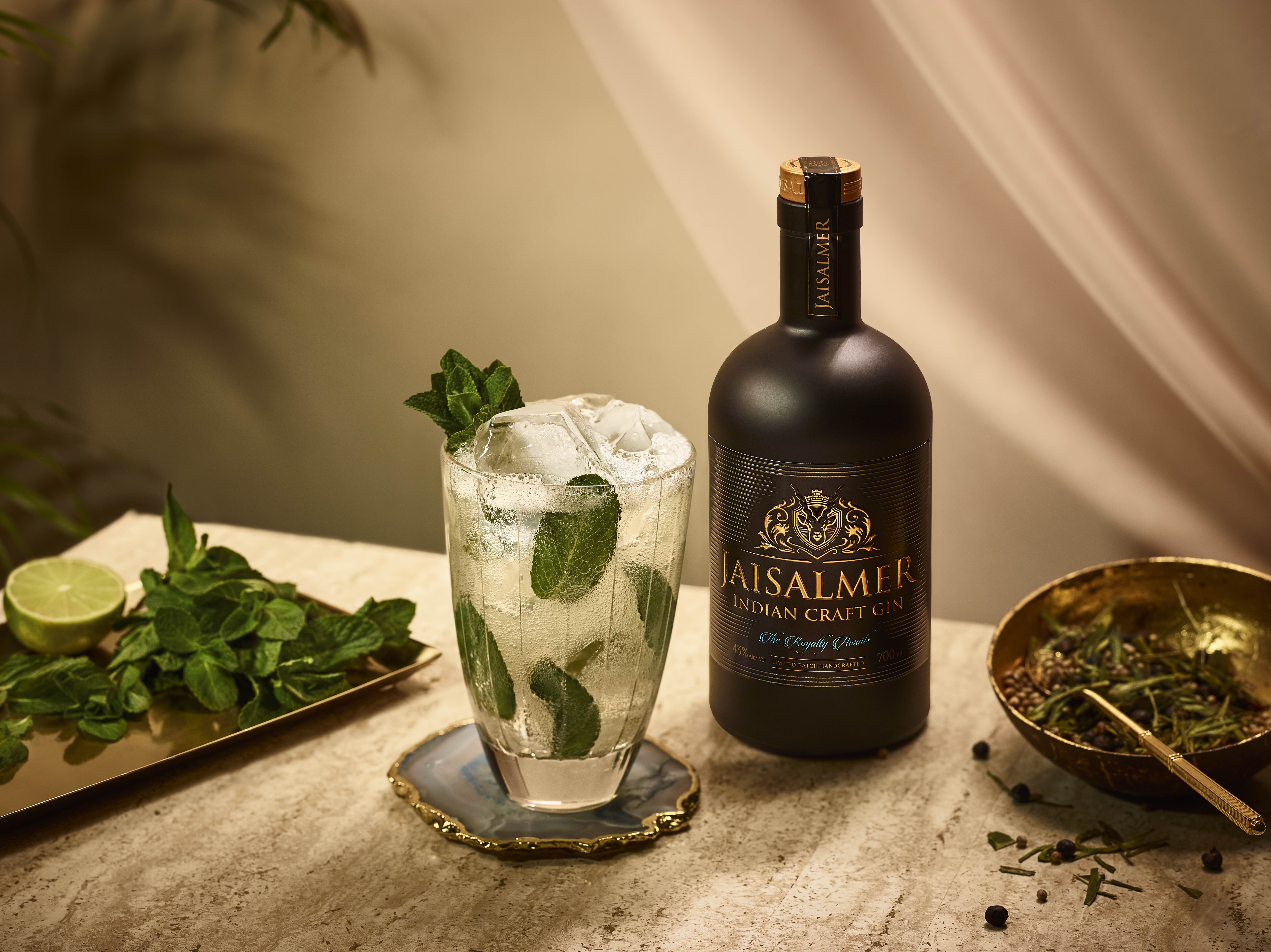
 

Michael Rowan hopes that this Indian Summer lasts until Christmas, or at least until he can finish the beautiful Jaisalmer Indian Craft Gin.


Never judge a book by its cover, is an adage that has stood me in good stead for many years, so why am I to be found stroking the frosted black bottle and label of Jaisalmer Gin, like some James Bond villain, stroking his cat?

Normally immune to artistic labels on bottles of alcohol, I am in awe of this design. The bottle is tactile, demanding to be admired and at the base, a small but pleasing punt. The label is ridged with embossed gold lettering on a black label and then a dramatic splash of turquoise that screams sophistication.

With expectations raised this high I fear that the gin will not be able to compete, despite the bold claim that it is ‘The whole of India in one bottle.’

Gin & Tonic was invented in India, when in the 1820’s, officers from the British Army, in an attempt to ward off malaria, mixed quinine with sugar and water creating the first Indian Tonic Water.  The addition of gin made the drink more palatable.

Jaisalmer Indian Craft Gin harks back to the imperial age of the Maharajas, named after the historic Golden City of the same name and pronounced ‘Jessalmeer,’ it is located in the North West of India in the state of Rajasthan.

Jaisalmer Indian Craft Gin is a triple-distilled spirit, handcrafted in one of India’s oldest distilleries, located in the foothills of the Himalayas.

The use of botanicals is a time-honoured tradition in India and Jaisalmer’s gin recipe is derived from the ancient Indian knowledge of herbs. Seven of the 11 botanicals used in the distillation come from India; Coriander and Vetiver grown in the fields around Jaisalmer, sweet Orange peel from Central India, whilst the Cubeb Berries and Lemongrass are from Southern India. The Darjeeling Green tea leaves come from Eastern India and the Lemon Peel from Western India.

Truly the whole of India in one bottle.


The Master Distiller wanted to retain the classic gin flavour using juniper berries whilst adding a refreshing twist with the Indian botanicals.

So, with Copa glass filled with ice and a fat piece of orange peel, twisted to release its oil, it was with much trepidation that I poured my very first Jaisalmer Gin. (Tip – before twisting the peel run it around the rim of the glass)

With nose set as close to the ice cubes as I dare without risking frostbite, I am hit by an initial crisp aroma of zesty Lemon and Coriander.

This gin does not disappoint, with Pine notes from the Juniper, woody and earthy notes from the Angelica Root and Liquorice whilst the spicy definitive notes from Cubeb Pepper keep this gin medium to full-bodied.

Finally, there is the elegant and refreshing finish, that lingers long after the first sip and which in my case, left me smacking my lips with satisfaction.

Please don’t worry if you miss the Indian summer, this is a gin to be savoured on a mellow autumn afternoon or a dark winter evening and is so beautifully packaged that it would make a most welcome gift come Christmas.

There is also a very helpful list of recipes for cocktails and for the purposes of this review I made the

THE G&T Signature Serve and the Indian Negroni, both of which I can thoroughly recommend and I am looking forward to trying the others very soon. (Purely in the name of science you understand)

Images courtesy of Rob Lawson.

STOCKISTS -The Whisky Exchange www.thewhiskyexchange.com RSP: £34.95 for a 70cl bottle ABV: 43%


SISTER SCRIBES GUEST: CATHIE HARTIGAN BEHIND THE SCENES AT CREATIVE WRITING MATTERS

I am so happy to introduce you all to Cathie on this month’s Frost. She is responsible for taking me under her wing at my very first RNA conference and was one of the very first people to ever read my work and encourage me to keep going. She is part of the Creative Writing Matters team who support writers in so many ways; mentorship, teaching, handbooks and the running of renowned competitions such as The Exeter Novel Prize.


Does creative writing matter? Yes, a great deal to us.  Margaret James and Sophie Duffy and I have been working together for nearly a decade now. As teachers of creative writing, and because a student’s success is as thrilling as one’s own – well, nearly – we encourage our students in any way we can.

What did they want in a textbook? What would really be useful for them? Would our experience as competition judges as well as teachers be of help? Margaret and I spent a year consulting them before we published The Creative Writing Student’s Handbook.

A dream for most novice writers, is that they should do well in a short story competition. I was thrilled when the first story I sent out bounded into a shortlist. What joy! More successes followed, but then, so did no listing at all. I soon discovered that just because it may not have done well in one competition, doesn’t mean to say it won’t succeed elsewhere. How many entries, who is judging, and whether there’s a strong entry or particular subject that resonates with the judge(s), all are factors.

During my years as a music teacher I was often charged with putting pupils through exams, and my sympathetic cup ran over on many occasions when I saw the terror with which many faced such trauma. But my goodness though, didn’t they all try harder when the exam loomed. Most got exponentially better!

On the back of my experience, I had the notion to hold a tiny competition in a creative writing class. The result was the same. Suddenly, all those last minutes unedited stories were tidied up. They took notice of the word count, the spelling and grammar, and familiar topics were rethought. I was surprised and delighted. Unlike music exams or driving tests though, entering a writing competition it isn’t a do or die situation. Okay, a particular judge may prefer another story, but it is possible to give of your best by crafting your story days or weeks previously.

Sophie won both the Yeovil Novel Prize and the Luke Bitmead Award, the latter leading to the publication of The Generation Game. Margaret was shortlisted for the RNA Romantic Comedy Award with The Wedding Diary, and for many years, had been the administrator for the Harry Bowling Prize. My short stories were being regularly listed and my debut novel, Secret of the Song was shortlisted for the Hall and Woodhouse Dorchester Literary Festival prize. Competitions were something we knew about. It wasn’t long before we realised that our fair city of Exeter was missing something – a novel prize. Seven years on, we can celebrate the publishing success of many fantastic writers who either won or were listed.

One of the lovely things about being a competition judge is being continually amazed by the extent of the human imagination. The sheer variety of subject matter that people choose to write about is extraordinary, but weird doesn’t necessarily triumph over the ordinary. The ability to move, surprise, make us laugh and/or cry will raise a story above the rest, but how or why isn’t easy to quantify.  Difficult choices have to be made. Sometimes there is a stand-out winner, but not often. Obviously, it’s nice to do well, but any listing is significant. A good record of success, at whatever level, shows commitment as well as quality.

Cathie Hartigan is a musician, novelist, and the founder of www.creativewritingmatters.co.uk and the creative director of www.exelitfest.com. Her second novel, Notes from the Lost will be published in October.


AS EASY AS RIDING A BIKE: HAPE INTRODUCES A GAMECHANGER

One of the most momentous occasions is when your little one gets behind the wheel. Well, above the wheels in this instance.

Perfect for children over the age of three Hape’s Balance Wonder Bike is the two-wheeled scooter, perfectly-sized for speedy escapades. Like with all Hape products, this helps to strengthen the senses and a renowned sense of balance is the key here. As always with Hape, this aesthetically stunning piece helps to grow the confidence little ones need to ride a bike and encourages children to stay active, all while providing the perfect opportunity to skip the training wheels.

You can easily adjust the seat to suit and once they feel comfortable walking with the bike and balancing, the bike is able to adapt to your child’s development as they begin to coast and steer on their own. Here’s to cruising through a world of adventures with style and confidence!

Our favourite bit? The rubberised wheels. Wave goodbye to scuffs around the house with this one and it suitable for scooting inside or outside, our new favourite all weather companion!

As the world’s largest producer of wooden toys, this is made primarily of wood, meaning it’s durable enough to last for generations – a money saver and a memory maker in one!

The Hape Balance Wonder is available to buy online for £57.49 from Amazon.

360 RESTAURANT: TAKING TAPAS TO THE NEXT LEVEL

When you think about tasting the most wonderful tapas, your mind won’t immediately spring to Surbiton. But after one mouthful of its olivo ascolane, you’ll shun central London and be waiting at Waterloo with your return ticket to Surbiton ticket in hand..

The food

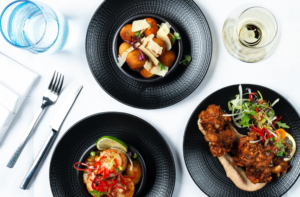
Using only the freshest ingredients, Chef Akshay Sabharwal has brought a modern, flavoursome flair to the Kingston area. Having worked for the likes of Emirates and F1-Silvererstone, Sabharwal has thrown everything into 360 and his vision comes through in his dishes. Aside from the tapas, our personal favourite dishes of the day included Crisp Fried Crab with black risotto rice and a passionfruit and chilli sorbet or a Crispy Talo Corn Tortilla with burrata, heritage tomatoes, micro basil, chlorophyll infused olive oil. Still not convinced? Two words for you… truffle arranchini with Parmesan cream. OK that’s five, but we had you at ‘truffle arranchini’.

Every ingredient at the restaurant is paired in a way that’s the most sophisticated form of matchmaking we’ve seen. Not ordinarily searching for the sweets, we almost went to heaven when we saw the dessert menu and the tastes far outweighed the expectations set by the words on pages of the printed menu. The Pecan and Whiskey pie packs an almighty punch combo – sweet and seriously boozy. If chocolate dessert is your vibe, the Chocolate 360 Orbit with dark chocolate mousse, hazelnut praline ice cream, milk foam, honeycomb and popping candy will blow you away. Rich, sophisticated and deliciously decadent, we’d seriously suggest saving some room for this one, if you can contain yourself.

The drink

One of the things that surprised us the most about 360 was the affordable and classic cocktail lists.  From the whiskey sour, through to the coveted cosmo and margarita, you’d be hard pressed not to find your favourite. We opted for the gin fizz and spiced mojito – a culmination of fresh and festive in one serving! If you prefer a crisp and cold glass of wine to accompany your taste buds’ trip around the world, the wine selection is impressively varied, a true reflection of the restaurant itself. Choose your tipple from south Africa, Chile, Spain, New Zealand, Italy, the USA or of course, the Queen’s country itself.

The prices

Tapas start at £4.50 for Galician padron peppers and go up to £9.95 for smoked Scottish scallops. Dessert starts at £7.50 for a vanilla panacotta or a warm chocolate brownie and at the higher end is £8.95 for a cheeseboard. A glass of white wine starts at £5.50 for a crisp, dry Spanish and if you’re feeling like splashing out you can buy a Tattinger Brut Reserve for £45

The atmosphere

Set directly to overlook the Thames, 360 has a chic and modern look and feel. Plush seating, burnt orange and teal accents throughout the space and a venue is flooded with natural light, it’s a formula for a London local’s oasis. Soft and subtle music often plays the air warves and the team are more than happy to help, whatever your needs. For us, the beauty of 360 was that the London bubble felt like a distant memory. We were able to relax and immerse ourselves in whatever part of the world our palette was experiencing.

The important bit…

To book a table at 360, visit https://www.hikingston.co.uk/restaurant-and-bar/ or call
020 8786 6520

Hape Pull Along Frog  – by Dr Kathleen Thompson


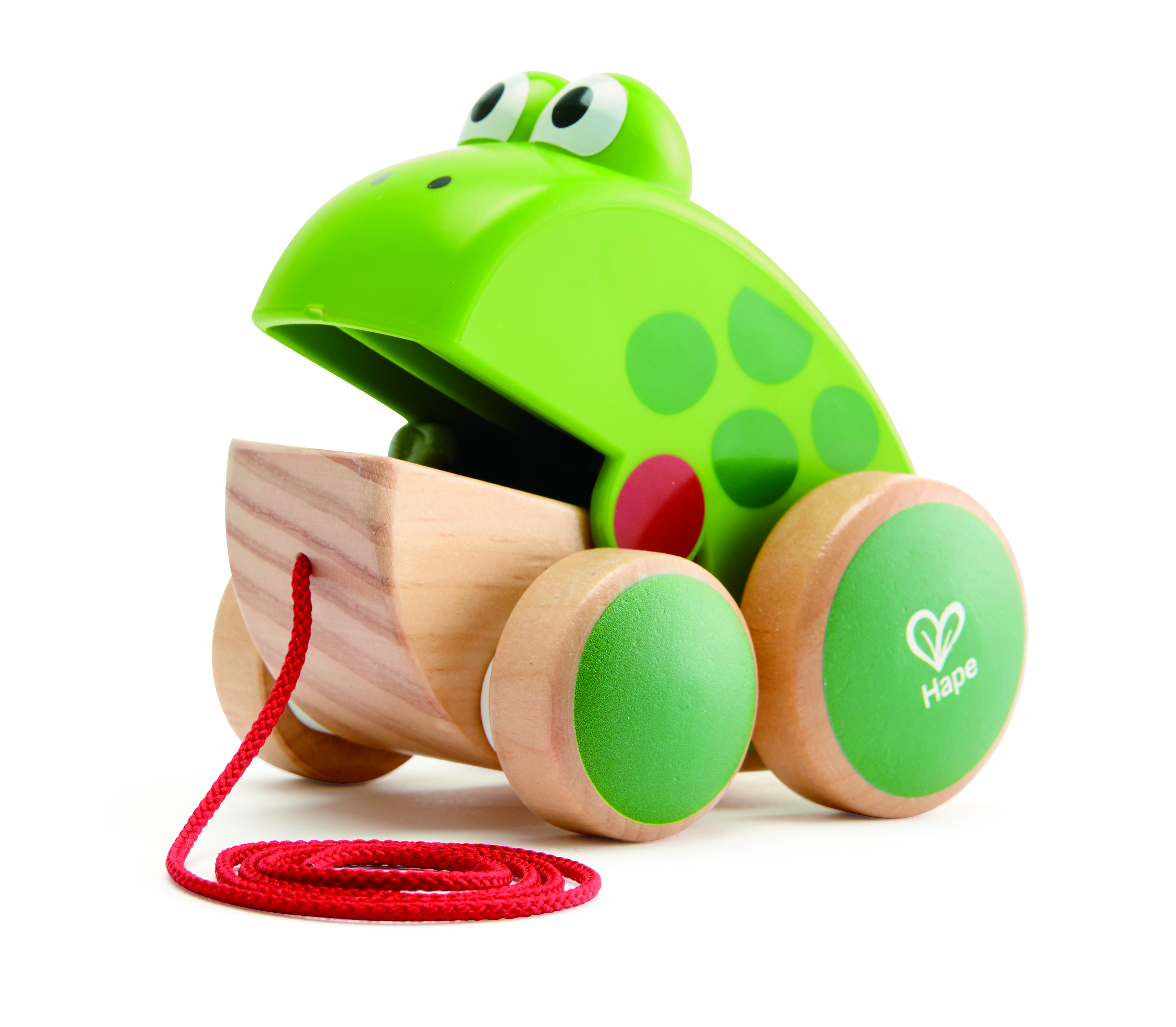
How cute is this? My adjectives for Hape toys are simple, good quality, robust, fun. As with others in the Hape range, this frog is made of beautiful carved and painted (sustainable) wood. At a time when toyshops are filled with plastic gimics, this toy is tried and tested and will last a long time, both physically and in terms of child interest.

It’s small and light enough for a baby learning to crawl to pull on, and the bright colours will certainly grab their attention. When Baby starts to walk they will have even more fun trailing it a long behind, as its mouth opens and closes, like a real frog catching flies.

With Christmas looming closer, this is a real winner if you have young babies to buy for. At £9.60 from YesBebe it is very reasonably priced for such a quality toy.


By Dr K Thompson, author of From Both Ends of the Stethoscope: Getting through breast cancer – by a doctor who knows

http://www.amazon.co.uk/dp/B01A7DM42Q http://www.amazon.com/dp/B01A7DM42Q

http://faitobooks.co.uk


Note: These articles express personal views. No warranty is made as to the accuracy or completeness of information given and you should always consult a doctor if you need medical advice.

Let Your Baby Sink Their Teeth Into Leo The Snail  – by Dr Kathleen Thompson


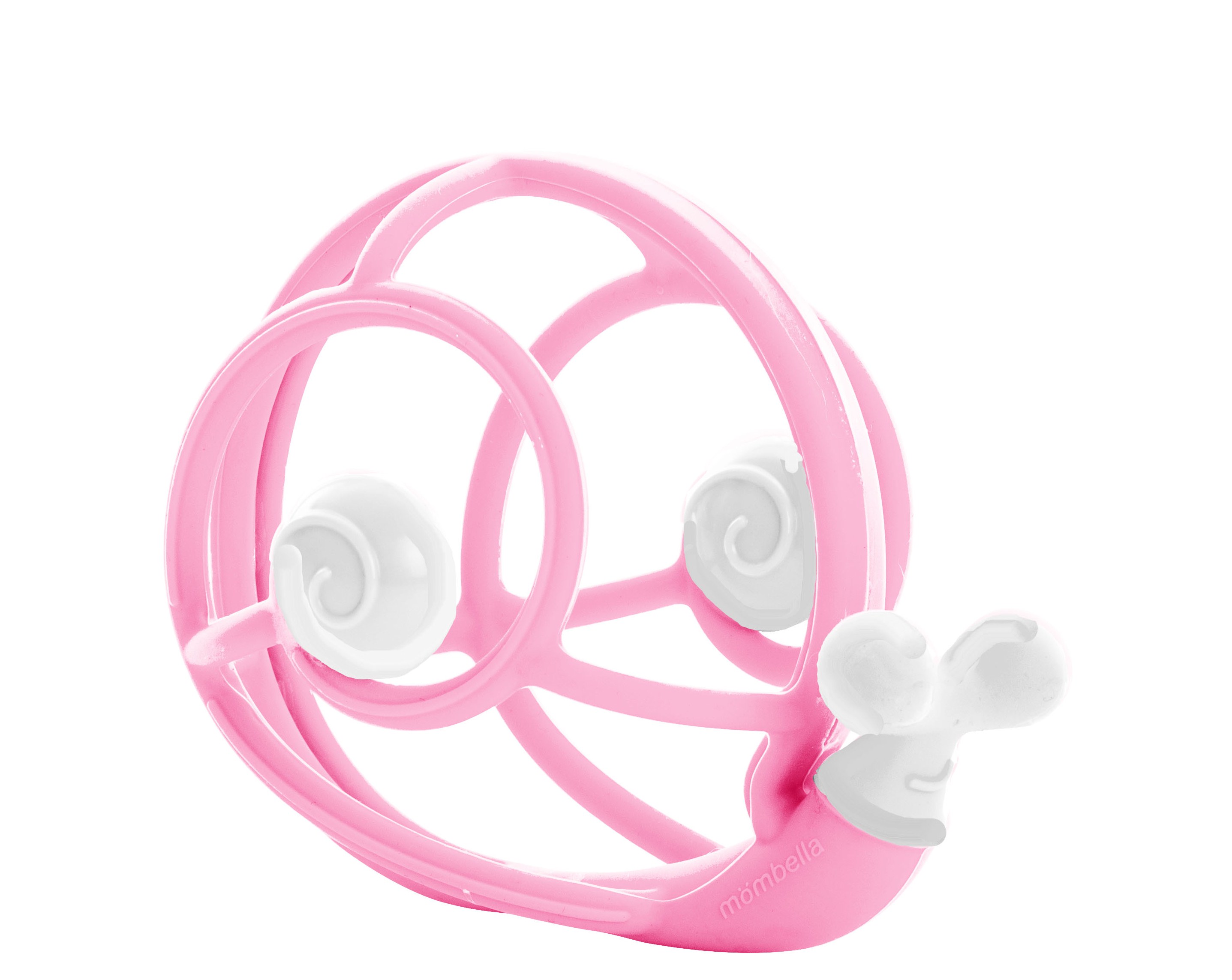
Possible a controversial title – but Leo the Snail, a teether/rattle/dummy from BabyToLove is unique and delightful, and perfect for teething babies.

Firstly it looks extremely attractive, in pink or green. It’s big enough to grab Baby’s attention but very light, so easy for even a 3-month old to grab and hold – and of course, take straight to their mouth. The whole toy is made of food-grade silicone so no concerns when Baby chews on Leo’s various bits, and the snail’s feelers are designed to resemble a dummy (pacifier in the USA) which is a clever additional feature.

The whole thing is light and delicate, yet robust, and will wobble playfully if Baby shakes it, which will also activate the delicate integral rattle.

So if you have a new baby present to buy, or Baby’s first Christmas, this is just great. At £11.95 from BabyToLove it is a beautifully-made and unusual toy.


By Dr K Thompson, author of From Both Ends of the Stethoscope: Getting through breast cancer – by a doctor who knows

http://www.amazon.co.uk/dp/B01A7DM42Q http://www.amazon.com/dp/B01A7DM42Q

http://faitobooks.co.uk


Note: These articles express personal views. No warranty is made as to the accuracy or completeness of information given and you should always consult a doctor if you need medical advice.

My Writing Process – Roger Bray


I was raised in Blackburn, Lancashire and served for ten years in the Royal Navy before coming to Australia in 1983, after I returned from the Falklands. Writing is something I have always enjoyed and fiction was a favourite.  I loved being able to write anything within the bounds of the particular subject and not be restrained by anything except my imagination.  One restraint I did learn at school was other people’s perceptions of what is age appropriate for a juvenile to be writing.  Apparently graphic death scenes weren’t. 

My writing stayed in the background for many years until I was invited to write short stories for a couple of magazines which were well-received.  I then dabbled with a novel for a couple of years before getting into my stride and writing my first publication The Picture.

At the moment I am halfway through my fourth novel, currently untitled.  It is a story set in the UK and across Europe and deals with sex trafficking and organised crime from the perspective of an investigative journalist who is fighting his own battle with past tragedy while trying, against his better judgement to report what he has found.

As with all my novels I come up with a very broad idea of where I can see the story going.  I write and rewrite parts and scenes in my mind until I see a path then I commence.  That is how far I plan, maybe I’ll do some research at the start to get me on the right track but broadly speaking, once I start I write linearly.  I stop and research as I go and edit sections before moving on.  My word count is whatever I manage for the day but overall I aim for 90 – 100,00 words for a novel +/- as the editing progresses from me to beta readers and to my editor.

My basic day of writing would be re-read what I had last written, editing as I go.  I find this gets me back into the moment.  I then continue and write until I run out of steam or find myself veering off or woffling to pad out the chapter.  Either way that is the end for the day be it 3 or 8 hours later.  Rinse and repeat the next day until finished.

The hardest part of writing isn’t any sort of blockage, though they happen but I tend to get over them by just writing — sitting down and writing, getting words onto the page is, I have found the best solution.  Even if what you have written isn’t great it gets the process moving along and gives you something to edit.  It is difficult to edit a blank page.  The hardest part for me is staying within the storyline.  I have some great ideas which, unfortunately, don’t fit the arc, but I can waste hours trying to make them fit because I think they are so good — usually mistakenly.

In my current novel I have edited the first 2/3 of the novel to delete some of these great ideas I had but have turned into a bit of a millstone later on, something I have to be firm about.

I find the least enjoyable part is the whole process from writing The End onward.  There are lots of moments of doubt once I release my latest to a broader audience (broader than me and my wife’s cat).  Is it great or is it rubbish?  Typos – the bane of my life, plot holes or bits that grate when read?  All these things need identifying and fixing.  Nothing wrong with having any of them, that’s life as a writer but the process of sorting it out is no longer writing, no longer imagination and art.  It’s a drudge.

Any advice I can give? Keep going — you don’t fail until you stop trying.  Writer’s block?  No such thing — keep writing through, it, you can edit rubbish, you cannot edit a blank, tear stained page.

Website https://rogerbraybooks.com/ 

Facebook https://www.facebook.com/rogerbraybooks/ 

Twitter https://twitter.com/rogerbray22