My Writing Process – Sue Kittow

I’m Sue Kittow, a Cornish author, freelance journalist, researcher and copywriter, been living in Falmouth for 25 years.

I have written five books on Cornish walks – Discover Cornwall, Walks in the Footsteps of Cornish Writers, Walks in the Footsteps of Poldark, Walks in the Footsteps of Daphne du Maurier and Walks in the Footsteps of Rosamunde Pilcher. I am also writing a novel set in Cornwall but don’t have an agent or publisher for that – yet!

As a freelance journalist I have interviewed many authors including Bill Bryson, Ian Rankin, Lionel Shriver and Rosamunde Pilcher. I have also written for Daily Mail, Cornwall Today, Writers’ Forum, Woman’s Weekly, Classic Boat and many other magazines.

I am currently promoting Walks in the Footsteps of Rosamunde Pilcher, published by Sigma Press August 2019.

Walks books need a lot of research and planning so my writing is quite structured – I write lots of notes for research then incorporate that into the walks as I transcribe them. It’s lovely playing the tape back and listening to the conversations we had, the birds and sea and whatever else going on. When I’m writing fiction it’s very different – I plot a lot and make notes on that but the writing itself is very free – I love the excitement of a first draft. Editing I find much harder.

As these are books on walks, a lot of planning and research goes into each one. My publishers like a geographical spread of walks around Cornwall, so I have to start off with ideas and make sure the walks are all over the county, not just focused on a few areas. Then research them, walk them, take photographs, transcribe them – it’s a lot of work!

My contract stipulates 35-45,000 words but that’s quite a loose guide.

The structure for each chapter is roughly the same so I’m used to it now – Introduction (about author, character, location), The Walk, incorporating more research as relevant, Factbox, Content, Photographs, Summing up.

The hard bit is always the editing, then the proofing and checking the maps. And self belief.

I love the physical part of writing – actually putting the words on the page and then transmitting the idea of the place – capturing the sounds, the sea, the birds, the trees etc, so that the reader can come on this walk with me while they read it.

Advice for other writers – find your voice. Read lots. Be realistic. Study agents and publishers carefully, see what’s happening online but don’t compare yourself to others – social media is full of people sharing their Amazon rankings, reviews etc. For every good review there is a not so good one (don’t read reviews!). Make sure your work is as good as it can be before you send it out – get advice from people you trust and listen to what they say. Good criticism can only improve your work. Persevere. This is a lonely business, so network with other writers. And write because you love it.


SISTER SCRIBES: JANE CABLE CATCHES UP WITH TAKE FOUR WRITERS’ LUCY AND ANGELA

Carrying on with our catch up with last year’s Take Four Writers, today it’s the turn of Lucy Coleman and Angela Petch.

Lucy:

This year has flown by and I can’t believe it’s August already – eight months since the last of Jane Cable’s series: ‘Take Four Writers’. As we all catch up, I suspect the main theme running through our updates will be that there are never enough hours in the day. But a writer’s life is never dull, and we are blessed!

Writing as Lucy Coleman, by the end of 2019 I will have had two new books out this year with Aria Fiction, the second of which is ‘Magic Under the Mistletoe’ due out on 5 September. Set in the hamlet of Porthkerry, near Cardiff, it begins in a snowstorm. It was inspired by the heavy snowfall in December 2017, which turned much of the UK into a winter wonderland.

A new publishing contract with Boldwood Books will see the first of six novels published over the next two years, beginning with the release of ‘A Springtime to Remember’ in December 2019. The story is set in Versailles, a place that is very dear to my heart.

I’ve also recently returned to blogging and my monthly feature ‘The Happiness Factor’ covers tips on motivation and generally surviving the ups and downs of a busy life. Also fun things – interior design tips, home spa pampering, the aesthetics of your workspace if you work from home, and my best buys. A treat doesn’t need to break the bank, but it can lift the spirits.

I don’t ‘endorse’ products, but share things I’ve purchased which make me smile, or have helped me. One of my best buys recently was a back brace I wear when typing, which has taken away my spells of backache!

If you get a moment, do drop by my website https://linnbhalton.co.uk/the-happiness-factor-blog/ and check it out.

Angela:

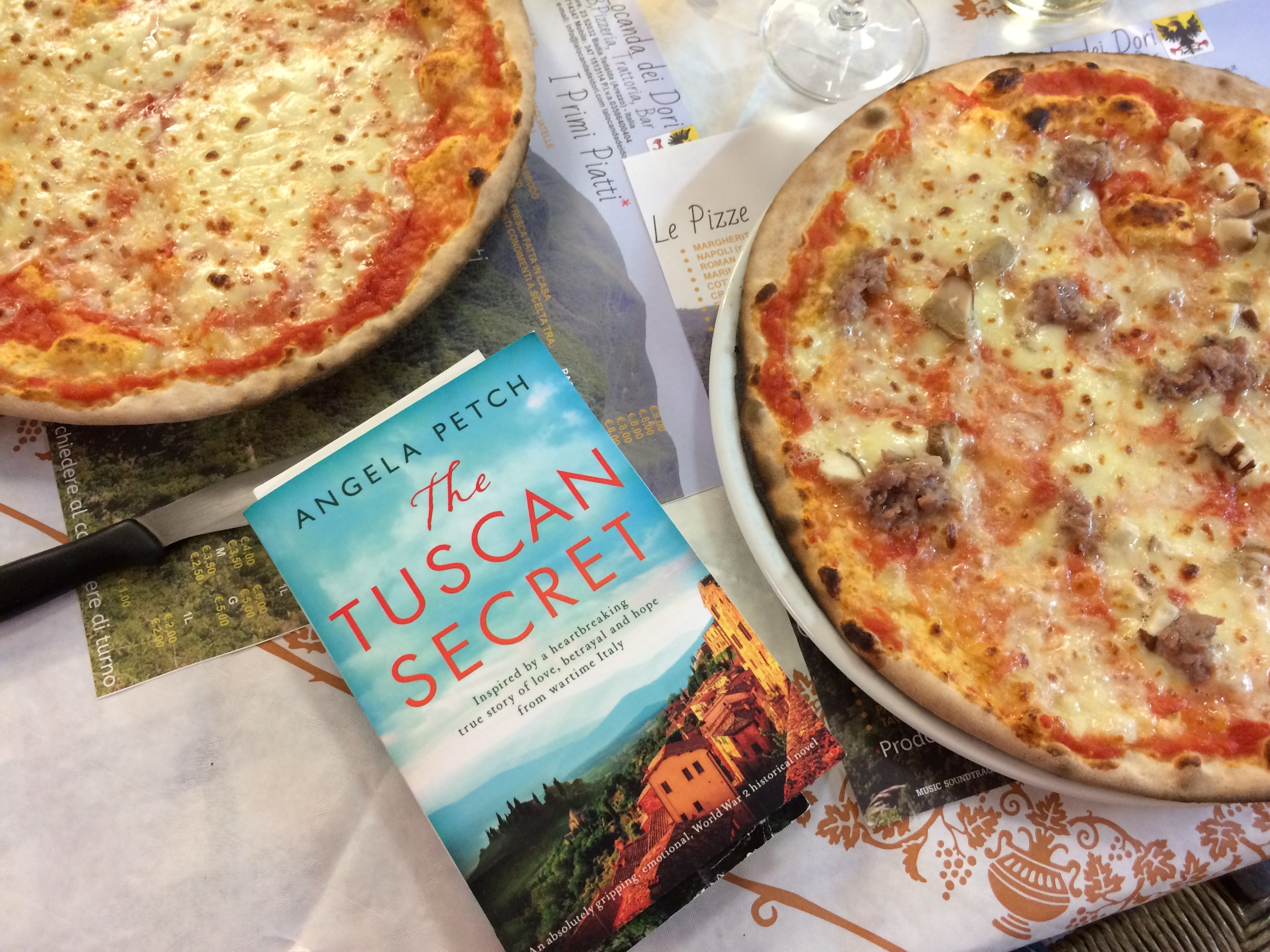
The Tuscan Secret was published by Bookouture on June 26th, after rigorous editing. At first I panicked at the structural changes suggested. I had written this book originally in 2012 and had to reacquaint myself with the story. But then I settled and began to enjoy the challenge. Today my editor told me it has sold just shy of 10,000. I could never have imagined that figure as a self-published author. (There’s also been a knock-on sales increase of my other books).

This week I sent my first draft to my editor of the second commissioned Tuscan novel, and the editorial roundabout will again whir into action. Hopefully, what I learned from the first round will ease the process.

Downsides:

  • I’m at least half a stone heavier from spending many hours sitting in front of my laptop.
  • I am developing bad posture.
  • My hubby says my head’s in another world half the time. (It is!)

Positives:

  • I’m loving what I’m doing. There was never enough time to concentrate on my writing before. It’s fun to live in a “what-if” world.
  • I have made great new friends in the writing community.
  • I’m gaining self-belief.
  • Far from being escapist, I firmly believe that writing helps me connect more with the world.

We all know that very few authors make a mint. It would be great to have more pennies and pounds in my bank account… but money is not the only measure of happiness. Connecting with readers (even with those who give less than shining reviews) makes all those hours of being hunched over my writing; all those hours of my head feeling it’s going to burst, my eyes squinty and itching — all worth it. Hand on heart.


SISTER SCRIBES: JANE CABLE CATCHES UP WITH TAKE FOUR WRITERS’ JACKIE AND CLAIRE

Everyone loved our Take Four Writers’ articles last year so I thought it would be really interesting to catch up with them. Writers lives have ups and downs, and in 2018 we shared them all. Here’s what Jackie Baldwin and Claire Dyer have been up to since – news from Lucy and Angela tomorrow.

Jackie:

Hello everyone,

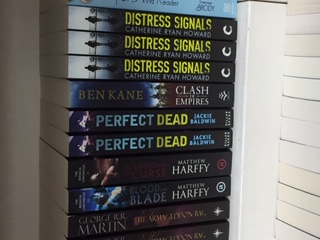
This year, a big thrill has been seeing copies of ‘Perfect Dead’ in The Works shops. It never gets old going seeing my book in the wild. I stroll past ‘casually’ whilst giving it an intense stare.

2019 has been dominated by writing my third DI Farrell book, ‘Avenge the Dead.’ This is the first time I’ve had a book published with the title I originally chose! I finished the first draft in seven months this time so I’m getting quicker with each book. The plot revolves around the Criminal Bar in Dumfries where I used to practice as a solicitor so I’m drawing on personal experience in some respects but the plot and characters are wholly fictional. Honestly!

In addition to writing and the day job I’m also in the process of moving closer to Edinburgh. We’ve found a house but it needs quite a bit doing to it so trying to organise all that has been a challenge. Hopefully, we’ll be installed before my first grandchild arrives in October!

I’ve completed my structural edit for Avenge the Dead. This is probably the stage that I most enjoy where you can fix errant plot lines and even insert new characters or subplots if the mood takes you. Currently I’m working on the Line Edit which is a complete nightmare. For example, you mention the word out three times on one page and need to change two of them.

Recently, I’ve realised that writing books is a lot like having babies. You have your baby and fall madly in love, forgetting the pain. You think it would be a great idea to have another baby. You get into the labour ward and yell, ‘WHAT was I thinking?’ And repeat…

Claire:

It’s a well-known fact that the writing life is not a simple one, and it’s easy to lose hope and/or struggle with doubt and this year I’ve been battling with both these things!

However, with the help of my amazing writer support network I am back on track. I have completed a rewrite, edited another novel and started a new one.

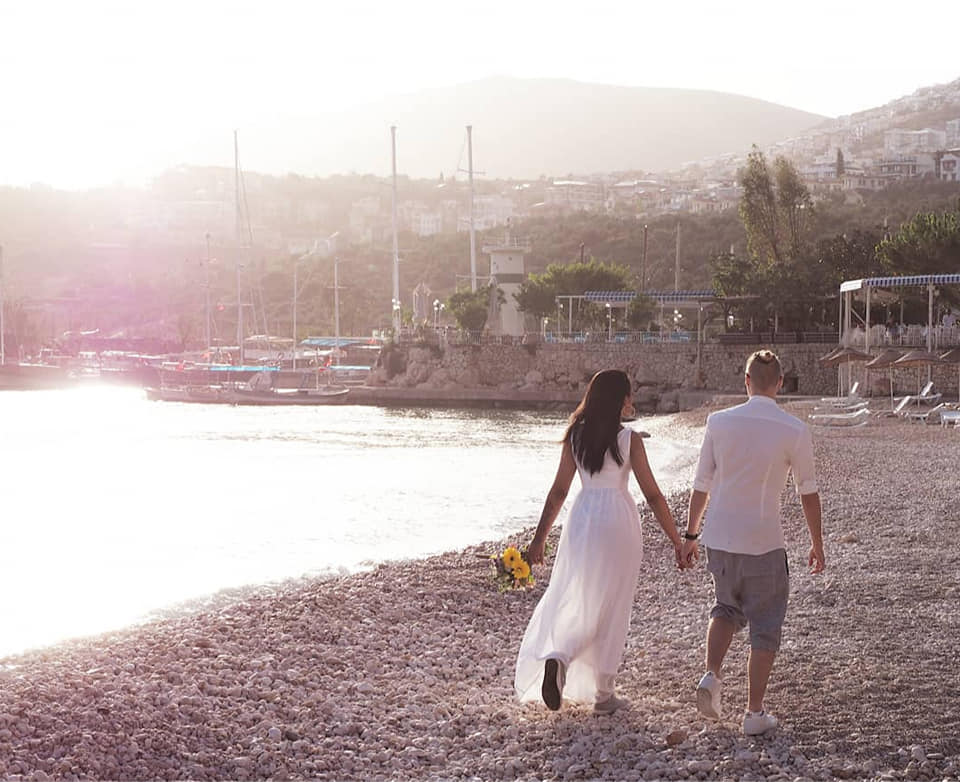
I’ve also celebrated my son’s wedding, am working on the draft manuscript of a poetry collection due for publication in 2021 and am planning a holiday to the ever-wonderful Kalkan in Turkey.

I also have my husband’s wise words to fall back on when things get tough. He’s not a writer, and has learnt from living with one that he has to tread carefully, and part of this is to remind me gently now and again that it all depends on the lens.

Yes, writing and getting published is a challenge, BUT I have had three novels and two poetry books published, with another on the way; I have a wonderful group of writer friends, I curate a monthly poetry night in Reading and I spend my days doing what I love. Moreover, my son’s wedding went well (see picture) and I still have writer-hope; it’s small and fragile but, using the right lens I can see it sitting next to my laptop, its bright eyes shining.


My Writing Process – Caryl Hart

I’m a children’s author and, over the past ten years, have published over 45 picture books and young fiction titles with seven major publishers. Several have been shortlisted for awards and I’ve won a few too. I run creative literacy workshops for schools, libraries and festivals and run teacher training and mentoring services.

Find out more here: www.carylhart.com

What have you written?

I have 45 published titles to date and around 15 books in production.

Next year celebrates the tenth anniversary of my Albie series, illustrated by Ed Eaves (Simon & Schuster), which includes the best-selling How to Grow a Dinosaur and Supermarket Zoo. We are currently working on book 11!

I also have a series of five feisty princess books, the most recent is The Princess and the Shoe – a book about following your dreams and believing in yourself, illustrated by Sarah Warburton and published by Nosy Crow.

Then there’s the Knock Knock series of crazy counting book capers, illustrated by Nick East and published by Hodder. The fourth book, Knock Knock Superhero is out in August. 

And Let’s Go.. a preschool series of first experiences, illustrated by Laruen Tobia and published by Walker books.  

My book Big Box Little Box, illustrated by Edward Underwood was shortlisted for the Klaus Flugge design award and is the first in a new series with Bloomsbury.

These are just a few of my titles. You can see them all here: www.carylhart.com/books
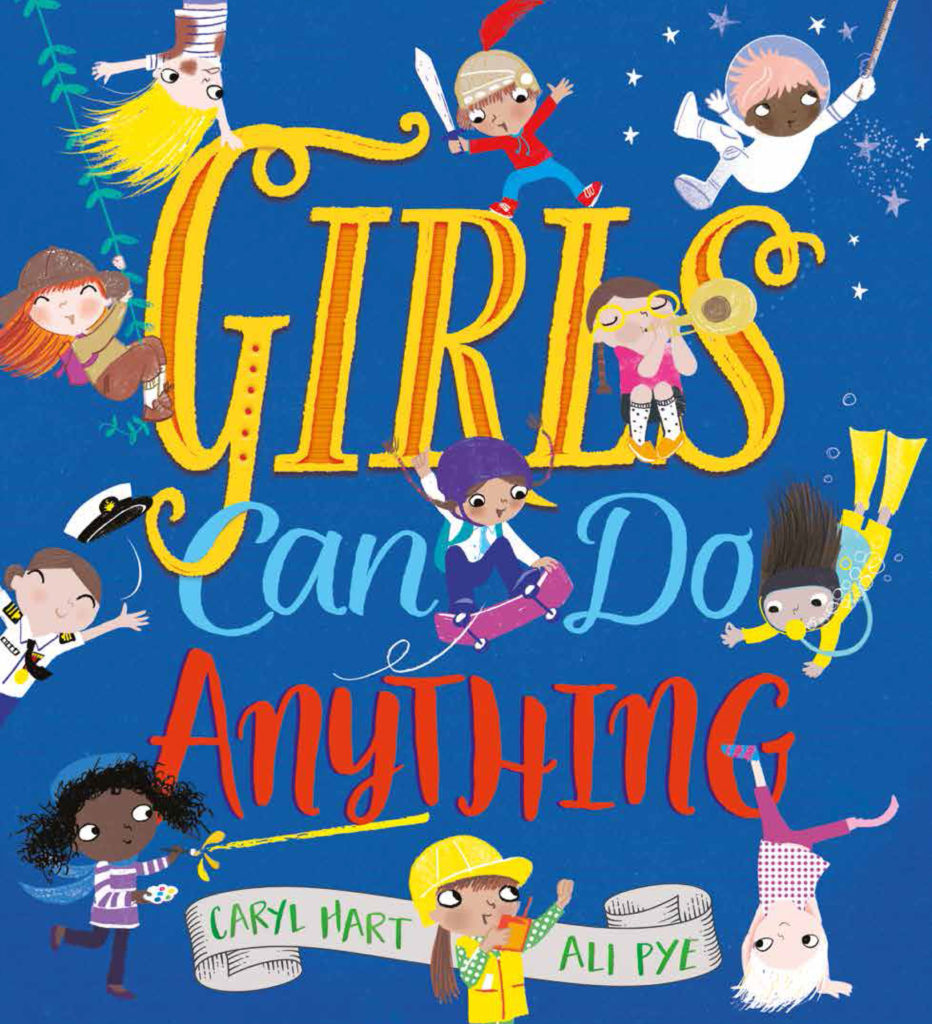
I’m very excited about the publication of Together We Can, a book about friendship, illustrated by Ali Pye and published by Scholastic. It’s a rhyming picture book that talks about what a friend is, how to make friends and, most importantly, how to be a friend. It is also a book about diversity as it features over 150 characters including children with different skin tones, hair styles, clothing, interests, mobility and other aids, prosthetics and cognitive and other physical difference.

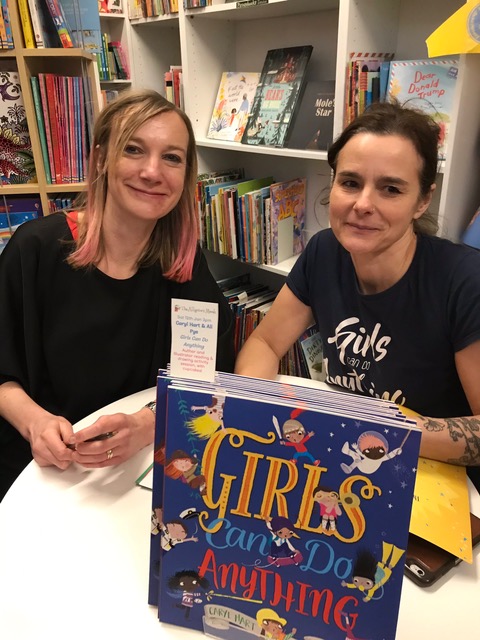
It follows on from the success of Girls Can Do Anything and has already received a lot of interest on social media.
A bit about your process of writing. 

Do you plan or just write?

Every book is different. Sometimes I create a proposal in which I outline my idea and write sample spreads, which I then submit to publishers.

Other times, I just start to write.  Sometimes I sketch out ideas too, it just depends on how my brain is working on a particular day!

What about word count?

This also depends on the book. The shortest book I have written is 50 words and the longest around 60,000. On the whole, picture books are around 600 -1000 words and titles aimed at preschoolers or babies are shorter.  I guess, as I’ve gained experience, I have developed a feel for how many words work on a double page spread.  

There’s always a lot of editing, both for the first draft and at various other stages during production.  For example, once the illustrator has created rough drawings, my editor and myself will work together to cut out unnecessary words, or re-write lines, so a text will often get sparer with each iteration until the final book is produced.

What about structure?

Once I’m ready to being writing, I lay my text out in spreads. A typical picture book has 12 -14 spreads so I just put the spread number as a subheading on my page and write the text to fit.  I find this helps me to evaluate word count and also to make sure that every page turn gives the reader something new and exciting to experience. 

What do you find hard about writing?

Getting the time to actually sit down and put words on a page can be hard. Working from home and being a mother and wife have their own distractions, but I also do a lot of school visits and workshops, so spend quite a lot of time planning timetables and creating activities to go with my books.  You can see some of these here: www.carylhart.com/about/book-activities

As a freelancer, I’m happiest when I’m busy and have several new projects on the horizon. There are times when I do worry that the next contract might never come, but have learned to push those worries to the back of my mind and trust that either I’ll come up with something, or a publisher will commission a new project. In reality I’ve never had a period when I’ve been without work, perhaps because I’m quite well disciplined and very self-motivated.

What do you love about writing? 

I love losing myself in a story and the discipline of writing, especially writing in rhyme. It’s very challenging creating a multi-layered story with appealing characters, a satisfying arc and clear meaning and also making the rhythm consistent and the rhyme solid.  It can take a day or more to write a four line verse so it can be very slow-going, but I get great satisfaction when I finally crack it. 

I also love getting the rough illustrations through as this is the point at which my stories really start coming to life. I’m so lucky to be working with lots of super-talented super-lovely illustrators who really do an amazing job, so it’s great seeing the books going from lines of text in a word document to bright, colourful, engaging  books that are just gorgeous to look at and handle.   You can meet all the illustrators I work with here: www.carylhart.com/about/illustrators

Advice for other writers. 

Writing for pleasure is a wonderful thing to do. It helps you, and others, work out how you feel and what your views and opinions, hopes and dreams are.  Writing can help you manage stress and take you to places you never thought you could go. Sharing your writing with friends, family or people online is a great way to feel validated, loved and appreciated.  There are now so many platforms out there where writers can share their work – social media, performance, blogs to name but a few. So if you love to write, WRITE!

If you’re hoping to get your work formally published as a printed book, set your bar high.  Remember that your work is competing for contracts with authors who already have a track record and relationship with their publisher, so your work really does need to shine.  

Publishers have to make money to survive and the industry is very competitive so your work needs to be commercial. That means that you have to take on board what editors and designers ask in terms of developing your texts. Publishing books is a team effort and if you are unable to stomach criticism then consider other platforms where you have total control over what gets published.

If you are writing in rhyme, make sure your rhythm is tight and your rhymes feel natural. Half rhymes work okay in song lyrics but aren’t ideal for children’s books.

If you are hoping to publish a picture book, go it alone. If you illustrate too, then by all means send some sample illustrations but don’t do the whole book unless you’re very experienced. Publishers will have their own ideas on how they want your text to be illustrated by, and rarely sign books that are submitted by a ready-made duo.

The more you write, the better you will become, especially if you are able to take on feedback from professionals in the industry.  Just because your mum or your children like your book idea, it doesn’t mean its commercially viable.  So if you get the chance to speak to someone with experience in publishing, do try to act on their advice – it’ll save you a lot of time and effort in the long run.

Above all else, write. Just write. And then write some more. You never know where it might take you!

SISTER SCRIBES: KITTY WILSON IN PRAISE OF CRITIQUES

I’ve recently returned from the Romantic Novelists Association (RNA) conference where I briefly had to speak to the NWS members. It was terrifying (terrifying!) but did make me think it was worth sharing details of the scheme that helped me, alongside many others, become published.

The NWS is a New Writers Scheme run by the RNA and encourages unpublished writers to join local meetings and make friends with the more experienced. It’s how I began to meet other authors, including the Sister Scribes, and as we are always saying writers need writer friends – I should tattoo this on my forehead and be done, I say it so often – and joining the RNA is a great way to meet them.

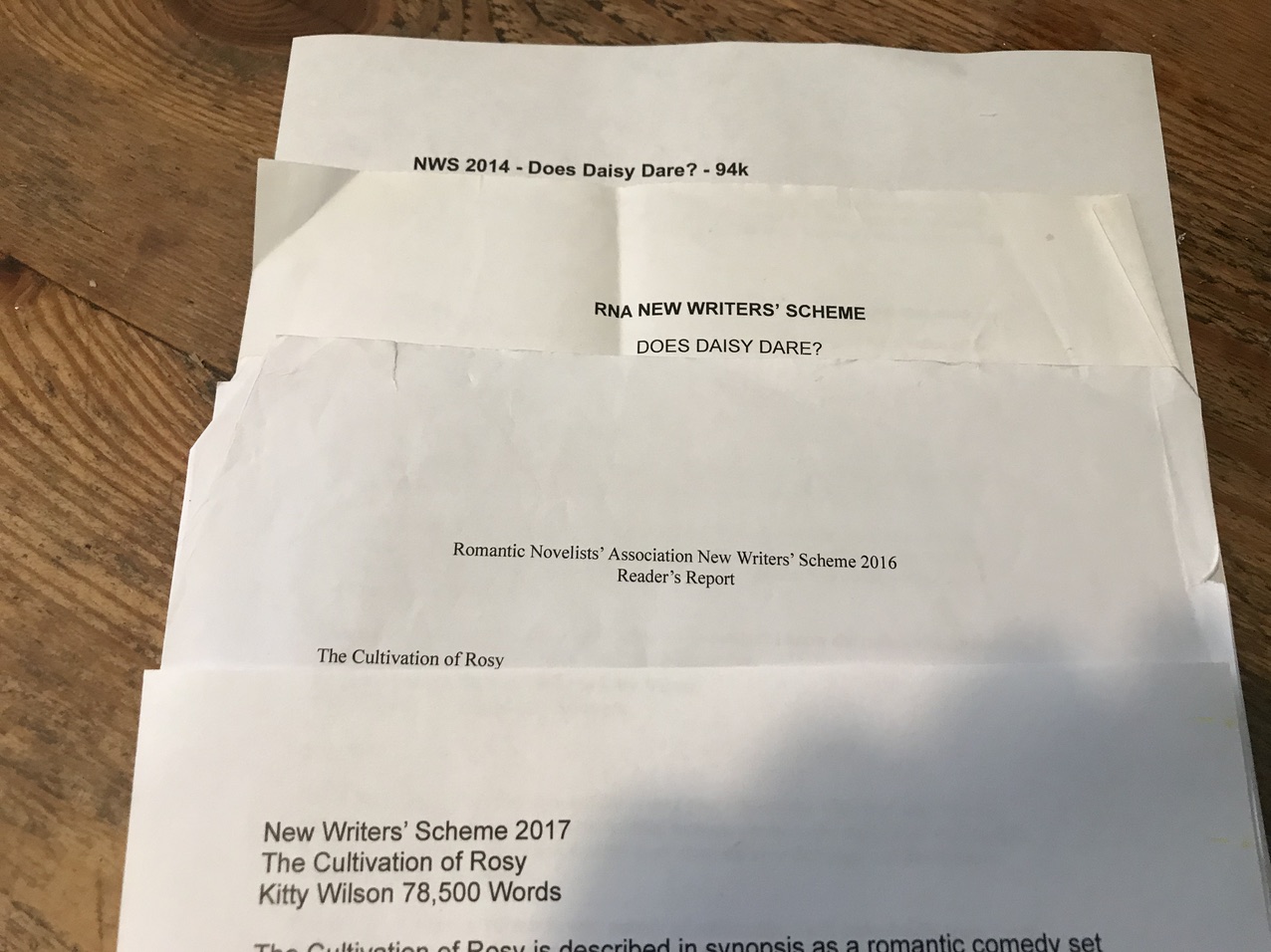
More than that, and why I initially joined, is its critique scheme. For the price of membership (considerably less than you’d pay for an assessment anywhere else) you are entitled to a critique of your full manuscript (partials are accepted if you haven’t got as far as writing The End yet).

It was the first opportunity I had to have my writing read by someone who knew the industry inside out (i.e. not my mother and close friends) and who could be completely honest about what they thought – the reader remains anonymous so they can be truthful without worrying that you’re going to launch at them at the Winter Party and either cover them in kisses or rip their eyes out whilst spitting ‘so, you didn’t like my heroine?’

The critique is usually divided into areas like plot, pace, voice, dialogue so you can see immediately which are your areas of strength and which ones need work. It doesn’t matter if you’ve written a zillion books, every writer needs a little help and an objective eye (otherwise we wouldn’t need editors), so if you expect a critique that says ‘oh my goodness, this is the best thing ever written in the history of the world’ then you may be bound for disappointment. If you want someone to gently point out what needs work to make your book even better then you’re in luck.

Being me, I found it really hard initially to hear the positive, whereas the things I needed to work on seared into my soul, fluttering under my eyelids as I’d try to sleep. It was at this point I decided to colour code my critique – if you have read my other posts you know I need no excuse to break out the felt-tips – and then I could see there was easily as much green (yay, this was great) as there was orange (this needs work).

What I didn’t know was how this technique would feed into my edits when I was eventually published and I use the orange and green method for these. So not only did joining the RNA get me friends and recommend friendly publishers and agents, it taught me how to react to suggestions about my work in a positive way, which meant that when my structural edits arrive, my meltdowns don’t last too long…or at least only as long as it takes me to unzip my pencil case. Thus not only did it improve my writing pre-publication, it also gave me tools which I have used habitually since becoming published.

So, if you are writing and as yet unpublished and if your manuscript has a romantic element then I cannot recommend the RNA’s New Writers Scheme enough. I’m going to pop a link below and hope to see you at a meeting soon. Good luck on your path to publication.

All love, Kitty x


https://romanticnovelistsassociation.org/membership/#link_tab-1517250016637-2-10


SISTER SCRIBES: CASS GRAFTON ON HOW 200 YEAR OLD SISTER SCRIBES HELPED FIND A CHARACTER

Writers have various ways of defining the characters in their books. When one of your characters is, or was, a real person, however, surely it’s so much easier?

Well, that depends on whether you’re sensible and choose someone about whom there is a wealth of fact available, along with authenticated portraits or photographs. If you’re not sensible, and I’m sure you can tell where this is going, it’s not quite so easy.

I co-write with my friend, Ada Bright, and because we have to ensure we’re imagining our characters with the same face and figure, we usually turn to the great Oracle that is Google Images for their appearance. This works brilliantly, unless your character is Jane Austen.

There are a few portraits that claim to be of Jane, but only one showing her face is authenticated. It’s a small pencil and watercolour drawing by her sister, Cassandra, and said by one of Jane’s nieces to be ‘hideously unlike’, whilst others claimed ‘perhaps it gave some idea of the truth’. Faint praise indeed.

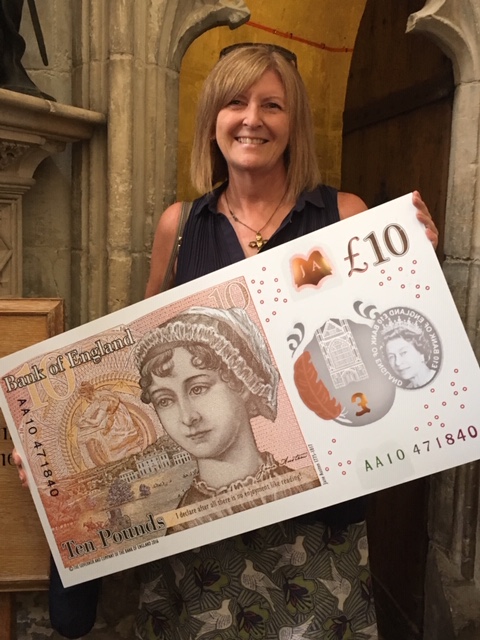
Needless to say, as the only authenticated image, it has been widely used, mainly in an increasingly prettified form over the years, most recently on the new ten-pound note.

We were left, therefore, with written accounts of Jane Austen’s appearance. These vary in the eyes of the source, but there are some common similarities: she was tall and slender, her brunette hair was long but cut short around the face to form curls, as was the fashion at the time, and she had hazel eyes, full cheeks and a clear complexion.

This helps our imagined physical manifestation of Jane. But what about her personality?

One of her brothers, Frank, then Admiral Francis Austen, wrote of her in 1852:

‘She was cheerful, not easily irritated, a little shy with strangers. Her natural reserve was sometimes misinterpreted as haughtiness. She was kind and funny, never failing to excite “the mirth and hilarity of the party”.’

Letters, therefore, became our best source. Jane and her beloved elder sister, Cassandra were incredibly close. Even as a child, their mother claimed that ‘if Cassandra were going to have her head cut off, Jane would insist on sharing her fate’.

Jane and Cassandra enjoyed a healthy correspondence when apart. Although we can ‘hear’ Jane’s voice through the characters of her novels, in her correspondence she is very much herself: open and honest, her wit to the fore, and clearly set upon entertaining her sister even as she wrote about mundane things such as the weather, the neighbours and the price of bread, including:

‘Next week I shall begin operations on my hat, on which you know my principal hopes of happiness depend.’ (1798)

‘I do not want people to be very agreeable, as it saves me the trouble of liking them a great deal.’ (1798)

‘I will not say that your mulberry trees are dead but I am afraid they are not alive.’ (1811)

‘He has but one fault, which time will, I trust, entirely remove – it is that his morning coat is a great deal too light.’ (1796)

‘She looks remarkably well (legacies are very wholesome diet)…’ (1808)

Although Cassandra destroyed many of Jane’s letters shortly before her own death, we are grateful to her for passing so many on to family members. It is thanks to her that we were able to develop Jane’s character, and we hope we did her wit and zest for life justice in our books.


Sources: Jane Austen’s Letters (4th Edition – 2011), collected and edited by Deirdre le Faye; A Memoir of Jane Austen, by James Edward Austen-Leigh (1870)


SISTER SCRIBES GUEST: DAISY TATE ON GAL PALS

I’m over the moon to invite the wonderful Daisy Tate to the blog today. I met Daisy at a conference a couple of years ago and have reached out to her many times for the huge amount of wisdom she carries. From worries about contracts to the far more personal she is never anything but supportive, perceptive and insightful. Daisy, you’re a queen. 


Hello and thank you so much for letting me thumb a proverbial ride with the Sister Scribes.

The sun is sort of shining, the cows are out to pasture, and I’m counting myself a lucky bean as in a couple of week’s time my first book is coming out and let me just say…this baby wouldn’t have seen the light of day if it weren’t for my gal pals.

Happy Glampers is a four parter about four women (there’s a theme here) who were roomies in uni, lost touch, and are now rekindling their friendships en plein air. You can indulge in little one quarter reads or go mad and read the whole thing as they’re releasing all of them in a oner. One of the best parts about writing it was staring up at my corkboard where I pinned pictures of friends who are constant reminders of just how special female friendships can be. I was never a clique girl. Terrified of them in fact. Terrified because I was afraid of being kicked out for being the kooky, lone wolfish, drama nerd that I was. But now that I am a (vaguely) grown up woman, I am finally beginning to realise just how important the risk taking is. Is it scary to let someone close? Always. Are the rewards of a tight friendship incalculable? Absolutely.

Firstly, a good friend will tell you if there is spinach in your teeth. And a whole lot more. Like reading the early drafts of your novel for instance. I cringe to think of how awful my book was in the beginning (sheer genius, obviously glinting through, but…there was a lot of dreck to chisel away). None of that shiny polished prose would’ve seen the light of day if it hadn’t been for my gal pals who read this book over and over until it was finally deemed ready for the general public. Trusting that you’re going to get honest feedback is a huge thing. Trusting that your friendship can survive  constructive criticism is also a rather stupendous experience.

Being invited to appear with the Sisters Scribe-tastic is a testament to just how supportive women writers are. When I first entered the magical world of writing a few years ago I was prepared to get my very short nails out and, well, not claw my way to the top because I have zero upper body strength – but at least fend off any scary foes. THERE ARE NO FOES in the world of women’s fiction. (Please let this not be the moment where I unearth a mortal enemy). Along this windy path I’ve walked, I have only met people who are there to help others (like Kitty Wilson!). All of which is a hugely long-winded way of saying if you think you’re in this journey alone? You don’t have to be. You’ve got a host of friends – ready and willing to stand up by, beside and for you. So go for it.


Daisy Tate loves telling stories. Telling them in books is even better. When not writing, she raises stripey, Scottish cows, performs in Amateur Dramatics, pretends her life is a musical and bakes cakes that will never win her a place on a television show. She was born in the USA but has never met Bruce Springsteen. She now calls East Sussex home.

Twitter:  https://twitter.com/DaisyTatetastic

Facebook:  https://www.facebook.com/daisy.tate.92167

Instagram:  https://www.instagram.com/daisytatewrites/

Goodreads:  https://www.goodreads.com/author/show/18660359.Daisy_Tate

My Writing Process | Rosanna Ley

How I write.

A big question! To be brief… Once I have a detailed synopsis I tend to write each new scene longhand in a notebook and then edit it as I get it on to the computer. More edits follow and then I move on to the next scene. Once I get to the end of the book I’ll go back for more editing and consider if I’ve got the structure right. Final edits are about fine tuning and polishing.

I’ve written all my life and also done a lot of teaching of creative writing here and abroad with a particular interest in both novels and life-writing for therapeutic practice. I moved to West Dorset, my ‘soul-home’ seven years ago and find it inspirational and peaceful. I love travelling and my books are always based in foreign climes as well as either Dorset or Cornwall or occasionally somewhere else in the UK. I like to think of the books as mainly relationship driven – I’m very interested in people!

What you have written, past and present.

I’ve written 8 books for Quercus including The Villa and Bay of Secrets as well as numerous short stories and articles.

What you are promoting now. 

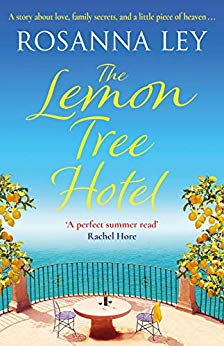
The Lemon Tree Hotel out in paperback 13th June 2019.

Do you plan or just write?

Plan. I do a lot of planning which gives me a good structure to come back to if I then decide to go off piste. Organic writing is lovely and spontaneous but it tends to require a lot of editing…

What about word count?

My books are between 115,000 and 130,000 words long and they always turn out that way…

How do you do your structure?

Before I begin, I think about timeline, viewpoint and narrative tension and decide on the main structure of the novel. I’ll change it if it doesn’t seem to be working. I don’t work to any kind of formula in terms of narrative arcs and points of tension – I don’t want my books to become formulaic and prefer to trust to my instincts.

What do you find hard about writing?

I may have lots of ideas but it’s often hard to form these into an outline that will give me a sufficiently strong story-line (or two) and which will work on all the levels I need it to work. Structural editing can also be very difficult and requires a lot of clear head-space!

It can be hard, working to a deadline and for all writers there is a lot of pressure and often anxiety to deal with. I also hate waiting to find out if readers like my book…

What do you love about writing? 

I love the feeling when I know I’ve written a good scene or even a good paragraph and I’m totally satisfied with it – there’s nothing like that feeling for me. I also love being able to go off in my imagination and take control of another world (control freak – haha). I love it when a character starts speaking to me in my head and I love the process of writing a first draft on a fresh page of my notebook whilst sitting on a warm beach somewhere. I love going to new or much-loved places and planning how to set a novel there. I love research but sometimes get too interested in it. I love it when the finished book is delivered and looks beautiful – but I’m already worrying about the next one and whether it is good enough! 

It turns out there’s a lot I love about writing, which explains a lot…

Advice for other writers.

Read a lot. Write about what you want to explore. Don’t start writing fiction until you hear the voices in your head. Plan or don’t plan – do whatever feels right. Listen to advice from people who know what they’re talking about. Don’t listen to advice. Don’t give up. Go for a walk or do the ironing if you get stuck. Enjoy. (Turns out there are a lot of contradictions in writing advice too)


The Lemon Tree Hotel by Rosanna Ley will be published by Quercus in paperback on 13th June, £7.99