SISTER SCRIBES GUEST: JESSIE CAHALIN ON LIVING THE DREAM

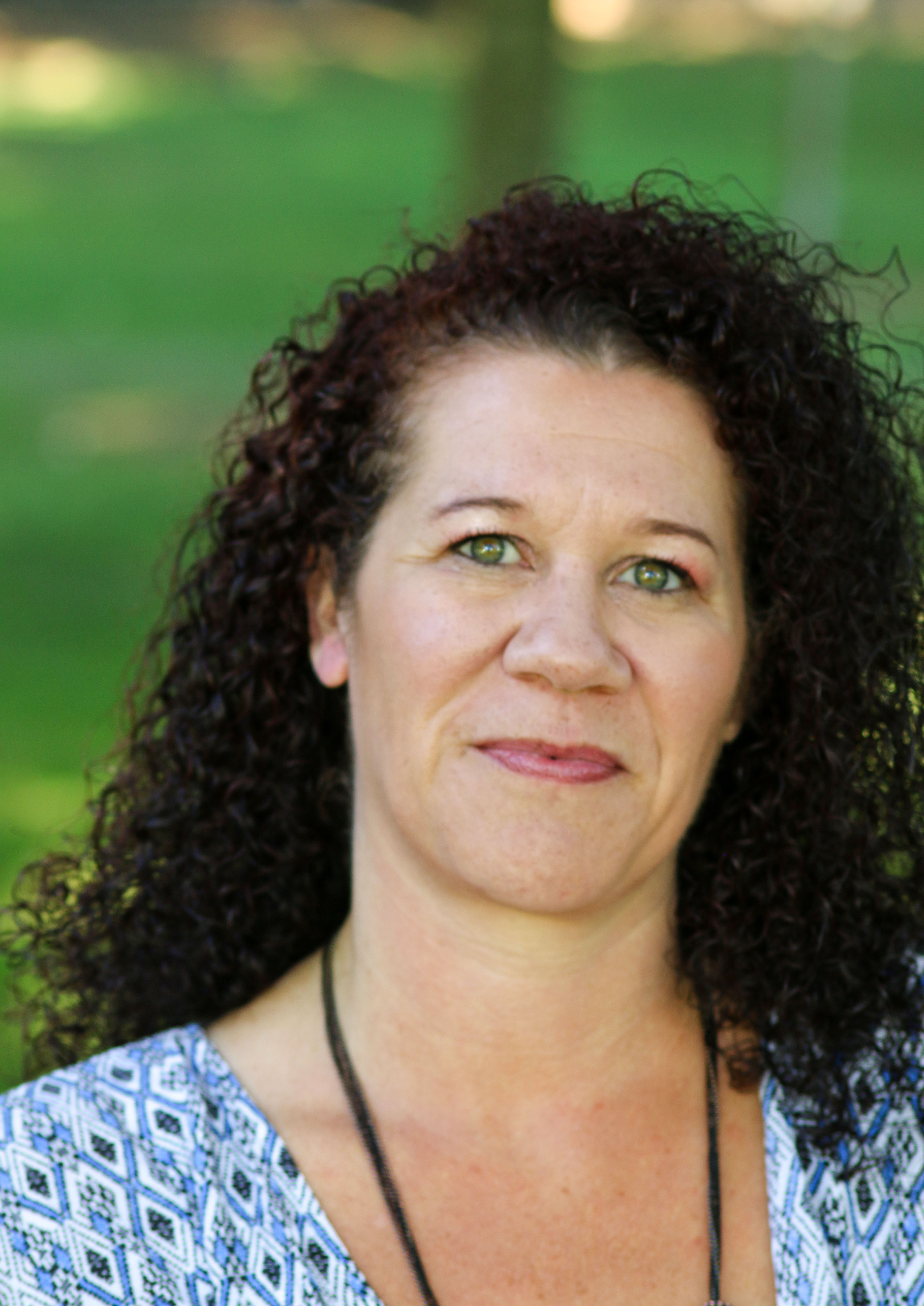
I first became aware of Jessie when this amazing blog appeared, featuring books in handbags, but it was some time before we met, introduced by the lovely Angela Petch at an RNA conference. There is a certain symmetry between us; she is a Yorkshire author living in Cardiff, and I am a Cardiff author living in Cornwall. That, and the fact she is a wonderfully giving and collaborative person, makes me consider her a Sister Scribe.


When I reached my mid forties, I realised my career ambition had overshadowed my creativity.  Stuck on a treadmill of administration, I signed off educational action points for teachers but had not achieved any of my own goals.  Days started at 6am and ended at midnight.  Fuelled with coffee, I survived on very little sleep, but my life-long dream to write a novel haunted me.  A health scare prompted me to grab time for myself and take control of my destiny.

Characters hassled me for years and it was time to set them free in my novel, ‘You Can’t Go It Alone’.  I tapped away on my laptop keyboard for six months; it was fun to finally meet the characters. At times, their behaviour shocked me, but they showed me there is more to life than action planning and policy making. Sophie, a character in the novel, showed me the importance of the simple things in life.  She also made me smile again.
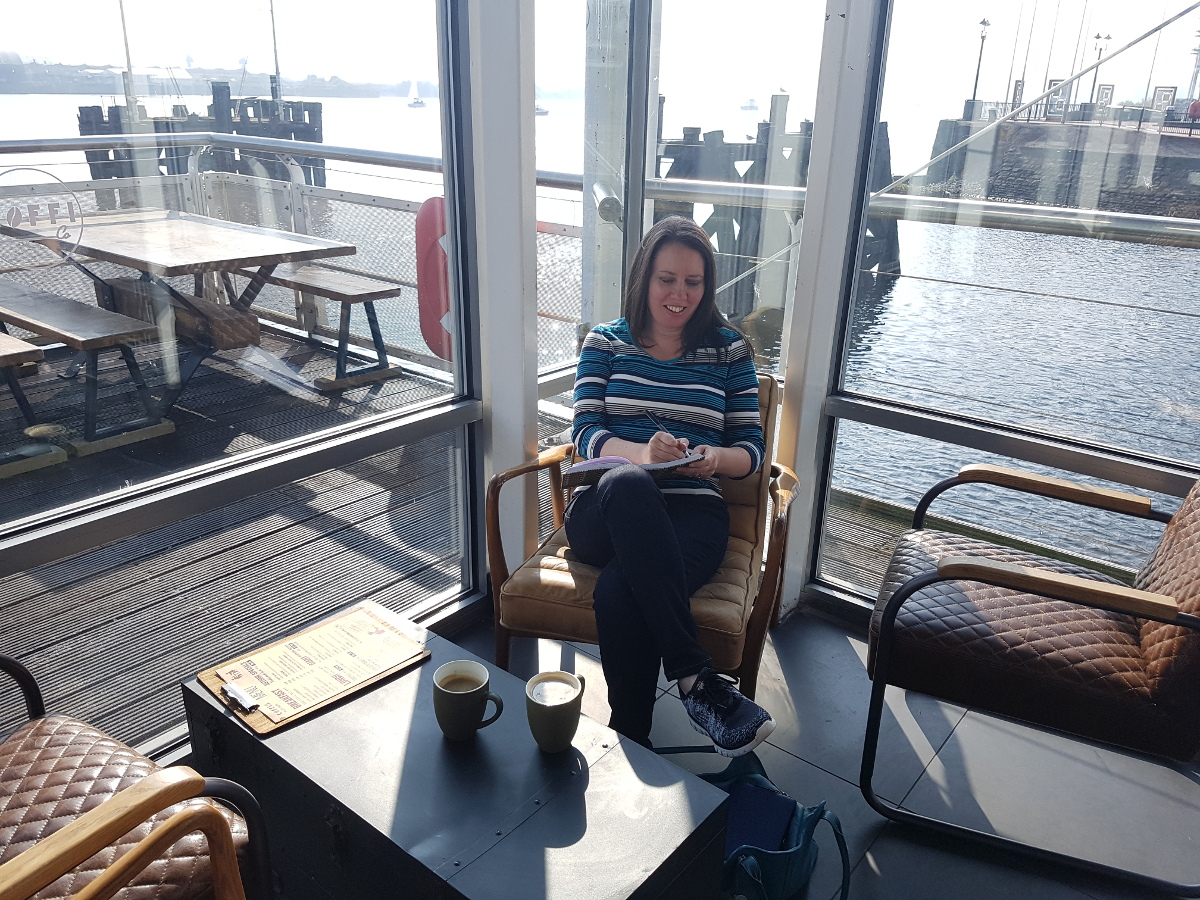
Writing improved my wellbeing, and I wanted to learn more about the craft.  I sought the advice of a professional editor and engaged in cutting, cutting and shaping. Novel completed, I closed my laptop, ticked off one point on my bucket list, and hopped back on to my life. I mused that I would re-read my words again one day.

Unbeknown to me, my husband read the manuscript of ‘You Can’t go It Alone’.  He published the novel, without my knowledge, as he knew I would dilly dally. He threw me into the world of indie publishing.  It shocked me, but I decided to grab the opportunity and make connections with the writing and reading community via a blog and social media.  Initially, the aim of my blog was to share book reviews of all the books that had resonated with me over the years. I named the blog Books in my Handbag as all my books are on the kindle, in my handbag.

Playing on the theme of handbags, I tweeted photos of my novel in my handbag. Overwhelmed with the positive comments about the photo, I realised it would be fun to ask authors to send their photos. I developed the Handbag Gallery to showcase the authors’ books and provide a unique boost to the marketing of hundreds of authors. I now have almost fourteen thousand followers on Twitter, and the photos of book in handbags are always a hit.

The Handbag Gallery connected me to lots of authors, and they have supported me with the writing process and promotion.  With pearls of wisdom from indie and traditionally published authors and hard work, I achieved bestseller rankings across UK, Canada, Australia and New Zealand.  I was third in contemporary women’s fiction in Canada. The day my book was placed beside Margaret Atwood, I felt as if the stars had aligned.

Last year, I moved beyond virtual connections with authors reached out to the Romance Novelists’ Association. It is wonderful to meet with authors in the local RNA chapter and became a member of the New Writers’ Scheme.  I don’t know what the future holds for ‘Loving You’ because I am exploring benefits of the traditional and indie publishing routes.  I have started my third novel and have been offered opportunities to write articles in magazines My experience shows you do have to speculate to accumulate.  I am celebrating three years of my blog and living the dream in writerly heaven. Moreover, I have taken control of my health and wellbeing.

Wishing everyone the strength to follow their dreams.


Visit Jessie’s website at http://www.JessieCahalin.com    or follow her on Twitter @BooksInHandbag
SISTER SCRIBES: CASS GRAFTON ON THE CHALLENGE OF NAMING CHARACTERS

What’s in a name? Or perhaps that question should be, ‘who’s in a name’?

I’ve realised that I have a two-tier approach to naming the characters in my novels. For the leads, I go to extreme lengths not to use names of people I know personally, but for all the background characters, I am more relaxed and confess a few of my friends have popped up—in name only, I stress—over recent years!

However, I certainly couldn’t use a first name for one of my leads—someone I spent a lot of time with, got to know and had probably fallen in love with—and then in a later book give the same first name to an unpleasant character.

This is not something I share with Jane Austen, who seems to have had a much more prosaic approach, often using a first name for a heroine in one novel and then giving it to an unpleasant character in another. These names were also prolific amongst her close family, including frequent use of names shared by her brothers and their wives and children!

One of the best examples is Elizabeth Bennet in Pride & Prejudice. She’s a strong, confident young woman, a character Jane Austen had clearly become attached to, as shown in a letter written to her sister, Cassandra, the day after the book’s publication:

“I must confess that I think her as delightful a creature as ever appeared in print, & how I shall be able to tolerate those who do not like her at least, I do not know.” 29th January 1813

Yet in her last completed novel, Persuasion, the author gives the name Elizabeth to Miss Elliot, who is cold, haughty and self-centred.

More amusing is Austen’s aversion to the name Richard. In the opening paragraph of Northanger Abbey, she refers to the heroine’s father as ‘a very respectable man, though his name was Richard’.

She does use the name across several of her novels, but only for non-speaking characters, with the most scathing reference in Persuasion.

“…that the Musgroves had had the ill fortune of a very troublesome, hopeless son; and the good fortune to lose him before he reached his twentieth year… He had, in fact… been nothing better than a thick-headed, unfeeling, unprofitable Dick Musgrove, who had never done anything to entitle himself to more than the abbreviation of his name, living or dead.”

Of course, there’s always the option of simply not giving a lead character a first name, something Daphne du Maurier did in one of my all time favourite novels, Rebecca. The book’s title is the name of the first Mrs de Winter, and the story is narrated by the second. This Mrs de Winter’s name is never revealed.

The author was often asked why this was so, and in a book she later wrote about her novels and writing career, Daphne du Maurier gave this explanation:

“…why did I never give the heroine a Christian name? The answer to the last question is simple: I could not think of one, and it became a challenge in technique, the easier because I was writing in the first person.”

Charles Dickens is, of course, notable for thinking up names to suit a characters’ nature or profession: Sloppy, Wopsle, Sweedlepipe, Pumblechook, Skimpole, Bumble and Toodle, to name but a few.

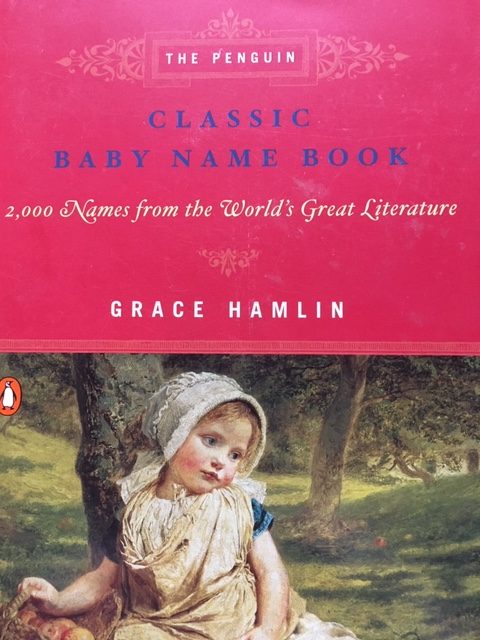
I think we can be pretty certain these weren’t people he knew in person, but—fabulous as they are—I don’t think it’s a talent I have. Perhaps it’s time to browse the Penguin Classic Baby Name Book for some inspiration…


Sources: Jane Austen and Names by Maggie Lane and The Rebecca Notebook and Other Stories by Daphne du Maurier and Jane Austen’s Letters, edited by Deirdre le Faye.


SISTER SCRIBES: KITTY WILSON ON WRITING A SERIES

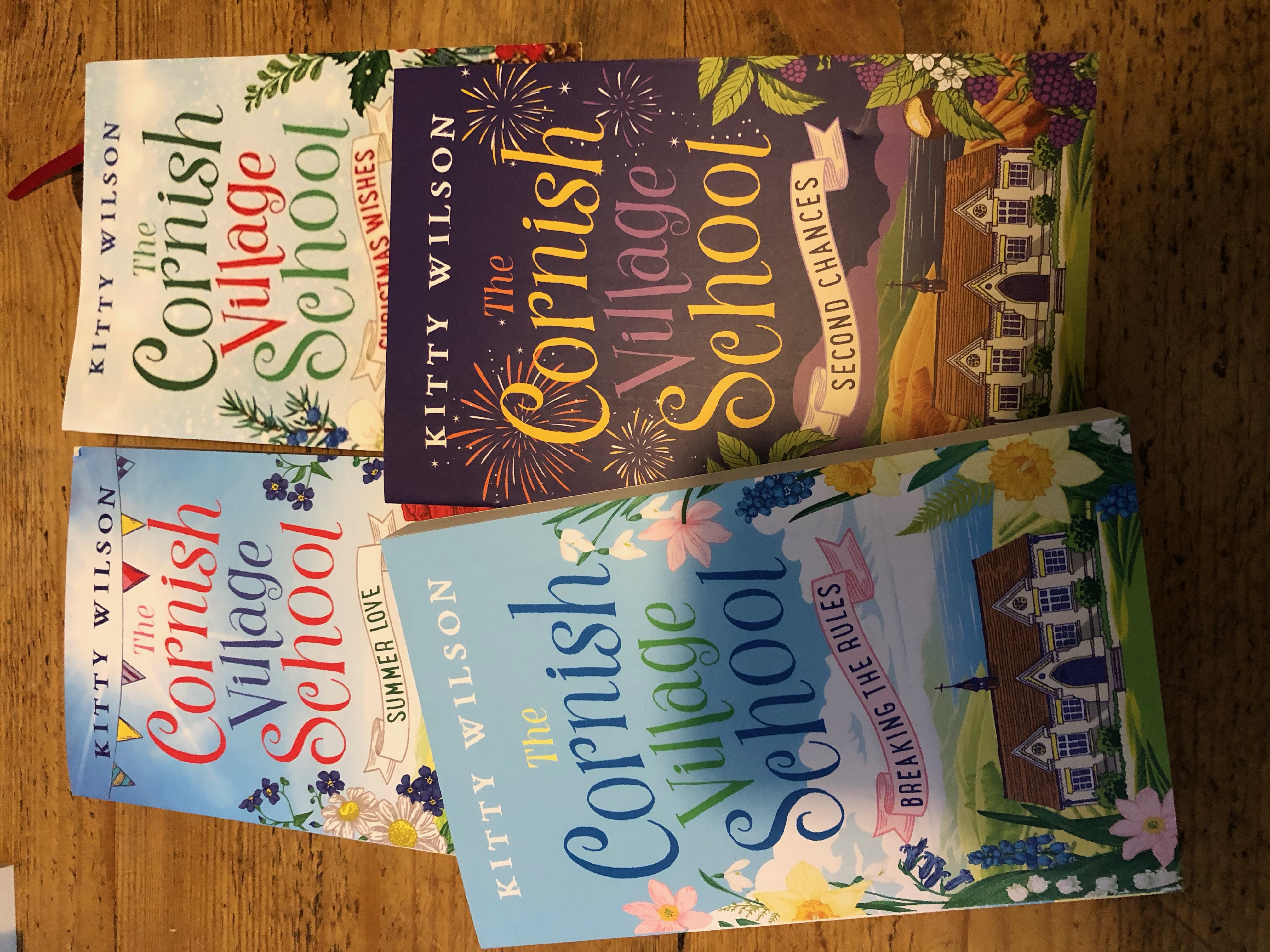
When I wrote the first book in The Cornish Village School I had initially intended for it to be a stand-alone. The thought of turning it into a series wasn’t something that had occurred to me, not for one moment. But my publisher suggested that this was a great idea and I happily agreed. Being a self-flagellating writer type – many of us are –  I was astonished at the suggestion that readers would want to read about Penmenna School more than once but was very willing to do as I was told (such a good girl). I was worried though about what I would write about, how many single teachers can one small school have?

I am currently finishing writing the fifth and final in the series and have loved every minute of my time in Penmenna. It has expanded from a tale of a headteacher to a series that has embraced the highs and lows of a whole community and I am saddened that this is my last foray into the village. It was my choice but is bittersweet all the same. On the other hand whilst it feels odd to be on the brink of creating a brand-new world – I have inhabited Penmenna for the last three years – it’s exciting too. A whole new blank sheet to fill with whatever and whomever I want.

As a reader, I read the most when I was an adolescent, before the responsibilities of adult life caught up with me and I loved a series, then they were often trilogies. I devoured everything I could find on my mother’s shelves, the Jalna books come to mind, Norah Lofts, and R F Delderfield.

Why did I enjoy reading these books so much? With a series each book feels like returning to good friends. The start of a new book within a series is both comfortable and exciting, you have created a bond with the characters, feel you know them, where they’re going, and it’s exciting willing them on. The end of a book often feels as if it’s come around too soon, you want more time with them, you’re not ready to say goodbye.

The same is true when it comes to writing. Currently I am finishing up Marion’s story. She began in the first book as a velociraptor draped in Cath Kidston and was the ultimate baddie, loathsome. Having a series means I have been able to develop her and turn her into a heroine. I am fully rooting for her now and really hope readers will do the same as her story finishes.

But it’s not all been plain sailing. The tricky thing with writing a series, unless you plan every last detail (and I am a planner), something will come back to bite you. I have had so many plot possibilities pop into my head, have written chapters and then realised I can’t use them because they contradict something miniscule I wrote in one of the other books. So, whilst you know your characters better – a bit like real people – certain things have happened in their world which prevent them from moving on in a way that would be helpful to your current plot. And you have no-one to blame but yourself.

Do keep your eyes peeled for the cover reveal of the final book in The Cornish Village School series, it will be coming on Valentine’s Day and I cannot wait to share it with you.


SISTER SCRIBES GUEST: JANE WENHAM-JONES ON THE BIG FIVE O

Following on from the RNA article in Frost last week I’m delighted to welcome Jane Wenham-Jones – novelist, columnist and presenter  – to Sister Scribes today. Thank you, Jane, for answering our many and varied questions.


First off the blocks. Plotter or pantser? Or does it vary by what you are writing (short story, novel, ‘how to’ book etc)?  

I started off as a Pantser, but I am now – through bitter experience ha! – a plotter. I plotted my last novel – The Big Five O – fairly forensically as it follows the stories of four different women and I needed to make sure it was balanced and the timeline worked. When I wrote a weekly column, however,  I would often just begin writing and see what came out… And I tend to write articles with just a vague idea of the content. I am on my tenth book as we speak and I have a one-sentence description for each chapter on a sheet beside me, but whether the novel will end up like that is another matter…

What, for you, is the very hardest part of writing?

Getting started. I am such a procrastinator. My son used to say he could always tell when the novel wasn’t flowing because even HIS shelf of the airing cupboard had been tidied…

And what is the most rewarding?

Writing “The End” (There’s nothing like it!!)

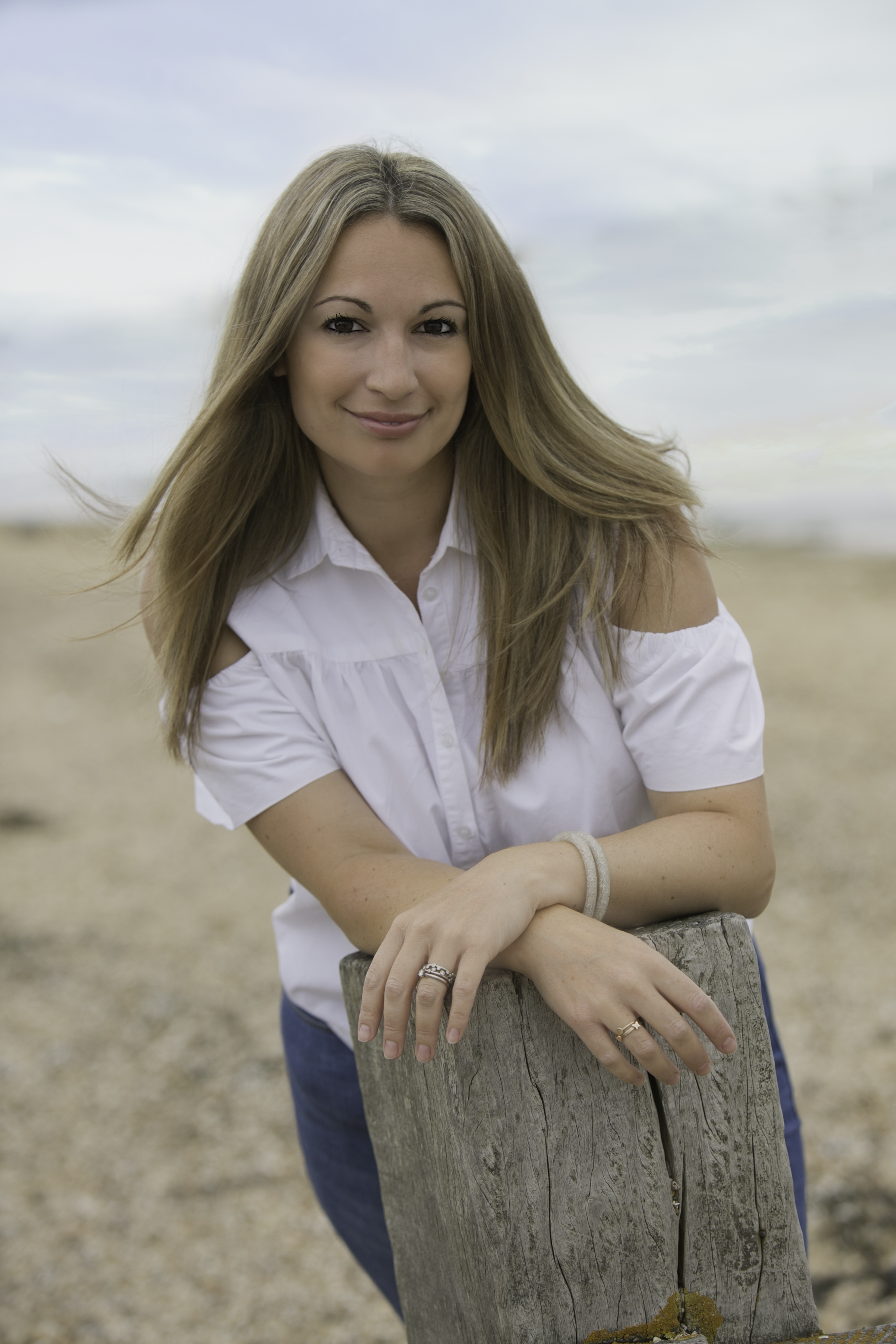
Photo credit Bill Harris

What do you see as the greatest success of your writing career? And what was the deepest disappointment?

One came from the other. When the publishing house that took my first two novels didn’t want the third (“too many serious issues”) it felt like the end of the world. I really thought it was all over. But this led indirectly to my writing Wannabe a Writer?, which in turn has led to many opportunities and has apparently, and gratifyingly, helped lots of writers (many of them now more successful than I am!) get published. I now have a patchwork ‘career’ which I love, and all the interviewing I do – I’ve done events with hundreds of top authors and celebs – which brings me great joy, started from one event for that small publisher who took me on for my third novel. As one door closes etc …

As you know, Sister Scribes is all about women writers supporting each other through their writing journeys. Do you have a ‘go to’ bunch of fellow female writers you value and rely on? If so, how did you meet them and how do you support each other?  

The RNA (Romantic Novelists’ Association) is a wonderful institution and I have made many terrific friends through it, who have been wonderfully supportive. I email often with Katie Fforde, Judy Astley, Janie Millman, and others and it is good to have someone at the end of a screen who knows what it’s like when one is only capable of pairing the socks…

What are your wishes and ambitions for this year and this decade?

My own chat show anyone?

And finally.  I LOVED the Big 50.  So funny and warm. How do you celebrate big birthdays yourself?

Ah thank you so much x It was fun to write. I love a party but I tend to cower when it comes  to  big birthdays. I spent 40 in a darkened room and ran away for my 50th. But now – having lost people far too young and had a life-threatening illness myself, I think how ridiculous that all was. If I haven’t been crushed by a passing bus by the time I’m sixty, I shall have a ball!


The Big Five-O by Jane Wenham-Jones is published by Harper Collins in paperback and in e-book formats. www.janewenham-jones.com @JaneWenhamJones

SISTER SCRIBES: JANE CABLE ON PLANNING FOR CREATIVITY

It’s the first morning of the decade and I’m making plans. Or rather I’m ordering dreams and prioritising my wish list, licking them into some sort of order. But shouldn’t the magic of creativity just be allowed to flow?

To my mind that’s a ridiculously self indulgent approach when you have chosen writing as a career. Having some sort of plan is so much better than sitting at a crossroads scratching your head. I have so many ideas for books I’ll probably never write them all – but which should I be following up? And what else needs to be done to make them successful?

Over the last few years I’ve developed a plan for planning – an easy ‘to do’ list for January 1st (or thereabouts), which keeps me on track.

  • Scrawl a quick review of the previous year in two sections – what went well, and what didn’t. Coming straight off the top of your head helps focus on what’s been important to you; what you need to do more of and what needs putting right.
  • Consider how you’d like to develop your writing life this year in each and every direction. For me the most important things are to understand more about (and hopefully write!) books with stronger hooks, and to find out more about winning at Amazon. Once you’ve worked out what your priorities are, allow yourself to dream a little – where would you like to be in five years’ time? How will this year’s plans help you to get there?
  • Now you have the basics you can set out your goals for the year. In my business life I had many clients who used the SMART system (specific, measurable, attainable, relevant and timely) and they’re a pretty good rule of thumb for writing too. Except I quibble a little with ‘attainable’ here, because I like to think in writing we continue to grow beyond our current skill sets – and what’s wrong with stretching ourselves anyway?
  • Next write down what you’re not going to do this year. It may sound a bit negative, but most people are prone to a bit (or a lot) of time wasting so cutting the draining tasks from your life is actually one of the most productive things you can do. One of my weaknesses is volunteering for too much so I’ve promised myself nothing new this year.
  • Then write down what you are going to do – the things that will make the biggest difference to your reaching your goals. What works in your writing life? What makes you feel good about it? What do you have to do more of to succeed?
  • The last part of my plan is to break down my goals and put them on a timeline. I do a rough quarterly guide, then an action plan for the first few months of the year. This will develop as projects move on. I also use quite small boxes for each month so I’m not tempted to overfill them and tackle too much too soon. I have a tendency to want everything to happen now, so this is very useful in spreading the workload. And, of course, it leaves room for some all important flexibility. Because even in the most ordered of worlds, real life happens.

So all this comes with a caveat: you can only plan everything when you are in control of everything. And in writing, as with most careers, you’re not. I was expecting my next book to be out by now, but it isn’t. Nobody’s fault – just one of those things. And I suspect when I look back this time next year there will be other things that haven’t happened too. But without any plan at all, I wouldn’t even know where to start.


SISTER SCRIBES’ WOMEN’S WRITING WISDOM 2019

During 2019 Sister Scribes were lucky enough to welcome women writers we admire and have some connection with to Frost and in the process we learnt a great deal. With a new year approaching, here as some of the choicest nuggets to mull over.


Alexa Adams: My network of women who I can depend on, confide in, and trust has exploded, and I have a hard time recalling how I ever got by without them. These friendships are the most unexpected gift that writing has bestowed on me, and for them I am immeasurably grateful.

Carol Thomas: Three top tips for working collaboratively:
1) Take a little time to find your way, but also be prepared to step up. Somewhat obvious but … the key to collaboration is collaborating.
2) Be prepared to compromise. Working as part of a group will require it at some point.
3) Be actively supportive of others; you’ll get more from it than you might think. Rightfully so, when it comes to working in a group, you tend to get out, what you put in.

Catherine Boardman: Telling stories is what I love to do.  The solitary nature of sitting down to write suits me perfectly.  Yet it is the support and friendship of fellow female writers makes the procrastination so much more fun.

Daisy Tate: THERE ARE NO FOES in the world of women’s fiction. Along this windy path I’ve walked, I have only met people who are there to help others.

Dr Gaby Malcolm: Ignore anything other than constructive criticism and admire your own work.

Jessica Redland: So far, our joint venture [The Yorkshire Rose Writers] has worked well and we love working together. We’re both excited to see where it could go in the future. My advice to anyone thinking about such a venture, though, is be really clear on your aims and your time commitment right at the start so you’re on the same page.

Maddie Please:  I try to keep the boxes of stationery under control but boxes of pencils, Sharpies and Post-it notes are like cat-nip to me!

Merryn Allingham: When several members of my book group announced recently they didn’t like historical fiction, I was disappointed. But stunned when one went on to say she couldn’t see the point of history. For me, discovering the past doesn’t just illuminate quirky corners of a bygone age but helps understand the world of today….. Researching history complicates that first simple ‘take’ on a culture and a period, changes our perspective, makes connections. And, crucially,  illuminates our own troubled present. Worth paying attention then!

Rachel Brimble: I could not write without women from the past, the present and undoubtedly, the future. Here’s to the strong women who have gone before us and who continue to walk with us today!

RL Fearnley: I realise that I don’t have to write ‘women’ in my stories, I just have to write ‘people’. It should not be a revelation to see that these two things are not mutually exclusive. After all, in worlds where anything is possible, why can’t the quiet, plain girl at the back of the class be the one who takes up the sword and slays the troll?

Tracy Rees: Exploring our dreams as far as possible makes us happier, fuller people, which in turn allows us to help and support others.


SISTER SCRIBES GUEST: LORNA COOK ON THE IMPORTANCE OF WRITING BUDDIES

I love this post, it sums up everything I have found to be true of the writing community. After reading and loving The Forgotten Village, I was lucky enough to meet Lorna at the Joan Hessayon Award this year, which she deservedly won. She was an absolute joy – funny, friendly and unassuming – and I cannot wait for her next book. 


When I started writing my debut novel, The Forgotten Village, I had zero writing buddies. Not one. I had just had my second child and we were going through that odd stage together where she slept most of the day (and not at all at night!). It left me slightly frazzled, very jaded and I was left to my own devices while my hubby went out to work and I took maternity leave. I joined lots of little groups with my tiny newborn but I sorely missed colleagues. And that joy of real human interaction that has nothing to do with nappy-chat was hard to find.

Don’t get me wrong – I did not go through the equal amounts of pain and joy of writing a novel so I could make chums. That was the happy by-product of this crazy and often misunderstood realm of fiction writing. And it is misunderstood. When I very quietly, very cagily, tell people I write novels it is only because someone has asked me directly ‘So, Lorna, what do you do for a living?’

And then begin the questions about how much I earn and if I am the next JK Rowling. Every single time. Praise be for The Romantic Novelists’ Association. I’m not sure I’d be quite as sane (manic laugh) as I am now without the RNA and the wonderful friends I’ve found there who just get it.  I joined the RNA’s New Writers’ Scheme in 2017 and no one ever made me feel as if I ‘wasn’t quite one of them’, because I was unpublished. I had found likeminded souls, who knew the pain and pleasure of being a novelist. Most of them were also unpublished like me and we’ve had many an hour of gossiping about industry one-to-ones at the RNA conference, about disastrous critiques from independent editors and the sheer joy of meeting new people.

I joined the RNA’s Chelmsford Chapter and was made to feel instantly welcome. I try to make it to all the lunches, which are once a month so I can share in dramas and pain, excitement and what everyone is working on at the mo. It’s brilliant. I always come away motivated. As a result of the Chelmsford Chapter, a few of us have formed a breakaway writing group called … wait for it, ‘Write Club’. You think we’d be better at puns than this – what with being writers, but there it is.  And once a month we meet and share in the ups and downs, as well as helping each other with our current WIPs.

I owe so much of my sanity to the RNA and the friends I’ve found there. Honestly, I don’t know where I’d be without it.


LORNA COOK lives by the coast with her husband, daughters and a Staffy named Socks.  She is the 2019 winner of the RNA’s Joan Hessayon Award for her debut novel The Forgotten Village, which sold 150,000 copies and reached Number 1 in the Kindle Chart. Her second novel, The Forbidden Promise, is out in spring 2020. A former journalist and publicist, she owns more cookery books than one woman should and barely gets time to cook.

@LornaCookWriter (Facebook) @LornaCookAuthor (Twitter) @LornaCookAuthor (Instagram)  http://www.lornacookauthor.com

SISTER SCRIBES: KIRSTEN HESKETH IN PRAISE OF WRITING GROUPS

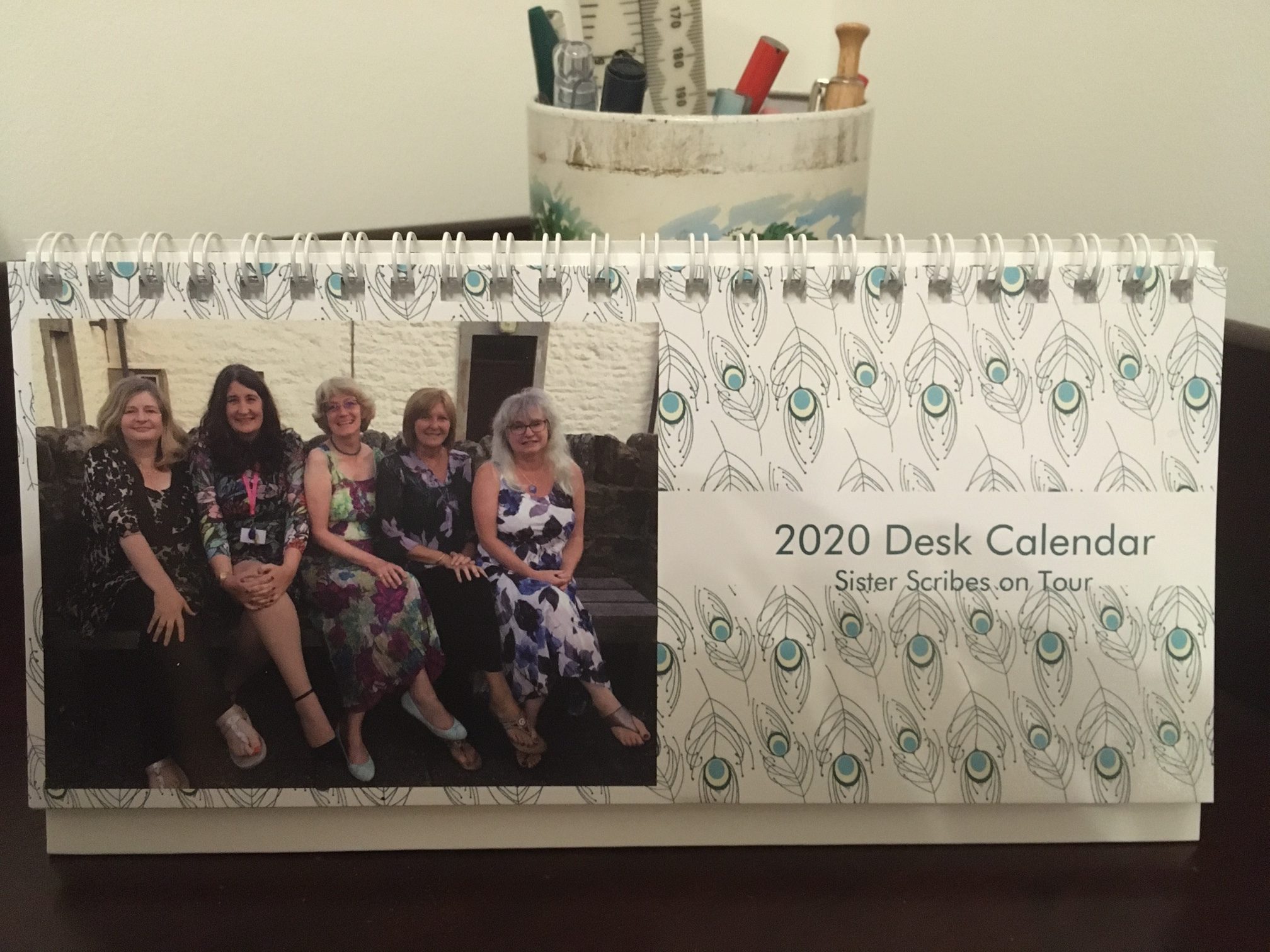
Writing can be a lonely business and much has been written about writers seeking out other writers online. I’m a member of several online writing groups. I’m writing this article as one of the Sister Scribes; five writers who met through the RNA and banded together to become – hopefully – more than the sum of our parts. Then there’s the LLs – aka the Literary Lovelies – a group of writers who met through Twitter. Over the past four years, we’ve chatted most days, virtually cheering each other up and spurring each other on in our quest for world domination … er, publication. Geographically we’re scattered from Devon to Scotland via the home counties and Wales, but everyone makes a real effort to get together for lunch in London and the occasional retreat. Then there’s the informal support group that sprang up during Nano, another one that vents about politics, writers that met at the RNA conference, others that met during a virtual editing course … Wow – reading back through that lot, it’s a wonder I have enough time to do any writing at all!

All these groups have several things in common. We are all novelists- mostly writing romance or sagas or women’s commercial fiction. We are all – with a couple of honourable exceptions – woman. Most are seeking a publishing deal. And we are all – or mostly – ‘of a certain age’!

Which is partly why I love being part of my local writing group. I’ve been a member of Reading Writers for the past three years. It meets on the second and fourth Wednesdays of the month and it is gloriously diverse …. in age, gender and writing predilections. People are writing crime and thrillers, fantasy and sci fi and genres I’d barely heard of before. Many are busy with short stories or flash fiction or poetry or memoir. Lots have – or are planning to – self-publish. Some are biding their time while they learn about the craft of writing.

It all makes for a wonderfully vibrant and exciting group, one that pushes you outside your comfort zone and makes you look at your own writing though fresh eyes. I’ve written before about our ad hoc writing sessions in Coppa Club where a small group of us will meet for a morning to put our writing worlds to rights – before cracking on with the wordcount. A workshop on poetry and another on writing using all the senses really encouraged me to reassess my prose. The one on plotting had me stocking up on multi-coloured Post It Notes. Everyone other meeting is a ‘manuscript night’ where you are encouraged to submit 1,000 words of your WIP – the feedback is robust but invaluable – for example, last time, the 20 and 30 year olds in the group told me exactly why and how the online dating world is not how I had described it #imadinosaur #whoknew?. There have been book launches and pub visits and days out and going to the pantomime that one of the members had written.

And the competitions! Twice my short stories have come second – anonymously judged by external authors or journalists – and both times it was genuinely thrilling – the first and only times my writing has ever won anything. The certificates still have pride of place on the fridge.

All in all, it’s a fabulous group and I’m very proud to be a member of it.

The current treasurer’s a bit rubbish though 😉