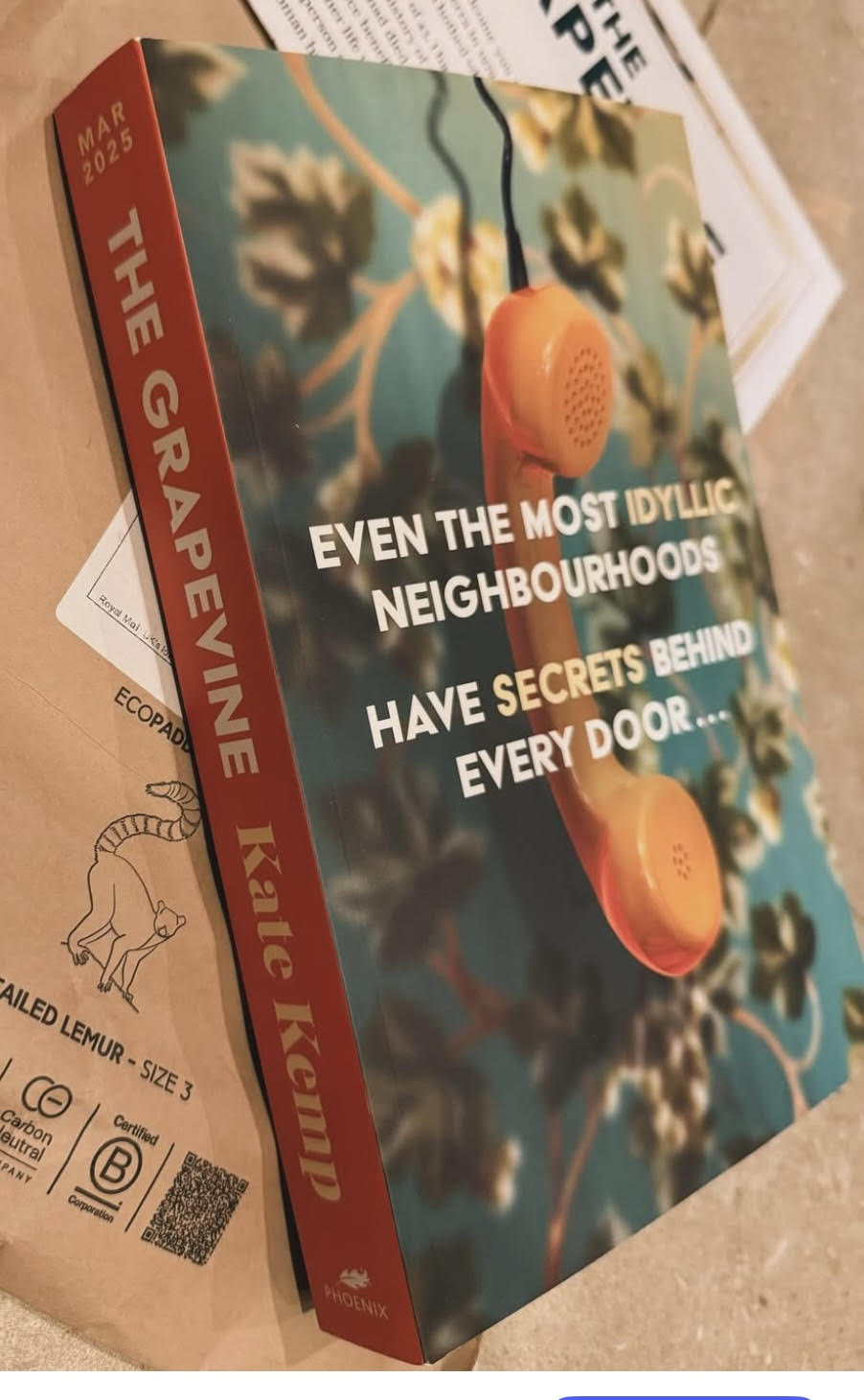
Every now and then there is a book that everyone wants a proof of. Melancholy is the downside of seeing the social media posts of the book you want to read RIGHT NOW. Anyway, not to be smug, but I got a copy of Kate Kemp’s The Grapevine ages ago and devoured it in two days. A sumptuous story set in 1970s Australia, it is one of the most talked-about debuts of 2025. Winner of the Stylist Prize for Feminist Fiction, The Grapevine is a grippy and luscious story of living in a claustrophobic community and how the roles of motherhood can lead to bad decisions.
I felt for the housewives of this suburban community, even while being infuriated and sad with their decisions.
Set in the height of the summer in Australia, 1979, you can feel the heat in this book. It starts off with a shocking murder. As the news of Antonio Marietti’s death spreads through the neighbourhood, the gossip starts and fingers are pointed. Twelve-year-old Tammy launches her own investigation, desperate to solve the mystery.
The Grapevine is a fantastic story with a gripping plot and characters that you don’t forget. I thought I knew what was going to happen, then the plot threw me for a loop. Expect big things from Kate Kemp. This is a stunning debut and an unforgettable novel. It captures small-town life perfectly. The historical settings add yet another layer to this atmospheric novel. Gorgeous.
Australia, 1979.
It’s the height of summer and on a quiet suburban cul-de-sac a housewife is scrubbing the yellow and white chequered tiles of her bathroom floor. But all is not as it seems. For one thing, it’s 3 a.m. For another, she is trying desperately to remove all traces of blood before they stain. Her husband seems remarkably calm, considering their neighbour has just been murdered.
As the sun rises on Warrah Place, news of Antonio Marietti’s death spreads like wildfire, gossip is exchanged in whispers and suspicion mounts. Twelve-year-old Tammy launches her own investigation, determined to find out what happened, but she is not the only one whose well-meaning efforts uncover more mysteries than they solve. There are secrets behind every closed door in the neighbourhood – and the identity of the murderer is only one of them . . .
Richly atmospheric and simmering with tension, The Grapevine is an acutely observed debut novel about prejudice and suspicion, the hidden lives of women, and how the ties that bind a community can also threaten to break it.
Five eight in heels. Five four in a bullet proof vest.
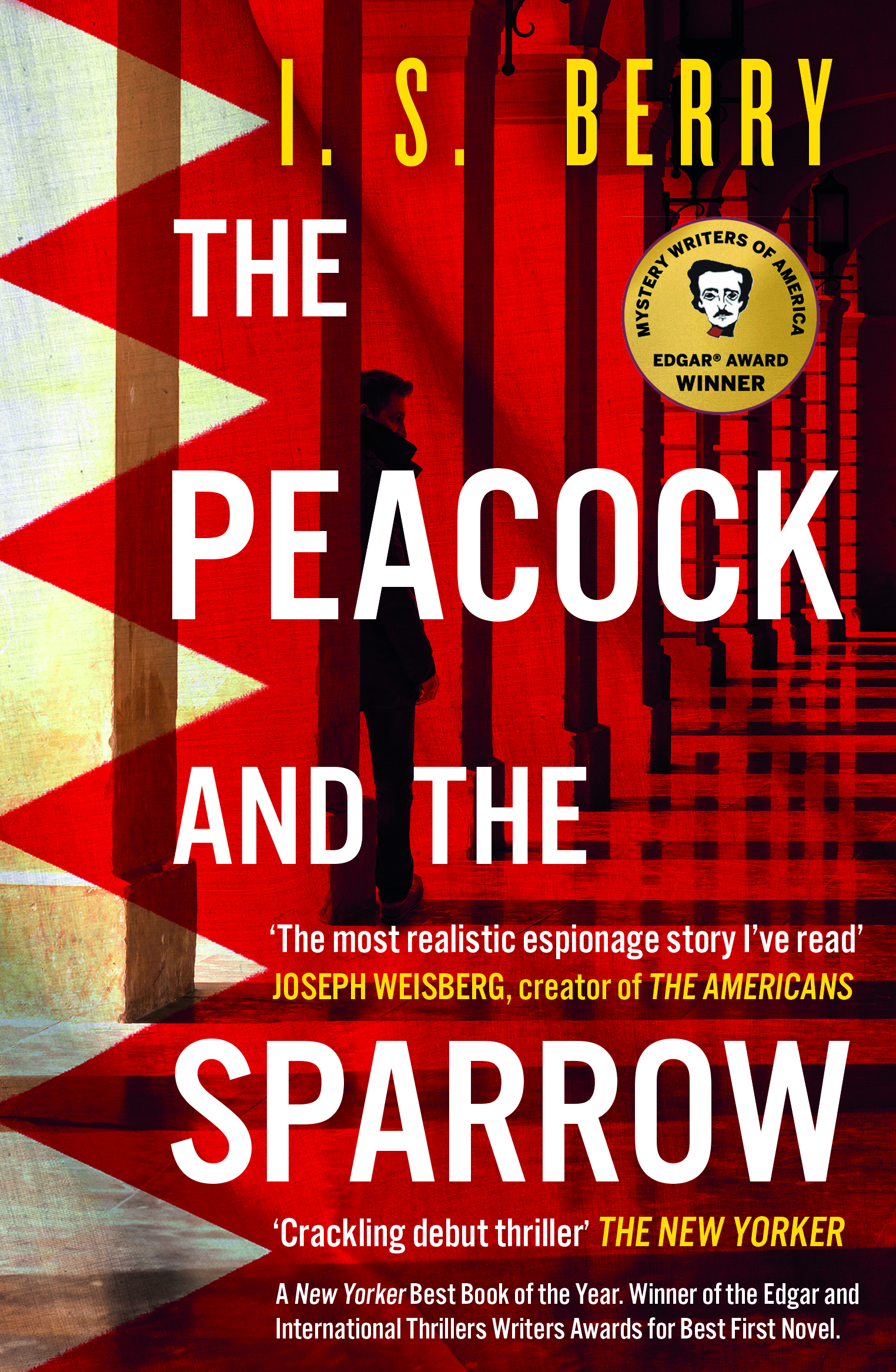
Fundamentallyis the book of 2025. It is in every magazine and newspaper with rave reviews, and its author, Dr. Nussaibah Younis, long-listed for the Women’s Prize, is the woman of the moment. Readers, do believe the hype. The Times called Fundamentally Bridget Jones with Isis brides. It says a lot about the talent of the author that she can take such a serious subject and make it so funny. This debut, yes, it is actually a debut, is funny as fuck. Written with a bravery and lack of filter that sorts out the great writers from the good ones. This no-holds-barred novel takes a serious subject, the rehabilitation of Isis brides and extremism and handles it perfectly. It is not tackled with kid gloves, and Younis reminds me of I.S. Berry, who wrote The Peacock and The Sparrow (pretty much my favourite book of 2024). Written in first person, Dr. Nadia Buart has been abandoned by her mother and is escaping a broken heart after her girlfriend, Rosie, leaves her. Going to Iraq to rehabilitate Isis brides is one hell of a rebound. Dr. Nussaibah Younis knows her stuff. She’s a peacebuilding practitioner and a globally recognised expert on Iraq. She advised the Iraq government for years on proposed programmes to deradicalise women affiliated with Isis. It is impossible not to fall in love with Nadia, despite her many faults. Younis writes with such humour that you will laugh even when you wonder how she was brave enough to write it. Fundamentally is an immersive novel. Completely unique and full of hilarious, well-rounded characters. It tackles a very serious subject with such skill and compassion. Some of the women in the camp ended up there because their husbands told them they were going on holiday. When they get there, they are trapped. It is hard to say who my favourite character is because I kind of love them all. Younis put a huge amount of work into the book. I went to her book launch, and she said how she did a stand-up comedy course to get the jokes right and be funnier. She even got her book club to read her manuscript and critique it. The result is a morally complex, sparklingly funny, jaw-dropping, and gripping novel. It will make you laugh out loud. Fundamentally, is essential reading from a bright new talent who is completely unafraid. Nussaibah Younis has big things ahead of her. We are all just along for the ride.
A wickedly funny and audacious debut novel following an academic who flees from heartbreak and lands in Iraq with an insane job offer—only to be forced to do the work of confronting herself.
When Dr. Nadia Amin, a long-suffering academic, publishes an article on the possibility of rehabilitating ISIS brides, the United Nations comes calling, offering an opportunity to lead a deradicalization program for the ISIS-affiliated women held in Iraqi refugee camps. Looking for a way out of London after a painful, unexpected breakup, Nadia leaps at the chance.
In Iraq, Nadia quickly realizes she’s in over her head. Her direct reports are hostile and unenthused about taking orders from an obvious UN novice, and the murmurs of deradicalization being inherently unethical and possibly illegal threaten to end Nadia’s UN career before it even begins.
Frustrated by her situation and the unrelenting heat, Nadia decides to visit the camp with her sullen team, composed of Goody Two-shoes Sherri who never passes up an opportunity to remind Nadia of her objections; and Pierre, a snippy Frenchman who has no qualms about perpetually scrolling through Grindr.
At the camp, after a clumsy introductory session with the ISIS women, Nadia meets Sara, one of the younger refugees, whose accent immediately gives her away as a fellow East Londoner. From their first interaction, Nadia feels inexplicably drawn to the rude girl in the diamanté headscarf. She leaves the camp determined to get Sara home.
But the system Nadia finds herself trapped in is a quagmire of inaction and corruption. One accomplishment barely makes a dent in Nadia’s ultimate goal of freeing Sara . . . and the other women, too, of course. And so, Nadia makes an impossible decision leading to ramifications she could have never imagined.
A triumph of dark humor, Fundamentally asks bold questions: Who can tell someone what to believe? And how do you save someone who doesn’t want to be saved?
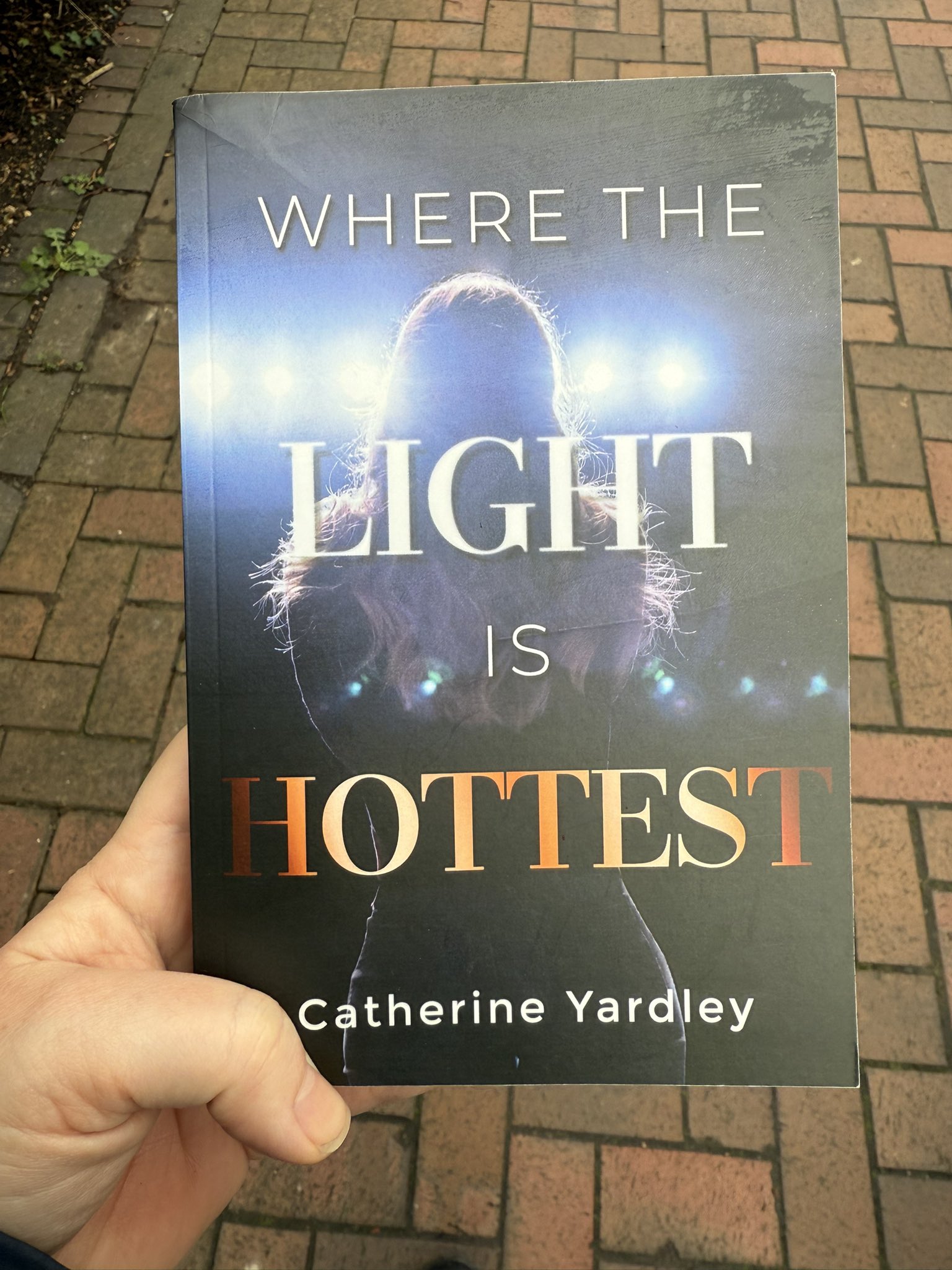
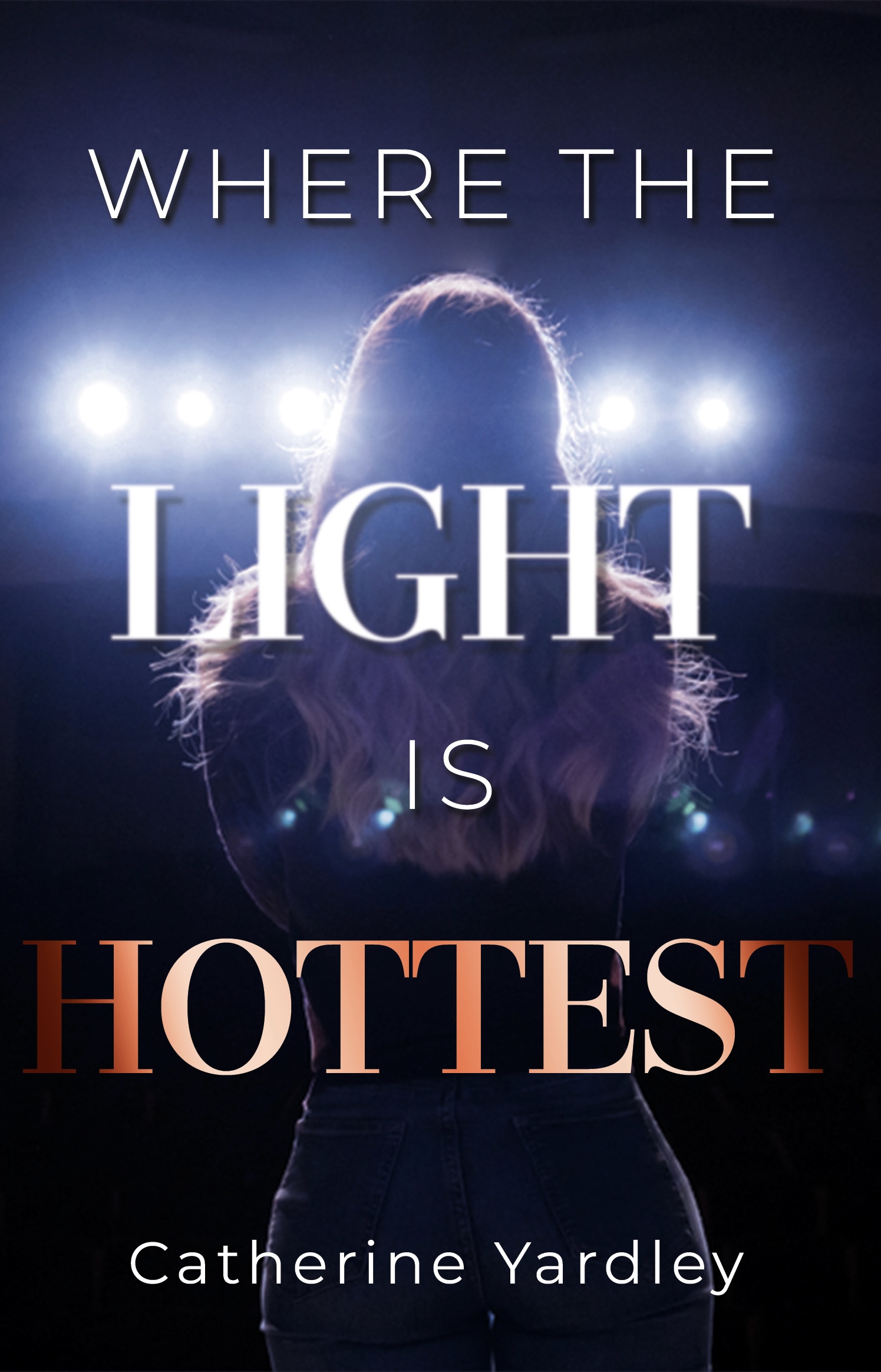
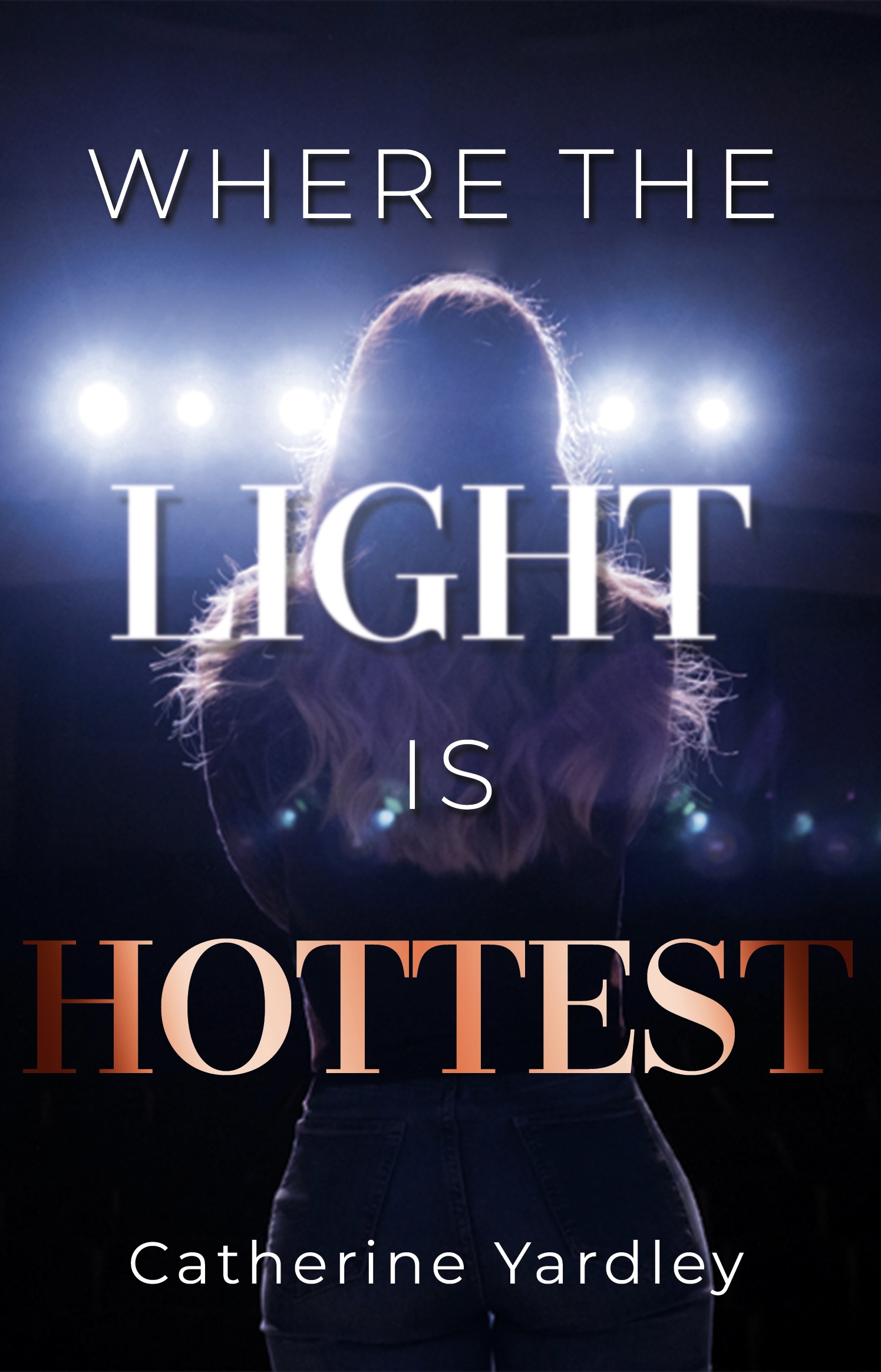
At time of writing, my book, Where The Light is Hottest, came out yesterday. It has been a long time coming. It took me a long time to figure out how to write a good book. Writing a book is hard, but one that is readable? Really hard. Anyone who is trying to do that now, keep at it. You will get there in the end.
When you are lucky enough to become a writer the amount of time you spend writing can go down. I am busy marketing and doing publicity for the book. I am also on TikTok, Instagram, Threads, X, YouTube, Facebook and Bluesky. Phew! Then there are interviews, podcasts and articles to write for various publications.
While being an author is a lot of work I can say that it never feels like work. I love what I do. I love writing and I also love meeting people. The writing and book community are amazing.
My publisher is busy printing more copies of my book as they ran out of stock. There are only eleven copies left on Amazon. It is also available on kindle unlimited and on ebook. The blurb is below.
Natasha Jones has everything – a successful acting career, an Oscar, a wonderful husband and beautiful kids. But what does she have to go through to get there? From humble beginnings in a small town, Natasha’s path to stardom is paved with setbacks, heartaches and moments of doubt.
In the glittering world of fame and fortune, where dreams are spun from starlight and ambition fuels the relentless pursuit of success, one woman’s journey stands as a testament to the resilience of the human spirit. Beneath the facade of glamour lies a story of unwavering determination and unyielding courage.
Where the Light is the Hottest is a gripping tale of ambition, perseverance and the enduring power of hope. Through Natasha’s journey, we are reminded that the road to success is rarely smooth, but for those who dare to chase their dreams, the rewards are beyond measure.
My first fiction book, Ember, came out in 2022. As a baby author my overwhelm was helped by being part of a debut group. I was so grateful to become a published author that I was naive. It was a big rollercoaster of emotions as I tried to make my way. Before And After The Book Deal by Courtney Maum was a lifesaver. Full of great advice. It’s like having someone to hold your hand through a tough journey.
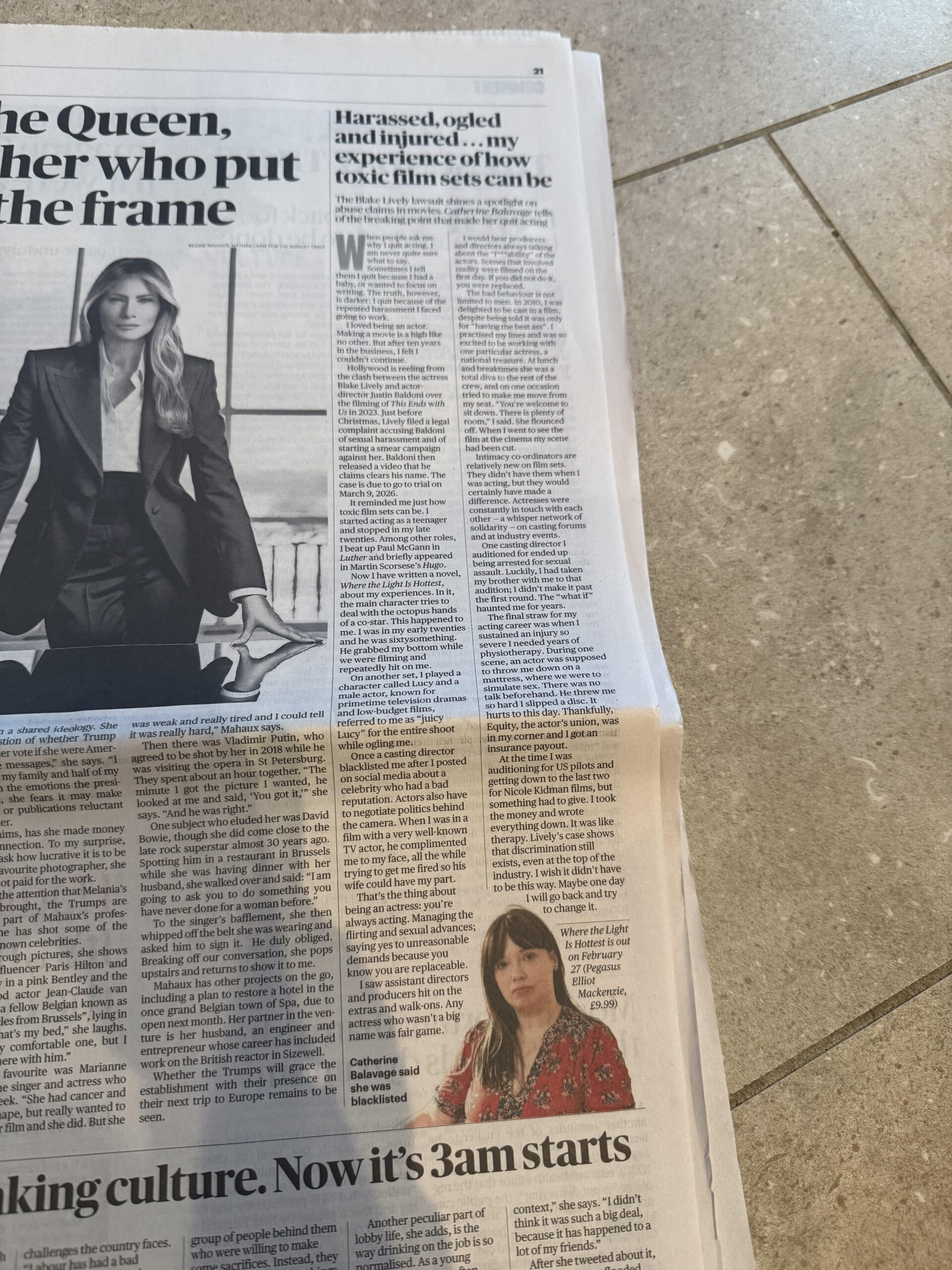
I am two weeks out from publication day on my second book. This is not a drill. Where The Light is Hottest will be out on February 27th. I am excited and stressed all at the same time. I wrote a piece about the book for The Sunday Times. I am also doing a good number of events and podcast interviews in the future.
I don’t think people realise how much work goes into being a writer. There are endless trips to the post office (over £17 to post four books. Yikes), interviews and an endless amount of emails. Months and years can go into the publication of a book. I signed the contract in July 2023. I wrote the first draft of the book nine years ago. I entered it into The Good Housekeeping writing competition. I was upset when it didn’t win but it wasn’t ready then. Nowhere near it. I finally got the book where I wanted it to be by reading other books with the same energy.
Where The Light is Hottest is based on my experiences in the film industry. It has lots of gossip and backstabbing. It has female friendship and is a feminist tale of survival and what it takes to achieve your dreams.. The main character, Natasha Jones, is Scottish and some of the book is set in Lanarkshire, Scotland. It is also set in London, New York, LA and Gstaad. It is dual timeline, told from the past as Natasha makes it, alongside her friends Scarlet and Claudia from drama school, and in the present as people try to bring her down. She is a famous, Oscar-winning, actress and dark forces are at work. Spreading rumours and sharing stories about her to Popbitch. If any of this sounds like your thing you can preorder here: https://tinyurl.com/Where-The-Light-is-Hottest
I will be writing a lot about author life. So keep an eye out for more.
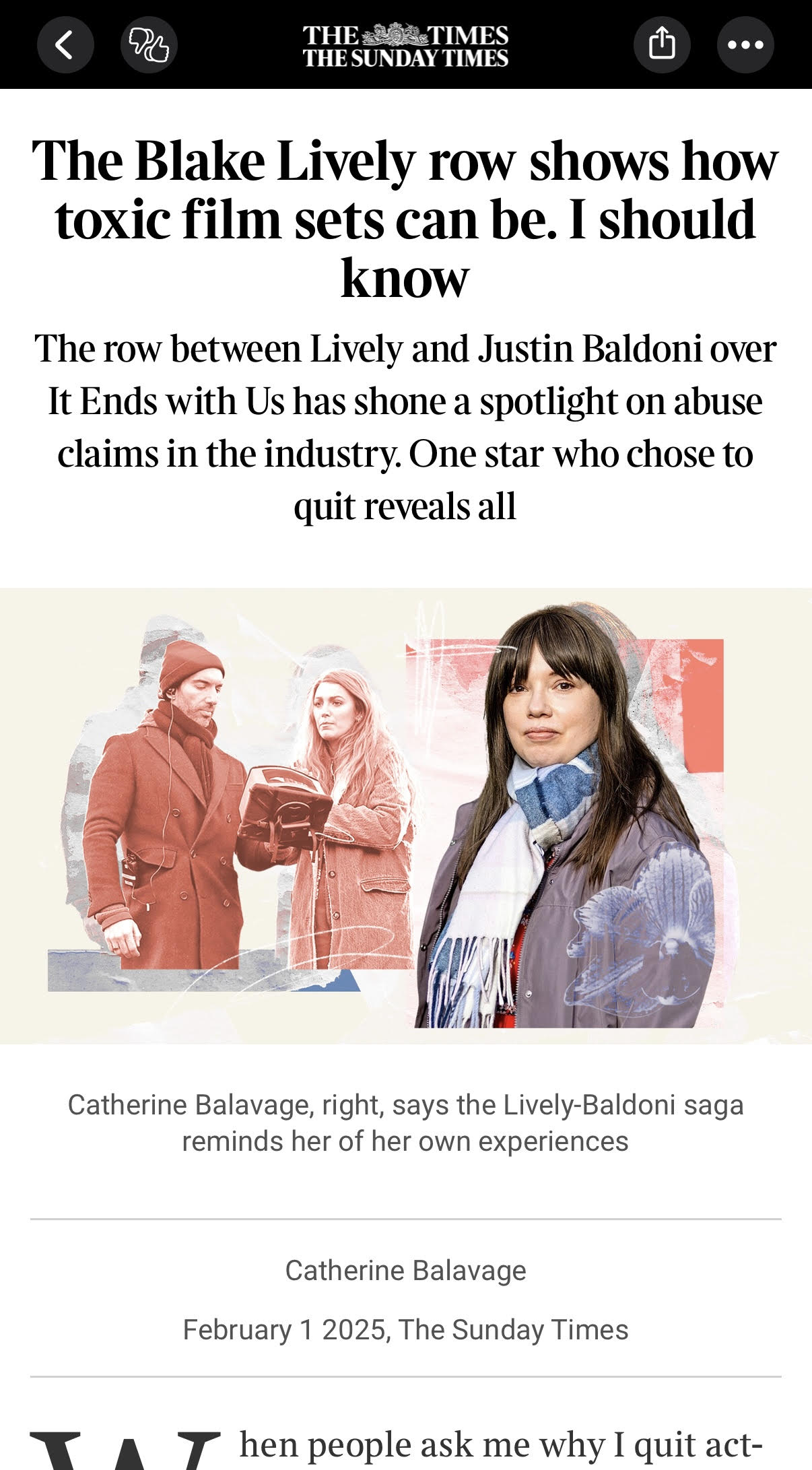
Frost editor, Catherine Balavage Yardley, has written a powerful piece for The Sunday Times on her experiences in the film industry. Where The Light is Hottest is based on the real experiences of Catherine and people that she knew. While the book is fiction, it gets to the heart of an industry which is both beautiful and tough. Historically, it hasn’t treated women well. Let’s hope things change.
Screenshot
The first review for Where The Light is Hottest is below. You can preorder it here. It’s out on February 27th.
Why am I so terrified?
‘Where the Light is Hottest’ is an uplifting but unflinching look at what it feels like for a woman to succeed as an actor. Protagonist Natasha is a wonderful creation: tough, passionate and loving in turn, fighting against a male-dominated hierarchy while surrounded by friends and family who are in turn supportive, dismissive and, all too often, downright poisonous in their readiness to betray Natasha and her dreams. I particularly liked her voice: ‘Being liked is overrated. You can’t take shit from people all the time so they’ll think you are likeable.’
As in Yardley’s earlier and equally readable book, ‘Ember’, torrid family relationships play an important role in ‘Where the Light is Hottest’. But I particularly enjoyed the focus on friendship, the struggle for success in a cut-throat, back-stabbing industry, and the fight for female empowerment. As one character says, ‘Do not doubt yourself, Natasha. They doubt us all the time. Be brave and put yourself out there knowing you are just as good as anyone else.’
I also learned a few terrific new words, including a ‘fashiongasm’ and a ‘floordrobe’.
‘Where the Light is Hottest’ is a great, entertaining and ultimately joyful read. I thoroughly enjoyed its depiction of a woman’s fight for success in an environment where she never quite can relax. As Natasha says in an insightful moment: ‘My life has completely changed. It is everything I ever wanted. So why am I so terrified?’
I became a writer in 2002. That was the year I began a four-year break from full-time work at the British Embassy in Berlin to look after our children, then aged eight and ten, so my diplomat wife could work full-time. She took over my job in the embassy. I’d begun my first novel, Eternal Life, in 1986. That was when the British Embassy in Vienna, where I was then working, got its first word-processor. I thought: ‘wow – you can edit your work before printing it! That’ll make writing much easier.’ Of course, it didn’t. But although I made some progress with my writing while I was working full-time as a diplomat, in Vienna, Moscow and Berlin, I found taking a break from full-time work transformative.
In the four years from 2002, I started writing for the Financial Times, sold two treatments to a film company, attended writing courses, and wrote two novels. When I returned to the Foreign Office full-time in 2006 as Director of Overseas Territories (Saint Helena, Bermuda, the Falklands & Co), then as Ambassador to Ukraine, I continued to write.
Unfortunately, the Foreign Office hated me trying to publish fiction and be a diplomat at the same time. They even threatened me with disciplinary action if I persisted after a bust-up in 2014, when I was working as British Consul-General in Istanbul. I started publishing excerpts from my romantic comedy The Cheat on-line. They objected to the rude words! It was a difficult situation.
I’m a bit manic, to be honest. Every morning, after a bit of yoga, I walk my partner to her work, then sit down until lunchtime to write. In the afternoons and sometimes in the evenings I focus on writing-related jobs, including organising book tours and social media – I have a website, a podcast, and post on TikTok, YouTube, Instagram and Linkedin. My “Lessons in Diplomacy” videos on TikTok have the best response – I work hard to publish good stuff for my 5,000 followers! Linkedin yields most speaking opportunities, including talks about “Lessons in Diplomacy”. I always make time to attend schools and universities, in particular, to discuss the book and answer questions.
You have written non-fiction and fiction. What is your favourite?
I love both! Creating characters and stories in fiction is a thrill. I love to work late into the night on a scene, then review what I’ve written in the morning, and find that characters, apparently independently, have led the story into unexpected places. Writing Lessons in Diplomacy was a different experience. The months of painstaking research, scouring my records, fact-checking and – above all – choosing the most fun, enlightening stories to illustrate the “life lessons” that make up the book, was rewarding. Like other writers, I sometimes worry that I’m putting too much of myself on display. When the publishers urged me to include even more Russian honeytrap stories about my travels to Novosibirsk, Vladivostok and elsewhere from 1992-95, I declined. But maybe if there’s ever a Volume 2 I’ll go further.
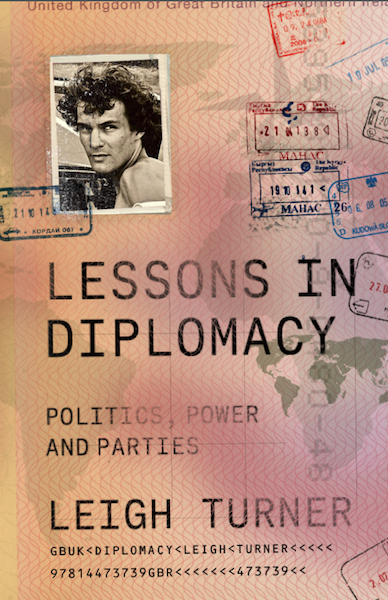
I loved Lessons in Diplomacy. What are your hopes for the book? Do you want to help people become diplomats?
The aim of Lessons in Diplomacy is three-fold. I wanted a book about diplomacy that was fun to read, opening up the truth about diplomatic life to the non-expert. Too many of us have a stereotypical view of upper-class twits swanning round the globe. Diplomacy is changing fast, including many more women and other under-represented groups becoming diplomats and ambassadors.
The book is also designed as a collection of life lessons from diplomacy. It’s not for nothing that the book includes chapters on “How to craft a career”, “How to drink wine and know things”, and “How to know people”. The skills and attributes that make a good diplomat can be applied to many – perhaps all – jobs and careers. I hope people find it useful.
Finally, I hope the book is a breath of fresh air for anyone studying politics or international relations. Many academic textbooks about diplomacy are written by great academics who have never been a diplomat. Others are written by great diplomats who have never written a book. I’m hoping readers will find Lessons in Diplomacy both useful and a great read.
You have lived an exciting life. What made you go into diplomacy?
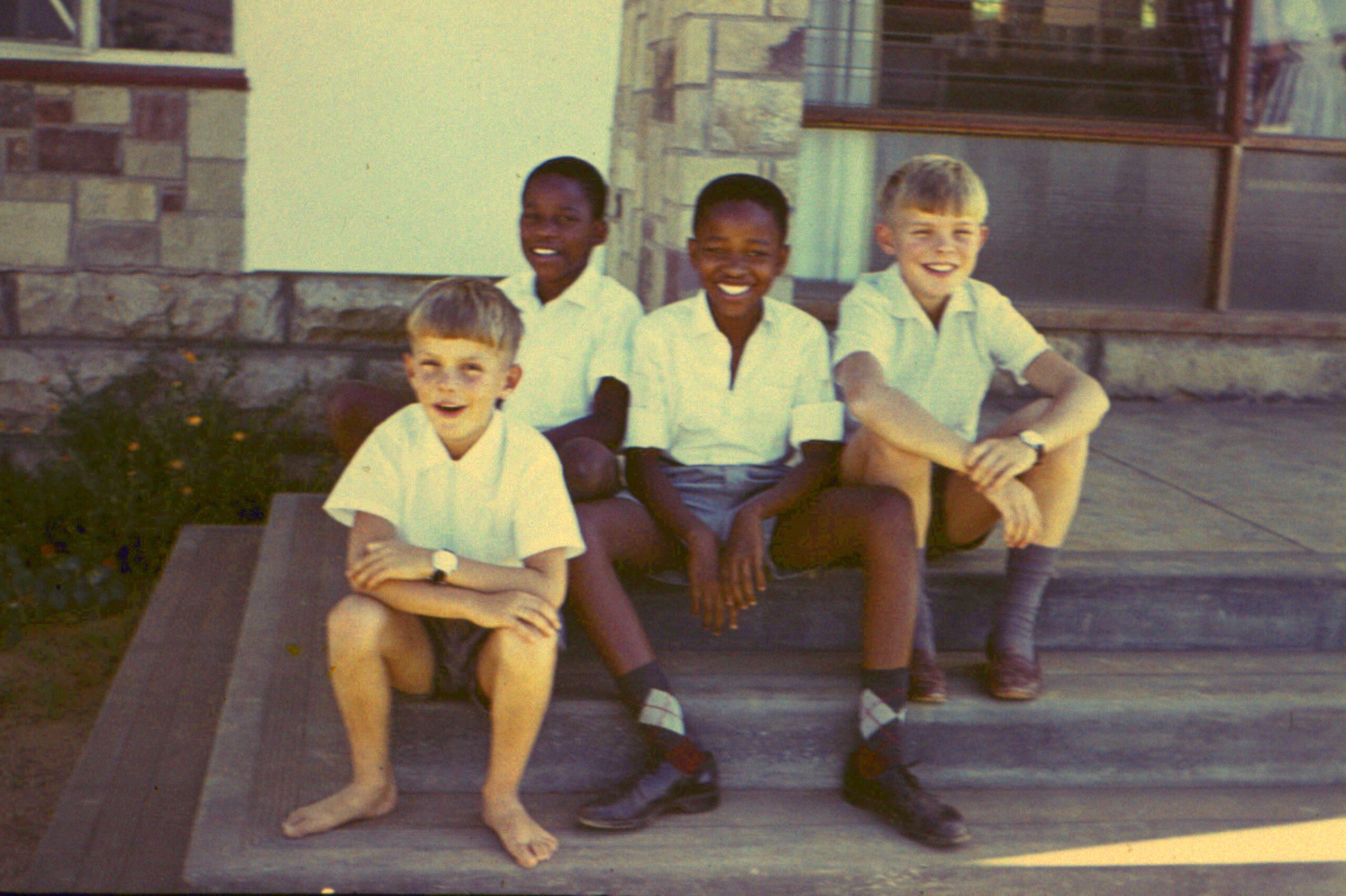
My parents’ life was a lot more exciting than mine! They moved in 1951, as young adults, to northern Nigeria, and later to Lesotho, in southern Africa. Living in different countries instilled in me a deep interest in what made countries tick, as well as a restless desire to travel. Diplomacy was an obvious job choice, and I had great fortune in getting into the Foreign Office – on my second attempt. But as I say in Lessons in Diplomacy, “Don’t judge a book by its cover.” The jobs I did before the Foreign Office – in the Department of the Environment and the Treasury – were some of the most exciting I ever did – far more so than most Foreign Office jobs!
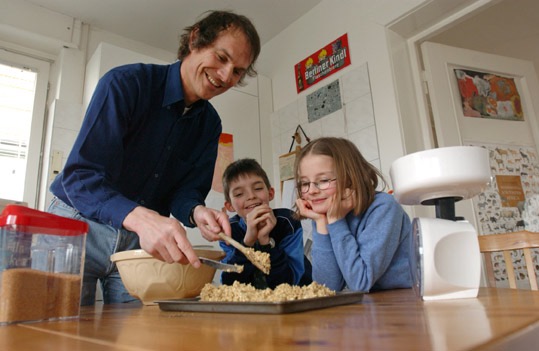
Germany, Berlin, 08.04.2003
Leigh Turner, author, with his children Owen and Anna preparing cakes. Working on a novel set in the Foreign Office. Job Swaps.
(c) Stefan Boness/Ipon, www.iponphoto.com
I loved how you took some time out to be with your children. Do you wish more men would do this?
The four years I spent looking after the children full-time, while my wife took my job in the British Embassy in Berlin, were the best four years of my working life. I was able to form a deeper bond with my children, to look at the world in a different way. I encourage all men to take seriously the option of some time out to help raise their kids. I recognise that not all parents have jobs that allow them to stop work for four years; or enough income for one parent to support the family. But do explore the options! Many women thought a man taking time off to bring up children was fabulous. But many men were hostile. They seemed to feel threatened by what I was doing.
Who are your favourite authors and books?
I’m an eclectic reader. I immensely enjoy modern thrillers such as Lee Child or Vince Flynn. But I also love romantic thrillers – I recently enjoyed books by Sophie Kinsella and Mhairi McFarlane. And I have a soft spot for the classics – I’m nearing the end of a “read all books by Dickens” campaign, and love anything by Anthony Trollope. I’ve written a lot about Trollope on my rleighturner.com blog – although he’s a 19thC writer he has a lot to tell us about relationships, gender and power.
What advice do you have for aspiring writers?
Persevere, and train your writing skills! Submitting books to agents and publishers is a cruel, unrelenting slog. But you have to keep doing it in the hope that one day, your painstakingly constructed work will see the light of day. There’s also the option of self-publishing, which I have tried, and which can work brilliantly. But it’s worth trying for a “traditional” publishing route first, if you can, to give your book the best chance.
I’m also a huge fan of honing your art. Writing courses are great ways to get feedback on your work, and mutual support. I go on courses regularly, and am even teaching on one in September 2025, in Lesbos, Greece. Details of the Lesbos course, and on other writing courses I’ve attended, and recommend, are on my blog.
Writing groups are also terrific. I’m in a virtual group with five writers from the US and Canada that meets every month. Their comments on my work have helped me improve my writing. They’ve also strengthened my self-belief – invaluable!
What’s next?
I’m currently working on a trilogy of romantic comedies I call the “Diplomats in trouble” series. I’m excited about it, although, as always, it’s not yet certain it will ever see the light of day. My hero Angus is a protagonist many test readers, mostly women, love to see try, and fail, and try and try again, to find love and a meaningful relationship in the chaos that is modern life. Watch this space.
Leigh has also written extensively about Russia’s war on Ukraine, in his book “Lessons in Diplomacy” and on his website.
I have been holding this in for so long I thought I might combust. My new book, Where The Light is Hottest, is out soon. It is my second book after Ember which came out in 2022, but Where The Light is Hottest is actually the first book I ever wrote. It is based on my experience working in the film industry as an actor, casting director, producer and director.
I am very proud of this book. Especially since it took me six years to write and nine years to get it published. The book is dual timeline and is told through the past, as Natasha starts in a small town in Scotland, and in the present as a successful, award-winning actress. Now forces are trying to bring her down because of jealousy. She’s too rich, too successful and too beautiful. People are spreading rumours and starting a smear campaign. I found it fascinating that this book is coming out amidst the Blake Lively/Justin Baldoni drama. It seems that metoo part two is coming for Hollywood and this book covers the first one, up until the present day. If you loved The Comeback by Ella Berman you will love Where The Light is Hottest.
I hope you love this book as much as I did writing it. Let me know. I would love to hear your thoughts.
Natasha Jones has everything – a successful acting career, an Oscar, a wonderful husband and beautiful kids. But what does she have to go through to get there? From humble beginnings in a small town, Natasha’s path to stardom is paved with setbacks, heartaches and moments of doubt. In the glittering world of fame and fortune, where dreams are spun from starlight and ambition fuels the relentless pursuit of success, one woman’s journey stands as a testament to the resilience of the human spirit. Beneath the facade of glamour lies a story of unwavering determination and unyielding courage. Where the Light is the Hottest is a gripping tale of ambition, perseverance and the enduring power of hope. Through Natasha’s journey, we are reminded that the road to success is rarely smooth, but for those who dare to chase their dreams, the rewards are beyond measure.
Not at all. I wanted to be a writer! But I studied at London School of Economics in college, and fell in love with living abroad and foreign affairs. It was the 1990s and communism had collapsed, which was a fascinating time to be in Europe. After I graduated, I edited a newspaper in Prague, then worked as an intelligence analyst for the U.S. government in Cambridge, England, shuttling back and forth to the Balkans. I found I was passionate about intelligence work, so I applied to the CIA. While waiting for my application to process, I attended law school and studied international law. 9/11 happened while I was in law school, and I felt grateful I was on a job track that would serve my country.
When did you realise you wanted to be a writer?
For as long as I can remember! I’ve always loved books and words. My adolescence and young adulthood are littered with failed attempts at novels. While traveling Europe in my twenties – exploring, trying to figure out who I was – I remember musing in my journal that, while I’d probably follow a more practical career path, my secret dream was to be a writer. But it wasn’t until I’d worked as a spy that I had something really meaningful to write about, that it all came together.
What do you think is behind the world’s fascination with the CIA and the world of spies?
The secrecy, I think. Espionage is an entire world beneath the surface, a netherworld. And spying is a profession of high stakes, where lives and geopolitics – the fate of both people and nations – are on the line. Also, espionage involves inherently colorful characters – people willing to commit the ultimate betrayal.
Your characters are so vivid. Do you base them on real people?
My characters are mostly composites, except for the station chief, who was inspired by a real person. Also, the expat community is based on real people, and much of the dialogue is taken verbatim from actual conversations.
Can you describe your writing routine.
I try to go for a three-mile run each morning. Then I either go to my local coffeeshop or set up camp in my study and write for a few hours. I can’t write too much without printing out and editing, because things read differently to me on paper, and I need to get the story right before I proceed too far.
The book is negative about the CIA. Where you disillusioned?
A bit. I joined the Agency a few months after 9/11, and it was a time of transition and, at times, chaos. My first tour, as a counterterrorist case office in Baghdad during the apex of the war (fall 2004 to fall 2005), was challenging: we weren’t making much progress, the work environment was stressful, and most of us – myself included – returned with PTSD. I made decisions in a fog of war and espionage that haunted me and carried their own trauma. The fundamental skill required for the job – manipulating people – never sat easily with me. Now, years later, with the dust settled, I have a softer view of that time. I wouldn’t say my book paints the CIA in a negative light so much as it paints espionage in a negative light. For me, spying was an uncomfortable, debilitating profession, and that’s what I wanted to convey.
What are your thoughts on the CIA now. Did you find writing the book healing?
I think the CIA has made a lot of progress. The war on terror is over, and the Agency has had time to take a breath, evaluate its operations and internal culture. It’s more introspective and self-critical now. When I was there, the Agency was a bit of an old boys network. Since then, the “Me Too” movement has had an impact: there are rules about and awareness of sexual harassment; female officers speak up about inappropriate treatment; and women fill more leadership positions. I do think writing my book was cathartic. When I finished, I realized how many of my ghosts had come out on the pages. They’re still with me, but now I can better articulate and make sense of them.
The book is unflinchingly honest and brave. Did you ever have a moment of doubt about putting your heart and soul on the page?
Thank you! Yes – though more so after my book was published. I wrote my manuscript in a vacuum (CIA rules prohibit me from showing my writing to anyone until it’s been cleared), so I didn’t even think about getting my story out in the world at the time. Exposing my inner turmoil was still an abstraction. Once I was published, I realized that now everyone could see my scars and the effect espionage had on me. But so many former intelligence officers have found my book resonant, I’ve felt more reward than apprehension in telling this story.
Joseph Weisberg, creator of the TV series The Americans, called your book the “the most realistic espionage story I’ve read.” How did that feel, and do you agree?
Well, I haven’t read all the spy novels out there, so I feel unqualified to judge! But I take Joe’s blurb as a huge compliment, and was honored to get such an amazing endorsement from the creator of a masterful, iconic series. I do think many spy novels skew toward the sensational – car chases, roof scaling – and mine is based more on my own experiences, and the tradecraft and operations I conducted. Also, tradecraft is fundamentally psychological, not technological or gadget-based, and I think my story reflects this. Above all, I wanted to convey a visceral sense of espionage, and insiders tell me I’ve succeeded at that.
What books, films and TV shows get the spy world right?
For film, Beirut, Spy Game, and Ghosts of Beirut are some of my favorites. For novels, Graham Greene’s The Quiet American and most of le Carré books (The Little Drummer Girl is my favorite) – all written years ago, but, in the most important ways, as authentic today as they were then.
It’s nice to have a female voice in the world of spy novelists. Do you think you’ve paved the way for more?
I hope so! It’s shocking to me how few female spy novelists there are (though, we’re out there – I’m in good company with Merle Nygate and Alma Katsu, to name a few).
What’s next?
Another spy novel! This time, a female protagonist. It’s about the intersection of spying and writing…and I think that’s all I can say for now!