My Writing Process | Deborah O’Donoghue

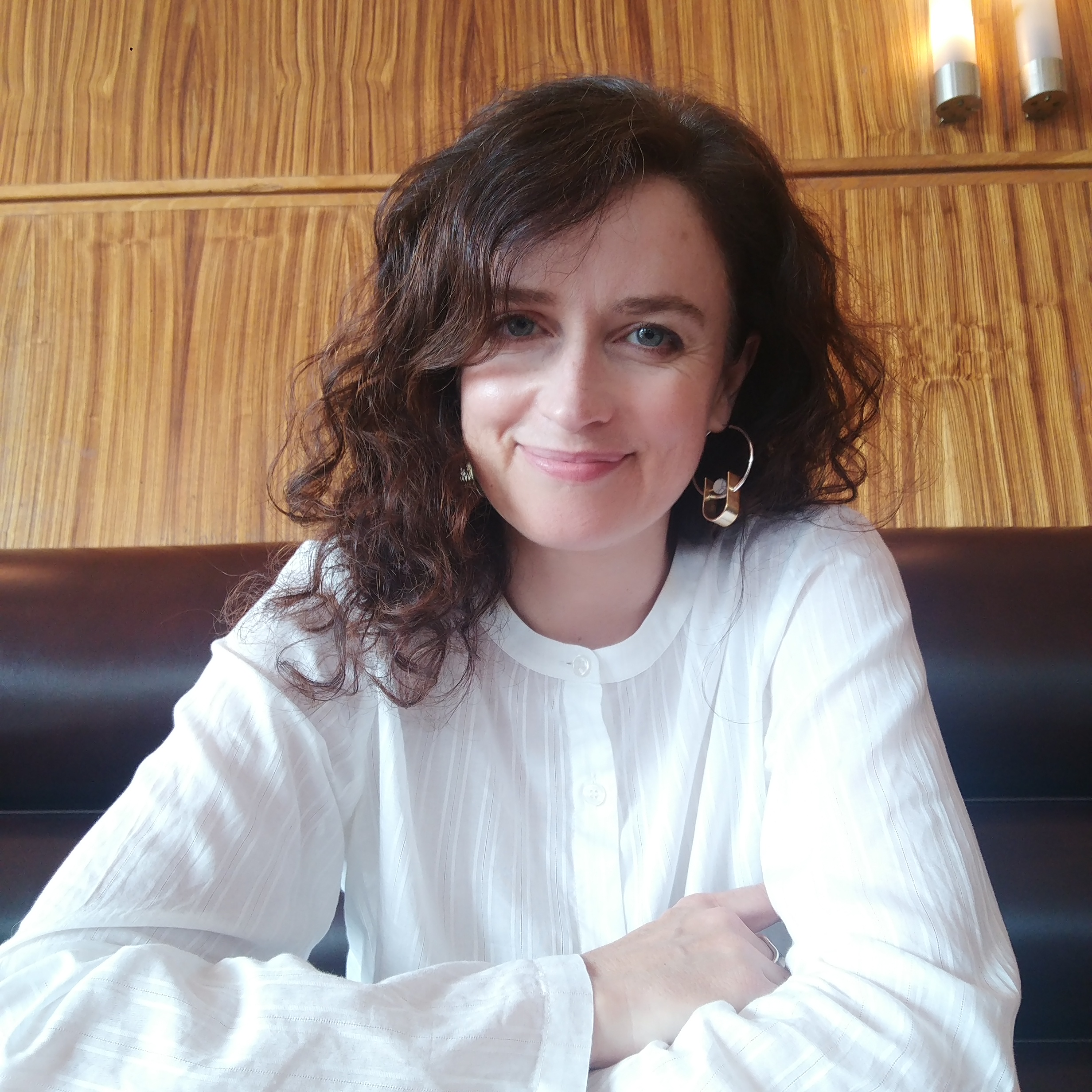
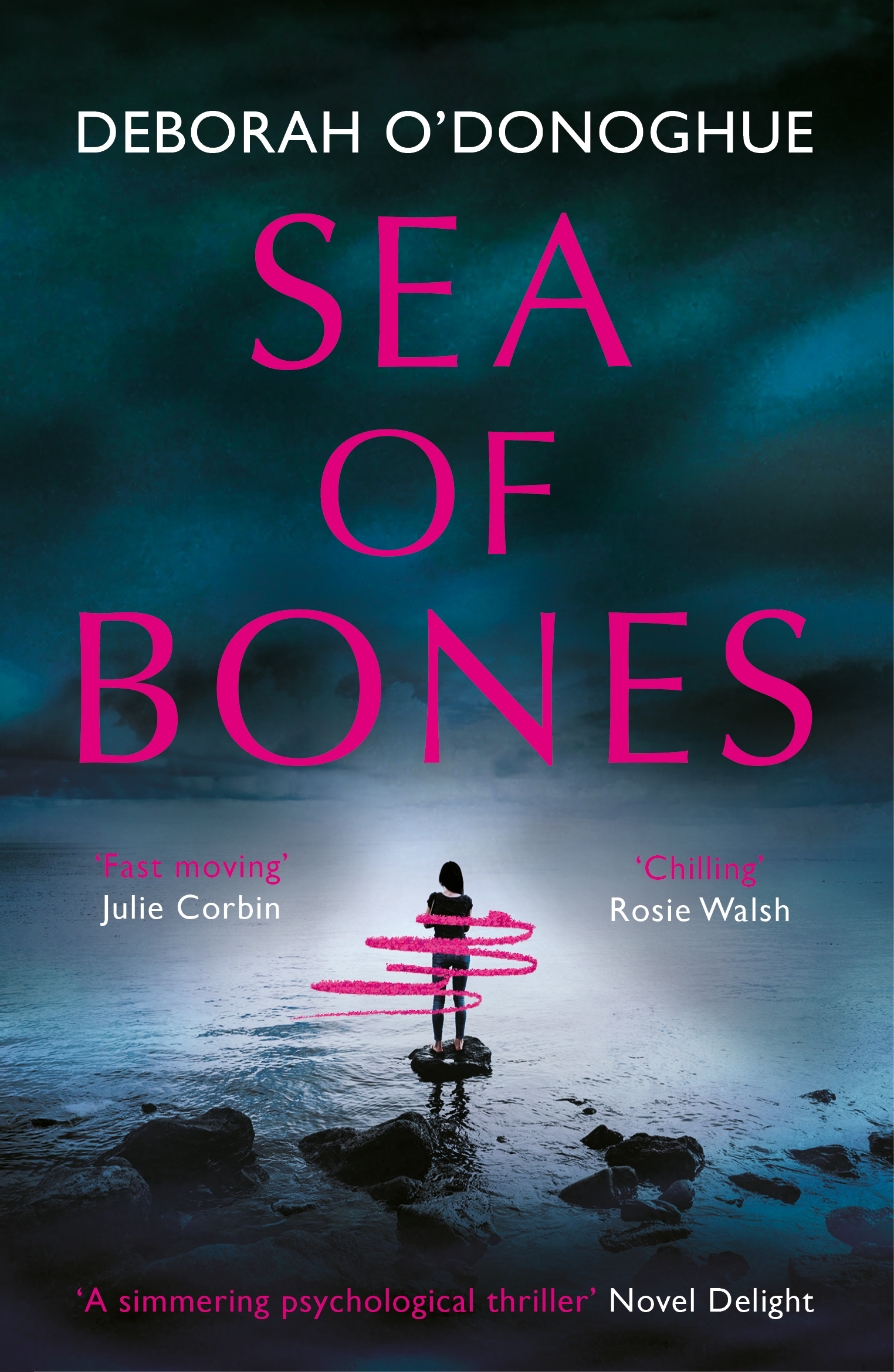
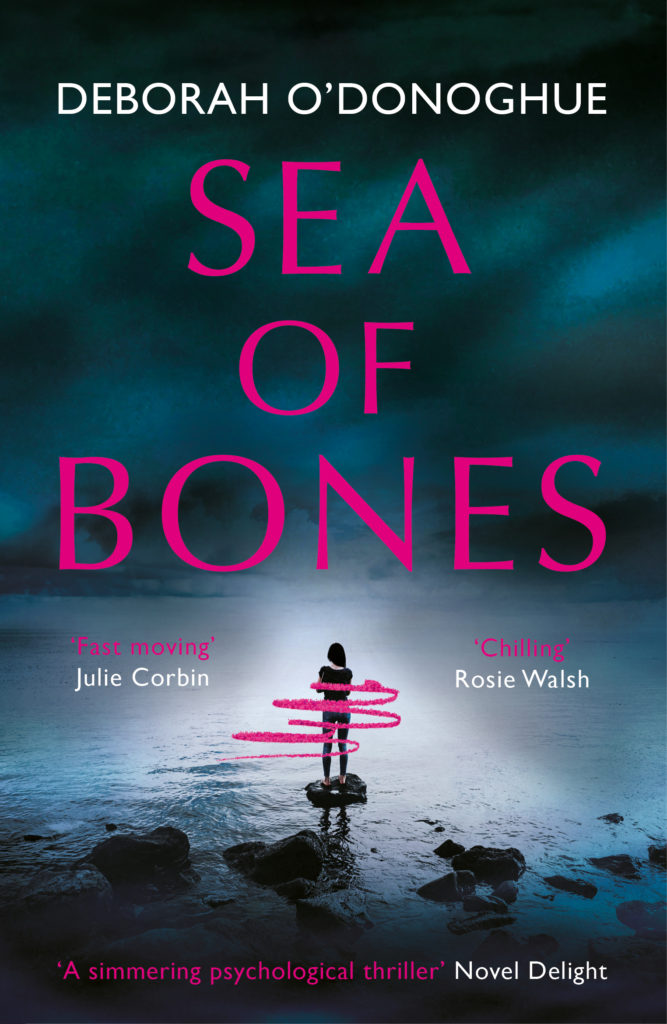
sea of bones author , Deborah O’Donoghue,How I write.

I tend to be inspired by theme and place, and then characters and situations start to come to me. I write scene by scene, then I go back, layering in descriptions and character information.

A bit about you. 

I live in Brussels at the moment, which is a fantastic city, really international. I grew up on the south coast of the UK and always wanted to write and tell stories. I was very into theatre and acting as well, but I soon realised you had more creative control if you were writing. My parents encouraged both my sister and I along these lines; there were always books in the house, Dad would make up silly rhymes at the dinner table, and Mum spent hours typing up my stories before I learned to do it myself.
What you have written, past and present.

I wrote lots of stories at school and had great teachers who were kind enough to put them into the school library! Aged eleven, I sent a manuscript to Faber and Faber. It was about a gang of kids and a brother in the army and something to do with the Ministry of Defence, so I guess thrillers are in my DNA! A kind editor at Faber wrote me a letter with some excellent tips!

At university I adapted a short story by Muriel Spark into a play and took it to the Edinburgh Festival. I had a brief exchange with the Dame herself, to get permission. I contacted her through her agent and she lived in a farmhouse in Tuscany which seemed enchanting to someone who’d grown up on a British housing estate. It was really exciting and inspiring!

I went into teaching, which I loved, but it was so all-encompassing I only really had time to write short stories. So that’s what I did. I was shortlisted in a Commonwealth Broadcasting competition for a flash fiction piece.

In 2015, I left my job and moved to Brussels to be with my partner. I decided it was time to put my money where my mouth was and sit down and write a novel.

What you are promoting now. 

Sea of Bones – my debut novel. It’s out on 1 July 2019. It’s a psychological thriller with a political backdrop and a strong female protagonist, set in Scotland as well as taking in London, Manchester, Liverpool, and Wales! I’m really lucky it found such a good home with Legend Press, and now I’m working several ideas for a follow up. I’ve a sequel in mind, but also two other thrillers – one set between the UK and Spain, and one about the entertainment industry.

What is your process of writing?

I try to write every day, for three or four hours at least. I do some exercise in the morning, then I usually go out to write because if I’m at home I get distracted by chores. There’s a wonderful café near me overlooking some lakes and I go there and they are very kind to me. It’s lively, which I like – a bit of stimulation. I tend to edit as I go, which many people say is bad practice, but my inner critic is too loud for me to ignore.

When I started, I put out a call to published friends to see if any would be prepared to have coffee occasionally and share their wisdom. I was amazingly fortunate that Rosie Walsh responded and ever since we have sent each other writing regularly, encouraged each other and helped solve each other’s plot issues. It’s easier solving someone else’s problems than your own!

Do you plan or just write?

I do plan. I spend enough time looking at a screen, so I have a physical whiteboard, covered in post-its of different colours for different plot elements, with scribblings and ideas for scenes. But the plan changes as I write. As you get to know the characters in situ, you realise you need to add scenes in, move things around and so on.

What about word count?

I try not to worry about word count although when you’re up against a deadline you do have to take that seriously. It obviously feels good when you’ve written a decent amount in a day, but so much of the work of writing is research and thinking that being obsessed by word count can be counter-productive.

How do you do your structure?

I’m interested in the theory of writing and I like form to reflect content. I compare what I’m doing to things like Blake Snyder’s beat sheet. I’m also re-reading The Way of the Writer by Charles Johnson at the moment. But sometimes the theory can make you freeze up, if what you’re doing doesn’t seem to fit. It’s important to see how other writers do it and what they can get away with. That can free you back up again.

What do you find hard about writing?

I’d already had a career in education where there’s a clear pathway, so it’s quite disconcerting entering a new industry and feeling your way, understanding how it works. In teaching you get immediate feedback on what you’re doing, from classes as well as colleagues, so it’s quite a change learning to wait and be patient. What else? For me, it takes sustained periods of concentration and investment to really get going, so it’s hard chopping and changing and combining writing with other tasks, but that’s just life. Maintaining confidence in your vision and balancing that with listening to others’ views can be difficult too, but I’ve found I really enjoy picking my way through other’s opinions on what I’m doing, working out what I agree with and what don’t. It’s a great way to find your voice.

What do you love about writing? 

I love words. I love that you can create atmosphere with words and that they have a feel of their own. Zenith, peak, high point, summit – they have their own sound and shape and feel within a sentence. Plus, it’s wonderful doing a creative job, where I get to meet and talk to people and research and learn about all sorts of things. Being a teacher was very rewarding but it meant having my day divided into little blocks and not being allowed to leave the premises even for breaks or lunch, so it’s a complete privilege managing my own time.

Advice for other writers. 

There’s the all-important one, which is . . . write! But also read of course. More practically, if you want to be published it’s important to learn about the industry, network (which can be anathema I know, as many writers are quite solitary people!) and put your writing in front of others and hear what they say. Attending writers conferences and meeting agents and editors is a good way to do it because you can get lots of advice from different people all in one go.


Deborah’s debut novel Sea of Bones is out on 1st July.

I was Abused & Called a Bitch For Travelling in London With my Children

traveling in london while pregnant, traveling in london with pram, traveling in London with baby, with child, London, tube, step free access, babyonboardbadgetravelinginpregnantwhenpregnant
Traveling in London is not fun for anyone. With children it is even harder. I have previously written about the hell off traveling with children in London but today things got a whole lot worse. On the way back from an important appointment I got on a bus. There was a wheelchair user (who should always be given priority, and I always do) and then space for the pram. There was an older woman sitting there and I asked her to swing her legs round. I was worried I would get her toes.

She ignored me so I asked again. After the third or fourth time she looked at me, pursed her lips and shook her head. At this point a person on the bus told me this woman had just fallen on the bus. Okay, I said. I did not know that. I began to get off but the wheelchair user kindly moved further back so I could fit my pram in easily.

What happened next was truly shocking.  One woman had got up and was trying to help. Which is fine. But there was an older man who kept telling me to get off the bus. As well as older woman. The both started abusing me saying I should not be on the bus and that in their day they walked everywhere. The man said I should get off and run behind the bus and get some exercise. The women (who was separate from the man) was saying the same thing. I told them I had a right to use public transport and they had no idea how hard it was traveling in London with a pram. They continued to shout and abuse me. The woman who was on her feet and initially tried to help got very domineering when the bus moved off. I had to reach out and stop my four-year-old from falling over. She told me ‘look after my son’ and ‘go sit down’. While doing this she actually grabbed me and tried to push me in the direction of the seat.

When I told her I could look after own son she got offended and told me she was just trying to help. I told her she was a good person and thanked her as I did not want to escalate the situation. I told her I did not need anymore help.The wheelchair user needed to get off and I moved the pram and apologised to him and his carer for the uncomfortable experience, They were really lovely.

The man kept aggressively calling me a bitch. The older women said in her day they folded the pram up. All well and good but my 1-year-old was in the pram. Did she want me to juggle the children all the way? The man continued to abuse me, telling me to walk, calling me a bitch over and over. I told him to stop calling me a bitch or I would call the Transport Police and report him. The third woman who initially had tried to be helpful kept telling ME to be quiet even though I begged the two other people to stop talking and let it go. The third woman ended up getting off. They continued to abuse me and call me a bitch until my son started to cry. Only then did they stop. My son told me he was sad. I comforted him and told him everything was okay.

This is not okay. I was bullied and abused by three people in front of my children. I had a hellish journey getting there and only had a short time before I could give my son a quick lunch and then get him to nursery on time on the way back. We can do better than this London. We are better people. I wished the people abusing me love and light in their lives because I refuse to contribute to the pain and suffering in this world. I apologised to the woman who had fallen. I want love in the world, no hate. We can do better. We can be better. Our children are watching us.

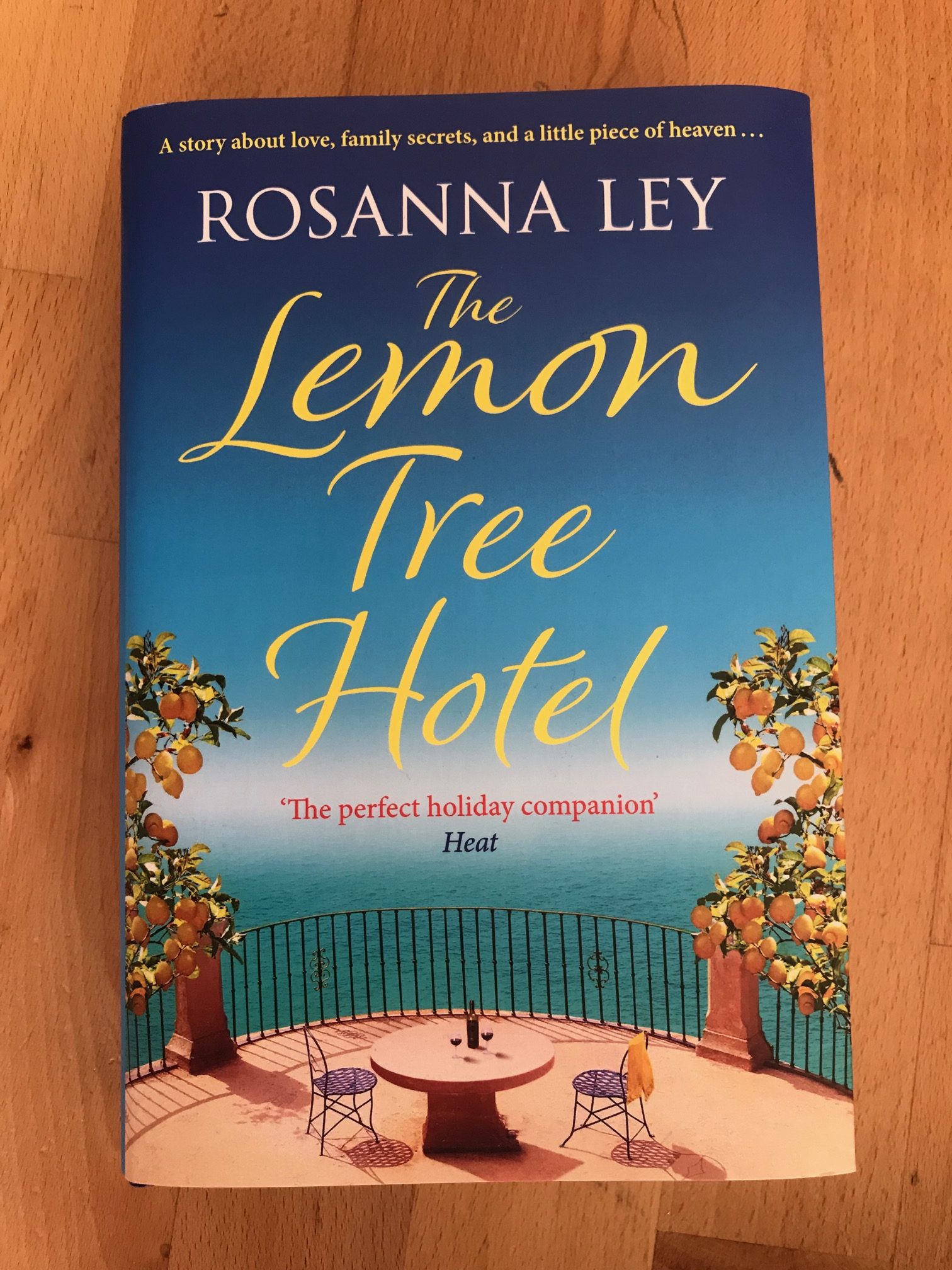
The Lemon Tree Hotel By Rosanna Ley

The Lemon Tree Hotel By Rosanna Ley

The weather is hotting up and this glorious, sun-drenched novel from Rosanna Ley should make its way into your suitcase. This is perfect feel-good escapism.

A story about love, family secrets, and a little piece of heaven . . .

In the beautiful village of Vernazza, the Mazzone family have transformed an old convent overlooking the glamorous Italian Riviera into the elegant Lemon Tree Hotel. For Chiara, her daughter Elene and her granddaughter Isabella, the running of their hotel is the driving force in their lives.

One day, two unexpected guests check in. The first, Dante, is a face from Chiara’s past, but what exactly happened between them all those years ago, Elene wonders. Meanwhile, Isabella is preoccupied with the second guest, a mysterious young man who seems to know a lot about the history of the old convent and the people who live there. Isabella is determined to find out his true intentions and discover the secret past of the Lemon Tree Hotel.

Available here.

I am a Freelance Working Mother and This is What it is Like

working mother, working, parent, freelance, parenting, writer, writing, Catherine BalavageHello there from the trenches of working motherhood. I am a freelance writer and editor with two children under three. Today I feel faintly refreshed after having a few hours sleep last night. I get asked a lot what it is like being a freelance writing mother so I want to take you through my week. I will also update you as time goes on. Welcome to my world.

Last week my son was ill and not in nursery. He goes to nursery part-time. Three hours five days a week. Thankfully it is a nursery in a state school so is free. Unlike his previous nursery which cost over £1600 a term. Anyway, back to the point. So my son was ill, my daughter had a little cold and the freelance Gods thought this would be a good time for me to get a lot of work. I find as a freelancer that I get a lot of work all at once, or barely any. I make more money at the beginning of the year than I do the end. So my son was ill, I had no childcare and the baby was not sleeping at night. Even more than usual. Now, she doesn’t sleep anyway. She is sixteen months old and has slept though the night once. So I am one tired mama. And as usual, everything was happening at once.

I got a lot of work, hundreds of emails to go through, this mag to run and a million other things to do. It is full on and stressful. I would not want it any other way but I would quite like a spa day. To top it off my husband went off to Scotland for two days on a work trip. I swear, I do not know how single mothers do it. Both children were up all night and I ended up shaking from head to toe in my bed from the exhaustion. I get people telling me to just take it easy when it comes to my work, or to quit. It infuriates me. No one tells me to not be up all night with the baby, or to not do domestic crap, but doing something for myself and continuing to work on my career? Yeah, let’s give up the thing that keeps me sane.

In December I passed a writing course I was doing. It was intense and stressful doing it while looking after two children but I now have the certificate. The sense of pride and accomplishment always makes it worthwhile. I love working. There are many benefits to work other than money. There is the social aspect, the accomplishment, the contribution to society and the world as a whole. Work is important so I will carry on. Even when it means keeping one eye on the children while working on my computer.

I wrote my first novel by putting my son in the pram and walking until he fell asleep. I would then write two thousand words. Every day. No excuses. It worked and that is the thing about being a freelance working mother. You find what works and then you do it. It leaves you with valuable skills. I would not give it up for anything. I hope you find some of the upcoming posts helpful. Feel free to comment and you can email me at frostmagazine at gmail.com


Parenting is Not a Spectator Sport

Dear readers: rant alert.

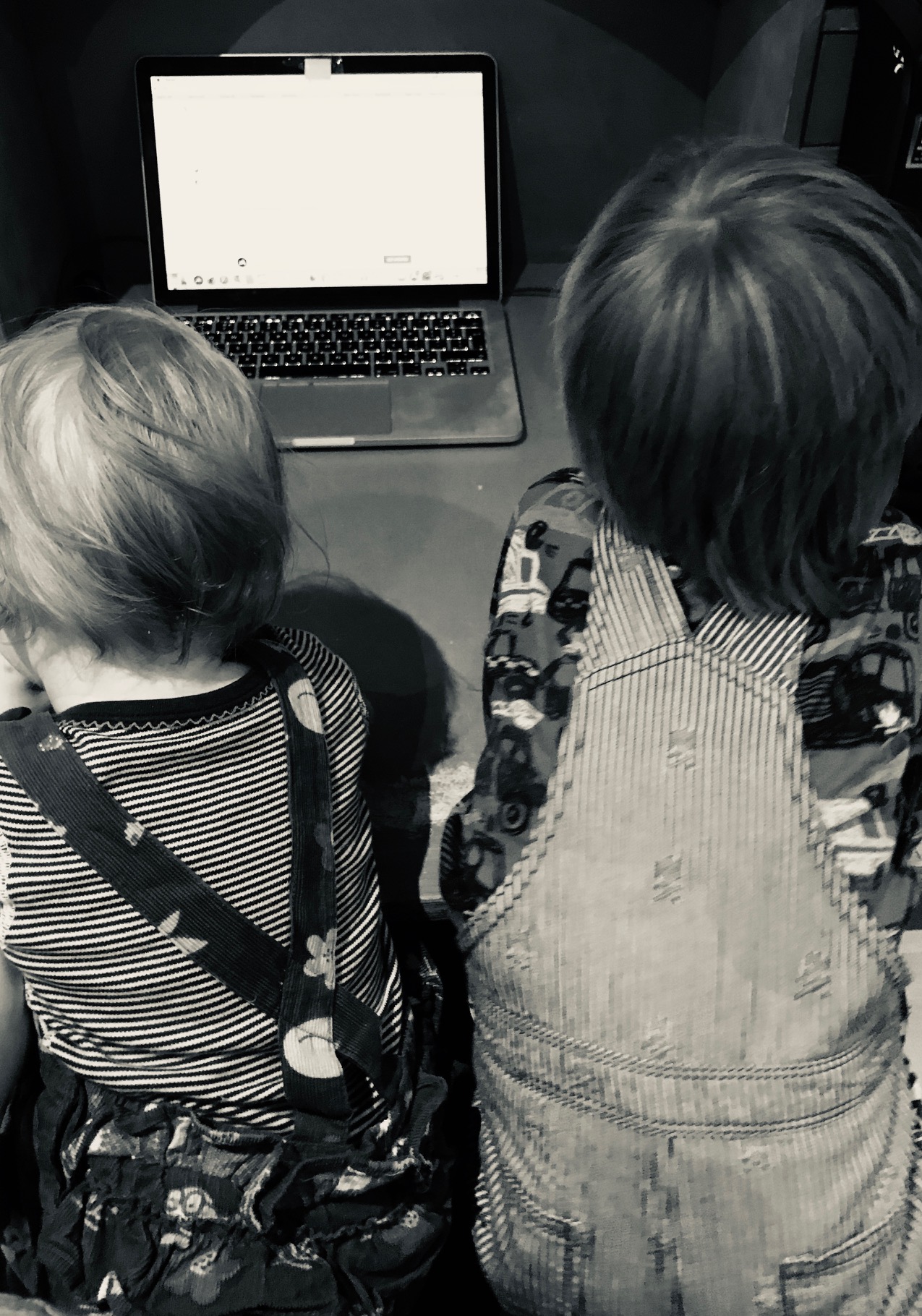
Sitting in a cafe I am trying to relax but I cannot. There is a group of older women staring and talking about me and my two young children. Occasionally they point or make a gesture. I am fuming. Who the hell do they think they are? A few weeks later the same thing happens. And then again, and again. You see, there are people who think that a women (or even a man, I am sure) taking care of her children, or, God Forbid, relaxing while they play with a toy or colour in, is a spectator sport. Some kind of zoo animals to watch and make comments about. If it has been an isolated incident it would have been fine. Just a table full of rude women who think they can loudly talk about us and stare. The entertainment of the afternoon. Do not get me wrong. People are not always being insulting. They are mentioning how cute the children are, talking about what they are doing. Asking questions or talking about their own experiences. But that does not make it okay. We are taught at a young age that staring is rude, because it is. We are taught at a young age that talking about people is rude. As is pointing at people. So why do people think they have carte blanch when it comes to little children and their parents?

I remember being on holiday once when the two women at the next table made nasty comments all through our meal that our baby son should be in bed. It was 7pm and the first day of our holiday. When they had finished their food they came over and cooed over my infant son. Making nice comments and saying he was gorgeous. This after bitching for hours and ruining our meal. Once in the Waitrose Cafe I had two women turn their chairs around to stare at us. I was enjoying myself and my children were behaving. A rare moment of peace. I gave them an evil look, downed my drink and left. Full of rage. Being a parent is hard. Any downtime that is taken from you feels like a theft.

We seem to live in a world where it is becoming harder for people to mind their own business. The truth is: I am sick of being nice to these people. I have been so British about it and just ignored it. Occasionally I have given a look at the very rude people. The ones who do not get the message. Being the bigger person is emotionally and physically draining. So I think that the next people who want to stare at my family and/or make comments will be told where to go. Only when people get called out on their behaviour do they think about what they are doing. Hell, they may even change and become more polite. It is worth a chance.

Has this ever happened to you?

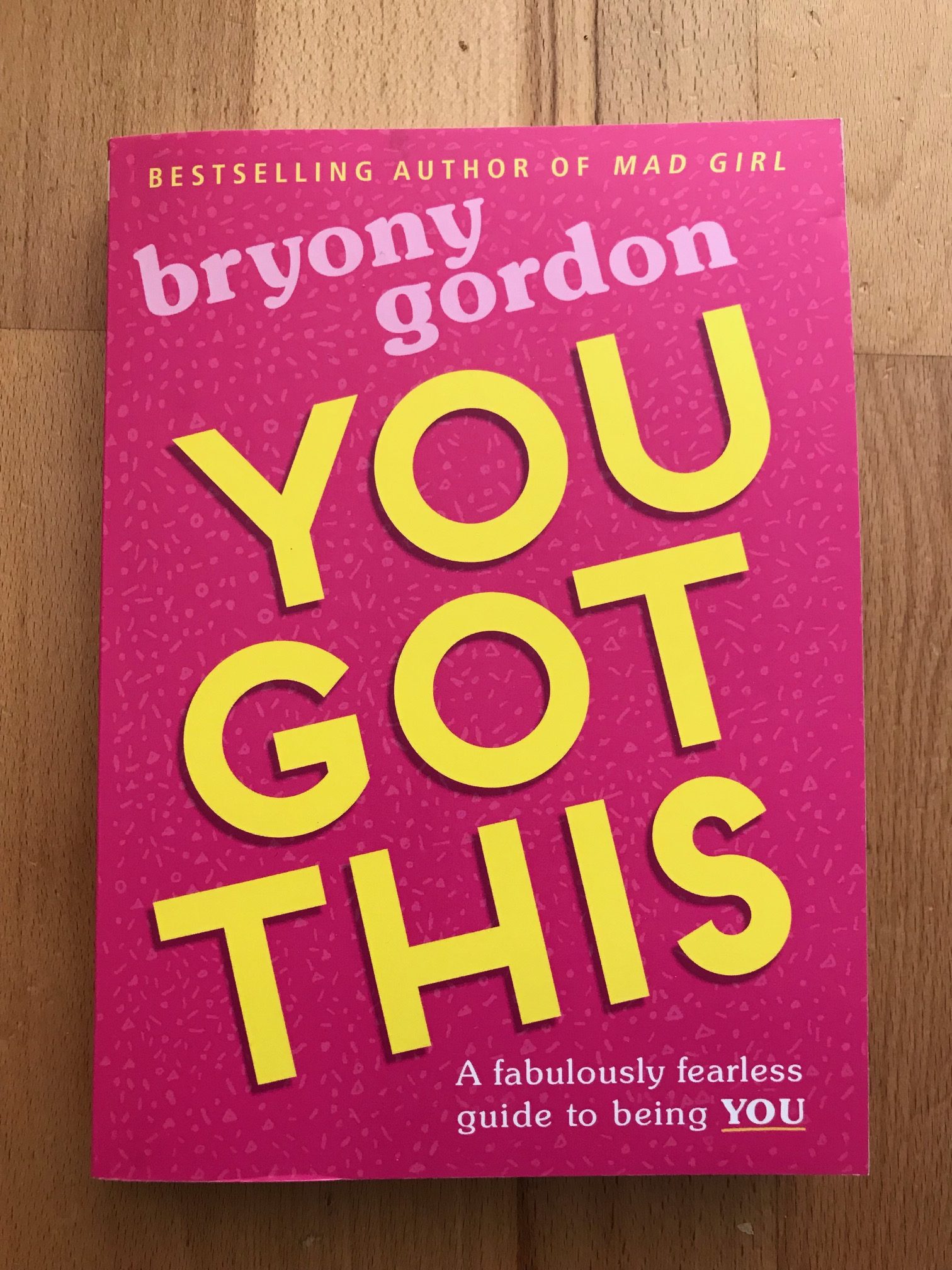
You Got This by Bryony Gordon Book Review

You Got This by Bryony Gordon Book Review

You Got This is a truly fabulous book for teenage girls. Being a teenager is hard, and being a teenage girl even more so. It is a time I would not want to go back to. Especially with all of the toxic message girls get now. The rise of social media has also caused problems. This brilliant book from the amazing Bryony Gordon covers periods, comparisons and has a fantastic chapter letting teenage girls know they are not snowflakes, but are instead brave people who are standing up for equality on the basis of gender and race. I am so sick of the word ‘snowflake’. The generation who calls out racism and sexism anytime they see it are not ‘sensitive’. They are brave and making the world a better place. This book also covers mental health extensively which is to be commended. The mental health of our children is so important and educating them about mental health is essential. I also loved the bit on how girls are taught to compare themselves to others. This book is fun, smart, entertaining and full of everything I wish I had been told when I was a teenager. Absolutely brilliant.


I wanted to be a unicorn. I wanted to be a lawyer. I wanted to be an astronaut.

But the thing I really wanted to be more than anything else, was a little less like me.

It was only recently that I realised not wanting to be me was at the heart of every dumb decision I ever made. And so now I am writing this book containing all the life lessons I wish someone had taught me.

A book for the teenage girl in me. And for every teenage girl out there. Because the most powerful thing you can be when you grow up is yourself.

You Got This is available here.


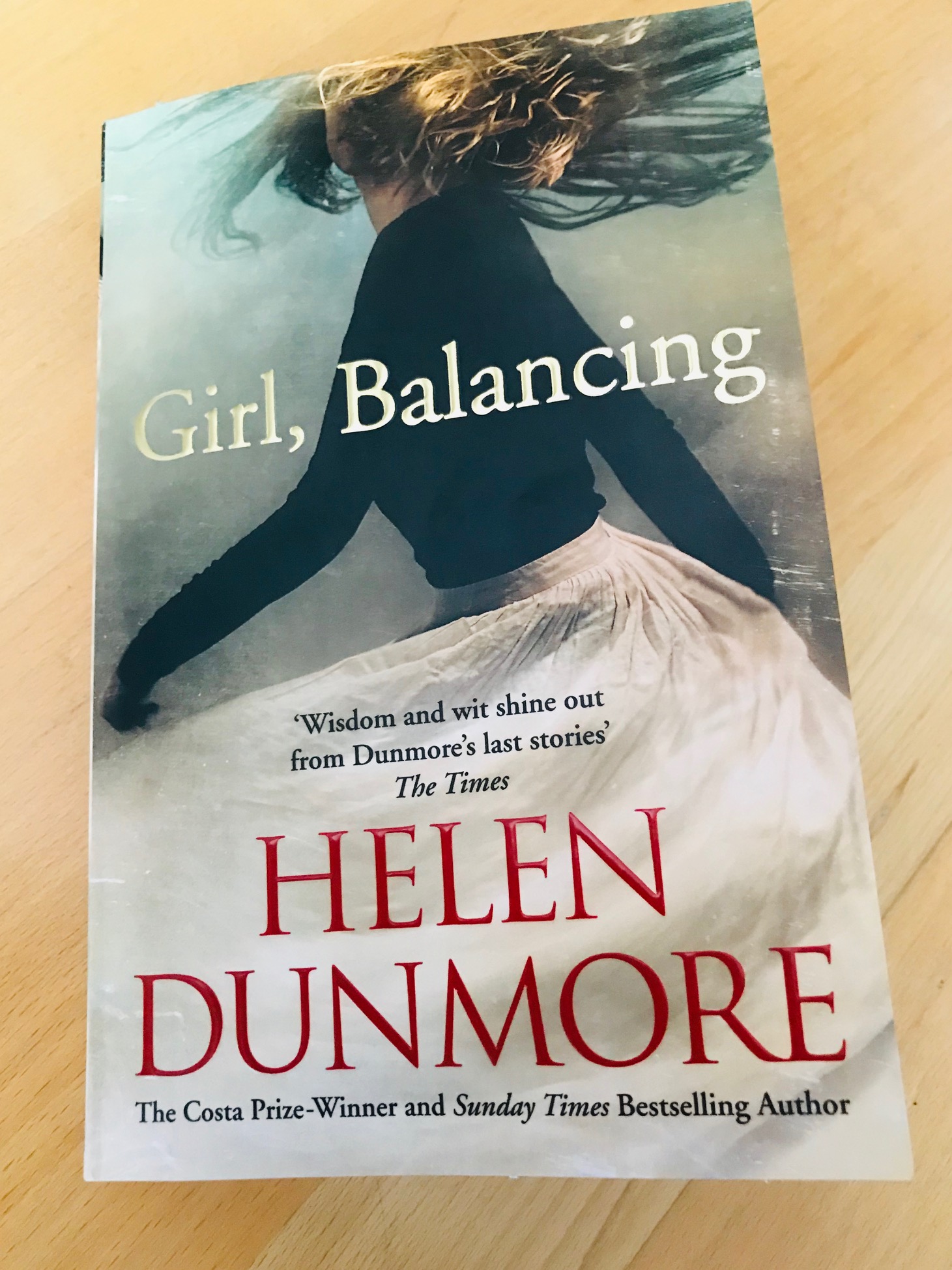
Girl, Balancing & Other Stories by Helen Dunmore – Her Final Collection


I loved this stunning collection of short stories from Helen Dunmore. There was a tinge of sadness that this will be her final collection, but we are lucky to have had such a literary talent. Girl, Balancing is also well edited, with the novel being broken down into three section: The Nina Stories, The Present and The Past. A wonderful way to get lost for a few hours. Dunmore excels in historical knowledge and razor sharp observation. The stories are true slices of life.

This very special collection of short stories was gathered by Helen Dunmore’s family in the months following Helen’s death in 2017. Helen’s writing was everywhere, on the computer, on letters to her children, in notebooks, on her ipad, even on her phone. Girl, Balancing is a collection of the very best of those short stories, some fully developed and others partial fragments of what occasionally became novels throughout her career. It is a wonderful insight into the writer’s craft – how one hones plots and develops characters, how Helen’s insight into people and the world surrounding us have always informed her writing. It has been 20 years since Helen published a short story collection and as Helen’s son, Patrick describes in his Introduction, contained within these pages is ‘the pleasure of discovering something new’, even for those familiar with Helen’s novels.

Girl, Balancing
& Other Stories

HELEN DUNMORE

£8.99 Windmill Paperback 7 March 2019

HER FINAL COLLECTION

In this remarkable final volume of short stories, Helen Dunmore explores the fragile ties between passion, familial love, parenthood, friendship and grief often from people who are at turning points in their lives.

With her extraordinary imagination, her gift for making history human, and her talent for acute observation and lyrical storytelling, Dunmore offers a deep insight into the human condition with a collection that will delight and move all her readers.

Helen Dunmore was an award-winning novelist, children’s author and poet who will be remembered for the depth and breadth of her fiction. Rich and intricate, yet narrated with a deceptive simplicity that made all of her work accessible and heartfelt, her writing stood out for the fluidity and lyricism of her prose, and her extraordinary ability to capture the presence of the past.

Her first novel, Zennor in Darkness, explored the events which led D. H. Lawrence to be expelled from Cornwall on suspicion of spying, and won the McKitterick Prize. Her third novel, A Spell of Winter, won the inaugural Orange Prize for Fiction in 1996, and she went on to become a Sunday Times bestseller with The Siege, which was described by Antony Beevor as a ‘world-class novel’ and was shortlisted for the Whitbread Novel of the Year and the Orange Prize. Published in 2010, her eleventh novel, The Betrayal, was longlisted for the Man Booker Prize and shortlisted for the Orwell Prize and the Commonwealth Writers Prize, and The Lie in 2014 was shortlisted for the Walter Scott Prize for Historical Fiction and the 2015 RSL Ondaatje Prize.

Her final novel, Birdcage Walk, deals with legacy and recognition – what writers, especially women writers, can expect to leave behind them – and was described by the Observer as ‘the finest novel Helen Dunmore has written’.

Helen was known to be an inspirational and generous author, championing emerging voices and other established authors. She also gave a large amount of her time to supporting literature, independent bookshops all over the UK, and arts organisations across the world. She died in June 2017.

What The World Needs Now Is Love. Balance Editor Interviews Peace Activist & Mindfulness Author

Annabel's Jungle Bar, annabel's, Catherine Balavage, Stephen Fulder, Sophie Scott, Mindulness, LoveIn a world that is so divided I was excited to head to Annabels to hear Sophie Scott, editor of Balance Magazine and Author and Peace Activist Stephen Fulder of What’s Beyond Mindfulness come together for a talk on mindfulness and love. Stephen Fulder was full of wisdom and Sophie Scott was adept at getting the wisdom by asking great questions. Fulder says that we have to love ourselves. It comes from within. He has spent time in Israel educating people to look differently at themselves and others. A 10-year-old Palestinian boy was so moved by Fulder and his words that he told him that he had seen so much suffering that he was sure he human heart was cold and hard, but meeting Fulder meant he then knew there was goodness in the human heart. Fulder says people have to tell themselves I am a whole human being. I love myself. That people have to be a friend of their spirit. We have to allow ourselves to be the shape we are.

When it comes with dealing with difficult and negative people he says that first; you have to look at the person. No automatic pilot. See the person and look at their pain. There will be a lot of ignorance and blindness. Protect yourself by not digesting the stuff. Refuse to let it get to you. Don’t let it get inside. Feel steady and stand your ground. Listen but do not take it in. See the buttons but do not accept it. Say ‘I see you, I see this, I let if go’.

Stephen Fulder is a buddhist but he says being buddhist does not mean taking everything but you have to challenge your ego. If you are the one in the wrong saying sorry has wisdom to it. It is gone, it is finished. A line drawn on the water is just gone. Started afresh in the garden of now.

We are conditioned to run after goals but we can stop and just be mindful. Be happy with our lives and who we are. Rather than just chasing the next thing. The key is joy.

This was a wonderful talk to discuss how we can heal division and conflict both at a societal level and also within our families and communities.  https://annabels.co.uk/events/january-wellness

Here is a link to a recent article that Fulder wrote for Balance on using mindfulness to heal conflict. https://balance.media/resolving-conflict-christmas/ Fulder is doing a tour of UK pubs bringing mindfulness to the masses called Buddha At The Bar.

Image


What’s Beyond Mindfulness is a life-changing guide on every aspect of modern life from using mindfulness to resolve conflict to how to age wisely, deal with tiredness, find fulfilment at work and make friends with your body, heart and mind. It’s a uniquely practical exploration of Buddhism in everyday life that will appeal to people of any faith and to those of none. What’s Beyond Mindfulness was a bestseller in Israel for 18 weeks and is written by leading Peace Activist Stephen Fulder, founder of the Israel Insight Society which has been at the helm of peace talks between Palestinians and Israelis and guided thousands of people in Israel and worldwide in exploring Buddhist teachings. The book is endorsed by Jack Kornfield and James Baraz.

The book is available here.