What a Nutritionist Feeds Her Kids

It is not uncommon for parents to worry about the nutritional value of the food they are serving their children and little ones. The food children and babies eat when they are younger can really make a difference on how they eat as they get older. However, it’s important for parents to keep the pressure off for everyone, including themselves. Think about what’s eaten over a week, not day to day and avoid coaxing little ones to eat or ensuring kids stay at the table until they’ve finished the meal. All of this can impose negative associations around foods which is ultimately what we want to avoid if we’re trying to create little foodies. According to research recently conducted by Stokke 53% of parents struggle to prepare a meal that the entire family will enjoy.
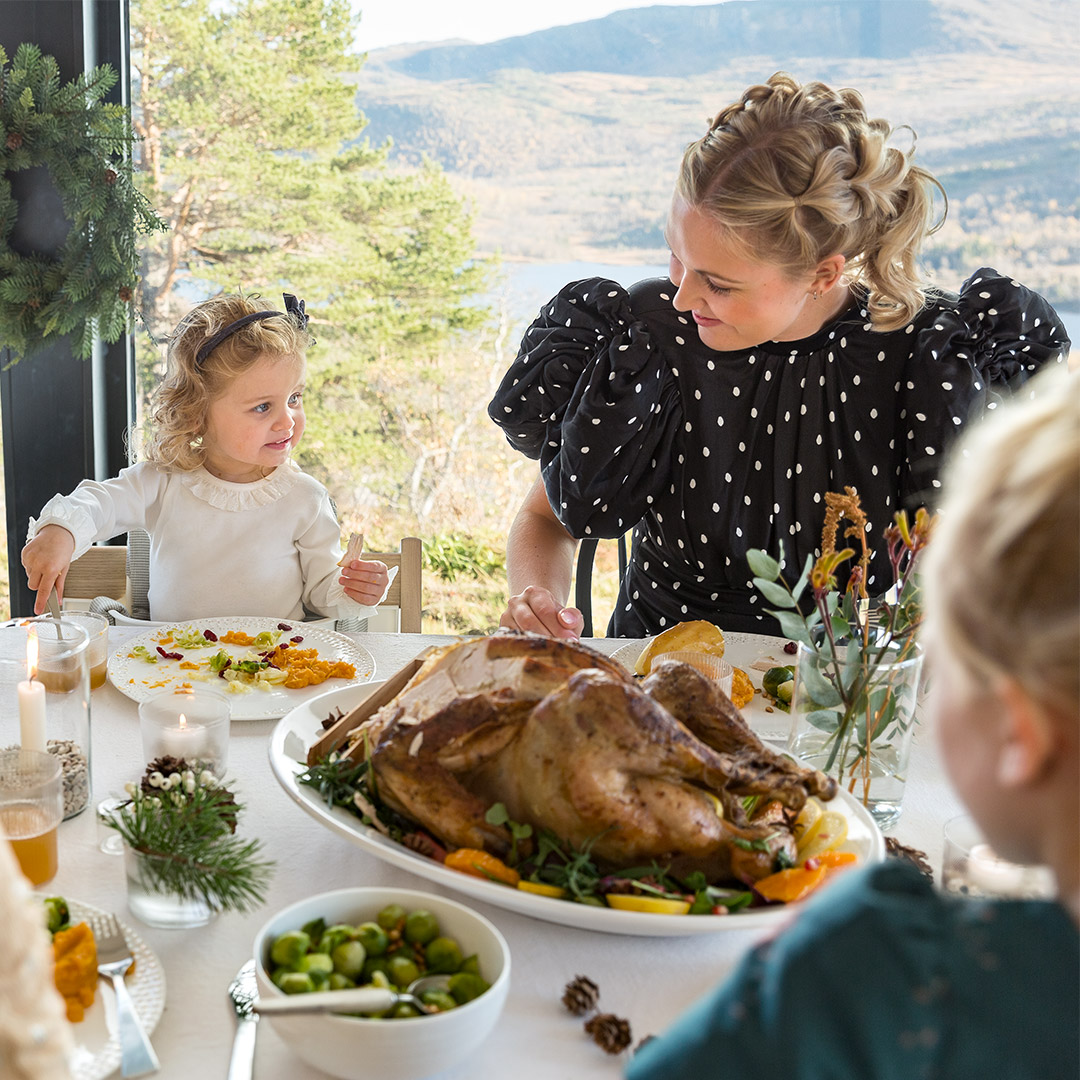
feeding children good food, food ideas, ideas, food, feeding, weaning.

Make choice part of your mealtime routine. Kids are more likely to eat something they feel they’ve had a say in, so instead of just plating up their food, ask them first “do you want X or Y with your dinner” or “Would you like spaghetti or rice for dinner today?” for example. You could also try offering multiple sides and giving them autonomy to choose what they want. You’ll probably be surprised how much more gets eaten when it’s them calling the shots. Younger babies don’t often have much choice in their meal options but try offering them a variety & following their lead. At mealtimes have conversations about the meals and foods on offer, allow honest opinions and maybe even make a game of rating the meals for the week. This can help children and toddlers to really think about their foods and their likes and dislikes a little more as well as being mindful about the foods they are eating.

Three fifths (60%) of families will always eat their families will always eat their family meals together at the dinner table. Sitting together and being present at mealtimes helps, but actually eating similar things can also help children to accept a wider variety. Some research shows that families eating together is a big factor in positively influencing the diets of their children, so as much as you can try to ROLEMODEL what a balanced diet looks like, and it’s likely your little ones will follow suit. Remember babies also learn the WHAT and the HOW of eating from copying their parents and those around them too, which is why I love the Stokke Tripp Trapp as a great way to bring baby right to the table with you at mealtimes. Research, conducted by premium children’s brand, Stokke, explored the importance of eating meals together as a family, found that 49% of participants believe eating together as a family creates a happier child and 34% believe it creates a more confident child.

With 82% of parents worrying about the nutritional value of the food they are serving their children and want to ensure they get the balance right – here is what I try to give my children for Breakfast, Lunch and Dinner:
Breakfast 

Breakfast is often porridge, or pancakes – mainly because it’s SO easy to add extras to these – extra flavours such as cinnamon, or ginger, extra nutrients from peanut butter or milled seeds stirred in or extra portions of your 5 a day with some berries thrown into the batter/with the oats or even just sticks on the side.


Lunch 

I like a picky finger food lunch for those busy days. Trying to make this balanced is often easy too so things such as

Wraps with hummus and pepper

Cucumber fingers with yogurt dip and leftover curries

Tuna, yogurt and sweetcorn spread on toast

Omelettes with potato, mixed veg and cheese


Dinner  

Tends to be something hot, but it does vary.

I love potato tots for babies as they are just so simple and easy to vary.

Otherwise, it’s whatever we’re having for dinner

Pasta with chickpea and tomato sauce 

Chilli with potatoes and some grated cheese

I’m all about trying to make the most of meals and balance the food groups on offer where possible so that you know babies AND kids are getting all the nutrients they need. This means I’m always thinking about what I can sprinkle on top, what I can use as a dip or how I can add extras like lentils, fish or beans to pasta sauces.

Stokke are hosting a FREE weaning webinar – How to raise a confident foodie and help your baby love their broccoli as much as their cake! Charlotte Stirling-Reed Nutritionist and Author will be on Zoom 28th April at 8pm. https://www.eventbrite.com/e/how-to-wean-your-baby-mini-masterclass-tickets-143331352935?aff=Media10 


Expert nutritional advice from Charlotte Stirling-Reed, author of new book “How to wean your baby”, that publishes on 29th April but available for pre-order. www.amazon.co.uk/dp/1785043242 @sr_nutrition


Stokke is a leading high end baby brand in Scandinavia whose ethos is to nurture family bonding, having your baby closer to you and the importance of eye contact. The iconic Tripp Trapp® highchair was launched in 1972 and has since sold more than 12 million worldwide. www.stokke.com @stokkebaby
 

Women can’t catch men’s earnings, even after any children have left home

  • In 2018/19, women earned an average of £22,200 and men £27,400 (median).
  • Men earned more than women at every age. At 20-24, men averaged £19,100 and women £17,700.
  • On average, income before tax peaked at age 40-44 at £30,200. However, it peaked for men between the ages of 45-49, at an average of £34,100, and for women at age 40-44 at £26,000.

Now is the time for us ladies to take charge of our finances. Check your state pension entitlement and make sure there are no gaps in National Insurance contributions. Also consider taking out a LISA.


HMRC has issued a range of tax and income statistics: https://www.gov.uk/government/collections/personal-income-by-tax-year

Sarah Coles, personal finance analyst, Hargreaves Lansdown:

“Women are out-earned by men at every stage of their career, so if women are waiting for a better time to get started with their financial plans, they could be in for a very long wait.

Despite the fact that on average female students get better results at school, are more likely to go to university, and get more first class and upper second degrees, when they emerge from the education system, men are paid more. Between the ages of 20 and 24, women earn 7% less.

The official pay gap – which measures people doing the same work – is close to zero below the age of 40, so the difference is likely to owe much to the careers dominated by women being lower paid than those dominated by men, and how we value particular skills as a society. It’s also influenced by more women working part time from the outset, and some starting families at younger ages.

The gap between the average pay of women and men widens dramatically when people reach the age when they typically start a family. By their early 30s the gap is 13%, and by their early 40s it’s 22%. This is partly because women are overwhelmingly more likely to take career breaks in their children’s early lives, and make compromises over working hours and commutes in order to have more flexibility during their children’s school years.

There’s no time to catch up afterwards either, because not only are women paid far less later in their career, but they reach their peak earning years well before men too – at the age of 40-44 rather than 45-50. This owes something to the fact that senior management roles tend to have a later pay peak, so women continue to pay for missing out on promotions during key childcare years.

Women are also paid less later in their careers partly because once they have taken a financial hit relatively early on, they’re in the frame for any caring responsibilities that come along – including caring for elderly parents. This may mean they have to move into working part-time once again.

A solution to unequal pay requires a combination of an awful lot of things – from changing the way different skills are rewarded, to altering the balance of caring responsibilities in the home, and building workplaces that allow equality of flexibility. The pandemic may help accelerate some of this change, by revealing just how many jobs can be effectively completed with a much higher degree of flexibly, but this kind of societal change tends to be slow and incremental.

It means women can’t afford to wait for pay to equalise, they need to protect themselves now. These figures show the risk of putting off saving and investing, or building up your pension, until you’re in a better place financially. If you postpone it because you’re on a starting salary, or going on maternity leave or working part-time, then you could find yourself putting it off forever.”


Keeping Your Child Active

While younger children may be more inclined to burn off energy by running around, especially during play with their friends, you want to nurture this activity to help them remain fit and healthy as they grow up. Looking into ways that you can promote an active lifestyle without turning it into a chore, or something that they find boring, can help them to enjoy staying active, as well as provide some great opportunities for getting outdoors and spending time together as a family.

Active Toys

Children learn to develop their skills via play, which is why the type of toys that you buy your child can impact their growth tremendously. To encourage your child to engage in more active or outdoor play, you may want to consider toys for the right age from Wicked Uncle. This can allow them to begin to discover games or skills that incorporate exercise. Something as simple as a child’s first bike can help them to discover a love of cycling which can be great for both travel and keeping fit. This can also allow you to venture out as a family, exploring the local area, with the journey becoming part of the adventure. 

Clubs

As your child grows up and starts school, a number of clubs may be offered to them, both by their learning provider as well as other institutions. Encouraging your child to sign up for sports clubs can enable them to learn more about social interactions and keep fit. Some other clubs your child may join might also provide them with life skills, such as the ability to swim. Children can often make lifelong friends by taking part in these clubs, as well as developing their abilities. Many children who attend sports clubs from when they are young often go on to continue enjoying and participating in that sport, even into adulthood.

Combination with a Balanced Diet

While keeping active is important for your child to grow up fit and healthy, their diet cannot be neglected. Even when undertaking exercise, poor food choices can still cause weight gain, as well as other health problems which may affect their enjoyment and longevity. By providing your child with correctly portioned food, rich in lean proteins, healthy fats, and plenty of fruit and vegetables, you will be enabling them to make better food choices as they grow up, as well as to provide their insides with the correct vitamins and minerals they require to function properly. It is also important, after activity, that you do not overcompensate by giving them an increased number of calories. 

While processed or greasy food should be kept to a minimum, these may be incorporated into your child’s diet to allow them to practice moderation, as well as to avoid binging on forbidden foods once they reach an age where they have more autonomy over purchasing food.

Considering ways to keep your child active and healthy now can help them to grow up with a good relationship with both food and exercise. 

Collaborative post with our brand partner.

REVIEW: Pinocchio, Chichester Festival Theatre

Photo credit: Manuel Harlan


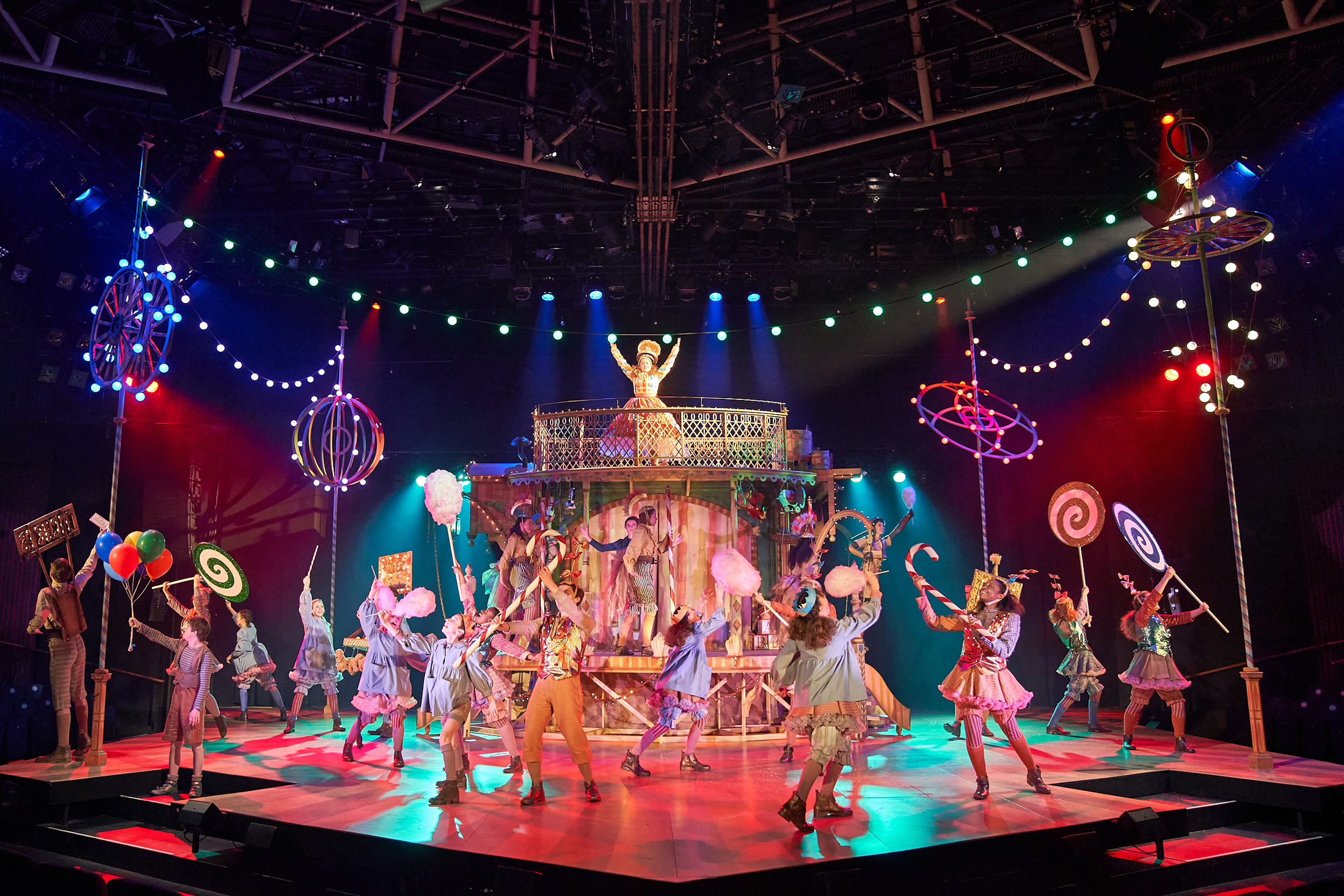
That any live theatre has gone ahead this December is a Christmas miracle in itself. In Chichester’s annual Youth Theatre production, however, there is a double dose of wonder; against all the virus-related odds the show has not only gone on, but it’s an absolute belter.

Usually boasting a cast of almost one-hundred, in order to manage social distancing this year’s CFYT offering is presented by two smaller teams of twenty-three, with Team Fox and Team Cat splitting the performances. (On Press Night Team Fox were performing, but I am reliably informed that Team Cat are every bit as accomplished.) Directing a full-scale production to meet the pandemic’s stringent safety measures, on and off the stage, is an extraordinary feat of choreography, and one that all those involved in achieving must be congratulated.

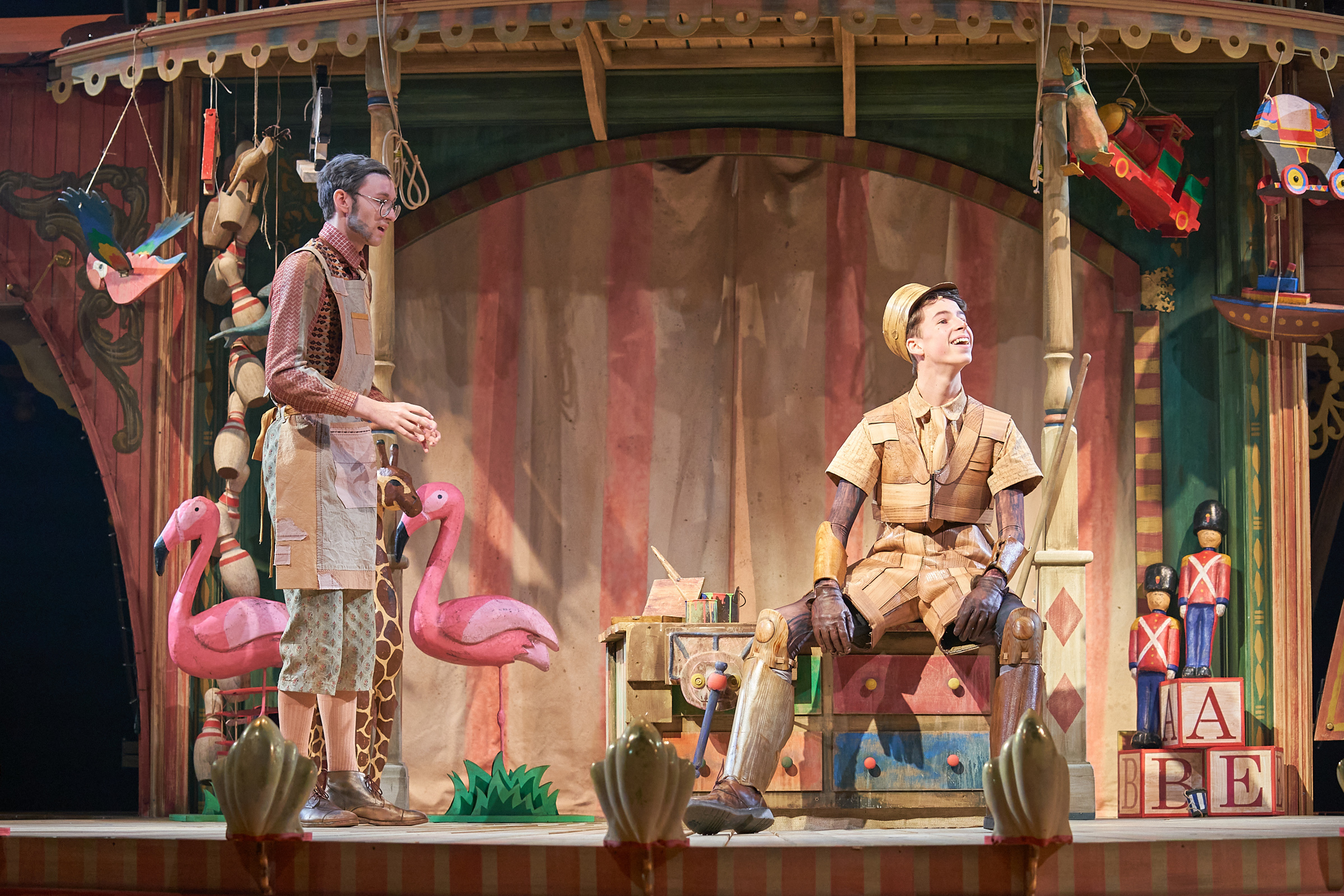
Hope, redemption and realising that our differences can be strengths rather than weaknesses are themes that run through this abridged version of Carlo Collodi’s original tale, which has been superbly adapted by Anna Ledwich. Managing to be gloriously heart-warming without straying into sentimentality, Director Dale Rooks has infused Pinocchio with emotions and moments that truly resonate. One such instance is when Pinocchio and Geppetto ‘hug’. Standing apart, they wrap their arms around their own bodies, bringing a lump to the throat and an ache to the heart – oh to hug again!

On stage there’s not a single below par performance. Archie Elliot (Lewis Renninson) in the title role plays the headstrong little puppet with absolute conviction. Pinocchio may be made from wood but he has guts, heart and spirit, ensuring that we are rooting for him all the way. Alfie Ayling (Jack Campbell) as Geppetto is warm and wistful, playing the lonely carpenter with a maturity beyond his years.

There is excellent work too from Meg Bewley (Molly Berry) as the Fairy and Annalise Bradbury (Olivia Dickens) as Cricket, her exasperated sidekick. Marvellous cameo gems include Alex Webb (Noah Peirson) as a chatty French poodle – très magnifique!

The ensemble work is extraordinary. Matching talent with energy,  it is ultimately in the production’s togetherness that its success lies. A masterclass in how a completely cohesive company can create something magical, the story flows perfectly, the singing and dancing are stunning and the set, simple but oh-so clever, is breath taking.

The overall effect is wonderfully uplifting. Moreover, there is a sense of the fantastic; a promise of enchantment. And it delivers. With Christmas bells on.

Vicky Edwards

Taking Care of Your Toddler While Staying at Home

Being a parent to a toddler is a hard task. And despite the fact that we’re all mostly home due to the ongoing health crisis, the additional household chores, work, and stress make it even more of a challenge.

parenting, toddler,

Luckily, you can overcome the additional workload by staying organised and getting the respite you need. So here are four tips for taking care of your kids at home during these trying times.

Schedule your day

The first step to balancing your work and parenting load is to create a schedule. How many hours or projects do you have to accomplish in a day? In between those hours, set some time for your toddler’s needs, such as feeding and playing. If you run your own business or are a freelancer like mother-of-two Catherine Balavage, then you can be more flexible with your schedule. Otherwise, your company might require you to work for set hours. In this case, it helps to inform your employer about your situation and send in a tentative schedule. They may even have maternity policies to help you out.

Keep them entertained

Keeping your children entertained allows you to focus on your other tasks. In the Irish Times’ article on keeping children entertained, they mention that toddlers are at that age when they want to ‘feel useful’ and are always in the mood to ‘sort’ stuff. For this reason, you can have them do home-play activities such as cooking and cleaning. Kitchen set toys and even a small broom might keep them occupied for a while. To satisfy their urge to sort, you can leave them with simple activities like arranging laundry into piles or different-coloured pasta into groups. Their curiosity has the potential to keep them entertained for hours.

Go out for some fresh air

Staying cooped up in your home is not good for you or your toddler’s health. If you have a garden, now is the time to maximise it. But if you don’t have one, or are simply looking for a change of scenery, you can always go out for a quick stroll. In case you’re worried, the BBC reports that walks are actually highly encouraged now, as adults can use the time to unwind and boost their immune systems. Of course, you’ll need to take trips sparingly to minimise risk. Additionally, it helps to have the necessary equipment to ensure your child remains even safer and more comfortable during these walks. According to iCandy’s guide to pushchairs, a harness and a parasol can help keep your little one protected while you’re out and about. This ensures that they won’t fall out of the pushchair or get too much exposure to the sun. You don’t need these concerns on top of everything else that’s going on, so being prepared will allow you to make the most of your daily walks.

Prepare meals in advance

Meal prep can take up a lot of time, but it will help you manage your day-to-day schedule if you have your toddler’s food ready in advance. It helps to start prepping during the weekend when you have more time. In this regard, Smart Mom Ideas lists a couple of children recipes you can store in the freezer to be eaten for the entire week. The list includes comfort food like chilli mac, small bites like mini pizzas, as well as bulk meals like casseroles.

The current situation won’t last forever. But until things go back to normal, you have to be able to adapt and work around your situation. It will sometimes be overwhelming, but by keeping these tips in mind, it doesn’t have to be too complicated all the time.

Author’s Bio

Jean Baker is a freelance writer and a mother of two beautiful daughters. She does a lot of reading in her spare time, and has opted for this kind of flexible lifestyle to be there for her kids.

Ideas for Keeping Kids Learning Through Play at Home

It is fair to say that keeping little ones entertained can be a tough job. The best of both worlds is when you can entertain them while they learn. So we have two fantastic recommendations for you.

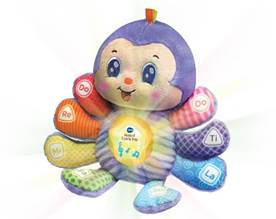
cuddle bug, learning toys, toy reviews, VTech Musical Cuddle Bug | 6 – 36 months | £21.99

As learning toys go the Cuddle Bug has a lot going for it. It is cute and fun and it can teach children everything from colours to songs. This was a huge hit with my little ones and I cannot recommend it enough.

This soft, friendly and cuddly fabric bug features many colours and patterns to stimulate the curiosity of your little one! Including 15 melodies and 3 sing-along songs, this cutie will have fun with your baby in day mode and soothe them in night mode. The 8 soft buttons on the bug’s feet teach Do-Re-Mis, colours and shapes, and the colour changing star button plays fun phrases, sounds and music.

The Cuddle Bug is available here.

toy toaster, play food, learning toys, great ideas for kids,

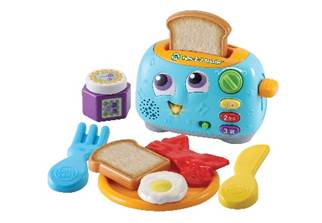
LeapFrog Yum – 2 – 3 Toaster | 12+ months | £17.99

The Leapfrog Yum Toaster is great for pretend play. The toaster pops up the toast and it also sings and helps children learn their colours and count. This was another hit with my little ones. It is perfect to spark childrens imagination. I love that it comes with plates, cutlery and food. I find toy food is great for helping children eat.

This friendly toaster will help your little one cook up and serve a delicious breakfast. There’s nine different foods and utensils to choose from, so your little one can make egg and bacon sandwiches, or some tasty toast with jam. Popping the toast up and down introduces opposites while the dial lets kids choose how toasted they’d like their bread. The buttons encourage learning numbers, colours and foods.

The Leapfrog Yum Toaster is available here.


CHARITY GETTING DISABLED KIDS DANCING DURING LOCKDOWN

  • Charity Flamingo Chicks is pioneering inclusive dance classes for disabled children
  • Virtual classes are designed not only for fun and fitness, but also to tackle loneliness and isolation
  • Their dance classes benefit 3,000 children each year

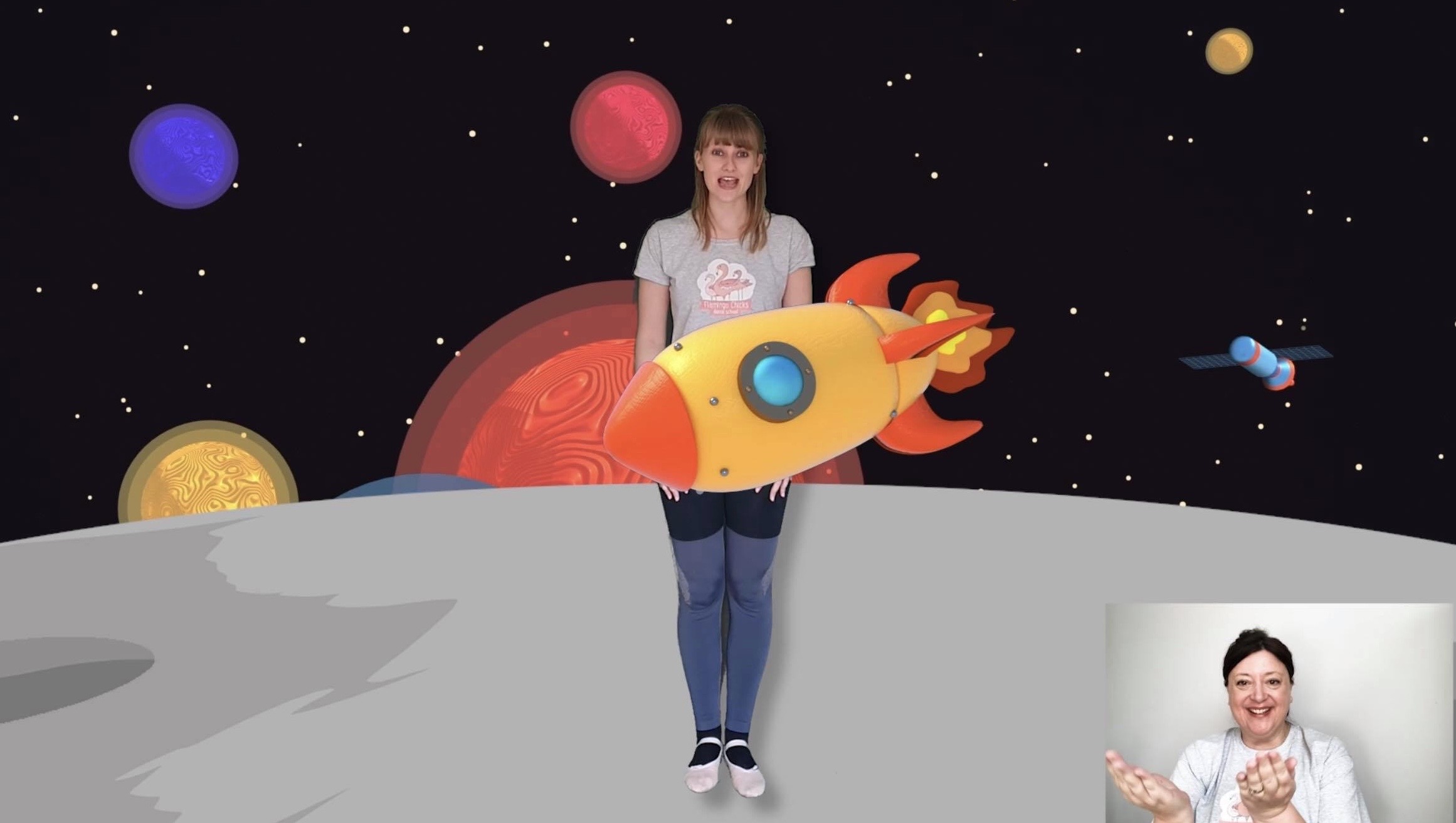
UK charity for disabled children has produced a one of a kind series of virtual dance classes for children of all abilities, but especially aimed at those with conditions like autism, cerebral palsy, profound and multiple learning disabilities and physical impairments. Pirouetting in the footsteps of Joe Wicks, UK charity Flamingo Chicks is launching Makaton-signed and subtitled online dance classes that disabled children can do with their siblings and carers.

These unique online classes are suitable for children with a wide variety of needs, including those with complex medical needs or life limiting conditions as well as children with learning disabilities, autism, physical impairments, and children without additional needs. As in all Flamingo Chicks classes, adaptations are provided throughout, including ways parents and carers can support children with limited mobility, and ways to translate different ballet and dance movements.

Filmed using green screens with animated backgrounds, the classes not only get kids moving but immerse children in a magical world of storytelling, characterization, and music and come complete with Makaton for further accessibility.

Flamingo Chicks have even got volunteer celebrities on board to help young minds keep active, alert and engaged. These celebs have written new stories with the themes of dance and inclusion that will be illustrated and read aloud by a famous face. First up is Julie Hesmondhalgh (Coronation Street’s Hayley Cropper) reading ‘Ozi Seven Legs’!

Even in normal circumstances, life with a disabled child can be an isolating experience – a study revealed that, before the Coronavirus pandemic, two thirds (65%) of parents already reported feelings of isolation. Limited social interaction can be due to work, lack of time and money to do activities other families take for granted, fear of people’s reactions to their child.

However, the lockdown is creating new challenges for families with a disabled child. The lack of  routine, the uncertainty and the added anxiety parents are experiencing about their disabled children’s vulnerability means social isolation is an even greater challenge. Many kids will no longer be getting their usual visits from their care teams, such as their physiotherapist or mental health professionals, and as a result may be showing extreme anxiety or behaviour changes.

The virtual classes are one of a number of resources created by the charity that also campaigns for a fair future for disabled children and their families and provides a peer support network for parents and carers.


Not only will they encourage dance through their online classes – the first with a SPACE theme filmed using animated green-screen technology and signed with Makaton – but the charity will also offer activities for little scientists and crafters, guided meditation and relaxation videos for parents/carers, ‘smile calls’ via video chat to provide those much needed boosts and a variety of other online resources.


FC at home

inclusive dance lessons, disability, disabled, dance, lessons

Things I am Doing During The Coronavirus COVID-19 Pandemic

coronavirus, COVID-19, staying sane, healthy, self isolation, social distancing, 2020 has brought the super scary coronavirus, official name COVID-19, to our lives. We live in uncertain times and I think we are all feeling anxious. Social distancing is essential at the moment but has an impact on our mental health. Ditto for self isolation. Well, as I saw on Facebook, our grandparents were asked to go to war. All we have to do it read and watch Netflix.

I have young children so hunkering down and binging on Netflix is sadly not an option for me. But I am doing the following things for myself.

Learning a language everyday. I do Duolingo which is amazing and free as well as Babble.

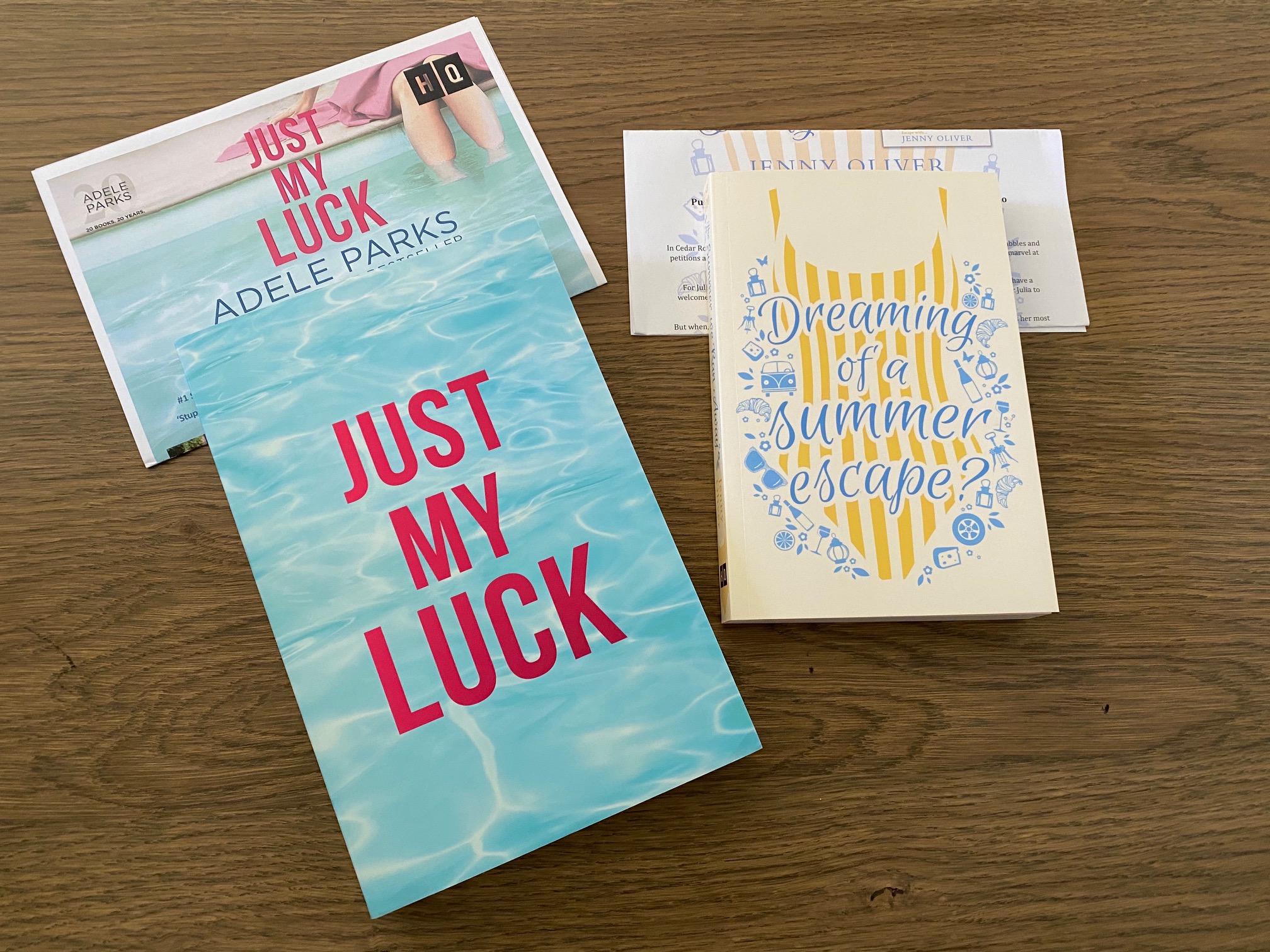
Reading. I am lucky to get sent a lot of books. I even got sent one from one of my favourite authors, Adele Parks, today. I read when my children let me or when they have gone to bed.

Staying active. We are lucky to have a garden but there is also a lot of stairs in our house. Cleaning and tidying are good but it is important to do actual exercise. The NHS recommends 150 minutes a week.

Keeping in touch with my friends and family via WhatsApp, Facebook, Twitter and FaceTime. I am lucky as a self-employed freelancer that I am used to not having a lot of people around me. I do miss it though!

Switching off. Sometimes I just put my phone away and turn the TV off. The constantly rising numbers and scare stories can be too much.

Eating as healthily as possible. Food is medicine. There are few greater truths in life.

I also watch TV or try to watch a film. It is good to keep my mind of things.

After my surgery last year and then getting a life-threatening illness (pneumonia and pleurisy. In both lungs because I like to go all out, clearly) I appreciate the small things in life. Sometimes I am in the garden or even just having a shower and I realise how much of a miracle life is. There is beauty everywhere.

For my children.

I am making sure I take them out into the garden. We play football usually but my daughter also loves bubbles. I read them a lot of books and they do a lot of writing too. I am trying to work on their development as much as possible with various toys and games. I have two under four so they are still at a crucial stage in their development.

My daughter is too young to know what is happening and my son is not worried. I am thankful for this. I shower them with kisses and cuddles every day.