THE DIARY OF A BOOK, JULY 2021

At the end of June Jane Cable was poised to start writing The Lost Heir. Did it happen? Not a bit of it…
There were several reasons for my lack of progress, most of which I can share. We had a week or so’s holiday planned early in the month, and publication of The Missing Pieces of Us, my first title writing as Eva Glyn, was scheduled for the 21st. What I wasn’t anticipating were the scale of the structural edits for The Olive Grove, Eva’s second book.

Let me explain a little about this process. As an author you submit a final draft manuscript to the publisher, and your editor reviews it with the objective of making it better. My editor at Sapere Books does most of the work for me, so basically my input is to read, negotiate, and perhaps add a few extra tweaks. Eva is signed to a bigger publishing house (0ne More Chapter is a division of Harper Collins) and the system is entirely different.
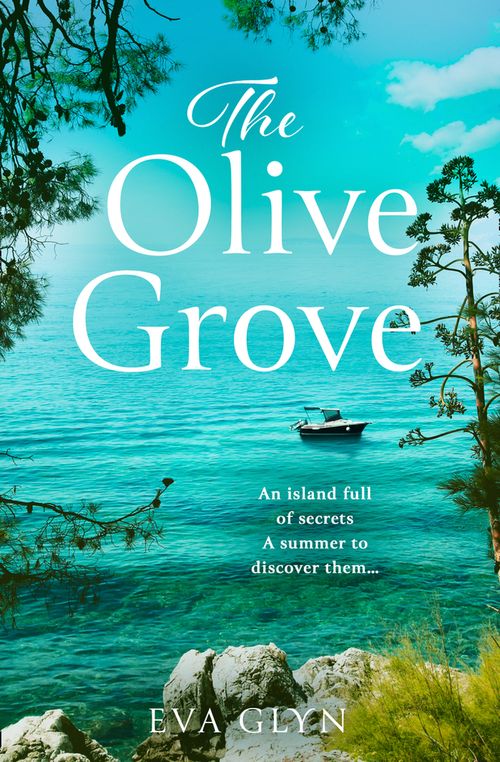
So I received an editorial letter telling me in some detail what they would like me to do to improve the book. At this point people often ask questions along the lines of ‘don’t you mind?’. Of course I don’t mind – it is absolutely fantastic to have detailed feedback that will make the book a real joy for readers and a story that will stay with them long after they have finished it.

You lose perspective on your own book – or at least I do. Just before the submission deadline it seems common amongst authors to loath your manuscript, but even once you are over that you still need to accept that you probably can’t see the wood for the trees.

The problem was that I needed to juggle the edits not only with a full on holiday – a historical tour of Hadrian’s Wall – but also with our nephew coming to stay. This meant everything else had to be swept to one side, but my husband was magnificent, taking over all the domestic duties (he does most of them anyway as I am so useless!). And I suspect he enjoyed some ‘boy time’ with our nephew too.

So in the main I have spent a large chunk of July editing The Olive Grove and I absolutely know I have a better book, which I can’t wait for you to be able to read in September. And the last few days I’ve been running around like a headless chicken on social media, what with the launch of The Missing Pieces of Us, and The Forgotten Maid being on Netgalley ready for publication next month.
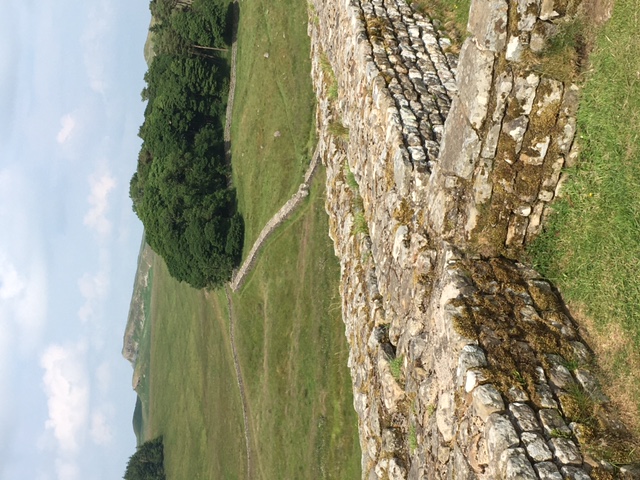
But I also had a holiday. We had intended to do a long distance walk but instead found ourselves drawn to a historical tour led by a university professor, where we would learn so much about the Romans who built and defended Hadrian’s Wall. It was a fascinating week when we went from one end of the wall to the other – and beyond it to outposts in the north. We visited all the famous sites; Vindolanda, Housesteads, and were shown around Birdoswald by Tony Wilmot, the archaeologist responsible for digging most of the fort over the years. It wasn’t only fabulous, but a break I needed to return refreshed and hit the ground running.

And as for The Lost Heir? This month I’m going to wise up and make no promises in that respect at all!


CARIADS’ CHOICE: JULY BOOK REVIEWS

Josephine Tey’s Brat Farrar, reviewed by Evonne Wareham

A classic from 1949 by an acclaimed novelist and playwright, this is an impostor story loosely based on a Victorian cause célèbre – The Titchbourne Claimant. A long lost heir, presumed dead, emerges to inherit a fortune. It is made clear to the reader from the start that Brat is a fake, but Tey manages to sustain sympathy and support for him despite this. Alongside a portrayal of loneliness and the desire of an orphan to find a family and to belong, a slow burning mystery unfolds. What exactly did happen the night thirteen year old Patrick  Ashby disappeared, leaving an ambiguous suicide note? Who is Brat and what is his real relationship to the Ashby family? An unusual crime story, displaying attitudes of its time – including to horse training – which can jar, it is still an absorbing portrayal of a lost age and an intriguing crime that would no longer be possible with modern DNA techniques.


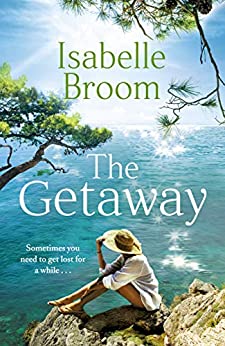
Isabelle Broom’s The Getaway, reviewed by Jane Cable

I was drawn to this book because it is set in Croatia, as my September release is, so I was very curious to read it. Plus lovely Isabelle sent my a copy.

This is such a good holiday read and the descriptions of the island of Hvar are mouth-watering. At the beginning of the book Kate crashes and burns in the most public fashion, so decides to disappear to Croatia where her brother and his partner are about to open a hostel. The Getaway is about her recovery, and how she grows into an even stronger person in this beautiful place, surrounded by supportive people.

There is humour, there is romance and there is drama. But I won’t say any more because I would love you to read this gorgeous book for yourselves.


Mhairi McFarline’s Last Night, reviewed by Carol Thomas

I have greatly enjoyed each of Mhairi McFarlane’s previous novels and this was no exception. She has a fast-paced, economic style that makes for page-turning entertainment; no sentence is wasted as her astute talent for observation shines through. (Within the pages of her novels there are always sentences I wish I had said – or written – that sum up a moment, feeling or action perfectly!)

With relatable characters, struggling to cope in the wake of a loss, Last Night is emotional, witty and thought provoking. The story had me hooked, and the possible romance kept me guessing, even as I headed towards the final chapters and the very satisfying ending. With the theme of loss and mention of dementia this story is a little darker than McFarlane’s previous novels, but those aspects are grounded in reality and balanced perfectly with lighter moments. Last Night is a thoroughly enjoyable read.


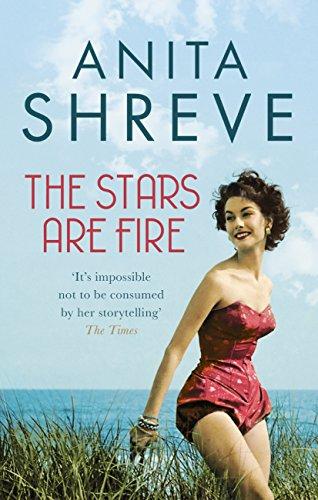
Anita Shreve’s The Stars Are Fire, reviewed by Angela Petch

Set in the immediate post-war years, this is a fascinating glimpse into the life of an ordinary young mother of two young children trapped in a difficult marriage. In 1947, the woman’s place was in the home and the thought of years stretching endlessly ahead with a man mentally scarred, turned cruel by the war, is grim.

The title is beautiful, taken from Shakespeare’s Hamlet, summarising the story perfectly: “Doubt that the stars are fire, Doubt that the sun doth not move, Doubt truth to be a liar, But never doubt that I love.”

Aptly-named Grace is mostly accepting of her fate but when a fire ravages through her hometown, her husband, a volunteer fireman disappears and Grace’s life opens up.

Written in present tense, Grace and her plight feel very immediate. It’s a short book by usual standards, but perfectly formed and I am now a huge fan of this writer.


THE DIARY OF A BOOK, JUNE 2021

Research for The Lost Heir continues – and Jane Cable puts pen to Papyrus

DIARY OF A BOOK… JUNE 2021

June can be instantly categorised as a month when I didn’t get as much work done on The Lost Heir as I’d have liked to. This was for a number of reasons including a long overdue trip to visit my father-in-law and the edits arriving for my first Cornish Echoes book, The Forgotten Maid. But they have now been done and dusted and a review copy is ready and waiting for anyone who wants one (hint!).

But of course that does not mean I have been entirely idle on the next book in the series. Indeed, I have actually put pen to paper. Or to Papyrus to be precise, because I use writing software.

The first task with a new project is to set up the files. It’s not as complicated as it sounds – in fact you can just open a new document and get writing, but that isn’t using the system to its best advantage. In order to track your story and to keep your research together you need to use it properly. It’s an upfront investment in time that saves ages later.

One of the great features of writing software (and I understand that Scrivener works in much the same way as Papyrus) is the ability to move scenes around. So the first thing I did was to set up my scenes in the organiser. Just a line or two, so I know what happens in each, then you tag characters, locations and important items into each one.

Every tagged item has its own file so you can record all the important details about it or them – in other words, I never need forget the colour of a characters’ eyes again. I know perhaps it sounds a bit unprofessional, but while I know their backstory inside out I do struggle to remember physical characteristics. I’m the same in real life – I can’t even picture the faces of those closest to me (apparently it’s a known syndrome) – so to have descriptions to hand is a godsend.

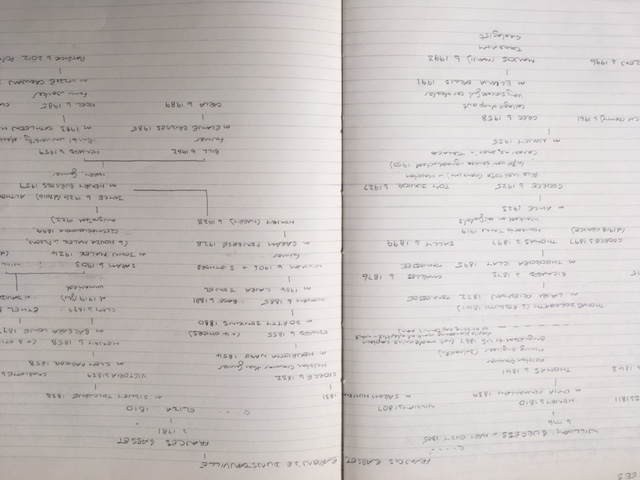
I also loaded in the research sources and notes I wrote about last month, but of course some have stayed in my notebook – like the detailed family tree I spent a couple of days constructing for the Basset family, which started with truth but quickly and necessarily descended into fiction. But for this particular story it was vital to get it right – especially as each timeline deals with one end of it.

Alongside this I drew up some mind maps for my characters, and as I was planning to start writing in the present day timeline, took the contemporary protagonists further with detailed notes on their conflicts and emotional journeys. That done, I was ready to write the opening scene.

I always find it helps to play with your story a little before you settle down, and I know much of what I’ve written so far won’t make the final cut, but it helps me to establish people and places in my own mind. Some of the minor characters even surprised me a little, which is always good, and this is the point to open my heart and mind and listen to them. After all, The Lost Heir will be their story more than it will ever be mine.

There are still some loose ends to tie up before I get stuck into writing the 1810 narrative, largely driven by two more research books which have just arrived from the library. And then the exciting part can begin.


CARIADS’ CHOICE: JUNE BOOK REVIEWS, PART ONE

Audrey Davis’ Lost in Translation, reviewed by Jessie Cahalin

A clever twist on the romantic comedy genre. It was wonderful to meet Charlotte and follow her new life in Switzerland with her husband and children. I adored the way the character found her voice and her identity and slowly changed. This story had me hooked from the outset because I feared the worse and wanted Charlotte to triumph. Perfect escape to Switzerland for me, and I read it very quickly. The writing style is fun and engaging – so entertaining to get inside of Charlotte’s head and hear what she thinks. There are some fantastic moments in this novel. This is an uplifting feel-good book with a satisfying ending. I loved it!


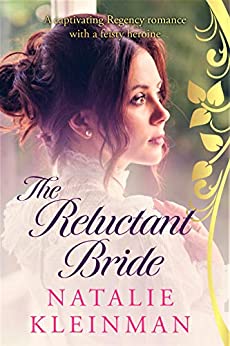
Natalie Kleinman’s The Reluctant Bride, reviewed by Jane Cable

In the notes to the reader at this end of the book, Natalie Kleinman mentions Georgette Heyer as an inspiration, and if you love the classic Regency romances by the doyenne of the genre, you are going to enjoy this book too. Widowed after just six weeks of her arranged marriage, Charlotte emerges from mourning with no intention of letting her newfound freedoms go. But she is young, beautiful and spirited, so of course she attracts admirers.

I read this book in a day and so enjoyed being transported to a different world. A world of Almack’s, riding out in Hyde Park, shopping (not to mention taking the horrible waters) in Bath, and picnics under the trees in the park of great country houses. The central characters are beautifully drawn and I enjoyed finding out how many of them achieved their happy ever afters. Recommended!


Jessie Cahalin’s You Can’t Go It Alone, reviewed by Judith Barrow

I really liked You Can’t Go It Alone. The characters are well drawn and multi layered and there are so many familiar ‘human life’ threads running throughout all the relationships. All thought provoking.

The dialogue is exceptional; the personalities of the characters were instantly revealed, through both the internal and the spoken speech.

It’s the Olive Tree Café where most of the action occurs and there is a strong sense of the cafe’s ambience. Indeed, all of the settings have a good sense of place and it’s almost as if the Delfryn itself is personified as a character in the story, with the interweaving, individual lives it holds at its centre.

Initially, the story appears to be a light-hearted look at life in a Welsh village, but actually, it’s a story that explores the contrasting mindsets and distinct possibilities between different generations of women.  Jessie Cahalin’s debut novel, You Can’t Go It Alone, is an interesting and thoughtful story.


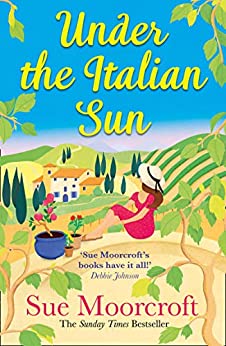
Sue Moorcroft’s Under The Italian Sun, reviewed by Morton S Gray

I think this is one of my favourite Sue Moorcroft books to date. The hero Piero is fanciable just from Sue’s words on the page. Zia has a lot going on with her complex family dynamics and the fact her ex-boyfriend is best buddies with her best friend’s husband. Add into this an interesting and complex plotline spanning across England and Italy and there is plenty to keep you guessing. Can’t wait for the next novel already!


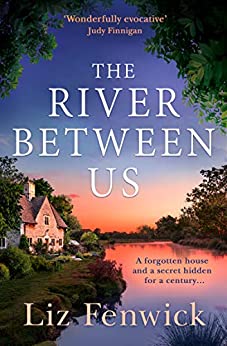
JANE CABLE REVIEWS LIZ FENWICK’S EXCEPTIONAL NEW NOVEL

For some years the pinned Tweet on Liz Fenwick’s profile has been about kindness, and it struck me that in many ways The River Between Us is too. The First World War heroine, Alice, must learn to be kind to others, and her modern counterpart Theo needs to be kind to herself.

Their stories are more than linked – they are woven together – by place and by so much more. But as always with Liz Fenwick’s books, it isn’t so much the resolution of the mystery that is important, it is the journey itself. And this is an especially rich and sensual one.

Newly divorced Theo buys a ramshackle cottage on the Cornish banks of the River Tamar, once part of the estate belonging to the manor house, now hotel, on the Devon side. The seeds of mystery are planted quickly, as Theo discovers a box of letters dating from the First World War, and when her grandmother dies it comes to light that she had secrets of her own.

In the historical narrative, which begins in 1914, Alice is a rebellious debutante, determined to speak out for force-fed suffragettes to the king and queen during her season. When she does so she is banished to Abbotswood in Devon, where she is attracted to the ghillie, Zachariah Carne.

The coincidences may fall a little too thick and fast for some, but this takes none of the enjoyment from the story. Liz Fenwick’s prose takes the reader from seeing Abbotswood as a prison for a young girl, to casting it in a dream-like quality, full of beauty and wonder, as Theo falls in love. In this book the tiniest of details matter – the tying of flies, the shells in the shell house, the flowers and their meanings. And that is brilliance of it.

But The River Between Us is more than an exhibition of faultless prose; the characters leap from the page and sink into your heart. Both contemporary and historical plots are complex and resonate with each other, and by the end of the story all the strands are as neatly woven together as DNA.

Books as good as this one are the reason I don’t read when I am writing a first draft, because they have the power to transport you to a different world, even when you aren’t physically turning the pages. But I am discovering they are excellent to read when editing; tomorrow I need to return to my own work in progress, inspired to make it so much better.


Publisher’s blurb:

Following the breakdown of her marriage, Theo has bought a tumbledown cottage on the banks of the river Tamar which divides Cornwall and Devon. The peace and tranquillity of Boatman’s Cottage, nestled by the water, is just what she needs to heal.

Yet soon after her arrival, Theo discovers a stash of hidden letters tied with a ribbon, untouched for more than a century. The letters – sent from the battlefields of France during WW1 – tell of a young servant from the nearby manor house, Abbotswood, and his love for a woman he was destined to lose.

As she begins to bring Boatman’s Cottage and its gardens back to life, Theo pieces together a story of star-crossed lovers played out against the river, while finding her own new path to happiness.

The River Between Us beautifully explores the mystery and secrets of a long-forgotten love affair, and is published by Harper Fiction on 10th June.


THE DIARY OF A BOOK, MAY 2021

The first of Jane Cable’s monthly post charts acquisition and initial research

There is always a fascination with how books are written, but so very often when they’re started an author doesn’t know whether they will see the light of day so we’re unwilling to share what could be a disappointing journey. But as I signed the contract with Sapere for my second Cornish Echoes novel, The Lost Heir, in April, I thought I would tell the story of its creation too.

All the Cornish Echoes books will be standalone dual timeline romantic mysteries with one foot in the present and the other in the Poldark era (as I like to think of it), or the Regency period (for the purposes of Amazon classification). It was a fascinating time in Cornwall’s history when mine owners were making fortunes and building houses to prove it but there was still an element of lawlessness in the Cornish spirit. You’ve probably read or seen Poldark, so you will know what I’m talking about.

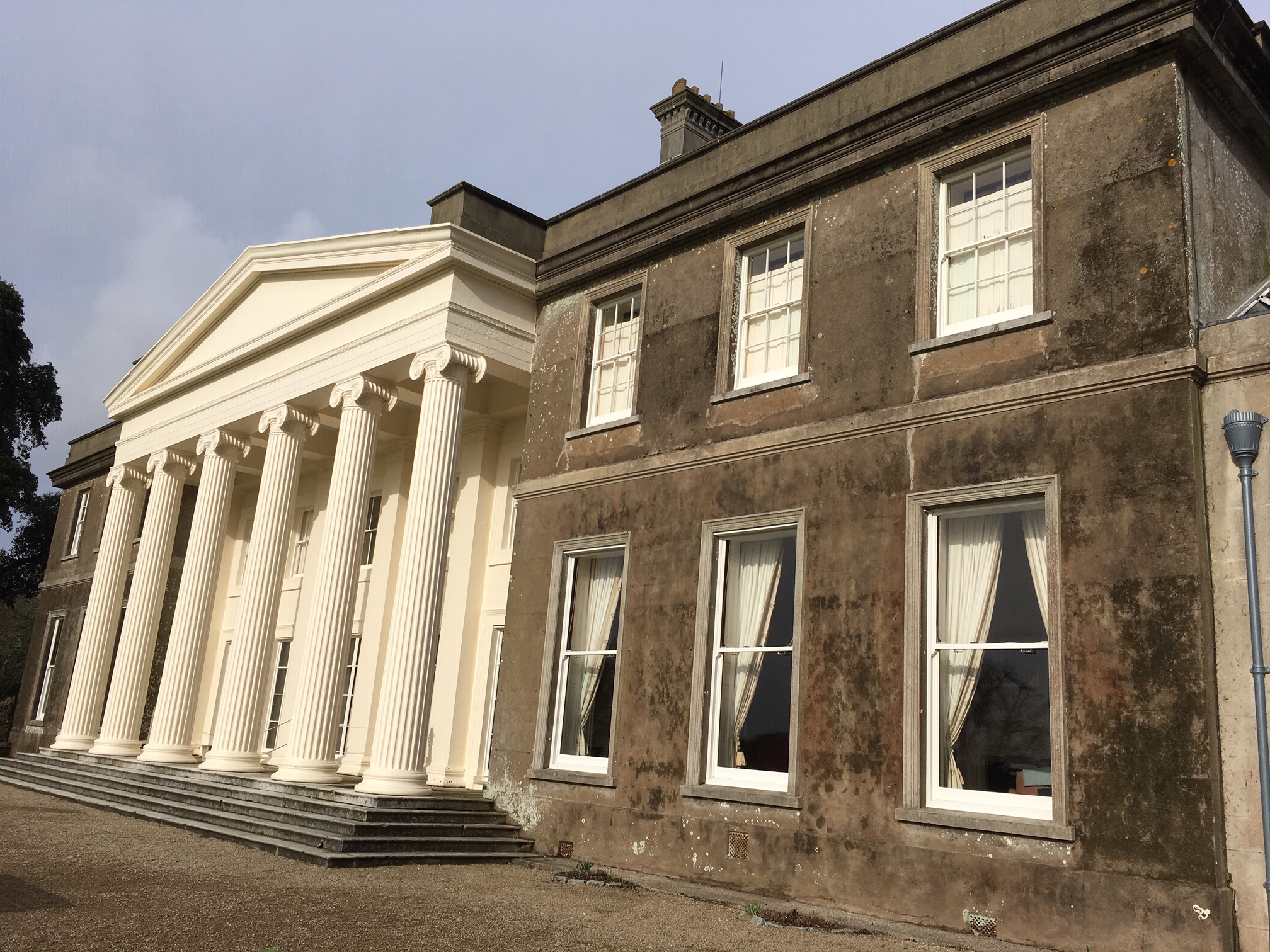
Each book is based around one of these great houses and at least some of the people connected with them – both in the early nineteenth century and the present day. The first, The Forgotten Maid, takes its inspiration from Trelissick, now owned by the National Trust and open to the public. For The Lost Heir it’s Tehidy, which burnt down in 1919, had a hospital on the site for almost seventy years, and is now a country park.

Sapere acquired the book on the basis of an outline, which for me means a four page summary of the characters, setting, history and plot. I had very little of the 1810 story but had discovered that the daughter of the house, Frances, remained unmarried – most unusual at the time, especially given the baronetcy was drawn up to pass through the female line as well. You could say my curiosity was piqued.

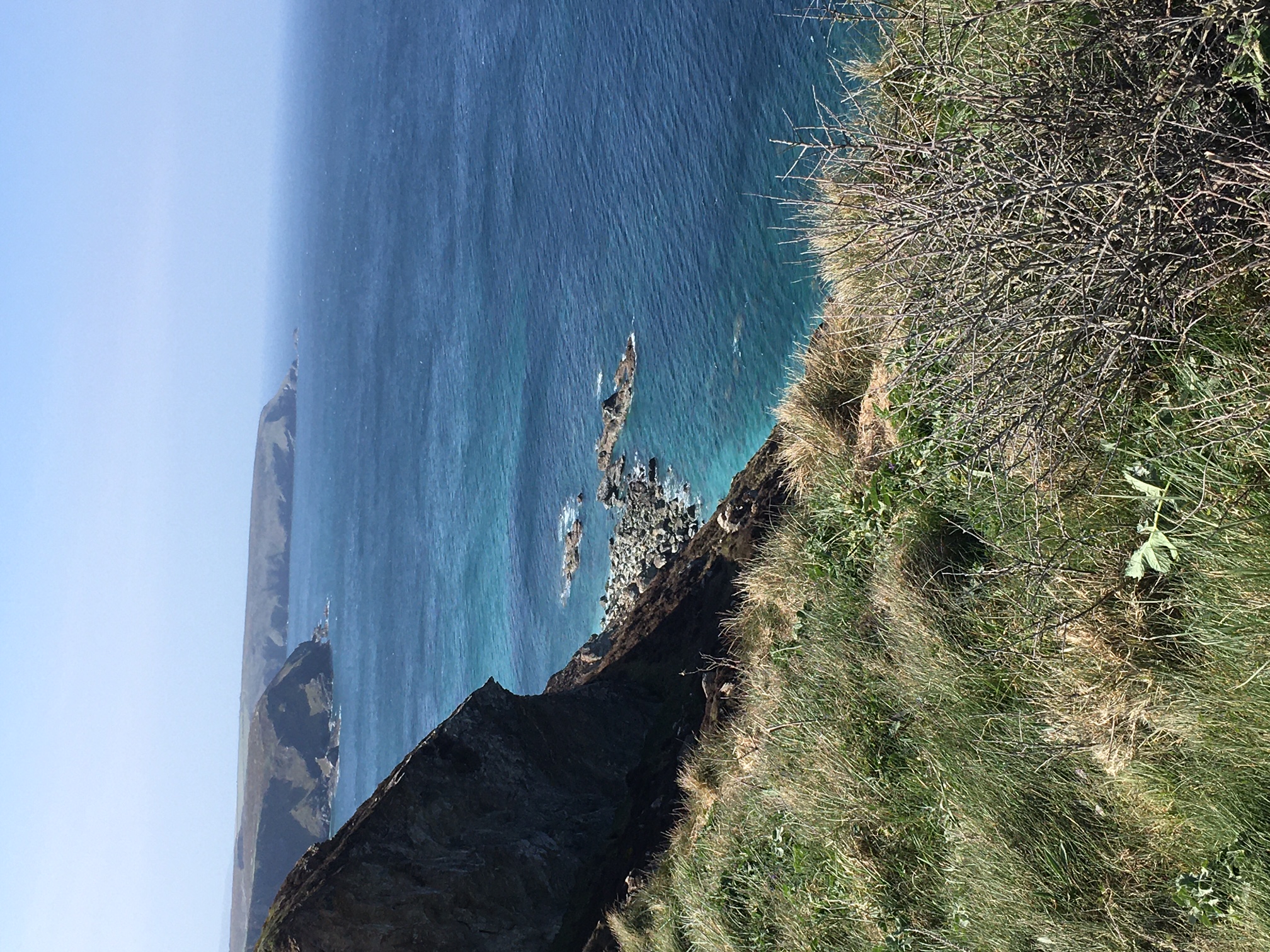
So in May the detailed research began and initially it involved a great deal of walking. Luckily my husband and I really enjoy it, so we tramped paths old and new to us both within the country park and around it; along the fabulous North Cliffs which run a field’s width from Tehidy’s boundary, then heading out to discover the farmhouse where important characters would live, and down old tracks into the harbour village of Portreath. All valuable settings for both timelines.

Alongside this I set out on some internet research into the history of Tehidy and the Basset family in the Poldark era. To my great delight I unearthed the possible existence of an illegitimate son, William. And the more I dug, the more certain it seemed he existed and what’s more, led a pretty colourful life.

His and Frances’ father was no slouch in that respect either, but as one of Cornwall’s most famous landowners it was easy to track down information about him. The online catalogue of Cornwall’s library system has an excellent search engine and through it I discovered books which mentioned him and a slim volume all about him, including accounts of how his household was run and guests’ impressions of the family and their magnificent home. Gold dust for a writer. The era – and the plot – were filling out.

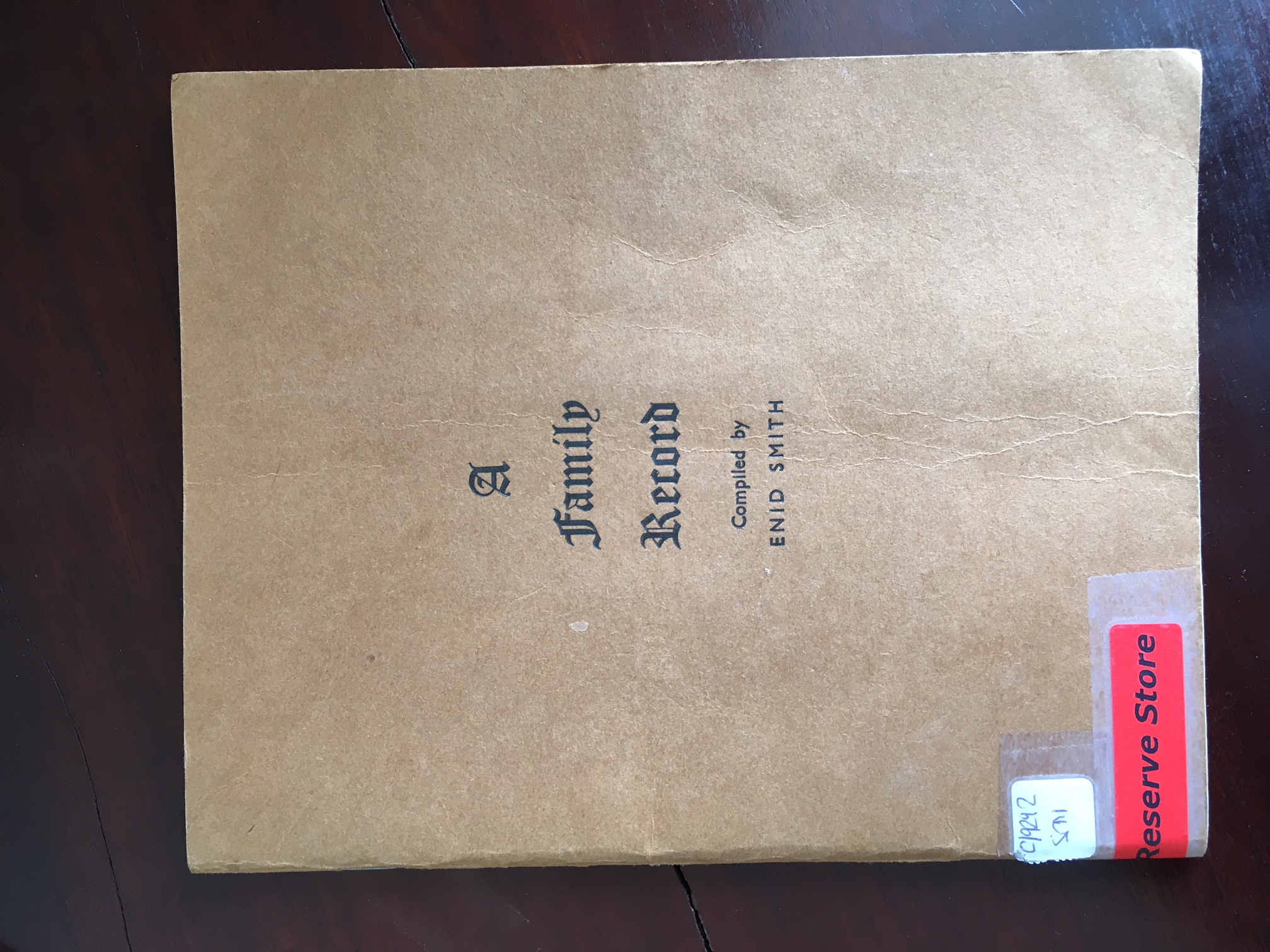
But if these books were gold dust, a footnote in one of them led me to the actual gold. A family memoir of the type I assumed I would need to go to Kresen Kernow, Cornwall’s archives, to ferret out. But no, here it was in the library catalogue and it popped up at Truro branch within a few days. And it started with William. Lots about William. But to tell too much would spoil the story…


WELSH WRITING WEDNESDAYS: GLYN JONES – POET, AUTHOR, GENTLE MAN – A PERSONAL APPRECIATION BY JANE CABLE

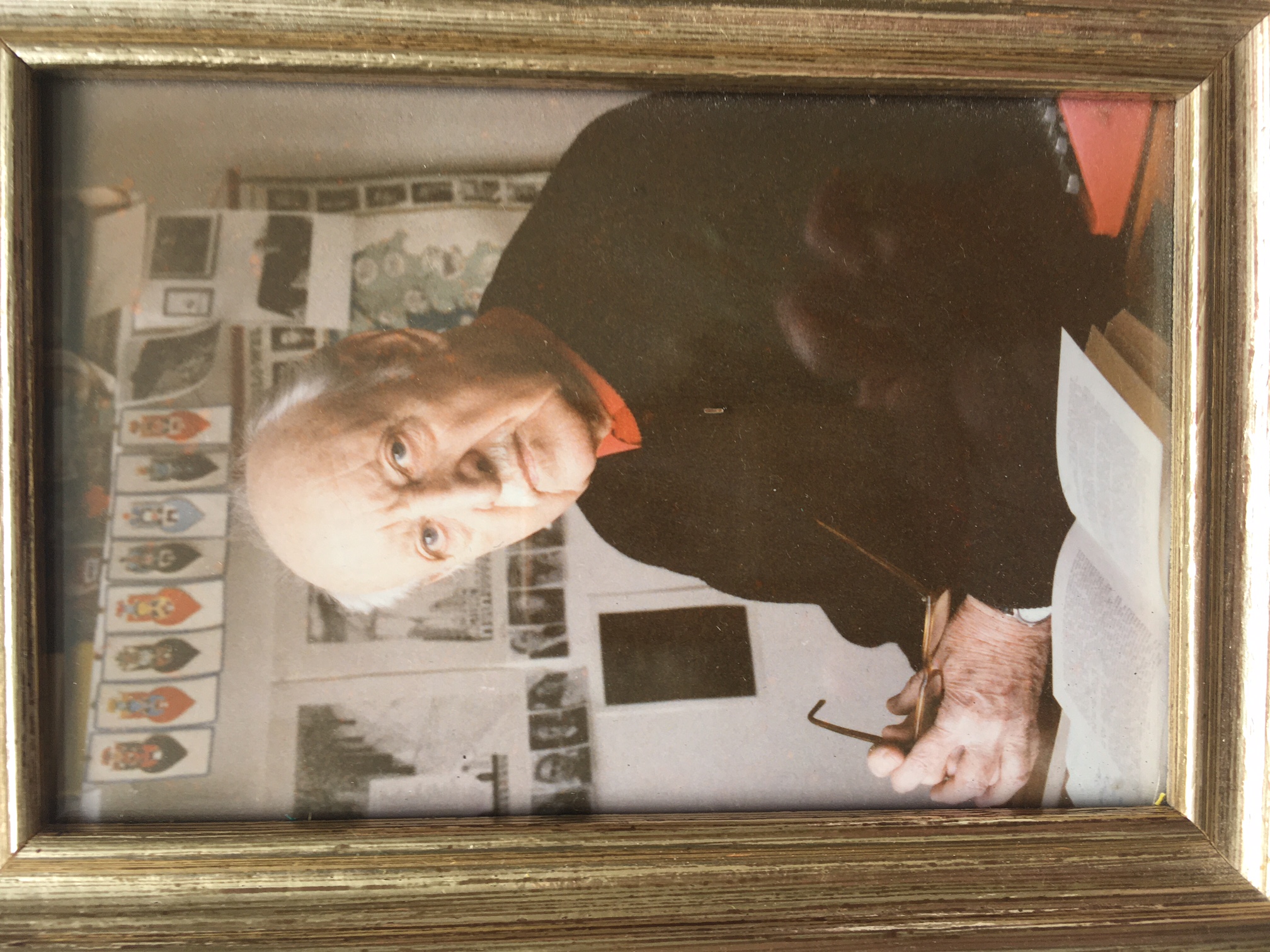
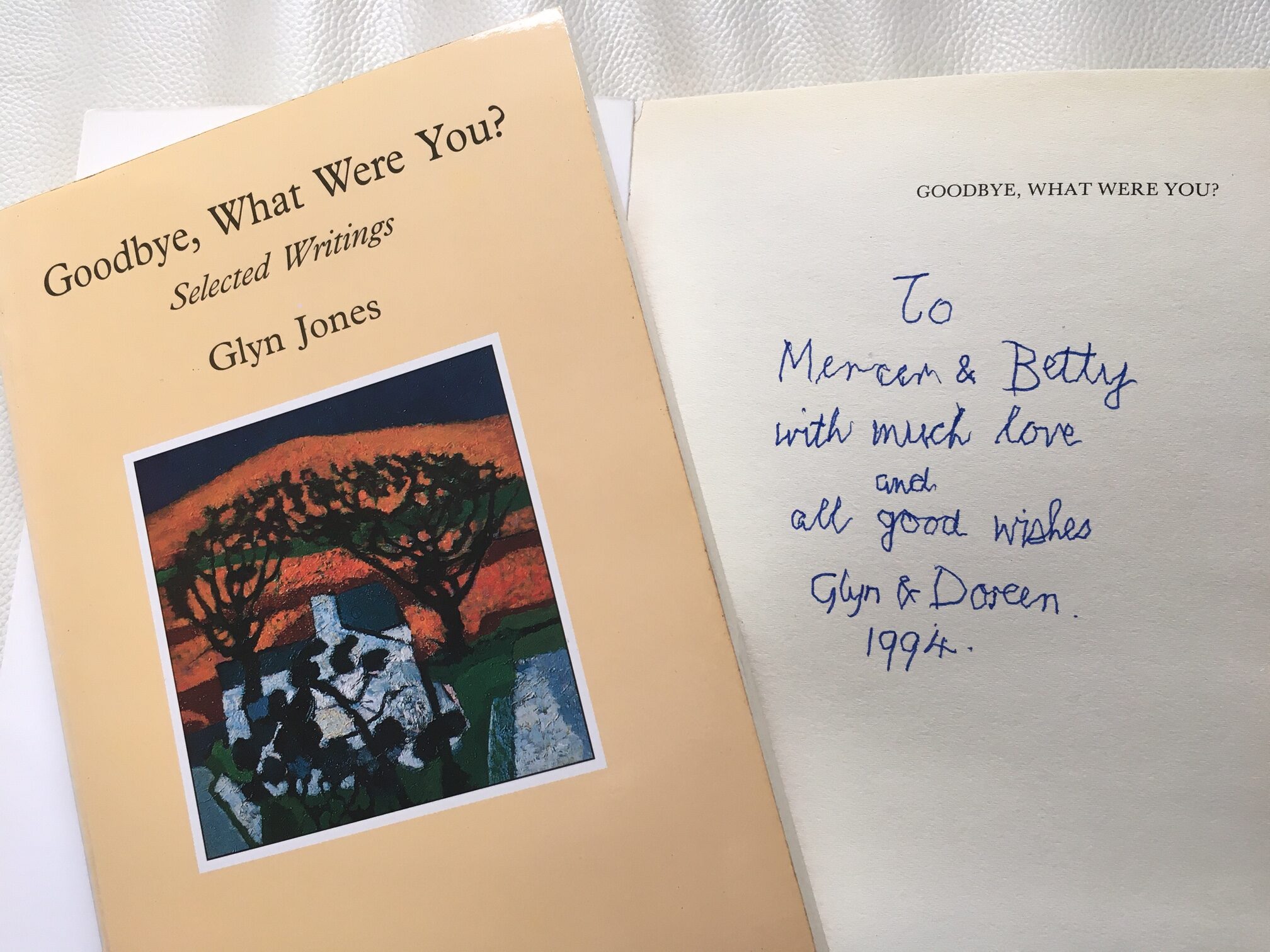
I have a confession to make. When I first signed up to write this article, the subject matter was to be twentieth century Anglo-Welsh poetry, but slowly it dawned on me I could not do justice to those wonderful writers so Tony Curtis, Gillian Clarke, and even my own father, Mercer Simpson, will have to wait. Glyn Jones must take centre stage.

In later life Glyn and his wife Doreen were great friends of my parents. Glyn and my father met through the Welsh Academy (of literature) and found a common bond in their love of words. They lived quite close to each other in Cardiff and on sunny afternoons the Jones could often be found in my parents’ garden, tucking into tea and homemade cakes. Glyn was the ultimate gentle man, always unassuming, with a quiet sparkle about him. The last time I saw him was at a party my parents held to celebrate both my qualification as a chartered accountant and my engagement. A quiet man himself, my husband-to-be adored him too.

Both in the years before, and after, Glyn’s death, my father became the go-to expert on his work. He was interviewed extensively for a BBC documentary about Glyn’s life made in 1996 and wrote the introduction to the University of Wales Press collected poems published the same year. In that he wrote:

‘Generous in his encouragement of younger writers and in his remarkable gift of friendship, Glyn Jones was so modest about his great gifts that they have still to receive the critical attention they so richly merit.’

Although a friend of Dylan Thomas’, Jones was his polar opposite, a chapel-goer all his life, a man steadfast in his beliefs (he lost his teaching job after becoming a conscientious objector in World War Two), he was indeed too modest to push himself forward. While Jones never created a masterpiece like Under Milk Wood – few people do – he was still a master of his craft as a writer, and his epic poem-play, Seven Keys to Shaderdom, which was unfinished at his death, certainly comes close:

‘Before a dazzling evening’s lemon glow all your repose,
Your writhings, were there alone in open pasture. Bareness
Assumed, in spring’s hysteria, against the soaking snow of
Clouds, green fabrics of your opening foliage, glittering
Sunlit deluges of grain-like silver’

His novels were published in the 1950s and 60s to critical acclaim. The Island of Apples is one of my all-time favourites, a coming of age story told from the viewpoint of a pre-adolescent boy, with descriptions so vivid and perfect it makes you want to stop and read them again and again. I remember becoming so completely lost in the time and place I can picture it to this day.

Glyn Jones also wrote short stories and translated poems, plays and other literary works from welsh to english, bringing them to a wider audience. But it is his poetry for which he is most remembered. Or perhaps what I most remember him for. The morning my mother died I took his Collected Poems from the shelf and read to her. Her favourite was The Meaning of Fuchsias, but in the end I decided to read Goodbye, What Were You? at her funeral:

‘At the voice of the mother on a warm hearth,
Dark and firelit, where the hobbed kettle crinkled
In the creak and shudder of the rained-on window,
This world had its beginning
And was here redeemed.’

My ultimate tribute to Glyn is taking his name in my pseudonym, Eva Glyn. I just hope I can live up to his example.


WELSH WRITING WEDNESDAYS: REINTRODUCING JANE CABLE

I have been writing for Frost for so long I tend to assume everyone knows who I am, but common sense tells me that isn’t the case. Our readership is growing all the time, so many won’t have the first clue about why the Contributing Editor blathers on so endlessly about writing and books. And. this year, about Welsh writing in particular.

So the first thing you need to know is that I am Welsh. I was born in Cardiff and my formative years were spent in and around the city, although I left to go to college at eighteen and never lived there again. In modern parlance you would say that, despite living in England for so long, I ‘identify as’ Welsh and will do so until the day I die.

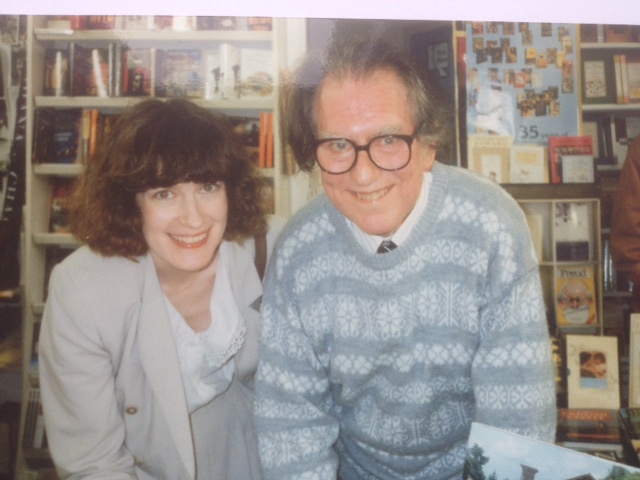
With my Dad at the launch of his first book

I was a teenager when I discovered there was a rich literary tradition on my doorstep. My father, Mercer Simpson, was a lecturer at the Polytechnic of Wales and worked with Tony Curtis, and I remember the great excitement in our household when Tony won the 1984 National Poetry Competition. By that time my father had retired and was spending his time reading for the Welsh Arts Council and editing the Welsh Academy of Literature’s magazine so the house was stuffed full of books by Welsh authors.

This may have been my literary heritage, but I eschewed literature, refusing to take english as an A-level. When I was a student Dad and I would debate whether there was such a thing as intrinsically ‘good’ and ‘bad’ in the arts and could never see eye to eye, largely because I considered his views desperately old fashioned. Never an academic, my normal reading was romances, women’s fiction and historical sagas. In other words, popular fiction.

My father reviewed books endlessly and became an acknowledged expert on Anglo-Welsh literature. By the time he died in 2007 he’d had four of his own poetry collections published, the last of which he’d worked on during his final illness and his publisher brought the first copies to his funeral.

By then I had started writing too, experimenting with romantic fiction, something he barely understood, but my mother ploughed through my early stories and gave me both encouragement and useful feedback. Instead my father was really proud of the fact I freelanced as a cricket journalist. My mother’s bragging rights came a few years later when, in 2011, I reached the final of The Alan Titchmarsh Show’s People’s Novelist competition.

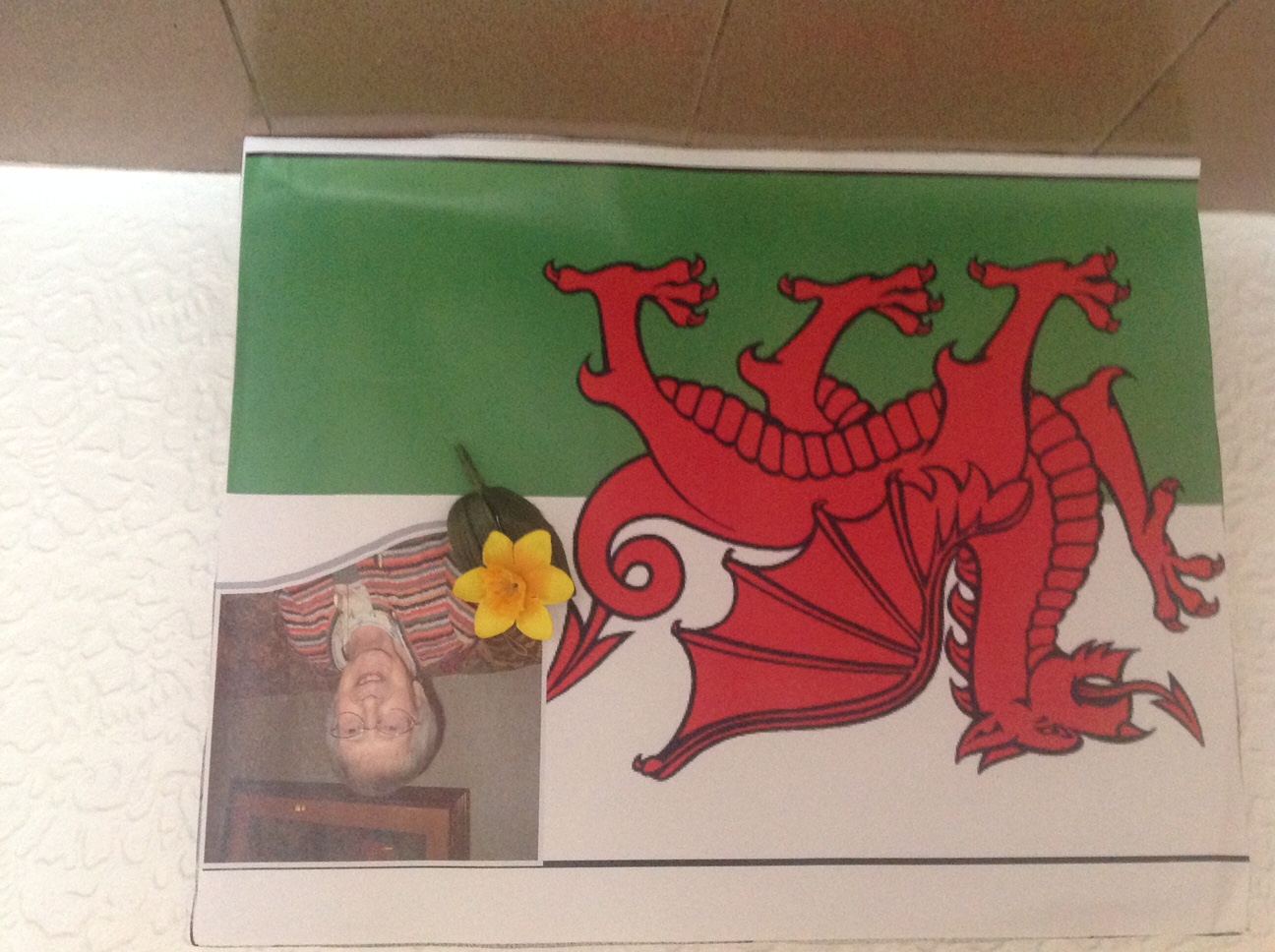
Mum and her Welsh flag

My mother loved reading but loathed formulaic romances, and her opinion has had more influence that anything over the way I write. I love a love story, but there has to be more. More for the reader to get their teeth into; a hint of mystery, research so good it teaches you something, a broadening of horizons. These are the stories I aim to write.

My career as a published author had a bit of a rocky start, but in 2018 I settled with Sapere Books, writing contemporary romances with a look over the shoulder at the past. The first two books were World War Two influenced, and later this year my debut dual timeline will be published by them, set in Cornwall in 1815 and 2015.

Last year I took another step forwards and signed a two book deal with One More Chapter, a division of Harper Collins. Both will be out this summer, written under the name of Eva Glyn. Eva for my paternal grandmother and Glyn for the Welsh novelist and poet Glyn Jones, a great friend to both of my parents and an emblem of my literary roots.