Funding Initiative aims to Provide all UK Neonatal Units With Personalised Video

neonatalmonitoringPersonalised video specialists, vCreate, today announce a new funding initiative aimed at ensuring that all 200 UK neonatal networks are equipped with personalised video by 2018. According to Bliss, the UK’s special care baby charity; over 90,000 babies are admitted to neonatal care in the UK because they have either been born prematurely, or full term but sick.
 
The decision to look for corporate sponsors to fund the provision of secure video within neonatal units will make technology, that would have previously been out of reach due to unavailable budget, accessible for the wider neonatal community. 
 
Ben Moore, founder of vCreate, explains why he believes this innovative approach to funding will make all the difference: “It’s clear from our discussions with medics that digital technology such as this has huge potential to transform the way services are delivered across the NHS. Delays or lack of central funding can leave the people who deliver the care hamstrung; there’s a proven case for a solution, a need for change, but budget for such initiatives isn’t readily available.”
 
The team at vCreate is in search of corporate sponsors to fund instances of vCreate by neonatal region. With vCreate, staff are able to send short videos of babies to parents when they are away from this hospital. Ben added: “We’ve already seen how secure video is enhancing patient care following the successful pilot programme at the Royal Hospital for Children in Glasgow, and there’s been widespread media and public interest in the project.”
 
Royal Glasgow Hospital for Children is the first in the UK to trial vCreate in their neonatal unit.
 
Neil Patel, Consultant Neonatologist, explains how vCreate is supporting mums and dads through what can be an extremely stressful time: “The idea originally came from a parent of one of our patients. He uses personalised video in his work to connect with clients and asked if we could send him video updates of his own baby. We then asked more families who all told us there is nothing more reassuring than actually seeing their baby. It’s a personalised video platform that makes it quick and simple to create a video which can then be securely accessed by the baby’s parents on any device at any time.”
 
vCreate believes that the funding proposition delivers for both the public and private sectors. The public sector gains innovative video technology when they need it, and private sector sponsors have the opportunity to support families of premature babies. 
 
As part of the sponsorship package, corporate sponsors can expect to see their company logo across the vCreate application which would be seen by the parents logging in to watch the videos; plus media coverage across multiple channels, and positive brand and CSR association. 
 
For corporate sponsorship enquires in relation to vCreate, get in touch on 0333 121 8422 or via email at theteam@vcreate.tv.

Helping Children Sleep By Dan Jones

helping children sleepHelping Children Sleep

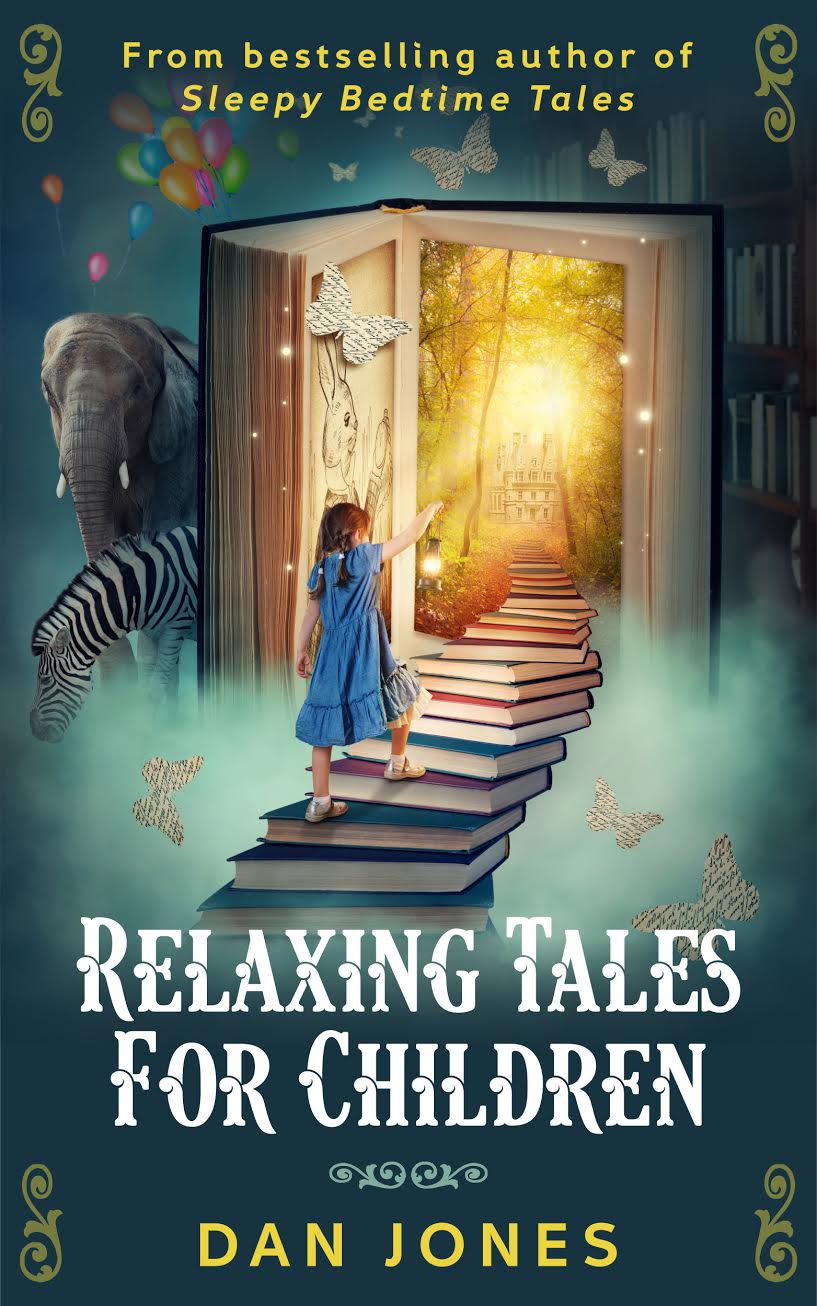
Almost 20 years ago I began working in children’s homes. Many of the children had endured years of abuse and other traumatic experiences by the time they ended up in care, this impacted on their ability to feel safe, relax, and sleep at night. Due to having Asperger’s, a high-functioning form of autism I obsessed about learning communication skills. I used this knowledge with the children I was working with. The children were often happy to have stories read to them at bedtime. I used to read stories to them, but rather than putting on different voices for different characters, or reading the stories lively, I used to read them in a relaxed tone of voice in time with the child’s breathing. Any sentences with words which could be associated with relaxing or inward absorption I would say with extra calming emphasis. This slight shift in how the stories were being read often helped the children to feel calm and comfortable and fall asleep. I started teaching what I was doing to other children’s home staff and to parents to help them to be able to help children sleep comfortably at bedtime without arguments and conflict, and years later wrote two books of children’s stories based around this approach: Sleepy Bedtime Tales, and Relaxing Tales for Children.

How do you help children to fall asleep at night? 

The first thing to be aware of is what actually happens for us to fall asleep. Obviously being tired helps, so not letting a child sleep during the day is a huge help, secondly the environment is important. As bedtime approaches parents can start ‘putting the house to sleep’. What I mean by this is that a few hours before bedtime parents close curtains, turn off main lights and put on small lamps to make the home dimmer, and begin to focus on doing calm, low stimulation things with the children. The focus is on slowing them down, and making the environment quieter. If children are running around until bedtime their heart will be racing and they will be excitable and harder to relax, likewise, if they have been watching emotionally stimulating TV programmes before bed this will reduce their chances of falling asleep. Parents ideally limit screen time in the hours before bed. Mobile phones, tablet PC’s, computers, and TV’s all give off a lot of blue light which triggers the ‘wake-up’ processes in our brain – not what you want when you are trying to help your children sleep.

dan jones, author, book, help children sleep, how to get child to sleep

Once bedtime is approaching parents can have structure around what happens, and let the children know bedtime is approaching. It is more effective to say that it is bedtime in half-an-hour, and then giving notice at fifteen minutes, and then finally saying it is now bedtime, than it is to wait until bedtime and then tell the children it is time to go to bed when perhaps they are in the middle of a game or something and now they have to cut the game short.

Author Dan Jones

Different children like different things at bedtime to help them sleep. Some are happy to be read a story. Although it is fun to read stories and get all involved in portraying the characters, putting on voices, and actions, this isn’t conducive for sleep. The stories need to be read in a calm and relaxed manner ideally framed for the child that they can lie down with their eyes closed, listening and imagining the story as they fall asleep. Most children accept this and enjoy imagining the story play out in their mind. The parent can then read slowly and calmly, adding emphasis and time when giving descriptions to help the child become increasingly absorbed in the inner experience. Another approach children like is for the parent to sit with them stroking their arm, back or hair. If this is done in time with their breathing, so each up-stroke is with an in-breath, and each down-stroke is with the out-breath then the stroking will build rapport with the breathing, and once the breathing is matching the stroking the parent can stroke slower or longer strokes and the breathing will deepen and the child will fall asleep. If the child wakes up during the night they can be encouraged back to bed, then the parent can calmly repeat the same again until the child falls asleep once more.


Protecting Little heads from tiny pests with Kit & Coco: Complete Treatment Review

head lice review

head lice treatment, kit & coco

head lice treatment, kit & cocoThere are many things that parents dread. Parenting nightmares are very real things and head lice is a big one. The ick factor is there and so is the embarrassment. Past head lice treatment can smell- and be- too chemical. Others are not that effective.

Kit & Coco is a haircare brand created to be gentle but effective on little heads. Launched earlier this year, Kit & Coco’s haircare is enriched with coconut oil which is naturally hydrating, nourishing and soothing. When massaged in, it both strengthens hair fibers and soothes irritations of the scalp, leaving hair even softer and shinier than before. Coconut oil has a bonus quality: it is an active participant in the treatment of head lice. Very handy.

Kit & Coco provide a gentle and fuss free solution to headlice and their pesky eggs.

Lice can produce around 10 eggs a day which take around seven days to hatch so one small problem can escalate into a larger issue very quickly. The Kit & Coco complete treatment kit includes treatment shampoo, a gentle ergonomic nit comb, applicator brush, protective shower cap and a surprise treat for little ones.

The Kit & Coco shampoo has coconut oil and rich botanic oil to deliver gentle yet effective prevention and treatment for head lice and nits. As head lice are constantly adapting to create a resistance to Pediculicides (chemical based insecticides), KIT & COCO has utilised plant based active ingredients – to totally eliminate head lice and nits (eggs) through asphyxiation, which head lice simply can’t develop any resistance to. The treatment range utilises the fatty acids from coconut oil to clog the respiratory system of head lice to banish those little pests for good. The 45-minute treatment we reviewed is proven to be 100% effective against lice and nits, find out more here: http://uk.kitandcoco.com/kit-coco-proven-efficacy

So what did we think? Kit & Coco Complete Treatment Review smells so much better than most head lice treatment. It is well packaged and the comb is a good one. You get four lots of the shampoo and…it works. Our tester was very impressed with the results. Great packaged stuff that looks fun and works. What more could you want?

The KIT & COCO range is available to buy online at KIT & COCO, Amazon and independent pharmacies nationwide.

The Average Mum Falls Ill 324 Times Over Their Youngster’s Childhood

baby,nappies, nappy, save, cheap, budget, working mothers, overwork, stress

The average mum will fall ill 324 times over their youngster’s childhood – with colds and bugs passed on to them by their offspring, a study has found.


An endless cycle of sore throats, runny noses, migraines and sickness bugs means the average mum will be left feeling under the weather 18 times a year.


The study of 2,000 parents, found that over the 18 years of their youngster’s childhood, mums will suffer from 54 colds, as well as a total of 108 sore throats or runny noses.


There will also be 36 sickness bugs – two every year – and an annual bout of flu.


On top of that, they can also expect to endure one bout of headlice a year after the critters come home from school on their children’s hair.


And eight in ten of those polled by supplements firm Healthspan say the germs and bugs can usually be traced back to the kids, leaving them suffering days after nursing their children back to health.


Dr Sarah Brewer, GP and Medical Director at Healthspan said: “Mums are often on the front line when it comes to the family’s illnesses and, due to time pressures and putting others first, are often poor at looking after themselves.


“Prevention is key and it’s important for mums to look after themselves by boosting their immunity to help prevent common illnesses as much as possible, and to shrug off respiratory infections quickly with go-to products they can trust to banish colds, such as Healthspan Pelargonium – a traditional herbal medicine that will tackle a cold in 24 hours.”


Sixty-eight per cent of mums said they had been more prone to falling ill since having children, with 39 per cent saying they now constantly feel under the weather in some way.


In fact, the average mum has just 13 days a month where they feel completely fit and healthy.


But 84 per cent of mums feel they are unable to sit back and relax when they are ill, instead having to battle on through, compared to just seven in ten dads.


And 72 per cent of women reckon they cope better than their partner when they are ill.


Mums’ illnesses – per year

Sore throats – 3

Runny stuffed nose – 3

Cold – 3

Flu – 1

Sickness bug – 2

Rash/skin complaint – 2

Migraine – 3

Conjunctivitis – 1


Total – 18


Are We Overworking Our Children?

children, parenting, exhausted, children working too hard, studyShattered kids are ‘working’ for over 46 hours a week, according to a new survey.

The shock research shows that parents are over-timetabling their children with extra-curricular activities in addition to their school commitments.

This means exhausted children are actually working harder than the average parent who only completes a 37.5 hour week at work.

The average child already completes 30 hours and 50 minutes a week at school Monday to Friday, as well as seven hours and 51 minutes of clubs and homework each week.

Actively reading with parents daily accounts for a further five hours and 49 minutes a week.

And finally, the Center Parcs study of 2,000 parents found the average child also helps with housework for up to an hour and 37 minutes each week.


In response to the findings, Center Parcs has commissioned Channel 4 child psychologist Dr Sam Wass to develop a Recommended Daily Allowance (RDA) for Free Time – which equates to three hours and 51 minutes every day.

The RDA, which was inspired by the government guidelines we use for fruit and vegetables, is based on three hours on a week day and six hours a day at the weekend, calculated using time needed for a variety of free-time activities which will allow children to use their imagination and develop their creative thinking.

Dr Sam Wass said: “Many parents are desperate to do the right thing for their children – we shuttle them back and forth from school, to football, to an after-school club, and then get them home and sit and ensure they do their homework.

“But in fact, research suggests that it’s much more beneficial for children if their time is not always so structured. It’s the down-time, when there is not such much going on and the child has to entertain themselves, when they do their best learning.

There is a huge amount of research that suggests that this child-led, unstructured free play is vital for stimulating imagination and creativity, as well as helping the child to become more self-sufficient.”

The poll reveals 54 per cent of parents feel it is important to encourage children to participate in as many clubs as possible to give them the opportunity to excel at what they like.

A further 44 per cent think it is important to further their children’s learning, while 53 per cent say clubs give their kids essential social skills.

A quarter of parents questioned simply like their children to be busy – and as such the average child will have experienced swimming lessons, football, gymnastics and either brownies or cubs.

Researchers for Center Parcs also polled 1,000 children aged six to 11, to find out their views on how much they have to do in a day – it shows 44 per cent of kids reckon they do more in a day than their own parents.

And a quarter of kids questioned admitted they only take part in after school activities because their parents tell them to.

In particular, children most dislike swimming lessons, followed by football and foreign language lessons.

Colin Whaley, Marketing Director for Center Parcs continues: “This report shows that parents are really going above and beyond to do what they think is best for their child. As a parent myself, I was initially taken aback by the suggested recommended daily allowance, but it gave me food for thought about whether or not my own children currently achieve it.

“Clubs and sport play an important role for their development and life skills but creating a balance with some more simple time out together is clearly very important.”


AVERAGE CHILD’S WEEKLY TIMETABLE

Activity

Time/week

School

30 hours 50 minutes

Clubs & Homework

7 hours 51 minutes

Reading

5 hours 49 minutes

Housework

1 hour 37 minutes

TOTAL

46 hours 7 minutes


Share Your Experience Of Childbirth For Catherine Balavage’s New Book

childbirth, birth, labour, labour tips, labor, childbirth book, what to expect, catherine BalavageFrost Editor Catherine Balavage is looking for women- and some men- to share their experience of childbirth with her. This will be for Catherine’s new book Women On Childbirth. Catherine had a traumatic birth experience and wants to write the book to help other women know what to expect, but also how to have a better birth. This will be Catherine’s fourth non-fiction book. She also writes fiction books.

If you would like to be included we would need your experience in 400-1000 words approx (although word count can be flexible), a biography and then some labour tips. Email your experience to frostmagazine@gmail.com

Thank you in advance to contributors.

Deadline is 1st April 2017.


Welcome To The Club: 100 Parenting Milestones You Never Saw Coming

parenting , parenting milestones Welcome to the Club

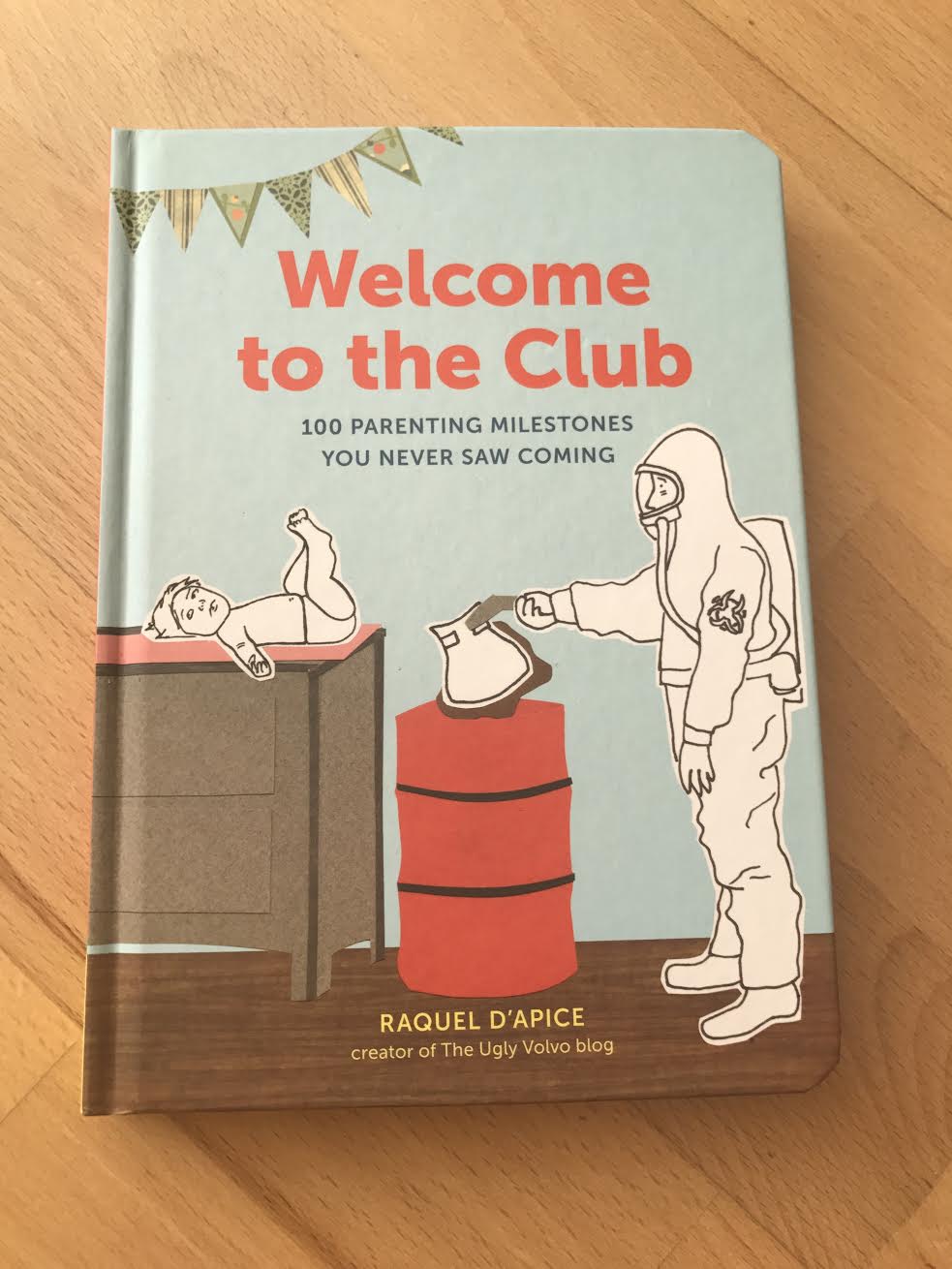
100 Parenting Milestones You Never Saw Coming

By Raquel D’Apice

ISBN: 9781452153476

Price: £9.99

I doubt there is a parent who can’t relate to this astutely observant book on parenting. It will have you laughing out loud and grimacing in remembrance. On a more serious note, it makes you feel less alone. Not much feels better as a parent than when you realise you are not the only one in the trenches, making mistakes and dealing with the daily horrors of trying to raise young children. From poop explosions to first smiles, I loved this book and its great milestones.

From the comedian behind the popular parenting blog The Ugly Volvo comes a refreshing spin on the baby milestone book. Instead of a place to lovingly capture the first time baby sleeps through the night, this book shows what it’s like the first time baby rolls off the bed/sofa/changing table, leaving mum or dad in a state of pure terror (it happens). These 100 rarely documented but all-too-realistic milestones—such as “First Time Baby Says a Word You Didn’t Want Her to Say”—provide comfort, solidarity, and comic relief for new parents. Laugh-out-loud relatable text and distinctive paper-cut illustrations of these “bad” parenting moments make this a must-have book for anyone entering the mysterious club of parenthood.

About the author: Raquel D’Apice is a comedian, humour writer and the blogger behind The Ugly Volvo. Her writing has been featured in Slate, BUST, Mommyish, iVillage, Babble, Parents, Circle of Moms, Reader’s Digest and the parenting humour anthology I JUST WANT TO BE ALONE. She also writes regular articles for The Huffington Post. The mother of a young child, she lives in New Jersey.

Frost Loves Tiny Trolls of Norway | Perfect For Christmas

tiny-trolls tinytrollsofnorwayreview tiny-trolls-of-norway tinytrolls

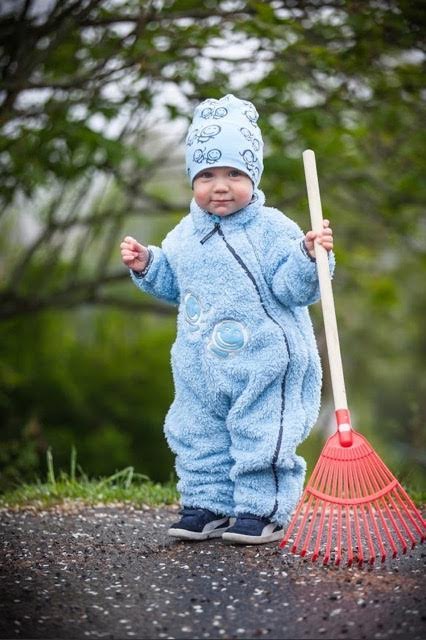
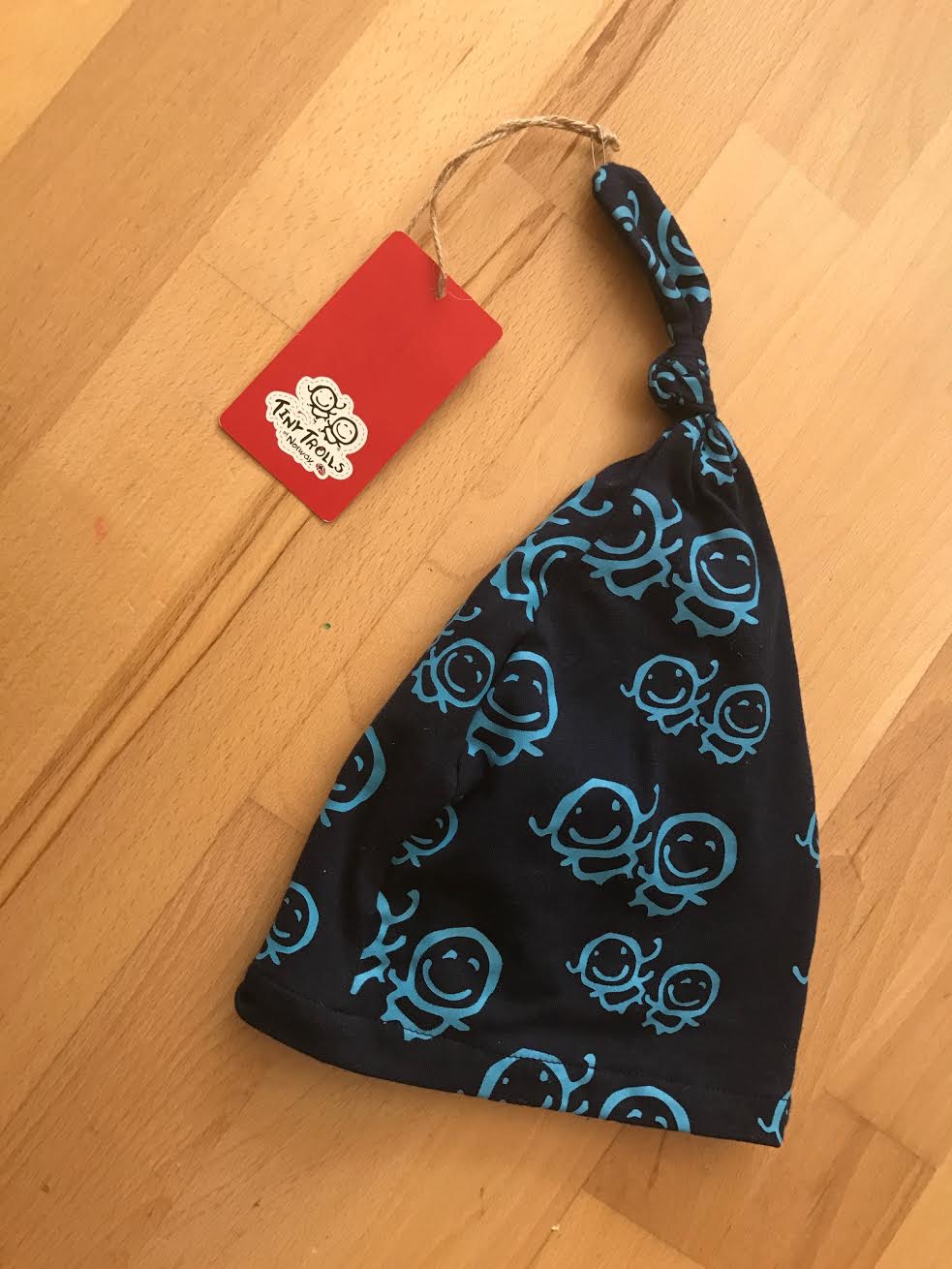
Tiny Trolls of Norway immediately caught my eye. The outfits were so cute, but they also looked functional. The right outdoor clothes are important for children, it is a must that they are dry and warm. My expectations were not dashed when the cute onesie and hat arrived at Frost HQ. I could tell immediately that they were well made and warm. When I put them on my son not only did he look super cute- but I could tell he liked them too. In fact, the hat is the only hat he has ever worn which he has never tried to pull off. High praise indeed. People also commented on his outfit a lot. Always a good sign. We are huge fans of Tiny Trolls of Norway.


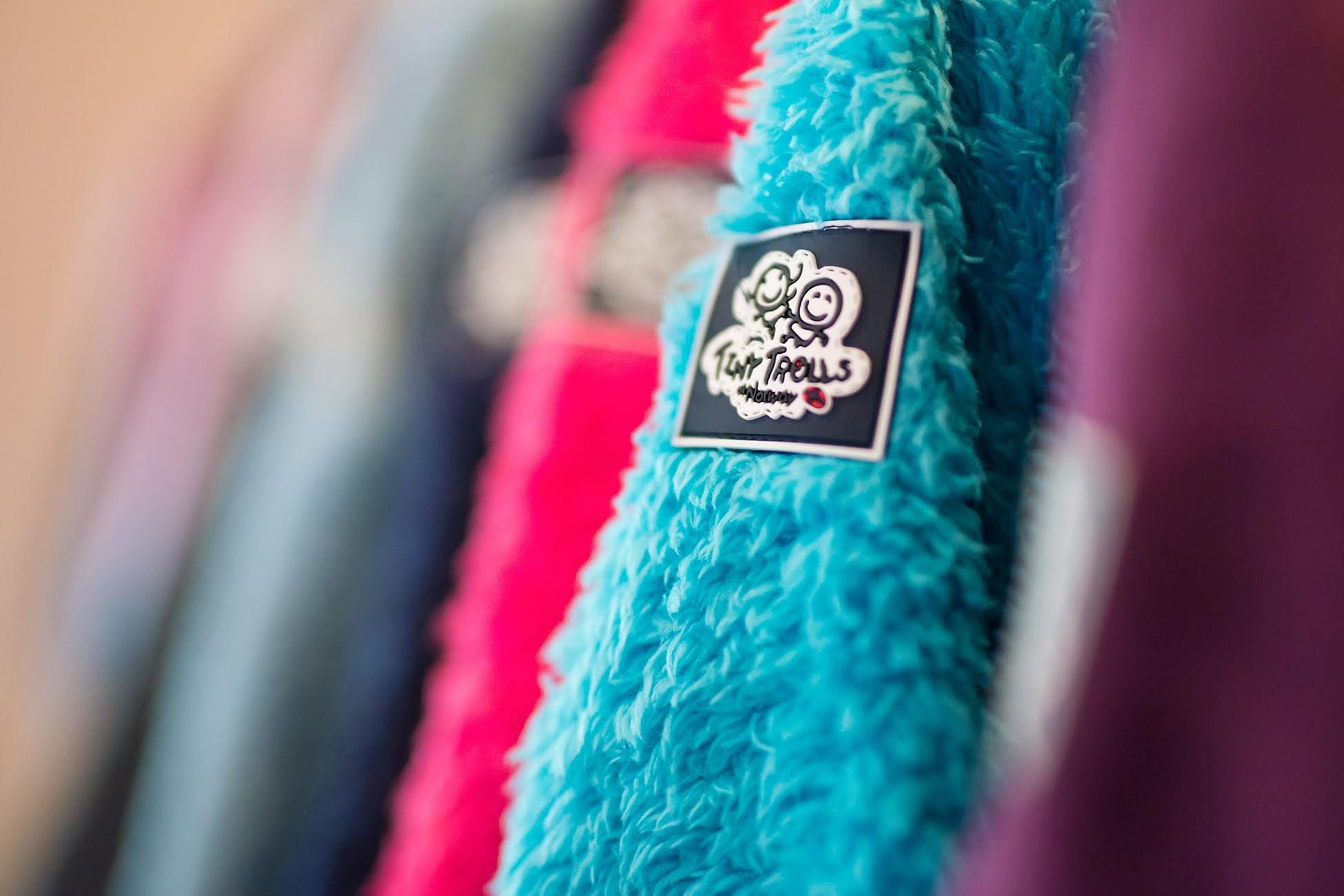
Tiny Trolls of Norway create functional and attractive outdoor wear for children aged 1-8. All items are made to the highest specifications and feature beautiful detail. The Tiny Trolls of Norway range is created with children and parents in mind. Clothes can be washed again and again without losing any quality, and rainsuits are 100% waterproof. From beautifully subtle pastel colours to the vivid Get Urban fuschia and turquoise, there is an outfit here for every child. Parents will love the durability and practical designs while kids will just adore the colours and cute embroidered troll logos. Ideal as a Christmas Gift, and essential for every child’s winter wardrobe – these are clothes kids really want to wear.