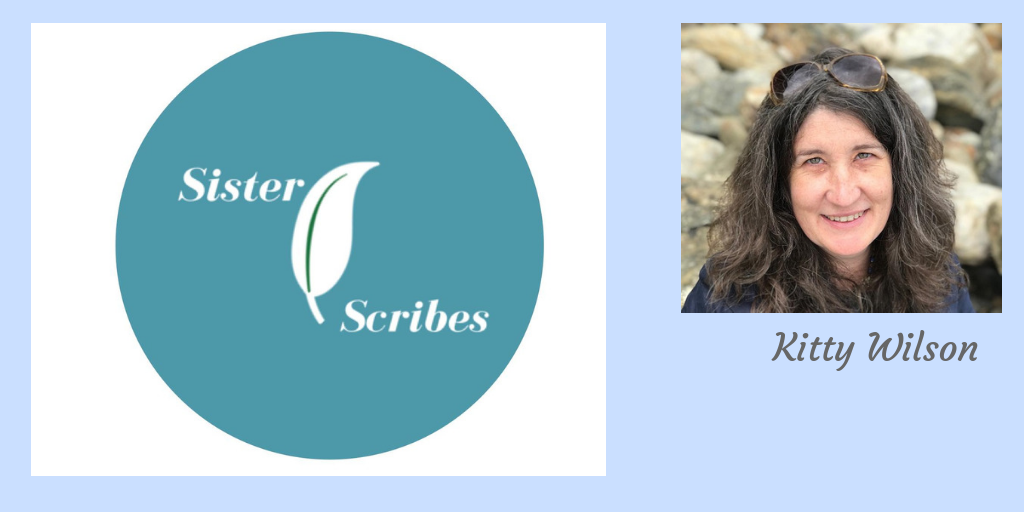
SISTER SCRIBES: KITTY WILSON IN PRAISE OF CRITIQUES

I’ve recently returned from the Romantic Novelists Association (RNA) conference where I briefly had to speak to the NWS members. It was terrifying (terrifying!) but did make me think it was worth sharing details of the scheme that helped me, alongside many others, become published.

The NWS is a New Writers Scheme run by the RNA and encourages unpublished writers to join local meetings and make friends with the more experienced. It’s how I began to meet other authors, including the Sister Scribes, and as we are always saying writers need writer friends – I should tattoo this on my forehead and be done, I say it so often – and joining the RNA is a great way to meet them.

More than that, and why I initially joined, is its critique scheme. For the price of membership (considerably less than you’d pay for an assessment anywhere else) you are entitled to a critique of your full manuscript (partials are accepted if you haven’t got as far as writing The End yet).
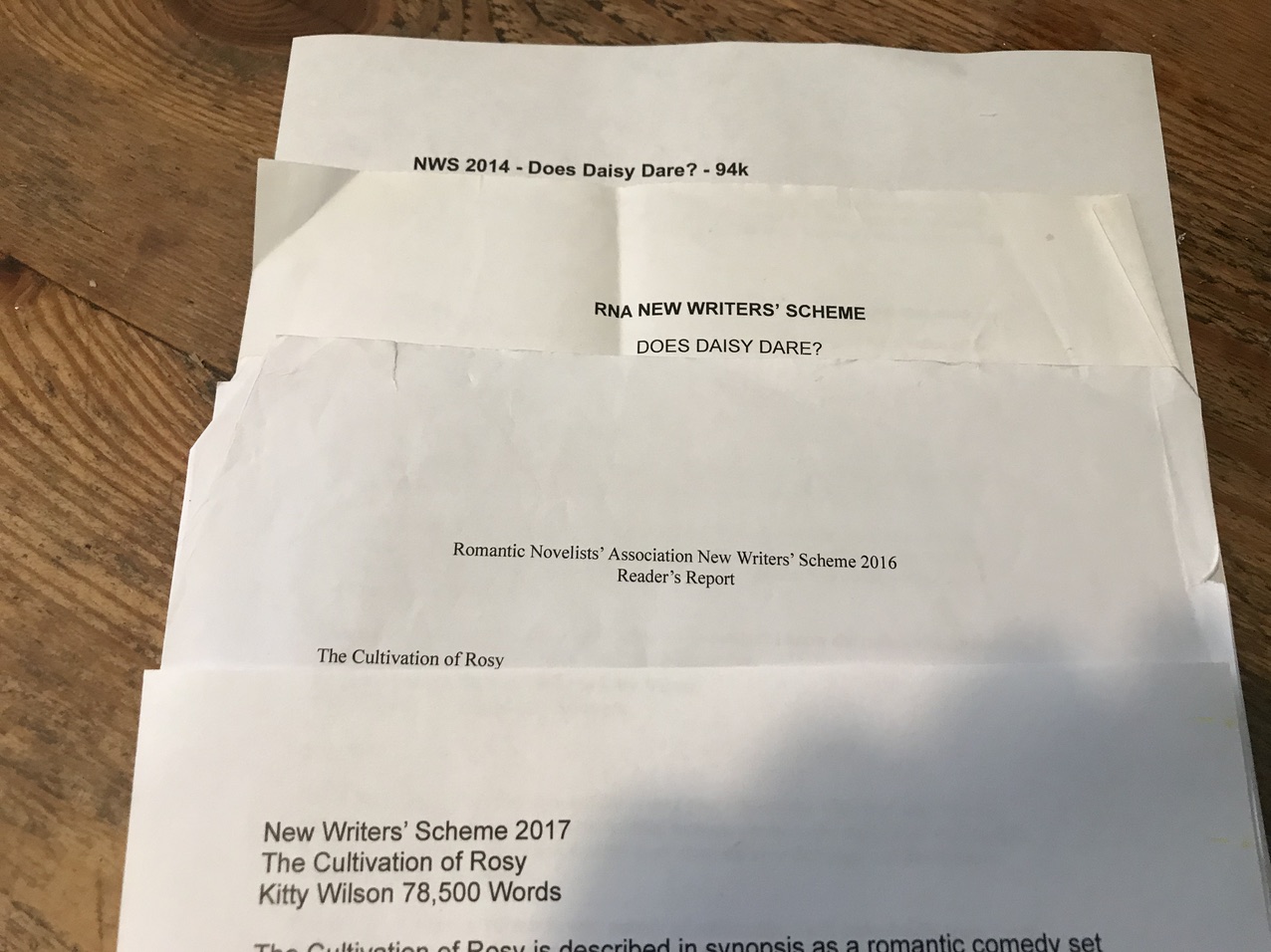
It was the first opportunity I had to have my writing read by someone who knew the industry inside out (i.e. not my mother and close friends) and who could be completely honest about what they thought – the reader remains anonymous so they can be truthful without worrying that you’re going to launch at them at the Winter Party and either cover them in kisses or rip their eyes out whilst spitting ‘so, you didn’t like my heroine?’

The critique is usually divided into areas like plot, pace, voice, dialogue so you can see immediately which are your areas of strength and which ones need work. It doesn’t matter if you’ve written a zillion books, every writer needs a little help and an objective eye (otherwise we wouldn’t need editors), so if you expect a critique that says ‘oh my goodness, this is the best thing ever written in the history of the world’ then you may be bound for disappointment. If you want someone to gently point out what needs work to make your book even better then you’re in luck.

Being me, I found it really hard initially to hear the positive, whereas the things I needed to work on seared into my soul, fluttering under my eyelids as I’d try to sleep. It was at this point I decided to colour code my critique – if you have read my other posts you know I need no excuse to break out the felt-tips – and then I could see there was easily as much green (yay, this was great) as there was orange (this needs work).

What I didn’t know was how this technique would feed into my edits when I was eventually published and I use the orange and green method for these. So not only did joining the RNA get me friends and recommend friendly publishers and agents, it taught me how to react to suggestions about my work in a positive way, which meant that when my structural edits arrive, my meltdowns don’t last too long…or at least only as long as it takes me to unzip my pencil case. Thus not only did it improve my writing pre-publication, it also gave me tools which I have used habitually since becoming published.

So, if you are writing and as yet unpublished and if your manuscript has a romantic element then I cannot recommend the RNA’s New Writers Scheme enough. I’m going to pop a link below and hope to see you at a meeting soon. Good luck on your path to publication.

All love, Kitty x


https://romanticnovelistsassociation.org/membership/#link_tab-1517250016637-2-10
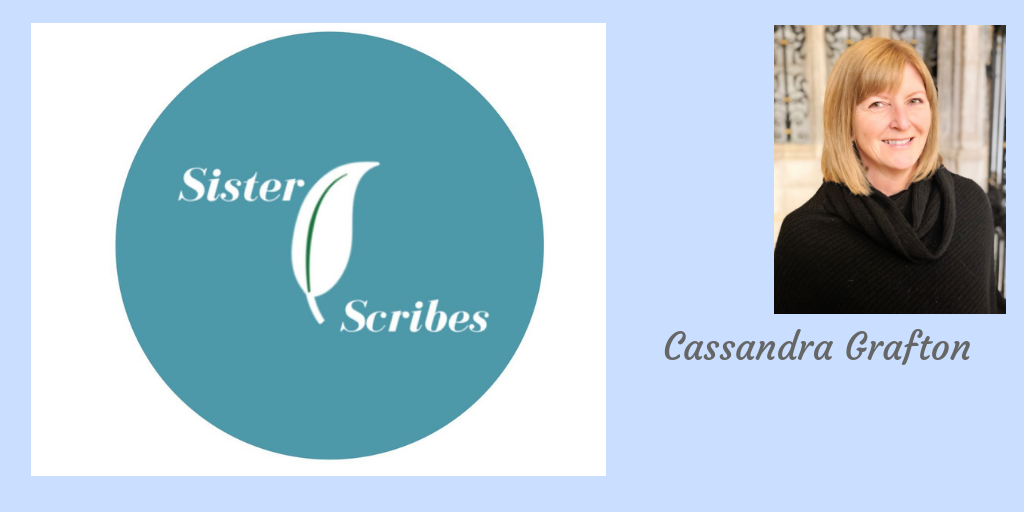
 

SISTER SCRIBES: CASS GRAFTON ON HOW 200 YEAR OLD SISTER SCRIBES HELPED FIND A CHARACTER

Writers have various ways of defining the characters in their books. When one of your characters is, or was, a real person, however, surely it’s so much easier?

Well, that depends on whether you’re sensible and choose someone about whom there is a wealth of fact available, along with authenticated portraits or photographs. If you’re not sensible, and I’m sure you can tell where this is going, it’s not quite so easy.

I co-write with my friend, Ada Bright, and because we have to ensure we’re imagining our characters with the same face and figure, we usually turn to the great Oracle that is Google Images for their appearance. This works brilliantly, unless your character is Jane Austen.

There are a few portraits that claim to be of Jane, but only one showing her face is authenticated. It’s a small pencil and watercolour drawing by her sister, Cassandra, and said by one of Jane’s nieces to be ‘hideously unlike’, whilst others claimed ‘perhaps it gave some idea of the truth’. Faint praise indeed.

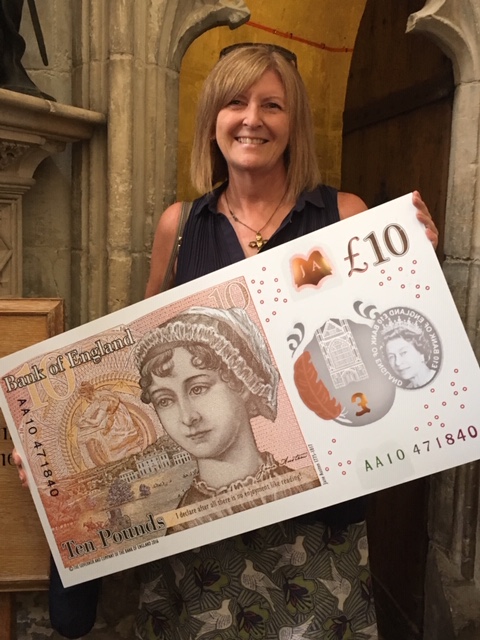
Needless to say, as the only authenticated image, it has been widely used, mainly in an increasingly prettified form over the years, most recently on the new ten-pound note.

We were left, therefore, with written accounts of Jane Austen’s appearance. These vary in the eyes of the source, but there are some common similarities: she was tall and slender, her brunette hair was long but cut short around the face to form curls, as was the fashion at the time, and she had hazel eyes, full cheeks and a clear complexion.

This helps our imagined physical manifestation of Jane. But what about her personality?

One of her brothers, Frank, then Admiral Francis Austen, wrote of her in 1852:

‘She was cheerful, not easily irritated, a little shy with strangers. Her natural reserve was sometimes misinterpreted as haughtiness. She was kind and funny, never failing to excite “the mirth and hilarity of the party”.’

Letters, therefore, became our best source. Jane and her beloved elder sister, Cassandra were incredibly close. Even as a child, their mother claimed that ‘if Cassandra were going to have her head cut off, Jane would insist on sharing her fate’.

Jane and Cassandra enjoyed a healthy correspondence when apart. Although we can ‘hear’ Jane’s voice through the characters of her novels, in her correspondence she is very much herself: open and honest, her wit to the fore, and clearly set upon entertaining her sister even as she wrote about mundane things such as the weather, the neighbours and the price of bread, including:

‘Next week I shall begin operations on my hat, on which you know my principal hopes of happiness depend.’ (1798)

‘I do not want people to be very agreeable, as it saves me the trouble of liking them a great deal.’ (1798)

‘I will not say that your mulberry trees are dead but I am afraid they are not alive.’ (1811)

‘He has but one fault, which time will, I trust, entirely remove – it is that his morning coat is a great deal too light.’ (1796)

‘She looks remarkably well (legacies are very wholesome diet)…’ (1808)

Although Cassandra destroyed many of Jane’s letters shortly before her own death, we are grateful to her for passing so many on to family members. It is thanks to her that we were able to develop Jane’s character, and we hope we did her wit and zest for life justice in our books.


Sources: Jane Austen’s Letters (4th Edition – 2011), collected and edited by Deirdre le Faye; A Memoir of Jane Austen, by James Edward Austen-Leigh (1870)


SISTER SCRIBES’ READING ROUND UP: JULY

Cass:

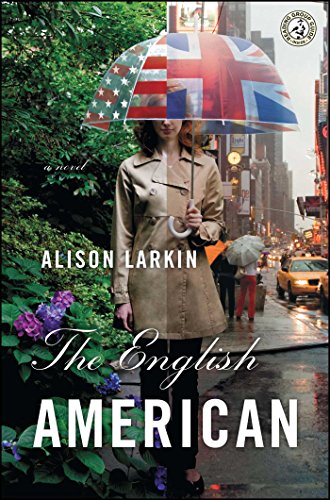
“Everyone should be adopted, that way you can meet your birth parents when you’re old enough to cope with them.” So says Pippa Dunn, the eponymous heroine of Alison Larkin’s debut novel, The English American (which has its roots in her autobiographical one-woman comedy show of the same name).

Adopted as an infant and raised terribly British (attending a posh boarding school, able to make a proper cup of tea and in the ‘love’ camp for Marmite on toast), Pippa – now 28 – discovers her birth parents are American. Finally, she begins to understand why she’s so different from everyone she knows.

Pippa sets off for America, soon meeting her creative birth mother and her charismatic birth father. Moving to New York to be nearer to them, Pippa believes she’s found her ‘self’ and everything she thought she wanted. Or has she?

This is a hilarious yet poignant story where you are laughing out loud one moment and holding back tears the next. Pippa’s journey is very funny, yet deeply moving, and I highly recommend The English American to anyone who loves to finish a book with a smile on their face and a warm feeling in their heart.


Kitty:

I’ve been in editing mode this month so have listened to audiobooks to relax, sitting there as the words wash over me reminds me of story tapes and childhood and I quickly sink into a blissful state.

Helping me do this was Celeste Ng’s Little Fires Everywhere.  Having read rave reviews and knowing it had been optioned made me curious and I was greatly rewarded for being so. I got utterly caught up in the story of the families in this book, Ng’s characterisation deft and skilful with surprises around every corner as she explores themes of motherhood and social class.

I’m currently listening to Sally Rooney’s Normal People and again can’t help but admire the way she captures that insecurity and self-doubt of adolescence that lies behind the masks we don. Two remarkably skilful writers that I highly recommend.

I’ve also devoured Jill Mansell’s Don’t Want To Miss A Thing – in book form. As ever, Jill Mansell can be relied upon to be utterly perfect as she delivers that hit of escapism and brings a smile to your face. Faultless.


Jane:

I’ve been reading two books set in Italy this month; both romances and both by members of our ‘Take Four Writers’ team from last year. But apart from that they couldn’t have been more different and it was a joy to be reminded how broad the church of romantic fiction is.

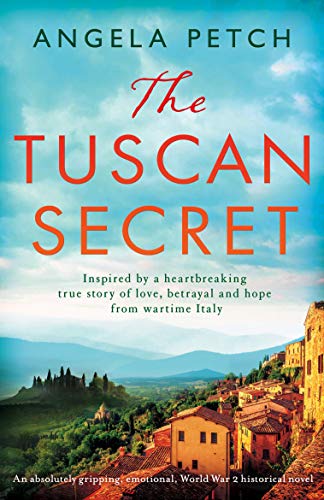
The first was The Tuscan Secret by Angela Petch. This is a dual timeline between the present day and the Second World War and the historical part is loosely based on Angela’s husband’s family. Tuscany is a part of the world she knows very well and her love for it shines through in the achingly beautiful descriptions of the settings. This very gifted writer can certainly take you with her, both in terms of location but also the richness of the story. It’s a much loved trope (daughter is left to discover mother’s secret after her death) and so well told I really missed the characters when I had finished reading.

In complete contrast Lucy Coleman’s Summer on the Italian Lakes is a thoroughly modern love story. After a rather nasty bout of writers’ block, romance author Brie Middleton agrees to help out at a summer retreat on Lake Garda, and of course love is just around the corner. What I particularly liked about this book was the ‘shape’ of the romance – it wasn’t formulaic or predictable – but to say more would be a spoiler. The characterisation was fabulous too and it makes a great holiday read.

SISTER SCRIBES GUEST: DAISY TATE ON GAL PALS

I’m over the moon to invite the wonderful Daisy Tate to the blog today. I met Daisy at a conference a couple of years ago and have reached out to her many times for the huge amount of wisdom she carries. From worries about contracts to the far more personal she is never anything but supportive, perceptive and insightful. Daisy, you’re a queen. 


Hello and thank you so much for letting me thumb a proverbial ride with the Sister Scribes.

The sun is sort of shining, the cows are out to pasture, and I’m counting myself a lucky bean as in a couple of week’s time my first book is coming out and let me just say…this baby wouldn’t have seen the light of day if it weren’t for my gal pals.

Happy Glampers is a four parter about four women (there’s a theme here) who were roomies in uni, lost touch, and are now rekindling their friendships en plein air. You can indulge in little one quarter reads or go mad and read the whole thing as they’re releasing all of them in a oner. One of the best parts about writing it was staring up at my corkboard where I pinned pictures of friends who are constant reminders of just how special female friendships can be. I was never a clique girl. Terrified of them in fact. Terrified because I was afraid of being kicked out for being the kooky, lone wolfish, drama nerd that I was. But now that I am a (vaguely) grown up woman, I am finally beginning to realise just how important the risk taking is. Is it scary to let someone close? Always. Are the rewards of a tight friendship incalculable? Absolutely.

Firstly, a good friend will tell you if there is spinach in your teeth. And a whole lot more. Like reading the early drafts of your novel for instance. I cringe to think of how awful my book was in the beginning (sheer genius, obviously glinting through, but…there was a lot of dreck to chisel away). None of that shiny polished prose would’ve seen the light of day if it hadn’t been for my gal pals who read this book over and over until it was finally deemed ready for the general public. Trusting that you’re going to get honest feedback is a huge thing. Trusting that your friendship can survive  constructive criticism is also a rather stupendous experience.

Being invited to appear with the Sisters Scribe-tastic is a testament to just how supportive women writers are. When I first entered the magical world of writing a few years ago I was prepared to get my very short nails out and, well, not claw my way to the top because I have zero upper body strength – but at least fend off any scary foes. THERE ARE NO FOES in the world of women’s fiction. (Please let this not be the moment where I unearth a mortal enemy). Along this windy path I’ve walked, I have only met people who are there to help others (like Kitty Wilson!). All of which is a hugely long-winded way of saying if you think you’re in this journey alone? You don’t have to be. You’ve got a host of friends – ready and willing to stand up by, beside and for you. So go for it.


Daisy Tate loves telling stories. Telling them in books is even better. When not writing, she raises stripey, Scottish cows, performs in Amateur Dramatics, pretends her life is a musical and bakes cakes that will never win her a place on a television show. She was born in the USA but has never met Bruce Springsteen. She now calls East Sussex home.

Twitter:  https://twitter.com/DaisyTatetastic

Facebook:  https://www.facebook.com/daisy.tate.92167

Instagram:  https://www.instagram.com/daisytatewrites/

Goodreads:  https://www.goodreads.com/author/show/18660359.Daisy_Tate

SISTER SCRIBES: SUSANNA BAVIN ON SKIPPING

Do you ever skip parts of a book? You don’t want to give up on the book because you’re interested enough to want to know the ending… but, still, you find yourself skipping through bits of it.

I have a group of friends I meet up with each week for coffee – well, hot chocolate, in my case. We talk about all kinds of things, but this week there was a conversation about books and one friend talked about a book she had started reading with pleasure, but then she had gone off it a bit, though she still wanted to know what happened at the end, so she had skipped parts of it.

That got me thinking about what might make a reader skip bits of a book and I have come up with three reasons why I have done it:


  1. Padding…

… by which I mean excessive description. Yes, description is important – of course it is. It creates the setting and contributes to the mood and atmosphere. It deepens the reader’s relationship with the character and submerges the reader more fully in the book. But you can have too much of it. It shouldn’t make the description read like a piece of authorial self-indulgence. I’m thinking now of a book in which the writer spent two whole pages describing the kitchen(!). And then there was the novel in which an architect spent a whole chapter walking round a city, admiring its buildings and finding inspiration for his own work. It didn’t advance the plot – or if it did, I missed that part because I skipped to the next chapter.

  1. Lecturing

Or should I call it The Dreaded Lecture? In another novel involving a real theatre, the author had obviously done his homework – the operative word being ‘obviously.’ He couldn’t stop himself sharing every single thing he had learned about the theatre’s history. It turned into a page and a half of lecture. It didn’t advance the plot and nothing in the paragraphs of history was ever referred back to as being a crucial detail later on in the book. In fact, this theatre appeared only once in the narrative and then the action moved on elsewhere. In other words, the author hadn’t understood that, just because you’ve picked it up in the course of research, doesn’t mean you have to commit it to paper.

  1. Back Story

I’m not saying there should never be back story. Some is essential to an understanding of the plot, but entire chapters of it…? I came across a book a while ago, which involved a family which, in spite of minor tensions, was clearly happy and united, with Mother as the lynch-pin. Early on in the plot, Mother died in a freak accident. How would her adoring husband cope? What fresh responsibilities would fall on the shoulders of our young heroine? What would happen next? What actually happened was a trip back in time to wander through Mother’s childhood and see how she grew up to meet and marry Father. I wasn’t interested in that – I wanted to know what happened next.

SISTER SCRIBES: JANE CABLE ON BOOK BIRTHDAYS

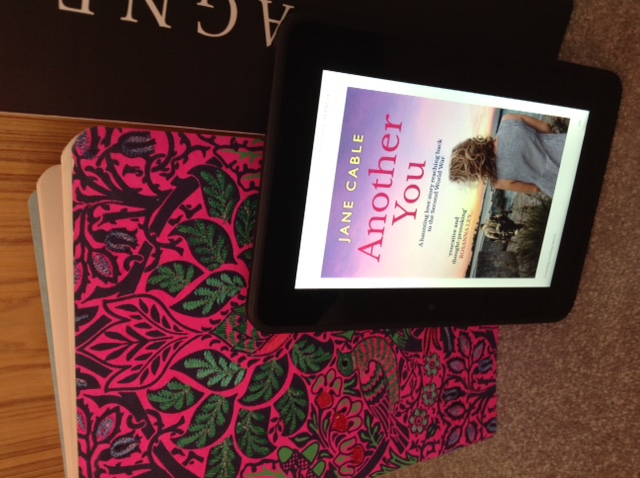
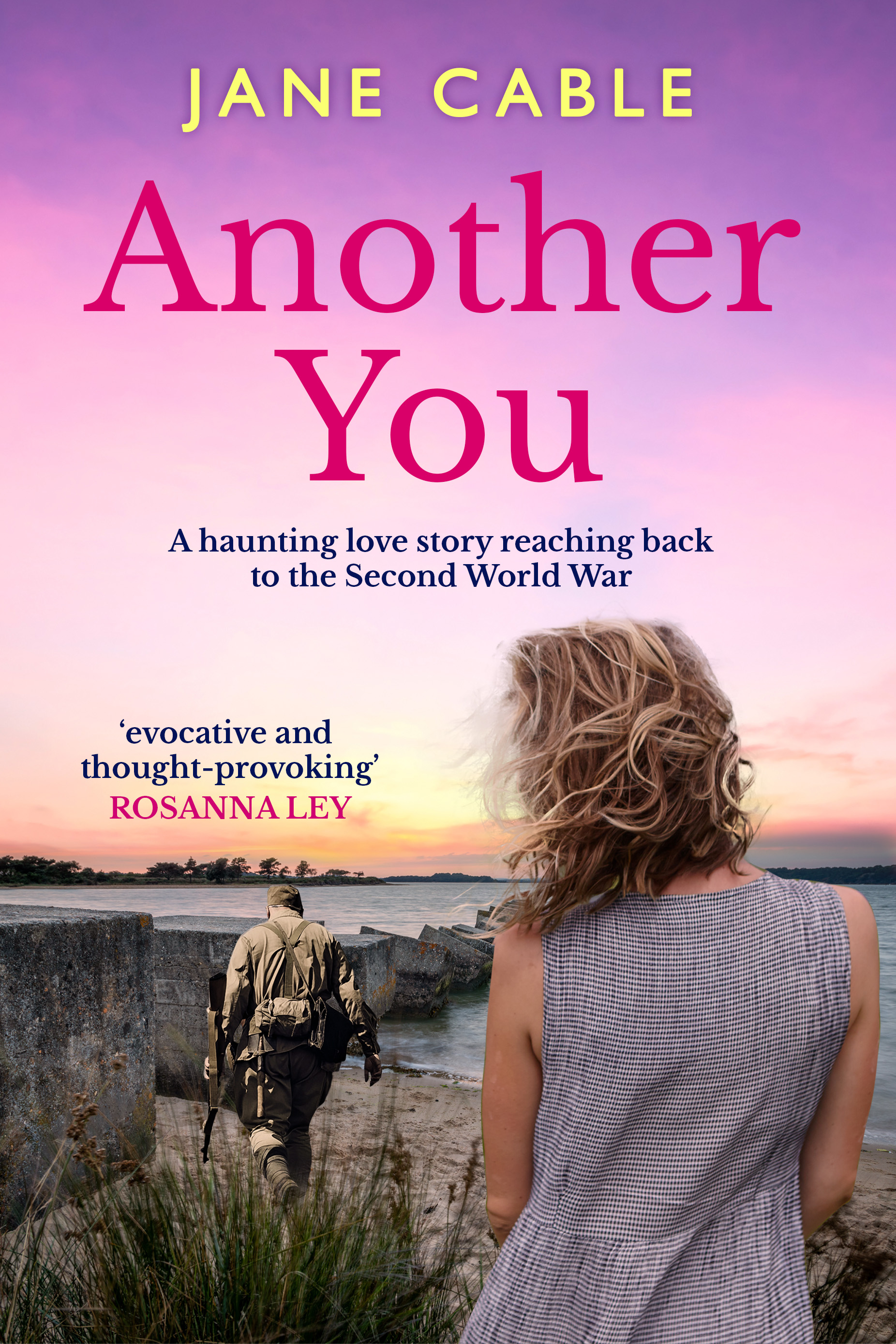
My latest book, Another You, was published at the end of last month. Actually, it was re-issued, but the experience was so different this time, it’s hardly felt as though it was ever out there before.

With its previous publisher, it slipped into the world unnoticed. I was given no prior warning then suddenly, there it was on Amazon. For a few days I told no-one, then somebody noticed and the cat was out of the bag. The week before Christmas. Not great timing for what is essentially a summer book.

Of course I had a certain trepidation signing with another publisher after that, but I could already see from the outside looking in that things would be different with Sapere. There was proper editing, for a start, and although the story is the same it is tighter, neater, with their input. And although last time the cover was good, this time it is knockout. When I saw the image of the soldier walking away, head bent, I cried. Because whoever had briefed the designer totally got the story.

Next there was a decent pre-order period with a boost of advertising and a mailer to kick it off. The result was it rocketed up the Amazon charts and although things have calmed down a little now I know the book is selling. And its presence on Netgalley has been skilfully used to generate reviews from trusted readers, which has not only raised Another You’s profile but has also given me a rich vein of content for social media.

With the pre-orders having gone so well I didn’t expect too much from publication day itself, but I was knocked out by the support I received on social media, especially from members of the Romantic Novelists’ Association. They are a generous hearted bunch and I seemed to spend much of the day saying thank you, which was only right. There was considerable support from my buddies at Chindi Authors too.

The day before some lovely flowers had arrived from my Sister Scribes and they were looking glorious in their vase in the sunshine. There was also a parcel, which contained a gorgeous embroidered notebook and pencil case, in colours that toned beautifully with my book cover. Next an email popped into my inbox with a voucher for a spa day at the marvellous Scarlet on my beloved north Cornwall coast. To say I was overwhelmed is a bit of an understatement.

The day became even stranger, when no doubt prompted by all this activity my husband downloaded the book. To put this into context, he has never before read anything I’ve written outside the world of cricket journalism. To be fair, he’d been talking about downloading Another You for a while, but there wasn’t any point if he had no intention of reading it. This time, he says he will, but I have to say I’ve seen no moves to do so yet.

Then, just when I thought all the fuss was over, the doorbell rang again and a bottle of champagne turned up – again, courtesy of my Sister Scribes. These amazing, amazing, women. I am truly humbled to have them as my friends.

The point is – they get it. They’re writers too, so they know how publication day should feel. They know it should be special enough to mark the fruition of what is months, and sometimes years, of work. Every book needs a proper birthday, and this is one I will never forget.

SISTER SCRIBES: JUNE READING ROUND UP

Susanna:

Since our own Jane Cable’s Another You has been reissued, I’d like to celebrate the gorgeous new cover by sharing my review – and please be aware that I first read this book long before the Sister Scribes were even thought of.

In places I found Another You painful to read, because the heroine’s unhappy marriage, which is inextricably linked to her work life, was depicted with such understated realism. This is an intriguing read from start to finish, blending romance, domestic problems and a mystery that kept me turning the pages. Present and past seem to merge together… or do they? Above all, this is a story about the long shadows that can be cast by war. It is skillfully written and kept me guessing right to the end. Every time I thought I had worked out the answer to the mystery, something happened to make me question it again, including an unexpected final twist. This is that very rare thing – a book that makes you think.

Of the four books Maddie Please has written so far, Come Away With Me is my favourite. The characterisation feels deeper and more rounded, especially as the two sisters, Alexa and India, come to know and appreciate one another fully as the story develops. The plot is clever, fast-moving and often funny, the humour being derived from descriptions of life on board a cruise ship. Trust me – this story will make you want to enrol for towel-folding lessons! An uplifting, feel-good read with laugh-out-loud moments as well as moments of true poignancy.


Jane:

I am fast coming to the conclusion there are two sorts of books in my world; books I absolutely adore and books I read because they are rip roaring successes in the world of mainstream romance. And with a few notable exceptions, rarely the twain shall meet. I’ve been busy trying to analyse why, and I guess it’s the same reason that I’ll probably never write one of those rip-roaring romantic fiction successes – there’s just not enough ‘meat’ in them for me.

Lorna Cook’s The Forgotten Village was a case in point. Don’t get me wrong – it’s a good book and I enjoyed it, but it didn’t make me go ‘wow’. It’s well written with all the best-seller ingredients and if you want a great, light read for the beach then I would urge you to buy it. But to me it all seemed a bit inevitable – I guessed more or less what would happen in both timelines early on, but let me stress again – I still enjoyed the journey. I guess what I’m trying to say is it didn’t challenge me, which was why it earned four stars from me on Amazon and not five.

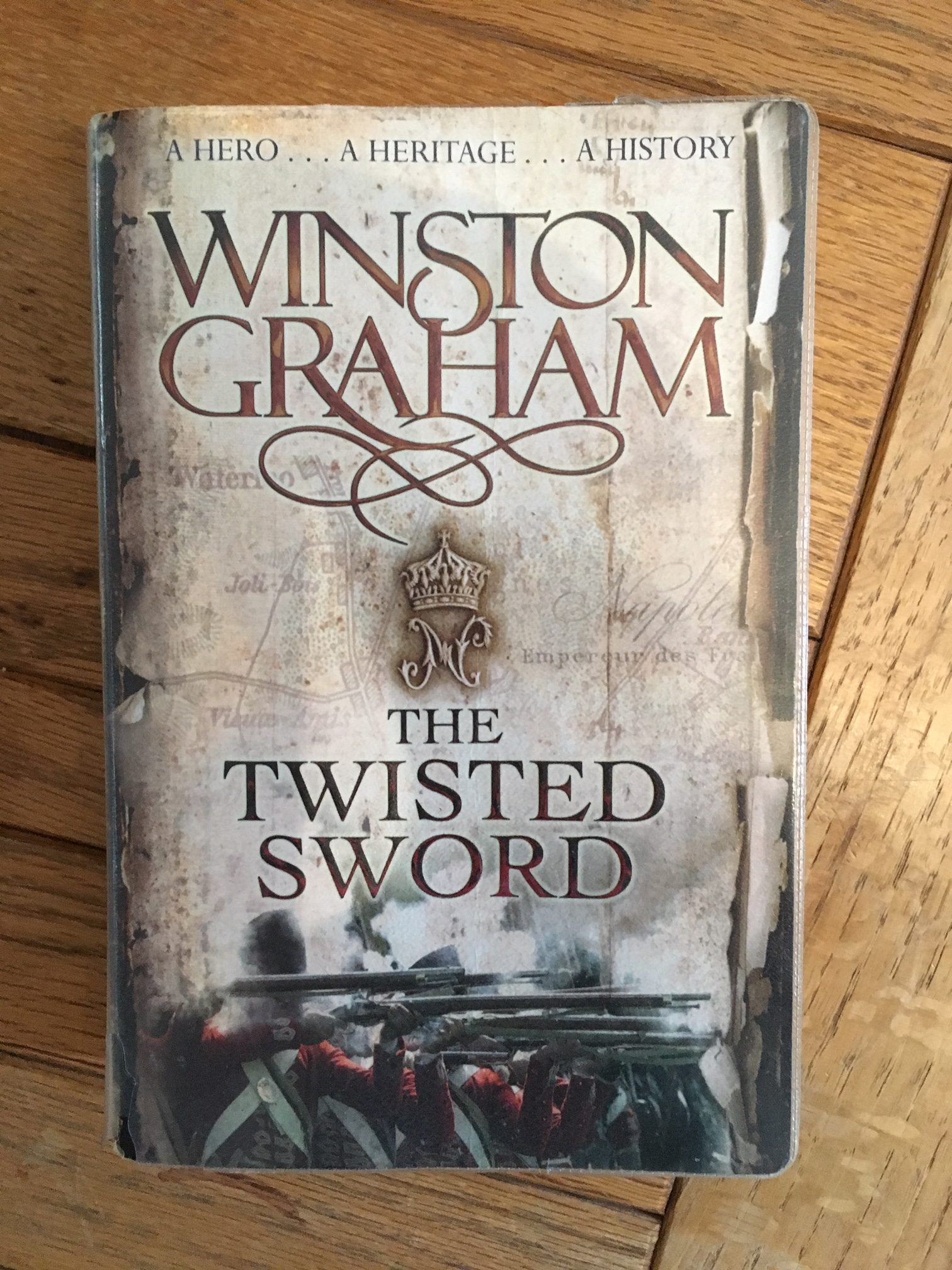
Other than that my reading has taken a bit of a back seat as I launch one book, complete the manuscript for a second, and start to research a third. But research has led me into a glorious place – the eleventh book of the Poldark series, The Twisted Sword. Set in Cornwall, France and Belgium in 1815 it was perfect for my background reading and I know Winston Graham’s research to be precise so I can rely on his realistic portrayal of the era.

It meant I skipped a large chunk of the series but it was actually quite easy to pick up what was going on – with the help of a family tree in the front of the book. Ross and Demelza travel to Paris during the brief return of the Bourbon regime and the adventure unfolds from there, interwoven with the lives of their older children in Cornwall and Brussels. So far it’s a great read – I reckon one of the best.


SISTER SCRIBES GUEST: GABRIELLE MALCOLM ON THE MYTHS OF A WRITING LIFE

I’m delighted to welcome author, Gaby Malcolm as our guest! She’s an inspiration to me, and here she’s sharing her thoughts on juggling being a writer with home life!


When I was asked if I would contribute a guest post I was very eager. When I thought about it for a bit I became less eager, and then plagued with doubts, and then I realised I was running out of time, and then I thought ‘commit something to paper, Gaby, get on with it,’ and then I put the kettle on, and then the cat distracted me, and then I woke up at four o’clock in the morning, and then there was a really interesting item on Woman’s Hour (Jenni Murray is SUCH a good interviewer!), and then …. and then ….

This will be a very skittish and disjointed piece, therefore. Forgive me.

See what I did there? Classic. I call it the ‘Visitor from Porlock’ effect. That’s when you explain how you would have done a lot more, only you were interrupted and you lost your flow, but it was going to be utterly brilliant. Thanks, Coleridge!

There is also the ‘Shakespeare In Love’ Syndrome. That’s when writers depict to the rest of the world how the work just flows from their pen as they sit in their little room, once inspiration strikes. That inspiration does not have to involve sex with Gwyneth Paltrow disguised as a boy. Fortunately, or unfortunately, depending on how you look at it.

It’s great when writers portray their process as something strange, easy, or magical.

As a tutor of writing students one of my main jobs is to debunk all these myths about the process. Budding writers sometimes believe they have failed at it if they can’t create a perfect, clean manuscript with the first draft. They think they lack the skills to write if it doesn’t just flow out. LOL is all I have to add to that.

The day I knew I could be a writer was the day I found out I realised I loved re-writes and editing. It’s just the best. I love composition, but when I get to re-writing my brilliant prose, I am happier than a pig in poop! It took me a while. For years I had an academic teaching and writing career. I wrote my PhD thesis during that time and it was then I understood the sheer level of effort and time it took to produce 80-90,000 words. When it was all over, however, I missed it something terrible!

When my life changed, personally and professionally, and the time came to try and reinvent myself, writing was the logical choice. I set myself goals to establish a proper career plan. I aimed to get a full-length book published and find an agent within the first four years, that would see my littlest boy ready to go to school. However, I achieved it within the first two years. A book rapidly followed by representation.

So, I had to juggle and do as much as I could with the children in childcare or at school. That has shaped the kind of writer I have become, needs must. I hit the ground running by 9.15am, once I have the house to myself and work through until 3pm. In that way I have conquered any lack of confidence I had, and developed a ‘get it done’, finisher attitude. I have also grown a really thick skin! I ignore anything other than constructive criticism and have come to admire my own work. Hence, the ‘brilliant prose’ comment above. I like to read me.


Gabrielle Malcolm is a freelance writer and artist. She edited ‘Fan Phenomena: Jane Austen’ (Intellect Books), wrote three plays for Moon On A Stick children’s theatre company, and writes scripts for web series and short films for international clients. Her forthcoming non-fiction book, about Mr Darcy, is due for publication in December 2019 with Endeavour Quill.