SISTER SCRIBES: SUSANNA BAVIN ON A CHANGE OF NAME

In common with many women, I have gone through the process of a name change. I have twice gone through the hassle of changing my surname. Incidentally, if ever you have to send away your marriage certificate, do include in your covering letter a specific instruction that the certificate should be returned to you after the admin people have finished with it. Some years ago, I blithely sent off my marriage certificate… and it wasn’t returned. Not only that, but no one in the office could track it down. In the end, it transpired that someone had stashed it away in the safe – and all because I hadn’t given a specific instruction to return it!

Anyway, I am in the process of having another change of name, but this time it is to introduce a new pen name – Polly Heron – and it’s because I have a new publisher – Corvus, which is the commercial fiction imprint of Atlantic Books. The Corvus list includes women’s fiction, romance, historical fiction, sci-fi, crime and thrillers. As a saga writer, I’m not sure whether I come under ‘historical’ or ‘romance.’ Possibly a bit of both.
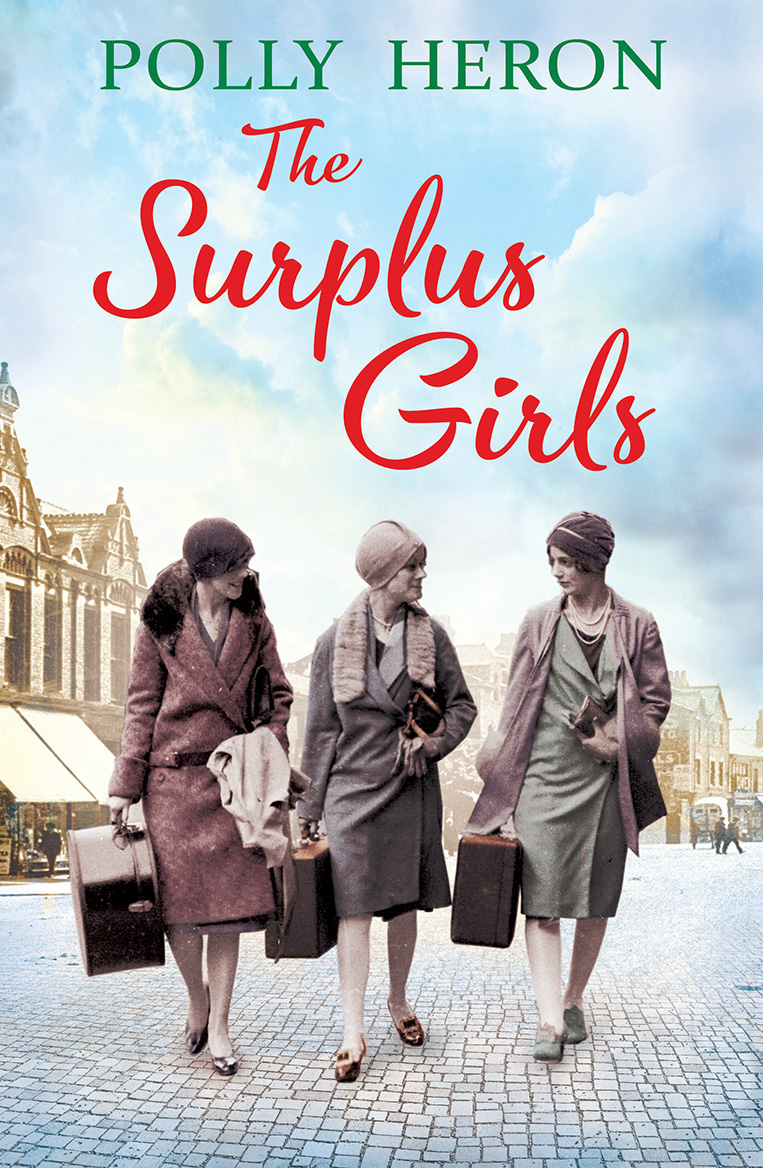
My first book for Corvus is the start of a series. Both the series and the first book are called The Surplus Girls. So who were the surplus girls, exactly?

They were the generation of young women, who, after the Great War, were left without the possibility of marriage, because of the appalling death toll exacted on the battlefields. This was at a time when marriage to a man who could support you and the children you would have, was pretty well universally regarded as the correct and desirable aim for any girl. So these young women, whose possible husbands had perished, found themselves – unexpectedly and without preparation – in the position of facing a future of providing for themselves. Not only that, but no woman could hope to earn as much as a man, even a man doing the same job (sounds familiar?).

Writing about the 1920s is something I have done before, in two of my books written as Susanna Bavin – The Deserter’s Daughter and A Respectable Woman. Although the decade was all but a century ago, to me it feels very close. My parents weren’t exactly spring chickens when they had their children and they were themselves born in the 1920s, so it is an era I grew up hearing about when family tales were told and, of course, I have family photographs as well.

It is in some ways perhaps a bit odd to write about surplus girls in the context of a saga in which, by definition, the heroine will end up with the hero and therefore no longer be a surplus girl, but I hope I have also conveyed both the universal shock and sorrow that pervaded society at the loss of such a large number of men and also the way that these losses brought the lives of individual girls and women into a new, sharper focus as they faced life on their own.
SISTER SCRIBES’ READING ROUND UP: AUGUST

Susanna:

I’ve been reading The Black Silk Purse by Margaret Kaine. This saga is the sort of book which makes you read just a bit more… just another scene… just another chapter. The story has depth and pace, the characters are well-rounded and the mystery surrounding Ella’s past kept me turning the pages. I’m not going to give away any spoilers, but I particularly liked the way the ending was handled. Plenty of historicals overlook the importance of social class, but Margaret Kaine has taken it into account and therefore the happy ending she has written has substance and credibility and rounds off a thoroughly enjoyable book in the best possible way.


Kitty:

I have just taken a whole week’s holiday, full of many joys. One of which was having the time to read so read I did.

I have devoured The Forgotten Village by Lorna Cook, a fabulous timeslip that deftly weaves the story of modern-day romance along with a mystery long buried in the forgotten village of Tyneham, untouched since 1943.

I also managed to get to The Taming of the Queen by Philippa Gregory and cannot believe I have left it languishing on my bookshelf for so long. I have long been a devoted fan and this retelling of the story of Kathryn Parr, the final wife of Henry VIII, has been as satisfying as all her others in both the Tudor and Plantagenet series.

Currently I’m listening to The Flatshare by Beth O’Leary and am loving it as much as I thought I would, brilliant concept and beautiful characterisation.

And finally, this week I read an ARC which I think will be the stand-out book of 2020, but I can’t tell you about it yet. Grrr! Trust me when I can, I will sing from the rooftops so watch this space! It is perfect.


Jane:

I started the month by reading non-fiction; first Georgetter Heyer’s Regency World by Jennifer Kloester (for research purposes – thanks for the recommendation, Cass!) and then a cricket autobiography, probably unsuited to this page so reviewed elsewhere on Frost.

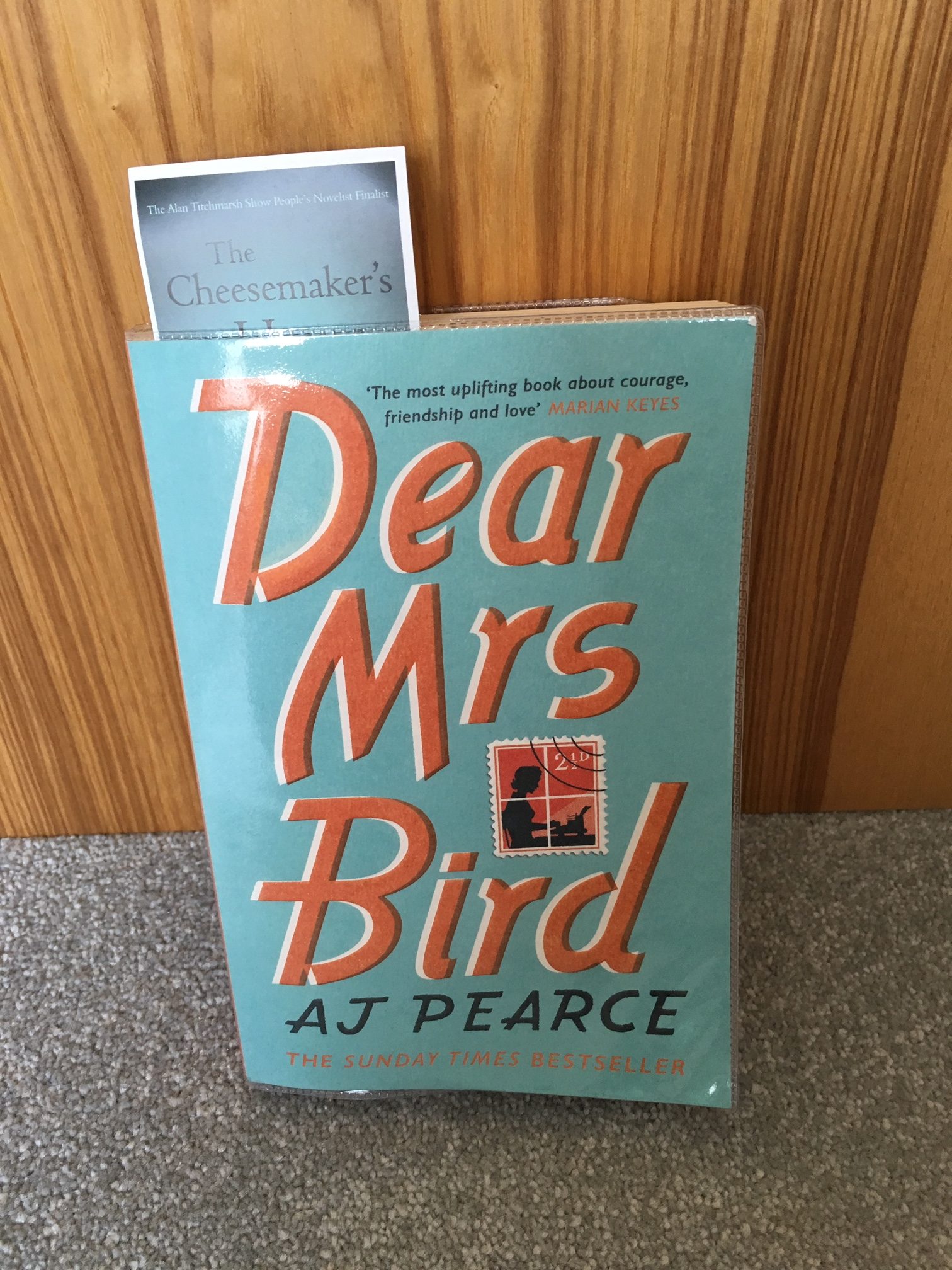
Even with a review copy of Elizabeth Buchan’s new book, The Museum of Broken Promises burning a hole in my Kindle I decided to turn to my book club read for August for some light relief. Also because it was a book I’d wanted to read for ages, A J Pearce’s Dear Mrs Bird. It’s set in London during the blitz and the narrator (Emmy) is a young woman with the narrative voice of Honeysuckle Weeks’ character, Samantha Stewart, in Foyles War.

Emmy’s dream job at a newspaper turns out to be less than perfect when she ends up working for Mrs Bird, an Edwardian throwback with a rather outdated problem page. Initially the book seems to be an amusing light read, but as the blitz worsens the story becomes darker too. The characters are wonderful and I enjoyed every minute I shared with them, although it wasn’t a book that blew me away. Still more than worth reading though.

SISTER SCRIBES: SUSANNA BAVIN ON SKIPPING

Do you ever skip parts of a book? You don’t want to give up on the book because you’re interested enough to want to know the ending… but, still, you find yourself skipping through bits of it.

I have a group of friends I meet up with each week for coffee – well, hot chocolate, in my case. We talk about all kinds of things, but this week there was a conversation about books and one friend talked about a book she had started reading with pleasure, but then she had gone off it a bit, though she still wanted to know what happened at the end, so she had skipped parts of it.

That got me thinking about what might make a reader skip bits of a book and I have come up with three reasons why I have done it:


  1. Padding…

… by which I mean excessive description. Yes, description is important – of course it is. It creates the setting and contributes to the mood and atmosphere. It deepens the reader’s relationship with the character and submerges the reader more fully in the book. But you can have too much of it. It shouldn’t make the description read like a piece of authorial self-indulgence. I’m thinking now of a book in which the writer spent two whole pages describing the kitchen(!). And then there was the novel in which an architect spent a whole chapter walking round a city, admiring its buildings and finding inspiration for his own work. It didn’t advance the plot – or if it did, I missed that part because I skipped to the next chapter.

  1. Lecturing

Or should I call it The Dreaded Lecture? In another novel involving a real theatre, the author had obviously done his homework – the operative word being ‘obviously.’ He couldn’t stop himself sharing every single thing he had learned about the theatre’s history. It turned into a page and a half of lecture. It didn’t advance the plot and nothing in the paragraphs of history was ever referred back to as being a crucial detail later on in the book. In fact, this theatre appeared only once in the narrative and then the action moved on elsewhere. In other words, the author hadn’t understood that, just because you’ve picked it up in the course of research, doesn’t mean you have to commit it to paper.

  1. Back Story

I’m not saying there should never be back story. Some is essential to an understanding of the plot, but entire chapters of it…? I came across a book a while ago, which involved a family which, in spite of minor tensions, was clearly happy and united, with Mother as the lynch-pin. Early on in the plot, Mother died in a freak accident. How would her adoring husband cope? What fresh responsibilities would fall on the shoulders of our young heroine? What would happen next? What actually happened was a trip back in time to wander through Mother’s childhood and see how she grew up to meet and marry Father. I wasn’t interested in that – I wanted to know what happened next.

SISTER SCRIBES: JUNE READING ROUND UP

Susanna:

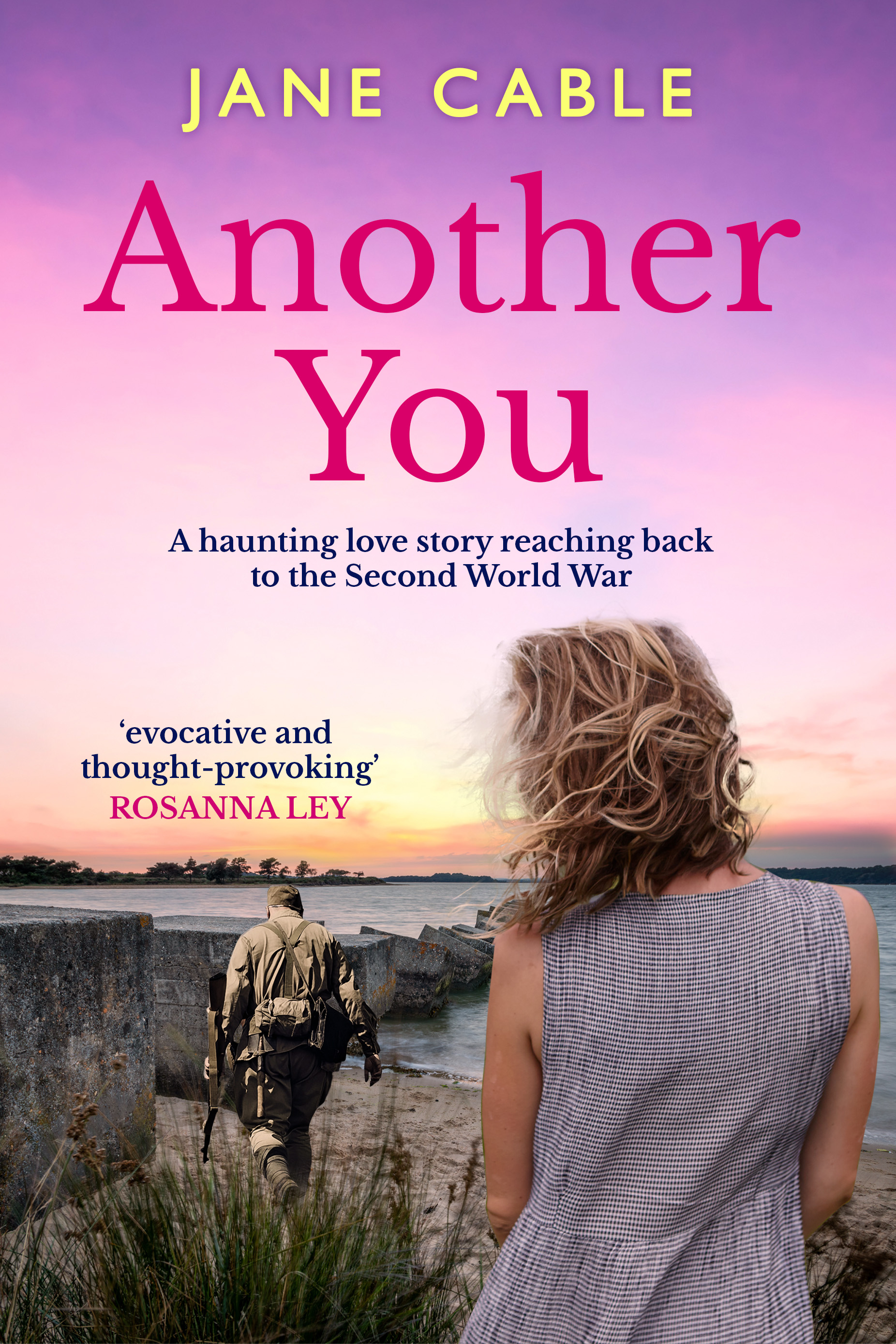
Since our own Jane Cable’s Another You has been reissued, I’d like to celebrate the gorgeous new cover by sharing my review – and please be aware that I first read this book long before the Sister Scribes were even thought of.

In places I found Another You painful to read, because the heroine’s unhappy marriage, which is inextricably linked to her work life, was depicted with such understated realism. This is an intriguing read from start to finish, blending romance, domestic problems and a mystery that kept me turning the pages. Present and past seem to merge together… or do they? Above all, this is a story about the long shadows that can be cast by war. It is skillfully written and kept me guessing right to the end. Every time I thought I had worked out the answer to the mystery, something happened to make me question it again, including an unexpected final twist. This is that very rare thing – a book that makes you think.

Of the four books Maddie Please has written so far, Come Away With Me is my favourite. The characterisation feels deeper and more rounded, especially as the two sisters, Alexa and India, come to know and appreciate one another fully as the story develops. The plot is clever, fast-moving and often funny, the humour being derived from descriptions of life on board a cruise ship. Trust me – this story will make you want to enrol for towel-folding lessons! An uplifting, feel-good read with laugh-out-loud moments as well as moments of true poignancy.


Jane:

I am fast coming to the conclusion there are two sorts of books in my world; books I absolutely adore and books I read because they are rip roaring successes in the world of mainstream romance. And with a few notable exceptions, rarely the twain shall meet. I’ve been busy trying to analyse why, and I guess it’s the same reason that I’ll probably never write one of those rip-roaring romantic fiction successes – there’s just not enough ‘meat’ in them for me.

Lorna Cook’s The Forgotten Village was a case in point. Don’t get me wrong – it’s a good book and I enjoyed it, but it didn’t make me go ‘wow’. It’s well written with all the best-seller ingredients and if you want a great, light read for the beach then I would urge you to buy it. But to me it all seemed a bit inevitable – I guessed more or less what would happen in both timelines early on, but let me stress again – I still enjoyed the journey. I guess what I’m trying to say is it didn’t challenge me, which was why it earned four stars from me on Amazon and not five.

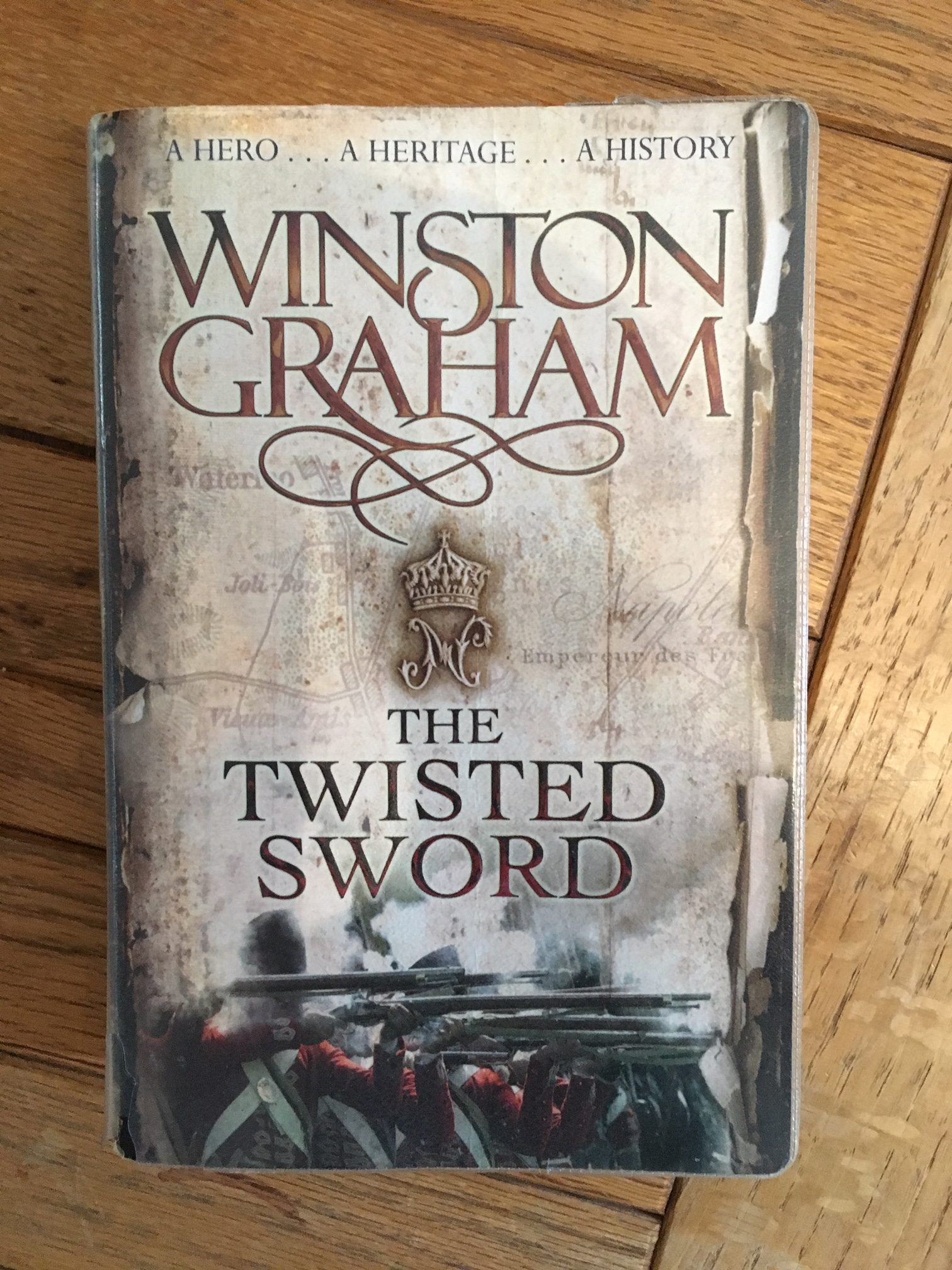
Other than that my reading has taken a bit of a back seat as I launch one book, complete the manuscript for a second, and start to research a third. But research has led me into a glorious place – the eleventh book of the Poldark series, The Twisted Sword. Set in Cornwall, France and Belgium in 1815 it was perfect for my background reading and I know Winston Graham’s research to be precise so I can rely on his realistic portrayal of the era.

It meant I skipped a large chunk of the series but it was actually quite easy to pick up what was going on – with the help of a family tree in the front of the book. Ross and Demelza travel to Paris during the brief return of the Bourbon regime and the adventure unfolds from there, interwoven with the lives of their older children in Cornwall and Brussels. So far it’s a great read – I reckon one of the best.


SISTER SCRIBES: SUSANNA BAVIN ON INSPIRATION


It’s best if I come straight out with it.

I’m a thief.

Don’t be shocked. It’s because I used to be a teacher. I can’t speak for secondary school teachers, but, as a former infant teacher, I can assure you that in primary schools, the staff are a bunch of thieves.

You see a display in another classroom –  in a library – in a gallery – a shop – on Pinterest – anywhere at all – and your first thought is: I could adapt that idea.…

You see another teacher’s lesson and you think: I never thought of doing it that way. I’ll have a go at that. You open birthday and Christmas cards, thinking: Could 6-year-olds make this?

So, yes, I’ve been pinching ideas for years. I’m no longer a teacher, but I haven’t lost the habit. I’m still on the look-out for good ideas, as all writers are.

And they can pop up in the oddest places. Listening to This Morning on Radio 4 last autumn, I heard a piece about the criminal activity of “crossing county lines,” which inspired a plot-thread in a novel set in 1922. Likewise, an unexpected clause in a family will some years ago was adapted to pile all kinds of difficulties onto Greg Rawley’s financial problems in The Poor Relation.

The thing about writers gathering ideas is that you have no control over what will spark off an idea or how that idea will grow. Readers often ask, “Where do you get your ideas from?” I know that some writers have a jokey answer about buying ideas in the corner shop; but the real answer is that they come from all over the place – an overheard snippet of conversation, a photograph, something on the news, something that happens to you or a friend…. But what isn’t generally understood is that the idea is just a spark, not a whole book. You don’t lift your entire plot from real life. A single idea, or a couple of ideas, can be all it takes to make the plot grow. And the final plot will very probably bear no resemblance whatsoever to the original spark.

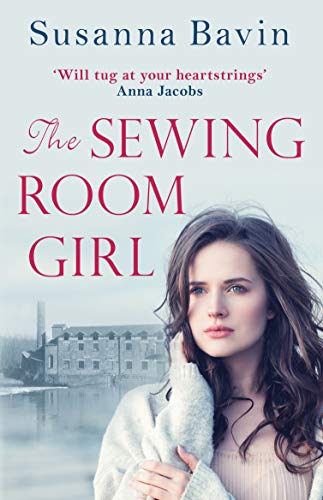
Take The Sewing Room Girl. As I said, I used to be a primary school teacher. The most important job done by any school is safeguarding the children in its care. To this end, teachers undergo regular training sessions to help them understand what they need to be aware of.

Ten years ago, my school gave a training day to safeguarding. Sad to say, much of the training on these occasions is based around discussing real cases. On this training day, an example was given of the way in which a particular adult had kept control of a vulnerable child. Let’s just say that a certain piece of household technology was used as a means of keeping the child in a state of fear.

Out of that single idea came Juliet’s story in The Sewing Room Girl. I should like to make it clear that the household object in the real example did not exist in the 1890s, the time when the book is set. Neither did anything from the real-life case appear in any form whatsoever in the book. But hearing of that frankly appalling and distressing case sparked off the original idea, which over time grew into a complete novel.

Another feature of these ideas that spark off books is that they don’t always get used. The single spark that started me writing The Deserter’s Daughter was an idea for something that would happen in the plot. But no sooner had I created the Armstrongs’ antiques shop in the book than I realised I couldn’t possibly use the original plot-point because the shop was just too posh!

But that’s the other thing about writers’ ideas. Nothing is ever wasted. You will be able to read that particular plot-point in a book that will be published next year….

SISTER SCRIBES: MAY READING ROUND UP

Jane:

My book club selection for May was Monica Ali’s Brick Lane. Now I know most of the world read it when it first came out in 2003 but it somehow passed me by – and I have to say that it’s aged very well. Which I suppose is the sign of a true classic.

It’s a book that threw me into a culture that was on my doorstep when I lived in London in the 1980s but I knew nothing of. It tells the story of Nazneen, a young Bangladeshi woman who comes to England in an arranged marriage to an older man and charts the changes both in her life and that of the immigrant community around her. It’s a richly painted tapestry of experiences which, while not surprising to me, were worlds – if not miles – away from my life. Sometimes that can be an uncomfortable experience, but the characters were so rounded and real the book was an absolute joy and I thoroughly recommend it.

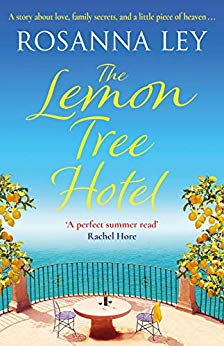
By way of setting, Rosanna Ley’s The Lemon Tree Hotel was a complete contrast. Rosanna is one of my favourite authors so this book was always going to be a pleasure. The story wraps itself around the lives of four Italian women; a grandmother, mother, daughter and close family friend, and although there are secrets and love and a few surprises along the way, it is the bonds that unite – and divide – them, which give the story its impetus.

The relationships between the women in The Lemon Tree Hotel are real, not saccharine in any way. The issues that arise within families, the conflicting loyalties, the misunderstandings but overall the love, whether easily expressed or not. All these and more play out between the generations as change creeps into the beautiful village of Vernazza.

In many ways this book was as different as it was possible to be from Brick Lane, but in both the women stand centre stage across the generations and the skilful way their lives are played out by both authors is what keeps you reading to the end.


Susanna:

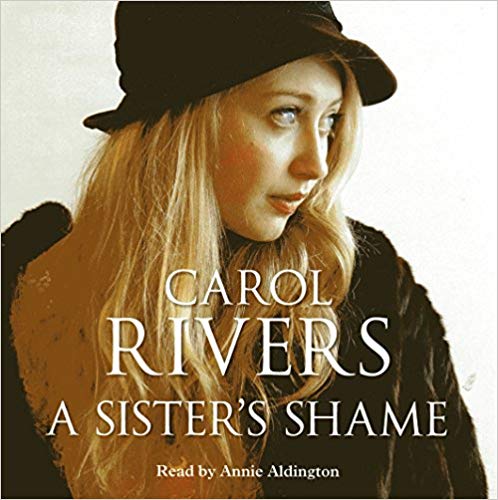
With A Sister’s Shame Carol Rivers has constructed a dramatic and involving plot in a detailed and atmospheric setting. There is an undercurrent of menace throughout and my fingers itched to give Vesta a good shake as, blinded by love and ambition, she threw herself headlong into the new life everyone warned her against.

This is also a tale of relationships in various forms – the bond between twins; long-lasting friendship that turns friends in family; and romance, both real and imagined, one leading to lasting love, the other to a relationship based on control.

Having read and enjoyed A Sister’s Shame some time ago, this time round I listened to it, read by Annie Aldington, who is an experienced and skilled narrator, who brings character and atmosphere to the telling.


Kitty:

This month I haven’t read as much I would like but I have discovered the joy of the audiobook, which I’m finding so addictive that I’m not getting much else done. That, of course, is Susanna Bavin’s fault for her excellent new book, The Sewing Room Girl, which I can’t stop listening to.

I did however have the pleasure of reading the second in Terri Nixon’s Penhaligon series, Penhaligon’s Pride and once again loved the way she describes the elemental nature of Cornwall and the strength of communities within it. A fabulous book.

I also read Mary Jane Baker’s A Bicycle Made for Two, a romcom set in Yorkshire and written with such sharp wit that she had me giggling loudly. She is now one of my favourite authors within the genre.


SISTER SCRIBES GUEST: MERRYN ALLINGHAM ON HISTORY REPEATING ITSELF

“Researching history… changes our perspective, makes connections.” Historical novelist Merryn Allingham tells Susanna Bavin what she found by delving into the story of the Ottoman Empire.


When several members of my book group announced recently they didn’t like historical fiction, I was disappointed. But stunned when one went on to say she couldn’t see the point of history. For me, discovering the past doesn’t just illuminate quirky corners of a bygone age but helps understand the world of today. When I set out to research the background for A Tale of Two Sisters, a novel set in Constantinople 1905 – 1907, it was the nationalism of President Erdogan that I heard in my head, declaiming that Turkey had once been a great power and would be again.

So began my burrowing into the Ottoman Empire, a regime that lasted over five hundred years. The Ottoman Turks were indeed a great power, wielding influence over territories stretching from the Balkan States to the Horn of Africa. A multinational, multilingual empire, that  ended only after the Great War, when it was partitioned and its Arab region divided between Britain and France – helping to explain something of the Middle East today.

My research wasn’t all political. I had my characters travel on the Orient Express – I’d been fortunate to journey on the train myself, to Venice rather than Constantinople. Cocooned in gleaming blue and gold carriages, art deco compartments and mosaic-tiled bathrooms, I stepped back a century. Today the long journey to Istanbul is a once a year event, but in the early twentieth century it was part of the regular timetable and I gave my heroine the chance of travelling alone for the first time time in her life and to an unfamiliar, exotic destination.

I enjoyed researching old timetables, calculating how many days, how many hours, between one beautiful capital and the next – Paris, Munich, Vienna, Budapest, Bucharest – locomotives changing at every frontier, as one national railway system handed over to another. In all, the train covered a route of more than 1,700 miles before reaching Sirkeci station in Constantinople.

Topkapi Palace was my heroine’s destination and I still retain a vivid memory of my visit there. It was one of many Ottoman palaces in the city, sultans moving their court from palace to palace, often in response to external threat. Even though I saw only a small portion of Topkapi, I was overwhelmed by its opulence and beauty.

For this book, I wanted to dig deeper, wanted to know what life was like for the women who lived there around the  turn of the century. I’d read accounts by a number of intrepid female travellers to the Orient – Lady Mary Wortley Montague, Mabel Sharman Crawford, Mary Lee Settle – and been struck that, almost to the woman, their experience ran counter to the prevailing European stereotype of Turkish women as either decadent concubines or slaves.

Women spent most of their lives within the home, it was true, but within those four walls, they had absolute sovereignty. The harem was a sacrosanct space, not just a place where women were guarded, but a place of retreat to be respected. And if they ventured outside, always with a female companion, they were treated with courtesy. It was considered a sin to stare at women in public, for instance, and if a man behaved badly towards a woman, regardless of his position or religion, he would not escape punishment.

The truth, as always, is mixed. The Ottoman Empire was both civilising and brutal. Slavery continued until the last days of the empire, yet it was time limited for the individual and could be a means of social mobility. The children of the court were much loved, but in the early days of the empire, fratricide was frequent – the Ottomans did not practice primogeniture and male relatives seen as a threat to the potential sultan could be executed or imprisoned.

Researching history complicates that first simple ‘take’ on a culture and a period, changes our perspective, makes connections. And, crucially,  illuminates our own troubled present. Worth paying attention then!

SISTER SCRIBES: APRIL READING ROUND UP

Susanna:

Have you ever read a book that was so good that, while you looked forward to reading more by the same author, at the same time you couldn’t help feeling a bit wary of doing so – you know, in case the next book didn’t live up to expectations..? For me, psychological thriller writer Linda Huber is one of these writers. Since reading The Cold Cold Sea, I’ve never been able to open another of her books without that little iffy moment of wariness.

Linda Huber’s strength lies in her ability to build a creepy atmosphere that creates a thread that runs throughout each book, growing stronger the further you get into the plot. Her latest book, Stolen Sister, is billed as a ‘gripping family drama,’ but it is much more than this. It is a well-crafted, psychologically complex story that is fueled by strong characterisation. It is a chilling tale of ordinary people in what they gradually realise is an extraordinary situation and I wanted to reach inside the story and tell them what was really going on. A thoroughly gripping read.


Jane:

The first of my holiday reads followed me around for a while after I’d finished it – always a sign of a great book as far I as was concerned.

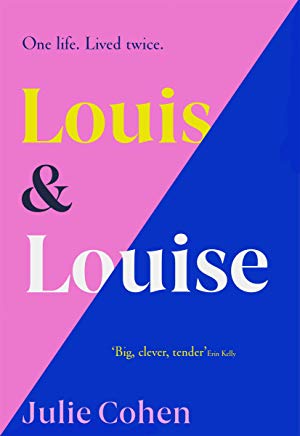
I was absolutely fascinated by the premise of Julie Cohen’s Louis and Louise; one life lived twice in a different gender. As well as being a satisfying story it made me think long and hard about gender identity and how it is shaped from childhood and the choices we make – often unwittingly – because of it.

Julie Cohen is a great storyteller and the small town in Maine where most of the book is set came to life in her skilled hands. It takes Louis and Louise from birth until their early thirties, flashing between the present and the defining moments of their childhoods. I found their relationship with their twin friends (a boy and a girl) echoed their own gender identities beautifully.

One thing that jarred a little was the few paragraphs – one quite early on – where the author ‘stepped in’ and explained to the reader what was happening and this really wasn’t necessary.  To me it smacked of over zealous editing on the part of the publisher and was quite annoying being treated like an idiot. Otherwise a great book I’d thoroughly recommend.

Also on holiday I struggled through Jane Austen’s Sense and Sensibility (sorry Cass!), mainly for research purposes, and read Angela Barton’s Magnolia House. This romance has received a ton of five star reviews and tells the story of Rowan, whose life spins apart just after she moves to London and how her new housemates and old friends help her to pull it back together.

But my most amazing holiday read of all was Madeleine Bunting’s Island Song. I’m a fussy reader at the best of times, but this marvellous novel drew me in right at the beginning and held me there until the end. The writing is so natural, so clever, I don’t even really know why it is so effective, but it carried me into a world of wartime Guernsey and 1990s London I was reluctant to leave.

The premise is not an original one; mysterious mother dies leaving daughter to uncover the truth about her life, but the richness of the storytelling and the layers of complexity made it an absolute joy to read. Easily my book of the year so far and I recommend it without reservation.