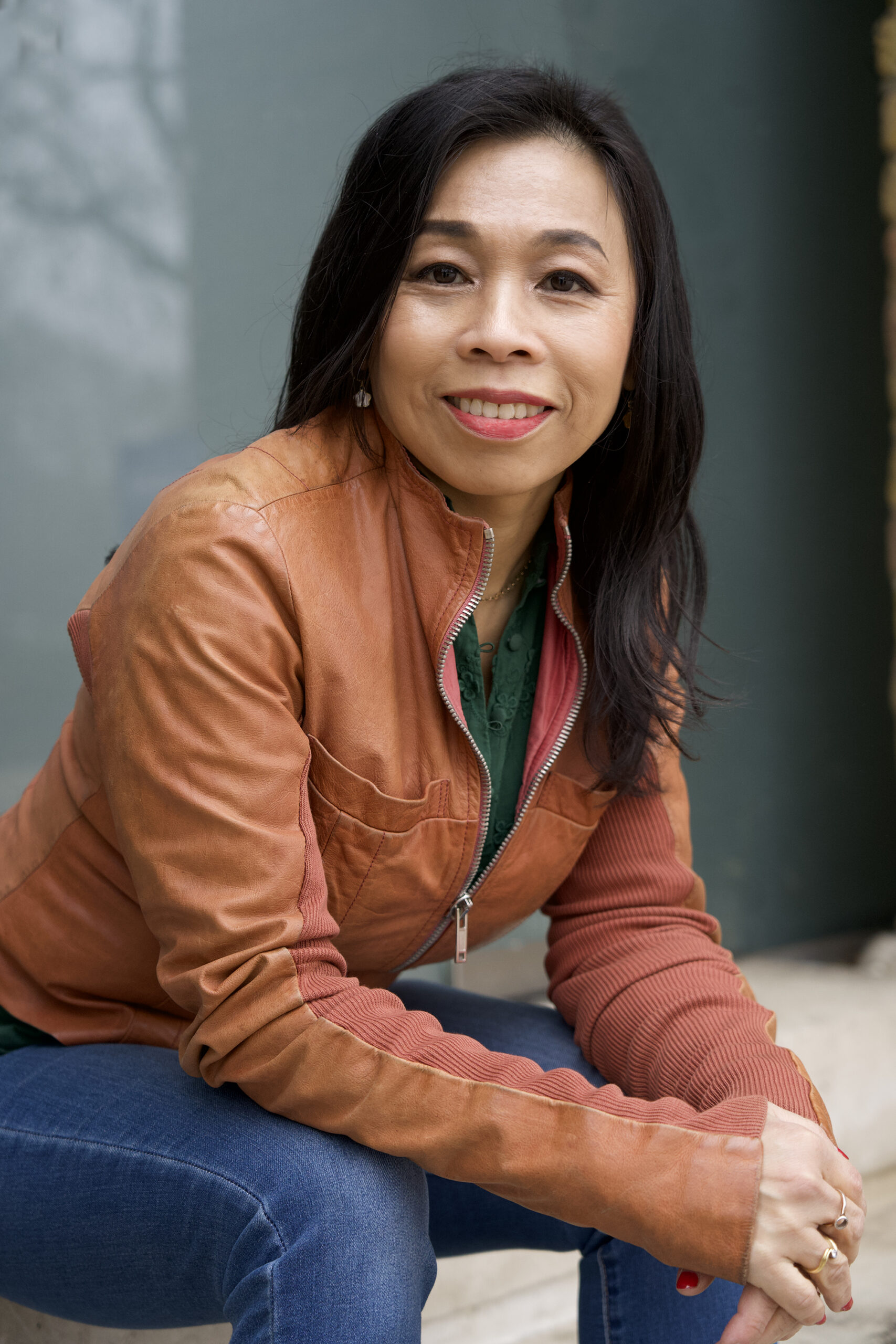
Interview With Ivy Ngeow Author of In Safe Hands

Tell us about In Safe Hands.

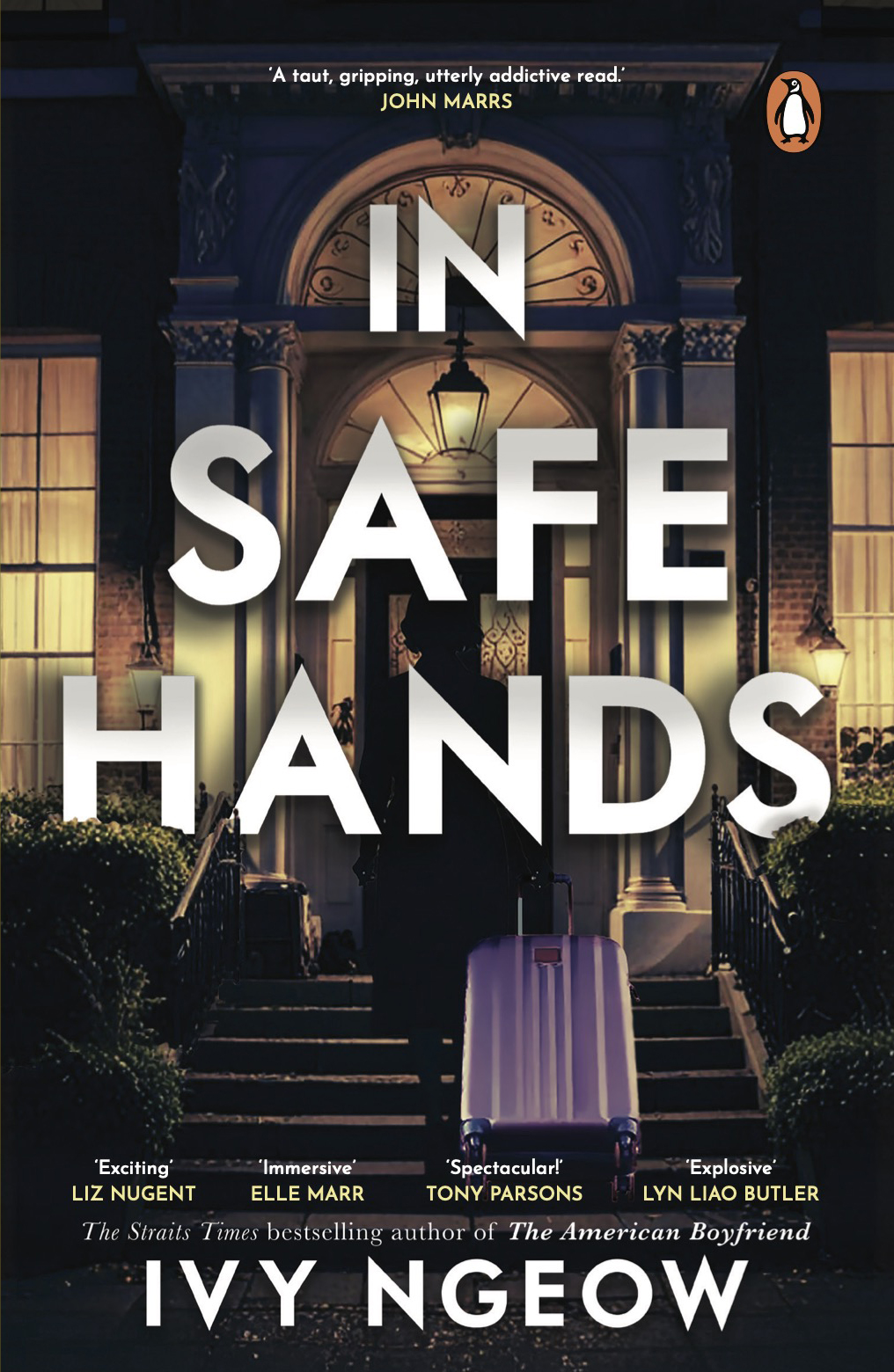
In Safe Hands is a psychological thriller set in London and Singapore, about a once successful but now penniless woman who seeks help from her elderly, wealthy father but finds that her role has been replaced by an attractive and efficient caregiver.

Where does your inspiration come from?

For me, inspiration comes from reading, theatre, sightseeing and walking, travel, TV and movies. I very rarely take inspiration from real people as I want to create settings and characters that are larger than life. Fiction is about stretching the boundaries of our imagination. For In Safe Hands, I was inspired by the class struggle and status consciousness in both Singapore and London, two parallel cities absorbed with economic and commercial growth which made me want to write about the have and have-not characters.

What does it feel like to be published by Penguin Random House?

Like most authors, I grew up on Penguin classics. I used to admire the plain orange spines, and wonder how I would ever write a book that appears on the shelf with the Penguin logo. When I received an offer 9 months after submission for The American Boyfriend, I thought it had to be a scam. I didn’t even reply for a week. After investigating the email, I was grateful that I was going to be not just an author, but a Penguin author.

Can you describe the moment you signed your book deal?

The moment I signed my book deal, I felt excited and light-headed, Prosecco-filled and buzzing. This was swiftly followed by a heavy responsibility, and also that I was an amateur and not good enough. Although in theory every author feels a debilitating sense of anxiety and inferiority, I felt the pressure of no longer someone who was just messing about, experimenting with writing, with sporadic success. Now I was a “real” writer and there were consequences, which were a sense of professional duty to perform, the urge to gain readers from all over the world, while developing my author brand, and finally the responsibility in delivering a top quality product to the world.

Tell us about your writing journey.

My writing journey actually began quite early, even though I only published my debut novel in my late 40s. I was writing short stories throughout my childhood for fun. Some received national commendation. I had always been interested in competitions, in case I won something. A real breakthrough came when one of my short stories was broadcast on the BBC World Service. I was actually even paid for it. It was the first time I had been paid for my writing. Gradually I entered more competitions and eventually won two big first prize competitions. 

Encouraged by my initial success, I signed up for an MA in Writing. I began writing my first novel then, which won a literary prize in Hong Kong. After I started writing novels, I was less interested in writing short stories, which I saw as something you do in between novels, like a side dish or a snack. I really enjoy investing time and energy into novel writing, which I feel is all-consuming and more like a satisfying, seriously rich meal.

In Safe Hands is your sixth book. Does it get easier?

Yes and no. They’re like children. The problems change and get bigger. Before, they just come out, exist and you make sure they don’t die. Then, when you have more books, you have to look after the whole family, your brand identity, your own development, the commercialisation of your writing, your publishing strategy and plan. There is no more hodgepodge or random scribblings, unless they are just for fun. The marketing and promo is the least fun bit of being an author, yet a significantly and disproportionately large part of publishing today, to the detriment of the fun bit: just writing. Everytime I make a reel, I know I’m not writing.

Which book is your favourite?

In Safe Hands is my favourite book. I say this not just because it is my latest book. I have made meteoric improvements since my debut 8 years ago. I exceed my own expectations with each book. I wrote better and better books. With each book, I tackle a little weakness or strength learned from previous books. Had I given up, which of course, I have considered doing many times, I would never have realised my potential to grow as a creative thinker and writer. 

What is your writing routine?

I don’t have a writing routine. Being a full-time architect and mum of two, I just write whenever I can. If I have one hour while waiting for my daughter at ballet, then I’ll write for one hour. If I have 15 minutes in between appointments, then I will write for 15 minutes. I don’t schedule any of it or get stressed if the words don’t come, because I feel that eventually when you get those minutes or an hour, the words will come. If it’s a story, then the story will be told sooner or later.

Are you a plotter or a panster?

I’m definitely a plotter, as I had made the mistake of spending 12 years writing my first novel due to not having any plot. I would just make things up as I felt like, until I got to the end. This only cost me many more years of rewrites. Now I can fill an A3 page with a diagram of my plot, and a google sheet with my chapter plan. It gives me a sense of peace just staring at these diagrams or Google sheets. I don’t mind if I have to spend a bit more time on the plotting. I see them as just as valid as plans for a building, or instructions to construct an object.

What writers and books do you love?

I enjoy character-driven plots. I read Liz Nugent, Elle Marr, Tony Parsons, Emily Barr, Shari Lapena, Lisa Jewell and Andrea Mara. I also enjoy literary fiction. Books which have influenced me include Penguin Classics. For contemporary book club fiction, I enjoy JM Coetzee, John Lanchester and Rebecca Kuang. An automatic read for me would be David Szalay. I have already ordered his Booker winner, Flesh. I love anything he’s written.
Interview With Land of Hope Author Cate Baum

Cate Baum, Land of hope author

Did you always want to be a writer? 

I think I did. I fantasised about being Charlotte Brontë or Daphne Du Maurier, and being a difficult woman living in a big house in the wilds. It was always going to be that or a musician or artists of some kind. I got lazy with music and art when I grew up but writing was a constant. I wrote my first book when I was seven, and I still have it. It was a sci-fi adventure about children who leave Earth in a protective cloud! I’m certainly a difficult woman living in a big house. Not in the wilds though, unless Spain is a sort of wild.

What books did you read growing up? 

My parents had a full library and were avid readers. They didn’t prevent me or my sister from reading anything except perhaps the racy works of Jilly Cooper! I remember reading Jane Eyre when I was really young. I didn’t get any of the deep stuff obviously, but it gave me the distinct impression women were in an inferior position in life and even influenced my novel Land of Hope. I also treasured a book called The Wickedest Witch In The World by Beverley Nichols, who I was disappointed to find out was a man. But I still have that book, and it seems to be a sort of phenomenon for people who know of it. I also read Born Free and Tarka The Otter, and these left a big adventurous impression on me but now I can’t read anything about animals in case they die in the end. I think The Razor’s Edge by William Somerset Maugham had the biggest impression on me, and it was my father’s favourite book. I am still fascinated with the idea of running away like Larry Darrell in the novel. The Two Faces of January by Patricia Highsmith is the reason I became a serious writer. It’s such a slapped together novel with somewhat tipsy grammar and a funny arc but the storytelling is just stunning. I wanted to do that. It seemed almost delinquent and I loved it.

What was the idea behind Land of Hope? It has had an amazing reception. Did you expect that? 

Yes and no. I think any writer who has their book published is both a complete egoist and suffers from imposter syndrome. I knew I’d written something special because I stopped seeing the seams after I wrote something. I’d read it back and congratulate myself because I didn’t remember writing it. I see that as a sign the muse has been at work and I’ve channelled the words successfully onto the page. I take no credit whatsoever. It’s the lady who sits behind me dictating the story from another world and time where my book already existed for aeons… I’m just the seer with typing fingers.

Can you tell us about your publishing journey? 

I went to UCLA in Los Angeles to study screenwriting initially. I loved it and did very well but I found it all a bit banal when it came to sending out queries. So I started back on my novels, and interviewed for an MA course that caught my eye at City University in London. I was so taken with the leader of the course, Jonathan Myerson (award-winning novelist and screenwriter), who just seemed like a guru of all things literary, that I took the place and moved to London for two years to do it. I learned things I didn’t even know I didn’t know about writing. I was a complete pain on the course, as it was hard to go to uni in my forties. But I came out on top, won the prize for best novel (a different novel), and started looking for an agent. It took me about six months of hardcore Excel spreadsheet action researching and understanding you cannot just blanket query. Each submission must be thoughtful and you must want to be with the agent you are querying. They know somehow! And I got a lot of rejections, and a few near-misses before Sabhbh Curran at Curtis Brown took a gamble on me and we started working on the novel in earnest with many passes before she felt it was ready. Including an entire rewrite! She’s great because she invested in me and not just the book, and helped me develop as an author along the way so that by the time she got an offer from The Indigo Press for the manuscript I felt entirely ready to embrace the work.

Jonathan Myerson and I are still friends and it was the best decision I ever made to go to City. He’s interviewing me at the Haringey Arts Festival on July 18th in London at a book signing event.

What’s your writing routine? 

I don’t write until it hits me. I’ll think and think. Then I’ll let myself just write as purple as I like, and maybe knock out a good 40k words to make sure the idea has legs. Oftentimes people think they have a book, but it’s just a premise with no development. This might be a whole night of writing, or a few hours here there. But it’s never when I expect it. I have to make room for that happening in my life. It entails shutting the door and entry is prohibited expect in the case of fire or flood. I might not eat or sleep. People are let down. Appointments not attended. It doesn’t matter to me if I’m on a roll. Then, I start out with a synopsis, a habit I procured from my screenwriting days, and I make a beat sheet (every beat of the hero’s journey). I was mentored by Claire Fuller at City, and she drew me a tiny diagram that shows the arc of a novel. I kept it and refer to it constantly! Then I talk each character’s journey through with someone, who is right now my assistant Arthur Lemon, a poet from Estonia who happens to be a fantastic editor and stickler for English grammar. I make a sort of diagram of the story with his notes, and then I take that to my desk and start with a few bits. Once I have a good 50k, I will give that to my readers, who will be Arthur, my husband Henry, and Jonathan Myerson for the next one. I get notes and impressions from them, and kick it all up. Usually I end up with about 20k words from the original 50k and have to really be tough with myself. But actually it’s a bit like cleaning a closet. It feels like a task but then I start enjoying chucking stuff out. I kill all my darlings to a serial level. When I finish, I don’t look at it for a while. There’s usually quite a lot of nonsense in it when I go back. I feel like writing a novel is more about what’s left when you’ve deleted almost everything you thought you’d done well with.

Who are your favourite authors and books?

I love a lot of older writers. Joan Didion’s essays, Emily Dickenson and Sylvia Plath’s poems, and Lucia Berlin’s shorts. I love Milan Kundera and Vladimir Nabokov. Modern writers I love are Michel Faber, Philippe Djian, Virginie Despentes, Rachel Cusk, and Suzanne Collins. But some of my favourite books are The English Patient by Michael Ondaatje, The Red Parts by Maggie Nelson, Bitter Orange by Claire Fuller, and Surfacing by Margaret Atwood. I’ve also recently enjoyed Daisy Johnson’s The Hotel. I could go on all day.

What’s your favourite thing about being a writer? And the least? 

Best? That I get to make up stuff for a living and don’t have to speak to anyone except my very favourite people in the world, and then only about abstract subjects. Worst? Writer’s bum. I have to make sure I get on that treadmill of a morning or all is lost.

What’s next? 

I am working on my second novel’s synopsis for my agent, which will be in the vein of folk horror and fantasy once again. This time in East Anglia… I’m also looking forward to seeing what’s happening with selling the movie rights for Land of Hope, which is in the pipeline. And in July, Land of Hope comes out in the United States, which is truly exciting!

Land of Hope is out now.

Interview With Author and Publishing Director Phoebe Morgan

I am excited to interview Phoebe Morgan for Frost. Phoebe is the author of fantastic thrillers while also being the publishing director of Hodder and Stoughton. I have no idea how she manages it. I also know if Phoebe has worked on a book then it is definitely worth reading. Phoebe has a new Substack, The Honest Editor, which gets into the nitty gritty of publishing. It is essential reading for all authors.

 Tell us about you.

I am a publishing director at Hodder and Stoughton, working on commercial fiction. I also write my own novels on the side! I’ve worked in the industry since 2013, and I love finding new authors to work with, as well as progressing my own creative career. It’s a juggle but I am lucky to do two jobs I love!


You have written five books. Does writing ever get easier?

I would say psychologically it does, because you know you are capable of getting to the finish line and so that can be reassuring. But it’s still a slog at times, of course, and I am not a huge plotter so I am often running into plot problems as I go and figuring it out as I go along! So each book is still a marathon, but you do feel a sense of security when you have had a couple of books out – it’s so important to push through and get a first draft down, I think, so that’s always my initial aim, and then you can go back and edit afterwards (which is the fun part!)

Do you have a favourite?

Of my books, the second one is probably my favourite (The Girl Next Door). It’s set in Essex, in a small village where I used to live, about a teenage girl found dead in a field of buttercups at the back of the community hall. I love the couple at the heart of it, and although it’s not my biggest seller, it’s the one I always want more people to read.


How do you find time to write when you also have a busy publishing job?

I tend to write in big chunks at weekends rather than every day. I am quite a fast writer when I get going, so if I can clear a free Saturday for example I can really try to focus and get a lot down at once. You do need a lot of drive and determination to do both, though, as my day job is very absorbing and is always my priority. 


What is a typical day like for you?

I work full time at Hodder, so a typical day involves a lot of meetings! I manage a commercial fiction team so my time is spent catching up with them, attending acquisitions meetings, cover art meetings, production meetings etc in-house, and also working with my existing list of writers (I have about 20 at the moment). I edit their novels and send notes to them, and brief their jackets, and liaise with our marketing and publicity teams on their campaigns. I also read submissions from agents, but this is usually done outside the 9-5! My own writing is reserved for weekends. In my spare time I also run, kickbox, and am part of a drama group.


What are the best, and worst, things about your job?

The best thing is seeing new books reach readers, and being the first to read amazing manuscripts. It is a lot of reading, but I always remind myself that it is also an incredible privilege. If I had told my younger self that I would get to read for a living, I’m not sure I’d have believed her! Conversely, the worst thing is having to disappoint writers – not being able to get a book through acquisitions, or not achieving strong sales, and it’s also the inability to read for fun any more! I basically only read for fun on holiday…

Who are your favourite authors? What books should we keep a look out for?

I love Liane Moriarty, Maggie O’Farrell, Jennifer Close, Louise Candlish, Lorrie Moore, Katherine Heiny, Abigail Dean (who I published at HarperCollins) and Cara Hunter (ditto). I am sure there are tons more too! This year, do keep an eye out for upcoming thrillers on the Hodder list, Julie Tudor Is Not A Psychopath (a hilarious thriller about an office worker who is convinced she’s in love with her younger colleague) and Party of Liars (think Big Little Lies meets du Maurier’s Rebecca…)


What advice would you give writers to have a long career?

Keep writing! It is a long game, and the road can be bumpy. I know authors who have had huge success followed by years of low sales, and vice versa, but it can all change overnight sometimes and the key is to keep writing what you love, keep taking advice, keep plugging away and remember to be proud of yourself, too.


How has the publishing industry changed?

It’s changed a lot even in the decade I’ve been in it – we’ve seen some retailers rise and fall (e.g. the supermarkets) and some genres come in and out of fashion (e.g. romantasy). Reading habits have shifted due to the cost of living crisis, the explosion of subscription boxes, and the boom of audio (thanks in some part to Spotify) and part of my job is to stay alert to that data and what it tells us, and work out how we can continue to provide readers with what they want.


What’s next?

For me, I am writing book six this year which is something a little bit different that I am very excited about. And I’m always hunting for new authors for my list at Hodder. Genre wise, SFF and romance are dominating the charts, but there’s always going to be room for a bit of crime, too…

Phoebe Morgan’s books are available here.

Becoming an Author Takes a Huge Amount of Talent. We Deserve Better Than AI and Piracy.

Last week, thanks to a fantastic article in The Atlantic, I found out that one of my books had been taken from a piracy site and used by Meta to train their AI. Seeing your book on a piracy site hurts a lot. It takes years to write a book. There is a huge amount of sacrifice. Of sleep, time spend with loves ones, and time spent with Netflix. Querying is hard and tough on your mental health. After all of that, your book can then die on submission. Then you have to write another book and start the whole thing from the beginning.

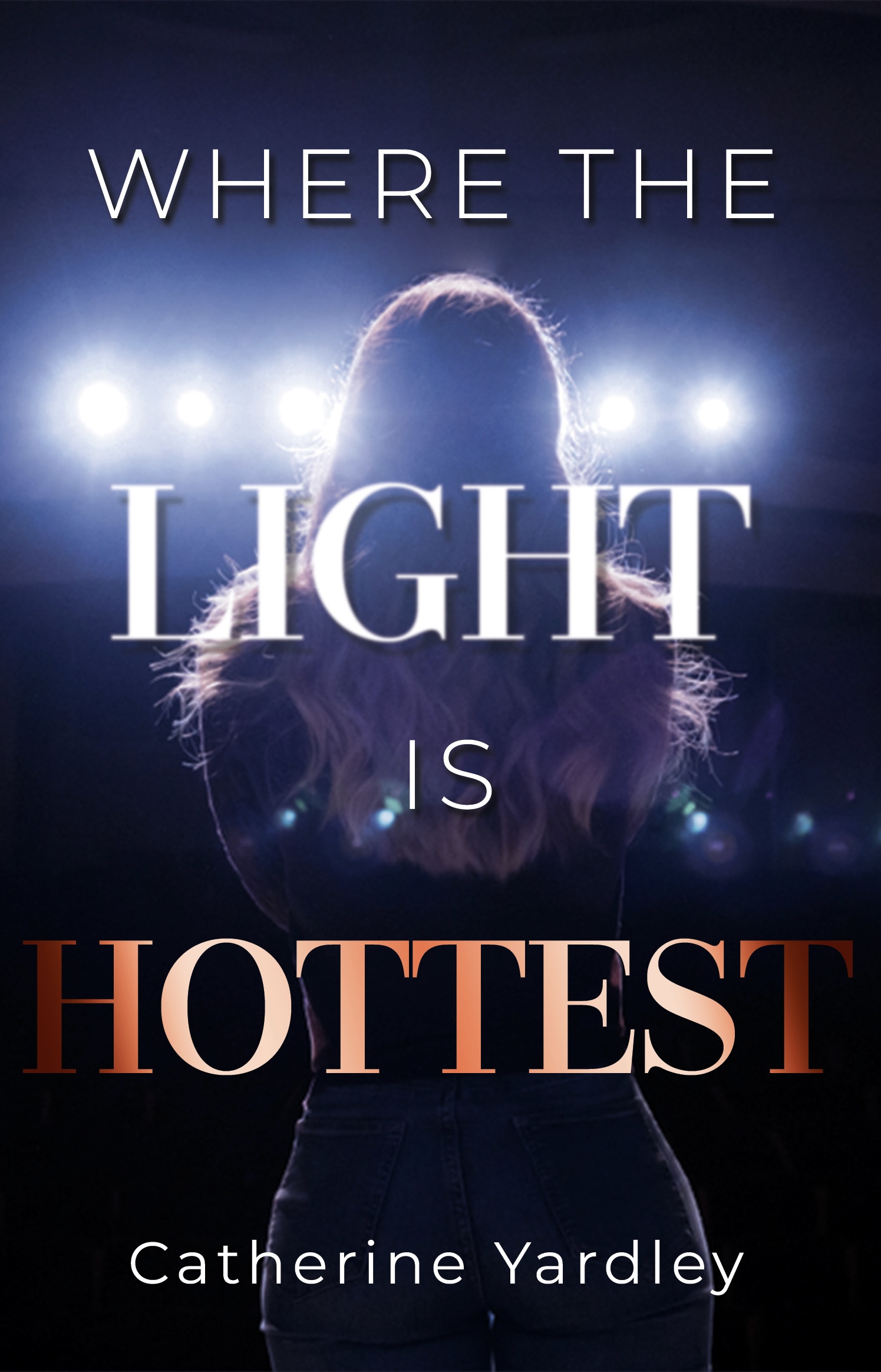
Where The Light is Hottest, Catherine Yardley, Balavage

Authors do not earn a lot of money. At last count the average was seven thousand pounds a year. If you worked out the hours we put in, it is below minimum wage. You have to really love it to be an author. The highs are liking nothing on earth and the lows are crushing.

@balavage It is hard being an author. I know this is a bit of a rant but please bare with me. Leave your comments below. #booktok#writertok#authortok#writingcommunity#authorscommunity#writing#publishing♬ original sound – Catherine Balavage Yardley

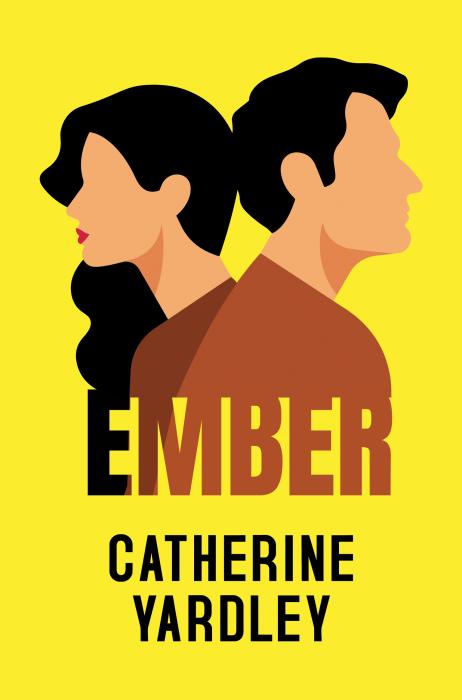
Being an author is as hard as any other career. Yes, it has a huge amount of benefits. Working from home, being creative and seeing your work out there in the world. But the work can be tedious. Reading the same book multiple times. Editing it so many times that you want to give up. Then you market it while writing your next one. It is the dream, it really is. Don’t get me wrong, but there is a lot of work involved. If you cannot afford books you can go to the library. Authors get paid when you borrow our books. There is also the Libby library app if you are not near a library. My two books, Where The Light is Hottest and Ember are both on kindle unlimited. I hate to be downer and I know how lucky I am. I feel privileged and happy every day, but please stop stealing our work. Especially if you are a trillion dollar company. We can only write if our books sell. Publishers will not give us contracts if they think we have no readers. Publishing is a business like no other. It is all about the bottom line. Thank you. Please share any comments below.

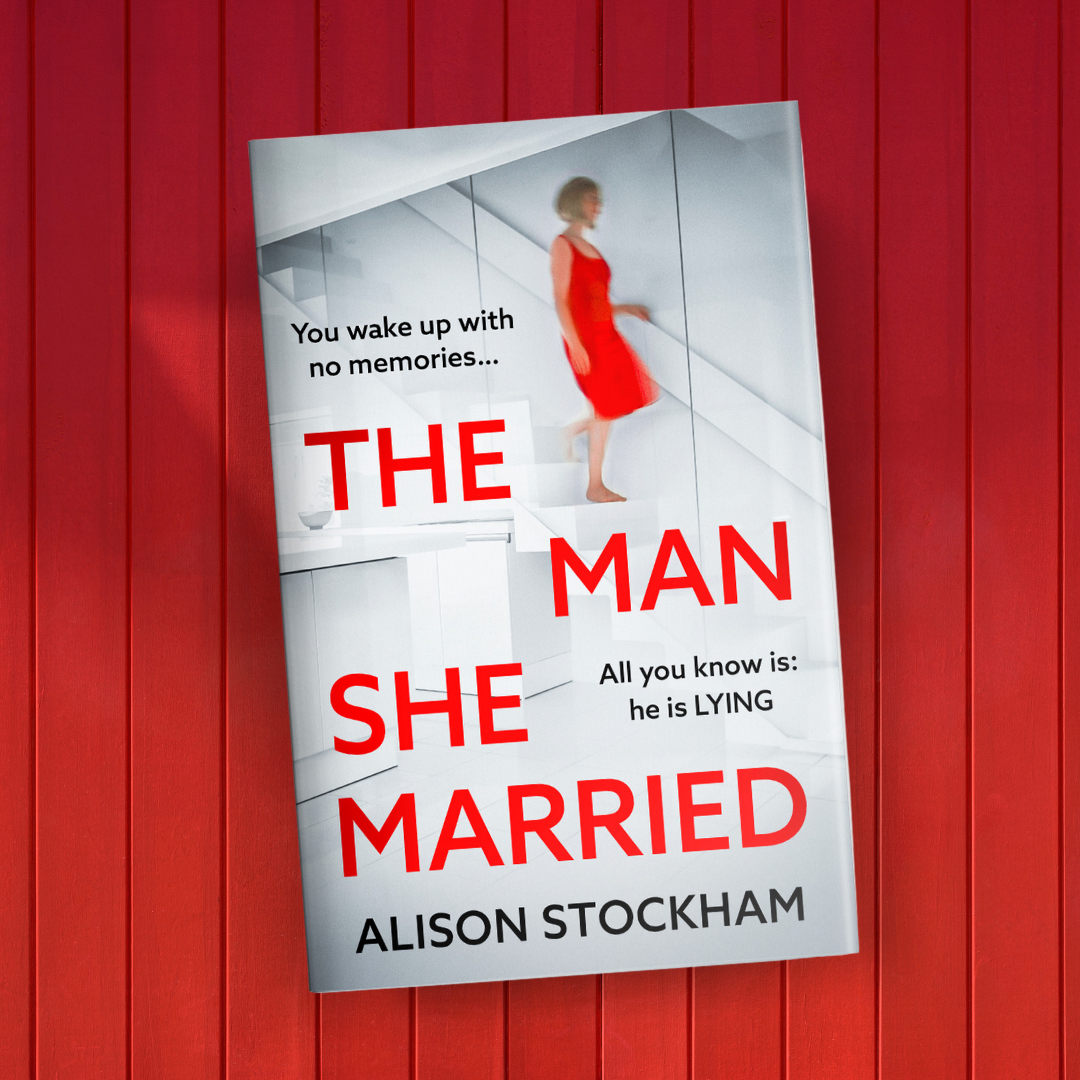
Interview With The Man She Married Author Alison Stockham

Your debut, The Cuckoo Sister, was a top 10 bestseller. Did you expect it to be so successful?

I came to publishing with my eyes fairly wide open, due to having both worked in film and TV (which has crossovers in terms of how it works) and then at Cambridge Literary Festival as the events coordinator. I knew nothing was certain with publishing so the top ten listing for The Cuckoo Sister was amazing! Obviously I wanted it to be a success and had dreamed about it, but making the top ten was fantastic!

You are known for tackling brave subjects and writing complex characters. How do you come up with your characters? Where do you get your ideas?

I read a lot-of everything. From books to magazines, to online forums, chat groups, newspaper articles. and often snippets of ideas or characters will come from these. Everyday people in extraordinary circumstances is what I like to write about and so inspiration for this can come from all sorts of places. I observe people, I listen into conversations (much to my daughters’ embarrassment!) when out and about and it all slots into the jigsaw when I’m putting together an idea. I’m like a magpie, stealing shiny things!

What was your publishing journey like?

It was strange because it happened during Covid. I had just started approaching agents in March 2020, having been longlisted for the Lucy Cavendish Fiction Prize and then my plans to focus on that got somewhat waylaid! I hadn’t sent The Cuckoo Sister to many, when my now agent, Marianne Gunn O’ Connor, responded and wanted to develop the book with me. I liked how she worked and her vision for the book so we worked on various edits before sending it out. I was on submission for about six months and I wrote The Silent Friend at that time as a way to keep sane! Boldwood then picked up both and offered me a three book deal. So it was quiet and fairly uneventful! 

Describe your writing routine. 

I recently moved to full time writing after juggling working for Cambridge Literary Festival as well as writing and parenting, so now my routine is a little less harried! I work from home and start the day turning the kitchen/diner back into my office! Then I usually work on admin and social media while I turn my brain from mum to writer. I then work from mid-morning to the school run on whatever stage I’m at. At the moment it’s the first draft stage for book five, so I’m aiming for 1000-2000 words a day. Once the children are home I might be able to do a little more work, or it’s back into family life.

Your fourth book, The Man She Married, is out now. What is it about?

The Man She Married is about Beth, who wakes up after a car accident with 5 years of memories missing. She doesn’t remember leaving Australia nor meeting or marrying Rob, the man at her bedside who everyone says is her husband. She goes home to recover but cannot shift the feeling that something isn’t right and that she ought not to trust Rob. But-with her own mind so unreliable, can she trust herself? The book is about strength in adversity and the power to start over again.

Does writing get easier the more books you publish?

Yes and no. The worry of a first draft can be alleviated by knowing that you’ve done it before so you can do it again, and skills and techniques that you’ve learned as you’ve developed as a writer make it easier to some degree. Yet each new book is a new idea, new characters, a new plot and developing these and bringing them to life in a way that readers will connect with, is a new unchartered challenge every time.

What is your favourite thing about being an author?

I love that I get to create all these stories in my head and then share then with the world. I wanted to be a writer from a young age so the fact that I get to do this for a living is still amazing to me! 

And your thing you dislike?

The required self-promotion! I am too British, and I find it difficult to overcome the cringe factor!

What books have you read that you love?

Too many to list but the latest advance copies that I’ve loved include The Rush by Beth Lewis, set in the Canadian gold rush of the late 1800s and 59 Minutes by Holly Seddon which is set in the UK when a alarm is sent that a catastrophic nuclear strike is due in 59 minutes. We follow the main characters as they decide what to do with that time. Both brilliant, both out this summer.

What’s next?

I am working on book five for Boldwood, which is about the intensity of female friendship and what happens when it goes wrong.

Interview With Bestselling Author Laura Pearson

Tell us about you.

Hi. I’m Laura, I live in a village in Leicestershire with my husband, our two children and our cat. I’m pretty obsessed with reading and writing, and as well as writing novels I help run a Facebook book club called The Bookload.

Did you always want to be a writer?

I did, from about the age of six. I wrote and illustrated my first book about a witch at that time. It was about two pages long. I didn’t realise that illustrator was a separate job (and only usually required for children’s books).

What do you consider your big break?

I think getting my first offer of publication, because it had been such a long time coming.

What was your publication journey like?

Long and rocky. Which I think is true for most people. I finished writing my first book in 2010 and my first book was published in 2018. It wasn’t the same book but the first one did also get published. I’ve had three agents and two publishers and a huge amount of rejections.

Did you ever believe The Last List of Mabel Beaumont would do so well?

I really had no idea. My confidence was on the floor because I’d been trying to get another book published for four years at that point. My expectations were low, I was just over the moon to be published again. When she started to take off, it was amazing to watch. I think she’s exceeded everyone’s expectations for her.

What has changed since selling so many books?

I think I just feel more comfortable in describing myself as an author and spending so much of my time writing books. It’s really hard to believe in yourself if it feels like no one else does. Now I have an agent and an editor I can go to with questions or for support and that makes a huge difference. Also, people say really lovely things about my books all the time and it’s often so unexpected. Even though I know I’ve sold a lot of copies I’m still always surprised when anyone’s read them!

What advice would you give to other writers?

I think just to keep going if you possibly can. Obviously there can come a point where it’s not the best thing for you, but up to that point, keep writing, keep submitting. It’s all about finding the right match and it can take a long time. Rejections don’t mean you’re not good enough, they just mean you haven’t found the right person yet.

How do you become, and stay, successful as a writer?

Ask me in ten years’ time! I have no idea whether my success will last. I was so delighted when I got my first three-book deal but then I had another years-long rough patch, so nothing’s guaranteed. I am contracted to write quite a lot more novels for Boldwood Books, which I’m very happy about. But whether or not they’ll sell well remains to be seen. I just keep writing the best books I can. That’s all I can do.

What are your writing ambitions now?

We writers are very good at moving goalposts. Now I’ve sold more books than I ever thought I would, I want to be in a supermarket, and sell more foreign rights, and of course have a TV or film made of one of my books. There’s so much to aim for and I’m very ambitious.

What’s next?

My latest book, The Many Futures of Maddy Hart, came out in early February, and my next comes out in May. I’m not sure whether I’m allowed to tell anyone the title yet, but it’s about two women in their early sixties who meet by chance and are shocked to find that they’re identical. And after that, many more books! I like playing around with speculative ideas and coming up with interesting hooks.

Interview With Former British Diplomat And Writer Leigh Turner

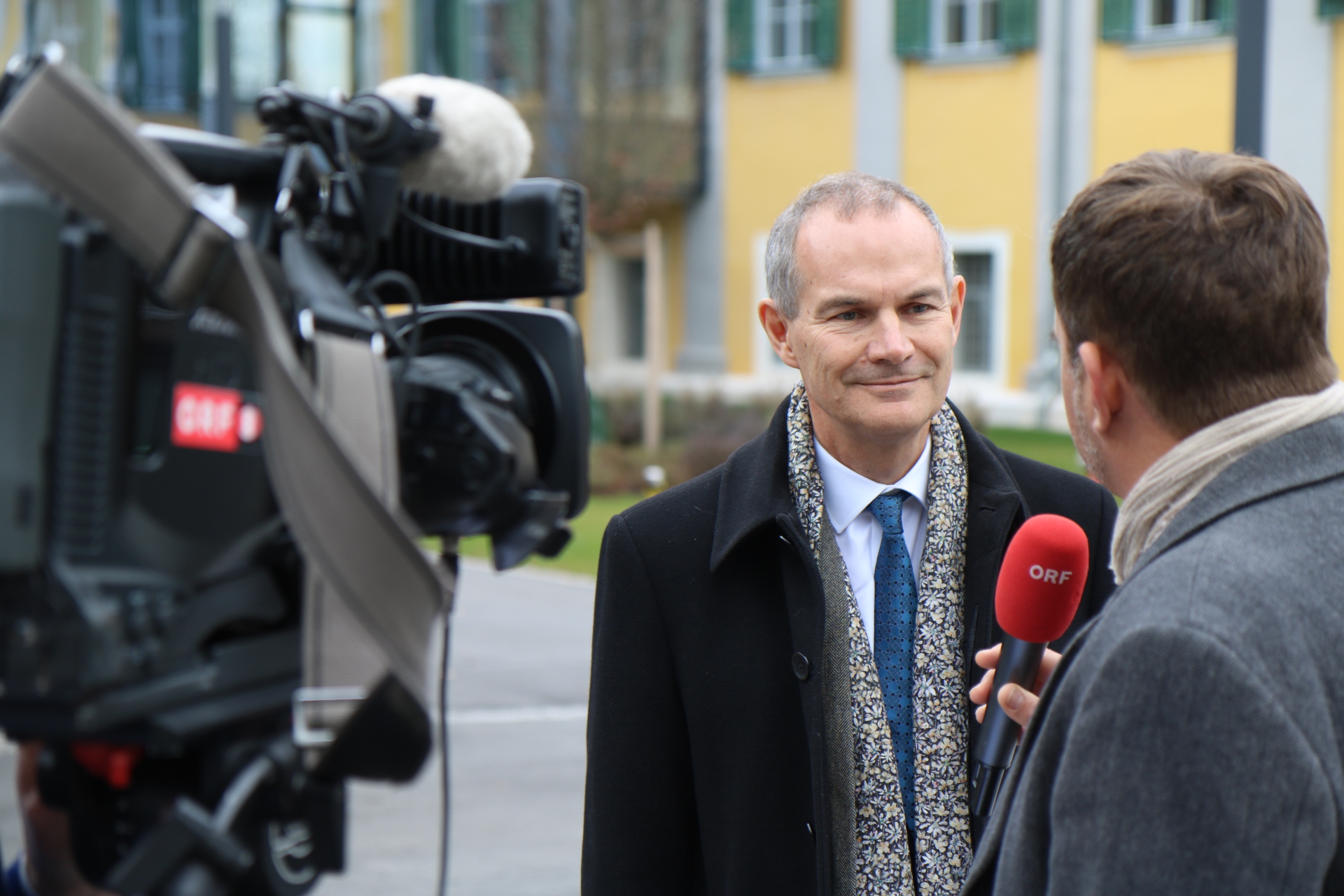
(2017) In his last post as ambassador to Vienna, Leigh gave many interviews about Brexit. 

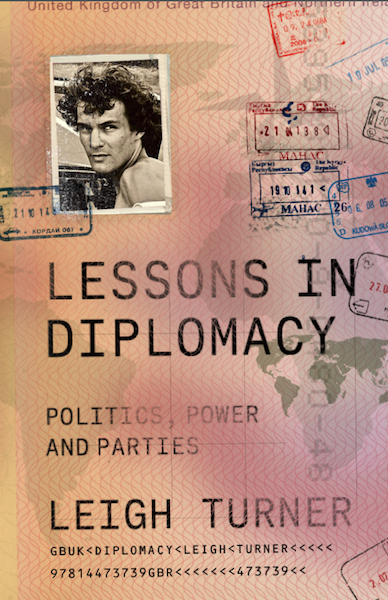
I am a long-time fan of Leigh Turner, having read his book Palladium and Lessons in Diplomacy – Politics, Power and Parties. He’s a very interesting person and I recommend following him on Instagram.

Tell us about you.

I became a writer in 2002. That was the year I began a four-year break from full-time work at the British Embassy in Berlin to look after our children, then aged eight and ten, so my diplomat wife could work full-time. She took over my job in the embassy. I’d begun my first novel, Eternal Life, in 1986. That was when the British Embassy in Vienna, where I was then working, got its first word-processor. I thought: ‘wow – you can edit your work before printing it! That’ll make writing much easier.’ Of course, it didn’t. But although I made some progress with my writing while I was working full-time as a diplomat, in Vienna, Moscow and Berlin, I found taking a break from full-time work transformative. 

In the four years from 2002, I started writing for the Financial Times, sold two treatments to a film company, attended writing courses, and wrote two novels. When I returned to the Foreign Office full-time in 2006 as Director of Overseas Territories (Saint Helena, Bermuda, the Falklands & Co), then as Ambassador to Ukraine, I continued to write. 

Unfortunately, the Foreign Office hated me trying to publish fiction and be a diplomat at the same time. They even threatened me with disciplinary action if I persisted after a bust-up in 2014, when I was working as British Consul-General in Istanbul. I started publishing excerpts from my romantic comedy The Cheat on-line. They objected to the rude words! It was a difficult situation. 

So the freedom to write what I wanted was a factor in my deciding to retire in 2021 and focus full-time on writing. Since then, I’ve published three books: Palladium, a thriller set in Istanbul; The Hitchhiker’s Guide to Diplomacy – Wie Diplomatie die Welt erklärt (a series of life lessons, in German, based on my 42-year career as a diplomat and civil servant – the subtitle means “How diplomacy explains the world”), and Lessons in Diplomacy – Politics, Power and Parties, an English version of the same book. 

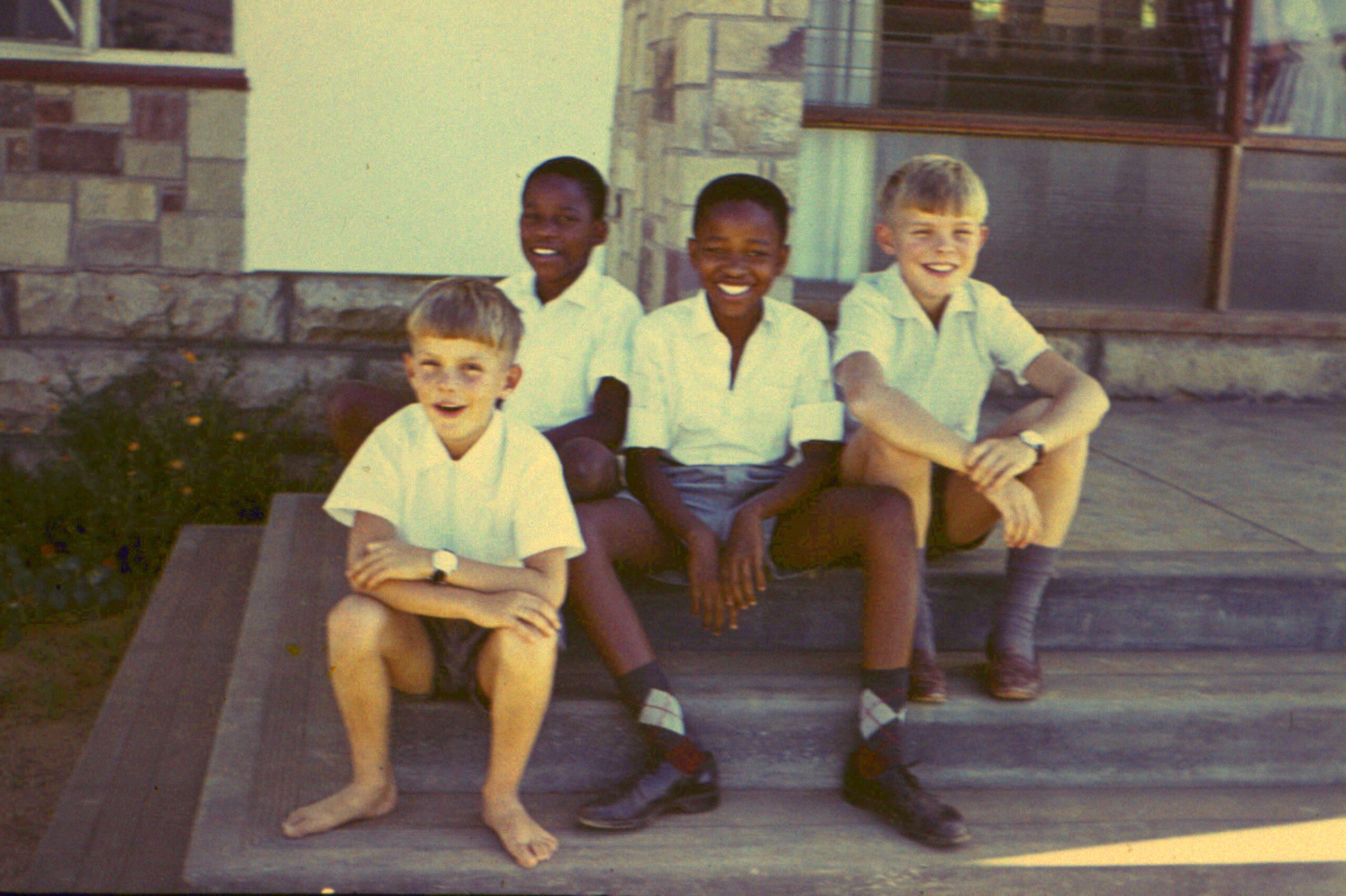
(1965) Leigh grew up in Lesotho, Southern Africa.

What’s your writing routine?

I’m a bit manic, to be honest. Every morning, after a bit of yoga, I walk my partner to her work, then sit down until lunchtime to write. In the afternoons and sometimes in the evenings I focus on writing-related jobs, including organising book tours and social media – I have a website, a podcast, and post on TikTok, YouTube, Instagram and Linkedin. My “Lessons in Diplomacy” videos on TikTok have the best response – I work hard to publish good stuff for my 5,000 followers! Linkedin yields most speaking opportunities, including talks about “Lessons in Diplomacy”. I always make time to attend schools and universities, in particular, to discuss the book and answer questions.

You have written non-fiction and fiction. What is your favourite?

I love both! Creating characters and stories in fiction is a thrill. I love to work late into the night on a scene, then review what I’ve written in the morning, and find that characters, apparently independently, have led the story into unexpected places. Writing Lessons in Diplomacy was a different experience. The months of painstaking research, scouring my records, fact-checking and – above all – choosing the most fun, enlightening stories to illustrate the “life lessons” that make up the book, was rewarding. Like other writers, I sometimes worry that I’m putting too much of myself on display. When the publishers urged me to include even more Russian honeytrap stories about my travels to Novosibirsk, Vladivostok and elsewhere from 1992-95, I declined. But maybe if there’s ever a Volume 2 I’ll go further.

I loved Lessons in Diplomacy. What are your hopes for the book? Do you want to help people become diplomats? 

The aim of Lessons in Diplomacy is three-fold. I wanted a book about diplomacy that was fun to read, opening up the truth about diplomatic life to the non-expert. Too many of us have a stereotypical view of upper-class twits swanning round the globe. Diplomacy is changing fast, including many more women and other under-represented groups becoming diplomats and ambassadors. 

The book is also designed as a collection of life lessons from diplomacy. It’s not for nothing that the book includes chapters on “How to craft a career”, “How to drink wine and know things”, and “How to know people”. The skills and attributes that make a good diplomat can be applied to many – perhaps all – jobs and careers. I hope people find it useful.

Finally, I hope the book is a breath of fresh air for anyone studying politics or international relations. Many academic textbooks about diplomacy are written by great academics who have never been a diplomat. Others are written by great diplomats who have never written a book. I’m hoping readers will find Lessons in Diplomacy both useful and a great read.

You have lived an exciting life. What made you go into diplomacy?

My parents’ life was a lot more exciting than mine! They moved in 1951, as young adults, to northern Nigeria, and later to Lesotho, in southern Africa. Living in different countries instilled in me a deep interest in what made countries tick, as well as a restless desire to travel. Diplomacy was an obvious job choice, and I had great fortune in getting into the Foreign Office – on my second attempt. But as I say in Lessons in Diplomacy, “Don’t judge a book by its cover.” The jobs I did before the Foreign Office – in the Department of the Environment and the Treasury – were some of the most exciting I ever did – far more so than most Foreign Office jobs!

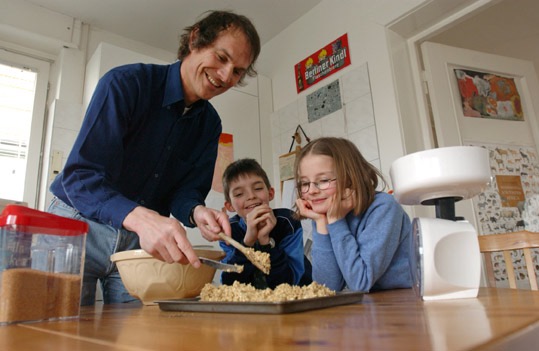
Germany, Berlin, 08.04.2003 Leigh Turner, author, with his children Owen and Anna preparing cakes. Working on a novel set in the Foreign Office. Job Swaps. (c) Stefan Boness/Ipon, www.iponphoto.com

I loved how you took some time out to be with your children. Do you wish more men would do this?

The four years I spent looking after the children full-time, while my wife took my job in the British Embassy in Berlin, were the best four years of my working life. I was able to form a deeper bond with my children, to look at the world in a different way. I encourage all men to take seriously the option of some time out to help raise their kids. I recognise that not all parents have jobs that allow them to stop work for four years; or enough income for one parent to support the family. But do explore the options! Many women thought a man taking time off to bring up children was fabulous. But many men were hostile. They seemed to feel threatened by what I was doing. 

Who are your favourite authors and books?

I’m an eclectic reader. I immensely enjoy modern thrillers such as Lee Child or Vince Flynn. But I also love romantic thrillers – I recently enjoyed books by Sophie Kinsella and Mhairi McFarlane. And I have a soft spot for the classics – I’m nearing the end of a “read all books by Dickens” campaign, and love anything by Anthony Trollope. I’ve written a lot about Trollope on my rleighturner.com blog – although he’s a 19thC writer he has a lot to tell us about relationships, gender and power.

What advice do you have for aspiring writers?

Persevere, and train your writing skills! Submitting books to agents and publishers is a cruel, unrelenting slog. But you have to keep doing it in the hope that one day, your painstakingly constructed work will see the light of day. There’s also the option of self-publishing, which I have tried, and which can work brilliantly. But it’s worth trying for a “traditional” publishing route first, if you can, to give your book the best chance.

I’m also a huge fan of honing your art. Writing courses are great ways to get feedback on your work, and mutual support. I go on courses regularly, and am even teaching on one in September 2025, in Lesbos, Greece. Details of the Lesbos course, and on other writing courses I’ve attended, and recommend, are on my blog. 

Writing groups are also terrific. I’m in a virtual group with five writers from the US and Canada that meets every month. Their comments on my work have helped me improve my writing. They’ve also strengthened my self-belief – invaluable!

What’s next?

I’m currently working on a trilogy of romantic comedies I call the “Diplomats in trouble” series. I’m excited about it, although, as always, it’s not yet certain it will ever see the light of day. My hero Angus is a protagonist many test readers, mostly women, love to see try, and fail, and try and try again, to find love and a meaningful relationship in the chaos that is modern life. Watch this space.

Leigh has also written extensively about Russia’s war on Ukraine, in his book “Lessons in Diplomacy” and on his website.