Amazon’s Kindle Storyteller Award celebrates independent writing talent with £20,000 prize

An exciting new writing competition is here!

Kindle Storyteller Award returns to the UK for third year, recognising the best talent
in independent publishing

Amazon today announced that the Kindle Storyteller Award, recognising outstanding work by independent authors with a £20,000 cash prize, will return for its third year in 2019. The award is open to all authors who publish their book through Kindle Direct Publishing on Amazon.co.uk from 1st May 2019 to 31st August 2019.

The prize will be awarded to the work that garners praise not just from the judging panel of book and publishing industry experts, but also from readers. The shortlist will be compiled on the basis of a number of factors, including reviews, sales and pages read in Kindle Unlimited.

The winner will be announced at a ceremony in London this Autumn, and awarded the cash prize of £20,000, a marketing campaign to support the book on Amazon.co.uk, and the opportunity to have their book translated for readers around the world.

The award has been won previously by contemporary fiction author Hannah Lynn and action thriller writer David Leadbeater. Since winning the Prize, Leadbeater has sold more than 165,000 books, and Lynn has gone on to publish three further novels.

Other Kindle Direct Publishing success stories include LJ Ross, who has had seven Kindle number one bestsellers and five books go to number one on pre-orders alone, and Rachel Abbott, who has sold over three million books to date.

Alessio Santarelli, Director, Kindle Content said: “Following the enthusiasm and huge number of entries in 2018, we are delighted to bring the Kindle Storyteller Award back for its third year. The encouragement and support of aspiring authors is an endeavour we continue to champion at Amazon. Publishing a book has never been easier and we are proud to provide a service that allows for a breadth of diverse stories to be told.”

Hannah Lynn, winner of the 2018 UK Kindle Storyteller Award said: “Hearing my name called out last October for The Afterlife of Walter Augustus was incredible. To receive such recognition for only my second book was such a fantastic confidence boost that has made me all the more determined to keep writing. I wish the best of luck to the 2019 entrants and urge any writers who are on the fence to enter – you never know what might happen!”

The Kindle Storyteller Award will be open to submissions of new books in the English language, published using Kindle Direct Publishing. Titles must be previously unpublished, with a minimum of 24 pages in paperback. Readers can access all titles entered into the prize in print or on the Kindle store on any device with the free Kindle app for iPhone, iPad, Android phones and tablets, PC and Mac, and on Kindle e-readers and Fire Tablets.

The Kindle Storyteller Award 2019 opens for entries on 1st May 2019, and titles must be enrolled in KDP Select while they are in the competition. For further information, authors can visit www.amazon.co.uk/storyteller.

How to Treat Dopamine Deficiency Naturally (And Why You Must)

We have all heard the word dopamine being thrown around in discussions about depression, but very few of us know what it actually is and how it affects us. In order to understand how to treat dopamine deficiency and why doing so is essential, we must first understand what dopamine is exactly and what functions it serves in our body.

What is Dopamine?

Dopamine is neurotransmitter that is responsible for initiating a number of emotional responses in animals and humans, but those are not the only functions which the chemical serves. Aside from creating sensations of reward, happiness, pleasure and satisfaction, the neurotransmitter also plays a vital role in regulating movements, causing sexual arousal, our ability to remain active, sleep, learn and memorize, among others.

What Would Happen If You Were Dopamine Deficient?

The result of dopamine deficiency depends on various factors such as the cause, the degree of the deficiency and for how long the person has been dopamine deficient.  Take the example of Parkinson’s disease, where the symptoms of dopamine deficiency will be much more severe and in addition to constant tremors, it will affect the patient’s ability to walk or even move in general. Even in people without Parkinson’s, a number of the following effects of dopamine deficiency can be observed, although they will likely not be all present at once and the ones that can be observed will also vary widely in degree of manifestation, according to the patient’s own physiological conditions and unique external factors.

  • Cramps, aches, sharp pain, spams
  • Stiffness, tremors, balance loss
  • Weight fluctuations (fast gains and losses)
  • GERD, constipation and other gastrointestinal disorders
  • Difficulty with swallowing and/or eating
  • Clinical depression, lethargy, brain fog, insomnia, demotivation, guiltiness, mood swings, anxiety, hopelessness, low confidence, low self-esteem and suicidal thoughts
  • Low libido
  • Hallucinations, delusions, unalert and unaware behavior, indifference to the practical world

Is It Possible to Treat Dopamine Deficiency Naturally?

As should be obvious by now, dopamine deficiency is a severe problem that can lead to more than just a case of bad mood like most people falsely believe. If you or anyone you know is exhibiting any of the signs of dopamine deficiency which were mentioned above, they may require immediate treatment. However, during the early stages, it is possible to counter the multiple negatives effects of dopamine deficiency through natural methods and in fact, they can be practiced alongside any clinical treatment that might be necessary. 

How Can We Treat Dopamine Deficiency Naturally?

As already stated, it is possible to treat dopamine deficiency naturally and the following methods are proven to be useful in most situations.

Replace Sugar with Honey

Sugar doesn’t exactly lower your dopamine levels; it actually bumps it up suddenly and quickly. Unfortunately, it doesn’t last and just like alcohol, once you come down from the high, an extreme low takes over. Over time, this will interfere with your natural dopamine availability and the receptors enough to cause imbalance. Not to mention, sugar itself causes a whole series of health problems. Switch to honey instead, which can also be bad for you in large quantities, but in moderate amounts, is an excellent source of antioxidants, and essential nutrients.

Exercise

Exercising is a very real and effective antidepressant because aerobic exercise, in particular, boosts our dopamine levels and consequently, lifts our mood.

Eat a Diet Rich in Healthy Fats and Protein

The great thing about eating healthy fats and protein is that they are generally tasty as well! Eggs, fish and fish fat, lean meat, cheese, leafy greens, nuts, fruits, avocados, etc. are all healthy and they help with maintaining healthy dopamine levels in the body.

Are There More Effective Ways to Boost Dopamine?

This was just an introduction to what we can do ourselves to improve dopamine availability, but do check out https://www.vitamonk.com/blogs/health/natural-ways-to-boost-dopamine if you want to know more about how we can all boost our dopamine levels without having to depend on clinical medication. VitaMonk provides a very easy to understand and multifaceted guide to doing so naturally, in addition to explaining each and every aspect of the neurotransmitter’s action on the human brain and body.

Just like every other disease, it is important to notice the signs early, and do something about them, before the brain goes further into a dopamine deficient stage, at which point, it might be too late to do anything naturally and clinical help will be required.


Sponsored Post

6 Bachelorette Party Do’s and Don’ts

Is Getting Married An Achievement?, wedding diary, engagement, engagement ring, getting married, planning a wedding, marriage, engagement,So, your childhood best friend has found the person of their dreams, and now a wedding is on the cards. While she’s running around checking out fancy cakes and organizing dress fittings, there’s one thing you need to do. Yep, plan the bachelorette party of course! One last celebration before she ties the knot. If you need a little inspiration, read on for some ideas for planning the best bachelorette party!

Do Choose a Theme

Choosing a theme for the party is a good place to start. Not only are themed parties super fun, but planning a fancy dress theme can save the stress of buying an expensive new outfit. Plus, the photos will look fab! There are hundreds of different themes to choose from, and if fancy dress isn’t for you, you can still have themed decor so the place looks awesome. Make sure you put some thought into the bachelorette party supplies, and remember- a little goes a long way!

Don’t Plan It Alone

Planning the party can be a big responsibility and can cause unnecessary stress if you do it alone. Make sure you discuss the plans with the rest of the squad. This way, you can share the responsibilities so the pressure isn’t put on just one person. Planning parties is a lot more fun and stress free when it’s done with others.

Do Listen to the Bride

This is something which is often forgotten, but make sure you listen to what the bride wants! If she cringes at the idea of a stripper, then it’s probably best not to get her one! After all, it is her bachelorette party. It’s often worth asking the bride what she wants to do for her party, or if she has a specific theme in mind. Even if the party is a surprise, pick up on hints or think about what she usually likes and go with that.

Don’t Over Plan

Some people think a bachelorette party means an extensive, week-long celebration packed with activities. However, this is not (always) the case. Everyone has a life of their own, and it’s not always possible to drop plans because your friend’s sister is getting married. If you’ve all got busy schedules, don’t feel you need to plan a full week of celebrations, a weekend or even just one evening may be more suited for you- and that’s ok! No bachelorette party is the same. Check out these super fun and easy wedding themed games you can play at home. Some of these are sure to make you giggle. This doesn’t take too much planning and will keep the costs of the party low.

Do Stick to a Budget

One of the most important things when it comes to party planning is sticking to a budget. There is nothing worse than getting stressed over massive budgets, or forking out loans to pay for the perfect party (even if the bride is your bestie). This is another reason to talk to the rest of the squad and see what the general budget is to get an idea before you start booking lavish holidays. Also, sticking to a budget ensures all of the squad can make it to the party; don’t miss out because of expenses. 

Do Focus on Having Fun

The biggest ‘Do’ of all- enjoy yourselves and have fun! This will (hopefully) be the bride’s last ever bachelorette party, so make sure it’s laughter filled. The bride won’t mind if you haven’t planned an expensive week away, as long as all of her favorite girls are together to make memories before she says ‘I do’.

Hopefully this list has given you some thought and ideas on planning the best bachelorette party you can. Oh, and one last thing: take plenty of photos so you can look back on the memories, even if you can’t remember most of the night!


Sponsored Post.

IT’S TIME TO START SHOWING THE SCI-FI GENRE SOME LOVE

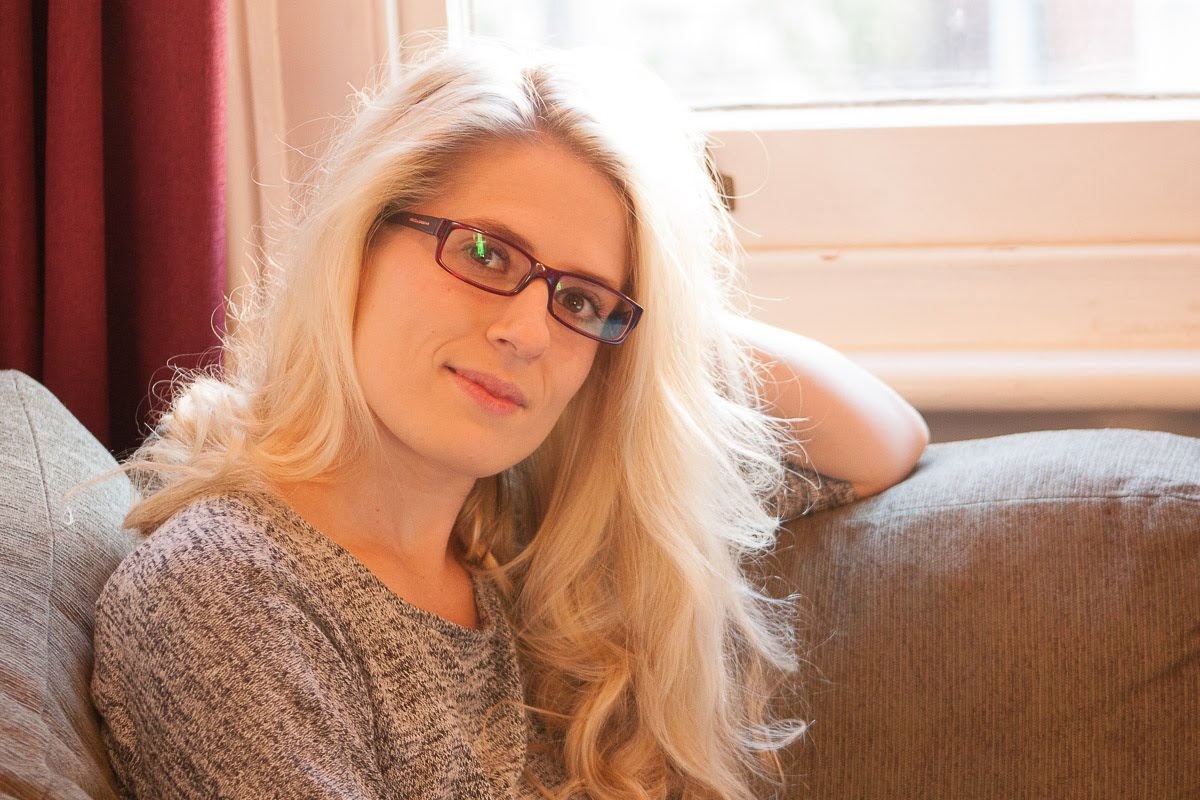
Science-fiction may be enjoying a meteoric sales boom but it’s still not receiving the acclaim it deserves, writes the British novelist Hannah De Giorgis.

By Hannah De Giorgis

When it comes to the perception of Science Fiction and Fantasy (SF&F) as a genre, there’s a tension between its commercial success and its critical reputation. This time last year, it was reported that combined print and digital book sales in SF&F genres had doubled since 2010.

Today, unit sales of self-published and Amazon-published titles represent almost 50% of all SF&F sales across print, digital and audio. Elsewhere, and especially on the Big Screen, the popularity of SF&F shows no sign of abating: movies including the Maze Runner: The Death Cure, Black Panther, Annihilation, Jurassic World: Fallen Kingdom, and Solo: A Star Wars Story grossed billions of dollars at the Box Office and outsold most other genres.

Given its commercial dominance and crossover potential, one might assume that SF&F would carry the same kudos as other acclaimed genres. And yet, when it comes to the “literary” world, it doesn’t.

Despite its importance in popular culture, SF&F is often overlooked and underappreciated critically. For instance, SF&F is rarely offered as a module in undergraduate literature degrees – and, when it is, the relevant lecturer laments that it is regarded as a “lesser” genre. Meanwhile, in literary circles, science-fiction and literary speculative fiction is routinely dismissed and overlooked for most (if not all) of the more prestigious literary prizes. Perhaps because a potential consequence of being regarded as more “mainstream” can automatically render a book as less “serious”.

However, such a dismissal is – I think – unfair. Not only does SF&F arguably require more imagination than most other genres, it also allows writers to really delve into the potential repercussions of technological advancement in modern society. In some cases, sci-fi novelists will possess a comprehensive understanding of the laws of physical sciences, and in others fantasy novelists might fabricate an entirely new world from scratch.

In the glamorous world of film, the problem is less acute; blockbusters like The Martian and Interstellar have and do attract acclaim. That acclaim, however, only goes so far. Interstellar, for instance, was nominated for Academy Awards in categories such as special effects but not for overall picture. The Martian, on the other hand, which of the two movies is more “realistic”, was nominated for Best Picture.

While it would be disingenuous to suggest that critical acclaim is only reserved for Hollywood, it is fair to state that SF&F receives more recognition in the world of film than in the world of literature – and that’s not simply a consequence of the asymmetry of the two industries. And, when I think about it, this shouldn’t be the case given the important role that SF&F has and continues to play in our lives. Sci-fi, in particular, has long been a reflection on society: it shines a spotlight on mankind’s lust for and dependency on emerging technologies, arguably in a manner that would not be nearly as effective if it were not in the sci-fi form. Indeed, SF&F authors have for decades paved the way for Hollywood by daring to explore the potential repercussions of a world that is increasingly advancing technologically. Moreover, the genre offers an imaginative scope that is, in effect, unlimited – as can be demonstrated by many sci-fi movies or fantasy series that immediately spring to mind.

All I can hope is that, little by little, the literary world might cease to look down on SF&F and come to eventually recognise it for the innovative, limitless, and – at times – genius genre that it is.

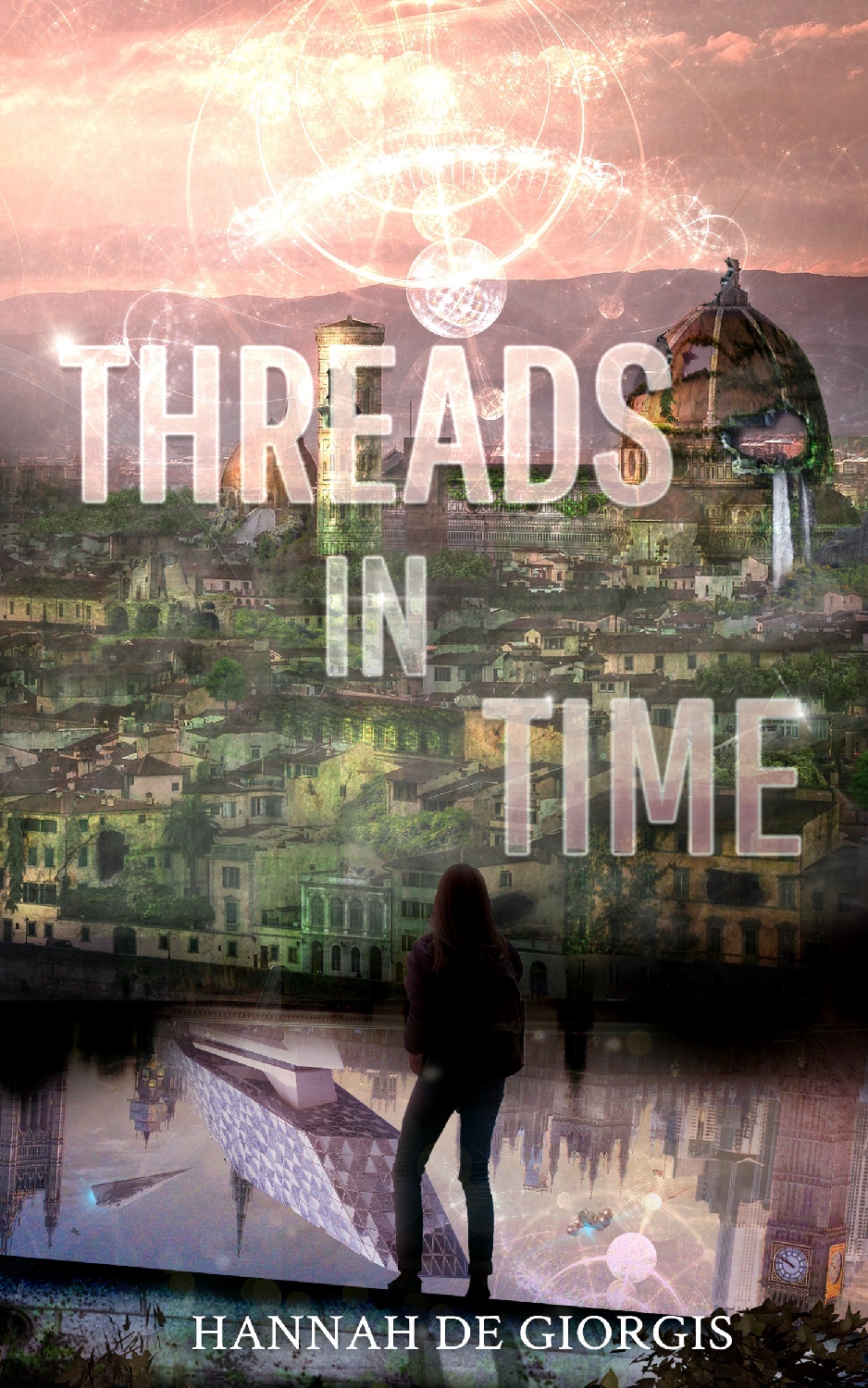
Threads in Time by Hannah De Giorgis is available from today on Amazon priced £3.49 in Kindle edition and £7.99 in paperback.

Storage Solutions: Wilko Storage Trunk

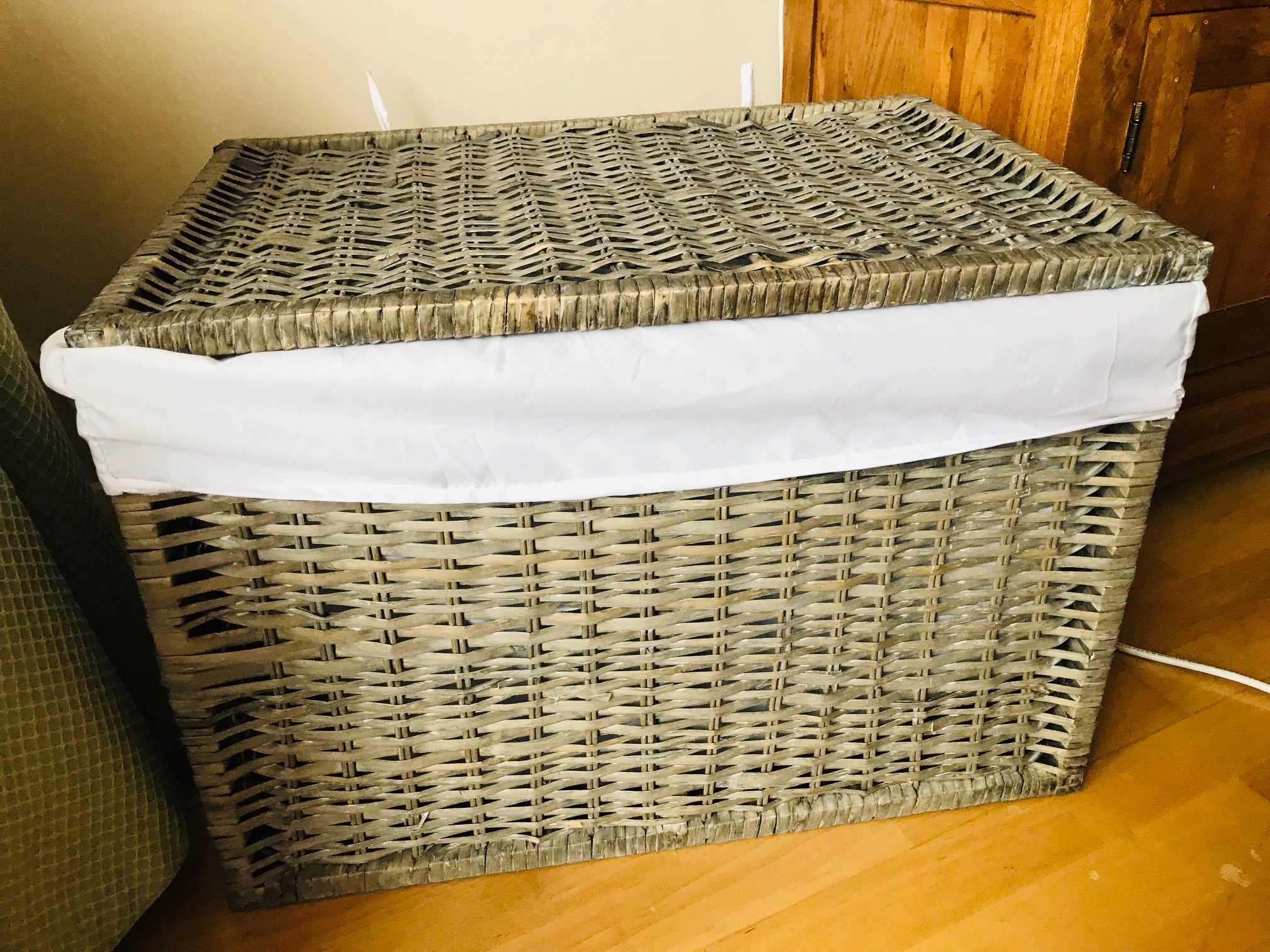
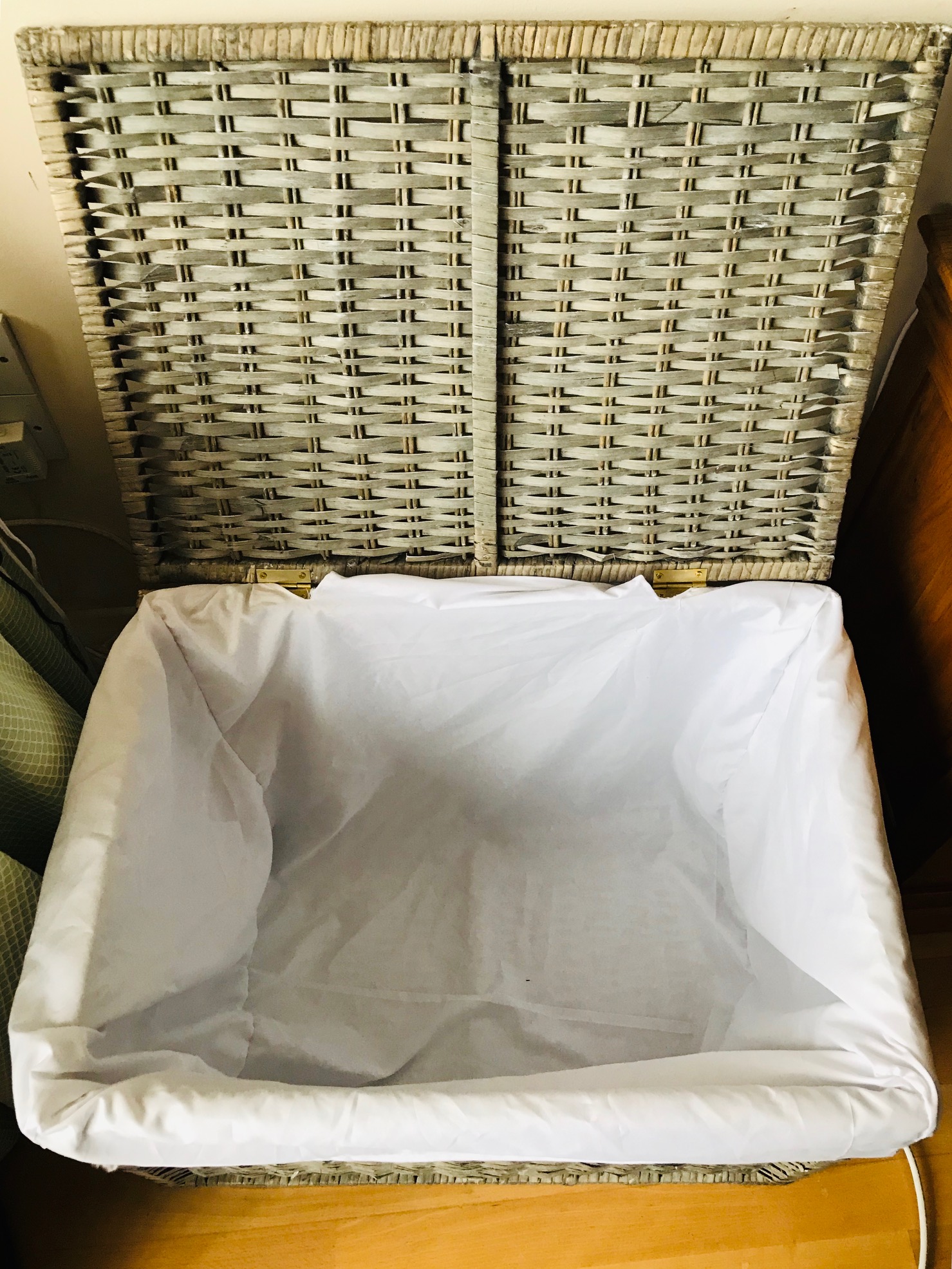
Spring is in the air and we all know what that means. Yup, time to spritz the house and make it ready for the new season. We got sent this grey storage trunk from Wilko. It is spacious and it looks great. There is a detachable washable lining. This is perfect for laundry, toys, anything you can think of really.

The trunk costs £30 from wilko.com and we highly recommend it.

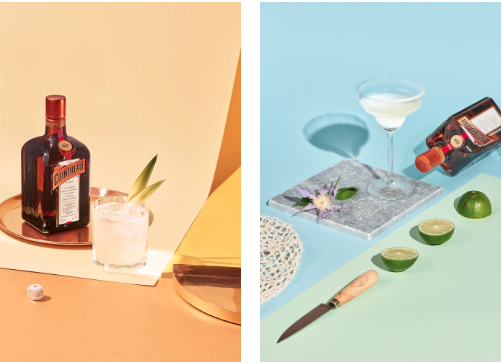
Celebrate National Margarita Day with the Cointreau | Cocktail Recipes

Margarita Day, cointreau , cocktails, cocktail recipes. This National Margarita Day on February 22nd celebrate in style. Be inspired by the beaches of Acapulco and the iconic, ageless cocktail created by ‘Margarita’ Sames in 1948, who famously said of her instantly classic concoction, ‘a Margarita without Cointreau is not worth its salt’.

This year marks the 170th Anniversary of the House of Cointreau – a celebration of all things Cointreau, the heart of cocktail culture and a key ingredient in over 350 classic recipes, including the famous Margarita. Bringing together generations of loved ones, Cointreau is the heart and soul of cocktail culture, and its bold orange flavour and incomparable freshness have solidified its role in cocktail history.

Celebrate the origins of this iconic cocktail with delicious, innovative Margarita inspired cocktails from Cointreau, as well as the classic itself.


Original
The classic, created by Margaret Sames herself.

Ingredients:
30ml Cointreau
50ml Blanco Tequila
20ml Fresh Lime Juice

Method:

– Shake with ice
– Serve in a salt-rimmed margarita glass.

The Spicy Margarita
Bring a little heat to an iconic classic by adding jalapeno and cilantro to your Margarita. Your taste buds may walk on fire, until the subtle sweetness of Cointreau washes over the flame – bringing that perfect balance to life.

Ingredients:
30 ml Cointreau
50 ml Tequila
20 ml Fresh Lime Juice
2 slices Jalapeño
2 sprigs Cilantro

Method:
– Combine all ingredients in a mixing glass and add ice
– Shake and strain into an iced rocks glass
– Garnish with cilantro and a jalapeño spiral

The Pina Margarita
Nothing brings the beach vibe to life like fresh pineapple juice. Adding a cinnamon-sugar rim provide an indulgent, sweet taste you wouldn’t usually get from a margarita – expect the unexpected.

Ingredients:
50ml Tequila
30ml Cointreau
20ml Fresh Lime Juice
10ml Fresh Pineapple Juice

Method:
– Shake all ingredients with ice-
– Strain over ice in a cinnamon sugar rimmed rocks glass
– Garnish with pineapple wedge

The Matcha Margarita
A modern twist on the classic, the vibrant colours and complex flavours will be the highlight of your Margarita Day soiree.

Ingredients:
30ml Cointreau
50ml Tequila
20ml Fresh Lime Juice
½ tbsp matcha green tea powder

Method:

– Combine all ingredients in a mixing glass
– Shake with ice
– Strain over ice in a rocks glass
– Garnish with a lime wheel

The Berry Margarita

The perfect bright, pink twist on a classic, bringing the sweet tastes of summertime to life – inviting to even the most timid tipplers.

Ingredients:
30ml Cointreau
50ml Blanco Tequila
20ml Fresh Lime Juice
3-4 blackberries

Method:
Shake all ingredients with ice
Fine strain over ice in a rocks glass.
Garnish with blackberries.


A Quarter of Mums Lack Confidence Introducing Solid Foods to Their Baby


  • New Start4Life campaign launched to boost parents’ confidence in weaning their baby
  • New survey shows one in four mums (26%) did not feel confident introducing solid foods[1]
  • Findings also reveal common misconceptions around the signs that a baby is ready to start weaning

Public Health England (PHE) has launched its first ever Start4Life campaign to help parents introduce their baby to solid foods.


Official advice is that most babies should not start solid foods until they are around six months old. By this point their bodies are better able to cope with solid foods and they are more able feed themselves. They are also better at moving food around their mouth, chewing and swallowing. The last UK Infant Feeding Survey showed that three-quarters of parents had introduced solid foods by the time their baby was 5 months old.


A new survey of 1,000 mothers of young children conducted for Public Health England found that common myths persist about the signs a baby is ready for their first solid foods, including:

  • Just under half of mums (46%) think wanting extra milk feeds is a sign that babies are ready for solid foods;
  • A third of mums (32%) believe that a baby chewing their fists is a sign that they are ready to start weaning;
  • Just under a quarter of mums (24%) believe that waking up in the night is a sign a baby is ready for weaning.

The survey revealed that many parents have concerns around weaning with more than a quarter saying they didn’t feel confident when they introduced solid foods to their baby. Choking topped the list of worries about weaning, with mums also concerned about allergic reactions to new foods, how much food to give their baby, and concern that their baby won’t eat enough or will reject food.


A brand-new weaning hub has been launched on the Start4Life website to help parents during their weaning journey. Packed with NHS-approved advice and tips for each weaning stage, plus simple, healthy weaning recipes for different age groups, it puts everything parents need to know in one place. It also includes new videos showing the signs that indicate babies are ready to wean, how much food to give, and weaning tips from other parents.


Public Health England nutritionist Orla Hugueniot said: “Introducing solid foods is an important stage in a baby’s development. It’s a great opportunity to guide their taste preferences and help them learn healthy eating habits that will stay with them for life.


“We know that parents have lots of questions about weaning and that many feel nervous about it. That’s why our new weaning hub on the Start4Life website puts all of the NHS advice in one place, helping parents to be more confident and enjoy this big milestone in their child’s life.”


Developed in partnership with parents, the weaning hub makes it easy for parents to find answers to their weaning questions and get information relevant to their baby’s age and weaning stage.


The campaign is being launched as part of the Start4Life programme, which aims to help parents adopt healthy behaviours during pregnancy, birth and their children’s early years.

To find out more visit: www.nhs.uk/start4life/weaning


BBC Science Focus Magazine survey reveals girls uninspired by STEM subjects at school

  • A third of girls cite Maths as their least favourite subject
  • Boys inspired by STEM, list Computing and Maths as favourite subjects
  • Girls dream of becoming teachers while boys aspire to be computer programmers


To commemorate International Women in Science Day today, BBC Science Focus Magazine has launched an investigation into why many girls are not choosing to study science, technology, engineering and mathematics at A-level and University. To get to the heart of the issue, BBC Science Focus Magazine conducted three separate surveys in a bid to discover why certain subjects get a thumbs-down, and whether anything can be done to stop them turning away.


The survey sent to 11 to 14-year olds conducted by agency CINT UK Ltd/Immediate Media Co, discovered that there is notable gender difference in the respondents, with no STEM subjects listed in the Top 3 subjects for girls, whilst STEM subjects feature twice (ICT and Maths/Statistics) in the boys Top 3.


Girls Favourite Subjects

  • Art            (43%)
  • English     (28%)
  • Drama      (28%)
  Boys Favourite Subjects

  • ICT/computing    (41%)
  • PE                          (36%)
  • Maths/Statistics  (35%)


Those polled citing, ‘I’m good at them’ (68%) and ‘I find them interesting’ (65%) as the main reasons behind favourite subjects.


When it comes to Least Favourite, Maths/Statistics comes top for girls polled. Both boys and girls also cite similar reasoning for their least favourites: 57% find the subjects boring, 42% because they are not good at them and 35% find them difficult to understand.


Girls Least Favourite

  • Maths/Statistics (33%)
  • RE                         (29%)
  • Languages           (28%)
  Boys Least Favourite

  • RE                         (33%)
  • Languages           (29%)
  • Maths/Statistics (23%)
     

This attitude is certainly reflected nationally. According to the Your Life campaign, at A-level, just 19% of girls choose two STEM subjects, compared to 33% of boys. Maths and physics fare particularly poorly: according to the JCQ (Joint Centre for Qualifications), last year 59,270 boys took A-level maths, compared to 38,357 girls; and 29,422 boys took physics, compared to 8,384 girls.


Alice Lipscombe-Southwell, Production Editor at BBC Science Focus Magazine commented, “From our research, we found that interest in the sciences drops off when girls enter secondary school. This is troubling, as many of them want to follow career paths where science, technology, engineering and maths would be helpful. In fact, these subjects are useful for loads of careers – whether you want to be a journalist, a video game designer, an astronaut or a lawyer.”


But how do the younger girls view STEM? When we spoke to around 100 readers at Girl Talk, a magazine for girls aged 7 to 11, they told us they enjoy their science lessons, especially the experiments and hands on learning, which would suggest that girls are less interested in STEM, the older they get.


With 40,000** STEM jobs lying vacant each year, there is a huge opportunity to get more women into science-based roles. When asked what careers the 11 to 14-year olds would like to do when older, there is a marked difference between the genders. Girls are aiming for traditionally nurturing roles with teacher (8%) taking the top spot, a career in the medical profession (7%) orworking with animals (7%), complete their Top 3, whereas boys have opted for computer programming (10%), engineering (8%) and becoming a blogger/vlogger at 6%.


Considering that STEM qualifications are needed to pursue several of the girls’ dream jobs, the magazine also surveyed more than 2,000 adults to ascertain whether STEM subjects are suggested by School Careers Advisors, or indeed whether pupils career aspirations are considered.


Considering that it can, and should, play an important part in future careers, over a third (37%) of our audience agree that better, or the presence of, careers advice would have altered the career path they followed. A huge number of those polled (63%) agree there should be more advice from schools, whilst 40% wished they had understood what qualifications were needed to pursue their preferred career, as 30% of those would have taken the necessary subjects more seriously at school.


For more on the subject, the full feature is at www.sciencefocus.com