International Women’s Day Event CARE International’s #March4Women Sing for a fairer world

15358scr_ed3e53b6951198d 15720pre_65b78fc1195c02dDr Helen Pankhurst, great-granddaughter of suffragette leader Emmeline Pankhurst, London Mayor Sadiq Khan and Bianca Jagger will lead a rally beginning at 12pm on Sunday 5 March, ahead of International Women’s Day. They will be joined by crowds of supporters raising their voice in solidarity with women and girls worldwide who endure inequality and injustice.

The rally will take place at The Scoop by City Hall and will include inspiring talks and a mass ‘singalong’ of the classic women’s empowerment song ‘RESPECT.’ Led by Olympic ceremony composer David Arnold and vocal coaches Carrie and David Grant, the crowd will ‘CAREoke’ along with a range of famous singers including Melanie C, VV Brown, Tallia Storm, Tanita Tikaram, Preeya Kalidas and Natasha Bedingfield. There will also be music by Billy Bragg.

Event organisers CARE International are emphasising the importance of the inclusion of men and boys in tackling sexism and discrimination. The Mayor of London, Sadiq Khan, who will address crowds at the event said: “It’s unacceptable that in 2017 in London, the most progressive city in the world, your gender can still determine how much you get paid and your career prospects. Even worse, women and girls around the world are still more likely than men to suffer from violence or discrimination. As Mayor, I have vowed to be a proud feminist at City Hall, and I will do all I can to remove any barriers to women.

“Equal rights is not just a fight for women – all of us need to stand in solidarity with our mothers, sisters, daughters and friends to say that discrimination, in all shapes and forms, will not be tolerated. That’s why, ahead of International Women’s Day, I am honoured to stand shoulder to shoulder with Londoners from all backgrounds to spread the message that London is open and a place where we celebrate everyone, from every walk of life, regardless of their gender.”

Laurie Lee, CEO of CARE International said, “We will #March4Women to shine a spotlight on the inequality women and girls face around the world. CARE’s work in over 75 countries shows that they are still far more likely to experience violence, discrimination, harassment and modern slavery. It will also highlight the plight of women and girls caught up in the global refugee crisis and we will challenge the government to step up its commitments to refugees.

“Supporters are invited to join us in singing for a fairer world and raise their voice for the cause of equality. We will spend an unforgettable afternoon hearing from a star line up of outspoken feminists, refugee women, celebrities and global activists. They will be joined by London’s very own 21st century ‘Olympic Suffragettes’, who will wear traditional Edwardian costume to highlight the fact that the Suffragettes’ goal of equal rights remains unrealised, and for them the right to vote was only ever the start of their movement.”

Helen Pankhurst said: “Our solidarity and the fight for the equal rights of women should not end at the shores of our own country. Join us ahead of International Women’s Day, in solidarity with the many refugees who have trekked hundreds of miles to find safety, many of them mothers, forced to carry their children from one danger zone to the next.”

The lively programme on the day will also include a warm-up ‘morning rave’ by London-based company Morning Gloryville founded by a Zimbabwean woman who experienced being stateless herself, making a family friendly occasion for all.

To join Sadiq, Bianca, Helen Pankhurst and daughter Laura Pankhurst, and a star line-up on 5th March visit www.careinternational.org.uk/March4Women.


New Study Reveals Twenty-Somethings are ‘Generation Sensible’

twenty somethings, sensible, millennial, average twenty something For from being the superficial, social media-obsessed narcissists that so many publications, and people, try to pretend they are twenty-somethings are actuallyy sensible.  The average twenty-something earns £19,186.40 a year, has savings of £2,543 and chooses NOT to go clubbing, according to new research.

The Nationwide Savings study of ‘Generation Sensible’ shows 65 per cent of young adults would rather party at a friend’s house than spend unnecessary money at the pub or club.

Unfortunately, six in 10 people in their twenties are saddled with debts in the region of £20,000 following their stint at University.

While those who didn’t further their education still struggle to pay off debts of £4,720.

As such, while popular twenty-somethings have 15 good friends, they choose not to lavish money on expensive nights out, and only holiday in the UK once a year.

Andrew Baddeley-Chappell, Nationwide’s Head of Policy for Mortgages and Savings said: “Our research has found a generation of twenty somethings under pressure and in transition. The good news is that as a demographic they seem to be planning their futures, whether that be saving for a deposit for their first home or a holiday. In some ways this is a far cry from the free-spirited youth of the 60s and 70s.”

The study shows that when it comes to attempting to save, 32 per cent are desperately trying to get a deposit together for a mortgage, while 30 per cent are saving up for a holiday.

A further 24 per cent of twenty-somethings are saving for a rainy day, and one in 10 are gathering cash together to pay for their wedding.

And although those in their twenties earn just under £20,000 a year – working 31 hours a week – at the end of every month they have just £210.07 to spend on enjoying themselves.

According to the poll, just 16 per cent of those under 30 are married, with 16 per cent of those in a relationship meeting through work and 13 per cent via dating apps. Just five per cent regularly go on dates.

One in five respondents already have children and a further 52 per cent have pets.

The research reveals that money dominates the list of common worries shared by many twenty-somethings, with people worrying both about being able to save money, as well as having enough money to last until the end of the month.

Getting on the housing ladder is a concern for 36 per cent of those in their twenties, while landing a job worries 27 per cent.

Other common anxieties include managing the bills, health and fitness, and that they don’t seem to be achieving much in life.

Body shape and size worries four in 10 people, and 25 per cent are rightly concerned about their parents’ health.

For those in this age bracket who do drive a car, a modest Vauxhall Corsa or Ford Fiesta are the most likely models of choice.

When it comes to keeping fit, the average twenty-something exercises for three hours a week, and prefers running and going to the gym above all other sports. Swimming and cycling are the next most popular activities.

For those in their twenties who prefer to entertain themselves by staying in, rather than spending money on going out, four in 10 love binge-watching television programmes and films.

Favourite television shows include The Big Bang Theory, the Great British Bake Off and Game of Thrones.

While movies put on repeat are the Harry Potter saga, Mean Girls and Bridget Jones’ Diary.

Other activities enjoyed during their spare time include spending time with the family, travelling and 27 per cent enjoying tending to their social networking sites.

Eight in 10 people in their twenties are regularly on Facebook, while 47 per cent use Instagram and 50 per cent are on WhatsApp.

The study found 37 per cent enjoy going out for dinner with friends, and only a third like going to the pub.

Similarly, meeting new people is only a priority for seven per cent of people, while 55 per cent prefer to socialise with existing friends.

Andrew Baddeley-Chappell continues “Our research found an age group under strain, working or studying hard, and mindful of the financial pressures they are likely to face in the future.

“It’s little wonder then that friendships and relationships, conducted both in person and online have become such a focus, along with a social life that doesn’t cost.”

AVERAGE 20-SOMETHING

1. Average income of £19,186.40 annually

2. Typically work 31 hours a week

3. Has £210.07 of disposable income each month

4. Has £2,543.82 in savings

5. 29 per cent have a mortgage

6. Takes one holiday in the UK each year

7. Six in 10 go to / went to University

8. Students / ex-students have a total debt of £20,514.86 excluding mortgages

9. Non-students have a total debt of £4,720.66 excluding mortgages

10. Most likely to drive a Vauxhall Corsa or Ford Fiesta

11. Has 15 friends

12 Gets six hours sleep a night

13. 22 per cent have children

TOP 10 WORRIES OF A 20-SOMETHING

1. Saving money

2. Having enough money

3. What body shape and size you are

4. Your health

5. Getting on the housing ladder

6. That you don’t seem to be achieving much in life

7. Bills

8. Eating too much rubbish food

9. How fit you are

10. Getting a job

FAVOURITE TV SHOWS:

1. The Big Bang Theory

2. Great British Bake Off

3. Game of Thrones

4. I’m a Celebrity, Get Me Out of Here!

5. Planet Earth

6. Orange is the New Black

7. Britain’s Got Talent

8. Breaking Bad

9. First Dates

10. The Walking Dead

FAVOURITE FILMS:

1. Harry Potter Saga

2. Mean Girls

3. Bridget Jones’ Diary

4. Love Actually

5. Bridesmaids

6. Forrest Gump

7. Deadpool

8. Pitch Perfect

9. Up

10. Lord of the Rings

FAVOURITE ARTISTS:

1. Ed Sheeran

2. Adele

3. Beyonce

4. Taylor Swift

5. Sia

6. Rihanna

7. Coldplay

8. Maroon 5

9. Little Mix

10. Calvin Harris

average twenty-something

Authentic Peking Duck Pancakes Recipe

authentic peking duck pancake recipe Pancake Day (28 February 2017) often makes you think of a sweet treat, but why not mix it up this Shrove Tuesday by making savoury pancakes.

Below, the chefs at Royal China reveal their exclusive recipe for the most authentic and delicious Peking Duck Pancakes.

Serves 4

Ingredients:

  1. Duck Breasts

3    Shallots – sliced

3    Spring Onion

1 Clove Garlic

1Tsp Maltose Sugar

2 Tbsp Vinegar

3 Tbsp Oil

Salt to taste

Method:

  1. Fry the shallots, spring onion and garlic in a pan and heavily salt
  2. Marinate the duck breasts with the fried ingredients
  3. Mix the maltose sugar with vinegar and hot water, and pour on the skin
  4. Place the duck into a barbeque cooker until cooked
  5. Baste the skin of the duck with hot oil until it is golden brown and crispy

For the Pancakes:  

Slice the duck breast into slender strips, and place meat in a pancake with sliced spring onion, cucumbers and a dollop of plum sauce.  Wrap and enjoy!

The Royal China Group consists of six of London’s most authentic and prestigious Chinese restaurants, including the luxurious and critically-acclaimed Royal China Club.  Based in prime areas of London, the restaurants are centrally located on Baker Street, as well as in Bayswater, Fulham, Harrow-on-the-Hill and Canary Wharf.

www.royalchinagroup.co.uk


2017 Rental Affordability Index

  • To rent the recommended space for one person, Londoners must pay an average of £963.76 per month.

  • On average, Londoners must earn a gross salary of at least £3,323.07 per month to afford to live alone and meet additional living costs. That equates to a gross salary of £39,876.84 per year.

  • A family living in London must earn an average of £6,305.31 per month to cover rent plus living costs. That equates to a gross salary of £75,663.72 per year.

affordabilityrenting

Nested.com, the London based online estate agent, produced the Rental Affordability Index. The study illustrates the price of renting per square metre in 33 London boroughs, 15 UK cities and 72 cities worldwide. Based on this, the research could further convey the minimum gross salary required to support an individual and a family of four in rented property, based on the minimum space recommended for one person, and for a family.

The comprehensive study was undertaken in order to understand the costs associated with renting as an individual and as a family, and to determine whether cities are becoming increasingly unaffordable. The inclusion of specific results for each of the 33 London boroughs allows easy comparison between regional and global cities to the UK capital, with its much-publicised unaffordability. 

The price per square metre of property was calculated based upon current market listings for all locations researched, whilst the minimum space recommended for one person and four people is laid out in guidelines from the Greater London Authority.1 The gross salary guideline was included to help illustrate relative affordability.2 

London

  • To rent a property of the minimum space recommended for one person, Londoners must on average pay £963.76 per month.

  • Taking into account the recommended maximum 29% of income which should be spent on rent,2 on average a Londoner needs to earn a gross salary of £3,323.07 per month to live alone. This equates to £39,876.84 per year.

  • In London, the minimum space recommended for a  family of four requires a monthly income of £6,305.31. This equates to an annual salary of £75,663.72.

  • The least affordable borough to rent in London is Kensington and Chelsea, where rent per square metre is £72.40 per month. 

  • To afford to rent alone and cover additional living costs in Kensington and Chelsea, an individual needs an income of £9,736.55 per month, or £116,838.60 per year.

  • To afford the rent for the minimum space recommended for a family of four in Kensington and Chelsea, a monthly income of £18,474.48 is needed. This is equal to an annual income of £221,693.76.

  • The most affordable borough to rent in London is Bexley, where rent per square metre is £13.30 per month. 

  • To afford to rent alone and cover additional living costs in Bexley, an individual must earn an income of £1,788.62 per month, or £21,463.44 per year.

  • To afford the rent for the minimum space recommended for a family of four in Bexley, a monthly income of £3,393.79 would be required, equal to an annual income of £40,725.48.


The results for London, ranked by the cost of rental per square per metre, are as follows:

Borough

Cost Per Sq. Metre

Monthly Rental for a Single Person 

Yearly Income Needed to Afford Single Person Rental 

Monthly Rental for a Family 

Yearly Income Needed for to Afford Family Rental

1

Kensington & Chelsea

£72.40

£2,823.60

£116,838.60

£5,357.60

£221,693.76

2

City of Westminster

£54.82

£2,137.98

£88,468.08

£4,056.68

£167,862.60

3

City of London

£44.42

£1,732.38

£71,684.64

£3,287.08

£136,017.12

4

Camden

£39.50

£1,540.50

£63,744.84

£2,923.00

£120,951.72

5

Hammersmith & Fulham

£32.86

£1,281.54

£53,029.20

£2,431.64

£100,619.64

6

Islington

£32.34

£1,261.26

£52,190.04

£2,393.16

£99,027.36

7

Wandsworth

£31.69

£1,235.91

£51,141.12

£2,345.06

£97,036.92

8

Southwark

£31.29

£1,220.31

£50,495.64

£2,315.46

£95,812.08

9

Lambeth

£30.53

£1,190.67

£49,269.12

£2,259.22

£93,484.92

10

Haringey

£26.65

£1,039.35

£43,007.64

£1,972.10

£81,604.08

11

Hackney

£25.72

£1,003.08

£41,506.80

£1,903.28

£78,756.36

12

Richmond upon Thames

£23.49

£916.11

£37,908.00

£1,738.26

£71,928.00

13

Merton

£22.42

£874.38

£36,181.20

£1,659.08

£68,651.64

14

Tower Hamlets

£21.70

£846.30

£35,019.36

£1,605.80

£66,446.88

15

Barnet

£21.67

£845.13

£34,970.88

£1,603.58

£66,355.08

16

Brent

£20.89

£814.71

£33,712.08

£1,545.86

£63,966.60

17

Kingston upon Thames

£20.50

£799.50

£33,082.80

£1,517.00

£62,772.36

18

Ealing

£20.47

£798.33

£33,034.32

£1,514.78

£62,680.56

19

Enfield

£19.00

£741.00

£30,662.04

£1,406.00

£58,179.36

20

Waltham Forest

£17.70

£690.30

£28,564.08

£1,309.80

£54,198.60

21

Hounslow

£17.47

£681.33

£28,192.92

£1,292.78

£53,494.32

22

Harrow

£17.17

£669.63

£27,708.84

£1,270.58

£52,575.72

23

Lewisham

£16.82

£655.98

£27,144.00

£1,244.68

£51,504.00

24

Greenwich

£16.52

£644.28

£26,659.92

£1,222.48

£50,585.40

25

Newham

£16.50

£643.50

£26,627.64

£1,221.00

£50,524.08

26

Sutton

£16.08

£627.12

£25,949.76

£1,189.92

£49,238.04

27

Redbridge

£15.92

£620.88

£25,691.64

£1,178.08

£48,748.08

28

Hillingdon

£15.83

£617.37

£25,546.32

£1,171.42

£48,472.56

29

Bromley

£15.70

£612.30

£25,336.56

£1,161.80

£48,074.52

30

Croydon

£15.30

£596.70

£24,691.08

£1,132.20

£46,849.68

31

Barking & Dagenham

£14.94

£582.66

£24,110.04

£1,105.56

£45,747.36

32

Havering

£13.88

£541.32

£22,399.44

£1,027.12

£42,501.48

33

Bexley

£13.30

£518.70

£21,463.44

£984.20

£40,725.48

Average across 33 boroughs

£24.71

£963.69

£39,876.84

£1,828.54

£75,663.72


UK cities: 

  • The second most expensive UK city for rent prices is Edinburgh at a cost of £12.85 per square metre. 

  • The most affordable city to rent property is Belfast at £6.29 per square metre.  

  • An income of £1,728.10 per month is needed for single habitation in Edinburgh. That equates to an annual salary of £20,737.20 per year 

  • To afford family rental in Edinburgh, a monthly income of £3,278.97 is needed. That equates to an annual income of £39,347.64.

  • An income of just £845.90 per month is needed for single habitation in Belfast. That equates to an annual salary of £10,150.80 per year.

  • To afford family rental in Belfast, a monthly income of just £1,605.03 is needed. That equates to an annual income of  £19,260.36.

  • Single rental in London is more expensive than family rental in any other UK city.  

  • Three of the UK cities made the top 50 global cities list (London, Edinburgh and Bristol)


The top 15 results for the UK cities list, ranked by the cost of rental per square per metre, are as follows:

City

Cost Per Sq. Metre

Monthly Rental for a Single Person 

Yearly Income Needed to Afford Single Person Rental 

Monthly Rental for a Family  

Yearly Income Needed for to Afford Family Rental

1

London3 

£24.71

£963.69

£39,876.84

£1,828.54

£75,663.72

2

Edinburgh

£12.85

£501.15

£20,737.20

£950.90

£39,347.64

3

Bristol

£11.22

£437.58

£18,106.80

£830.28

£34,356.36

4

Southampton

£10.68

£416.52

£17,235.36

£790.32

£32,702.88

5

Manchester

£9.79

£381.81

£15,799.08

£724.46

£29,977.68

6

Aberdeen

£9.61

£374.79

£15,508.56

£711.14

£29,426.52

7

Cardiff

£9.24

£360.36

£14,911.44

£683.76

£28,293.48

8

Leeds

£8.92

£347.88

£14,395.08

£660.08

£27,313.68

9

Nottingham

£8.83

£344.37

£14,249.76

£653.42

£27,038.04

10

Sheffield

£8.54

£333.06

£13,781.76

£631.96

£26,150.04

11

Birmingham

£8.51

£331.89

£13,733.40

£629.74

£26,058.24

12

Newcastle

£8.47

£330.33

£13,668.84

£626.78

£25,935.72

13

Glasgow

£8.31

£324.09

£13,410.60

£614.94

£25,445.76

14

Liverpool

£7.19

£280.41

£11,603.16

£532.06

£22,016.28

15

Belfast

£6.29

£245.31

£10,150.80

£465.46

£19,260.36

Global cities:

  • Of the 120 locations included in the ranking, San Francisco is the most expensive city to rent property outside of London, at £42.81 per square metre. 

  • To afford to rent alone and cover additional living costs in San Francisco, an individual must earn £5,757.21 per month. This equates to £69,086.52 per year.

  • To afford rent for the minimum space recommended for a family of four in San Francisco, an income of £10,923.93 per month is needed. This equates to £131,087.16 per year.

  • Of the 120 locations included, Cairo is the cheapest city to rent property, at just £3.05 per square metre. 

  • To afford to rent alone and cover additional living costs in Cairo, an individual must earn £410.17 per month. This equates to £4,922.04 per year.

  • To afford the rent for the minimum space recommended for a family of four in Cairo, a monthly income of £778.28 is needed. This equates to £9,339.36 per year. 


The top 50 results for the global cities list, ranked by the cost of rental per square per metre, are as follows:

City

Cost Per Sq. Metre

Monthly Rental for a Single Person 

Yearly Income Needed to Afford Single Person Rental

Monthly Rental for a Family 

Yearly Income Needed for to Afford Family Rental

1

San Francisco, USA

£42.81

£1,669.59

£69,086.52

£3,167.94

£131,087.16

2

New York City, USA

£41.03

£1,600.17

£66,213.96

£3,036.22

£125,636.64

3

Hong Kong, Hong Kong

£33.14

£1,292.46

£53,481.12

£2,452.36

£101,476.92

4

Dubai, UAE

£30.49

£1,189.11

£49,204.56

£2,256.26

£93,362.52

5

Singapore, Singapore

£28.84

£1,124.76

£46,541.76

£2,134.16

£88,310.04

6

Washington D.C., USA

£28.73

£1,120.47

£46,364.28

£2,126.02

£87,973.20

7

Geneva, Switzerland

£26.66

£1,039.74

£43,023.72

£1,972.84

£81,634.80

8

Sydney, Australia

£25.30

£986.70

£40,828.92

£1,872.20

£77,470.32

9

Zurich, Switzerland

£25.19

£982.41

£40,651.44

£1,864.06

£77,133.48

10

Los Angeles, USA

£24.75

£965.25

£39,941.40

£1,831.50

£75,786.24

11

London, UK3 

£24.71

£963.69

£39,876.84

£1,828.54

£75,663.72

12

Miami, USA

£24.53

£956.67

£39,586.32

£1,815.22

£75,112.56

13

Chicago, USA

£21.52

£839.28

£34,728.84

£1,592.48

£65,895.72

14

Copenhagen, Denmark

£20.40

£795.60

£32,921.40

£1,509.60

£62,466.24

15

Tokyo, Japan

£20.20

£787.80

£32,598.60

£1,494.80

£61,853.76

16

Vancouver, Canada

£20.00

£780.00

£32,275.92

£1,480.00

£61,241.40

17

Amsterdam, Netherlands

£19.54

£762.06

£31,533.48

£1,445.96

£59,832.84

18

Paris, France

£18.93

£738.27

£30,549.12

£1,400.82

£57,964.92

19

Melbourne, Australia

£18.18

£709.02

£29,338.80

£1,345.32

£55,668.36

20

Oslo, Norway

£17.39

£678.21

£28,063.92

£1,286.86

£53,249.40

21

Reykjavik, Iceland

£17.34

£676.26

£27,983.16

£1,283.16

£53,096.28

22

Stockholm, Sweden

£17.28

£673.92

£27,886.32

£1,278.72

£52,912.56

23

Dublin, Ireland

£16.81

£655.59

£27,127.92

£1,243.94

£51,473.40

24

Seoul, South Korea

£16.36

£638.04

£26,401.68

£1,210.64

£50,095.44

25

Toronto, Canada

£16.32

£636.48

£26,337.12

£1,207.68

£49,972.92

26

Auckland, New Zealand

£16.24

£633.36

£26,208.00

£1,201.76

£49,728.00

27

Brisbane, Australia

£16.12

£628.68

£26,014.32

£1,192.88

£49,360.56

28

Helsinki, Finland

£15.92

£620.88

£25,691.64

£1,178.08

£48,748.08

29

Beijing, China

£15.80

£616.20

£25,497.96

£1,169.20

£48,380.64

30

Perth, Australia

£15.48

£603.72

£24,981.48

£1,145.52

£47,400.84

31

Munich, Germany

£15.26

£595.14

£24,626.52

£1,129.24

£46,727.16

32

Shanghai, China

£15.17

£591.63

£24,481.20

£1,122.58

£46,451.64

33

Milan, Italy

£15.00

£585.00

£24,206.88

£1,110.00

£45,931.08

34

Rome, Italy

£14.54

£567.06

£23,464.56

£1,075.96

£44,522.52

35

Tel Aviv, Israel

£14.51

£565.89

£23,416.08

£1,073.74

£44,430.60

36

Frankfurt am Main, Germany

£13.71

£534.69

£22,125.12

£1,014.54

£41,980.92

37

Edinburgh, UK

£12.85

£501.15

£20,737.20

£950.90

£39,347.64

38

Dusseldorf, Germany

£12.68

£494.52

£20,462.88

£938.32

£38,827.08

39

Madrid, Spain

£12.04

£469.56

£19,430.04

£890.96

£36,867.36

40

Hamburg, Germany

£11.99

£467.61

£19,349.40

£887.26

£36,714.24

41

Vienna, Austria

£11.88

£463.32

£19,171.92

£879.12

£36,377.40

42

Taipei, Taiwan

£11.88

£463.32

£19,171.92

£879.12

£36,377.40

43

Brussels, Belgium

£11.85

£462.15

£19,123.44

£876.90

£36,285.48

44

Moscow, Russia

£11.60

£452.40

£18,720.00

£858.40

£35,520.00

45

Bristol, UK

£11.22

£437.58

£18,106.80

£830.28

£34,356.36

46

Berlin, Germany

£10.81

£421.59

£17,445.12

£799.94

£33,100.92

47

Southampton, UK

£10.68

£416.52

£17,235.36

£790.32

£32,702.88

48

Osaka, Japan

£10.29

£401.31

£16,605.96

£761.46

£31,508.64

49

Jakarta, Indonesia

£10.28

£400.92

£16,589.76

£760.72

£31,478.04

50

Barcelona, Spain

£10.27

£400.53

£16,573.68

£759.98

£31,447.44

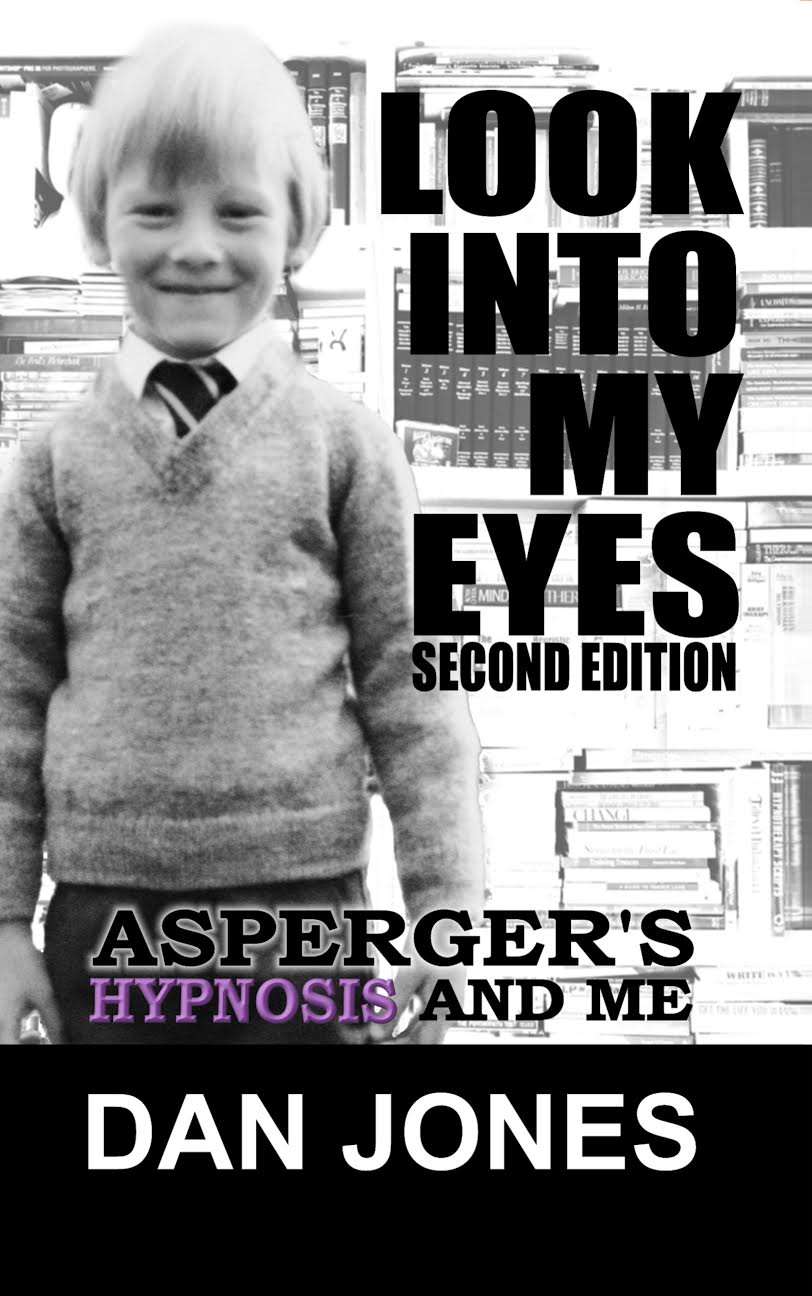
Helping Children Sleep By Dan Jones

helping children sleepHelping Children Sleep

Almost 20 years ago I began working in children’s homes. Many of the children had endured years of abuse and other traumatic experiences by the time they ended up in care, this impacted on their ability to feel safe, relax, and sleep at night. Due to having Asperger’s, a high-functioning form of autism I obsessed about learning communication skills. I used this knowledge with the children I was working with. The children were often happy to have stories read to them at bedtime. I used to read stories to them, but rather than putting on different voices for different characters, or reading the stories lively, I used to read them in a relaxed tone of voice in time with the child’s breathing. Any sentences with words which could be associated with relaxing or inward absorption I would say with extra calming emphasis. This slight shift in how the stories were being read often helped the children to feel calm and comfortable and fall asleep. I started teaching what I was doing to other children’s home staff and to parents to help them to be able to help children sleep comfortably at bedtime without arguments and conflict, and years later wrote two books of children’s stories based around this approach: Sleepy Bedtime Tales, and Relaxing Tales for Children.

How do you help children to fall asleep at night? 

The first thing to be aware of is what actually happens for us to fall asleep. Obviously being tired helps, so not letting a child sleep during the day is a huge help, secondly the environment is important. As bedtime approaches parents can start ‘putting the house to sleep’. What I mean by this is that a few hours before bedtime parents close curtains, turn off main lights and put on small lamps to make the home dimmer, and begin to focus on doing calm, low stimulation things with the children. The focus is on slowing them down, and making the environment quieter. If children are running around until bedtime their heart will be racing and they will be excitable and harder to relax, likewise, if they have been watching emotionally stimulating TV programmes before bed this will reduce their chances of falling asleep. Parents ideally limit screen time in the hours before bed. Mobile phones, tablet PC’s, computers, and TV’s all give off a lot of blue light which triggers the ‘wake-up’ processes in our brain – not what you want when you are trying to help your children sleep.

dan jones, author, book, help children sleep, how to get child to sleep

Once bedtime is approaching parents can have structure around what happens, and let the children know bedtime is approaching. It is more effective to say that it is bedtime in half-an-hour, and then giving notice at fifteen minutes, and then finally saying it is now bedtime, than it is to wait until bedtime and then tell the children it is time to go to bed when perhaps they are in the middle of a game or something and now they have to cut the game short.

Author Dan Jones

Different children like different things at bedtime to help them sleep. Some are happy to be read a story. Although it is fun to read stories and get all involved in portraying the characters, putting on voices, and actions, this isn’t conducive for sleep. The stories need to be read in a calm and relaxed manner ideally framed for the child that they can lie down with their eyes closed, listening and imagining the story as they fall asleep. Most children accept this and enjoy imagining the story play out in their mind. The parent can then read slowly and calmly, adding emphasis and time when giving descriptions to help the child become increasingly absorbed in the inner experience. Another approach children like is for the parent to sit with them stroking their arm, back or hair. If this is done in time with their breathing, so each up-stroke is with an in-breath, and each down-stroke is with the out-breath then the stroking will build rapport with the breathing, and once the breathing is matching the stroking the parent can stroke slower or longer strokes and the breathing will deepen and the child will fall asleep. If the child wakes up during the night they can be encouraged back to bed, then the parent can calmly repeat the same again until the child falls asleep once more.


5 Top Tips to Surviving Pregnancy


Healthy Pregnancy Guide

We’ve lost count of how many pregnancy announcements there have been over the last two weeks.

If you’re planning on getting pregnant or have already conceived, we’ve asked our experts for their best advice for common pregnancy side effects:

Morning Sickness

It’s one of the most common complaints in pregnancy, with almost 90% of women experiencing some form of morning sickness. Although it is known as morning sickness, it can occur at any time of the day or night. Dr Marilyn Glenville, the UK’s leading nutritionist and author of ‘Natural Alternatives to Sugar’ says:

“Morning sickness can definitely eased by regulating your blood sugar levels. Make sure that you eat little and often, using complex carbohydrates as snacks to keep your blood-sugar levels up. Suitable choices include rice cakes, wholemeal bread, rye crackers and any whole, unrefined products.”

“Vitamin B6 has been found to be very helpful in reducing the attacks of nausea and vomiting. One theory is that morning sickness may be caused by high oestrogen levels, and vitamin B6 is helpful in clearing excess oestrogen from the body by optimising liver function.”

“Ginger is a traditional remedy for morning sickness, and it can be extremely effective, as confirmed by a 1991 double-blind clinical trial. It can be taken in the form of supplements, capsules or herbal tea. Another good method of taking ginger is in lemon and ginger tea. If you are having trouble keeping fluids down, sweeten the tea with a little honey or maple syrup and freeze as ice cubes to suck as required.”

Cravings

From chocolate and pickles to spicy foods and ice cubes, most pregnant women experience cravings. Nutritionist, Cassandra Barns says:

“Don’t skip meals, especially breakfast, as this can lead to cravings later in the day for sugary and carbohydrate-rich foods. Make sure your meals contain a serving of a protein-rich food such as meat or fish, cheese or yoghurt, seeds and nuts, or beans and lentils: protein can help to slow down absorption of sugars and starches into the blood and lessen cravings later on.”

As well as having a nutrient-rich diet, taking a pregnancy multivitamin, such as Natures Plus Source of Life Garden Prenatal Multi (£42.95, naturesplus.co.uk) can help to prevent deficiencies that could provoke cravings.

Swollen Limbs

It’s not just your tummy that grows while your pregnant, for many women their hands and feet also swell during their pregnancy. Kimby Osbourne, leg health expert at Activa UK

“Pregnancy can obviously affect the legs and feet as there is a lot more pressure and weight on them during this time. Common problems incurred by pregnant women include swollen ankles, tired, aching legs and a feeling of heaviness. This is due to hormonal changes and the extra weight gain during pregnancy, which affects the leg veins. Varicose veins are also more common during pregnancy, especially if they run in the family. Compression hosiery and simple exercises are the best solution to help prevent and alleviate these symptoms and save you from storing up health concerns for the future”.

Back Pain

As well as general fatigue, many women say that back pain is a problem especially towards the end of their pregnancy. Cassandra says:

“Back pain can be a problem for many women in the later stages of pregnancy, as the weight of the baby pulls the body forward, causing the woman to lean back to compensate. The first thing to remember, therefore, is to maintain a good posture and walk upright, trying not to lean back. Avoid high heels, as they put more strain on the back – go for pretty flats instead. Other things that may bring relief include back massage, hot showers (or warm baths, but not hot), and exercise, especially prenatal yoga.”

Skin Problems

Increased hormone levels are the main cause of skin problems during pregnancy, acne is quite common with more than half of pregnant women can expect to develop some form of acne during their first trimester. Marilyn says:“Iron deficiency is more likely to be a problem as the baby starts having a growth spurt in the last trimester it always important to get this monitored. Low iron levels can cause hair loss, the skin to become pale and dull and the nails to become weak. Iron rich foods include all dark green leafy vegetables, tofu, dried apricots and blackstrap molasses.”

“Make sure the diet is rich in brightly coloured fruits and vegetables as these contain antioxidants including Vitamin E that naturally regulates blood pressure. Taking a good fish oil (Omega 3 Support, £27.77) and Vitamin C (NHP Vitamin C Support, £15.77) can be very supportive on top of the antenatal formula (NHP Antenatal Support, £22.97, all naturalhealthpractice.com).”

“Zinc is also essential for skin, hair and nails and can get used up rapidly when under stress. Eat plenty of brown rice, pumpkin seeds and oats.”

Dr Adam Friedmann, consultant dermatologist at The Harley Street Dermatology Clinic, adds:

“If there is oiliness or acne a gentle cleanser can be applied. Treat acne pimples with topical creams (usually prescribed by the GP or dermatologist) and moisturise with a light moisturiser. Use high factor SPF during the spring and summer months.”

Look for light formulaes that also have anti-inflammatory ingredients and promote skin cell renewal like the What Skin Needs Soothing Skin Gel. Dr Roger Henderson, GP with a special interest in dermatology explains: “The Soothing Skin Gel (£14.99, whatskinnneeds.co.uk) helps soothe and provide moisture to dry skin to protect after exposure to the elements as well as helping reduce the irritation of rashes”

Three Books For February: Our Top Picks

bookreviewsNothing beats a good read so we have picked three very different books to entertain you this February.

Until You Come Home Ellie Dean

It is 1944 and Anne Black is making the best of a new life in Somerset, but bringing up her daughters so far from their father, her mother Peggy and their real home of Cliffehaven isn’t easy. The safety of Somerset makes separation bearable, until danger strikes and rocks Anne’s world.

Back in Cliffehaven Peggy Reilly is running the Beach View Boarding House with her usual love and warmth. The war is taking its toll however, and Peggy longs to have her scattered family home again. Until then she’ll continue being a mother to all, and maybe even find some time for herself.

As the fighter planes leave RAF Cliffe every evening all anyone can hope is that the war, like the night, will soon be over.

The heart-warming brand new Second World War novel in the Beach View Boarding House series from Ellie Dean, the Sunday Times Top Ten bestselling author of Sweet Memories of You.

A riveting historical book that will have you in tears. But in a good way. 

Until You Come Home is available here.


Echoes In Death J.D.Robb

New York at night. A young woman stumbles out on to a busy street – right in front of Lieutenant Eve Dallas and husband Roarke. Her name is Daphne Strazza, and she has been brutally assaulted. Confused and traumatised, she manages to tell them one thing. Her attacker wore a devil’s mask.

As Eve investigates this shocking case, she soon discovers a disturbing pattern. Someone is preying on wealthy couples, subjecting them to a cruel and terrifying ordeal. Worse still, the attacks are escalating in violence and depraved theatricality. Eve and her team are now in a race against time to find the man behind the mask – before he strikes again. But for Eve, this case in particular has unsettling echoes of her own troubled past…

Another book in the great series. Brilliant crime fiction. 

Echoes in Death is available here.


New York, Actually Sarah Morgan

Meet Molly

New York’s most famous agony aunt, she considers herself an expert at relationships…as long as they’re other people’s. The only love of her life is her Dalmatian, Valentine.

Meet Daniel

A cynical divorce lawyer, he’s hardwired to think relationships are a bad idea. If you don’t get involved, no-one can get hurt. But then he finds himself borrowing a dog to meet the gorgeous woman he sees running in Central Park every morning…

Molly and Daniel think they know everything there is to know about relationships…until they meet each other that is…

A gloriously fun romantic read. 

New York, Actually is available here.

When a Mother Isn’t The Best Person To Deal With An Anorexic Child

anorexia, carol lee, child, helpIT’S NOT A MOTHER’S JOB

Author and journalist Carol Lee spent many years helping her god-daughter, Emma, in her battle with anorexia and bulimia.

Emma’s first spell of anorexia seemed to happen suddenly. One minute she was a moody 15-year-old, the next she had locked herself in her bedroom and wouldn’t open the door.

I was called to the flat, only half a mile away, where her parents lived. Perhaps she would open it for me, the godmother she was fond of. But no. This was the beginning of her flight into anorexia, five years of Emma locking people out.

When I told friends about this, ‘What about her mother?’ they asked. ‘What’s she doing?’

But her mother was, in a sense, the last person who could help. She was the person the door was most firmly closed against. She was, in Emma’s terms, part of the problem and not yet part of the solution.

For a mother’s anxiety, her fear, her guilt, transmit themselves and a child with eating problems picks all of this up.

For although her mother was an excellent cook, Emma had rejected her delicious food for years. Instead, she raided the fridge for snacks. Her mother was a single parent who worked to provide for them both. It was tough. She was busy and tired and believing it was better for Emma to eat something rather than nothing, she gave in to Emma’s fridge-raiding.

Which is how I began to understand the importance of children having someone else to turn to. An aunt or a friendly neighbour. Someone not as close, intimate and worried as a mother. Someone who would respond more calmly.

Although Emma was fussy with food at my place too, she was easier with me. I wasn’t tangled up in emotions which had been simmering for years and she responded to me being both firm and relaxed.

But a godmother alone isn’t the solution to a teenager  determined to take up with anorexia. I put it that way, because the condition is a choice. Being ill from it comes later when food deprivation causes things like critically low potassium levels and weakened muscles.

To deal with this, Emma was hospitalised many times. Initially locking out the doctors too, she refused to accept the treatment on offer. Finally, she ended up on a secure Unit for people with eating disorders. It was this stay which eventually worked.

For Emma’s problems were deep-seated. Life hadn’t given her enough of the love and attention she needed. There were few outlets for her bright, creative nature and for her deep need to give and receive lots of love. ‘I don’t know who to give my love to’ was one of the sad entries in her diary.

Anorexia was her way of dealing with this, a way of making her mark. Refusing and abusing food ‒ for she had bulimia too ‒ was her form of protest. She never wanted to die, although that wasn’t always clear to me at the time. Like Dickens’s Oliver, she wanted more ‒ more of the life opportunities and emotional nourishment she felt deprived of.

The expert help Emma received in a specialist Unit provided her with therapies which opened the door to her inner self. Music, art, group and individual therapy were all on hand and she began to flourish.

It still took five years in total for her to emerge from anorexia, but now, in her thirties, she remains well. She has a good relationship with her mother whose past difficulties she has come to understand. She is close to her stepfather, to me and to the friends she’s made along the way.

To Die For: The true story of a girl with anorexia and the woman who tries to help her by Carol Lee. Published as an ebook by Corazon Books, available exclusively from Amazon from Wednesday 8th February 2017.