My Writing Process Diane Allen, author of The Girl in the Tanners Yard

I was born into a farming family that had a sheep farm which was very remote within the Yorkshire Dales. My early years were spent roaming the fells and dales, often by myself as I was the youngest of four and my older siblings had already spread their wings leaving me as an only child. I made my own entertainment and had a good imagination but also had a great love of losing myself in a good book which I still do to this day. The love of reading continued into my teenage years and could often be found reading to the early hours of the morning. When I left school I found a job in the local glass engraving firm, which I did enjoy but left to marry my husband, Ronnie who after forty-eight years I am still married to. After raising a family of two and nursing an ill father, I finally found my true niche in life at a local large print book firm. I soon rose through the firm and eventually became manager, negotiating rights with authors and agent and loving every minute especially when the books I had chosen came into the warehouse to be distributed to the libraries we supplied. It was that which started me thinking that I could perhaps be lucky enough to be able to write myself and the rest is history. 

I have written nine books now for Pan Macmillan. All are based in the Yorkshire Dales and I hope to portray the Dales and the people within them. I have family connections with the Settle to Carlisle Railway so that features quite a bit in my books. For A Mother’s Sin’s was a fictional account of the building of the line, featuring the building of the Ribble Head viaduct, while the Windfell trilogy is set around Settle and the Cotton Mills. 

My latest title is THE GIRL FROM THE TANNER’S YARD, this is set in West Yorkshire, around Haworth and Keighley. It tells the tale of lowly born Lucy Bancroft and ex-military man Adam Brooksbank and the unlikely love affair that springs up between them. Adam lives on the wild moors above Keighley and employs Lucy as his maid and finds just how strong and caring she is when he befalls an accident. Lucy thinks her love can never be returned by Adam, she comes from the Tanner’s Yard, a filthy dirty place and thinks that he will never treat her as an equal. However, with a little help from Adam’s old friend Ivy loves blooms, and Lucy’s dreams will be fulfilled despite what life puts between them. 

In the morning after breakfast, I usually disappear into my office, answering e-mails and promotional things and then go on to edit the previous day’s writing. After lunch I write for a solid four hours, trying to write at least 2,000 words. Sometimes it does not always go to plan, I feel I can’t write or I get stuck in a plot. Walking around my garden usually helps out along with plenty of cups of coffee supplied by my husband. 

Usually, when I’m nearly finishing my latest title I start thinking about the next. I visit where the book is to be set, research the area, picking up any history so that I can include it in my writing. I have notebooks that include loads of my scribbles within them just noting anything that I think would be interesting to be included. I then plot a rough start, middle, and end, this may alter as I once get writing. I let the characters take me where I should go as they develop in the book. 

My officially set word count is 100, 000 words, however, I usually find this hard to reach, so most of my books are around the 95,000 mark. I can’t see the point of padding a book out with things that have not relevance to the story.

When structuring my book, I give most though to the two main characters within the story, their occupations, and the setting of the book. I then make a note of their age, their looks, their hair and eye colour and any unusual features. Their surrounding is also noted along with any place names and local names to the area.

Some days you just can’t write and those days you are better walking away from your keyboard. Your characters will draw you back to them when the time is right. My biggest failing is following timelines, no matter how I try, I always seem to be out with age or length of a pregnancy. I get too carried away in the plot. 

I love writing, I can’t live without it now. If I give myself a fortnight break between books by the end of it I am the most frustrated person on the planet. I’m always hatching a plan in my head and looking for new ideas. It is a break from the real world, I can be where I want and who I want. Through these hard months of COVID, it’s been a welcome escape, I can go back to more simpler Victorian times and forget the heartache outside in the real world.   

The Girl From Tanners Yard is available here.
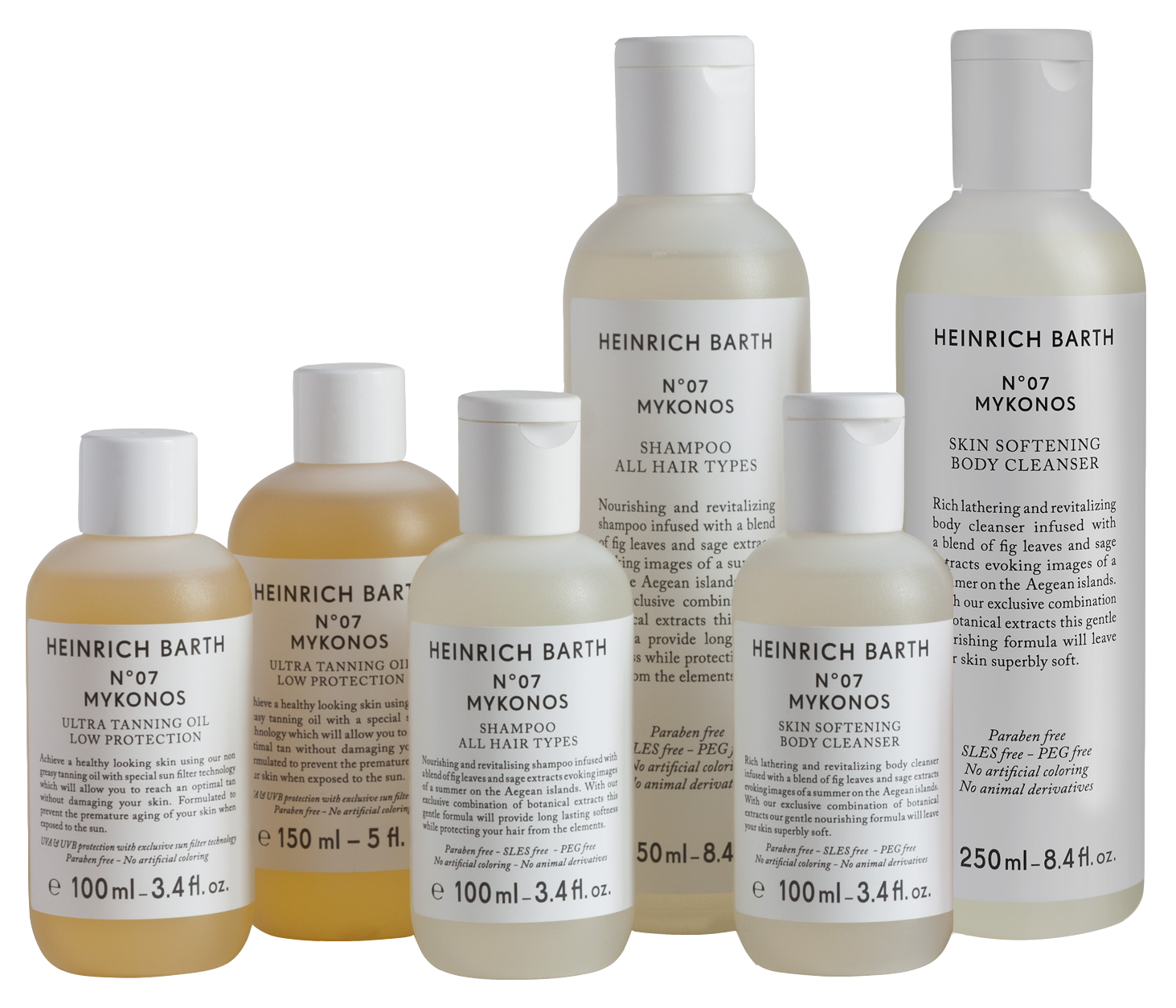
 

Take Time for Self Care with HEINRICH BARTH: the N.07 Mykonos Range

HEINRICH BARTH: the N.07 Mykonos Range, bath, relaxing, self care, Greece’s golden sunshine averages 26° C throughout summer, in a range of terrains on Mykonos. The flora on the island is famed for Mediterranean herbs inspired HEINRICH BARTH to create this range from Basil, Sage, Rosemary, Chamomile, Lavender, Olive leaf extract, Fig leaves, Honey, Peppermint, Nettle, Sunflower and Soybeans, to name a few!

Gazing upon this range of beautiful, rich local produce, HEINRICH BARTH, named after the 19th century German explorer, found inspiration for their ‘N. 07 Mykonos’ capsule line (named ‘N. 07’ because July, the 7th month, is the start of their summer).

N. 07 Mykonos from HEINRICH BARTH (all Paraben free and without artificial colouring):

N. 07 Mykonos Skin Softening Body Cleanser (cruelty-free and Vegan-friendly)

250ml RRP £22100ml RRP £13

This rich smelling body cleanser is infused with a blend of locally grown herbs (fig leaves, sage, rosemary, lavender, basil), taking us back to the golden beaches of this stunning Aegean island. The experts at HEINRICH BARTH have enthused this cleanser with a range of botanical extracts, to make the formula extra nourishing and gentle, and leave your skin superbly soft and smelling good enough for the Gods.

The Skin Softening Body Cleanser comes in 2 sizes, large and travel sized, to make it easier to take your holiday memories to other destinations.

N. 07 Mykonos Shampoo All Hair Types (cruelty-free and Vegan-friendly)

250ml RRP £21100ml RRP £13

The experts at HEINRICH BARTH set out to create a rich, nourishing and revitalizing shampoo from the ingredients available on Mykonos. In a blend of mallow, honey, peppermint and nettle these ingredients come together to cleanse the scalp from any sea water or excess salt, soothe and regulate oil production in the follicles. The results are worthy of the best beaches on the island, and the aroma is intoxicating; scent from above!

I tried the shampoo and the body cleanser. Both smell divine and do the job well. Great products.


All products available at www.HEINRICHBARTH.com

@worldofheinrichbarth

My Writing Process Paul McCartney

Paul McCartney, interview, book, author, children's book

© MPL Communications/Paul McCartney & Kathryn Durst

My Writing Routine

 Where did the idea for the book come from?

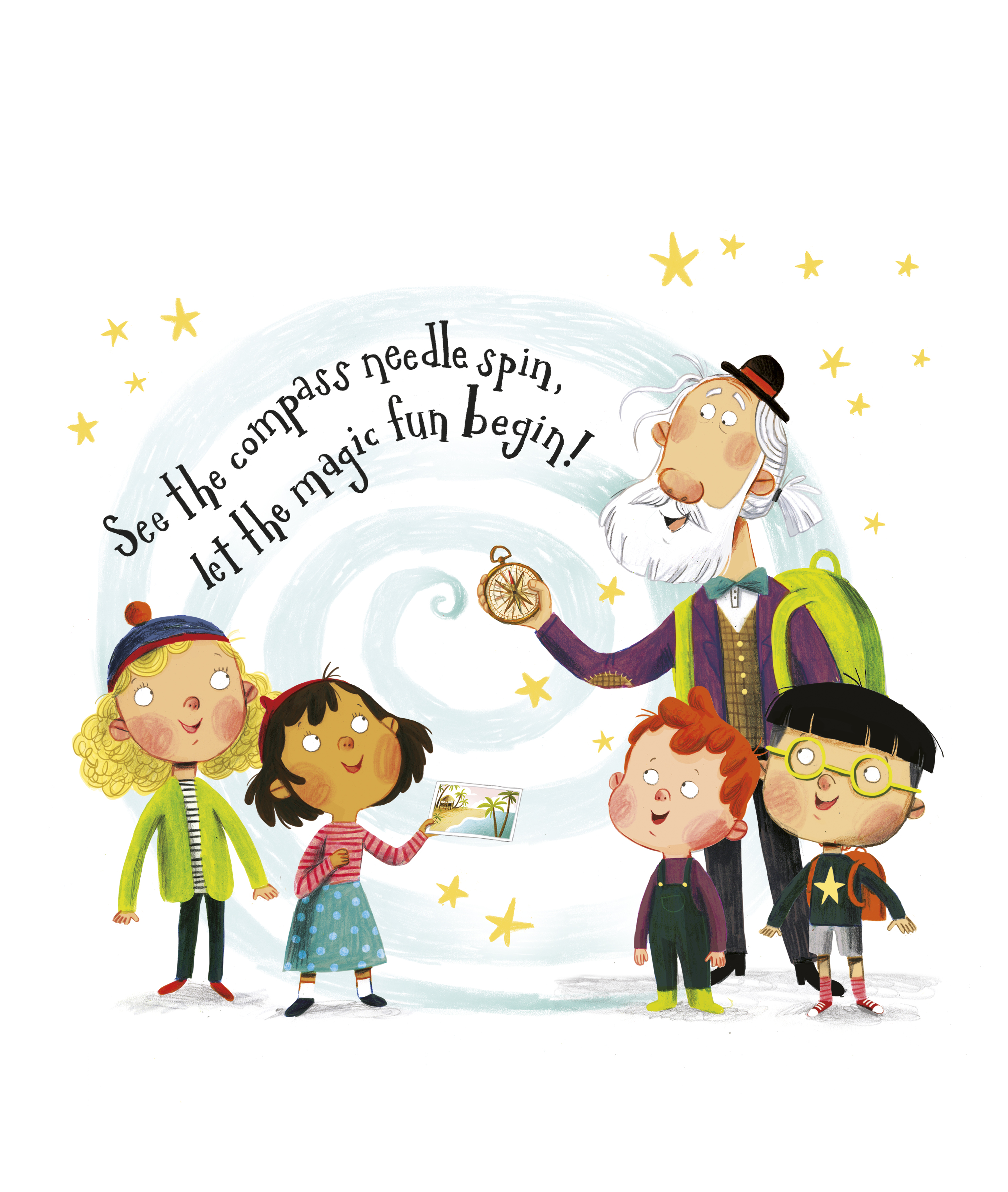
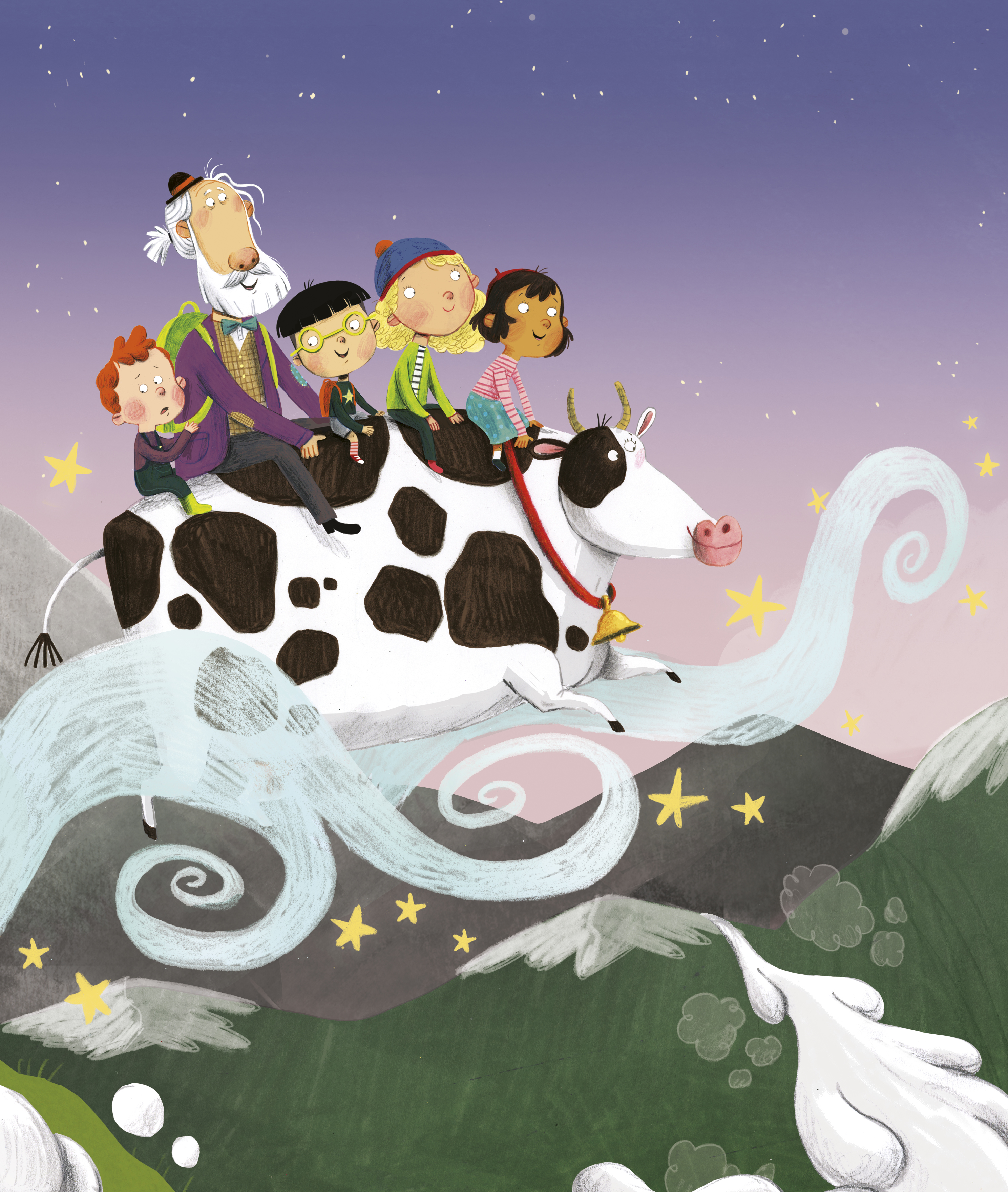
One day one of my grandkids, instead of calling me Grandad, called me Grandude: “Grandude, can we do this . . . ?” I thought, Well, that’s nice, I like that, so I started to think of stories about this character Grandude. I thought, I’ll make him magical. The kids say, “Hey Grandude, can we go somewhere?” and he takes them on magical adventures. That’s how it started – one of my grandkids just called me Grandude one day, and that was it.

Will there be more adventures of Grandude?

Well, you know, maybe we’ll see how this goes. If people like it, then I’ve definitely got a few more adventures up my sleeve – or Grandude has – so it would be quite nice to continue. I’m ready to write more if people do like it.

Paul McCartney, interview, book, author, children's book

© MPL Communications/Paul McCartney & Kathryn Durst

How did you collaborate with Kathryn Durst?

I was shown the work of a few illustrators, and because I read a lot of children’s books to my own kids when they were growing up, I know the styles that are out there and I liked her style very much. I thought it suited Grandude perfectly. It was slightly unusual and bohemian, and she made him a bit of an eccentric character, so she was really good. But there was one thing that happened during the making of the book. She’d do an illustration and it would come to me to approve it, and I’d say, “Oh yeah, it’s great.” I loved what she was doing. There was just one funny little detail: in one of the adventures the kids and Grandude were all riding horses and their stirrups were just hanging down – their feet weren’t in the stirrups. So I said to the publishers, “They’re riding horses – their feet should be in the stirrups, shouldn’t they?” And they said, “You know, that’s funny – the American publishers picked up on that too,” so we had to ring Kathryn and say, “Could you just stick their feet in the stirrups?” If you look, you will note that they’ve all got their feet in the stirrups now!

Is writing a picture book for children anything like writing a song?

Well, you know, it is a little bit like that, in as much as you’ve gotta use your imagination – you’re making something up. If it’s a song, you’re making up words and music, and maybe a story. If it’s a children’s book, then obviously you don’t need the music but you still gotta have the imagination, and that’s actually what’s fun about it: you’re making stuff up, but if you’re writing a children’s book your story tends to go to more far out places. You can rub a compass and go to Zanzibar – you can go wherever you like. You could do that in a song, but you tend to keep it a little bit more feet-on-the-ground.

The paperback of Hey Grandude! comes out on 17th September and includes a story CD, featuring narration and instrumental music by Paul. 

Niall Edworthy: My Writing Process

Niall Edworthy

I have been writing in one capacity or another since I finished studying thirty years ago. I worked as a reporter for broadsheet newspapers and international news agencies Reuters and AFP in the 1990s. In 1996 I was commissioned to write the Official History of the England football team. The following year I was invited to ghostwrite a travelogue for actor David Jason. Soon after I gave up journalism and focussed on books. I live in the Downs above Chichester, commuting down 14 steps to my, ahem, fancy office (converted shed, no sun after 11). When I’m not writing, I tend to be reading although I’m suffering a little reader’s block right now, unable to settle on a title and bouncing back and forth between half a dozen on my Kindle. I pursue all the boring middle-aged activities, sometimes with passion, more often with relief after a day at the computer. I cycle a lot up in the hills, and I have grown to love gardening and cooking – semi-mindless activities that allow my brain to drain after writing. If the Test cricket’s on, I have to chain myself to the desk and resist the temptation.

What you have written, past and present.

I have written over 40 books, roughly half of them ghosted for well-known public figures or ‘ordinary’ people who have had extraordinary experiences. I have written memoirs, military history, sport, humour and natural history.

What you are promoting now. 

My first novel, Otto Eckhart’s Ordeal. It is hard to slot into a genre but if you were in a bookshop (remember them?), you’d probably find it in Historical Fiction. Set in 1937 and based on a true premise, it tells the story of an aimless, young historian dispatched by the Nazis to go fetch the Holy Grail for the glory of Germany. It is a coming-of-age, adventure story with a dash of romance and, dealing with some grim characters at a grim period of history, I have tried to write it with dark humour.

A bit about your process of writing. 

I’m reasonably methodical. Once all the research is done and the story laid out loosely but with direction, I go at it every day if I can. I need momentum and I need to be deeply immersed in the world I am describing or creating. It’s no good grabbing an hour here or there. I need a good long stretch for each session. I start early, between 7 and 8, and tend to work through to a late lunch. If I have written a good amount I often feel drained and don’t go back to my computer. If it’s been a frustrating effort and I haven’t got much down, panic propels me back to my keyboard.

Do you plan or just write?

I am a planner, but the plan changes a little every day. I think it’s important not to plot too hard, and to keep all options open. I read a good description recently that sums up my approach: Starting a book, you are at John O’Groats heading for Land’s End but not entirely sure of the route you are going to take.

What about word count?

Big difference between fiction and non-fiction. If all the research is at my fingertips, I average about 1,500 words a day for non-fiction, but can push to 2,500. With fiction, I’m delighted if I have 1,000 words in the bank at the end of a session.

How do you do your structure?

As clearly as possible. Structure is everything in building a story. You are reminded of the challenges facing the architects and engineers of skyscrapers – if they are an inch out at the bottom, it won’t be long before the building starts to lean and they have to demolish it and start again. In fiction, structure is more flexible because the characters will soon start to take you to places and scenarios you hadn’t foreseen.

What do you find hard about writing?

Where to start? Lack of company – not being able to wander over to the water-cooler for a good moan from time to time. Anxiety about money – it’s not the path to fabulous wealth. Fretting about the next project while I’m deep in the current one. The time it takes to set up new projects, writing proposals, pushing them on publishers, knowing all the effort may come to nothing. (The writing itself is the easiest and most enjoyable part of the process.) The occasional jerk on Amazon, who writes an ignorant, cowardly and malicious review. Why bother torpedoing someone’s huge effort to produce a book? It’s not personal.

What do you love about writing? 

Again, where to start? I like the independence. I like not having to commute, to set my own agenda. I’m writing this in my shorts and slippers with very un-combed hair wondering where I might cycle this afternoon in the glorious autumn sunshine. On the actual writing, it’s a great feeling when you know in your bones you have written a passage that will stand the reader’s scrutiny. A cricketer who has played the perfect cover drive will recognise the feeling.


Advice for other writers. 

Know what you want to say before you write. Short sentences. Be bold. Find your voice. Get up early. Trial & error is the only way to learn – most writing is more effort than inspiration. If you have a setback, dust yourself down and keep going. Have a second source of income. Read as much as you can to immerse yourself in words and expand your range of reference.


Looking For Things To Do in Lockdown? Little Cooks Co is here to help.

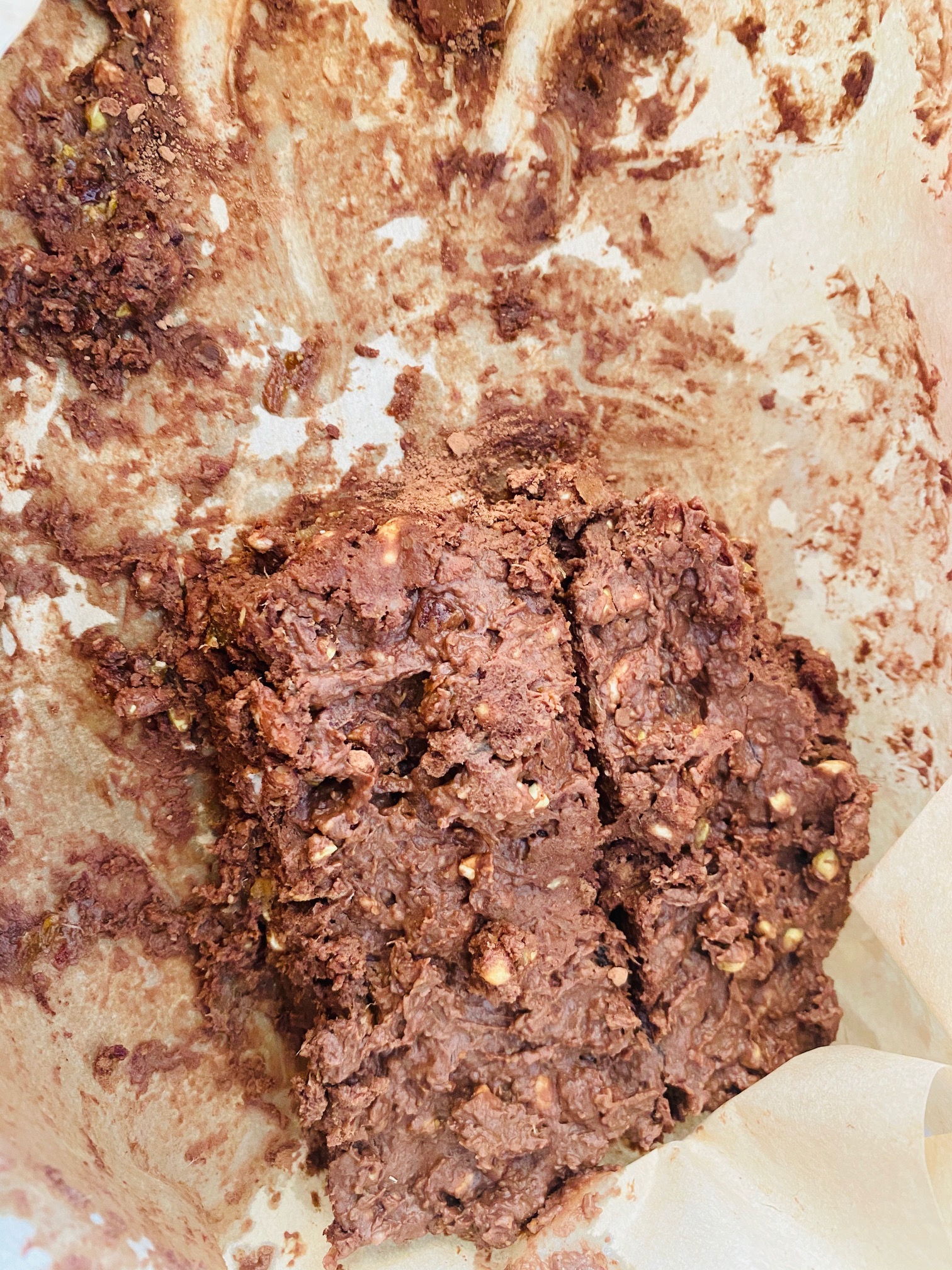
little cooks, baking, baking with children. Some of the happiest memories of my childhood are of baking with my parents. We were taught to bake and cook at a young age. There are few things more bonding than baking with your children. A lack of time can make things hard I find. Enter Little Cooks Co, a subscription box recipe kit for children. Subscriptions boxes are huge now and this is one of the best.

The recipe is easy to make and there are activities in the box to do as well. I like how all of the ingredients are organic and everything is as healthy as possible. My kids loved making their rocky road. This a subscription box that will make lots of memories, and nothing is more important than that.

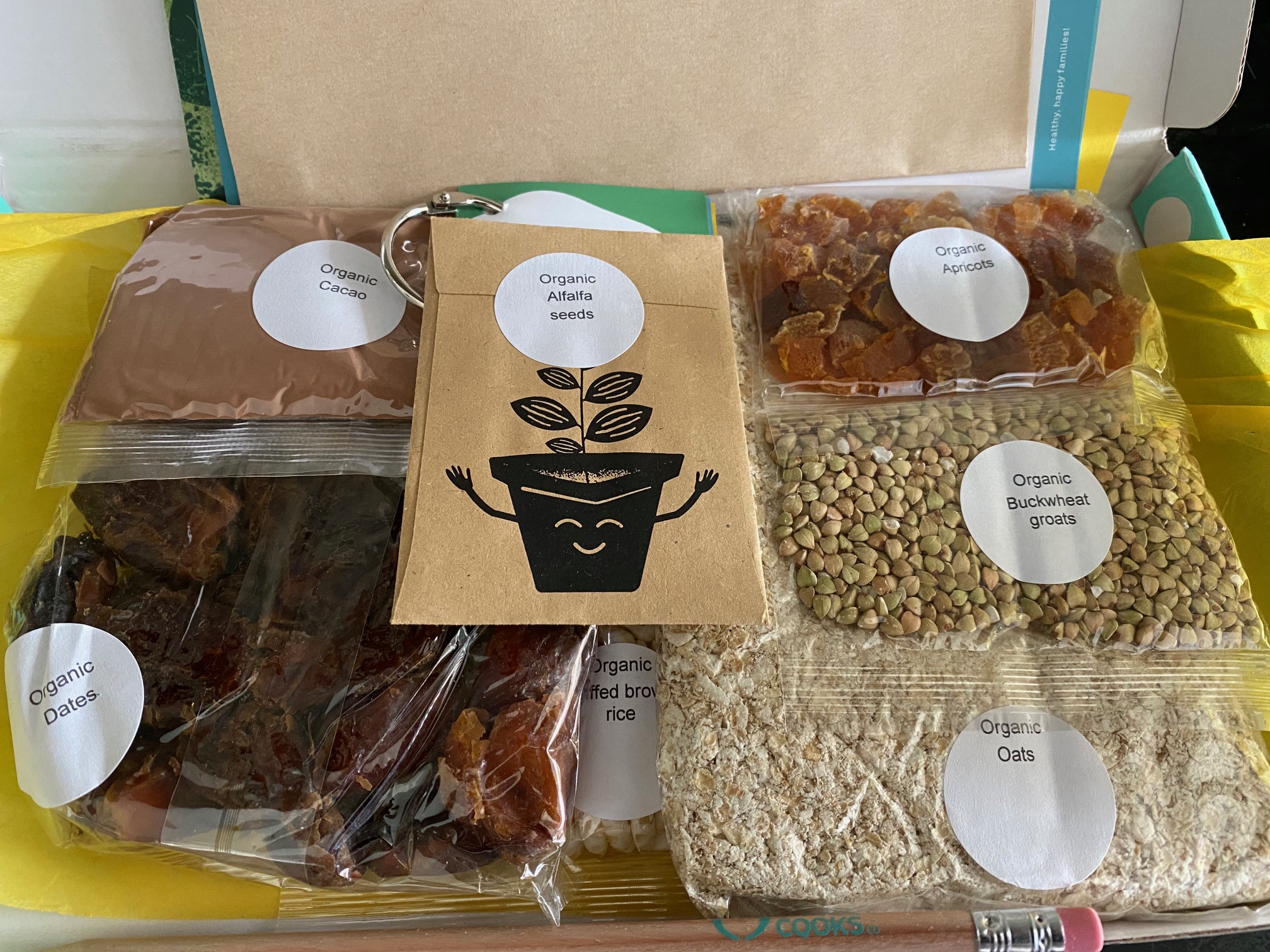
Little Cooks Co is a monthly subscription based recipe kit that’s posted through the letterbox, direct to kids, in a neat 100% recyclable box with compostable packaging. The box is packed with all the natural and healthy dry ingredients of that month’s delicious and nutritious recipe for kids to bake in the home.

So if you’re at home, or it’s a rainy summer day then Little Cooks Co is the perfect activity guaranteed to bring excitement to any child and parent / carer, promising to teach children to love cooking (an important life skill), the importance of healthy eating and to create happy family memories along the way.

Little Cooks Co Subscription

Month by month (cancel anytime) £12.99 incl postage

3 months (renews after 3 months, cancel anytime) £35.99 incl postage

6 months (renews after 6 months, cancel anytime) £59.99 incl postage

12 months (renews after 12 months, cancel anytime) £99.99 incl postage
little cook subscriptions, baking, baking with children.


Kits come complete with all of the dry, organic ingredients perfectly measured to make each recipe and also include a small activity or craft for children to enjoy while making their yummy bake.


Each recipe is fun and easy to make and has been designed by a registered nutritionist, so is free from all refined sugar and processed ingredients.

little cook subscriptions

The recipes are designed to keep interest at heart, and take no longer than an hour to make from start to finish, so whether it’s Mum, Dad, Granny or Grandpa or favourite Uncle or Auntie – it’s a perfect monthly activity to break up a rainy day or simply to spend quality time with the little one you love.


Give and feel good

What’s more Little Cooks Co is a business with purpose. Every box bought pays for a vulnerable school child in the UK to receive a healthy breakfast through its partnership with the charity Magic Breakfast.


Little Cooks Co won an award for Children’s Gift of the Year 2019 by the Giftware Association and Best Kids Subscription Box 2019.


For more information visit www.littlecooksco.co.uk.


Prize Palettes – Award-winning mineral makeup from Live in the Light

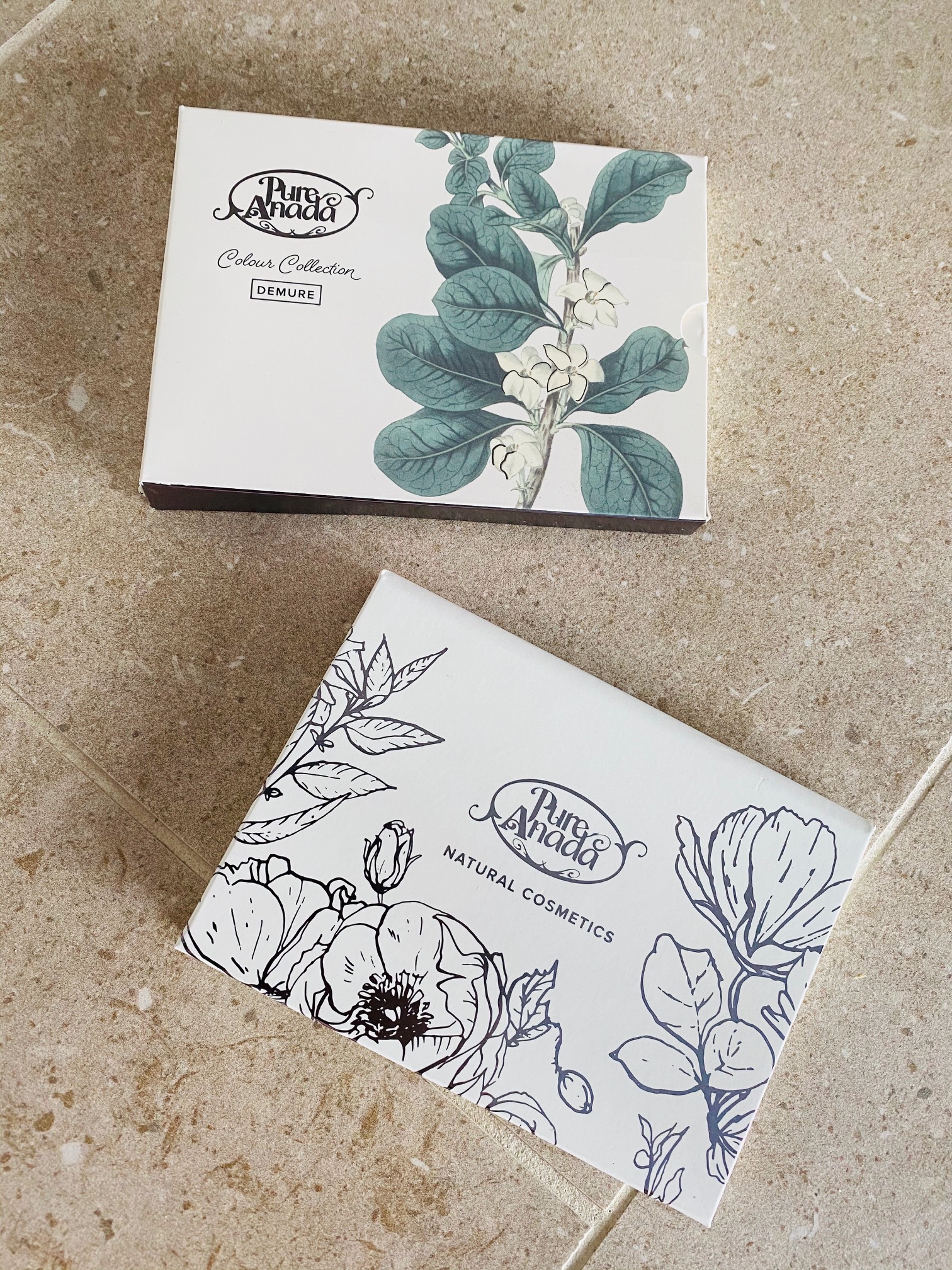
Add some award-winning colour to your beauty kit with PureAnada‘s all-natural mineral makeup Compact Palettes.
Each of the four palettes features a carefully curated collection of a Pressed Blush and four Eye Colours in Pure Anada‘s most popular shades.

Both the Pressed Blush and Eye Colour scooped awards in the prestigious Beauty Bible Awards 2020 – great recognition for this independent natural brand.

Re-fillable…
A cost-effective purchase, the Pressed Blush & Eye Colours included in the Compact Collection are available individually as refills so if you run out of one of the colours, you can restock by purchasing the refill in that colour and just pop it into your compact.  Alternatively, you can take your pick from the other Pure Anada mineral colours to change your look as and when you wish.
Pure Anada is handcrafted in the Canadian prairies from fresh, wholesome ingredients where they incorporate the goodness of nature into each of their products.  Using ingredients derived from nature, luxurious plant oils, nourishing butters and ethically mined minerals are combined to create a comprehensive range of nurturing bodycare, skincare, haircare and colour cosmetics with clean, natural formulations which are free from common allergens and not tested on animals.

Pure Anada is available in the UK exclusively from

Live in the Light – the online natural and organic lifestyle store www.liveinthelight.co.uk

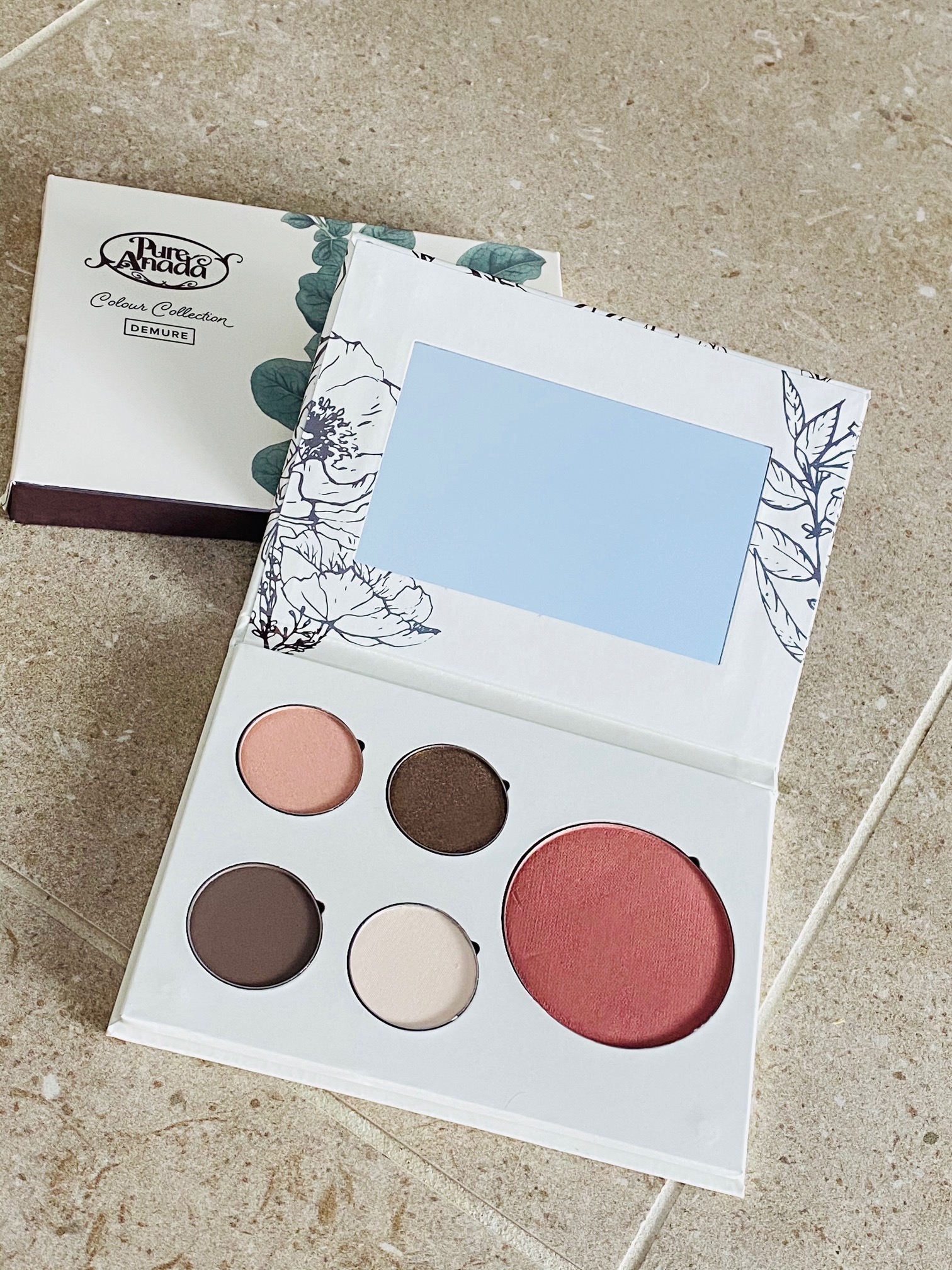
Demure Compact Palette
£29.95

Pure Anada, mineral make up, palette, natural, demure. Pure Anada, mineral make up, palette, natural, demure. Pure Anada, mineral make up, palette, natural, demure.

I tried this gorgeous palette. All of the colours are fab and the quality is brilliant. The colours go well together and the make up stays all day. I will be refilling when I use this up. 

The Demure Palette is a warm blend of shades that creates a glowing makeup look. Dusty rose blush is complemented by four eye colours including matte creamy white, peachy rose gold, ash medium brown, and a satin, warm beige that shifts to iridescent peach.

The Demure Compact Collection Includes:
Tender Twig Pressed Blush
Ivory Tower Pressed Eye Shadow
Peachy Pie Pressed Eye Shadow
Autumn Rain Pressed Eye Shadow
Harvest Moon Pressed Eye Shadow

Fox News Boss Lachlan Murdoch Is New Owner Of Cheryl Tiegs’ Home

Lachlan Murdoch, CEO of Fox Corporation, co-chair of the Wall Street Journal and son of Rupert Murdoch, has purchased his supermodel-neighbor Cheryl Tiegs’ Balinese-style home for $14.1 million. The home was listed at $18.5 million.

Lachlan Murdoch, Cheryl Tieg, home, house, real estate, photos

Although Murdoch has not explained why he bought his neighbor’s home, it was likely for more privacy as Tiegs’ 1.5 acres adjoins his 10-acre estate, Chartwell Mansion, that he bought last year for $150 million. When it was the most expensive home on the market in the United States. Chartwell, seen as the TV home of the oil-rich Clampett family in the 1960’s sitcom The Beverly Hillbillies, was originally priced at an eye-watering $350 million. Murdoch now owns a massive statement property and added Cheryl’s home with its tropical touches.

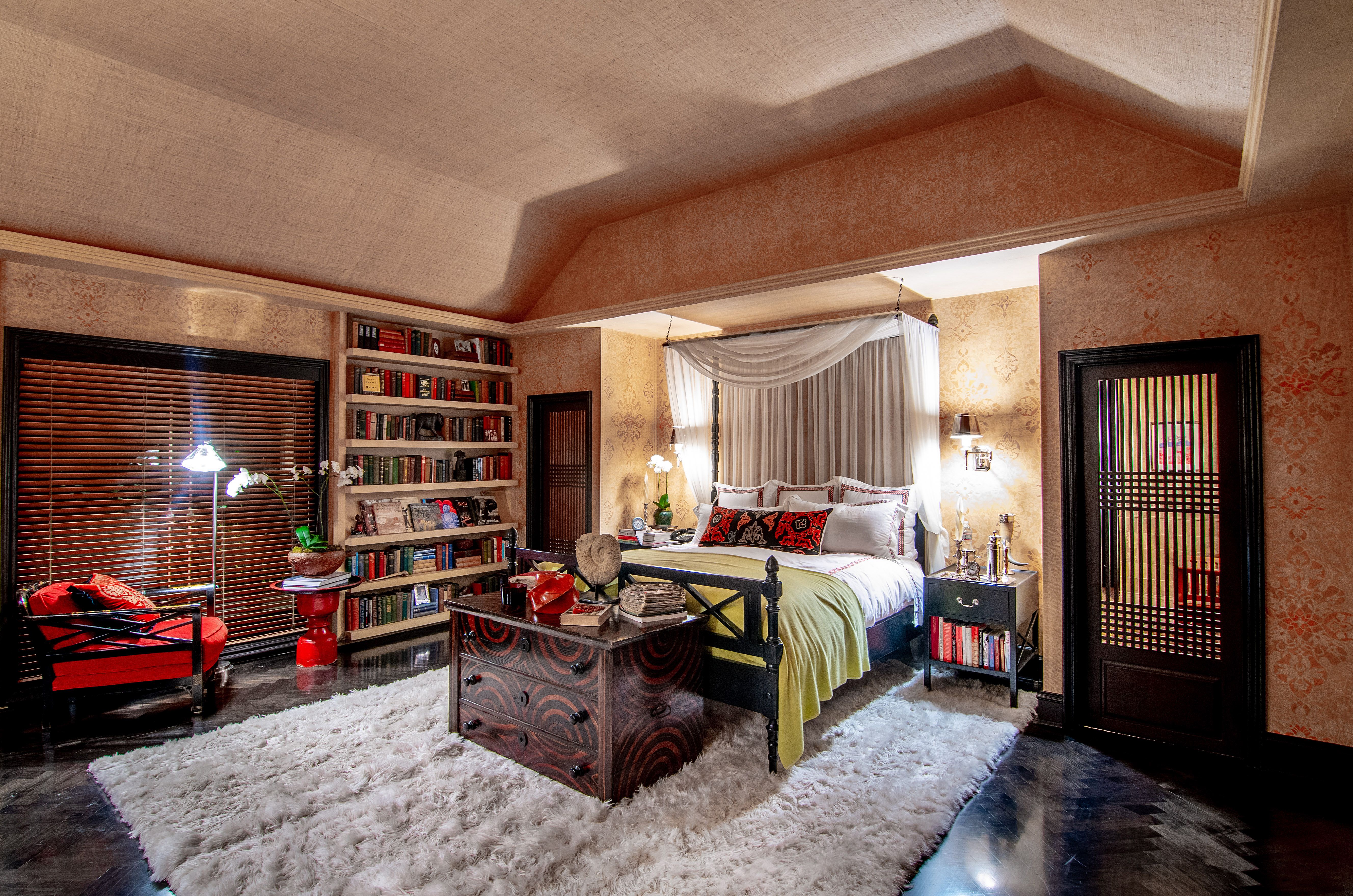
The Tiegs home, both inside and out, has the look and feel of an island in the tropics with its own koi pond and lily pads at the entrance behind gates that open to a long drive adding more privacy. Palms, huge Monstera vines and tropical flowers abound in the landscape and along paths. The house itself is a study in bold natural elements, textures and colors from fabrics, floors, glass walls opening to vegetation and stunning hilltop views.

Visit TopTenRealEstateDeals.com for more real estate news, spectacular homes and Celebrity Home Video Tours.

Lachlan Murdoch, Cheryl Tieg, home, house, real estate, photos

My Writing Process Angie Lake

author Angie LakeHow I Write 

  1. A bit about you.

After moving around chasing the rock n’ roll lifestyle, my partner and I decided to settle with our toddler on the Spanish Costa Blanca, which is where I grew up. He’s a musician and I’m a writer, so we knew that life was going to be challenging. We decided that we might as well live somewhere pretty as, chances are we’ll never be able to afford a holiday.

  1. What you have written, past and present.

I started out with a short stint doing reviews and interviews for a Heavy Metal magazine. Over the years I’ve written articles and worked on translations and subtitles for the music industry.

My Dad and I collaborated on two series of children’s books The Diaries of Robin’s Toys and The Diaries of Robin’s Travels, published by Sweet Cherry Publishing.

I then went on to write the middle-grade book series Danny Dingle’s Fantastic Finds, and its spin-off series Mina Mistry Investigates, also published by Sweet Cherry.

I’m currently working on the plot for another children’s series.

Aside from that I have some unpublished work including a trilogy of novels and a series of children’s books for adults (also comedy).

  1. What you are promoting now.

Sweet Cherry Publishing are launching Mina Mistry Investigates this September. It’s a series about a witty schoolgirl detective and her half-hearted attempt to fit in with the kids around her as she puts her energy into solving mysteries while maintaining her secret identity.

  1. A bit about your process of writing.

I went through a very draining phase of writing for up to 22 hours a day for two months on the trot, but once my hair grew back I decided to keep to a less lethal schedule.

I write 5 or 6 days a week, always in the mornings unless I’m up against a deadline.

I have notebooks where I jot down random ideas, then when I “go into production” with a pitch or a series I write everything on a project board to help me visualise the emerging universe.

I take time out to clear my head and come up with ideas: I run or hike most mornings before work.

  1. Do you plan or just write?

I think that if I didn’t plan everything with painful intricacy, my brain would disintegrate. I find that I’m more creative when I’m breaking rules; I impose my own strict rules on myself, then break them and feel awful about it. A typical work day should include an hour and a half of coming up with ideas, about an hour of planning and adapting plots and storylines and three to four hours of writing. There are also meetings, editing and other tasks. Usually my day will get hijacked by just one task though, and then I’ll panic.

  1. What about word count?

My current projects have a set word count, so I divide that into the time allowance I have for each project and then struggle to meet my own deadline.

  1. How do you do your structure?

Very rigidly. I’ll come up with characters and a concept for a series and I write as if I were working on episodes for a cartoon. I come up with a plot and a subplot for each episode, and then I divide that into eight scenes. I write a draft for each scene and then work towards the ending. I never drift; I always know how a story is going to end before I start writing it.

  1. What do you find hard about writing?

The financial uncertainty and having no one but myself to blame for it; that’s the problem with being your own employee and manager – what are the chances that you’re going to be good at both of those things?

  1. What do you love about writing?

That it comes more naturally to me than resurfacing roads or working in a call centre. Also that all the worlds and characters you create give you somewhere to escape to when you’re stuck resurfacing a road or working in a call centre.

  1. Advice for other writers.

In order to get anywhere you’ll have to take it seriously, but while you’re doing this you shouldn’t forget how ridiculous writers who take themselves seriously seem to the rest of the world. Embrace this and start collecting hats.


Mina Mistry Investigates: the Case of the Missing School Dinners will be published by Sweet Cherry Publishing on 10 September.