Now You See Her by Heidi Perks | Recommended Books

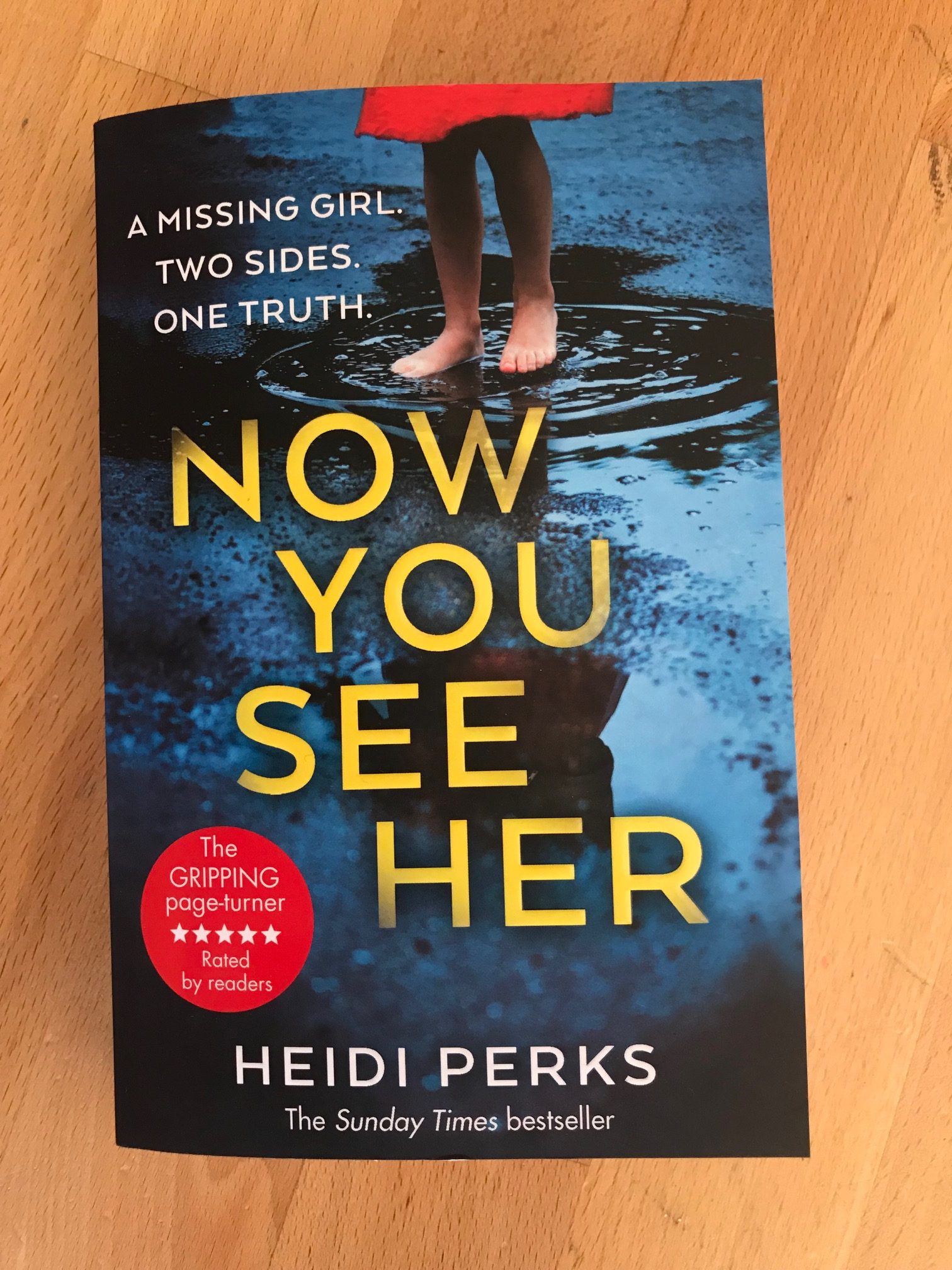
Now You See Her: The bestselling Richard & Judy favourite by Heidi Perks

This much talked about bestseller is a brilliantly written thriller. Riveting and powerful.

Charlotte is looking after her best friend’s daughter the day she disappears. She thought the little girl was playing with her own children. She swears she only took her eyes off them for a second.

Now, Charlotte must do the unthinkable: tell her best friend Harriet that her only child is missing. The child she was meant to be watching.

Devastated, Harriet can no longer bear to see Charlotte. No one could expect her to trust her friend again.
Only now she needs to. Because two weeks later Harriet and Charlotte are both being questioned separately by the police. And secrets are about to surface.

Someone is hiding the truth.
So what really happened to Alice?

Available here.

Power Your Phone in Style

I hate running out of power on my phone. I do not even think I am that much of a phone junkie, but I read books on my phone, listen to music on my phone, and even watch my favourite TV shows on it. I was delighted to be sent this super cute avocado charger. It is wireless and pocket sized. it plugs directly into your Smartphone and the 2000mAh battery works its magic. Love it.

phone charger, avocado

The Avocado Shaped Powerbank costs £14.99 from ThumbsUp.com


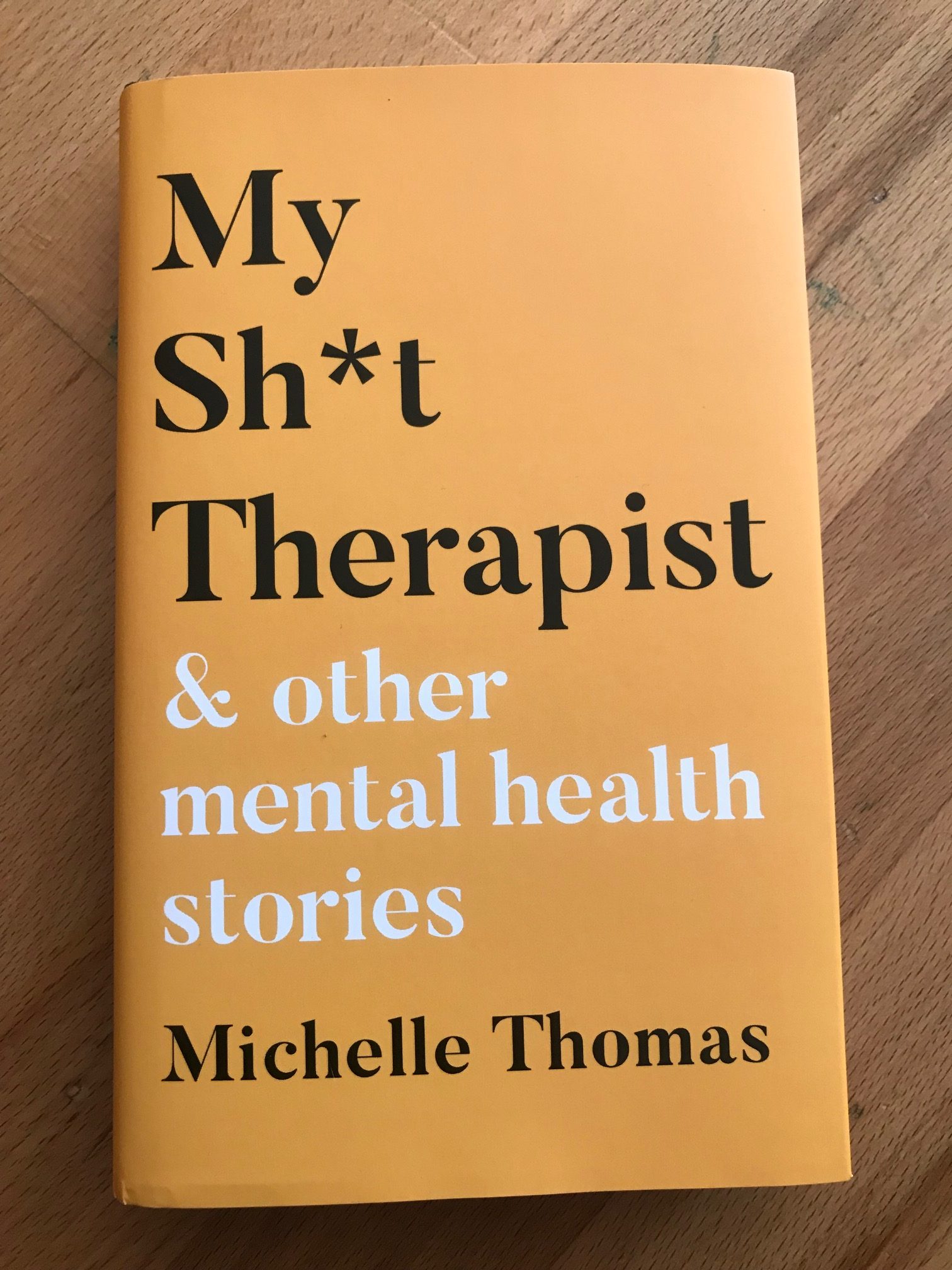
My Sh*t Therapist: and Other Mental Health Stories by Michelle Thomas

my shit therapist michelle thomas, book

Michelle Thomas is a stunning writer. She is brave and has such an original voice. Her writing is like being talked to by an articulate friend. I am lucky I do not have a mental health problem but this book was still a great read. It should be prescribed to everyone with a mental illness, and is even an essential read for this who want to understand more about mental health, or has a person in their life who needs help. Searingly honest and beautifully written. I loved it. 

A shocking, heart-rending and blisteringly funny account of what it’s like to live with mental illness, by a powerful new comic voice.

When Michelle Thomas suffered her first major depressive episode six years ago, she read and watched and listened to everything about mental health she could get her hands on in an effort to fix herself. God, it was tedious, boring and, quite frankly, depressing.

Which is the last thing she needed.

What she did need was a therapist who would listen and offer a wellness strategy catered to her specific needs. What she got was advice to watch a few YouTube videos and a cheerful reminder that ‘It could be worse’.

An honest, hilarious and heart-rending account of living with mental illness, My Sh*t Therapist will help you navigate the world, care for your mind and get through sh*t diagnoses, jobs, medications, boyfriends, habits, homes and therapists.

With no miraculous scented candles, herbal teas or ‘cures’ for mental illness in sight, learn instead how a modern woman and her friends and followers are learning to make the most of brilliant but unpredictably sh*t brains.

Having a crappy mental health day? I’ve got you.
Want to chat antidepressants and mental breakdowns?
Pull up a pew and let’s get into it.


Available here.

My Writing Process – Valerie Holmes

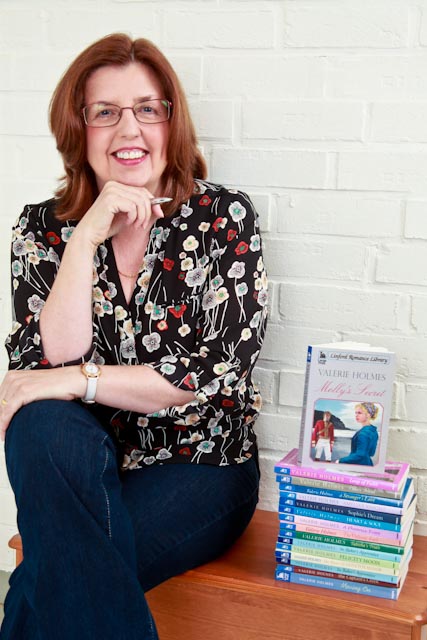
Valerie HolmesMy childhood memories of growing up in a North Yorkshire coastal town are vivid. The flat sandy bays, marram grass covered dunes, salt marshes, woodland and moors provided a natural playground. The Tees estuary to the north was industrialised, but the natural beauty of the sweeping bays and rugged headlands down to the ancient port of Whitby has a fascinating history. My mother had Multiple Sclerosis and died too young, so walking my dog and exploring the outdoors was important to me.

I love writing and am an experienced creative writing tutor independently and for The London School of Journalism and Writing Magazine. 

The Yorkshire Saga series, published by Sapere Books, is set in the region in early nineteenth century. I have had over 40 novellas published by F A Thorpe, both romance and mystery – historical and contemporary.

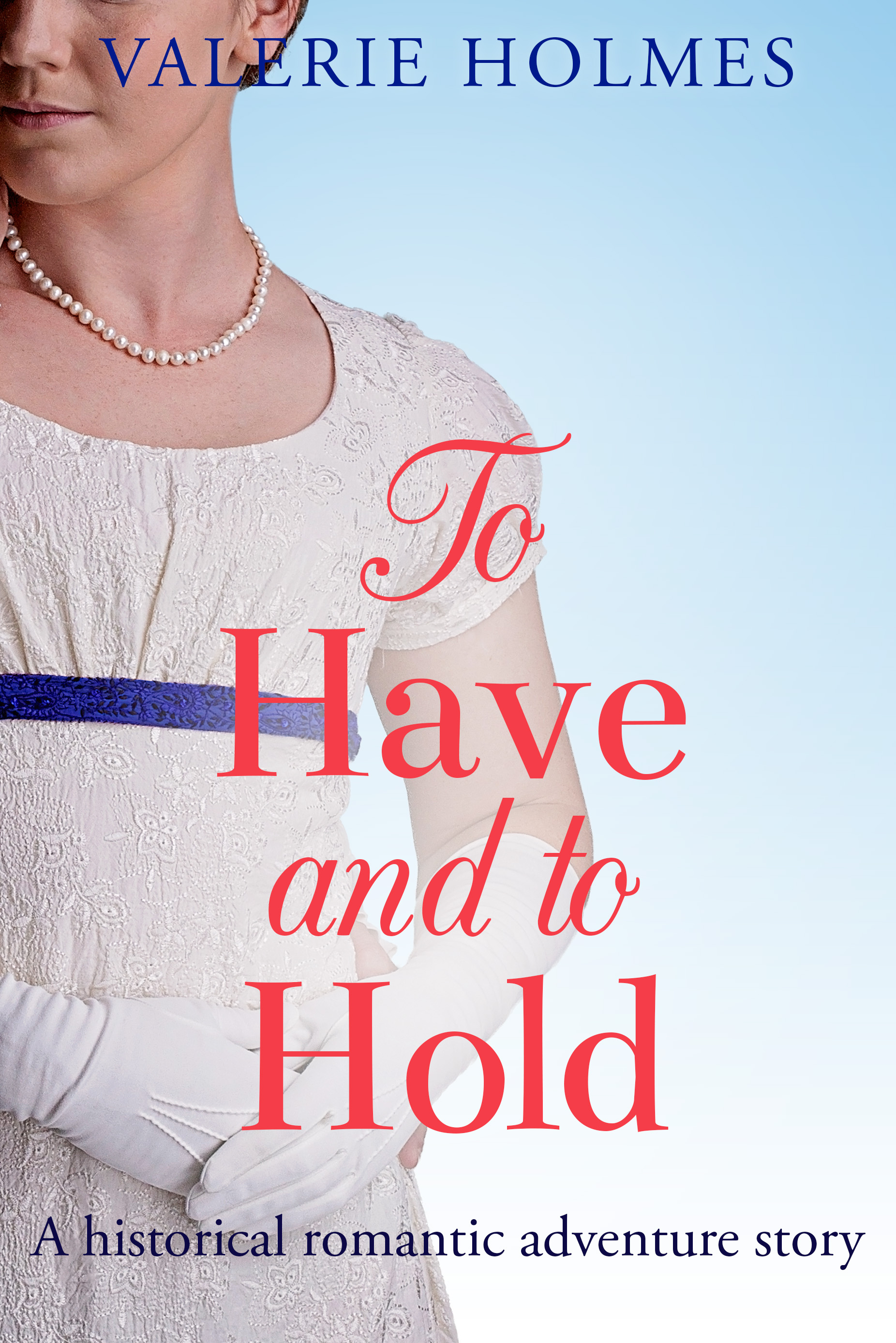
The third book in The Yorkshire Saga series ‘To Have and To Hold’ is published on 17th June, and the fourth ‘In Sickness and In Health’ has just been delivered to Sapere.

They are all set in or around the same fictitious villages of Gorebeck and Ebton nestled in the shadow of the headland of Stangcliffe (based on Saltburn and Huntcliffe). 

Set against social changes as a result of the wars with France: smuggling, espionage, press-gangs etc. I have been researching the era and the region for years.

A bit about your process of writing.  & What about word count?

 I write 1000-1500 words a day. The next day I will return to the work of the previous one and overwrite it, then add on the new words for that day, repeating the process until I have reached a satisfying ending and an acceptable total wordage.

Do you plan or just write?

Normally, I begin with a character, place and situation and then run with it. Once I have a few chapters drafted and the secondary characters have appeared on the page I plan what will happen: conflicts, subplots, character changes and the satisfying ultimate resolution of the core plot.


I like to explore the many facets of love from friendship, maternal/paternal to obsessive and manipulative, keeping the central theme as the spark that links two people together, drawing them into a relationship kindled by true love, regardless of social class.


Love bonds people together. Laws can dictate the controls within a culture which restricts or allows certain behaviour, but, I believe, most people want to have that special person in their life to love and be loved. I want the reader to be left feeling satisfied and positive about the future.


How do you do your structure?


I like to build up to a mid section that has a lot of things going on and kicks off new problems to drive the plot through to the end.


What do you find hard about writing?


After I have edited two drafts and left the project alone for a couple of weeks, even returning afresh to it, I am so close to the story that it is difficult to see what should be cut out or left in – that is why a good editor is so important to the finished book.


What do you love about writing? 


I love the adventure – I love creating the characters and setting them off to face a series of challenges and then figuring out what will stand in their way and how they will ultimately achieve their goal.


Advice for other writers


The publishing business is tough. It is a business and although we are creative we have to look at it like that. There are hours spent alone just writing. Love it. Love the whole process, embracing the challenge. The more you write, the better you become. Once published the challenges change. Be dedicated and determined and take on board constructive advice.

Most importantly enjoy every minute. 


Interior Design Ideas For When You Have Children

home , improvement, decor
Cleaning, decluttering, interior design. We have become obsessed with our homes. In an uncertain world the one thing it seems we have control of is our own environment. From Marie Kondo to Mrs Hinch, interior design and home improvements have become trendy. This is all well and good but if you have children it can be hard to have your home the way you want it and keep it that way.  So here are some things I try to do to keep my home a beautiful place to live.
Rotate their toys.
My children have an insane amount of toys. Toys from grandparents, their cousins old toys, toys mummy gets sent because she is an editor of a magazine. I find having boxes around and then rotating which boxes are out helps. This way they can get variety and do not use the same toys all of the time, and their other toys are tidied away where they are supposed to go. If they want the other toys, they tidy the ones they are playing with away.
Get them involved. 
Our son will tidy if asked and already helps with some chores. Children tend to love helping out with chores. Even when they are young. It has novelty factor and makes them feel grown up.
Implement some rules. 
Children learn habits and rules early on. If you install rules early it will be easier to make children keep them. Make sure they learn how to tidy up after themselves. Tell them off if they try to colour in the walls. Show them where to put their shoes and coat. Even little things make a difference.
Make sure they are safe. 
Children have a habit of getting into trouble. Have child locks on cupboard doors and drawers. Have cushioned door stoppers on all of the doors to protect little fingers. It is also important to have toughened glass in any areas that need it. Tuffx Glass is one of the leading manufacturers of toughened glass in the UK, and provide commercial and non-commercial products. One of their biggest recent works includes providing toughened glass for The Shard in London. It will look amazing while keeping your little one safe.
Don’t compromise on style. 
While some things should not be around children: anything spiky or any chocking hazards, there are a lot of stylish things you can have despite having children. You can even buy them little stools and their own furniture. A great thing to have a lot of is cushions. Make them bold and beautiful and when they are placed around the floor to stop banged heads the room will still look great.
Sponsored Post in Collaboration with Tuffx Glass.  

My Writing Process – Margaret Graham

I think a lot before I even put fingers to keyboard. I have a rough plan, and character, and get to know them, and the plot, and theme, which of course will drive the plot.


I have been writing for over 30 years, under three different names. Novels, and series, features, plays including a community play. And helped to research a TV documentary that grew out of a novel, Canopy of Silence.
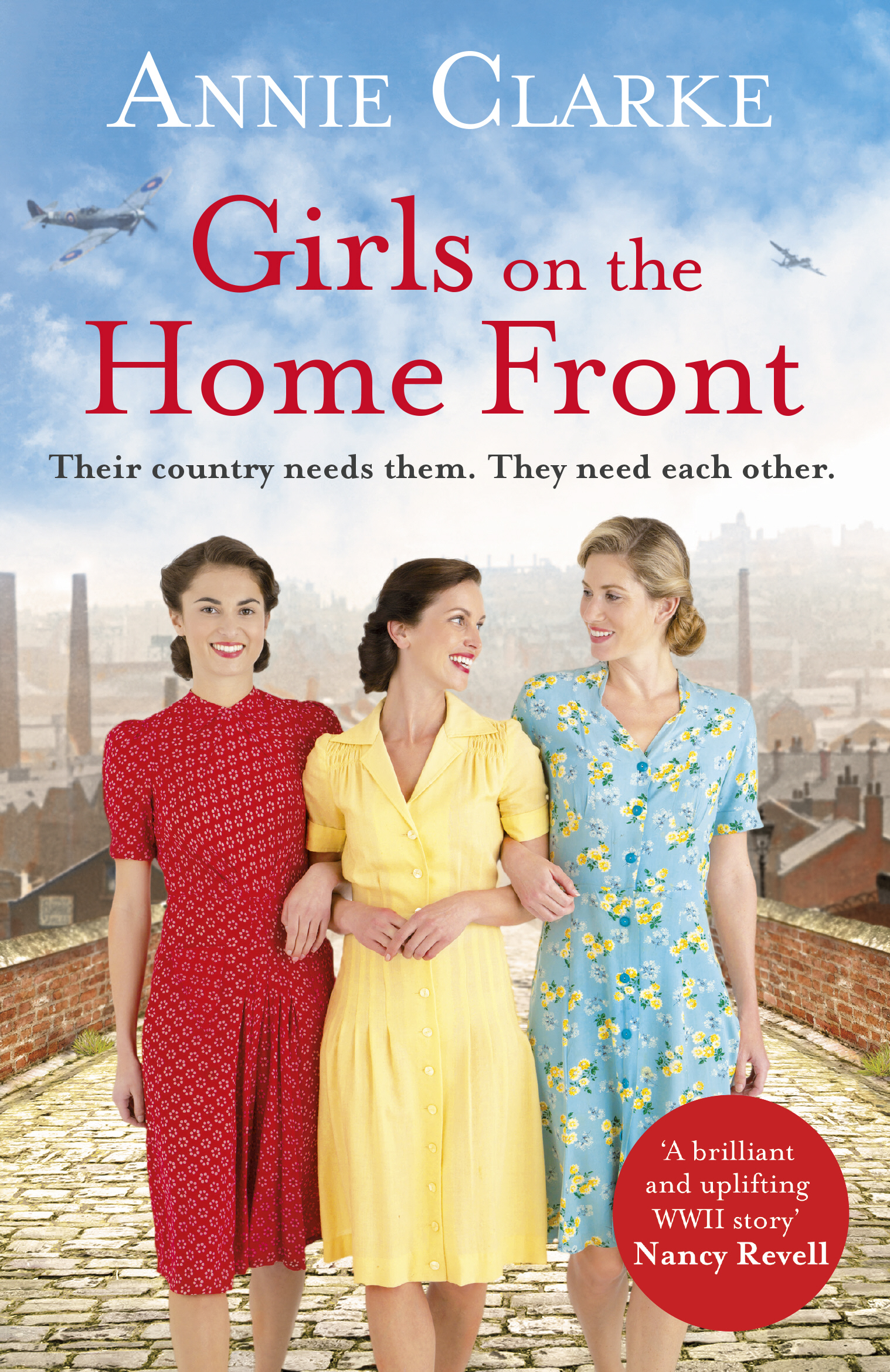
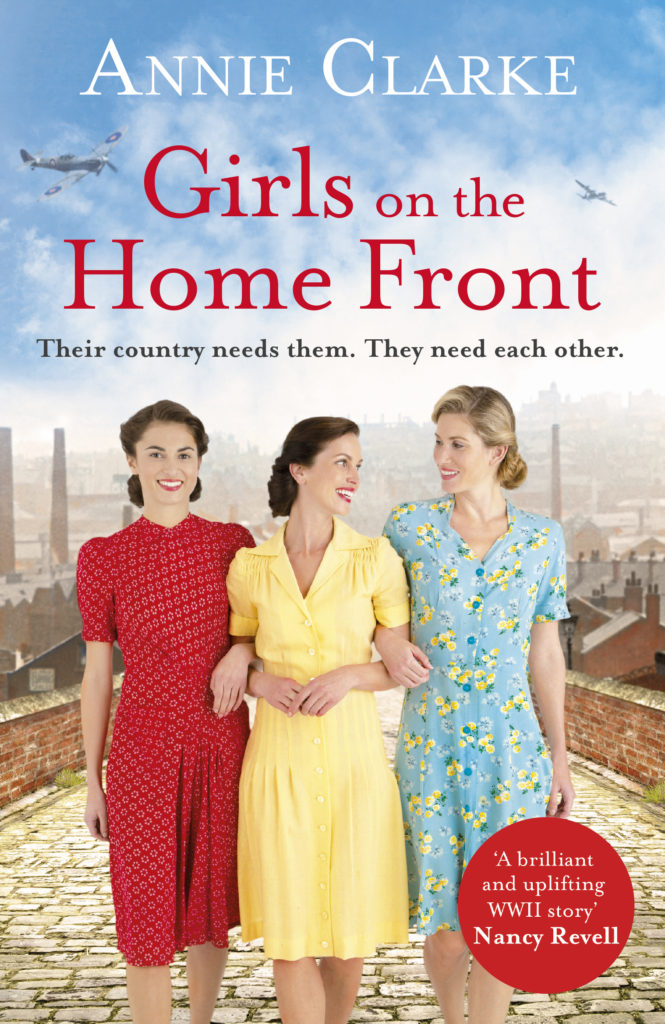
I have written the first of a series The Girls on the Home Front set in WW2. There is fashion in writing, or should I say publishing. At the moment there is a thirst for series about 2nd WW!!. When Downton Abbey was on, it was 1st War. The thing is, a writer must write for the market, we produce a product. Sound basic, but there you are. Packaging is key. You will note there are fashions in packaging too. Sagas seem to be three women against a library photo shot of a street or something.
Tell us about your process
Sit down  and do it! I get the idea, research the period etc. make notes, and all the time one’s mind is working, and arriving at a plot. Then you have to BE the characters, all of them, so they come alive.
Do you plan or just write?
I plan but not nearly as much as I did. I think that’s experience, I know now what is necessary.
What about word count?
Women’s fiction is usually about 100,000 words these days, but if you have a publisher they will tell you what they want.
How do you do your structure?
There is of course, only one structure: one shape, Normal world, then a point of change, then a rising arc to two thirds through the book, when there is a climax and it seems all is well, but like Cinderella the ball, the clock strikes, and it all goes wrong, so the last third is about resolving it finally, though no need to tuck it up neatly, just to show that the characters have developed enough to find a way through.
One main character and protagonist and antagonists. There has to be a theme, or message or it’s without depth.

And exposition, scene setting, showing not telling because we live in a visual age, so people are used to seeing things, not to wading through lots of telling. So create scenes, and it’s best if it’s through the eyes, (or point of view) of one person only in a scene. It helps with empathy.

What do you find hard about writing?
Actually doing it, I suppose. The day to dayness of it.  I write two a year, as well as being a Frost Magazine editor, and running my charity, Words for the Wounded so it’s a rush.
What do you love about writing?
Creating other worlds, and being in control of those worlds. As a parent I realised long ago I was in control of very little, but in fiction the characters have to do as they are told.
Advice for other writers.
Learn the skills – go to a credible writing class, or mentor group. It’s an apprenticeship and as such, you need to learn the craft. It is a craft, a nuts and bolts craft, not an arty farty Art. Basically, get down and dirty, and keep at it, share your work with a group, listen to constructive not destructive criticism, read to see how others do it. And don’t rush.

My first bit of writing, a novel, After the Storm was published. My very first bit of writing, so I had to learn in full gaze of the public. I switched point of view within scenes, and put in too much research and not enough dialogue. But it worked. My later books, however, are considerably better and easier to read. And  of course, enjoy it. No point otherwise is there, life is too short.

http://www.margaret-graham.com

www.wordsforthewounded.co.uk

https://www.facebook.com/margaretgraham4/

My Writing Process – Carol Thomas

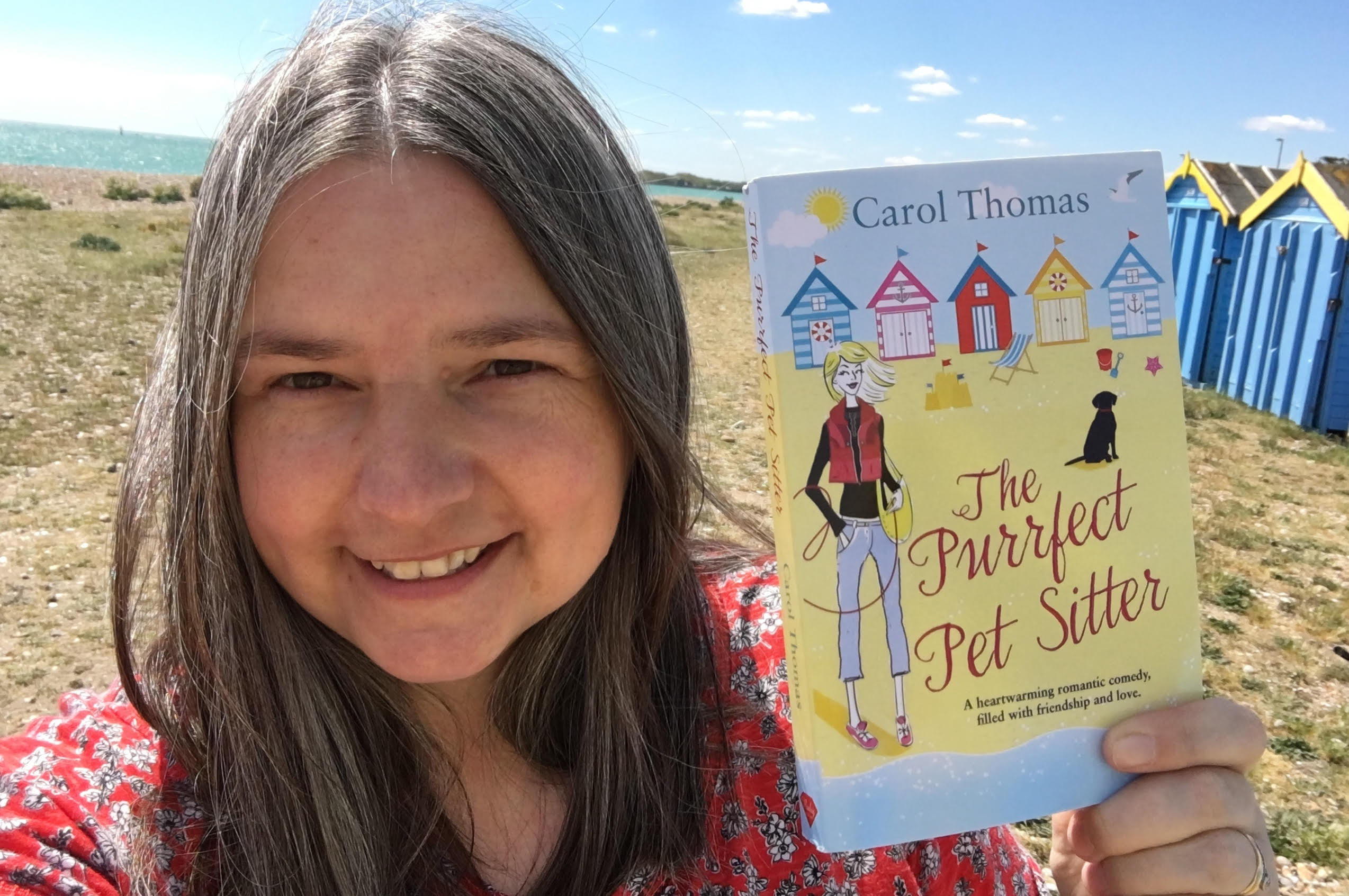
Carol thomas, writer, How I write,

I live on the south coast of England with my husband, four children and lively Labrador, Hubble (never give a dog a name that rhymes with trouble!). I taught in primary schools for over fifteen years, before dedicating more of my time to writing. 

In the summer of 2017, I was delighted to gain a publishing contract with Ruby Fiction, an imprint of Choc Lit, for my second novel, The Purrfect Pet Sitter. Currently out as an ebook, with paperback and audio editions due for release on August 6th, it is the story of what happens when you rediscover the one you let get away.

Prior to pitching The Purrfect Pet Sitter, I had self-published a contemporary romance novel, Crazy Over You, and a children’s book, Finding a Friend. Self-publishing taught me a great deal about the publishing process, building an author platform and promotion.

My latest novel, also published by Ruby Fiction, is Maybe Baby, a romantic comedy. It is the sequel to The Purrfect Pet Sitter, but can be read as a standalone story. Having recently completed a blog tour, I am delighted to have received reviews such as:

 “Incredibly entertaining, this book has everything, animals, humour, romance, an old flame and a pregnancy test!” 

It is always scary when you send a new book out into the world and so receiving lovely reviews really does mean a lot. 

My work in progress is a contemporary romance, unrelated to my previous books. I started it before the idea came to me for Maybe Baby, and I have to say returning to it and regaining the same focus, is proving difficult. Though as my husband likes to point out, actually writing instead of being on social media would help.

Self-discipline is not my strong point, but I am working on it and intend to prepare more of my social media posts up front. Having said that, I do think it is important to interact and be present too – with an allocated time limit, of course ;-)

My writing process varies depending on the story. For Maybe Baby, I had a spreadsheet for dates, and plotted precisely, because the story required it. Ordinarily, when I start work on a novel, I buy a new notebook (who doesn’t love a pretty new notebook?) that will eventually contain everything related to that story.

I then plan the outline, build character profiles, and commence research – which I know will continue as I write. Once my new notebook is armed with these essentials, I start writing on my laptop. As the characters develop and the story progresses, I am happy to be led in new and exciting directions.

I love it when the story is flowing, and I feel I can’t type fast enough to get it all down. Conversely, when the ideas are not coming, and the word count is hovering in one place for too long, it can be frustrating. At times like this, I endeavour to keep going and get something down. I can always edit it – once, twice, or twenty-seven times – later. I don’t generally have a set daily word limit I try to reach as I have a busy house and life, but if I am away to write, I set myself goals.

My advice to writers, including myself, would be focus on getting your book written, there are plenty of distractions, but the only thing that will make that word count grow is actually writing!


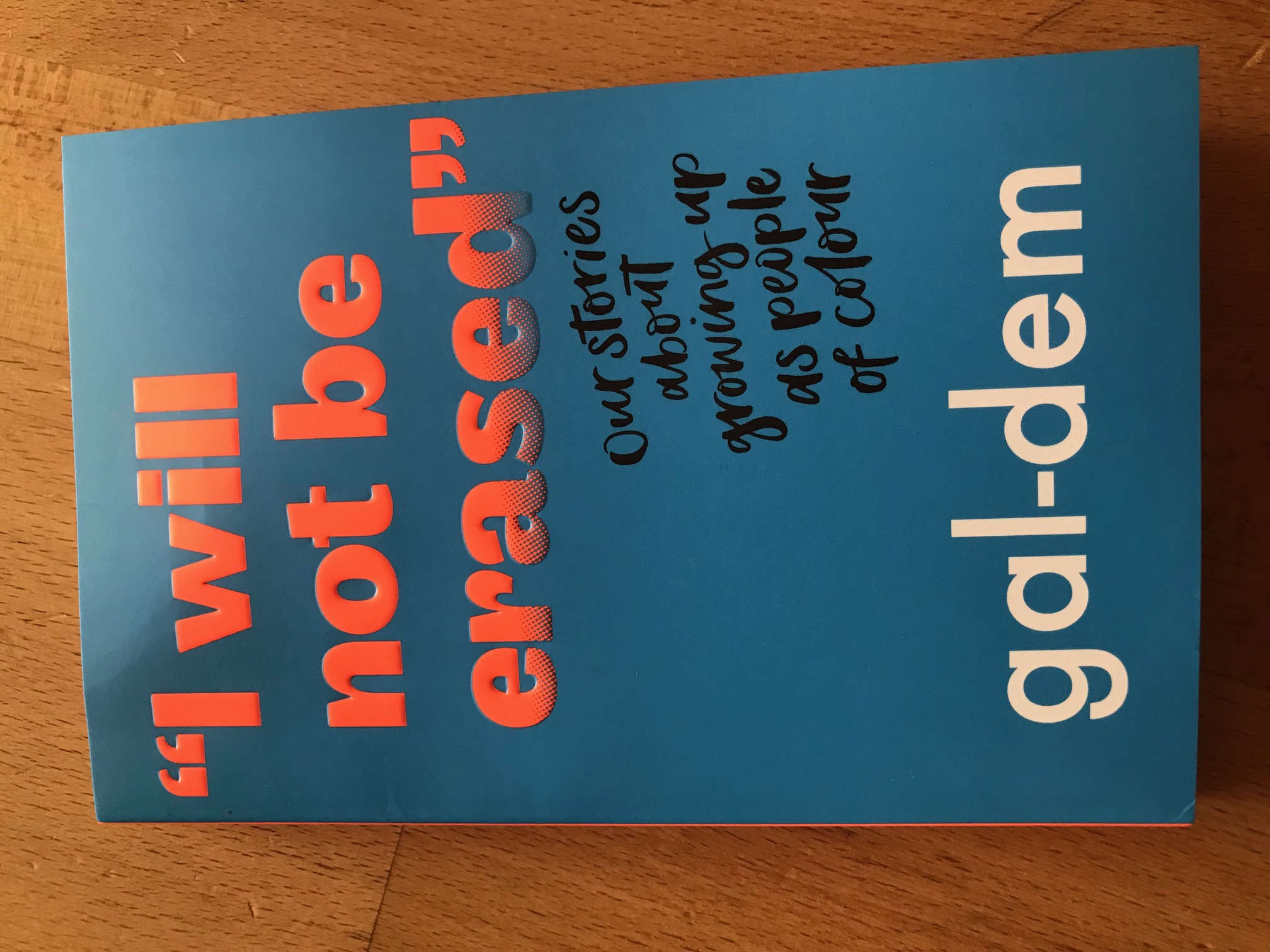
gal-dem “I Will Not Be Erased”: Our stories about growing up as people of colour

I will not be erased, gal-dem, people of colour stories, racism,

I loved this book. From the award-winning magazine gal-dem. A magazine so popular they even took over The Guardian at one point. There are fourteen poignant and fascinating essays. A great read for everyone.


Fourteen joyous, funny and life-affirming essays from gal-dem’s talented writers

gal-dem, the award-winning online and print magazine, is created by women and non-binary people of colour. In this thought-provoking and moving collection of fourteen essays, gal-dem’s writers use raw material from their teenage years – diaries, poems and chat histories – to explore growing up. gal-dem have been described by the Guardian as “the agents of change we need”, and these essays essays tackle important subjects including race, gender, mental health and activism, making this essential reading for any young person.


 gal-dem “I Will Not Be Erased”: Our stories about growing up as people of colour