
Stranger than fiction: Q&A with ‘bio-fiction’ creator, Giuseppe Cafiero

The acclaimed Italian author Giuseppe Cafiero has created a new literary genre that weaves traditional fiction with real-life biography. In this exclusive interview, he tells Frost Magazine what inspired his unique style of ‘bio-fiction’.

Frost Magazine (FM): Your novel, Gustave Flaubert: The Ambiguity of Imagination, describes in detail the life and writing of the famous 19th century author. What is the importance and lasting fascination of Flaubert?

Giuseppe Cafiero (GC): Flaubert’s attention to writing. He was very careful in choosing words. He was very scrupulous in the composition of the sentences. He was very much looking forward to the balance of dialogues.

FM: You are clearly a fan of Flaubert’s writing. Which of your novels or stories would you recommend as the best to read first, and why?

GC: An incomplete book: Bouvard and Pecuchet. This is the book that inspired me to write Gustave Flaubert: The Ambiguity Of Imagination.

FM: Your work is part of the surreal genres and metafictions. Why do you find these genres as satisfying as an author? What can the reader take from these genres that are not offered by other types of writing?

GC: Because it’s suggestive to talk about ambiguity. Because it is very suggestive to speak in a surreal way about the ambiguity of a writer. It’s necessary to engage the reader in different readings by looking at an author under another aspect that intrigues with the surreal

FM: You are the inventor of a literary genre that you have dubbed ‘bio-fiction’. What do you mean by this term and how does it differ from biography or fiction?

GC: My literary genre is neither fiction nor biography. I try to tell a story about the life of a writer in which a surreal element intervenes that modifies reality. This is only an interpretative ambiguity of events that changes what was considered an absolute truth

FM: In your novel, Flaubert presents himself as a rather flawed individual. Do you think that his sexual and mental obsessions were an essential factor in allowing him to write the great works of literature for which he is famous?

GC: Undoubtedly. It is precisely these obsessions that have made Flaubert a particular writer. Without these pathological obsessions Flaubert would have been perhaps an insignificant writer

FM: Which authors have had more influence on your writing and why?

GC: My writing was influenced very much by Jorge Luis Borges, because if Borges has viewed the world and influenced his writings through the use of duplicity, I have believed that ambiguity would be deciphering in the world in a different but also very suggestive way

FM: How do you decide which historical figures to give biofocus treatment? Are there any character traits you are looking for that make an ideal subject?

GC: There are some characters (writers, painters, musicians) that interest me a lot. Certainly these characters have had adventures or have had friends or loves that lend themselves very well to the game of ambiguity

FM: What other authors do you think to give to the “bio-fiction” treatment in the future and why?

GC: The Portuguese poet Mario de Sa Carneiro for the ambiguity of his suicide. Virginia Woolf for the ambiguity of her lesbian love. James Joyce for the ambiguity of the epiphanies. Edgar Allan Poe for the ambiguity of his death for alcoholism.

FM: Your novels address the main theme of “ambiguity”. Why does this concept fascinate you and how does this idea link to what we can hope to understand as “truth” from literature and history?

GC: The theme of ambiguity fascinates me because it’s possible to look at the life and works of an artist in a different way through a keyhole that deforms things just because this keyhole is ambiguity. It is an ambiguity that can show another truth.
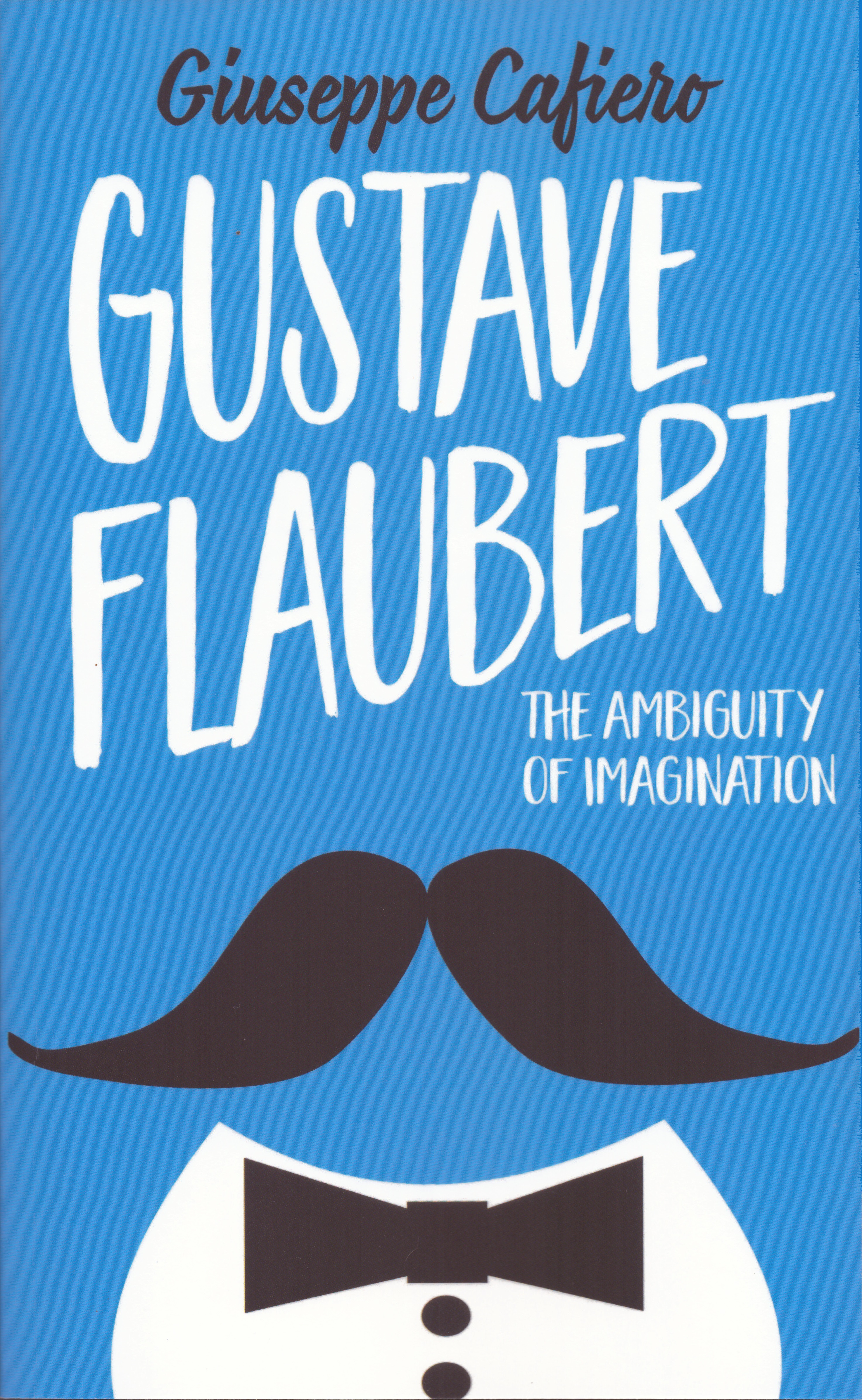
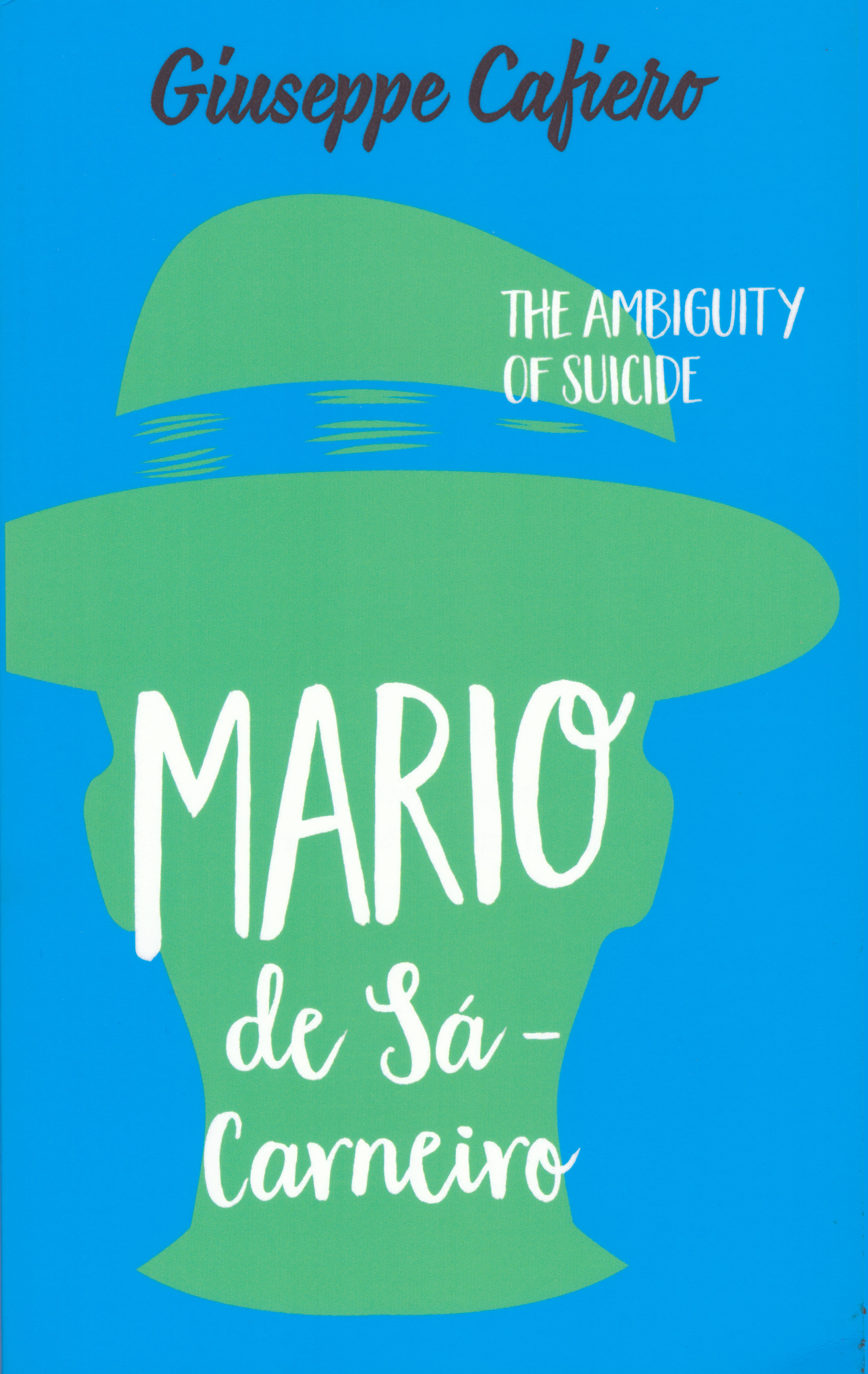
Gustave Flaubert: The Ambiguity Of Imagination and Mário De Sá-Carneiro: The Ambiguity Of A Suicide, both by Giuseppe Cafiero, are out now.
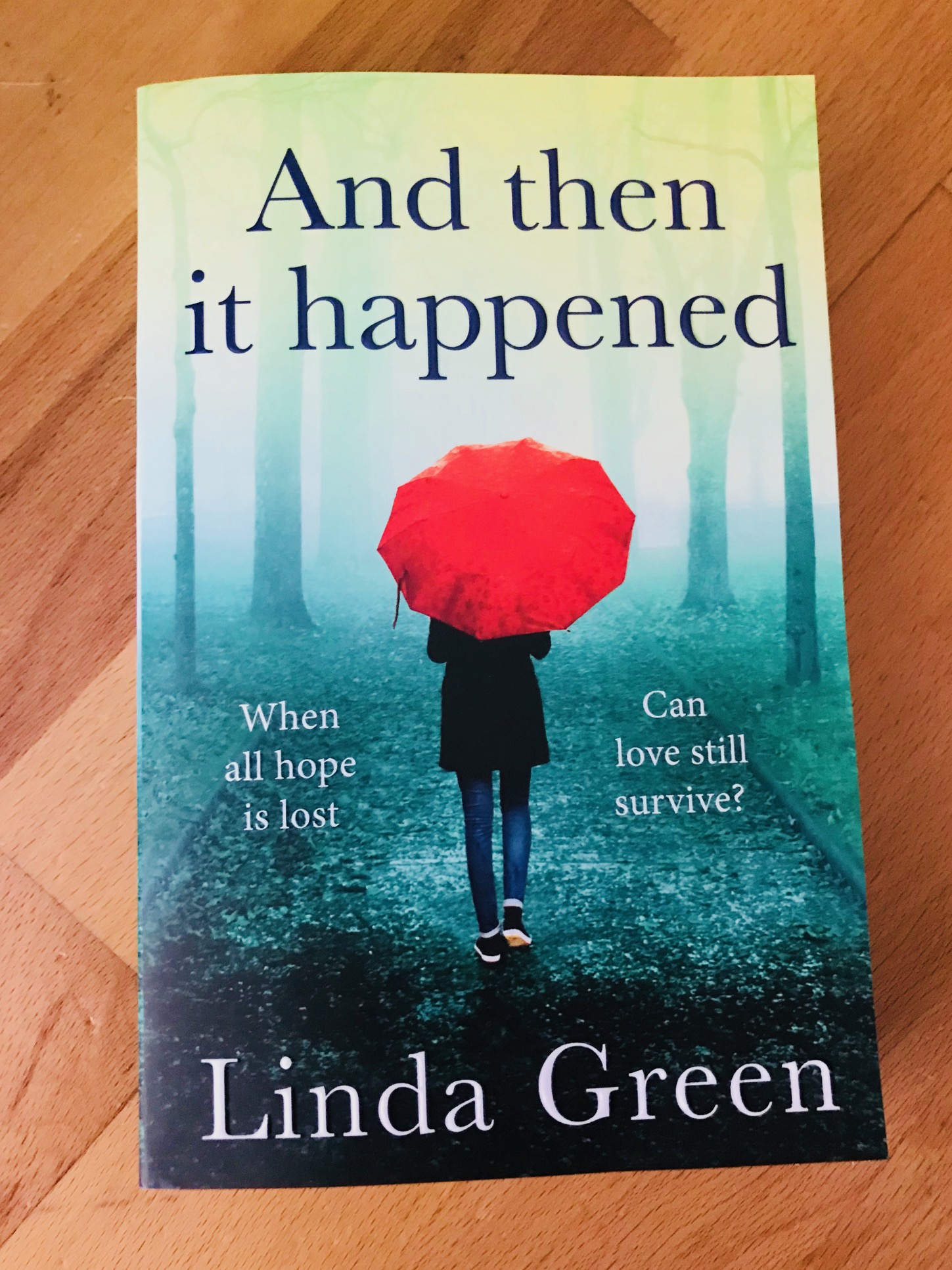
 

And Then it Happened By Linda Green | Book of the Week

and then it happened

Frost’s book of the week is And Then it Happened By Linda Green. A stunning book about love, family and strength. The book gives you a reminder to live in the moment and make the best of life. A heart-warming novel that will stay with you. 


The only man you’ve ever loved is slipping away…

Mel and Adam were childhood sweethearts and remain blissfully happy twenty years on.

And then it happens…

When tragedy strikes, Mel is faced with losing the only man she has ever loved. But what if he hasn’t really been taken from her at all – he just can’t find a way to let her know…

From the bestselling author of While My Eyes Were Closed comes a heart-breaking story of love against all odds.

Available here.

Most common reason new mums choose not to breastfeed their baby

According to a survey of almost 3,500 new mums, polled by leading UK pregnancy resource Emma’s Diary a resounding 94% chose to breastfeed their baby with 72% saying they did this to reduce their baby’s chances of contracting an infection or disease, a further 22% of mums breastfeed to bond emotionally with their baby.

The survey also revealed that the most common reason mums chose not to breastfeed was due to difficulty with ‘latching on’ or the positioning of baby, other common reasons included feelings of discomfort or soreness.

Professional midwife Hannah Harvey told Emma’s Diary: “Despite being an entirely natural process, breastfeeding doesn’t come easy to everyone. While many women take to it without difficulty, for some it can take longer to establish.  Breastfeeding can be the most wonderful and natural experience for you and your baby but what’s often needed is a little patience and practice. The most common reason for sore nipples while breastfeeding is incorrect positioning and means that your baby isn’t latched on properly and is sucking the nipple rather than the surrounding areola.”

“Soreness can also occur for a number of other reasons too, such as if your baby is taken off the breast without the suction being broken first, wearing soggy breast pads, using too much soap which can dry the skin and developing a sensitivity to certain creams or sprays. To avoid soreness, you need to first make sure your baby is attached to your breast correctly, explained Harvey.”

Top tips for avoiding soreness:

  • Keep nipples dry and expose them to the air as much as possible
  • Avoid using soap or other perfumed products on the nipples
  • Regularly change breast pads so they are fresh and dry
  • Wear a cotton bra to let the air circulate
  • Rub a couple of drops of your own milk into your nipple and areola after a feed

Once mastered, the majority of women will find breastfeeding the simplest and most satisfying way to feed their baby.  Emma’s Diary supports the Department of Health and UNICEF UK Baby Friendly Initiative (BFI) which recommends exclusive breastfeeding until a baby is six months old.

Faye Mingo, Marketing Director at Emma’s Diary explained: “There are numerous benefits to be had from breastfeeding not just for baby but for mum too, so we believe that getting the right advice from the outset will help to make the journey much smoother. Collaborating with medical bodies and practicing midwives means we can provide up to date, accurate information to support mums every step of the way.”

Did you know?

  • Breastfeeding burns at least 500 calories a day, so it can also support women getting back into shape post labour.
  • Breastfeeding for at least six months significantly reduces the risk of pre-menopausal breast cancer and can also protect you from osteoporosis, ovarian cancer and type 2 diabetes. You can read more here: http://www.emmasdiary.co.uk/baby/breastfeeding/benefits-of-breastfeeding

Top tips for ensuring your baby is ‘latching on’ correctly:

·       To get started, hold your baby close to you with her chest against your chest, her nose opposite the nipple (so that she can reach the breast easily) and her head, shoulders and body in a straight horizontal line.

·       Your baby needs to take a good mouthful of breast tissue – both the nipple and the surrounding dark area called the areola. With her head tilted back, bring her chin and bottom lip to the breast (rather than move your breast towards your baby) and get her to brush your nipple with her lips, which stimulates her to open her mouth wide.

·       Once her mouth is open really wide, bring her to the breast quickly. Aim her bottom lip below the base of your nipple. Her chin should be touching your breast and her nose should be free so that she can breathe easily. Your baby is properly latched on when her mouth is wide open and she has a big mouthful of breast.

·      She should settle into a feeding rhythm quite quickly, starting with short sucks then taking longer, deeper sucks with pauses and you will notice her jaw moving as she feeds.

Getting your baby properly ‘latched on’ and into the right position will help to make breastfeeding comfortable and feeding efficient.  Midwife, Hannah Harvey explores six of the most popular breastfeeding positions for mums to try:

Cradle – a classic breastfeeding position where baby nestles in your arms with its head resting on your forearm and its tummy facing towards. This position is popular with older babies who have more control over their head movement.

Cross Cradle – great for newborns who are learning to latch on correctly as it allows greater control. Baby’s body is placed across the front of your body, one of your arms runs along the length of the baby’s back and the other supports the neck and head. Breastfeeding pillows can also provide extra support.

Side Lying– very useful if you are recovering from a C-section or want a comfortable position for night feeds. This is great for relaxed feeding and bonding. Lay down on your bed with your arm tucked behind your head for comfort and support, latch your baby onto the breast closest to the bed and line up their tummy with yours.

Rugby Hold  – a favourite position of many new mums (also known as the under-arm or clutch position) it’s useful for smaller and premature babies and helpful after a C-section. Women with larger breasts or twins, may also find this position works well for them. Baby lies in a hold underneath your arm facing you, using pillows to support, your baby’s feet point in the direction of the sofa or chair you are sitting on.

Back Lying– also known as ‘laid back’ breastfeeding as it is a very comfortable and natural experience.  Baby lays tummy to mummy in a feeding-ready position. Lay back with a cushion to support your back, place baby onto your chest. This is a great position for early days and useful if you’ve had a C-section.

Twist Front Cross– (sometimes called double cross cradle) this is a good position for tandem feeding twins. Each baby is placed in the opposite direction to the other with their heads resting on the left and right crooks of your arms.

For more details, visit Emma’s to watch breastfeeding positions via this helpful video: http://www.emmasdiary.co.uk/baby/breastfeeding/how-to-breastfeed


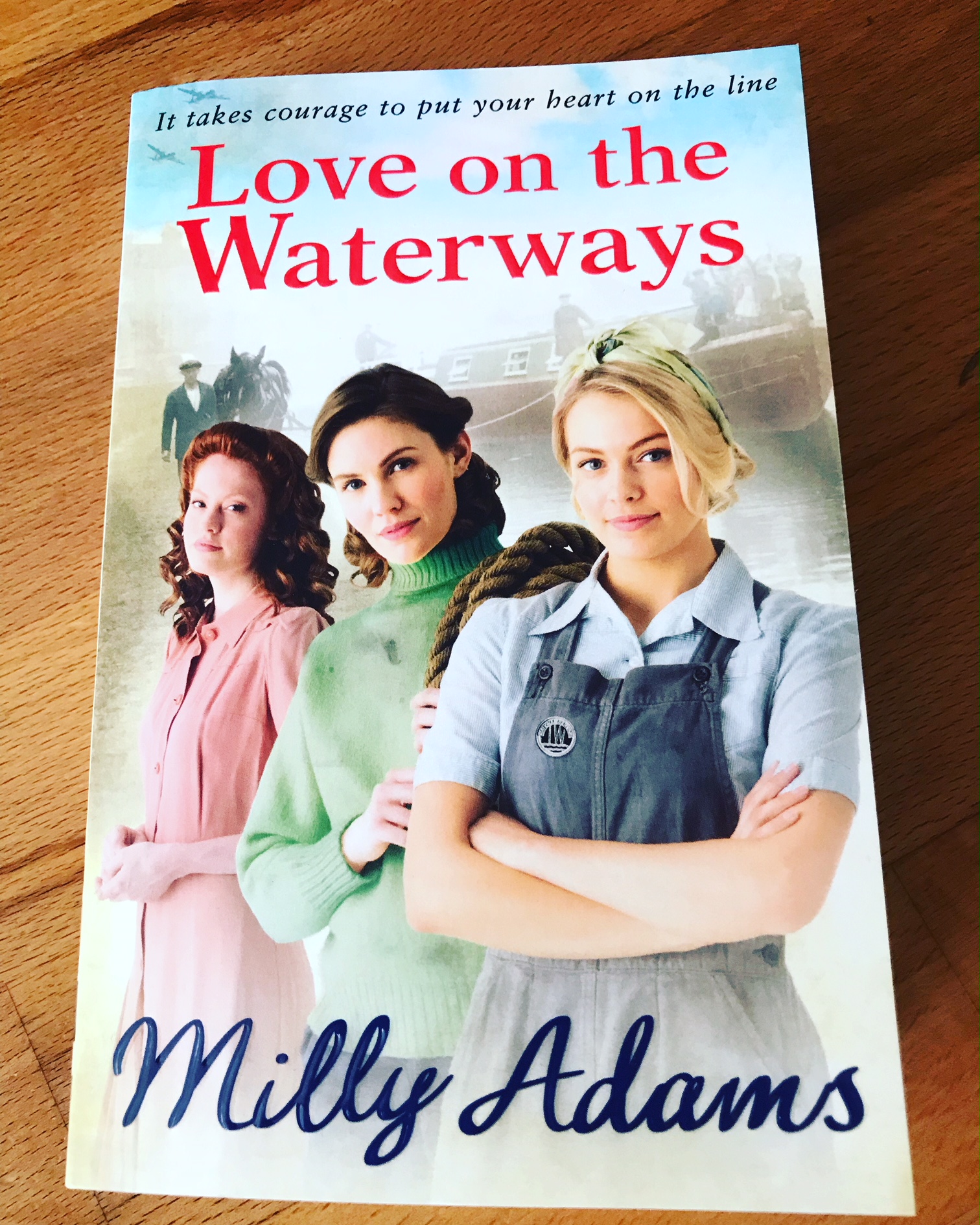
Love On The Waterways By Milly Adams Book Review


love on the waterwaysReading a Milly Adams novel is like having the perfect cup of tea on the sofa and talking to a friend. It is comforting, entertaining, and you always learn something new. The second novel in the Waterway girls series is as good as the first. I raced through it and loved every word. Get yourself a copy now. 


THE SECOND NOVEL IN MILLY ADAMS’ BRAND NEW SAGA SERIES. Perfect for fans of Daisy Styles and Nancy Revell.

March 1944, West London: it’s been five months since Verity Clement fled home for a life on Britain’s canals and she could never have imagined how tough it would get. Yet hauling cargo between London and Birmingham is far easier to face than the turbulence she’s left behind.

When Verity’s sweetheart returns unexpectedly from the front line, she dares to dream of a brighter future. But life aboard the Marigold is never smooth sailing. New recruit Sylvia is struggling with demons from her past while crewmate Polly must carry on in the wake of devastating news. Verity does her best to help, but a shocking discovery is about to turn her own life upside-down.

As the realities of war begin to take their toll, the waterway girls will have to pull together if they are to survive the uncertain times ahead…

Available from Amazon.

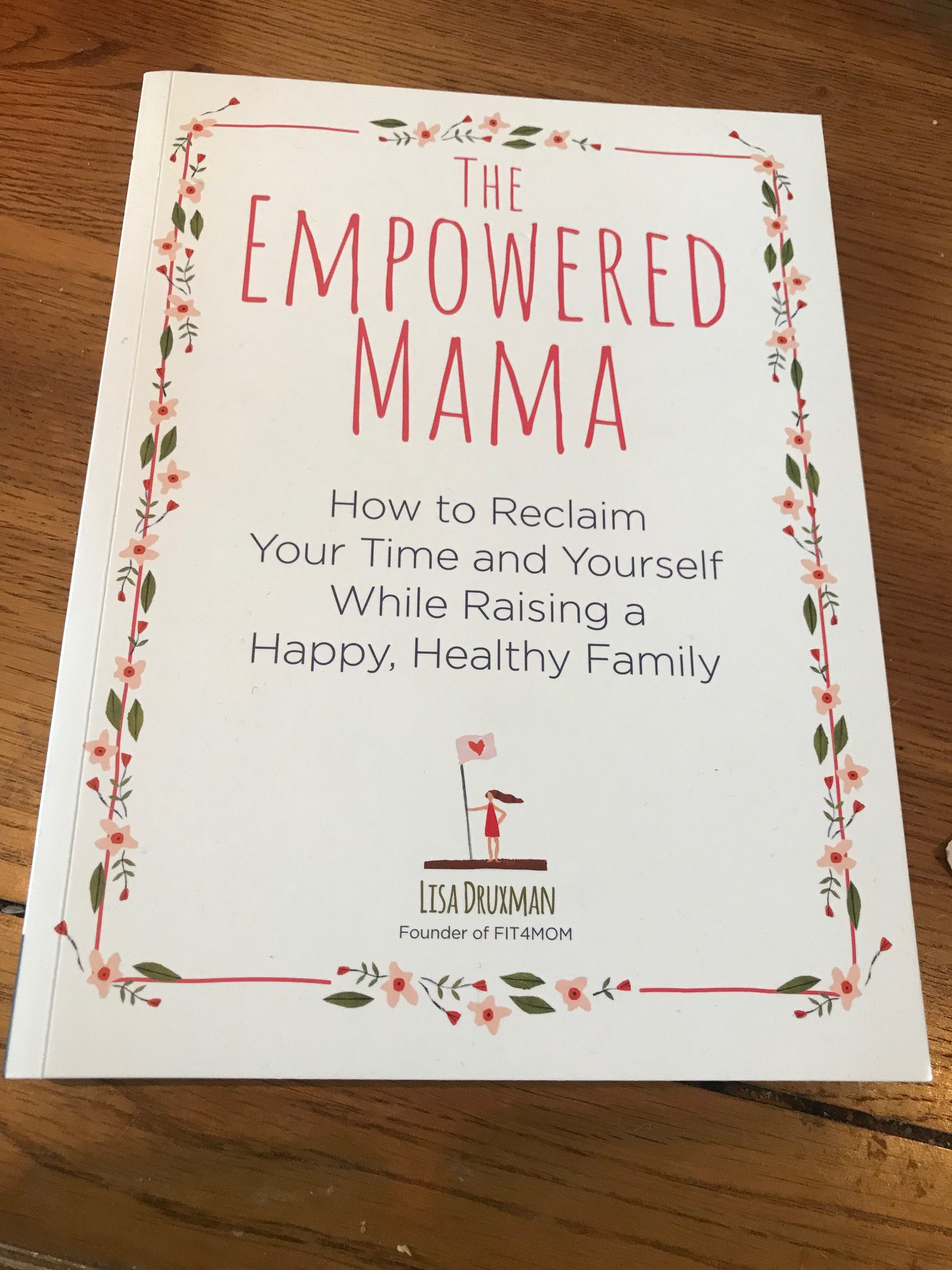
The Empowered Mama

the empowered mama, parenting, motherhoodThe Empowered Mama

The Empowered Mama is a practical and interactive workbook full of simple, powerful tools to help moms reconnect with themselves on the journey through motherhood.

Moms often try to juggle the roles of wife, mother, and homemaker while also being professional, competent woman. Many moms feel like they can’t take time to replenish their bodies and minds despite their many roles. There’s just not enough time in the day, and it seems selfish to take time when families and work still demand more.

The Empowered Mama is a practical workbook full of simple, powerful tools to help you reconnect with yourself on the journey through motherhood. Author Lisa Druxman uplifts, inspires, and takes moms on a journey not just to rediscover themselves, but to fall in love with motherhood again. Whether you are a working mom or a stay-at-home mom, this book will add balance to your life.

Since there will never be more hours in the day, The Empowered Mama will help you maximize the hours you do have to accomplish what matters most. This guide focuses on all parts of a mom’s life — work relationships, built-up stressors, cleaning up your diet, even going green and being more mindful about the environment — all with the intuitive understanding that getting the rest of your life in order will only reap huge dividends for your family.

I really loved this interactive book. It was impossible to not be inspired. I found myself nodding along as I read, happy that it was not just me, or feeling enlightened by the shared experience. Particularly in the part that explained why you still feel like crap after having a baby: baby sling wearing, tiredness, pushing a pram, sore muscles…. The Empowered Mama is full of quotes, exercises and information to make you the best you can be. It is easy to neglect yourself when you are a mother and anything that makes you focus on yourself is to be applauded. This book makes you the best you. Brilliant stuff.

The Empowered Mama is available here


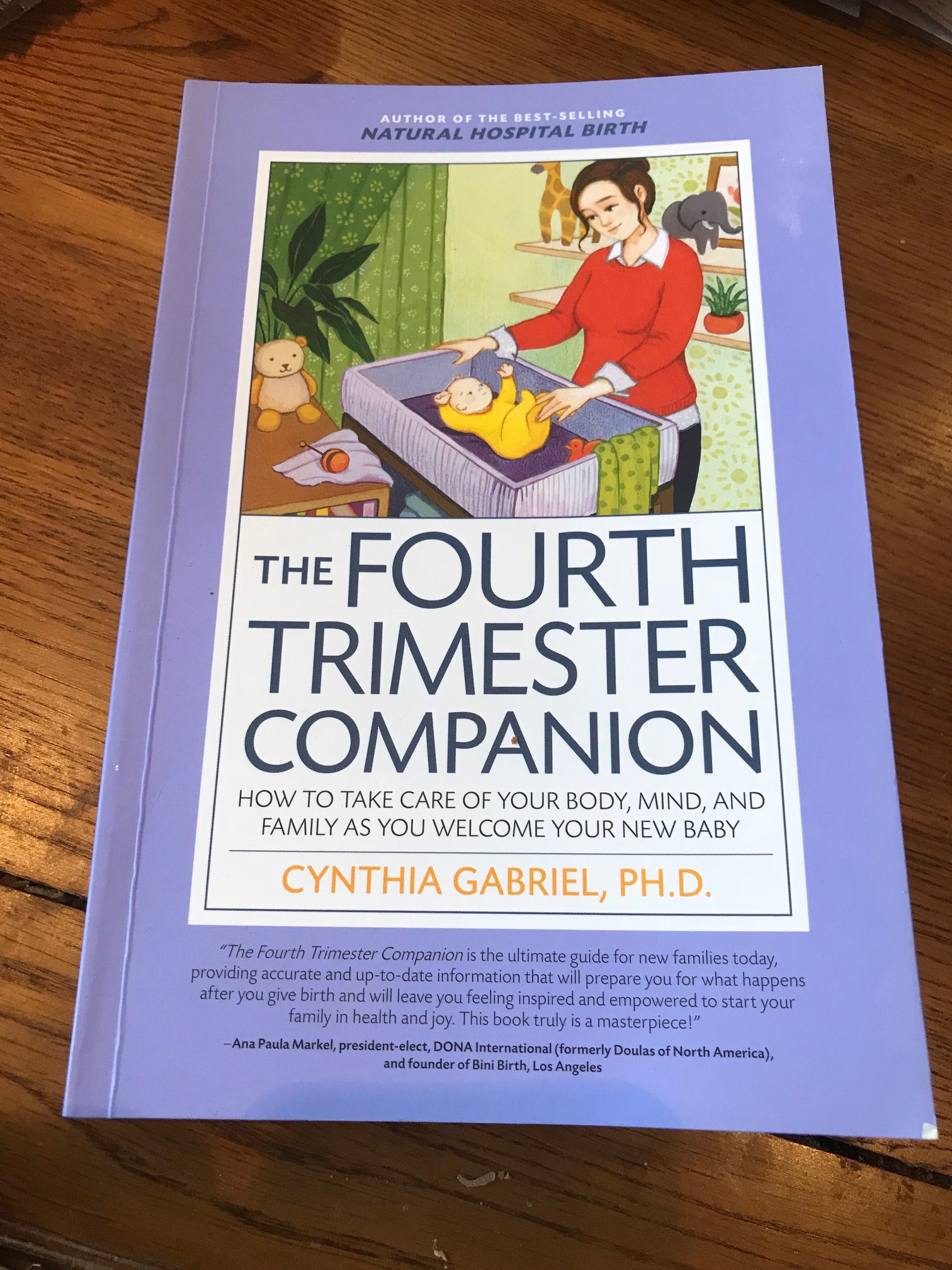
The Fourth Trimester Companion: How to Take Care of Your Body, Mind, and Family as You Welcome Your New Baby

baby, new baby, parenting, A well-cared-for baby is a baby whose mother is taking care of herself. Put simply: good mother care Is good baby care. 

That’s the core of the Fourth Trimester concept. In recent years doctors, nurses, midwives, and others involved in providing baby care have adopted this vital concept enthusiastically. The Fourth Trimester emphasizes that how a mother takes care of herself in the first three months of a new baby’s life brings crucial benefits for her, for her baby, and for her partner and family.

With this important new book, moms (as well as their partners and other caregivers, whether lay or professional) now have the resources to have an ideal Fourth Trimester experience. Cynthia Gabriel, a doula and the author of the best-selling book Natural Hospital Birth, delivers all the information, guidance, and encouragement new mothers need to take care of their bodies, minds, and spirits during the vital months of the Fourth Trimester—so that they feel their best and so their babies have the best possible chance to thrive.

This is a great book to help mothers- and fathers- get through a difficult time. Full of great, accessible information, this book is enjoyable to read. It is like having a friend with you. It is US based but is still relevant to UK readers. Highly recommended.
The Fourth Trimester Companion: How to Take Care of Your Body, Mind, and Family as You Welcome Your New Baby is available here.

Frost Loves: Hape Pound N Tap Bench

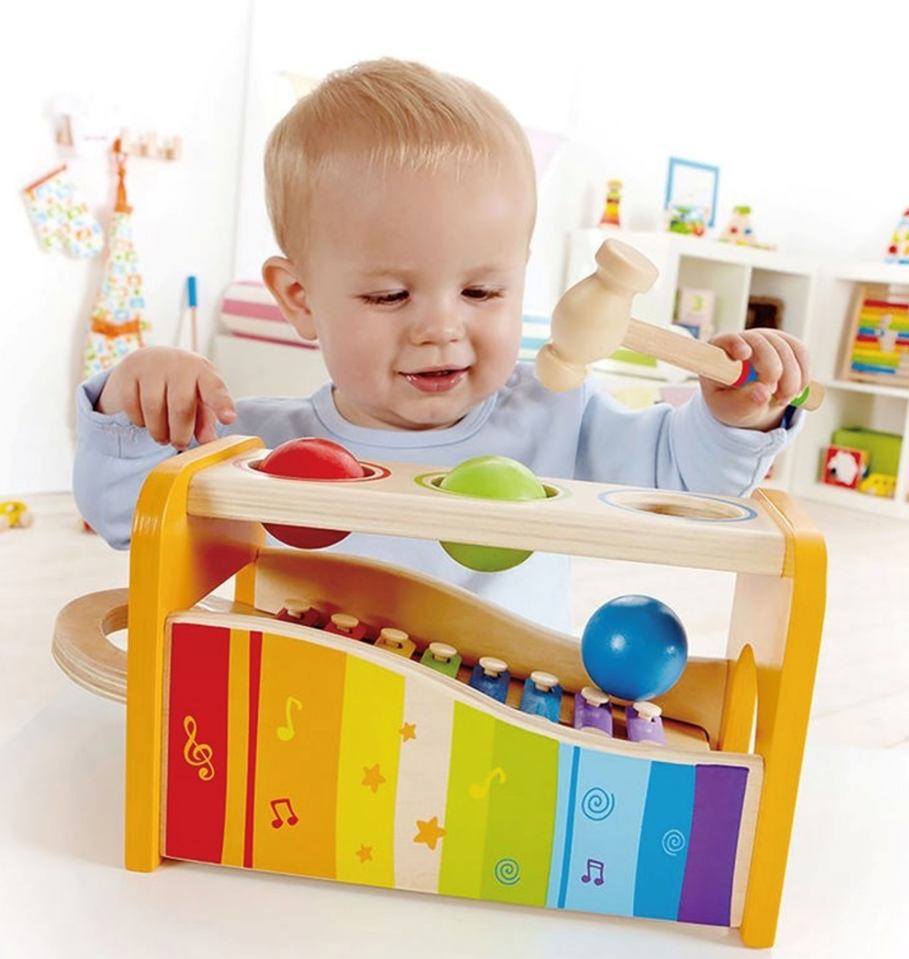
hape, toys, reviews, This glorious musical toy arrived at the weekend. Much to the delight of the Frost toddler. The Frost baby was also fascinated by the colour and the noise, but was swiftly moved along for being too young to play with it. It is a smart idea and well made. As all Hape toys are. Lots of fun is to be had with this and the xylophone also pulls out and can be played with individually. Frost loves….

The Hape pound and tap bench features a pull out xylophone and pounding station. Explore cause and effect as balls drop when they hit the pounding area which sends the balls tinkling over the xylophone. Pull out the keyboard and the xylophone can be played solo. Experiment with playful rhythm patterns for a musical delight and sound experience


Suitable from 12 Months+ The Hape Pound N Tap Bench is available from Poppets for £24.95.

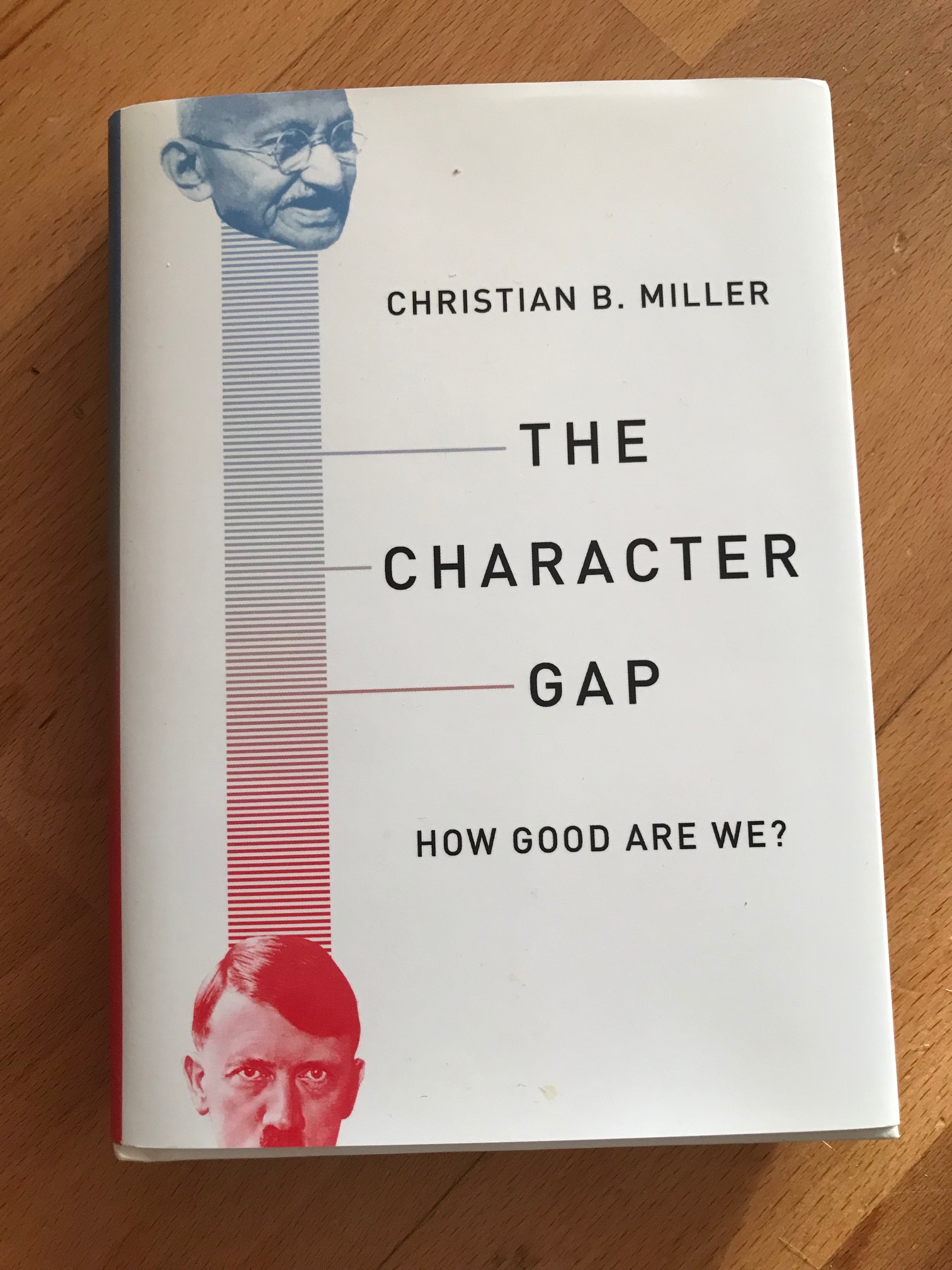
The Character Gap: How Good Are We?

how good are we. character We like to think of ourselves, our friends, and our families as decent people. We may not be saints, but we are still honest, relatively kind, and mostly trustworthy. Miller argues here that we are badly mistaken in thinking this. Hundreds of recent studies in psychology tell a different story: that we all have serious character flaws that prevent us from being as good as we think we are – and that we do not even recognize that these flaws exist. But neither are most of us cruel or dishonest. Instead, Miller argues, we are a mixed bag. On the one hand, most of us in a group of bystanders will do nothing as someone cries out for help in an emergency. Yet it is also true that there will be many times when we will selflessly come to the aid of a complete stranger – and resist the urge to lie, cheat, or steal even if we could get away with it. Much depends on cues in our social environment. Miller uses this recent psychological literature to explain what the notion of “character” really means today, and how we can use this new understanding to develop a character better in sync with the kind of people we want to be.

I really loved this book. It is accessible and it makes you think. It engages and entertains. It tells you what character is and lets you know how you can cultivate it. This book is a must read. Full of facts that will stay with you. It is well researched and the author really knows his stuff. Brilliant. 

The Character Gap: How Good Are We?  by Christian B. Miller is available here.