BUSINESS OF BOOKS: JANE CABLE ON BOOK BLOGS AND MAKING THE BIG BIRTHDAYS COUNT

All writers have slow news times and yet the voracity of social media means we always have to create news. My relationship with Frost means I’m very lucky as I can write about other people and still have plenty to share. But there comes a time when you have to focus back on yourself, even when you really have nothing to say.

I always knew that if I had a new book out at all this year it would be much later on, so there came a point when I was actively looking for something to celebrate. With three books becoming two when Endeavour Press went into liquidation and I decided not to sign with the successor company my writing CV suddenly seemed a little empty. Should I dash off a quick novella, write a few short stories to give away? No, I’m writing new material anyway and don’t want the distraction. So I decided to focus on what I already had.
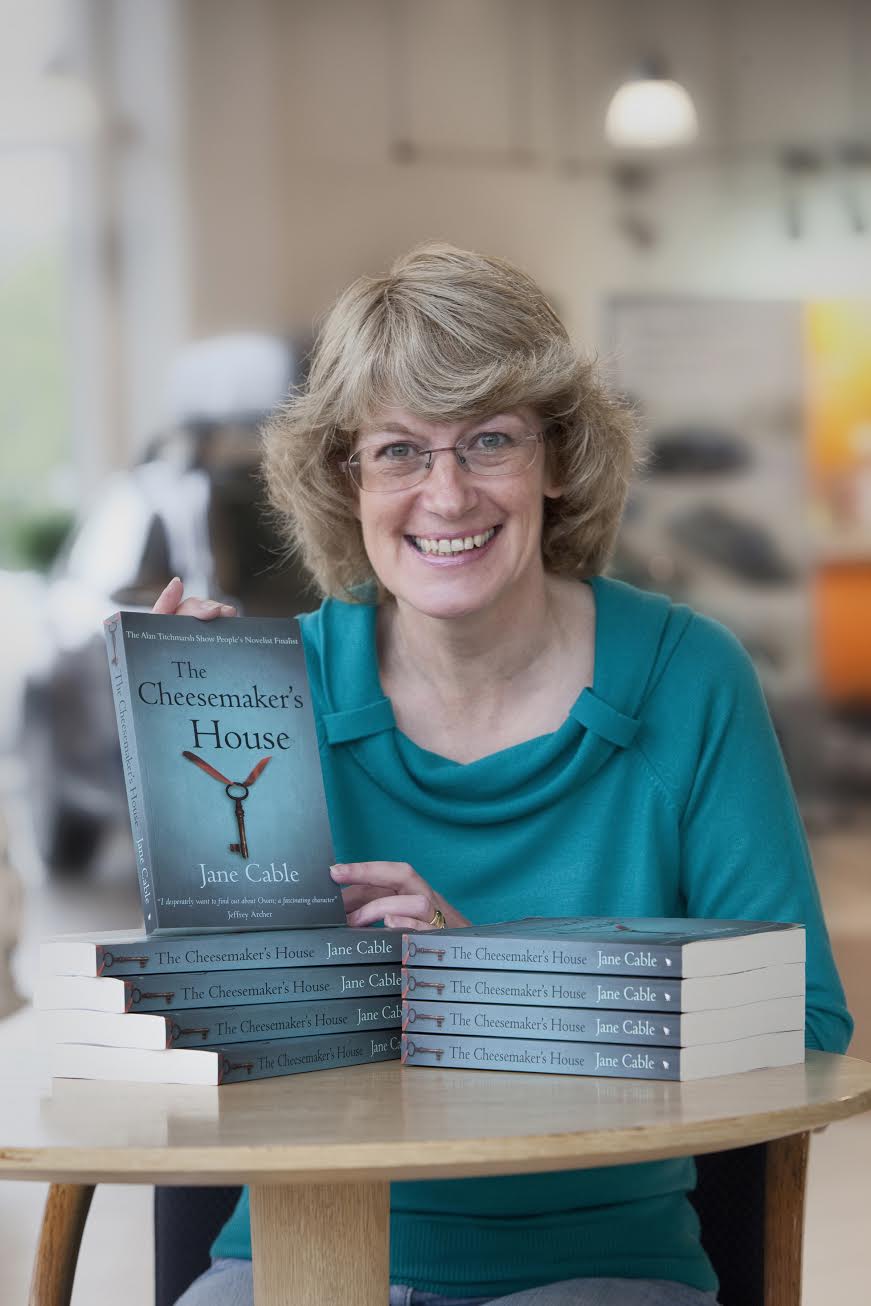
On 1st August my debut novel, The Cheesemaker’s House, will be five years old. Sales are still ticking along nicely, but I wanted to give them a boost and celebrating the anniversary seemed an excellent excuse to do it. I’d been impressed by the results achieved for my Chindi Authors’ buddy Helen Christmas by Rachel’s Random Resources so I decided to sign up for one of their book birthday blitz packages followed by a mini blog tour.

Rachel is an experienced book blogger who has recently started to offer a variety of promotional services for authors. I was concerned that as The Cheesemaker’s House was so old and has had so many reviews there wouldn’t be a great deal of interest but I couldn’t have been more wrong. Within eighteen hours of announcing the tour on her website no fewer than 28 bloggers had signed up, 23 of them promising a review, and I couldn’t have been more delighted.

I’d agreed on a multi-content tour so over the last week I’ve been answering Q&As, writing guest blogs and choosing extracts from the book. It was strange going back five years and telling the book’s story all over again but I’m really hopeful it will reach a new audience and it was such fun to do.

While I am more than happy to pay for Rachel’s services to organise the tour I would never actually pay for a review. This week – like many other weeks – I’ve had emails asking me to do just that. I won’t, because I believe it’s wrong on so many levels. Especially as I’m yet to see a review anywhere that says ‘this review was paid for by the author’.

It’s an issue that’s been bubbling around on social media recently as well, as yet again bona fide book loving bloggers have been attacked for ‘undermining the market’ by giving free reviews. Excuse me? Although some bloggers have book marketing related businesses on the side (as Rachel does) their reviews are the product of being total and complete bookworms who just love to share their passion. And that’s important. Because it’s why we can trust them.
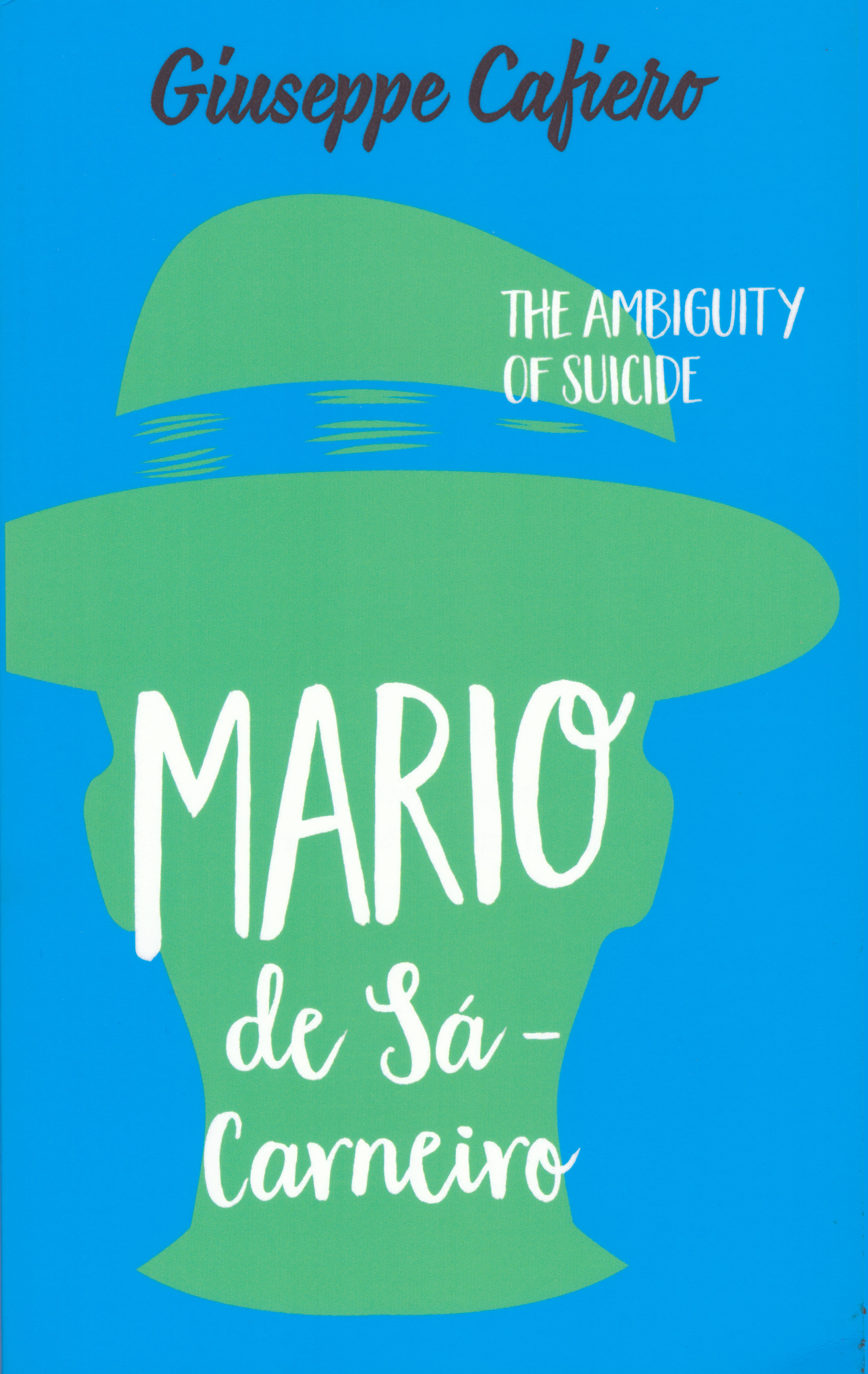
Mário de Sá-Carneiro – The Ambiguity of a Suicide, by Giuseppe Cafiero

By Staff Writer

Part biography, part historical travelogue and part detective story, this fictionalised investigation into the suicide of the Portuguese writer Mário de Sá-Carneiro is admirable on many levels. 

Part of the acclaimed ‘Ambiguities…’ series by Italian author and playwright Giuseppe Cafiero, Ambiguity of a Suicide is an artful, intriguing meander through the mind of a gifted yet troubled soul.

Cafiero’s works are described by the author himself as works of ‘bio-fiction’, a type of metaliterature that plays with the blending of fact and fiction. This literary form is particularly effective in telling the story of de Sá-Carneiro, an acclaimed avant-garde writer of the early 20th century whose mind was muddied by his taste for strong alcohol and a desire to numb his sense of ‘saudade’ (a uniquely Portuguese word best translated as ‘melancholy’).

The word is key to the novel’s depiction of a man apparently tormented by feelings of inappropriate desires, of  something ‘missing’ and of a general mournful malaise that could not be shifted by boozy nights in Lisbon and Paris, or dreams of making a new life in the Portuguese territory of Brazil.

The Ambiguity of Suicide follows the journey of de Sá-Carneiro’s close friend, fellow poet Fernando Pessoa; Mondine, a private detective; and Doctor Abilio Fernandes Quaresma, a ‘solver of enigmas’, as they retrace the tragic author’s footsteps in light of his recent death.

Together, they drink in his watering holes, eat in his favourite restaurants and talk to the characters that he came across before he took his own life in a desperate bid to shed light on the circumstances that led to his demise.

Cafiero effortlessly evokes the period and settings that shaped de Sá-Carneiro during his time in Lisbon and Paris, and there is a fitting sense of beautiful melancholy throughout the book, such as the following description: “Sea and salt air. Duino was then in his heart. A manor house corroded by time. White, skeletal, dried by the sun. Progenitor of imperial deaths. The ocean is another thing. Gusts of an Atlantic wind. Gazing at conquered lands. Lisbon”.

Following a trail that leads them into seedily sensual territories, the three characters come to understand a little more of Sá-Carneiro and his troubled mind,

but ultimately (and as the ‘ambiguity’ title suggests) they find there is never any simple answer to the ‘why?’ of a suicide. 

The translation from the original Italian is extremely well done, but so too are the translations from the original Portuguese – the text is dotted with direct quotes from the writer and poet’s works, as well as from his friend Pessoa (best known for The Book of Disquiet).

It is perhaps fair to say that the works of Mário de Sá-Carneiro are little known outside of Portuguese-speaking countries. It’s also fair to say, however, that readers willing to engage with the unfamiliar will glean a lot of enjoyment from this novel and will probably find themselves eager to familiarise themselves with de Sá-Carneiro’s back catalogue after reading it.

Mário de Sá-Carneiro – The Ambiguity of a Suicide by Giuseppe Cafiero (Clink Street Publishing) is available from Amazon UK, priced £1.13 in paperback and £1.07 in Kindle edition. Visit www.giuseppecafiero.com.


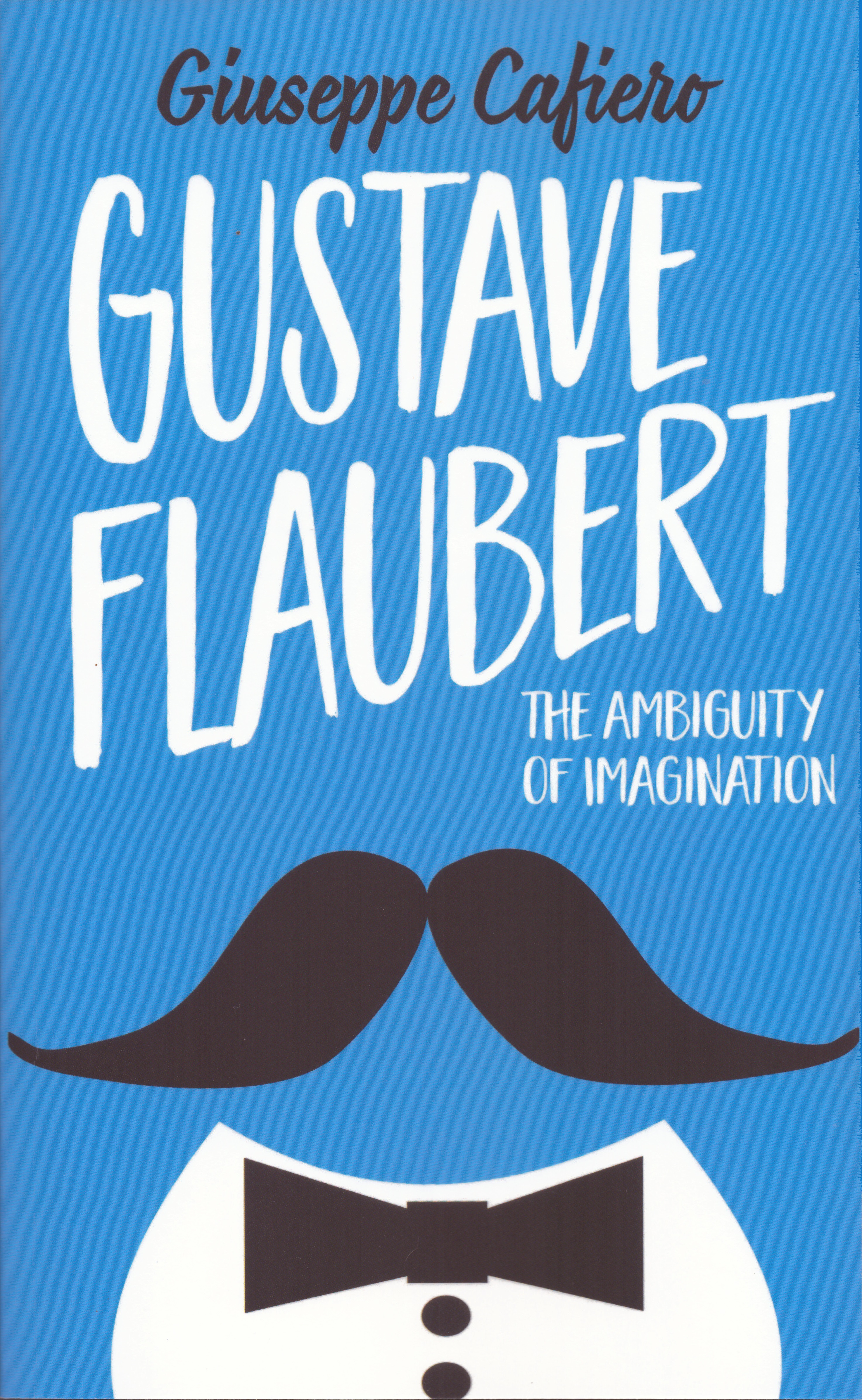
Gustave Flaubert: The Ambiguity of Imagination, by Giuseppe Cafiero

By Staff Writer

This latest novel from acclaimed Italian author Giuseppe Cafiero is a wry and racy journey through the world of French writer par excellence, Gustave Flaubert.

Gustave Flaubert: The Ambiguity of Imagination is part of Cafiero’s acclaimed ‘ambiguities’ series, which offers surreal and metafictional accounts of the lives of great authors and artists such as  Edgar Allan Poe (The Ambiguity of Death)  and Vincent Van Gogh (The Ambiguity of Madness).

Cafiero refers to this singular treatment as ‘bio-fiction’, a genre of his own creation and which is best defined as the playful interchange of truth and fiction in a broadly biographical account of its subject.

Rather than presenting a serious trawl through the life of the controversial, and somewhat seedy, Madame Bovary author, the novel takes its lead from a minor footnote in the works of Flaubert.

One of the books that Flaubert had planned to write, but never did, was entitled ‘Harel-Bey’, which as his letters attest would have been set in Middle East. In The Ambiguity of Imagination, that decision comes to haunt him – literally – as the titular Harel-Bey pops into existence with a huge grudge against his creator, both for leaving him a mere rough sketch and for writing him as a blind man.

Described by Cafiero as an “Arab who spent his life in the salon of the frères Goncourt, authors of a famous Journal, where he was born in an evening of drunkenness and carousal from the fervent imagination of Monsieur Gustave Flaubert”, Harel-Bey embarks on a voyage of discovery through the author’s oeuvre and correspondence, in the company of one Monsieur Bouvardstar of another unfinished Flaubert work, Bouvard et Pècuchet.

Like a spurned child, he has one mission in mind – to wreak revenge against the fully fleshed-out protagonists of Flaubert’s published novels and stories. In doing so, he visits locations described in Flaubert’s novels, and meets some of the characters therein, including the famed Madame Bovary.

Told in epistolary form, the novel – translated from the original Italian – is rich in period detail and liberally sprinkled with direct quotations from Flaubert’s works and letters, as well as deliberately evoking the distinctive literary style of the French writer himself.

The novel does hang – somewhat loosely – around the plot concerning Harel-Bey, but the real joy is in the fascinating, semi-biographical peek into the mind of a great writer and the fruits of his imagination.

However, to get the most out of this singular novel, its many allusions and references, it’s best that the reader should already have, or seek, acquaintance with Flaubert’s works beforehand. 

Gustave Flaubert: The Ambiguity of Imagination by Giuseppe Cafiero (Clink Street Publishing) is available now on Amazon UK, priced £9.99 in paperback and £2.84 in Kindle Edition. Visit www.giuseppecafiero.com


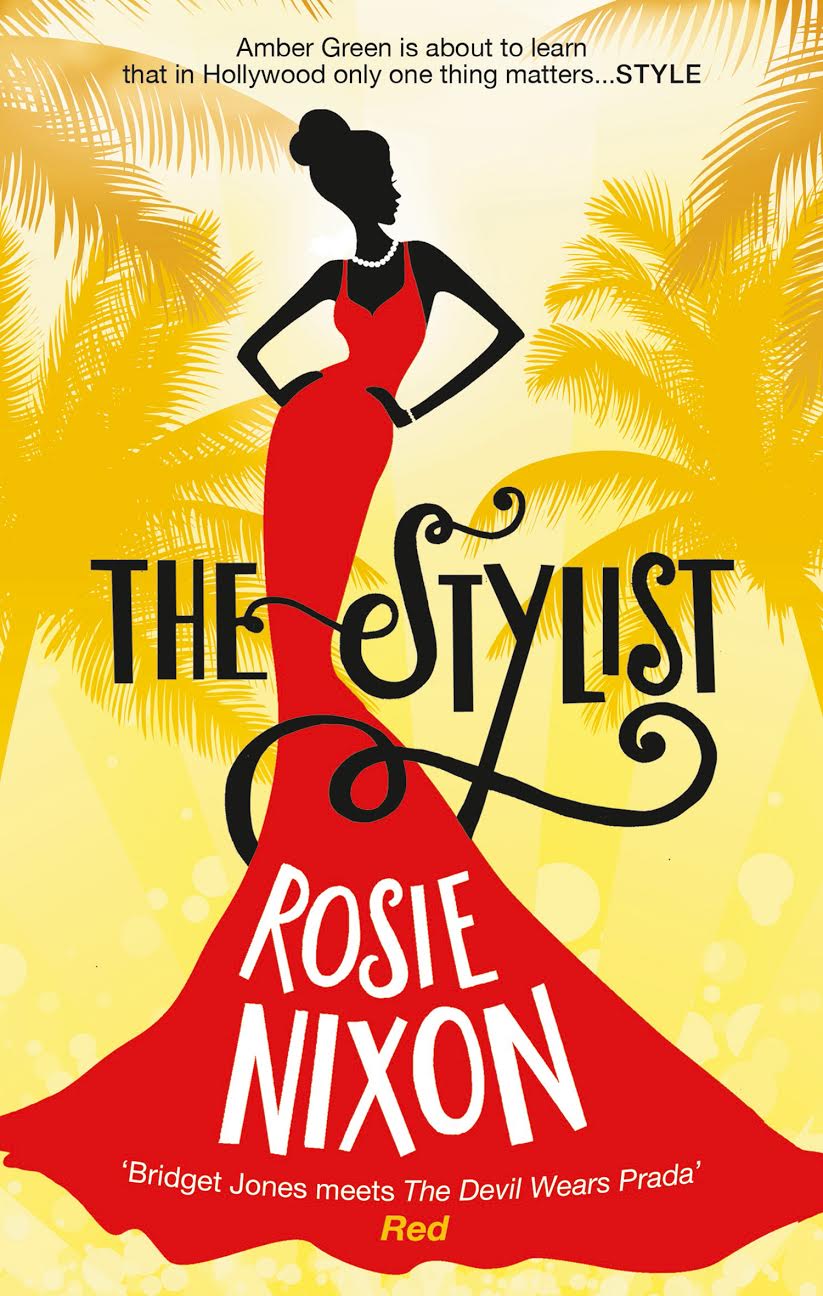
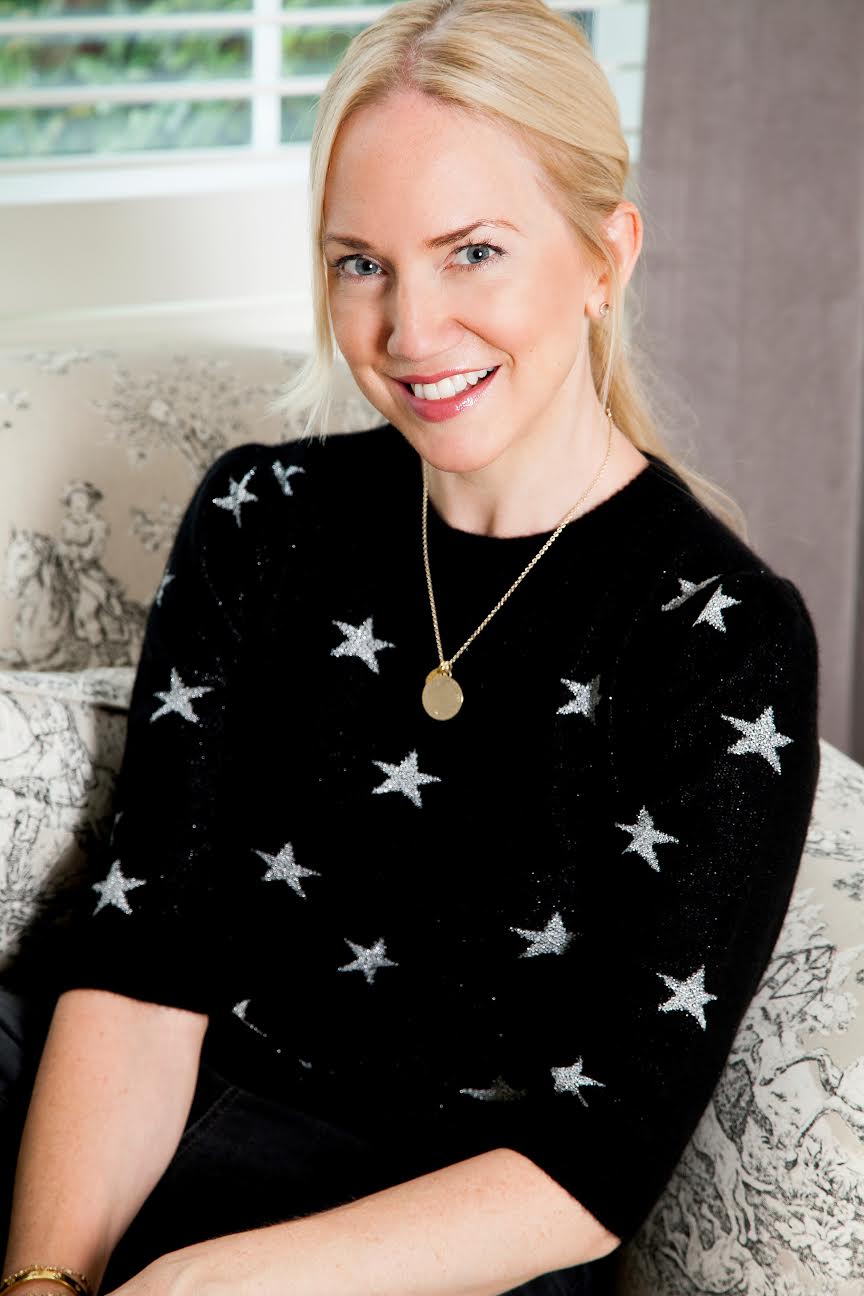
A Day In the Life by Rosie Nixon Author of The Stylist and Editor-in-Chief of HELLO!

a-day-in-the-life-by-rosie-nixon-author-of-the-stylist-and-editor-in-chief-of-hello-1

I’m woken up from dreaming of the gentle rustling of palm leaves in the sea breeze, by the muffled sound of – no, it’s definitely not a seagull – it’s a baby squawking in his cot. My sleepy husband next to me mumbles, ‘Your turn’. I haul myself up on to my elbows and peer at my iPhone: 6.30 am. Thank God it’s past six. Clever Rex! You slept through! The day is off to a good start. Some mornings I’m bleary-eyed if I’ve been up in the night with him, cuddling, administering Calpol, soothing him back to sleep with a warm bottle. Those nights are less regular now he’s nearing age one, and I’m actually missing them a bit. They are babies for such a short time. I pad downstairs and he greets me with open arms and a big giggle, standing up in his cot, raring to go. Now I can hear chatter coming from the adjacent room. Heath is awake too. We go in and collect him before going down to the ground floor for breakfast together.

Fifteen minutes later, mushy bits of museli, Cornflakes, Oatibix, strawberries, banana, blueberries and milk all over a highchair, breakfast table and four people, we’re done. I put Rex back in his cot for his morning nap and go back upstairs to get myself ready for work. I like to look reasonably smart during the week – a patterned dress, sandals and a combination of Monica Vinader jewellery, is a staple look.

a-day-in-the-life-by-rosie-nixon-author-of-the-stylist-and-editor-in-chief-of-hello-2

Credit Kate Gorbunova

Just before 9 I rush off to drop Heath at nursery on my way to the station. I’m lucky it’s only a short train journey to Waterloo and then a five-minute walk to HELLO! HQ on the South Bank.

The day flies as soon as I reach my office – morning conference is a chance to catch up with the HELLO! magazine team on the content for this week’s issue, we discuss features, news stories and look through the latest photos. This will be followed by management meetings discussing strategy for the brand, perhaps lunch with a showbiz PR or a star themselves to discuss an exclusive or new idea, then more meetings about online, digital and video content. HELLO! is a multi-platform brand, so there is always so much going on. Sometimes I’ll have brought my party frock and heels in to work where I’ll quickly change and head off to an awards ceremony, launch party or press event.

If I’m not going out, I’ll rush to get home for bath and bedtime with my boys. I try to switch off my phone for that precious time. We are avid readers in our house, so bedtime stories are a must and then, all going well, both boys are tucked up asleep by 8pm.

I’m back catching up on emails once they are down, and my husband and I will cook dinner together, have a glass of wine and catch up on our days. Currently, I’m having fun mapping out my third novel in The Stylist series. Although life is busy, creative writing has become a part of my life – sometimes ideas will have been swirling around my mind all day, so I need to get them down. This is theraputic for me, and when it’s flowing well it’s a lovely way to relax.

I will try to get in to bed by 10pm, but 99% of the time it will be gone eleven. The last thing my husband and I will say to each other is ‘Please let them both sleep through.’

The Stylist by Rosie Nixon is out now (HQ, £7.99)


A day in the life of Felicity Trew – literary editor

Newly appointed literary agent Felicity Trew describes a day in the life of one the top literary agencies, the Caroline Sheldon Literary Agency.

A day in the life of Felicity Trew – literary editorfelicity

By the time I get on the bus in the morning, I’ve already visited 50 different worlds… through my submission inbox. I never know where it’s going to take me.

I start my day meticulously trawling through the new manuscript adventures on an iPad, my portable office and library. I get hundreds of emails from hopeful authors each week with stories ranging from lovesick demons to 14th century political deviants. There is a lot that is not suitable for my list but every now and then I find a gem.

You can sum an agent in three words: talent-spotter, advocate and counselor. Our responsibility is to find the best authors and to bring out the best in them.
And book writing is 90 per cent idea, writing and 10 per cent editing that into something really rich and attention-grabbing.

So a substantial part of my morning is spent helping authors tighten their manuscripts into a powerful punch of literature for the publishers. Sometimes that can even mean sitting down with an author lost in a plethora of ideas and choosing the strongest option.

A day in the life of Felicity Trew – literary editorthecarefuledits

Most outsiders think the book world is a cosy industry of coffee cups and cupcakes, but it is a crowded business – which makes it tough but exciting. So after reaching out and responding to my clients, who come first, I tackle the contracts to get the day going.

The one reason a writer needs an agent is that legal document which exists for the lifespan of the book and controls everything from advances to film, TV, radio, theatre, eBook and merchandising rights. The contract can make or break an author. Get one sentence wrong and you’ve lost everything for a lifetime.

Agents feel a huge responsibility to give authors the best chance at carving out space on that cluttered bookshelf.  But it’s also a dynamic dance with the publishers. My job is to make sure all sides are happy, that the terms are clear and fair.

A day in the life of Felicity Trew – literary editorcupoftea
Lunch breaks are rarely breaks. They are spent negotiating details with publishing houses and putting forward our best and newest work – as well as tapping into what publishers and readers want.

Right now the time-tested solid trend is the saga: it is a natural development, people don’t want to feel abandoned by the characters they have grown to love after just one book. Escapism in the form of traditional fantasy and historical fiction are both definitely on the rise. But I always encourage my writers to write what they know and love irrespective of market trends.

The afternoon is spent preparing for the book fairs and literary festivals.

A day in the life of Felicity Trew – literary editorthethinking

The next big event on my calendar is the London Book Fair in April: a bustling marketplace of the international book world, where all the big deals are made and names forged.  Every major publisher, book seller, literary scout and agent descends on the sprawling venue – which this year is Kensington Olympia – hoping to buy and sell their wares.
It’s months of preparation: chasing authors with their deadlines, helping them shape their work, building eye-catching presentations and then networking to set up those all-important meetings to make sure our authors get heard above the crowd.

A day in the life of Felicity Trew – literary editorgoodbook
But book festivals are my real love – as it’s a chance to meet writers face-to-face, which is ultimately why I do my job.

This year, I’ve been asked to give several talks: an opportunity to offer advice to new authors.  The next is the Literary Festival in Wycombe in April at the Downley Community Centre, followed by the SCBWI retreat in May and Winchester’s Writers Conference in June.

The most frequent question I’m asked by new authors is how to approach a literary agent. The simple answer is: know your agent. Study their author lists, read their statements and their authors’ works, follow them on social media, find out what they are looking for and address that in your covering email. And do not send round robins or even worse accidentally address a rival agent (it has happened). Beware, the delete button beckons.

A day in the life of Felicity Trew – literary editoripadportablelibrary
After a busy day rushing between appointments, lunches and meetings the long bus journey home is an opportunity to catch up on industry news, looking at the latest signings, best sellers and mergers.

And maybe – just maybe – I might just read book of my own.


A Day In The Life of Shelagh Mazey

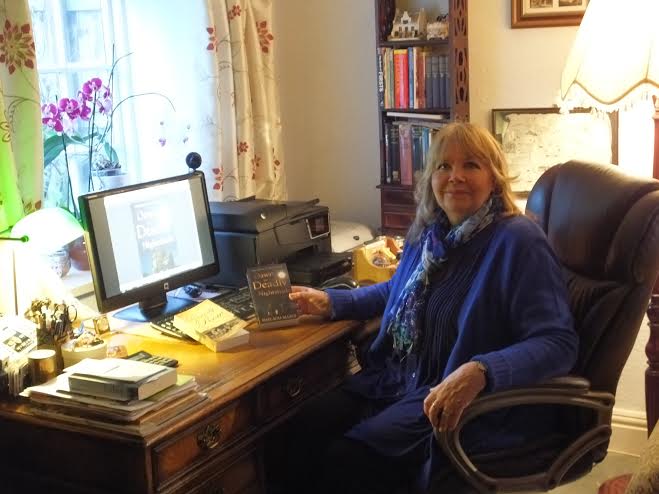
For years I’ve been a frustrated story-teller, never having the time or peace to be able to concentrate and hurtling through life from one crisis to another, but now every day is like a blank page, here in my thatched cottage in Somerset.

shelelaghatherworkspace
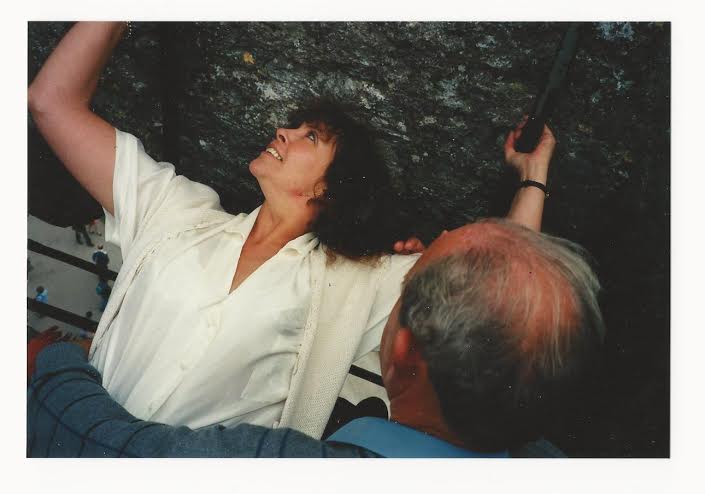
I met Margaret Graham years ago, at a writing circle in Yeovil. We have been friends ever since and good grief, the adventures we’ve had, as awe snatched moments from the home-front. I remember with fondness a trip across Ireland on a coach, enlivened by two America Baptist Ministers. We’ve seldom laughed so much, alongside absorbing the history of the place for a book Margaret was writing. It was here I kissed the Blarney stone. Perhaps that’s where the story telling began.

shelaghkissinghebarneystone

As time went on the sleepless nights with newborns; the back-breaking, lifting and chasing of toddlers; the homework of school years; the endless chauffeuring of teenagers, and the frantic the frantic worry of them prematurely experiencing the joys and heartache of the opposite sex, drunkenness, drugs and all-night raves became a memory.

No more renovating the derelict cottage sold long ago. No more rising at 6:30am to rush off to work as a practice secretary. At last my ship, with its rather bedraggled rigging, has sailed into a harbour of refuge. I am retired. Whoopee!

Now I listen as my husband leaves for work and lie in bed for a few more minutes, where in a state of alpha I’m able to dream. Then I soak in the bath, empty my mind and plan the trials and tribulations, love stories, intrigues, and let’s not forget the murders and rapes of my 19th century stories.

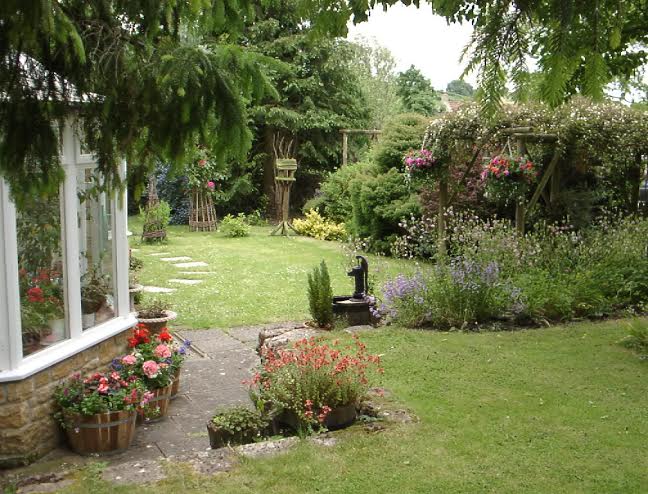
After breakfast I type out my bath-time plots. I usually write or research on-line, with a short lunch-break, until about 3.30pm and then I need to take a breather. I might do some gardening; mow the lawn, weeding or dead-heading just to breathe some fresh air.

Shelaghgarden

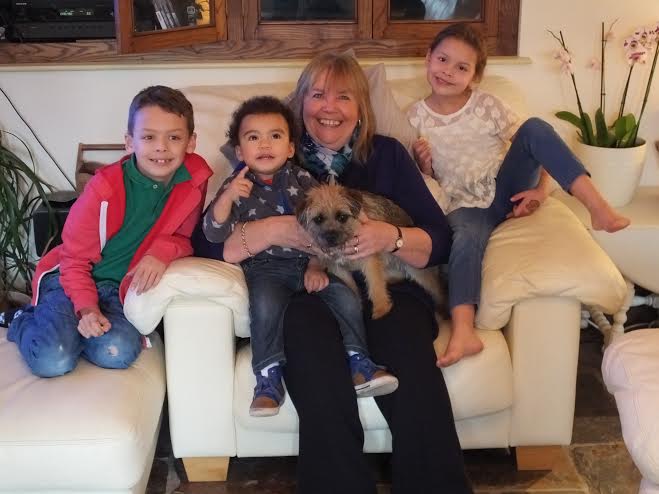
Yes, my life has indeed reached peaceful harbour; my daughter-in-law takes the ironing each week and I take the grandchildren. I’m lucky, they’re lovely.

Shelaghwithgrands

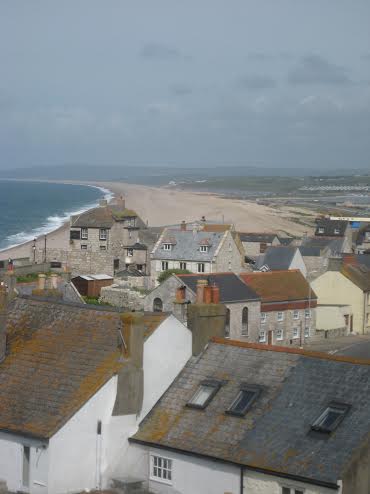
Of course, aside from the writing, I do have to participate in marketing the books and I’ve made many friends, particularly on Portland, through this. Every now and then I take a friend with me and drive down to the coast to deliver to my outlets there. We usually enjoy lunch at the Lobster Pot on Portland Bill.

Shelaghportland

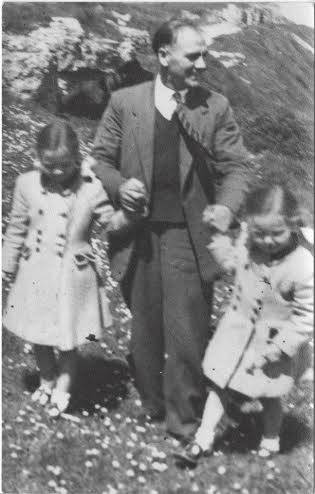
The tales my father told, as a born and bred Portlander have inspired my writing, and my first two books are based around that area. Somehow it makes me feel closer to my parents.

Shelaghdadandbridgetonportland

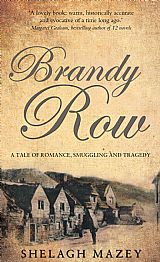
I’ve now published two books with Matador. The first is Brandy Row (A love triangle and family saga set on Portland, involving smuggling and the preventive service).

10Shelagh

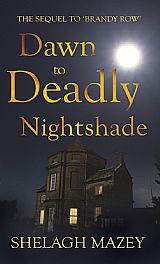
The sequel is Dawn to Deadly Nightshade (continuing with the family, but adding witchcraft in Somerset to the mix).

Shelaghmazey
My third novel is located partly in Dorset, Somerset, Tasmania and Australia. It tells the tale of the ex convicts who were transported to the antipodes and involves the excitement of the Victorian goldfields. I’ve finished the first draft and I’m busy doing the revisions. I hope to bring out Legacy of Van Diemen’s Land next spring.

I totally love my life now. I am a writer. It is my dream come true.

NEW BLOOD BOOSTS BRITAIN’S GOTHIC FANG CLUB

From Bram Stoker’s Dracula to Mary Shelley’s Frankenstein, Britons have been devouring gothic literature for over 200 years. But after more than two centuries is our appetite for the gothic finally starting to wane? To hell it is, writes novelist Katja Brown – it’s more alive than ever.

I’m often asked why the gothic still appeals. The genre is a creation that compels everyone from a lover of romantic fiction to a lover of blood and guts. Whilst it doesn’t hinge on these elements they add to it and create something that is constantly reinventing itself. The gothic is essentially the presentation of a ‘terrible beauty’, a collection of literary conventions that come together beautifully to scare, entrance and hook the reader. In what other genre could a character such as Dracula exist? He is a character you love to hate, the greatest anti-hero that has been thought up and is so loved by readers and authors alike that he has been revived ever since in one incarnation or another.

The gothic appeals because inside every reader there is still a spark, a need, a deep desire to be scared by something beautiful, something obscure and otherworldly. I think this genre inhabits the part of your imagination that wants to see the world differently, that imagines alternate possibilities to the norm and much like a vampire it doesn’t stay down for long. Once you pick up a gothic book it’s like a budding romance: you feel as if you have to know how it ends and the truth is… no one really knows why. It happens with other genres, sure, but the gothic has something special about it. You’ve heard that girls are attracted to the bad boys? Well it’s the same idea.

Throughout history the gothic has been the mother of great tomes and literary works of genius, manipulated and reshaped to fit the changing times. From Bram Stoker’s famous fanged fiend Dracula, to Mary Shelley’s Frankenstein, we’ve watched as this genre has survived the stress of time and made it here to 2018. Thanks to a wealth of fabulous new gothic books, and also to the Twilight series, I’ve no doubt that it will keep kicking long after. 

It has endured because we as humans want a thrill, we actively seek out the new and terrifying because we want to feel our hearts quicken, our palms get sweaty and the hairs on the back of our neck stand on end. It is the gothic that provides those sensations, every page walking the razors edge between dream and reality.

What’s so loveable is that behind the things that go bump in the night, behind the sublime descriptions, the complicated characters and the narrations I guarantee there will always be something to learn – from a moral lesson to something more practical (‘don’t go down the scary-looking corridor by yourself late at night). The gothic has and will probably always be used to impart some sort of wisdom from one person to the next and it doesn’t matter what piece of gothic literature you pick up, it’ll be there between the lines. All you have to do is look.

The gothic helps define us as people, understand our own identity by understanding what we are not. We are not immortal, so, unlike Dracula, we learn to live like there’s no tomorrow. We shape ourselves based on what knowledge we assimilate, but the gothic gives us imagination and way to step out of our lives for a few hundred pages, a chapter each night, a page between coffee and cake. That is why it appeals, why it still appeals, why it always will.   

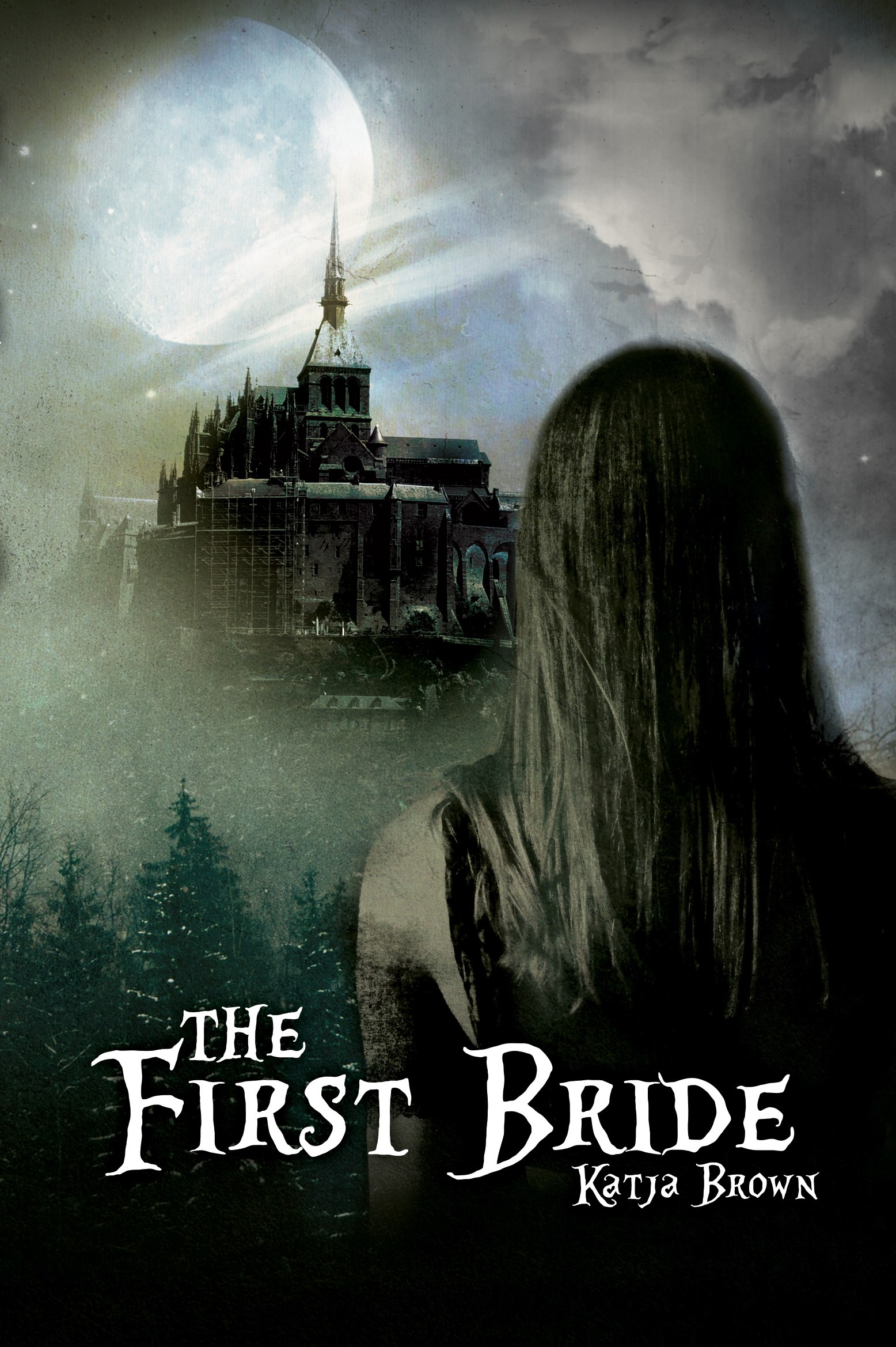
Katja Brown is an acclaimed gothic novelist. Her seat-of-the-pants debut novel, The First Bride (Austin Macauley) is out now in paperback and eBook from Amazon UK.


Book of The Month: Love on the Waterways By Milly Adams

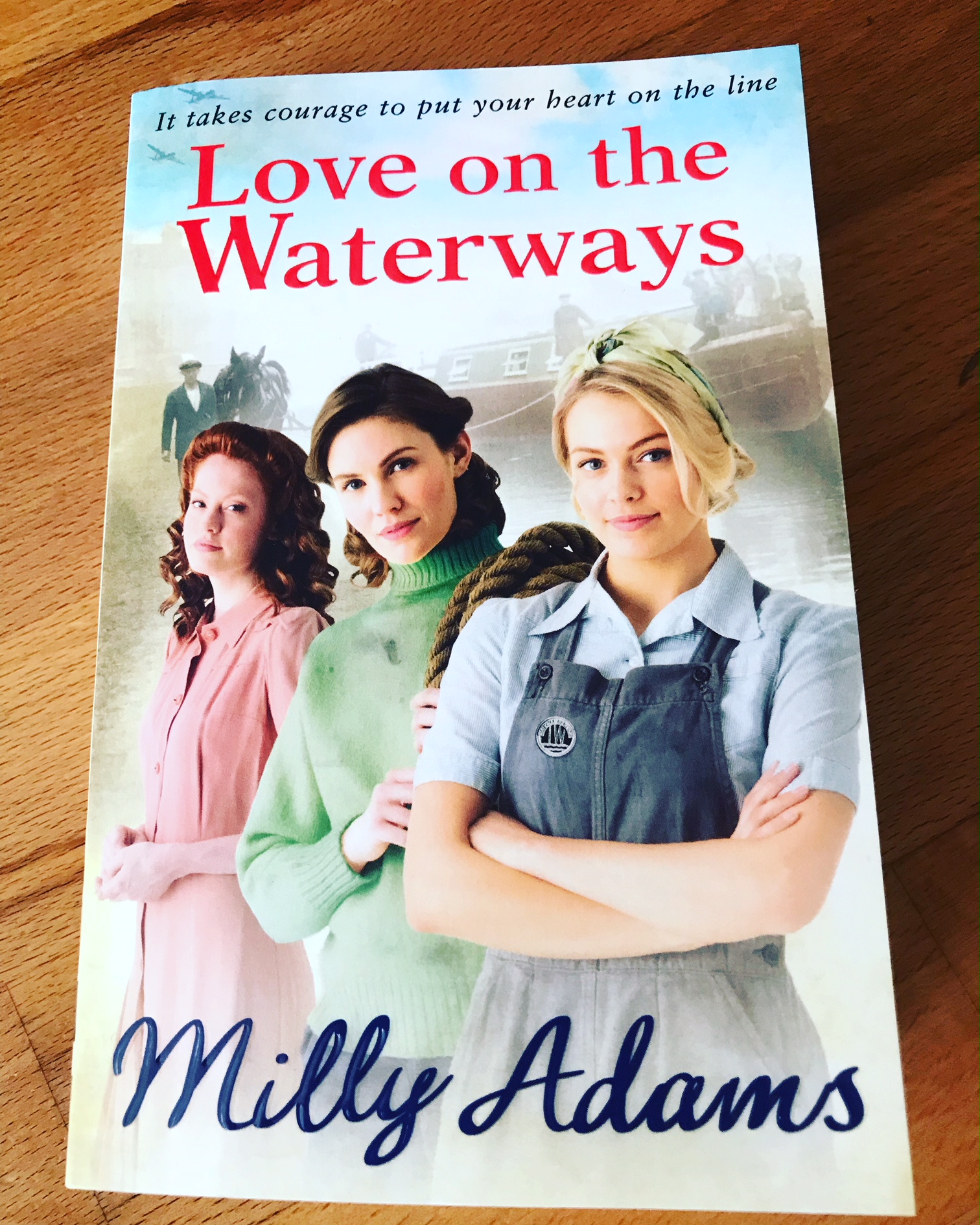
New to Frost is the Book of The Month. We review a lot of books at Frost so picking one will be hard but we do not mind. It is our job to bring the best to our readers. The first ever book of the month is the latest from Milly Adams. The second book in her new saga, it is yet another corker. love on the waterways, milly adams

THE SECOND NOVEL IN MILLY ADAMS’ BRAND NEW SAGA SERIES. Perfect for fans of Daisy Styles and Nancy Revell.

March 1944, West London: it’s been five months since Verity Clement fled home for a life on Britain’s canals and she could never have imagined how tough it would get. Yet hauling cargo between London and Birmingham is far easier to face than the turbulence she’s left behind.

When Verity’s sweetheart returns unexpectedly from the front line, she dares to dream of a brighter future. But life aboard the Marigold is never smooth sailing. New recruit Sylvia is struggling with demons from her past while crewmate Polly must carry on in the wake of devastating news. Verity does her best to help, but a shocking discovery is about to turn her own life upside-down.

As the realities of war begin to take their toll, the waterway girls will have to pull together if they are to survive the uncertain times ahead…

Available from Amazon.