THE BUSINESS OF READING: JANE CABLE TAKES A HOLIDAY WITH A FEW GOOD BOOKS

I’ve just been half way around the world on holiday, but visiting Cambodia and Vietnam it actually felt further than that. Intense heat, spicy food, incense drifting from temples and a recent history which shocked and disturbed me. Strange or inevitable then, that my choice of holiday reading was firmly fixed back home in Cornwall.

For a long while I’ve been promising myself I’d read some of Winston Graham’s Poldark novels. I can barely remember the 1970s TV series starring Robin Ellis and I’ve never watched the current BBC dramatization, but I wanted to read the books. And I was entranced to find that they were set exactly in my part of Cornwall, and in the limited gaps between excursions, I devoured the first three.

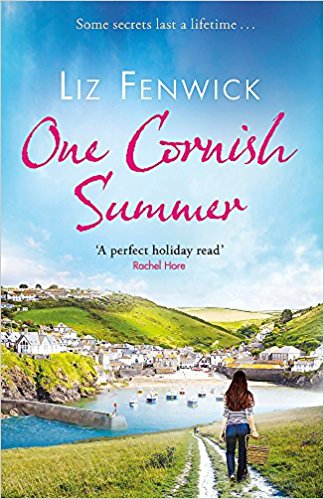
But the first book I read, at the beginning of the holiday, was Cornish writer Liz Fenwick’s latest and it was anything other than what I was expecting…
Jane Cable’s review of One Cornish Summer by Liz Fenwick.

Book marketing can sometimes be a slightly disingenuous thing. The cover and the blurb promise one thing, but the story inside delivers quite another. Sometimes this can lead to disappointment, but at others the opposite is true. And this is very much the case with Liz Fenwick’s latest novel. It isn’t a light and fluffy holiday read – it’s brilliant and challenging and altogether so much more.
To me it seems a shame that the publisher wasn’t entirely as brave as the author. The blurb describes Hebe as having ‘a life changing diagnosis’ and ‘memories slipping away’, but shies from actually mentioning the ugliness of Alzheimer’s.  From very early on in the book it’s clear Hebe has early onset dementia. And what’s more, she is written in the first person, something only a truly accomplished writer like Fenwick can pull off.

Hebe is every inch a full and rounded character, and one I sorely missed once I’d finished the book. To chart the cruel descent of her illness in such a way as to carry the reader with her must have been a serious challenge and I asked Liz Fenwick why she chose to do so.

“My best friend’s sister has early on-set Alzheimer’s and it has been sitting in the back of my mind waiting for me to find the story to write…in a way so that I could work through my own grief. And that leads into research…first hand, reading a great deal through the various support groups and finally my mother is in the early stages…so although not the same I was living it.”

One Cornish Summer is actually set over the course of a Cornish autumn and winter but the title is not a misnomer, even if the cover image might mislead. Hebe and her niece Lucy’s days in the damp and draughty ‘Hell House’ are contrasted with the former’s memories of a bright and colourful summer just the previous year when she was able to share Cornwall with the love of her life before her memories of it completely dissolved away.

As Hebe’s condition worsens, parts of the book are heart-breaking to read, for example when she answers the door without her trousers on. But there are thoroughly heart-warming parts too, as ‘Hell House’ reveals its secrets and Lucy, at least, is finally able to move forwards. Thought-provoking and ultimately life affirming, One Cornish Summer is an excellent read.
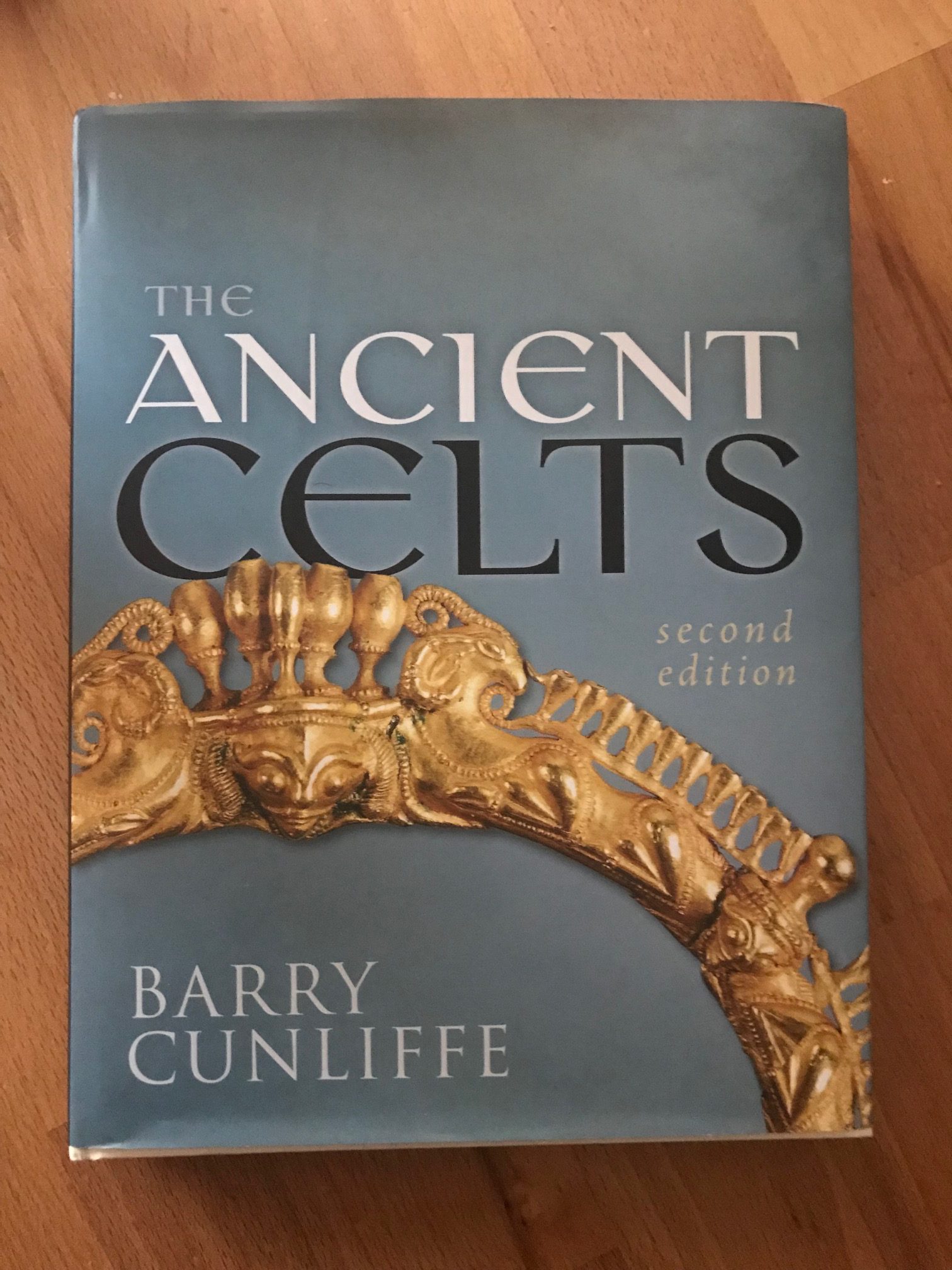
 

The Ancient Celts Second Edition Book Review

Fierce warriors and skilled craftsmen, the Celts were famous throughout the Ancient Mediterranean World. They were the archetypal barbarians from the north and were feared by both Greeks and Romans. For two and a half thousand years they have continued to fascinate those who have come into contact with them, yet their origins have remained a mystery and even today are the subject of heated debate among historians and archaeologists.

Barry Cunliffe’s classic study of the ancient Celtic world was first published in 1997. Since then huge advances have taken place in our knowledge: new finds, new ways of using DNA records to understand Celtic origins, new ideas about the proto-urban nature of early chieftains’ strongholds, All these developments are part of this fully updated , and completely redesigned edition.

Cunliffe explores the archaeological reality of these bold warriors and skilled craftsmen of barbarian Europe who inspired fear in both the Greeks and the Romans. He investigates the texts of the classical writers and contrasts their view of the Celts with current archaeological findings. Tracing the emergence of chiefdoms and the fifth- to third-century migrations as far as Bosnia and the Czech Republic, he assesses the disparity between the traditional story and the most recent historical and
archaeological evidence on the Celts.

Other aspects of Celtic identity such as the cultural diversity of the tribes, their social and religious systems, art, language and law, are also examined. From the picture that emerges, we are – crucially – able to distinguish between the original Celts, and those tribes which were ‘Celtized’, giving us an invaluable insight into the true identity of this ancient people.

This book is an excellent and thorough look into the lives of the ancient Celts. It is both accessible and well-researched. Recommended. 

The Ancient Celts is available here. 


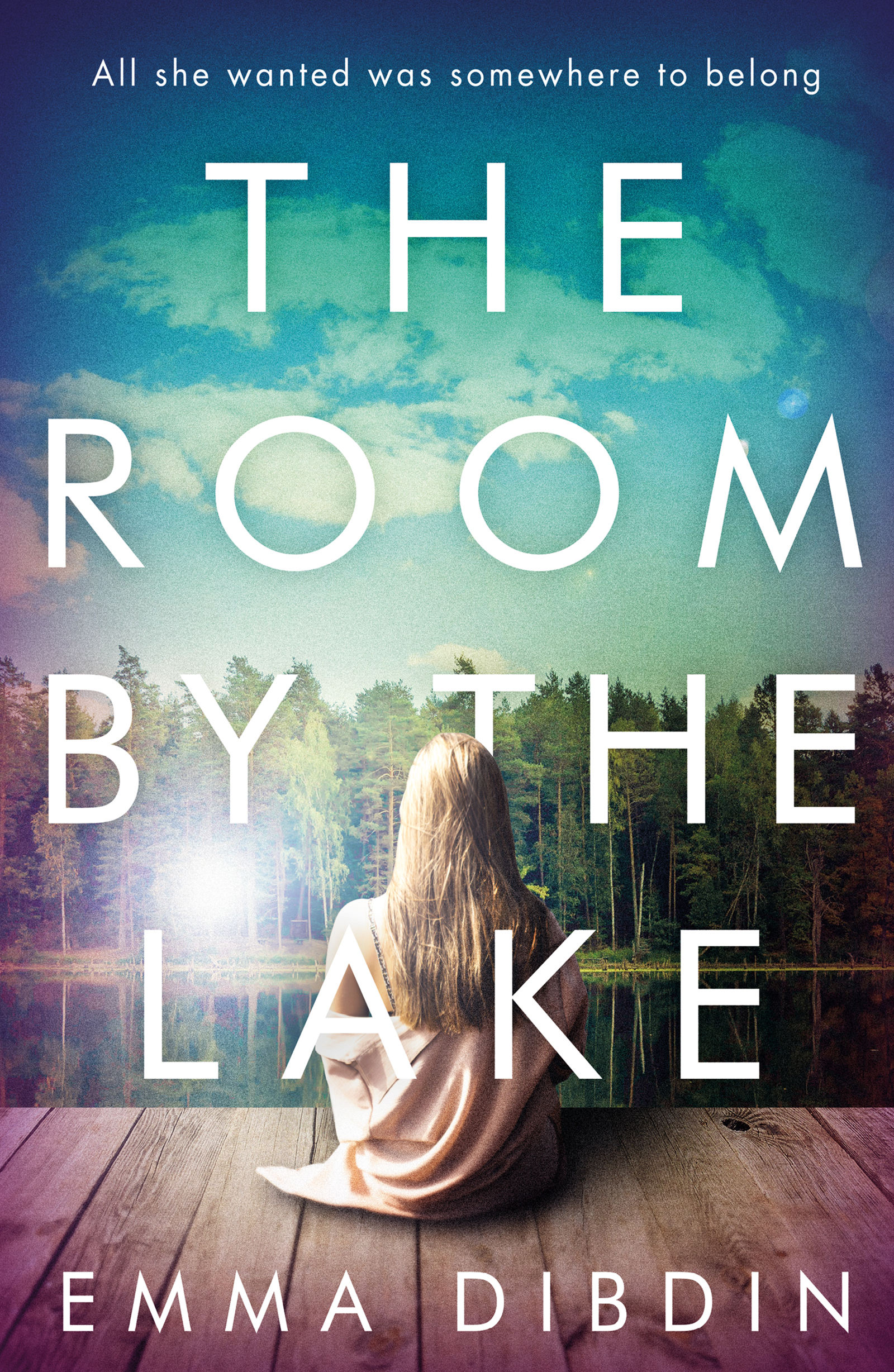
The Room by the Lake by Emma Dibdin


Caitlin never meant to stay so long. But it’s strange how this place warps time. Out here, in the middle of nowhere, it’s easy to forget about the world outside.

It all happened so fast. She was lonely, broke, about to give up. Then she met Jake and he took her to his ‘family’: a close-knit community living by the lake. Each day she says she’ll leave but each night she’s back around their campfire. Staring into the flames. Reciting in chorus that she is nothing without them.

But something inside her won’t let go. A whisper that knows this isn’t right. Knows there is danger lurking in that quiet room down by the lake…


Most of us have wanted to do this at one time or another, haven’t we? When life got too stressful and there didn’t seem to be any way you could find a happy ending. So what if we could  pack a bag, buy a ticket to anywhere and disappear until we sorted ourselves out? Caitlin doesn’t just think about it, she acts on it and sets off for New York.

Dibdin gives the reader a sense of the desolation and confusion Caitlin feels after the loss of her mother as she wanders the streets of Manhattan, filling the endless hours, and introduces Jake who takes advantage of her vulnerability and whisks her off to the Lake House to meet his family. Except the reality of his family was not what Caitlin had imagined.

We immediately get a strong sense of Caitlin’s fragile mental state that leads to her making the choices she does – it is all so  plausible, and as we read we are unsettled by a growing unease that all is not as it seems.

A gripping thriller that explores how vulnerable we can all be given the circumstances and how easily it is to fall prey to false appearances.

The Room by the Lake RRP £7.99


Emma-dibdin

AUTHOR

Emma Dibdin grew up in Oxford, and now lives in New York. She is a writer and journalist whose work has appeared in Esquire, Marie Claire, Harper’s Bazaar, Cosmopolitan, and Total Film. This is her first novel.


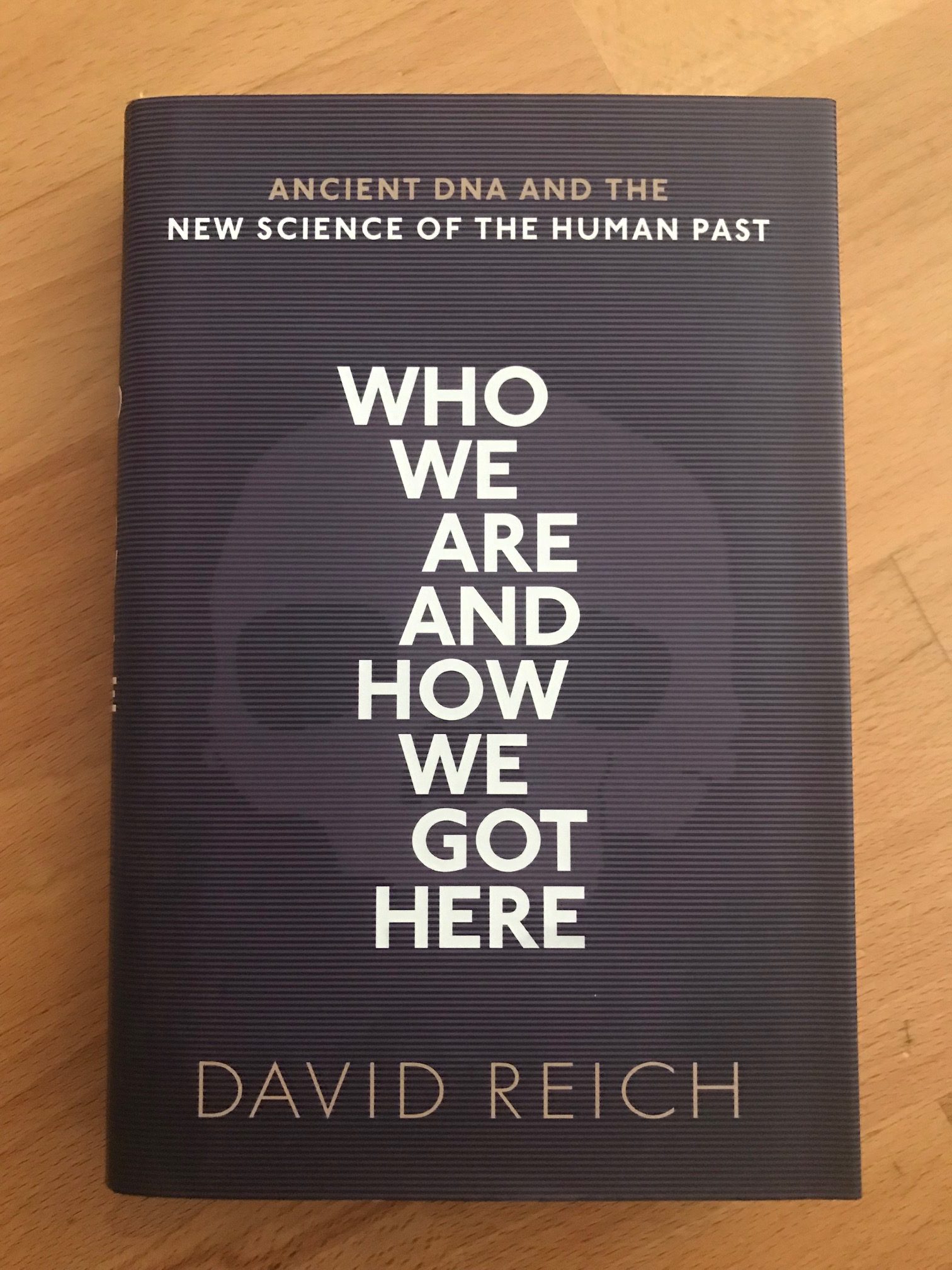
Who We Are and How We Got Here: Ancient DNA and the new science of the human past

The past few years have witnessed a revolution in our ability to obtain DNA from ancient humans. This important new data has added to our knowledge from archaeology and anthropology, helped resolve long-existing controversies, challenged long-held views, and thrown up remarkable surprises. The emerging picture is one of many waves of ancient human migrations, so that all populations living today are mixes of ancient ones, and often carry a genetic component from archaic humans. David Reich, whose team has been at the forefront of these discoveries, explains what genetics is telling us about ourselves and our complex and often surprising ancestry. Gone are old ideas of any kind of racial âpurity.' Instead, we are finding a rich variety of mixtures. Reich describes the cutting-edge findings from the past few years, and also considers the sensitivities involved in tracing ancestry, with science sometimes jostling with politics and tradition. He brings an important wider message: that we should recognize that every one of us is the result of a long history of migration and intermixing of ancient peoples, which we carry as ghosts in our DNA. What will we discover next?

This is a fascinating and well researched book. An Amazon No 1 Bestseller and it is easy to see why. 

The past few years have witnessed a revolution in our ability to obtain DNA from ancient humans. This important new data has added to our knowledge from archaeology and anthropology, helped resolve long-existing controversies, challenged long-held views, and thrown up remarkable surprises.

The emerging picture is one of many waves of ancient human migrations, so that all populations living today are mixes of ancient ones, and often carry a genetic component from archaic humans. David Reich, whose team has been at the forefront of these discoveries, explains what genetics is telling us about ourselves and our complex and often surprising ancestry. Gone are old ideas of any kind of racial âpurity.’ Instead, we are finding a rich variety of mixtures. Reich describes the
cutting-edge findings from the past few years, and also considers the sensitivities involved in tracing ancestry, with science sometimes jostling with politics and tradition. He brings an important wider message: that we should recognize that every one of us is the result of a long history of migration and
intermixing of ancient peoples, which we carry as ghosts in our DNA.

What will we discover next?

Available here.

Marx: A Very Short Introduction

marx, a short introductionMarx: A Very Short Introduction is Marx made easy. A brilliant and balanced book that is essential for anyone interested in Marx.

In Marx: A Very Short Introdution, Peter Singer identifies the central vision that unifies Marx’s thought, enabling us to grasp Marx’s views as a whole. He sees him as a philosopher primarily concerned with human freedom, rather than as an economist or a social scientist. In plain English, he explains alienation, historical materialism, the economic theory of Capital, and Marx’s ideas of communism, and concludes with an assessment of Marx’s legacy.

About the Series: Combining authority with wit, accessibility, and style, Very Short Introductions offer an introduction to some of life’s most interesting topics. Written by experts for the newcomer, they demonstrate the finest contemporary thinking about the central problems and issues in hundreds of key topics, from philosophy to Freud, quantum theory to Islam.

Available here.

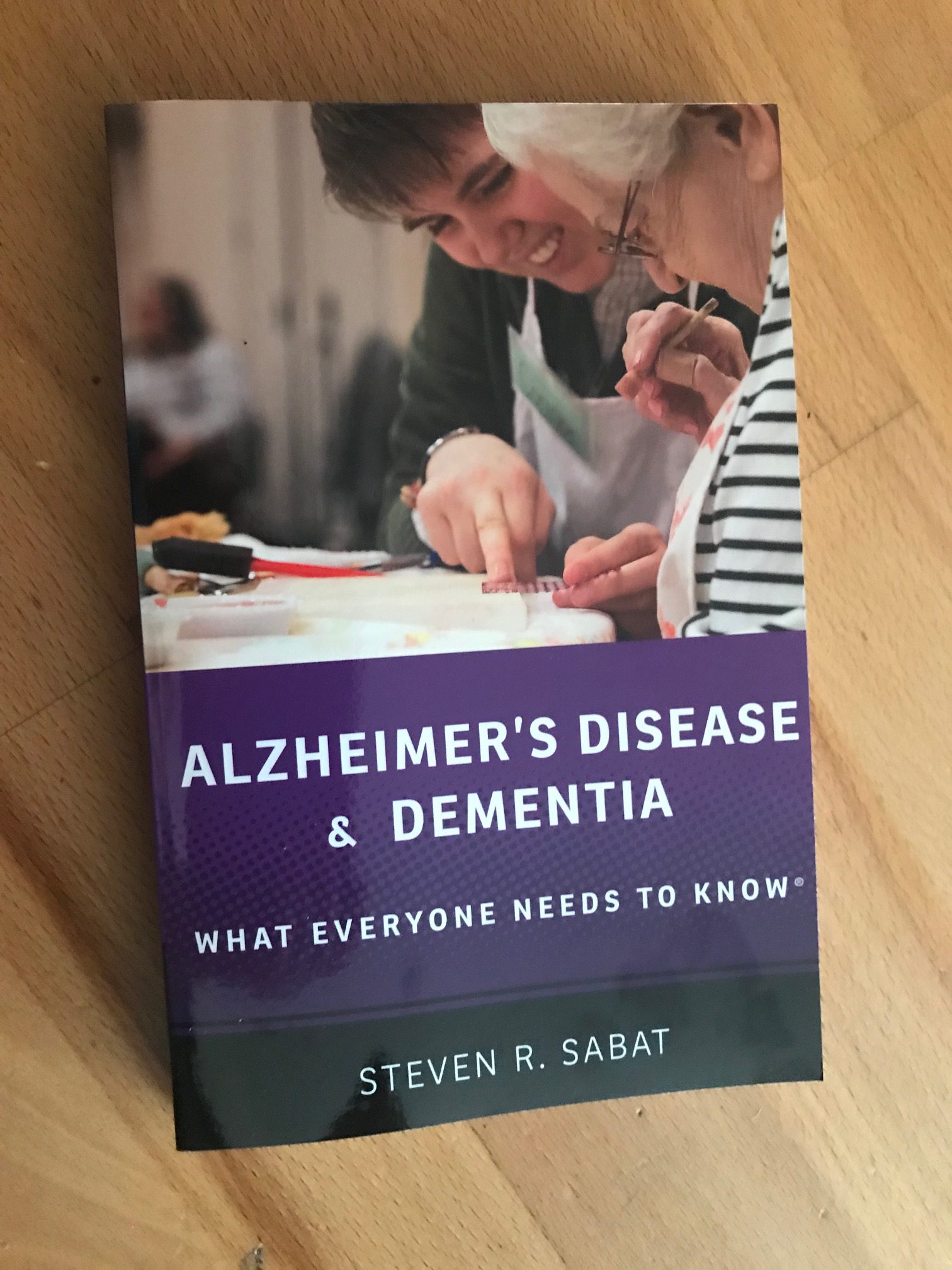
Alzheimer’s Disease and Dementia: What Everyone Needs to Know

alzheimer's, dementia, booksAlzheimer’s is swiftly on the rise: it is estimated that every 67 seconds, someone develops the disease. For many, the words ‘Alzheimer’s disease’ or ‘dementia’ immediately denote severe mental loss and, perhaps, madness. Indeed, the vast majority of media coverage of Alzheimer’s disease (AD) and other types of dementia focuses primarily on the losses experienced by people diagnosed and the terrible burden felt by care partners yearning for a “magic bullet” drug cure.
Providing an accessible, question-and-answer-format primer on what touches so many lives, and yet so few of us understand, Alzheimer’s Disease and Dementia: What Everyone Needs to Know®contributes what is urgently missing from public knowledge: unsparing investigation of their causes and manifestations, and focus on the strengths possessed by people diagnosed. Steven R. Sabat mines a large body of research to convey the genetic and biological aspects of Alzheimer’s disease, its clinical history, and, most significantly, to reveal the subjective experience of those with Alzheimer’s or dementia. By clarifying the terms surrounding dementia and Alzheimer’s, which are two distinct conditions, Sabat corrects dangerous misconceptions that plague our understanding of memory dysfunction. People diagnosed with AD retain awareness, thinking ability, and sense of self; crucially, Sabat demonstrates that there are ways to facilitate communication even when the person with AD has great difficulty finding the words he or she wants to use. From years spent exploring and observing the points of view and experiences of people diagnosed, Sabat strives to inform as well as to remind readers of the respect and empathy owed to those diagnosed and living with dementia.


Alzheimer’s Disease and Dementia conveys this type of information and more, which, when applied by family and professional caregivers, will help improve the quality of life of those diagnosed as well as of those who provide support and care.

This is an important book. It is well-researched and well-written. Essential reading. 

Alzheimer’s Disease and Dementia: What Everyone Needs to Know is available here,


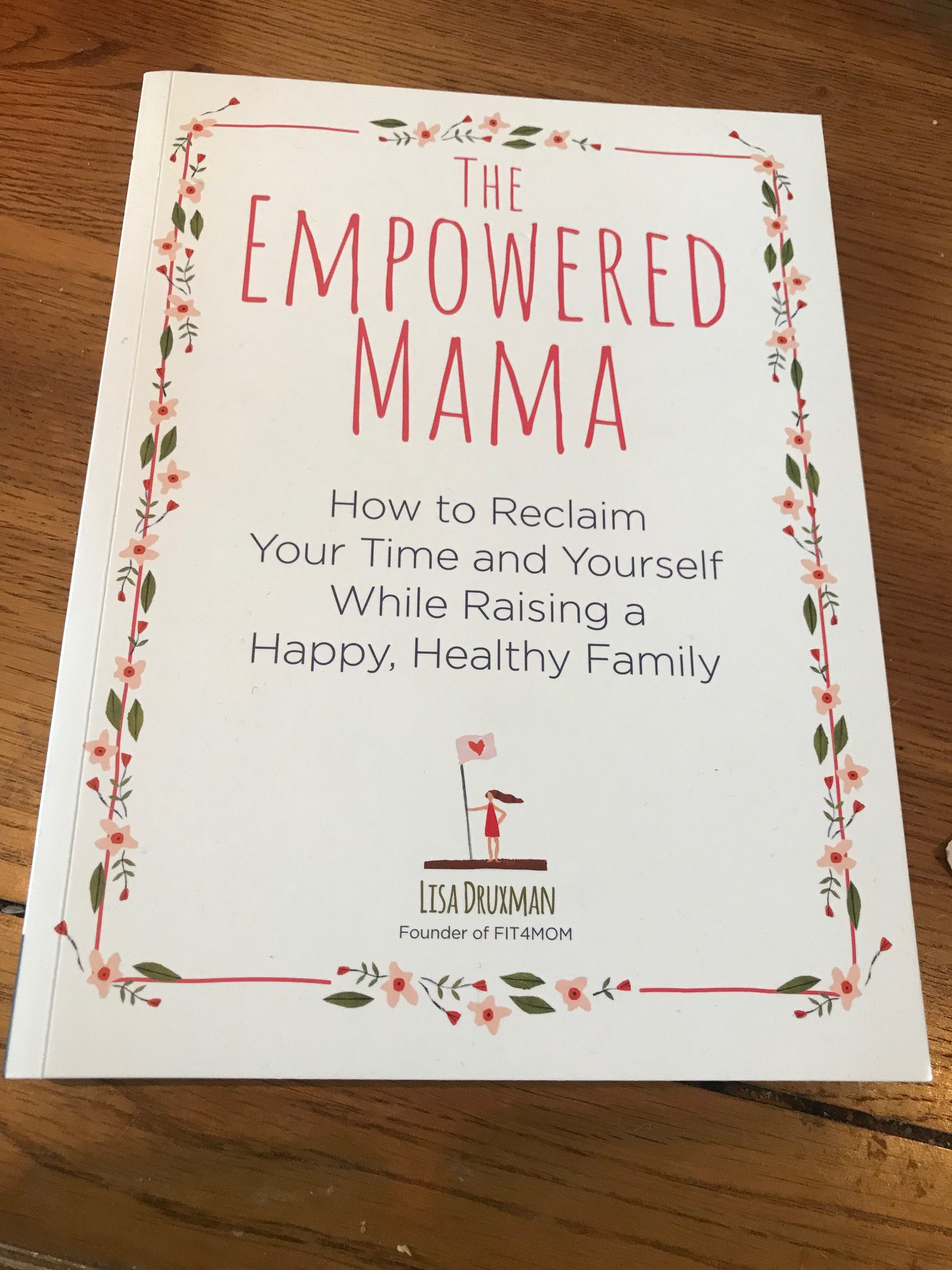
The Empowered Mama

the empowered mama, parenting, motherhoodThe Empowered Mama

The Empowered Mama is a practical and interactive workbook full of simple, powerful tools to help moms reconnect with themselves on the journey through motherhood.

Moms often try to juggle the roles of wife, mother, and homemaker while also being professional, competent woman. Many moms feel like they can’t take time to replenish their bodies and minds despite their many roles. There’s just not enough time in the day, and it seems selfish to take time when families and work still demand more.

The Empowered Mama is a practical workbook full of simple, powerful tools to help you reconnect with yourself on the journey through motherhood. Author Lisa Druxman uplifts, inspires, and takes moms on a journey not just to rediscover themselves, but to fall in love with motherhood again. Whether you are a working mom or a stay-at-home mom, this book will add balance to your life.

Since there will never be more hours in the day, The Empowered Mama will help you maximize the hours you do have to accomplish what matters most. This guide focuses on all parts of a mom’s life — work relationships, built-up stressors, cleaning up your diet, even going green and being more mindful about the environment — all with the intuitive understanding that getting the rest of your life in order will only reap huge dividends for your family.

I really loved this interactive book. It was impossible to not be inspired. I found myself nodding along as I read, happy that it was not just me, or feeling enlightened by the shared experience. Particularly in the part that explained why you still feel like crap after having a baby: baby sling wearing, tiredness, pushing a pram, sore muscles…. The Empowered Mama is full of quotes, exercises and information to make you the best you can be. It is easy to neglect yourself when you are a mother and anything that makes you focus on yourself is to be applauded. This book makes you the best you. Brilliant stuff.

The Empowered Mama is available here


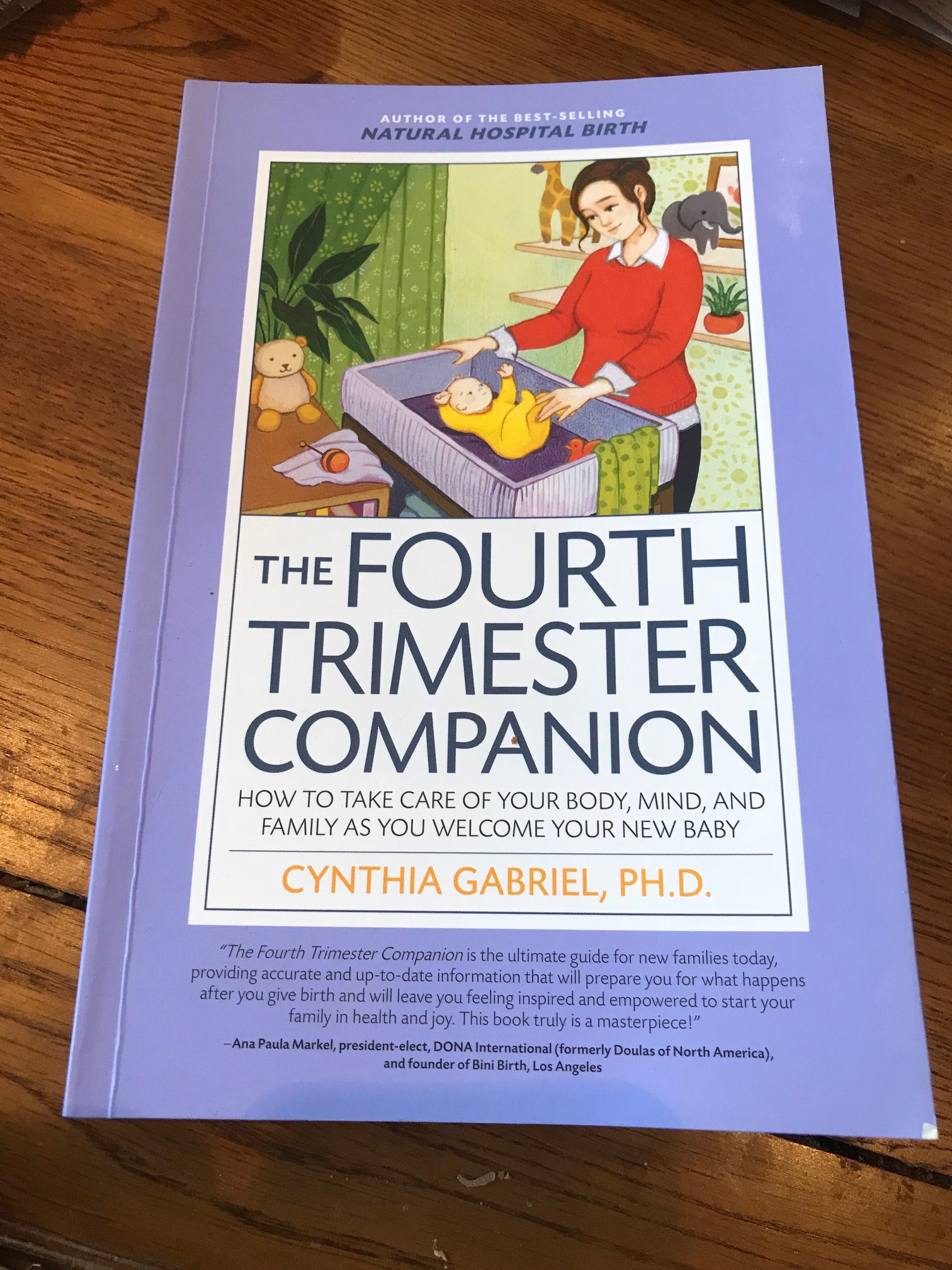
The Fourth Trimester Companion: How to Take Care of Your Body, Mind, and Family as You Welcome Your New Baby

baby, new baby, parenting, A well-cared-for baby is a baby whose mother is taking care of herself. Put simply: good mother care Is good baby care. 

That’s the core of the Fourth Trimester concept. In recent years doctors, nurses, midwives, and others involved in providing baby care have adopted this vital concept enthusiastically. The Fourth Trimester emphasizes that how a mother takes care of herself in the first three months of a new baby’s life brings crucial benefits for her, for her baby, and for her partner and family.

With this important new book, moms (as well as their partners and other caregivers, whether lay or professional) now have the resources to have an ideal Fourth Trimester experience. Cynthia Gabriel, a doula and the author of the best-selling book Natural Hospital Birth, delivers all the information, guidance, and encouragement new mothers need to take care of their bodies, minds, and spirits during the vital months of the Fourth Trimester—so that they feel their best and so their babies have the best possible chance to thrive.

This is a great book to help mothers- and fathers- get through a difficult time. Full of great, accessible information, this book is enjoyable to read. It is like having a friend with you. It is US based but is still relevant to UK readers. Highly recommended.
The Fourth Trimester Companion: How to Take Care of Your Body, Mind, and Family as You Welcome Your New Baby is available here.