My Writing Process – Juliette Quenin

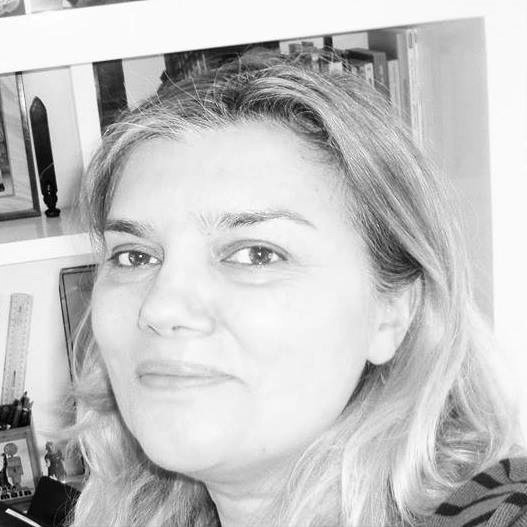
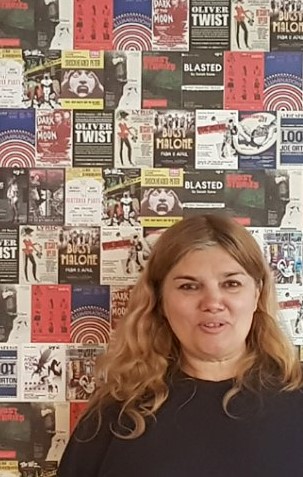
I was born in France but I travelled and lived in many countries as a child and as a teenager. I always had two certainties in life. One was that I wanted to be a creative, artistic person and the other one was that I wanted to live in London. I have now fulfilled both those dreams so I am a happy person. I have tried my hand at different creative mediums. I studied acting in Paris, I sang Opera for a few years and I have done a cinema school. As such I directed a couple of short films and worked on other fellow students’ short films. But writing has always been a constant passion of mine and since in London (nearly 12 years now), I have dedicated myself to playwriting.

What you have written past and present?

Over a period of 10 years I have written 8 full length plays. The Beauty of the Cactus Flower talks about the difficulties of being a woman in this age and time. Dear Wallis is about a teenager revolting against an abusive alcoholic mother. My play Sugar talks about the strong bond in between a grandmother and a granddaughter and the healing power of baking. 430 King’s Road, An Urban Odyssey tells the story of the punk movement’s birth, narrated as a Greek Tragedy. Little Wing exposes the difficult relationship between two brothers carrying the burden of a past accident. Womb’s talks about the demolition of buildings and key historic buildings in the Soho Conservation area and the impact this has on the local residents. Catsville tackles the problem of animal hoarding and loss. And my last play is still a work in progress, so I won’t be talking about it today.

What are you promoting now?

I have decided to self-produce and direct one of my plays. Little Wing, the story of the two brothers, is going to be on stage at the Jack Studio Theatre in London from the 7th of April till the 18th of April 2020. I have produced and directed short films and readings before, but this is a very different adventure and I am very excited about it. Hopefully this will be the beginning of a new modus operandi: Part time playwright/part time director.

Do you plan or just write?

Years ago, I used to just write. Not anymore. I miss this very spontaneous way of working because it can produce beautiful and poetic writing but I have noticed that in terms of storyline I would get stuck, sometimes finding myself in a cul-de-sac. I wanted to take my writing to the next level, so I started planning. Now, as far as I am concerned, the work is less spontaneous but much more structured and of course playwriting is about structure, structure and more structure.

What about word count?

For me as a playwright, it is more about number of pages. I know that when I hit the 70 pages mark (knowing that a page of dialogue is more or less 1 minute and half on stage) I have a play that is about 1 hour and 30 minutes long, so then I can relax, before starting a new draft.

How do you do your structure?

The play and the subject matter command it really. My plays are rarely about big dramatic situations and twists, so I am not worrying too much about the climax for instance. Of course there is always a climax, but mine tend to be quite subtle. I tend to favor two act plays. They work well for me. I’ve learned through the years that a scene did not need to be of a certain caliber and length, that it’s all about balance and rhythm. I have studied music for many years and I love the idea that my plays are like scores. 

What do you find hard about writing?

Endings! It’s always hard to finish a piece. It’s like a little death and I don’t like that. Also, the time in between two plays is a difficult one for me. I get crippled with doubts, I become a bit crazy. Will I ever be able to put pen on paper again? I have a few coping mechanisms now but it’s still difficult. One thing I don’t have, fingers crossed, is the famous writer’s block.

What do you love about writing?

The craft. It puts me in a zone like nothing else does. Nothing makes me happier than a well-produced page of dialogue. I love this wordsmith business. I fancy myself as a lacemaker, only it’s with words and sentences. Beautifully written pieces can move me to tears (more that the content of the play itself actually). For that reason, I am a big fan of Jean Cocteau, J. M. Barrie,  Edmond Rostand and William Shakespeare for instance. I recently reread Hamlet. Everything, absolutely everything you need to know about plays and playwriting is in there. And if I dare say, everything you need to know about life!

Advice for other writers?

Do the 1%, which is present yourself to the page consistently and preferably at the same time of the day, and the universe will do the 99% left, which is inspiration, willingness and the courage to push forward. Drink lots of water, exercise (I’m not very good at that myself) because sitting hours in front of the computer can be hard on the body. If it’s a first draft, don’t indulge in endless rewriting (that’s a tough one). And don’t give up! My production company is called Five Minutes Before the Miracle (short for Don’t give up five minutes before the miracle!) which is a constant reminder that one needs to be perseverant in life. That’s the key.


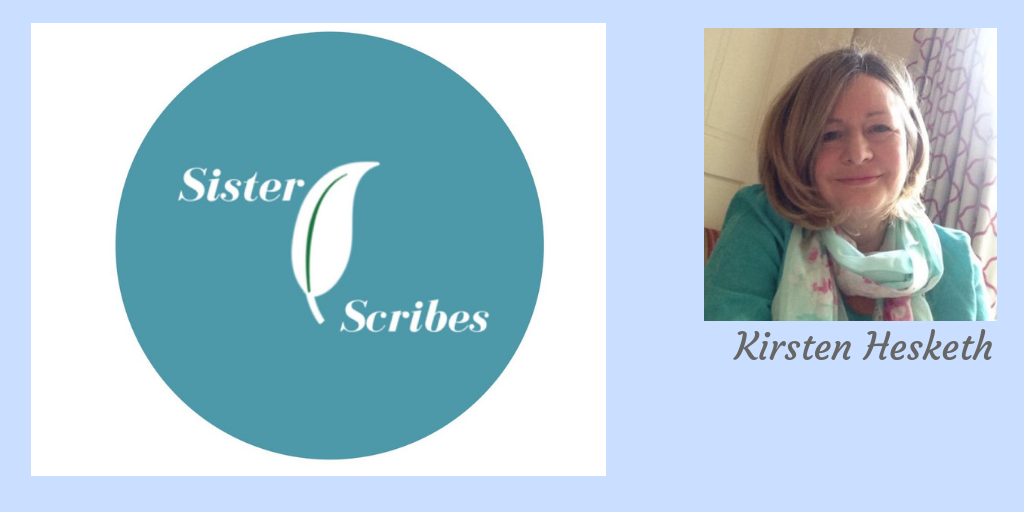
SISTER SCRIBES: KIRSTEN HESKETH WRITING ON THE RUN

I’m writing this a service station halfway up the M6 – en route to the Edinburgh Fringe Festival where I am singing on Saturday with the Rock Choir. (I know!)

To be fair, this particular writing session was prompted and necessitated by the email I received when I pulled into Sandbach services and turned my phone back on. Had I remembered that my latest Sister Scribe missive was due like now …?

But I got me to thinking about how I love writing out and about. I do a lot of it. Part of this is due to sharing a home with teens and a newly retired husband. I love them all to distraction – but without the luxury of my own dedicated writing lair, distraction is often the operative word. It can be really hard to concentrate on my WIP when the children are on holiday and demanding my attention and hubbie wants to involve me in his plans. Far easier to decamp to a convenient coffee shop and give myself over totally to my project.

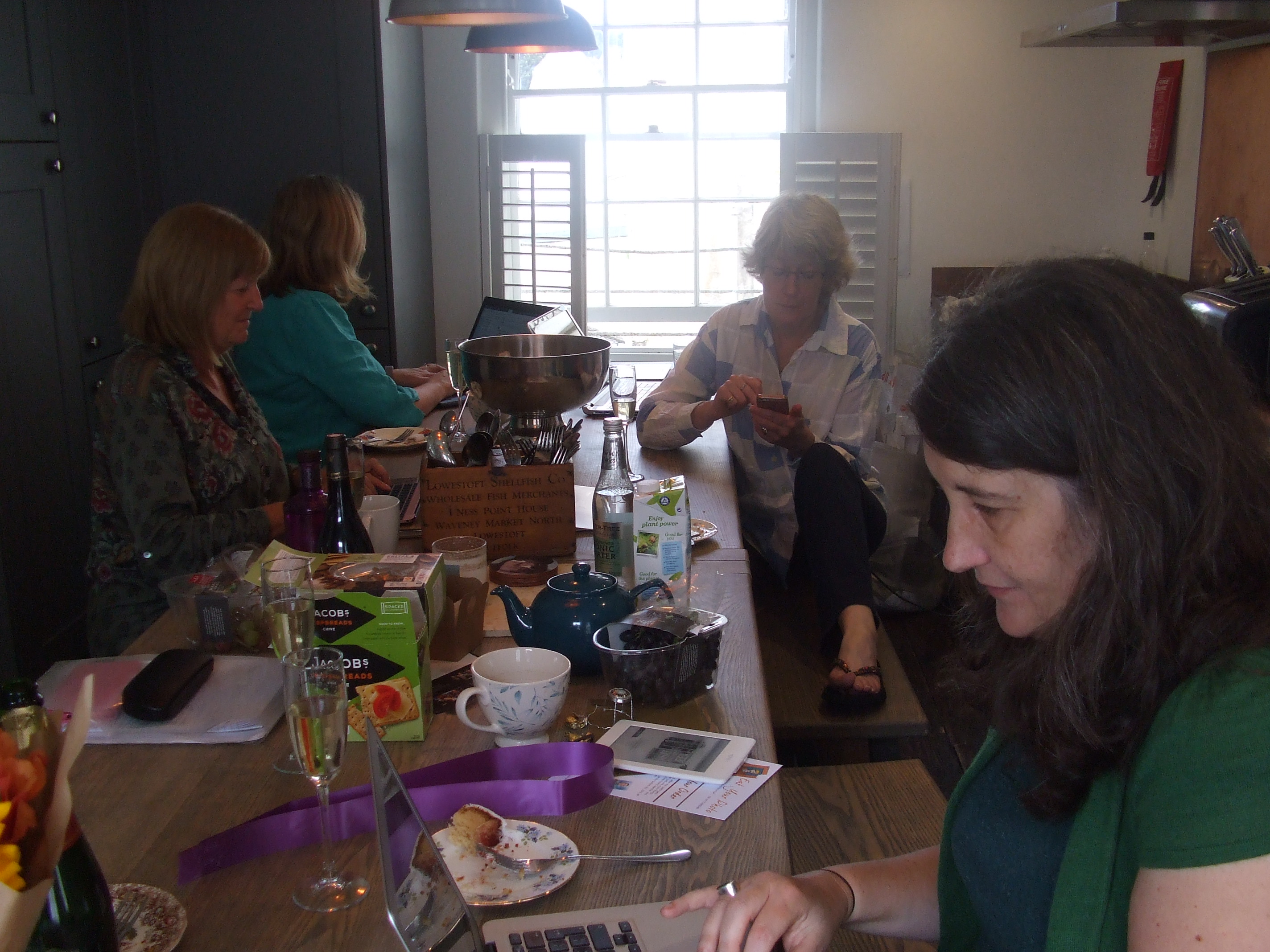
Sister Scribes write cafe-style

And what a buzz it is. I love it all – being amongst – but not with – people who demand and expect nothing of me, the background chatter, people watching, coffee and CAKE. Best of all, I find, is writing in a café with other writers. That really is the crème de la crème. For me, this happens most often during the school holidays – not just because it is when I need most to escape – but because so many of my writing buddies are teachers. We have our favourite venue – Coppa Club in Sonning – and our favourite table; the big round one in the corner with ample plugs for everyone. This particular table is in hot demand – and we used to amuse ourselves with elaborate plots for how we might secure it (you could tell what genre we were writing by our suggestions!) Then we worked out we could just book it in advance!

I asked a couple of my fellow writers what they most like about these writing sessions. For writer and poet Becci Fearnley, author of Octopus Medicine, it is all about the support. ‘I would probably get more writing done at home,’ she admits, ‘but discussing my progress, sharing in triumph and failure and even just the quiet company of people who understand you are all very much needed in the life of a writer. Writing can be a lonely business and we all need allies.’ Claire Dyer, author of The Last Day and The Perfect Affair agrees, although for her, the background noise can be an issue. (Note to cafes; sometimes the ‘background’ music can be very insistent). ‘I do enjoy the camaraderie of writing with others,’ she says. ‘There’s something collegiate and nurturing about it – and the coffee and breakfasts are scrummy.’

I think that’s it. Writing in cafes with other writers nourishes body, soul and our creative output. More than once, a brief discussion on something I didn’t even really know I was struggling with has been magically solved by a ‘chance’ comment, a plot hole closed or a character developed. Sometimes we muse that advances are being eroded and waistlines expanded, but – hey – everyone knows that you have to suffer for your art, don’t they?

And today, once skinny latte and a toasted sandwich later, my article is complete, and I am ready to hit the motorway again. I’ll proof it in another service station somewhere south of Glasgow and then hit the road for the final push to Edinburgh.

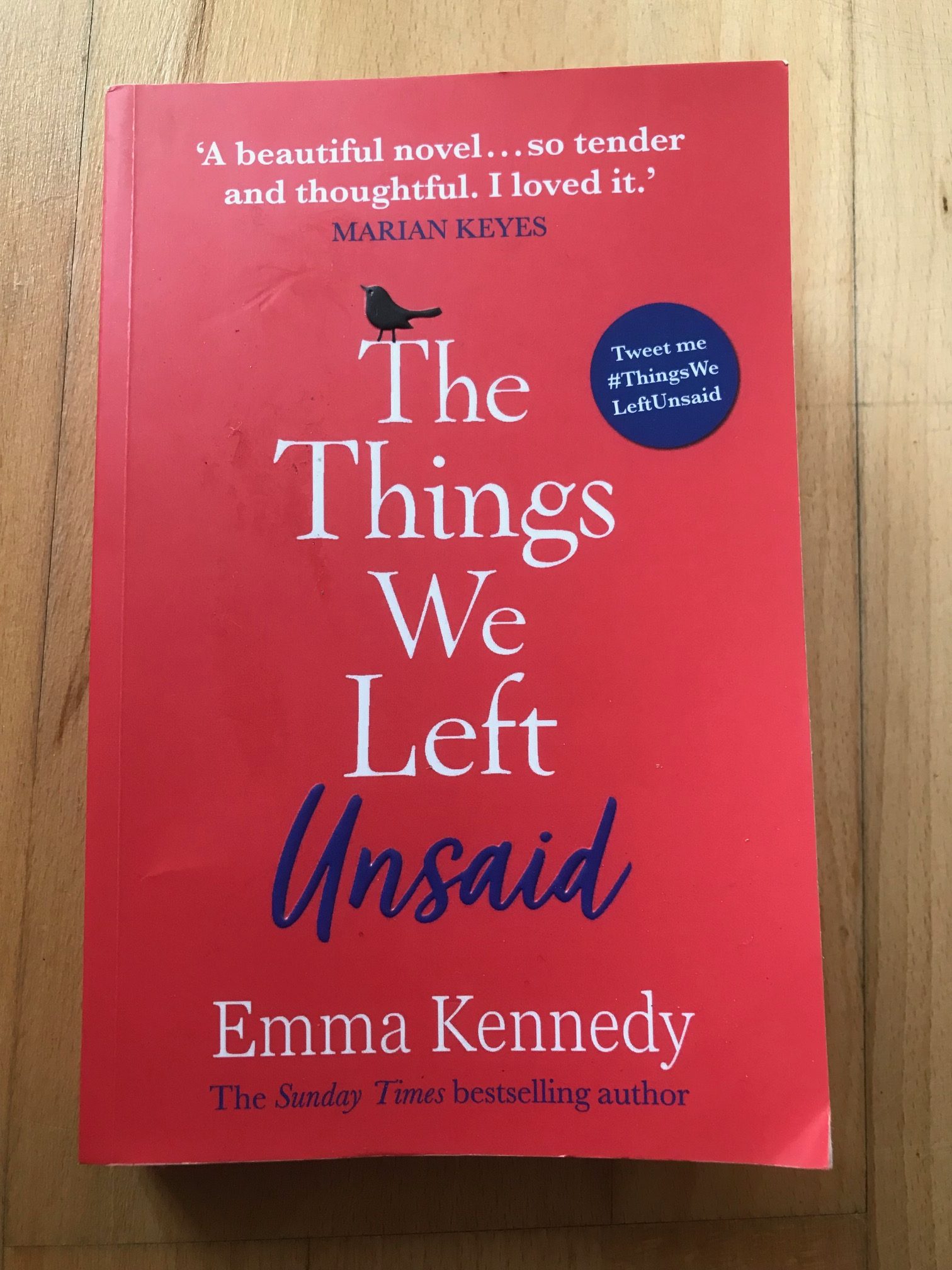
The Things We Left Unsaid: An unforgettable story of love and family by Emma Kennedy

the things we left unsaid, emma kennedy, book, review

The Things We Left Unsaid reads like an off-beat romantic comedy. It certainly has all of the ingredients: drama, complicated characters, conflict and resolution.

It has real, and sometimes unlikeable characters. The setting of the family country home is gorgeous and works well. The Things We Left Unsaid also talks a a lot about the human condition and how we are always searching for who we are and trying to find out the truth of the past. A good read. 


Rachel’s relationship with her mother, Eleanor, has always been far from perfect. Eleanor is a renowned artist born from the swinging sixties, and Rachel has forever lived in the shadow of her success.
When Rachel is left by her fiancé on the morning of their wedding she has no choice but to move back into her family home and spend an unbearably hot summer with a mother she feels distant from – in the presence of many painful memories.

It will take another turn of events before Rachel realises that sometimes the past holds exactly the comfort we need. And that behind the words left unsaid are untold stories that have the power to define us.

Imbued with warmth and full of characters who will steal your heart, THE THINGS WE LEFT UNSAID is a radiant novel in which past and present collide with life-affirming consequences.

Available here.

My Writing Process – Sue Kittow

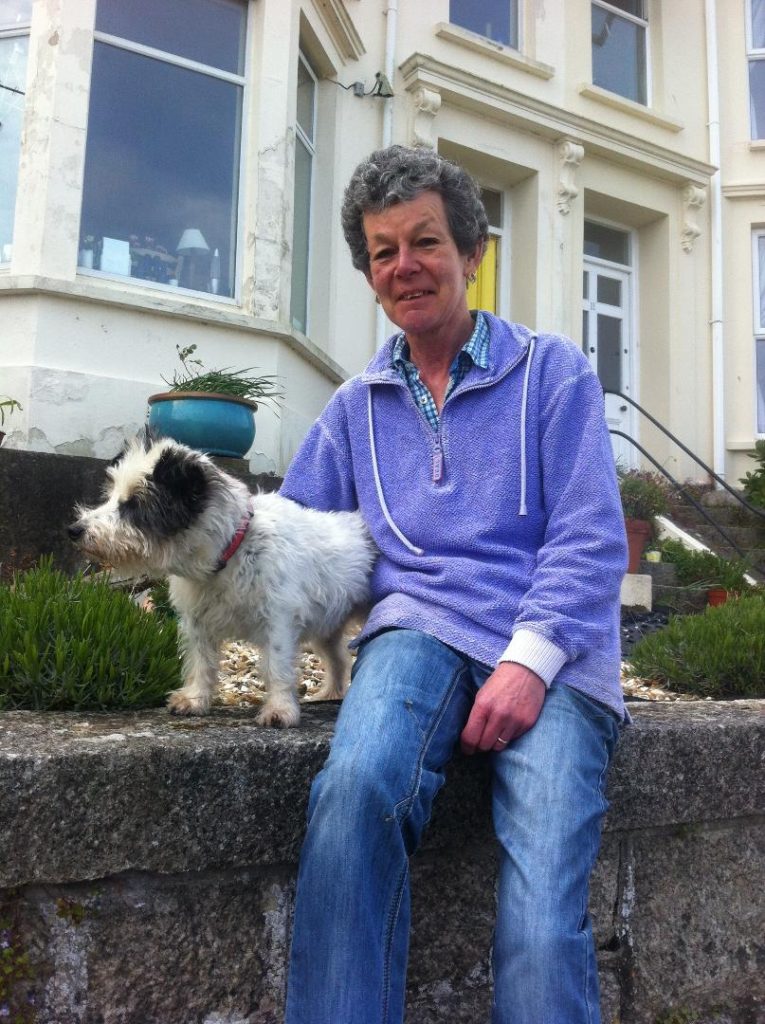
I’m Sue Kittow, a Cornish author, freelance journalist, researcher and copywriter, been living in Falmouth for 25 years.

I have written five books on Cornish walks – Discover Cornwall, Walks in the Footsteps of Cornish Writers, Walks in the Footsteps of Poldark, Walks in the Footsteps of Daphne du Maurier and Walks in the Footsteps of Rosamunde Pilcher. I am also writing a novel set in Cornwall but don’t have an agent or publisher for that – yet!

As a freelance journalist I have interviewed many authors including Bill Bryson, Ian Rankin, Lionel Shriver and Rosamunde Pilcher. I have also written for Daily Mail, Cornwall Today, Writers’ Forum, Woman’s Weekly, Classic Boat and many other magazines.

I am currently promoting Walks in the Footsteps of Rosamunde Pilcher, published by Sigma Press August 2019.

Walks books need a lot of research and planning so my writing is quite structured – I write lots of notes for research then incorporate that into the walks as I transcribe them. It’s lovely playing the tape back and listening to the conversations we had, the birds and sea and whatever else going on. When I’m writing fiction it’s very different – I plot a lot and make notes on that but the writing itself is very free – I love the excitement of a first draft. Editing I find much harder.

As these are books on walks, a lot of planning and research goes into each one. My publishers like a geographical spread of walks around Cornwall, so I have to start off with ideas and make sure the walks are all over the county, not just focused on a few areas. Then research them, walk them, take photographs, transcribe them – it’s a lot of work!

My contract stipulates 35-45,000 words but that’s quite a loose guide.

The structure for each chapter is roughly the same so I’m used to it now – Introduction (about author, character, location), The Walk, incorporating more research as relevant, Factbox, Content, Photographs, Summing up.

The hard bit is always the editing, then the proofing and checking the maps. And self belief.

I love the physical part of writing – actually putting the words on the page and then transmitting the idea of the place – capturing the sounds, the sea, the birds, the trees etc, so that the reader can come on this walk with me while they read it.

Advice for other writers – find your voice. Read lots. Be realistic. Study agents and publishers carefully, see what’s happening online but don’t compare yourself to others – social media is full of people sharing their Amazon rankings, reviews etc. For every good review there is a not so good one (don’t read reviews!). Make sure your work is as good as it can be before you send it out – get advice from people you trust and listen to what they say. Good criticism can only improve your work. Persevere. This is a lonely business, so network with other writers. And write because you love it.


SISTER SCRIBES: JANE CABLE CATCHES UP WITH TAKE FOUR WRITERS’ LUCY AND ANGELA

Carrying on with our catch up with last year’s Take Four Writers, today it’s the turn of Lucy Coleman and Angela Petch.

Lucy:

This year has flown by and I can’t believe it’s August already – eight months since the last of Jane Cable’s series: ‘Take Four Writers’. As we all catch up, I suspect the main theme running through our updates will be that there are never enough hours in the day. But a writer’s life is never dull, and we are blessed!

Writing as Lucy Coleman, by the end of 2019 I will have had two new books out this year with Aria Fiction, the second of which is ‘Magic Under the Mistletoe’ due out on 5 September. Set in the hamlet of Porthkerry, near Cardiff, it begins in a snowstorm. It was inspired by the heavy snowfall in December 2017, which turned much of the UK into a winter wonderland.

A new publishing contract with Boldwood Books will see the first of six novels published over the next two years, beginning with the release of ‘A Springtime to Remember’ in December 2019. The story is set in Versailles, a place that is very dear to my heart.

I’ve also recently returned to blogging and my monthly feature ‘The Happiness Factor’ covers tips on motivation and generally surviving the ups and downs of a busy life. Also fun things – interior design tips, home spa pampering, the aesthetics of your workspace if you work from home, and my best buys. A treat doesn’t need to break the bank, but it can lift the spirits.

I don’t ‘endorse’ products, but share things I’ve purchased which make me smile, or have helped me. One of my best buys recently was a back brace I wear when typing, which has taken away my spells of backache!

If you get a moment, do drop by my website https://linnbhalton.co.uk/the-happiness-factor-blog/ and check it out.

Angela:

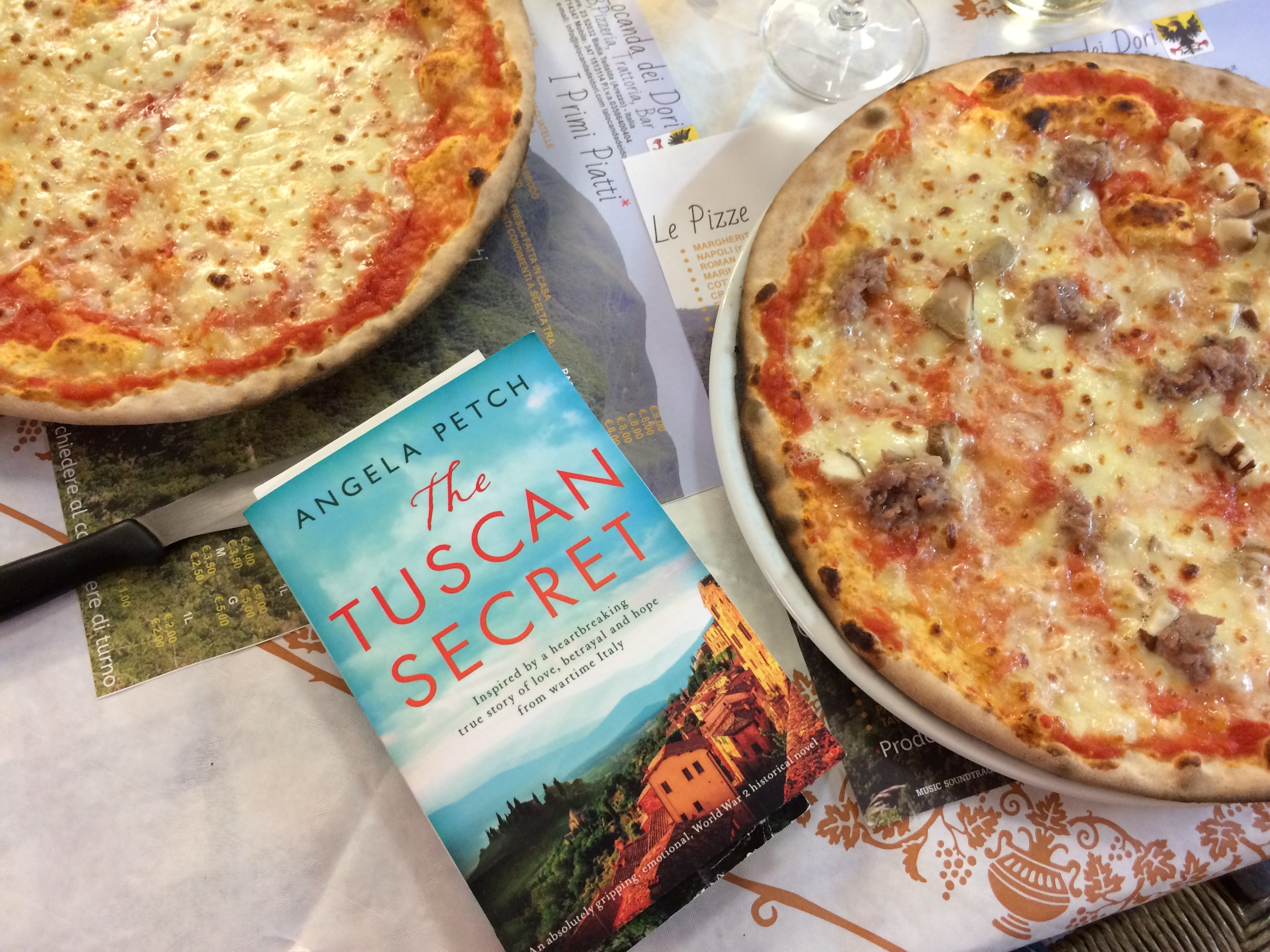
The Tuscan Secret was published by Bookouture on June 26th, after rigorous editing. At first I panicked at the structural changes suggested. I had written this book originally in 2012 and had to reacquaint myself with the story. But then I settled and began to enjoy the challenge. Today my editor told me it has sold just shy of 10,000. I could never have imagined that figure as a self-published author. (There’s also been a knock-on sales increase of my other books).

This week I sent my first draft to my editor of the second commissioned Tuscan novel, and the editorial roundabout will again whir into action. Hopefully, what I learned from the first round will ease the process.

Downsides:

  • I’m at least half a stone heavier from spending many hours sitting in front of my laptop.
  • I am developing bad posture.
  • My hubby says my head’s in another world half the time. (It is!)

Positives:

  • I’m loving what I’m doing. There was never enough time to concentrate on my writing before. It’s fun to live in a “what-if” world.
  • I have made great new friends in the writing community.
  • I’m gaining self-belief.
  • Far from being escapist, I firmly believe that writing helps me connect more with the world.

We all know that very few authors make a mint. It would be great to have more pennies and pounds in my bank account… but money is not the only measure of happiness. Connecting with readers (even with those who give less than shining reviews) makes all those hours of being hunched over my writing; all those hours of my head feeling it’s going to burst, my eyes squinty and itching — all worth it. Hand on heart.


SISTER SCRIBES: JANE CABLE CATCHES UP WITH TAKE FOUR WRITERS’ JACKIE AND CLAIRE

Everyone loved our Take Four Writers’ articles last year so I thought it would be really interesting to catch up with them. Writers lives have ups and downs, and in 2018 we shared them all. Here’s what Jackie Baldwin and Claire Dyer have been up to since – news from Lucy and Angela tomorrow.

Jackie:

Hello everyone,

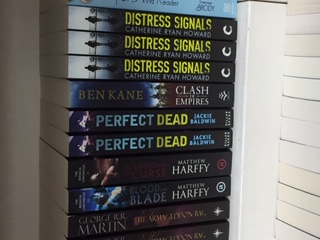
This year, a big thrill has been seeing copies of ‘Perfect Dead’ in The Works shops. It never gets old going seeing my book in the wild. I stroll past ‘casually’ whilst giving it an intense stare.

2019 has been dominated by writing my third DI Farrell book, ‘Avenge the Dead.’ This is the first time I’ve had a book published with the title I originally chose! I finished the first draft in seven months this time so I’m getting quicker with each book. The plot revolves around the Criminal Bar in Dumfries where I used to practice as a solicitor so I’m drawing on personal experience in some respects but the plot and characters are wholly fictional. Honestly!

In addition to writing and the day job I’m also in the process of moving closer to Edinburgh. We’ve found a house but it needs quite a bit doing to it so trying to organise all that has been a challenge. Hopefully, we’ll be installed before my first grandchild arrives in October!

I’ve completed my structural edit for Avenge the Dead. This is probably the stage that I most enjoy where you can fix errant plot lines and even insert new characters or subplots if the mood takes you. Currently I’m working on the Line Edit which is a complete nightmare. For example, you mention the word out three times on one page and need to change two of them.

Recently, I’ve realised that writing books is a lot like having babies. You have your baby and fall madly in love, forgetting the pain. You think it would be a great idea to have another baby. You get into the labour ward and yell, ‘WHAT was I thinking?’ And repeat…

Claire:

It’s a well-known fact that the writing life is not a simple one, and it’s easy to lose hope and/or struggle with doubt and this year I’ve been battling with both these things!

However, with the help of my amazing writer support network I am back on track. I have completed a rewrite, edited another novel and started a new one.

I’ve also celebrated my son’s wedding, am working on the draft manuscript of a poetry collection due for publication in 2021 and am planning a holiday to the ever-wonderful Kalkan in Turkey.

I also have my husband’s wise words to fall back on when things get tough. He’s not a writer, and has learnt from living with one that he has to tread carefully, and part of this is to remind me gently now and again that it all depends on the lens.

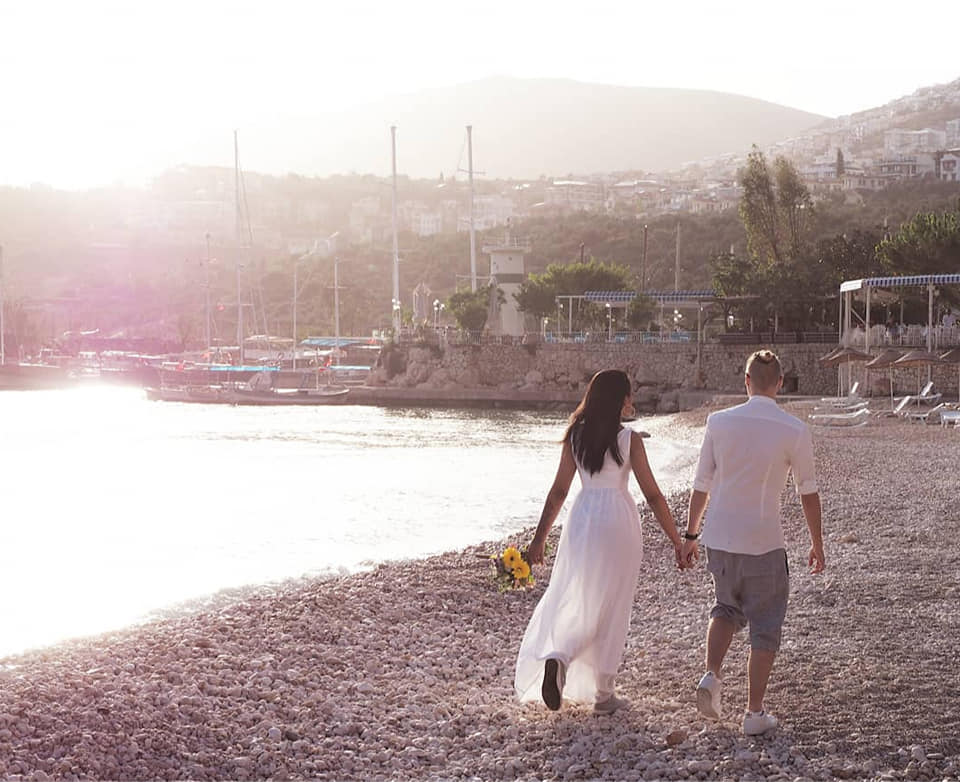
Yes, writing and getting published is a challenge, BUT I have had three novels and two poetry books published, with another on the way; I have a wonderful group of writer friends, I curate a monthly poetry night in Reading and I spend my days doing what I love. Moreover, my son’s wedding went well (see picture) and I still have writer-hope; it’s small and fragile but, using the right lens I can see it sitting next to my laptop, its bright eyes shining.


A SPORTING STORY SELDOM TOLD

Jane Cable reviews Keeping Up by Michael Bates and Tom Huelin

So why am I reviewing a book about cricket? More than one reason, but mainly because this autobiography tells a story seldom told; that of a brilliant young sportsman who fell by the wayside. Not because of accident or injury, but because he it came to the point he simply couldn’t get a job. As an honest portrayal of what went wrong it should be required reading for any youngster aiming for a career in professional sport – and their parents.

This book is important because it’s the story of a career that didn’t work out. And not because of lack of talent, lack of professionalism, or lack of hard work. These are the stories we don’t hear. Especially in an everything’s perfect candy floss world dominated by social media. We need to know it’s OK if you try your best and it isn’t enough. It’s a lesson for us all.

I first met Michael Bates in late 2008 when he was part of an exceptionally talented group of youngsters in the Hampshire Cricket Academy. At the time I was freelancing as a cricket writer, working for the club’s website and I was keen to write about these youngsters. Michael came across as confident and mature (he’d have just turned eighteen), with a burning ambition to play for England.

Humour me for a few sentences while I wax lyrical about his keeping, because in order to understand this book, you need to understand just how good Michael was. That’s hard if you’re not an out and out cricket badger, but if you watch any sport at all, you’ll know that the best of the best move in a way that sets them apart, and have such confidence in their ability they make the almost impossible look easy. And that was Bates behind the stumps.

The book charts his progress from school cricket, through, and beyond, the professional game. For me it was absolutely fascinating to see the club I knew so well from one angle revealed through another. I totally relate to Michael’s descriptions of the macho environment where admitting weakness was practically impossible, but at the same time, in one day cricket at least, it was a period when Hampshire were very successful.

So what went wrong for Michael? In simple terms, these days wicket keepers need to be good batsmen as well. Now while he could undoubtedly bat, it was never in the same class as his keeping. But I was of the school of thought that maybe he didn’t score so many runs himself, but add the runs he stopped the opposition from scoring and the equation more than evened itself out.

But the powers at Hampshire didn’t agree and after Michael being a key part of the team that won Hampshire two trophies in 2012, they brought in a keeper with a better batting reputation over his head. Hampshire members were outraged. And although no-one knew it at the time, Michael Bates’ career was effectively over at twenty-two.

The one thing this book doesn’t do very well is draw comparisons with the wider world, perhaps because it’s fundamentally a book about cricket. But the authors have missed a trick here. Not just the angle that it’s OK to talk about failure, but also the inherent lessons for modern teams in the world of work in general.

The book does, however, have a happy ending. Michael Bates is now coaching at a high level in the cricket world, being part of the backroom staff behind the England Women’s World Cup win in 2017. He’s been able to take the harsh lessons he learnt and apply them to help others to succeed. At twenty-eight years old, that’s quite something.


Keeping Up is independently published. https://www.amazon.co.uk/Keeping-Up-Surviving-specialist-multi-dimensional/dp/1090420161/

My Writing Process – Caryl Hart

I’m a children’s author and, over the past ten years, have published over 45 picture books and young fiction titles with seven major publishers. Several have been shortlisted for awards and I’ve won a few too. I run creative literacy workshops for schools, libraries and festivals and run teacher training and mentoring services.

Find out more here: www.carylhart.com

What have you written?

I have 45 published titles to date and around 15 books in production.

Next year celebrates the tenth anniversary of my Albie series, illustrated by Ed Eaves (Simon & Schuster), which includes the best-selling How to Grow a Dinosaur and Supermarket Zoo. We are currently working on book 11!

I also have a series of five feisty princess books, the most recent is The Princess and the Shoe – a book about following your dreams and believing in yourself, illustrated by Sarah Warburton and published by Nosy Crow.

Then there’s the Knock Knock series of crazy counting book capers, illustrated by Nick East and published by Hodder. The fourth book, Knock Knock Superhero is out in August. 

And Let’s Go.. a preschool series of first experiences, illustrated by Laruen Tobia and published by Walker books.  

My book Big Box Little Box, illustrated by Edward Underwood was shortlisted for the Klaus Flugge design award and is the first in a new series with Bloomsbury.

These are just a few of my titles. You can see them all here: www.carylhart.com/books

I’m very excited about the publication of Together We Can, a book about friendship, illustrated by Ali Pye and published by Scholastic. It’s a rhyming picture book that talks about what a friend is, how to make friends and, most importantly, how to be a friend. It is also a book about diversity as it features over 150 characters including children with different skin tones, hair styles, clothing, interests, mobility and other aids, prosthetics and cognitive and other physical difference.

It follows on from the success of Girls Can Do Anything and has already received a lot of interest on social media.

A bit about your process of writing. 

Do you plan or just write?

Every book is different. Sometimes I create a proposal in which I outline my idea and write sample spreads, which I then submit to publishers.

Other times, I just start to write.  Sometimes I sketch out ideas too, it just depends on how my brain is working on a particular day!

What about word count?

This also depends on the book. The shortest book I have written is 50 words and the longest around 60,000. On the whole, picture books are around 600 -1000 words and titles aimed at preschoolers or babies are shorter.  I guess, as I’ve gained experience, I have developed a feel for how many words work on a double page spread.  

There’s always a lot of editing, both for the first draft and at various other stages during production.  For example, once the illustrator has created rough drawings, my editor and myself will work together to cut out unnecessary words, or re-write lines, so a text will often get sparer with each iteration until the final book is produced.

What about structure?

Once I’m ready to being writing, I lay my text out in spreads. A typical picture book has 12 -14 spreads so I just put the spread number as a subheading on my page and write the text to fit.  I find this helps me to evaluate word count and also to make sure that every page turn gives the reader something new and exciting to experience. 

What do you find hard about writing?

Getting the time to actually sit down and put words on a page can be hard. Working from home and being a mother and wife have their own distractions, but I also do a lot of school visits and workshops, so spend quite a lot of time planning timetables and creating activities to go with my books.  You can see some of these here: www.carylhart.com/about/book-activities

As a freelancer, I’m happiest when I’m busy and have several new projects on the horizon. There are times when I do worry that the next contract might never come, but have learned to push those worries to the back of my mind and trust that either I’ll come up with something, or a publisher will commission a new project. In reality I’ve never had a period when I’ve been without work, perhaps because I’m quite well disciplined and very self-motivated.

What do you love about writing? 

I love losing myself in a story and the discipline of writing, especially writing in rhyme. It’s very challenging creating a multi-layered story with appealing characters, a satisfying arc and clear meaning and also making the rhythm consistent and the rhyme solid.  It can take a day or more to write a four line verse so it can be very slow-going, but I get great satisfaction when I finally crack it. 

I also love getting the rough illustrations through as this is the point at which my stories really start coming to life. I’m so lucky to be working with lots of super-talented super-lovely illustrators who really do an amazing job, so it’s great seeing the books going from lines of text in a word document to bright, colourful, engaging  books that are just gorgeous to look at and handle.   You can meet all the illustrators I work with here: www.carylhart.com/about/illustrators

Advice for other writers. 

Writing for pleasure is a wonderful thing to do. It helps you, and others, work out how you feel and what your views and opinions, hopes and dreams are.  Writing can help you manage stress and take you to places you never thought you could go. Sharing your writing with friends, family or people online is a great way to feel validated, loved and appreciated.  There are now so many platforms out there where writers can share their work – social media, performance, blogs to name but a few. So if you love to write, WRITE!

If you’re hoping to get your work formally published as a printed book, set your bar high.  Remember that your work is competing for contracts with authors who already have a track record and relationship with their publisher, so your work really does need to shine.  

Publishers have to make money to survive and the industry is very competitive so your work needs to be commercial. That means that you have to take on board what editors and designers ask in terms of developing your texts. Publishing books is a team effort and if you are unable to stomach criticism then consider other platforms where you have total control over what gets published.

If you are writing in rhyme, make sure your rhythm is tight and your rhymes feel natural. Half rhymes work okay in song lyrics but aren’t ideal for children’s books.

If you are hoping to publish a picture book, go it alone. If you illustrate too, then by all means send some sample illustrations but don’t do the whole book unless you’re very experienced. Publishers will have their own ideas on how they want your text to be illustrated by, and rarely sign books that are submitted by a ready-made duo.

The more you write, the better you will become, especially if you are able to take on feedback from professionals in the industry.  Just because your mum or your children like your book idea, it doesn’t mean its commercially viable.  So if you get the chance to speak to someone with experience in publishing, do try to act on their advice – it’ll save you a lot of time and effort in the long run.

Above all else, write. Just write. And then write some more. You never know where it might take you!