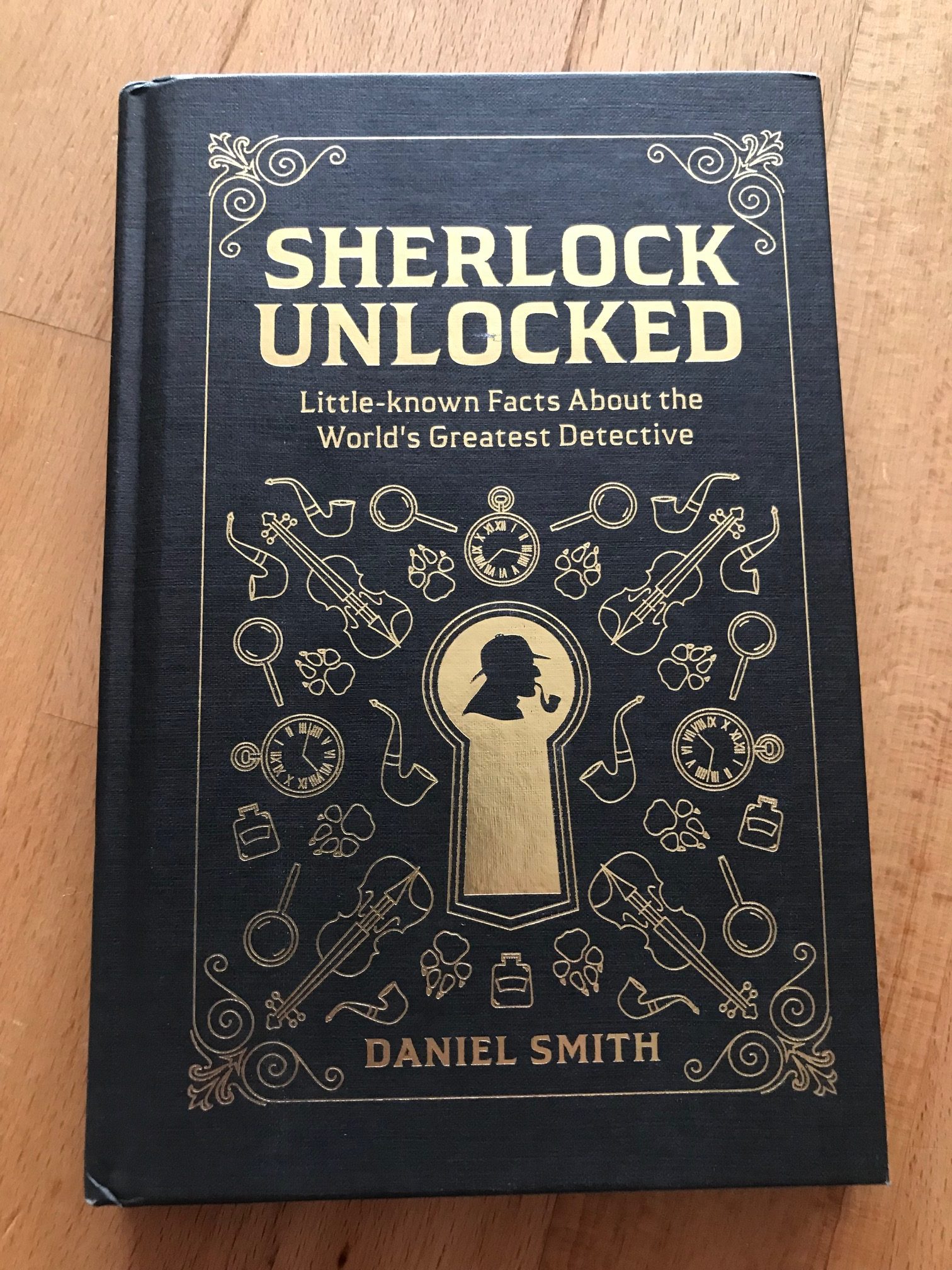
Sherlock Unlocked: Little-known Facts About the World’s Greatest Detective by Daniel Smith

Sherlock Unlocked: Little-known Facts About the World's Greatest Detective

This book is well written and well researched. An essential for anyone interested in Sherlock Holmes. 

Consulting detective Sherlock Holmes has been fascinating generations of readers, watchers and listeners for over 130 years, since he first appeared in print in 1887. Now an internationally renowned cultural icon, his name appears on books, films, television dramas, radio plays, stage adaptations and the rest right across the world and he is listed in the Guinness Book of World Records as ‘the most portrayed movie character’ in history.

With all this material readily available, one might think there’s not much to find out about Sherlock, but in Sherlock Unlocked, Daniel Smith looks behind what we think we know about the well-known sleuth and reveals little-known facts of which every Sherlock aficionado should be aware. From the eccentric and odd characters to the bizarre plot twists, and from Conan Doyle to Moriarty, this book will appeal to Holmes’ fans old and new.

Full of fascinating facts, such as:
– The shameful addiction of Watson’s that Holmes kept secret – a dark gambling habit.
– The part the legendary Langham Hotel played, in both Conan Doyle’s literary friendships – including with Oscar Wilde – and in the storylines he created for Holmes and Watson.
– The Real Moriarty? The true-life London underworld thief-taker, Jonathan Wild, was a model for Professor Moriarty
– Holmes’s retirement passion was bee-keeping.
– One of Conan Doyle’s childhood teachers, Eugene Chantrelle, became a notorious murderer.


Sherlock Unlocked is available here.


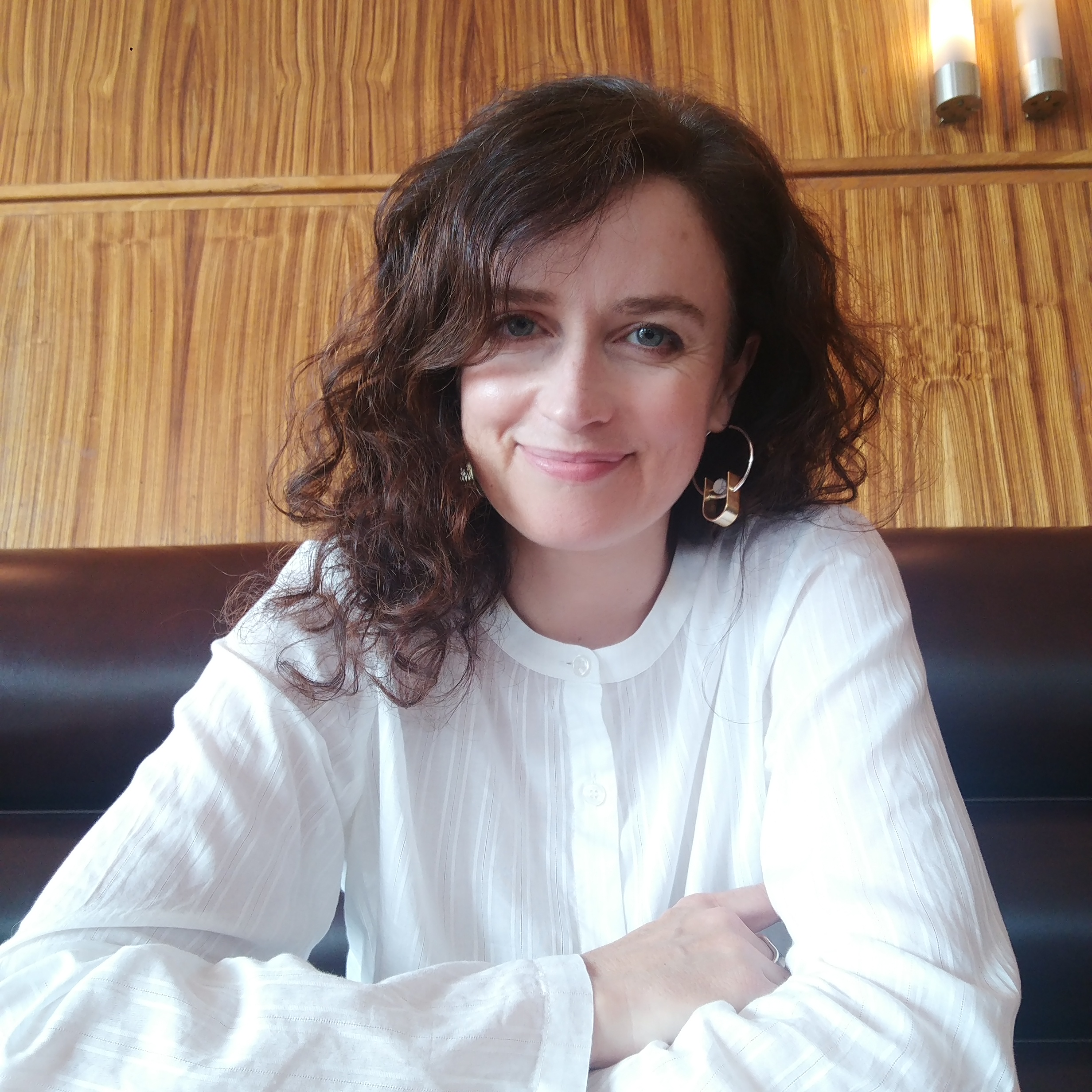
My Writing Process | Deborah O’Donoghue

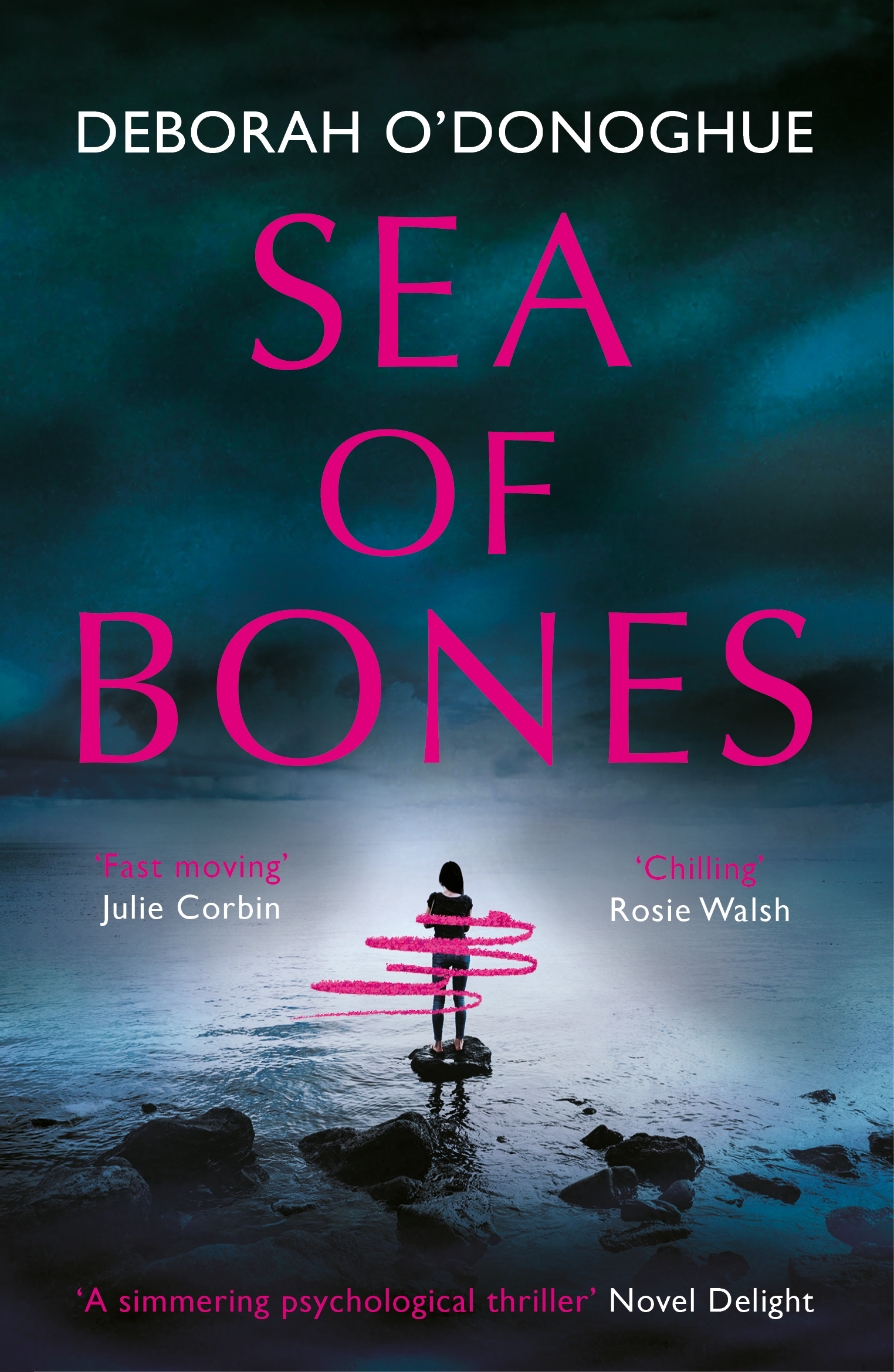
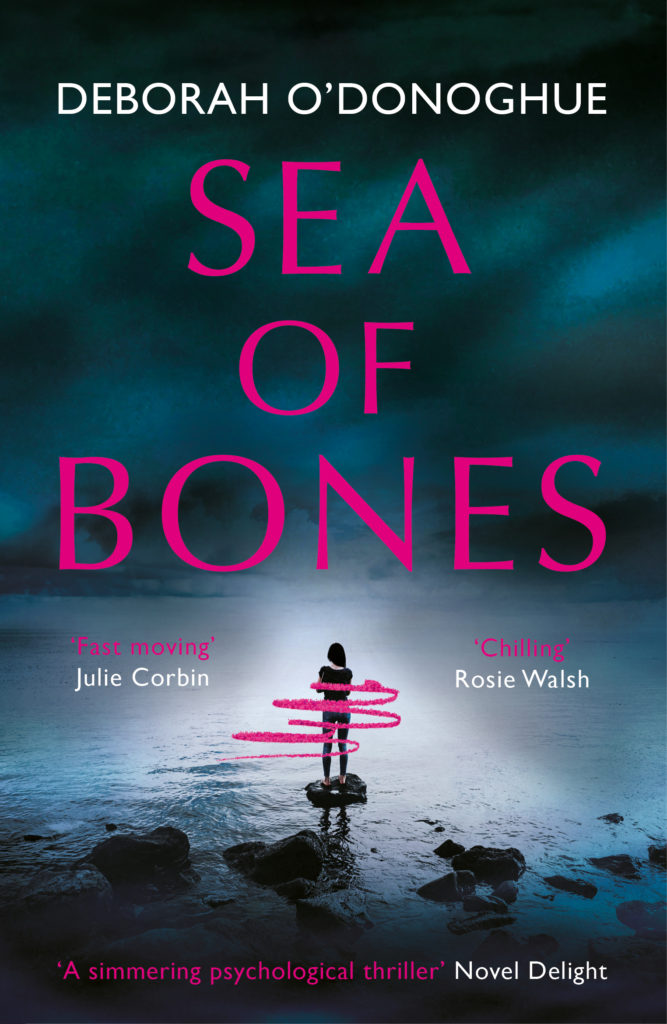
sea of bones author , Deborah O’Donoghue,How I write.

I tend to be inspired by theme and place, and then characters and situations start to come to me. I write scene by scene, then I go back, layering in descriptions and character information.

A bit about you. 

I live in Brussels at the moment, which is a fantastic city, really international. I grew up on the south coast of the UK and always wanted to write and tell stories. I was very into theatre and acting as well, but I soon realised you had more creative control if you were writing. My parents encouraged both my sister and I along these lines; there were always books in the house, Dad would make up silly rhymes at the dinner table, and Mum spent hours typing up my stories before I learned to do it myself.
What you have written, past and present.

I wrote lots of stories at school and had great teachers who were kind enough to put them into the school library! Aged eleven, I sent a manuscript to Faber and Faber. It was about a gang of kids and a brother in the army and something to do with the Ministry of Defence, so I guess thrillers are in my DNA! A kind editor at Faber wrote me a letter with some excellent tips!

At university I adapted a short story by Muriel Spark into a play and took it to the Edinburgh Festival. I had a brief exchange with the Dame herself, to get permission. I contacted her through her agent and she lived in a farmhouse in Tuscany which seemed enchanting to someone who’d grown up on a British housing estate. It was really exciting and inspiring!

I went into teaching, which I loved, but it was so all-encompassing I only really had time to write short stories. So that’s what I did. I was shortlisted in a Commonwealth Broadcasting competition for a flash fiction piece.

In 2015, I left my job and moved to Brussels to be with my partner. I decided it was time to put my money where my mouth was and sit down and write a novel.

What you are promoting now. 

Sea of Bones – my debut novel. It’s out on 1 July 2019. It’s a psychological thriller with a political backdrop and a strong female protagonist, set in Scotland as well as taking in London, Manchester, Liverpool, and Wales! I’m really lucky it found such a good home with Legend Press, and now I’m working several ideas for a follow up. I’ve a sequel in mind, but also two other thrillers – one set between the UK and Spain, and one about the entertainment industry.

What is your process of writing?

I try to write every day, for three or four hours at least. I do some exercise in the morning, then I usually go out to write because if I’m at home I get distracted by chores. There’s a wonderful café near me overlooking some lakes and I go there and they are very kind to me. It’s lively, which I like – a bit of stimulation. I tend to edit as I go, which many people say is bad practice, but my inner critic is too loud for me to ignore.

When I started, I put out a call to published friends to see if any would be prepared to have coffee occasionally and share their wisdom. I was amazingly fortunate that Rosie Walsh responded and ever since we have sent each other writing regularly, encouraged each other and helped solve each other’s plot issues. It’s easier solving someone else’s problems than your own!

Do you plan or just write?

I do plan. I spend enough time looking at a screen, so I have a physical whiteboard, covered in post-its of different colours for different plot elements, with scribblings and ideas for scenes. But the plan changes as I write. As you get to know the characters in situ, you realise you need to add scenes in, move things around and so on.

What about word count?

I try not to worry about word count although when you’re up against a deadline you do have to take that seriously. It obviously feels good when you’ve written a decent amount in a day, but so much of the work of writing is research and thinking that being obsessed by word count can be counter-productive.

How do you do your structure?

I’m interested in the theory of writing and I like form to reflect content. I compare what I’m doing to things like Blake Snyder’s beat sheet. I’m also re-reading The Way of the Writer by Charles Johnson at the moment. But sometimes the theory can make you freeze up, if what you’re doing doesn’t seem to fit. It’s important to see how other writers do it and what they can get away with. That can free you back up again.

What do you find hard about writing?

I’d already had a career in education where there’s a clear pathway, so it’s quite disconcerting entering a new industry and feeling your way, understanding how it works. In teaching you get immediate feedback on what you’re doing, from classes as well as colleagues, so it’s quite a change learning to wait and be patient. What else? For me, it takes sustained periods of concentration and investment to really get going, so it’s hard chopping and changing and combining writing with other tasks, but that’s just life. Maintaining confidence in your vision and balancing that with listening to others’ views can be difficult too, but I’ve found I really enjoy picking my way through other’s opinions on what I’m doing, working out what I agree with and what don’t. It’s a great way to find your voice.

What do you love about writing? 

I love words. I love that you can create atmosphere with words and that they have a feel of their own. Zenith, peak, high point, summit – they have their own sound and shape and feel within a sentence. Plus, it’s wonderful doing a creative job, where I get to meet and talk to people and research and learn about all sorts of things. Being a teacher was very rewarding but it meant having my day divided into little blocks and not being allowed to leave the premises even for breaks or lunch, so it’s a complete privilege managing my own time.

Advice for other writers. 

There’s the all-important one, which is . . . write! But also read of course. More practically, if you want to be published it’s important to learn about the industry, network (which can be anathema I know, as many writers are quite solitary people!) and put your writing in front of others and hear what they say. Attending writers conferences and meeting agents and editors is a good way to do it because you can get lots of advice from different people all in one go.


Deborah’s debut novel Sea of Bones is out on 1st July.

SISTER SCRIBES: JUNE READING ROUND UP

Susanna:

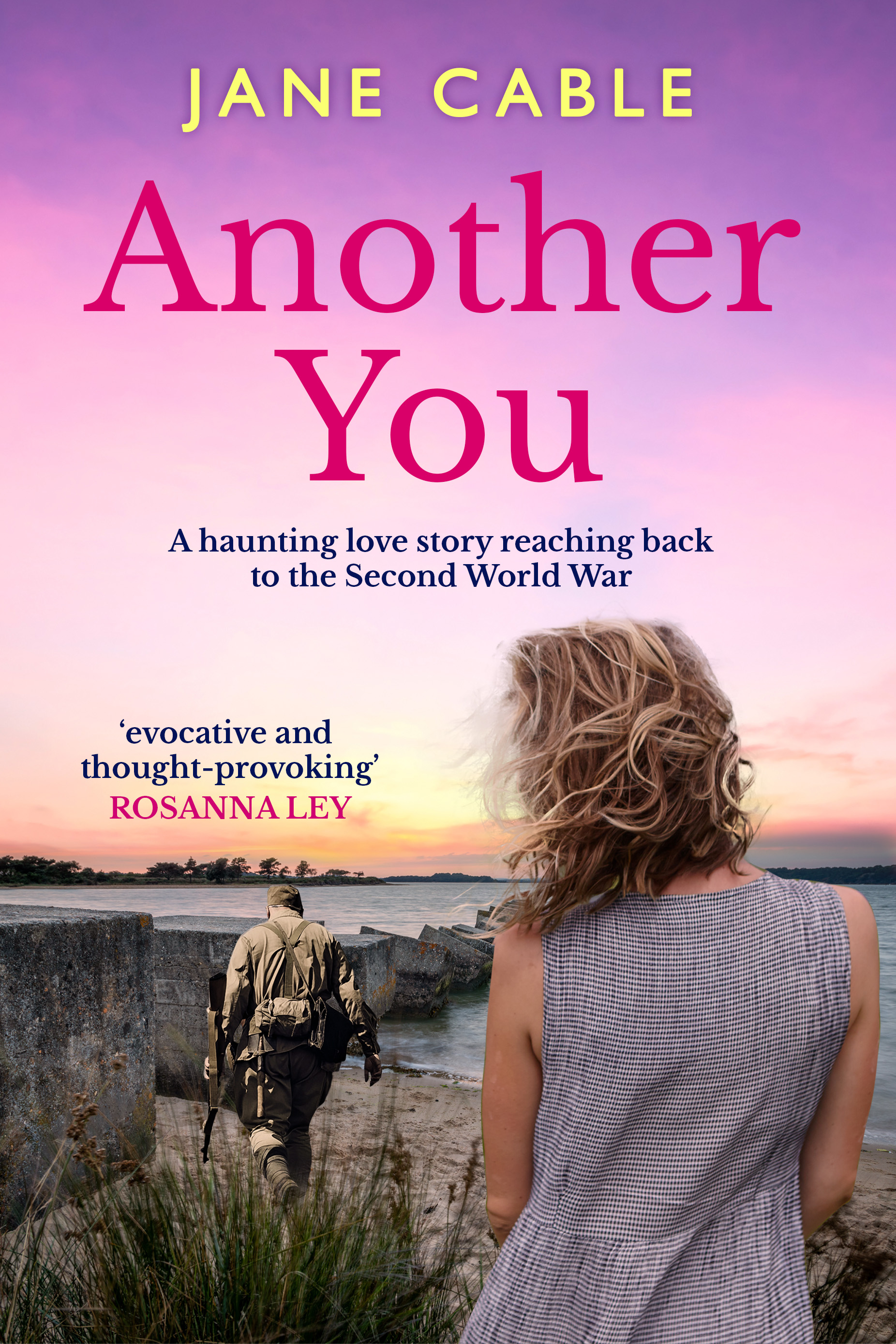
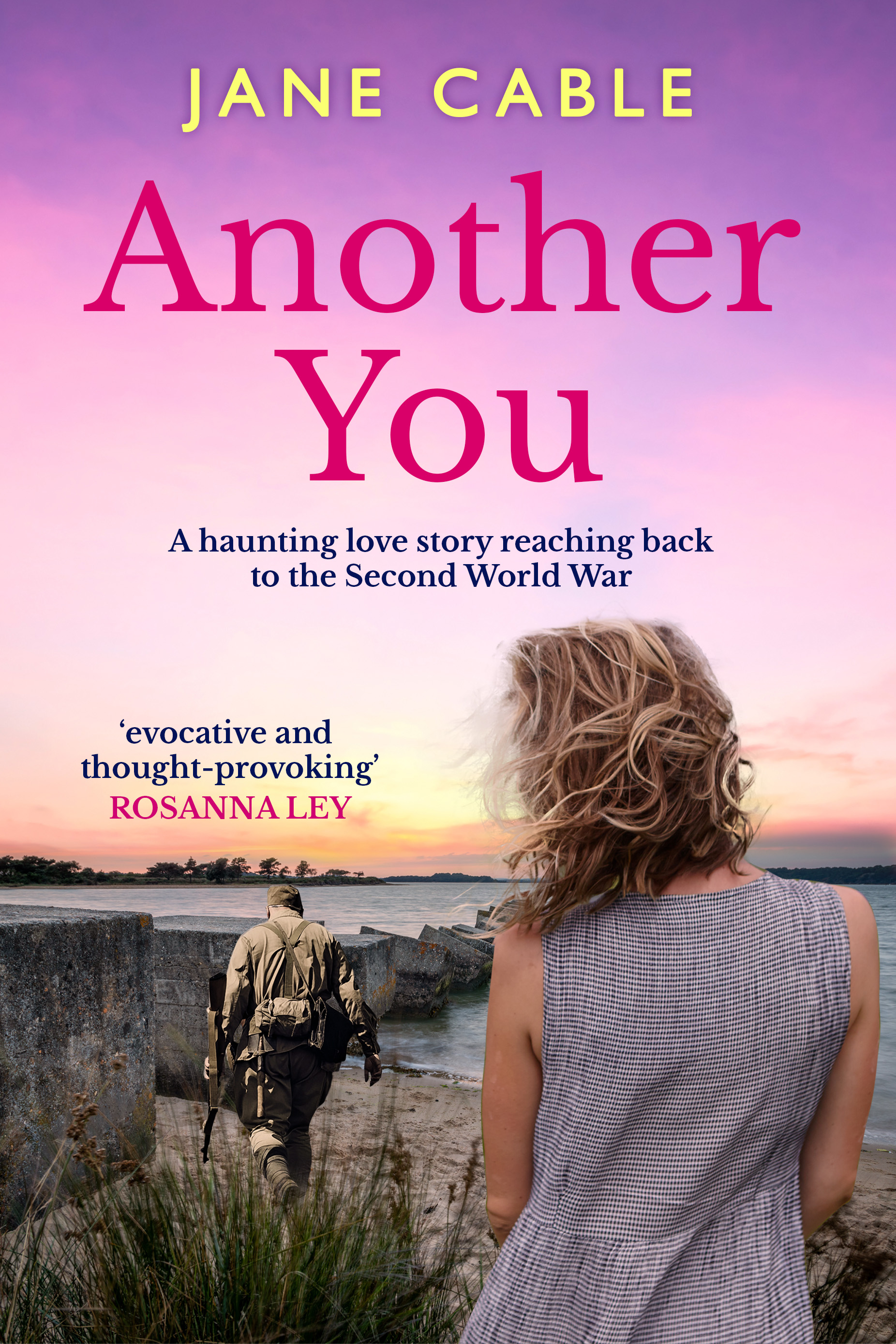
Since our own Jane Cable’s Another You has been reissued, I’d like to celebrate the gorgeous new cover by sharing my review – and please be aware that I first read this book long before the Sister Scribes were even thought of.

In places I found Another You painful to read, because the heroine’s unhappy marriage, which is inextricably linked to her work life, was depicted with such understated realism. This is an intriguing read from start to finish, blending romance, domestic problems and a mystery that kept me turning the pages. Present and past seem to merge together… or do they? Above all, this is a story about the long shadows that can be cast by war. It is skillfully written and kept me guessing right to the end. Every time I thought I had worked out the answer to the mystery, something happened to make me question it again, including an unexpected final twist. This is that very rare thing – a book that makes you think.

Of the four books Maddie Please has written so far, Come Away With Me is my favourite. The characterisation feels deeper and more rounded, especially as the two sisters, Alexa and India, come to know and appreciate one another fully as the story develops. The plot is clever, fast-moving and often funny, the humour being derived from descriptions of life on board a cruise ship. Trust me – this story will make you want to enrol for towel-folding lessons! An uplifting, feel-good read with laugh-out-loud moments as well as moments of true poignancy.


Jane:

I am fast coming to the conclusion there are two sorts of books in my world; books I absolutely adore and books I read because they are rip roaring successes in the world of mainstream romance. And with a few notable exceptions, rarely the twain shall meet. I’ve been busy trying to analyse why, and I guess it’s the same reason that I’ll probably never write one of those rip-roaring romantic fiction successes – there’s just not enough ‘meat’ in them for me.

Lorna Cook’s The Forgotten Village was a case in point. Don’t get me wrong – it’s a good book and I enjoyed it, but it didn’t make me go ‘wow’. It’s well written with all the best-seller ingredients and if you want a great, light read for the beach then I would urge you to buy it. But to me it all seemed a bit inevitable – I guessed more or less what would happen in both timelines early on, but let me stress again – I still enjoyed the journey. I guess what I’m trying to say is it didn’t challenge me, which was why it earned four stars from me on Amazon and not five.

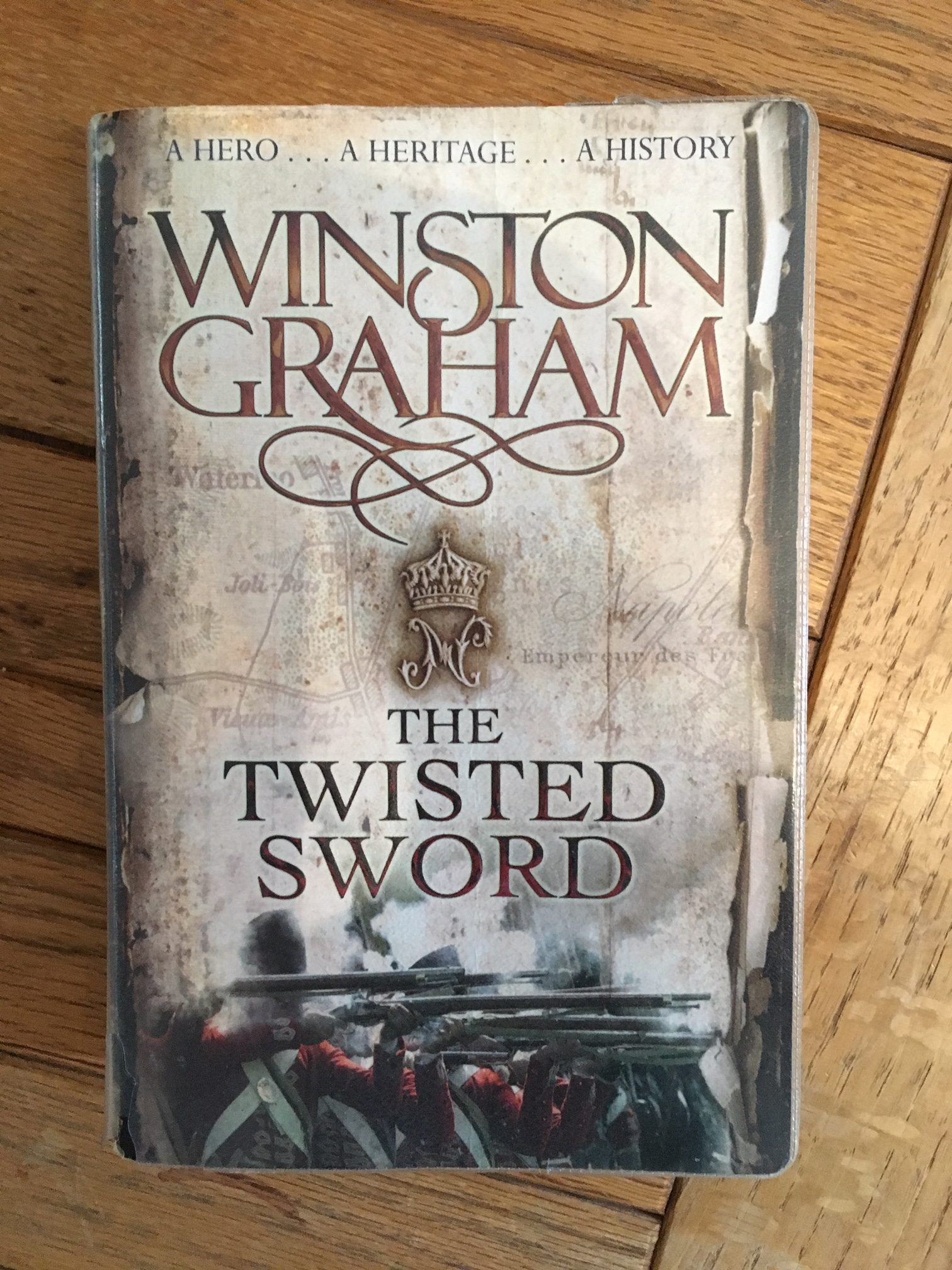
Other than that my reading has taken a bit of a back seat as I launch one book, complete the manuscript for a second, and start to research a third. But research has led me into a glorious place – the eleventh book of the Poldark series, The Twisted Sword. Set in Cornwall, France and Belgium in 1815 it was perfect for my background reading and I know Winston Graham’s research to be precise so I can rely on his realistic portrayal of the era.

It meant I skipped a large chunk of the series but it was actually quite easy to pick up what was going on – with the help of a family tree in the front of the book. Ross and Demelza travel to Paris during the brief return of the Bourbon regime and the adventure unfolds from there, interwoven with the lives of their older children in Cornwall and Brussels. So far it’s a great read – I reckon one of the best.


My Writing Process | Rosanna Ley

How I write.

A big question! To be brief… Once I have a detailed synopsis I tend to write each new scene longhand in a notebook and then edit it as I get it on to the computer. More edits follow and then I move on to the next scene. Once I get to the end of the book I’ll go back for more editing and consider if I’ve got the structure right. Final edits are about fine tuning and polishing.

I’ve written all my life and also done a lot of teaching of creative writing here and abroad with a particular interest in both novels and life-writing for therapeutic practice. I moved to West Dorset, my ‘soul-home’ seven years ago and find it inspirational and peaceful. I love travelling and my books are always based in foreign climes as well as either Dorset or Cornwall or occasionally somewhere else in the UK. I like to think of the books as mainly relationship driven – I’m very interested in people!

What you have written, past and present.

I’ve written 8 books for Quercus including The Villa and Bay of Secrets as well as numerous short stories and articles.

What you are promoting now. 

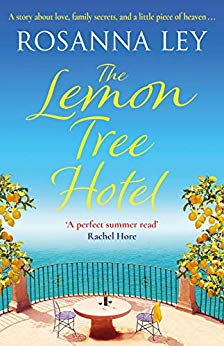
The Lemon Tree Hotel out in paperback 13th June 2019.

Do you plan or just write?

Plan. I do a lot of planning which gives me a good structure to come back to if I then decide to go off piste. Organic writing is lovely and spontaneous but it tends to require a lot of editing…

What about word count?

My books are between 115,000 and 130,000 words long and they always turn out that way…

How do you do your structure?

Before I begin, I think about timeline, viewpoint and narrative tension and decide on the main structure of the novel. I’ll change it if it doesn’t seem to be working. I don’t work to any kind of formula in terms of narrative arcs and points of tension – I don’t want my books to become formulaic and prefer to trust to my instincts.

What do you find hard about writing?

I may have lots of ideas but it’s often hard to form these into an outline that will give me a sufficiently strong story-line (or two) and which will work on all the levels I need it to work. Structural editing can also be very difficult and requires a lot of clear head-space!

It can be hard, working to a deadline and for all writers there is a lot of pressure and often anxiety to deal with. I also hate waiting to find out if readers like my book…

What do you love about writing? 

I love the feeling when I know I’ve written a good scene or even a good paragraph and I’m totally satisfied with it – there’s nothing like that feeling for me. I also love being able to go off in my imagination and take control of another world (control freak – haha). I love it when a character starts speaking to me in my head and I love the process of writing a first draft on a fresh page of my notebook whilst sitting on a warm beach somewhere. I love going to new or much-loved places and planning how to set a novel there. I love research but sometimes get too interested in it. I love it when the finished book is delivered and looks beautiful – but I’m already worrying about the next one and whether it is good enough! 

It turns out there’s a lot I love about writing, which explains a lot…

Advice for other writers.

Read a lot. Write about what you want to explore. Don’t start writing fiction until you hear the voices in your head. Plan or don’t plan – do whatever feels right. Listen to advice from people who know what they’re talking about. Don’t listen to advice. Don’t give up. Go for a walk or do the ironing if you get stuck. Enjoy. (Turns out there are a lot of contradictions in writing advice too)


The Lemon Tree Hotel by Rosanna Ley will be published by Quercus in paperback on 13th June, £7.99

The Nanny Gilly Macmillan Book Review

the nanny gilly macmillan

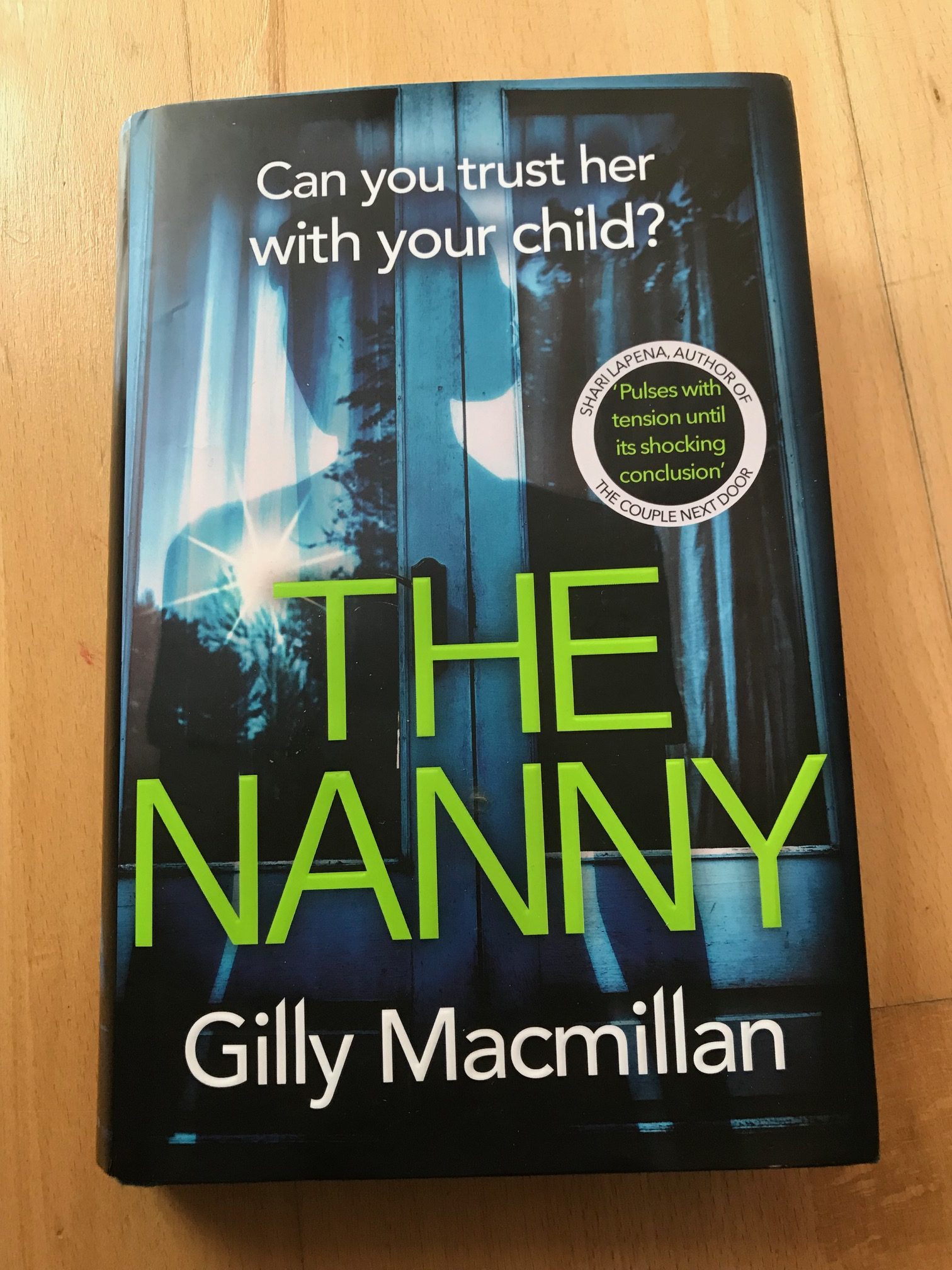
The Nanny is one of my favourite books of the year so far. A fast paced thriller with dazzling characters and enough twists and turns to leave you guessing. Five stars.

Seven-year-old Jocelyn loves her nanny more than her own mother.
When her nanny disappears one night, Jo never gets over the loss.
How could she vanish without saying goodbye?

Thirty years on, Jo is forced to return to her family home and confront her troubled relationship with her mother. When human remains are discovered in the grounds of the house, Jo begins to question everything.

Then an unexpected visitor knocks at the door and Jo’s world is destroyed again as, one by one, she discovers her childhood memories aren’t what they seemed.

What secrets was her nanny hiding – and what was she running away from? And can Jo trust what her mother tells her?

Sometimes the truth hurts so much you’d rather hear the lie.

The Nanny Gilly Macmillan is available here.

My Writing Process – Jane Cable

Jane Cable , writerAs well as being contributing editor to Frost, I write romance with a twist. My first two novels were published independently but now I’m signed by Sapere Books.


My books are relationship driven, because how people fall in love, mess it up, or get it right, fascinates me. But there always has to be something else. My stories are contemporary but the strapline on my promotional material is ‘the past is never dead’ and for very good reason.


My first book with Sapere, Another You, is published on 27th June. It’s a story of family life which draws on the horrors of combat, both in modern times and World War 2 as Marie fights to reclaim her identity outside her marriage and discover what really matters to her.

A bit about your process of writing.
I am at my best first thing in the morning, so that’s when I tend to write if I’m working on new material. I creep out of bed, make a coffee and settle down at my laptop to work up the ideas I’ve been thinking about. I’ll keep writing until I either run out of story or emotional energy, then have a shower and get on with the rest of my day.

Do you plan or just write?
I used to just write, but now I’m working with a publisher I have to plan. It’s more time efficient too, saving endless rewrites. I still need to give my characters room for manoeuvre though, because inevitably they will shape the story more and more as it progresses.

What about word count?
I don’t stress about word count as long as I feel I’m making progress. Every day my Sister Scribe Kitty Wilson and I check in with each other to make sure we’re sticking to our writing goals.

How do you do your structure?

I used to write first then overlay character and story arcs to make sure they made sense. It always surprised me when they did, but Frost’s wonderful editor Margaret Graham says that the rhythm of story-telling is innate in those who have read since childhood. However these days I have a more, well, structured approach after Cornish writer friend Liz Fenwick introduced me to Blake Snyder’s Save The Cat. The approach comes from screenwriting but works for novels too, splitting the story into ‘beats’. I find it really helps me to focus.

What do you find hard about writing?
Getting published! Most of my books have a slightly ghostly element (or at least, could be read that way) and in the past that has made publishers run a mile. At Sapere they understand that if told in the right way, readers love the world of consciousness beyond matter – even in a genre like romance.

What do you love about writing?
I think what I love most of all is being read. It’s being able to create characters and craft their stories in a way readers relate to. One of my proudest moments was when a woman approached me to tell me that The Cheesemaker’s House had got her reading again after her husband’s death.

Advice for other writers. 

The more you write, the better you get at it, so never, ever, be tempted to publish an early draft. Polish it, craft it – work with an editor if you can afford to, but never let a book see the light of day until it’s as good as it possibly can be.


Now You See Her by Heidi Perks | Recommended Books

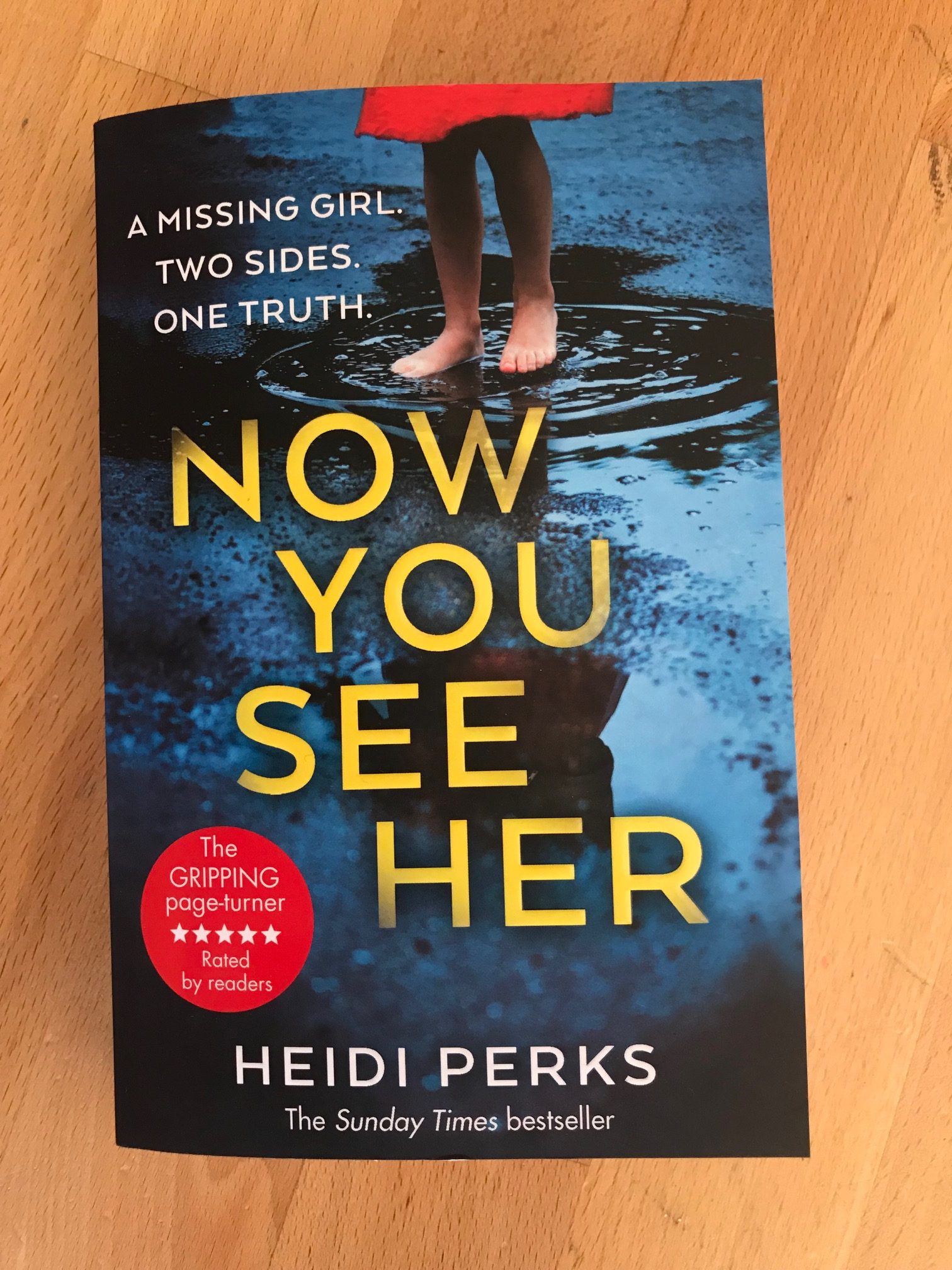
Now You See Her: The bestselling Richard & Judy favourite by Heidi Perks

This much talked about bestseller is a brilliantly written thriller. Riveting and powerful.

Charlotte is looking after her best friend’s daughter the day she disappears. She thought the little girl was playing with her own children. She swears she only took her eyes off them for a second.

Now, Charlotte must do the unthinkable: tell her best friend Harriet that her only child is missing. The child she was meant to be watching.

Devastated, Harriet can no longer bear to see Charlotte. No one could expect her to trust her friend again.
Only now she needs to. Because two weeks later Harriet and Charlotte are both being questioned separately by the police. And secrets are about to surface.

Someone is hiding the truth.
So what really happened to Alice?

Available here.

SISTER SCRIBES GUEST: GABRIELLE MALCOLM ON THE MYTHS OF A WRITING LIFE

I’m delighted to welcome author, Gaby Malcolm as our guest! She’s an inspiration to me, and here she’s sharing her thoughts on juggling being a writer with home life!


When I was asked if I would contribute a guest post I was very eager. When I thought about it for a bit I became less eager, and then plagued with doubts, and then I realised I was running out of time, and then I thought ‘commit something to paper, Gaby, get on with it,’ and then I put the kettle on, and then the cat distracted me, and then I woke up at four o’clock in the morning, and then there was a really interesting item on Woman’s Hour (Jenni Murray is SUCH a good interviewer!), and then …. and then ….

This will be a very skittish and disjointed piece, therefore. Forgive me.

See what I did there? Classic. I call it the ‘Visitor from Porlock’ effect. That’s when you explain how you would have done a lot more, only you were interrupted and you lost your flow, but it was going to be utterly brilliant. Thanks, Coleridge!

There is also the ‘Shakespeare In Love’ Syndrome. That’s when writers depict to the rest of the world how the work just flows from their pen as they sit in their little room, once inspiration strikes. That inspiration does not have to involve sex with Gwyneth Paltrow disguised as a boy. Fortunately, or unfortunately, depending on how you look at it.

It’s great when writers portray their process as something strange, easy, or magical.

As a tutor of writing students one of my main jobs is to debunk all these myths about the process. Budding writers sometimes believe they have failed at it if they can’t create a perfect, clean manuscript with the first draft. They think they lack the skills to write if it doesn’t just flow out. LOL is all I have to add to that.

The day I knew I could be a writer was the day I found out I realised I loved re-writes and editing. It’s just the best. I love composition, but when I get to re-writing my brilliant prose, I am happier than a pig in poop! It took me a while. For years I had an academic teaching and writing career. I wrote my PhD thesis during that time and it was then I understood the sheer level of effort and time it took to produce 80-90,000 words. When it was all over, however, I missed it something terrible!

When my life changed, personally and professionally, and the time came to try and reinvent myself, writing was the logical choice. I set myself goals to establish a proper career plan. I aimed to get a full-length book published and find an agent within the first four years, that would see my littlest boy ready to go to school. However, I achieved it within the first two years. A book rapidly followed by representation.

So, I had to juggle and do as much as I could with the children in childcare or at school. That has shaped the kind of writer I have become, needs must. I hit the ground running by 9.15am, once I have the house to myself and work through until 3pm. In that way I have conquered any lack of confidence I had, and developed a ‘get it done’, finisher attitude. I have also grown a really thick skin! I ignore anything other than constructive criticism and have come to admire my own work. Hence, the ‘brilliant prose’ comment above. I like to read me.


Gabrielle Malcolm is a freelance writer and artist. She edited ‘Fan Phenomena: Jane Austen’ (Intellect Books), wrote three plays for Moon On A Stick children’s theatre company, and writes scripts for web series and short films for international clients. Her forthcoming non-fiction book, about Mr Darcy, is due for publication in December 2019 with Endeavour Quill.