My Writing Process Sheila O’Flanagan

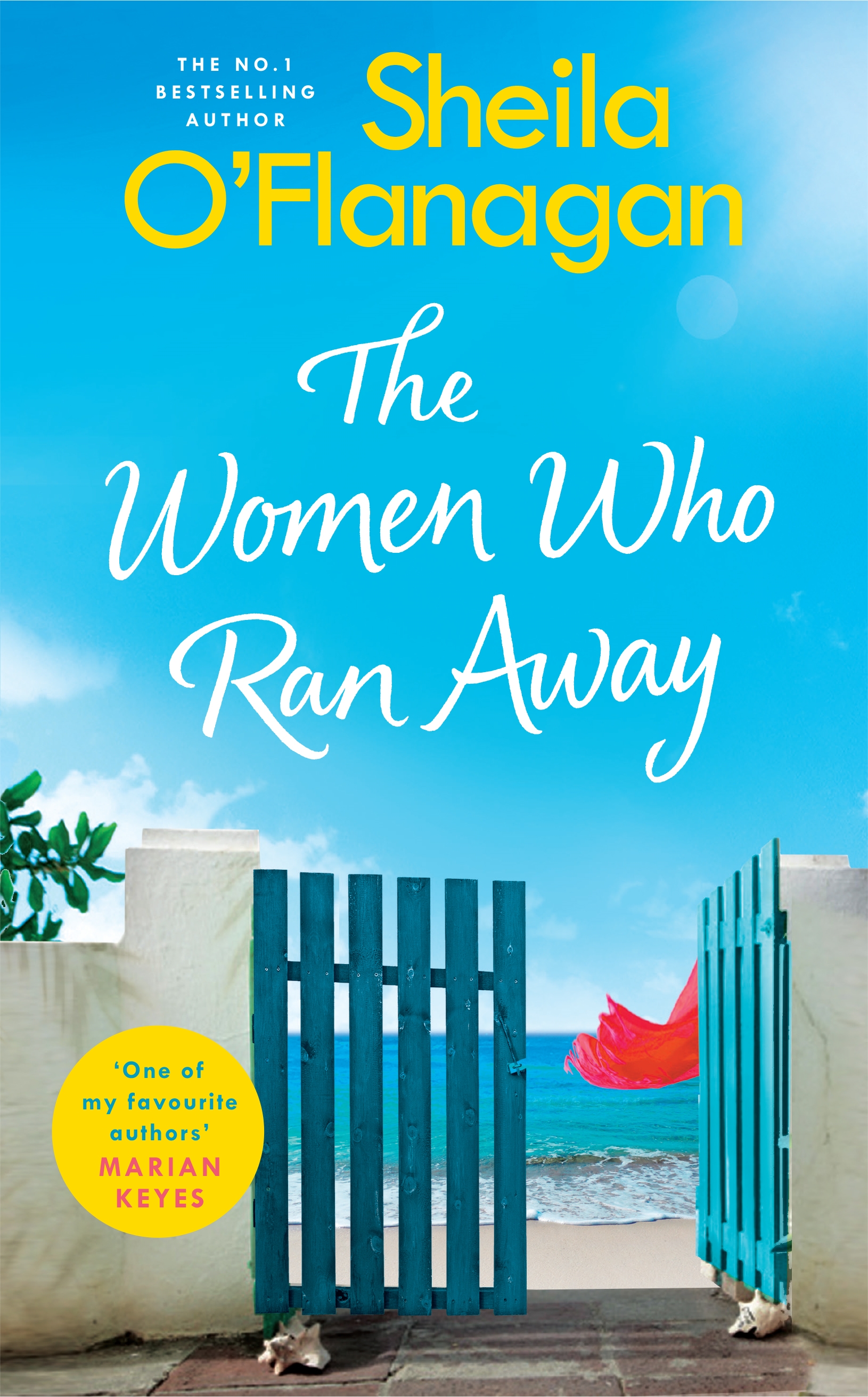
The Women Who Ran Away by Sheila O’Flanagan is published 16th July 2020 (Headline Review, £18.99). 
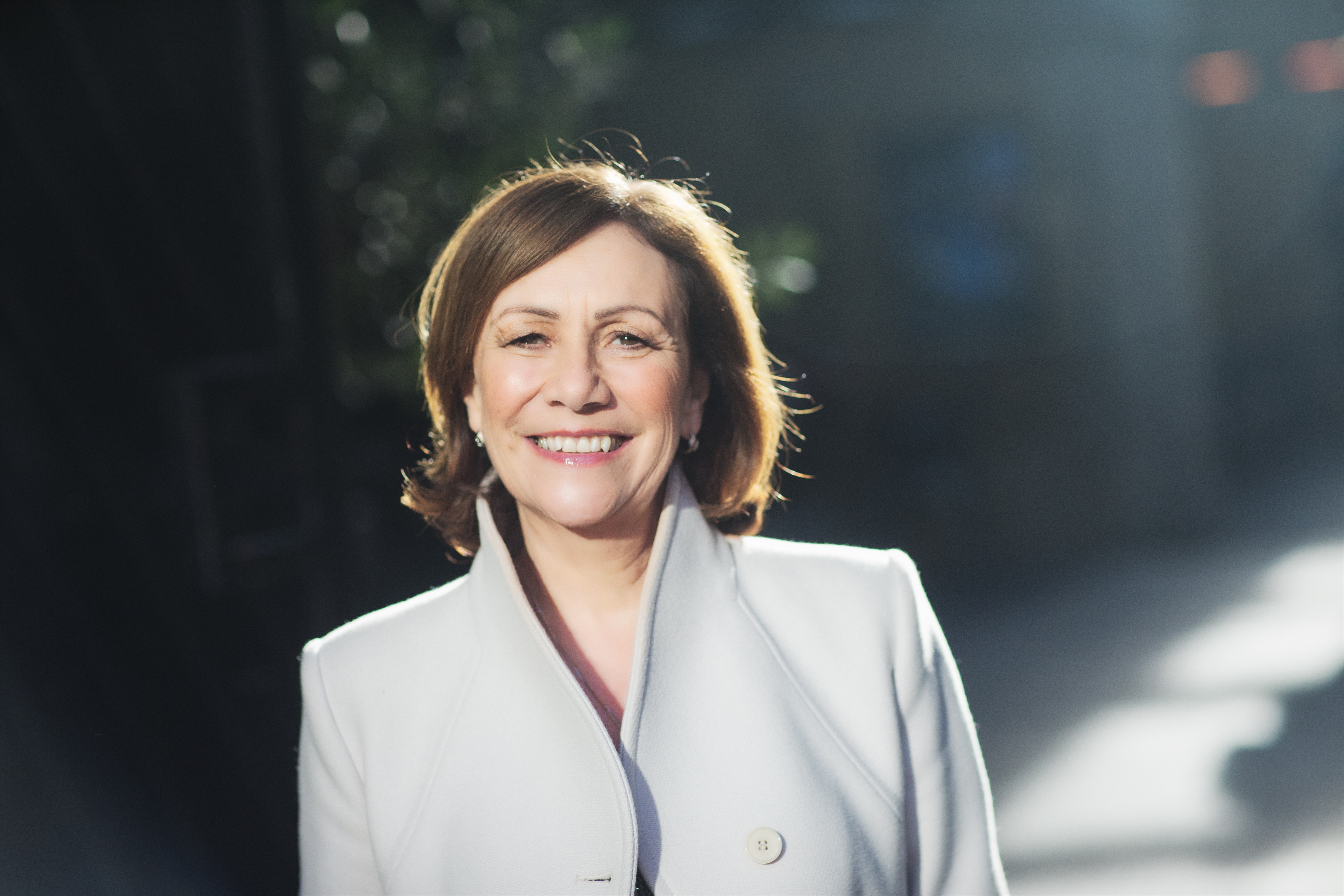
 Sheila O'Flanagan author imageI’ve always loved reading and used to write sequels to Enid Blyton stories when I was young because I always wanted to know what happened next. Everyone thought I’d end up, if not a novelist, at least working in a library or a bookshop. However I was offered job in a bank and got side-tracked into the world of finance. I occasionally wrote short stories in the evenings as a way of unwinding but I didn’t think I had the time to write a novel, even though I had lots of different ideas and would think about my various characters whenever I wasn’t working. Eventually I realised that if I wanted to fulfil my dream of being a published author I’d have to make the time to write – unfortunately the ideas don’t magically appear on the page. So I bought myself a laptop, opened a Word document, typed Chapter 1 and wrote every evening until it was finished. I’ve kept going ever since.

2. What you have written, past and present.

My first novel, Dreaming of a Stranger, was published in 1997. I’ve written 25 novels for adults, 3 collections of short stories, 2 children’s books and contributed to both the Quick Reads and Open Door series of short novellas.
3. What you are promoting now.
My latest book is The Women Who Ran Away and is about two women, Grace and Deira, who meet on a car ferry from Ireland to France. Both have reasons for travelling alone but a sudden change of circumstance mean that they end up driving together. As a friendship forms between them, Deira helps Grace try to solve a complicated mystery that her late husband has left her. This takes them on a spectacular journey along the French Atlantic coast and through the heart of Spain to Cartagena on the Mediterranean sea. By the end of the novel they’ve completed both a physical and an emotional journey as they discover that sharing their secrets turns out to be a strength and not a weakness, and that there’s always more than one solution to a problem.

4. A bit about your process of writing.

I try to write every day but that’s not always possible. I generally work for a couple of hours in the morning, then take a break and return for some more writing in the afternoon. I move backwards and forwards through the novel, writing a few chapters and then editing them before moving on.

5. Do you plan or just write?

I wish I was an author who planned! But I can’t. I start at the beginning with a vague idea and just hope for the best.

6. What about word count?

I don’t get hung up on a daily word count, especially at the start of the novel, but I try to write in scenes. If I finish a scene I’ll take a break before moving to the next one. That means sometimes writing a few hundred words, sometimes significantly more.

7. How do you do your structure?

Badly, to be honest. But the process of writing, then editing, writing, then editing helps. I usually come up with a slightly more formal plan about a third of the way through the novel when I have a better idea of the characters and how to move them through the story.

8. What do you find hard about writing?

Sitting at the laptop. It’s physically demanding even though you don’t realise it. Most of my author friends have bad backs and I’m no exception. I try to take more mini-breaks now. Distractions are more of a problem these days than they used to be with social media getting in the way. I’m more easily distracted now than before.

9. What do you love about writing?

Creating characters, seeing them grow and evolve and take control of their own stories. Sometimes the research is good too!

10. Advice for other writers?

Don’t get hung up on trying to write for a genre, or following weird rules about how your book should be structured. Write the story that’s inside you in the way that suits you best. Do remember, though, that while joining various groups about writing and following them on social media can make you feel less alone, the only thing that will get your book written is sitting down and writing it. Talking about writing isn’t actually writing. Reading about writing isn’t writing. The only person who can write your book is you.

Sheila is @sheilaoflanagan on Twitter and follow Headline too @headlinepg

My Writing Process Stephen Deutsch

Stephen Deutsch, author, writerI was born in New York, but have been living in Britain for fifty years! The first part of my career was spent as a pianist, composer and conductor.  Many of my works have been broadcast on the BBC, especially as scores for their Classic Serial, but that was some time ago. I live in Dorset with my wife and her garden.

What you have written, past and present.

A late arrival to novels, I had previously written TV plays, some of which were broadcast on the BBC. My first novel, Zweck, a historical comedy about music, was published four years ago. It concerns a fictitious nonagenarian composer who knew everyone and hated most of them. In this novel, the main characters are fictitious but everyone else is real. It is set in the 1970s.

What you are promoting now. 

My most recent novel, Champion, is a true story, a novel of persecution and heroism during the Second World War. It is based on the stories of two men from different worlds, both struggling in the febrile atmosphere of Nazi Dominated Europe. 

The first is Herschel Grynszpan, dark haired, slight, with deep-set eyes. He is an undocumented Jewish adolescent living in Paris. He receives a postcard from his parents – recently bundled from their Hanover flat, put on a train and dumped, with 12,000 others, on the Polish border. Enraged, Herschel buys a gun and murders a minor official in the German Embassy.  The repercussions trigger Kristalnacht, the nationwide pogrom against the Jews in Germany and Austria, a calamity which some have called ‘the opening act of the Holocaust’.

Intertwined is the parallel life of the German boxer, Max Schmeling, who as a result of his victory over the ‘invincible’ Joe Louis in 1936, became a poster boy of the Nazis. He and his movie-star wife, Anny Ondra, were feted by the regime – tea with Hitler, a passage on the Hindenburg – until his brutal two-minute beating in the rematch with Louis less than two years later. His story reaches a climax during Kristalnacht, where the champion performs an act of quiet heroism.

A bit about your process of writing. 

I try to write every day. Usually I write in the morning and revise in the afternoon (often something I had written some days before – one chapter might be revised several times, even in the first draft).  I try to read every word out loud, to get the sense of the rhythm of the words. This is especially true for dialogue, which I really enjoy writing. You can tell so much about a character by the slight variations in their speech patterns, not the ums and ahs, but the choice and order of the words they use. I like to feel that when the book is finished, I had written, read and weighed every word.

Do you plan or just write?

Both.  I normally have a plan, but once that scaffolding is in place, I let the characters do the writing themselves. It depends on the story.  In Champion, the events unfold as they actually happened, so I didn’t need to work out a plot structure. In the historical novel I am now writing, Dallas, fictional characters set in a real historical time and place, The structure is fluid, but to some extent needs to fit into the chronology of actual events. It isn’t set at the time of Kennedy’s assassination – I was at the parade, but didn’t witness the shooting. A story for another time.

What about word count?

Horses for courses, really. Zweck  was a heavyweight, coming it at 120,000 words. Champion is leaner and meaner, only 80,000 words.

What do you find hard about writing?

Starting.  It is a new problem every day. It’s easier to encourage myself to edit a previous chapter than to begin a new one. There are various subterfuges and helpers I can use to get started.  Dictating some random thoughts onto a recorder can grease the wheels. A blank page is less terrifying if it contains even the smallest thought, the shortest sentence.  Then you feel like going on. I also use a software package called ‘Scrivener’. This allows me to enter text, import web pages, and most importantly, to see and change the shape of the entire book as it develops.

What do you love about writing? 

Almost everything.  Each book, each situation teaches me new things. And of course the internet makes researching both pleasurable and far less tedious than it used to be – especially as I don’t live in a large urban area with libraries, etc., at my disposal. Sometimes, when researching a particular item, I accidentally find something else, which can liven up what I am writing. And the act of writing itself, passing the time with my characters, is immensely pleasurable.

Advice for other writers. 

Whatever your style or genre, literary fiction or mass market romances, my advice is always to write as well as you can. Write every word. Spot clichés and either remove them, or turn them on their heads. For example, ‘You make a happy man very old’ is a great twist on a sclerotic saying. The best advice I can give is to enjoy what you are doing, do it every day, and while doing it forget everything else.


My Writing Process Caroline Walker

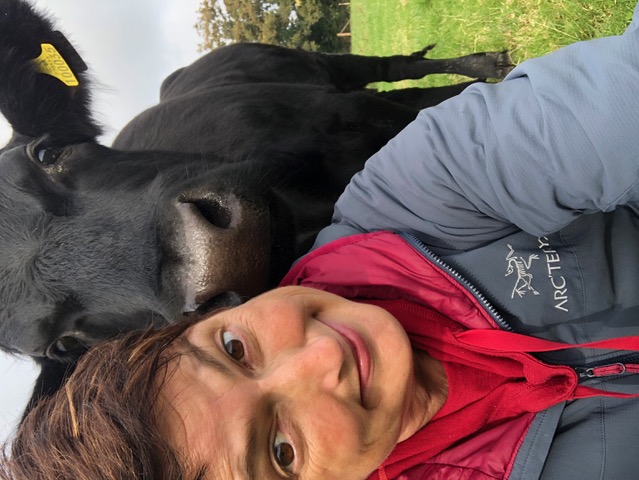
caroline walker, authorI came to writing through teaching. After graduating in Geology, I couldn’t find a job (in the 1970s it was virtually impossible for a woman to be employed in what was still considered a man’s world), so I changed direction and trained to teach English as a Foreign Language. It was a decision I’ve never regretted. I’ve taught teenagers, overseas graduates and business professionals both in the UK and abroad and a big part of my job was improving their writing skills for letters, reports and dissertations. It was good preparation for the writing I began at the end of 2006.

 What you have written, past and present?

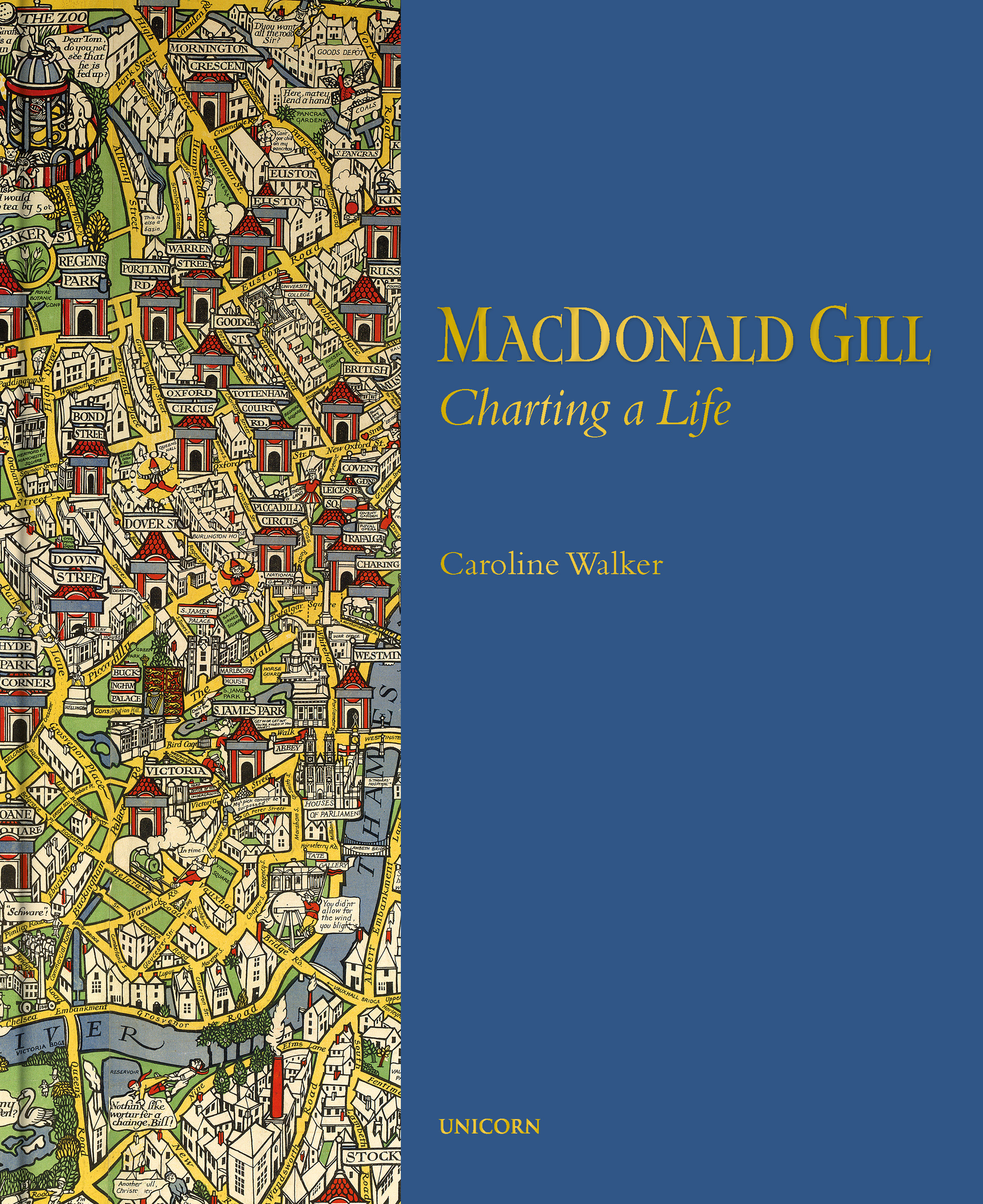
I’d become fascinated by my great-uncle MacDonald ‘Max’ Gill (1884-1947), artist brother of the controversial sculptor Eric Gill. Max was best known for the beautiful maps he painted for places like Lindisfarne Castle and the humorous posters he designed for the London Underground. I was astonished to find that his story had never been told so I decided to write it myself. Over the years I’ve curated several exhibitions of his work and written text for these as well as articles for magazines such as Country Life. This year – fourteen years after I started – my biography MacDonald Gill: Charting a Life has finally been published, receiving a five-star rating in its first national review.

What are you promoting now?

Recently I’ve been busy writing articles for various publications to promote the biography. I don’t have any plans for another book at the moment – this one has taken so long, I think I deserve a break!

A bit about the process of writing

The key to writing a good biography is meticulous research. This has been one of the greatest pleasures too – days spent delving in libraries and archives, the excitement of finding pieces of key information and long-lost artworks, and the joy of meeting hundreds of people eager to share their own connections to Max. A pivotal moment was the discovery of a major private collection of Max’s work and memorabilia. Thankfully, I was permitted to photograph all the letters, diaries and work documents, so I could pore over these at home. I made copious notes, highlighting important events and quotes that I might want to use later. I also kept separate lists of names, artworks and key dates. Setting aside good chunks of quiet time for writing was essential, as was having a table and space of my own.

Do you plan or just write?

I don’t write a plan although I do think it’s vital to have a basic structure in mind. With a biography, it’s quite easy as it’s a chronological narrative. Writing articles is different – I always think hard about the audience so that the angle, text and images are relevant.

What about word count?

As my publisher’s submission deadline for the biography came ever closer, it was clear the manuscript was far too long so I had to make some major cuts and revisions. It still ended up at just over 300,000 words! 

What do you find hard about writing?

I was unsure how to begin until a writer friend suggested: ‘Why don’t you start by setting down why you want to write this book?’ So that’s what I did. The words then flowed easily and I often found it hard to stop. I do sometimes agonise over sentences and even single words – I may change a passage umpteen times but end up with the original. 

What do you love about writing?

It’s an absorbing, creative process that – for me – has been the way to achieve recognition for a neglected artist and relative. And I now realise that I can actually write quite well!

Advice for other writers

Don’t be afraid of the blank page – just get something down – you can always change it. Use your own ‘voice’ – don’t be tempted to copy others. Remember to save when you’re writing (I once lost several pages when my laptop crashed). Avoid cliché and don’t be afraid of using tools such as a thesaurus if you can’t find the right word. And finally, have faith in yourself and enjoy the experience!

MacDonald Gill: Charting a Life is available here

SHEILA CRIGHTON ON ‘THE PRO’S AND CON’FERENCE’ OF 2020

Conference planning time reminds me of Christmas. Perhaps it’s because the planning begins around October when, life becomes a bit more twinkly. Or perhaps it’s because I get to open up a new spreadsheet and start putting together another buzzy, creative, inspiration-filled roster of sessions with which to lure people along to our next venue (Leeds Trinity in 2021, if you’re asking).

When I first started attending in 2015, the extraordinary Jan Jones was the doyenne of all things conference. And when I say all things, I literally mean all the things. She booked the speakers, the delegates, the venues (booking venues happens years in advance to make sure we get our early-July slot). She put up the signs pointing us up stairs and down corridors and around the corner to the loos. She knows where to get wine. Who can help make the microphones work (thank you, Janet Gover!). She knows who likes to sleep on a quiet floor and who needs a kitchen that parties into the wee hours. She did it all. Yes, there are helpers. People who greet lovely newbies (cheers, Kate Thomson) and people who schedule the industry appointment allocations (thank you, Elaine Everest). People who chair the RNA (kisses to Alison May and all past leaders), and of course the scads of folk who help stuff those lovely goodie bags, but still. Organising a conference for well over two hundred delegates and some thirty-plus speakers as well as the venue, the catering, the glitter on the tables for Saturday night etc etc is a big task.

So, a couple of years ago before I’d even had a sip of wine, I volunteered to help. I’d book the speakers and one-to-one industry experts and Jan would oversee the venue logistics (of which there is a mind-boggling amount to consider) and book the delegates (another epic job including, but not limited to, getting those lovely glittery first-time Conference attendee flowers on name tags).

Booking speakers is akin to picking thirty-six shiny candies from a huge jar filled with thousands of impossibly wonderful candies. The previous year’s speakers have to be considered. Delegate’s feedback is pored over (yes, we really do consider it). All this and more to create that all important balance for the myriad of novelists who make up our membership. We put a lot of thought into creating sessions that meet everyone’s needs and perspectives, headlining the RNA’s passion for inclusivity. As such, the speakers should showcase the variety in modern romantic fiction including: romcom, historical, SCIFI, saga with BAME, LGBTQ and all of the other protagonists in between seeking their Happily Ever Afters. After all, love matters to everyone. And then, of course, there are the one-to-one industry feedback sessions. The feedback – no matter the outcome – is unbelievably useful. It’s definitely taught me to take some constructive criticism on the chin!

This year, just as everything was getting exciting and I thought we’d nailed it, Covid-19 happened and we couldn’t hold the shiny conference I’d just organised and Jan had already taken over a hundred bookings for. Then our chairwoman Zoomed me (because that’s now a verb) and said “virtual conference.” I said no, no, no because I was mourning the conference we couldn’t have. When booking opened for the virtual conference Alison persuaded me to book speakers and industry professionals for despite my reservations, scores of you signed up. Which is just the juice we need, come autumn, to open up a shiny new spreadsheet and do it all again. Happy virtual conference everyone!!


Sheila Crighton’s first job was selling popcorn at an arthouse cinema. She later became a cameraman and news producer for Associated Press TV, made a few TV programmes, then gave it up to raise stripy cows and write books as Annie O’Neil and Daisy Tate. One of her gazillion dreams is to write a Hallmark Christmas movie.


My Writing Process David Gilman

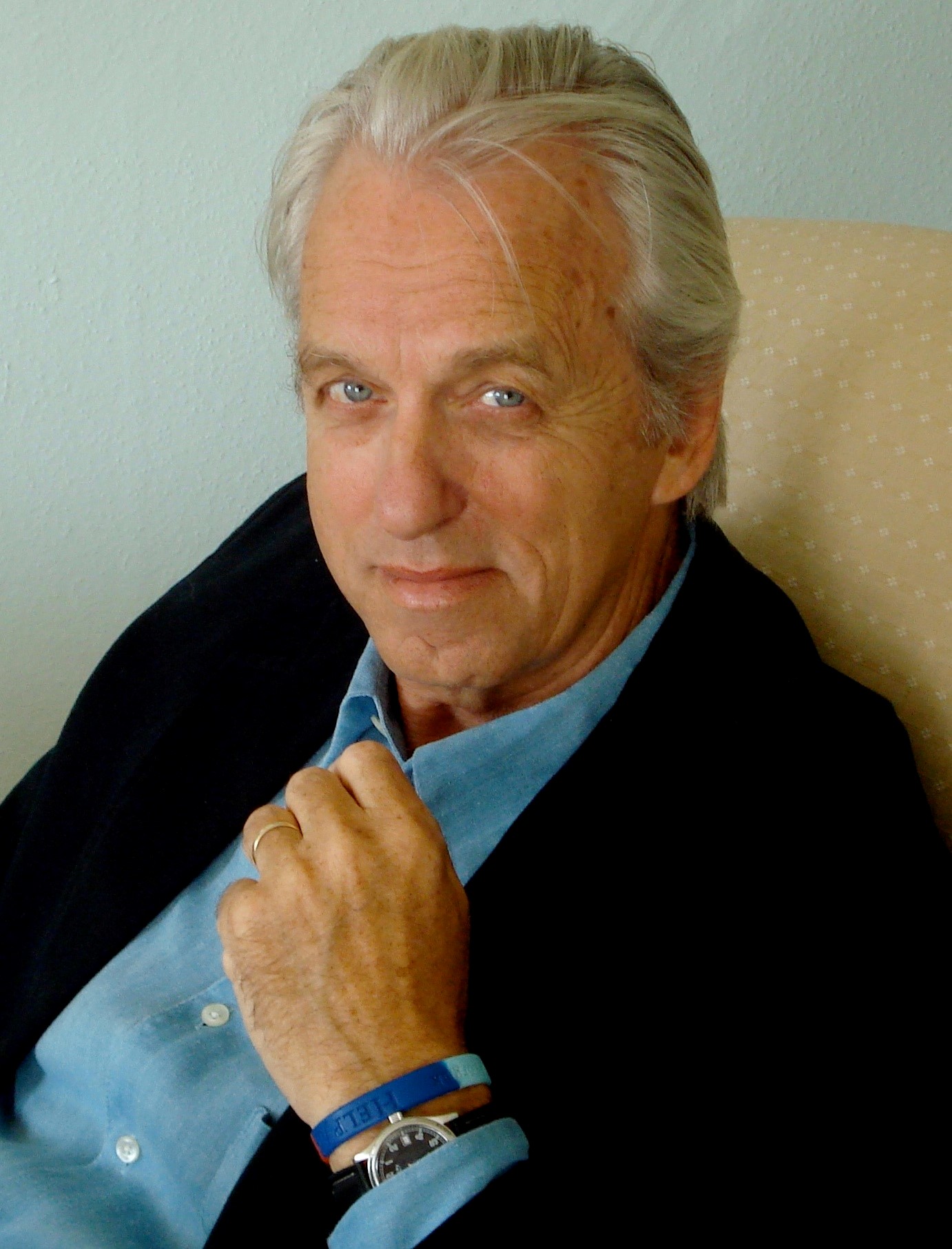
  • David Gilman, writerWhat you have written, past and present.

I wrote my first story when I was about six years old. It was The Runaway Sixpence,  written in the first person, and the sixpence got swallowed by a cow. I remember the teacher berating me in front of the class, saying how could I write from beyond the grave. Stupid woman. Obviously, she had never seen Sunset Boulevard.  That put an end to my writing career there and then. But a storyteller is not someone you can keep down. My verbal storytelling skills got me out of plenty of jams and allowed me to talk my way into jobs I would never have had otherwise. I left school at 15 to support my mother and siblings. When I was a teenager, I wrote a few Battle Picture Library comic books. It was wonderful. All those ‘movies’ in my head, the visual images being described to the artist in the script, and then writing the dialogue, tight and expressive with a narrative description. Economy of scale and a lot of fun. That was abandoned when I travelled around the world and took any job I could to pay my way.

After a few adventures over the years, I ended up in South Africa working as a sales rep for an international publisher. I had hundreds of books to read – and sell – and I was good at it. So much so I ended up going to night school to study marketing and management and became a regional marketing manager for Penguin SA. But the urge to tell stories nagged away. Visual imagery was my strong suit. I had once worked as a professional photographer, so I decided that radio drama was my milieu. It is the perfect visual medium for the listener. Dialogue and sound effects creating every listener’s unique picture in their mind.

In those days there were no writing schools, no one extended a helping hand, and you could not get your hands on a script to see the layout and how to present it for love or money. It was a lockdown business. The broadcaster owned the scripts, and they had no intention of letting you see one.  I stumbled on an old BBC publication, long out of date but gave a couple of pages from an example radio script. I copied the format, was forgiven a lot of sins by a producer, rewrote, learnt – and ended up writing hundreds of radio dramas and a daily soap that ran for 18 months. I did all of this late at night and every weekend while working full time. The payments were abysmal. Barely enough to buy typing paper. 

But that’s where I learnt to write.

I felt confident enough to hand back the company car, quit the well-paying job and have a crack at television. I wrote several 13×60 minutes of multi-stranded drama series and 4×60 minutes mini-series.

I returned to the UK in 1995 and started from the bottom again at 48 years old. And that’s a late time to start from scratch once more. I came to realize that the stiff competition here meant producers of existing series preferred to work with writers they knew. It was all a bit of a club. I found a tv agent and wrote outlines for tv producers and a couple of television movies for the German market that did very well, but I still could get none of my scripts for tv series being picked up here. Some years previously I had met the producer for A Touch of Frost when he filmed a movie in South Africa. So six years after my arrival here The producer asked me to submit a script, (you had to be invited onto the series) it was accepted and I ended up writing A Touch of Frost for several years until Sir David Jason retired from the series.

I then had a choice. Stay in television or have a crack at writing novels. Once again I threw caution to the wind and wrote a Young Adult series called Danger Zone: The Devil’s Breath, Ice Claw, Blood Sun. The three books were published by Puffin, won a French literary award, was short and long-listed for the Carnegie Medal. I spent a lot of time travelling to schools, giving talks and attending all the major literary festivals. I decided to have a crack at adult fiction. What was it going to be? Crime fiction, which is so popular, or something fresh and challenging. I had seen a painting of an English adventurer who fought for Italy in the 14th century and not knowing anything about the period plunged in to research the period. That was how the Master of War series began. I have just finished writing the seventh book in the series, and I’m pleased to say that because of the various established characters – especially the main protagonist Thomas Blackstone – and the breadth of the storylines and the strong women characters in the books, I have a diverse readership with many women readers who are fans.

The long, hard slog of writing a series means time is at a premium. But I also wanted to write other books, and that meant writing longer hours to achieve this. A favourite is my children’s book Monkey and Me, and then I squeezed in an evocative story set in Southern Africa, The Last Horseman which was shortlisted for the Wilbur Smith Adventure Writing Award. And last year my standalone novel,  Night Flight to Paris, set in France during WW11 was well received.

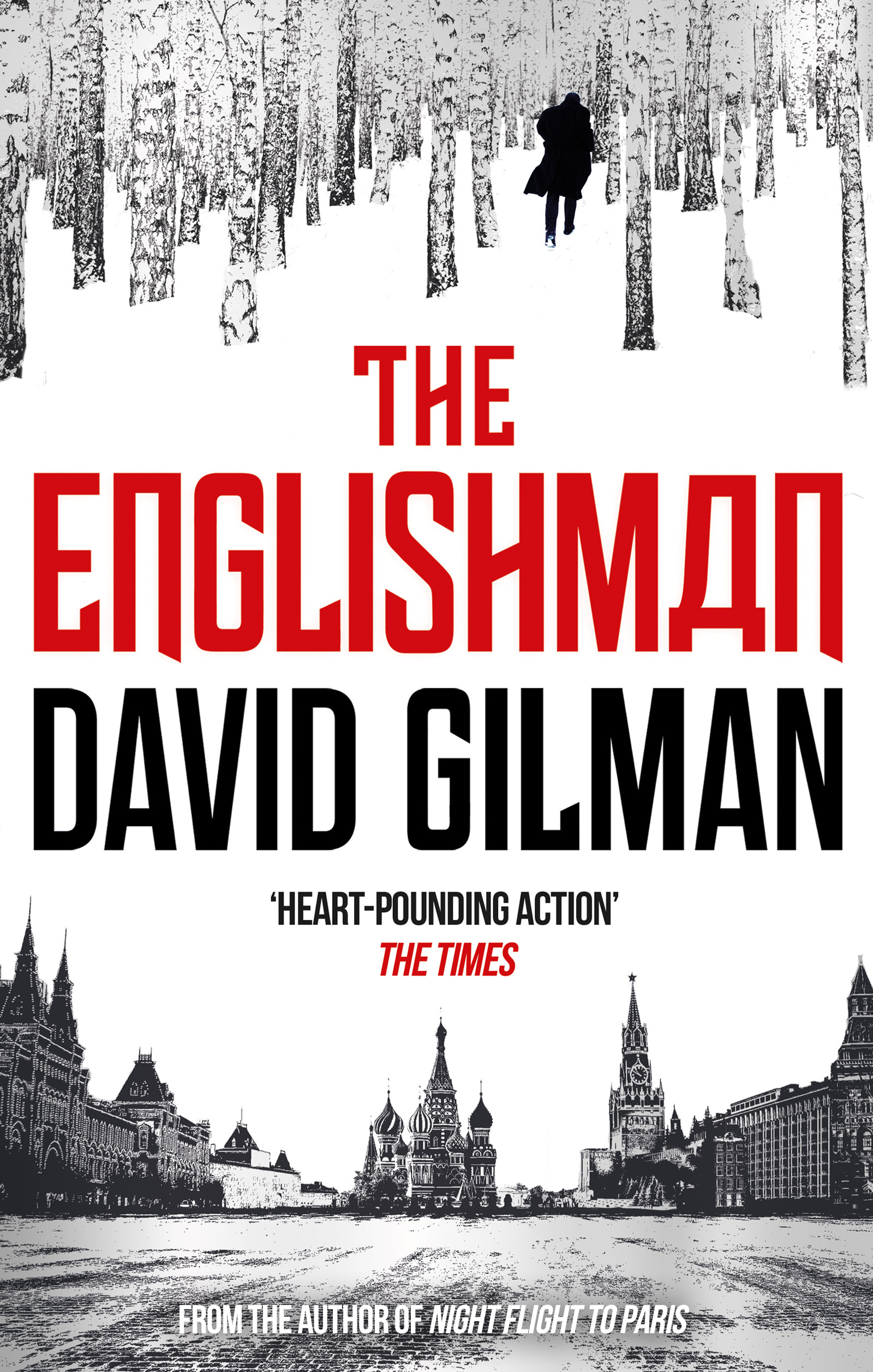
Now I have created a new character for a new contemporary thriller series. The first book is called The Englishman. Dan Raglan is a former Foreign Legion soldier who works quietly behind the scenes and who is a modern Paladin – a knight errant who rights the wrongs – and gets hurt along the way. Perilous journeys undertaken to help those in danger.

I write this lengthy explanation in the hope of encouraging writers starting out, and others who look at the blank page and think the journey might be too difficult. It can be a natural and daunting experience but if an uneducated, wandering storyteller like me can make it then so can others. Never give up. Let the passion and determination drive you on. 

  • What you are promoting now. 

The Englishman. The first book in a new series.

  • A bit about your process of writing.

I start in the morning and write my day’s worth – but it’s a mixed full day at my desk because of the breadth of research I do. The added hours come in when I want to write a standalone novel in between my ongoing series. That means I have to go back to my desk late at night for a few more hours.

  • Do you plan or just write?

When I wrote A Touch of Frost, for example, the producers needed a synopsis or an outline so they could see where the storylines were going (there was always more than one in every episode). This was a broad brush stroke and often became embellished or diminished as the writing went on. There are writers meticulous in their planning and when it comes to the actual writing, they tend to breeze through it. I have tried that approach with my novels but abandon it. I get bored. So I just write.

  • What about word count?

I have a year planner next to me and every day I mark my word count. It’s a ‘kick up the pants’ aid. I can see when I have to finish a book – I have never yet missed a deadline – and what it is going to take to finish it in time. I plan for 1500 words a day. They have to be good words. Considered and rewritten every day.

  • How do you do your structure?

For books  – there isn’t one. A general idea, an incident or a place that attracts me. Something that pops into my head. I write the first line and see where it takes me. If I can be entertained and surprised by the journey, then so too will my reader. There is, though, an understanding in the writing that the rhythm has to feel right. It’s a composition. And as the story builds and often changes, then the structure emerges. Plant the seeds and watch them blossom. It’s a wonder.

  • What do you find hard about writing?

Everything. The long hours. The misery of self-doubt. The grappling with the jigsaw puzzle of a story without being able to see the picture on the box.

  • What do you love about writing?

Everything.


SISTER SCRIBES: KIRSTEN HESKETH ON BEING A PUBLISHED AUTHOR

It’s three weeks since my debut Another Us launched and what a strange, exhilarating, fabulous, scary three weeks it has been.

What with that – and, of course, ‘real life’ overlaid over the top – it’s all been rather overwhelming and I think it’s only now that I am beginning to sit back and play it all over in my mind. So – if it’s not too self-indulgent – I thought I might devote this post to my recollections of the big day.

I had wondered that the day itself might feel like an anti-climax. After all, my very first book was being sent off into the world to fend for itself in the middle of a global pandemic! Publishers and agent were working from home, decisions over a paperback edition had been put on hold at the last minute, and it was proving difficult to get physical review copies out to the lovely writers and bloggers who had offered to read and potentially review the book. It all looked like it might be one great big wash-out.

In fact, the day itself was absolutely wonderful. The outpouring of support on social media was absolutely incredible and I literally couldn’t keep up with all the tweets and RTs coming through on Twitter. Several days later. I stumbled across about twenty messages I hadn’t seen before. (I do hope the kind senders didn’t think I was terribly rude.)

And then there were the gifts. The doorbell rang all day with flowers and chocolates and cards. My lovely friend Debbie made this incredible cake. My fellow Sister Scribes not only sent flowers and an 48-pack (!) of Curly Wurlies (how well they know me!) but have arranged for flowers to be sent for the next two months as well – so the celebrations can go on and on. My Coppa Club friends – Claire, Becci, Moira and Marilyn – sent a magnificent afternoon tea. My chums at Reading Writers sent flowers and chocolates.

How lucky am I?

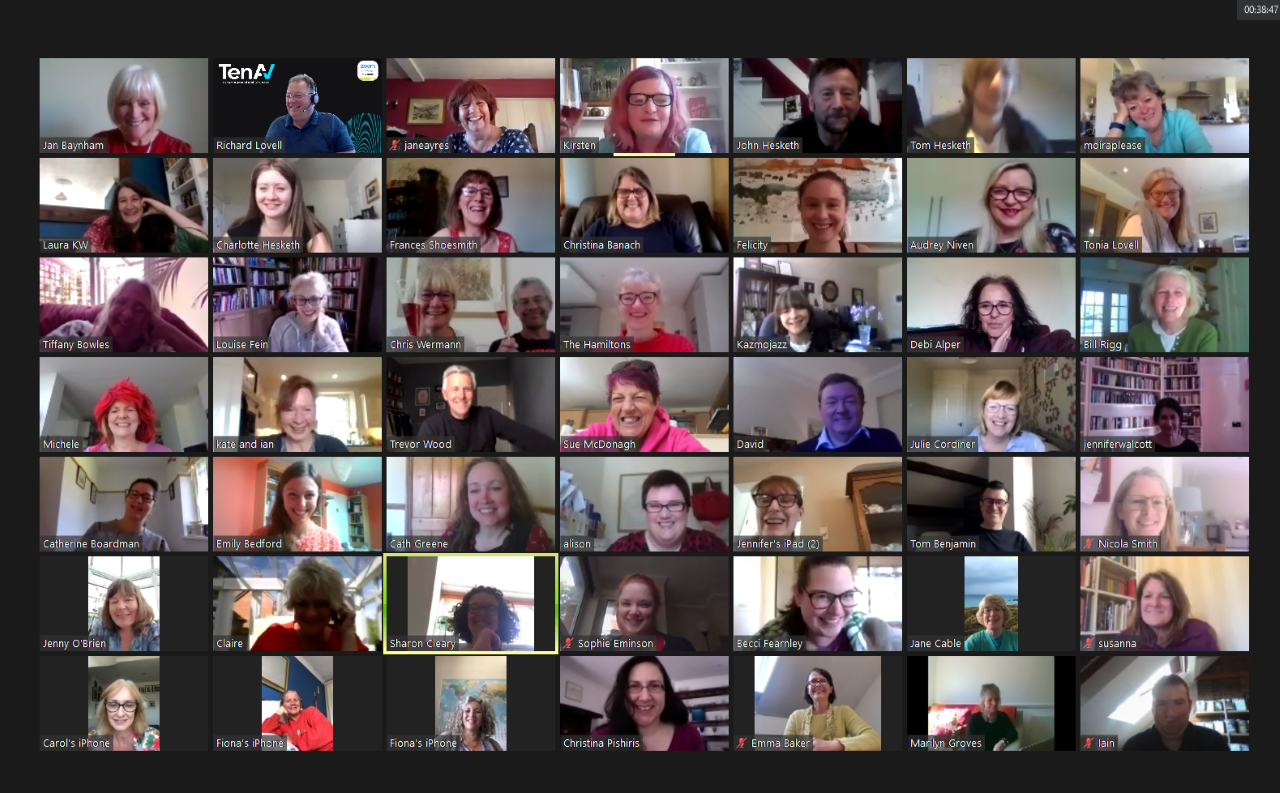
I hadn’t been sure what to do about the launch party. I had planned a very small afternoon tea at the Lanesborough Hotel for ten, but that was scuppered by Covid. In the end, I plumped for a Zoom launch which was brilliant and surprisingly emotional. As some of you may know, I dyed my hair red to match the book cover in order to raise money for Mind, and everyone got in the act. There were red tops and red wigs and Jane Ayres dyed her hair red too in solidarity. There was also a red drink competition judged by my children and I know Sue won but I’d slightly lost the plot by this point and I’ve no idea what she was drinking – or if she’d just made something up! More seriously, my editor Emily and agent Felicity both made wonderful speeches and I had a genuine lump in my throat when I came to reply to them.

So all in all it was a wonderful day and thank you to everyone who helped me celebrate and who has supported me in my journey.

And now Another Us is out there in the world and, as I write, has 42 fabulous 4* and 5* reviews. I have had lovely messages from people I know and don’t know saying how much they’ve enjoyed Another Us – including one from a Hollywood actress. I have no idea how many the copies the book has sold but it has been the most wonderful whirlwind!

Next time: the inevitable party hangover and the first 1* review!


My Writing Process Sandie Jones

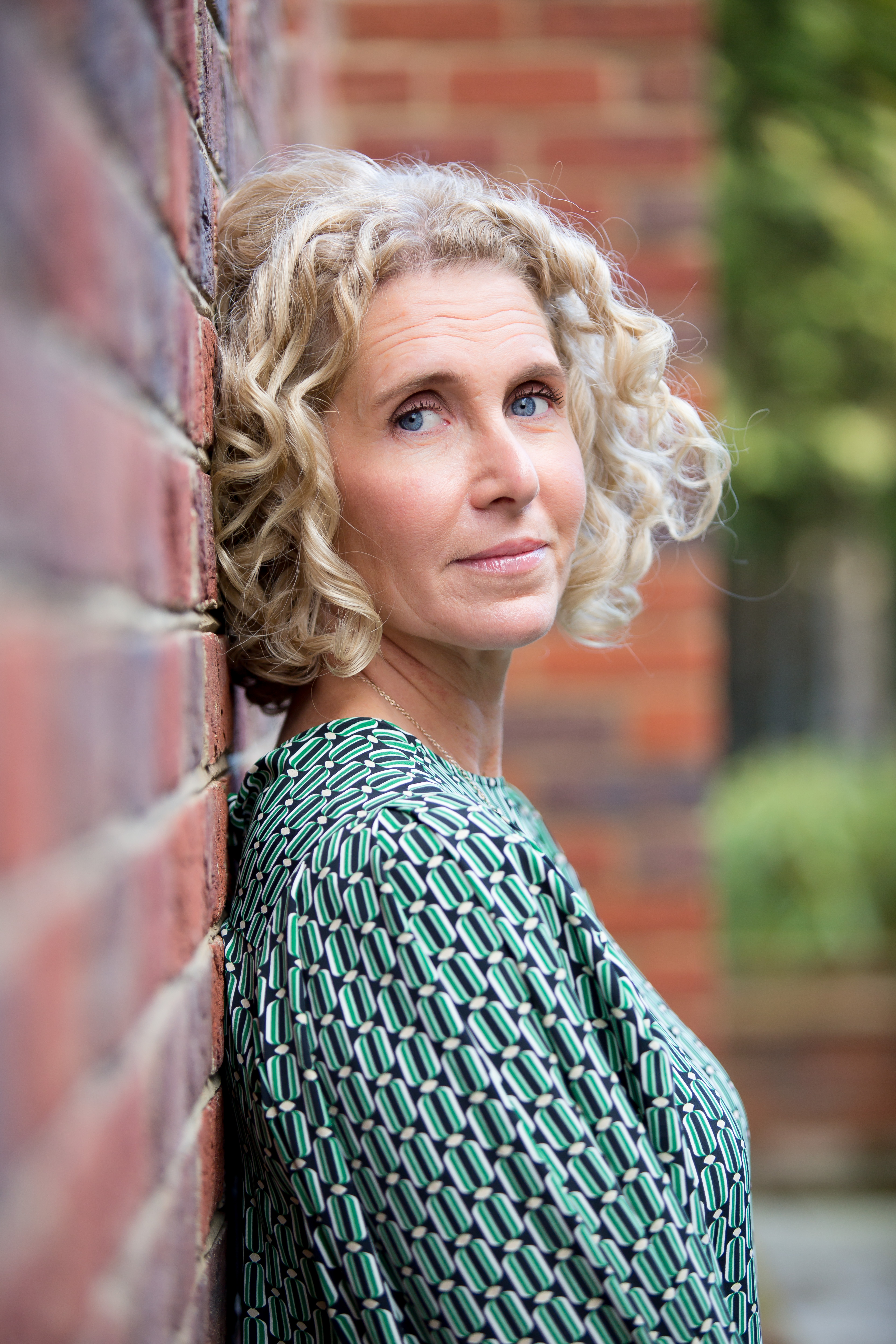
Sandie Jones, AuthorI’ve been a journalist for the past 25 years, interviewing celebrities for national newspapers and magazines. I started writing fiction in 2017, because writing a book was on my bucket list, but I never imagined it being read by my mother, let alone be published and reviewed by thousands!

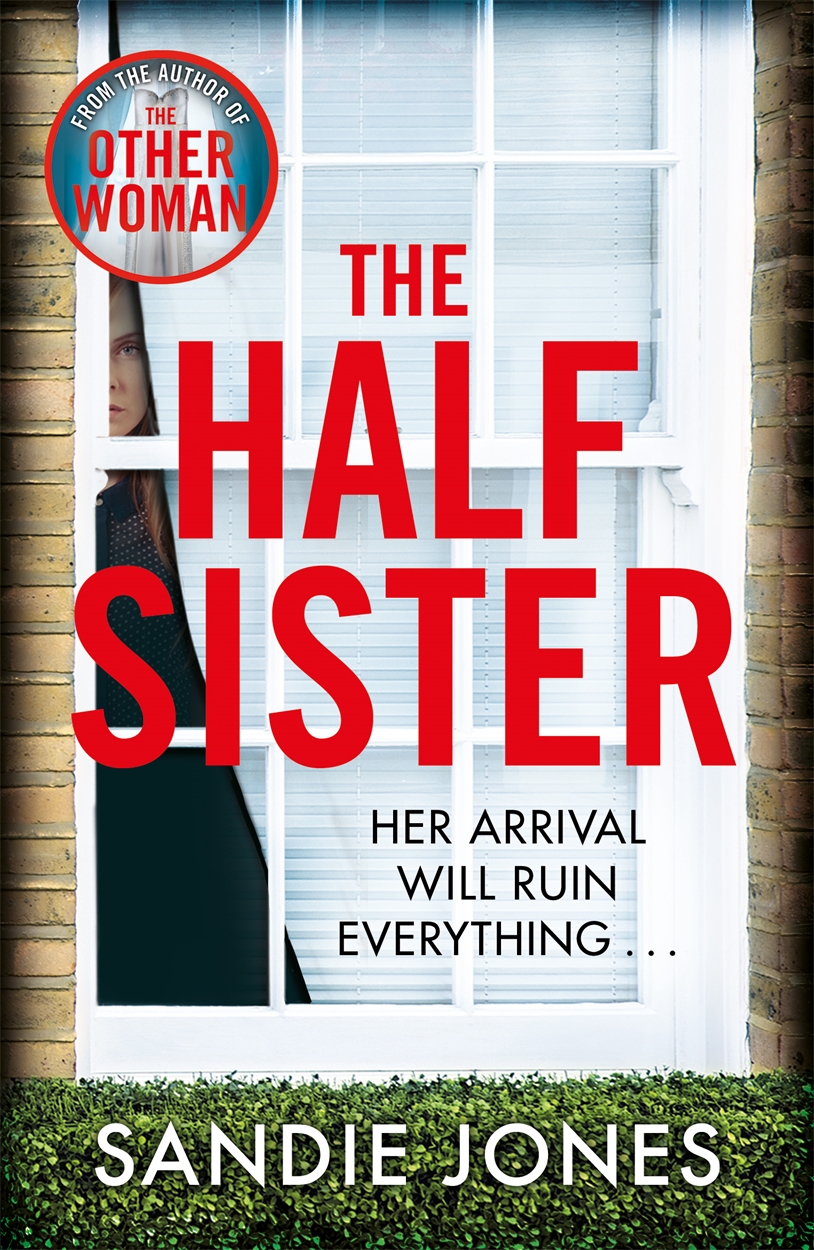
My debut The Other Woman was published in 2018 and was a New York Times Bestseller, as well as a Reese Witherspoon Pick. My second novel The First Mistake was published last summer and The Half Sister is out on 25th June.

What is your latest book?

The Half Sister, which is about Kate and Lauren,  two sisters who each feel that the other has the perfect life. When a woman turns up, whilst they’re having a family Sunday lunch, claiming to be their half sister, their worlds are turned upside down and it sends them in opposite directions, in their quest for the truth. But neither of them could ever imagine what they’re about to discover.

Please could you tell us a bit about your process of writing?

It’s changed since writing my first book, as I’m no longer doing it just for myself. There are editors and publishers involved now so instead of, quite literally, making it up as I go along, I now have to have a clear idea of what the story is, where it’s going and how best to get there.

Do you plan or just write?

It goes against my natural instinct to plan anything – I love to just write and see where we takes me, but as I say, I do have to have a solid outline of an idea before I start, which involves lots of spider diagrams and boxes on a whiteboard. Though once I get started, it all tends to change anyway!

How do you think about structure?

I used to think that the books I liked to read had one big twist at the end, but since writing myself, I’ve found that actually, reveals are peppered throughout. I tend to drop a bomb of some description at each third, so as to keep the reader interested and engaged.

Is there anything you find hard about writing?
The planning stage is particularly difficult for me as I feel I’m forcing myself to come up with every twist and turn in advance. However, I am learning that it’s good to have a loose structure to work to and I have understanding editors who know that my best ideas are likely to come when I’m writing.

What do you love about writing?

Everything else! I adore creating characters and getting to know them. I’m at the stage with my fourth book where I don’t want to put it down. It feels like I’m reading a story I’m really invested in and can’t wait to get back to it, to see what happens next. I forget that’s down to me to decide and that’s a great feeling!

Sandie Jones’s books are available here.

More information on Sandie Jones.

SISTER SCRIBES GUEST: TANIA CROSSE ON AN AWARD WINNING SAGA

Susanna invites Tania Crosse to talk about winning the first ever Saga of the Year award from the Romantic Novelists’ Association as it celebrates its Diamond Anniversary

I was utterly thrilled when I learnt at Christmas that The Street of Broken Dreams had been shortlisted for the new saga category in the RNA’s major annual awards. With the other contenders, Lesley Eames, Jean Fullerton, Rosie Goodwin and Kate Thompson being such wonderful writers, I went to the ceremony in London with no expectations, just looking forward to a glittering evening out. So when my name was read out as the winner, I was totally overwhelmed. I managed to gabble a few incoherent words up on the podium, but I must confess, it was all a bit of a blur at the time.

It really is fantastic that this new saga award has come into existence. It remains an enormously popular genre, and the quality of so many of the brilliant sagas available, covering a huge range of different topics, deserves such recognition. I feel honoured that as the first ever recipient of this award, I can represent saga lovers everywhere.

Tania (left) with agent Broo Doherty

So what is considered ‘saga’? That is a good question, so here is my interpretation. Whatever length of time the story spans, the entire action must take place at least fifty years in the past. Secondly, the actual romance is not necessarily the main focus of the book. Characters must fight their way through extreme adversity, often – though by no means always – generated by the historical circumstances of the period, with the romance intertwined within it. Sagas are normally gritty, hard-hitting stories illustrating strong themes.

Like all sagas, The Street of Broken Dreams is a tale of spirit, warmth, courage and heart, and has been described as ‘searing emotional drama’ and as being ‘beautifully compelling and poignant’. It’s 1945 and WW2 is drawing to a close. But the consequences of war can be far reaching. Can dancer Cissie ever recover from the brutal night back in 1944 that destroyed her life? Will it take the love of a good man or the guilt and self-sacrifice of a stranger from across the sea to bring her peace? Does Mildred really know the man to whom she so hastily became engaged before he went off to war? Will she able to face the tearing conflict of loyalty on his return?  Can golden-hearted Eva, matriarch of the street and linchpin of the story, help them unite against the future?

I actually lived in Banbury Street, the street of the title, as a small girl, so writing the book brought back many childhood memories. Cissie’s story was inspired by an ‘encounter’ my mother experienced during the blackout, though fortunately it had a different outcome and my mother was unharmed. During the war, my father served in submarines in the Far East, which gave me the idea for Mildred’s story. Dance has been a lifetime passion of mine, and my ballet mistress with whom I kept in contact all her life, told me about her experiences as a dancer in wartime repertory, and this became the Romaine Theatre Company in the book.

So I think you can appreciate that this award means so much to me, not just in itself, but because so much of myself was poured into the book. As my fourteenth published novel, it feels like a lifetime achievement and I thank from the bottom of my heart the Romantic Novelists’ Association and the readers and judges who put me on the podium.