The Business of Books: Blending Fact and Fiction – Jane Cable meets GP turned author Carol Cooper


1) How much of your working life does the business of books take up?

About half my working hours are now taken up with book-related activities. It’s not all writing, as there’s social media, marketing, research, and the rest.

The other half of the time, I teach medical students, do some journalism, and fit in a spot of charity work. I’m involved with Tamba (Twins & Multiple Births Association), Lucy Air Ambulance for Children, and APEC (Action on Pre-Eclampsia). I have more time these days because I’m taking a sabbatical from seeing patients. After three decades as a family doctor, it’s lovely to have a break. Before that, writing had to be done during evenings and at weekends, but now my writing doesn’t just get the ‘tired me’.


2) What’s your business model to earn a living from writing?

Like most journalists who fell into writing books, I didn’t set out with a business model. My dozen or so non-fiction books bring in more income than my two novels. But journalism is still a more important revenue stream for me than books. Then there are activities like TV and radio appearances, and occasionally work for PR companies. I could earn more if I did more doctoring, but I enjoy the change of pace that I’ve allowed myself.

While I don’t normally spend much on book marketing, I did engage a publicist for my second novel, Hampstead Fever. That probably helped get it into bookstores. It certainly spared me a lot of time and footwork.

3) What do you write and what do you consider to be your major successes?

I’m now concentrating on fiction. My first two novels, One Night at the Jacaranda and Hampstead Fever, are contemporary tales about dating, relationships, and family life. Set in London, they feature multiple viewpoints. Think of the film Love, Actually, and you’ll have good idea of the structure.

My non-fiction books are mostly on child health and parenting, but there are also two textbooks on general practice, co-authored with medical colleagues. I’m not ruling out writing another health book, but publishing has changed, especially for non-fiction because there’s now so much web-based information.

My major successes include writing for The Sun newspaper for the last 18 years as the Sun Doctor. My role is to write fast authoritative copy as needed when a health story breaks. I know some people are sniffy about tabloid journalism, but it’s a real skill being able to get ideas across in just a few words, and I work alongside some of the best in the business.

I’m also proud of my book Twins & Multiple Births: the essential parenting guide from pregnancy to adulthood. The first edition came out 20 years ago and the title is still going strong. It was also very gratifying when General Practice at a Glance received a British Medical Association book award.

With my fiction, I was thrilled this year when WH Smith picked Hampstead Fever for a front-of-store promotion in their travel bookstores. There’s nothing like your novel being in airports and stations to make you feel you’ve arrived!


4) Tell me about your latest project

The novel I’m now working on is a new challenge. It’s set mainly in Egypt where I grew up. While story covers nearly 70 years, and there’s only one point of view, it is still mainly about relationships. It’s the book I want to write.

Carol Cooper is a doctor, journalist, and author who turned to fiction after writing a string of popular health books. She lives in North London and Cambridge, and has three grownup sons. Find out more about Carol here:

Blog Pills & Pillow-Talk

Website drcarolcooper.com

Twitter @DrCarolCooper


A Day in the Life of author Rosie Jackson

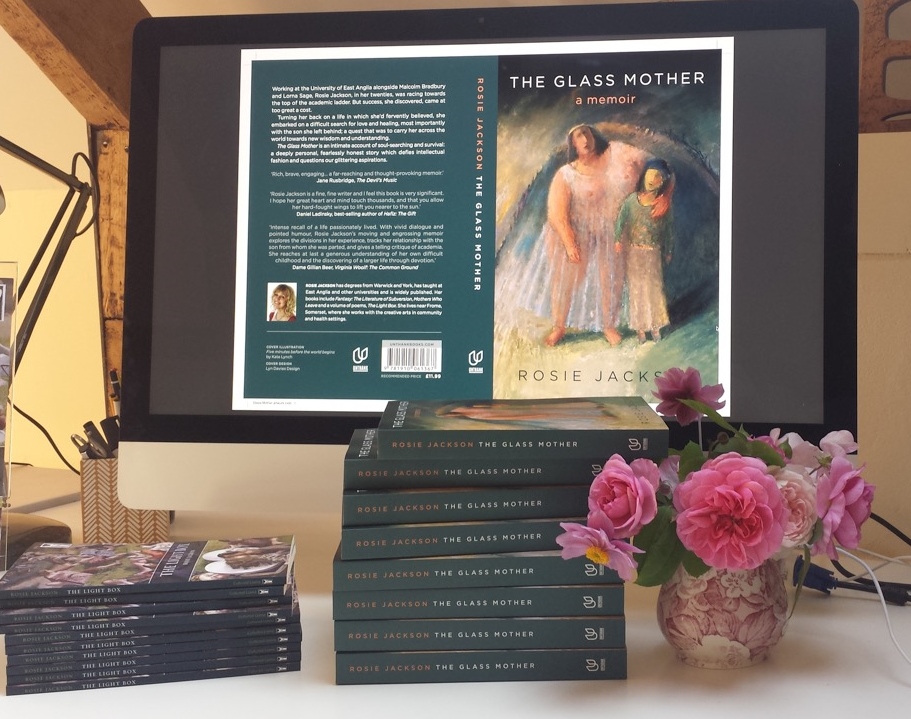
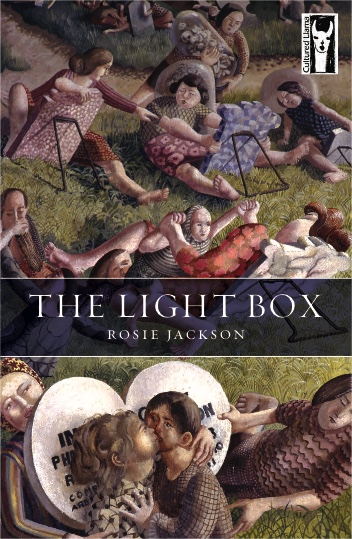
The Glass Mother Rosie Jackson

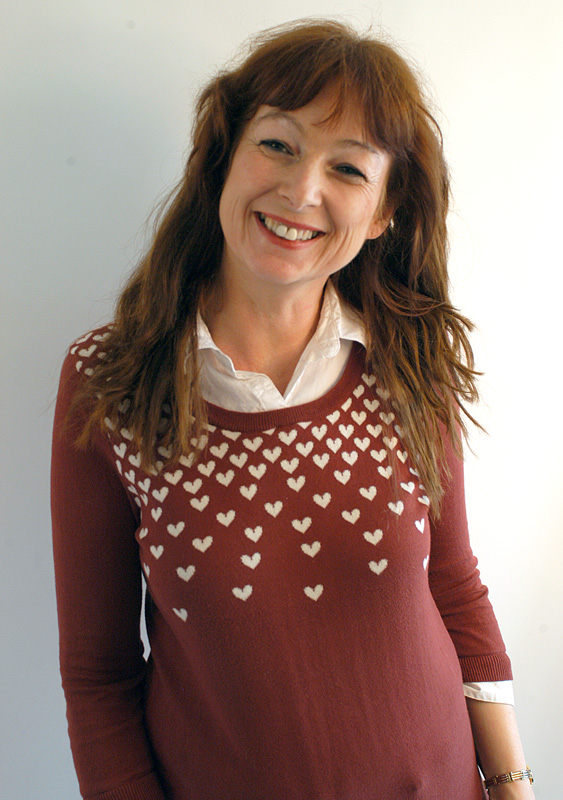
A prize-winning author, Rosie Jackson is widely published. Her  books include The Glass Mother, The Light Box, Mothers Who Leave and What the Ground Holds.

Rosie is a Hawthornden Fellow 2017. She is a member of Arts and Health South West.

My days vary depending on where I am with any writing project.  When I’m in the middle of something big – my memoir, say, or putting together a collection of poems – it’s easy to be disciplined. I can happily sit at my desk six or seven hours each day and sometimes into the night as well, writing, editing, re-writing, re-editing… But in the fallow periods in between, I’m more self-indulgent, going for long walks, to see galleries, films, friends, travelling, rather like a camel stocking up on culture for the dry patches.

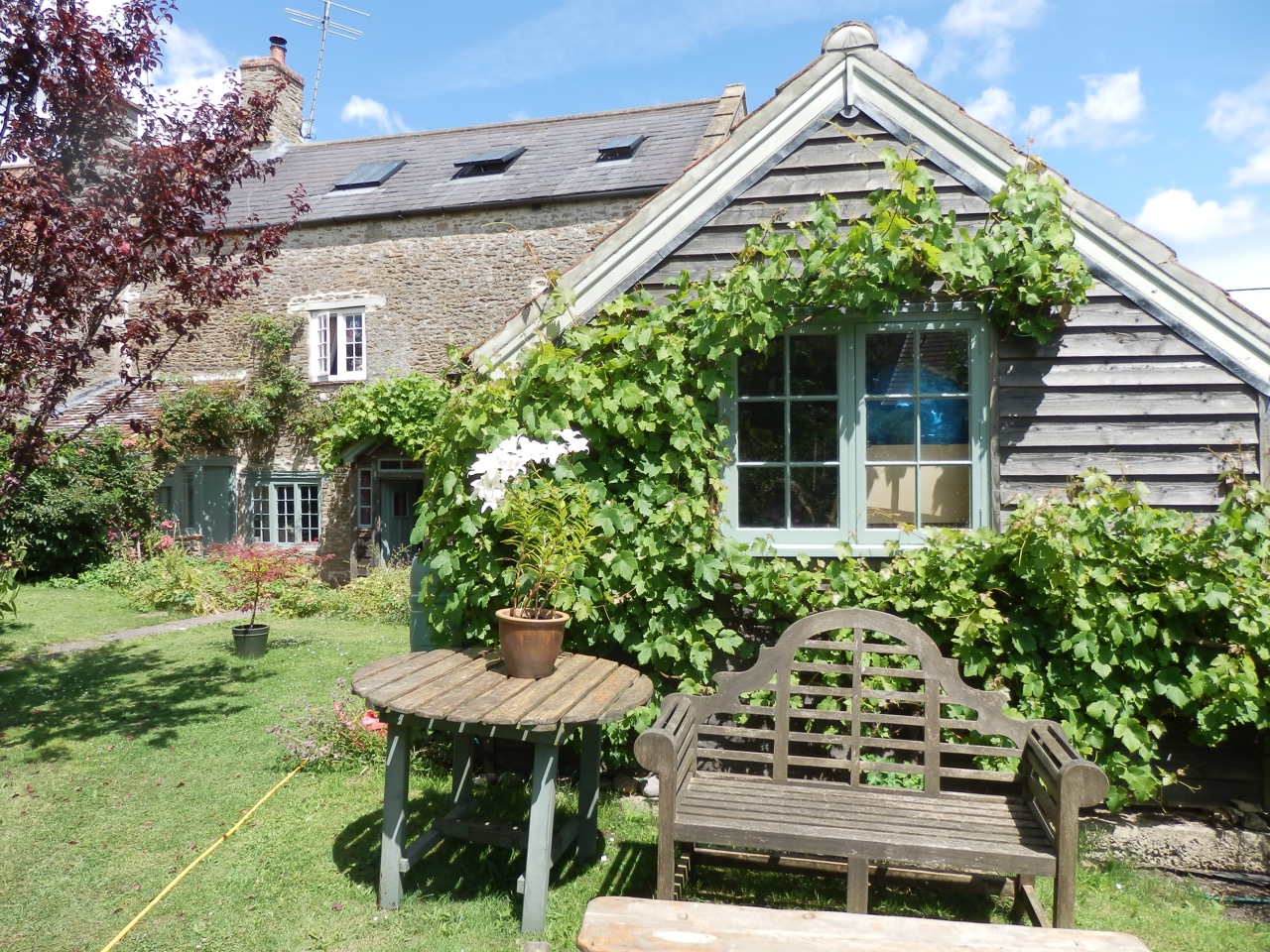
Rosie Jackson Cottage

I live alone, so can be as flexible as I like with my time. But my 17th century cottage and its demanding garden always find some job to tempt me away from my study, especially in the summer, and I have to be strong-willed to keep the writing going. It’s important to me not to get isolated. I belong to a couple of monthly peer groups – in Frome and Bath – for my poetry work, and am collaborating on my next project – a book of poems about the English artist Stanley Spencer and his first wife Hilda Carline – with Devon poet Graham Burchell. Exchanging poems with him by email for critique every few days helps sustain the momentum. I go to poetry readings and cafes, and also run writing groups, on memoir and poetry, which all add to a sense of creative community. Next month I go to Hawthornden Castle in Scotland for a fellowship – a whole luxurious month of nothing but writing, all meals provided. Thank you, Mrs Heinz!

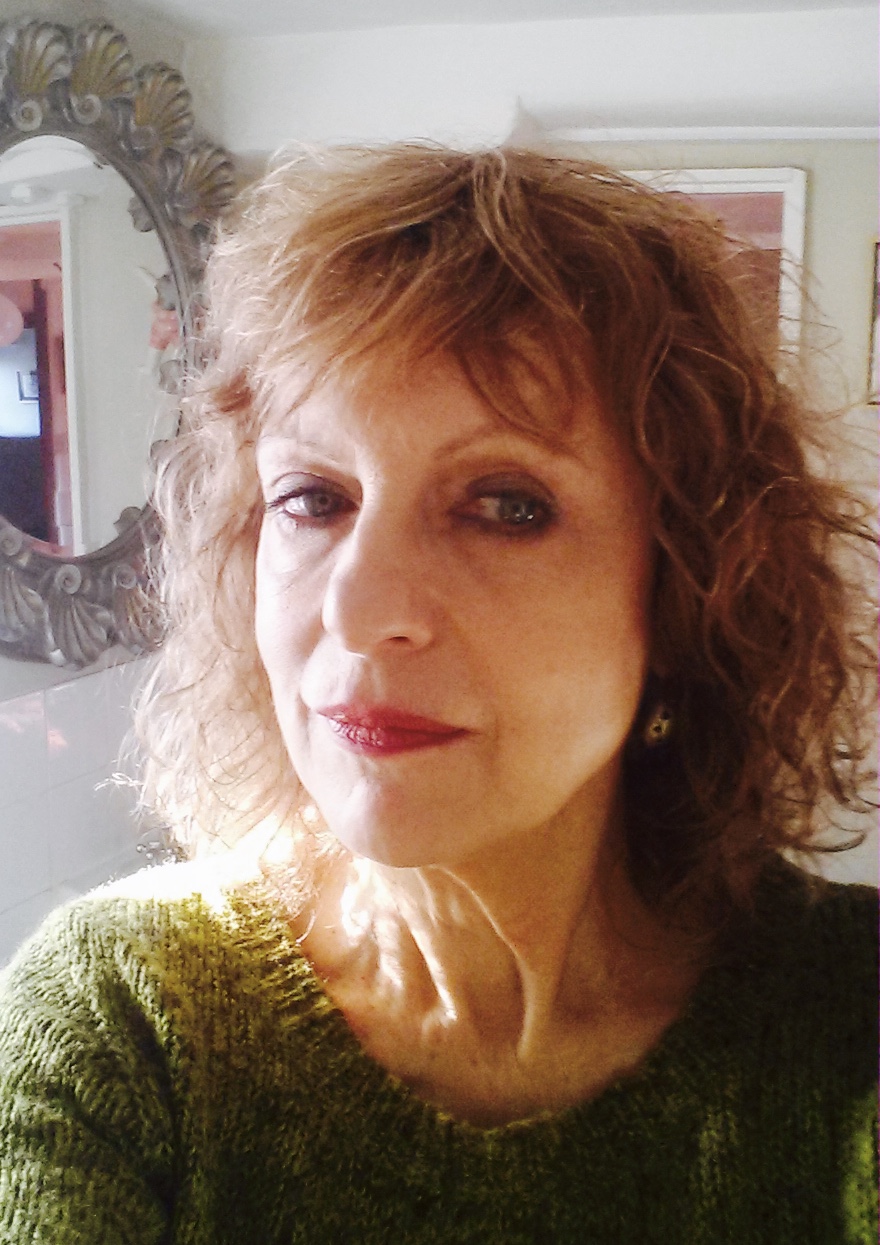
Rosie Jackson

Like most of us, I spend a lot of time on the Internet – there are so many excellent sites, blogs, tips, research, resources available at the click of a mouse- and I feel tempered use can really improve one’s work. I love receiving messages from people I don’t know who’ve suddenly discovered my books.

I make sure I exercise every day, even in the midst of a project. Nothing too fanatical, but for an hour at least I walk, cycle, or do yoga, and swim half a mile each week. I’m very impractical – oh, for a DIY husband! – and have to gear myself up to do jobs like checking car oil and tyres, buying replacement hoover bags, let alone decorating. I’d far rather be inside a book, whether my own or someone else’s.

What tends to get squeezed out is reading. If I’ve cleared time to be at my desk, I’m more likely to be writing than reading, and I need to find more time for that. It’s all about balance really – alone time and being with others; living enough to have something to write about; sitting and moving; being with words and in a space of silence.

The Light Box Rosie Jackson

I do try to carve some time out each day to do without words altogether. They are not, after all, as important as what we do, as the life we actually live.


A Day in the Life of Della Parker (AKA Della Galton)

della_galton

Writing is my day job and has been for 16 years now. So when people ask me if I’m disciplined the answer is yes. No muse = no money = no mortgage payment.  It never gets any less scary than that.

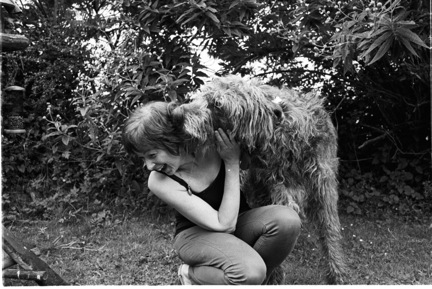
However, I also have two hounds. Little Hound – she’s a German Shepherd and Big Hound – he’s an Irish Wolfhound. Big hound likes to start the day with a song. His day starts around six thirty, which means so does mine as I have to run down and shut him up before he wakes the whole street up.

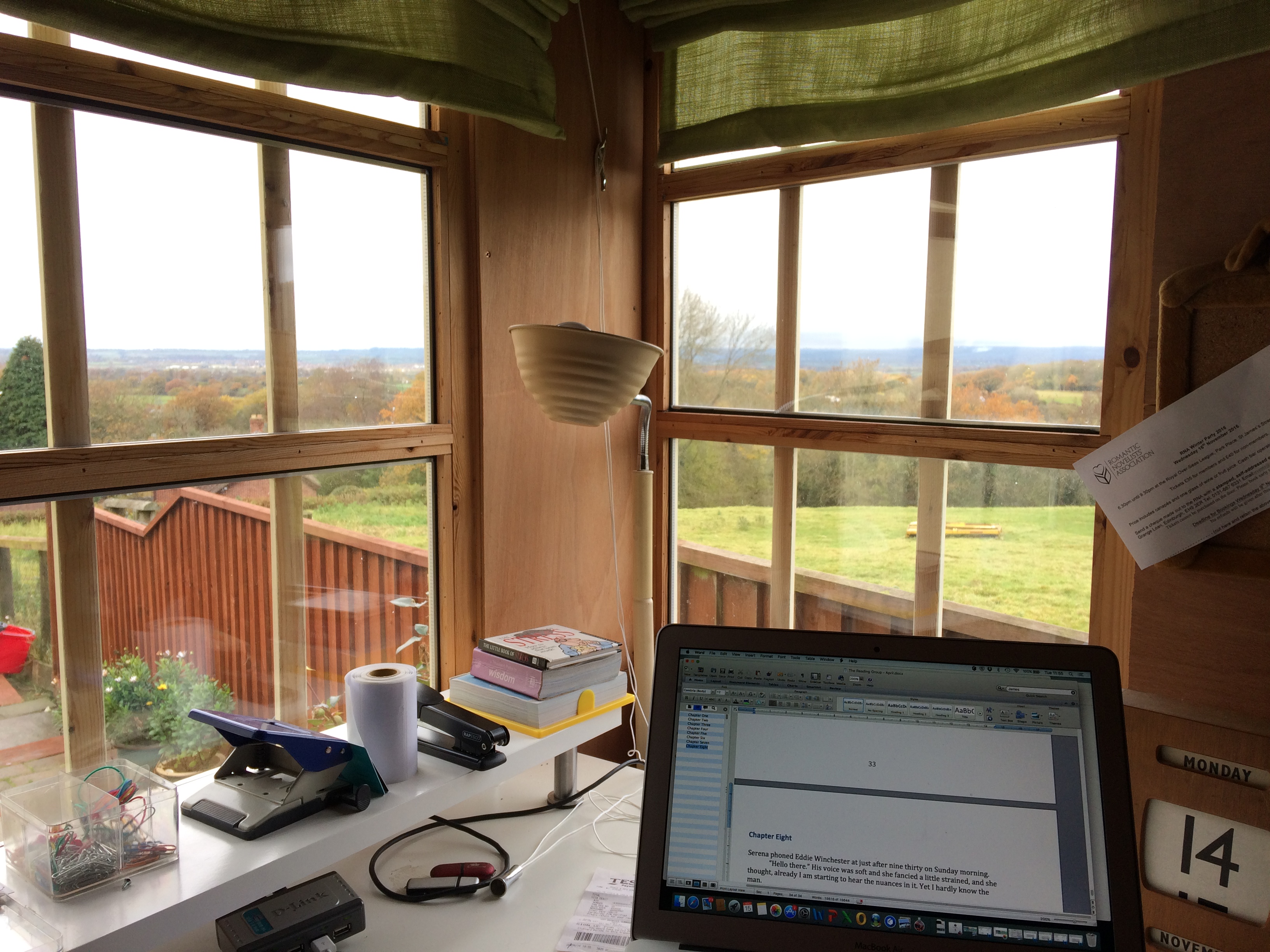
So I start my day with a walk.  Then it’s breakfast for all of us, and I retire to my office, which is a summerhouse in the garden. I live halfway up a hill and I have a panoramic view of the surrounding fields and countryside. I never get tired of my “commute” to work!

della-view

If I’m working on a novel I write 2000 words and I don’t leave my desk until it’s done.  Sometimes it takes two hours. Sometimes it takes seven.  If it only takes two, I’ll either write some more or I’ll switch to another “morning job”. I’m at my best and most alert in the mornings.

I stop for lunch some time between 1 and 2.30 depending on how it’s going. In the afternoon I’ll do something easier than writing. This could be editing, invoicing, answering emails, publicity stuff, phone calls, a swift foray on to Facebook or Twitter. I know I shouldn’t but I can’t resist it.  I also can’t resist doing things like checking to see if I have any new reviews and eating chocolate.  Activities that are usually carried out simultaneously.

seamus-and-della-1

Quite often I get “persuaded” AKA hassled by the hounds to go for another walk in the afternoon.  Then it’s tea time.  I have a handful of very close friends and I try to see them in the evenings – and for the occasional lunch. If I didn’t I wouldn’t see anyone except my fellow dog walkers.

Saturdays and Sundays are not a great deal different.  Recently I’ve been trying to have Sundays off.  Which is not going particularly well – I’m writing this piece at six pm on a Sunday.

Hmm! Living the Dream.

I wouldn’t swap it for anything.

reading-group-bookends-


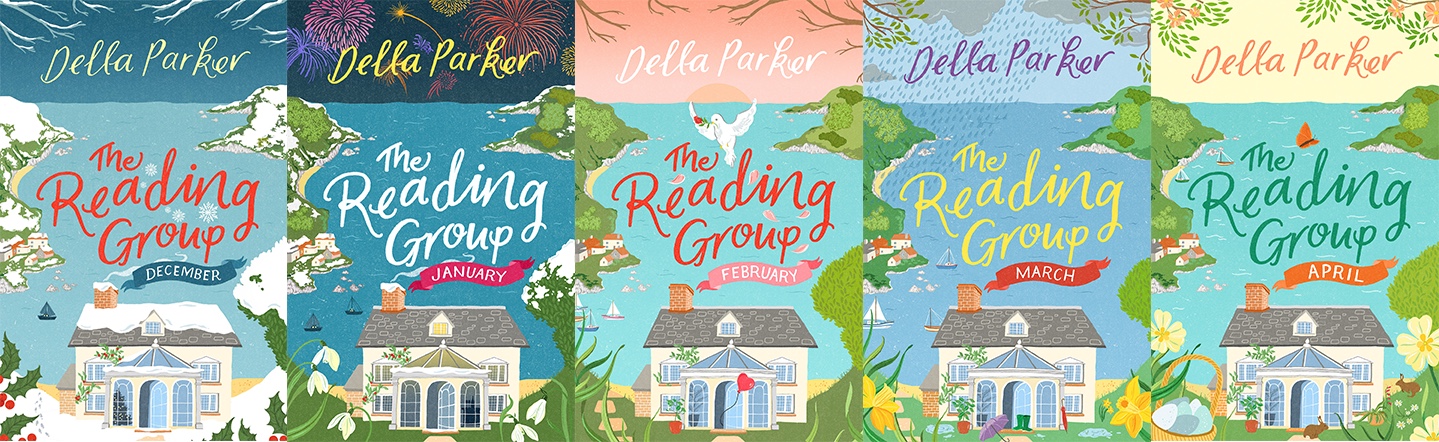
The Reading Group by Della Parker is a series of six novellas.

They are published by Quercus, part of The Hachette group, and are 99p each.

December, the short story that introduces them can be downloaded FREE.

www.dellagalton.co.uk

Best Foot Forward: Jane Cable’s blog about what happens once that digital publishing deal is in the bag continues

Jane Cable, publishing, writing
BEST ENDEAVOURS

Jane Cable’s blog about what happens once that digital publishing deal is in the bag continues.

BEST FOOT FORWARD

Editing involves a great deal of sitting down. Far more than my slightly dodgy back can manage at the moment anyway. So after being glued to my office chair for a few hours I balanced my laptop on a box file on the ironing board and tried that (standing at your desk being all the rage). It helped, but not a great deal as I found it slightly awkward to type.

What does work is going for a walk in the middle of the day and I am hugely blessed to live in a small village tucked under the South Downs so peace and quiet and country air are only ever a few steps outside my front door. And while tramping around the lanes is freeing up my back muscles it does exactly the same for my mind.

Agent Felicity has cleverly crafted my elevator pitch as a writer as “love with a ghostly element in a beautiful setting” and I’ll go with that. Completely. And beautiful settings inevitably require walking.

publishing, what happens when you get a publishing deal

The Seahorse Summer is set in Studland Bay in Dorset and opens on the sixtieth anniversary of a rehearsal for D-Day which went horribly wrong. I visited the village exactly ten years later and on my walk up to the cliffs made special note of the wonderful countryside around me; the daffodils dying back on the banks, slowly being replaced by primroses; the tractor rumbling across the fields; tiny birds swarming the hawthorn hedges; enticing glimpses of the sea below. Minute observation helps me to create a credible world for my characters to inhabit.

Every day, as I walk, I do the same thing. It’s a great discipline for a writer. I always say that to write good dialogue you need to remember you have two ears and one mouth. To write great descriptions you need all five senses.

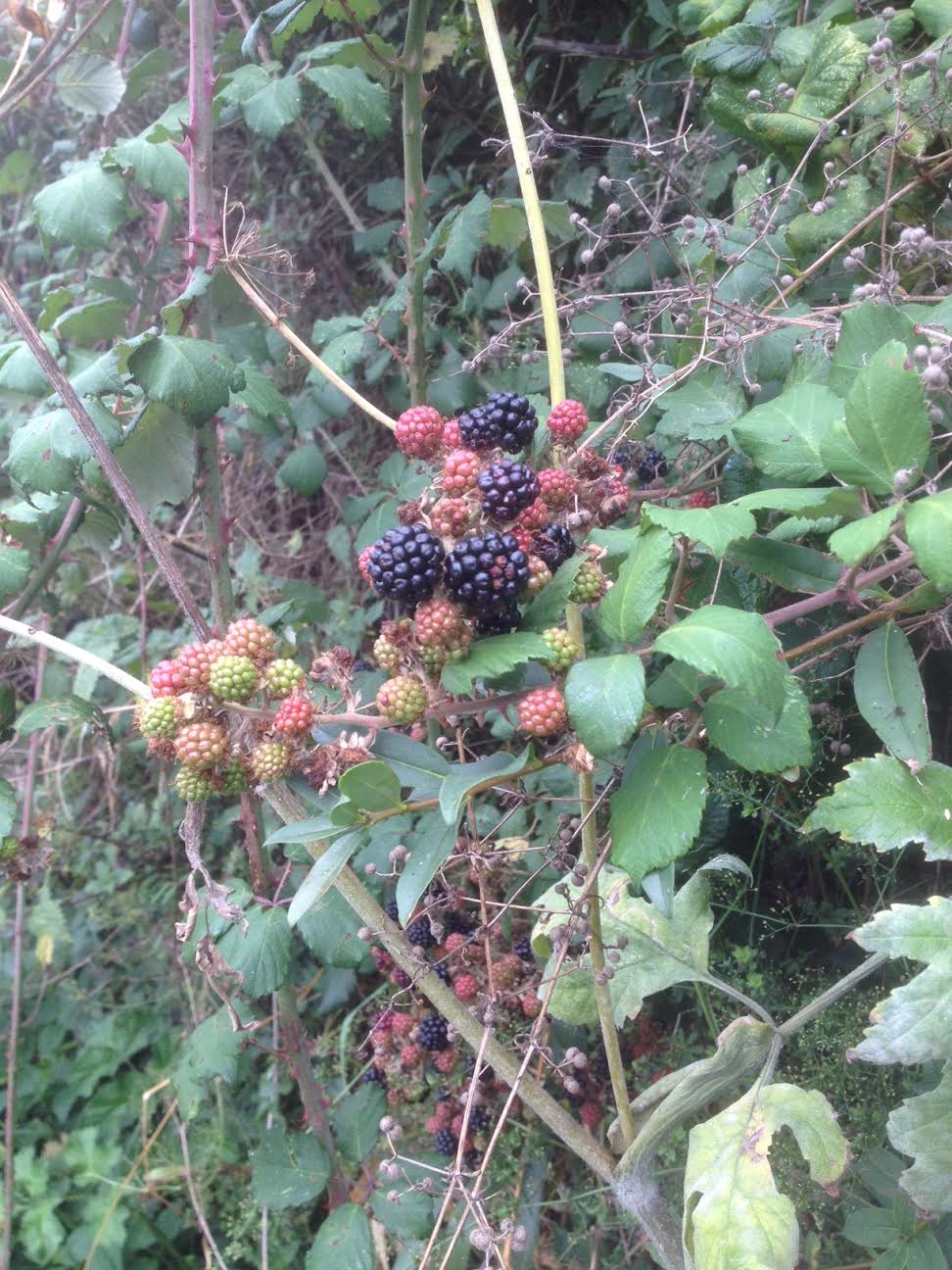
Yesterday the earliest touches of autumn were making themselves felt. Cow parsley dying back to reveal blackberries – some fruits ripe and squashy between my fingers, others in tight green fists. The tiniest hint of chill on the breeze which carried the pheasants’ calls and the wood smoke from a distant bonfire across the valley. The strict definition of meteorological autumn starting on 1st September becoming a reality before my eyes.

Time is, indeed, marching on. But I have finished the character edits for all but Marie and next I need to review each paragraph, making sure it is essential to the story. The book has changed so much since its first iteration I need to remove the distracting loose ends – and in the process make sure that every scene is adding something for the reader.

Jane Cable is the author of two independently published romantic suspense novels, The Cheesemaker’s House and The Faerie Tree, and a sporadic contributor to Frost. The Seahorse Summer tells the tale of how two American soldiers born sixty years apart help forty-something Marie Johnson to rebuild her shattered confidence and find new love. Discover more at www.janecable.com.


BEST ENDEAVOURS: what happens once that digital publishing deal is in the bag

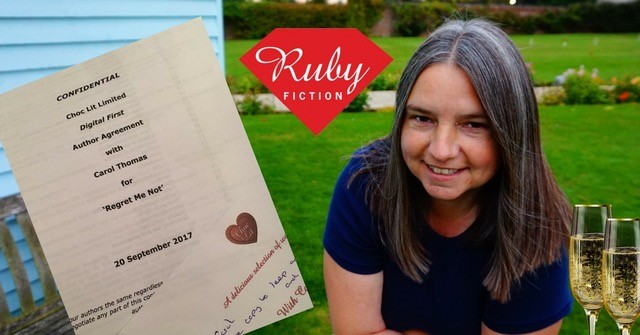
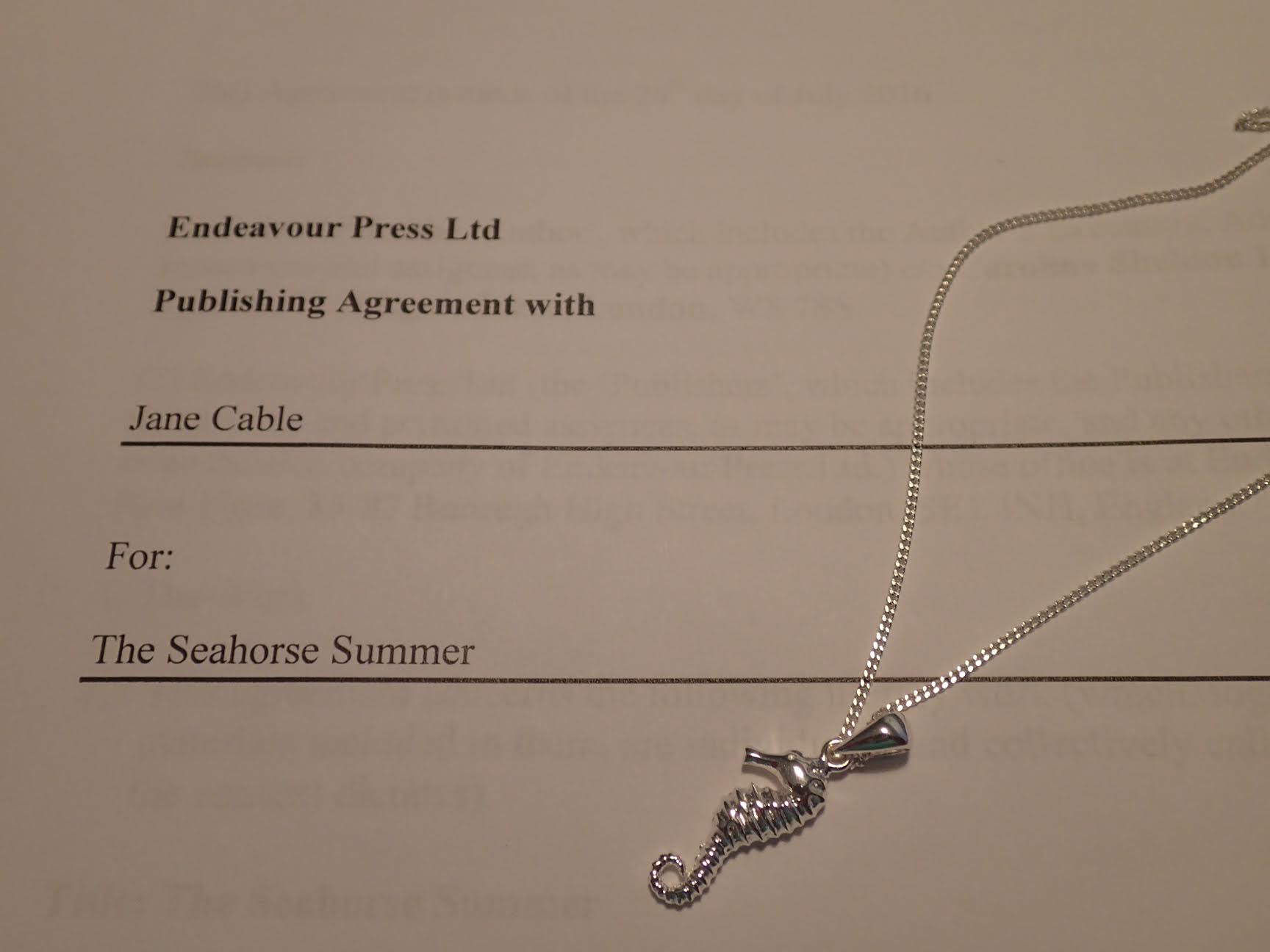
janecablepublishingagreementThe first in a series of blogs about what happens once that digital publishing deal is in the bag!

BEST FRIENDS

If you write, it’s a moment you dream of – the moment you learn that a publisher wants to buy your book. There’ll be champagne, fireworks, violins playing sweet music… Actually – when it happened to me – I didn’t believe it.

I read the email my agent, Felicity Trew, sent about three times and then she called me. I don’t remember much about the conversation to be honest. Then I went downstairs, told my husband, and drove into town to do some last minute pre-holiday chores.

It was only as I walked from the car park that the news began to hit home. Just fifteen short months earlier I would have been straight on the phone to my mother, always the biggest supporter of my work, but who could I share the excitement with now she’s gone? Who would understand? Another writer, that’s who; someone who’d been on the same journey – someone who was a good friend I could rely on to keep quiet. Even though she actually screamed when I told her: “Jane – oh my god – that’s amaaaaaaazing!”

janecablepublishingdealblog

Bookish bestie and blogger Becky Edwards (walkingnormally.blogspot.co.uk) is the person who’s kept me sane during the two months it took for the contract to be finalised and signed. You need someone to do that. I kept thinking it was all some terrible joke and that Endeavour would change their mind. Every delay… even when the final contract got lost in the post… was agony. But it’s over now: the contract is signed and I can go public.

Part of going public involves writing this blog. Endeavour is one of the new breed of UK digital publishers and must be the biggest in the game, bringing out 25 new titles each week. This deal isn’t going to be like working with one of the ‘traditional’ houses – there will be no waiting a year or more for a book to appear – things are going to happen fast and furiously from here on in.

Digital is a route that many authors seeking publication will be looking to take and so this blog will not only be of interest to the reading public but also to other writers. The intention is to share the reality of the hard graft, sweat, and maybe even tears along the way as I embark on the latest phase of my writing career. I want it to be useful; I want people to comment and ask questions. I also want to give Becky a break!

Jane Cable is the author of two independently published romantic suspense novels, The Cheesemaker’s House and The Faerie Tree, and a sporadic contributor to Frost. Find out more at www.janecable.com.


Day in the Life of Wendy Walker

Day in the Life of Wendy Walker

Sometimes I think my friends envision me sitting at a well-organized antique desk, nicely dressed, showered, hair blown dry, nails manicured and sipping a gourmet coffee while I effortlessly type page after page. It’s a very nice dream! The reality is that after seventeen years of juggling kids, a house, writing and my day job as a lawyer the last five of them, I find myself in a constant state of disheveled chaos, scavenging for time and still in my pajamas when my boys get home from school!


Here is how it unfolded.


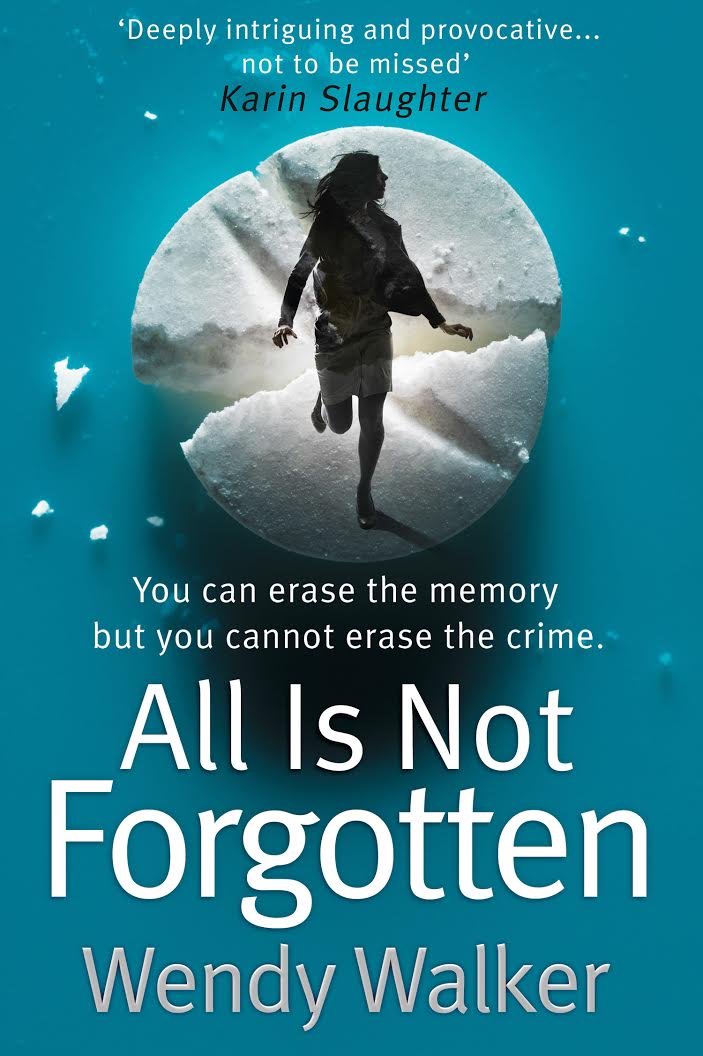
After I had my first son eighteen years ago, I decided to stay home to raise my children until they were all in school. I felt lucky to be able to do that and so I took the job very seriously. But after about a year, I felt unfulfilled so I started to write whenever I had free time (which was not very often!). I had two more children in five years and all the while I kept writing. I even wrote in the back of my minivan while waiting for them at pre-school! I picked up the pace after I found an agent who thought she could sell my work. Of course, life is never that straight forward. It was a long road getting to the writing and publication of All Is Not Forgotten. During that time, I published other novels, edited, and eventually went back to work as a lawyer (after fourteen years away from the field).

Day in the Life of Wendy Walker2

But I never gave up the dream of making a career as a writer. I used to tell my boys that it was important to always have a dream, but to also be responsible. I did not stop working as a lawyer. Somehow, I also managed to keep writing. I signed with a new agent and she loved my concept of a psychological thriller based on memory science. I was a bit nervous about switching genres, but I had always enjoyed suspense and thrillers and I was very interested in this story concept. So I dusted it off and wrote All Is Not Forgotten.  It was great advice and I am so glad that my children may get to see my dream come true.


Of course, “living the dream” for me, and so many other writers, is far from glamorous! I spend my days juggling promotional work with family obligations and staring down blank pages of the next novel that is dying to make its way out of my overcrowded head. I sometimes fantasize about the world coming to a halt for a day (maybe two) so I can catch up. But that is one dream that will never come true! Still, as I sit here in my pajamas writing this, a long list of things-to-do sitting beside me, I know I wouldn’t have it any other way.


All is not Forgotten by Wendy Walker. HQ £12.99


Words for the Wounded: Review of 2nd Place Winner

Words for the Wounded Independent Author Book Award 2016

Words for the Wounded: review of  2nd Place winner.

alisonclink

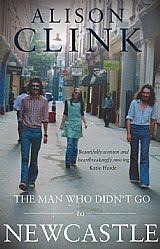
The Man Who Didn’t Go To Newcastle by Alison Clink

(published by Matador)


‘Lovely pace and voice… It’s a really moving exploration of siblings across their lives and most importantly, mortality.’

Felicity Trew (Caroline Sheldon Literary Agency)


‘In June 2007 whilst out walking my dog, I opened a text from my brother saying: Am in St Georges – Rodney Smith Ward. Ring me. A.’  Alison’s brother Adrian had been admitted to St. George’s Hospital in Tooting with a cut hand and low blood pressure. Tests had led to more serious concerns and he was calling on Alison to be with him when the consultant brought results of a biopsy on his lung. Alison heeded his call and took the train up to London the next day, only to find that the results weren’t available. She then went back to Somerset, with no idea of what the next few months would hold for them both. Whilst juggling her home life – at a time when her four children still lived at home – with long-distance hospital visiting, Alison tried her best to cope and make plans when Adrian eventually told her that, following the results, he’d been given a year to live. She had no idea then that he wasn’t being entirely truthful…

Judge’s comments: In The Man Who Didn’t go to Newcastle Alison Clink charts her care of her terminally ill slightly older brother, Adrian, with a lovely pace and voice and creates a really moving exploration of siblings across their lives and most importantly, mortality.  This is a situation which unearths not only memories of the past they have shared, but an awareness of their separate adult lives, especially as friends of his arrive to cheer him on. With each visitor it seems, another puzzle piece is put in place. Throughout this memoir Clink weaves the present and past together with a honesty which reveals the difficulties of caring for someone who is no more perfect than the rest of us.  There is not only sadness but humour, and implicit tension but it was felt that the diary structure was a little constricting. A more complex play with point of view rather than the date and time of the diary might have made it stand-out more.

It is interesting to consider how Clink’s undoubted and empathetic writing skills would be translated into fiction. She already writes short stories so let’s hope we don’t have to wait too long for an Alison Clink novel. Bravo. A worthy 2nd place.

alison-clink5

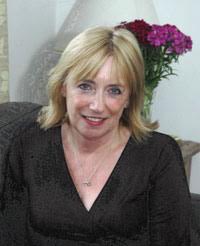
About Alison Clink:


Alison Clink
 is a writer and creative writing teacher living in Somerset.

Over fifty of her short stories have been published both in the UK and abroad. Several of her stories have been broadcast on Radio 4 and two short plays have been performed in Frome and Bristol.

Alison runs a drop-in creative writing group at Babington House near Mells, Somerset on Wednesday mornings 10am – 12.  This is for members of Babington House, guests of the house and my guests.

She also write critiques for aspiring writers, and gives talks to writing groups.

Her memoir, The Man Who Didn’t Go To Newcastle, is now published by Troubador and her first novel, Two Blackberry Lane is close to completion.  You can find her on facebook and twitter.
Alison says:


‘I am delighted to be supporting the ‘words for the wounded’ charity.’


www.alisonclink.co.uk


Screenwriting Workshop with BAFTA Award winning writer John Foster

shot-at-dawn-poster

You may have had the opportunity to catch a performance of Shot At Dawn in Dorset over the last few weeks which has been earning fantastic reviews – and rightly so. Writer and Artistic Director, John Foster, kindly gave a pre-performance screenwriting  workshop for Dorset Writers Network  at Bridport Arts Centre.

John gave an overview of how to approach a project from a screenwriters’ point of view. An immense challenge to cover such a broad and detailed subject in an hour and a half but I came away with lots of useful insights that, even if I don’t use them myself, can pass on to other writers who may be in need of a few basic starting points.

The main difference I found was that, although structure, character and dialogue are as important as when writing a novel,  it pays to ‘think pictures’ and approach your idea from the visual aspect of telling your story. John provided a useful handout that presented the structure of a screenplay entirely in ‘pictures’ and it was quite easy to see from it how to build a story in this way.

For example:

                ‘Plump, juicy grapes growing up the wall.

                At the window. An elderly woman looking out.’  

And so on – I found that incredibly insightful, having zero knowledge of screenwriting.

Producers are always looking for people who can write pictures as opposed to dialogue. They are looking for unique writing ‘voice’ – basically an original way to tell a story. The main points I have taken away are:

If it is painful, write it.

If your ears are burning it’s a sign that you are writing something good.

Write about something that fires you up.

Who do I want the audience to really care about?

Can the story be told in sound and images? Do you have any sound motifs that give added depth?

Think camera. It is most important to think visually (but be careful how you put it on the page).

Invest in character and atmosphere and, as in all writing mediums – show not tell.

When you’ve finished your script make sure you are sending it out  to the right people. Do your market research.

I asked about his own writing practice and John described it as an organic process that grows and develops the more he writes. Ideas, he says, come from writing.

So there you have it. It’s no good thinking about it, get the words on the page, paint those pictures. Just do it.

john-foster

John Foster teaches screenwriting at Bournemouth University and Regent’s University, London. He has published fiction in the Guardian and Spectator and written for radio and theatre. Screen credits include many episodes for television drama series: Z-Cars, Softly Softly, Crown Court, Emmerdale, Juliet Bravo, Rockliffe, The Bill. John has written single dramas and dramadocs, including a BAFTA award-winning BBC Omnibus on Raymond Chandler. The movie of his screenplay Letters from a Killer featured Patrick Swayze in the lead role. He is contributor to the award-winning crime collection, Mean Time.  John is currently writing for the theatre, having helped found Doppelganger Productions, a theatre production company, of which he is Artistic Director.

www.dopplegangerproductions.com