A Day in the Life – Martin Etheridge

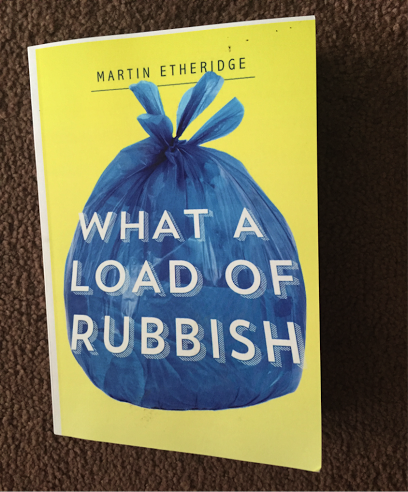
load of rubbish.jpgIn September 1982, my life changed. I was in the Royal Artillery on a small arms exercise. The vehicle I was in veered off the road and went down a ravine. Five of my mates were killed outright and the driver broke his neck.  I was 20 years six months at the time; the first I knew of my accident was when I came out of coma on my 21st birthday. A lot of my family had gathered at my bedside and that’s what brought me round. The guys in the beds round me had come back from the Falklands (but I didn’t even know it had all kicked off!)

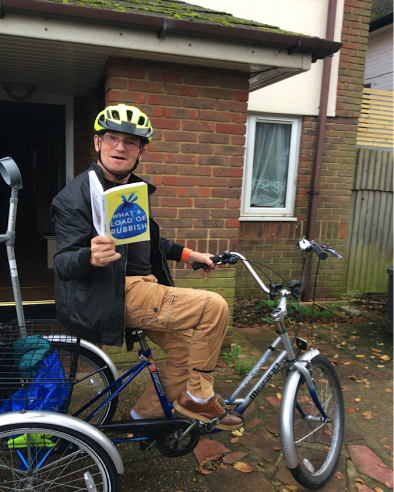
The injuries I sustained have proved a major limitation to my mobility (I use crutches and a tricycle to get about) and to my speech; I make myself understood, but long conversations prove difficult, However, you can’t ignore me (I rather overdo the volume to compensate for a lack of clarity in my speech!) WHAT, YOU DIDN’T HEAR THAT?Martin and book

Although verbal communication is a challenge, I have always had a bit of a talent with words – I used to act (with Graeae) and sing (before the accident). In recent years, I have got into writing and have recently completed my first novel, which has just been published.

The book features the tale of a street cleaner who overcomes adversity – drawing on some of my own experience, although his period of “rehab” was a lot shorter than mine. The book is aimed at young adults and upwards.

Although my mobility has been severely limited, I pride myself on my independence, and get out and about round my local community in Isleworth and Twickenham, as well as taking overseas holidays under my own steam. I don’t usually read my book when cycling, but nevertheless the local drivers steer well clear…:martin at pool

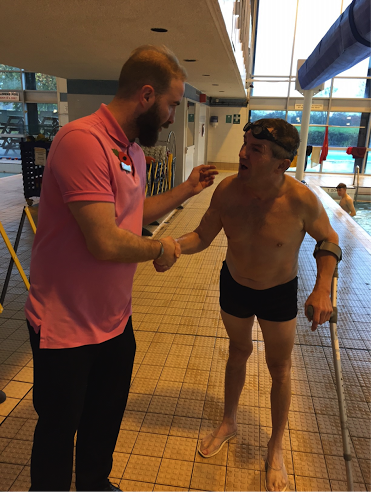
I’m always working on my general fitness. It’s not like army training now, but I’m a regular at the local swimming pool (Pools on the Park in Richmond). The staff are always on hand to support me:

Although my first book is only just out, I’ve already written a sequel (“Malcolm’s Mediterranean Misadventure”) and hope to keep developing as a writer. I’m doing some local book signings to support the sales of my first book, even though writing with a pen is difficult for me and I often slip back into using the typewriter that my uncle gave me when I was recovering in hospital.

What a Load of Rubbish by Martin Etheridge (published by Clink Street Publishing 29th September 2015) is available to purchase from online retailers including Amazon.co.uk and to be ordered from all good bookstores.


A Day in the Life of Penny Gerrard

A typical day? No such thing – and that’s the way I like it.

I’m certainly an early bird – whizzing about doing “lick and a promise” style housework while catching up with The Archers.

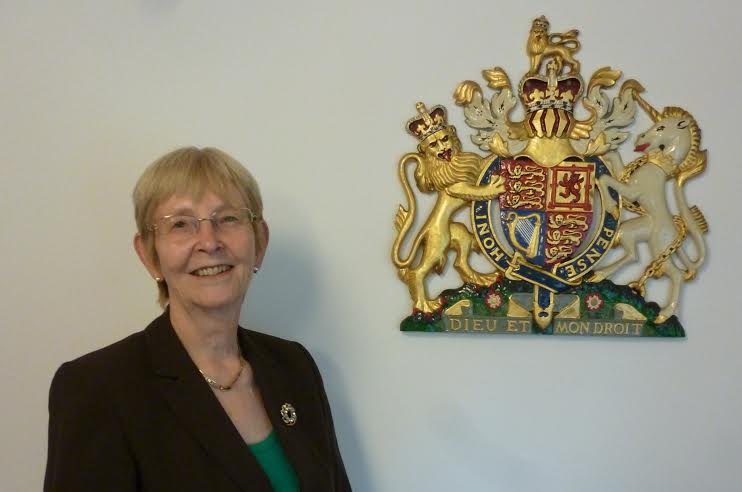
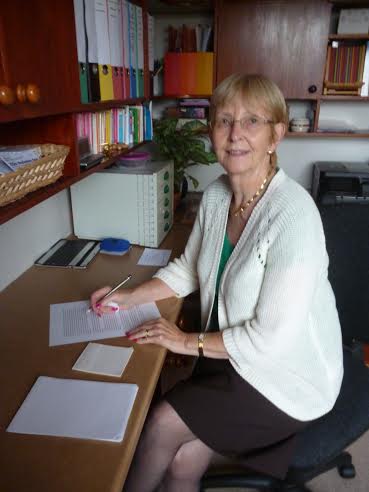
I really look forward to those days when I am sitting in my local court as a magistrate. I love being part of the justice system and I can be sure of a day full of interest and challenge doing something worthwhile with great colleagues.

Day in the Life Picturepennygerrard
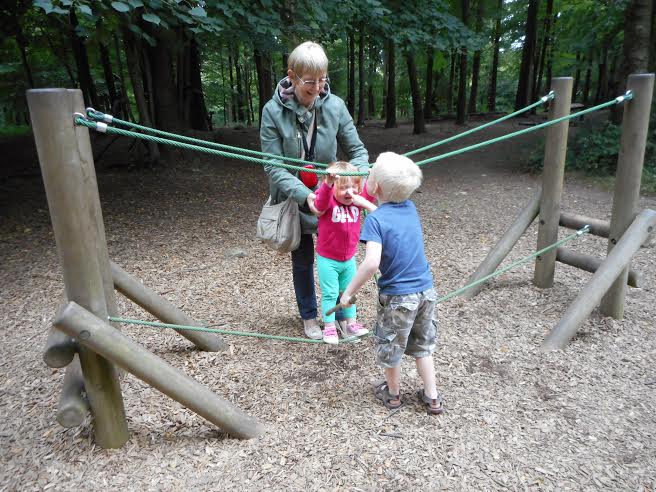
Other special days are when we look after our younger grandchildren. Five year old Harry involves me in complex Star Wars games with incomprehensible rules and two year old Francesca practises her fast developing language skills on me – telling me she prefers her trainers to her “sandcastles”. Keeping track of the lives of our 20 and 16 year old granddaughters is fun too.

Penny Gerrard's A Day in the Life.
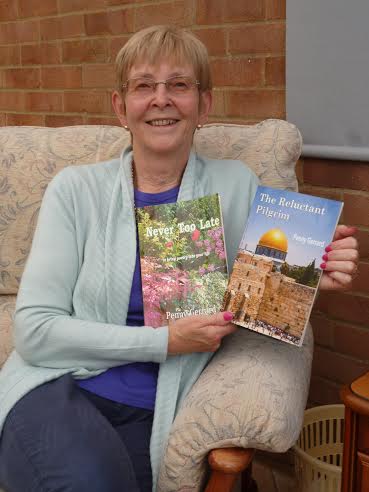
Perhaps I’ll do some admin for The Pastures Church – agendas, minutes, newssheets etc. – sounds dull? Not a bit of it to a compulsive organiser like me. My to-do list would probably be the first thing I rescued from a fire – that and my photobooks and scrapbooks which fulfil my nostalgic side. This nostalgia drove me to record memories of parents and favourite aunts who were no longer there to pass on their stories. Discovering a creative writing group run by author Margaret Graham spurred me on to write and I’ve self-published a book of poems called “Never Too Late” and an account of a trip to Israel called “The Reluctant Pilgrim”.
Penny Gerrard's A Day in the Life.3

Day in the Life Picture 04.

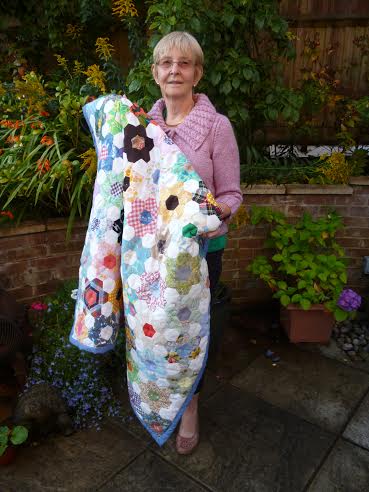
If we are travelling (we are quite the globetrotting retirees) I knit on the journey – usually for the children but have recently managed a jacket which actually fitted me. I might do some embroidery and the walls of our house reflect this. My longest project was a patchwork quilt which took me 40 years.

Day in the Life Picture 04.pennygwriter
Shakespeare often features in my day – perhaps with a trip to the cinema or theatre with the U3A Enjoying Shakespeare group I run. The U3A has given my husband and I some shared interests like croquet – lovely on a sunny summer afternoon, or quizzes which test our remaining memory.

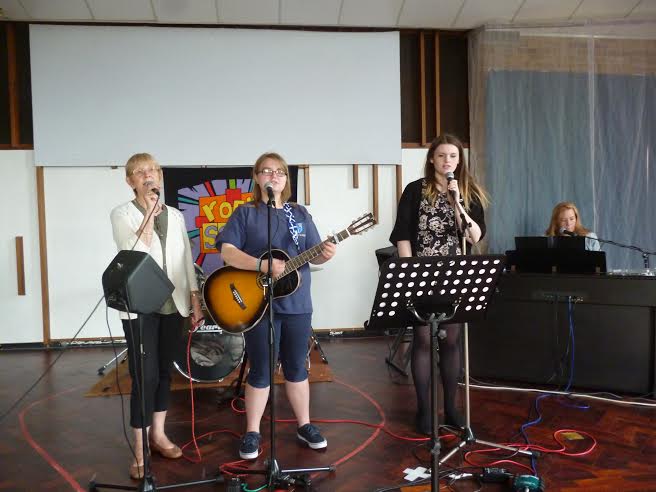
Somewhere in my life there has always been music – from singing in choirs to amateur operatics with wonderful opportunities to dress up. At the moment it involves singing with my church band which is mainly made up of teenagers who also play guitars and drums. This has meant getting used to having no music and only an IPAD to refer to for the words. How things have changed in my lifetime.

Day in the Life Picture 04.pennygerrardwriter
After all that, by about 9pm I finally run out of steam and we perhaps treat ourselves to an episode from a box set like House of Cards with Keven Spacey or The West Wing with Martin Sheen. Lovely to enjoy brilliantly written drama. Now, could I aspire to write a script one day? Well maybe, but in the meantime, the ten o’clock news is nearly done and a good book awaits me in bed.

Penny Gerrard


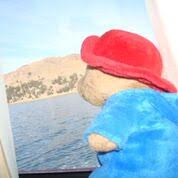
Paddington Goes on Holiday by Paddington (aka David Worsdall)

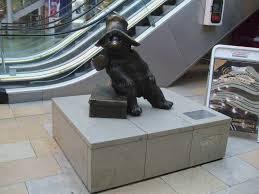
DW pic 1 paddington at station.j

When my grandpa, who lives in Downley, High Wycombe, told the family that he was going to go to Peru it was suggested that I might go to keep him company. He agreed, but wanted to have a close look to make sure I didn’t weigh too much.I had no idea why at the time.

DW pic 2 marmalade.j

Anyway, a few days later we finally set off and flew to Lima. Grandpa said I should stock up on marmalade when we get to the hotel because there wasn’t going to be any for a few days. I didn’t like the sound of that.

pic 3 DW.

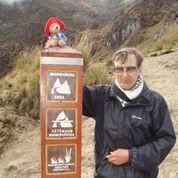
Then we went to a place called Cuzco where we met local people who were mountain guides and porters and Grandpa had a technical discussion about equipment, medicines and other things. Marmalade was never mentioned.Then off we went.

DWpic 4a.view.jp

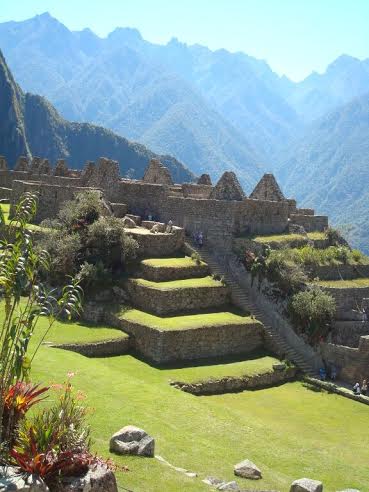
After two days we reached a very high pass where the air was very thin. I was strangely unaffected but it was a little tiring having to pose for photographs with lots of people who seemed to recognise me including local mountain guides and everybody who had heard about my recent film.

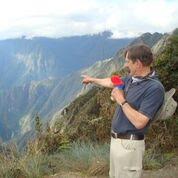
Was this the deepest darkest Peru I had been told about? The scenery was breath-taking.  ‘in more ways than one.’ Grandpa said.

After four days we finished the journey and I perked up when Grandpa said there would be marmalade when we got to Machu Picchu

Paddington goes on holiday        by Paddington (aka David Worsdall)4

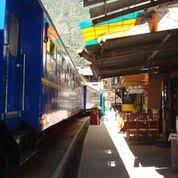
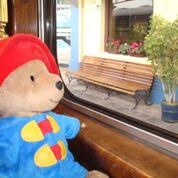
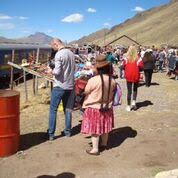
A fantastic train and boat journey then followed which I enjoyed immensely. I met lots more people.

DWpic 6 train ext.jpDW7 train int.jDW 8 local sceneDW pic 10.

As you know when you are having fun, time passes very quickly and it was soon time to come back to England.

When we got back to the airport we had to go into London to get home so Grandpa took us round to Marylebone to get the train to High Wycombe. The lady behind the ticket counter said ’I am very sorry to tell you but Marylebone is closed for engineering works you will have to go round the corner to . . . Paddington.’

pic 13 paddington home.

Grandpa and I just looked at each other and laughed.  I knew I was home.


Interview With a Refugee. Destination: Freedom Author Lily Amis Tells All

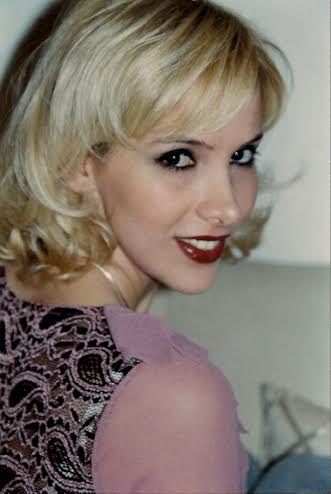
lily amis, author, refugee

Author Lily Amis

What inspired you to write the book?

When I went through difficult times as a teenager in my early years in Switzerland, I always knew that I would someday share my story with others. I just felt that what my mom and I were experiencing as war-refugees was beyond normal and that I had to become the voice for other silent suffers like us. I felt it was my duty to share our story.

Also as a teenager drawing and painting was my way of self-therapy. But through long-term unemployment the older I got the more writing became my way of self-therapy.

refugeecrisis

You experienced many setbacks. Some were because of war, bureaucracy and  medical reasons. What was the hardest and what did you learn from it?

The hardest setbacks were and still are dealing with bureaucracy. As a kid I was an outsider as a refugee. Than the older I got I felt unwanted as a foreigner. And today as an adult I still feel unwanted and not integrated because of stupid bureaucracy.

That’s why I always say once a refugee, always a refugee. Once a foreigner, always a foreigner. The problem is that I feel homeless and lost. Even though I speak fluent German, Swiss German, English and Farsi where ever I go, I feel invisible, like nobody takes notice of me.

I learned from early years on to fight for my right and this hasn’t stopped until now and yet. I’m still fighting for my right, for my freedom and my acceptance!
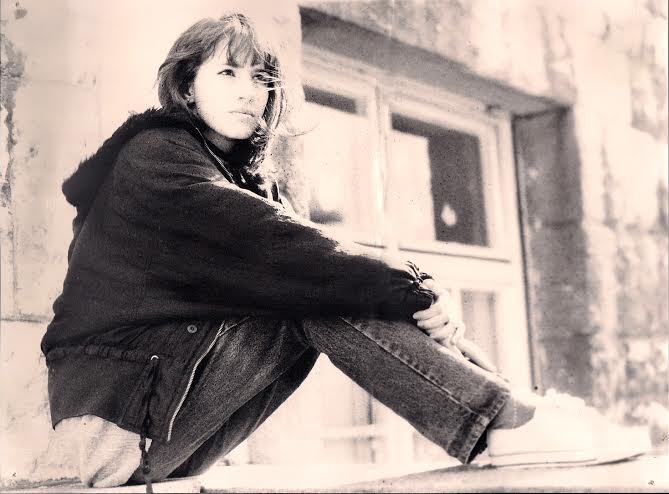
refugee

You use Asiacity and EUcity instead of the names of the countries. Why is this?

I used Asiacity for Iran because unfortunately I feel specially these days when you say you’re Iranian you have to deal with injustice and discrimination. People have a negative view on my birth country. They believe what they see and hear by the Media and think my country is evil.

To be honest I was afraid that readers wouldn’t show interest in my story because they don’t like my country. Which is a shame, because my birth city Tehran is actually a great city and Iranian people are the most loving, friendly and helpful people.

I used EUcity for Swiss because I didn’t want to point my fingers out on Swiss and blame them for what the refugee law has done to us. Because the law is similar in most European countries and our suffer could have happen anywhere else to. And we see that now more than ever daily on the news.

What do you think of the current migrant crisis?

There are no words to describe my feelings. I have mixed feelings. I watch the news daily and it breaks my heart to see so many desperate people, young, old, families, children coming to Europe with completely false hopes and expectations. They have NO idea that becoming a refugee basically means giving up on your life, your future, hopes, dreams and goals. You leave your identity, pride and dignity behind for NOTHING in return.

It is also the prove of Karma. Twenty-eight years ago my mom and I left our home because of war. And nobody showed any compassion. Instead we were punished with bureaucracy.

Today Millions of refugees are coming from all kinds of countries and finally EU has to act and the Refugee Law has to change. The governments finally realize that the Refugee law as it was until now can’t function any longer. They have to find a fast and human solution to integrate these people in EU ASAP. That was what I always wanted to achieve with my story: Change the Refugee law which is now happening by a higher power.

Should people use the term refugee rather than migrant?

I don’t understand why people make such a big issue out of these two words. For me a refugee is someone who’s fled from war to stay alive. For me these people are war-refugees who have lost everything they have because of war.

Than we have economic-refugees. For example people from East Europe. They have not much and wish to have a better life and future. Which is absolute legitimate. After all we all are just short visitors on planet earth and should have the same rights for a happy life.

For me Migrants are people who have a life. But for whatever reason they decide to leave their home country and start a new life in another place. They do it legally with Visas by Embassies.

So in other words all the people that we see now coming are Refugees and not Immigrants. Why? Because they have lost their existence and have no place to go back to.

What got you through the tough times?

My mums devoted Love, support, care and believe. She’s an incredibly strong woman. I admire her strength and trust in God. Also my art work was a big help. Drawing and painting was my way of getting through tough times.

I have two examples that I like to share with you. Both were done in 1996, the original size is 50X70 cm. One is expressing that my only hope to ever feel Freedom is death! And the other one is expressing how I felt as a Refugee in Switzerland.

What can be done to help refugees?

I waited for this question for twenty-eight years. The refugee law must be updated ASAP. It can’t go on like this anymore. Toying with peoples destinies must take an end. The whole process of taking or not taking refugees in must be handled faster and fair. And finding a human solution is easier than the EU believes.

Depending on the country the people are coming from and why the decision whether to take them in or not can be done in a short matter of time. It shouldn’t take fifteen years to get a proper residence permit like in our case. It shouldn’t be necessary to get married without Love just to be able to have rights.

And when the EU countries accept these people they should give them a fair chance for a normal life and future. First of all treat them with respect and not like a disease. Understanding, caring, compassion and support MUST be the main priority.

Secondly when they start a life in a new country, they should have all the possibilities that are the fundament for an independent and fearless Life. Such as education and work opportunity.

Because Education means independence and independence means liberty.

Let them become the next Albert Einstein, Freddy Mercury, Bob Marley, Billy Wilder, Marlene Dietrich or Sigmund Freud. Don’t stop them from improving just because of stupid laws and injustice.

But the best HELP of all would be to STOP the War & Weapon business by reach and greedy countries. Than we wouldn’t have any refugees at all. Every human being could stay at home and live a fearless, normal life without suffer and pain.

You returned to your home country. How did that feel?

The title of my book is “Destination: Freedom”. When you read the book you assume that I found my freedom in EUcity (Switzerland) by leaving my hometown Asiacity (Iran). But actually the opposite was the case. When I returned to my hometown Tehran after fifteen years I felt Freedom for the first time in my entire Life. Even though the circumstances were terrible and sad, I was happy and free. I felt welcomed and not like an outsider anymore.

When will the other books be out and what can we expect?

The second book “Definition of Freedom” will be out soon. It is ready for print in English and in German. I think the readers of my first book “Destination: Freedom” will be very surprised to read how my life continued as a former-refugee.

“Definition of Freedom” is a cry for help and the perfect example of how the future of a refugee kid will look like if EU don’t put an end to the refugee system and change the rights of Refugees. Otherwise the future of innocent refugee kids like me are damaged forever and filled with personal and professional setbacks.

Would you believe me if I tell you that it took me twenty-seven years to be finally a naturalized “Swiss”? And that nothing has changed and I’m still desperately looking for Freedom? A place where I feel home, welcome, accepted and integrated? Would you believe me if I tell you that I’m still struggling and fighting for a “normal” life? Well these are just a few topics that I’m sharing with my readers in the second book of the trilogy.

What is next for you?

I’m hoping to find Freedom in a country where I feel welcome.

I’m praying to be able to breathe and live an independent life without fear of existence and the future.

I wish to continue my writing and use my voice for the voiceless. I want to help other sufferers specially Woman who have to deal with issues such as long-term-Unemployment, fear of existence, bullying, emotional and sexual harassment, burn out, depression, social isolation, loneliness etc. which are the topics of “Definition of Freedom” and my third book “Definition of Love” which I’m working on right now.
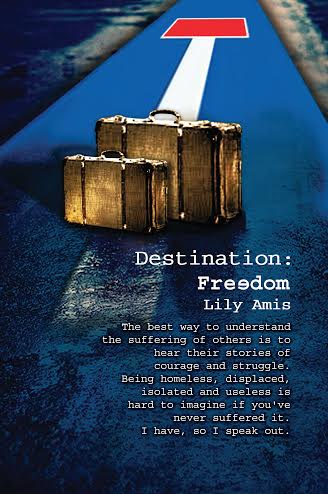
Interview With a Refugee Destination- Freedom Author Lily Amis Tells All book review

Destination: Freedom is a warts and all book which tells the brutal truth about being a refugee. Lily Amis does not censor herself at all. You learn about her frustration as bureaucracy stops Lily and her mother integrating into their new environment. They escape unimaginable horrors and are held back instead of being helped. If they were helped and given visas they could work and pay tax in the country they arrived in (Switzerland). I hope people in power read this book and some changes are made. This book is timely with the current refugee crisis the world is currently facing. An interesting read from a brutally honest writer.

Destination: Freedom is available here.


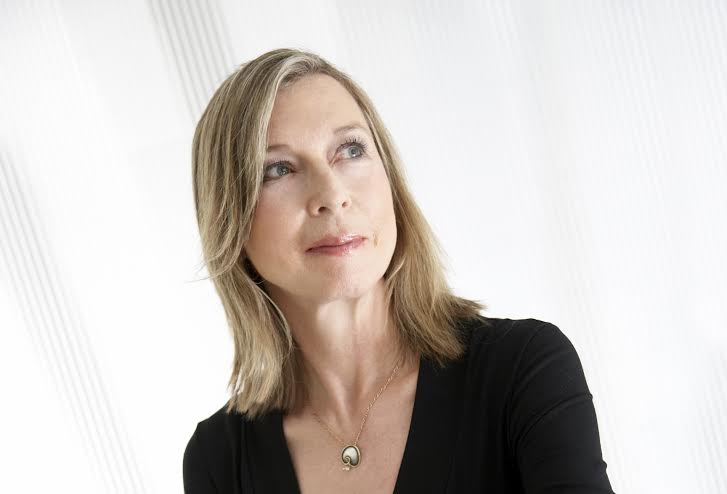
An Interview With The Incomparable Salley Vickers by Margaret Graham

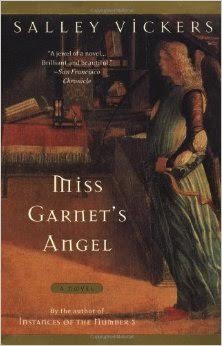
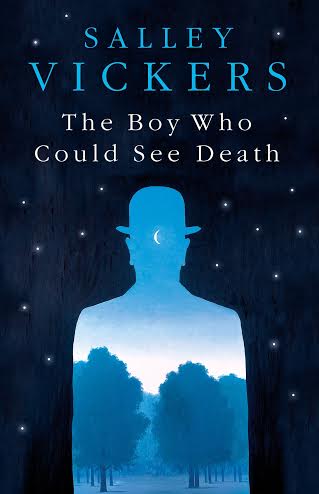
I read Miss Garnet’s Angel a while ago now, and absolutely loved it and thought it would be fascinating to interview Salley Vickers, the author. At last I’ve managed to find a window in her busy life, and here she is to answer questions for Frost Magazine. What’s more you can hear her talking about The Boy Who Could See Death on 29th September at the Windsor Literary Festival.

An interview with the incomparable Salley Vickers   by Margaret Graham 1

You had an interesting but complex childhood, and felt that you had a sense of some unspecified task to fulfill. Did that sense drive you? Does it still?

Yes, I think it does. My parents imbued me with a feeling that one should work for the general good. In my case, that is best done by conveying my attitude to life through my writing.  But also they endowed me with a strong sense of the basic equality of all, and what people seem to like in my novels is finding aspects of their own hidden being there, which gives a sense of being understood.  I feel sure this is part of the power of a good novel – the capacity to make us feel known and perceived in our most private recesses of being.

An interview with the incomparable Salley Vickers   by Margaret Graham 2

Most of us grow up with parents defined in some way by their past. If it is a traumatic past, it can lead us to have an enhanced ‘political’ sensitivity, in order to weave our way through the rocks. We learn what to reveal, and what to hide. 

This is a skill I notice in your books, so would you agree that we authors write out of our past?

Inevitably, we write out of our conscious but, more powerfully perhaps, unconscious experience. The novel I have just completed, (‘Cousins’ published Viking March 2016) explores the way trauma recurs through a family history, even if the past is unknown to those in whom it re emerges. Nothing fascinates me more than how memory, both conscious and unconscious, lives on beyond the limits of any individual life.

You write with grace, but with ‘political’ care, holding back information, and then revealing. It gives an implicit tension. So – perhaps authors are not just influenced by their past, but trying to make some sense of it?  What are your thoughts on this?

I am sure I write to discover what I already ‘know’. What we think we know, what we know we don’t know and what we know but ignore are very common human conditions which I often explore. A previous career as a psychoanalyst has taught me to reflect on these levels of seeming ‘knowledge’.
Or are we just story tellers, or both?

Everything is story, in my view. Even science is a series of superseding stories. We are hard wired to make sense of experience through narrative. In analysis the work is to find a more workable version of the story a person tells themselves about their life. A writer’s job is to follow a story that has its own organic truth and is not a ‘truth’ imposed by the author’s own prejudices or intent.
How did you start your writing career? With short stories, or straight into Miss Garnet’s Angel?

Miss Garnet's Angel

Miss Garnet began life as a short story and just grew. I had no idea of publishing it. Like much of real significance in my life it was a happy accident – as were both my wonderful children.

How do you work? Do you have the germ of an idea, spend time thinking and then planning? I ask this because your novels are multi-layered. They are  psychological, mythical, in some ways fairy tales, but grounded ankle deep in reality. I believe I would need to think, and plan, and know where I was going, and what I wanted to say to achieve this level of complexity, and present it, as you do, in such an accessible way.

I never never plan.  I hear a voice, revisit a much loved place, recover a memory and then let imagination, memory, sudden encounter, whatever accrue around it, rather like the grit of sand that through a nacrotising effect becomes a pearl. The excitement of writing for me is not knowing what is going to happen. I never know the end of a novel, or a story, until very near the end and then it is often a major surprise.

theboywhocouldseedeath3

Do you enjoy writing or do you find that starting a novel is daunting because until you have finished it, you have half a foot, or more, in their world? I ask this because once I start, I find that I need to ‘be’ the characters. Well, not even need to be, I am, the characters. Someone once said, that an author is writing their life story so absorbed do they become in the world of their characters. 

I love it once I’m in it. I tend to spend the first part of a book in a restless state of acute anxiety. Then once I get over a certain sort of hump I really let rip and can write for very long hours. But your unnamed authority is right: it does become one’s own life story and I think much of the excitement comes from living out a life that is both one’s own and yet not one’s own. I write out of myself lives I have never lived but live through writing them.

Of all the books you’ve written, which is your favourite?

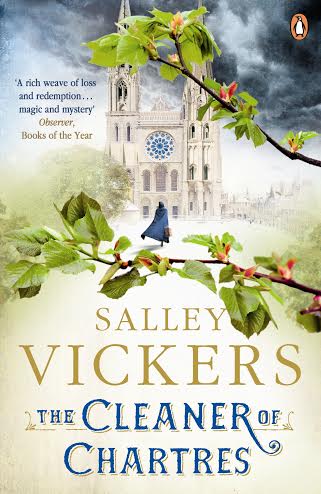
Probably the last one I have written – but if you point a gun at my head it would have to be either  ‘The Other Side of You’ or ‘The Cleaner of Chartres’.

pic 4 The other side of you

Have other authors influenced you?

Oh yes. Many. I grew up in a reading household, for which I am ever grateful, and had read all the classics by the time I went to university. Henry James,   George Eliot, Trollope, Conrad have all influenced me. Also Beatrix Potter on whom I learned to read and from whom I learnt about cadence (if you listen to Beatrix Potter the prose is exquisitely cadenced).

pic 5 Beatrix Potter

But of more contemporary authors, Penelope Fitzgerald and William Maxwell are my heroes. Penelope Fitzgerald did me the great honour of endorsing Miss Garnet shortly before she died. I’ve not had a higher or more precious encomium since.

ic 6 Penelope Fitzgerald

What next? 

Cousins and after that it’s a secret, even from myself

What do you do when you are not writing?

The usual introvert’s pleasures: read, walk, talk to friends, listen to music, go to the opera/ ballet.

What brings you joy?

Children (this is boast but I am reliably informed by my grandchildren that I am very good indeed at playing), birds, poetry, dancing, and I must confess also …. shoes…

pic 7 shoes

Salley Vickers is talking at the Windsor Literary Festival on 29th September at 7.00 pm. She will be discussing The Boy Who Could See Death. The boy is question is Eli, who is an ordinary lad with an extraordinary gift, or is it a curse?

For more information:

http://tickets.windsorfestival.com/Sales/Autumn-2015/Tuesday-29th-September/The-Boy-Who-Could-See-Death/The-Boy-Who-Could-See-Death


A Day In The Life / Hester Young

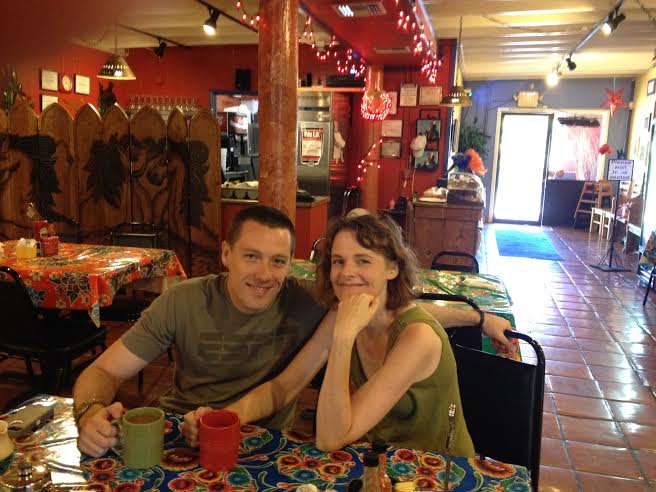
Today finds me far from the New Jersey suburb that I call home, in the midst of a research trip for my second novel. My husband and I have left our kids with my mother and journeyed to Arizona. The timing isn’t perfect–my first book, THE GATES OF EVANGELINE, has a lot going on publicity-wise as we prepare for our U.S. release. But the sequel needs some love, too, so here I am!

A DAY IN THE LIFE : HESTER YOUNGsonoradessert

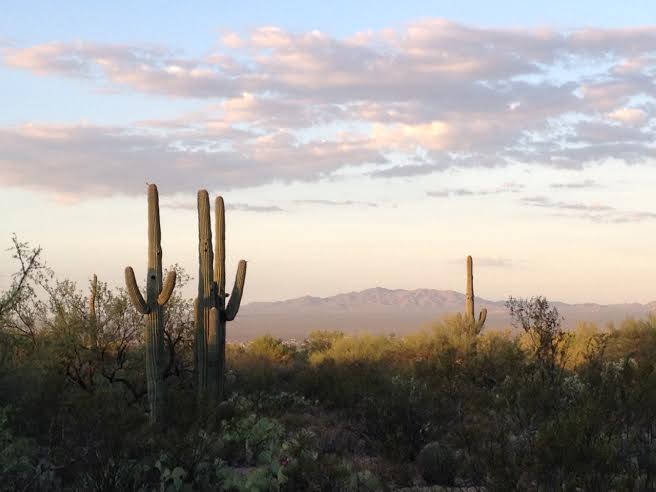
Today, we begin the morning at a B&B on the edge of Tucson, a city I used to live in. I take a 5 AM stroll on the trail out back and watch the sun come up. Lizards, birds, and rabbits scuttle and hop about, and I even spot an antelope jackrabbit. I make notes on the different types of cactus and desert plants I see so that I can accurately describe them in the book later.

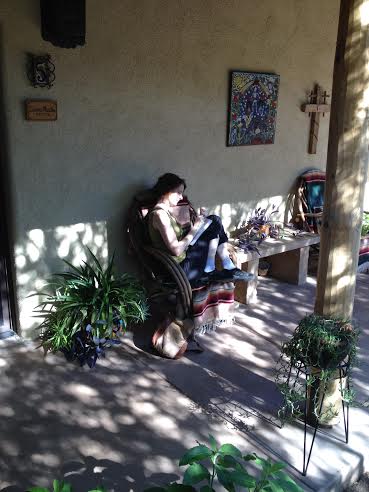
A DAY IN THE LIFE : HESTER YOUNGcoyotepauseMy husband and I enjoy a breakfast of tortilla chips, black beans, and nopalitos (a type of cactus)at a place called Coyote Pause. I scan through publicity and marketing emails regarding THE GATES OF EVANGELINE while he frets over the weather reports. Looks like we will be braving temperatures of up to 46 degrees Celsius! My first novel required research trips to Louisiana during Mardi Gras–this is not quite as cushy. We chat and review our plans for the day, and then I sneak in some writing time with a notebook in the courtyard before it gets too hot.

A DAY IN THE LIFE : HESTER YOUNGwriting

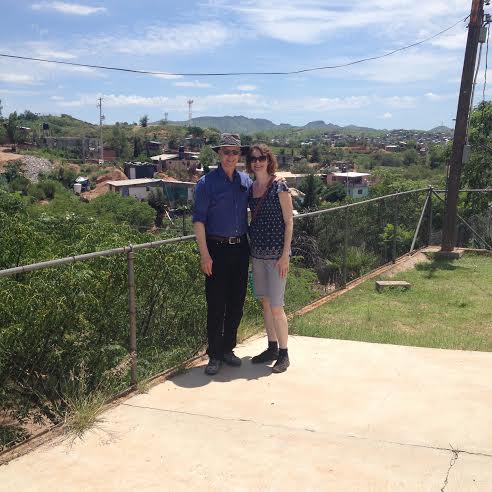
Next, we head an hour south to Nogales, an Arizona town that borders a Mexican city by the same name. I’ve arranged a tour tomorrow with an officer at U.S. Customs and Border Patrol to get info for the book. Today, we are meeting Scott Nicholson, an American charity worker who has offered to guide us through the Mexican side of Nogales and show us one of the city’s poorest communities.

Tirabichi Dump

Scott brings us to Tirabichi, a garbage dump once home to thirty families who made their living recycling found materials. The dump has recently been shut down by the government and its dwellings destroyed by a pair of suspicious fires that killed one resident. Few families remain. My work-in-progress has a scene set here, so I get a good look around and speak a bit with the caretaker in my stilted Spanish.

Tirabichi Grave.j

Over lunch, we chat with Scott about his life and work. Though American, he lives and works at a Mexican community center called HEPAC, which offers free lunches for local children, adult education courses, and a new affordable child care center. In his free time, Scott hikes seven miles through the desert to leave water for desperate migrants who might otherwise die as they seek to cross the border. I am amazed by his big heart. Meeting interesting individuals with powerful stories is one of my favorite parts of being a writer.

A DAY IN THE LIFE : HESTER YOUNGhesterandscott

My husband and I return to the U.S. mid-afternoon and check into a local hotel. I spend a couple hours writing while he naps. When he wakes, we do a Facetime call with our children, who breathlessly relate their day’s adventures.

Although we aren’t expecting high cuisine from this dusty border town, we find a surprisingly delicious Italian restaurant in a neighboring town. It’s strange to go from the poverty of Mexico to sipping wine and nibbling an eggplant appetizer, but I suppose this is what writers do: move in and out of worlds. Tonight I am particularly grateful for all that we have. I can’t wait to integrate the things I’ve seen into my latest novel.


A Day In The Life By Fiona Rule

A DAY IN THE LIFE  By Fiona Rule 1

“Woke up, got out of bed,

Dragged a comb across my head.

Found my way downstairs and drank a cup….”

That is where the similarities end between my Day In The Life and Paul McCartney’s. While he sped off in search of a bus, I fire up my computer and peruse the latest crop of emails before getting down to the work that takes up most of my time – research.

A DAY IN THE LIFE  By Fiona Rule hertfordarchive

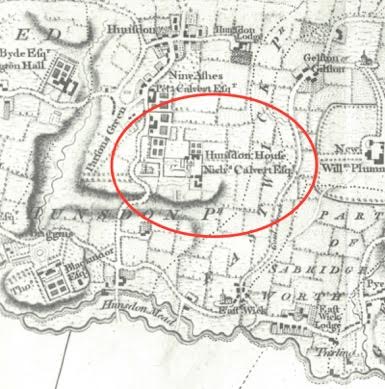
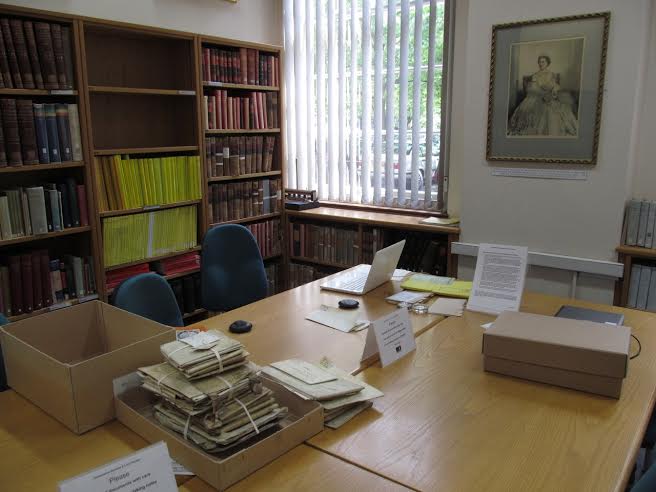
Today, I am looking into the history of Hunsdon House – a spectacularly ancient property in rural Hertfordshire for a private client. My work takes me all over the place and this morning’s destination is the archives at County Hall in Hertford. County and Borough archives are wonderful treasure troves and are open to anyone, free of charge – all you need is proof of ID. However, many are seriously underfunded and some archives I’ve visited are little more than filing rooms. Its a shame that Council finance officers seem so disinterested in their area’s heritage. Nevertheless, Hertford Archives is better equipped than most and I soon find a wealth of deeds and articles on Hunsdon House along with my favourite kind of document – maps.

A DAY IN THE LIFE  By Fiona Rule 3

Since the Babylonians carved a map of the world on a piece of stone back in the 6th century BCE, maps have told us far more than a book ever could because they put everything in visual context. For instance, Andrew Dury’s map of Hertfordshire, drawn up in the 1760’s tells me at a glance that at the time, Hunsdon House was the seat of Nicolson Calvert and it was set in elegantly landscaped grounds, with a patchwork of rural fields beyond. Now I have a name, I can find out more about the family.

By cross referencing the maps with deeds and other documents, I manage to piece together a timeline for Hunsdon House and its various occupants over the centuries. This forms the framework onto which I can build a more complete story through online research once I return to the office. I’ve found that this modus operandi works for any size of project, be it the history of one house or an entire area.

A DAY IN THE LIFE  By Fiona Rule 4

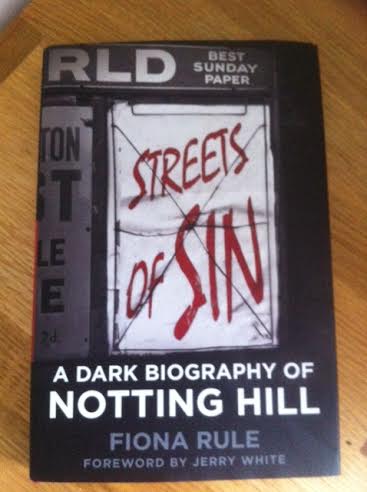
However, before I return to London, I have one final stop to make. I’ve arranged to meet a friend at a local pub to show her a copy of my new, “big” book – Streets of Sin, which is just about to be published. My books are a bit like children – I’m proud of them despite their flaws and I like to talk about them! Thus, I’m excited to show her this “hot off the press” copy. Thankfully, the reaction is positive and I wend my way home to face the biggest challenge of the day – to stop thinking about research and turn my attentions to more mundane, domestic matters. This can be terrifically hard, especially if I have uncovered something particularly tantalising. I wonder if Paul McCartney has the same problem when he’s writing songs?


Frost Editor Catherine Balavage Interviewed By Writing Magazine

If you have ever been curious about Frost Magazine editor Catherine Balavage’s writing day then grab a copy of the April 2015 edition of Writing Magazine. Catherine is interviewed by Lynne Hackles. She talks about Frost, writing books and her acting career.

Catherine Balavage, my writing day, writer, writing, magazine, interview, acting,

Catherine is not the first Frost team member to be interviewed by Writing Magazine, contributing editor Margaret Graham was also interviewed about her writing day in a prior issue.

Head down to a newsagents and get your copy now. Available at WHsmith.co.uk, Waterstones.com, all good newsagents or the Writing Magazine website.