Interview With Author and Publishing Director Phoebe Morgan

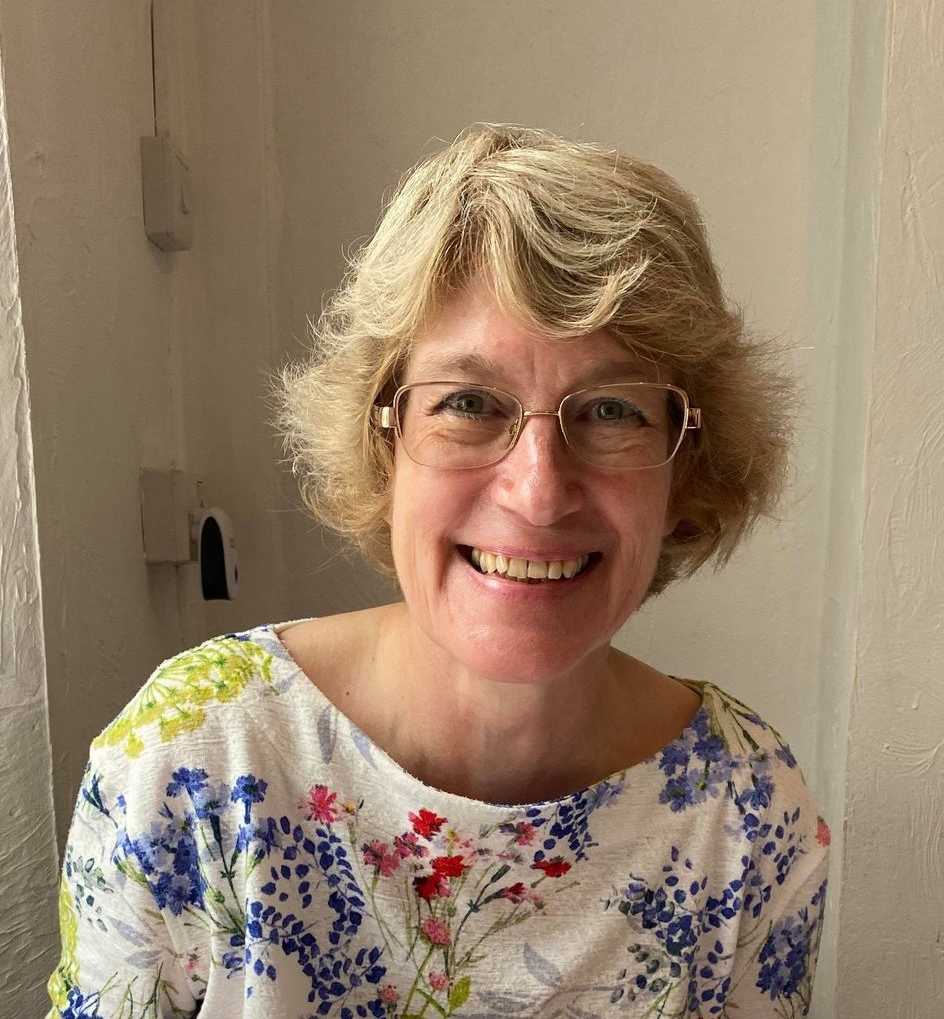
I am excited to interview Phoebe Morgan for Frost. Phoebe is the author of fantastic thrillers while also being the publishing director of Hodder and Stoughton. I have no idea how she manages it. I also know if Phoebe has worked on a book then it is definitely worth reading. Phoebe has a new Substack, The Honest Editor, which gets into the nitty gritty of publishing. It is essential reading for all authors.

 Tell us about you.

I am a publishing director at Hodder and Stoughton, working on commercial fiction. I also write my own novels on the side! I’ve worked in the industry since 2013, and I love finding new authors to work with, as well as progressing my own creative career. It’s a juggle but I am lucky to do two jobs I love!


You have written five books. Does writing ever get easier?

I would say psychologically it does, because you know you are capable of getting to the finish line and so that can be reassuring. But it’s still a slog at times, of course, and I am not a huge plotter so I am often running into plot problems as I go and figuring it out as I go along! So each book is still a marathon, but you do feel a sense of security when you have had a couple of books out – it’s so important to push through and get a first draft down, I think, so that’s always my initial aim, and then you can go back and edit afterwards (which is the fun part!)

Do you have a favourite?

Of my books, the second one is probably my favourite (The Girl Next Door). It’s set in Essex, in a small village where I used to live, about a teenage girl found dead in a field of buttercups at the back of the community hall. I love the couple at the heart of it, and although it’s not my biggest seller, it’s the one I always want more people to read.


How do you find time to write when you also have a busy publishing job?

I tend to write in big chunks at weekends rather than every day. I am quite a fast writer when I get going, so if I can clear a free Saturday for example I can really try to focus and get a lot down at once. You do need a lot of drive and determination to do both, though, as my day job is very absorbing and is always my priority. 


What is a typical day like for you?

I work full time at Hodder, so a typical day involves a lot of meetings! I manage a commercial fiction team so my time is spent catching up with them, attending acquisitions meetings, cover art meetings, production meetings etc in-house, and also working with my existing list of writers (I have about 20 at the moment). I edit their novels and send notes to them, and brief their jackets, and liaise with our marketing and publicity teams on their campaigns. I also read submissions from agents, but this is usually done outside the 9-5! My own writing is reserved for weekends. In my spare time I also run, kickbox, and am part of a drama group.


What are the best, and worst, things about your job?

The best thing is seeing new books reach readers, and being the first to read amazing manuscripts. It is a lot of reading, but I always remind myself that it is also an incredible privilege. If I had told my younger self that I would get to read for a living, I’m not sure I’d have believed her! Conversely, the worst thing is having to disappoint writers – not being able to get a book through acquisitions, or not achieving strong sales, and it’s also the inability to read for fun any more! I basically only read for fun on holiday…

Who are your favourite authors? What books should we keep a look out for?

I love Liane Moriarty, Maggie O’Farrell, Jennifer Close, Louise Candlish, Lorrie Moore, Katherine Heiny, Abigail Dean (who I published at HarperCollins) and Cara Hunter (ditto). I am sure there are tons more too! This year, do keep an eye out for upcoming thrillers on the Hodder list, Julie Tudor Is Not A Psychopath (a hilarious thriller about an office worker who is convinced she’s in love with her younger colleague) and Party of Liars (think Big Little Lies meets du Maurier’s Rebecca…)


What advice would you give writers to have a long career?

Keep writing! It is a long game, and the road can be bumpy. I know authors who have had huge success followed by years of low sales, and vice versa, but it can all change overnight sometimes and the key is to keep writing what you love, keep taking advice, keep plugging away and remember to be proud of yourself, too.


How has the publishing industry changed?

It’s changed a lot even in the decade I’ve been in it – we’ve seen some retailers rise and fall (e.g. the supermarkets) and some genres come in and out of fashion (e.g. romantasy). Reading habits have shifted due to the cost of living crisis, the explosion of subscription boxes, and the boom of audio (thanks in some part to Spotify) and part of my job is to stay alert to that data and what it tells us, and work out how we can continue to provide readers with what they want.


What’s next?

For me, I am writing book six this year which is something a little bit different that I am very excited about. And I’m always hunting for new authors for my list at Hodder. Genre wise, SFF and romance are dominating the charts, but there’s always going to be room for a bit of crime, too…

Phoebe Morgan’s books are available here.

What I Want Querying Writers To Know. On Finding a Literary Agent

My journey to become Catherine Yardley, author, was a tough one. It’s a known fact that writing is hard. Yes, the actual writing part can be tedious, but those who decide to go the traditional route quickly find out that writing the book was the easy part. The next part is getting a literary agent. The gatekeeper to a publishing deal. Finishing a book is a huge accomplishment in itself. When so much work goes into something, you want it to pay off. I had previously written non-fiction, and when the time came to try and get it published, I bought a copy of The Writer’s and Artist’s Yearbook.
It’s embarrassing to admit now, but I thought the whole get-an-agent-thing seemed exhausting. I was already exhausted from writing the bloody book! So I did a ton of research and went straight to publishers. Even more shockingly, all the editors replied, and the book went to acquisitions. Everyone was so nice and supportive. This was in 2013. You would probably get blacklisted emailing your book to editors nowadays.
I first queried my first fiction book, Ember, in 2020. It was a turbulent time in everyone’s life, and I wanted something good to happen. Yet I did not think for one second I would get an agent. Every rejection was confirmation of my belief that the book wasn’t good enough. This was just my first novel, I told myself. I will write more and query them too. In fact, I had two books: Ember and Where The Light is Hottest. I didn’t think the latter was ready yet. It took me six years to write both books simultaneously. I recommend having more than one book because an agent might like your writing but not the book you are querying. So, the first time was hard, but I wasn’t expecting success. 2020 was an incredibly traumatic year for me, and I was just trying to survive. In the end, I got two full requests from agents, signed with an agent, and also got offered two book deals. All good. Ember came out in March 2022 and did well. My agent was lovely, but we ended up parting ways.
Which brings me to what I want every querying writer to know: other than losing a loved one or a traumatic event, querying was the worst thing for my mental health. The constant rejections, the full requests that might lead to all of your dreams coming true. It’s a rollercoaster of pain and elation. I got a full request immediately. Then another. Still, it took an entire year for me to sign with a new agent. I was relentless. For every rejection, I send another three queries out. I want writers to understand the physical and emotional toll querying takes on you. It is a hard thing to go through. I believe querying is harder than ever. Publishing is slow at the moment, so agents are being cautious about what they take on. The day I cancelled my premium querytracker subscription (a site with all of the agents on which lets you directly submit to them) was a brilliant one. Take care of yourself. Join up with other querying writers. Take regular mental health breaks. Know that it can happen at any moment. It only takes one yes. More than anything, know that going after your dreams is hard and you are brave.

Keep at it. You will get there too. Just keep writing those books.


Where The Light is Hottest came out end of February and I Ember is also available here.

My Publishing Journey by Anna Britton

One of the things I like to talk about (within the context of writing, at least!) is rejection. Simply because my publishing journey is chock-full of it! And the more authors I chat to (and I talk to them a lot on my podcast, The Rejected Writers’ Club) the more I realise that all of us face rejection all the time. Talking about it normalises and neutralises it – it’s not something to fear or be ashamed of, but it’s something to be embraced as part of the writing life.

The first kind of rejection I faced was self-rejection. I have always wanted to be a writer, but every time I managed to write something I would read it back and be appalled at how awful it was. Every attempt ended up in the bin.

But then my father-in-law died suddenly at the age of 56. He was a lovely man who I wish I’d had longer to know. His death taught me that we may not get as much time as we think we will, so if there is something we want to do, we need to hecking well get on with it.

From then on, I didn’t let myself reject myself (can you tell I’m a writer?!). I still thought (and think) my first drafts were awful, but I no longer let that stop me. I love telling stories and even if they don’t come out right straight away, that’s okay. That’s what editing is for.

Rejection then came from other people. I submitted my first novel to 113 agents and received 113 rejections. There were a couple of full requests in there, but they all ended in the same way. No one wanted that story.

So I wrote another one. And another one. And another one.

I didn’t query quite as hard again – mainly because I am soft and squishy and couldn’t handle such a solid wall of no’s again – but I did make sure to send my stories out to people I thought would connect with them. I got a whole load more rejections, until one person said yes.

Now, I want to pause here and say something that I absolutely didn’t listen to but that I really hope you will if you’re a writer looking for an agent and (let’s be honest, we all are) feeling a bit desperate: having no agent is better than having one who doesn’t get you. I promise this is true.

I signed with an agent and there was absolutely nothing wrong with them as a person, but they weren’t the right fit for me and my stories. I was writing gentle YA while they wanted something plotty and loud.

Parting ways with my first agent was one of the most painful moments of my publishing journey. I see it as a rejection, as it was a split that they initiated, but it was the right decision. I couldn’t see that at the time, but looking back I can see that we weren’t the right fit at all.

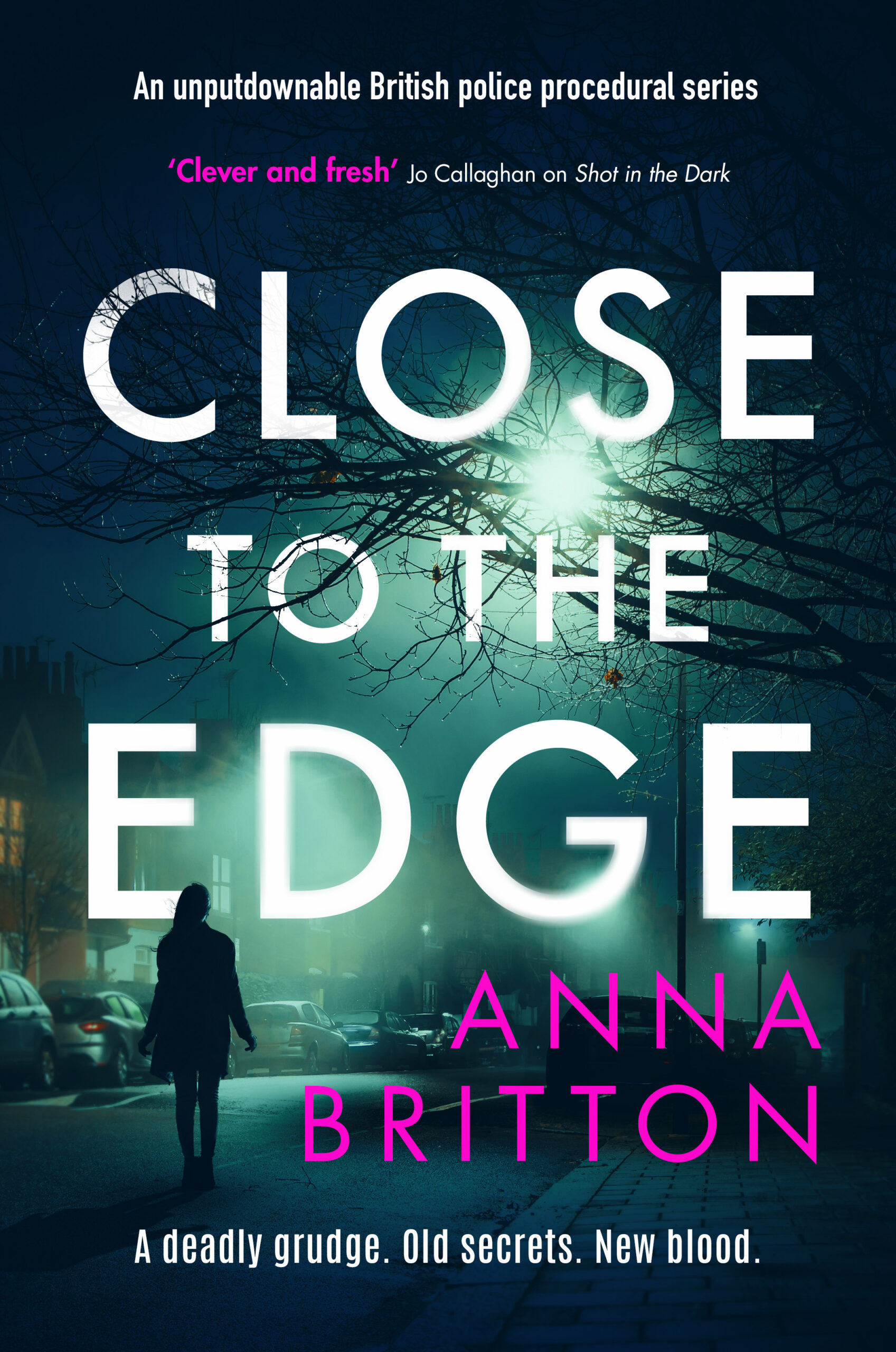
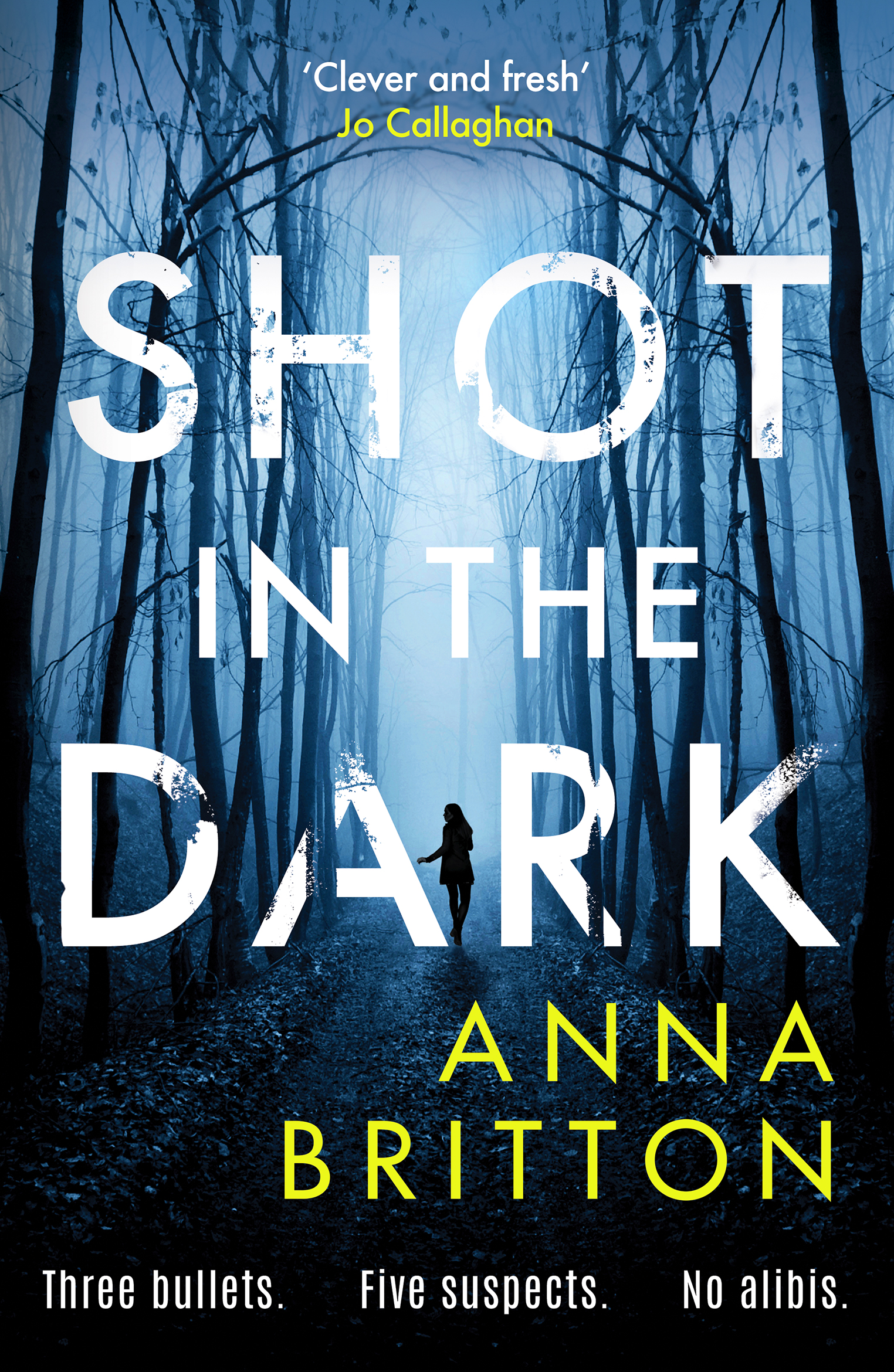
I was totally gutted by this, but it didn’t change my dream; to be a published author. I ditched the stories I had been working on and dove into edits on a crime novel with a bi detective with PTSD at its heart, fell in love with her cold and confusing partner, and solved a murder. I sent this story (which would eventually become the first in the Martin and Stern series – Shot in the Dark) out into the world and I was blown away by the response. Relatively quickly, I signed with my lovely agent – Saskia Leach at Kate Nash Literary Agency – and signed a three-book deal with Canelo Crime.

It was a whirlwind, especially coming off the back of such a mountain of rejection. And that rejection doesn’t leave you. The sting has lessened over time and I’m not quite so afraid of opening my inbox anymore, but the years of hearing no again and again don’t magically disappear just because I can go point at my book in my local Waterstones.

Those years of rejection taught me resilience. They taught me to be sure of the stories I want to tell and to make sure I’ve got people on my team who have the same vision. They taught me that sometimes I’m going to have to fight for my stories and that sometimes I will fail, but that I will write another story and try again.

My journey to publication was long and winding and painful, but it was 100% worth it in the end. And not just because I have two (two!) books published, but because I’ve carved out a space in the world for my stories. I spend time doing something I utterly love. I’ve met incredible people along the way and have had so much more fun than sadness.

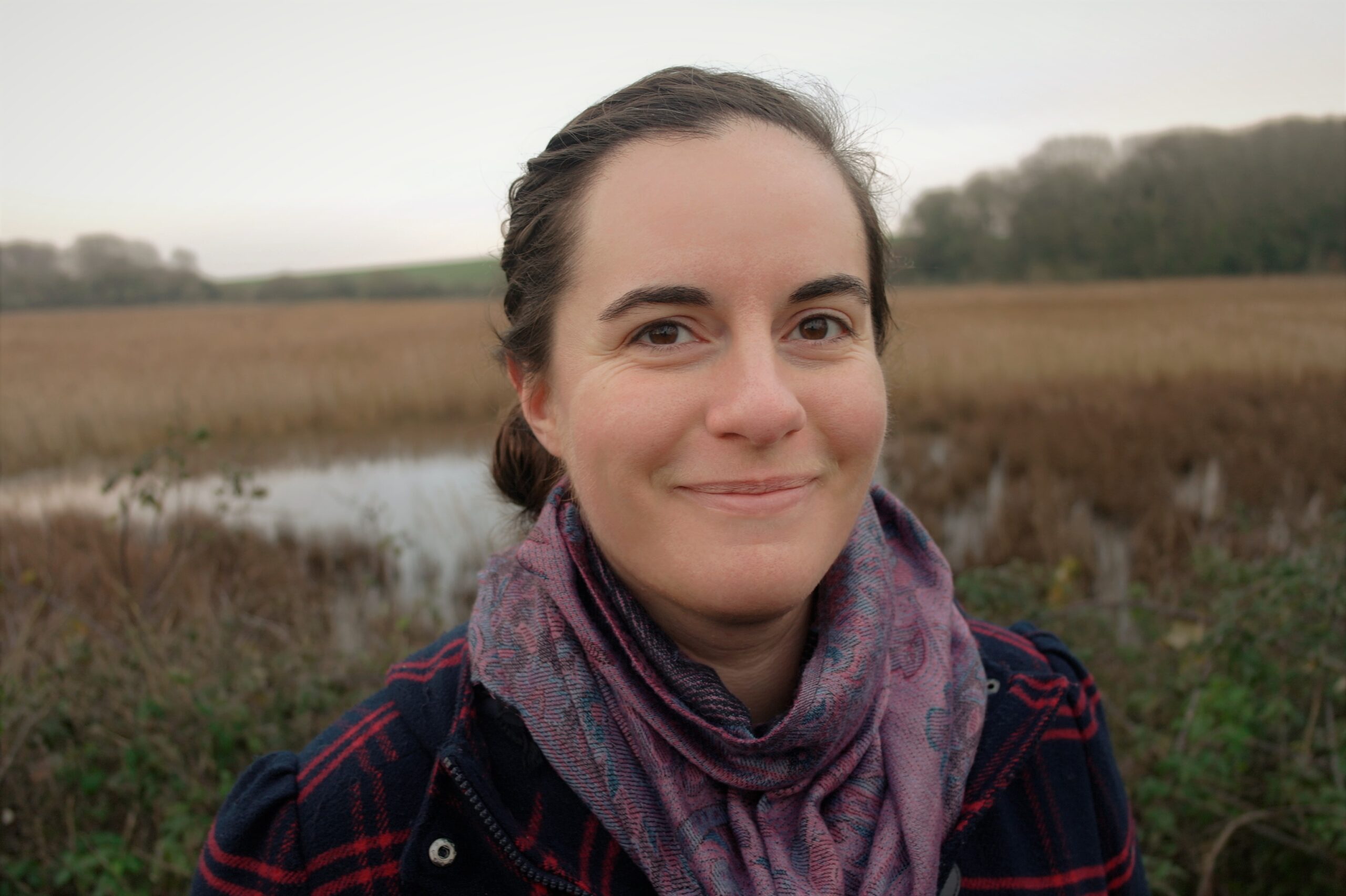
Anna’s website is here and you can buy her books at Waterstones.

TEN YEARS AN AUTHOR… JANE CABLE SHARES HER MOST IMPORTANT LESSONS

Jane Cable self published her first book in 2013, after it reached the final of a major national competition sponsored by Harper Collins. After a brief flirtation with an agent and another publisher, in 2018 she signed to Sapere Books, for whom she writes haunting romances. Two years later she achieved her dream of becoming an Harper Collins author, writing as Eva Glyn. So far four women’s fiction titles have been published by One More Chapter, three of them set in Croatia.

This week, lessons eight to ten:

Publishing deals are increasingly hard to find

One thing I really wish I had been able to tell my twenty-something self was to prioritise my writing then, because publishing would become an increasingly tough business. Sadly that still holds true today.

Think about it; when one of the mainstays of your business plan is the 99p ebook (of which the platform selling it will take a very large share), a huge number will need to be sold to make anything like a profit. And it seems to me a bit of a fallacy that the costs involved are lower; the only thing missing are printing and physical distribution, and those can be done very cheaply in bulk, especially when you consider the differential in price.

So publishers have to be incredibly careful about what they acquire. Celebrity authors are bankers who bank roll the rest of us, but very little else is certain. Even authors with contracts can find themselves in choppy waters if the first book of a deal does not sell well. It’s brutal, but it’s a business. And sadly, with a cost of living crisis gripping the country and beyond, I can’t see it getting better any time soon. Sorry.


You will spend more time marketing your books than you ever imagined

When new authors blithely ask what they need to do to make sure their book sells I do have a wry little smile to myself. If there was a magic bullet and I knew what is was, I would be top of the Amazon rankings.

The one thing I can say with a degree of certainly is that you need to choose your marketing channels and stick with them consistently. I can tell when some authors have a book out in the near future because suddenly they pop up on social media, after an absence of months or even years. In that time all but your closest contacts are going to forget you.

Of course marketing takes time. I spend at least an hour on it each day, mainly on social media, but also looking at other promotional opportunities such as advertising, preparing new graphics, polishing up my website and Amazon pages, writing guest blogs… The list is pretty endless, but it’s only by trial and error you will discover what works for you.


A good edit is the best learning experience you can have

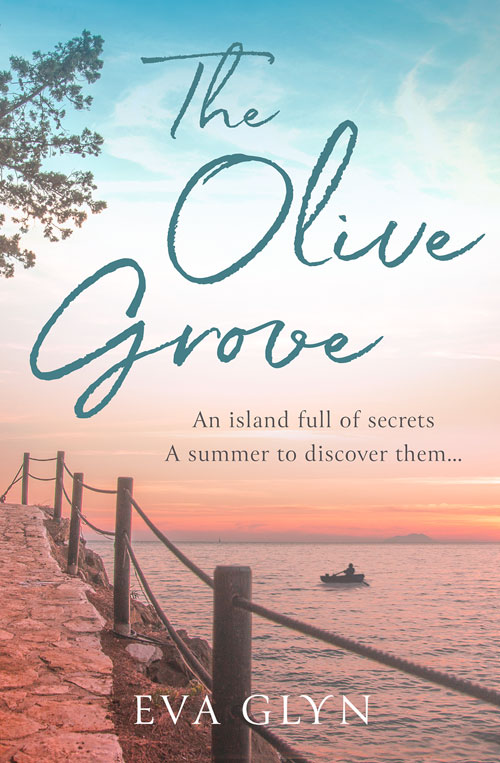
The first book I wrote for One More Chapter was The Olive Grove, and when the structural edit came back it wasn’t so much a case of ‘could do better’ as ‘must do better’. I was devastated, but the notes I was given were so detailed they provided a roadmap for how to improve the book, so it could become the best seller that it has.

I learnt so much from that experience. How to fill the pages with wonderful settings and deep, credible emotions. How to take a reader inside the story and keep them there, turning every page. It was the most valuable learning experience of my entire writing life, and I have pumped what I learnt into everything I’ve written since. Of course, that doesn’t mean I’m perfect and every time I receive an edit back from One More Chapter I am trembling not only with fear, but with anticipation.

Each and every one has made me a better writer. And that’s very exciting indeed.


Lessons one to seven have been published on the previous two Wednesdays.


TEN YEARS AN AUTHOR… JANE CABLE SHARES HER MOST IMPORTANT LESSONS

Jane Cable self published her first book in 2013, after it reached the final of a major national competition sponsored by Harper Collins. After a brief flirtation with an agent and another publisher, in 2018 she signed to Sapere Books, for whom she writes haunting romances. Two years later she achieved her dream of becoming an Harper Collins author, writing as Eva Glyn. So far four women’s fiction titles have been published by One More Chapter, three of them set in Croatia.

This week, lessons five to seven:

Writers who have successfully self published tend to be more savvy

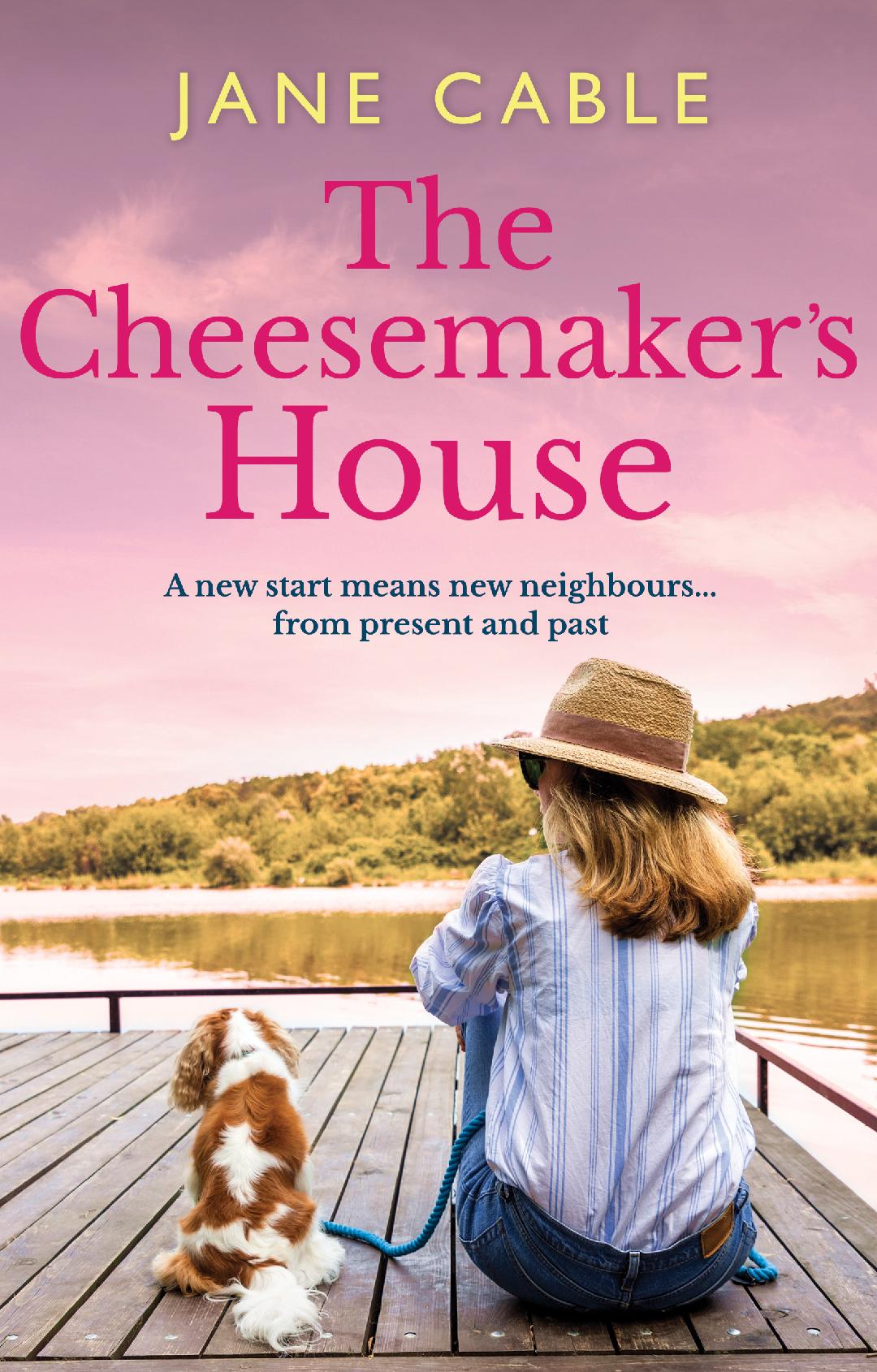
I started out by self publishing my first novel, The Cheesemaker’s House, because at that time in particular, publishers were afraid of ghosts. In romance books anyway. I knew nothing about the process, so put in into the capable hands of assisted publisher Matador, but even so it was a very steep learning curve.

I needed to understand retail distribution, I didn’t know book bloggers existed, and barely anything at all about Amazon categories, let alone going wide or narrow. The whole process of publishing and marketing baffled me, but I had to learn pretty quick. Also to moderate my expectations about the sales the book might achieve, although the ebook at least vastly exceeded them.

All of these were important lessons to take with me when I found a publisher. Everything from assessing the contract to understanding the control I would be giving up, and the promotion I would still need to do. If I hadn’t indie published first I would have been clueless.


Writer friends you really trust are invaluable

Ten years ago I had only one writer friend, introduced to me by a neighbour, and that was Claire Dyer. Through getting to know her I learnt the value of having someone to talk to about all aspects of our craft and of the crazy world of publishing we operate in, and we are friends to this day.

Writers talk about ‘finding their tribe’, and I found mine first in Chindi, a group of independently publishing authors in Chichester, where I was living at the time. Three of us moved on to find deals more or less together and we have remained close, but I learnt so much from almost every member of that group I will be forever in their debt.

As my career has changed, I have made many new writer friends, but there is a solid core of those I trust implicitly; people I can turn to when times are tough, and celebrate the successes too. Without them, being an author would be a very lonely business.
When you’re in the publishing wilderness, keep writing if you can

Overnight success in publishing is rare and most authors have periods they either feel they are never going to make it, or that they have been in the wilderness so long there is no possible way of crawling back.

It is so important to keep writing. One famous author described her work as her life raft when her publisher dumped her, and I totally understand that. Writing is as much a vocation as it is a profession, and without it many of us would feel even more lost. It can be a life, and mental health saver, but if you take a break then that is fine too. Your brain and body will tell you what you need to do if you listen to them.

Of course you also need to keep writing to have something to submit. Or even a drawer full of somethings, so that when that deal arrives you can offer more than one book, because you’re going to need it. It proves you have the work ethic, commitment and ideas it takes to succeed now it’s your turn to shine.

Lessons one to four were published last Wednesday, and lessons eight to ten will be published next week.


TEN YEARS AN AUTHOR… JANE CABLE SHARES HER MOST IMPORTANT LESSONS

Jane Cable self published her first book in 2013, after it reached the final of a major national competition sponsored by Harper Collins. After a brief flirtation with an agent and another publisher, in 2018 she signed to Sapere Books, for whom she writes haunting romances. Two years later she achieved her dream of becoming an Harper Collins author, writing as Eva Glyn. So far four women’s fiction titles have been published by One More Chapter, three of them set in Croatia.

Today, lessons one to four:

Making connections through social media is fun

I know social media isn’t for everyone, but I do feel sad when authors say they hate it. I love interacting with other writers, bloggers and readers, chatting about books in general and hunting around for interesting content to post on my feed. On Twitter especially there are people from around the world who share my posts most days, and I of course reciprocate. I even feel I know them quite well.In my business life I used to do a fair bit of face to face networking, which being a shy person I did not always enjoy, but it taught me to treat my virtual networks in the same way; that to make it enjoyable (and successful) you need to put in more than you hope to get out. Although some days it seems like a uphill struggle to think of something to say, if I keep this in mind I still enjoy the interaction.

Twitter is LinkedIn for writers

So often people dismiss Twitter as ‘just talking to other writers’. Firstly, I don’t see the problem with that. Writers are readers too, and big recommenders of books other than their own. They have blogs and mailing lists you can swap with, and what’s even better is that their natural audience is the same as yours.But more than that, there are a large number of book reviewers and publishing professionals using Twitter every day. Pitches are announced, book deals, new publishers even. By connecting with these people they at least know your name. And you never know when that could be important.

You never stop honing your craft

And you never should. Every single book you write is a learning experience. If I had the time I would love to go back and rewrite my first novel, The Cheesemaker’s House – my skills as an author have improved so much. But perhaps I’m being too fussy, because readers still absolutely love it.Like most authors I take great pride in everything I produce. And I want that pride to be justified. After all, I am asking readers to invest not only their money, but their valuable leisure time, and in return they deserve my best.


Publishers acquire books because they think they will sell

There is no other agenda here. It doesn’t matter how beautifully you write, or how lovely a person you are; publishing is a business and money talks. Of course your contacts and reputation as a writer will put you a notch further up the slush pile, but without a book that will work in the market of the moment (which of course changes all the time), you will still be rejected. It’s nothing personal.It is the way of the world, and understanding this will help to protect your mental health. I’m lucky that I have a reasonably thick skin, but of course rejections still hurt. I have just learnt not to dwell on them. It only takes one book to land on one desk at the right time. Keep believing.

Lessons five to seven will be published next Wednesday.


WRITING CAREER CROSSROADS BY SUE MOORCROFT: PART 4

The happy-ever-after ending

This is the fourth and final instalment in my journey from the crossroads in my career to becoming a best-selling, award-winning author. After securing Juliet Pickering of Blake Friedmann Literary Agency as my agent and Avon HarperCollins offering me a two-book contract, The Christmas Promise went into production while I finished writing Just for the Holidays.

Credit: Silvia Rosado Photography

The Christmas Promise came out. Joy of joys, my original goal was met when supermarkets took the paperback, although Tesco was a little late to the party and only took it for the last couple of weeks before Christmas after they’d seen the performance of the ebook.

The ebook was going crazy.

For five days in the run-up to Christmas 2016, it was at number one on Kindle UK.

It’s hard to describe the joy and euphoria, mixed with disbelief. I laughed and cried. Twitter went mad with big-hearted compliments from other authors, from my agent and editor jumping in with their own cries of joy. My book had outsold every other ebook on sale in the UK. I don’t know about pinching myself – I felt as if I had to punch myself in the face to make sure it wasn’t a dream.

I won’t take you through every rung on my ladder, nor pretend that it has been an uninterrupted upward trajectory, but the milestones continued. Just for the Holidays was nominated for a Romantic Novel Award. A new contract was offered – three books, this time – and my editor Helen Huthwaite stated that her next goal was to make me a Sunday Times bestseller. I laughed out loud and said, ‘Well, good luck with that!’ The very next book, The Little Village Christmas, was a Sunday Times bestseller. The rights team at Blake Friedmann sold my books into translation and The Christmas Promise became a paperback bestseller in Germany. My books charted in the Top Fifty and even the Top Twenty. Avon extended the scope of my contract to include Canada and the US. A Summer to Remember won the Goldsboro Books Contemporary Romantic Novel Award and One Summer in Italy scored me my first Top 100 position in the Amazon Kindle US chart. My books have also appeared in the Kindle top 100 in Canada, Italy and Germany. Research trips have taken me to France, Italy, Malta, Sweden and Switzerland. My very first published book, Uphill all the Way, originally published in 2005, was rewritten by me, then rejacketed and relaunched by Avon as A Home in the Sun. It did well in the UK and was #1 in Malta (where much of the book is set) for most of summer 2022. That gave me particular satisfaction, as I lived in Malta as a child and part of my heart will always be there.

I won’t kid you – publishing two books a year takes hard work, not just from me but from everyone at Blake Friedmann and Avon. But it’s wonderful. Even the editing and the promo is wonderful.

I set out to earn my living from writing novels and I that is what I do. An Italian Island Summer is my fifteenth book with Avon and The Christmas Love Letters will come out later this year. A further three books are contracted.

Takeaways:

  • work hard and work with the right people
  • aim high
  • never give up

WRITING CAREER CROSSROADS BY SUE MOORCROFT: PART 3

Working with my new agent

In my last two pieces, I explained how I’d set myself the goal of getting a publisher who could get my books into supermarkets, which had led to me finding a new agent. Telling my old publishers that I was now agented effectively changed our relationship because they didn’t work with agents. They would continue to publish my backlist but, inevitably, after the book we were working on, they’d concentrate on their front list authors.

Credit: Silvia Rosado Photography

I wrote the first few chapters of what became The Christmas Promise. I roughed out a few other things I thought would happen – more of a vision than an outline. Juliet offered to represent me! I was over the proverbial moon. I could not sign that Agreement letter fast enough. All the years of writing and running workshops and then, shazam! I was the client of a big agency.

All I had to do was:

  • write the rest of the book
  • whilst continuing to write short stories and serials, and run workshops for income to add to my royalties from my novels

An important note here: relaunching my novel-writing career eventuated in a distinct dip in income for two years. To have a spouse with a steady income and supportive attitude helped a lot. I also got the opportunity to convert my writing guide, Love Writing, into an online course. Though it felt as if I was spinning my wheels, I took it because every penny was welcome.

The novel was written. I sent it to Juliet. The editing process began – and it was rigorous. I think I did three structural edits, influenced not just by Juliet’s suggestions but by comments from other people in the agency who read the book too. For anyone who thinks of being edited as someone interfering or instructing, I should point out that a process like this is something likely to happen to any book in any publishing house. I think of editing as other people helping me write the best book I can. I listen. I negotiate. I talk through ideas.

Takeaways from the edit:

  • this deep-dive process is not for wimps
  • it feels like a lot of structural work yet, in the end, the changes are nuanced
  • the book is a lot better
  • I probably didn’t know as much as I’d thought
  • my agent is on my side (This has become so important to me)

I began the next book, which became Just for the Holidays, sparked by a friend saying to me, ‘Let me tell you about my summer holiday from hell,’ and me replying, ‘Yes, please!’

Juliet sent the first book out to editors. We got a lot of interest, only one flat ‘no’ and some meetings to attend. As an aside, just to let you know how character-building the process was, some major interest led nowhere because the editor in question was going on maternity leave and guess who was coming from another publishing house to cover? The one person who’d given the flat ‘no’. But I wouldn’t want an editor who wasn’t wowed by my writing, so I took that on the chin.

The exciting day of meetings dawned, and I turned up in London to meet Juliet who was, of course, coming with me. The first was with Avon Books UK, HarperCollins. Just as it had at that first meeting with Juliet, everything clicked. The Avon team and I got on well, we shared similar visions. They gave me chocolate cake. By a stroke of good fortune, a slot for an author writing a winter book followed by a summer book had arisen on their list, just as my agent rocked up with a winter book and a summer book! The winter book was ready and the summer book not, so that played into there being a longer dip in income than might otherwise have been the case but still, once outside I said, ‘I think it’s going to be Avon.’ Juliet got down to terms with them for a two-book contract.