SISTER SCRIBES: SUSANNA BAVIN ON A CHANGE OF NAME

In common with many women, I have gone through the process of a name change. I have twice gone through the hassle of changing my surname. Incidentally, if ever you have to send away your marriage certificate, do include in your covering letter a specific instruction that the certificate should be returned to you after the admin people have finished with it. Some years ago, I blithely sent off my marriage certificate… and it wasn’t returned. Not only that, but no one in the office could track it down. In the end, it transpired that someone had stashed it away in the safe – and all because I hadn’t given a specific instruction to return it!

Anyway, I am in the process of having another change of name, but this time it is to introduce a new pen name – Polly Heron – and it’s because I have a new publisher – Corvus, which is the commercial fiction imprint of Atlantic Books. The Corvus list includes women’s fiction, romance, historical fiction, sci-fi, crime and thrillers. As a saga writer, I’m not sure whether I come under ‘historical’ or ‘romance.’ Possibly a bit of both.
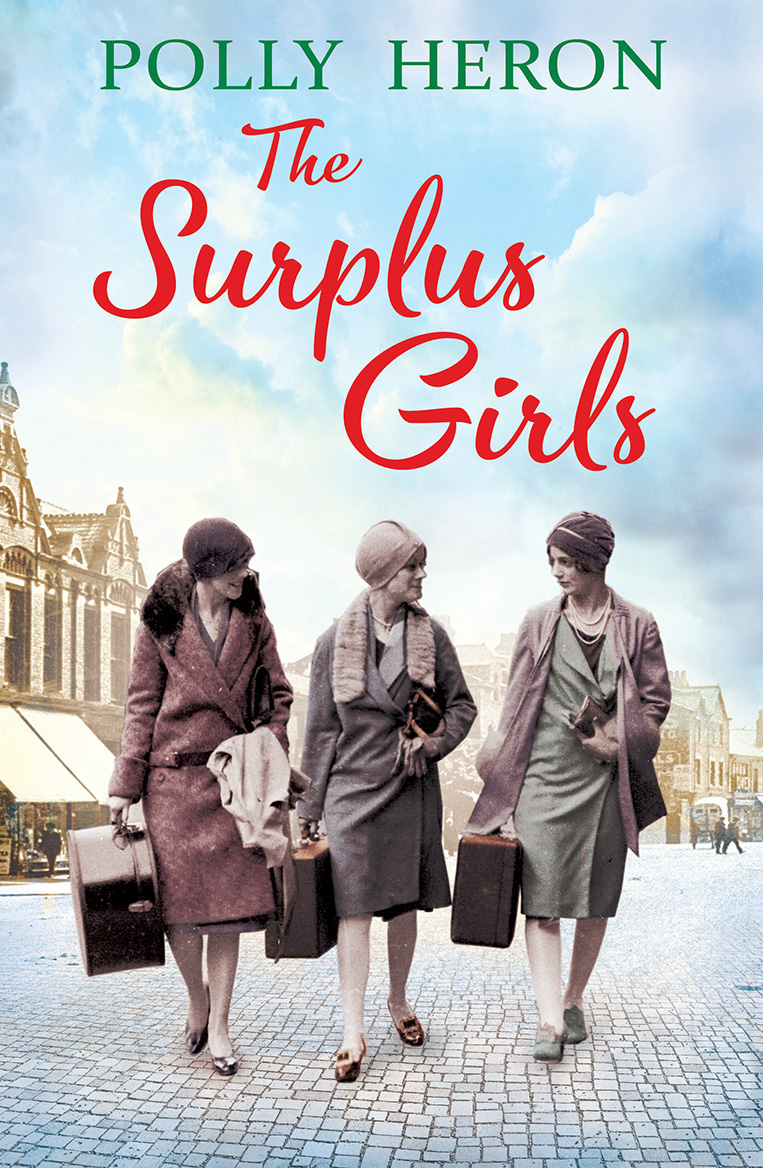
My first book for Corvus is the start of a series. Both the series and the first book are called The Surplus Girls. So who were the surplus girls, exactly?

They were the generation of young women, who, after the Great War, were left without the possibility of marriage, because of the appalling death toll exacted on the battlefields. This was at a time when marriage to a man who could support you and the children you would have, was pretty well universally regarded as the correct and desirable aim for any girl. So these young women, whose possible husbands had perished, found themselves – unexpectedly and without preparation – in the position of facing a future of providing for themselves. Not only that, but no woman could hope to earn as much as a man, even a man doing the same job (sounds familiar?).

Writing about the 1920s is something I have done before, in two of my books written as Susanna Bavin – The Deserter’s Daughter and A Respectable Woman. Although the decade was all but a century ago, to me it feels very close. My parents weren’t exactly spring chickens when they had their children and they were themselves born in the 1920s, so it is an era I grew up hearing about when family tales were told and, of course, I have family photographs as well.

It is in some ways perhaps a bit odd to write about surplus girls in the context of a saga in which, by definition, the heroine will end up with the hero and therefore no longer be a surplus girl, but I hope I have also conveyed both the universal shock and sorrow that pervaded society at the loss of such a large number of men and also the way that these losses brought the lives of individual girls and women into a new, sharper focus as they faced life on their own.
SISTER SCRIBES GUEST: CATHIE HARTIGAN BEHIND THE SCENES AT CREATIVE WRITING MATTERS

I am so happy to introduce you all to Cathie on this month’s Frost. She is responsible for taking me under her wing at my very first RNA conference and was one of the very first people to ever read my work and encourage me to keep going. She is part of the Creative Writing Matters team who support writers in so many ways; mentorship, teaching, handbooks and the running of renowned competitions such as The Exeter Novel Prize.


Does creative writing matter? Yes, a great deal to us.  Margaret James and Sophie Duffy and I have been working together for nearly a decade now. As teachers of creative writing, and because a student’s success is as thrilling as one’s own – well, nearly – we encourage our students in any way we can.

What did they want in a textbook? What would really be useful for them? Would our experience as competition judges as well as teachers be of help? Margaret and I spent a year consulting them before we published The Creative Writing Student’s Handbook.

A dream for most novice writers, is that they should do well in a short story competition. I was thrilled when the first story I sent out bounded into a shortlist. What joy! More successes followed, but then, so did no listing at all. I soon discovered that just because it may not have done well in one competition, doesn’t mean to say it won’t succeed elsewhere. How many entries, who is judging, and whether there’s a strong entry or particular subject that resonates with the judge(s), all are factors.

During my years as a music teacher I was often charged with putting pupils through exams, and my sympathetic cup ran over on many occasions when I saw the terror with which many faced such trauma. But my goodness though, didn’t they all try harder when the exam loomed. Most got exponentially better!

On the back of my experience, I had the notion to hold a tiny competition in a creative writing class. The result was the same. Suddenly, all those last minutes unedited stories were tidied up. They took notice of the word count, the spelling and grammar, and familiar topics were rethought. I was surprised and delighted. Unlike music exams or driving tests though, entering a writing competition it isn’t a do or die situation. Okay, a particular judge may prefer another story, but it is possible to give of your best by crafting your story days or weeks previously.

Sophie won both the Yeovil Novel Prize and the Luke Bitmead Award, the latter leading to the publication of The Generation Game. Margaret was shortlisted for the RNA Romantic Comedy Award with The Wedding Diary, and for many years, had been the administrator for the Harry Bowling Prize. My short stories were being regularly listed and my debut novel, Secret of the Song was shortlisted for the Hall and Woodhouse Dorchester Literary Festival prize. Competitions were something we knew about. It wasn’t long before we realised that our fair city of Exeter was missing something – a novel prize. Seven years on, we can celebrate the publishing success of many fantastic writers who either won or were listed.

One of the lovely things about being a competition judge is being continually amazed by the extent of the human imagination. The sheer variety of subject matter that people choose to write about is extraordinary, but weird doesn’t necessarily triumph over the ordinary. The ability to move, surprise, make us laugh and/or cry will raise a story above the rest, but how or why isn’t easy to quantify.  Difficult choices have to be made. Sometimes there is a stand-out winner, but not often. Obviously, it’s nice to do well, but any listing is significant. A good record of success, at whatever level, shows commitment as well as quality.

Cathie Hartigan is a musician, novelist, and the founder of www.creativewritingmatters.co.uk and the creative director of www.exelitfest.com. Her second novel, Notes from the Lost will be published in October.


SISTER SCRIBES: KITTY WILSON IN PRAISE OF CRITIQUES

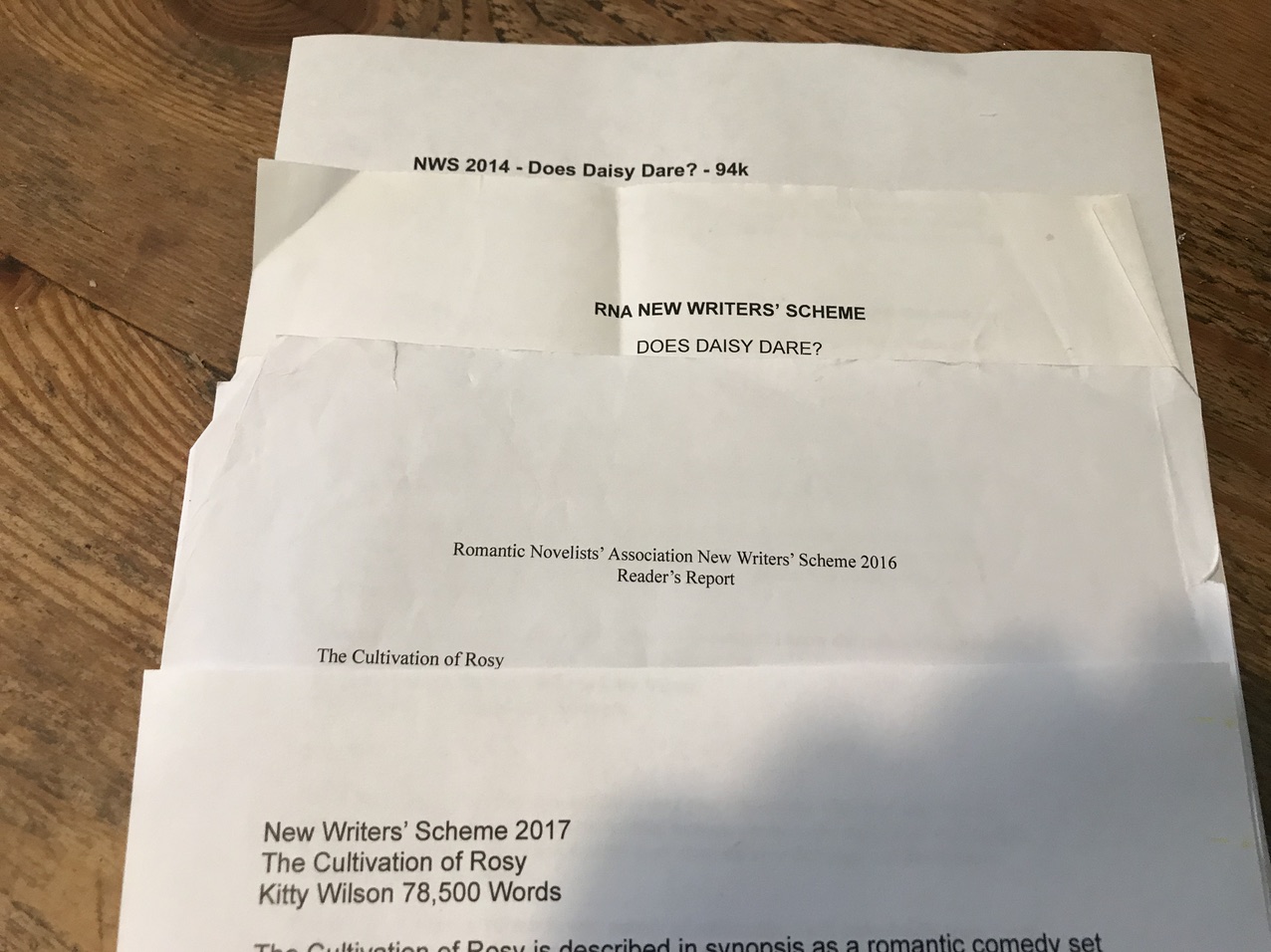
I’ve recently returned from the Romantic Novelists Association (RNA) conference where I briefly had to speak to the NWS members. It was terrifying (terrifying!) but did make me think it was worth sharing details of the scheme that helped me, alongside many others, become published.

The NWS is a New Writers Scheme run by the RNA and encourages unpublished writers to join local meetings and make friends with the more experienced. It’s how I began to meet other authors, including the Sister Scribes, and as we are always saying writers need writer friends – I should tattoo this on my forehead and be done, I say it so often – and joining the RNA is a great way to meet them.

More than that, and why I initially joined, is its critique scheme. For the price of membership (considerably less than you’d pay for an assessment anywhere else) you are entitled to a critique of your full manuscript (partials are accepted if you haven’t got as far as writing The End yet).

It was the first opportunity I had to have my writing read by someone who knew the industry inside out (i.e. not my mother and close friends) and who could be completely honest about what they thought – the reader remains anonymous so they can be truthful without worrying that you’re going to launch at them at the Winter Party and either cover them in kisses or rip their eyes out whilst spitting ‘so, you didn’t like my heroine?’

The critique is usually divided into areas like plot, pace, voice, dialogue so you can see immediately which are your areas of strength and which ones need work. It doesn’t matter if you’ve written a zillion books, every writer needs a little help and an objective eye (otherwise we wouldn’t need editors), so if you expect a critique that says ‘oh my goodness, this is the best thing ever written in the history of the world’ then you may be bound for disappointment. If you want someone to gently point out what needs work to make your book even better then you’re in luck.

Being me, I found it really hard initially to hear the positive, whereas the things I needed to work on seared into my soul, fluttering under my eyelids as I’d try to sleep. It was at this point I decided to colour code my critique – if you have read my other posts you know I need no excuse to break out the felt-tips – and then I could see there was easily as much green (yay, this was great) as there was orange (this needs work).

What I didn’t know was how this technique would feed into my edits when I was eventually published and I use the orange and green method for these. So not only did joining the RNA get me friends and recommend friendly publishers and agents, it taught me how to react to suggestions about my work in a positive way, which meant that when my structural edits arrive, my meltdowns don’t last too long…or at least only as long as it takes me to unzip my pencil case. Thus not only did it improve my writing pre-publication, it also gave me tools which I have used habitually since becoming published.

So, if you are writing and as yet unpublished and if your manuscript has a romantic element then I cannot recommend the RNA’s New Writers Scheme enough. I’m going to pop a link below and hope to see you at a meeting soon. Good luck on your path to publication.

All love, Kitty x


https://romanticnovelistsassociation.org/membership/#link_tab-1517250016637-2-10


A PUBLISHER’S YEAR: JULY – DREAM GENRES, DREAM JOB

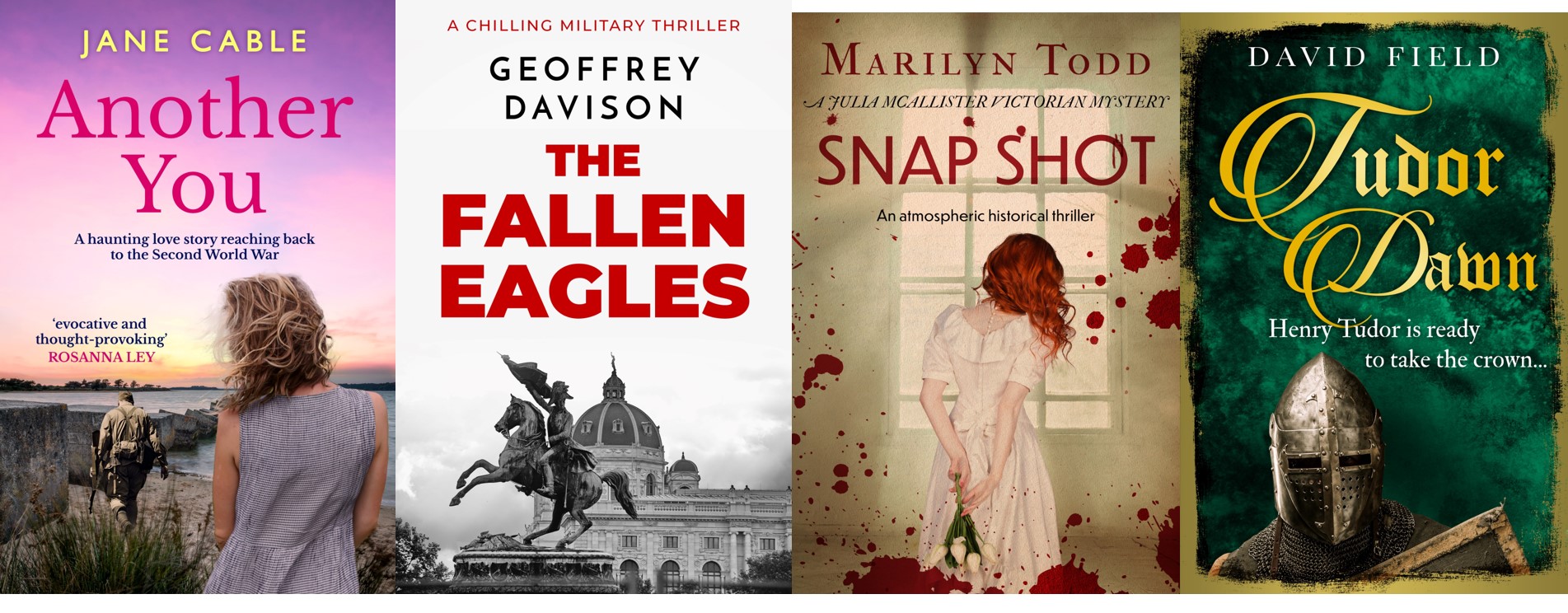
We’ve been busy publishing lots of books in June and July to get ready for summer reading – August in particular tends to be one of our highest sales months. We’ve published the first two books in a brand new Tudor series by David Field. We released ANOTHER YOU by Frost’s own Jane Cable! This week we also released the first novel in a Victorian crime series featuring a feisty female photographer – SNAP SHOT by Marilyn Todd. We have also managed to sign up quite a few classic military thrillers, in the genres we were searching for, and we have published our first few – some Cold War espionage thrillers by Geoffrey Davison. We are excited to see how those sell on Kindle, especially as Caoimhe is specifically growing our list of readers interested in the ‘action & adventure’ genres.

We have signed another new authors to our books – the lovely Ros Rendle. We have signed a six book contract with Ros – five of which are backlist titles we are reissuing, and one which is a brand new contemporary romance, due for release in 2020.

For the rest of the post, I’ll let our new Editorial Assistant take the reins to let you all know what she’s been learning so far!

Amy

Here are Natalie’s thoughts on her first couple of months:

Since joining Sapere Books, I have learned a lot about the careful work that goes into publishing commercial genre fiction. My role is very hands-on, and involves formatting and proofreading manuscripts, as well as reading new submissions. I love the level of engagement that I have with the books, and the fact that I’m working with stories that will appeal to a wider audience. My duties at my previous jobs in publishing were largely admin and project management-based, so it’s great to have the chance to do some more detailed editing! It’s also great to be part of the decision-making process with regards to the books that are signed up, and I’m still developing my eye for what makes the ideal Sapere submission.

I’m a big fan of historical fiction, so I’ve had a lot of fun working on Elizabeth Bailey’s Regency romances, as well as the first instalment of Marilyn Todd’s Victorian mystery series! But working on genres that I’ve had less experience with — e.g. crime fiction and political thrillers — has also been a welcome and rewarding challenge. I’m very grateful for the breadth of Sapere’s publishing; this has allowed me to expand my horizons both as a reader and as a young publishing professional.

I’ve never worked from home full-time before, but I’ve found that this suits me well. I’m good at setting boundaries in terms of space and working hours, which helps me maintain a productive, energised and disciplined mindset. Amy is always on hand to help with any queries I have, and the training and support that I’ve received has been fantastic. There are plenty of opportunities to meet up with the rest of the team for catch-ups and industry events, and they’ve all made me feel very valued and welcome! To summarise, this is my dream job and I’m looking forward to continuing to assist with Sapere’s exciting projects!

My Writing Process – Helen Baggott

Helen Baggott is the latest author in the series How I Write, which gives readers, and other writers, an insight into the minds of writers. Not only how they think, but how they work. 

Helen Baggott


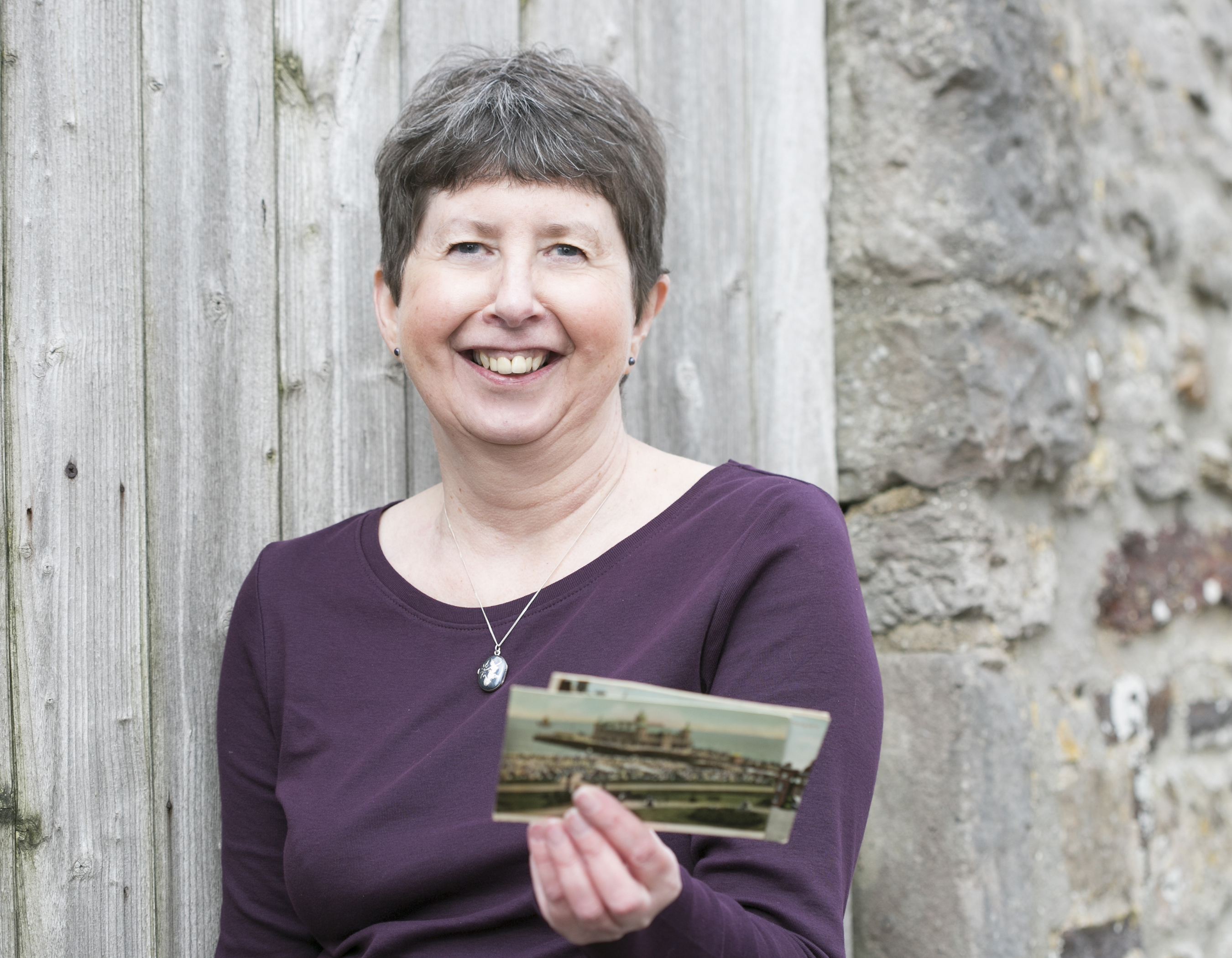
I grew up in Swanage and although I no longer live in the seaside town, home is still in Dorset. For as long as I can remember, I have always loved history and writing. Before I reached my teens, I recall creating my own magazine – and making my family read it. I even tried charging them to advertise!

I’ve always enjoyed writing both fiction and non-fiction. Despite having some success with short stories, I’m now focussing on non-fiction. I have written articles for local magazines and papers, and now my own book.

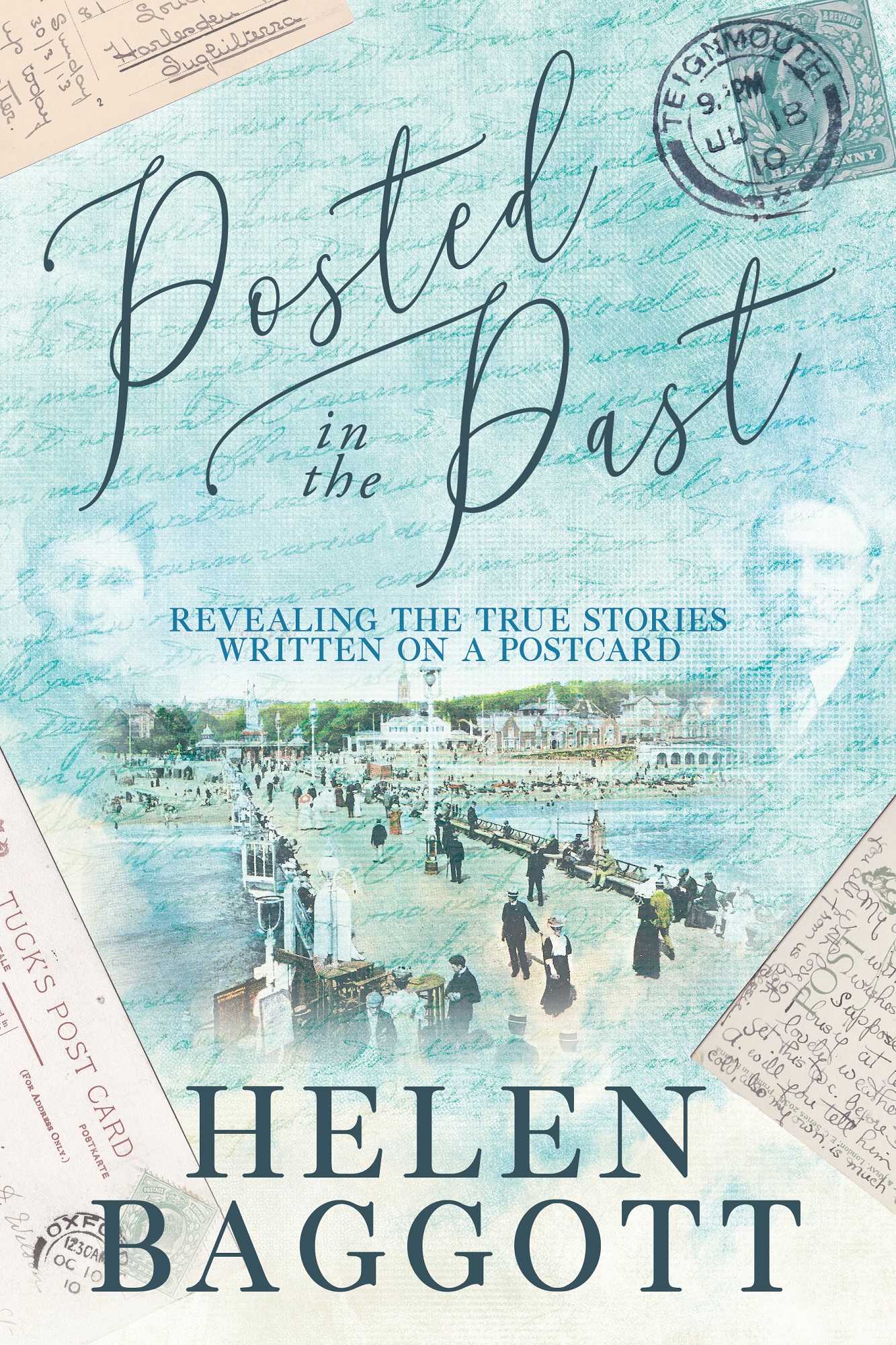
Posted in the Past was published in June and it’s the culmination of a project that was as much about research as writing. Through genealogy, I’ve researched the people who sent and received postcards more than a hundred years ago. The cards open the door to our pasts, but what was so surprising were the links I found to events of national and international importance. A housemaid who worked for Edward VII’s doctor was particularly exciting, not to mention discovering Arnold Schwarzenegger was linked to a postcard sent before the First World War.

What is your process of writing. 

Unless I’m in the right frame of mind – something that even I can’t describe fully – a blank page will remain blank. I possibly work best when a deadline looms.

Do you plan or just write?

When I was writing fiction I found that I would sift a story through my mind for days, if not longer, and then type it out. That first draft seemed to always work fairly well – although if you include those sifting stages, it was possibly version 20 that found its way onto paper.

What about word count?

With Posted in the Past I made a conscious decision to simply write each postcard’s story. The length was irrelevant – it was the story that mattered. I didn’t want to pad any of them – sometimes the shorter stories are just as interesting as the longer ones.

How do you do your structure?

I ask myself the questions that a reader might and I answer them on the page. A loose end is a distraction and tying everything together forms that structure.

What do you find hard about writing?

When the mood’s right, the planets are aligned, and I have the perfect cup of coffee, nothing is hard. Without the ideas, writing isn’t hard, it’s impossible.

What do you love about writing? 

Irrespective of whether it’s fiction or non-fiction, I love the escapism, living in another world and time.

Advice for other writers.

Have faith and confidence – to not write when you feel you should is the only time you will fail.


Posted in the Past is available on Amazon

www.helenbaggott.co.uk

www.stourcastle.co.uk

@SelfPubSupport

@PostedInThePast

A PUBLISHER’S YEAR: APRIL – AWARDS, AGENTS, SERIES

We have been very busy at Sapere Books in March and April. At the beginning of March, Catherine Isaacs was announced as the winner of the Romantic Novelists’ Association Popular Fiction Award, which we sponsored, for her absolutely brilliant novel, YOU ME EVERYTHING. We were thrilled to be involved with the award and we have agreed to sponsor it for at least two more years.

A week later we were at London Book Fair, catching up with all of the literary agents we currently work with and meeting with plenty of new ones to discuss what we are looking for. I can’t reveal the outcomes just yet, but we mentioned that we were looking for nautical fiction to one agent and she told us she has an author who has planned a 20-book series of naval thrillers! She is currently discussing the offer with the author, so fingers crossed we will be announcing our first nautical fiction writer very soon!

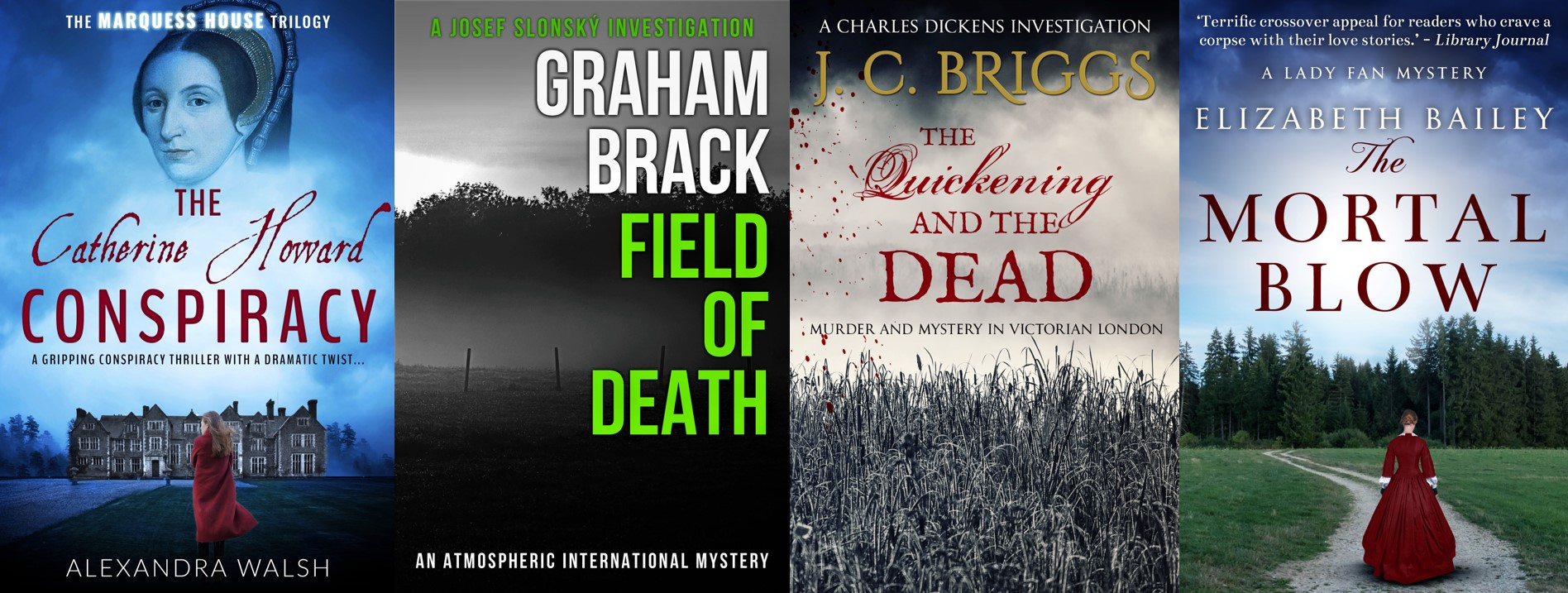
March saw the release of Alexandra Walsh’s debut thriller, THE CATHERINE HOWARD CONSPIRACY, which has been racing up the charts, as well as the fourth book in Graham Brack’s Josef Slonsky series – FIELD OF DEATH – which readers have completely fallen in love with. April also saw the release of new titles in two more of our most popular series: The Lady Fan Mysteries by Elizabeth Bailey and The Charles Dickens Investigations Series by J C Briggs.

We are preparing lots of fantastic titles for release over the summer, and we have realised that we do not have as many contemporary romantic fiction titles as we do crime and thriller, so we are about to start scouting for romance authors who are writing heart-warming British-set romances, which have the potential to become three or more book series – in the style of Debbie Johnson’s ‘Comfort Food Café’ series and Hannah Ellis’s ‘Hope Cove’ series.

Our most exciting news for April is that we have just officially offered someone our Editorial Assistant job and she accepted! I can’t give any more details just yet, but in next month’s blog post I will be able to introduce her properly!

Amy Durant

SISTER SCRIBES: KIRSTEN HESKETH ON WHY WRITERS CAN’T QUIT

‘At what point do you give up on the writing?’

A friend asked me that the other day. A longstanding friend whose views and judgments I generally respect. We hadn’t seen other for a few months and she asked if I was published yet. When I replied that I was not, she followed through she asked the question above. She asked it pleasantly, with interest, no apparent edge at all. In her mind, clearly a logical and reasonable question.

‘At what point do you give up on the writing?’

I didn’t really answer my friend. I think I just shrugged and the conversation moved on. But it got me thinking. More than that, it knocked me for six.

‘At what point do you give up on the writing?’

What had she meant by that?

Was there an implication that I was failing, maybe had already failed, because I wasn’t yet published? Was there a suggestion that maybe, just maybe, I was deluding myself? Kidding myself that my writing was going somewhere when really there was no hope. That there was no chance of my ever being published. Was that, I asked myself in one of those dark nights of the soul, how other people, other friends saw me? Did they feel sorry for me? Did they shake their heads at each other and say, ‘poor girl, she’s been plugging away at this for so long’?  Did they purse their lips and murmur, ‘she still isn’t published, she’s still warbling away from deep in the querying trenches’?

Then I stopped being paranoid!

It had only been a question.

But maybe this is what I should have replied:

  • Things in publishing work at glacial speeds. It’s not unusual for nothing to happen over a few months – or at least nothing you can announce to the world at large. In fact, since I’d had last seen my friend, I’d been signed by a top London agent. I was moving in the right direction and full of optimism and enthusiasm. But, no, I hadn’t been published.
  • It’s really difficult to get published nowadays. It takes talent, sure, but also loads more persistence than you think you’ll need. And luck. Lots of luck. Getting the right work on the right desk at the right time. I know many really talented writers who are not published yet. And yet hope still springs eternal. It may happen. It will happen ….
  • It’s not just about being published. It’s really not. It’s a journey, not just a destination.
  • I have never thought about ‘giving up’. Oh, sure, when I have a knock-back, I throw things about* and say I’m going to take up crochet instead. But, even at the time, I know I don’t mean it. More than that, I can’t imagine a time when I would.
  • I write because I love writing. I write because I have stories and thoughts and dreams I want to put into words. I write because I can’t not write. And even if I am never published, will it still have been ‘worth it’? Hell, yeah.

So, what should I have said when my friend asked at what point I would give up writing?

‘At what point do you give up on the writing?’

I should have told her the truth.

I should have said ‘never’.


Writers, how would you have responded to my friend’s question? Do you agree with my points above? What else would you add? I’d love to know.

Join the discussion below or @Sister5cribes


A PUBLISHER’S YEAR: FEBRUARY – ROMANCE, CRIME, APPLICATIONS

To pick up on the cliffhanger of last month – the exciting Romantic Novelists’ Association news is now public! They are running a new prize from this year, which we have agreed to sponsor. It is officially called the Sapere Books Popular Romantic Fiction Award. The shortlist of six books has been announced. In the running are THE LION TAMER WHO LOST by Louise Beech, ONE THOUSAND STARS AND YOU by Isabelle Broom, YOU ME EVERYTHING by Catherine Isaac, THIS COULD CHANGE EVERYTHING by Jill Mansell and A SKY PAINTED GOLD by Laura Wood. I do have a personal favourite but my lips are sealed until the winner is announced on March 4th!

We are still looking for our first staff-member. Applications are just about closed but we have well over 100 to go through, so that will keep us busy for the next few weeks! We’ve also had our first responses to our ‘Call For Nautical Fiction’ and it looks like we’ll be able to announce some naval fiction deals soon. We have just finalised our schedule for London Book Fair and we are pretty booked up for all three days, plus some evening events so that will be a full-on week for us!

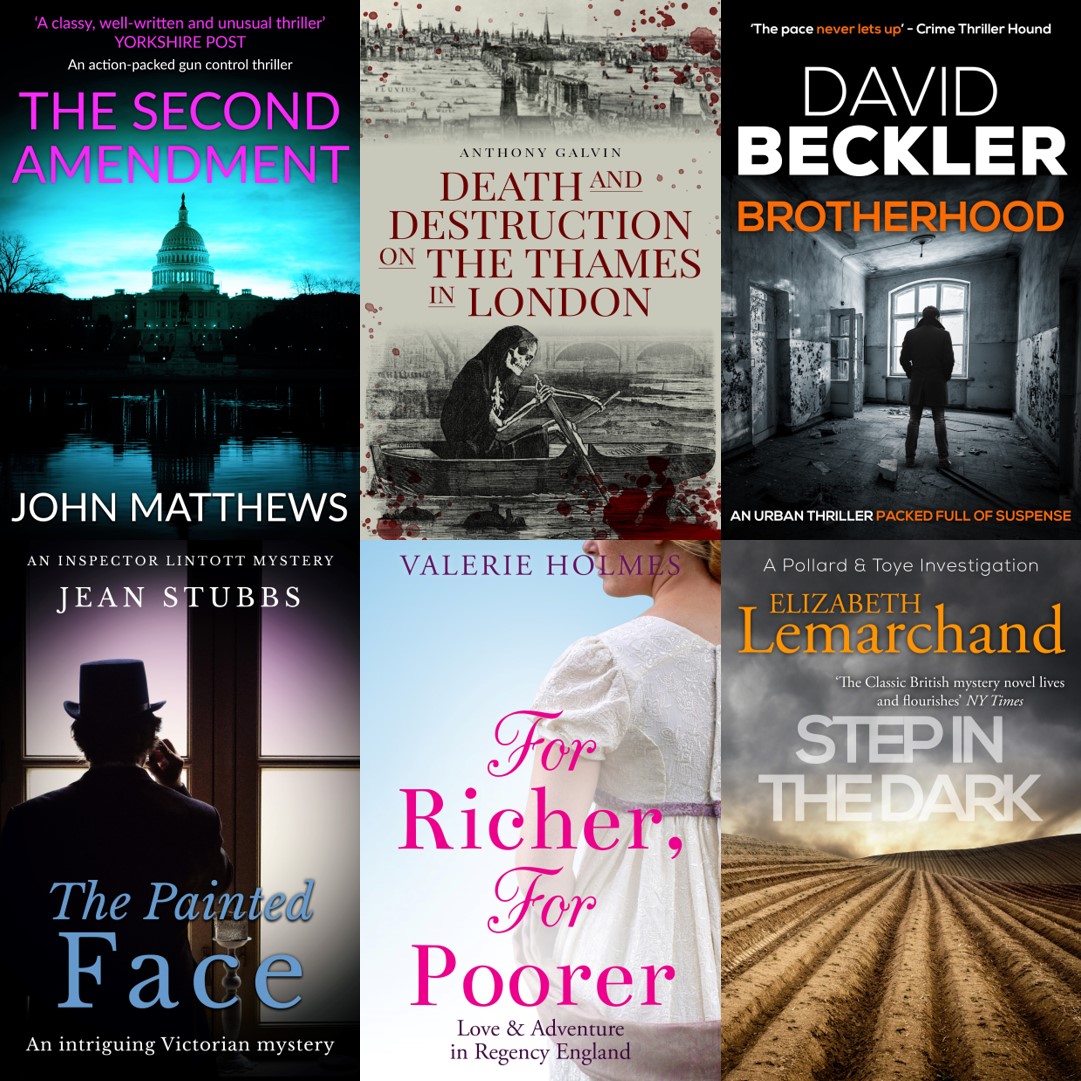
The published titles for this month were a mix of genres. We published Valerie Holmes’ second Regency romance novel in her Yorkshire Saga just in time for Valentines Day. We’ve also published one of our first non-fiction titles: a ‘deadly’ history of the Thames in London by Irish author, Anthony Galvin. That was followed by two classic mysteries: THE PAINTED FACE by Jean Stubbs and STEP IN THE DARK by Elizabeth Lemarchand. Finally, we launched two action-packed thrillers: David Beckler’s debut, BROTHERHOOD, set in urban Manchester and John Matthews’ thought-provoking gun-control thriller, THE SECOND AMENDMENT.

Our final piece of news is that we will be going to CrimeFest this year for the first time, which we are thrilled about. Last year we went ‘on tour’ to cover the Crime Writers’ Association Conference in Shrewsbury and the Historical Novelists’ Conference in Cumbernauld, and to contribute to a writing panel in Chorley. We aren’t actually speaking at CrimeFest so it will be fun to just enjoy all the talks, dress up for the Gala dinner and of course, hang out at the bar 😊. We should find out the longlist for the Sapere Books Historical Dagger Award as well, which is very exciting.

Come back next month for our Book Fair news, March releases, RNA award announcements and potentially a hello from our new Editorial Assistant!

Amy Durant