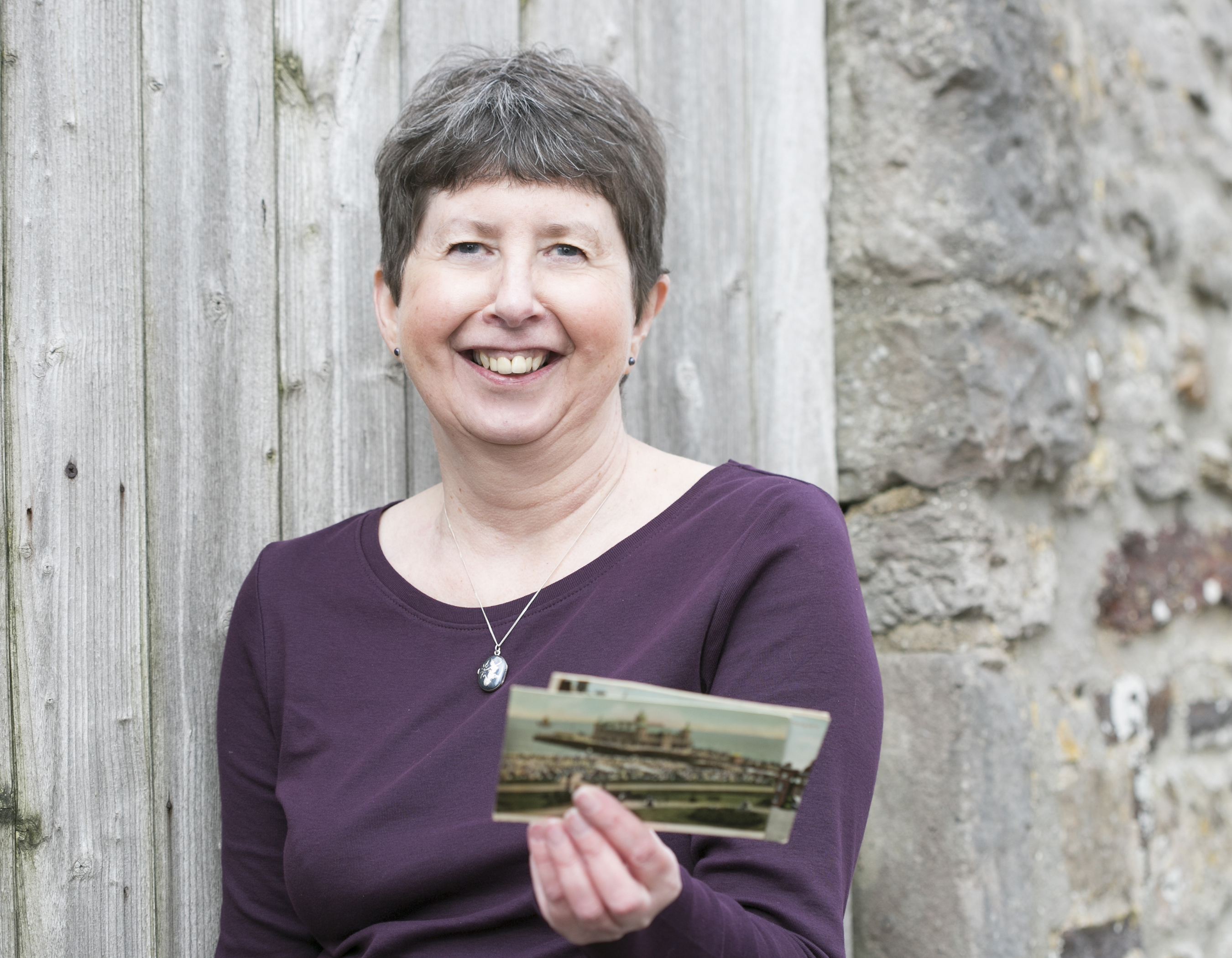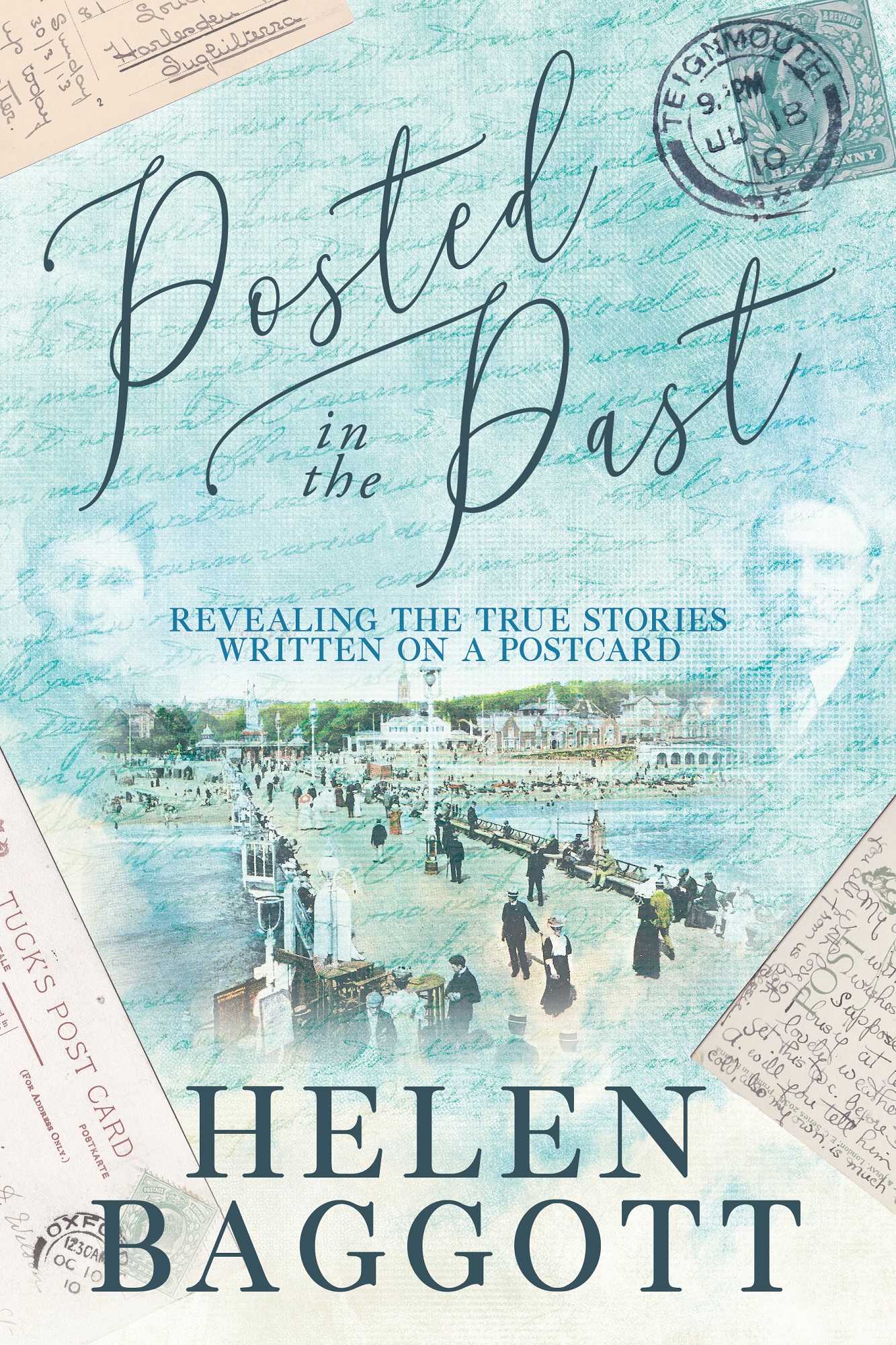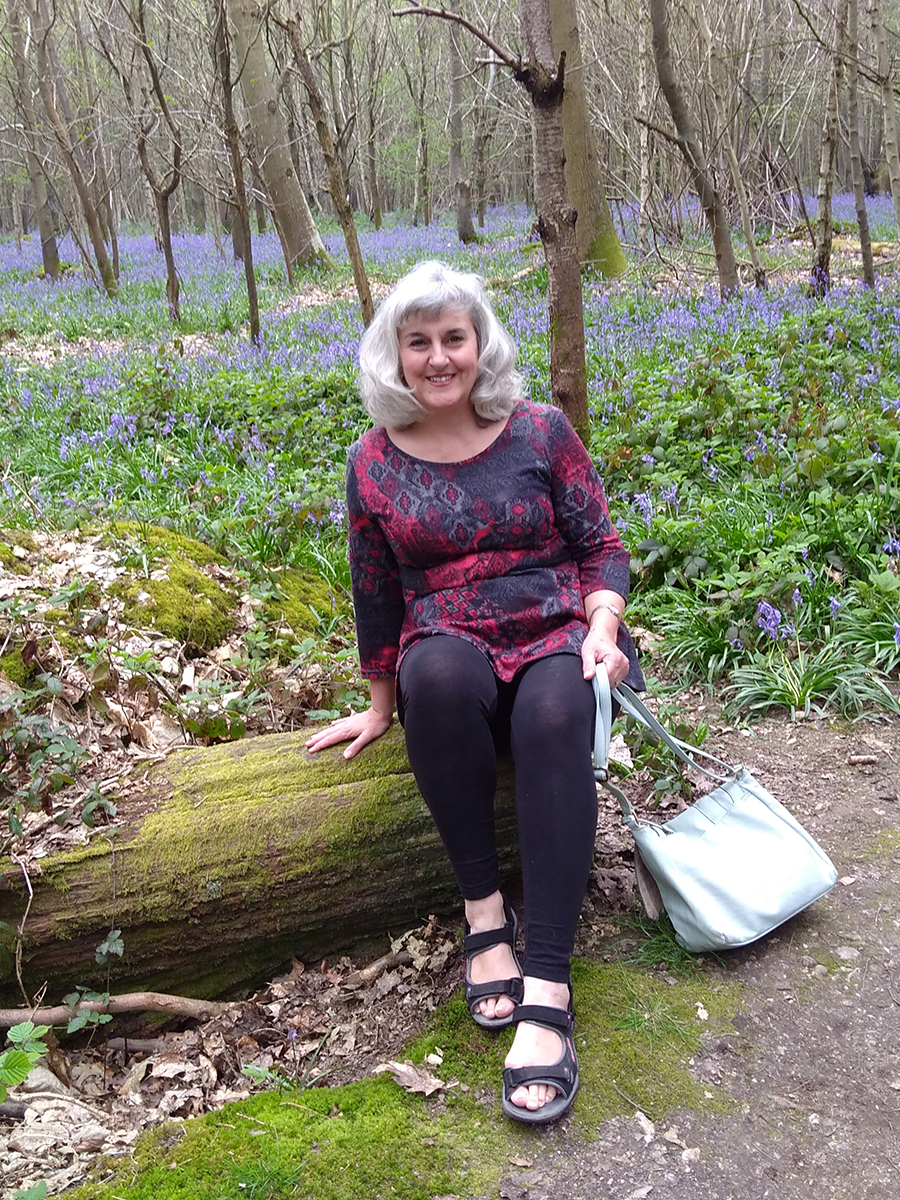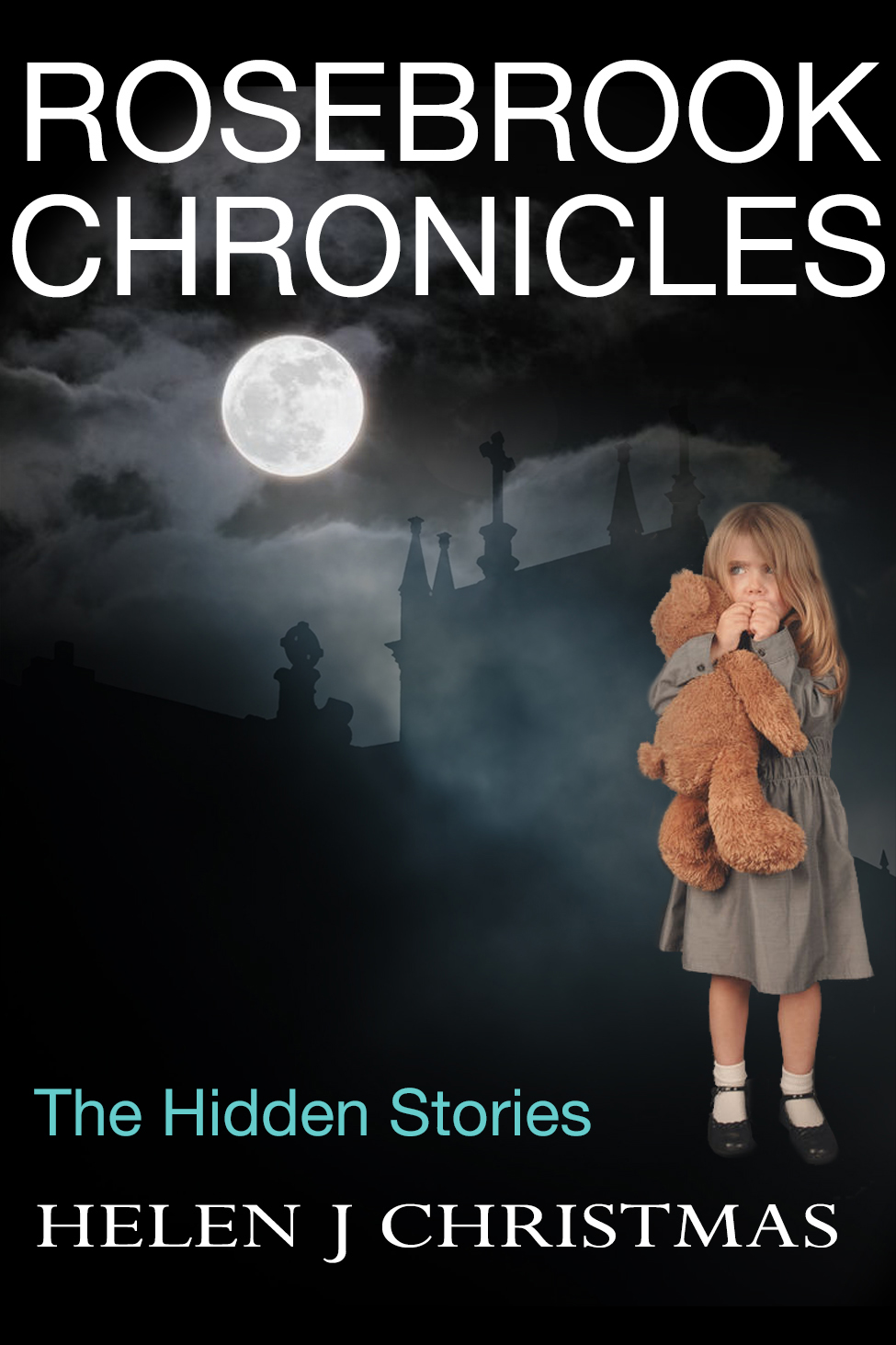
SISTER SCRIBES: SUSANNA BAVIN ON SKIPPING

Do you ever skip parts of a book? You don’t want to give up on the book because you’re interested enough to want to know the ending… but, still, you find yourself skipping through bits of it.

I have a group of friends I meet up with each week for coffee – well, hot chocolate, in my case. We talk about all kinds of things, but this week there was a conversation about books and one friend talked about a book she had started reading with pleasure, but then she had gone off it a bit, though she still wanted to know what happened at the end, so she had skipped parts of it.

That got me thinking about what might make a reader skip bits of a book and I have come up with three reasons why I have done it:


  1. Padding…

… by which I mean excessive description. Yes, description is important – of course it is. It creates the setting and contributes to the mood and atmosphere. It deepens the reader’s relationship with the character and submerges the reader more fully in the book. But you can have too much of it. It shouldn’t make the description read like a piece of authorial self-indulgence. I’m thinking now of a book in which the writer spent two whole pages describing the kitchen(!). And then there was the novel in which an architect spent a whole chapter walking round a city, admiring its buildings and finding inspiration for his own work. It didn’t advance the plot – or if it did, I missed that part because I skipped to the next chapter.

  1. Lecturing

Or should I call it The Dreaded Lecture? In another novel involving a real theatre, the author had obviously done his homework – the operative word being ‘obviously.’ He couldn’t stop himself sharing every single thing he had learned about the theatre’s history. It turned into a page and a half of lecture. It didn’t advance the plot and nothing in the paragraphs of history was ever referred back to as being a crucial detail later on in the book. In fact, this theatre appeared only once in the narrative and then the action moved on elsewhere. In other words, the author hadn’t understood that, just because you’ve picked it up in the course of research, doesn’t mean you have to commit it to paper.

  1. Back Story

I’m not saying there should never be back story. Some is essential to an understanding of the plot, but entire chapters of it…? I came across a book a while ago, which involved a family which, in spite of minor tensions, was clearly happy and united, with Mother as the lynch-pin. Early on in the plot, Mother died in a freak accident. How would her adoring husband cope? What fresh responsibilities would fall on the shoulders of our young heroine? What would happen next? What actually happened was a trip back in time to wander through Mother’s childhood and see how she grew up to meet and marry Father. I wasn’t interested in that – I wanted to know what happened next.

My Writing Process – Morton S. Gray

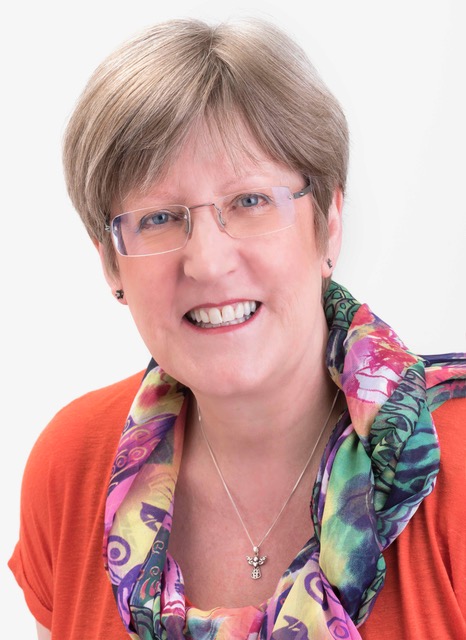
I am a published writer living in Worcestershire, UK with my husband, two sons and tiny white dog, Lily. I wrote my first novel when I was fourteen. It was a swashbuckling seafaring adventure, complete with galleons, cannons and a dashing hero. The story was heavily influenced by the Errol Flynn films I used to watch with my grandmother on Sunday afternoons. I got swallowed up after that by the education and work system and didn’t write much more than reports and meeting agendas for many years.

Starting to write more seriously when I was taking a break from work due to ill health, I took lots of writing courses and began to shortlist in writing competitions. Then in 2016, I got my publishing break, I won Choc Lit Publishing’s Search for a Star competition!

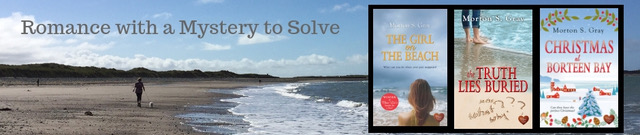
I have had three books published by Choc Lit so far – The Girl on the Beach, The Truth Lies Buried and Christmas at Borteen Bay, these are all romances with a mystery to solve and set in my fictional seaside town of Borteen. I am promoting the three Borteen Bay series while I finish my next books.

I write almost everywhere I go the old-fashioned way with notebook and pen – cafés, appointments, waiting for trains. I have piles of notebooks filled with stories. I generally prefer to write away from home, as I get too distracted by things that need doing in the house and, of course, by the dog. At least writing longhand in this way, the first time I put the words onto my computer it acts like a first edit of the manuscript.

My genre is romantic suspense, but I usually get so carried away with the mystery part of the book that I have to catch up with the romance when I’m editing. I don’t plan, I just write, that way the novel writing process is enjoyable for me as I don’t know what is coming next. My novels appear to naturally evolve. I read a book called Big Magic by Elizabeth Gilbert (the same person who wrote Eat, Pray, Love) and in it she talks about ideas and stories floating in the ether waiting to download to a receptive person and this is truly how it feels when I’m working.

I love writing, but with a teenager doing exams, a dependent mother, a husband who works abroad and a demanding dog, I often struggle to find time to myself (hence the haunting of coffee shops!). Nothing can compare to the feeling I get when the words are flowing and I get very twitchy if I haven’t had space to write.

For aspiring writers I think the most important thing is to write a story that sings to you, because that will allow you to write a story that sings to your readers too.


Biography for Morton S. Gray

Morton lives with her husband, two sons and Lily, the tiny white dog, in Worcestershire, U.K. She has been reading and writing fiction for as long as she can remember, penning her first attempt at a novel aged fourteen. She is a member of the Romantic Novelists’ Association and The Society of Authors.

Her debut novel The Girl on the Beach was published after she won the Choc Lit Publishing Search for a Star competition. This story follows a woman with a troubled past as she tries to unravel the mystery surrounding her son’s new headteacher, Harry Dixon. The book is available as a paperback and e-book.

Morton’s second book for Choc Lit The Truth Lies Buried is another romantic suspense novel, The book tells the story of Jenny Simpson and Carver Rodgers as they uncover secrets from their past. This book is available as an e-book, paperback and audiobook.

Christmas at Borteen Bay is Morton’s first Christmas novella. It is set in her fictional seaside town of Borteen and follows the story of Pippa Freeman, who runs the Rose Court Guesthouse with her mother, and local policeman Ethan Gibson, as they unravel a family secret as Christmas approaches.

You can catch up with Morton on her website www.mortonsgray.com, on

Twitter – @MortonSGray, her Facebook page – Morton S. Gray Author – https://www.facebook.com/mortonsgray/ and 

Instagram – https://www.instagram.com/morton_s_gray/

Purchasing links for The Girl on the Beach at http://www.choc-lit.com/dd-product/the-girl-on-the-beach/

Purchasing links for The Truth Lies Buried at http://www.choc-lit.com/dd-product/the-truth-lies-buried/

Purchasing links for Christmas in Borteen Bay at https://www.choc-lit.com/dd-product/christmas-at-borteen-bay/

SISTER SCRIBES: JANE CABLE ON BOOK BIRTHDAYS

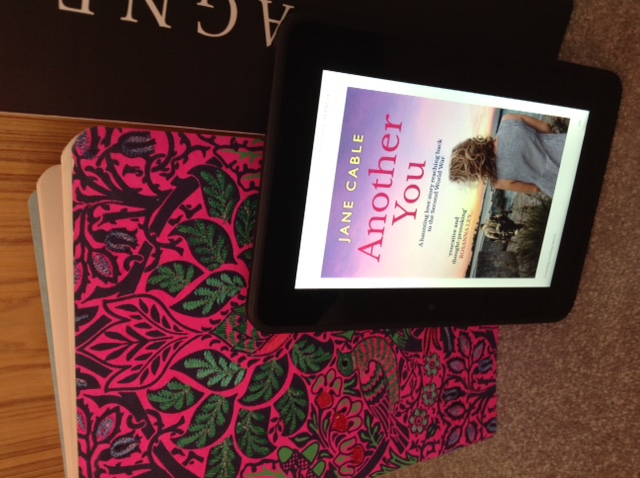
My latest book, Another You, was published at the end of last month. Actually, it was re-issued, but the experience was so different this time, it’s hardly felt as though it was ever out there before.

With its previous publisher, it slipped into the world unnoticed. I was given no prior warning then suddenly, there it was on Amazon. For a few days I told no-one, then somebody noticed and the cat was out of the bag. The week before Christmas. Not great timing for what is essentially a summer book.

Of course I had a certain trepidation signing with another publisher after that, but I could already see from the outside looking in that things would be different with Sapere. There was proper editing, for a start, and although the story is the same it is tighter, neater, with their input. And although last time the cover was good, this time it is knockout. When I saw the image of the soldier walking away, head bent, I cried. Because whoever had briefed the designer totally got the story.

Next there was a decent pre-order period with a boost of advertising and a mailer to kick it off. The result was it rocketed up the Amazon charts and although things have calmed down a little now I know the book is selling. And its presence on Netgalley has been skilfully used to generate reviews from trusted readers, which has not only raised Another You’s profile but has also given me a rich vein of content for social media.

With the pre-orders having gone so well I didn’t expect too much from publication day itself, but I was knocked out by the support I received on social media, especially from members of the Romantic Novelists’ Association. They are a generous hearted bunch and I seemed to spend much of the day saying thank you, which was only right. There was considerable support from my buddies at Chindi Authors too.

The day before some lovely flowers had arrived from my Sister Scribes and they were looking glorious in their vase in the sunshine. There was also a parcel, which contained a gorgeous embroidered notebook and pencil case, in colours that toned beautifully with my book cover. Next an email popped into my inbox with a voucher for a spa day at the marvellous Scarlet on my beloved north Cornwall coast. To say I was overwhelmed is a bit of an understatement.

The day became even stranger, when no doubt prompted by all this activity my husband downloaded the book. To put this into context, he has never before read anything I’ve written outside the world of cricket journalism. To be fair, he’d been talking about downloading Another You for a while, but there wasn’t any point if he had no intention of reading it. This time, he says he will, but I have to say I’ve seen no moves to do so yet.

Then, just when I thought all the fuss was over, the doorbell rang again and a bottle of champagne turned up – again, courtesy of my Sister Scribes. These amazing, amazing, women. I am truly humbled to have them as my friends.

The point is – they get it. They’re writers too, so they know how publication day should feel. They know it should be special enough to mark the fruition of what is months, and sometimes years, of work. Every book needs a proper birthday, and this is one I will never forget.

My Writing Process – Juliette Forrest

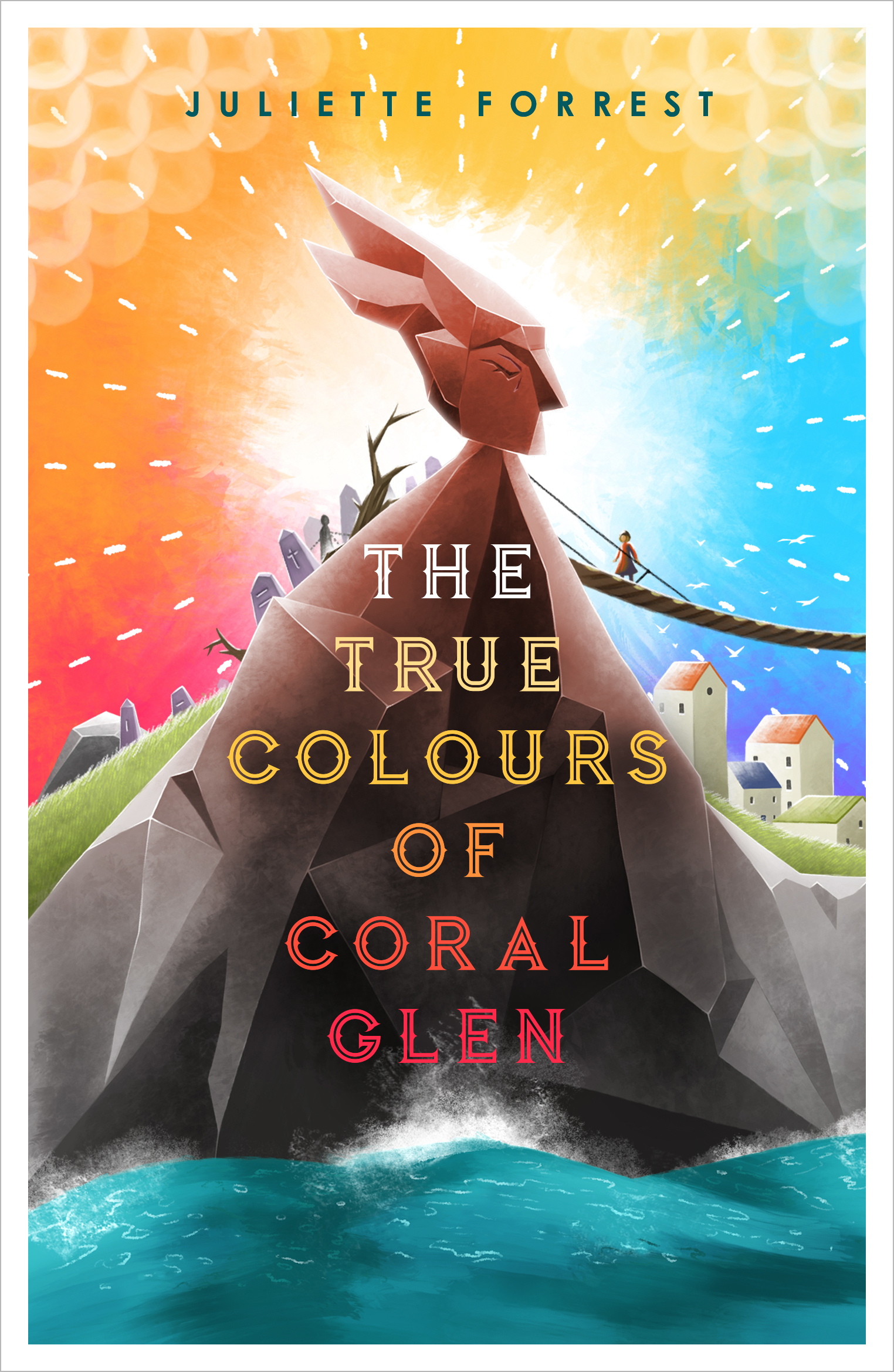
My writing journey began quite late. After I left school, I moved to London and worked as an art director in advertising. It was years later, during an evening class at Glasgow School of Art, that it finally dawned on me I was awful at life drawing. So, I gave it up to attended my first writing class on a Saturday morning at Glasgow University. I wrote a piece for the group and the teacher suggested I could have the beginnings of a children’s book. I thought he was bonkers – but decided to give it a go. When I won a New Writers Award from Scottish Book Trust in 2014, everything changed. They gave me a bursary, a mentor, time away at a retreat, social media training and voice coach sessions. It was their belief in me that spurred me on to finish my first book, Twister, which was published by Scholastic in February 2018. It was a Sunday Times Book of the Week, The Guardian’s ‘must-read’ kid’s book of the summer and won the Calderdale Book of the Year Award 2019. I’ve just finished as Writer in Residence at All Saints Primary in Greenock and my second novel The True Colours of Coral Glen launches on July 4th.

What is your process?

I tend to work quite early in the morning because there are fewer distractions. I think one of the most positive influences on my writing process is my dog. He won’t let me sit at my laptop for too long and walking him gives me the space to work out plot or dialogue. Plus, I meet colourful characters in the park, who always make their way into my novels.

Do you plan or just write?

I use my synopsis as a guide and think carefully about what needs to happen to drive the story forward. I let it rattle around inside my head for a while, so I can tinker around with it and explore different options. It helps for me to imagine the story as a film playing out – so I tend to visualise each chapter before I begin writing.

What about word count?

Some days, I don’t seem to be able to write much at all, and others, I can whizz through entire chapters. I don’t adhere to a strict daily word count for this reason. If it’s not happening, I never berate myself, but turn my attention elsewhere for a while. There is always something to be getting on with like research or answering children’s letters.

What do you find hard about writing?

I’m often convinced I’ve got a great plot idea and I’ll spend ages working on it, only to discover at the very last minute that it’s flawed. I find this frustrating – like it is precious time wasted. However, I do believe it’s good to go down the wrong path because when you eventually hit the right one, you feel confident the story is the very best it can be.

What do you love about writing?

I absolutely love creating characters. There is one I’m working on for my next book who is going to be so much fun to spend time with. It’s brilliant when a character comes alive and tells you what is going to happen next. If you’re surprised, you can be sure the reader will be too. The next best thing about being a children’s author is chatting with the kids at events. It makes all the blood, sweat and tears worth it.

Advice for other writers?

I think it’s important you always celebrate when good things happen with your writing because any achievement in this industry is huge. And I firmly believe there is no genius except for the genius of hard work.


Published on 4th July.


My Writing Process | Holly Wainwright

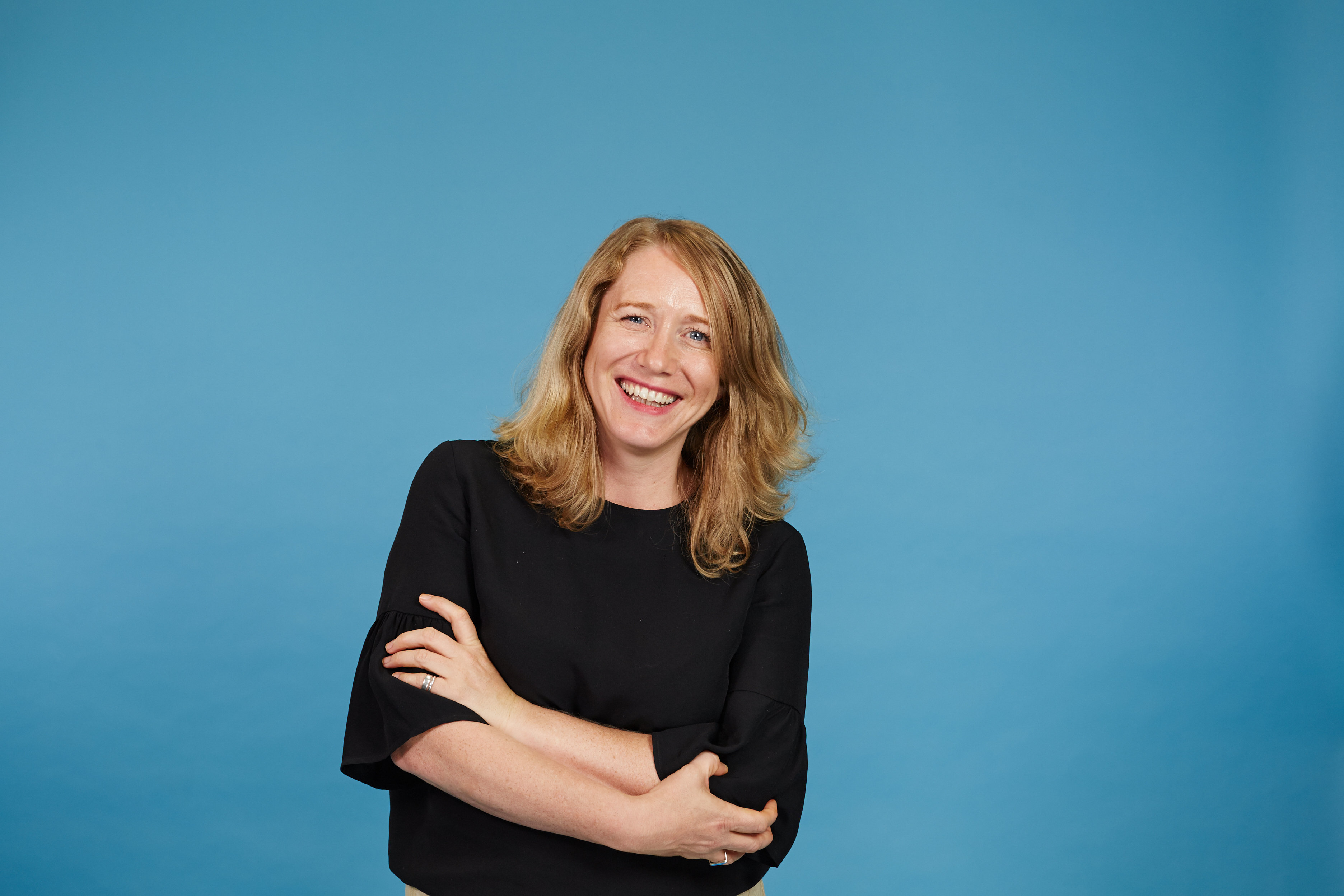
I’m Holly Wainwright and I’m a writer and a journalist, editor and a podcaster – all the things.

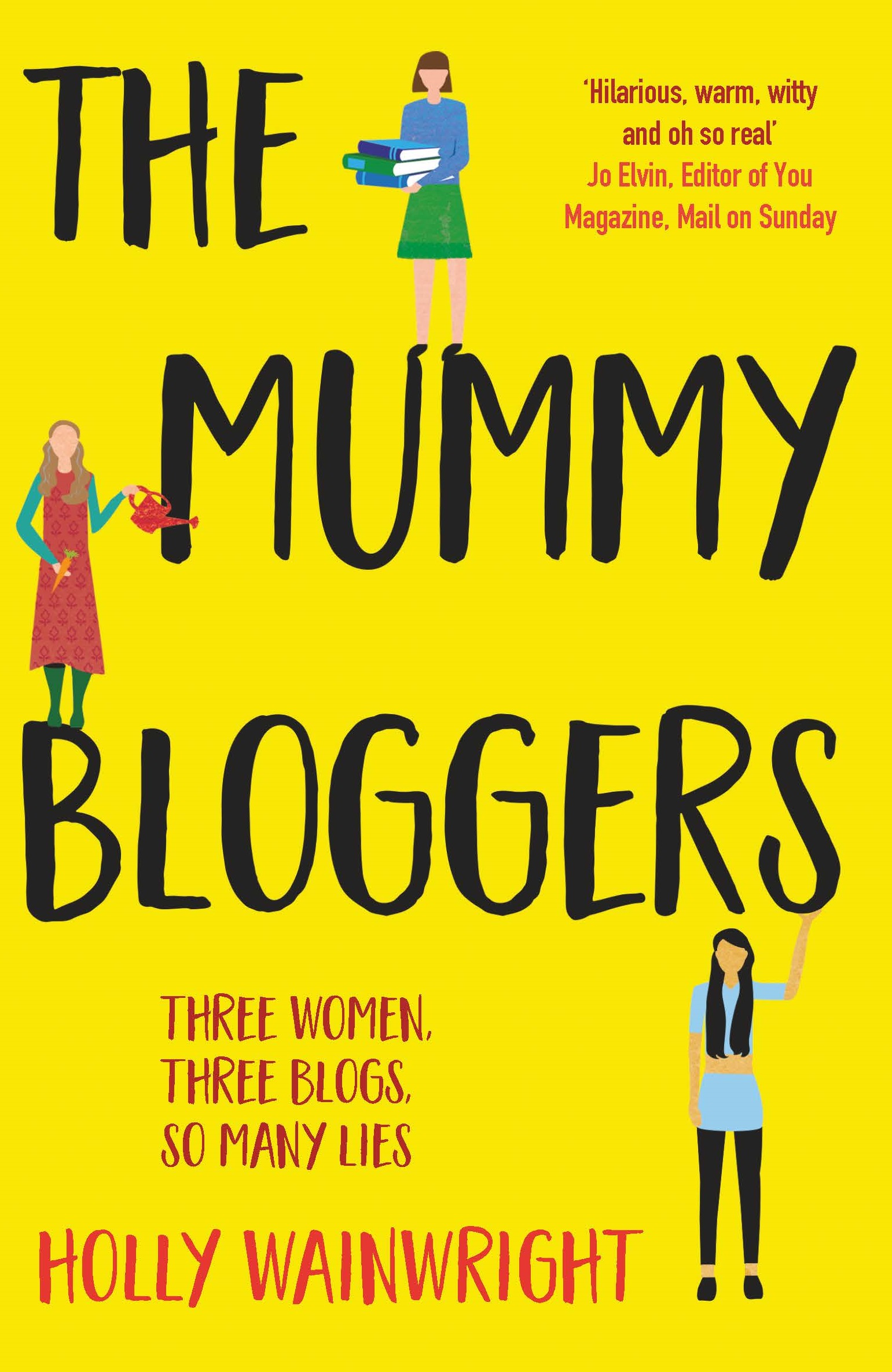
Most recently and significantly, I have written two novels – The Mummy Bloggers and How To Be Perfect, about women who write on the Internet and whose online personas don’t much match the chaos and artifice of their real lives. The books are really all about the lengths people will go to for Likes.

Latest Book.

The Mummy Bloggers. It was my first book, it’s just come out in the UK via Legend Press and I’m very proud of it.

A bit about your process of writing.

I find I have to treat writing a book in the same way I treat a job – I sit down every day with a number of words in mind and I just do it, even if I don’t love the words. The idea is that I can fix that later. Some days the discipline works, others not so much!

I also mostly write sitting on my bed, in silence. Other than when my kids come and ask, ‘What you doing?” and proceed to make a mess of everything.

Do you plan or just write?

A bit of both. Our bedroom wall at home is covered in Post-It notes, which is how I plot out a book with the characters and then, Chapter by Chapter. Post-its are great because you can move them around, but I do find myself procrastinating by obsessing about colour and placement!

But once all the Post-Its are up, often the conclusion of plot-points come to me as I’m writing. That’s the best kind of day, when problems are just solving themselves on the page.

What about word count?

I would often give myself a daily word-count. I wouldn’t get to it every day, but I’d aim for most. I don’t think I’ll ever forget the feeling of hitting the word count on my first book, I was so bloody proud.

How do you do your structure?

See aforementioned Post-It note wall – very high-tech.

What do you find hard about writing?

The constant self-doubt. And the amount of tea I drink while I’m doing it…. lots of toilet breaks.

What do you love about writing? 

Everything else. On a good day, when it’s working, there’s nothing that makes me happier, puts me in a better mood and feels more like the thing I should be doing with my time. Creating people and worlds is the best job in the world.

Advice for other writers. 

Don’t assume it’s easy for everyone else and you must just be the untalented one. Writing is difficult for everyone who does it well.

That, and to lay off the cups of tea a bit.

Holly is the author of The Mummy Bloggers (Legend Press, out now) and How to be Perfect (out 1st November)

Our social media is:

Legend Press @legend_press on Twitter, @legendpress on Instagram
Holly is @hollycwain  on Twitter and @wainwrightholly on Instagram


My Writing Process | Deborah O’Donoghue

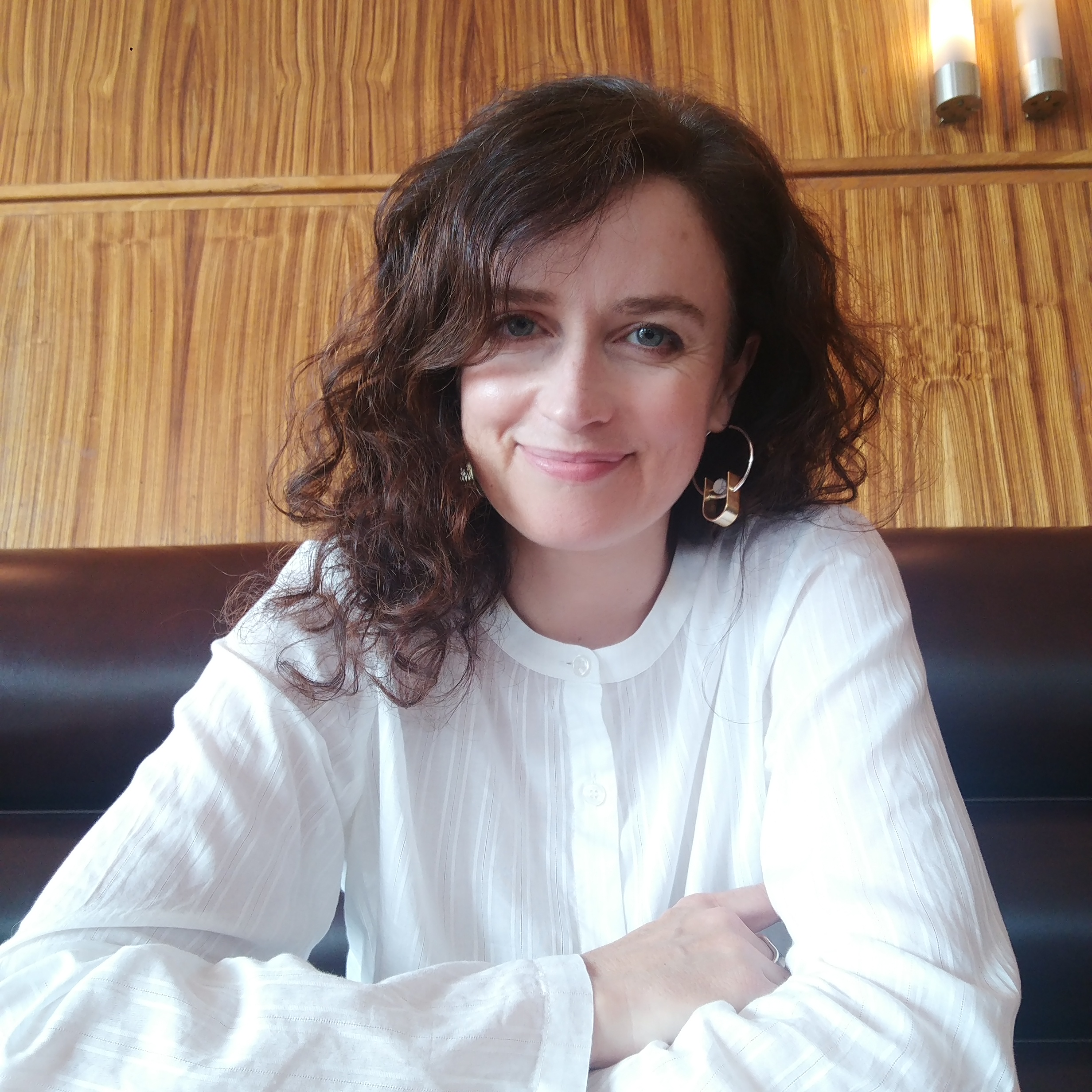
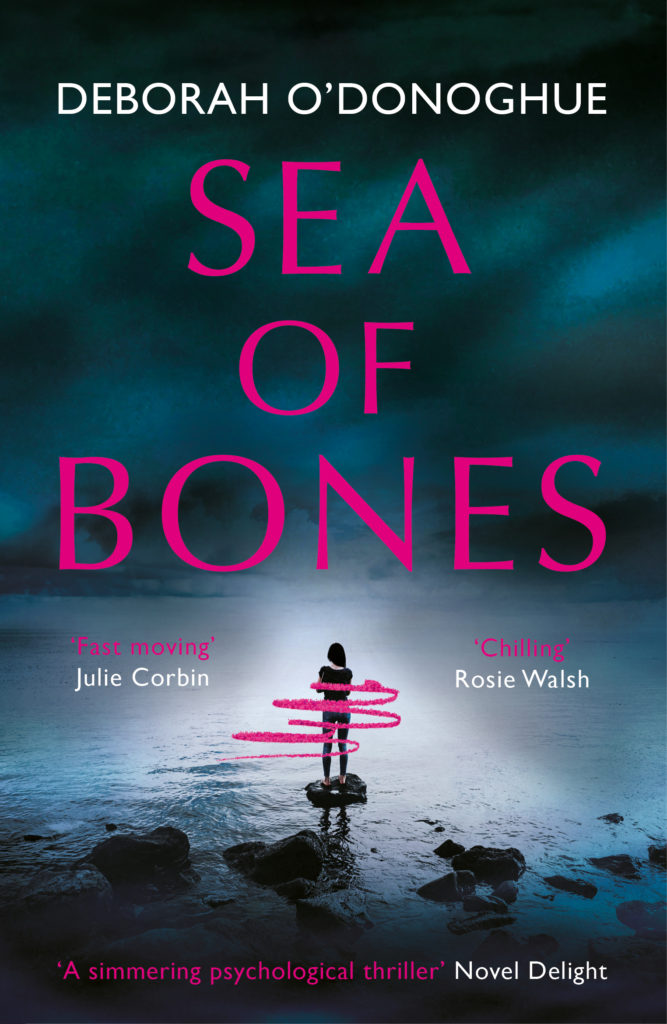
sea of bones author , Deborah O’Donoghue,How I write.

I tend to be inspired by theme and place, and then characters and situations start to come to me. I write scene by scene, then I go back, layering in descriptions and character information.

A bit about you. 

I live in Brussels at the moment, which is a fantastic city, really international. I grew up on the south coast of the UK and always wanted to write and tell stories. I was very into theatre and acting as well, but I soon realised you had more creative control if you were writing. My parents encouraged both my sister and I along these lines; there were always books in the house, Dad would make up silly rhymes at the dinner table, and Mum spent hours typing up my stories before I learned to do it myself.
What you have written, past and present.

I wrote lots of stories at school and had great teachers who were kind enough to put them into the school library! Aged eleven, I sent a manuscript to Faber and Faber. It was about a gang of kids and a brother in the army and something to do with the Ministry of Defence, so I guess thrillers are in my DNA! A kind editor at Faber wrote me a letter with some excellent tips!

At university I adapted a short story by Muriel Spark into a play and took it to the Edinburgh Festival. I had a brief exchange with the Dame herself, to get permission. I contacted her through her agent and she lived in a farmhouse in Tuscany which seemed enchanting to someone who’d grown up on a British housing estate. It was really exciting and inspiring!

I went into teaching, which I loved, but it was so all-encompassing I only really had time to write short stories. So that’s what I did. I was shortlisted in a Commonwealth Broadcasting competition for a flash fiction piece.

In 2015, I left my job and moved to Brussels to be with my partner. I decided it was time to put my money where my mouth was and sit down and write a novel.

What you are promoting now. 

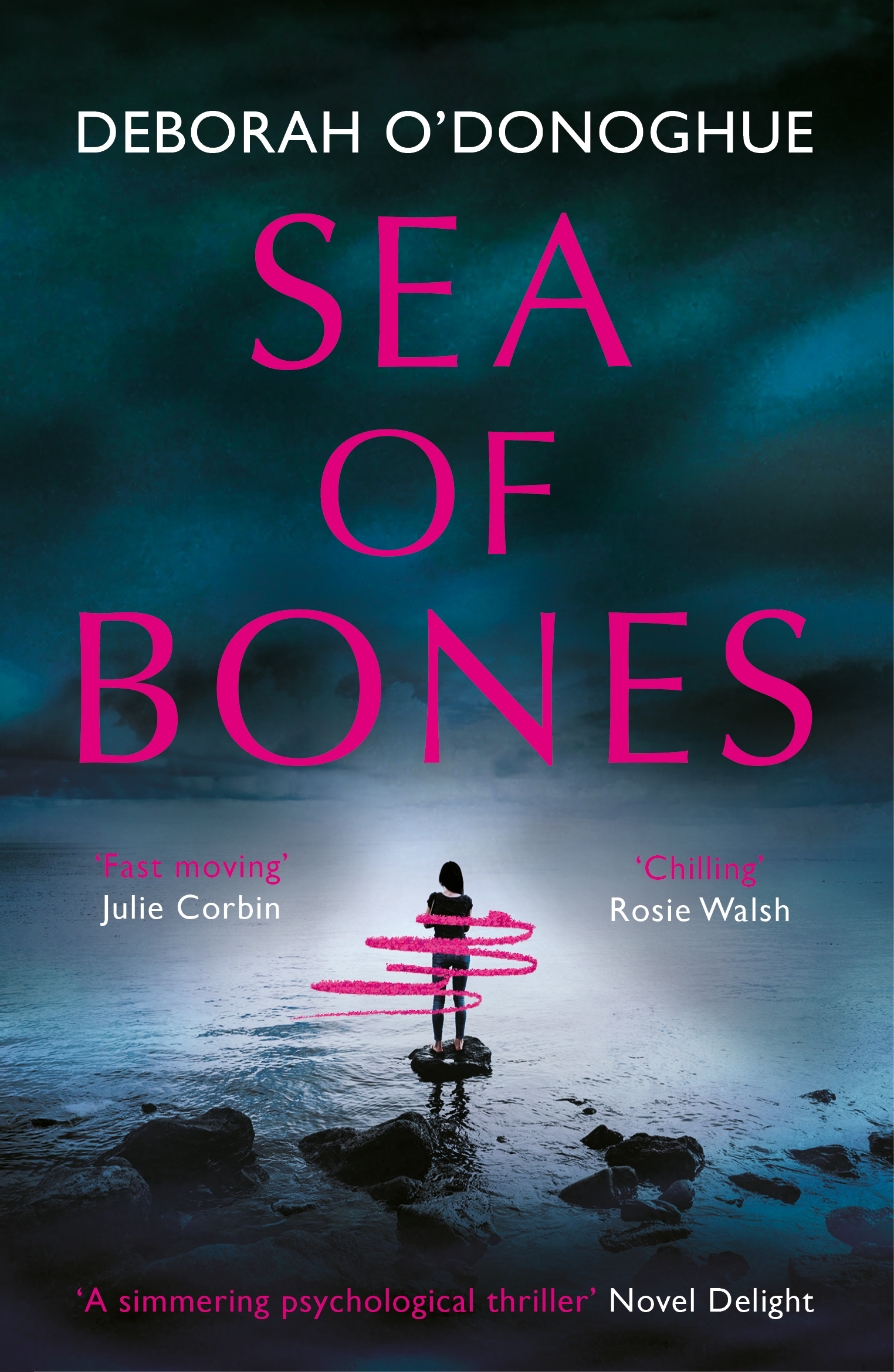
Sea of Bones – my debut novel. It’s out on 1 July 2019. It’s a psychological thriller with a political backdrop and a strong female protagonist, set in Scotland as well as taking in London, Manchester, Liverpool, and Wales! I’m really lucky it found such a good home with Legend Press, and now I’m working several ideas for a follow up. I’ve a sequel in mind, but also two other thrillers – one set between the UK and Spain, and one about the entertainment industry.

What is your process of writing?

I try to write every day, for three or four hours at least. I do some exercise in the morning, then I usually go out to write because if I’m at home I get distracted by chores. There’s a wonderful café near me overlooking some lakes and I go there and they are very kind to me. It’s lively, which I like – a bit of stimulation. I tend to edit as I go, which many people say is bad practice, but my inner critic is too loud for me to ignore.

When I started, I put out a call to published friends to see if any would be prepared to have coffee occasionally and share their wisdom. I was amazingly fortunate that Rosie Walsh responded and ever since we have sent each other writing regularly, encouraged each other and helped solve each other’s plot issues. It’s easier solving someone else’s problems than your own!

Do you plan or just write?

I do plan. I spend enough time looking at a screen, so I have a physical whiteboard, covered in post-its of different colours for different plot elements, with scribblings and ideas for scenes. But the plan changes as I write. As you get to know the characters in situ, you realise you need to add scenes in, move things around and so on.

What about word count?

I try not to worry about word count although when you’re up against a deadline you do have to take that seriously. It obviously feels good when you’ve written a decent amount in a day, but so much of the work of writing is research and thinking that being obsessed by word count can be counter-productive.

How do you do your structure?

I’m interested in the theory of writing and I like form to reflect content. I compare what I’m doing to things like Blake Snyder’s beat sheet. I’m also re-reading The Way of the Writer by Charles Johnson at the moment. But sometimes the theory can make you freeze up, if what you’re doing doesn’t seem to fit. It’s important to see how other writers do it and what they can get away with. That can free you back up again.

What do you find hard about writing?

I’d already had a career in education where there’s a clear pathway, so it’s quite disconcerting entering a new industry and feeling your way, understanding how it works. In teaching you get immediate feedback on what you’re doing, from classes as well as colleagues, so it’s quite a change learning to wait and be patient. What else? For me, it takes sustained periods of concentration and investment to really get going, so it’s hard chopping and changing and combining writing with other tasks, but that’s just life. Maintaining confidence in your vision and balancing that with listening to others’ views can be difficult too, but I’ve found I really enjoy picking my way through other’s opinions on what I’m doing, working out what I agree with and what don’t. It’s a great way to find your voice.

What do you love about writing? 

I love words. I love that you can create atmosphere with words and that they have a feel of their own. Zenith, peak, high point, summit – they have their own sound and shape and feel within a sentence. Plus, it’s wonderful doing a creative job, where I get to meet and talk to people and research and learn about all sorts of things. Being a teacher was very rewarding but it meant having my day divided into little blocks and not being allowed to leave the premises even for breaks or lunch, so it’s a complete privilege managing my own time.

Advice for other writers. 

There’s the all-important one, which is . . . write! But also read of course. More practically, if you want to be published it’s important to learn about the industry, network (which can be anathema I know, as many writers are quite solitary people!) and put your writing in front of others and hear what they say. Attending writers conferences and meeting agents and editors is a good way to do it because you can get lots of advice from different people all in one go.


Deborah’s debut novel Sea of Bones is out on 1st July.

My Writing Process | Rosanna Ley

How I write.

A big question! To be brief… Once I have a detailed synopsis I tend to write each new scene longhand in a notebook and then edit it as I get it on to the computer. More edits follow and then I move on to the next scene. Once I get to the end of the book I’ll go back for more editing and consider if I’ve got the structure right. Final edits are about fine tuning and polishing.

I’ve written all my life and also done a lot of teaching of creative writing here and abroad with a particular interest in both novels and life-writing for therapeutic practice. I moved to West Dorset, my ‘soul-home’ seven years ago and find it inspirational and peaceful. I love travelling and my books are always based in foreign climes as well as either Dorset or Cornwall or occasionally somewhere else in the UK. I like to think of the books as mainly relationship driven – I’m very interested in people!

What you have written, past and present.

I’ve written 8 books for Quercus including The Villa and Bay of Secrets as well as numerous short stories and articles.

What you are promoting now. 

The Lemon Tree Hotel out in paperback 13th June 2019.

Do you plan or just write?

Plan. I do a lot of planning which gives me a good structure to come back to if I then decide to go off piste. Organic writing is lovely and spontaneous but it tends to require a lot of editing…

What about word count?

My books are between 115,000 and 130,000 words long and they always turn out that way…

How do you do your structure?

Before I begin, I think about timeline, viewpoint and narrative tension and decide on the main structure of the novel. I’ll change it if it doesn’t seem to be working. I don’t work to any kind of formula in terms of narrative arcs and points of tension – I don’t want my books to become formulaic and prefer to trust to my instincts.

What do you find hard about writing?

I may have lots of ideas but it’s often hard to form these into an outline that will give me a sufficiently strong story-line (or two) and which will work on all the levels I need it to work. Structural editing can also be very difficult and requires a lot of clear head-space!

It can be hard, working to a deadline and for all writers there is a lot of pressure and often anxiety to deal with. I also hate waiting to find out if readers like my book…

What do you love about writing? 

I love the feeling when I know I’ve written a good scene or even a good paragraph and I’m totally satisfied with it – there’s nothing like that feeling for me. I also love being able to go off in my imagination and take control of another world (control freak – haha). I love it when a character starts speaking to me in my head and I love the process of writing a first draft on a fresh page of my notebook whilst sitting on a warm beach somewhere. I love going to new or much-loved places and planning how to set a novel there. I love research but sometimes get too interested in it. I love it when the finished book is delivered and looks beautiful – but I’m already worrying about the next one and whether it is good enough! 

It turns out there’s a lot I love about writing, which explains a lot…

Advice for other writers.

Read a lot. Write about what you want to explore. Don’t start writing fiction until you hear the voices in your head. Plan or don’t plan – do whatever feels right. Listen to advice from people who know what they’re talking about. Don’t listen to advice. Don’t give up. Go for a walk or do the ironing if you get stuck. Enjoy. (Turns out there are a lot of contradictions in writing advice too)


The Lemon Tree Hotel by Rosanna Ley will be published by Quercus in paperback on 13th June, £7.99

My Writing Process – Jane Cable

Jane Cable , writerAs well as being contributing editor to Frost, I write romance with a twist. My first two novels were published independently but now I’m signed by Sapere Books.


My books are relationship driven, because how people fall in love, mess it up, or get it right, fascinates me. But there always has to be something else. My stories are contemporary but the strapline on my promotional material is ‘the past is never dead’ and for very good reason.


My first book with Sapere, Another You, is published on 27th June. It’s a story of family life which draws on the horrors of combat, both in modern times and World War 2 as Marie fights to reclaim her identity outside her marriage and discover what really matters to her.

A bit about your process of writing.
I am at my best first thing in the morning, so that’s when I tend to write if I’m working on new material. I creep out of bed, make a coffee and settle down at my laptop to work up the ideas I’ve been thinking about. I’ll keep writing until I either run out of story or emotional energy, then have a shower and get on with the rest of my day.

Do you plan or just write?
I used to just write, but now I’m working with a publisher I have to plan. It’s more time efficient too, saving endless rewrites. I still need to give my characters room for manoeuvre though, because inevitably they will shape the story more and more as it progresses.

What about word count?
I don’t stress about word count as long as I feel I’m making progress. Every day my Sister Scribe Kitty Wilson and I check in with each other to make sure we’re sticking to our writing goals.

How do you do your structure?

I used to write first then overlay character and story arcs to make sure they made sense. It always surprised me when they did, but Frost’s wonderful editor Margaret Graham says that the rhythm of story-telling is innate in those who have read since childhood. However these days I have a more, well, structured approach after Cornish writer friend Liz Fenwick introduced me to Blake Snyder’s Save The Cat. The approach comes from screenwriting but works for novels too, splitting the story into ‘beats’. I find it really helps me to focus.

What do you find hard about writing?
Getting published! Most of my books have a slightly ghostly element (or at least, could be read that way) and in the past that has made publishers run a mile. At Sapere they understand that if told in the right way, readers love the world of consciousness beyond matter – even in a genre like romance.

What do you love about writing?
I think what I love most of all is being read. It’s being able to create characters and craft their stories in a way readers relate to. One of my proudest moments was when a woman approached me to tell me that The Cheesemaker’s House had got her reading again after her husband’s death.

Advice for other writers. 

The more you write, the better you get at it, so never, ever, be tempted to publish an early draft. Polish it, craft it – work with an editor if you can afford to, but never let a book see the light of day until it’s as good as it possibly can be.