Anna Kent My Writing Process

Anna Kent, author, writer, What you have written, past and present?

I was a journalist before I became an author, so I’ve written an awful lot of articles for publications in the UK and the UAE, and I was also a columnist for The Telegraph for six years and for Stylist Arabia for a year.

In terms of fiction, I have four psychological suspense novels out under my own name, Annabel Kantaria. They are Coming Home, The Disappearance, The One That Got Away and I Know You.

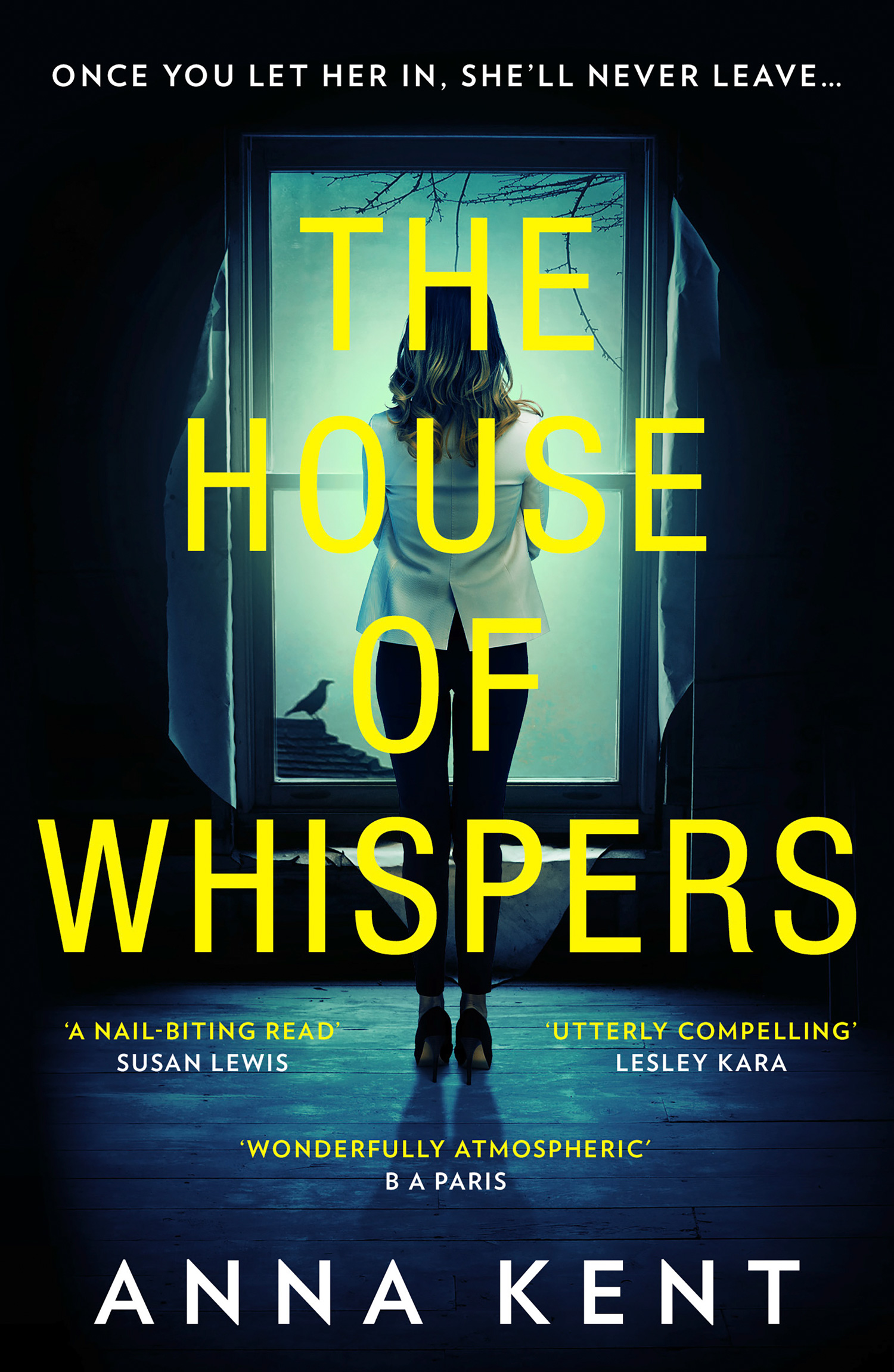
My fifth novel, called The House of Whispers under the pen name of Anna Kent, is due to be published on August 5.

I’m currently writing my sixth novel. It’s yet to get a title but I’m really excited about the premise!

What you are promoting now?

I’m promoting The House of Whispers by Anna Kent.

Tell us a bit about your process of writing?

I try to treat writing as I would an office job, so I have a strict routine: I put in about three or four solid hours in the morning, then I try to go to the gym or do an exercise class before lunch, then I fit in another hour or so of writing before it’s time to pick up my son from school. 

If I can, I’ll work again in the afternoon but it’s not always possible. I never work at night and I try not to work at the weekend, too.

In terms of the writing process, every book begins with the seed of an idea: sometimes it’s the ending, sometimes the twist, or, in the case of the book I’m currently working on, it was the inciting incident – the event that kicks off the whole story. I try and flesh this out, sketching out how the character will change throughout the story, and working out a plot that will carry that internal change and also allow room for a few duplicitous scenes, red herrings and twists.

I try to use a system where I write scenes on index cards and move them about but, generally, once I’ve got a foggy idea of the story in my head, I just want to start writing. It’s a mistake to start too soon, though, as I invariably then get stuck about 20,000 words in because I haven’t planned enough.

There’s always a point, about halfway or three quarters of the way into a manuscript that I lose faith and start to doubt myself. Writing is a solitary process and it can be a challenge to keep up both the momentum and the self-belief. You just have to push on through and trust the process. Having a good support network of friends and family really helps.

How do you do structure your books?

They’re all different. Most of them have multiple viewpoints because I love seeing events through different people’s eyes. 

In The House of Whispers, interviews with one of the characters are interlaced throughout the narrative, only you don’t know who is interviewing the person, nor why – you just know that something major has happened. The Disappearance started half-way through then tracked back, and it also had two timelines set about 50 years apart. I Know You was told with the benefit of hindsight, which allowed me to do a lot of foreshadowing to keep up the suspense, and The One That Got Away had alternate chapters from the points of view of a husband and wife. 

I do love a clever structure, but they can be very tricky to pull off.

What do you find hard about writing?

The hardest thing for me is trying to come up with that million-dollar best-selling idea: the high-concept story that becomes the most talked-about book of the year!

I also hate it when I get stuck in my plot. It happens at some point in every book, and I’m antsy and stressed until I get through that block and start writing properly again.

Other than that, just trying to be creative, day in, day out, with little or no feedback on how I’m doing, and no colleagues to bounce ideas off. Keeping faith in myself that I can do it. Not knowing if my book is any good or not until I submit it to my agent when it’s finished. That’s tough. 

What do you love about writing?

I love the creative freedom at the start of a new book, when the world really is your oyster. It’s like playing God. You have the power to create a whole world, and to populate it with whomever you like, and to make whatever you want happen to those people. There’s nothing like starting a fresh story. Even better if you know it’s a really fabulous idea! 

Days when the words flow and the story just comes flying out through my fingers are also fabulous. There’s no feeling like it.


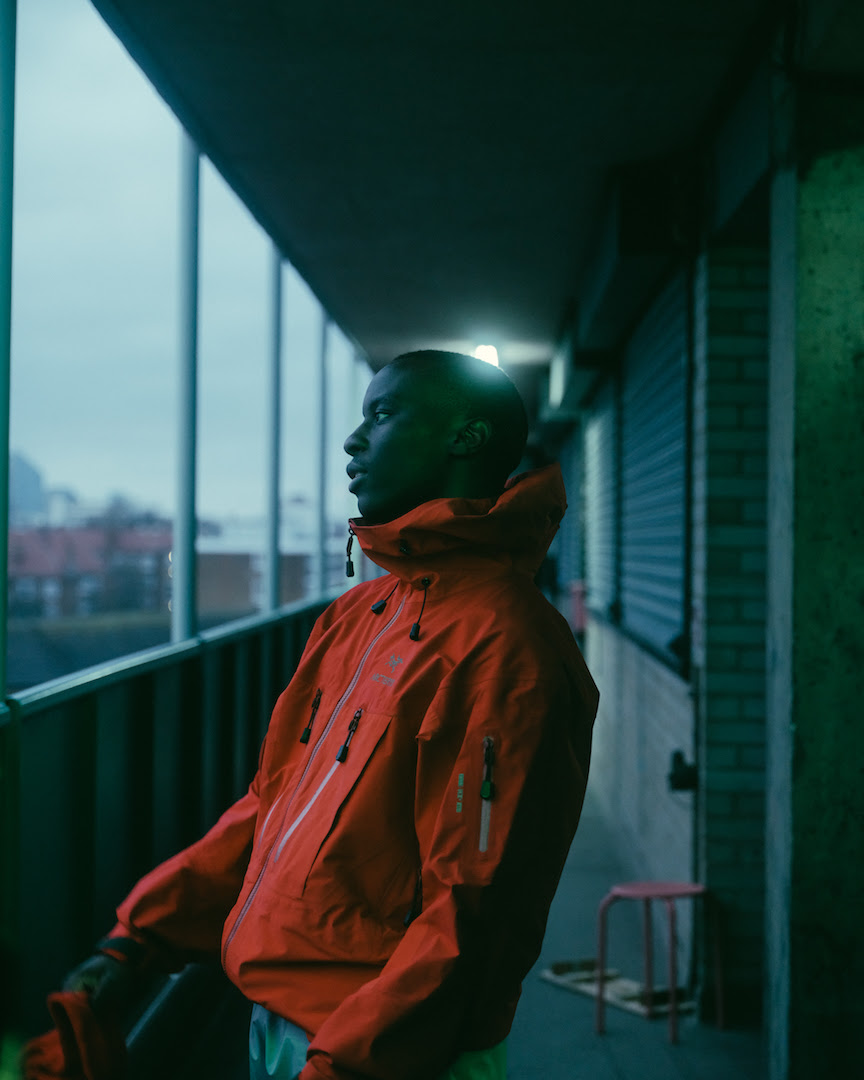
Downtown reintroduces himself with ‘Hello World’

Photo Credit: Robin Niedojadlo.

Zimbabwe born, Hull raised alternative R&B artist Downtown Kayoto invites listeners back into the fold with Hello World, his first release emerging after a long lockdown.

Releasing his first single in 2019, Downtown Kayoto has quickly established himself, with co-signs from Jessie Ware, Zane Lowe and Nick Grimshaw as well as being Radio 1’s Future Artist. With this he landed the MOBO Help Musicians and PPL Momentum Accelerator Funds.

Following his latest single ‘ROX’, Downtown takes a darker sound with first single of 2021, ‘Hello World’. It acts as a musical reset: “It’s a phrase typed into a new computer program to initiate, before more code is written. It symbolises me placing my flag down into the ground and marking a new starting point both from an artistic and a visual standpoint.”

Like many artists, he found his music shaped by the pandemic: “in the midst of it I found out that I was lonely and didn’t know how to articulate it, usually I try and be vague about my feelings when making music, but I say it confidently in the pre-chorus of this song (“Hello world, I been feeling kinda lonely and I won’t lie.”)”

The track also marks his continuation into authentically blending genres, with his inner conflict represented by the switch between R&B and DnB elements. It’s paired with an equally chaotic visual following Downtown as he spins out, directed by Louis Lincoln-Bottcher.

Marking the beginning of a string of releases, Downtown Kayoto is bringing the alternative R&B sound from across the pond and blending it with UK influences effortlessly.

‘Hello World’ is available on all online platforms via Songular.

JANGO FLASH – Newcastle alt-rockers share ‘My Mercedes’

JANGO FLASH - Newcastle alt-rockers share 'My Mercedes' | released July 28th Inbox

Photo Credit: Adam Thirtle.

Newcastle alt-rockers Jango Flash announce their arrival with scintillating effort ‘My Mercedes’, set for release July 28th ahead of their first ever UK tour dates.

A thrilling indication of the self-proclaimed ‘kamikaze-pop’ outfit’s glittering potential, ‘My Mercedes’ marks the band’s frenetic introduction onto the emerging scene, having locked themselves away in their riverside lair writing and recording a batch of new material over the last twelve months.

Fronted by producer and songwriter Jack Angus Golightly, the band’s feverish indie licks have already won early acclaim across the press landscape via key indie titans The Line Of Best Fitand Clash, whilst spins on the BBC Radio 1, BBC 6 Music and Radio X airwaves have certainly solidified their rising status as one of the North East’s hottest prospects.

Discussing the context behind the track, charismatic frontman Golightly explained: “‘My Mercedes’ was written as a dialogue between two best friends at bad places in their lives. My mum was a single mother travelling the world with my brother and working three jobs. Along the road she ended up in an oppressive relationship prior to meeting my dad, yet fortunately found the strength to kick back, protect my brother and get herself out of it. It was my mum’s friend that gave her the nickname “Mercedes” because she found elegance and strength in the way she carried herself through life. Whenever she writes to my mum she always starts with, “Dear my Mercedes”. So I opened the song like a letter, and finished the rest in a night.

This pandemic has ramped up the tension in people’s lives to breaking point. Domestic abuse figures skyrocketed, and I ended up hearing horror stories from friends of mine. This is close to home and something that I wanted to discuss, because no one should have to live with abuse and should always have support to find strength and speak out.”

Jango Flash’s ‘My Mercedes’ is out July 28th and will be available on all digital platforms.

Jango Flash is Jack Angus Golightly (vocals), Ed Smith (drums), Adam Dixon (guitar), Sam Frame (guitar), Alex Mitton (bass)

Live Dates
7th Aug – Anarchy Brewery, Newcastle
27th Aug – 13th Note, Glasgow
1st Sept – Sneaky Pete’s, Edinburgh
2nd Sept – Victoria Vaults, York
4th Sept – The Cluny, Newcastle
25th Sept – Gathering Sounds Festival, Stockton Arts Centre
13th Oct – EBGB’s, Liverpool
19th Oct – Lending Room, Leeds
20th Oct – The Fulford Arms, York


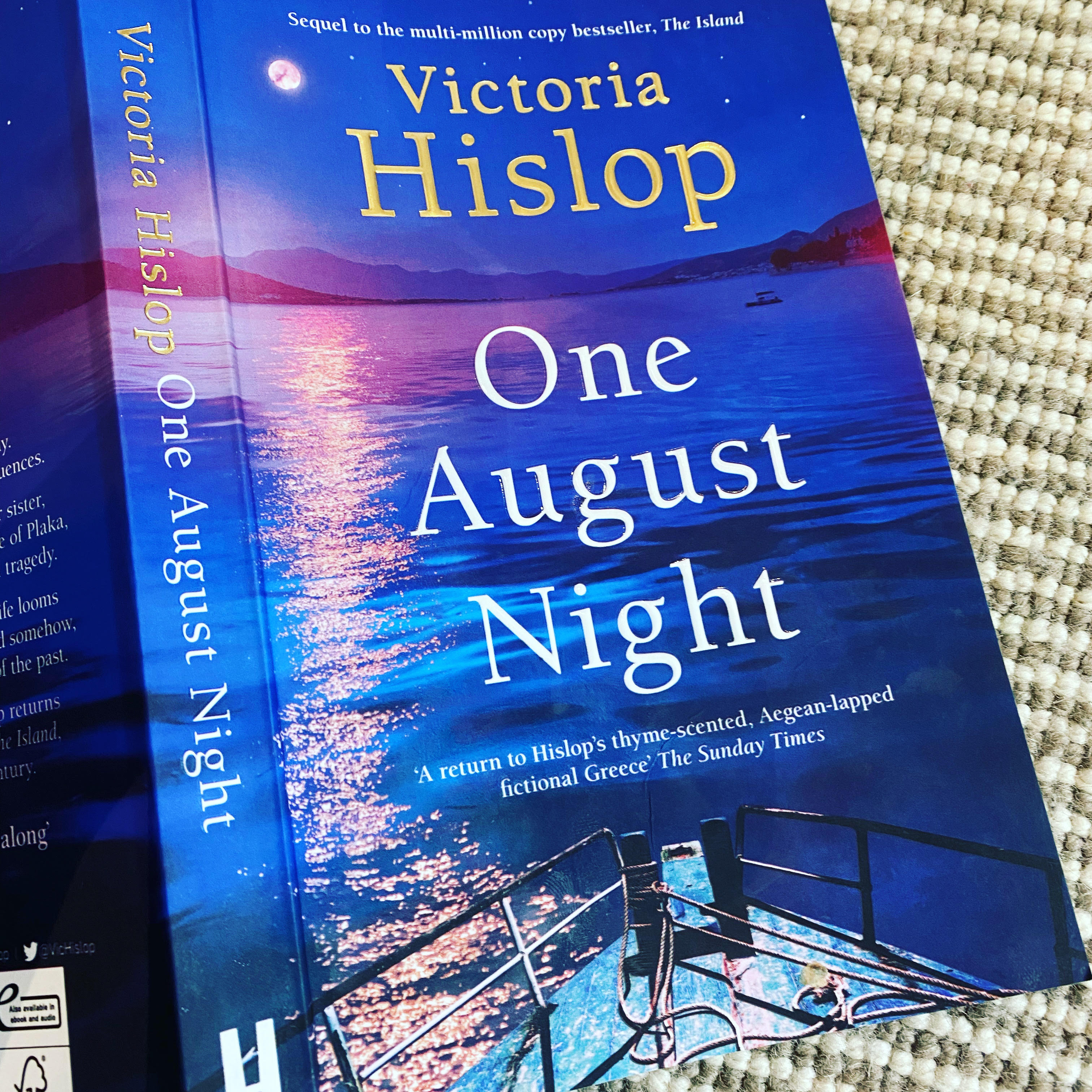
One August Night By Victoria Hislop Book Review.

I read One August Night By Victoria Hislop over two balmy days. I was drawn in immediately even though I have not read The Island. I was whisked away to the gorgeous island of Crete. The book is set in 1957. One August Night is a dramatic and ultimately beautiful story of love, betrayal and tragedy. It is a story with depth that compels you to carry on reading whilst completely absorbed in the story and the characters. Hislop’s books are always so well researched. This is a gorgeous book that you can sink your teeth into. I feel like I learnt a lot about redemption and the power of forgiveness from this perfectly-written book. An essential read.

25th August 1957. The island of Spinalonga closes its leper colony. And a moment of violence has devastating consequences.

When time stops dead for Maria Petrakis and her sister, Anna, two families splinter apart and, for the people of Plaka, the closure of Spinalonga is forever coloured with tragedy.

In the aftermath, the question of how to resume life looms large. Stigma and scandal need to be confronted and somehow, for those impacted, a future built from the ruins of the past.

Number one bestselling author Victoria Hislop returns to the world and characters she created in The Island – the award-winning novel that remains one of the biggest selling reading group novels of the century. It is finally time to be reunited with Anna, Maria, Manolis and Andreas in the weeks leading up to the evacuation of the island… and beyond.

One August Night By Victoria Hislop is available here.


Never iron again thanks to new handheld steamer designed by experts

The portable handheld steamer, designed by experts, enables you to remove creases from fabric with ease. Available in three colourways (arctic grey, vintage pink and idol blue), the steamer is lightweight and portable making it ideal for travel, with a lengthy 4 metre lead that can be simply packed away after use.

For over 40 years, Propress Steamers have been the fashion industry’s best kept secret. Originally designed to help fashion designers and retailers prepare garments for stage and display, the professional finish is now available at your fingertips.

Priced at £110, the Propress MINI Handheld Clothes Steamer heats up in under a minute. Adaptable enough for use not only on clothing, but also various home fabrics such as curtains and bedding, so pack away your ironing board and say goodbye to your iron for good! Offering triple action benefits, the steamer smoothes out creases, restores shape and removes odours quickly and effectively while killing bacteria, rejuvenating your fabrics for long lasting freshness.

Propress Minis

The handheld steamer comes complete with steam mitt, detachable water tank and travel bag, allowing you to easily pack it away for future use at home or on the go.


A picture containing pot

Description automatically generated

Propress MINI, with its unique and versatile Big Belly tank option, offers more flexibility and range of use than any other hand steamer on the market. Big Belly is designed to simply clip on instead of the standard tank, almost doubling the capacity and steaming time. Sold separately at £22, the tank can be added quickly and easily for those more demanding jobs.


Give your beloved garments and soft furnishings a new lease of life with this handy device you didn’t know you needed.

Both the Propress MINI Handheld Clothes Steamer and Propress MINI Big Belly Tank are available now from www.propress.co.uk.


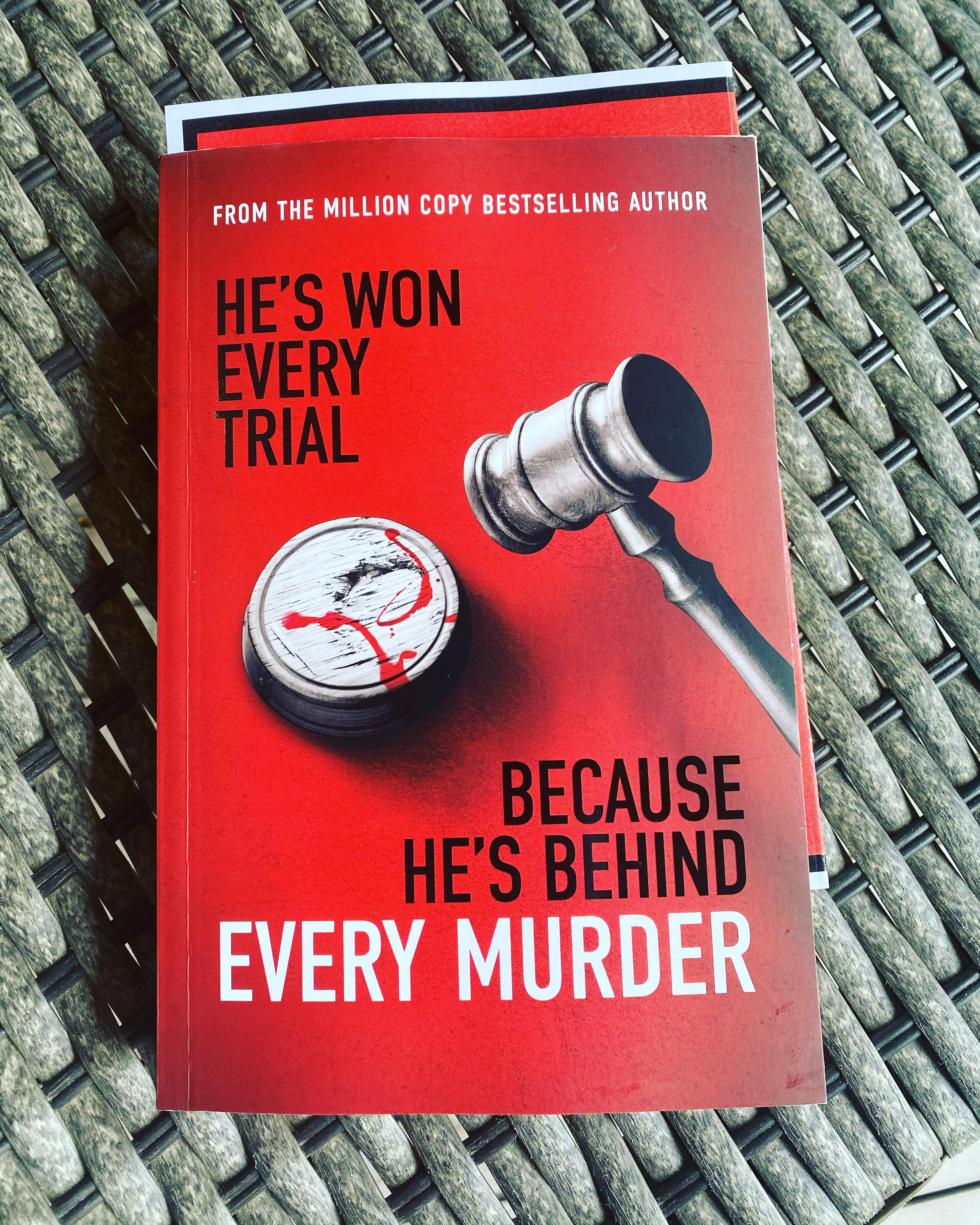
The Devil’s Advocate By Steve Cavanagh Book Review

The Devil’s Advocate is the first Steve Cavanagh book that I have read. Lucky me, I have so many books to read now. I am totally hooked on Eddie Flynn and will be working my way through the series. The Devil’s Advocate is atmospheric with a smart plot that weaves a thrilling tale. The characters are brilliant and the entire book is just waiting to be made into a movie.

This book is a rip-roaring ride which cements Steve Cavanagh not as the next John Grisham, but as John Grisham on speed. I cannot imagine anyone being able to start this book and not finish it. It is impossible to put it down.

The Devil's Advocate By Steve Cavanagh Book Review

A DEADLY PROSECUTOR

They call him the King of Death Row. Randal Korn has sent more men to their deaths than any district attorney in the history of the United States.

A TWISTED RITUALISTIC KILLING

When a young woman, Skylar Edwards, is found murdered in Buckstown, Alabama, a corrupt sheriff arrests the last person to see her alive, Andy Dubois. It doesn’t seem to matter to anyone that Andy is innocent.

A SMALL TOWN BOILING WITH RAGE

Everyone in Buckstown believes Andy is guilty. He has no hope of a fair trial. And the local defense attorney assigned to represent him has disappeared.

A FORMER CON-ARTIST

Hot shot New York lawyer Eddie Flynn travels south to fight fire with fire. He plans to destroy the prosecutors case, find the real killer and save Andy from the electric chair.

But the murders are just beginning.

Is Eddie Flynn next?

The Devil’s Advocate By Steve Cavanagh is available here.


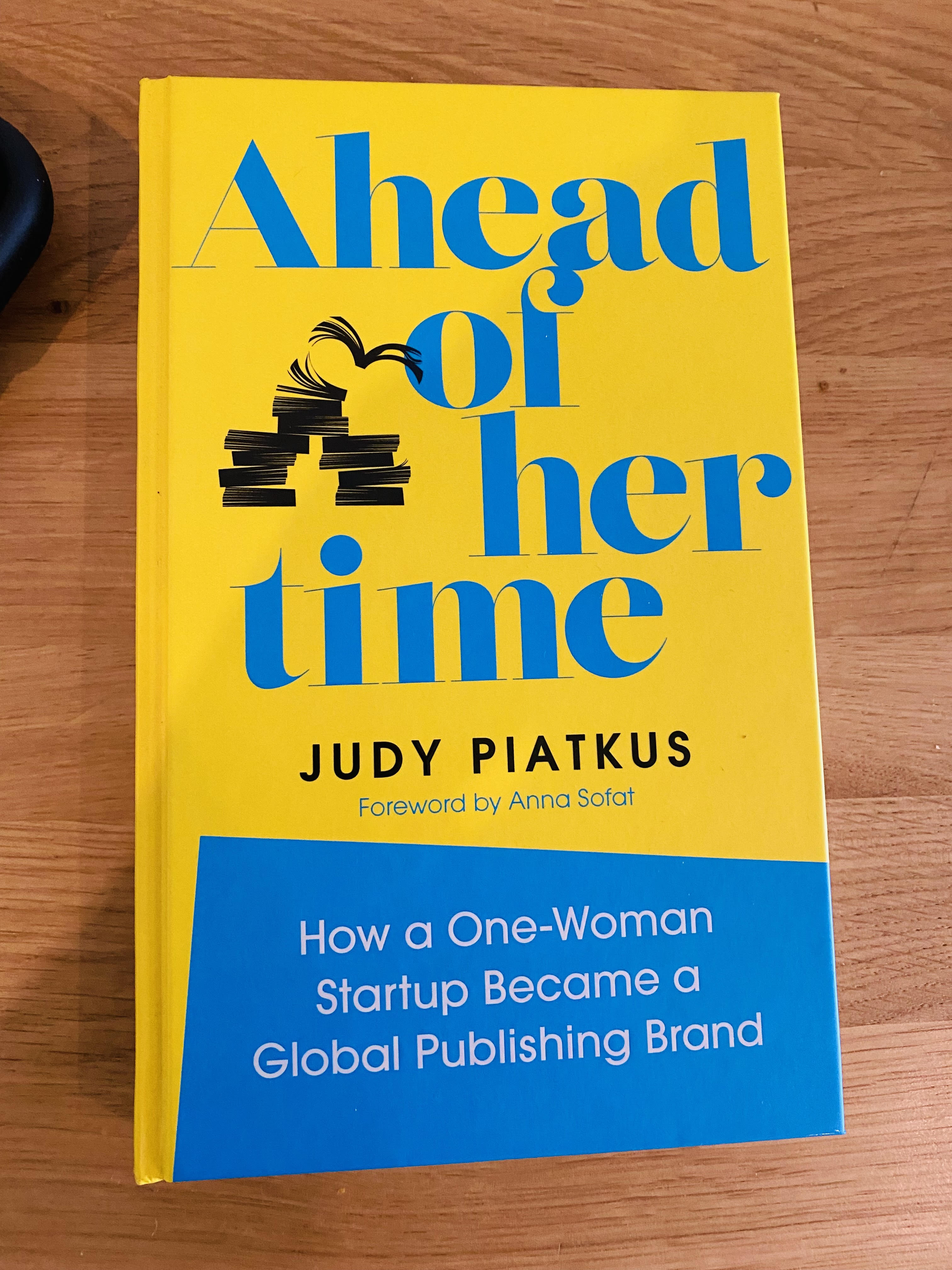
Ahead of Her Time By Judy Piatkus Book Review.

It is hard to think about now but female entrepreneurs used to be thin on the ground. Sure we are lucky to have Jo Malone, Anya Hindmarch, Natalie Massenet, Kelly Hoppen and Karen Brady, but before all of them came Judy Piatkus. A single mother-of-three who built a publishing empire with one hand behind her back. Well, almost.

Now Judy has written a book Ahead of Her Time; How a One-Woman Startup Became a Global Publishing Brand and it is the new bible to help other entrepreneurs and people who are interested in business. The book gives a fascinating insight for those who are interested in publishing. Judy did all of this while while taking care of her three children, one of whom is disabled.

I found this book so inspiring that it has made me drag out an old business plan I had and start work on a logo for that, and a new one for Frost. Piatkus books was built at a time when women were discriminated against. We still are, but it has got better.

I implore anyone who is interested in building a business, publishing, or even just loves a story about how someone built something amazing, despite the odds against them, to read this book. It really is brilliant. I will be handing copies out to my female friends. Judy Piatkus truly was ahead of her time.

Ahead of Her Time; How a One-Woman Startup Became a Global Publishing Brand  by Judy Piatkus is an incredibly inspiring book. 

Judy Piatkus did not come from a monied background and began her career as a secretary after failing to achieve a university place. By the time she founded Piatkus Books from her spare bedroom, she was married with a disabled small daughter and pregnant with her second child. Gradually she learned how to be both a publisher and a managing director and to combine that with her family life as she had become a single mother of three. A lot of mistakes were made but she also got a lot of things right. The company prospered, thanks to the risks Judy took in tackling new subjects in the marketplace and also her approach to running the company, which focused on transparency, honesty and trust and was rewarded by the loyalty of the staff, many of whom worked alongside Judy for upwards of twenty years.

In 1979, Judy Piatkus founded what would become a global publishing brand— Piatkus Books — from her spare bedroom.

A single mother, with a child with learning disabilities, at a time when being a self-made woman entrepreneur was rare, Judy defied expectations, influencing, shaping, and giving rise to a new industry of personal growth and development publishing.


Long before the bestseller charts were packed with mind/body/spirit, business, and relationship books, Judy created a platform for new, as yet unknown, voices and leading authorities and experts in their fields, including Jon Kabat-Zinn, Mary Berry, David Allen and Brian L. Weiss.


‘Ahead of her time’ goes behind-the-scenes and reveals the inner workings of book publishing. Judy details how her combination of financial risk taking, transparent approach in business, and courage to tackle new subjects in the marketplace rather than follow trends, led PiatkusBooks to become a leading global independent publisher.


Judy’s memoir is also a fascinating insight into building a company and brand identity and what enables a team and a business to succeed.


Judy details her learning experience as an entrepreneur — the triumphs and the pitfalls, what worked and what didn’t, how to reinvent through lean times, learning to be both a publisher and a managing director, and how it felt to overcame obstacles in order to build the career she wanted from the ground up, as a truly self-made woman.


‘Ahead of her time’ is published by Watkins Publishing, £14.99, and is available here and from all good bookstores.


Susannah Wise: My Writing Process

  • Susannah Wise: My Writing Process
      What you have written, past and present

 Like so many authors, I have always written stories, poems, and the beginnings of ‘novels’ that remained forever unfinished. As a young child these were complete with messy felt-tip illustrations and growing up, pieces of my work would appear in the school magazine each term. I’m still not sure of their merit, but Mum always thought they were great, and she obviously wasn’t biased. 

    In my late teens, I found myself in a long relationship with a playwright and screenwriter, and encouraged by him, began a regular writing practice between acting jobs: short stories, plays, more poetry than I can recall; always poetry – I have an engraved Moleskine at home full of these personal noodlings. When I die, I dread to think of my family going through them. 

     In my thirties, frustrated with the quality of scripts I was reading (I am also an actor), I began to write screenplays and comedy pilots of my own. These would garner modest amounts of interest from the powers that be at television channels, but never reached fruition and they are now consigned to my ‘oh well’ drawer.

    In truth, it was only shock, when my father was given a terminal cancer diagnosis back in 2015, that propelled me into writing seriously. I think it made me reassess what my life and what I was waiting for. I tentatively started the novel that was to become This Fragile Earth, and discovered I loved everything about the daily practice of writing: the space and time long-form prose gave me in my head, the agency I had over my characters and the world-building. I haven’t stopped writing since.

     What are you promoting now?

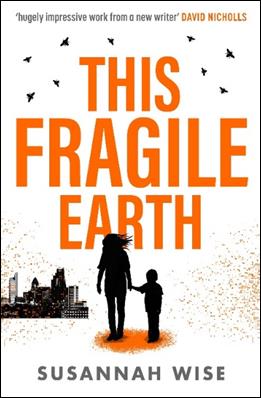
    This Fragile Earth is my debut, and the hardback is out on 24th June of this year. It’s a post-apocalyptic survival story about a mother, Signy, and her six-year-old son, Jed, who following a tragic event, are forced to flee near-future London and travel to the Midlands to seek out the protagonist’s mother. When they get there, however, things are far worse than they could ever have imagined. The book is a grounded science fiction thriller, with at its centre, the beating heart between the two main characters.

If you’re a fan of John Wyndham, or perhaps Emily St Mandel’s Station Eleven, this is the book for you.
Susannah Wise: My Writing Process, my fragile earth

A bit about your process of writing, how do you do your structure, and do you plan or just write?

 I find it very hard to talk about ‘process’ when discussing art of any kind. I know some people are good at it, I’m not. I’ve written three books and for each one the process has been different. With This Fragile Earth the plot came to me quickly over the course of one night. With only a few small tweaks, I set about writing it directly from the ideas bubbling in my head. I already had a decent grounding in some of the themes in the book, although I made up almost all the ‘science’ myself. I even dreamt one of the main coding theories in there! In the course of completing it though, I did more research, attending lectures and reading books on the subject and so on. 

    My second novel, out next year, is a dark comedy about grief. When I set out writing it, I had no idea what it would be about, barring the bare bones. I had no plot, only two characters and not a clue what the ending would be. I took part in the Faber Academy novel-writing course over six months in 2018 and completed an entire first draft. I really loved the ‘pants-ing’ rather than ‘planning’ nature of this book, though it did mean rather a lot of editing once finished, of course!

    My third novel is set around some dodgy goings-on in a small village in Cumbria. Before I began, I had a plot, all the characters, and a location, and wrote out each point at the start. I did research on some elements in the book (I can’t say what they are here without giving the game away!), but the setting is a place very familiar to me, so that helped a lot. A few plot points have moved within the process of writing it, but basically, I am sticking to my initial ideas. I began during lockdown in April last year and am still going strong: I was hoping the first draft would be about 75K words, but I think it will be closer to 100K. Its completion has been hampered by home-schooling, preparing This Fragile Earth for publication, editing my second book, and the fact my partner has been away for seven months for work since January. It’s been slow-going, but I’m hoping the book is no worse for it. 

    I tend to write in the morning for two hours if I can, either at 9.30 straight after dropping my son at school, or after a walk or some sort of exercise, around 11. I find it very hard to write in the afternoon for some reason but will force myself to if I’ve been unable to complete my daily words beforehand. I’m also an actor, and auditioning and learning lines, as well as acting work itself, eats into a vast amount of writing time. Saying that, there is a lot of hanging around when one is filming, so I always take my laptop with me and use the time to catch up on my word count. It’s a brilliant and unexpected bonus and has made me far less resentful about all the ‘wasted’ hours actors endure.

Most of the time I am not filming and will write at the kitchen table (without music) or kneeling on the rug in our living room, using the coffee table as a desk. I get terrible dead feet after I stand up and will often hobble around comically for half an hour trying to eradicate the pins and needles. I have a special foam support for my wrists too, as I tend to get RSI after a long period of typing. My eyes do go a bit squiffy after a long session of intense focus. Basically, I’m falling to pieces.

What about word count?

    I tend to set myself a very achievable 500 words per day (five days a week) when I’m drafting. This will take me around an hour to an hour and a half. Then another hour perhaps of reviewing the previous day’s words. I prefer to set a low bar as I find I work better if I’m hitting my target than setting unrealistic goals, then spending the rest of the day beating myself up for my failures. This helps me stay motivated, which is important when undertaking such a vast piece of work. 

    When I’m editing a completed draft, I can easily spend three or four hours at my desk and hardly even notice where the time has gone. Even more if I have line edits back from my publisher. I once spent ten hours working on notes from my agent. I would strongly advise against this. 

What do you find hard about writing?

Ha. Well, this is a tricky one to answer, because without meaning to sound like a plonker, I really feel – for me at least – that writing is the best job in the world. I guess if I had to say a couple of things, one would be the loneliness (though ironically, this is also one of the things I love about writing). It can be a little isolating spending all day with only the people in your head for company, before going out for a walk alone. Sometimes 24 hours can pass and the only person I will have spoken to is my 11- year-old son. Love him as I do, he’s not a great dinner table conversationalist. 

The other thing I find difficult is the mental responsibility. By this I mean that like the expression ‘this book isn’t going to write itself’, the completion of any book is entirely in the hands of the author. The manuscript sits like a patient pet waiting for attention, but if there happen to be other things going on in life, it requires huge amounts of discipline and mental energy to carve out time to honour this. Some days the words fly out, some they are like sticks in a muddy dam. It’s important to know when to just close the computer and get one with something else

What do you love about writing?

What’s not to love?! I love that no one else is there making me write, it is entirely my own work, that ‘being left alone’ feeling. I love that it allows time for introspection. I gain a great sense of inner peace from its practice. On top of this, having a whole world in the palm of one’s hand is just the greatest feeling. There is huge satisfaction in putting words in order so that they have rhythm and cadence, just like music. The joy when one reads back a passage and thinks ‘hmm, that isn’t half bad,’ is like nothing else. 

More than this though, is the vast pride and sense of achievement from completing a novel, especially when one gets to see it type-set, or in its proof form, or better still the actual finished version. It is an object created outside oneself, to be held in the hands of others, taking them to new places, and will it live on long after the author is dead and gone. I still can’t quite get my head around this concept. 

This Fragile Earth by Susannah Wise is out now in hardback by Gollancz.