Can I access my pension savings before I retire?

If you are over 55 and have the right pension – yes you can! This is great news for people in the UK at the moment, as the official retirement date seems to be getting further and further away.  But why would you want to use hard earned cash which has been saved for your later years? Isn’t this a bit risky?

Use the guidance of a regulated financial advisor

Clearly money put aside for your retirement years was put there for a reason. To diminish those funds could be putting your retirement in danger. For this reason, you should never mess with your pension pot alone and get the guidance of a regulated financial advisor if you are thinking of releasing money. These professionals are accountable to the FCA.  Many offer a no-obligation pension check and can help you understand the options available to you. They can let you know if releasing money is right for you or not, based on your individual circumstances. It could leave you worse off in retirement.

In other words, as you approach your final working years you can double check that your pension pot is strong enough to fund a long retirement and also consider how you can use your savings to help you with debts, treats or big buys in the here and now.

So how do you access your pension?

In 2015 the government in the UK introduced pension freedoms. They allow people to take lump sums from their pension or a regular income, from the age of 55. You can only do this with work pensions or private pensions. You cannot access your state pension or unfunded pensions. If you have a final salary pension you can transfer monies to a fund which offers access. However, be careful as you could be giving up valuable guarantees. Before you do this get guidance as to whether having access to your pension will be detrimental to your long term benefits.

What are your options?

Here are three fundamental ways in which you can access your pension savings:

  • One lump sum
  • Taking out lump sums whenever you need them
  • Income drawdown. In other words, you draw down your pension as a regular income.

The first 25% of any money you take from your pension will be tax free. Any money left in your pot will continue to be invested by your pension provider. As seen above, you can take as many lump sums – if and when you need them. With drawdown you can create an extra income for yourself which could act as a sole or complimentary income. 

Why do people access their pensions?

Throughout our working lives our hard earned cash tends to go on five specific things:

  1. Sustenance. i.e., paying for those things we need just to allow us to live comfortably
  2. Those treats we give ourselves on a weekly/monthly basis
  3. Short-term savings (i.e., that holiday to America next summer; that new sofa you have been promising the family; rainy day money)
  4. Emergency funding (that unforeseen urgent bill etc.)
  5. Long-term savings (i.e., a savings pot for retirement)

There is always going to be the time when you need that extra bit of cash urgently. It seems people access their pot for reasons 3 and 4 above. Statistics from 2018 show people tend to access their part for the following reasons:

  • 32% to tackle a debt
  • 21% to make house improvements
  • 10% to buy a new car

See here how people are using pension freedoms in the year 2019/2020.

Whatever you do – don’t go it alone. Seek out the guidance of a regulated financial advisor to ensure your pension pay-out will be maximised after any access or indeed if it is a good idea at all. Check out the FCA website to get ideas as to where to find an advisor.

If you are considering your pension, consider using a regulated pensions specialist like Portafina or, view the information guides at The Pensions Advisory Service.

Collaborative post with our brand partner. 

New Cocktail Recipe: Cotton Gin Mother’s Day Martini

cocktail, cocktail recipes, cocktails, gin, gin cocktails, Yorkshire-based Premium Gin Cotton Gin has teamed with TV’s Andy Clarke to create a mouth-watering new Martini for Mother’s Day: Introducing the Cotton Gin Mother’s Day Martini.

Watch the Cotton Gin Mother’s Day Martini – a mix of tantalising tarragon, zingy pomegranate, fragrant Rosé Vermouth and crisp, smooth Cotton Gin – be made on Insta Live with Andy and Distillery Founder Nicola at https://www.instagram.com/otterbeckdistillery/  – Tuesday 9 March @ 7pm

Method


FOR TWO


Ingredients (for two cocktails)


3 Parts (150ml) Cotton Gin

2 Parts (100 ml) Londinio Rosé Vermouth

1 Part (50ml) Pomegranate Juice

20 Pomegranate Seeds

2 Sprigs of Tarragon

A Large Handful of Ice


Equipment


1 x Cocktail Shaker

2 x Martini Glasses


Chill the glasses.


Put the ice to the shaker and add all liquid ingredients. Shake for 20 seconds or until the shaker condensates and is extremely cold to touch.


Pour into the glasses and decorate with the pomegranate seeds and tarragon leaves.


Bookshop.org Generates £1 Million for Independent Bookshops in Just Four Months

bookshop

Chener Books (London)

200,000 customers flock to ethical ecommerce platform, as book buyers vote with their wallets to support the high street while shopping online

Independent booksellers report that Bookshop.org has helped them avoid putting staff on furlough, attract new customers, build an online presence, feel connected to their customer community and even open new stores

 Bookshop, the book buying site that empowers socially conscious shoppers to financially support independent bookshops when shopping online, has generated over £1million in profit for indie booksellers in just over four months of trading, with over 200k customers embracing the new platform to date.

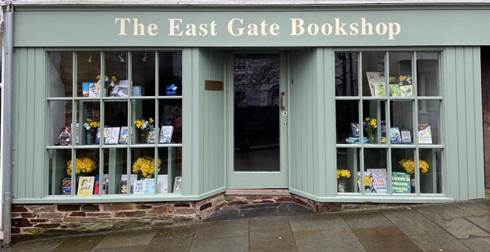
The East Gate Bookshop (Totnes);

At a time when the majority of the UK’s bookshops have been forced to close their physical stores due to lockdown restrictions, by choosing Bookshop.org book-buyers have generated over £1million in profit for the 410 independent bookshops using the platform.

 As of 4 February 2021, 82 per cent of sales on Bookshop were generated by titles selling four or less copies each, and 54 per cent from titles selling a single copy, demonstrating how the platform helps draw attention to books beyond bestseller lists and celebrates diversity within the publishing ecosystem.

Booksellers using the platform have reported the many ways in which Bookshop.org has been a financial lifeline in a particularly challenging time, with the additional income allowing many to avoid furloughing staff, pay out Christmas bonuses, strengthen their online presence to better compete online, and even open new stores.

Miranda Peake from Chener Books, London, who likewise hasn’t previously had the resource for online bookselling, reported new customers discovering her shop online: “I had no expectations when we joined Bookshop.org in November, but it was very successful for us right from the word go. I haven’t had the time or resources to set up an online shop, so having a well-managed, efficient and lovely looking website to direct customers to has been absolutely brilliant. It’s been so gratifying to see so many of our regular customers using the website, as well as lots of new customers, friends and contacts from further afield who are not able to visit the bookshop but want to support us. We are enormously grateful to be part of this initiative.”


Nigel and Claire Jones were able to open The East Gate Bookshop in Totnes in December. The co-founders said: “The positive impact of customers being able to buy from our shop has been immense. And it’s not just the revenue that Bookshop.org creates – which of course is essential. Having an online presence confirms to our customers that we are a ‘proper’ professional retailer; it’s what’s expected, but we’d never have the skills, time or the deep pockets to operate online at all without Bookshop.org. Bookshop.org arrived in the nick of time for us, I honestly don’t think we could have managed financially and emotionally without it.”


Bookshop.org offers an ethical online marketplace that ensures independent bookshops receive 30 per cent of the cover price from each sale they generate on the platform. Moreover, 10 per cent from any sale not attributed to a specific bookshop goes into the shared profit pool. In addition, a number of publishers – including Canongate, Atlantic, Murdoch, Profile, Serpent’s Tail, Faber, Pushkin Press, Scribe, Nosy Crow, Simon & Schuster, Pan Macmillan, PRH, Hachette, Usborne and Europa Editions – have chosen to forego their 10 per cent affiliate commission and opted for it to go into the shared profit pool, to be split equally by independent bookshops using the site.

A recent survey conducted by the Booksellers Association found that 80 per cent of booksellers had a “good” or “very good” experience of using Bookshop.org to date.

Meryl Halls, MD at the Booksellers Association, commented: “The £1m milestone for Bookshop.org is a remarkable moment for indie bookselling, and in the fight against Amazon’s dominance in the book market over the last 10 months.   For those booksellers using the platform, Bookshop.org has provided a lifeline, often, and an additional sales channel, to indie booksellers forced to close and otherwise struggling to provide an ecommerce offer to their loyal customers.  The team at Bookshop.org deserve huge credit for the speed of the launch, the empathy and openness they’ve shown to booksellers and the supportive community they’ve created for their users.    In our newly hybrid world, the need for online bookselling is not going to abate, and we are delighted that indies are now able to join the other high street booksellers, Waterstones, WHS, Foyles and Blackwells, in reaching book-buyers online – and we urge publishers and authors to link to specialist high street booksellers online, rather than lazily linking to Amazon, who certainly don’t need the money.”

 With over 6,000 affiliates – spanning publishers, authors, book bloggers and beyond – using the site to support bookshops, the early success of Bookshop.org has been welcomed by many publishers:


Stephen Page, Chief Executive at Faber, said: “A clear truth that has been emphasised this past year is that independent booksellers play a key role for readers in their discovery of a wide range of interesting books. The arrival of Bookshop.org ensures that independents now have a great partner whose service allows them to offer both a brilliant online and physical service to their customers.”


Bookshop was founded with the belief that independent bookshops are vital to our culture. As consumers are increasingly realising that where they spend their money matters, Bookshop.org offers an entirely new approach to online shopping, giving customers the power to support the local high street when they buy books online.


Highlighting recommendations from real booksellers, authors, publishers and beyond, Bookshop.org takes a human approach to book curation that avoids relying on algorithms, reflecting the unique browsing experience of a physical bookshop. Authors who have supported the platform by curating reading lists have often increased sales of the books featured, including: Elena Ferrante, Malorie Blackman, Marian Keyes, Nikesh Shukla, Julia Quinn, Edmund de Waal, and more.


Skinsmiths, the chain of trusted clinics dedicated to ultimate skin confidence

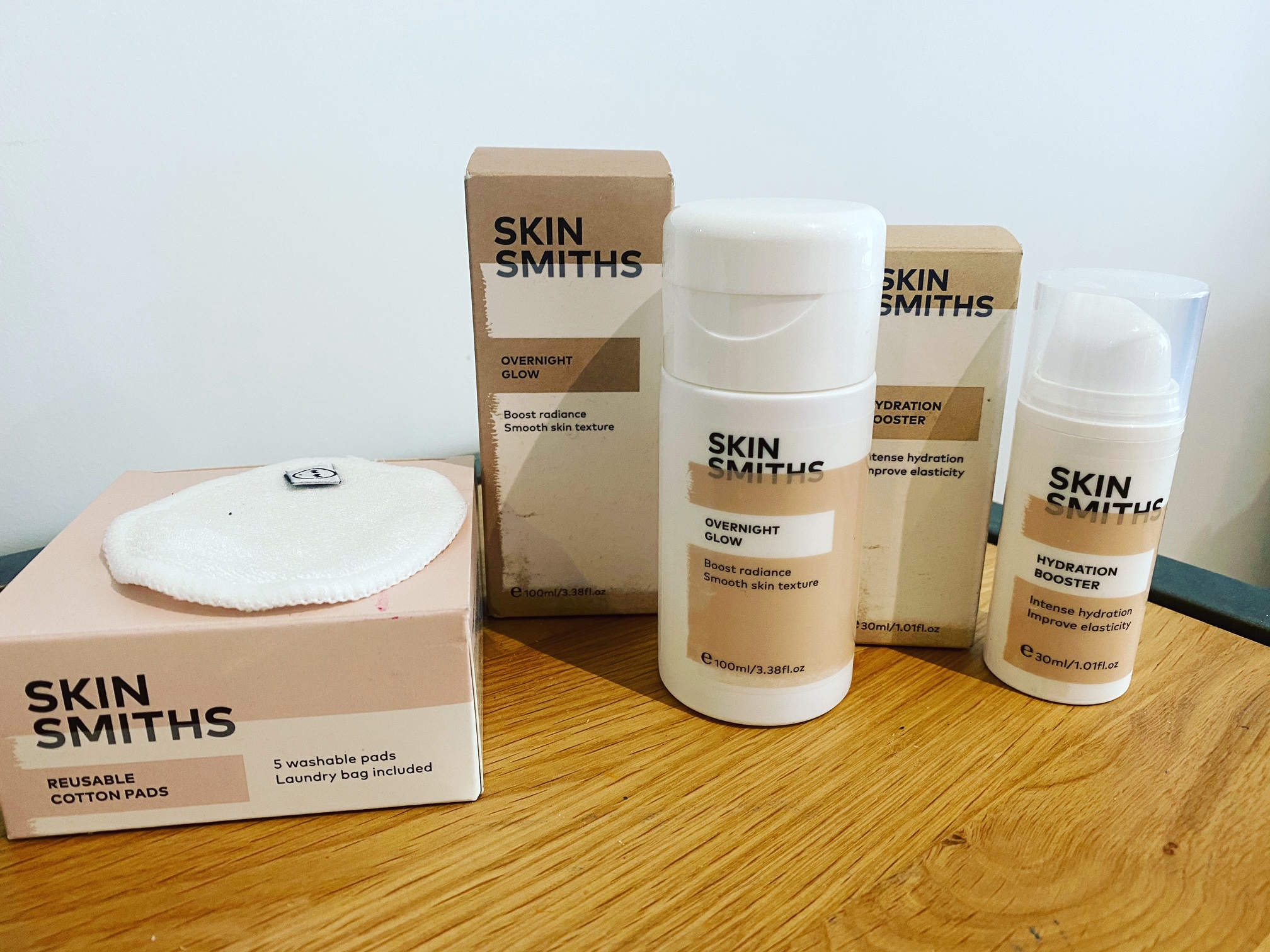
Skinsmiths, beauty, beauty reviews, skincare. For those who do not know Skinsmiths yet, they are a chain of trusted clinics dedicated to ultimate skin confidence. You can buy their products, or you can get curated skincare for your skin needs. You can also have a membership. We reviewed some of their products to get our glow back.

Wake up with the glow your skin deserves. Skinsmiths Overnight Glow is an exfoliating treatment, packed with a mix of high concentration active ingredients  – say goodbye to dead skin cells and clogged pores. And, hello to softer, smoother, glowing skin.

• Boost radiance

• Smooth skin texture

A mix of AHA’s, including Glycolic (7%) and Lactic acid (2%), clear away skin build-up on the surface helping skin appear smoother and brighter.

Salicylic Acid (BHA) (1%) soothes the skin while exfoliating the surface and deeper into the pores for calm, clear skin.

With a concentration of over 10% acids, this is a high strength treatment is perfect for oily skin, dry skin, acneic skin, dull skin. Everyone can benefit from a great exfoliant.

We loved this. It works so well and gives a gorgeous glow. 

Next up was the Hydration Booster. This was much needed. It gives dry skin what it needs. Impressive. 

This Hydration Booster is jam packed with ingredients that draw moisture into the skin. It this floods the skin with hydration and helps your skin to retain it too, leaving it plump and replenished.

We also loved the reusable cotton pads. They are so much better for the environment. 

These dual textured cotton pads are gentle on skin and the environment.

What they do

  • Remove makeup and impurities.
  • Delicately clean around the eyes.
  • Reduce the need for disposables.


You can also take out a membership to Skinsmiths.

  • A membership provides
    you with:
  • A personalised treatment schedule
  • Regular reviews
  • Expert advice


SKINSMITHS.COM

We really loved the products. 


Bridal Style Terminology Every Bride-to-be Should Recognize.

wedding planning, wedding, weddings,When searching for a wedding dress online or in-store, many brides may come across unfamiliar terms. While this could be due to a multitude of reasons, it’s essential to understand these terms, as they often imply a wide range of bridal styles.

Particularly for brides searching for designer bridal wedding gowns online, knowing and understanding these terms may also make it easier to find her ideal dress. However, this knowledge also helps brides shopping in-store when meeting with bridal consultants to discuss what dresses to try on. 

Silhouettes

The silhouette of her gown is the first aspect a bride should narrow in on. Think of it as the outline of the dress, its overall shape. It tells how fitted a gown is and whether it hugs certain areas of the body tighter. A few typical silhouettes are:

  • Mermaid: A mermaid style silhouette is fitted at the bust, waist, and hips while flaring out at the knee. The flare gives the effect of a mermaid tail (hence the name). This style flatters curvy body types or women with wider hips than shoulders. 
  • A-line: An a-line silhouette is fitted through the waist while flaring out softly to create an ‘A’ shape, which offers increased mobility. This style works well for all body types.
  • Ball gown: This silhouette is more on the extravagant side. The ball gown often hugs in at the waist or hips and dramatically flares out for an hourglass effect, hence why this shape works well on women with an hourglass body shape. Ball gowns look great on thin women or women with broader shoulders as it gives the illusion of wider hips. 
  • Sheath: A sheath silhouette is a perfect alternative to a voluminous dress. The style hugs the body and drops straight to the floor, which elongates the bride’s shape. Petite women may find this style flattering.
  • Jumpsuit: This style is a one-piece with a top and long connected pants. There are versions that look great on all body types.

Necklines

The next element is to learn about different necklines. Simply put, the neckline is the top edge of a dress near the neck and chest. Some of the most popular necklines include:

  • Sweetheart: Just like the name suggests, the sweetheart neckline resembles the top half of a heart and gives the bride a leaner appearance. This neckline is very popular on strapless dresses. 
  • High neck: A high neckline dress provides the most coverage of any bridal style and comes up to the base of the neck or above.
  • Off-the-shoulder: The off-the-shoulder neckline is perfect for summer weddings, as it highlights the collarbones and shoulders with its draped sleeves. 
  • V-neck: A v-neckline is ideal for brides looking for the appearance of a longer torso. V-neck dresses appear in a ‘V’ shape and usually have straps or sleeves.
  • Straight across and Square: These necklines are similar in that the dress’s edge lies in a straight line across a women’s decollete. The difference is whether the gown is strapless or not.

Sleeve Styles

Depending on the season, a bride may opt for a dress with sleeves. Some of the most popular sleeve styles include: 

  • Long sleeves: These are more of a formal style and come down to the wrist without being over-the-top. Within the category of long-sleeved dresses is variation in sleeve style. Some dresses have fitted long sleeves made from just lace, while others feature illusion lace. Bell sleeves are another option; made popular in the 1970s but are currently making a comeback. 
  • Off-the-shoulder: These sleeves are great for highlighting the bride’s shoulders and collarbones in a very chic way. 
  • Cap sleeves: These are very short and flutter from the shoulder but does not feature any fabric underneath the arm.
  • Strapless: This style means there are no straps or sleeves on the dress, highlighting the neck, shoulders, and collarbone. For a traditional bride, long gloves look elegant with a strapless ball gown.
  • Puff sleeve: A puff sleeve is fitted at the bottom of the wrist with elastic to keep it in place. It offers a youthful look and can sometimes look bohemian if done right. 
  • Spaghetti strap: These are more of a dainty detail and hold up the dress without covering the arms.

Waistlines

The waistline may seem insignificant compared to the other elements of a wedding dress. However, it adds a signature defining area to the silhouette. Some popular waistline styles to consider are: 

  • Basque waistline: The seams on the basque create a ‘U’ or ‘V’ shape in the front and are on hourglass ball gowns.
  • Empire waistline: This waistline sits just below the bust and is high and raised, creating a tall and slender appearance. 
  • Dropped waistline: This waistline drops to the thighs, creating a leaner and longer torso. This is not necessarily the same as the mermaid style.
  • Medium/natural waistline: This waistline sits at the bride’s natural waist, offering more comfort. 

Trains

The train of a wedding dress adds extra length to the end of the dress. The most common train styles include: 

  • Sweep: This is the shortest train for a dress, at about 10 inches long, and is perfect for outdoor weddings. 
  • Court: The court train is the same size as the sweep, except it extends from the waist rather than the hem. 
  • Chapel: This is 3 feet from the waist and is perfect for brides who want simple.
  • Cathedral: This train is 6 feet from the waist and suits indoor weddings the best.

Terminology Is Helpful 

With so much variation in the style of wedding dresses, researching and understanding bridal terminology before shopping can make the experience much less stressful. It’s helpful for brides to understand what they want but also for when it comes to explaining what kind of dress they’re looking for with ease. 


Collaborative post with our brand partner.

How To Appear Successful In A Business Environment

Creating a successful image of yourself is a big part of excelling in the business environment. 

When you look the part, you’re more inclined to feel the part. You’ll have the appearance of someone who knows what they’re doing, coming across as being confident and sure of yourself. Even during tense negotiations or important client meetings, you will still appear as if you are in control.  

Some workers have even found a way to look busy and successful without actually doing anything useful at their place of work. There is a power in a look, and one would be foolish to underestimate it. Of course, we are not recommending putting style over substance; only to fuse the two together in a mutually complimentary fashion.

Therefore, here are a few tips suggested by UtilitySavingExpert.com that will help you appear more successful in a business environment. 

Practice Good Hygiene

A successful image starts at basic hygiene. 

It might seem obvious, but no amount of fancy clothes or bottled odours can mask what is undoubtedly poor personal hygiene. Cleanliness is the starting point from which you can create your perfect persona, from which you can add more touches of character to polish up your air of success. 

Successful people have money, and money buys showers and soaps. Use them both well, because if you skip the wash, then every other effort you make to look successful will fall decidedly flat. Floss your teeth, trim your nose hairs, clean your hair with shampoos and conditioners, and keep your nails trimmed or clipped to a presentable standard too. 

If you can’t perform the basics of day-to-day life, then who can say that you can represent the interests of a company? The essentials can’t be missed, so commit yourself to them for the best results possible. 

Wear Luxury Accessories

It’s the extras that communicate real success, showing your ability to go the extra mile with your money. 

Desiring a quality timepiece? Certified Nomos watches sold by Chronext are all brand-new, backed up by a flurry of great reviews. Fast delivery times are also available, and you can search for over 7,000 excellent watches until you have found one that speaks to you. Such a range of choice is not only to be commended but utilised to the full also. These watches are a fresh update in the industry, being incredibly elegant thanks to their minimalist design, all of which is the will of a younger company. 

Accessories always lend extra dynamics to an ensemble, and the more depth your look has in the business environment, the better. It tells people that you pay attention to details, that you have an appreciation for tradition, and that you’re familiar with making good decisions. 

It’s not crass to celebrate the fruits of your labours, either. There’s a fine line between showing off and enjoying your success, and most accessories can help communicate the latter. Additions such as the watch have practicality as well as style, as do things like glasses, headbands, and bags, all of which have incredibly stylish variations if you search hard enough. Flaunt your success – you’ve earned it! 

Develop Your Body Language

Anyone can wear a fancy suit and flashy accessories. The real question is – will your demeanour help or hinder you in wearing them well?

A suit can only ‘suit’ you if you have the charisma and swagger to pull it off. One glance at the models who adorn them in the broadsheets will tell you that their attitude sells it. The character comes through the clothes, not from them. Adopting your body language when you’re wearing your business attire is what lets people know that you’re not only stylish, but serious about being so. 

Your success shines through in every movement you make. Great body language may include: 

  • Keeping Your Head Up: Averting your gaze to the floor might be perceived as a sign of weakness. Look everybody in the eye, and face everything in your working day head on. 
  • Holding Your Shoulders Back: Slumped shoulders will drag down the rest of your posture with them, likely stooping your back also. Keep them back to a degree, so that they can better accentuate a confidently bold pose. 
  • Uncrossing Your Arms: Many people interpret crossed arms as a sign of tension or confrontation. Keep your arms at your side, and you will have an air of openness about you, which is attractive to all your colleagues in clients for business-related enquires. 
  • Maintaining Handshakes: Much can be communicated in something as simple as a handshake. Early withdrawal can indicate nerves, too late an end might flag an overbearing nature. A strong grip and 2-3 shakes is the best way to land a positive first impression. 
  • Controlling Your Facial Expressions: Business can often be like a game of poker, whereby you don’t want to give away your true feelings on matters so easily. Maintain a pleasant demeanour, smile and schmooze, and master suppressing frowns or contorted expressions. Successful people are never broken. 

There’s a great deal of subtly in body language that can influence what direction things take in business. Some of the tips above may not be particularly revolutionary, but they can be reasons why people fail job interviews or land a bad impression with potential clients. Textbook ideas are textbook for a reason, so keep them in mind. 

Practice Your Speaking

You might think you have been able to speak since you were a small toddler, but business environments require something a little extra in the speech department. 

Clear diction, pronunciation, and a wide vocabulary are all incredibly useful assets. The ability to articulate yourself properly is vital in circumstances such as presentations, performance reviews, or any important series of meetings. Not only are you discussing the topic at hand, but you’re also using persuasion to subtly demonstrate your worth to the clients and colleagues around you. 

Short, minimal responses won’t impress anybody, neither will long-winded speeches that lead to nowhere. Try to land your own speech patterns somewhere in the middle, where you use every sentence to full effect. Consider seeking professional support, such as presentation skills training, to refine your delivery and maximize your impact. An aptitude for crisp storytelling and charming turns of phrase could serve you well also.

Public speaking is now required in many fields. In 2016, Jeannette Nelson who serves as head of voice at The National Theatre, said that “your voice […] carries your history as much as anything”, and that people tend to become more self-conscious when told such a thing. If you embrace that side of things openly, though, you can appear more successful as your confidence radiates through your speech patterns. 

Help Your Colleagues 

It might seem like a rather cheesy point to make but making time for others can be a great way to signpost your success. 

There has been an increase in schemes whereby colleagues can tip each other in “peer-to-peer micro-bonuses”, with small cash rewards being used to build team dynamics and boost performance. Therefore, it could be a good idea to recommend the scheme to your employers or participate in it if it exists in your firm already. 

Using your success for the betterment of others speaks volumes of your character. It shows that you’re a team-player, and that you value the performance of the business more than covering your own back and going home early. If you can sprinkle some of your own good fortune on those around you, you’ll be looked to as a leader, and that’s true success. 

Collaborative post with our partner.

What’s Galentine’s Day? Well it’s only the best day of the year

Valentine’s is about who you love and who loves you. Created by one of our favourite fictional characters, Leslie Knope of Parks and Recreation, Galentine’s Day is a day dedicated to showering your closest girl friends with love and attention… more than you do already.

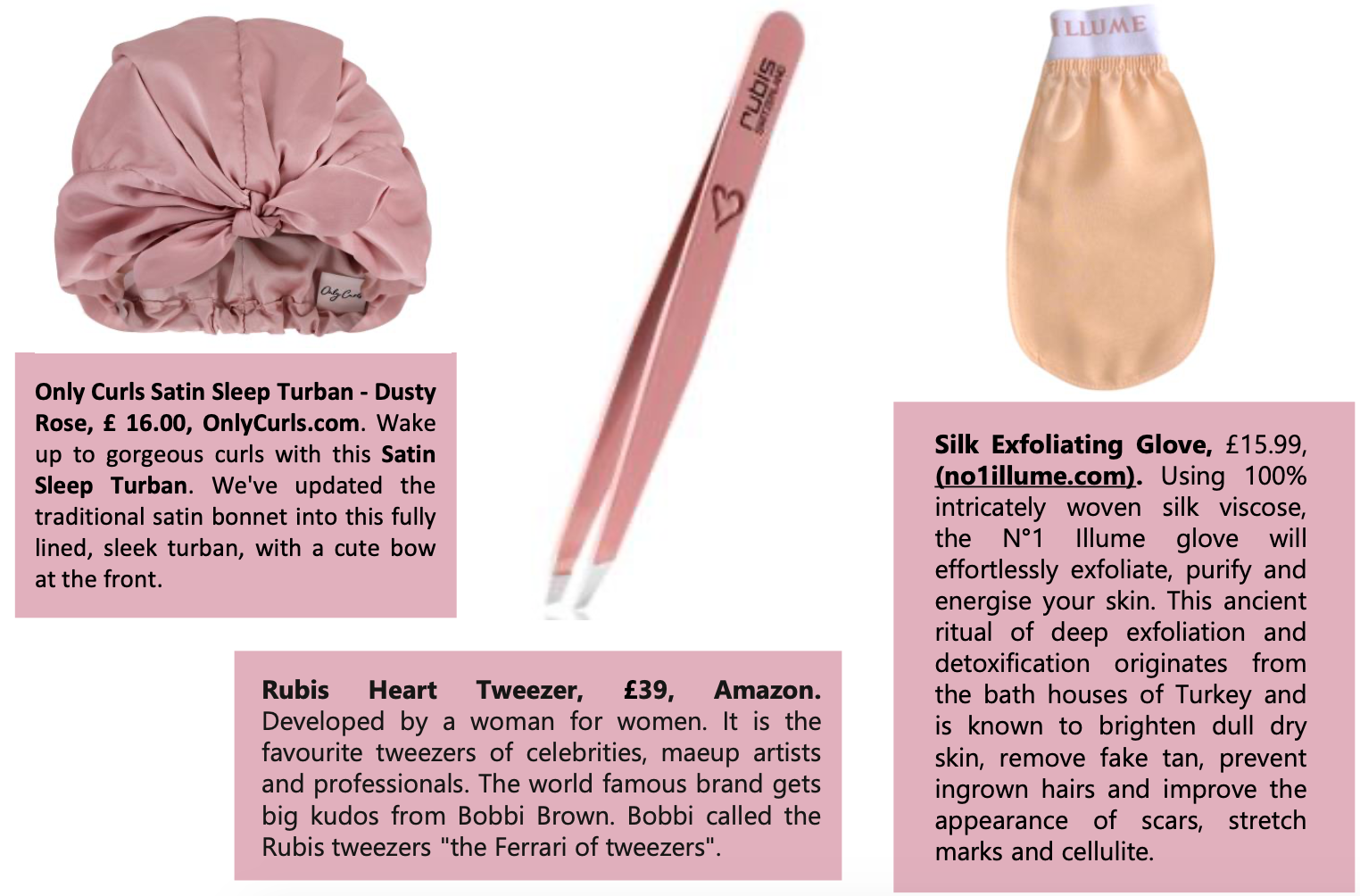
We’ve put together our top picks to show your bestie you love her. We love the Only Curls Satin Sleep Turban from onlycurls.com and the silk exfoliating glove no1illume.com. The Rubis tweezers are the best tweezers I have ever used. Quick, send your Galentine some love now….


Financial Advice Or Financial Guidance – What’s The Difference? Read On To Find Out

Many people don’t understand the difference between financial advice and financial guidance. However, knowing it is essential to maximising your pension fund.

As you approach retirement, you become eligible for free and impartial pension guidance. The government introduced this entitlement in 2015 under their Guidance Guarantee. Two organisations that provide pension guidance are the Citizens Advice Bureau or Pension Wise, the government’s pension advisory service.

The guidance you receive from these differs from professional advice from professional advisors in a few aspects. The following paragraphs give you the essential factors of each.

Pension Guidance

  • Pension guidance will present you with an overall market appraisal in terms of what is available. However, not all products will be available to you.
  • It provides general information rather than focusing specifically on your financial situation.
  • The guidance you receive comes with no recommendations or guarantees.
  • It is free in line with the Guidance Guarantee.

Professional Pension Advice

  • A professional advisor can advise you on the best options for your financial situation.
  • Professional advice is specific to the individual receiving the advice. It considers your age, investments, financial goals, etc. You will receive advice on the benefits of different products and get offered recommendations.
  • Professional advice is generally not free. You may have to pay before receiving any advice, or you might receive a limited amount of advice at no charge to get you to take on the advisor’s services.
  • If you receive poor advice that causes you to lose money, you can take your issue up with the Financial Ombudsman or the Financial Services Compensation Scheme. If your financial advisor is FCA-regulated, you could receive compensation.
  • To help you find a suitable advisor, the FCA maintains a database of all its regulated advisers. You should check this database before entering into a contract with any financial advisor.
  • On average, people who get professional financial advice amass around £30,991 more wealth in their pension funds than those who don’t. This statistic is according to ILC UK data from 2019.

Guidance or Advice?

You will find pension guidance of particular use if you need an introduction to your pension options. However, if you want help with specific aspects of your situation, professional advice is more suitable.

Do You Need a Financial Advisor?

If one of the following situations applies to you, you must seek financial advice from a regulated financial advisor:

  • You are part of a final-salary or career-average pension scheme, also known as a defined-benefit scheme, with a value greater than £30,000, and you intend to transfer to a defined-contribution pension.
  • You have a defined-contribution pension with a value greater than £30,000 with guaranteed payment on retirement, and you intend to use your pension pot for something else.

Even if you have less than £30,000 in your pension pot and want to do either of the options above, you should get professional advice.

Should You Choose An Independent Or Restricted Advisor

Before you commit to using a financial advisor, you should know if they are restricted or independent. So, ensure you ask when you first contact them.

Remember, restricted advisors cannot offer you whole-of-market advice or products, whereas independent advisors can.

Conclusion

Hopefully, this brief article will help you understand the difference between financial guidance and financial advice so that you can make better decisions about your pension. When looking at options for your pension, get in touch with a regulated financial adviser such as Portafina or, view the info at Pension Wise.


Collaborative post with our partner.