Free Virtual ‘weaning workshop’ how to stop your baby becoming a fussy eater

weaning, fussy eater, tips.

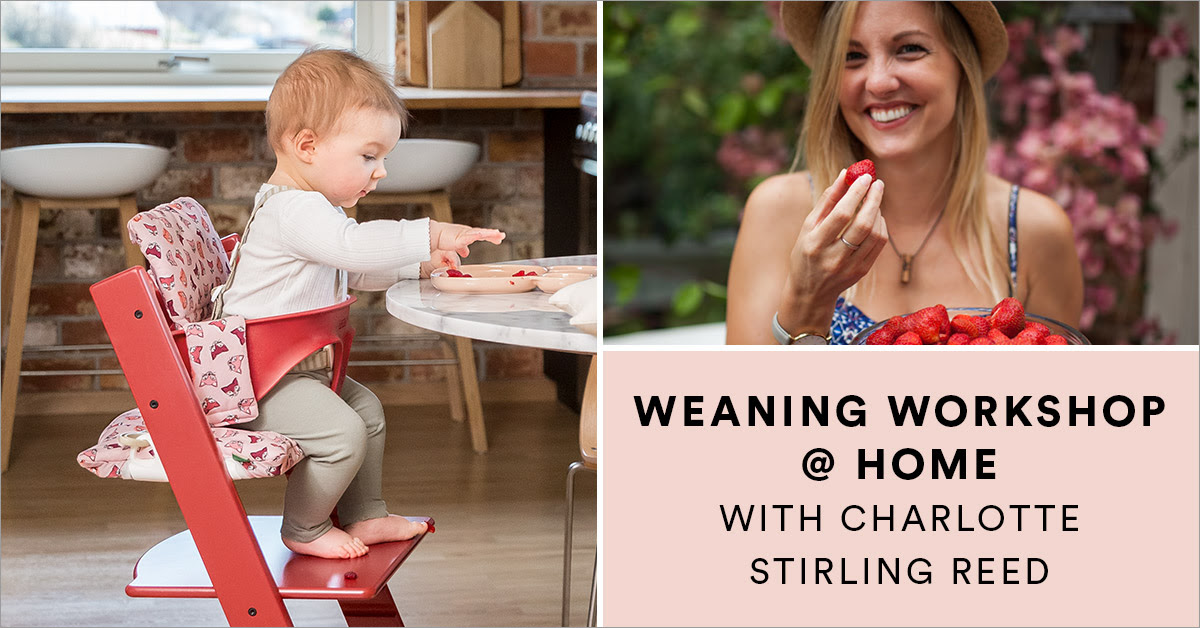
Charlotte Stirling-Reed (the nutritionist on Joe Wicks’ weaning book), a leading expert in Infant and toddler nutrition will be running a free webinar on ‘Getting Started with Solids/Veg Led Weaning’ on December 8th at 8pm.

Stokke are going virtual with the iconic Tripp Trapp® for an exclusive talk on how to get started with solids and vegetable led weaning, with STOKKE TRIPP TRAPP TOUR @ HOME. The session will cover the basics when it comes to introducing your little one to solid food and will start with some of the science around feeding infants – what does the research say about the very first foods – and then go on to talk about introducing your baby to allergens (something lots of parents are anxious about), as well as how to move on to “family foods” and more composite meals. When: Stokke Zoom 8th December at 8pm.

Few things are more important than nutrition when it comes to raising your children so I will definitely be tuning in.

Tripp Trapp® chair Baby Set Soft Mint, Beech Wood, with Classic Cushion Honeycomb Happy

The iconic Tripp Trapp® highchair was launched in 1972 and has since sold more than 12 million worldwide. It is Mumsnet approved and super stylish.


My Writing Process Terence Gallagher

My writing routine:

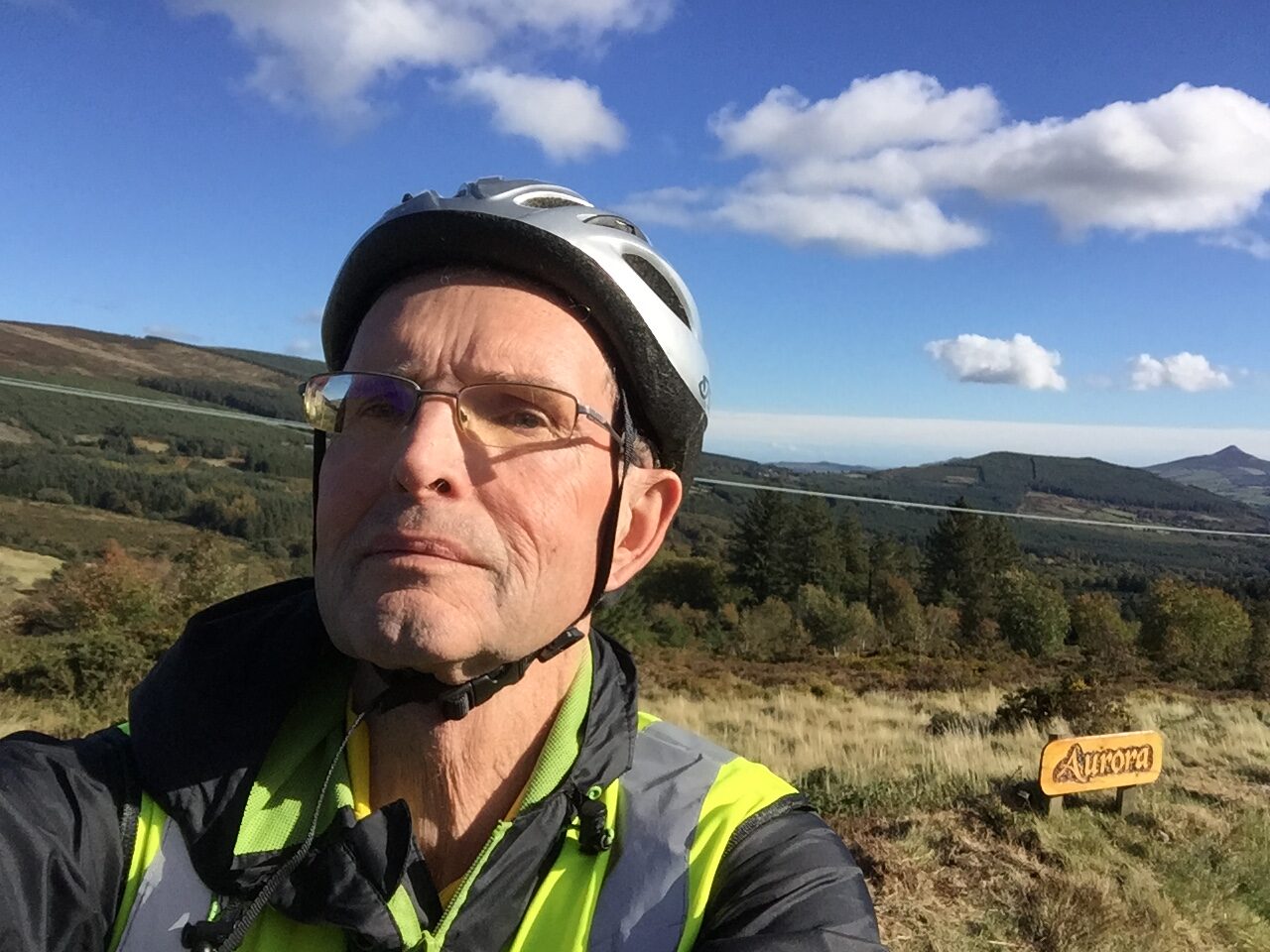
I spend a lot of time working out in my head what I am going to write before I commit anything to my iPad which is my preferred writing tool. Only one to two hours a day is spent typing. I like to work out phrases and dialogue while I’m out walking my two Irish Setters or riding my bike. I also do a fair amount of research while I’m on the go. I use my iPhone in coffee shops to surf the web as I nail down the details of locales I am using, or to check historical facts. 

A bit about me:

I am Irish. I grew up in Dublin in the sixties. I am a proud graduate of  Trinity College Dublin. After College I went into management consultancy and ended up working in a wide variety of cities and countries worldwide. I am married with three grown children and split my time between Naples Florida, and Howth, a small fishing village north of Dublin. In both cases I live by water. I find it therapeutic to look out on a seascape whether it be the Gulf of Mexico or the Irish sea. My hobbies include, biking, working out, and walking. I am a music lover with a particular affinity for classical and Blues. My home in Howth  stands on an acre and this has made me a reluctant gardener.

What I have written, past and present:

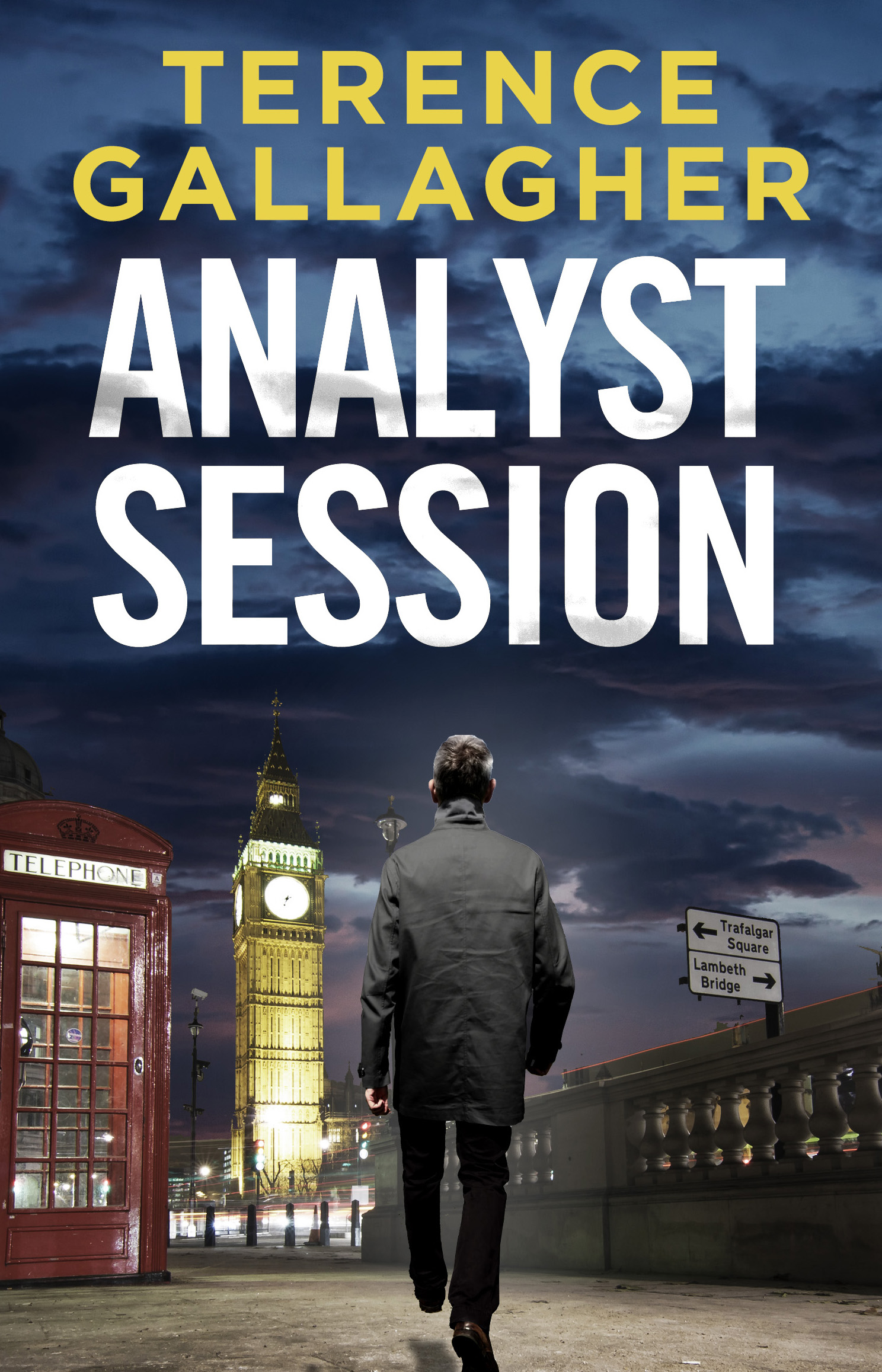
So far I have published two novels, Fujita 4, and Analyst Session. Both of these are available as ebooks and in paperback. I also had Fujita 4 professionally narrated and it is in audiobook format. I found it very exciting to have my characters brought to life and given a voice by a skilled actor. I am currently working on my third novel, A Coup in Makati.

What I am promoting now:

 Analyst Session was just recently published and I am busy with promotional activity. It’s quite a juggling act to stay on top of PR for one book while trying to make progress on the next.

My writing process:

I use Scrivener word processing software to structure the outline of a book before I begin writing in earnest. Scrivener is specifically designed for authors. I create a summary of each chapter. I also use it to store sketches of  all the major characters and to keep research notes. I then methodically work my way through from start to finish of the book. This means that each day I know what I have to work on next and I can keep from being overwhelmed by the magnitude of my task.

What about word count?:

As regards word count I go in aiming to create a work of between sixty and seventy thousand words. If I know how many chapters I have outlined, I roughly know how many words a chapter. This helps  me figure out where the plot is light or I need to do more with characterisation. I run work in progress through Grammarly. This is a decent software package that will catch typos and many grammatical errors. 

How do I create my structure:

It starts with the central character. I have to really know and understand him or her. Its as if they stand alone on an empty stage. I then like to create life situations which test my protagonist’s moral belief system. The milieu in which this plays out will be a place where I have lived or spent significant time in my own life. It’s easier to have the settings for the story be realistic. Other characters whose actions will precipitate the moral conflict then come to life. 

What do I find hard about writing:

The most challenging aspect of writing for me is communicating the interior emotional life of my characters, particularly my female characters. The daily word output slows dramatically when I am wrestling with this. 

What I love:

What I love about writing is conceiving a cast of characters, placing them in my fictional world, and seeing how they react and evolve. They tend to take on a life of their own. It wreaks havoc with the plot-line a lot of the time but I wouldn’t have it any other way.

Advice for other writers:

Advice I would have is take advantage of some the great software out there to help with the writing process. I have also used a variety of professionals to help edit and polish my work. I have used Reedsy and Fiverr to hire these and by and large it has worked out well for me. 

Georges Simenon, the author of  the Maigret stories was able to crank out a book in eleven days! It took Flaubert five years to write Madame Bovary. Every writer has their own pace. Writing is a solitary activity. It requires self discipline. All sorts of distractions can get in the way if you let them. It is important to have some sort of routine and schedule when setting out to write something.

Analyst Session is available as an ebook or in paperback from Amazon.

5 Books That Changed Me by Natalie Jayne Peeke West Country Correspondent

It is no secret to those that know me that books hold a special place in my heart. I enjoy being able to escape to a different world, a different time, a different place. With the stresses of everyday life I have been reading more and more over the past few years and I thought that now would be the perfect time to look back and reflect on the books that have changed me.

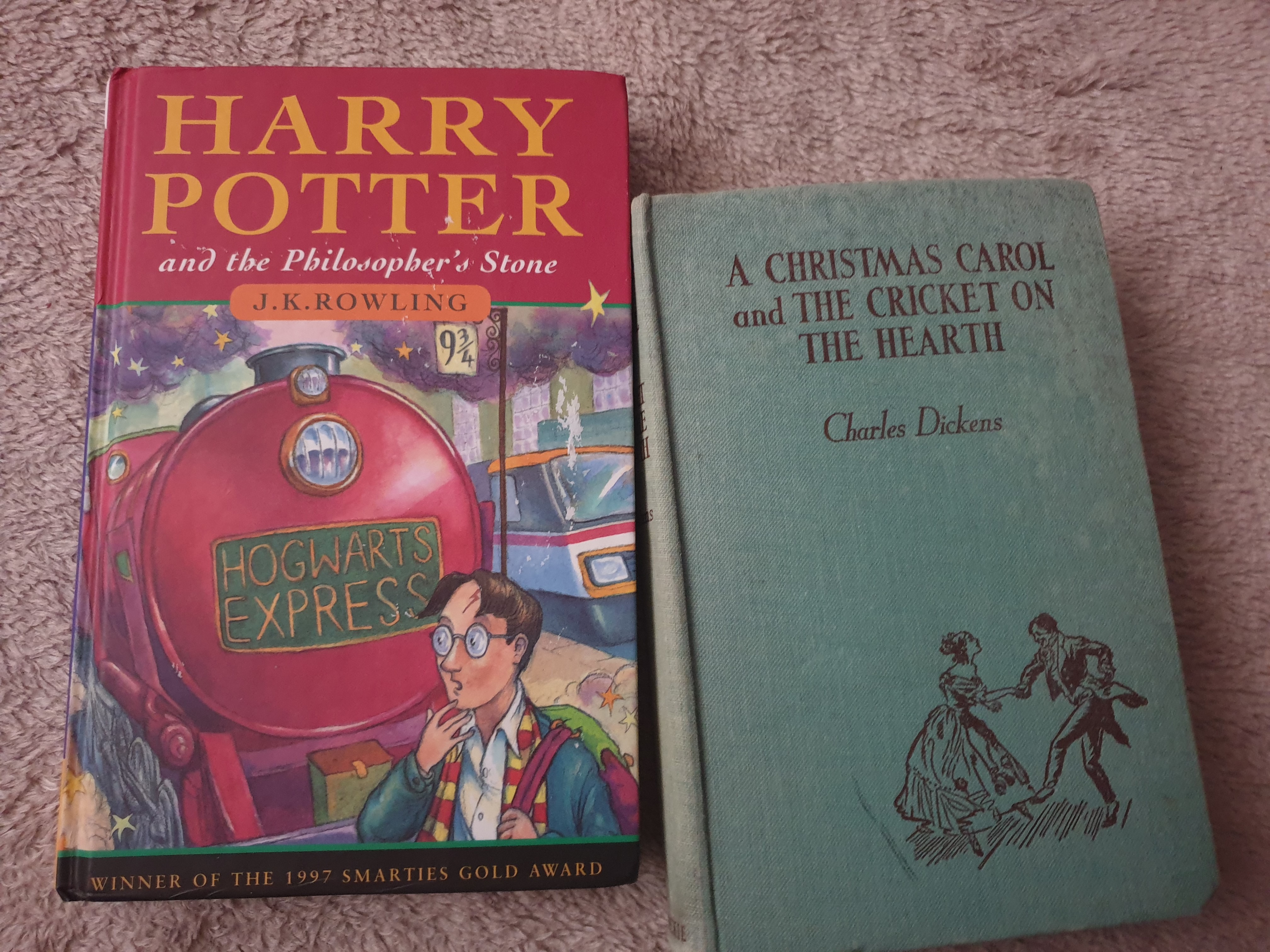
First up is Harry Potter and the Philosopher’s stone by J K Rowling. I have very fond memories of this book, my mum used to read it to me and she would speak in different voices for each of the characters which would always make me chuckle. I was fascinated with the world of magic and imagination that J K Rowling has. This book kickstarted my love of the Harry Potter books, i would insist on having the latest one as soon as i possibly could. I remember when I was 15 and Harry Potter and the Order of the Phoenix had just been released and that summer me and my family went on holiday to the south of France and instead of lounging by the pool all day I would stay inside and read. Yes I did finish it within the two weeks we were away. To this day I am a huge Harry Potter fan and so is my daughter who i now read the Philosophers stone to.

Next up is the Diary of Anne Frank, i read this for the first time when i was in secondary school around the age of 14. It opened my eyes to not only the cruelty and horror that Jews were subjected to just because they were Jews but despite it all Anne Frank remained  positive and extremely brave “I keep my ideals, because in spite of everything I still believe that people are really good at heart”. Anne Frank received her diary as a present for her 13th birthday and i was reading her diary when i was of a similar age and i remember thinking that i would not be that brave and it put things into perspective for me. The diary of Anne Frank is one book that will always remain on my bookshelf and one that i will turn to when i feel that i need to be brave or strong or positive. 

At Long last love by Milly Adams was a book that was given to me as a gift from someone who knows that my favourite genre to read is historical fiction. This book changed me in a different way to the others listed because even though I absolutely adored reading it and I went on to buy two more books written by Milly Adams because i enjoyed it so much, it is the events that followed reading this book that changed me. At the time I was writing my own blog where I would write book reviews and interviews with authors among other things. When I finished At long Last Love, i reached out to Milly Adams and asked if she would be willing to answer a few questions for my blog. She kindly agreed to do so. I went on to learn that Milly Adams is in fact a pen name for Margaret Graham who is a editor for Frost magazine, I must have done something right as to my amazement Margaret asked if i would like to write reviews for the magazine. Fast forward almost 3 years and I am now the West Country Correspondent for Frost Magazine and my confidence in myself and in my writing has improved drastically all thanks to Margaret Graham and the Frost Magazine Team. 

There are very few books that I have read as many times as A Christmas Carol by Charles dickens. This classic book did – as corny as it sounds- teach me the true meaning of christmas, it isn’t about what gifts you get but who you spend the time with, how you treat others, how you value and appreciate them. Over the years i have watched many film adaptations which i enjoy with my children, our personal favourite is ‘A Muppets ‘Christmas Carol’ which again has become a tradition to watch at least once over the festive period. 

Last but by no means least is a book that I read last year, The Lost Girl’s of Paris by Pam Jenoff. Up to that point I was blissfully unaware of women’s involvement in world war two. This taught me a lot about the German occupation of France, the resistance and the missions and sabotage that they carried out which would have absolutely contributed to the allied victory. I knew that back home women  worked in munitions factories risking life and limb.  However I did not know about Winston Churchill’s Special Operations Executive or SOE, where women would be taught sabotage and survival skills and would be parachuted behind enemy lines where they would face capture, torture and execution. These women were smart, courageous and ruthless. They were heroes. 


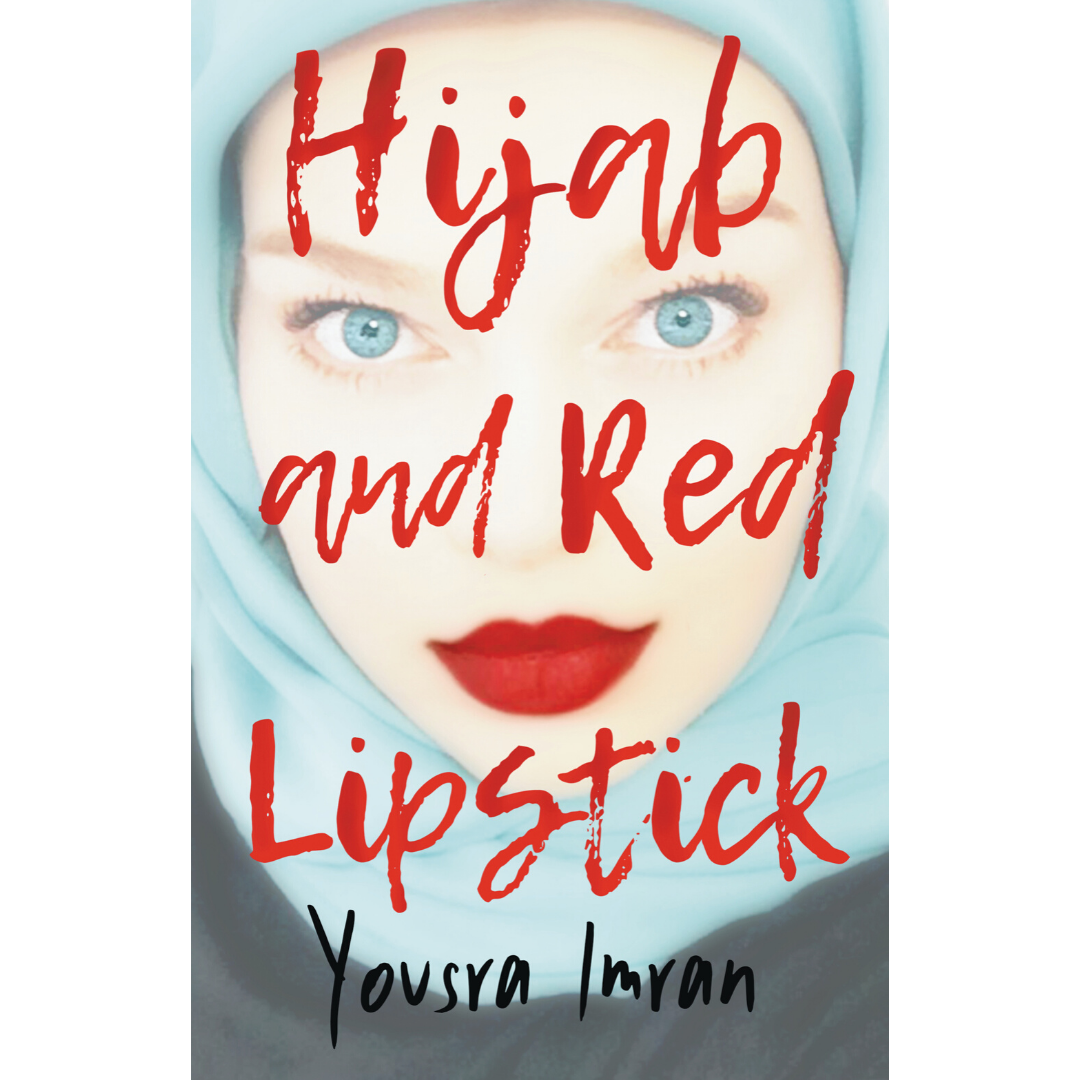
Five Books That Changed Me By Yousra Imran, author of Hijab and Red Lipstick

Roxy van der Post for Myosotis Film & Photography

Headscarves and Hymens by Mona El Tahawy

“The most subversive thing a woman can do is talk about her life as if it really matters.” This was the line in Headscarves and Hymens that gave me the affirmation I needed to use my passion for writing to talk about the subjects that mattered most to me and not to feel a sense of “shame” for writing openly about life experiences. This was the first time I read a book which spoke so closely to my own thoughts as a Muslim Arab feminist, and I was nodding along every page of the way. Headscarves and Hymens is feminist journalist Mona El Tahawy’s first non-fiction book, and an in-depth look at the multi-faceted injustices women face across the Middle East.

It’s Not About the Burqa by Mariam Khan

It’s Not About the Burqa is an anthology of essays written by a long list of female British Muslim writers including BBC journalist Saima Mir, Jeremy Vine on 5 co-presenter Salma-El Wardany and award-winning author Sufiya Ahmed. They write unabashedly about their own experiences and on a range of topics people think Muslim women aren’t interested in – sexuality, feminism, politics, the law and queerness to name a few. This is a life-changing read because it proves that Muslim women are not a monolithic and there is no “one type” of Muslim woman. It also proves that we are extremely successful and have made incredible contributions in British society. Everyone needs to read this book.

Two Women in One by Nawaal El Saadawi

As well as being a famous Egyptian feminist, Nawaal El Saadawi writes novels and her husband has translated most of them into English. She writes about everyday Egyptian women, including working class women and women in rural areas. My favourite novel of hers is Two Women in One, probably because I can resonate with the protagonist Bahiah. Bahiah is a medical student in Cairo who is trying her hardest to reconcile the two women she is: the quiet, studious, obedient Bahiah at home, and the shameless, strong Bahiah who wears trousers, stands with one leg up on her stool in the lab and experiences intimacy outside of wedlock. The book is set in the early ‘80s, yet little has changed for women in Egypt today.

Little Women by Louisa May Alcott

I read Little Women for the first time when Mum bought it for me as a gift when I was 11 years old, and until this day the part where Beth dies makes me blubber like a baby. Reading it again as an adult I can see that Alcott was a feminist – it wasn’t something that I digested as a young girl. If I was to do a postgraduate degree in feminist literature I would probably choose Little Women for my thesis, as there are just so many references to gender injustice. Marmi is a feminist and so is Jo March. I had thought Jo March was based on Alcott but I recently read Alcott had based Jo’s youngest sister Amy on herself.

The Mill on the Floss by George Elliot 

The Mill on the Floss was the 19th century novel I studied for my English Literature A-Level. It was a complete eye-opener, particularly as a teenager living in the Arab Gulf. I remember underlining so many passages in the book and telling my teacher that Victorian society was just like Qatari society; it was mad that the customs were so similar despite the 150-year gap! I could also see myself in the protagonist Maggie – the internal struggle between wanting to be pious and modest, but also be passionate and love and be loved. As an adult I now know I can be both – I don’t have to choose one or the other.

About the Author

Yousra S Imran is an English-Egyptian hybrid who works and lives in West Yorkshire. She has been writing from the moment she learned how to hold a pen and works full time in marketing and events in the education sector.
Yousra grew up between the UK and the Middle East and has a BA Hons in International Relations. She is passionate about women’s rights and gender justice. Yousra lives with her husband in Bradford, Yorkshire.

Australian Fitness Expert Shares Top 10 Takeaways From Over 100 Celebrity and Model Diets and Workouts

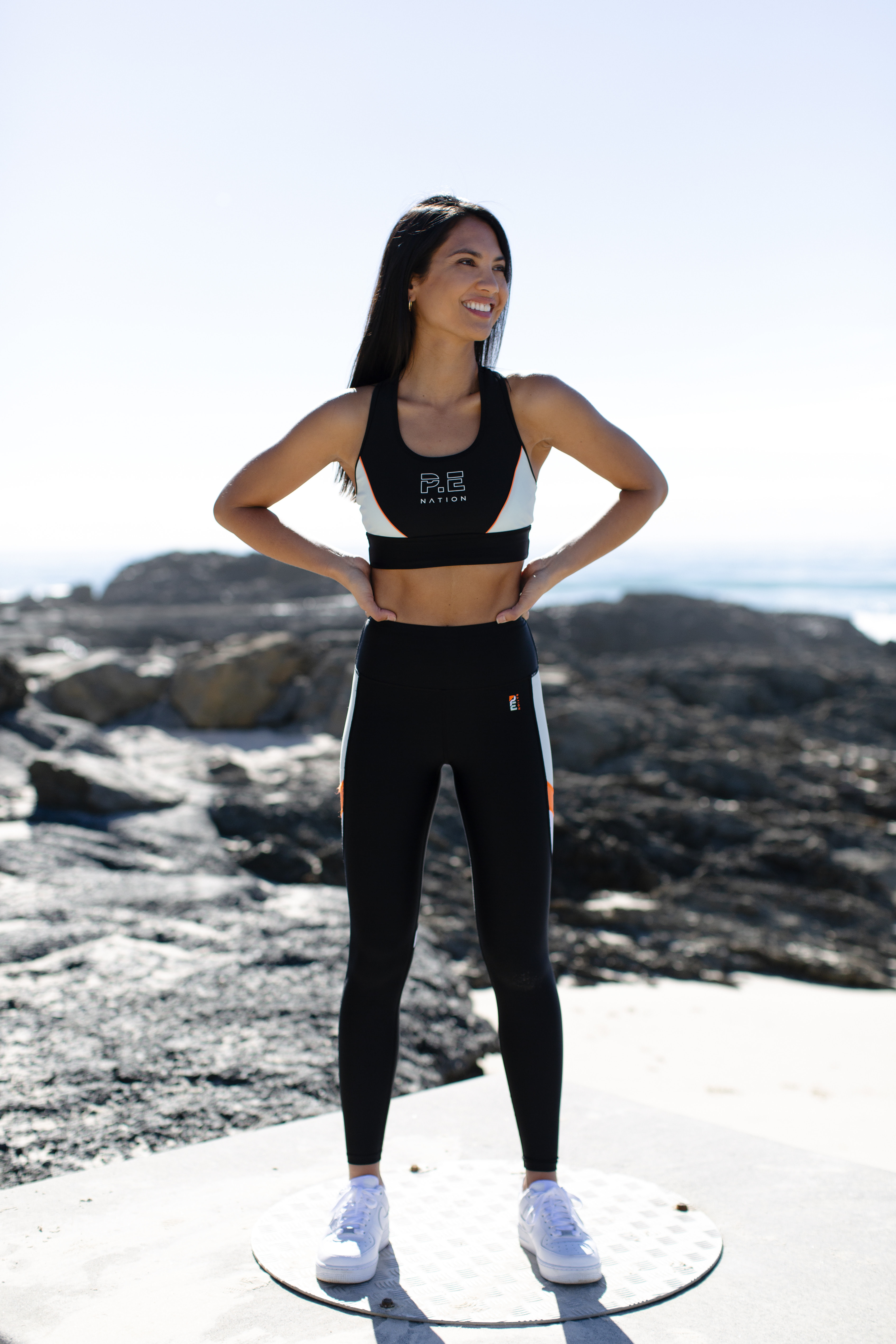
fitness expert, fitness and diet tips, lose weight, Australian personal trainer and nutritionist Rachael Attard is sharing the most coveted secrets from celebrities and models – the exercise and diet plans that are responsible for their amazing figures. The influential fitness expert has gathered and studied the workout and diet regimens of more than 100 celebrities and models, and is now sharing her top 10 takeaways to inspire and educate others.

“Celebrities are in the spotlight and constantly demonstrating the highest standards of health and fitness,” said Attard. “Their exercise and diet routines are among the top questions I get from clients, so I’ve taken a close look at their strategies to share with others who might want to try them for the same amazing results.”

TOP WORKOUTS:

Cardio is top-of-mind for everyone when it comes to weight loss, maintenance and getting toned, and celebrities are no exception. Boxing is the go-to cardio workout for many, including leading ladies Jennifer Aniston, Salma Hayek, Kate Beckinsale and Sophie Turner; singer Dua Lipa and models Hailey Bieber and Lais Ribeiro.

Low impact exercise options such as Pilates or yoga are popular among singer Dua Lipa; actresses Margot Robbie and Emma Stone; and iconic model Naomi Campbell, who enjoy this mindful option following days of intense cardio or strength training sessions.

Among the more alternative fitness options, superstar singers Beyoncé, Jennifer Lopez, Ariana Grande and Taylor Swift are able to burn calories while rehearsing for tours with dance-based cardio, giving them the toned legs and defined abs on stage that are the envy of everyone.

Celebrities who call Los Angeles home, including model Kaia Gerber, are likely to go hiking – taking advantage of the many trails with close views of the infamous Hollywood sign.

Resistance training, also known as strength training, is the exercise of choice for model Sofia Richie; actresses Penelope Cruz, Emma Stone, Kate Beckinsale and Sophie Turner; and singer Adele who revealed a major weight loss earlier this year. This method utilizes resistance to muscular contraction to build muscle and improve anaerobic endurance.

TOP DIETS:

Among the most consistent diet tips from celebrities and models is to drink plenty of water. Countless celebrities attribute hydration to not only getting them through workouts, but making them feel full while also ensuring healthy skin.

Smoothies are among the most popular breakfast and lunch choices for celebrities, including singer Ariana Grande, Australian model Belle Lucia, former Spice Girl Victoria Beckham and actresses Emma Stone, Kate Beckinsale and Sophie Turner.

A dose of healthy fat in the form of avocado on toast is the go-to lunch for Pussy Cat Doll and Masked Singer host Nicole Scherzinger, while a commitment to regular juice cleanses has proven successful for actresses including Salma Hayek.

An eating pattern that cycles between periods of fasting an eating is a current trend called intermittent fasting, which is popular among actresses Vanessa Hudgens and Scarlett Johansson. Regardless of the fasting cycle chosen, each option reduces caloric intake for weight loss or maintenance.

“When it comes to clean eating and counting calories, celebrities are committed to a consistent lifestyle of healthy choices, but fall victim to cheat meals just like the rest of us,” said Attard. “Celebrities almost unanimously agree that pizza is their downfall, including actress Vanessa Hudgens.”

Rachael Attard is a certified personal trainer and nutritionist who holds a Bachelor of Science degree from the University of Queensland, a Cert III and IV from the Australian Institute of Fitness, and a Certificate in Sports Nutrition from the International Society of Sports Nutrition. She is best known for her 3 Steps to Lean Legs Program, developed from her years of training women and helping them feel good in their skin, and fall in love with exercise and their bodies. Her in-depth blog post featuring the diet and exercise regimens of 100 celebrities and models can be found online, at https://www.rachaelattard.com/category/blog.


My Writing Process CJ Daugherty

I’m a former journalist and ex-Whitehall civil servant. I was raised in Texas, but have lived in Britain most of my adult life. 

I’m the author of the boarding-school thriller series, Night School, and the US-based crime series, The Echo Killing, set in the southern town of Savannah. 

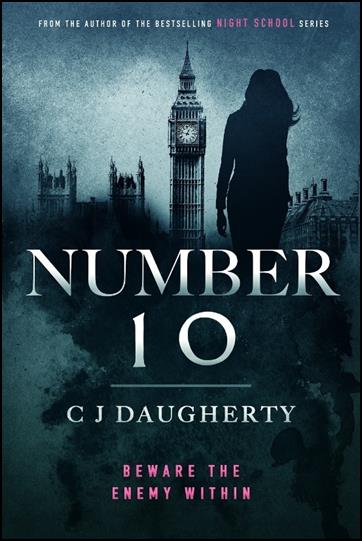
My new novel, Number 10, follows the 16-year-old daughter of the new prime minister as she rebels against the constraints of living in Number 10 Downing Street, and the intense security that surrounds her. When she stumbles across a Russia-led plot to kill her mother and replace her with a puppet prime minister, she’s determined to stop it. But will anyone believe her? 

 A bit about your process of writing. 

I discovered long ago that trying to write in the morning was pointless for me. I use mornings for admin and other work, and I usually settle down to write at about 3pm. I turn off the internet and the phone, and I write for four hours straight, stopping at around seven. If the writing’s going well, I often pick it up again after dinner and write until midnight. 

 CJ Daugherty

Do you plan or just write?

I plan a moderate amount. My first step is always a one-page synopsis, which I share with my agent. If she likes it, I expand it to two pages, and then to eight. My theory is, if I can’t get eight pages out of the plot, I don’t have a big enough of an idea for the book. Once I do have that much material, I sit down to write chapter one. 

What about word count?

Word count for me is a tale of three halves, basically. In the first 10 chapters of the book, I’m happy if I reach 500 words a day. From chapter 10 to chapter 20, I expect 1200 words a day. After chapter 20, if I don’t reach 2,000 words a day, it’s a bad day.

 How do you do your structure?

My structure is freeform, but I shoot for a W-shape to every plot. Start on a high. Then develop character and explore the plot. Build to a mid-book crescendo. Then dip the pace a little as the characters investigate the main incident and I thread in b-plot and c-plot. End on a high. One of my books (A Beautiful Corpse) ends with the main character deploying a baseball bat against a murderer. Nothing like a fight scene to get the story moving.

 What do you find hard about writing?

It’s very hard for me to be patient with the amount of time it takes to conceive of and create each book. Even once I’ve got the idea and it’s begun to take shape, there’s still months of thought and planning that has to happen before I can build flesh and blood around the basic bones of that first idea. Taking the time to methodically go over and over the same content requires real effort.

 What do you love about writing? 

The magic of it. The moment when I can hear my characters’ voices in my head. The way I can see the locations in the book in vivid, three-dimensional form, as if I’ve been inside their houses. Stood on those porches. Walked through their woods. I spent so much time inventing the inside of Number 10 Downing Street for my latest book, I felt as if I’d lived there myself. It’s an extraordinary illusion, and it comes from taking the time to build those places in your mind, and on the page.

 Advice for other writers. 

To get through the start of a book it helps to know what the ending will be. When you begin planning, think it through all the way. Once you have a beginning and an ending, then you can spend time on the rest of the journey. I think most writers give up when writing because they get stuck, and I think they get stuck because they don’t know exactly where they’re going. Find your ending, and the rest may fall into place.

 Number 10 by CJ Daugherty is out now, £9.99 from Moonflower Books available on Amazon here.


5 Books That Changed Me by Michael Rowan

1 Coral Island by R.M.Ballantyne 

The first ‘proper’ book that I read as child.  I could read the standard text that we were taught at school, but there was little plot, no discernible theme or character development. Coral Island was loaded with all three, this little book captivated me, as this was the first time that I could see the pictures they conjured up of the three shipwrecked boys having adventures in a lagoon. I would pretend that I was one of the two older characters every time I swam in any municipal swimming pool and even today at 64, I can’t resist imagining myself back there, as I duck beneath the surface in our local Lido though these days it is more Moby Dick than Coral Island.
Michael Rowan, writer

2) Merchant of Venice – Willian Shakespeare

As a 10 year old at St Wilfrid’s, I looked forward to our weekly reading sessions. One week there was a change of format, as our teacher explained that he was going to read us a story from a few hundred years ago. He didn’t read it as a play, but as a story, in parts over several weeks. He told us of a man who was in love (Yuck) and who needed money to impress the girl’s father. There was a riddle which I recall was a cliff hanger and then there was the cutting of a pound of flesh, ‘nearest to the heart’ which enthralled this 10 year old bloodthirsty boy. It was the beginning of a love affair with Shakespeare that continues to this day.

3) Lady Chatterley’s Lover- D H Lawrence

As a pupil at an all boy’s grammar school around 1971, I had been identified as a keen reader. Whilst most of my fellow pupils trudged through one book a term, I returned each week for a new book. This interest delighted a series of English teachers, until in the fourth year, Mr W gave me a special ticket to use the sixth form library. The keys to the sanctum of knowledge. As I perused the shelf containing the works of D H Lawrence, I discovered Lady Chatterley’s Lover, which was soon hidden beneath my blazer as I marched back to my class, about to become the hero of the fourth year. The look on Mr W’s face as he confiscated the book, my special library card and delivered his ‘you have let me down and yourself down speech’ will never leave me, but I did go on to read all of the works of D H Lawrence, albeit after I had left that particular school.

4) The Return of the Native – Thomas Hardy

In the summer of 1975, I found myself on an 18 30 holiday, now famed for high jinks and alcohol but then a travel company in its second or third year and virtually unknown. As a keen reader I ensured that along with my sun- tan lotion and coolest threads, I packed an ample supply of books. Evenings were spent in Spanish discotheques, whilst the afternoons were for laying on the beach recovering from a hangover. I however, was to be found reading about Eustacia Vye in The Return of the Native. How I was mocked by the other lads on the holiday, that is until a young and very pretty English Teacher lent over and asked me what I was reading. It was the beginning of my love of Thomas Hardy, and the start of my first holiday romance.

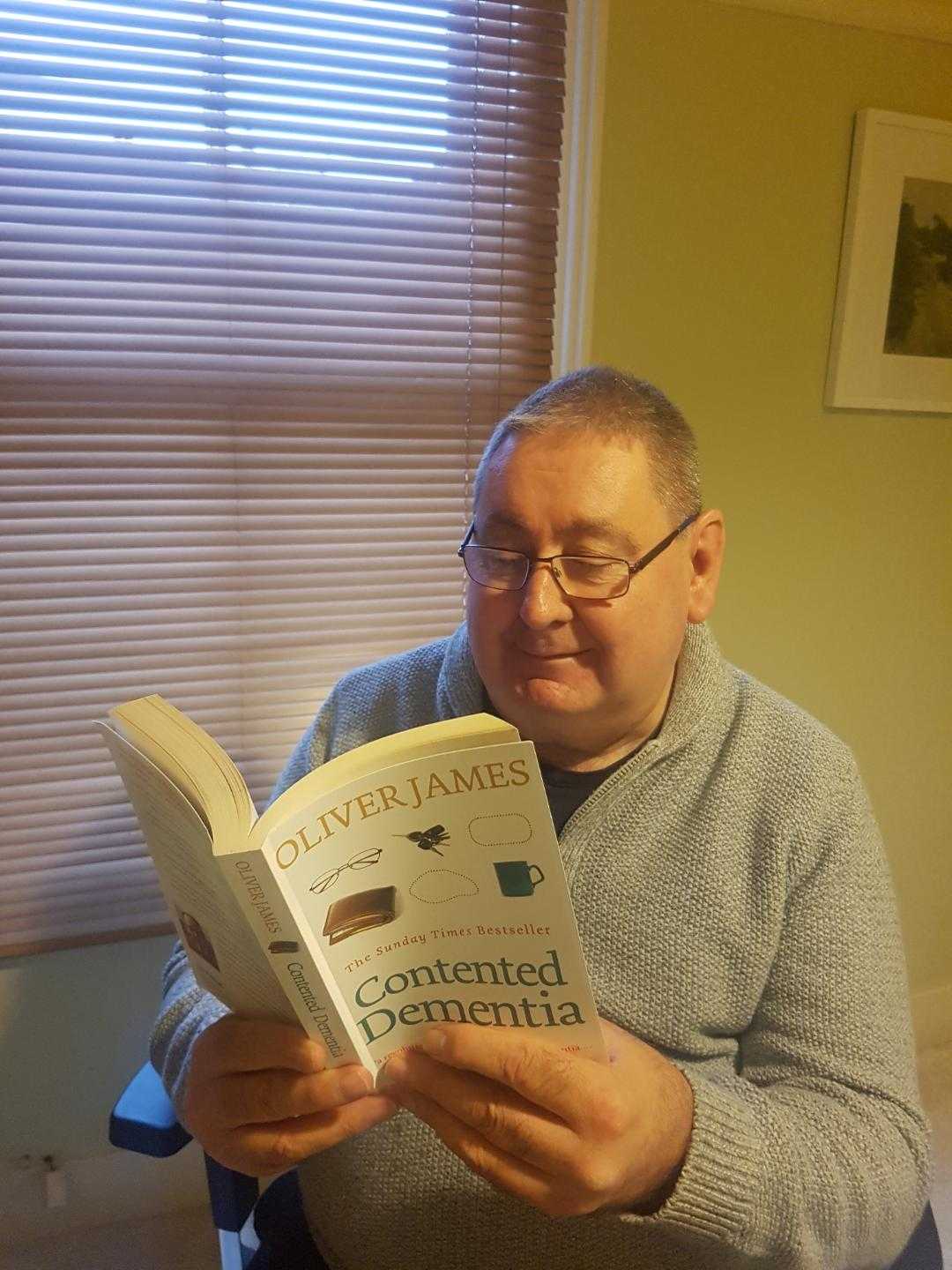
5 Contented Dementia – Oliver James. 

I was in my 50s when both of my parents developed dementia, a cruel illness of which, at the time there was limited information written.  

The demands of the illness kept growing, but there was little advice and I clearly recall thinking, if only there was the equivalent to a car manual, a book that explained in simple easy to understand language, what to do. A chance review brought this book to my attention, crammed with excellent advice, with its three golden rules, never ask direct questions, never contradict, and learn from the person with dementia. This book became my bible throughout my parents’ final years, and I went on to become an advocate for Contented Dementia. No one, no matter who or where, could have a conversation that used the word dementia, without me elbowing my way in and recommending the book. Over the years 100s of people have looked on me as some eccentric but quite a few of those have thanked me afterwards. 


Life advice from Anya Hindmarch, Stephen Fry, Joanna Lumley – A Few Wise Words

a few wise words, book, wisdom, good books.

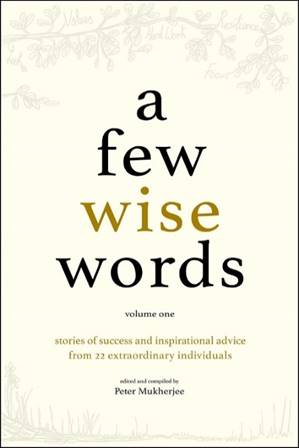
There are two types of people in this world: those who think they know everything, and everyone else. The everyone else read great books like this and implement it into their lives. Compiled and edited by Peter Mukherjee, this book is the inspiration we all need after a tough year.

The contributors are a rich and varied bunch. There is something here for everyone. A Few Wise Words is an essential guide on conquering challenges and becoming successful. This book would make a perfect Christmas present. I cannot recommend it enough.
‘I was once told that I had three strikes against me – I was black, I was a girl and I was poor. But I was also raised to believe that I could do whatever I wanted and whatever I set my mind to achieve.’

Ursula Burns – US business leader, former CEO of Xerox


‘Almost everyone I have known that has found fulfilment in life, was invariably shocked

to discover that hard work is actually what they want to do, and is an

extraordinary pleasure and the most fulfilling of all things.’

Stephen Fry – Actor, television personality and writer


‘I do think that opportunities come along all the time for all of us, and you have

got to be ready to seize them when they do. ‘

Sir Keith Mills – Founder of Air Miles and Nectar Card


‘Success is often about how you deal with failure. When something goes seriously wrong, you can either give up or you can dig deep, recover your self-belief, and focus once more upon your goal. It’s all about your attitude and being positive, even when everything sometimes seems stacked against you.’

Tanni, Baroness Grey-Thompson – Politician, TV presenter and former Paralympic champion


In order to find success, we first need to find our direction…


When we are young, the greatest challenge we face is knowing how to find our initial direction. Where do we look? What exactly are we looking for? What talents do we have? When we are older and our journey is already underway, the questions change. How can we become the very best version of ourselves? How can we improve our game and move up? What resources can we tap into to help us?


A Few Wise Words is jam-packed with wisdom and advice from twenty-two exceptional individuals, all of whom have already achieved extraordinary success in their own lives. This book has been crafted to present the ultimate travelling companion and guide for our journey, enabling us to plan carefully for what lies ahead, learn how to find our passion, and discover our motivation. It will then help us to move forward with confidence and a clear understanding of what we need to do next. There are, of course, many routes that can lead to success and this book can help anyone to explore which path is the right one for them.


In this book – the first volume of a series – each contributor has their own unique chapter in which they define what success has meant for them, what their own journey was like, and how they managed to conquer the many challenges they had to confront along the way. Each then shares in a clear and easy to follow way, what they believe are the most important values, disciplines and actions that we should take, to enable us to successfully negotiate our own special and unique journey. Additional guidance is also provided for parents, covering the crucial role that they can play to prepare their children early, while enabling them to ‘hit the ground running’ when the serious part of their journey begins in earnest later on.


Compiled and edited by Peter Mukherjee, A Few Wise Words delivers a rich and varied collection of personal insights, knowledge, and advice from this exceptional group of individuals, all of whom are willing to share what they believe will enable any one of us to find our success, purpose and happiness in life. It will guide any young person, young adult or indeed, any person who has aspirations to do well in life, on how to get started and then how to stay on track. It is a book we can dip in and out of at any time during our journey for inspiration, advice and the guidance we need.


Contributor Chapters


Sir Ben Ainslie • Frank Arnesen • Zak Brown • Ursula Burns • Sir Roger Carr • Sherry Coutu • Pablo Ettinger

Mikhail Fridman • Stephen Fry • Dame Katherine Grainger • Tanni, Baroness Grey-Thompson • Anya Hindmarch

Declan Kelly • Martha, Baroness Lane-Fox • Joanna Lumley • Dame Carolyn McCall • Sir Keith Mills • Vin Murria

Danielle de Niese Rabbi Lord Jonathan Sacks • Shriti Vadera • Sir Clive Woodward


A Few Wise Words is out on 16th November and available from Amazon and leading booksellers. www.afewwisewords.com