The Scandal by Mari Hannah | New Books

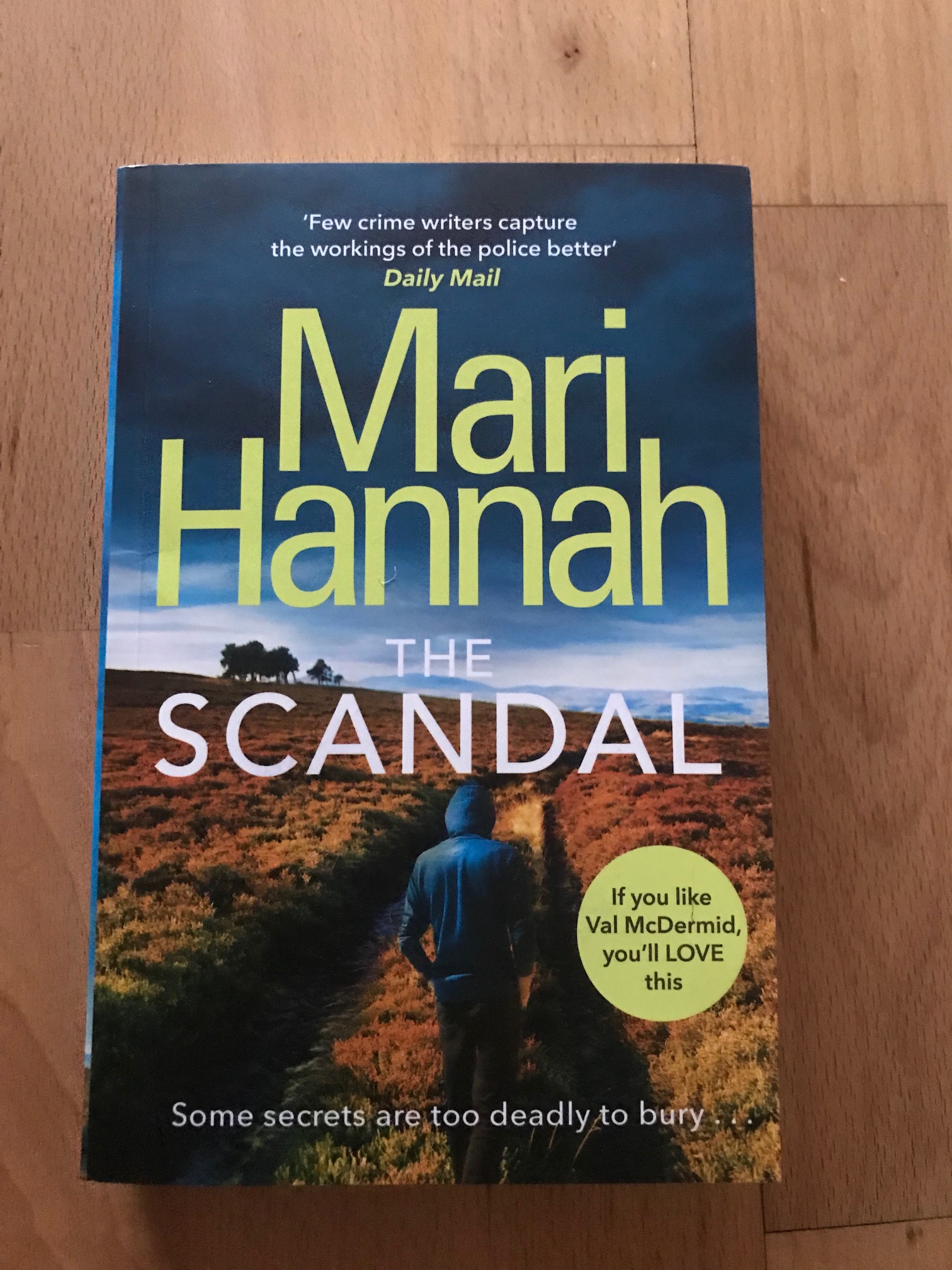
The Scandal (Stone and Oliver Book 3)

When an young man is found stabbed to death in a side street in Newcastle city centre in the run up to Christmas, it looks like a botched robbery to DCI David Stone. But when DS Frankie Oliver arrives at the crime scene, she gets more than she bargained for.

She IDs the victim as Herald court reporter, thirty-two-year old Chris Adams she’s known since they were kids. With no eyewitnesses, the MIT are stumped. They discover that when Adams went out, never to return, he was working on a scoop that would make his name. But what was the story he was investigating? And who was trying to cover it up?

As detectives battle to solve the case, they uncover a link to a missing woman that turns the investigation on its head. The exposé has put more than Adams’ life in danger. And it’s not over yet.

Available here.

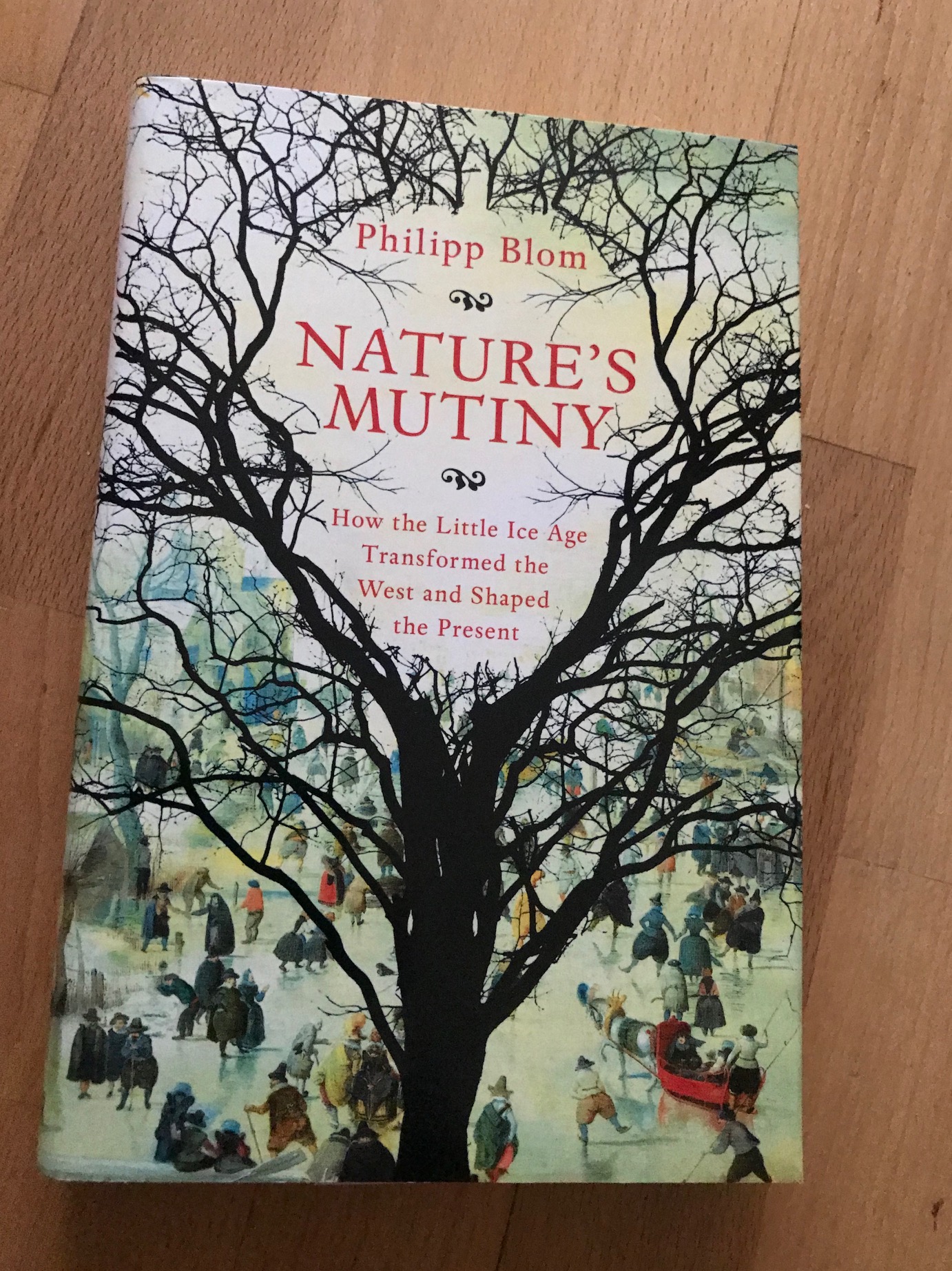
Nature’s Mutiny By Philipp Blom

An interesting and well researched book.

‘Europe where the sun dares scarce appear
For freezing meteors and congealed cold.’ (Christopher Marlowe)

In this innovative and compelling work of environmental history, Philipp Blom chronicles the great climate crisis of the 1600s, a crisis that would transform the entire social and political fabric of Europe.

While hints of a crisis appeared as early as the 1570s, by the end of the 16th century the temperature plummeted so drastically that Mediterranean harbours were covered with ice, birds literally dropped out of the sky and ‘frost fairs’ were erected on a frozen Thames – with kiosks, taverns and even brothels that became a semipermanent part of the city.

Recounting the deep legacy and sweeping consequences of this ‘Little Ice Age’, acclaimed historian Philipp Blom reveals how the European landscape had ineradicably changed by the mid-17th century. While apocalyptic weather patterns destroyed entire harvests and incited mass migrations, Blom brilliantly shows how they also gave rise to the growth of European cities, the appearance of early capitalism and the vigorous stirrings of the Enlightenment.

A sweeping examination of how a society responds to profound and unexpected change, Nature’s Mutiny will transform the way we think about climate change in the 21st century and beyond.

Available here.

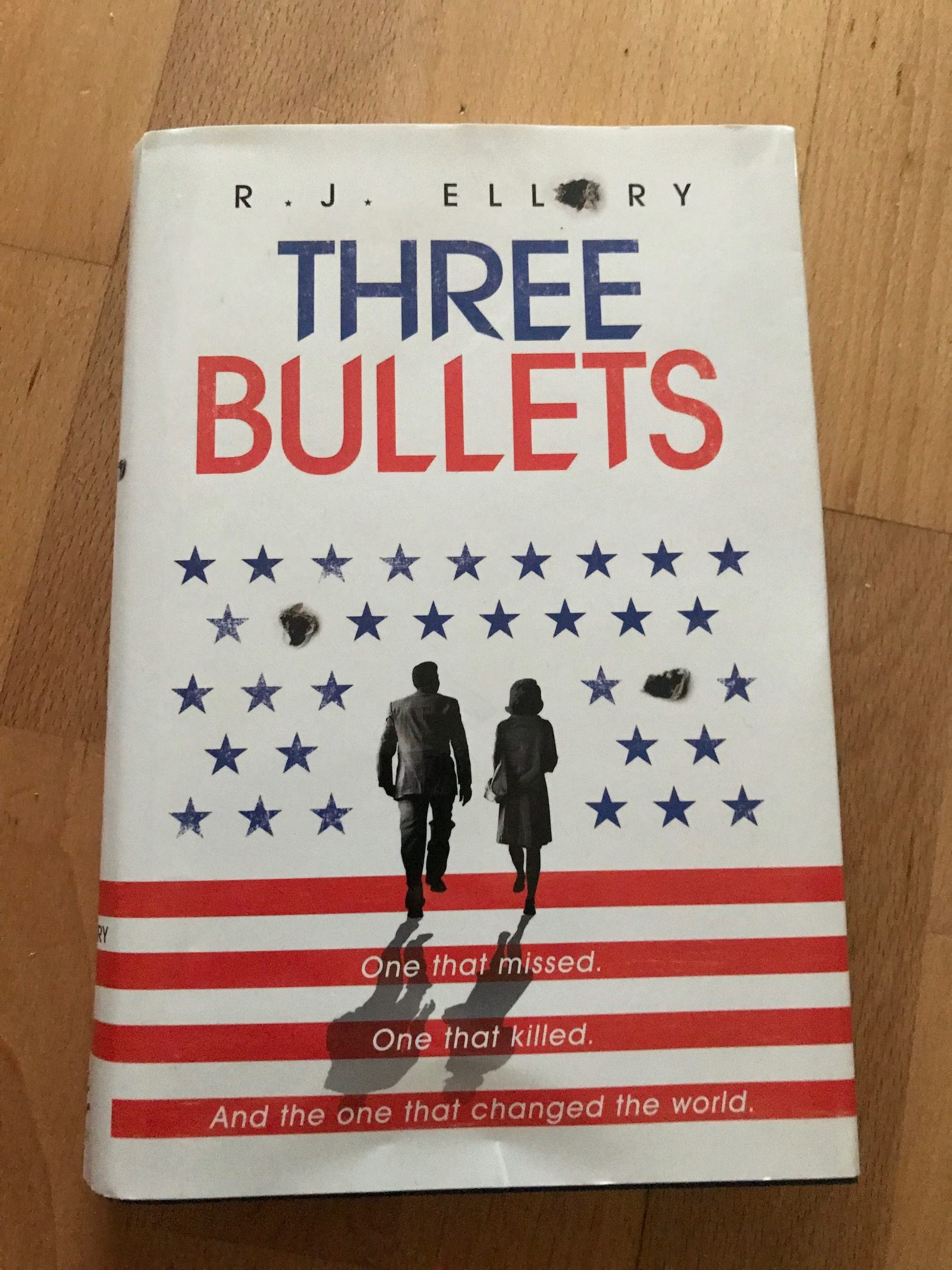
Three Bullets By R. J. Ellory | Book of The Week

three bullets R. J. Ellory, book, JFK

This is a stunning book that I only grudgingly put down when I had to. A mixture of fact and fiction: it is a gripping and pacy thriller. This is my favourite book of the year so far.

IT WAS THE SHOT HEARD AROUND THE WORLD
On 22nd November 1963, John F. Kennedy’s presidential motorcade rode through Dealey Plaza. He and his wife Jackie greeted the crowds on a glorious Friday afternoon in Dallas, Texas.

BUT WHAT IF IT MISSED?
Mitch Newman is a photojournalist based out of Washington, D.C. His phone never rings. When it does, a voice he hasn’t heard in years will tell him his former fiancée Jean has taken her own life.

WHEN THE TRUTH IS BIGGER THAN ALL THE LIES
Jean was an investigative reporter working the case of a lifetime. Somewhere in the shreds of her investigation is the truth behind her murder.

WHO WOULD BELIEVE IT?
For Mitch, piecing together the clues will become a dangerous obsession: one that will lead him to the dark heart of his country – and into the crossfire of a conspiracy…

Available here.

Why I am Embracing No Sugar Days

Sugar has become the new smoking. So dangerous that even the government has brought in a tax to protect us. It all feels a little overkill to me. There is no doubt that too much sugar is bad for our health, and obesity and diabetes is on the rise. So I have been trying to cut back. Dieting, however, is a word that encapsulates everything hard and boring. I have lived my life and have only been on one. A no sugar diet I did a few years ago. Which you can read about here.  It was brutally but I felt great after. I love chocolate and having an occasional coke. I do not prefer all sweet food to savoury but I believe a world without dessert is a sad one indeed. I have thought about going no sugar again. Each time the days seemed long and boring. I know sugar is not good for my health so I came up with a solution: no sugar days. Now I am not a dietician so this is just opinion. The problem with my previous attempts was obvious: they were for months or even forever. A lot to live up to. The truth is; sugar in moderation is fine. So why give it up completely? You can manage anything for a day. It is barely anything at all. I have noticed a difference in my health and in my body. In a world were having a no sugar, no gluten, no anything fun, diet seems to be the fashion I just want to rebel. And do not get my started on the whole clean eating thing. Food is not dirty. If you have a no sugar day once a week then the next day you taste sugar more and just eat less naturally. The key is to not just eat lots of junk food that is not full of sugar. A day of health eating makes you more conscious and kicks off more healthy habits. It also means you keep away from those horrible sweeteners. I have never believed that sweeteners are better for you than sugar. I keep away from them, and aspartame in particular, as much as I can.

You can eat fruit on your no sugar days. You can also have some cheese or an oat cake with peanut butter. Fix your body with good food and you are investing in your health and your future. Food is medicine. We forget this at our peril. Try having a no sugar day yourself. Or even a low sugar day. Write any comments or tips below, or email me at frost magazine at gmail.com

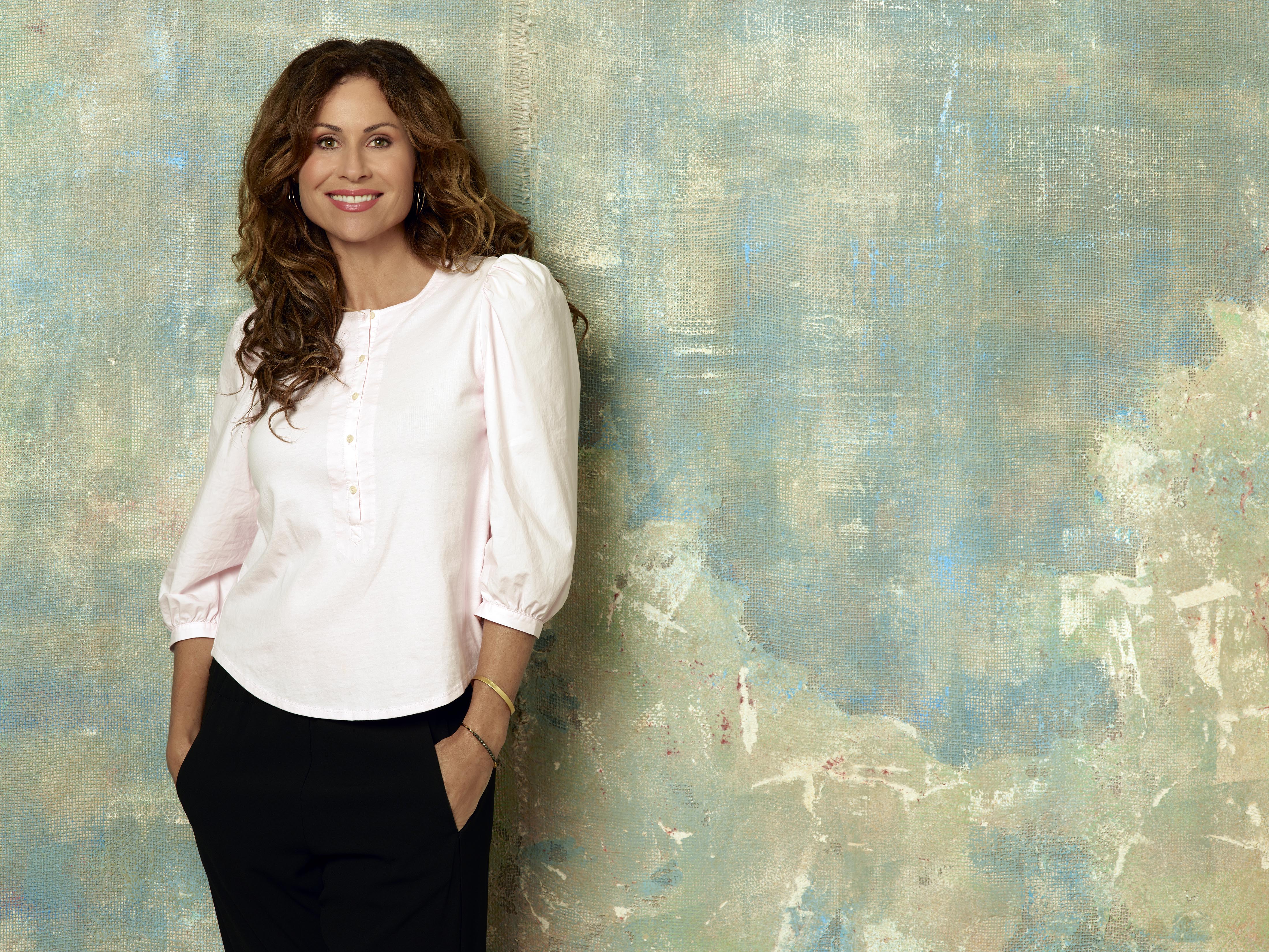
Interview with Minnie Driver who stars in new E4 comedy Speechless

Minnie Driver, interview

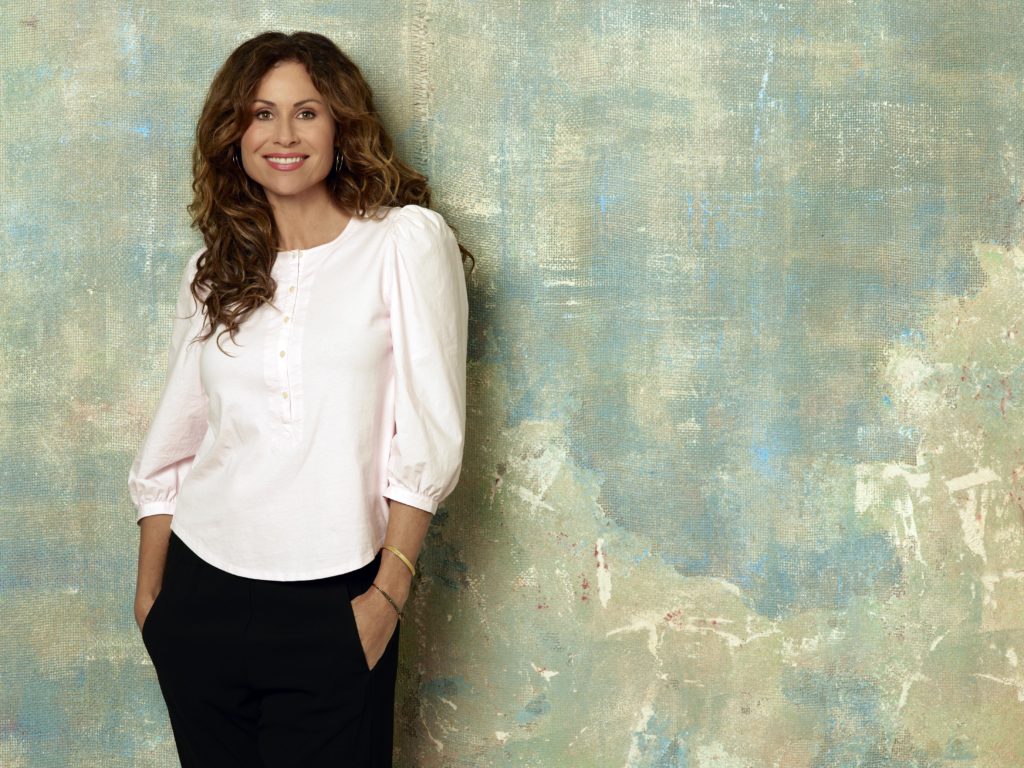
Pictured: Minnie Driver

Can you start off by briefly summing up the premise of Speechless?

Fundamentally it’s about a family that don’t have any money, and who want to get their kids into a school where their son, JJ, who has cerebral palsy, can have an aide. They constantly move around, and everything is defined by them trying to ensure he has access to a good education. And they land in a posh neighbourhood, and they have the crappest house, and they somehow pull it together. It’s really about a family who have a particular set of circumstances. It’s a very personal story to Scott [Silveri], who wrote it, whose brother was non-verbal CP. I think he can approach it with all of the humour and largesse that he grew up with.


You play Maya, who is something of a force of nature, isn’t she?

That is a really nice way of putting it. She is. She’s difficult, because she’s had to fight very hard. She’s a parent, first and foremost, she advocates for her children, but she’s also a self-aware narcissist as a personality type, which is funny and awful, when you give that type of person a mission. She’s a very interesting, complex character. But first and foremost she’s a mother, and all of these special needs mothers that I’ve spoken to over the years, they all have to advocate in this way, which is to fight. It’s a fight, a constant battle.


So what did you do, and who did you speak to, in order to research the role?

Well, first of all, a lot of our writing staff have disabilities. A lot of our advisors. Ava, who basically was the person who came up with the laser on her glasses, which she figured out she could point to a board – so that was developed. [In the programme, JJ communicates by pointing a laser, on his glasses, at a message board]. I talked to her, and I talked to tonnes and tonnes of caregivers, often mothers and fathers, but mostly the mothers. We’d invite people to the set and sit in the conference room and chat, and talk about the nuts and bolts of physically what it means to transfer a person with a disability into the shower, to get them to bed, to get them dressed, what kind of accessibility you’re looking for. So there was nuts and bolts which I needed to understand. And then there were the things you come up against – insurance companies, schools, accessibility, getting an aide, who’s that person going to be? I love the fact that JJ chooses the guy with the cool voice, who turns out to be this amazing person. Of course we’d all want a cool voice to be our voice. I love that. Fundamentally, he’s just a normal teenager, with all of the proclivities and desires and ambitions and feelings that a teenager has. And he wants a cool voice.


And he’s a teenager, as well, in the sense that he’s excruciatingly embarrassed of his mother.

Incredibly embarrassed. And he does have a very embarrassing mother, there’s no doubt.


Did you draw on your own experience as a mother, and how protective you feel when you become a parent?

Absolutely. Whilst my child is able-bodied, it’s the same fierceness, you love and you want what’s best for them at all times, and that comes before everything else. You just have a different way of looking at things. We’re planning our summer holiday right now, and I realised all my friends without kids are going and doing these wonderful things that don’t involve kids, but you’re constantly looking at life from the point of view of “Well, I’ve got my son, is it going to be fun for him? What are we going to do and how will it work?” You book places on the basis of whether there’s enough for kids to do. I’d quite like to go walking in the Pyrenees. That’s not going to happen! Oh, a yoga retreat in Bali? Nope!


Was she written as a Brit, or did that come after you were cast? Was there ever discussion about you playing her as an American?

Yeah, there was. We actually read it through for the studio and network both ways. They liked the English accent, I think primarily because you have a cadence of your own humour in your own accent. I wanted her to be an American. I’d just done About a Boy, and I’d been British in that, and I wanted the challenge of being American. She was written as an American, and that’s what I wanted to do, but it just turned out to be funnier the other way around.


There are so many pitfalls to a show like this, from being overly sentimental to preachy to exploitative. The show treads that tightrope incredibly well, doesn’t it?

It really, really does. I got that from the pilot, and from talking to Scott Silveri, and to Chris Gernon, who’s one of my great friends, who is our executive producer and directed loads of the episodes. She directed every episode of Gavin and Stacey. We were all of us allergic to the notion of sentimentality and melodrama, primarily because that is the way that the media represents disability. You’re not only often looking at able-bodied actors playing disabled characters, but they’re trying to get away. They’re either trying to kill themselves or they’re trying to get out of this terrible situation. We all wanted to make a funny show, first and foremost, and because of our writing staff, because of Scott, and because of Micah [Fowler, who plays JJ] we’ve got an in as to where the humour lies within that. And if you’re approaching it from a comedic point of view, it’s really easy to avoid all of that other stuff. There are definitely heartfelt, emotional moments, because that happens in any family. But none of it is really around the idea that it’s all impossible and awful and hard.


Do you ever find yourself wondering what Maya would be like if she didn’t have a disabled child?

Yeah, I do, I really do. I think that she would be as big and pushy an advocate, but JJ is a raison d’etre for her, and as JJ grows up and goes off to college, what is she going to do? She won’t have that focus, so much of her identity is tied up with being the mother of a special needs child.


What’s it like working with the kids on the show?

They’re amazing. Genuinely, I have always felt that film and TV sets are no place for a child. You’re missing out on a childhood when you’re working that young. But these kids have unique parents, and they themselves are lovely people. They’re just lovely, and they’re deeply funny. They have funny bones, as opposed to being child actors who have that weird slightly Stepford thing that can happen, where they’re acting being a child because they’ve not actually experienced what that means. They’re all really, really good actors, and they’re all children too! Only they’re not children now, they’re all bloody huge and grown up. We just celebrated Micah’s 21st birthday. He got the part on his 18th birthday. But they are great, and they’re just getting better and better, which is lovely to see. You become weird de facto parents. I feel very maternal towards all of them.


Micah, who plays JJ, manages to bring huge charisma and humour to his role. That’s no mean feat for a non-verbal role, is it?

Absolutely. And I think it’s been a huge learning curve for him. He was very inexperienced when we began, and he’s had to learn on camera really. Plus it’s a very specific thing he’s being asked to do – to calibrate your reactions. It took a minute for all of us to figure out how it was going to work. Doing a scene with Micah is really interesting – when you’re reading ‘for him’ off his board, and then doing your responses as you. It’s not easy, but it’s really interesting. Watching him grow as an actor, and how much he enjoys it, is really lovely.


Have you had any feedback from the disabled community, in terms of what the show means to them?

Yes, a huge amount. Mostly on social media. Reading a tweet from a non-verbal person with Cerebral Palsy, saying “I sit and I watch my experience, and it makes me scream with laughter” is so gratifying. Or families who go “It’s extraordinary that we can all sit down and watch this together, my able-bodied kids and my kid with a disability, and we can all enjoy it and roar with laughter and feel that we are seen”. Without wanting to get too deep on it, the idea of representation for people who I don’t think they have been fairly represented, to be able to see themselves, and for it to be a laugh, I think that’s lovely. And I think it’s expanded the conversation here in America. The more you include, the more impossible it is to maintain your distance and your looking away which, let’s face it, most people do around disability. They don’t know how to interact with it, how to approach it. And I think the humour has broken down that barrier quite a lot.


You’ve talked in the past about the show being pretty exhausting to film, with 65-hour weeks for months on end. That must take a toll…

Definitely. The first two seasons, particularly season one, were the hardest I’ve ever worked in my career, to the point of real exhaustion. Scott’s whole idea was to have a show about someone who can’t really move, so he wanted a fast-paced show, and a show with lots of action in it. But also, when you’re working with someone who uses a wheelchair, that presents unique challenges, which can be really time-consuming. It’s just one of the fundamentals of doing it. So it took a long time for us to get into a swing that was easier. Definitely this season was a bit easier, but shooting nine months, five-days-a-week… now it’s 13-14-hour days, as opposed to 14-17 hours before. So it’s better. But I’m not going to complain, it’s a great job, and it’s meaningful and funny. If you can pull off those two things, you’re ahead.


What does it mean to you to have the show finally going out in the UK?

I cannot tell you how long both Chris Gernon and I have been waiting for this. It doesn’t really mean anything to anyone else, but we were both like “How can this not be on in the UK?” It speaks to social inclusivity, to a National Health Service that gives free health care – these things that we fight against in the US. I’m thrilled, because I just know that this show will land with British viewers, because it is funny, and because Britain has always seemed to me to not be scared of subject matters that other people find difficult. The UK is, Brexit aside, an extremely inclusive place. Always has been. That’s what I grew up in. And I really like it when you have American-British crossover, humour-wise, because when it works I think it is brilliant.


Speechless airs weekdays from today at 7.30pm on E4



How to Treat Dopamine Deficiency Naturally (And Why You Must)

We have all heard the word dopamine being thrown around in discussions about depression, but very few of us know what it actually is and how it affects us. In order to understand how to treat dopamine deficiency and why doing so is essential, we must first understand what dopamine is exactly and what functions it serves in our body.

What is Dopamine?

Dopamine is neurotransmitter that is responsible for initiating a number of emotional responses in animals and humans, but those are not the only functions which the chemical serves. Aside from creating sensations of reward, happiness, pleasure and satisfaction, the neurotransmitter also plays a vital role in regulating movements, causing sexual arousal, our ability to remain active, sleep, learn and memorize, among others.

What Would Happen If You Were Dopamine Deficient?

The result of dopamine deficiency depends on various factors such as the cause, the degree of the deficiency and for how long the person has been dopamine deficient.  Take the example of Parkinson’s disease, where the symptoms of dopamine deficiency will be much more severe and in addition to constant tremors, it will affect the patient’s ability to walk or even move in general. Even in people without Parkinson’s, a number of the following effects of dopamine deficiency can be observed, although they will likely not be all present at once and the ones that can be observed will also vary widely in degree of manifestation, according to the patient’s own physiological conditions and unique external factors.

  • Cramps, aches, sharp pain, spams
  • Stiffness, tremors, balance loss
  • Weight fluctuations (fast gains and losses)
  • GERD, constipation and other gastrointestinal disorders
  • Difficulty with swallowing and/or eating
  • Clinical depression, lethargy, brain fog, insomnia, demotivation, guiltiness, mood swings, anxiety, hopelessness, low confidence, low self-esteem and suicidal thoughts
  • Low libido
  • Hallucinations, delusions, unalert and unaware behavior, indifference to the practical world

Is It Possible to Treat Dopamine Deficiency Naturally?

As should be obvious by now, dopamine deficiency is a severe problem that can lead to more than just a case of bad mood like most people falsely believe. If you or anyone you know is exhibiting any of the signs of dopamine deficiency which were mentioned above, they may require immediate treatment. However, during the early stages, it is possible to counter the multiple negatives effects of dopamine deficiency through natural methods and in fact, they can be practiced alongside any clinical treatment that might be necessary. 

How Can We Treat Dopamine Deficiency Naturally?

As already stated, it is possible to treat dopamine deficiency naturally and the following methods are proven to be useful in most situations.

Replace Sugar with Honey

Sugar doesn’t exactly lower your dopamine levels; it actually bumps it up suddenly and quickly. Unfortunately, it doesn’t last and just like alcohol, once you come down from the high, an extreme low takes over. Over time, this will interfere with your natural dopamine availability and the receptors enough to cause imbalance. Not to mention, sugar itself causes a whole series of health problems. Switch to honey instead, which can also be bad for you in large quantities, but in moderate amounts, is an excellent source of antioxidants, and essential nutrients.

Exercise

Exercising is a very real and effective antidepressant because aerobic exercise, in particular, boosts our dopamine levels and consequently, lifts our mood.

Eat a Diet Rich in Healthy Fats and Protein

The great thing about eating healthy fats and protein is that they are generally tasty as well! Eggs, fish and fish fat, lean meat, cheese, leafy greens, nuts, fruits, avocados, etc. are all healthy and they help with maintaining healthy dopamine levels in the body.

Are There More Effective Ways to Boost Dopamine?

This was just an introduction to what we can do ourselves to improve dopamine availability, but do check out https://www.vitamonk.com/blogs/health/natural-ways-to-boost-dopamine if you want to know more about how we can all boost our dopamine levels without having to depend on clinical medication. VitaMonk provides a very easy to understand and multifaceted guide to doing so naturally, in addition to explaining each and every aspect of the neurotransmitter’s action on the human brain and body.

Just like every other disease, it is important to notice the signs early, and do something about them, before the brain goes further into a dopamine deficient stage, at which point, it might be too late to do anything naturally and clinical help will be required.


Sponsored Post

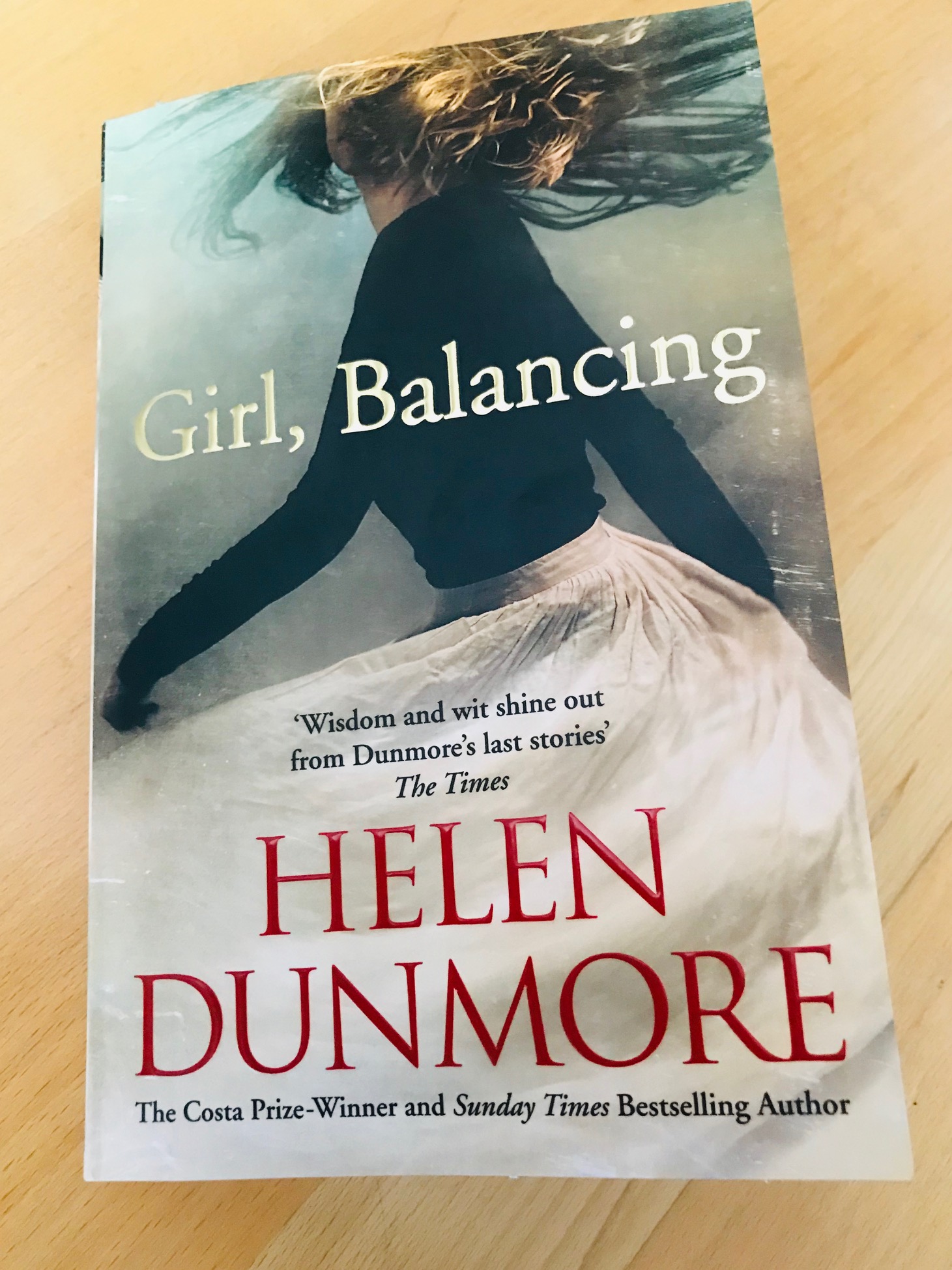
Girl, Balancing & Other Stories by Helen Dunmore – Her Final Collection


I loved this stunning collection of short stories from Helen Dunmore. There was a tinge of sadness that this will be her final collection, but we are lucky to have had such a literary talent. Girl, Balancing is also well edited, with the novel being broken down into three section: The Nina Stories, The Present and The Past. A wonderful way to get lost for a few hours. Dunmore excels in historical knowledge and razor sharp observation. The stories are true slices of life.

This very special collection of short stories was gathered by Helen Dunmore’s family in the months following Helen’s death in 2017. Helen’s writing was everywhere, on the computer, on letters to her children, in notebooks, on her ipad, even on her phone. Girl, Balancing is a collection of the very best of those short stories, some fully developed and others partial fragments of what occasionally became novels throughout her career. It is a wonderful insight into the writer’s craft – how one hones plots and develops characters, how Helen’s insight into people and the world surrounding us have always informed her writing. It has been 20 years since Helen published a short story collection and as Helen’s son, Patrick describes in his Introduction, contained within these pages is ‘the pleasure of discovering something new’, even for those familiar with Helen’s novels.

Girl, Balancing
& Other Stories

HELEN DUNMORE

£8.99 Windmill Paperback 7 March 2019

HER FINAL COLLECTION

In this remarkable final volume of short stories, Helen Dunmore explores the fragile ties between passion, familial love, parenthood, friendship and grief often from people who are at turning points in their lives.

With her extraordinary imagination, her gift for making history human, and her talent for acute observation and lyrical storytelling, Dunmore offers a deep insight into the human condition with a collection that will delight and move all her readers.

Helen Dunmore was an award-winning novelist, children’s author and poet who will be remembered for the depth and breadth of her fiction. Rich and intricate, yet narrated with a deceptive simplicity that made all of her work accessible and heartfelt, her writing stood out for the fluidity and lyricism of her prose, and her extraordinary ability to capture the presence of the past.

Her first novel, Zennor in Darkness, explored the events which led D. H. Lawrence to be expelled from Cornwall on suspicion of spying, and won the McKitterick Prize. Her third novel, A Spell of Winter, won the inaugural Orange Prize for Fiction in 1996, and she went on to become a Sunday Times bestseller with The Siege, which was described by Antony Beevor as a ‘world-class novel’ and was shortlisted for the Whitbread Novel of the Year and the Orange Prize. Published in 2010, her eleventh novel, The Betrayal, was longlisted for the Man Booker Prize and shortlisted for the Orwell Prize and the Commonwealth Writers Prize, and The Lie in 2014 was shortlisted for the Walter Scott Prize for Historical Fiction and the 2015 RSL Ondaatje Prize.

Her final novel, Birdcage Walk, deals with legacy and recognition – what writers, especially women writers, can expect to leave behind them – and was described by the Observer as ‘the finest novel Helen Dunmore has written’.

Helen was known to be an inspirational and generous author, championing emerging voices and other established authors. She also gave a large amount of her time to supporting literature, independent bookshops all over the UK, and arts organisations across the world. She died in June 2017.

IT’S TIME TO START SHOWING THE SCI-FI GENRE SOME LOVE

Science-fiction may be enjoying a meteoric sales boom but it’s still not receiving the acclaim it deserves, writes the British novelist Hannah De Giorgis.

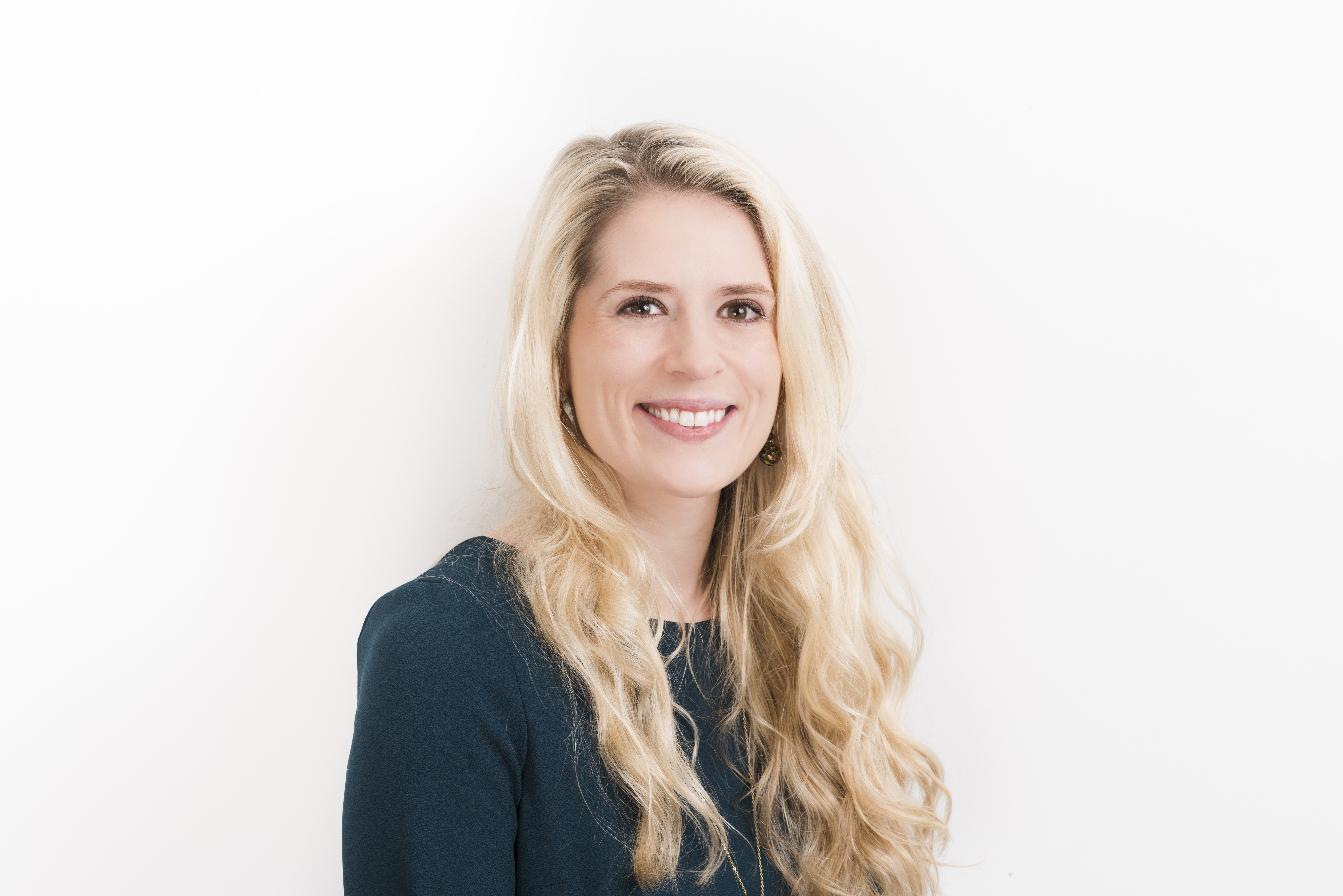
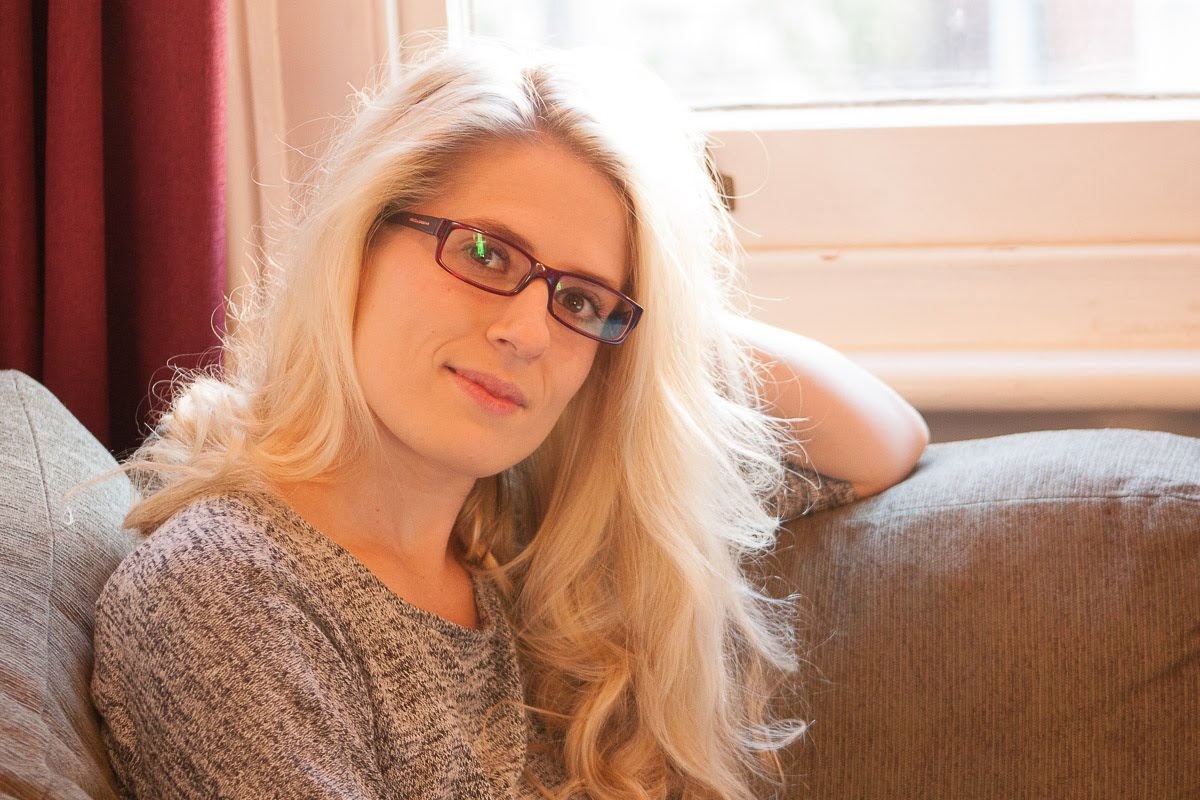
By Hannah De Giorgis

When it comes to the perception of Science Fiction and Fantasy (SF&F) as a genre, there’s a tension between its commercial success and its critical reputation. This time last year, it was reported that combined print and digital book sales in SF&F genres had doubled since 2010.

Today, unit sales of self-published and Amazon-published titles represent almost 50% of all SF&F sales across print, digital and audio. Elsewhere, and especially on the Big Screen, the popularity of SF&F shows no sign of abating: movies including the Maze Runner: The Death Cure, Black Panther, Annihilation, Jurassic World: Fallen Kingdom, and Solo: A Star Wars Story grossed billions of dollars at the Box Office and outsold most other genres.

Given its commercial dominance and crossover potential, one might assume that SF&F would carry the same kudos as other acclaimed genres. And yet, when it comes to the “literary” world, it doesn’t.

Despite its importance in popular culture, SF&F is often overlooked and underappreciated critically. For instance, SF&F is rarely offered as a module in undergraduate literature degrees – and, when it is, the relevant lecturer laments that it is regarded as a “lesser” genre. Meanwhile, in literary circles, science-fiction and literary speculative fiction is routinely dismissed and overlooked for most (if not all) of the more prestigious literary prizes. Perhaps because a potential consequence of being regarded as more “mainstream” can automatically render a book as less “serious”.

However, such a dismissal is – I think – unfair. Not only does SF&F arguably require more imagination than most other genres, it also allows writers to really delve into the potential repercussions of technological advancement in modern society. In some cases, sci-fi novelists will possess a comprehensive understanding of the laws of physical sciences, and in others fantasy novelists might fabricate an entirely new world from scratch.

In the glamorous world of film, the problem is less acute; blockbusters like The Martian and Interstellar have and do attract acclaim. That acclaim, however, only goes so far. Interstellar, for instance, was nominated for Academy Awards in categories such as special effects but not for overall picture. The Martian, on the other hand, which of the two movies is more “realistic”, was nominated for Best Picture.

While it would be disingenuous to suggest that critical acclaim is only reserved for Hollywood, it is fair to state that SF&F receives more recognition in the world of film than in the world of literature – and that’s not simply a consequence of the asymmetry of the two industries. And, when I think about it, this shouldn’t be the case given the important role that SF&F has and continues to play in our lives. Sci-fi, in particular, has long been a reflection on society: it shines a spotlight on mankind’s lust for and dependency on emerging technologies, arguably in a manner that would not be nearly as effective if it were not in the sci-fi form. Indeed, SF&F authors have for decades paved the way for Hollywood by daring to explore the potential repercussions of a world that is increasingly advancing technologically. Moreover, the genre offers an imaginative scope that is, in effect, unlimited – as can be demonstrated by many sci-fi movies or fantasy series that immediately spring to mind.

All I can hope is that, little by little, the literary world might cease to look down on SF&F and come to eventually recognise it for the innovative, limitless, and – at times – genius genre that it is.

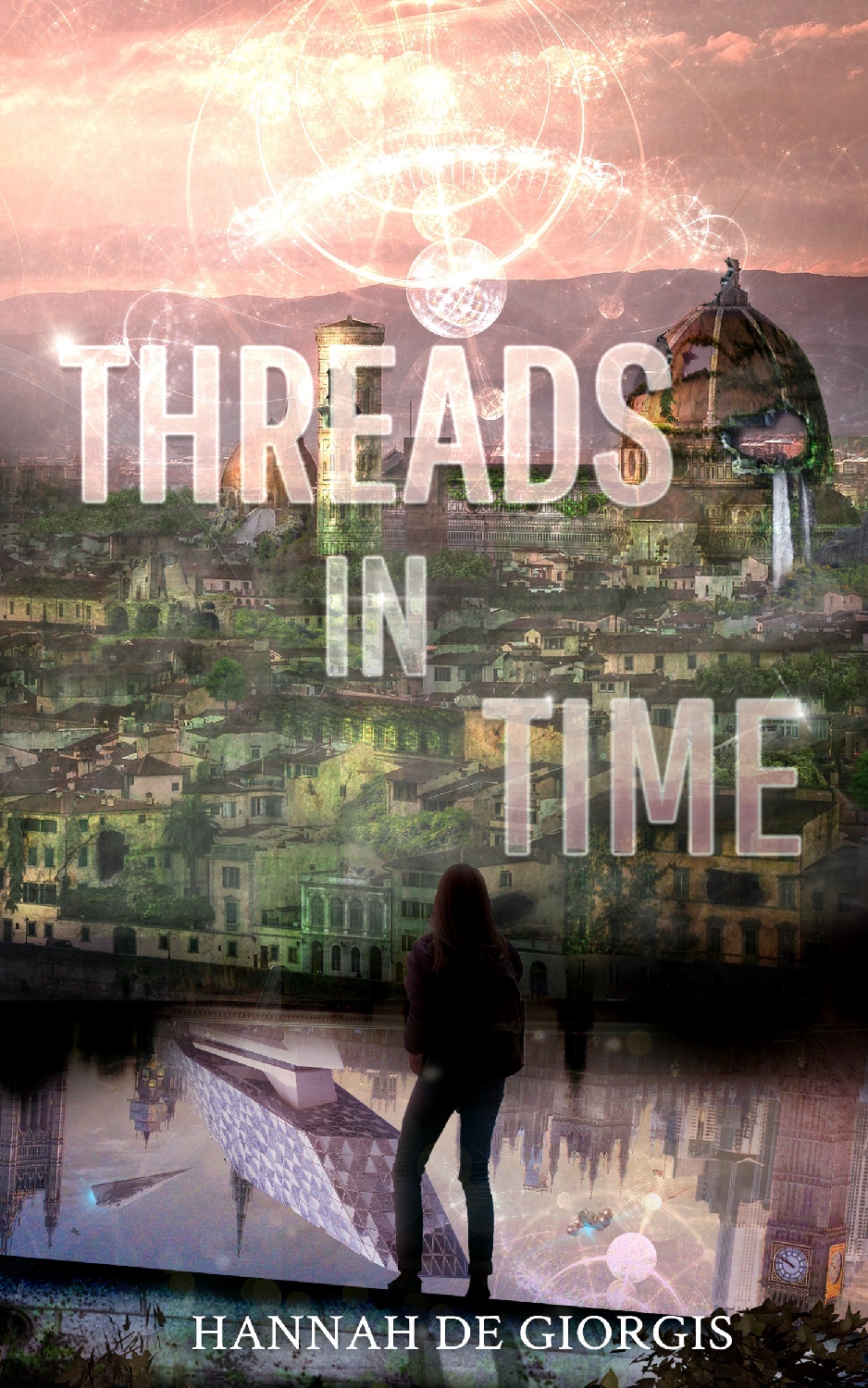
Threads in Time by Hannah De Giorgis is available from today on Amazon priced £3.49 in Kindle edition and £7.99 in paperback.