4 Guidelines to Buy a Comfortable Wedding Dress for Your Beach Wedding

Picking your wedding dress is nothing short of an experience. A Wedding dress is perhaps the most iconic thing of your big day. Yes, finding a wedding dress that ticks all the boxes within your budget isn’t easy. When opting for a wedding dress (especially, if you are going to marry on the beach), there are a few things you need to consider. 

These guidelines help to assure your wedding dress is comfortable, practical and won’t drag on the sand. Sure you are not going pick the same dress you would if you were going to marry in a church. With that said, following we are going to share some tips that will help you pick the ideal dress for the beach setting. 

  1. Show Your Style Sense

Beach Wedding Dresses don’t have a lot of restrictions. Yes, there are some style rules you have to follow. Not everything is ideal for a beach setting. Sure you don’t have to restrict yourself to short flocky dress category found in most bridal stores. 

You can go for something a little exotic if you want. Just make sure can walk in the sand wearing it. Why don’t you try something traditional? Just make sure you have a short dress because a long dress will drag in the sand and get ruined. 

  1. Floaty and Flimsy

Floaty and whimsical dresses are ideal for beaches. They are romantic and stylish. Moreover, they complement the movement of the ocean and bohemian vibe surrounding beach weddings. Not to forget, they are practical. These dresses will help you get through the heat and move easily on the beach. Just avoid long sleeves because you don’t want to be sweating when hugging the guests.  

Short wedding dresses are popular among young brides. These dresses also make an excellent choice for beach weddings as they don’t restrict you in any way. They help you to keep cool, are fun and a bit flirty.

  1. Veil

It’s better if you forget the veil because of the breeze. Yes, the wind can snatch away your veil before you get to the aisle. If you have your heart set on having a veil, then go for a short one. It won’t restrict your vision to prove to be too heavy. The closer you get to the ocean, the windier it will be. Some wedding dresses do come with a veil, but they are not meant for the beach. 

  1. Footwear

Another important thing that needs a lot of consideration is wedding footwear. Stilettos won’t fare well in sand. If you are wearing stilettos, make sure you set a boardwalk. It’s better if you wear flats or sandals for the big day. If you want to wear heels, you can save it for the reception. 

The key is, pick something which won’t get too much sand in them. When you are picking something for your big day, just be true to yourself. The wedding is a celebration for you and your significant other. So don’t get carried away because of these petty things. 


Sponsored Post.

Planning a Backpacking Trip through Europe

Backpacking through Europe is an adventure, and unlike in many parts of the world, Europe truly caters to the backpacking lifestyle. You can find hiking trails, public transit, and hostels that all support the backpacker. However, you can’t just hop on a flight to Europe and go. There are some things you’ll have to be aware of, even if you’re going somewhere you think will feel familiar. Here are a few tips for planning a backpacking trip through Europe.

Have the Right Gear

There are several benefits to having a backpack over a suitcase when traveling in Europe. You can fly there with just a backpack and maybe one personal item instead of checking luggage. You’ll be able to quickly leave the airplane, buses, and trains carrying everything. You’ll be on your way as soon as you arrive. Just make sure you have a comfortable, durable backpack that will carry everything you need while still being safe. If you’re carrying a lot of gear, it should have a built-in frame and waist belt to make it easier to carry.

For some, a daypack needs to be added to the list. This simple smaller backpack can carry personal papers, a laptop, wallet, and other essentials. If you’re going to take a daypack, then you need to have a way to comfortably carry it in your backpack or in addition to your backpack. 

Plan Your Itinerary

Having a rough itinerary before you go is essential. You need to know where you’re going if you’re going to get permission to travel there if it is necessary in your case. Some places like Sweden, for instance, have laws that allow campers to camp on private property. A general itinerary tells you what the weather will be like, while a detailed itinerary allows you to book accommodations in advance. That will save you money over last-minute check-ins. Buying train passes and bus passes in advance can save you money, as well. Research cheap flights to Europe, and don’t forget the return trip.

If you don’t want to be locked into a strict schedule, then search for airlines that let you reschedule your return trip without taking on massive fees. This is a good time to look into travel insurance as well, so you’ll be covered no matter what.

Packing Right

Whether backpacking in the wilderness or through serene countryside, weight matters. Use a lightweight sleeping bag instead of a conventional, bulky one. Carry a minimum of clothes, though the clothes need to suit the climate you’re in. Take several pairs of underwear and socks. Always carry essentials like a phone, identification papers, cash and any medications you take. An extra battery pack, flashlight, and adapters are essentials because you’re lost without them. Take a basic supply of toiletries. You can always buy more socks and toothpaste at your destination.

Put Things in Order at Home

You don’t want to take a trip abroad and return to chaos at home. Put things in order before you leave. Ensure that the rent and other bills will be paid in your absence. Inform your financial institutions that you’ll be traveling abroad, so they don’t lock down your accounts out of fear of fraud because you used your credit card in Europe. Turn off the data on your phone to avoid roaming fees and find out how you could use the phone in those countries at minimal cost.

Conclusion

Backpacking in Europe is an enriching experience. However, you need to take the right steps now to truly enjoy the trip without regretting it later.


Sponsored Post.

The Food Medic: How to reduce free sugars in the diet

January leaves us all wanting to eat healthier as the decadence of Christmas tends to be hanging around. Mostly in weigh gain. The Food Medic is here to tell you how to reduce free sugars in your diet and be healthier.

You might be thinking, hey, why all the fuss about reducing sugars? First things first, sugar is not poisonous or toxic, nor is it uniquely to blame for obesity or poor health. However, we could generally do with consuming less “free” sugars. The Scientific Advisory Committee on Nutrition (SACN), a committee of independent experts that advises the Government on nutrition issues, recommends that the average intake of FREE sugars should not exceed 5% of total dietary energy intake, as they can contribute to excess calories in our diet and tooth decay. But what are free sugars and how might we limit our intake?


Free sugars includes sugars added to food and drinks by the manufacturer, cook or consumer, but also includes ‘natural sugars’ found in honey, syrups and juices. These are sugars we generally need to eat less of as they can contribute to excess calories in our diet and tooth decay. Sugars found in fruit and vegetables, grains and cereals, or lactose naturally present in milk and dairy products are not included in this.


How can I cut down my consumption of free sugars?


Most of the free sugars we consume come from sugars that we add to food and drink, including fizzy drinks and juices, jams and condiments, biscuits, pastries and cakes. There’s no need to totally avoid these foods completely, but you can reduce the amount of free sugars in your diet by basing your meals on fibre-rich, carbohydrates such as brown rice and sweet potatoes, protein-rich beans and pulses, essential fatty acids from oily fish and flaxseed, and a variety of colourful fruit and vegetables, such as berries and leafy greens.


Here are some helpful suggestions:


Make your own chia jam – Although there is nothing quite like old fashioned jam, it does contain quite a lot of added sugar, which isn’t great for our teeth or health if we eat too much of it. Chia seed jam is a quick, low-sugar alternative to regular jam. All you need is a punnet of berries and a tablespoon of chia seeds –  You can whip this up in 5 minutes and have an incredible, homemade jam in your fridge for up to 2 weeks!

Simply stew in a pot with 2 tablespoons of water over a medium heat. Cook until the fruit breaks down and becomes syrupy, 5 to 10 minutes. Mash the berries with the back of a wooden spoon and stir in the chia seeds. Cook for another 2-3 minutes then remove from heat and let stand 5 minutes, until thickened. If you’d like a thicker consistency, especially with very juicy fruits, stir in more chia seeds 1 teaspoon at a time. Once the jam has cooled to room temperature, transfer it to a jar.


Many breakfast cereals are quite high in sugar, including those marketed to be “healthier” options. One way to reduce your sugar intake at breakfast time is to swap to lower-sugar cereals such as plain porridge oats. You can make it just as, if not more, satisfying and delicious by jazzing it up with some warm berries, cinnamon and chopped nuts.


Smart snacking – despite their healthy image, many cereal bars and “energy” balls are often pretty high in sugar and fat. Instead of trying to navigate the snack aisle, plan ahead and make your own snacks to take with you – it’s also a great way to save money. How about your own DIY trail mix made with a small handful of chopped nuts, fresh berries, and a square or two of dark chocolate roughly chopped?


A large proportion of the added sugar in our diets comes from sugar sweetened beverages such as fizzy drinks and juices. If swapping to water isn’t something you feel particularly excited about, you could try flavoring it with a herbal tea bag, a handful of chopped strawberries or cucumber, or simply just mint.


Surprisingly for some, there are also some sugar added to savoury foods – what some people call “hidden sugars” – such as in; condiments, sauces, and ready meals. This is usually to improve taste and texture but it can mean you’re consuming some extra sugar. By making your own sauces at home, and cooking from scratch as much as possible, you are likely to reduce the amount of added sugar in your meals.


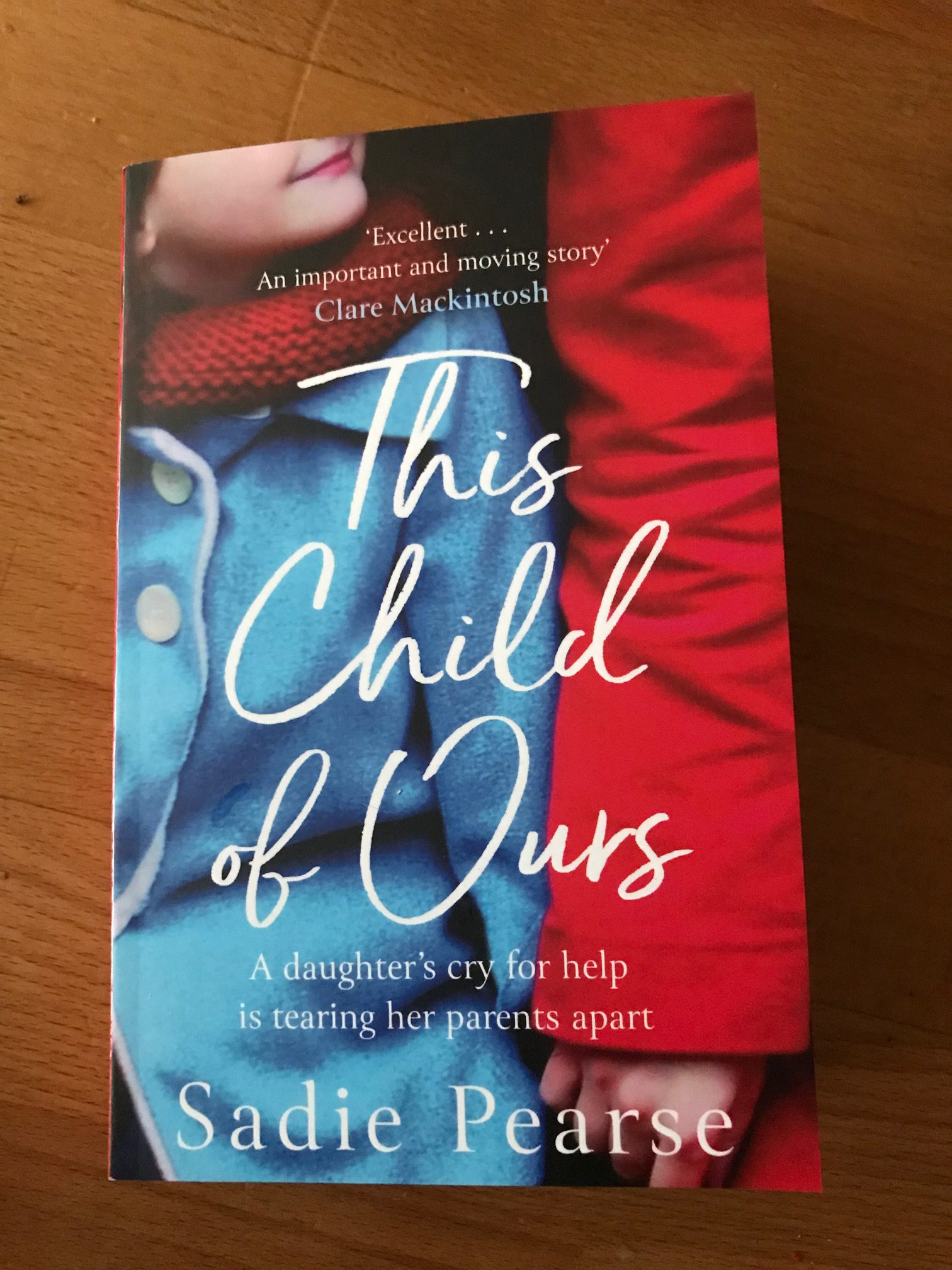
Recommended Reads: This Child of Ours By Sadie Pearse

this child of ours sadie pearse

A timely book that is both thoughtful and beautiful. 


If you’ve been watching and enjoying Butterfly on ITV then this book is perfect for you.
———————
You know what’s best for your child.
Don’t you?

Riley Pieterson is an adventurous girl with lots of questions. There’s plenty she doesn’t know yet; what a human brain looks like. All the constellations in the night sky. Why others can’t see her the way she sees herself.

When Riley confides in her parents – Sally and Theo – that she feels uncomfortable in her own skin, a chain of events begins that changes their lives forever. Sally wants to support her daughter by helping her be who she dreams of being. Theo resists; he thinks Riley is a seven-year-old child pushing boundaries. Both believe theirs is the only way to protect Riley and keep her safe.

With the wellbeing of their child at stake, Sally and Theo’s relationship is pushed to breaking point. To save their family, each of them must look deeply at who they really are.

A story of a marriage in crisis and a child caught in the middle, this is a beautiful novel of parents and their children, and how far we’re prepared to go in the name of love.
Perfect for fans of Jodi Picoult, Laurie Frankel, Kate Hewitt and Jill Childs.


Available here.

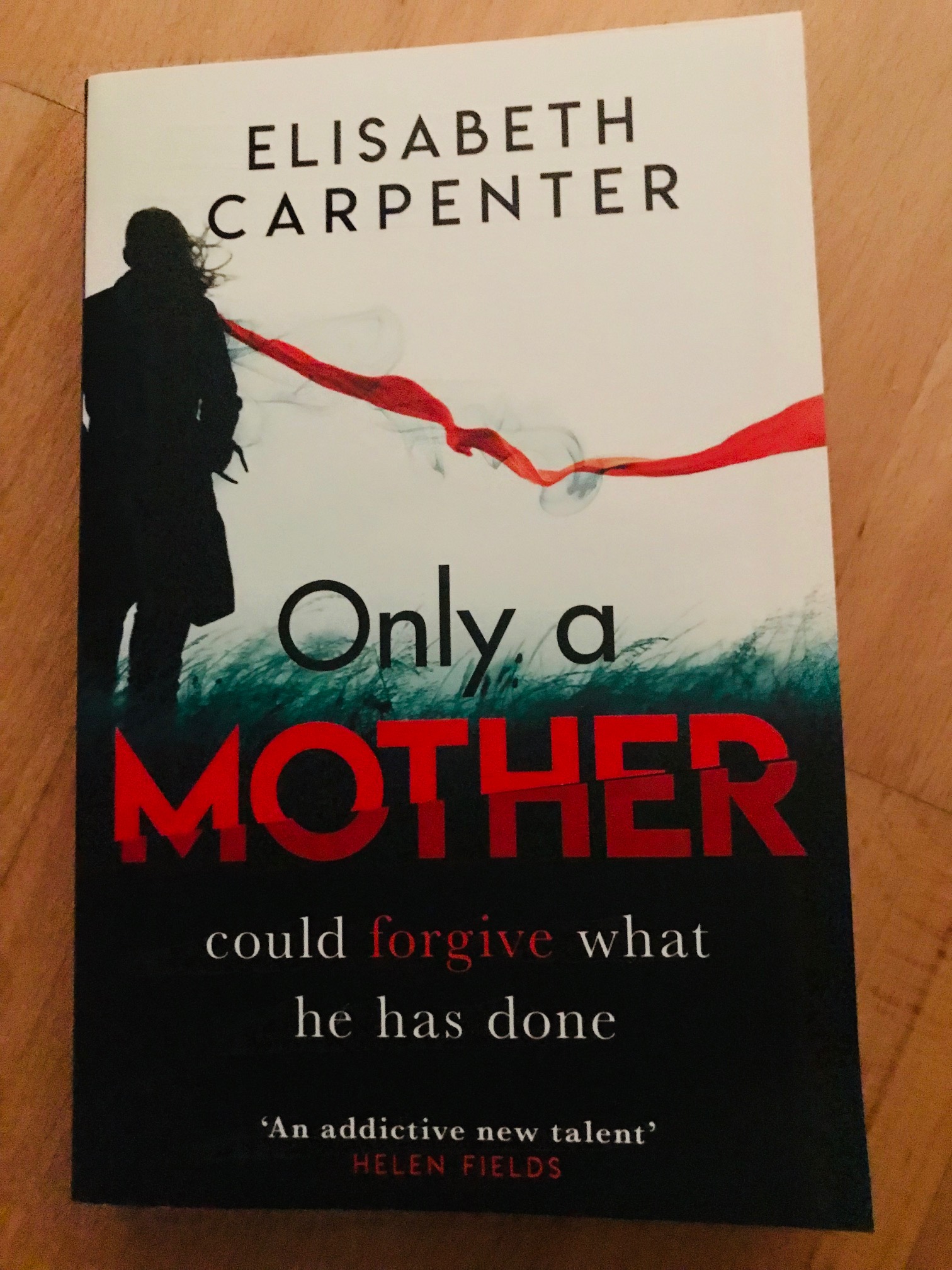
Book of The Week: Only a Mother By Elisabeth Carpenter

only a mother, book, elisabeth carpenter

This is an atmospheric psychological thriller that leaves you wanting more. Brilliant.


ONLY A MOTHER . . .
Erica Wright hasn’t needed to scrub ‘MURDERER’ off her house in over a year. Life is almost quiet again. Then her son, Craig, is released from prison, and she knows the quiet is going to be broken.
COULD BELIEVE HIM
Erica has always believed Craig was innocent – despite the lies she told for him years ago – but when he arrives home, she notices the changes in him. She doesn’t recognise her son anymore.
COULD LIE FOR HIM
So, when another girl goes missing, she starts to question everything. But how can a mother turn her back on her son? And, if she won’t, then how far will she go to protect him?
COULD BURY THE TRUTH

Perfect for fans of Lisa Jewell, Louise Jensen, Katerina Diamond, Helen Fields and CL Taylor – a hard-hitting psychological thriller told from the fresh perspective of a killer’s mother.


Available here.

What it’s like to raise £3.5m and have a baby at the same time

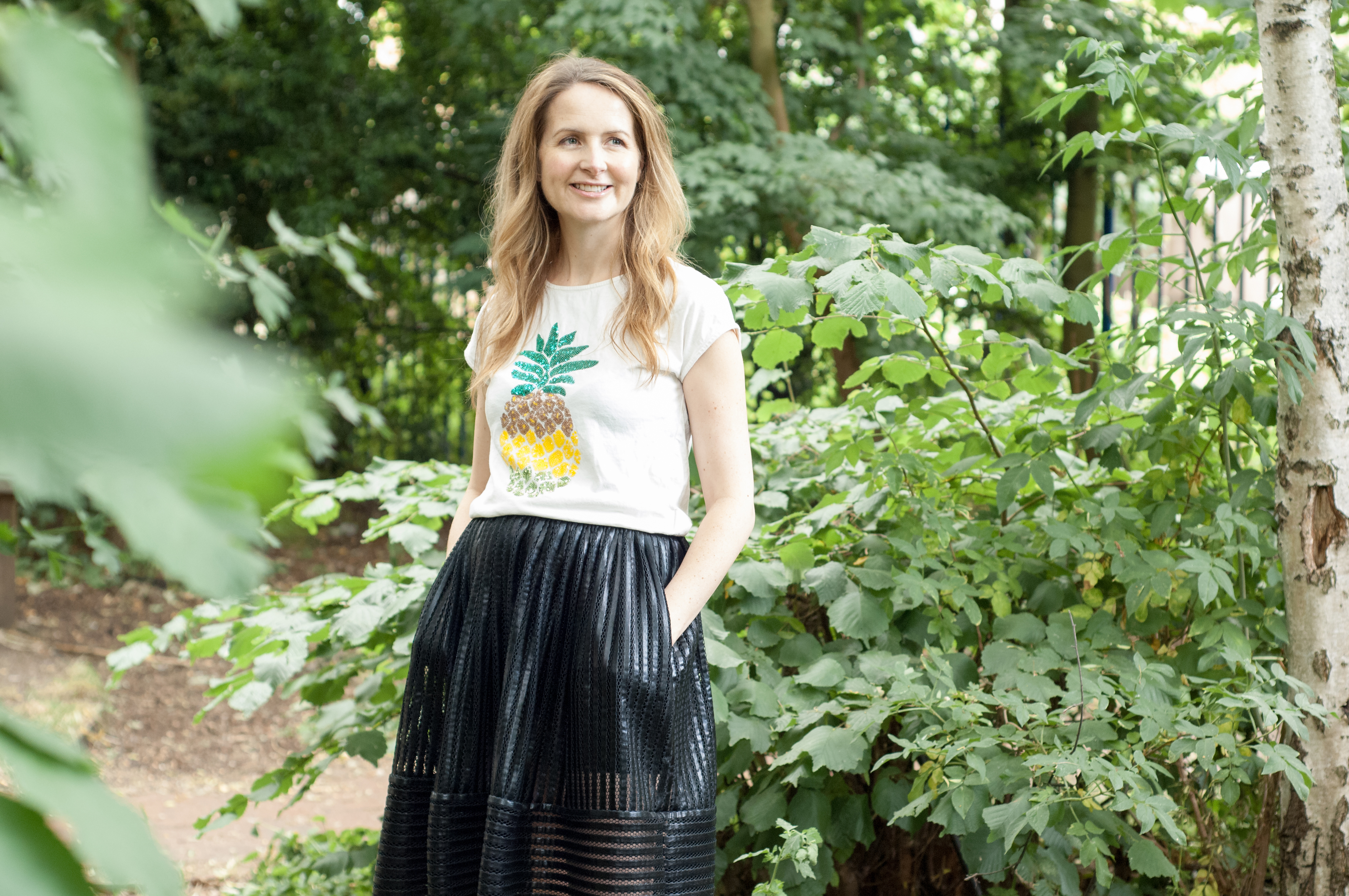
 Rachel CarrellBy Rachel Carrell.
I set up my business, Koru Kids, to solve a huge problem. We’re aiming to profoundly impact the wellbeing of a million families, by totally reinventing after school childcare.
It is a massive goal. To even think about achieving it, we needed some big investors on board.
Makes sense, right?
Except that I was also pregnant.
Raising money in London from professional investors while pregnant isn’t easy. You have to have lots of meetings all over London—ideally, four or five a day. Every day was a scramble up and down the stairs of the Tube, arriving at each meeting just in time but very out of breath.  I took meetings right up until my due date, in a state of denial that a baby was soon arriving. In the evenings I did my whole normal day job, then tried to sleep before getting up and doing it all again the next day. For several months, before and after the birth, I was sleeping 4 hours a night and working until about 1am.
At 5:30 a.m. one Sunday I woke with advanced contractions. Alexander was born an hour later, and we both came home that day.
I resumed meetings the next morning at 9am—this time, by telephone. While my husband, Dave, held Alexander, I did my usual pitch with one small variation: “While running my previous company, I had a baby and noticed how difficult it was to find great childcare. Actually – well, I don’t want to freak you out, but I had another baby yesterday.”
My first in-person meeting was two days after the birth. I pumped breastmilk for Alexander, left him with Dave, spent an hour with the investor then zipped back home. For the next few weeks the three of us—Dave, Alexander and I—travelled to meetings together. I’d feed the baby on the way or in the reception, and do the meeting while Dave looked after Alexander. One time Dave took him off to the National Portrait Gallery nearby while I did my thing in the boardroom.
The process was arduous but in the end, it all paid off. The investment round exceeded expectations—raising £3.5m rather than £1.5m as we originally intended—and we were on our way to achieving our goal. Alexander and his big sister are doing really well too.
What kept me going was sheer bloody-mindedness, and commitment to our cause: Koru Kids needs to exist. The childcare system is inadequate and I’ve met hundreds of parents who are affected by it. People who can’t afford the care they know their children should have. Women who want to go back to work but can’t. Parents whose employers have agreed to part time work patterns but who can’t find the childcare to make it work. Families who are forced to leave London when they don’t want to. Parents who desperately want another child but can’t see how they’re going to manage.
The truth is, we all have challenges in our lives. My challenge was trying to do two difficult things at once. But other people have that too, with different challenges like bereavement, or mental health issues. Raising the money Koru Kids needed while also having a baby was the hardest thing I’ve ever done, but it’ll all be worth it when we’ve built the childcare system I know we need.

This Week’s Must Read: Vincent Van Gogh, The Ambiguity Of Insanity

Vincent Van Gogh’s turbulent and tragic life story is told with compassion and wisdom in Giuseppe Cafiero’s exceptional work of bio-fiction, writes Lucy Bryson.

By Lucy Bryson

This fascinating audiobook from prolific writer Giuseppe Cafiero provides a nuanced account of the life and times of one of the greatest painters of the 20th-Century. It sheds fresh light on the ways in which the artist’s life and works were shaped by people, places – and by a dangerously obsessive personality.

Loosely based around the correspondence between Van Gogh and his brother Theo – here portrayed as one of very few constantly supportive figures in the troubled artist’s all-too-short life – Van Gogh, The Ambiguity of Insanity presents Van Gogh’s life as a fictional series of chapters, each shaped by a particularly meaningful woman and by the place where the Dutchman was living at the time. Cafiero creates a portrait of a man both proud and vulnerable, reclusive yet deeply desirous of emotional, artistic and physical companionship.

Beginning with his early life on the Dutch-Belgian border, born to a pious pastor father and staunchly religious mother in a “sterile, oppressive land, burdened with gossip, ill-feeling and sickness“, Cafiero goes on to present Van Gogh’s life in 10 chapters, each of which takes as a focus a specific woman – be she an unrequited love, a lover, family member, model or muse – who was instrumental in shaping the troubled artist’s life.

Cafiero’s audiobook paints a stark yet vivid picture of an obsessive, psychologically vulnerable man, prone to extremes of emotion that led him to dark and troubled places. He was, we learn, driven by obsessions, which were often seemingly at odds with each other: an obsession with religious piety; with erotic love; with redemption; with artistic perfection; with family ties and with friendship (Vincent is seen to be hugely emotionally affected by the collapse of his friendship with fellow artist Gaugin). Suffering the pain of rejection on numerous occasions (and often as a result of inappropriate fixations), Van Gogh was perhaps overly dependent on his more stable brother Theo, who supported him both financially and emotionally throughout Vincent’s turbulent life and until his premature death at the age of just 37.

But we discover that Van Gogh’s emotional and artistic life was shaped not only by the women he encountered, but also by the places he lived, studied and painted – from the glamour of Paris to the decay of London’s insalubrious back streets. Van Gogh travelled extensively in his 37 years, and was apparently deeply susceptible to external influences.

The book follows Van Gogh’s long and painful mental unravelling and his sad journey towards apparent suicide (it has never quite been an open and shut case, and some people still maintain Van Gogh was murdered…). As its title suggests, this book shows that ‘insanity’ is not a constant, easily identifiable condition, but rather a spectrum, and something that may be more or less apparent at different life stages. Cafiero’s passion for his subject matter is evident (as is his painstaking research) and he has taken care avoid sensationalism. 
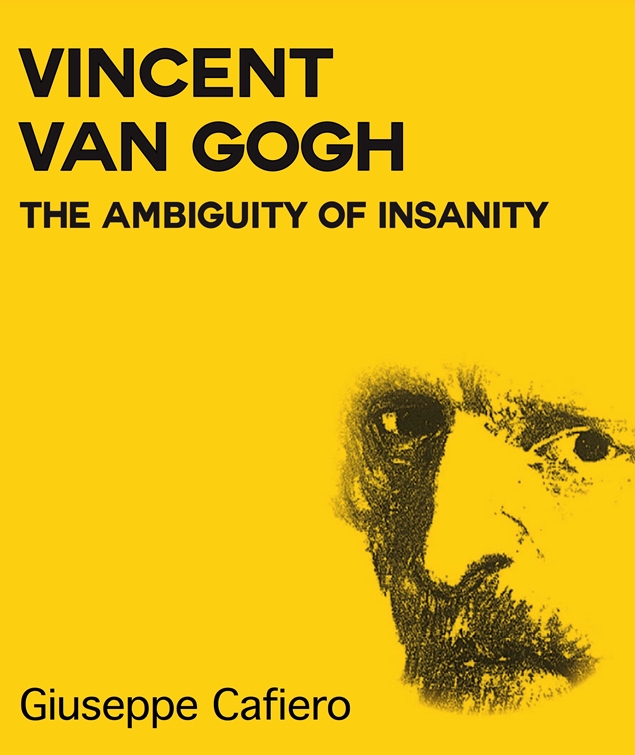
Vincent Van Gogh, The Ambiguity Of Insanity is a powerful, thoughtful account of a fascinating figure in art history. 

Vincent Van Gogh, The Ambiguity Of Insanity by Giuseppe Cafiero (Rowanvale Books), is out now as an audiobook on Amazon UK, Audible or iTunes.

Q&A with Italian author Giuseppe Cafiero

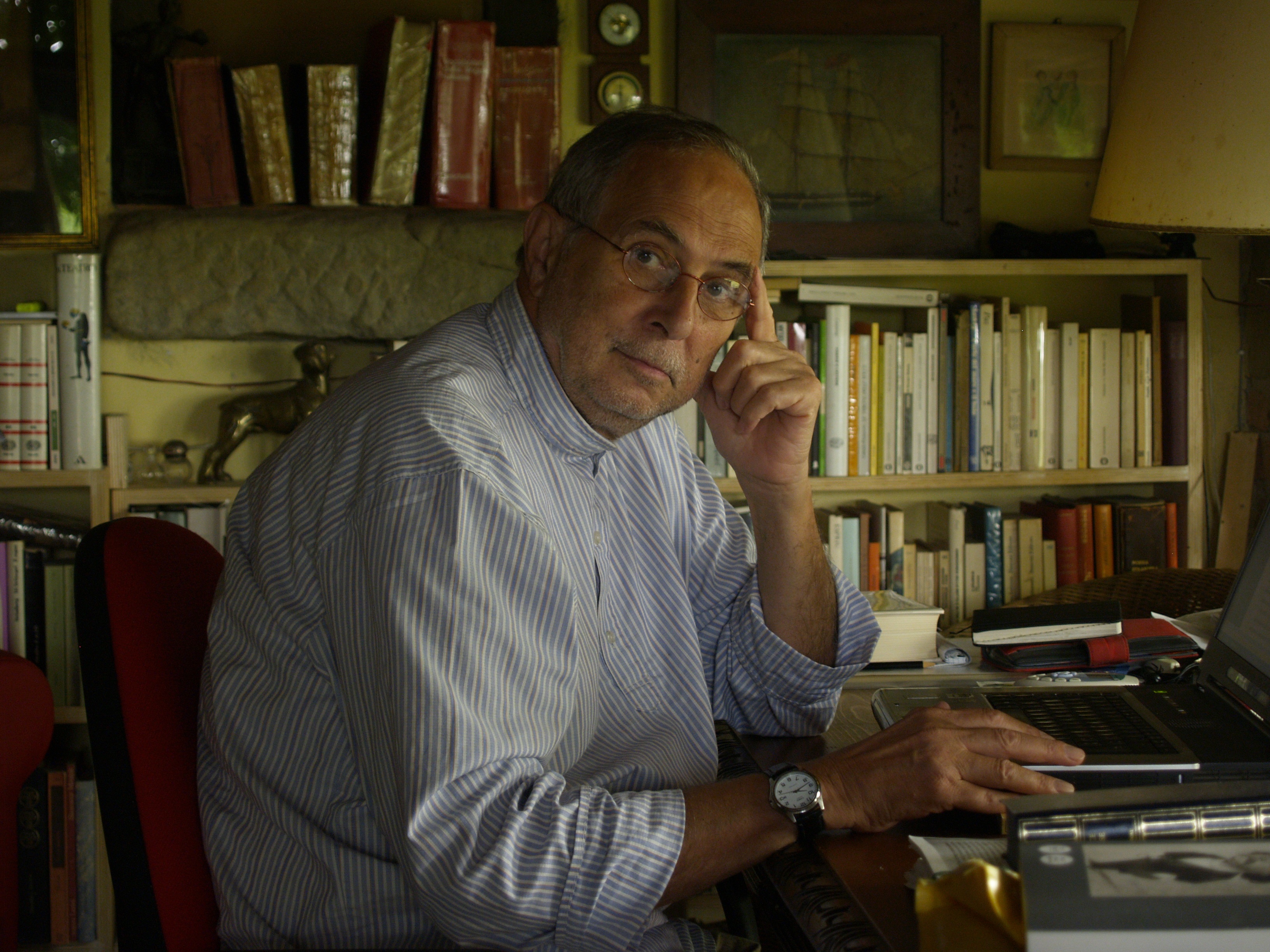
Giuseppe Cafiero is pioneering the ‘bio-fiction’ genre with meticulous research and masterful storytelling. Frost Magazine finds out more about what drives and inspires him, and his plans for the future.

Frost Magazine (FM): You have become known for your bio-fictional accounts of the lives of authors. What made you turn your attention to the life of an artist? 

Giuseppe Cafiero (GC): My main interest in the life of Vincent Van Gogh is in his humanity. In attempting to understand the man and his art, I have focused on the women and the places which played an essential part in his development. In my opinion, no previous biography has concentrated so specifically on these two factors, which I have used to provide the framework for my account.

FM: Van Gogh is more typically portrayed as the stereotypical ‘tortured genius’ – do you think that is an oversimplification? 

GC: Certainly. The vital factor in Van Gogh’s life was his obsessive determination to become a painter. It is impossible to understand man without investigating the nature of this obsession.

FM: How did researching the book alter your understanding of Van Gogh and his work (if at all) and did anything about his relationships or personality surprise you?

GC: I was surprised by the obsession as a subtle and tragic illness that inexorably consumed man. He was driven by a passionate determination to express himself through colour: above all with yellow as a symbol of life and spirituality.

FM: Who is the book likely to appeal to, and what do you hope readers will take away from reading it?

GC: The book is for lovers of Van Gogh and those who try to understand how madness can be a creative means. The long and painful progress towards suicide, the desire for extinction once madness turned out to be a painful companion and certainly not the source of hope.

FM: Why did you choose to base each of the chapters around a woman and a place in Van Gogh’s life? Was it a clear choice as to which females and locations to include?

GC: The book really focusses on Van Gogh’s obsessions: the obsession with redemption (his mission among the miners of Borinage and his relationship with Sien); the obsession with friendship (the failure of his relationship with Rachel in Arles); the obsession with a selfishly tormented spirituality (the relationship with the Kee Vos in Etten); the obsession with the sun of southern France (Madame Ginoux in Auvers); and the obsession with family love (her relationship with her sister-in-low Johanna in Paris).

FM: This title seems to have a more straightforward narrative than other titles in the Ambiguities series. Was this a conscious decision?

GC: Yes, of course. I had to tell the life of Van Gogh, the women he met, the places he frequented, the paintings he painted year after year.

FM: Van Gogh produced some of his finest works while his mental health was at a low (for example Starry Night). Do you think his mental health issues were integral to his genius as an artist?

GC: Van Gogh’s life was a moving struggle to find his way as an artist. He managed to express at the end of his life and through a tender and overwhelming madness, a pictorial proposition in which the colours are an unimaginable beauty.

FM: Are there any other titles planned in the Ambiguities series? And how would you summarise the series for readers who are not yet familiar with the books?

GC: Certainly. I have written books on the ambiguity of Gustave Flaubert, Edgar Allan Poe, Virginia Woolf and Mario di Sa Carneiro. Ambiguity is just a way of seeing some writers from a particular perspective: in their imagination and their desire for imagination.




Kickstart your inner author: How to write a novel by next new year

By Tobsha Learner

Many of us dream of putting pen to paper and writing our first novel – so how can we make 2019 the year we actually do it? We asked bestselling historical novelist Tobsha Learner for her top tips…

  1. Study the masters: Before you begin writing, choose your favourite example of the genre you want to write and study it. Observe how the plot unwinds throughout the book. Make a graph noting how the subplots feed into the theme of the book and how they all build to the climax and conclusion. Look at how conflicts between characters and the obstacles they have to overcome creates tension. Note how specific characteristics make a protagonist believable… 
  2. Think about tenses and what they do psychologically to the reader before you begin writing: For example 1st person/present places them in the skin of your protagonist and moves them through the landscape right in the moment, the down side is that the description of other characters will always be through the protagonist’s eyes unless you jump tenses. Again look at your favourite books and note how the author is using tenses for different effects…
  3. Do your research – become a razor-sharp observer: For characterisation, interview and record for dialogue and specific characteristics (with permission of course). Get into the habit of eavesdropping and making notes, snippets of dialogue, psychological quirks etc. This will inspire and help build realistic and empathetic characters. For location, visit if possible, take photos, record sound, smell, and architecture. Everything to help create visceral landscape the reader can almost touch. If visiting a location is not possible, go on-line and collect images. On action/careers of characters – search out experts in that particular field and interview them. You’d be surprised how many will agree (with a promised thank you or reference at the back of the book). Just make sure you’re respectful and make it clear it’s for general atmosphere and not to use verbatim… 
  4. When you’re ready to start writing make your desk or writing place a sanctuary me-space. Make it somewhere you will end up yearning to sit and write at – define it with scented candles, fresh flowers, crystals…whatever triggers your creativity. Think about the colours and light around you that will help concentration – you don’t need a view, the view will be the world you’re creating on the page.
  5. Keep a notebook or recording device by your bed, office desk and in your handbag. Start collecting those amazing revelations or sentences that come to you first thing in the morning, in the middle of the night, a little drunk after a bad blind date…whenever it is, catch and immortalise that thought/phrase/idea. Inspiration strikes at the weirdest times, be prepared and get into the habit of collecting ideas, great phrases or snippets of dialogue you’ve overheard. You might not yet realise how you will use them in the future but a good part of writing is observation and you can do this anywhere.
  6. Be prepared to write many drafts: To over-write is better than under-writing. This allows you more choice as you hone down your narrative. Take time out between each draft to get a ‘clear eye’ on each re-write – this will give you more objectivity. I’m talking weeks not days. I call this fermentation time, and it’s important to resist the impulse to sit down and fix what you think is wrong with a draft immediately after finishing reading it… 

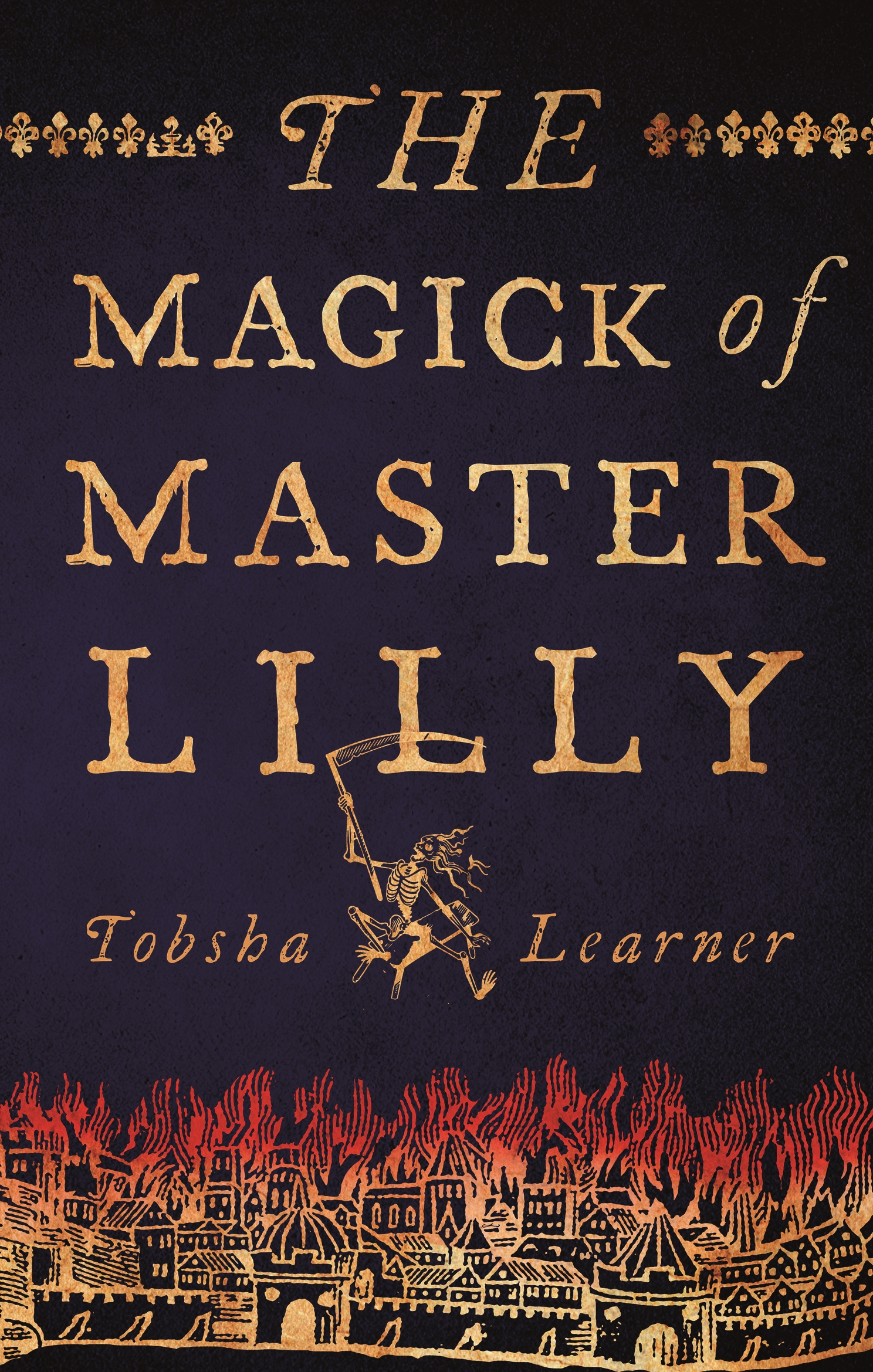
Tobsha Learner’s new historical thriller The Magick of Master Lilly is out now, published by Little, Brown Book Group, and priced at £8.99 in paperback and £7.99 in e-book. For more information visit tobsha.com