Bare-faced confidence comes with age, new statistics reveal

Models in Hair and MakeupForget mascara, lippie and foundation: 46-plus women are anything but concealers

Half of women let their partners see them with no makeup all the time, research by Fragrance Direct has revealed, and women aged 46-plus are most likely to let a partner see them without cosmetics after spending just one day together.

The bare-faced approach is by far the most popular. Across all the combined age groups, 50 per cent of women go makeup-free around their partners all the time. This surpasses the small number who answered that they never let their partner see them makeup-free (two per cent) and those who answered ‘only when I’m ill’ (two per cent). Slightly more said they only bare all straight after a shower (four per cent), or just before bed (seven per cent), and more women still (35 per cent) said their partner sees them without makeup ‘around the house’. However, the clear favourite indicates that regularly going makeup-free is the preferred choice during a relationship.

The poll found that it is most common to reveal a makeup-free face to a partner within the first month (with 46 per cent of respondents waiting this long). However, women aged over 46 are the quickest to go without cosmetics in front of their partner, with the highest proportion of women who said their partners see them product-free the next day after starting a relationship being in the 46-plus age bracket.

Anne, 41 year-old personal trainer and weight management coach discusses the possible reasons for the apparent increase in confidence that allows more women aged 46-plus to go makeup-free: “I feel that as you get older, people see you in a different light, or are looking for different things – it’s as though they are looking for the ‘real’ you.”

Anne goes on to talk about the role of makeup within a relationship: “There are probably less games to play as you get older, so not wearing makeup at all isn’t really a big deal. When you are younger you have the feeling that you need to continuously impress.”


Liz Earle’s Skin-Saving Salads & Dressing Recipes for Summer Picnics

Liz Earle on sensational salads and skin friendly dressings

The perfect choice for Bank Holiday picnics

liz earle, summer salads, beauty tips, beauty, tips, advice, recipes

Heading out for a family picnic? Look no further for some healthy pack-and-go recipes from Liz Earle, creator of the award-winning Liz Earle Beauty Co., mother of five and organic farmer. When time is tight but you still want something tasty everyone will enjoy, try these simple summer salad suggestions packed with skin-saving goodness to help nourish sun-kissed skins.


SENSTAIONAL SALADS

Chopped salads are a simple way of combining local, fresh and seasonal skin-friendly foods in one healthy picnic dish. Each of the recipes here is designed to be prepared in advance and put into plastic boxes, perfect to keep fresh when travelling. They make great office lunch-boxes too. Here are Liz’s personal favourites:


Sunshine Salad
Serves 6
For the dressing:

150ml (1/2 pint) cold pressed olive oil or rape seed oil
25ml (1fl oz) fresh lime juice
2tsps French mustard
freshly ground black pepper

For the salad:

4 large carrots, scrubbed and grated
225g (8oz) mixed salad leaves, such as spinach, radicchio, frisḗ
e, oakleaf and Batavia leaves, endive and lamb’s lettuce
50g (2oz) sun-dried tomatoes, finely chopped
50g (2oz) hazelnuts, almonds or pecans, finely chopped

Combine the salad ingredients together in a large bowl and mix thoroughly before transferring to a picnic box. Next, mix together the dressing ingredients and store in an airtight container or jam jar, ready to shake and drizzle over the salad just before eating. Sun-dried tomatoes keep well for picnics but you can also replace with twice the amount of cherry tomatoes, which also travel well. Both kinds of tomatoes are a rich source of lycopene, an important antioxidant that may help prevent sunburn, reddening of the skin in the sun and even some kinds of skin cancers.


Herb Salad
This tasty all-leaf salad makes a great accompaniment to a cold pasta or rice salad. Don’t be tempted to make a more complicated dressing – let the herb flavours speak for themselves.

Serves 4

300g (11oz) mixed salad leaves such as; spinach, radicchio, frisee, chicory, rocket (argula)
50g (2oz) mixed fresh herbs such as; chevrl, basil, parsley, coriander
2tbsps (30ml) olive oil, rape seed or walnut oil
1tsp (5ml) lemon juice

Mix the salad leaves and place into a picnic container, or put into a bag ready to tip into a salad serving bowl. Mix the remainder of the ingredients in a travel container or jam jar. Shake well to mix before drizzling over the salad before serving. Green leafy salads, such as baby spinach, rocket and lambs lettuce, are an especially useful source of skin-friendly beta-carotene, an important antioxidant that helps prevent the free-radical cell damage that leads to premature skin ageing. Each of the plant oils suggested here is a good source of the skin-plumping essentially fatty acids that help keep skin soft and smooth.


DELICIOUS DRESSINGS

Dressings are the fastest way to liven up raw vegetables and salad combinations, making summer salads tastier whilst adding more skin-saving nutrients. The thicker dressings are based on yoghurt and can also be used as dips for raw veggie crudités. For the thickest dips, use a Greek-style yoghurt. Quick and easy to prepare in advance, simply store in a plastic sealable pot or jam jar to pack with your summer picnic.


Fine French Dressing
If stored tightly sealed in the fridge, this dressing will also keep for up to a week.
Makes 300ml (1/2 pint)

175ml (6fl oz) unrefined sunflower or safflower oil
120ml (4fl oz) freshly squeezed lemon juice
freshly ground black pepper
1/2tsp mustard, Dijon or whole grain can be used
1/2tsp freshly grated root ginger
1-2 cloves garlic, peeled and crushed

Put all the ingredients in a screw-top jar, replace the lid and shake vigorously to mix well. This twist on the traditional classic has added fresh ginger for a unique zingy freshness. Works especially well when combined with skin-cleansing salads based on cucumber, chicory and fennel.


Cucumber Dressing
A delicious, refreshing dressing that also works well on sliced avocados, one of the richest sources of the skin-saving antioxidant vitamin E.
Serves 2-4

150g (5oz) cucumber
150g (5oz) natural low-fat, plain live (bio) yoghurt
1tsbp cider vinegar
1 sprig of dill
½ tsp dried sill seeds

Blend all the ingredients together in a food processor (or hand-held whisk) until the dressing is smooth and creamy. The bio yoghurt is packed with healthy acidophilus, the beneficial intestinal bacteria that can also help to keep skin clear.


Yoghurt and Chive Dressing
Serves 2-4

150ml (1/2 pint) natural low-fat, plain live (bio) yoghurt
1tbsp lemon juice
1tbsp Dijon mustard
2tbsp chopped chives
1 clove garlic, peeled and crushed
freshly ground black pepper

In a large bowl, mix all the ingredients together, adding black pepper to season, and stir vigorously. Alternatively, place ingredients in a large, screw-top jar, replace the lid and shake well. Yoghurt and chives are a tasty, skin-friendly combo containing calcium and vitamin C.


Orange and Tamari Dressing
Tamari sauce is made from soya beans and is similar to soy sauce. This tangy recipe works very well with raw baby spinach or dark green salad leaves. It is also a useful dressing for those who dislike vinegar.
Serves 2-4

150ml (1/2 pint) freshly squeezed orange juice
1tsp grated orange peel
2tbsps tamari sauce
1tsp finely chopped fresh root ginger
3tsbsps cold-pressed olive oil
1 clove garlic, peeled and crushed

In a large bowl, mix all the ingredients together and stir well before using. Alternatively, put the ingredients into a large, screw-top jar, replace the lid and shake well. Use organically grown oranges where possible, alternatively, scrub the skins in mildly water to remove fungicide residues and rinsing well before grating. A cleansing and refreshing dressing, rich in the skin-saving antioxidant vitamins A (in the form of beta-carotene from the oranges), vitamin C (also from the orange juice) and Vitamin E (from the olive oil). Orange peel also contains skin-friendly bioflavonoid nutrients and fresh ginger is a traditional intestinal cleanser.


Follow @LizEarleMe on Twitter for more tips on wellbeing.


Liz Earle is backing this year’s Sunlight Campaign run by the National Osteoporosis Society to show people how to safely embrace the sun to protect their health. For more information head to: http://www.nos.org.uk/page.aspx?pid=535

English Rose Cosmetics Review

English Rose Cosmetics have great packaging. The right amount of kitsch and glamour. All inspired by women living in war-torn Britain in the 1940s and how they managed to look glamorous despite having limited resources. Founder of English Rose Cosmetics, Karin McKay, drew on her 16 years of experience to create the brand. She choose ingredients that are proven to work.

We reviewed two of the products from the range.

daily defence moisturiser, english rose cosmetics, beauty, beauty magazines, beauty blog, beauty review


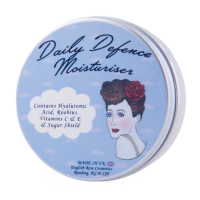
Daily Defence Moisturiser.

This moisturiser has a wonderful texture, it is a cream but is gel like. It is very refreshing to put on and melts into the skin. It makes my skin look instantly radiant and it smells great. Long term it improves skin, making it look loved and more youthful. What more could you want?

This lovely refreshing gel like moisturiser plumps out fine lines and wrinkles whilst intensely moisturising.  Skin is protected from free radicals and shielded from allergens and pollutants and helps reduce redness caused in inflammation.

£14


cocoa ration body butter, body butter, moisturiser, body, beauty, beauty review, beauty blog, beauty magazine

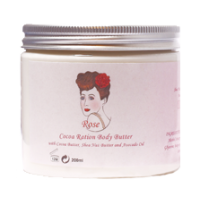
Cocoa Ration Body Butter

This body butter is the way body butter should be. It is thick and takes a while to massage in. It smells great and improves skin tone. Even on the first use. It has cocoa, shea and avocado: all brilliant ingredients that really make a difference to skin. What’s more, it only costs £10. I know that is not cheap, but for what it is and how long it lasts it is worth it. A good product. I loved it.

Skin is intensely moisturised by penetrating and calming Cocoa, Shea & Avocadol , leaving a velvety after feel with natural vanilla fragrance.  Highly recommended for sensitive, irritated skin that needs calming.  As shea and cocoa butter melt at skin temperature, we recommend warming a dollop between your palms before applying.


£10

http://www.english-rose-cosmetics.com/

Top Beauty Tips for Brides

Bride, bridal make up, tips for wedding day, wedding, marriage, wedding day, tips, beauty, make up, tips

Photo credit: TrueMalyugin

We have some Top Beauty Tips for Brides from highly experienced facial therapist Amanda Elias; the brains behind effective yet affordable skincare brand, Bravura London. Amanda really knows her stuff so enjoy.

How to Prep Your Skin for a Wedding

Don’t try any new products, skincare, hair care, make-up, even washing powder 3 weeks before your wedding, any kind of a reaction could take a couple of weeks to calm down and that’s the last thing you need before your big day!

Don’t leave it until the last minute to think about your skin, the longer you have to correct any skin issues, the better! Using products that contain AHA’s will help to remove dead skin which tends to leave our skin looking dull and lifeless, removing this dead layer will leave your skin looking fresher and more vibrant.

If you’re getting married abroad, make sure you wear SPF 50 as soon as you arrive and re-apply regularly. Don’t risk sunbathing, you don’t want to get married looking like a lobster! Don’t forget your ears, lips and the back of your neck.

To avoid any fake tan disasters before your wedding, book yourself in for a spray tan the day before, you’re a lot less likely to end up with any streaky patches. Make sure you have a trial tan before the big day to make sure the colour suits you and to avoid any chance of a reaction.

Make-up sits better on exfoliated skin, using a cleanser that contains AHA’s daily can help to remove the dead skin so that your foundation lasts longer.

If you suffer with blackheads or hormonal spots on your chin, try using a salicylic acid product daily. This will help to exfoliating the skin and clear out the pores, salicylic acid also has an anti-inflammatory effect so it’s great for spots that can also become inflamed.

If you have a lot of redness left over from acne, speak to your doctor or pharmacist about a short course of hydrocortisone which can dramatically help to reduce the discolouration.

There’s going to be a lot of focus on your hands on your big day, to keep your hands and nails in peak condition, massage sweet almond oil in to your hands and nails daily, a month before the wedding. By your big day your nails will be stronger and your hands will be supper soft. If your hands tend to be flaky, mix a little olive oil and sugar, gently massage in to your hands, wash away and then apply your sweet almond oil.

Don’t forget your lips, wear a good quality lip balm and re-apply regularly throughout the day, especially before bed. Do this for at least a week before your wedding and your lips will be super soft and kiss ready.

Do you have any beauty tips?

Katy Perry Shares Picture Of New Fragrance Ad Killer Queen

Katy Perry shared the first look of her new fragrance campaign on Twitter. The new fragrance is called Killer Queen and Kate looks pretty killer in the ad.

Katy tweeted: “I’m thrilled to reveal #killerqueen Own The Throne”. This will be Kate’s third fragrance. She told Women’s Wear Daily, “It took us something like 30 or 35 tries to get it right. I wanted floral [notes] like Jasmine, but I also wanted red velvet flower, which is incredible-it gives it the edge that makes it Killer Queen.”

We think Kate looks great. What do you think?

20130728-015018.jpg

SBC Leg Soothing Gel Review

SBC Leg Soothing Gel ReviewSBC Leg Soothing Gel is a refreshing water-based gel which is great for tired and over-worked legs. I had never heard of SBC before but I loved the packaging which was simple but effective. It has arnica in it which speed up healing and is good for getting rid of bruises a bit quicker. It has a lovely smell and a little of the product goes a long way so it lasts a long time.

The ingredients are all natural, it has menthol, camphor, witch hazel and arnica. It gives an instant refreshing feeling when I put it on and in the long term made my overworked legs feel better. I injured my back at the beginning of the year so have been mostly exercising my lower body, this gel takes the strain of my poor legs.

The gel absorbs quickly and leaves legs cool and soothed. It is not sticky after application and the directions even say you can put it on over tights or stockings. It comes in an easy dispensable bottle and is a lovely blue-green colour.

Would I buy it? Yes. Good stuff.

Ethics: Not tested on animals.

Available from QVC UK and here

Should You Take Vitamins?

Andy_Murray becomes forst man in 77 years to win Wimbledon. It is hard to know what is the best for your health and the media always seems to be giving conflicting stories. I take a multivitamin but recent press has said this is not a good idea. So, what is fact and fiction? Let’s try and find out.

In response to an article in the Daily Mail on Thursday July 25th posing the question as to whether vitamins can take years off your life, the Health Supplements Information Service (HSIS) is reminding the nation about the many benefits behind vitamins and minerals that are needed daily to fuel our bodies and keep us healthy.

SORTING OUT THE REAL FACTS:

Vitamins and minerals perform a variety of vital functions in the body, mainly due to their participation in biochemical processes including:

ü working with enzymes to help in the release of energy from food

ü helping to maintain the health of body systems and organs such as the brain, heart, blood vessels and nervous system.

Vitamins and minerals work together to maintain our health and the body cannot function without them. They are essential nutrients and a lack of such vitamins and minerals can lead to poor health.

Vitamins and minerals can be obtained from food, but modern diets are often lacking in these nutrients due to poor food choice. This is amply demonstrated by the findings from the large UK Diet and Nutrition Surveys, which methodologically are among the most robust surveys in the world.

These surveys continue to show a lack of essential nutrients to some extent across population groups but particularly in young women whose mineral intakes may be severely compromised and in children and older people where vitamin D intakes fail to match recommendations.[1]

The most recent data from this survey[2] shows that mean intakes fell below the Reference Nutrient Intake (RNI) for a number of minerals, in particular iron, magnesium, potassium and selenium. This was particularly the case for boys and girls aged 11 to 18 years. Mean iron intake was 58% of the reference nutrient intake (RNI), the same proportion as in the previous survey of this age group. Mean intakes of magnesium and potassium also fell below the RNI for both boys and girls aged 11-18 years, as did zinc, calcium and iodine for girls.

Substantial proportions of older girls had mineral intakes below the Lower Reference Nutrient Intake (LRNI; a level at which deficiency is likely); 46% of girls aged 11-18 years had intakes of iron and magnesium below the LRNI; the equivalent figure for potassium was 30% and for zinc 15%. Among boys of this age group, 26% failed to achieve the LRNI for magnesium.

Intakes of calcium were of particular concern in 11-18 year old girls, an age at which calcium is particularly important for bone development. More than one in 10 girls in this age group failed to achieve the LRNI for calcium.

Significant numbers of adults also had low intakes. One fifth of adult women failed to achieve the LRNI for iron, while one in 10 men and one in 10 women failed to achieve the LRNI for magnesium.

Intakes of selenium fell below the RNI in both older children and adults. Adult women overall achieved 72% of the RNI while adult men achieved 74% of the RNI. Around half of adult women and older girls and a fifth of men and older boys had intakes below the LRNI.

It is clear that UK dietary surveys continue to show that significant numbers of the population do not achieve recommended intakes of essential nutrients. In the light of this continuing dietary gap, it is misleading to imply that vitamin pills are unnecessary.

A 2010 report entitled “Towards a Healthier Britain”[3] found evidence that vitamin and mineral supplements boost intakes and increase blood levels of these essential nutrients with fewer people taking multivitamin and mineral supplements having intakes below recommendations.

NUTRIENT SPOT LIGHT:

Vitamin E

Vitamin E is the collective name for a group of fat-soluble compounds that exhibit antioxidant activity. Antioxidants protect the body cells from the damaging effects of free radicals, which are molecules that contain an unshared electron. Unshared electrons are highly energetic and react rapidly with oxygen to form reactive oxygen species (ROS). The body forms ROS when it converts food to energy. The body is also exposed to free radicals from environmental factors such as cigarette smoke, air pollution and UV radiation. Free radicals damage cells and may contribute to the development of body organ damage.

In addition to its activities as an antioxidant, vitamin E is involved in other essential functions such as immune function, chemical messaging between cells, regulation of gene expression, and other metabolic processes.[4] Vitamin E inhibits the activity of protein kinase C, an enzyme involved in cell proliferation. Vitamin-E–replete blood vessels have been shown to be better able to resist blood cell components adhering to the blood vessel surface so helping to maintain the health of the blood vessels. Vitamin E also increases the activity of two enzymes that influence fatty acid metabolism, which again helps to maintain the health of the blood circulation.[5]

Vitamin E is one of the essential nutrients for health. Several studies, including the two studies mentioned in the Daily Mail article have evaluated the role of vitamin E in large doses, often 40 times and more greater than the RDA. These studies have involved methods similar to those used in drug trials to see if vitamin E and other essential nutrients can prevent or treat disease.

However, vitamin E, like all essential nutrients is essential for the maintenance of health and prevention of deficiency. Such drug-like trials may be of interest to researchers looking for mechanisms of action but are of no relevance for the daily health maintenance of the UK population where intake of vitamin E should follow recommended amounts. Recommended daily amounts of vitamin E have not been associated with adverse effects in healthy populations. Anyone taking medication or with any disease should ask for the advice of their health care professional about their nutrient intake.

Vitamin C

Vitamin C (ascorbic acid) is an essential vitamin required for the formation of collagen in bone, teeth and blood vessels. It also helps to maintain the optimal activity of several enzymes and is involved in the synthesis of several physiological compounds in the body such carnitine and noradrenaline. Vitamin C acts as an antioxidant and helps in the absorption of non-haem iron (iron from plant sources).

Low vitamin C intake has been associated with conditions such as stroke[6] and periodontal disease.[7] Studies in which people have taken vitamin C supplements on a regular basis indicate that vitamin C may reduce the duration of colds.[8] Vitamin C may be useful for reducing the development of colds in people exposed to brief periods of severe physical exercise.[9]

Calcium

Calcium is an essential nutrient that plays a whole host of vital roles for health in the skeleton, blood and neuromuscular system. The essentiality of calcium for bone health is indisputable and as many as one in 10 young women in the UK have an intake which falls below the Lower Reference Nutrient Intake (LRNI),[10] an intake at which deficiency is likely with consequences for bone health throughout life.

The Journal of the American Medical Association study[11] mentioned in the Daily Mail article in which calcium was linked with cardiovascular disease (CVD) was not a randomized controlled trial (RCT) but a prospective study from which a cause and effect cannot be established with certainty. There was also no information in the JAMA paper on the duration of supplement use and a lack of information on family history of CVD. Calcium intake was self reported by the study participants and therefore subject to error. In addition, calcium intake was only measured at baseline; so change in dietary or supplemental calcium intake could not be assessed during follow-up.

Selenium

Selenium is an essential trace mineral which functions as a part of several seleno-proteins and enzymes involved in essential metabolic processes. However, In the UK, intakes of selenium are low. Data from the 2006 UK Total Diet Study showed that the mean intake of selenium is 48-58 micrograms a day which is below the UK reference nutrient intake of 75 micrograms a day for men and 60 micrograms a day for women.[12] Similar findings emerged from the latest UK National Diet and Nutrition Survey (NDNS) [13] in which intakes of selenium fell below the Reference Nutrient Intake (RNI) in both adults and older children. Adult women overall achieved 72% of the RNI while adult men achieved 74% of the RNI. Around half of adult women and older girls and a fifth of men and older boys had intakes below the Lower Reference Intake (LRNI). Such low intakes are associated with reduced blood levels of selenium and significantly increased risk of mortality in both Europe and the US.[14],[15]

Summary:

Overall, there is ample evidence to suggest that many people in the UK have a poor diet with below recommended intakes of essential nutrients. Though these nutrients should ideally be obtained from the diet, it is clear that this is not happening. A multivitamin and mineral supplement in recommended amounts represents a useful means of helping to bridge this dietary gap.

[1] Bates B, Lennox A, Prentice A et al. (2012) National Diet and Nutrition Survey. Headline Results from Year 1, Year 2 and Year 3 (combined) of the Rolling Programme (2008/2009-2010/2011). Department of Health

[2] Ibid

[3] Mason P, Ruxton C. Towards a Healthier Britain. Proprietary Association of Great Britain (PAGB) 2010

[4] Traber MG. Vitamin E. In: Shils ME, Shike M, Ross AC, Caballero B, Cousins R, eds. Modern Nutrition in Health and Disease. 10th ed. Baltimore, MD: Lippincott Williams & Wilkins, 2006;396-411.

[5] Ibid

[6] Myint P, Luben R, Welch A et al. Am J Clin Nutr 2008 ;87 :64-69

[7] Leggott P, Robertson P, Rothman D et al. J Periodontol 1986 ; 57 :480-485

[8] Hemila H, Chalker E. Vitamin C for preventing and treating the common cold. Cochrane Database Syst Rev. 2013 Jan 31;1:CD000980.

[9] Ibid

[10] Bates B, Lennox A, Prentice A et al. (2012) National Diet and Nutrition Survey. Headline Results from Year 1, Year 2 and Year 3 (combined) of the Rolling Programme (2008/2009-2010/2011). Department of Health

[11] Xiao Q, Murphy R, Houston D, et al. Dietary and Supplemental Calcium Intake and Cardiovascular Disease Mortality. The National Institutes of Health–AARP Diet and Health Stud. JAMA Intern Med. Published online February 4, 2013. doi:10.1001/jamainternmed.2013.3283

[12] Food Standards Agency. Survey on measurement of the concentrations of metals and other elements from the 2006 UK total diet study. Food Survey Information Sheet 01/09. London: UK. FSA 2009:16-17, 37-45

[13] Bates B, Lennox A, Prentice A et al. (2012) National Diet and Nutrition Survey. Headline Results from Year 1, Year 2 and Year 3 (combined) of the Rolling Programme (2008/2009-2010/2011). Department of Health

[14] Bleys J, Navas-Acien A, Guallar E. Serum selenium levels and all-cause cancer and cardiovascular mortality among US adults. Arch Intern Med 2008;168:404-10

[15] Akbaraly NT, Arnaud J, Hiniger-Favier I et al. Selenium and mortality in the elderly: results from the EVA study. Clin Chem 2005;51:2117-23.