An Aspirin a Day Keeps Big C Away? By Dr Patricia Thompson

doesasprinlowercancerriskDaily aspirin and cancer has been in the news again. So what does it all mean?

People have been investigating whether aspirin protects us against cancer for many years. The first few study results were confusing – some showed a beneficial effect – others didn’t. This is the problem – you often don’t get a clear answer until many thousands of people have been studied. However, a group of medical researchers from Queen Mary University, London, have analysed the results of a large number of clinical trials, involving over a hundred thousand people in total, and the evidence is now clear.  Taking 75-325mg aspirin daily (between a quarter and just over a full tablet) for at least five years, can reduce risk of getting certain cancers (particularly bowel cancer), heart attacks and strokes.

Before you dash out to the nearest pharmacy – I should explain that a small percentage benefit was seen after studying a very large number of people. Whether you, as an individual, would gain, depends on many factors, including your age, sex, what other medical conditions you have, and how prone you are to the types of cancers which seemed to show the most effect. Aspirin does have some serious side-effects, including gastric bleeding and bleeding into the brain, and you should always discuss with your doctor before taking long-term regular aspirin.

What is interesting though is why aspirin works – and are there other ways we can reduce our chances of cancer, without taking a tablet every day?

We know that inflammation is important in the development of cancer, and at least part of the reason why aspirin protects, may be its ability to suppress inflammation.

Inflammation is the body’s protective response to damage, and to invasion by infections, such as bacteria. Normally it is a good thing as it involves our immune system destroying and removing infective organisms and dead cells and promoting repair of the damaged tissues.

Cancer cells appear in our bodies on a fairly regular basis. Normally they are discovered and destroyed by cells of our immune system and never cause us any harm.

However sometimes cancer cells manage to avoid discovery. Then they can turn our normal beneficial inflammatory response against us, to help them grow and spread. They do this in various ways, for example using aspects of the inflammation to grow new blood vessels, which provide the tumour with a source of food and oxygen.

So, although short bursts of inflammation can be protective, long term inflammation is certainly not. In fact some chronic inflammatory illnesses are known to predispose us to cancer, for example, inflammatory bowel disease can lead to bowel cancer.

Is there any way we can damp down inflammation naturally, without resorting to tablets? Absolutely yes – the best way is probably diet. See the Table for examples of simple changes you can make.

In addition to cancer, reducing inflammation can also protect us from heart disease and joint disease. Worth making an effort eh?


Examples of foods which promote inflammation and suggestions for avoiding them:

1. High sugar foods eg sweets and cakes – switch to fresh fruit (whole – not juice)
2. Trans fats (fried food, margarine, processed foods) – switch to olive oil, flax oil)
3. Many ‘Ready meals’ – switch to fresh vegetables, garlic, Herbs
4. Red meat – switch to fish, particularly oily fish
5. Refined carbohydrate (white flour, white rice) – switch to whole grain bread, brown rice


‘These articles express personal views. No warranty is made as to the accuracy or completeness of information given and you should always consult a doctor if you need medical advice.’


There’s Something Fishy About Our Lives… Leading Experts Detail New Research and Science Concerning Brain Health

On Thursday 11th June, The Ivy played host to a presentation by three leading experts who detailed new research and science concerning brain health from cradle to grave,

including the importance and benefits of omega fatty acids.

Professor Michael Crawford, a director of the Institute of Brain Chemistry and Human Nutrition gave a brief synopsis of what makes our brains ‘tick’, outlining latest brain health research including how omega fatty acids support optimal cognitive function.  Thirty years ago, he predicted dangers if long-chain DHA and EPA omega-3 dietary intakes were not increased, a prediction in danger of coming true as rates of depression, schizophrenia, Alzheimer’s and other cognitive disorders spiral in the western world… he opened with a grave and eye-opening statement:

“We are facing the most serious crisis ever in terms of future sustainability of homosapiens… it has now been vindicated as brain disorders have overtaken all other burdens of ill health.  In the UK, the cost was assessed at £77 billion for 2007.  A recent update by the Department of Health came out at £105 billion. This cost is greater than heart disease and cancer combined. 

Moreover, the greatest rise is amongst children…”

 VIS_0579

World-Rhino-Day-2011-low-res[1]

So… why the rhino?

It’s been a common misconception that fish and seafood provide the highest content of protein, that’s why we eat it… right?  Wrong!  Protein is readily obtainable and the cow, horse and rhinoceros all gain their optimum intake from grass. Human developmental biology is all about brain growth and the human brain is approximately 60% fat, but, In fact, human milk contains the least amount of protein compared to any other large mammal.   There is abundant evidence in animals and humans on the need for DHA for the brain, but fish and sea foods are not necessarily of major value for protein but are for their essential fats and trace elements needed for good brain development and health.

The brain evolved in the sea 500-600 million years ago using marine fats and trace elements. It still uses the same today, so addressing this issue is the greatest challenge we face as humans.  It’s commonly noted that a  well-managed diet containing effective levels of omega-3 helps parents and professionals manage conditions like dyslexia, attention-deficit hyperactivity disorder (ADHD), dyspraxia and autism spectrum disorders.

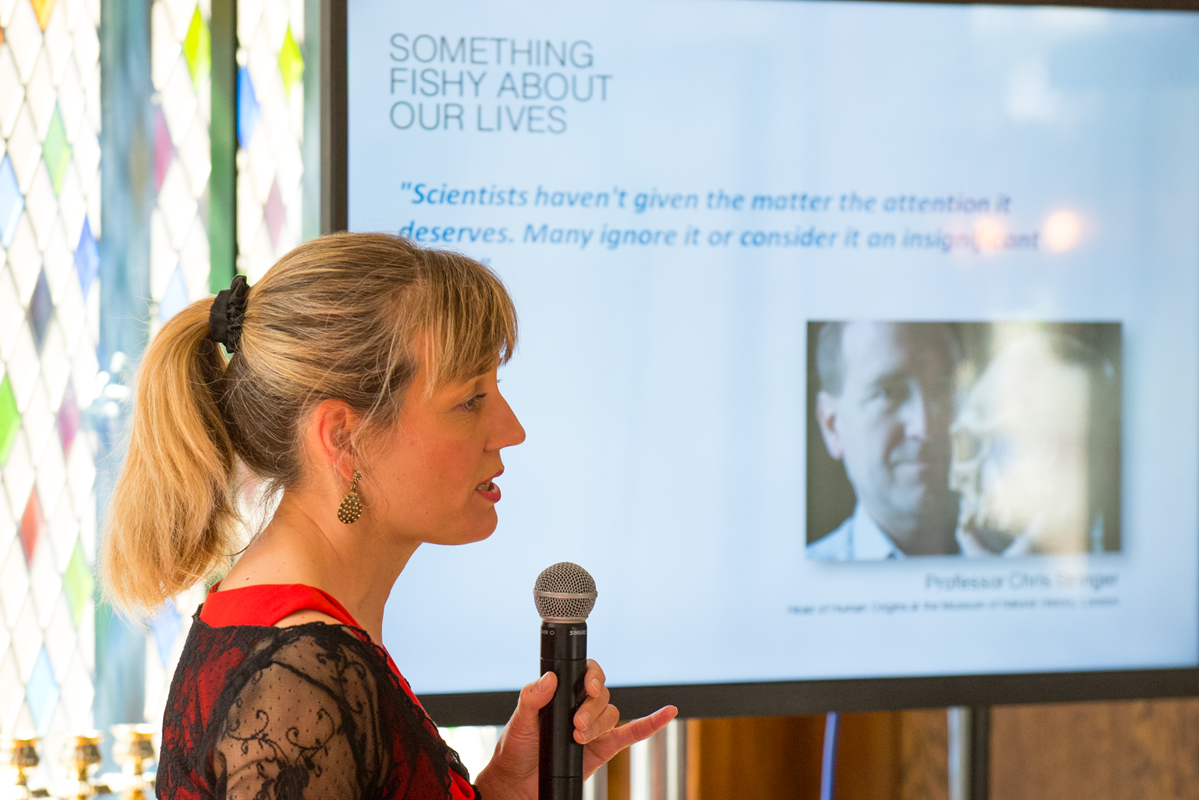
Award winning dietitian Dr Carrie Ruxton examined omega intakes in the modern day diet and benefits of omega-3, whatever our age.  She outlined that, in dietary terms, things began to go wrong when we made the shift from hunter-gatherer to farming, around 10,000 years ago.  The fossil record shows that as our intake of omega-3 began to tail off, our brains began to shrink, with the average male brain dwindling from 1,500 cubic centimetres to 1,350 cubic centimetres.
VIS_0560

Dr Ruxton went on to explain the ‘fabulous’ fats and ones which are less than fantastic for brain health and function.

Omega-3 is an umbrella term typically used to describe polyunsaturated fatty acids, such as DHA (Docosahexaenoic Acid), EPA (Eicosapentaenoic Acid) and ALA (alpha-linolenic Acid).  DHA and EPA can be made in the body from ALA, but the process is slow and inefficient, so regular dietary consumption is vital to ensure we get enough.

EPA is found in oily fish and plays a key role in signalling between brain cells, both anti-inflammatory and neuroprotective.  Studies have shown low blood levels in patients with depression, schizophrenia and Alzheimer’s.

VIS_0557

DHA is another omega-3 marine oil which provides the building blocks of the brain, nervous system and eyes, it makes up 40% of the polyunsaturated fatty acids (PUFAs) in the brain and 60% of those found in the retina.  A diet high in DHA is associated with improved learning ability, but a deficiency is linked to poor cognitive performance, Alzheimer’s disease, depression, aggression, stress and ADHD.

ALA is a vegetarian source of omega-3 which is most commonly found in flaxseeds.  Our body converts it into EPA, which in turn is converted into DHA.

Omega-6 includes 11 polyunsaturated fatty acids which are found in nuts, seeds, vegetable oils and animal fats.

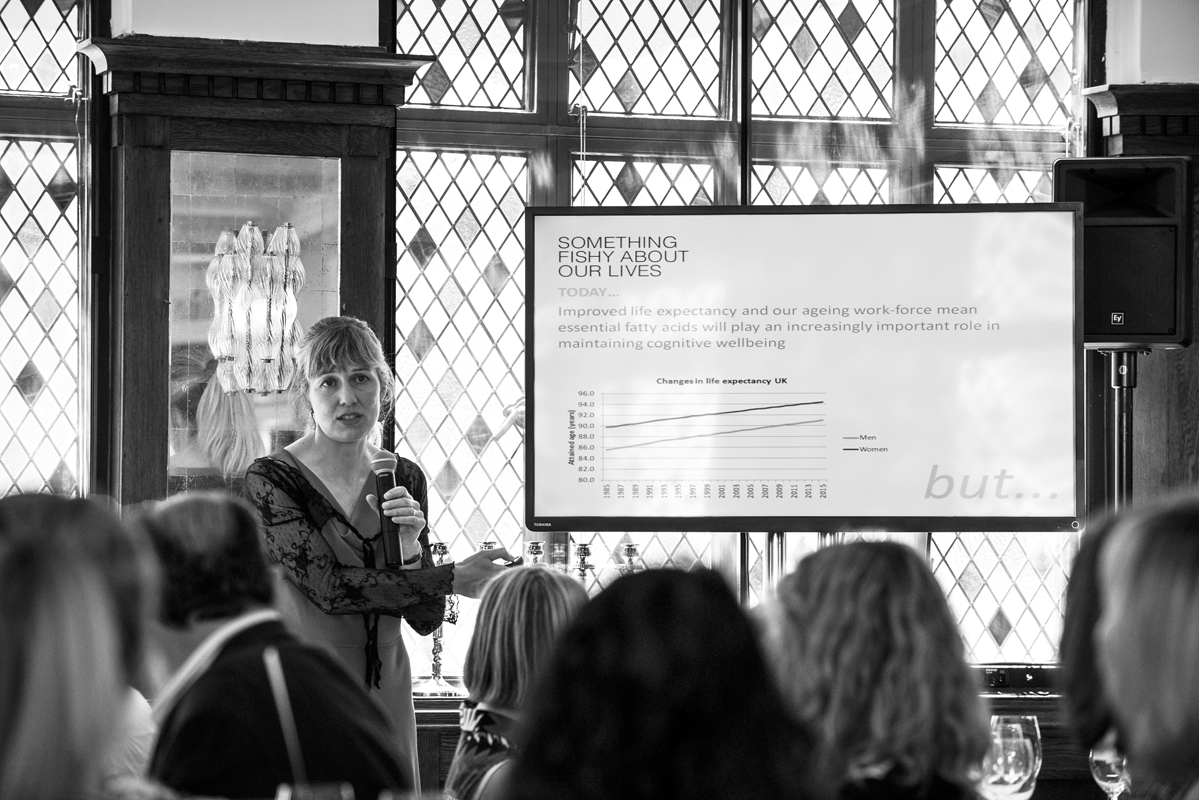
The long and the short of it… it’s all about getting the balance right!
VIS_0566

But why are we so out of balance?

When we examine the diet up to the Victorian era, the ratio of omega-6 to omega-3 was 1:1, but an upsurge in intensive production of land-based foods since World War II is exacerbating the decline in DHA intakes which began 10,000 years ago when Paleolithic hunter-gatherers starting farming.  Now, our diet is so wildly out of step with our evolutionary age, this ratio could be as high as 50:1!  And it cannot be ignored that it’s no accident that this shift has coincided with a surge in cognitive conditions across the ages.

oilyfish[1]


During World War II, oily fish, such as herrings, were off-ration and housewives became creative in their recipes, incorporating this oily fish into the household’s diet at least once a week.  Taking a leaf out of granny’s book and bringing this nutritious food back into our day-to-day menu may take the brakes off the detrimental effects of some of the processes triggered in the brain by high-fat diets.

When questioned, the average respondent will cite tinned tuna as an oily fish, commonly teamed up with pasta for what is considered a meal high in omega-3, but in fact, tinned tuna is LOW in omega-3, due to being canned in brine or vegetable oil!

Another myth is that pregnant and breastfeeding women should avoid all oily fish, but in order to ensure adequate levels of omega-3, expectant mothers should be eating at least one portion a week.  It’s quite staggering that one UK study of 9,000 families found women with the lowest consumption of omega-3 from oily fish had children with lower IQs by the age of three.  By the time they were teens, they were twice as likely to struggle with social interactions and have trouble making friends – ‘These children may be on a developmental trajectory towards life-long disruptive and poorly-socialised behaviour as they grow up” Dr Joseph Hibbeln.

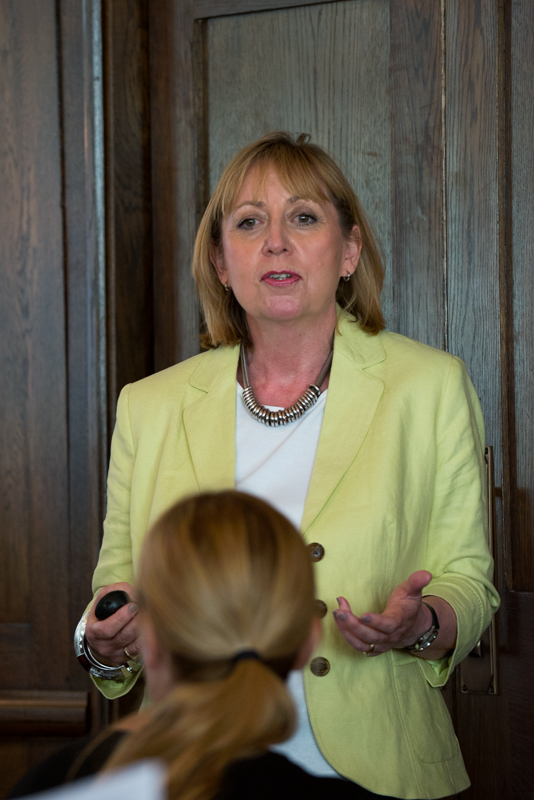
Parenting coach Lorraine Thomas provided expert advice on behaviour management in children and teenagers.
 VIS_0629

Quite reassuringly, Lorraine opened her presentation by informing the invited guests that “…tantrums indicate you and your child are developing normally, but understanding what causes them helps you manage them well.”

She outlined that working mums spend between 1 and 2 hours a day worrying, 9 out of 10 parents throw tantrums on a regular basis and 8 out of 10 act their children’s age at least once a week!

With the key trigger times being the evening routine and sleep, mealtimes and homework, Lorraine commented that, as a parent, we are our child’s most powerful role model and when you look after yourself, you are looking after your children – you are the family ‘engine room’ and great habits are caught not taught.  The greatest impacts on a child’s behaviour and attitude are following a healthy diet, exercise, sleep, fun and love.

Frantic parents have frantic children and well-balanced parents have well-balanced children, so it’s important to develop good routines and a healthy attitude.

Lorraine’s key pieces of advice:

* set your parent ‘Tom-Tom’ and create a schedule, involve your child in some of the choices

* you can’t be 100% parent all of the time, but you can some of the time

* engage all your senses and ‘tune in’ to what makes them behave in a challenging way

* eat with them whenever you can

* every day is an opportunity to make a difference in our children’s lives

VIS_0612

11292670_10153056316028031_884724128_n

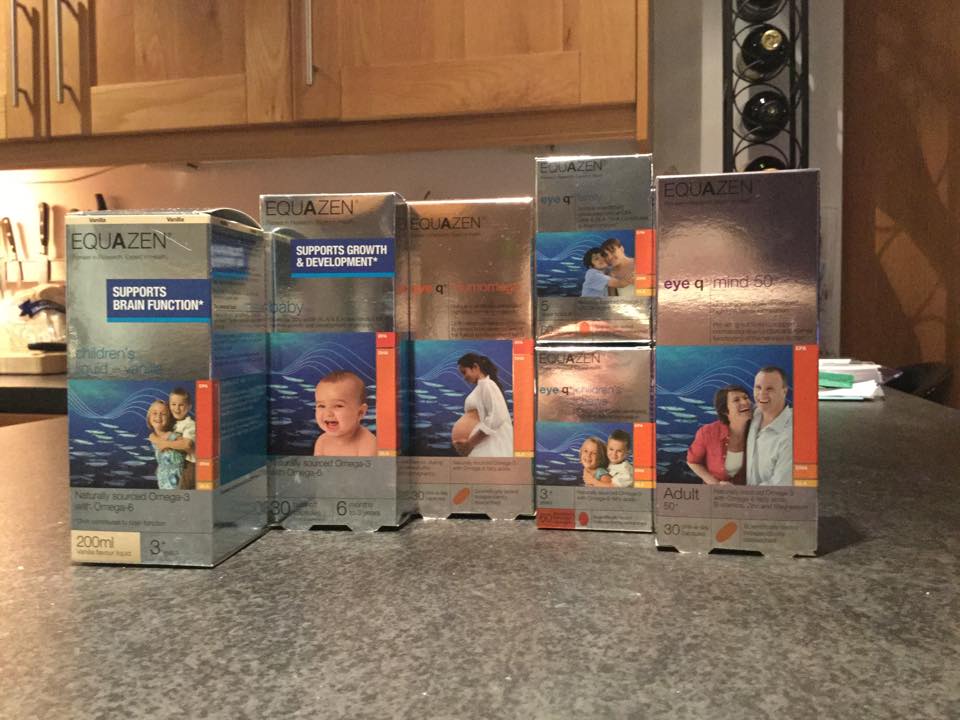
Equazen has spent many years of scientific investment to develop and create the Equazen range as we know it today, a unique formulation of both omega-3 and omega-6, meeting the specific needs of different life stages.

Equazen Mumomega is ideal for during and after pregnancy, The specific blend of omega-3 EPA and DHA, together with omega-6 GLA ensures a synergistic and balance formulation to meet baby’s individual needs.

Equazen Baby provides a balanced blend of omega-3 and omega-6 to support growth and development for babies from 6 months to 3 years.

Equazen Liquid is ideal for children 3 years+ and adults who don’t like swallowing pills and capsules – available in two flavours – vanilla and citrus.

Equazen Chews deliver a specific blend of omega-3 and omega-6 oils in a soft gelatin chew in a strawberry flavour, free from additives such as aspartame, saccharine or hydrogenated oils.

Equazen Capsules offer a combination of omega-3 EPA and DHA together with omega-6 GLA, ensuring a balance formulation to support the body’s individual needs.

Equazen Mind 50+ is a balanced formulation, great for those who find it hard to eat oily fish.

Available from: Boots, Ocado, Holland & Barrett, Tesco, Waitrose, Sainsbury’s, Lloyds Pharmacy, Amazon, independent pharmacies and healthfood stores.

_m_eYuOtXaWwEltuChIZVNGdOGhOqw8Y7WvKEbivva4

Guests enjoyed a delightful menu consisting of:

Argyll smoked salmon with soda bread and a slice of lemon, roast rump of Cornish lamb, new potatoes and spinach, gooseberry pie with elderflower ice cream and a selection of teas, coffee and petits fours with Framingham Sauvignon Blanc, Marlborough 2014 New Zealand and Château La Grave Singalier Bordeaux Supérieur 2012 France
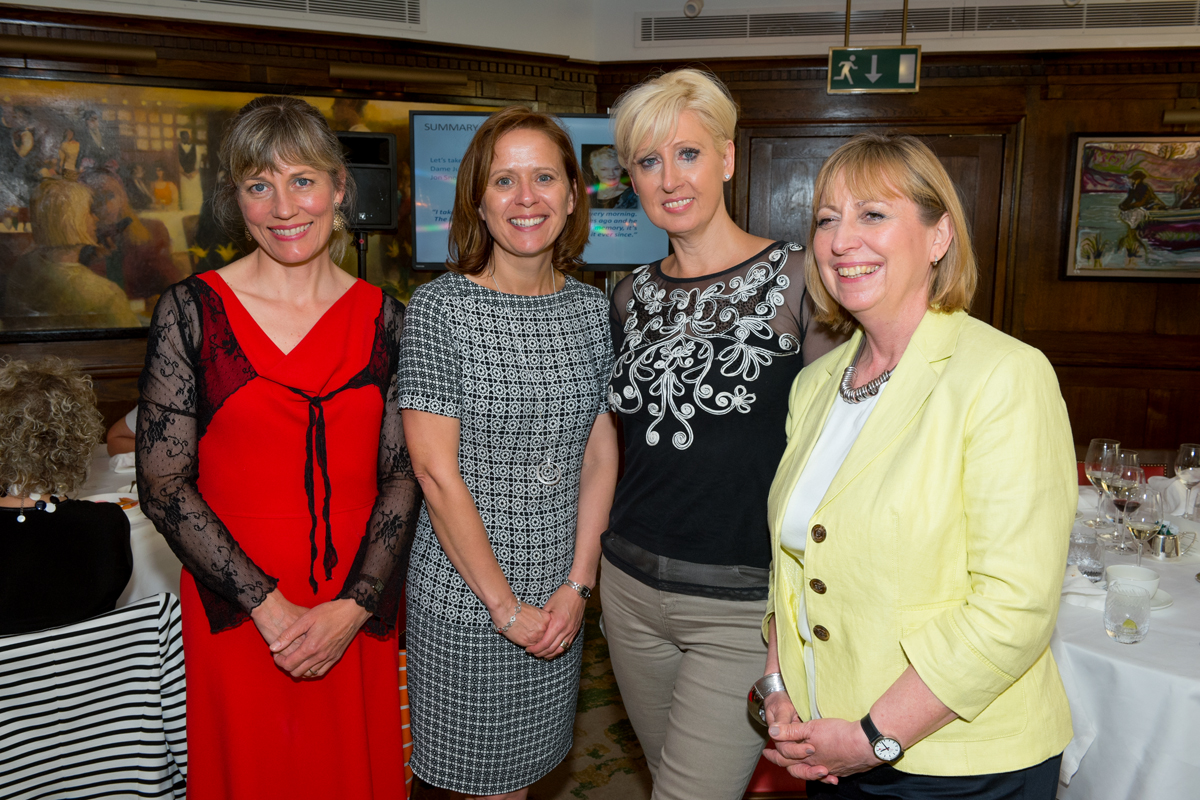
VIS_0634

L to R: Dr Carrie Ruxton, Anita Clarke (Equazen), Corinne Tuddenham-Trett and Lorraine Thomas

Professor Michael Crawford…

Professor Crawford has been the Director of the Institute of Brain Chemistry and Human Nutrition since 1990. Having worked in the East-end of London on maternal nutrition and health with Newham, the Homerton and Queen Elizabeth Hospital for Children, he is now at Reproductive Physiology at the Chelsea and Westminster Hospital Campus of Imperial College, London. His special interest is in the role that lipids and essential fatty acids play interacting with the cellular signalling systems, i.e. the key interaction between nutrition affecting membrane lipids and gene expression.

He has published over 300 peer reviewed papers and 3 books. Amongst his several honours and prizes, he was elected by his peers to the Hall of Fame at the Royal Society of Medicine in 2010. In 2015 he was awarded the Chevreul Medal for his research on DHA identification as a major determinant of brain growth and plausible evolution of the human brain. He collaborates in research internationally and is much in demand as a lecturer worldwide.

In 1972, Professor Crawford published ‘What We Eat Today’  – available from http://www.amazon.com/What-eat-today-Michael-Crawford/dp/0854353607

– See more at: http://www.ifbb.org.uk/professor-michael-crawford#sthash.F9u1oYRZ.dpuf

Dr Carrie Ruxton…

With a PhD in Child Nutrition and over 100 published articles on diet and health, Carrie has a strong grounding in nutrition science. Yet she combines this with an understanding of the food industry and its important role in the nation’s diet.  As well as helping companies to develop healthy, innovative food and beverage products, Carrie regularly appears in magazines and newspapers, and has a number of radio and TV credits (Channel Four news, BBC Three’s ‘Honey We’re Killing the Kids’, Radio Scotland, Five Live, BBC Belfast).  Carrie has worked with a wide range of organisations including the NHS , Food Standards Agency, major food companies, ingredient manufacturers, the European Commission, PR agencies and national newspapers. Carrie’s expertise in communicating clear, evidence-based nutrition and diet messages has involved her in many different projects all over the world.

http://www.nutrition-communications.co.uk/


Lorraine Thomas…

Lorraine Thomas is the Chief Executive of The Parent Coaching Academy. She is the author of The 7-Day Parent Coach (Vermilion 2005), Get A Life (Hodder Arnold 2006) and her new book, The Mummy Coach (Hamlyn), published in 2010.  She is the parent coach for Tesco’s baby & toddler club and healthy living magazine. www.tesco.com/babyclub/

She appears regularly in the national media commenting on parenting issues.  Lorraine has over 20 years’ experience working with executives within the corporate, public and voluntary sectors. She has a first-class honours degree in education from Cambridge University and is a qualified teacher. She is accredited with distinction by The Coaching Academy.

http://www.theparentcoachingacademy.com/

The Ivy…

The Ivy restaurant and private room re-opened on Monday, 1 June, designed by Martin Brudnizki Design Studio. “Non-negotiables” such as the harlequin stained glass windows, green leather banquettes, wood, mirrors, great art and kind lighting are all incorporated in a way reminiscent of the past but apt for the 21st century. Note-worthy are the fantastic central dining bar, the new entrance and the sumptuous loos.  Chef Gary Lee has created a balanced seasonal menu, still featuring Ivy classics, but accounting for today’s tastes, incorporating more Asian dishes, salads and vegetables, and the advent of a “sea and shells” section. Director Fernando Peire continues to lead a strong and experienced team to deliver the same excellent service for which The Ivy has become well known over the years.

http://www.the-ivy.co.uk/


Images copyright Shane Finn www.visual-devotion.co.uk



This Month’s Health & Beauty Picks

Here are our top health and beauty picks for this month.

Cawston Press Juice

cawstonepress

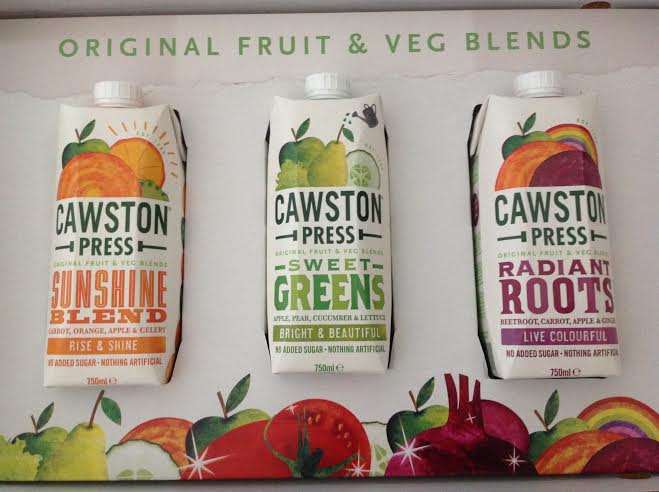
Three new juices from Cawston Press. Sweet Greens, Sunshine Blend and Radiant Roots. These are a delicious and unique fruit and vegetable blend. They taste great and are super healthy. They are free from added sugar, sweeteners, preservatives and colourings. What more could you want?

£2.99 from the chilled drinks cabinet in Tesco.com

Proactiv+

proactivreview

proactiv+

proactivbox+review

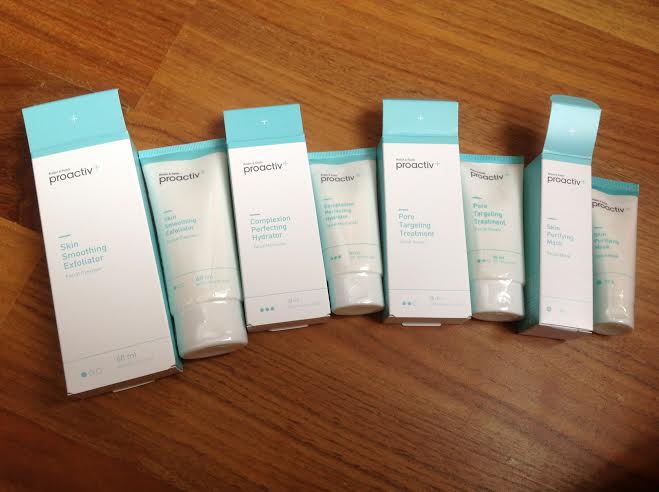
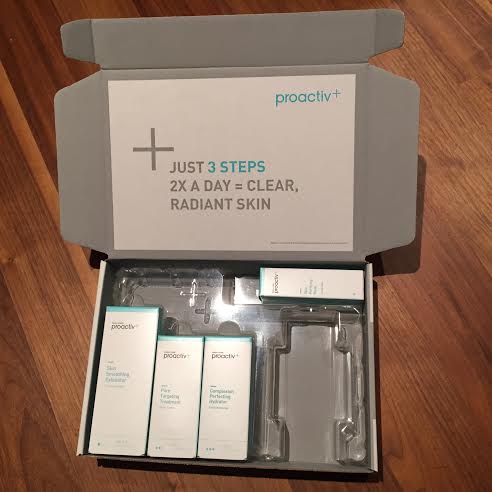
A classic for people with sensitive and spot-prone skin. It leaves the skin hydrated whilst reducing the appearance of spots and blemishes. Now new and improved from skincare experts Dr Katie Rodan and Dr Kathy Fields. It’s superior Smart Target Technology is specifically developed to deliver more salicylic acid straight to the pores, leaving skin fresh, healthy and spot-free. Ola Jordan and Nicole Scherzinger are fans. We have tested it and are very impressed with the results.

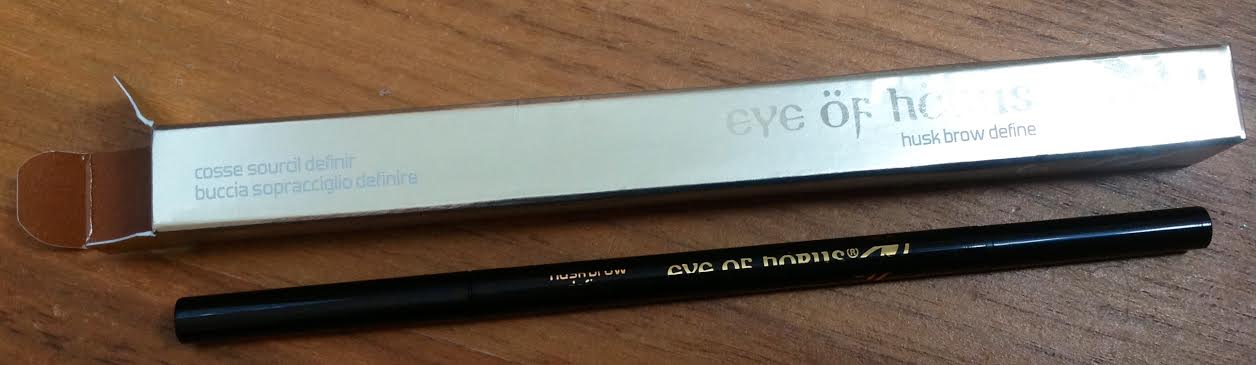
Eye of Horus Husk Brow Define
huskbrowdefinereyeofhorus

eyeofhorus brow definer

brow liner

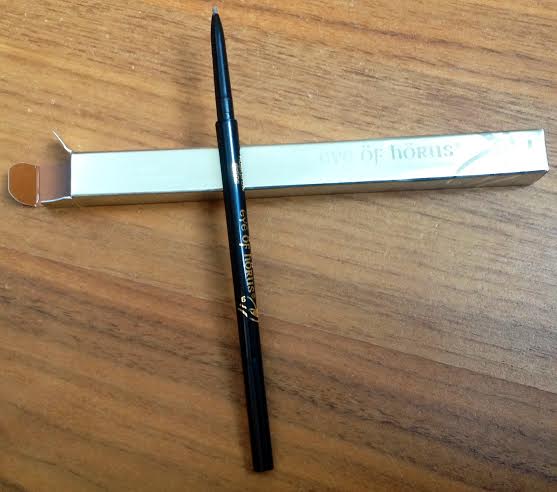
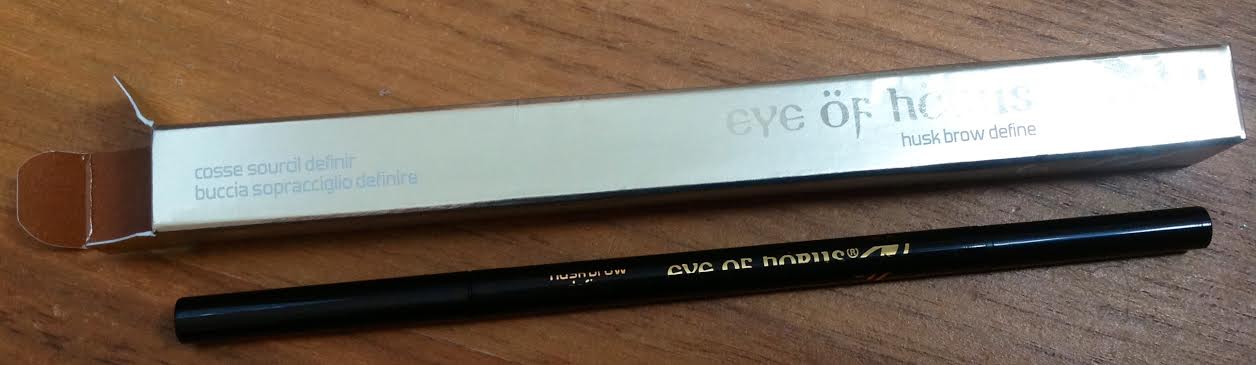
Australian make-up brand Eye of Horus has just launched its own brow offering: the Brow Define. This is a brilliant brow definer. Slimline to make realistic strokes and it lasts. We were very impressed. Even better, the formula is enriched with Castor Oil, known for its hair growing properties. There is a handy brush on the other end to blend and it is long-lasting and smudge proof. It is also paraben-free. Win-win.

horus

£15 from beautybay.com


Biotrue ONEday Contact Lens
biotrueonedaylenses

New to the market is Biotrue ONEday, a premium disposable contact lens developed by Bausch + Lomb.

The Biotrue lens is made from HyperGel™, a new material which helps maintain eye health because it works like your eyes:

  • Matches the water content of the cornea
  • Allows optimal oxygen transmission
  • Mimics the protective lipid layer of the eye to eliminate friction and improve comfort

Biotrue ONEday is available from Asda.com and independent opticians.


Expecting Better: Why The Conventional Pregnancy Wisdom Is Wrong Book Review

Expecting Better: Why The Conventional Pregnancy Wisdom Is Wrong Book Review, pregnancy, advice, eating, drinking, Expecting Better: Why The Conventional Pregnancy Wisdom Is Wrong created a huge amount of buzz when it was released, and rightly so. Women’s bodies are always political minefields. Everything from our breasts to our rights to abortion are subject to scrutiny and sexism. No more so is this true than when a woman is pregnant. Everyone has an opinion on what you should eat, on what you should do. The amount of unsolicited advice is irritating and the amount of judgement from the conception all the way to how you give birth can be overwhelming. God forbid that people live and let live.

Which is why I love this book. Emily Oster is an associate producer of economics at the University of Chicago Booth School of Business. She has done her research and has the facts. That is the thing with facts: you can’t argue with them. I mean, people will try but the truth is the truth. Let’s start with caffeine and alcohol. Women are told to limit caffeine and not drink during pregnancy. Coffee allegedly causes a rise in miscarriage. But as Oster says:

“Women who drink coffee tend to be older so is it the coffee or is it the maternal age?”

On alcohol she says: “In continental Europe women drink wine when pregnant and there is no evidence at all that there children are not as smart as American children or have any other health problems. In fact there is no evidence of more foetal alcohol syndrome in continental Europe; if anything, rates are higher in the United States. This is interesting as any drinking is frowned upon in the US whilst in continental Europe before are less judgemental.

Ultimately I concluded that these recommendations were not just very cautious, they were too cautious. In moderation, pregnant women should feel comfortable with both alcohol and caffeine.

For alcohol, this means up to one drink a day in the second and third trimester, and a couple of drinks a week in the first. In fact, for the most part studies fail to show negative effects on babies even at levels higher than this. By a drink here I mean a standard drink – 120 millilitres of wine, 30 millilitres of hard spirits, 350 millilitres of beer.”

Considering that a recent legal test case brought by a council tried to pass a law in the UK to make it illegal for women to drink in pregnancy at all, that speaks volume. Women are not trusted with their own bodies and decisions. As Oster puts it “This feels like pregnant women are not given any more credit than children would be in making important decisions.” Quite.

My review of Osters book could go on for thousands more words. Instead I will say: buy it. If you are pregnant, buy it. If you have a pregnant friend, buy if for them. It is the essential pregnancy book. Emily Oster should be applauded for her excellent work and research. This book is groundbreaking, fascinating and practical. I loved it and I could not recommend it more. Steven D. Levitt, the co-author of the brilliant Freakonomics, said this book ‘may be the most important book about pregnancy you read.’ There is no ‘may’ about it. Read it.

Expecting Better: Why the Conventional Pregnancy Wisdom is Wrong and What You Really Need to Know is available here.


What Are Those Floaters In Your Eye? The Amoeba In Your Eye Explained

floaters, what are floaters? eye, eye health, eye problems

Every see something float along your vision and wonder what the hell it is? The floating amoeba-shaped things are usually there after looking at a bright light. These are called floaters and if you ever wanted to know more about them then watch this amazing TED-education video from Michael Mauser called What are those floaty things in your eye? Watch and learn.


Wellness afternoon at London City Island with Personal Trainer Scott Ashley

With fitness craze after craze, it’s hard to know what class is right for you nowadays. Do you prefer a spinning class? Yoga? or are you brave enough for some Insanity?? Well this week, Frost tried out Scott Ashley’s revolutionary fitness class HOLIXIR right on the exclusive, still to be finished London City Island by Ballymore.

SCOTT (16)

I must admit i’m an absolute fiend for trying out new classes and anything to do with working out but straight away this was going to be a workout like no other as we were not working in a simple gym studio in a soul-less gym but the setting was on the site of the new London City Island development. We were driven to the site which is currently being dubbed, ‘mini manhattan’ and after passing through the dust and the builders, were greeted by the gorgeous Scott Ashley in a stunning showroom.

103_BridgeView_CROP2

IMG_4135

Scott Ashley the Celebrity Personal Trainer has worked with everyone from Duncan James to Valentino and coming from such an athletic, hardworking background it’s no surprise that he has such a host of loyal clients. As well as working with celebs, Scott explained he had lots of experience working with people with eating disorders to Type A personalities creating a bespoke approach to each individual. As well as having his own pool of clientele, Scott is also resident trainer at Café Royal on Regent Street.

Living in fast-paced and constantly evolving times, what I was most intrigued to know about was the question of how to keep motivated and stay on form when you’re on the road. Scott explains that staying diligent as to what your consuming is the most important thing. With a lot of his clients on tour all the time he explained that the hardest thing is to stay away from the allure of a fast-food restaurant or rest station goodies. If you can’t find any healthy options then it is worth carrying healthy snacks with you. In terms of diet, I wanted to know what Scott absolutely stayed away from, refined sugar and wheat were at the top of the list. With wheat increasing bloating and triggering huge spikes in insulin it’s no wonder someone who’s looking to improve tone and fitness would curb the wheat intake. Before we took Holixir for a spin, we were also interested to know what it was all about, described as a holistic body weight workout Scott went on to explain that this is a multi disciplined workout which will stretch you and go on to improve posture, strength, flexibility and give you a better metabolism. With that, we were lead to an open roofed terrace on a lovely sunny day to try it out.

FITNESS SESSION-30FITNESS SESSION-13

So the class begins with a Yoga flow sequence designed to stretch out and warm up your muscles followed by core strength group exercises, Tabata training, Pilates and double stretching. Let’s not be deceived by the name which suggests it to be a gentle, holistic class, this class will really get you working up a sweat and setting your core on fire within 5 minutes. Some of the moves I found were similar to Insanity especially during the Tabata section, which is basically a High Intensity interval workout, but it didn’t make you shudder with dread at the thought of there being four more rounds of the same to go! The Pilates roll down exercises and double stretching to finish will save your sanity and this is a great way to end a workout if you’re working with a partner. The whole class was very social and also allowed you to motivate each other and everyone was left with a great sense of achievement after!

FullSizeRender

IMG_4147

If you’re interested in giving the class a go, details on Scott Ashley and HOLIXIR can be found here;

http://www.scottashley.com/holixir/

London City Island by Ballymore, will be a new neighbourhood in London located a stone’s throw from Canary Wharf, the development will have 1700 homes as well as a host of restaurants, bars and private members club. More details can be found here;

http://www.londoncityisland.com

Is Natural Beauty Skin Deep? UK Breast enlargements falling demand

great implants, breast enlargement, trends, cosmetic surgery, cosmeticThe Era of Natural Beauty? Falling Demand for Breast Enlargements.

Are attitudes to cosmetic surgery changing among UK women and men?

The UK’s leading cosmetic surgery law firm, Cosmetic Surgery Solicitors, who have a decade’s experience in this field have brought the latest and startling figures from the British Association of Aesthetic Plastic Surgery (BAAPS) to our attention. If these figures are anything to go by, then attitudes are certainly changing. With overall figures for plastic surgery in the UK decreasing in 2014 by 10 per cent, it would seem that cosmetic surgery has lost its lustre among British women.

Is this part of a new Cosmetic Surgery trend?

Certainly, the influence of the fuller-figured celebrity seems to have waned considerably as British women last year opted for more limited beauty surgeries with subtle cosmetic enhancements replacing the more obvious charms of glamour model style boob jobs and dermal fillers.

The figures from BAAPS, an organisation representing most private cosmetic surgeons in the UK, shows clearly that for the first time in the last five years, cosmetic surgery is on the decline and in a large way.

Much of this slump can be explained by women avoiding breast augmentations. While breast enlargements are still by far the most popular cosmetic operation in the UK, their popularity among women has deflated by a huge 25 per cent. Cosmetic surgeons attribute this partly to the PIP breast implant scandal where some breast implants were filled with silicone unfit for human usage. This has meant women are now erring on the side of caution when deciding on cosmetic surgery.

But the overall decrease in cosmetic operations has also been driven by a desire for a more natural look that is currently more popular among celebrities. It would account for breast reductions increasing in popularity and bucking the overall trend. That attitude has been called ‘tweaked, not tucked’ and appears to have become a new beauty ideal with the demand for understated anti-aging surgery such as eyelid surgery and dermal fillers remaining mostly unchanged and popular while large cosmetic changes like tummy tucks and nose jobs falling sharply by 20 per cent.

And it’s not just women; there’s been an overall drop of 15 per cent for men. Nose jobs, the most popular procedure for men in 2013, dropped out of the top position with a massive fall of 30 per cent while the more subtle eyelid surgery is now the most popular reason for men to brave the surgeon’s knife.

Thanks to Cosmetic Surgery Solicitors for their input to this article. If you want to find out more about cosmetic surgery negligence then check out their website at www.cosmeticsurgerysolicitors.co.uk or call them on 0808 256 9318.


Zuzka … Capturing The Power Of Nature


Zuzka front coverZuzka logo

With time being today’s luxury, finding cosmetics and treatments that make the most of our time-consuming beauty maintenance is a constant struggle.
I’ve been using three products from the Zuzka ‘Botanicals’ range for the last few weeks, a brand founded by Susan Kohutova, a qualified beauty specialist and registered medical herbalist, with over 20 years experience as a consultant and therapist for some of the top cosmetic companies. Susan suffered herself with an extremely sensitive and allergy-prone skin and realised there was a great need for a product range free from the main skin irritants that cause such distress for certain skins when used on a daily basis. In order to develop her own formulas, Susan studied Medical Herbalism and discovered the incredible healing powers of herbs, plants and flowers, utilising these precious natural ingredients to their best potential. The brand name ‘Zuzka’ is Slovakian for ‘Susan’, inspired by her Slovakian husband.
The packaging is functional, practical and purist, aimed at the modern woman whose intelligence is reflected as much in her health and beauty care as it is in her career choices. The results on my skin were visible and tangible, I could apply my make-up more easily and my skin stayed fresh and supple during the day.
Zuzka makes caring for your skin a pleasurable experience by providing the highest quality therapeutic products with fresh natural aromas that produce beneficial, satisfying results at a very competitive price.
Without the obligatory harsh fragrances associated with so many beauty products on the market at the moment, but simple, light scents, the plant extracts act deep-down, improving skin action to improve tone and texture with a bare-feel sensation.
 rejuvenating creamOrganic rosehip oilRose Petal Facial Spritz

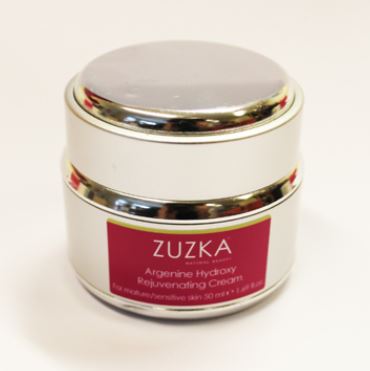
Argenine Hydroxy Rejuvenation Cream 50ml – £36.99

A high performance cream containing Argenine Hydroxy, Zuzka’s exclusive ‘Botanical Botox’ formula, which offers intense correction of wrinkles and expression lines, offering a relaxing anti-inflammatory effect on tired, stressed looking skin.  This product produces beautifully subtle results with great safety. 

Rose Petal Facial Spritz – £18.99 – 150ml

The beautiful aromatic rejuvenating waters of rose petal, witch-hazel and frankincense, sooth and refresh the skin, closing open pores.

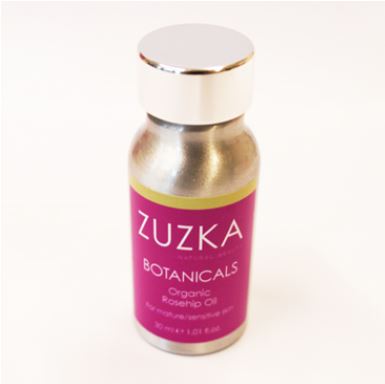
Organic rosehip oil for mature skin – £18.99 – 30ml

A luxurious, soothing, rejuvenating, collagen-boosting precious oil for mature skin, containing organic oils of rosehip, calendula, evening primrose, jojoba and the ultimate cell regenerating ingredient, rose essential oil.

There are five main skincare ranges:
Ocean Spa – toning and detoxifying
Honey Glow – soothing and therapeutic
Derma Care – deep pore treatment
Botanicals – rejuvenating and anti-aging
Cocoa Spa – revitalising and antioxidant

With a myriad of colours that would rival any cosmetic counter, a selection for men and tantalising beauty kits, this range is definitely worth a try!

eyeshadowmenbeauty kit

• Not tested on animals
• 100% pure mineral make-up
• Free from sulphates, parabens (chemicals which have preservative qualities, frequently used in cosmetics and other over-the-counter beauty and health care products such as shampoos and toothpastes), mineral oils, synthetic ingredients and artificial fragrance.
Shop online at www.zuzkanaturalbeauty.co.uk

www.corinne-modelling.co.uk