Learning To Listen To Your Body

Recently I came down with a bout of stress related illness and I beat myself up over having time off. I felt like I was letting everyone down. Now we all get sick and we can’t help it. When it happens we all need to listen to our bodies and just go with it. It’s harder said than done learning to listen to your body and not push yourself so hard. I’m the worst for this as I will try to everything. Work full time, commute an hour to and from work, do photography at the weekends and evenings then edit those pictures and schedule articles on my days off. When I tell people what my week is like the response is always “How the heck do you do it all” In truth I have no idea. So it would make sense that my body sent me a persuasive little message. Sarah just stop….Slow down your not ever going to be a super hero. Stepping outside ones self and looking in as though you were a good friend is something we all need to do now and then.

Learning to Listen To Your Body-1

Reevaluating your life is a good thing. If you need some time off to recharge your energy then so be it.

My top 10 Tips For Listening To Your Body

1. Take a deep breath and take care of No1. Sometimes this is as important as looking after others.
2. Don’t stress out over the fact you can’t manage to do everything. These are what I have had to preach to myself over the last week!
3. Make a nice cup of tea, take a bath, get into clean pjs and get back in bed.
4. Turn off your phone when you get in from work or at 6pm
5. Don’t let others make you feel bad that you need to take care for yourself.
6. Learn to say NO.
8. Know your limits and don’t push yourself too hard.
9. Relax as stress builds up and can cause serious health problems.
10. Finally grab a good book and let your body really relax with out social media and drift off to sleep!

I believe it’s important for us to help others in life. If your feeling stressed out or poorly then learning to listen to your body can help with a lifetime of difficulties.

There’s Something Fishy About Our Lives… Leading Experts Detail New Research and Science Concerning Brain Health

On Thursday 11th June, The Ivy played host to a presentation by three leading experts who detailed new research and science concerning brain health from cradle to grave,

including the importance and benefits of omega fatty acids.

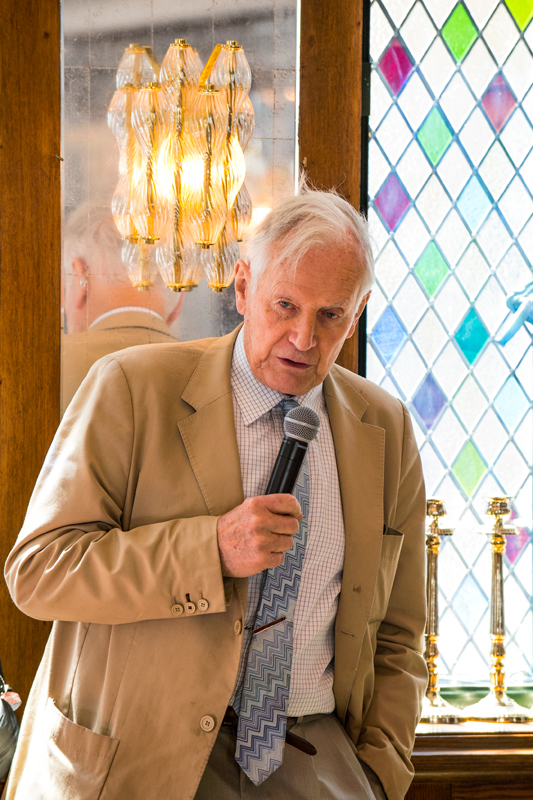
Professor Michael Crawford, a director of the Institute of Brain Chemistry and Human Nutrition gave a brief synopsis of what makes our brains ‘tick’, outlining latest brain health research including how omega fatty acids support optimal cognitive function.  Thirty years ago, he predicted dangers if long-chain DHA and EPA omega-3 dietary intakes were not increased, a prediction in danger of coming true as rates of depression, schizophrenia, Alzheimer’s and other cognitive disorders spiral in the western world… he opened with a grave and eye-opening statement:

“We are facing the most serious crisis ever in terms of future sustainability of homosapiens… it has now been vindicated as brain disorders have overtaken all other burdens of ill health.  In the UK, the cost was assessed at £77 billion for 2007.  A recent update by the Department of Health came out at £105 billion. This cost is greater than heart disease and cancer combined. 

Moreover, the greatest rise is amongst children…”
 VIS_0579

World-Rhino-Day-2011-low-res[1]

So… why the rhino?

It’s been a common misconception that fish and seafood provide the highest content of protein, that’s why we eat it… right?  Wrong!  Protein is readily obtainable and the cow, horse and rhinoceros all gain their optimum intake from grass. Human developmental biology is all about brain growth and the human brain is approximately 60% fat, but, In fact, human milk contains the least amount of protein compared to any other large mammal.   There is abundant evidence in animals and humans on the need for DHA for the brain, but fish and sea foods are not necessarily of major value for protein but are for their essential fats and trace elements needed for good brain development and health.

The brain evolved in the sea 500-600 million years ago using marine fats and trace elements. It still uses the same today, so addressing this issue is the greatest challenge we face as humans.  It’s commonly noted that a  well-managed diet containing effective levels of omega-3 helps parents and professionals manage conditions like dyslexia, attention-deficit hyperactivity disorder (ADHD), dyspraxia and autism spectrum disorders.

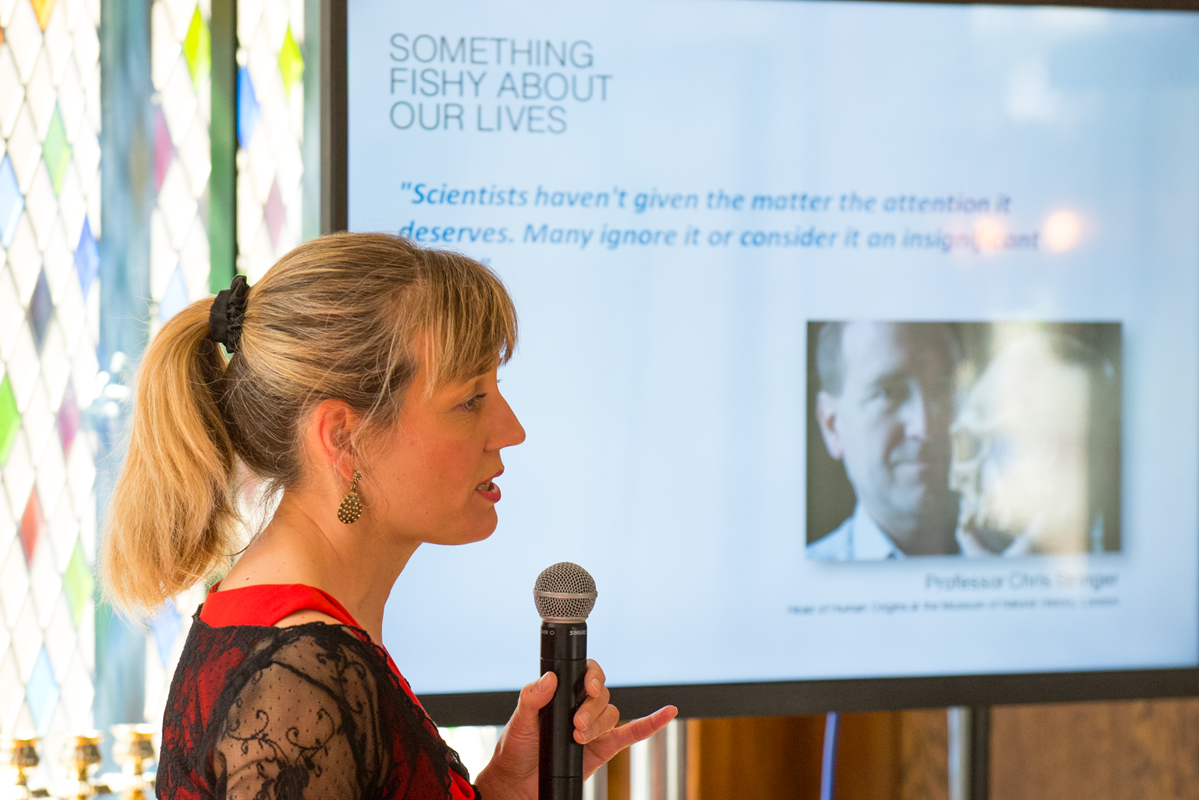
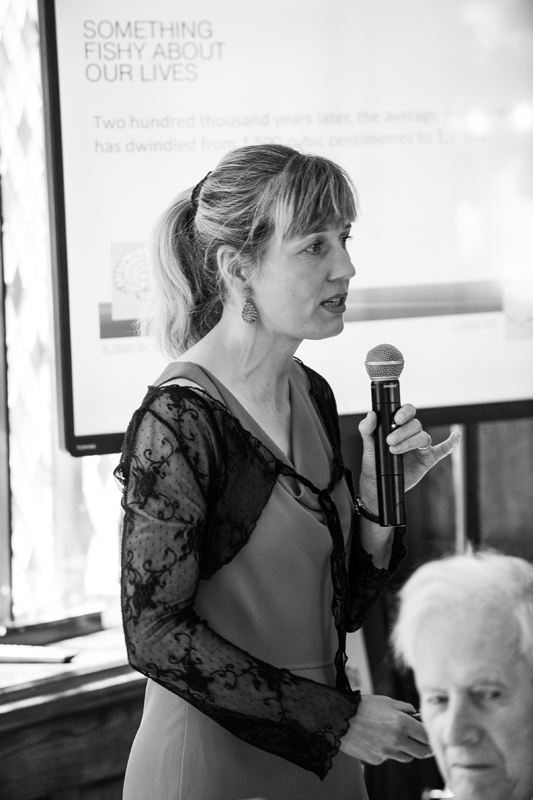
Award winning dietitian Dr Carrie Ruxton examined omega intakes in the modern day diet and benefits of omega-3, whatever our age.  She outlined that, in dietary terms, things began to go wrong when we made the shift from hunter-gatherer to farming, around 10,000 years ago.  The fossil record shows that as our intake of omega-3 began to tail off, our brains began to shrink, with the average male brain dwindling from 1,500 cubic centimetres to 1,350 cubic centimetres.
VIS_0560

Dr Ruxton went on to explain the ‘fabulous’ fats and ones which are less than fantastic for brain health and function.

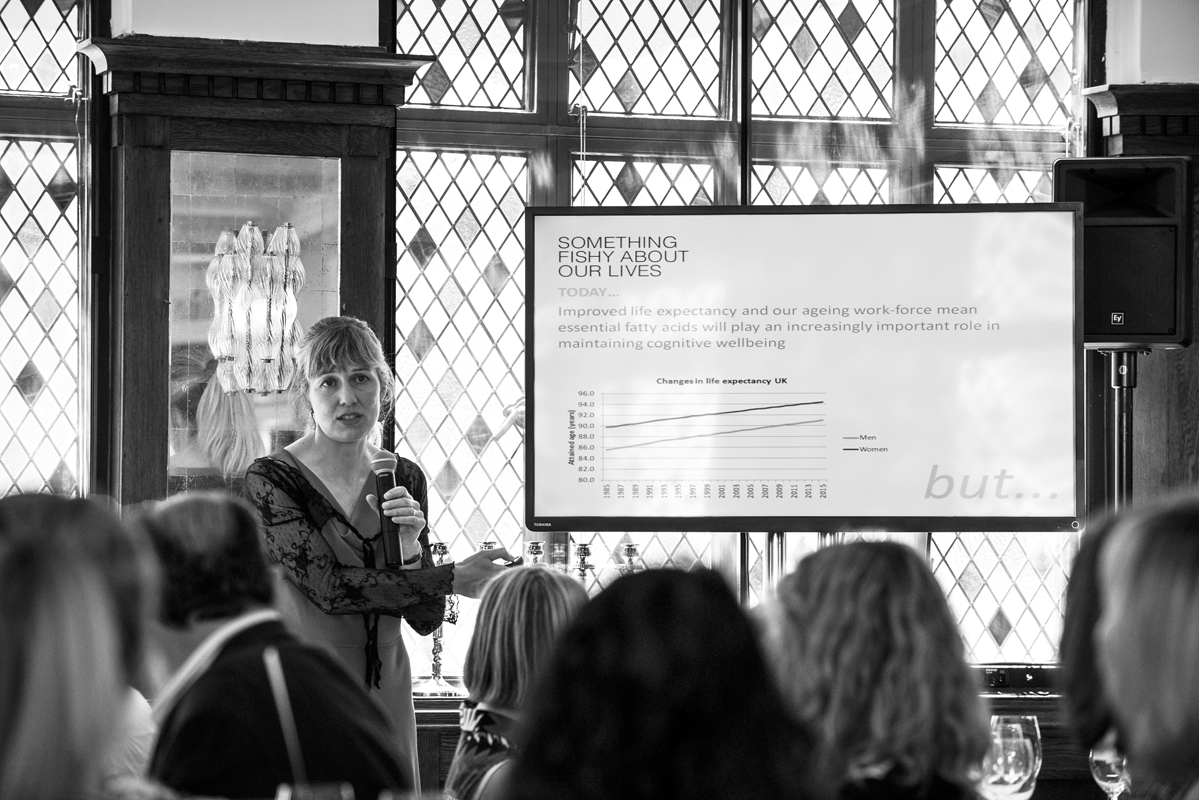
Omega-3 is an umbrella term typically used to describe polyunsaturated fatty acids, such as DHA (Docosahexaenoic Acid), EPA (Eicosapentaenoic Acid) and ALA (alpha-linolenic Acid).  DHA and EPA can be made in the body from ALA, but the process is slow and inefficient, so regular dietary consumption is vital to ensure we get enough.

EPA is found in oily fish and plays a key role in signalling between brain cells, both anti-inflammatory and neuroprotective.  Studies have shown low blood levels in patients with depression, schizophrenia and Alzheimer’s.
VIS_0557

DHA is another omega-3 marine oil which provides the building blocks of the brain, nervous system and eyes, it makes up 40% of the polyunsaturated fatty acids (PUFAs) in the brain and 60% of those found in the retina.  A diet high in DHA is associated with improved learning ability, but a deficiency is linked to poor cognitive performance, Alzheimer’s disease, depression, aggression, stress and ADHD.

ALA is a vegetarian source of omega-3 which is most commonly found in flaxseeds.  Our body converts it into EPA, which in turn is converted into DHA.

Omega-6 includes 11 polyunsaturated fatty acids which are found in nuts, seeds, vegetable oils and animal fats.

The long and the short of it… it’s all about getting the balance right!
VIS_0566

But why are we so out of balance?

When we examine the diet up to the Victorian era, the ratio of omega-6 to omega-3 was 1:1, but an upsurge in intensive production of land-based foods since World War II is exacerbating the decline in DHA intakes which began 10,000 years ago when Paleolithic hunter-gatherers starting farming.  Now, our diet is so wildly out of step with our evolutionary age, this ratio could be as high as 50:1!  And it cannot be ignored that it’s no accident that this shift has coincided with a surge in cognitive conditions across the ages.

oilyfish[1]


During World War II, oily fish, such as herrings, were off-ration and housewives became creative in their recipes, incorporating this oily fish into the household’s diet at least once a week.  Taking a leaf out of granny’s book and bringing this nutritious food back into our day-to-day menu may take the brakes off the detrimental effects of some of the processes triggered in the brain by high-fat diets.

When questioned, the average respondent will cite tinned tuna as an oily fish, commonly teamed up with pasta for what is considered a meal high in omega-3, but in fact, tinned tuna is LOW in omega-3, due to being canned in brine or vegetable oil!

Another myth is that pregnant and breastfeeding women should avoid all oily fish, but in order to ensure adequate levels of omega-3, expectant mothers should be eating at least one portion a week.  It’s quite staggering that one UK study of 9,000 families found women with the lowest consumption of omega-3 from oily fish had children with lower IQs by the age of three.  By the time they were teens, they were twice as likely to struggle with social interactions and have trouble making friends – ‘These children may be on a developmental trajectory towards life-long disruptive and poorly-socialised behaviour as they grow up” Dr Joseph Hibbeln.

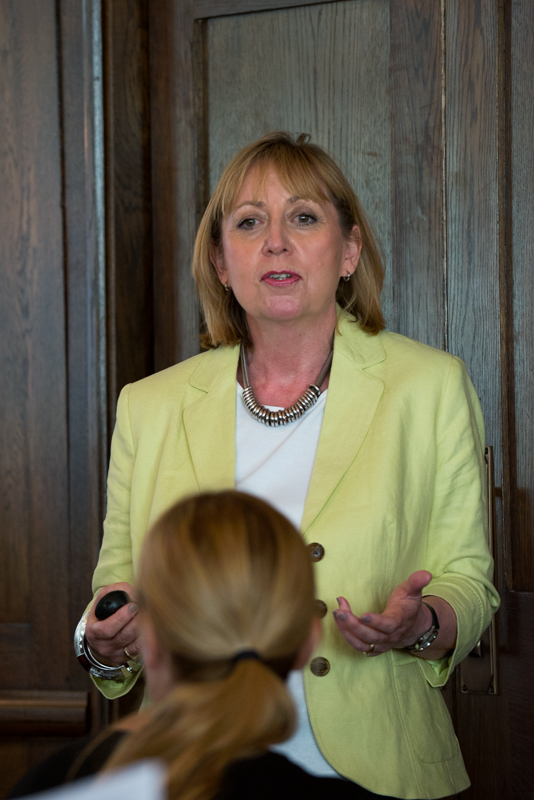
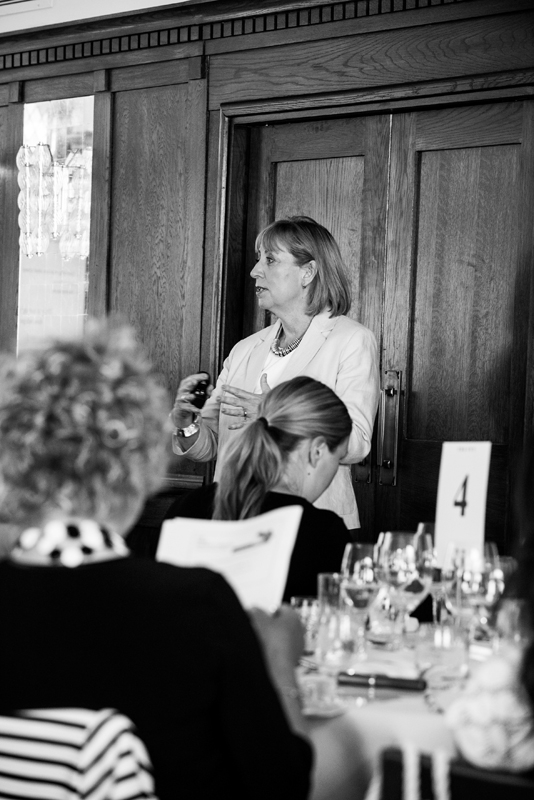
Parenting coach Lorraine Thomas provided expert advice on behaviour management in children and teenagers.
 VIS_0629

Quite reassuringly, Lorraine opened her presentation by informing the invited guests that “…tantrums indicate you and your child are developing normally, but understanding what causes them helps you manage them well.”

She outlined that working mums spend between 1 and 2 hours a day worrying, 9 out of 10 parents throw tantrums on a regular basis and 8 out of 10 act their children’s age at least once a week!

With the key trigger times being the evening routine and sleep, mealtimes and homework, Lorraine commented that, as a parent, we are our child’s most powerful role model and when you look after yourself, you are looking after your children – you are the family ‘engine room’ and great habits are caught not taught.  The greatest impacts on a child’s behaviour and attitude are following a healthy diet, exercise, sleep, fun and love.

Frantic parents have frantic children and well-balanced parents have well-balanced children, so it’s important to develop good routines and a healthy attitude.

Lorraine’s key pieces of advice:

* set your parent ‘Tom-Tom’ and create a schedule, involve your child in some of the choices

* you can’t be 100% parent all of the time, but you can some of the time

* engage all your senses and ‘tune in’ to what makes them behave in a challenging way

* eat with them whenever you can

* every day is an opportunity to make a difference in our children’s lives
VIS_0612

11292670_10153056316028031_884724128_n

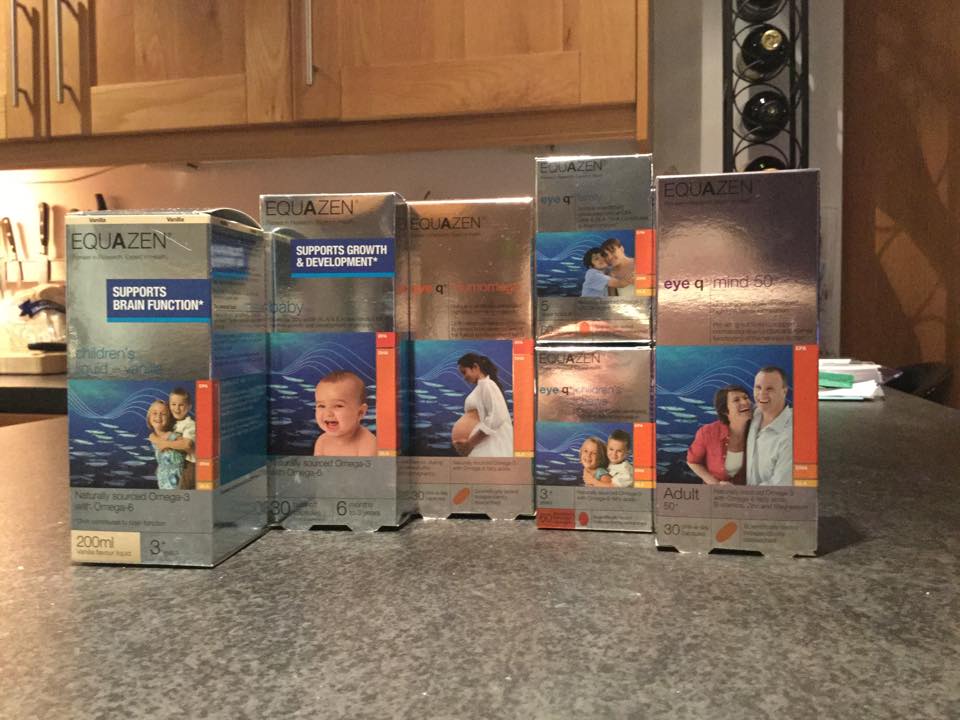
Equazen has spent many years of scientific investment to develop and create the Equazen range as we know it today, a unique formulation of both omega-3 and omega-6, meeting the specific needs of different life stages.

Equazen Mumomega is ideal for during and after pregnancy, The specific blend of omega-3 EPA and DHA, together with omega-6 GLA ensures a synergistic and balance formulation to meet baby’s individual needs.

Equazen Baby provides a balanced blend of omega-3 and omega-6 to support growth and development for babies from 6 months to 3 years.

Equazen Liquid is ideal for children 3 years+ and adults who don’t like swallowing pills and capsules – available in two flavours – vanilla and citrus.

Equazen Chews deliver a specific blend of omega-3 and omega-6 oils in a soft gelatin chew in a strawberry flavour, free from additives such as aspartame, saccharine or hydrogenated oils.

Equazen Capsules offer a combination of omega-3 EPA and DHA together with omega-6 GLA, ensuring a balance formulation to support the body’s individual needs.

Equazen Mind 50+ is a balanced formulation, great for those who find it hard to eat oily fish.

Available from: Boots, Ocado, Holland & Barrett, Tesco, Waitrose, Sainsbury’s, Lloyds Pharmacy, Amazon, independent pharmacies and healthfood stores.
_m_eYuOtXaWwEltuChIZVNGdOGhOqw8Y7WvKEbivva4

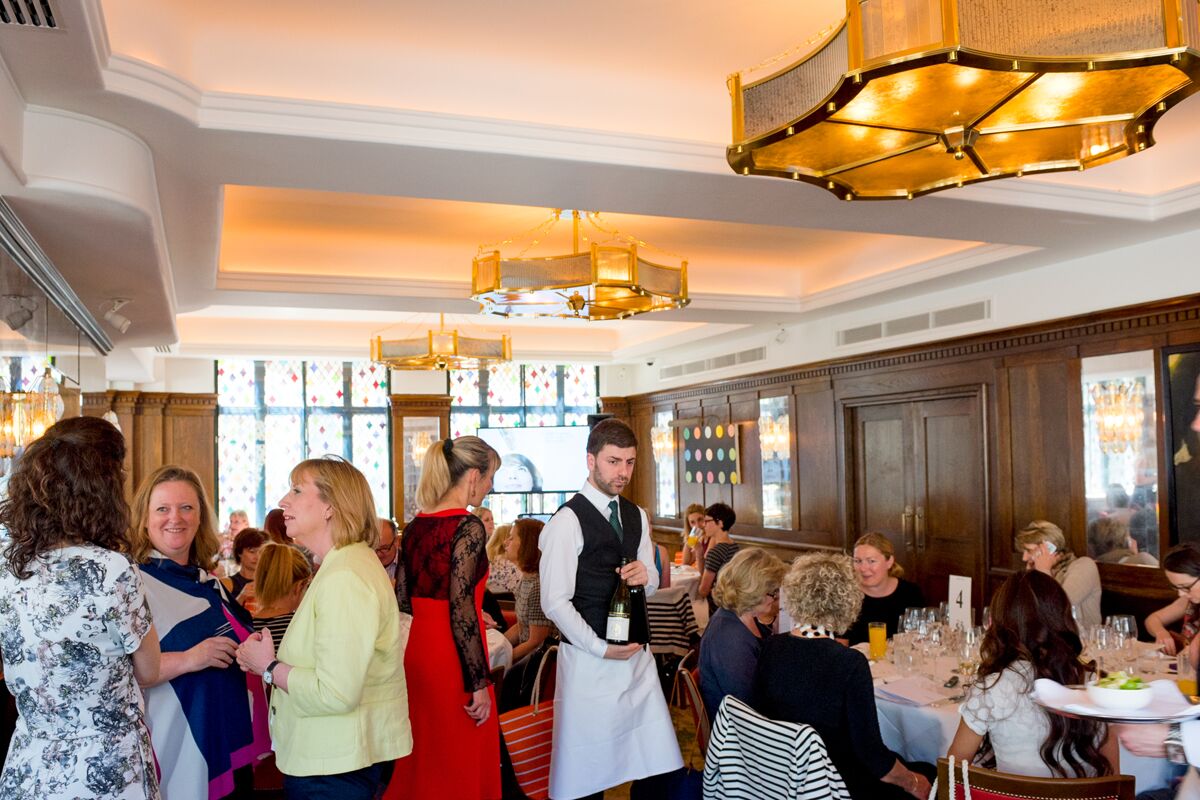
Guests enjoyed a delightful menu consisting of:

Argyll smoked salmon with soda bread and a slice of lemon, roast rump of Cornish lamb, new potatoes and spinach, gooseberry pie with elderflower ice cream and a selection of teas, coffee and petits fours with Framingham Sauvignon Blanc, Marlborough 2014 New Zealand and Château La Grave Singalier Bordeaux Supérieur 2012 France
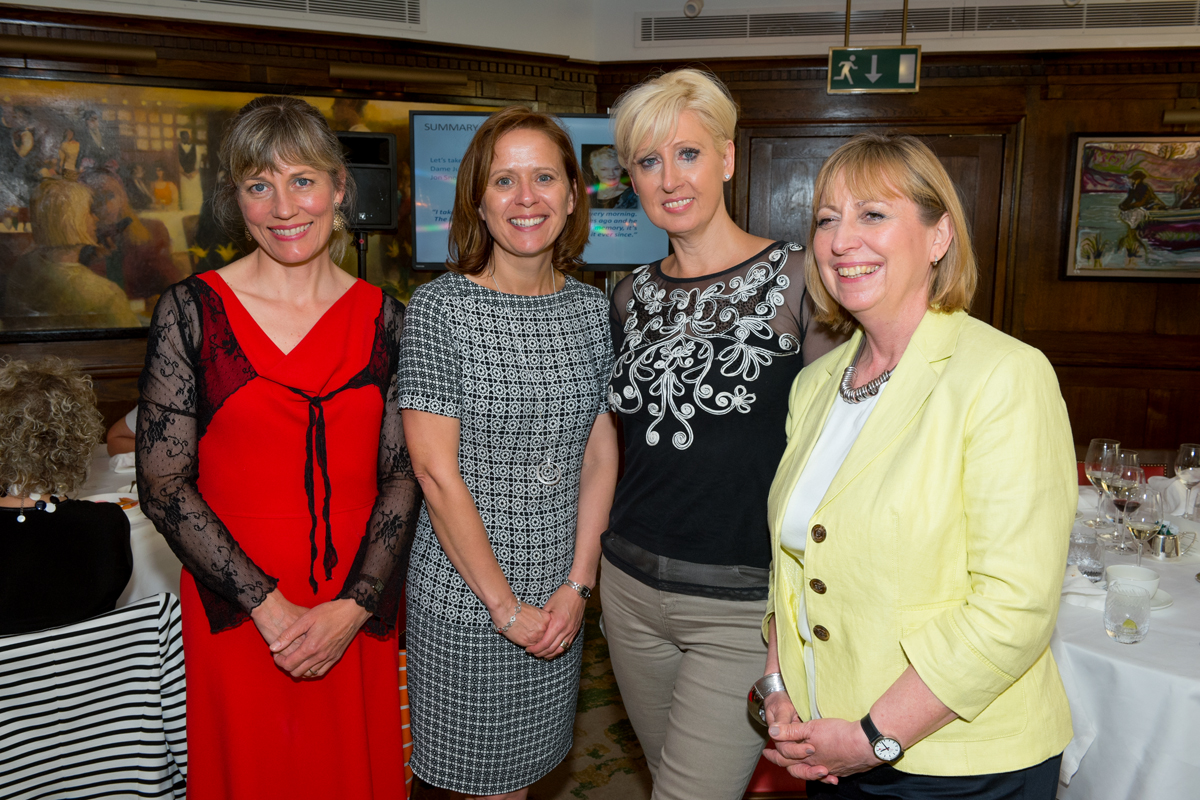
VIS_0634

L to R: Dr Carrie Ruxton, Anita Clarke (Equazen), Corinne Tuddenham-Trett and Lorraine Thomas

Professor Michael Crawford…

Professor Crawford has been the Director of the Institute of Brain Chemistry and Human Nutrition since 1990. Having worked in the East-end of London on maternal nutrition and health with Newham, the Homerton and Queen Elizabeth Hospital for Children, he is now at Reproductive Physiology at the Chelsea and Westminster Hospital Campus of Imperial College, London. His special interest is in the role that lipids and essential fatty acids play interacting with the cellular signalling systems, i.e. the key interaction between nutrition affecting membrane lipids and gene expression.

He has published over 300 peer reviewed papers and 3 books. Amongst his several honours and prizes, he was elected by his peers to the Hall of Fame at the Royal Society of Medicine in 2010. In 2015 he was awarded the Chevreul Medal for his research on DHA identification as a major determinant of brain growth and plausible evolution of the human brain. He collaborates in research internationally and is much in demand as a lecturer worldwide.

In 1972, Professor Crawford published ‘What We Eat Today’  – available from http://www.amazon.com/What-eat-today-Michael-Crawford/dp/0854353607

– See more at: http://www.ifbb.org.uk/professor-michael-crawford#sthash.F9u1oYRZ.dpuf

Dr Carrie Ruxton…

With a PhD in Child Nutrition and over 100 published articles on diet and health, Carrie has a strong grounding in nutrition science. Yet she combines this with an understanding of the food industry and its important role in the nation’s diet.  As well as helping companies to develop healthy, innovative food and beverage products, Carrie regularly appears in magazines and newspapers, and has a number of radio and TV credits (Channel Four news, BBC Three’s ‘Honey We’re Killing the Kids’, Radio Scotland, Five Live, BBC Belfast).  Carrie has worked with a wide range of organisations including the NHS , Food Standards Agency, major food companies, ingredient manufacturers, the European Commission, PR agencies and national newspapers. Carrie’s expertise in communicating clear, evidence-based nutrition and diet messages has involved her in many different projects all over the world.

http://www.nutrition-communications.co.uk/


Lorraine Thomas…

Lorraine Thomas is the Chief Executive of The Parent Coaching Academy. She is the author of The 7-Day Parent Coach (Vermilion 2005), Get A Life (Hodder Arnold 2006) and her new book, The Mummy Coach (Hamlyn), published in 2010.  She is the parent coach for Tesco’s baby & toddler club and healthy living magazine. www.tesco.com/babyclub/

She appears regularly in the national media commenting on parenting issues.  Lorraine has over 20 years’ experience working with executives within the corporate, public and voluntary sectors. She has a first-class honours degree in education from Cambridge University and is a qualified teacher. She is accredited with distinction by The Coaching Academy.

http://www.theparentcoachingacademy.com/

The Ivy…

The Ivy restaurant and private room re-opened on Monday, 1 June, designed by Martin Brudnizki Design Studio. “Non-negotiables” such as the harlequin stained glass windows, green leather banquettes, wood, mirrors, great art and kind lighting are all incorporated in a way reminiscent of the past but apt for the 21st century. Note-worthy are the fantastic central dining bar, the new entrance and the sumptuous loos.  Chef Gary Lee has created a balanced seasonal menu, still featuring Ivy classics, but accounting for today’s tastes, incorporating more Asian dishes, salads and vegetables, and the advent of a “sea and shells” section. Director Fernando Peire continues to lead a strong and experienced team to deliver the same excellent service for which The Ivy has become well known over the years.

http://www.the-ivy.co.uk/


Images copyright Shane Finn www.visual-devotion.co.uk



One-Armed Man Builds Prosthetic Arm so He Can Pilot a Plane | Inspirational Stories

In Pictures- One-Armed Man Builds Prosthetic Arm so he can Pilot a PlaneBy Barry Smyth

A one-armed man whose missing limb was severed from the shoulder in a freak biking accident has invented a prosthetic replacement which will allow him to fly a plane.
In Pictures- One-Armed Man Builds Prosthetic Arm so he can Pilot a Plane inspriational

Steven Robinson’s right arm was torn off by another rider’s footpeg during a collision over 30 years ago, and attempts to rebuild his limb proved unsuccessful.

Since his crash, Steven, 51, has never worn a prosthetic arm but he realised he would need one if he wanted accomplish his lifelong dream of getting his private flying licence.

In Pictures- One-Armed Man Builds Prosthetic Arm so he can Pilot a Plane1

Despite trying out several types from the NHS, the motivational speaker soon discovered they weren’t going to do the job, so he set out to make his own – designing and building it all from scratch.

Now, after almost a year hard at work, Steven, who fixes vintage jukeboxes in his spare time, has a working prototype which was signed off by an aviation medical examiner two weeks ago – and he reckons it makes him look like RoboCop.

In Pictures- One-Armed Man Builds Prosthetic Arm so he can Pilot a Planecool

This means he will be able finally get his solo flying hours and, all being well, his licence.

At the age of 18 in 1982, a mid-air crash on his bike left Steven critically ill with damaged lungs, spleen and liver, a broken leg and most crucially, a severed arm.

His torn-off limb was found 100 metres away, too damaged to reattached, and his missing body part changed his life forever.

Steven, from Leeds, West Yorks., said: “The day of the accident was the day my life changed for ever, but surprisingly it was a positive thing.

“As I lay in hospital I’d been told I’d lost my arm but I didn’t believe it as I could still ‘feel’ it.

“It wasn’t until a nurse took me into the bathroom for the first time that I realised the truth. But, as I looked in the mirror a wave of euphoria washed over me.

“I walked out of that bathroom a new person. I had gone in as a spotty, ugly, shy, boy with no confidence and walked out as a strong young man who had already survived against all the odds.”

Despite being so afraid of flying as a young man he had to have a course of hypnotherapy to even board a plane, on a whim Steven applied to the Flying Scholarships for Disabled People (FSDP) – and in 2012, was accepted.

But when he started flying in 2012, the prosthetic limb he had fell off each time he tried to operate the joystick, making flying as a one-armed pilot impossible.

Undaunted, he scrapped the false arm, and decided he would solve the problem himself.

He suspended his lessons until he could make himself a new arm that was up to the job.

He tried out two arms the NHS had given him but found he couldn’t use them to fly. He had flown co-pilot for several months without a prosthetic, but he needed the new arm to fly solo.

Steven believes that a number of ‘unique features’ make his #200 arm stand out from anything else at present.

He said: “I basically bought a milling machine and a lathe and started making components out of aluminium and putting them together.

“It has all been made by me, nothing is shop bought. I actually had to design some parts because they didn’t exist before.

“It has a very special shoulder socket that I have a patent on now, I also had to design a special jacket so that arm can fit over it.

“It looks pretty impressive. I look a bit like RoboCop.”

Steven explained that his arm has a quick-release shoulder socket, which means if he gets in trouble he can get out of his arm quickly.

“People don’t think about getting out of them quickly but you don’t want to be stuck if you are in trouble in a plane.

“It also has positive locking on the shoulder and it can fully rotate as well.”

Steven said the unique arm took him around 12 months to put together – but he took his time as he was hoping the arms on offer by the NHS might have fit the bill.

He added: “I’ve spoken to lots of different groups about how everyone is capable of overcoming obstacles and building their own future.

“I say to them, if I can achieve all of these things with one arm, what are you capable of achieving with two?”

“I’ve met people who had obstacles in their way which didn’t exist, just like my right arm. It’s just a question of overcoming them.

“With passion, determination and the right attitude you can achieve anything you put your mind to.”

Steven now need to fly ten hours solo and carry out various navigation tests before he is a fully-qualified pilot.


Understanding The Mortgage Minefield

Social Media Mistake

A mortgage is a loan that is taken out to buy a property or piece of land. The loan is then paid back to the lender in monthly instalments over a set term. If the borrower defaults on payments, the lender can ultimately repossess the property and resell it to recover the money.

Borrowing a large amount of money to buy a property is a big commitment, and a mortgage can last for as long as 30 years. This means it can a huge impact on your daily life, as it will form a large part of the household’s monthly outgoings. If taking on a mortgage is in your mind here are some important steps you can take to get off to a good start.

Save for a deposit 

The larger the down payment you make toward purchasing a property, the lower your monthly repayment rate will be. In addition, putting down a larger deposit gives you more mortgage types to choose from, allowing you the possibility of finding a lower interest rate.

Improve your credit history

Lenders will look at your credit report before they agree to lend you money, so a good credit score is essential. You can check a credit record online free of charge through various companies. The report shows any bankruptcies, other applications that have been made for credit, and missed payments on other loans. Before applying for a mortgage, be sure to correct any errors in your report. To improve your score, register to vote at your current address (lenders use the electoral roll to protect themselves against fraud).

Understand your options

The two most common types of mortgage loans are interest-only and repayment mortgages. With an interest-only mortgage the capital debt is not repaid and at the end of the term the full amount will still be outstanding. These used to run alongside endowment insurance policies where the sum assured was set to accrue enough funds to pay off the capital sum when the mortgage term ended. With reducing income on investments and low interest rates endowment mortgages have fallen out of favour.

With a repayment mortgage, payments are made to pay off the capital and the interest so that at the end of the term, the borrower owns the property outright. Interest charges take precedence in the early years so it is some time before inroads are made into the sum owed. Mortgage life insurance is essential with such a big financial commitment. If the borrower dies during the mortgage term the sum assured will pay off the outstanding debt. Some borrowers also take out insurance to cover mortgage repayments in the event of redundancy or an inability to work due to long-term illness.

Research different mortgage packages

Mortgage packages have either a fixed rate (for a set term) or a variable rate. With a variable rate, the rate can increase or decrease with the Bank of England’s base rate. Make sure to perform adequate research to find the best deal.

Start by using comparison websites to determine the different mortgage packages available for first-time buyers. You can also use an online affordability calculator to determine how much you can afford to borrow. Finally, talk to a specialist mortgage broker and consult at least one financial adviser for advice before taking out a mortgage.

Taking out a mortgage can be a daunting task; it can also be very exciting. As long as you carefully consider your options and seek sound professional advice, you can finally own your own home and have a good investment for your future.


All Hell Let Loose In World War 1 By Wendy Breckon

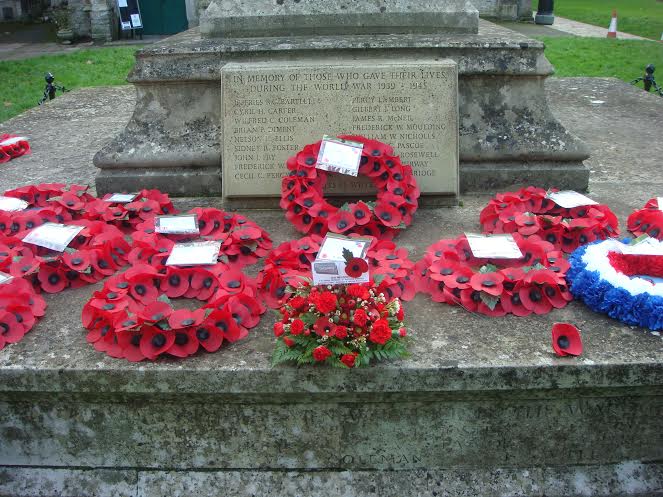
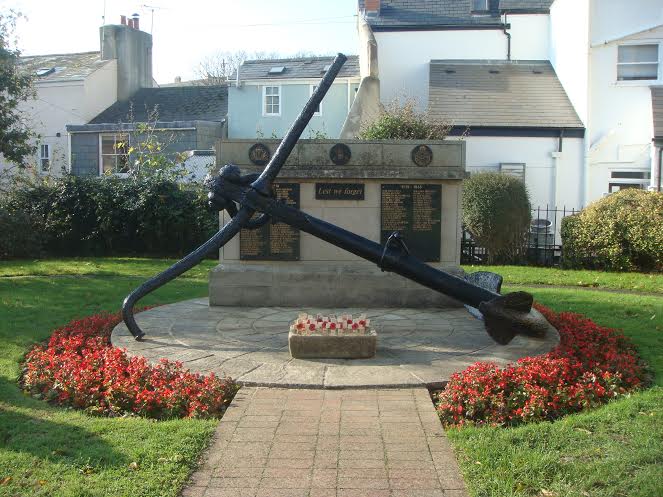
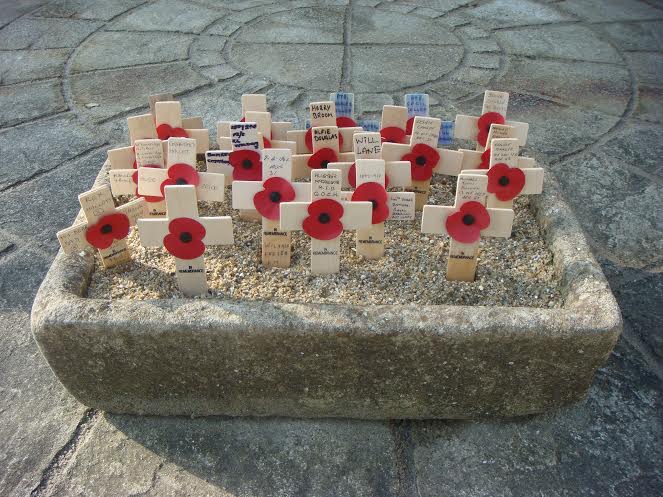
THE UNTOLD STORY OF WILLIAM AND TOM so that we can give thanks to all those represented by the poppies planted in commemoration at the Tower before memory fades into the frenzy of Christmas.

closetogetherinaxminster

Patriotic fever, uncertainty and a touch of sadness are in the air. The year is 1915. Our country is at war. This is the moving story of two men, both connected to my family.

poppiesdownbytheseainlynregis

The first, my great grandfather William Ralph Wootton, was born in 1877 in Ardwick Manchester.  The other, born in Bedfordshire in 1884 many miles away, Thomas Henry Seamer, my husband’s grandfather.

standingtogetherpoppiesinlyme

Two young men leaving their families, not sure of their future, but that is where the similarity ends.  One returned and sadly one did not.

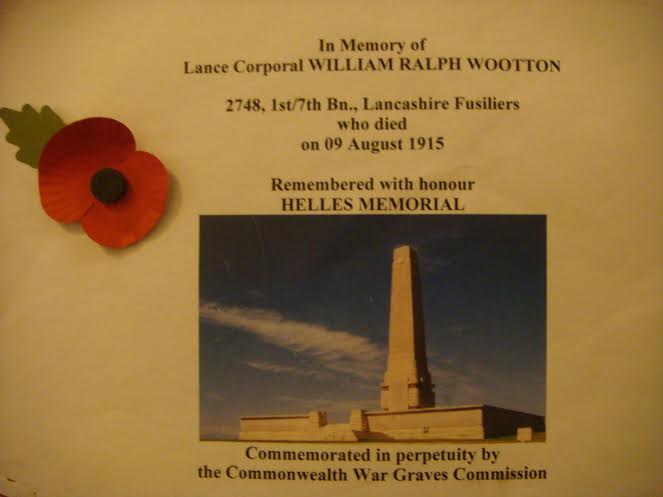
williamralphwootton

The father of five sons, William Ralph, Lance Corporal Wootton (2748) of the 5/7th Lancashire Fusiliers was killed on the 9th August 1915 in Gallipoli.  He met his bloody end a few weeks after joining up in the battle of Krithie Vineyard.

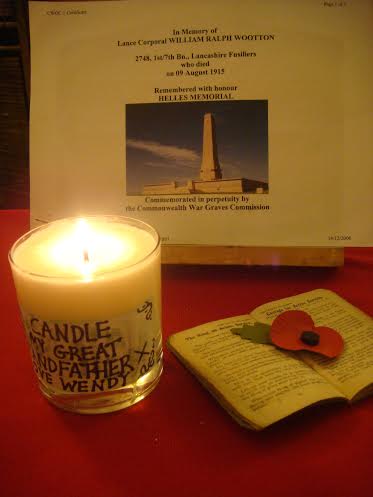
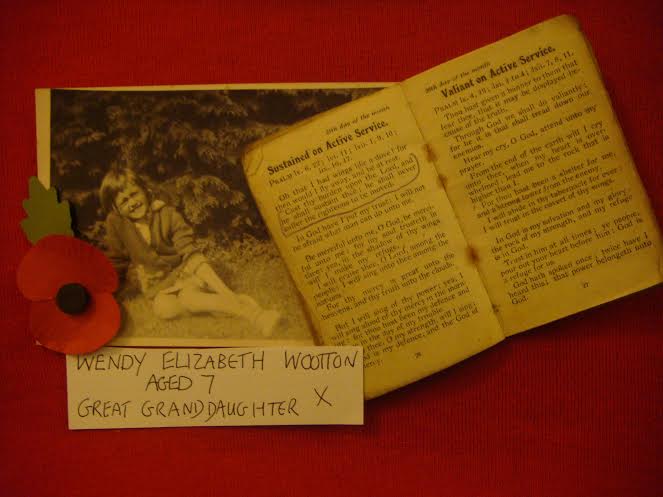
agreatgranddaughterremembering

My poor great grandmother paid the price as he did, for the ‘Hell Let Loose’ campaign, (a term coined by one of the battalion survivors).  Now the repercussions started.  My grandfather, William Richard, the oldest son, had to go out to work to support the family.  As well as losing his dad, his dreams of further education as he was such a bright lad, were scuppered.  He never got over this and remained resentful.

aprayerandapoppy

Years later, he and his brothers were working in a mill in Lancashire when Winston Churchill visited.  As they blamed him for their father’s death, due to the mishandling of the Gallipoli conflict, all five of then turned their backs on him and continued working, as Churchill walked down the aisles.  Each of the Wootton brothers had their pay docked for not switching off their machines.  Such feelings are understandable, as sadly they had all paid the price of growing up without their father.

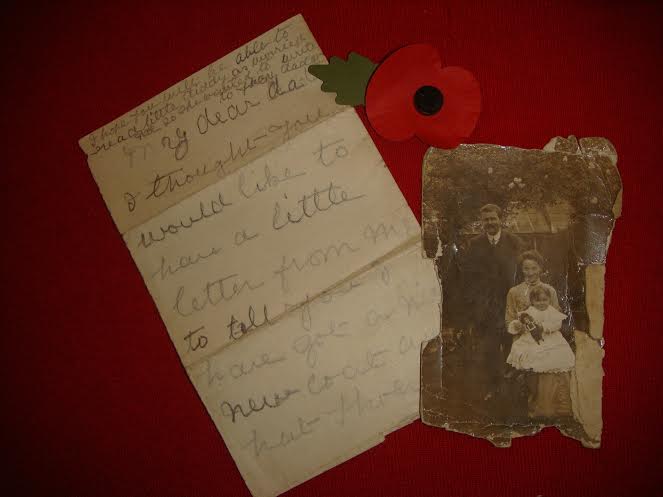
alettertodaddyfromlizzie

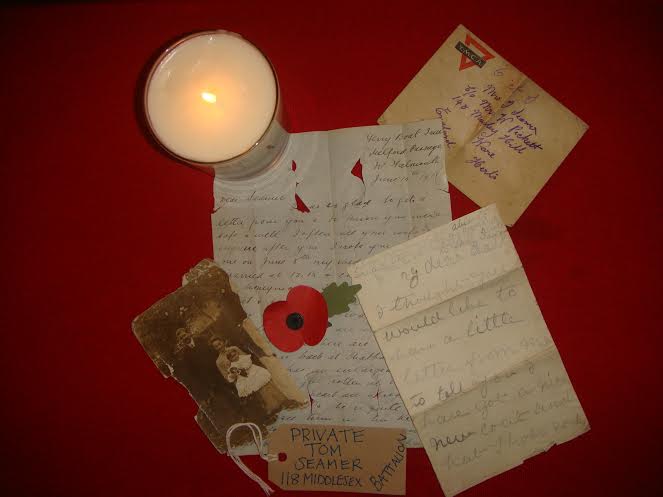
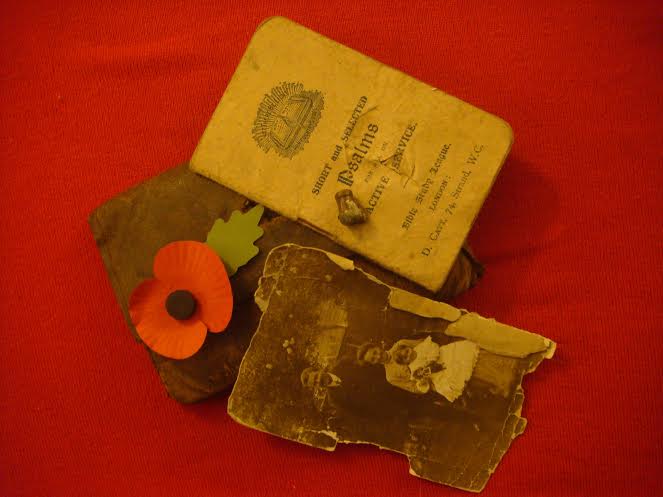
In my hand, there is a faded brown leather wallet, a bullet, and a selection of torn letters. Their owner was my husband’s late grandfather, Private Tom Henry Seamer of the 1/8 Middlesex Battalion who fought at Ypres in France.  One of these was from his little daughter Lizzie, saying ‘she looked like a toff in her new coat’ and ‘please come home soon daddy’.

letterstotomseamerinthetrenches

The other one was from his employer who owned a flour mill in Hertford.  The rich owner of the business, wrote from Falmouth on his honeymoon, to Tom in the trenches.

‘We are having a blissful time.  The weather is beautiful.   You wouldn’t have thought there was a war on here Seamer because all the men are away’.

rememberingprivatetomseamer

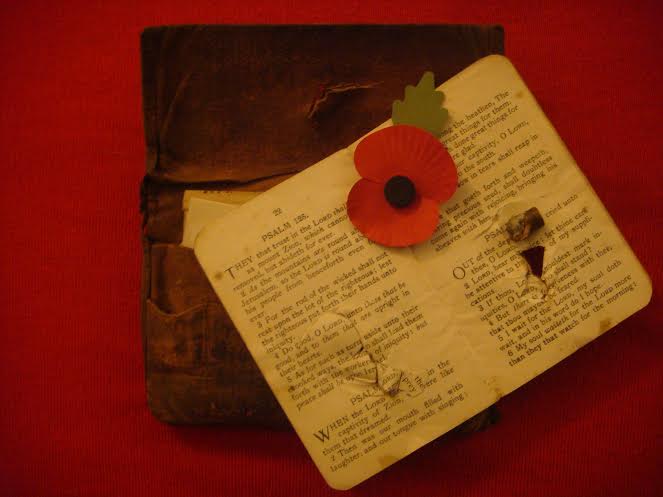
One evening whilst on active service, Tom took out his prayer book to read a psalm and noticed that… a stray bullet had penetrated the wallet which he kept in his breast pocket.

This had ripped through his letters and photographs but miraculously, because of its full contents, his life had been saved.

thewalletandthatbullet

Private Tom Henry Seamer did return to Hertford after the war to his wife and daughter, taking up his old job with the mill, driving a cart and his horse.  Life in the trenches was rarely talked about to friends and family.  Always at the back of his mind, he would have realised that he was a survivor, whilst too many of his friends were not. I suspect a great loneliness was his companion as he went through life.


 This article is dedicated to the memory of Lance Corporal Wootton and Private Seamer and written by Wendy Breckon, (nee Wootton) x


Times Have Changed, But The Need Remains By Jan Speedie

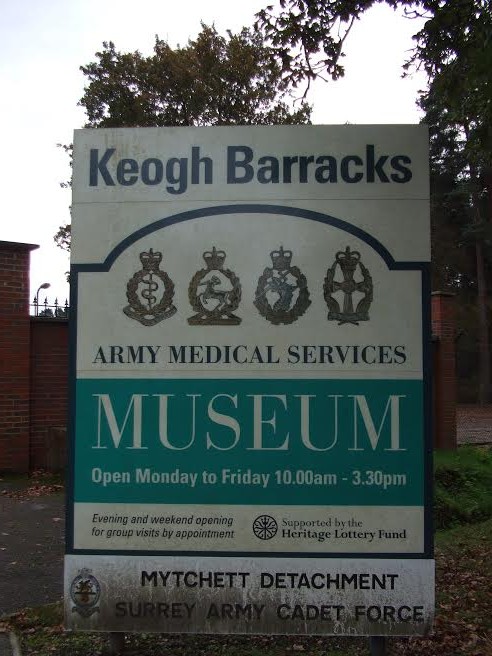
As one of the tiny team of grannies who run Words for the Wounded (well, tiny in number, if not in shape – we do like our cakes) I thought it apt to take along a grandchild to explore the ARMY MEDICAL SERVICES MUSEUM set within Keogh Barracks, Ash Vale, Aldershot. GU12 5 RO. It is after all the commemorative year of the start of the 1st World War and very much in many of our minds. janpic The young are always up for some leeches, a bit of gore, and history brought to life, and this museum very much ticked the box.  It is a small museum but beautifully formed and tells the story of the Army’s medical services from the Civil War to present day, not just for humans but their animals as well. Once inside the Museum we were faced with a tableau showing a scene from the civil war and some of the crude instruments used – it really makes you appreciate our modern NHS. As you walk through the well laid out displays we realised how medical practices have had to change to cope with modern warfare. From long impractical uniforms, to fit for purpose ‘ no messing’ togs. No more lethal looking knives, dirty bandages or leeches just well equipped medics and field hospitals. Queen Alexandra’s Royal Army Nursing Corps. (QARANC) When we think of army nurses you probably think of Florence Nightingale going out to the Crimea to superintend the running of Scutari; her work is still remembered today.  On display are the uniforms the nurses wore with their starched aprons and cap no ‘scrubs’ for them. Margaret Graham, our WforW founder, was telling me of her mother’s exploits as an army nurse in WW2  after she was posted to India. It was after that war that the Army Medical Services underwent reorganisation.  In 1949 the QARANC was formed but the culture remained the same, a selfless sense of duty as they care for the sick and wounded troops worldwide The final displays bring you right up to the present day and the troops serving in Afghanistan.

Royal Army Veterinary Corp. (RAVC) Due to the growing mechanisation of the army the RAVC is one of the smallest Corps but one which   provides an invaluable service for animals in their care. It was sad to discover the terrible treatment injured horses, mules and dogs received especially during the Crimea and Boer Wars.  Slowly it was realised a proper veterinary service was needed for these valued animals and by the end of WW1 things were very different.  A tableau also shows the heroic work of tracker dogs sniffing out insurgents, explosives and injured personnel. So, today, there are no leeches, but instead high-tech kind efficient care, recuperation and rehabilitation. If you’re in the area of Aldershot, do check the Army Medical Services Museum. www.ams-museum.org.uk/museum/ Rehabilitation and recovery is where Words for the Wounded comes in, along with many other hard working charities, especially as our troops return from Afghanistan and the work of charities such as ours is needed more than ever. www.wordsforthewounded.co.uk WforW raises money through writing prizes, so that, as well as raising money for our wounded service personnel, we create opportunities for aspiring writers. This year we have our usual short competition of up to 400 words of fiction/poetry/memoir with cash prizes for the top three, and publication in Writers’ Forum Magazinewww.writers-forum.com In addition we are launching the Independent Author Book Award for self-published fiction or memoir. The top prize is a professional press release from Palamedes PR www.palamedes.co.uk palamedes And a review in the fabulous Frost Magazine. 2nd and 3rd place have the opportunity of a discounted press release and Frost Magazine will also review their books. logo We open for entries from 11 November 2014 to 11th March 2015 and you can find all the information on www.wordsforthewounded.co.uk and more news and chat on www.wordsforthewounded.blogspot.co.uk


Inspiring Women Awards 2015

inspiring women 1

This month saw the launch of the 23rd Inspiring Women Awards at the Midland Hotel, Manchester.

The awards celebrate women across the North West in the following categories:

– Business Award

– Community Award

– Entrepreneur Award

– Inspirational Leadership in Arts and Culture

– Inspiring Young Woman Award (18-25)

– Nurturing Female (Company) Talent Award

The launch was hosted by founder Jacqueline Hughes-Lundy who introduced the sponsors for this year (including New Charter Housing Trust, Lancashire Life, Cheshire Life, Deloitte, Selfridges and Manchester Metropolitan University) and thanked them for their support of the event.

Nominations open tomorrow and will stay open until 27th March 2015 when three finalists will be chosen and invited to the Awards Ceremony which will take place at the beautiful Midland Hotel on 15th May 2015 where the winners will be announced. The Awards celebrate the most inspirational women in the North West who go about their daily lives often not realising what a real impact they are making nor how inspirational they are.

Last year saw Lawrence Llewellyn-Bowen present an award with Gregg Wallace attending the event in 2007. Keep an eye on the website for this years speakers, to nominate an inspirational woman you know and to book your tickets. It will be an event you don’t want to miss.

The Privileged Are Always One-Step Ahead, Right? By Josh Edwards

We have been reminded in the press recently, that the privately educated and the rich seem to get a better deal than the rest of us – but why is this?  Perhaps it is to do with the social network they are able to build. The cliché, ‘it’s not what you know but who you know’ certainly has some truth to it.

Let me give you an example. Pretend for a moment that Beatrice’s father Edward has just floated his new tech company on the NASDAQ, and made a fortune. Beatrice bumps up from a comprehensive to a private school in Windsor, where she is surrounded by oil magnate heirs and the like. Overnight she has entered a network of potential contacts. Opportunities will arise, and it is probable that Beatrice will be in a better position than the rest of us.

We cannot blame the elite and the privileged for accessing the doors that are open to them for surely we all would, in a similar position. For the majority of us, however, who are on the other side of that white picket fence, how can we compete?

For me it was about using the opportunities that arose around me. For the people who know me, the past three years of my life has been a mixture of both University and Starbucks.


 While working for Starbucks I soon realised that customers from a multitude of backgrounds come into the store, in search of their caffeine fix. It became apparent to me that I could kill two birds with one stone, I could both work and network at the same time.

While some customers would rather order their coffee with a minimal amount of personal interaction, others would engage in conversation.

2

I made an effort to remember names and in time found some to be genuinely interested in my plans, even offering me opportunities to enhance my C.V and further my career. Through networking with customers, I have been offered a number of open doors, including the opportunity to write for Frost, – the online magazine you are reading now – and I have become involved with the charity Words for the Wounded (W4W), and now help look after publicity and all social media.


 I have been able to talk about my work with Frost and W4W during a recent interview and it has definitely enhanced my application – and given me something different to talk about, not to mention improving my skill base and my understanding of how different organisations work.

So if you are in a similar position and work in an environment where you meet a variety of people,  have an open mind. I have found generosity from customers in spades. Are the rich and privileged one step ahead? Probably, but it doesn’t mean the rest of us are too far behind.